northern India

A Himalayan Odyssey

Traverse the Indian Himalaya, from Ladakh’s high-altitude monasteries to the forests of Corbett Tiger Reserve.

TOUR STATUS

Places Available | Maximum 16

TOUR DATES

October 6-21, 2027 | 16 Days

TOUR LEADER

Judy Tenzing | View Bio

snapshot

OVERVIEW

Northern India rises from the plains of the Punjab to the high Himalaya, a dramatic sweep of landscapes that has shaped trade, faith and empire for centuries. Across this region, mountain passes carried people, goods and ideas between Central Asia and the subcontinent, while hill stations, holy cities and princely centres preserve the legacies of Buddhist communities, Sikh traditions, maharajas and the British Raj.

Led by Judy Tenzing, this new 16-day tour follows that story from the high desert of Ladakh, where monasteries, weaving and natural-dye traditions remain deeply rooted, to Shimla, former summer capital of British India. Here we stay at Wildflower Hall, the former estate of Lord Kitchener, set high among cedar forests above the town, and ride the historic Himalayan Queen through the foothills. We continue to Amritsar and the princely world of Kapurthala before concluding in Corbett Tiger Reserve, with three nights at Jim’s Jungle Retreat amid the forests of the Himalayan foothills.

Throughout, specialist talks and artisan encounters deepen our understanding of northern India’s history and traditions.
Travelling at Altitude

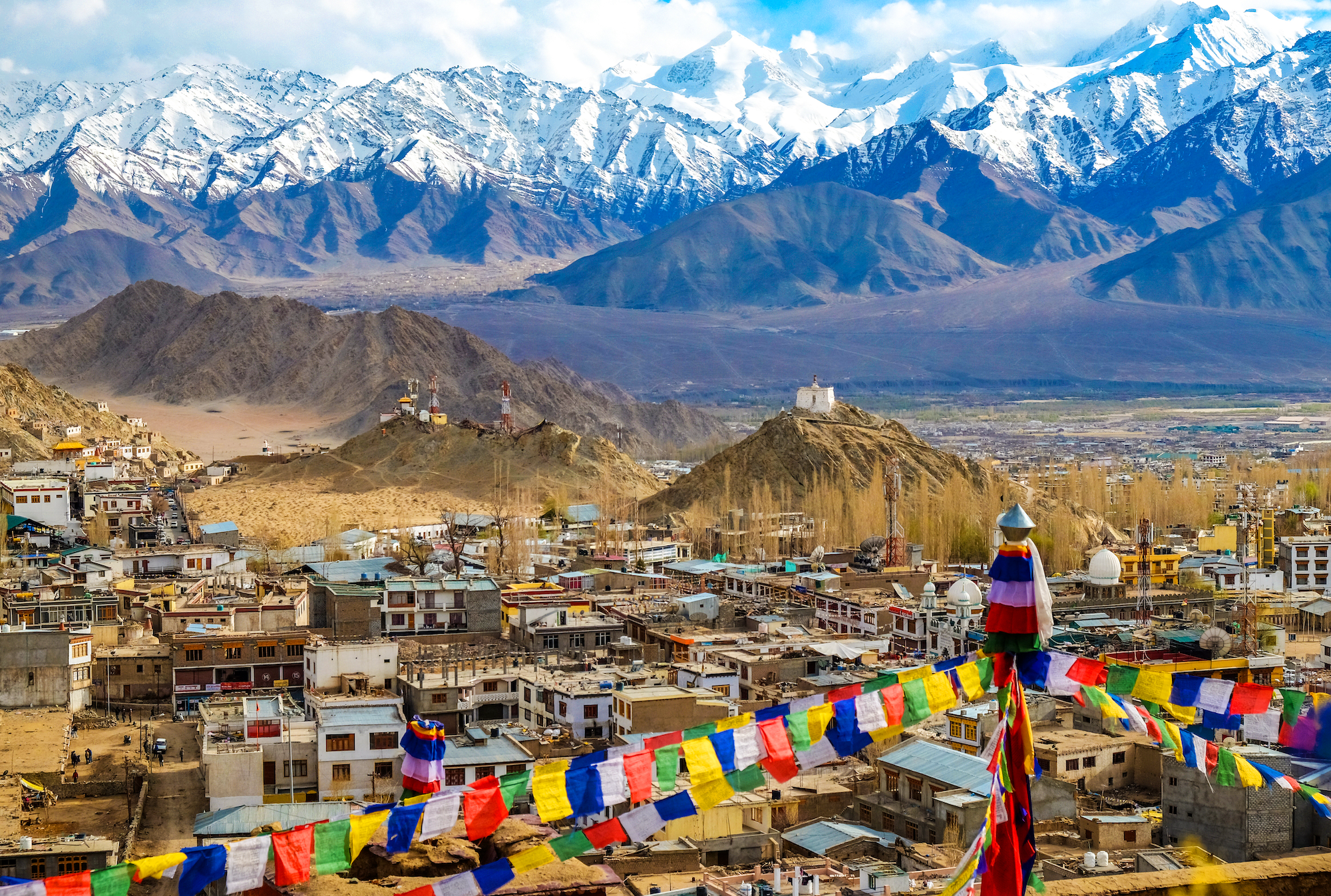
Flying from New Delhi to Leh brings a significant change in elevation, from the plains of northern India to approximately 3,500 metres above sea level. Such a rapid ascent can cause altitude sickness, even among experienced travellers. Our first two days in Leh are therefore deliberately relaxed to allow for acclimatisation.

tour highlights

Trace northern India from Ladakh to Shimla, Amritsar and the wildlife of Corbett

Judy Tenzing

your expert tour leader

Judy is a historian with a passion for all things South Asian – India, the Himalaya, Taiwan, Myanmar and Sri Lanka. Her deep knowledge and love for the history, music, textiles and literature of these regions adds a rich dimension to the tours she leads. Judy has a degree in South Asian History as well as post graduate qualifications in secondary teaching. She has taught at the University of Sydney’s Centre for Continuing Education, U3A, COFA, the Jane Austen Society and more – offering courses in the histories, cultures, textiles and faiths.

Read full bio >

Accompanied by an Experienced Tour Manager

Alongside your expert tour leader, an experienced tour manager will accompany for the entirety of the tour. They oversee logistics, ensure your comfort and safety, and provide friendly support – whether offering tips for free time, sharing a chat over dinner, or giving you space to relax.

tour ITINERARY

New Delhi (1 night), Leh (5 nights), Shimla (3 nights), Amritsar (3 nights), Corbett Tiger Reserve (3 nights)

Included meals are shown with the letters B, L and D

  • Day 1 | Wednesday 6 October
    Arrive New Delhi
    Delhi has served as the seat of empires for the better part of a millennium, with Sultanate, Mughal and British rulers each leaving their mark on a city that remains the political heart of modern India. Layered across its plains are seven historic cities, from the medieval citadels of the south to the imperial avenues of New Delhi, laid out by Lutyens in the early 20th century. It is also the great gateway to the Himalaya, and the point from which our tour sets out.Arriving independently, we transfer to our hotel and gather for welcome drinks in the evening. Overnight New Delhi

  • Day 2 | Thursday 7 October
    Into the High Himalaya

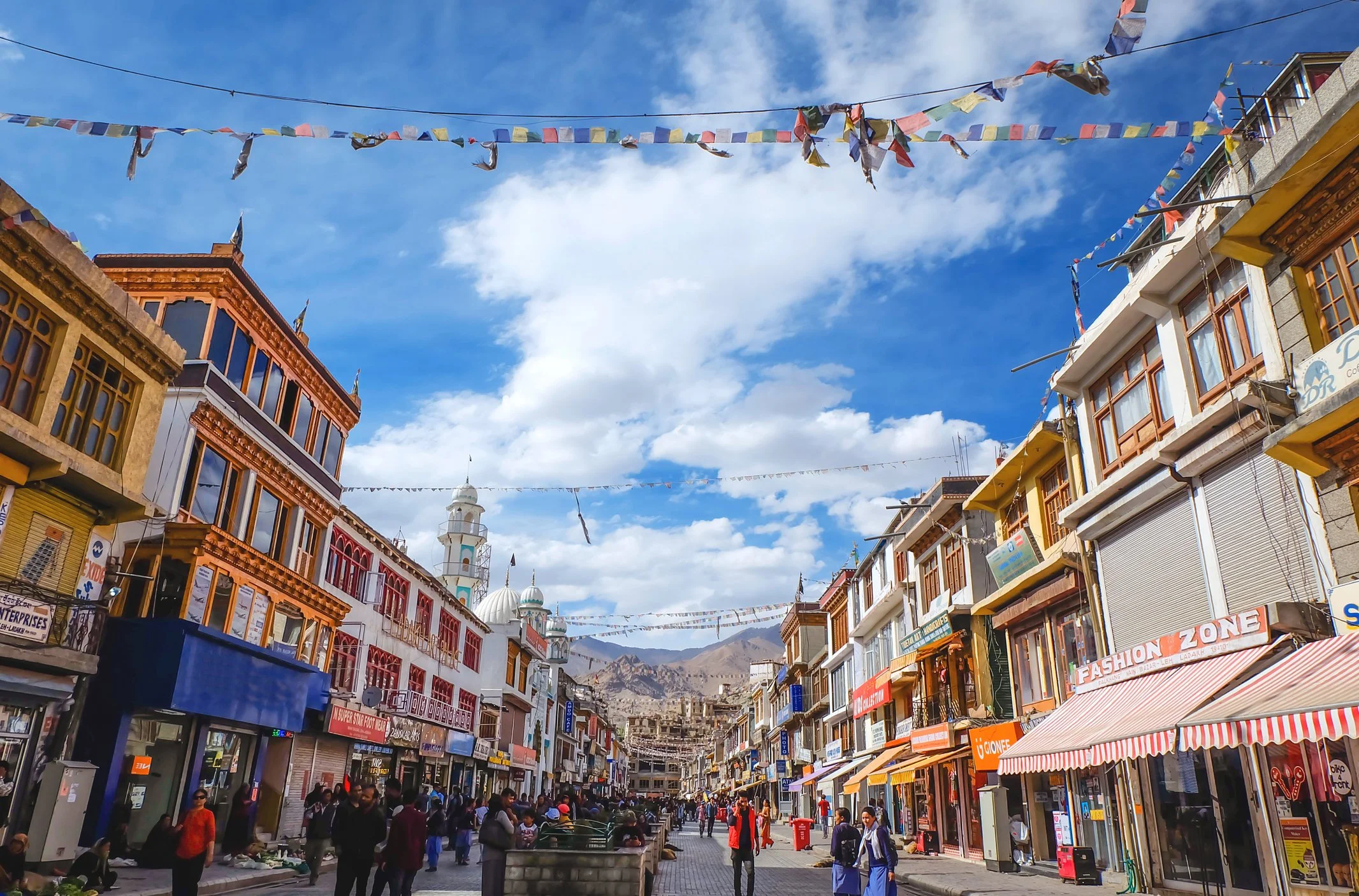
    Our morning flight from Delhi to Leh carries us from the plains of northern India into the high-altitude landscapes of Ladakh, where the Himalaya and Karakoram ranges meet around a broad valley of stark mountains. Once in Leh, there is time to settle into our hotel and begin adjusting to the thinner mountain air before we reconvene in the evening for a welcome dinner. Overnight Leh (B, D)

  • Day 3 | Friday 8 October
    Colours of Ladakh
    For centuries, the weavers of Ladakh have drawn colour from the landscape itself, using roots, bark and mountain plants gathered during the short high-altitude summer. Imported dyes were once a luxury carried across the passes by caravan, while knowledge of local materials and seasonal processes developed into a craft passed down through generations. A morning workshop with local dyers introduces these traditions, following the process from raw fibre through preparation and dyeing to finished colour, with the opportunity to try some of the techniques ourselves. A home-cooked lunch with our hosts follows before the afternoon is at leisure to explore Leh’s old town. We reconvene in the evening for a presentation by local artisans, accompanied by examples of Ladakhi crafts and further commentary from Judy. Overnight Leh (B, L)

  • Day 4 | Saturday 9 October
    Leh at the Crossroads
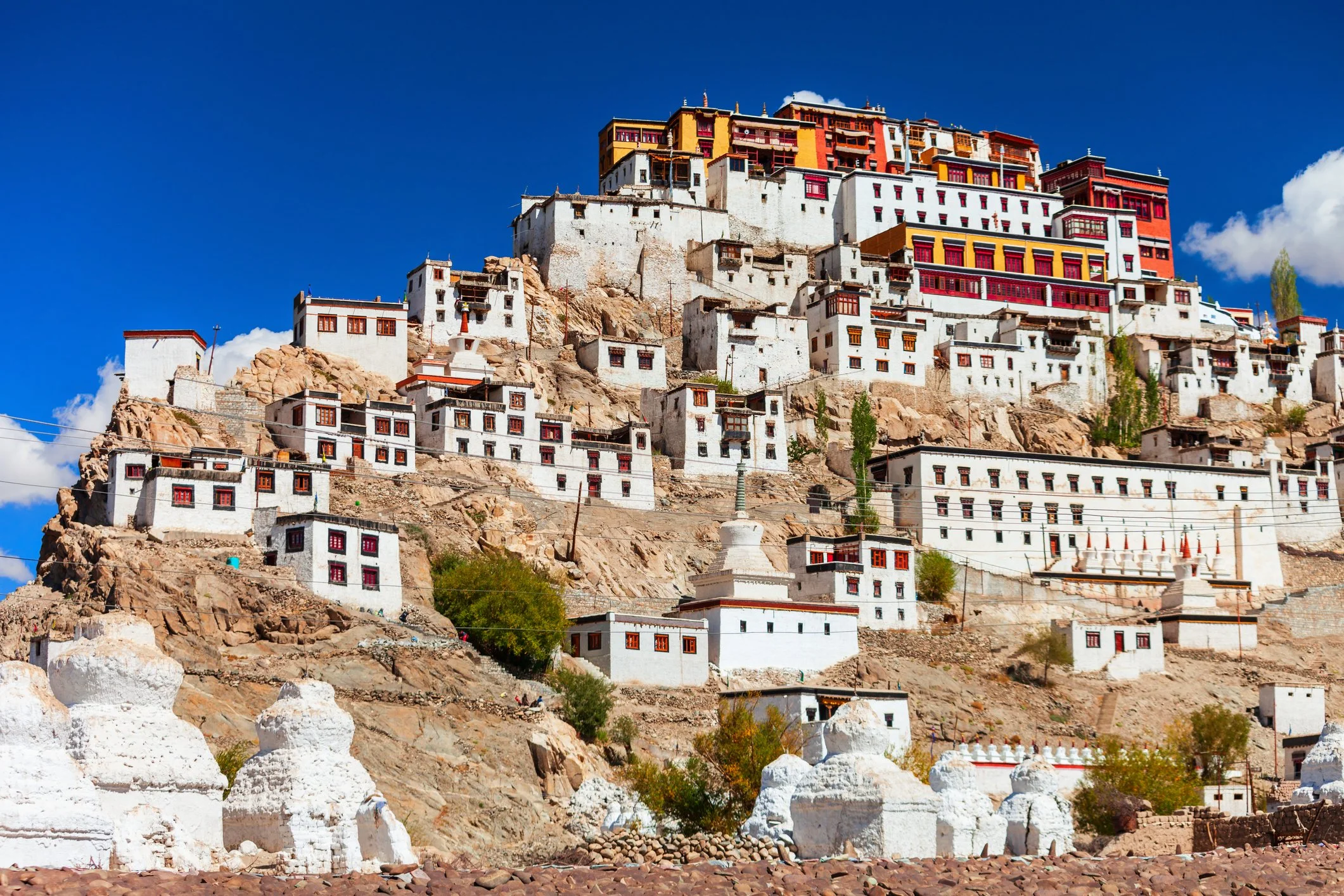
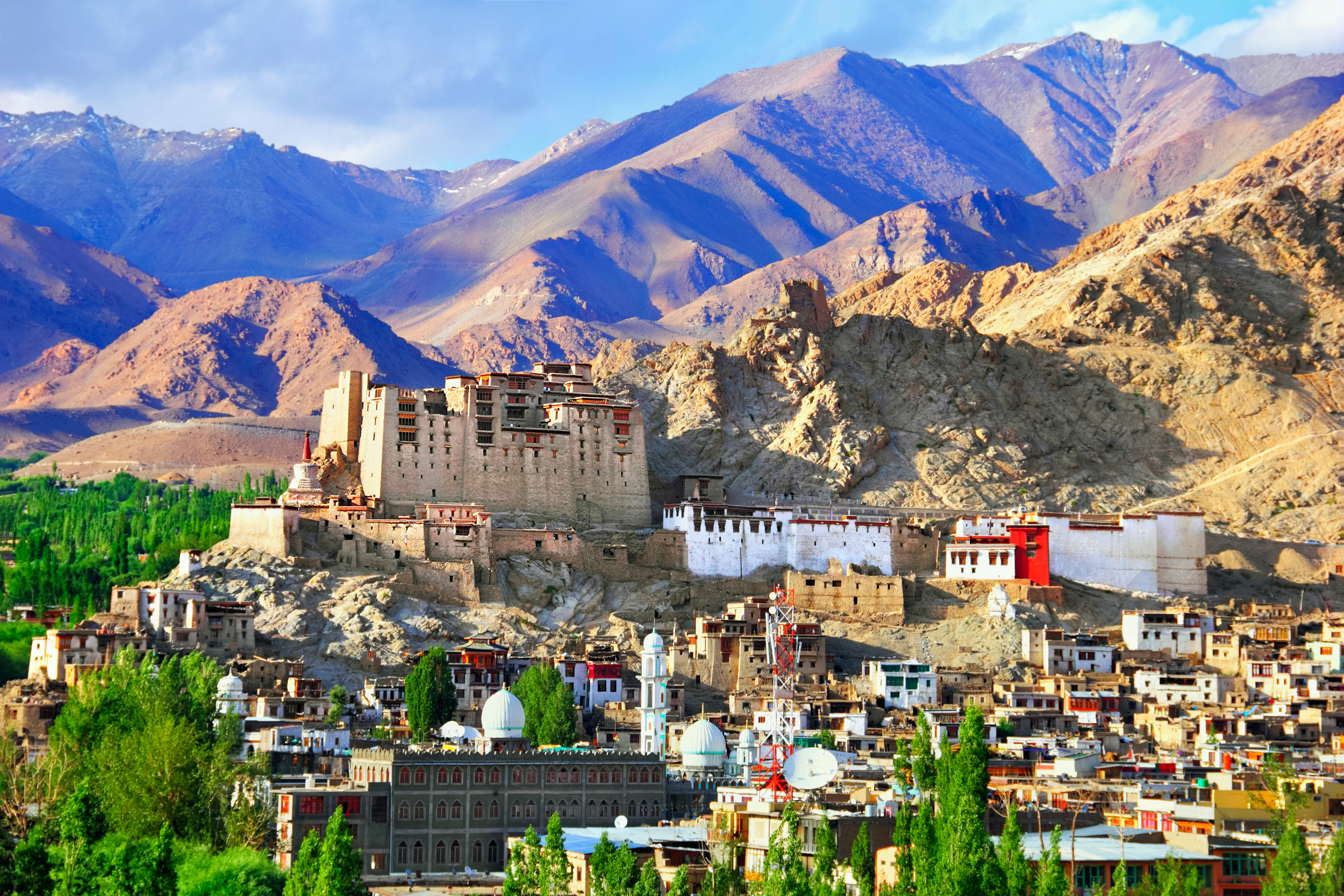
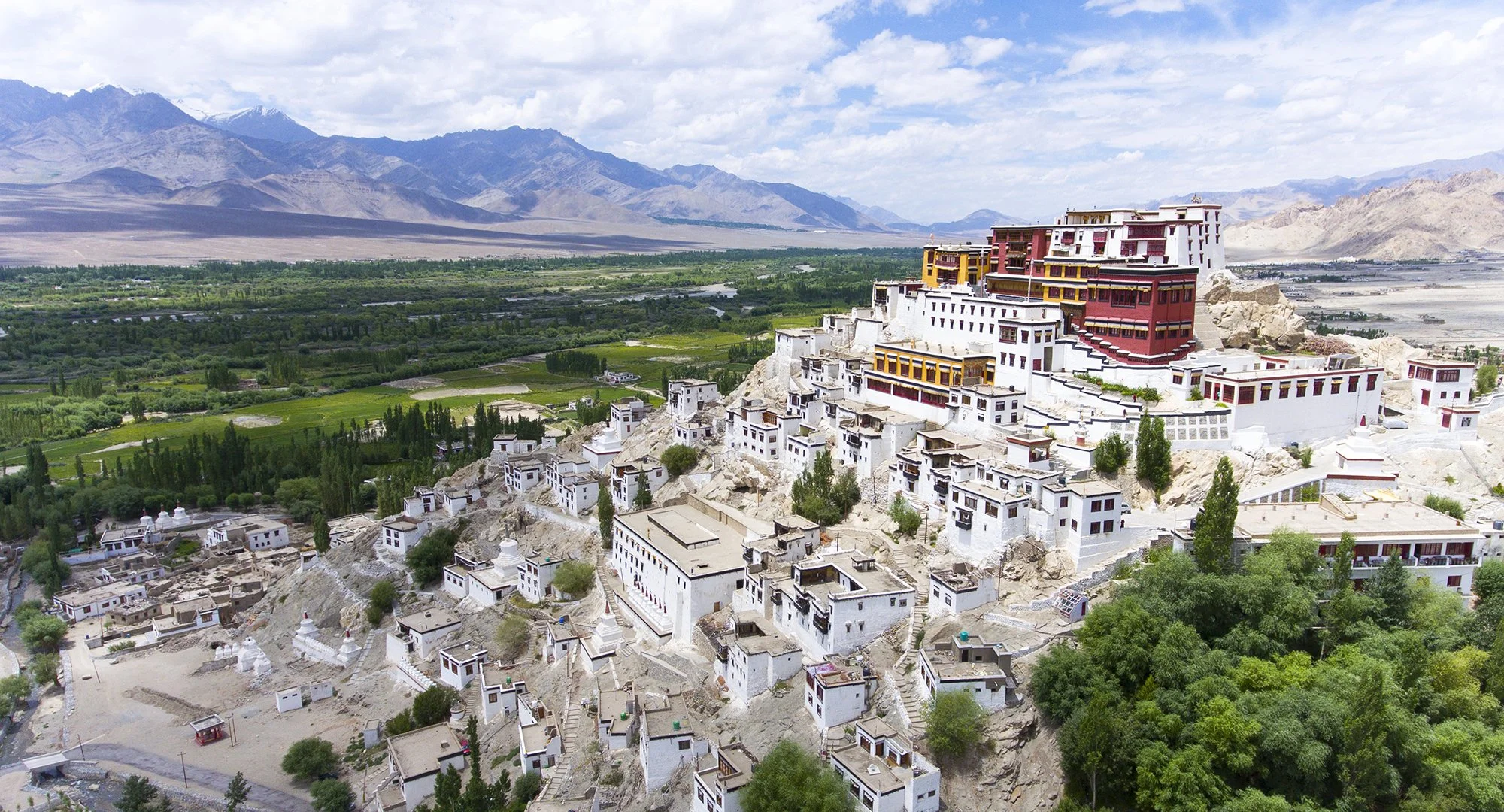
    Ladakh’s Buddhist monasteries are among the defining features of the Indus Valley, often set high above villages and cultivated land where they have served for centuries as centres of worship, learning and community life. Their position in this mountain landscape reflects the deep influence of Tibetan Buddhism across the region. Departing Leh early this morning, we travel east along the Indus Valley to Thiksey Monastery. Its whitewashed buildings rise in tiers across a hillside above the valley floor, creating one of Ladakh’s most distinctive monastic complexes. From here we return to Leh and climb to the 17th-century Leh Palace, rising above the old town in tiers of stone and timber and once home to the Namgyal kings. Lunch together follows in a local restaurant, before we turn to the region’s wider networks of exchange at the Central Asian Museum, whose collections explore the caravan routes linking Ladakh with Yarkand, Tibet and Kashmir. We conclude at the Ladakh Arts and Media Organisation, where the focus shifts to the preservation and interpretation of Ladakhi cultural traditions. On return to our hotel, the evening is at leisure. Overnight Leh (B, L)

  • Day 5 | Sunday 10 October
    Threads of Ladakh
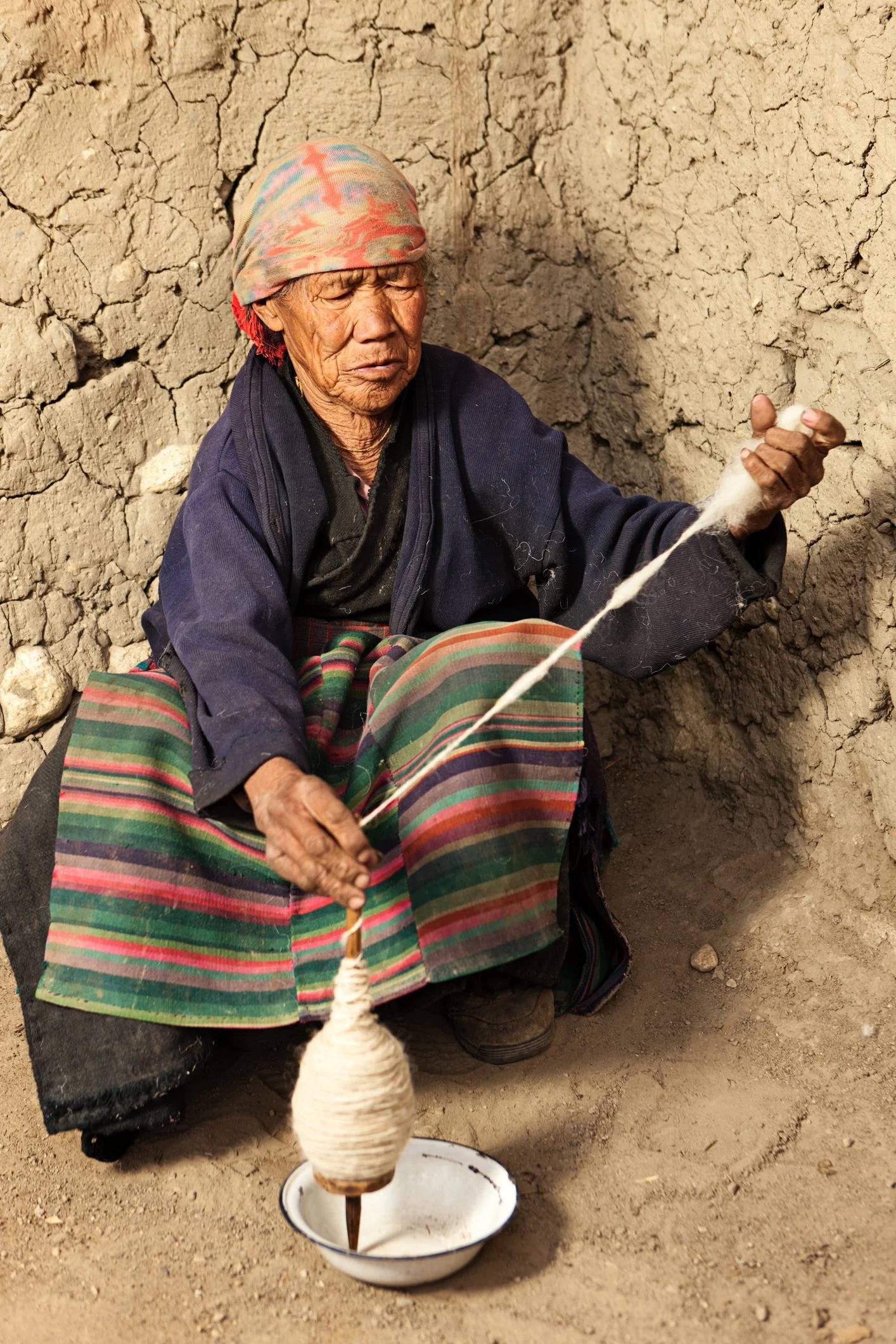
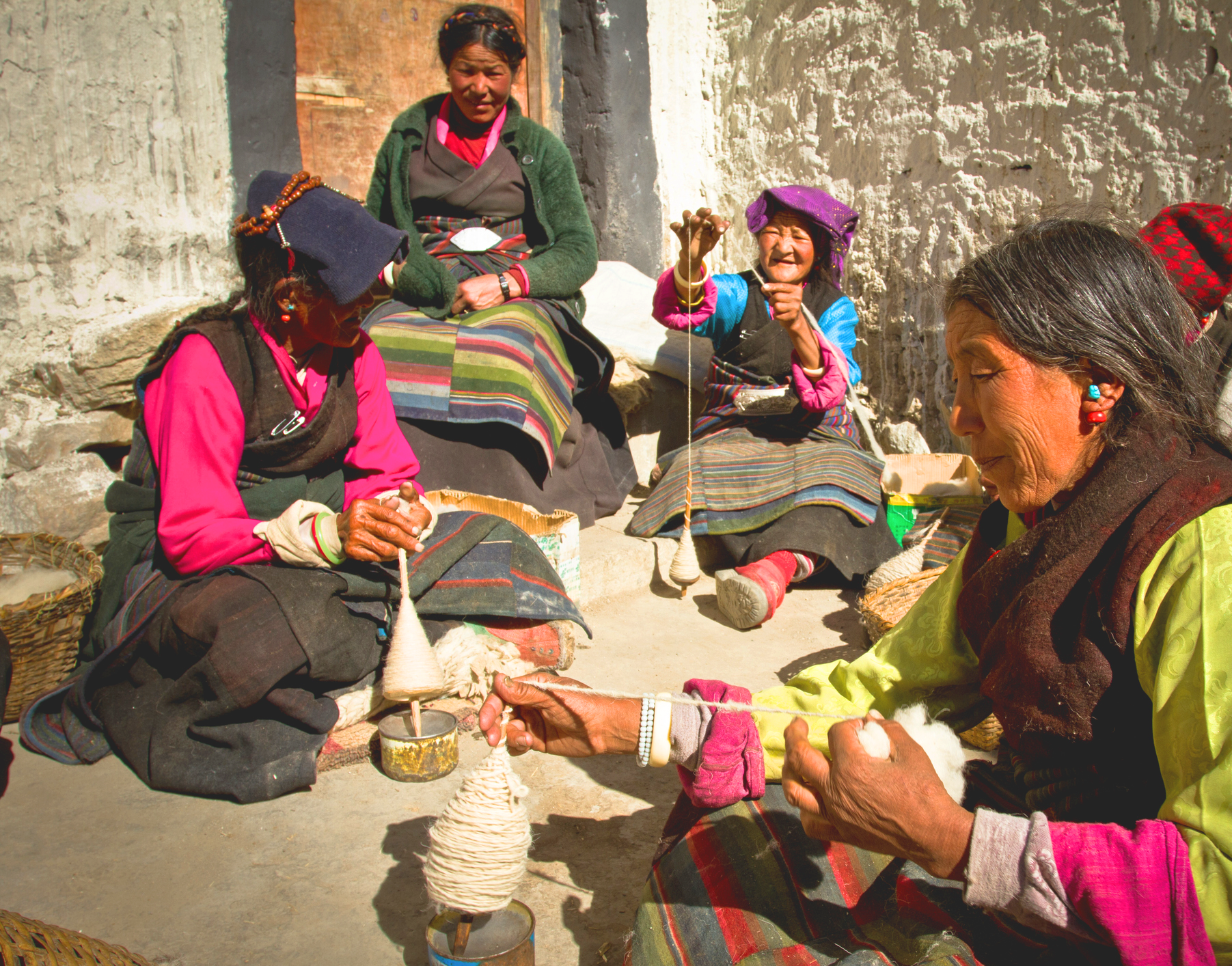
    Textiles in Ladakh begin not at the loom but in the hand, with fibre spun on the takli – the simple drop spindle used across the Himalaya for centuries. In a region where long winters shaped the rhythms of domestic life, spinning became an everyday skill, carried out alongside work, conversation and the routines of the household. This morning we are introduced to these traditional techniques, beginning with raw changra goat wool and local hemp and following the process through to finished thread. There is also an opportunity to try the deceptively simple technique ourselves and gain a better sense of the skill required to produce an even, workable yarn. A traditional home-cooked lunch is enjoyed together before the afternoon is at leisure to browse Leh’s boutiques and craft shops, where local textiles and handmade goods offer a contemporary continuation of the traditions explored this morning. Overnight Leh (B, L)

  • Day 6 | Monday 11 October
    Alchi & the Making of the Mountains
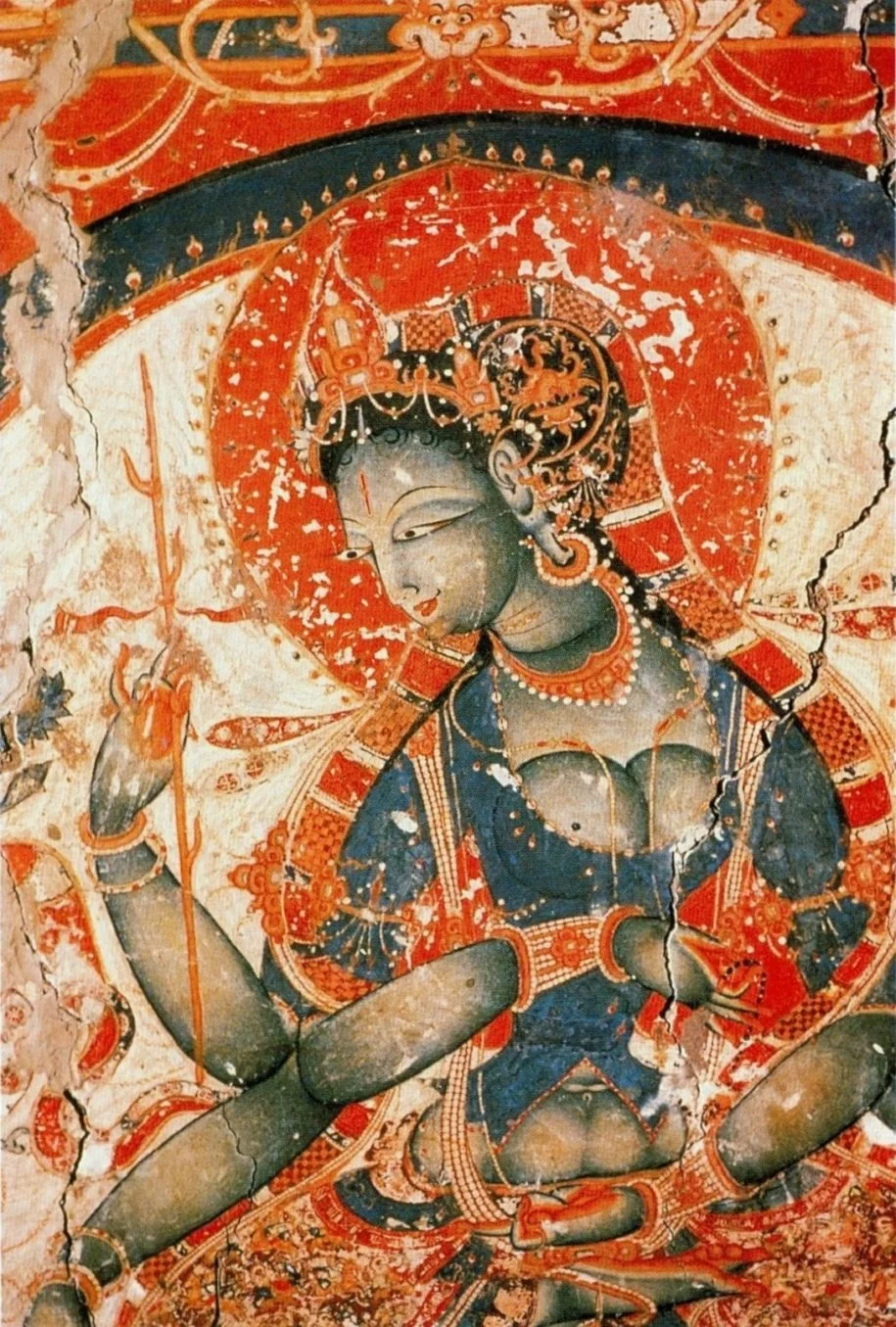
    Set on the flats beside the Indus west of Leh, the monastery complex at Alchi preserves some of Ladakh’s most remarkable early Buddhist wall paintings, dating from around the 12th and early 13th centuries. Their vivid colour, finely modelled figures and elaborate decorative detail reveal the strong influence of medieval Kashmir, whose artists and craftsmen carried sophisticated painting traditions deep into the western Himalaya. Today, Alchi offers a glimpse into an artistic world that has largely disappeared elsewhere. We drive west from Leh this morning, following the Indus Valley to Alchi, where we explore the monastery complex and its richly painted shrines. Moving through the dimly lit interiors, we examine the murals and consider the artistic exchange that connected Ladakh with Kashmir and the wider western Himalaya. After a break for lunch we turn from art to geology, walking to the point where the Indian and Eurasian plates met and where the collision that raised the world’s greatest mountain chain can be read in the rocks themselves. A small local museum explains that geology, and a stop to see the potters of Likir, whose slow hand-built ware has been made here for generations, closes the day. On return to our hotel, we enjoy dinner together. Overnight Leh (B, D)

  • Day 7 | Tuesday 12 October
    Leh to Shimla
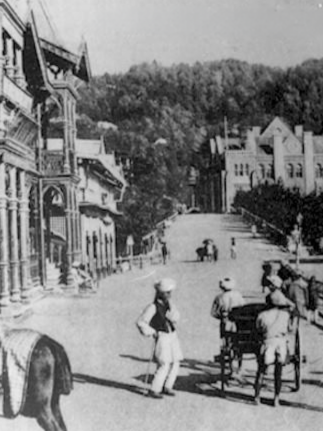
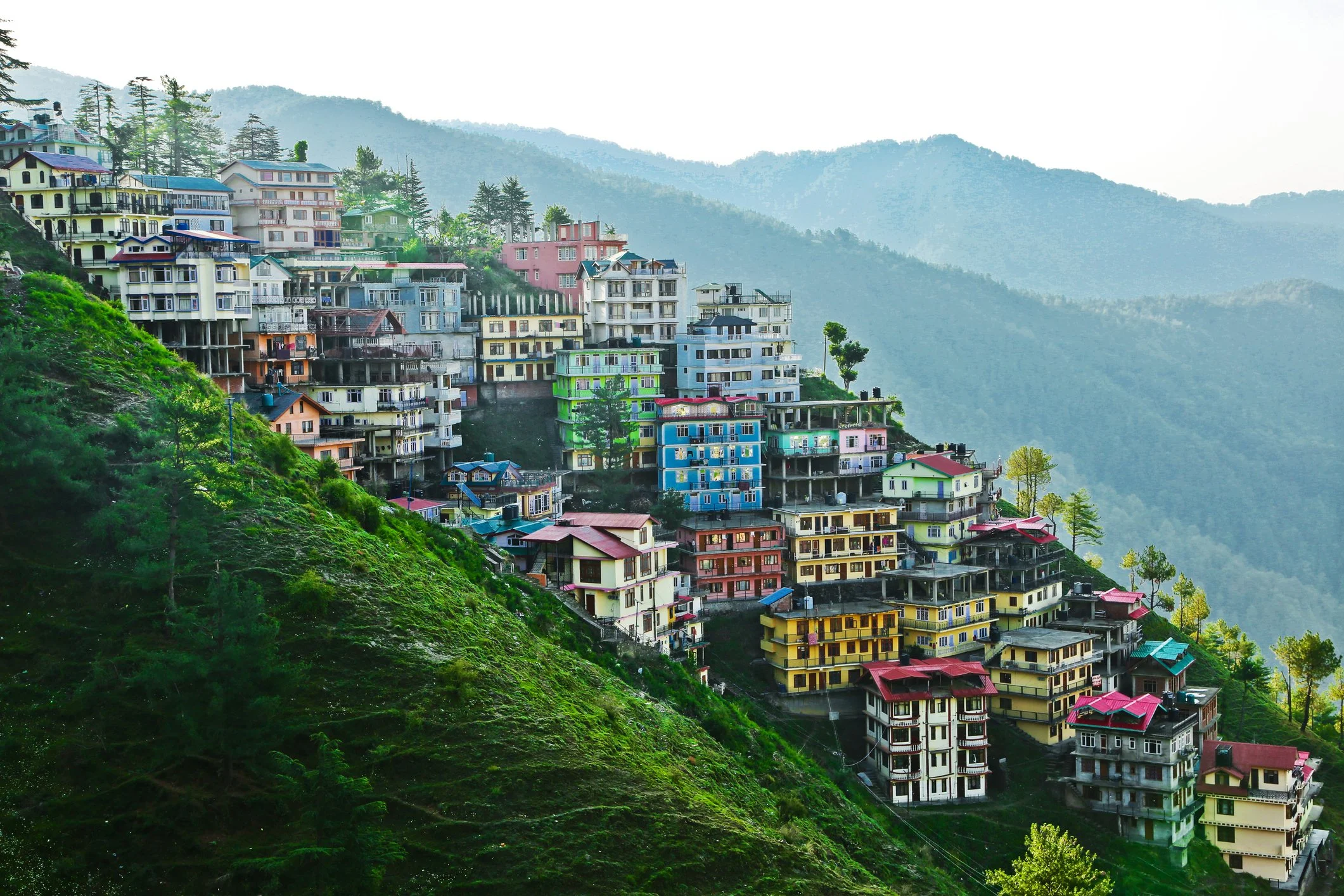
    From 1864 until independence, the British governed their empire each summer from the cool heights of Shimla, transferring the entire apparatus of government some 1,800 kilometres from Calcutta to a Himalayan ridge. The town they built was a transplant of theatres, promenades and half-timbered villas at 2,200 metres, and it became the most consequential hill station in Asia, where decisions shaping the lives of millions were taken between garden parties. Leaving Ladakh today, we fly south over the mountains to Chandigarh, where our coach is waiting for the drive into the foothills. It is a steadily climbing drive of four hours, with lunch taken together en route. We reach our hotel, set amid cedar forest high above the town, in the late afternoon, and the remainder of the day is at leisure to settle in and take in the mountain setting. Overnight Shimla (B, L)

  • Day 8 | Wednesday 13 October
    In Kipling’s Footsteps
    Shimla’s role as the summer capital of British India created the close, highly social world that Rudyard Kipling observed as a young journalist in the 1880s. Administrators, officers and their families gathered here each season, and the town’s gossip, rivalries and social rituals became material for Kipling’s Plain Tales from the Hills and, later, the wider Himalayan setting of Kim. Our morning walking tour follows the Kipling Trail through the centre of Shimla, tracing the author’s life and years in the town through the Mall, the Ridge and buildings associated with the former hill station. Along the way, we consider how the physical setting and social life of Shimla entered his writing, and how much of that late 19th-century town can still be read in its streets and architecture. Lunch together follows, with the afternoon at leisure to explore further or return to the hotel and its forested surroundings. Overnight Shimla (B, L)

  • Day 9 | Thursday 14 October
    Shimla, The Summer Capital
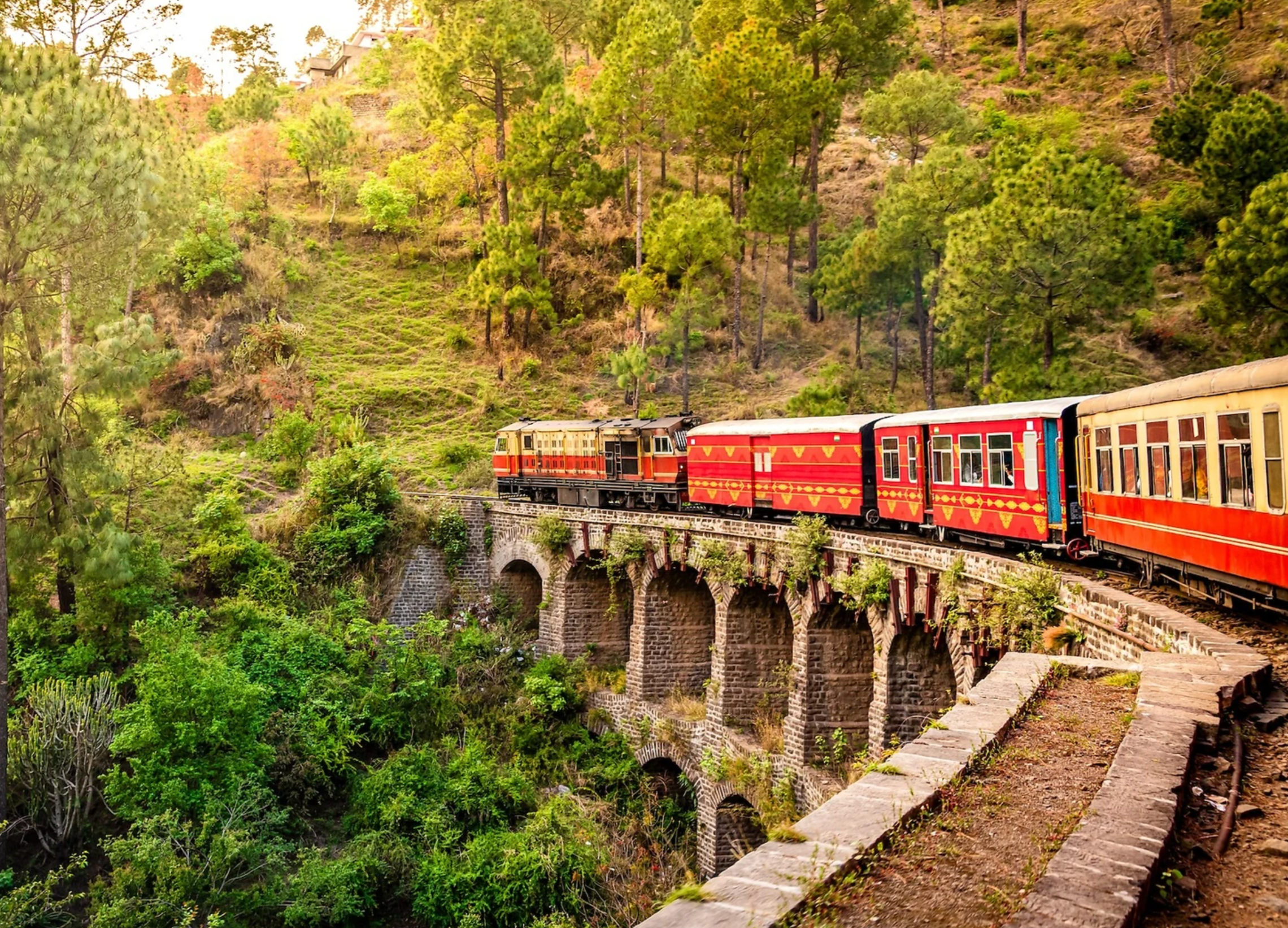
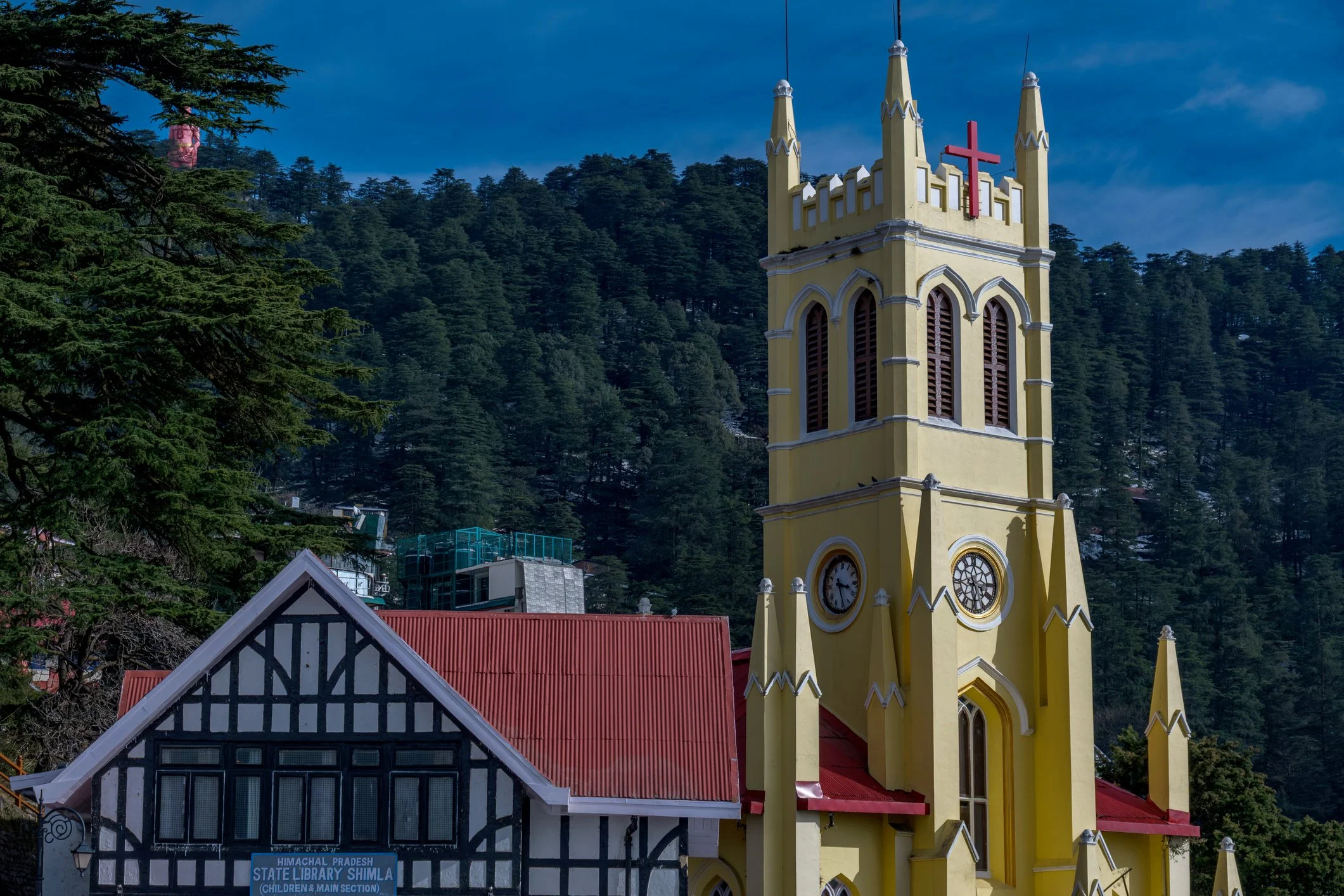
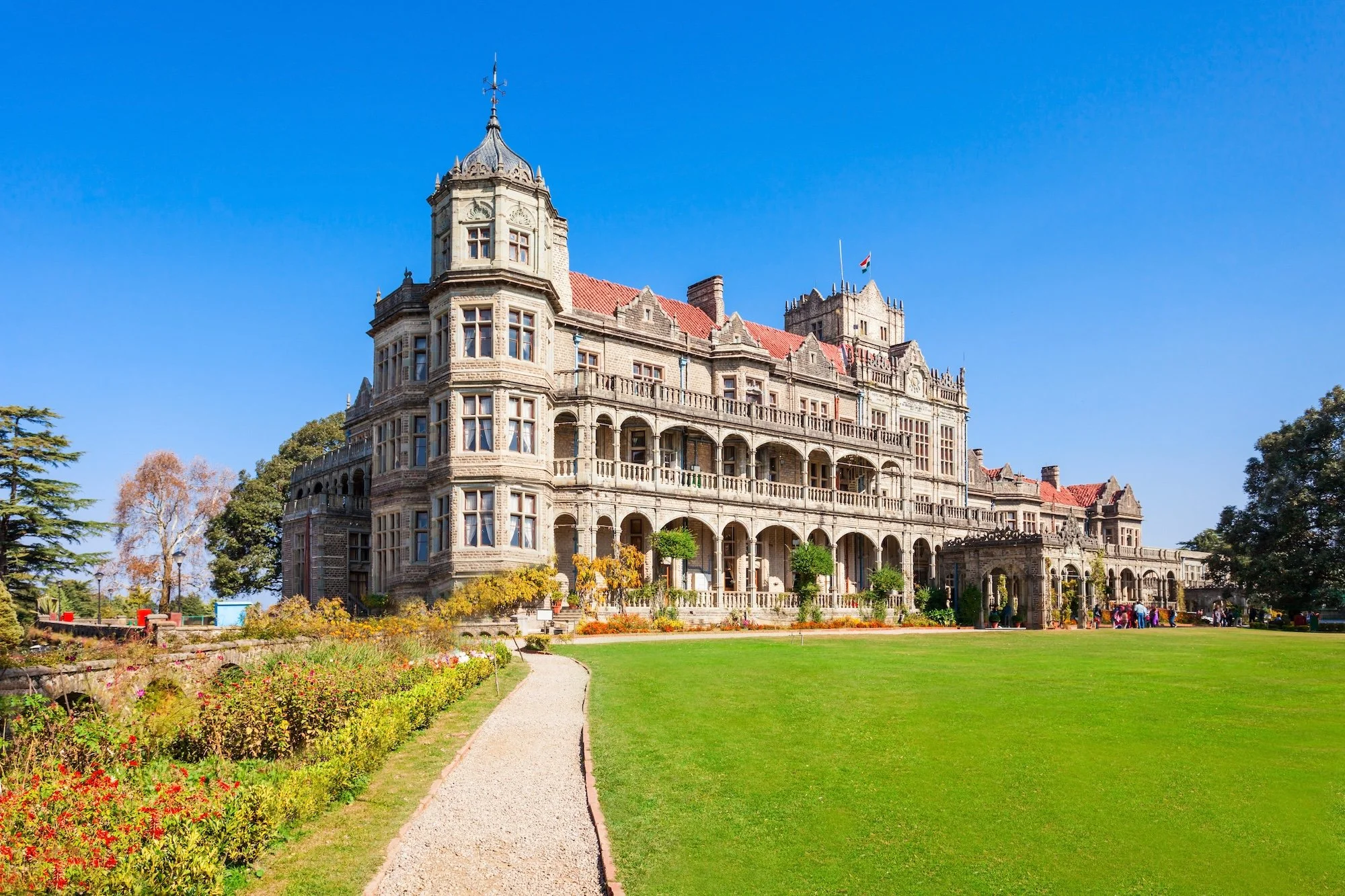
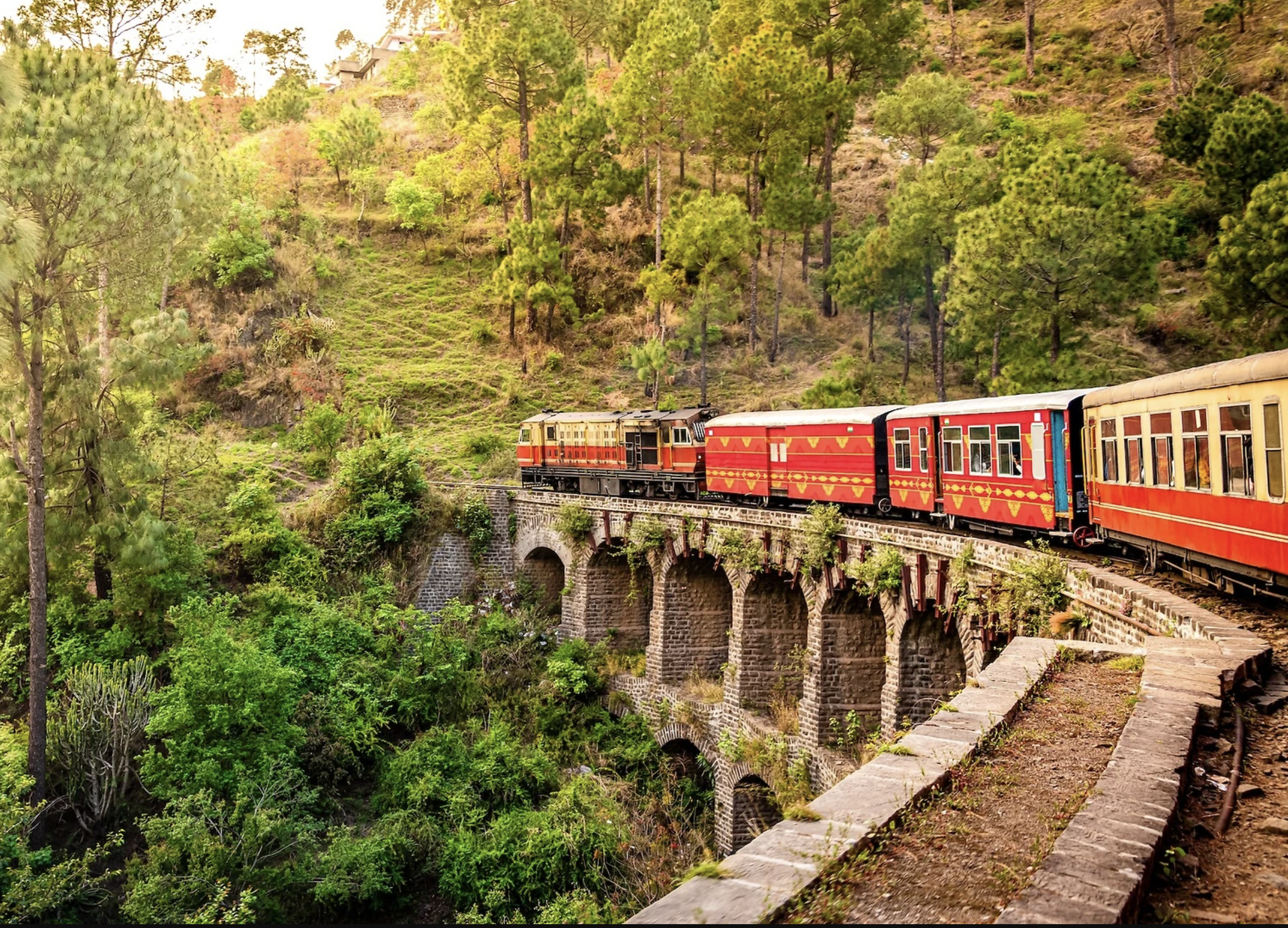
    The grandest building in Shimla stands a little apart from the town. The Viceregal Lodge, completed in 1888, is a baronial pile of grey sandstone from which a quarter of the world’s population was governed for half of every year, and it was here in 1947 that the final negotiations over independence and partition were conducted. We are joined this morning by the author and historian Raaja Bhasin, an authority on the Raj in Shimla, who leads us through the Lodge and then up the Mall to Christ Church, said to be the second-oldest church in northern India. After lunch together, we turn to one of the great engineering achievements of the Himalayan foothills. Opened in 1903, the narrow-gauge Kalka–Shimla railway climbs almost 1,500 metres through more than 100 tunnels and across a remarkable series of stone viaducts, and today forms part of the UNESCO World-Heritage listed Mountain Railways of India. Making our way to Shimla station, we board the Himalayan Queen in our First Class cabin for the descent to Barog, winding through deodar forest and steep mountain country at an unhurried pace. From Barog, we return to Shimla by coach in the early evening. Overnight Shimla (B, L)

  • Day 10 | Friday 15 October
    Shimla to Amritsar
    Founded in the 16th century by Guru Ram Das around the sacred pool from which it takes its name, Amritsar is the spiritual centre of the Sikh faith and one of the great pilgrimage cities of the subcontinent. Reaching it from Shimla takes us out of the Himalaya and onto the fertile plains of Punjab, whose name derives from the Persian for ‘five waters’, a reference to the rivers that have shaped the region. We leave Shimla early this morning, descending through forested hills and terraced valleys to Ambala. Here we board the Swarna Shatabdi for the final journey west across the wheat and rice country that has made Punjab one of India’s great agricultural regions, with lunch served on board. We arrive in Amritsar in the afternoon and transfer to our hotel, with the remainder of the evening at leisure ahead of our time in the Punjab. Overnight Amritsar (B, L)

  • Day 11 | Saturday 16 October
    Partition Museum & the Golden Temple
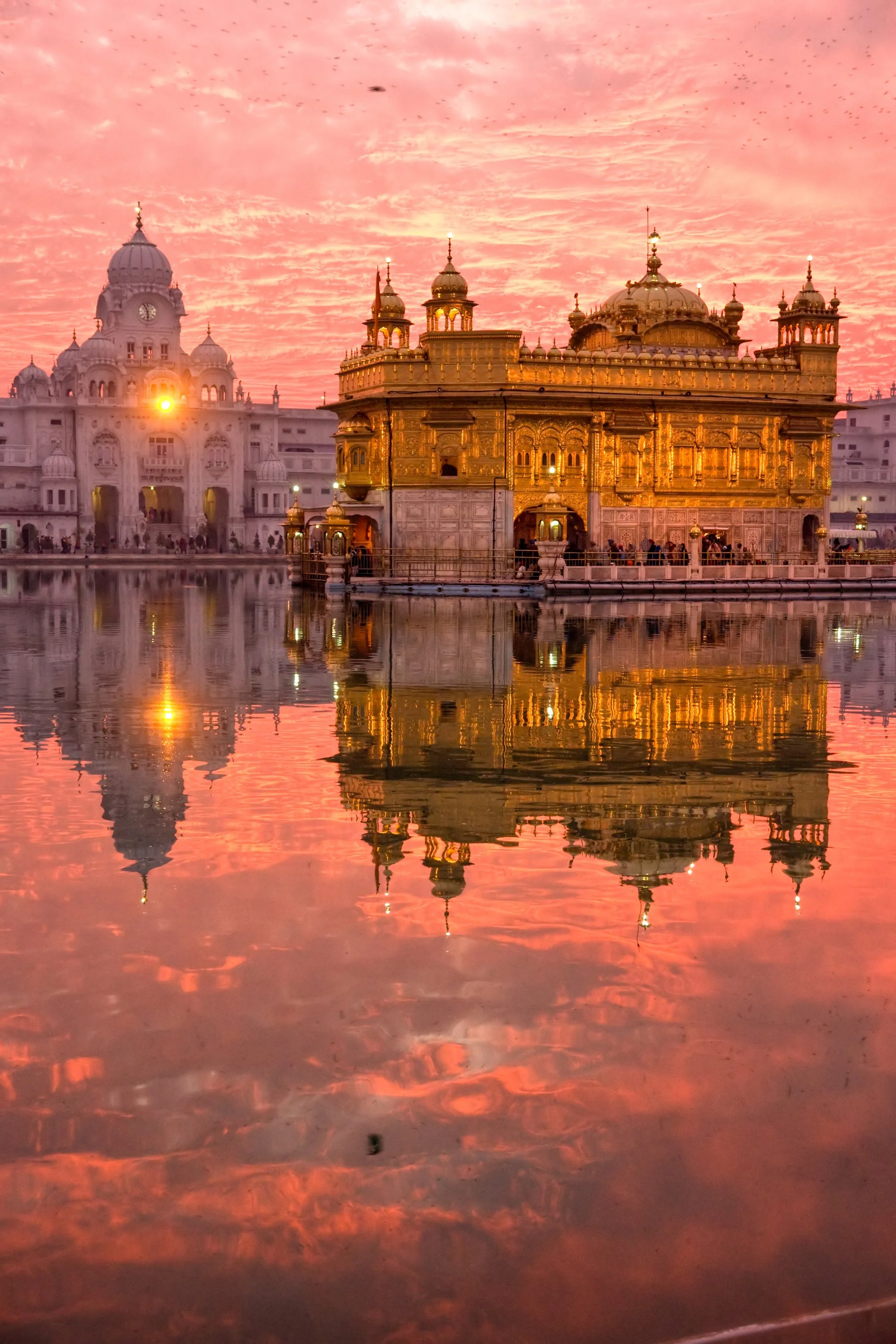
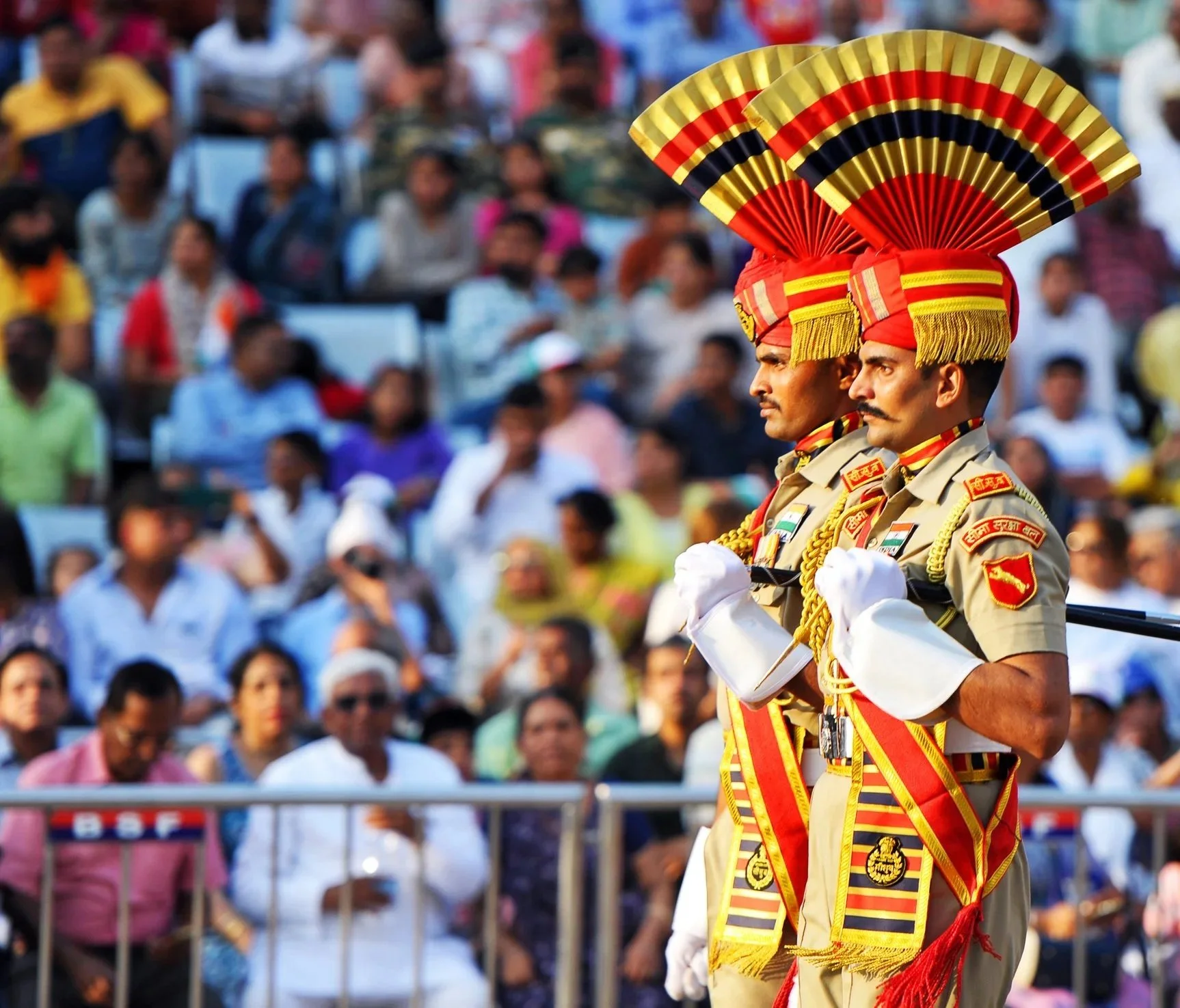
    Amritsar’s history is inseparable from both the development of Sikhism and the political upheavals that reshaped the Punjab in the 20th century. Sacred centre, colonial city and later a place transformed by partition, it offers a particularly concentrated view of the forces that have shaped modern northern India. Today’s exploration begins at Jallianwala Bagh, where on 13 April 1919 troops under British command opened fire on a crowd gathered within the walled garden, killing several hundred people and hardening Indian opinion against British rule. We then continue to the Partition Museum, the first institution dedicated to the division of India in 1947, drawing on oral histories, photographs and personal objects to examine what the creation of a new border meant for communities across the Punjab. Our next stop is the Golden Temple, the holiest shrine of Sikhism, its gilded sanctum rising from the waters of the sacred pool. Amid the continuous recitation of scripture and the langar kitchen that feeds thousands each day regardless of faith or caste, we gain an insight into the history and living practice of the Sikh religion. We conclude our morning tour with lunch together. The Saturday afternoon is at leisure, with the opportunity to attend the Attari–Wagah border ceremony, should it be operating during our visit. Overnight Amritsar (B, L)

  • Day 12 | Sunday 17 October
    Kapurthala – the Paris of Punjab
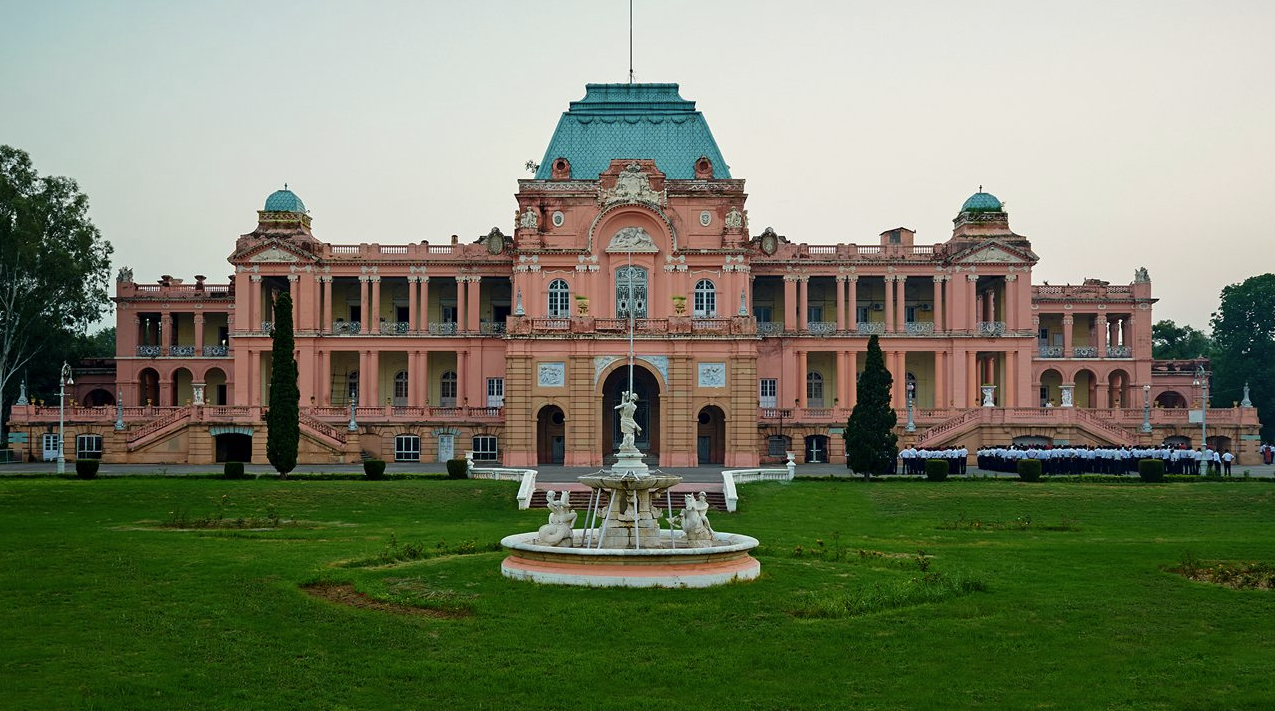
    Among the princely states of the Punjab, none looked more ardently to Europe than Kapurthala. Its Francophile maharaja, Jagatjit Singh, was educated in French and a fixture of Parisian society, and he remade his capital in the image of the country he adored. A full-day excursion explores the city his ambition created. The Jagatjit Palace, completed in 1908 and modelled on Versailles and Fontainebleau, is admired from outside, while the Shalimar Gardens, the Moorish Mosque, designed by a French architect on the model of the Koutoubia in Marrakesh, and the Panj Mandir, a rare interfaith temple serving Jains, Hindus, Sikhs, Muslims and Christians alike, fill out the portrait of this princely experiment. Lunch is enjoyed together during the day, and our tour leader draws on her own long connection with Kapurthala in an informal talk before we return to Amritsar in the evening. Overnight Amritsar (B, L)

  • Day 13 | Monday 18 October
    Into the Jungle
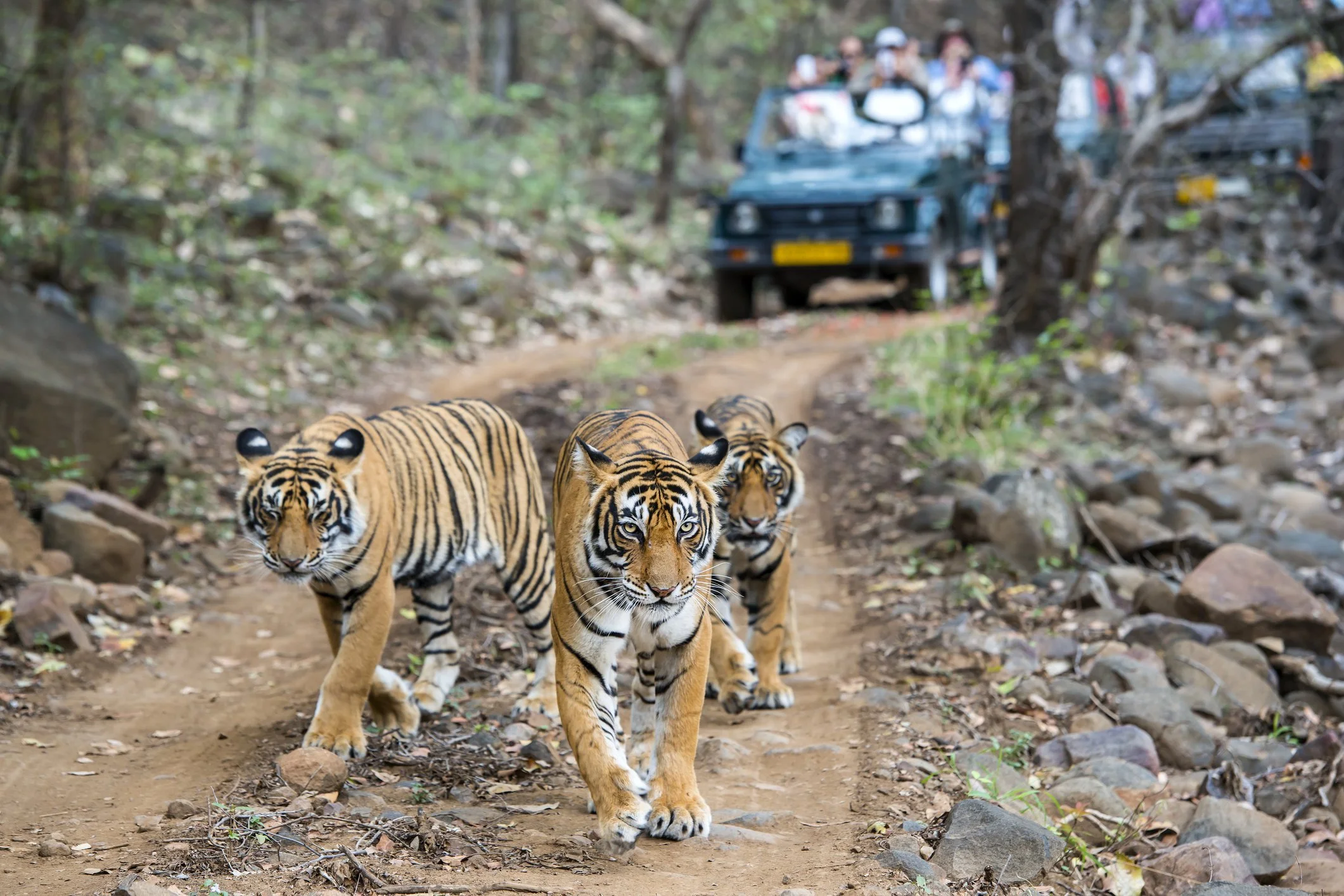
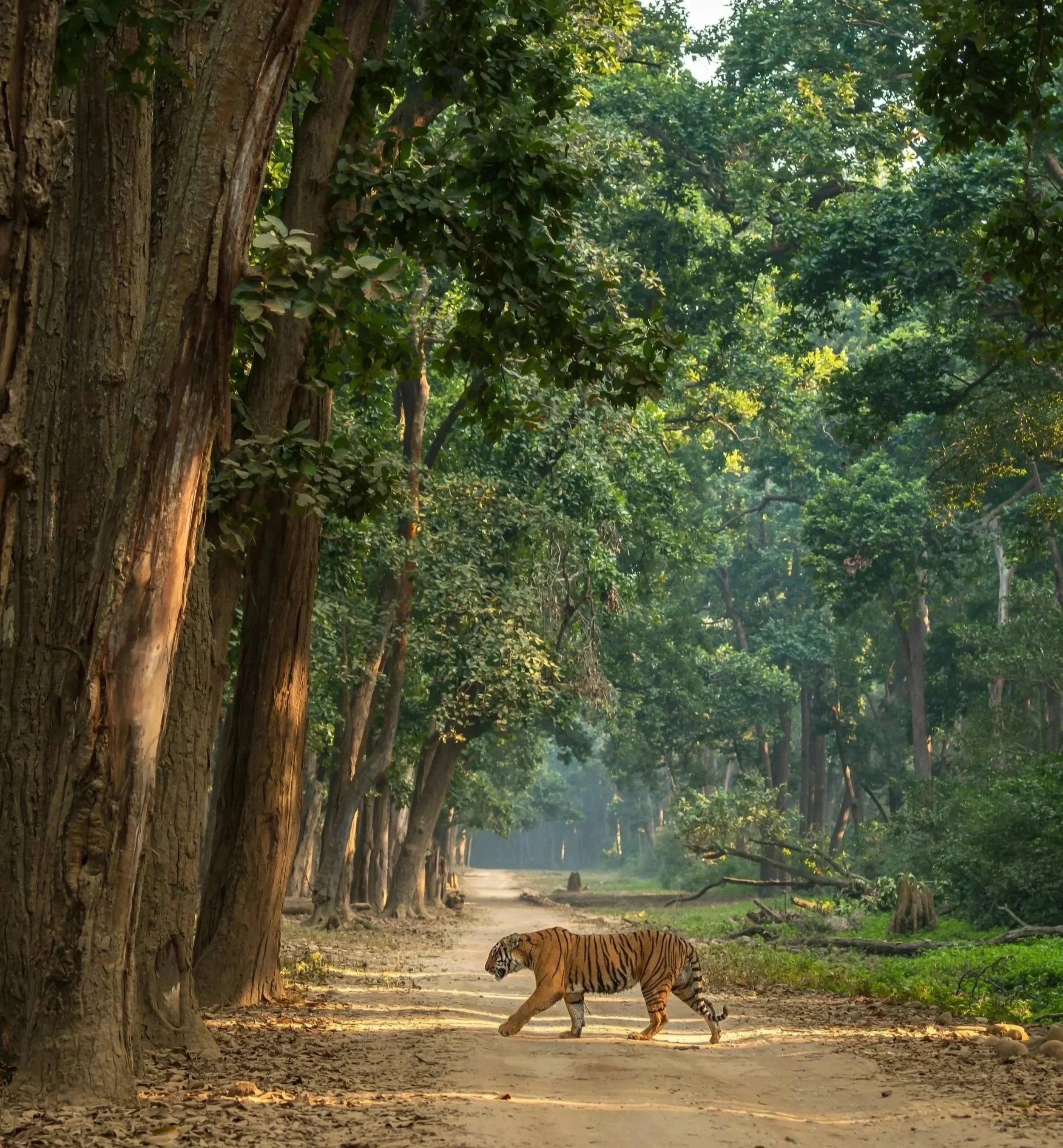
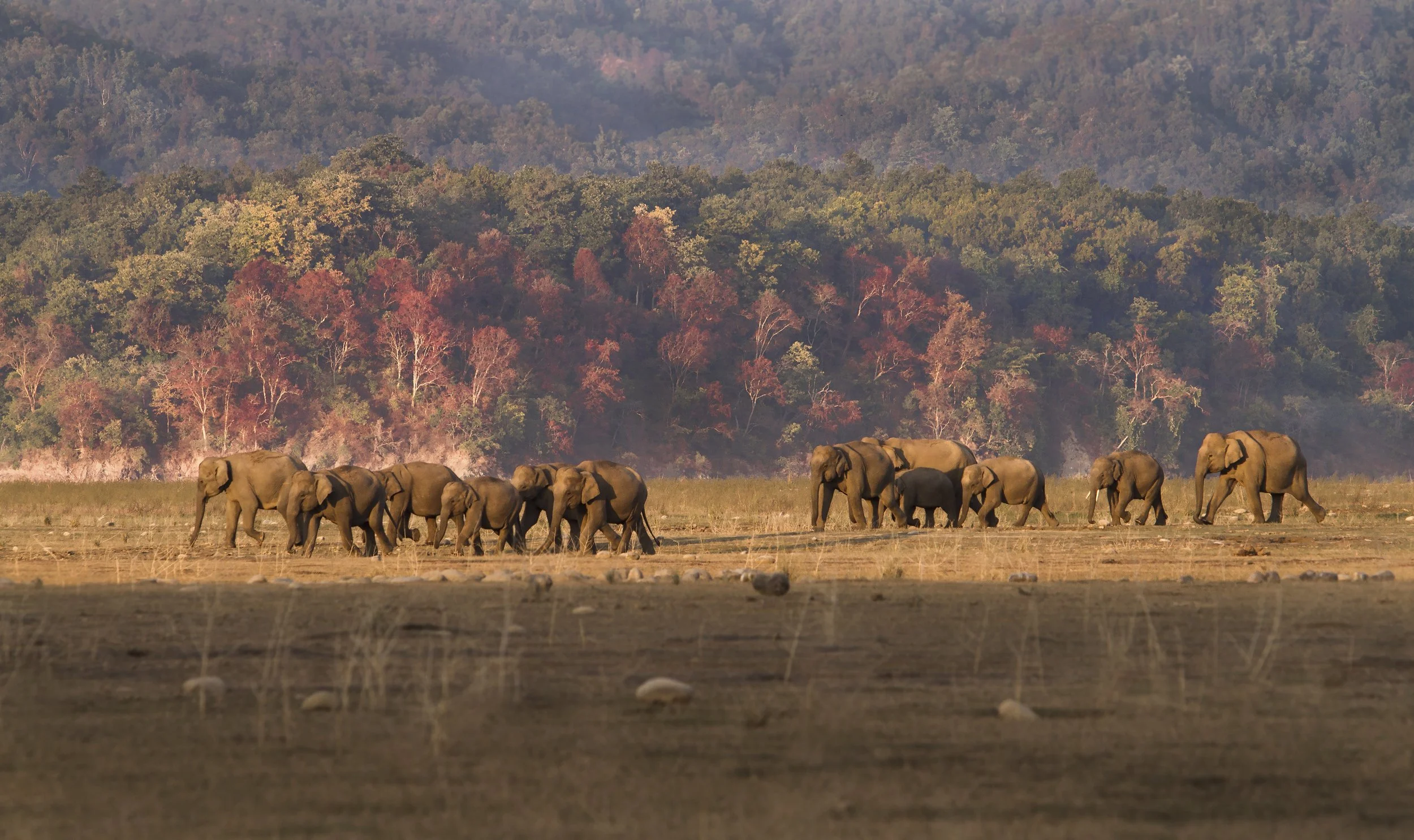
    Corbett Tiger Reserve protects a rich mosaic of sal forest, grassland and river country along the Himalayan foothills. Established in 1936 as India’s first national park, it later became the launch site for Project Tiger in 1973 and remains an important habitat for Bengal tiger, Asian elephant and a remarkable variety of birdlife. We leave Amritsar early this morning for our flight back to Delhi, where we meet our coach and continue north-east towards Corbett. The landscape gradually changes as we leave the capital behind, crossing the agricultural plains before reaching the more wooded country of the Himalayan foothills. Lunch is enjoyed en route and by afternoon we arrive at Jim’s Jungle Retreat, our base for the next three nights. Set within forest on the edge of the reserve, the lodge offers an immediate introduction to the quieter rhythms of the landscape and the remainder of the day is at leisure to enjoy the surroundings and watch for birdlife around the property before dinner together this evening. Overnight Corbett (B, L, D)

  • Day 14 | Tuesday 19 October
    On Safari
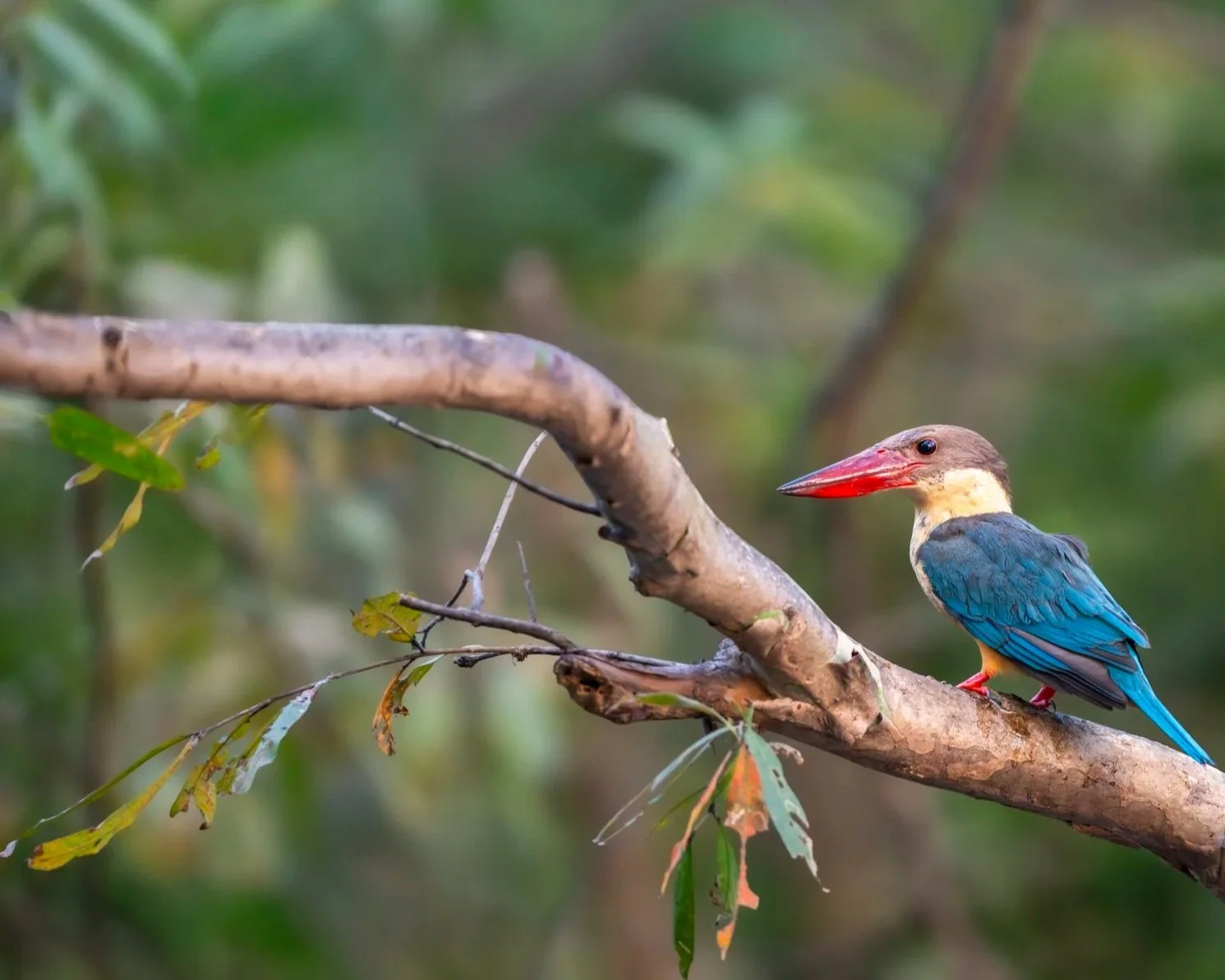
    Corbett’s wildlife is best understood not as a checklist of species, but as part of a living system shaped by forest, river and season. Predators move through the sal woodland and grasslands in search of prey, elephants follow long-established routes between feeding grounds and water, and the reserve’s rivers support an extraordinary concentration of birdlife. We set out early on our first game drive, when cooler temperatures often bring greater activity across the reserve. Along the way, we search for Bengal tiger, Asian elephant and Indian leopard, as well as chital, sambar and deer. The birdlife is equally rewarding, with Great Hornbill, Grey-headed Fish Eagle, Crested Kingfisher and Tawny Fish Owl among the species we may encounter. After returning to the lodge for lunch and a pause during the heat of the day, we head back into the reserve in the afternoon, when the softer light and cooler temperatures bring renewed activity to the forest. As dusk gathers, we return to the lodge for dinner together, reflecting on the day’s sightings. Overnight Corbett (B, L, D)

  • Day 15 | Wednesday 20 October
    The Rhythm of the Forest
    A second day in Corbett allows us to look more closely at the rhythms of the forest and the signs that reveal its wildlife. Tracks on the road, alarm calls from deer and the movement of birds through the canopy can all offer clues to what is nearby, while each outing brings a different part of the reserve into view. We continue our search for Bengal tiger
    and Indian leopard today, alongside the deer and bird species that make up the wider ecology of the reserve. For those who wish, there is also the option of a guided jungle walk, shifting the focus from larger wildlife to the finer details of the forest – tracks, plants, birdsong and the smaller signs easily missed from a vehicle. Others may prefer to remain at the lodge and enjoy a slower final day in its peaceful surroundings. In the evening we gather for farewell drinks and dinner, bringing to a close a journey that has taken us from the high-altitude landscapes of Ladakh to the forests of the Himalayan foothills. Overnight Corbett (B, L, D)

  • Day 16 | Thursday 21 October
    Depart New Delhi
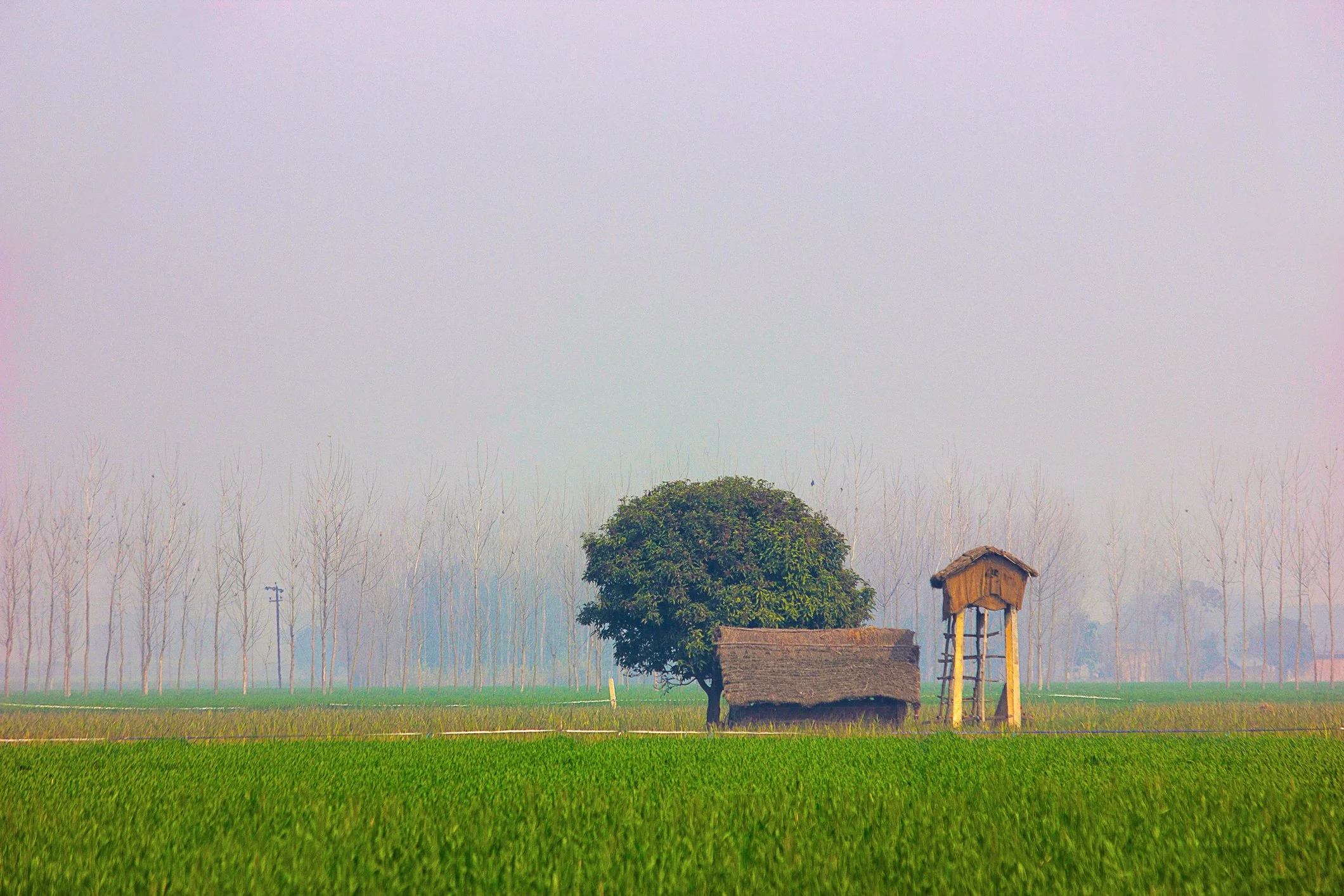
    Leaving the forested foothills of Corbett behind, we travel south through the terai and onto the broad agricultural plains of Uttar Pradesh for the approximately six-hour drive to New Delhi. Passing farmland, towns and villages along the way, we stop for lunch en route before continuing to Delhi International Airport, where our tour concludes for onward evening flights. (B, L)

Accommodation has been selected to provide a comfortable base in each region while reflecting the changing character of the journey.

Tour Accommodation

tour booking

$15,890 AUD per person, twin share (land content only)
$3,650 AUD supplement for sole use of a hotel room

A $2,000 deposit is required per person to confirm your booking on tour. This deposit is non-refundable.

Hold a Place

Still deciding? We are happy to hold a tentative place for 7 days while you make your final arrangements.

Book Online

To secure your place(s) on tour, book online below with “Athena”, our virtual tour consultant.

DOWNLOAD FORM

Download a printable booking form. You can also complete the form on screen and submit via email.

your tour consultant

The consultant for this tour is Lucy Yeates. For further information or to discuss the tour, please call 9235 0023 (Sydney) or 1800 639 699 (outside Sydney) or email lucy@academytravel.com.au

have you thought about?

Academy Travel is more than just a tour operator. We are also a full-service travel agency who can assist you with all aspects of your travel, including flights, transfers, pre-tour arrival, additional travel and comprehensive travel insurance.

can’t make this departure?

If these dates don't work for you, register to hear about the next tour.