Bhutan

The Last Himalayan Kingdom

Discover Bhutan’s dramatic Himalayan landscapes and enduring culture in a kingdom long shaped by tradition.

TOUR STATUS

Places Available | Maximum 16

TOUR DATES

November 8–19, 2027 | 12 Days

TOUR LEADER

Judy Tenzing | View Bio

snapshot

OVERVIEW

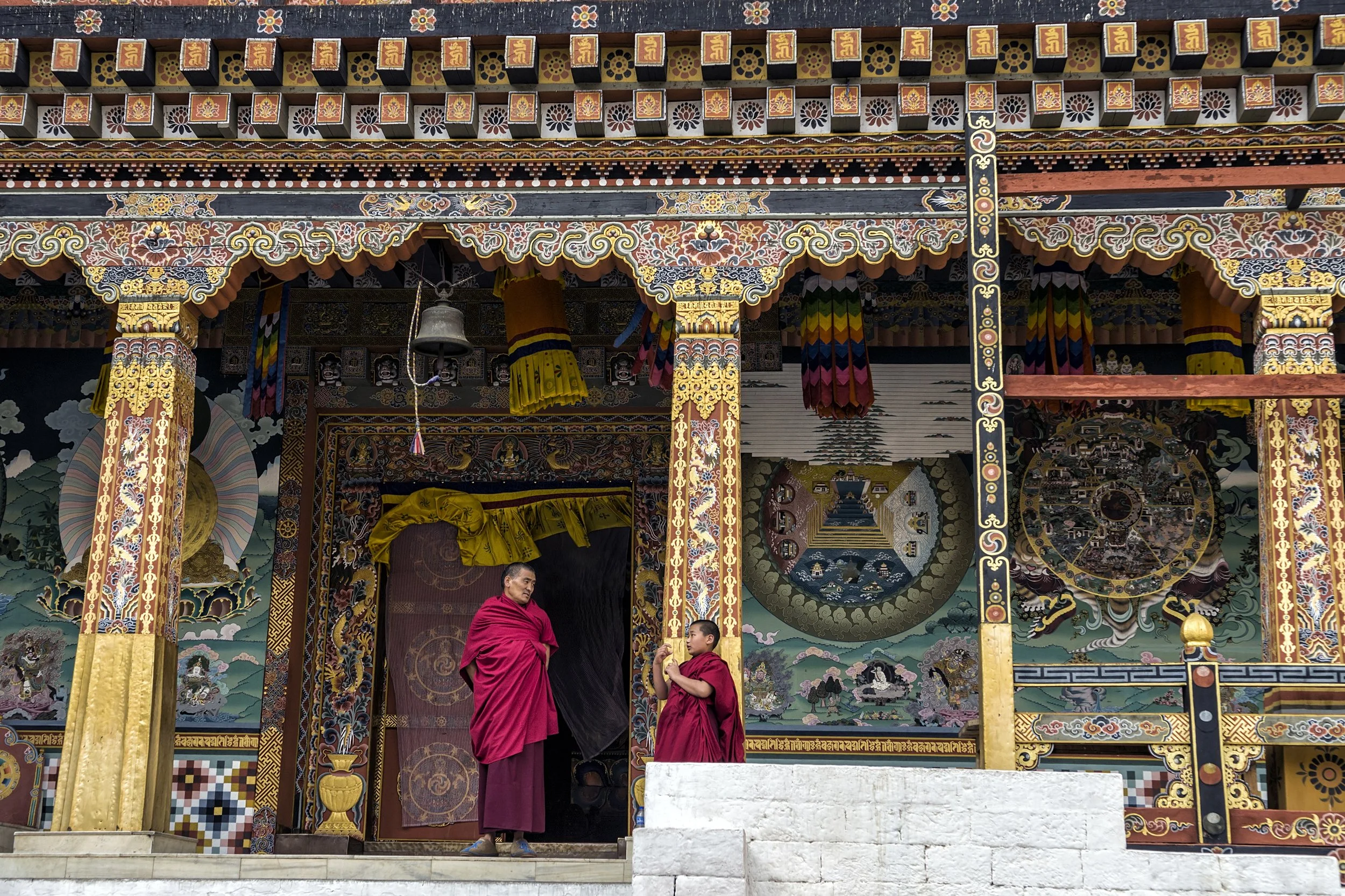
Bhutan is the last of the independent Buddhist kingdoms of the Himalaya, a country of forested valleys and high mountain passes where centuries-old monasteries remain active centres of worship. Buddhism has shaped the kingdom’s history, architecture and cultural identity for more than a thousand years, with religious festivals, traditional dress and longstanding customs still woven into everyday life.

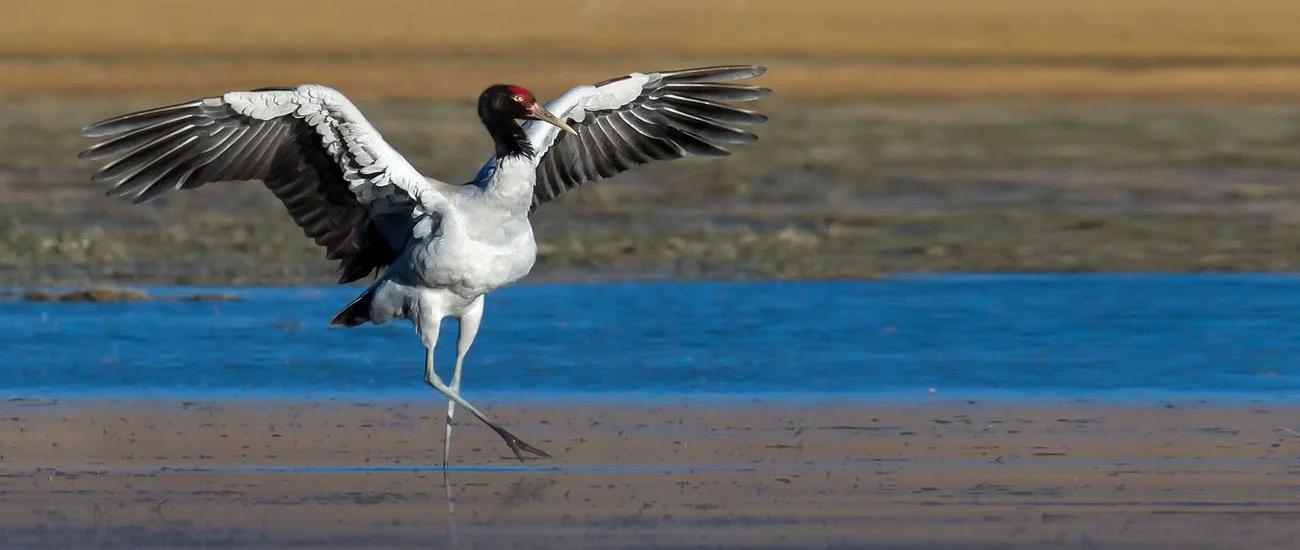
Led by Judy Tenzing, our 12-day journey explores the valleys of western Bhutan, beginning in Paro before continuing to the capital, Thimphu, where royal institutions and traditional crafts reveal a society balancing continuity and change. Crossing the Dochu La Pass, we descend to Punakha, the former seat of government, before travelling into the beautiful Phobjikha Valley, where black-necked cranes gather each winter.

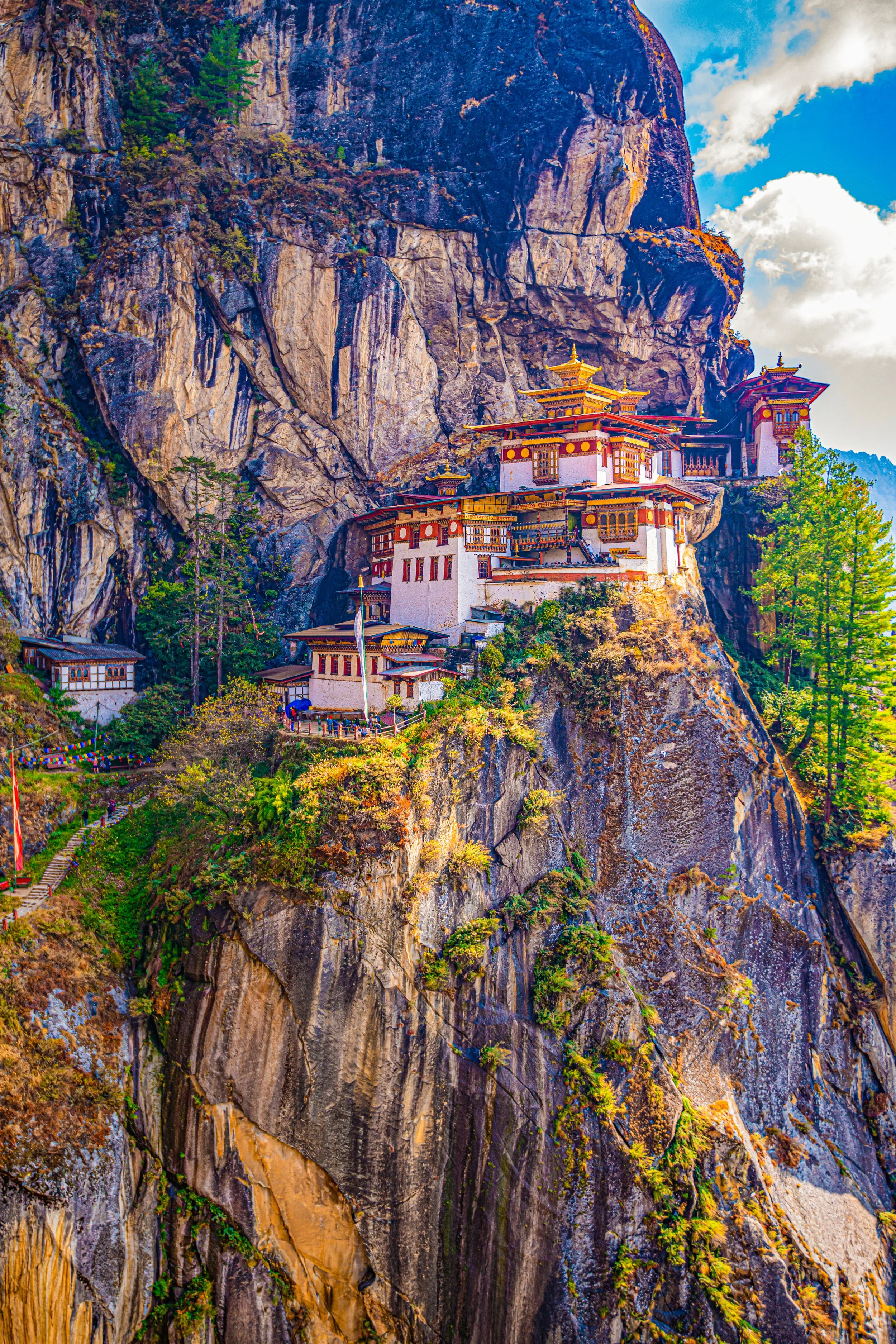
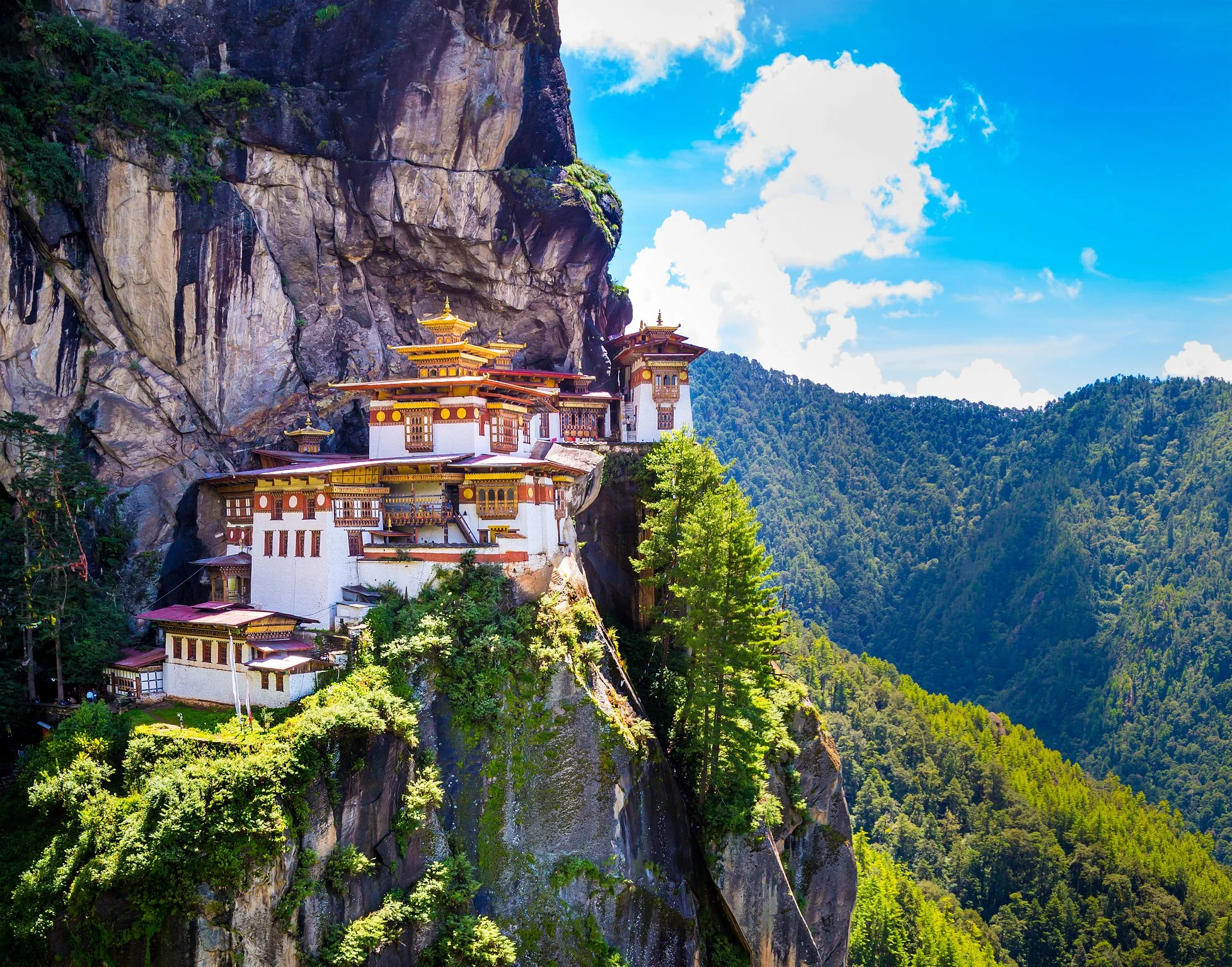
Our journey concludes back in Paro, with the opportunity to ascend to Taktsang, the Tiger’s Nest Monastery, clinging to a sheer cliff some 900 metres above the valley floor. It is a fitting conclusion to our exploration of Bhutan’s Buddhist heritage and remarkable Himalayan landscapes.

tour highlights

Explore Bhutan’s Buddhist heritage, ancient fortress-monasteries and Himalayan landscapes

Judy Tenzing

your expert tour leader

Judy is a historian with a passion for all things South Asian – India, the Himalaya, Taiwan, Myanmar and Sri Lanka. Her deep knowledge and love for the history, music, textiles and literature of these regions adds a rich dimension to the tours she leads. Judy has a degree in South Asian History as well as post graduate qualifications in secondary teaching. She has taught at the University of Sydney’s Centre for Continuing Education, U3A, COFA, the Jane Austen Society and more – offering courses in the histories, cultures, textiles and faiths.

Read full bio >

Accompanied by an Experienced Tour Manager

Alongside your expert tour leader, an experienced tour manager will accompany for the entirety of the tour. They oversee logistics, ensure your comfort and safety, and provide friendly support – whether offering tips for free time, sharing a chat over dinner, or giving you space to relax.

tour ITINERARY

Bangkok (1 night), Paro (2 nights), Thimphu (2 nights), Punakha (2 nights), Gangtey (2 nights), Paro (2 nights)

Included meals are shown with the letters B, L and D
  • Day 1 | Monday 8 November
    Arrive Bangkok
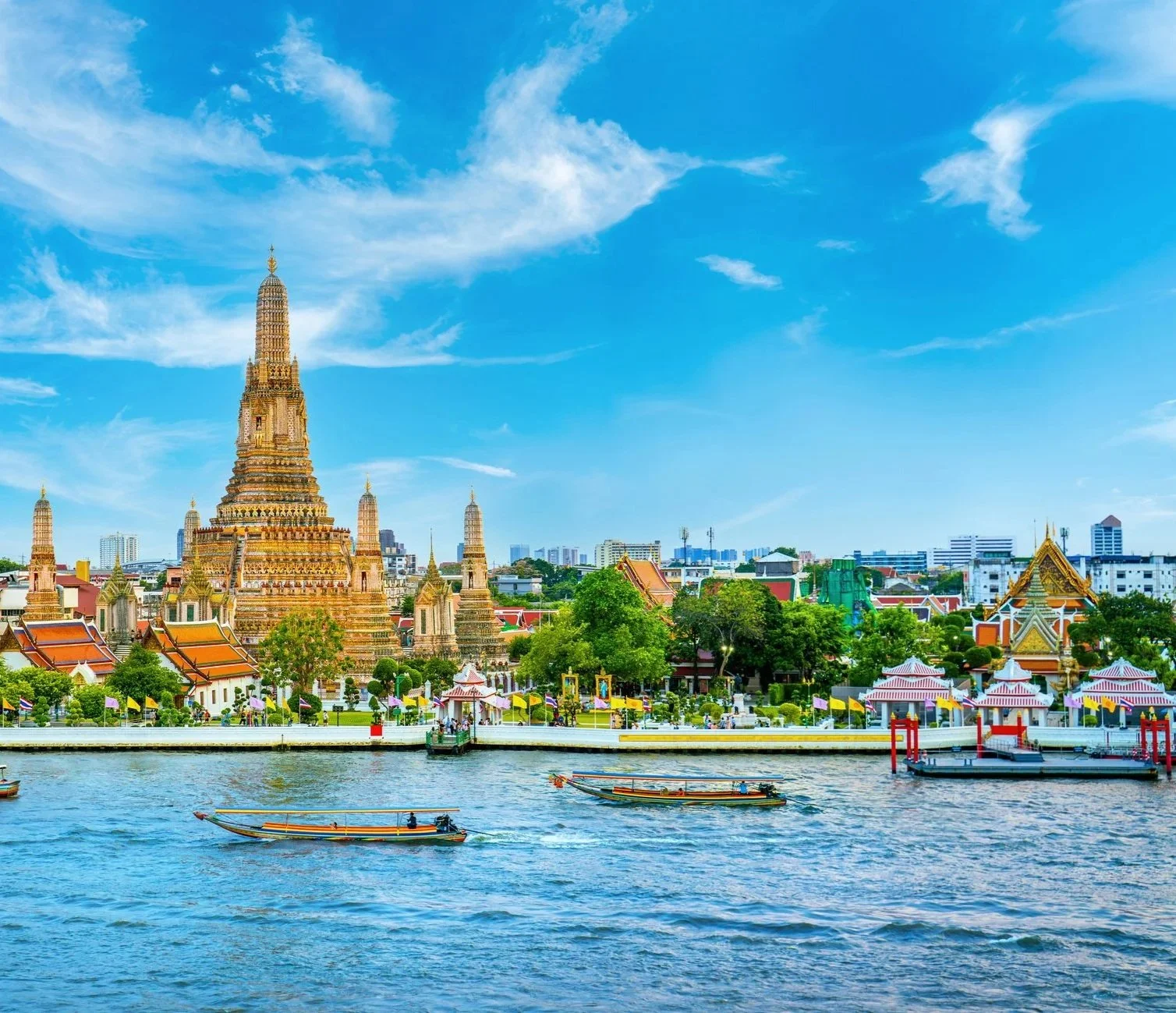
    We begin in the commercial pivot of mainland South-East Asia since the late 18th century, when the Chakri kings established their capital on the Chao Phraya and drew the region’s trade towards it. Today, Bangkok serves as the gateway for travellers bound for the eastern Himalaya, and our tour begins with an overnight stay close to the airport ahead of tomorrow’s early departure. Arriving independently in Bangkok, we make our way to our airport hotel, conveniently located for the following morning’s flight to Paro. In the late afternoon, we gather to meet our tour leader, Judy Tenzing, and fellow travellers over drinks and a light dinner. Overnight Bangkok (D)

  • Day 2 | Tuesday 9 November
    Bangkok to Paro
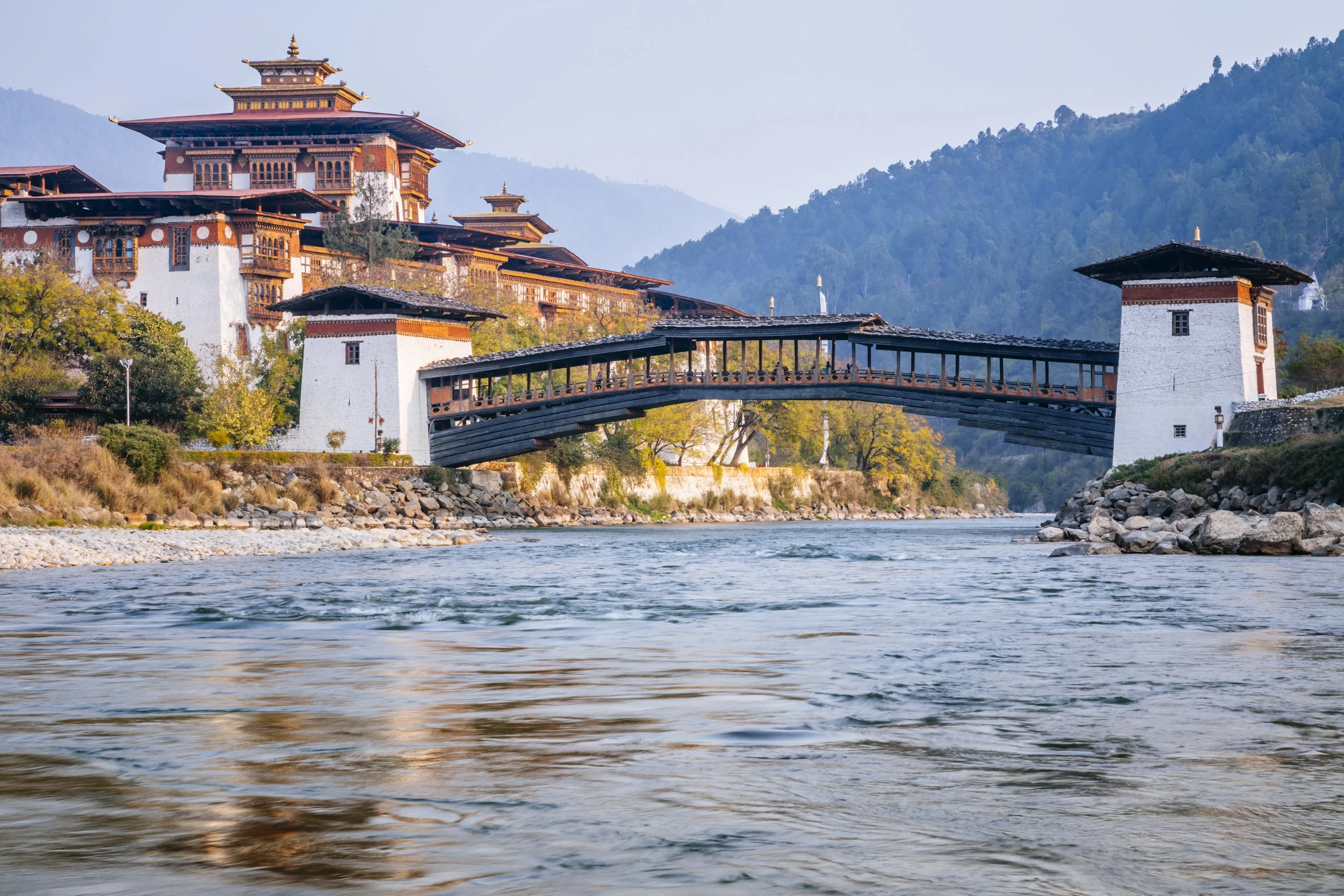
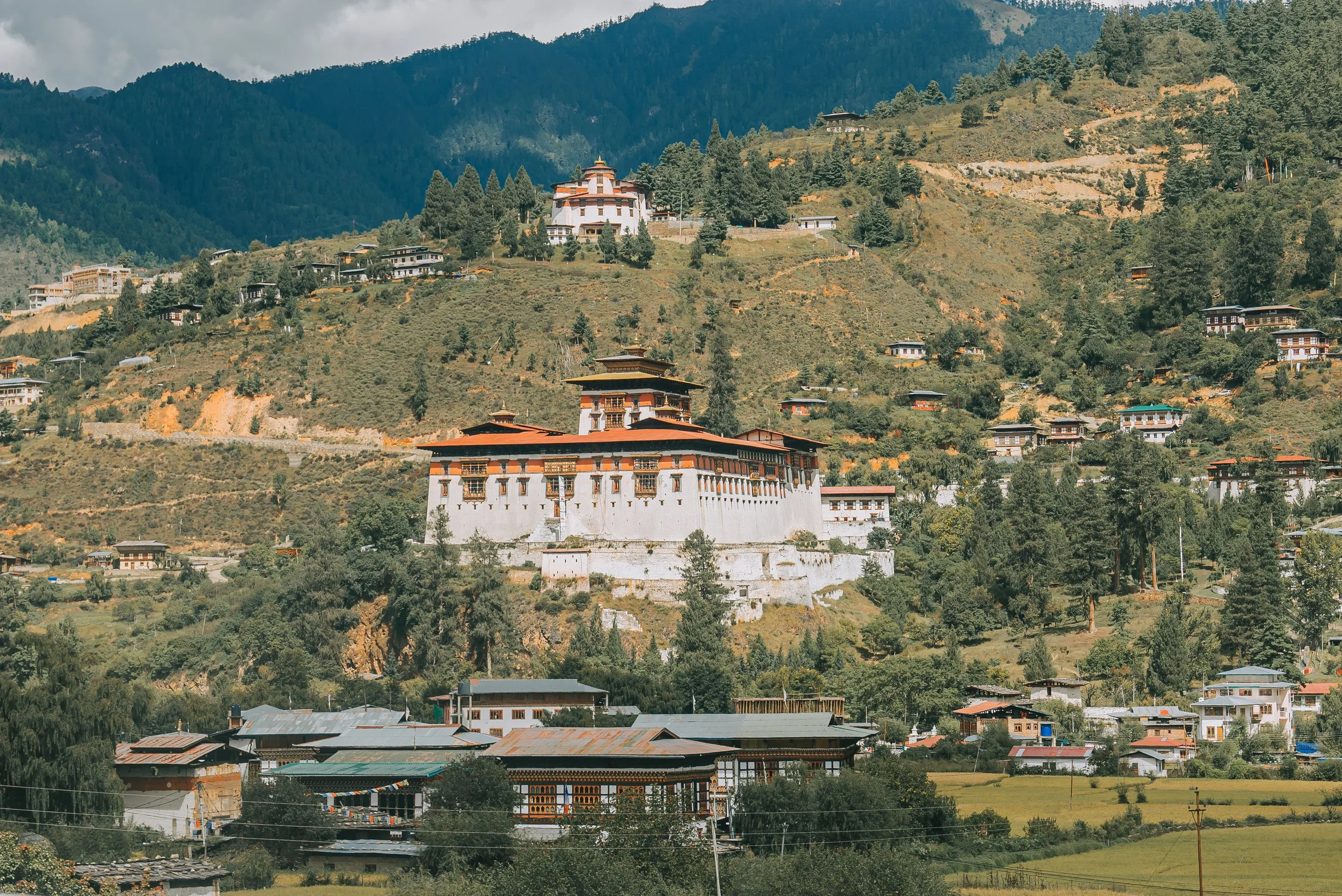
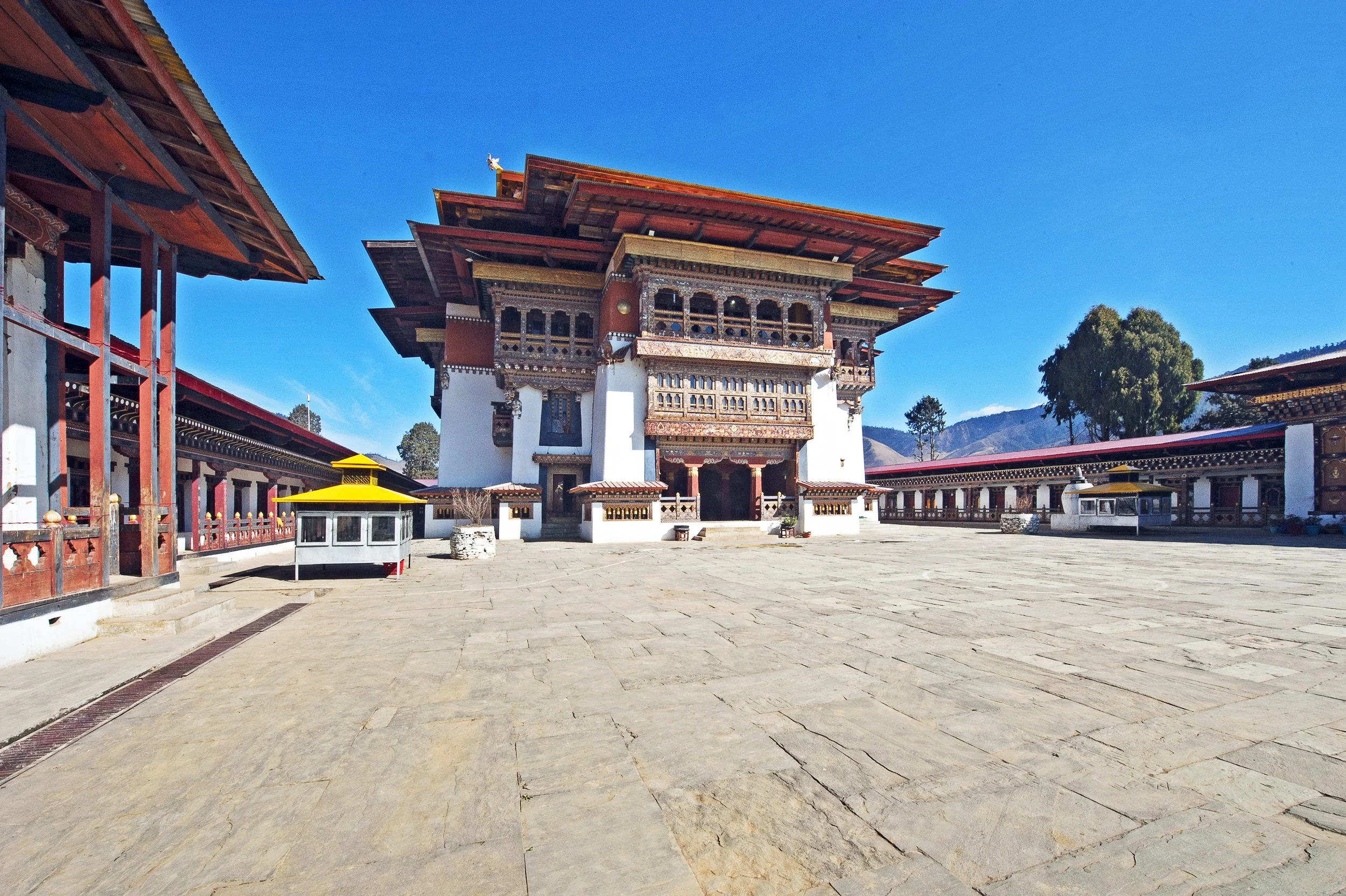
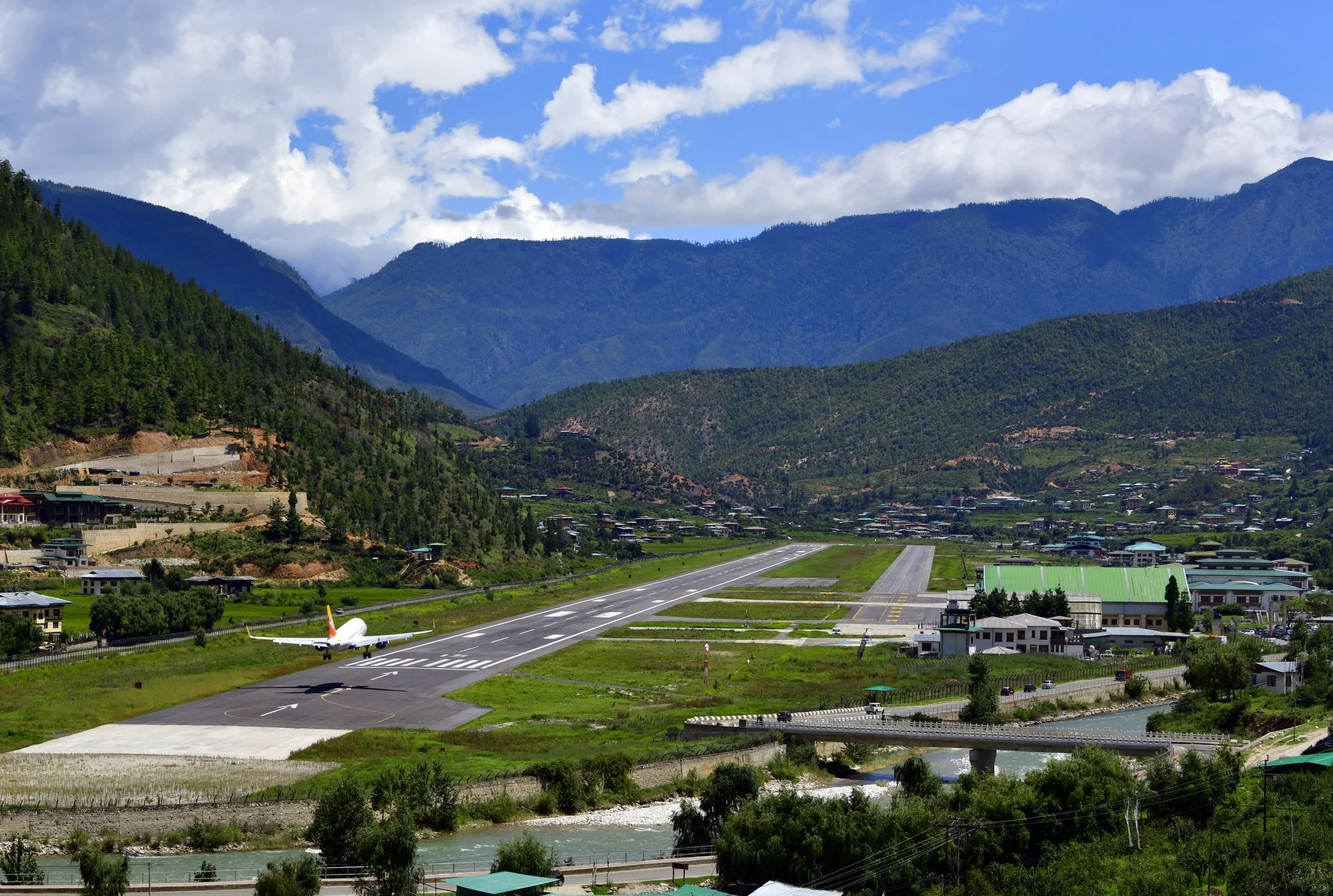
    Bhutan has kept the modern world at arm’s length longer than any of its neighbours, opening to foreign visitors only in 1974 and governing entry ever since by a policy favouring small numbers over volume, leaving its Buddhist institutions and forests largely intact. We depart Bangkok early this morning, flying to Paro, where our approach takes us between steep, forested mountains into a valley of traditional farmhouses and terraced fields. Following lunch together at a local restaurant, we begin our introduction to Bhutan at Rinpung Dzong, built in the 17th century under Zhabdrung Ngawang Namgyal, who unified the country. Its imposing whitewashed walls overlook the Paro River, while the complex continues to serve both religious and administrative functions. Above it stands the cylindrical Ta Dzong, a 17th-century watchtower now housing the National Museum, whose collections of textiles and religious art set the cultural scene for the tour. In the evening, we gather for our welcome dinner. Overnight Paro (B, L, D)

  • Day 3 | Wednesday 10 November
    The Upper Paro Valley
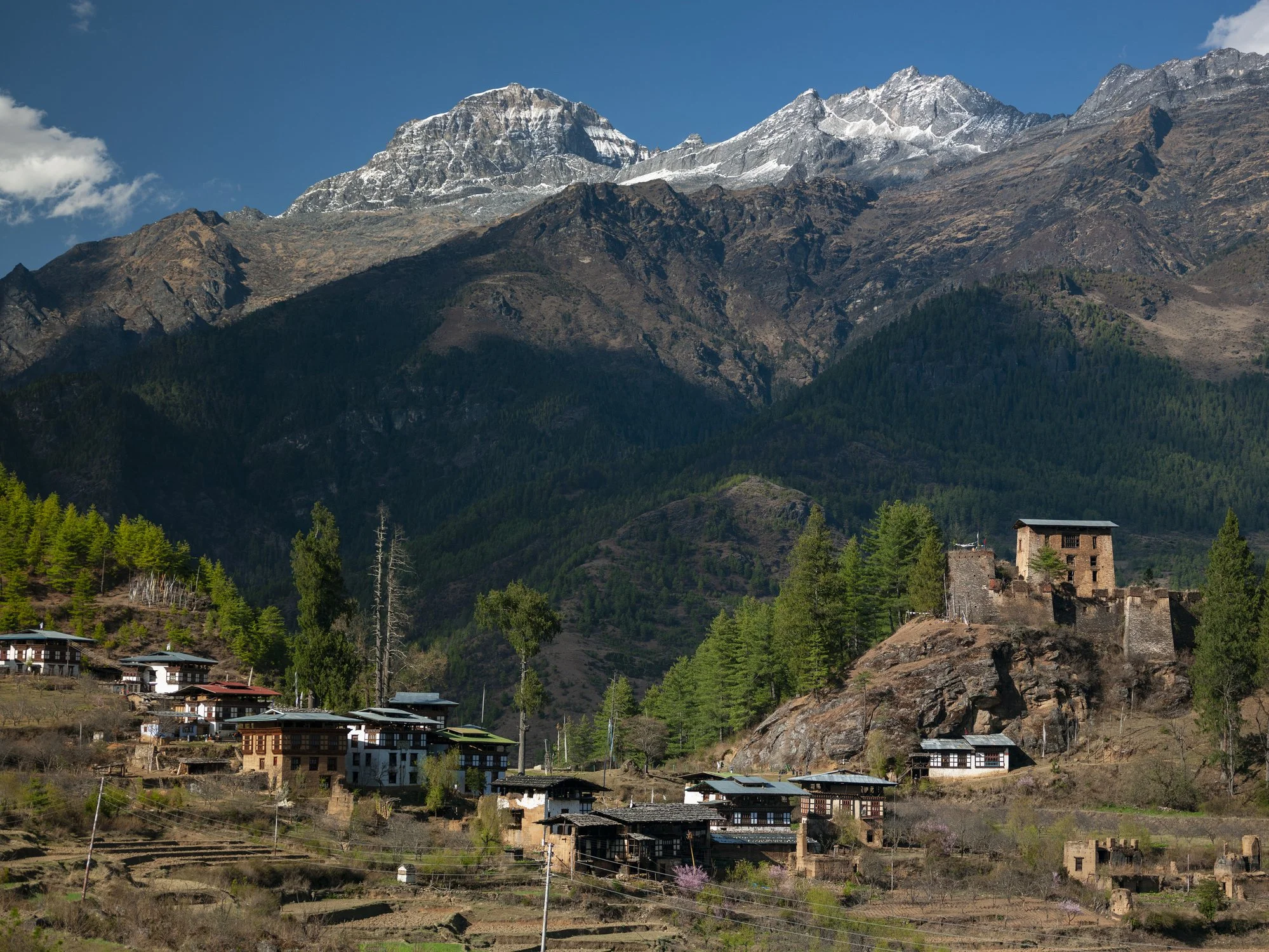
    For centuries, the upper Paro Valley formed an important frontier between Bhutan and Tibet, its mountain passes serving both trading caravans and invading armies. The region’s fortresses and temples reflect this history of conflict, exchange and the spread of Buddhism across the Himalaya. We begin today with a drive north to Drukgyel Dzong, built in 1649 to commemorate a Bhutanese victory over Tibetan forces. Destroyed by fire three centuries later and subsequently reconstructed, its imposing ramparts stand against a backdrop of forested mountains, with views on clear days towards the snow-covered summit of Mount Chomolhari. Returning down the valley, we pause for our first view of Taktsang, or Tiger’s Nest Monastery, clinging to the cliff face some 900 metres above the valley floor – a remarkable sight and a preview of our final full day in Bhutan. Following lunch together, we then visit Kyichu Lhakhang, among Bhutan’s oldest Buddhist temples, its original chapel traditionally attributed to the 7th-century Tibetan king Songtsen Gampo. Still in daily use, the temple provides a tangible connection to the earliest spread of Buddhism into the region. We return to our hotel with time at leisure before gathering for dinner this evening. Overnight Paro (B, L, D)

  • Day 4 | Thursday 11 November
    To Thimphu
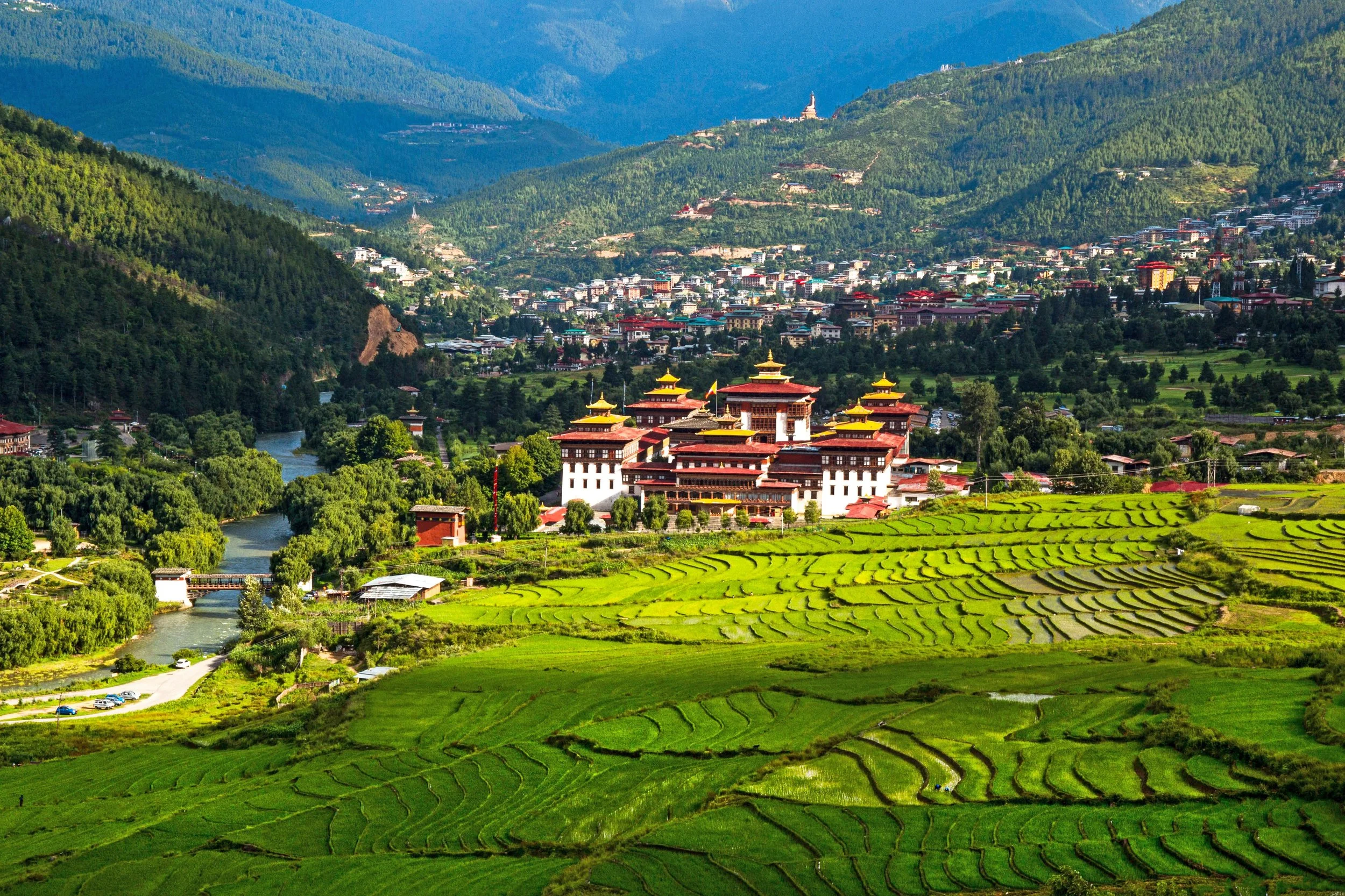
    Until the mid-20th century, Bhutan’s capital was little more than a collection of farmhouses surrounding a fortress. In 1955, the third King, Jigme Dorji Wangchuck, transferred the capital from Punakha to Thimphu, beginning its transformation into the country’s political and administrative centre. Yet traditional customs remain visible, even at the city’s main intersection, where traffic is still directed by hand from a painted pavilion. Leaving Paro, we follow the Wang Chhu River upstream on a scenic drive into the Thimphu Valley. After checking in to our hotel and enjoying lunch together on arrival, we visit the Folk Heritage Museum – a 19th-century rammed-earth farmhouse preserved with its household goods and altar room intact, which sets out the rural life many Bhutanese still lead. We then turn to Tashichho Dzong, the imposing whitewashed fortress that serves as the seat of Bhutan’s government and religious administration. Rebuilt in the 1960s using traditional construction techniques, it houses the throne room and offices of the King, as well as the summer residence of the Je Khenpo, Bhutan’s chief religious authority. Dinner together concludes our first day in the capital. Overnight Thimphu (B, L, D)

  • Day 5 | Friday 12 November
    Thimphu Textiles
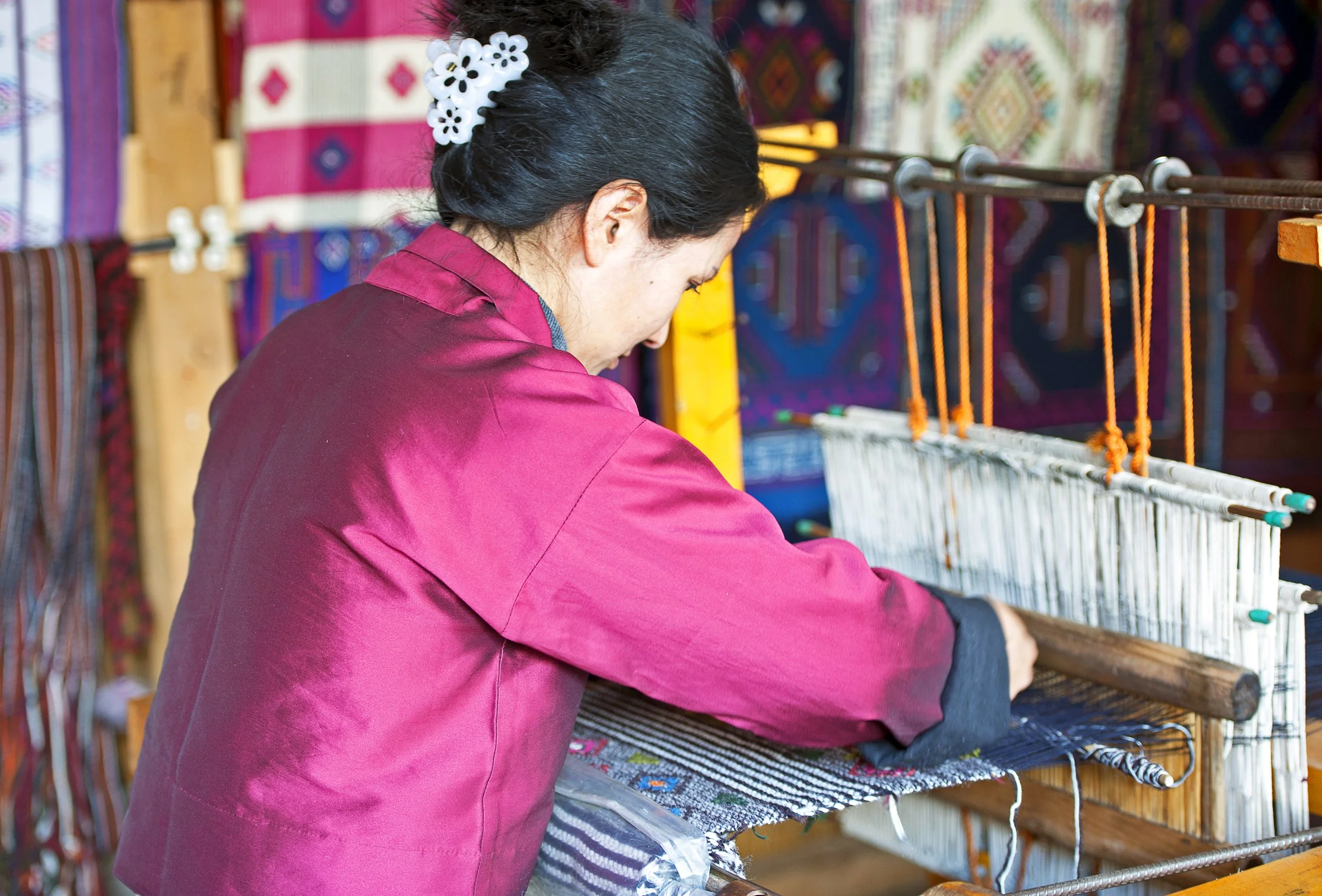
    Among Bhutan’s most enduring artistic traditions is textile weaving, an intricate craft through which regional identity, social status and religious beliefs have long found expression. Traditional dress remains a part of everyday life, with women wearing the kira and men the gho, their distinctive patterns and colours reflecting the centuries of craftsmanship. We begin our exploration of this tradition at the Royal Textile Academy, whose museum houses an outstanding collection of handwoven textiles, ceremonial garments and pieces from the royal collection. Through its displays, we learn about the natural fibres, elaborate weaving techniques and symbolic patterns that distinguish Bhutanese textiles, some requiring months or even years of painstaking work. Following lunch together in town, the afternoon is then at leisure to explore Thimphu at your own pace. You might browse the shops along Norzin Lam, visit local craft workshops or wander through the Centenary Farmers’ Market, where traders gather to sell regional produce and traditional goods. We reconvene for dinner this evening. Overnight Thimphu (B, L, D)

  • Day 6 | Saturday 13 November
    Over the Dochu La to Punakha
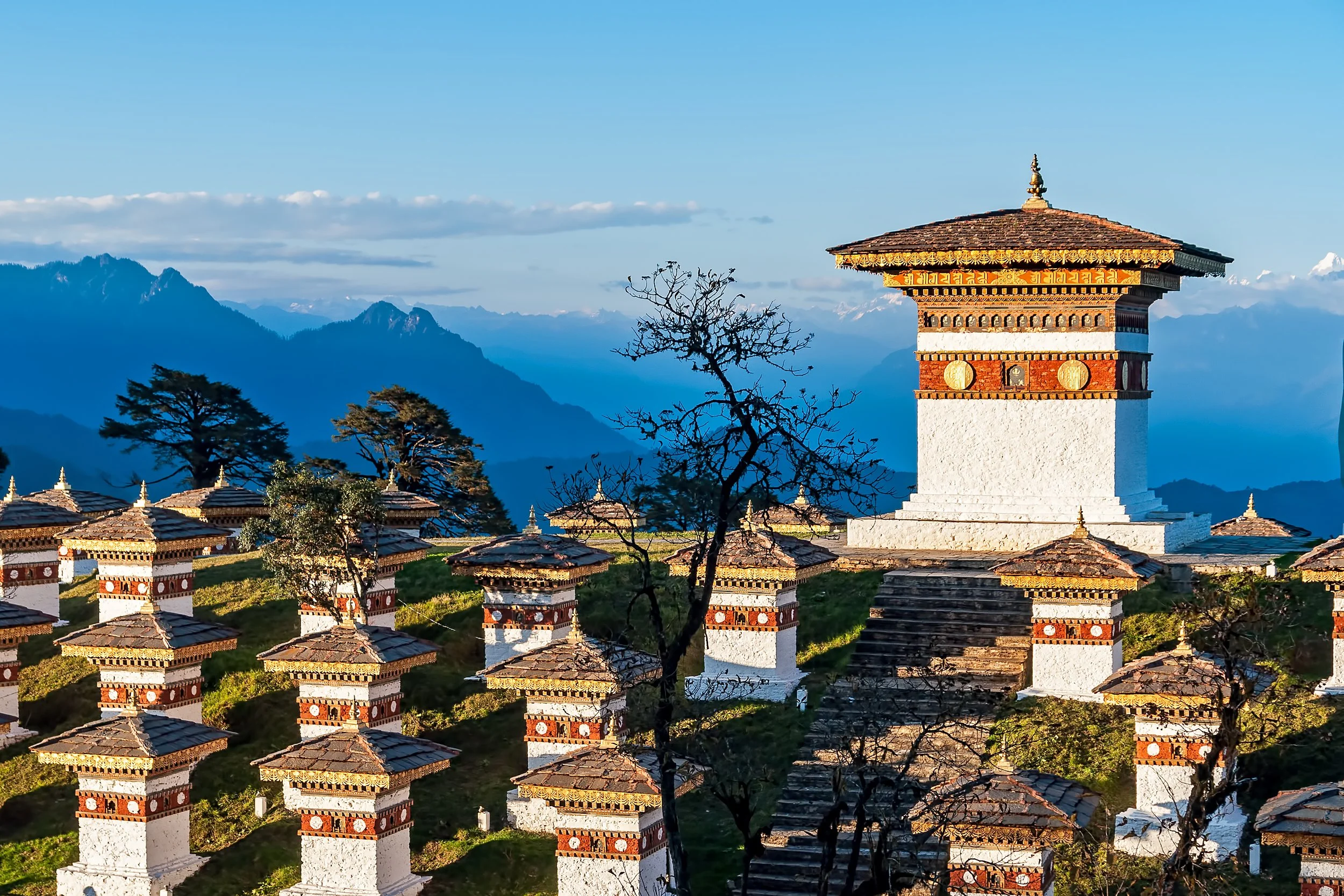
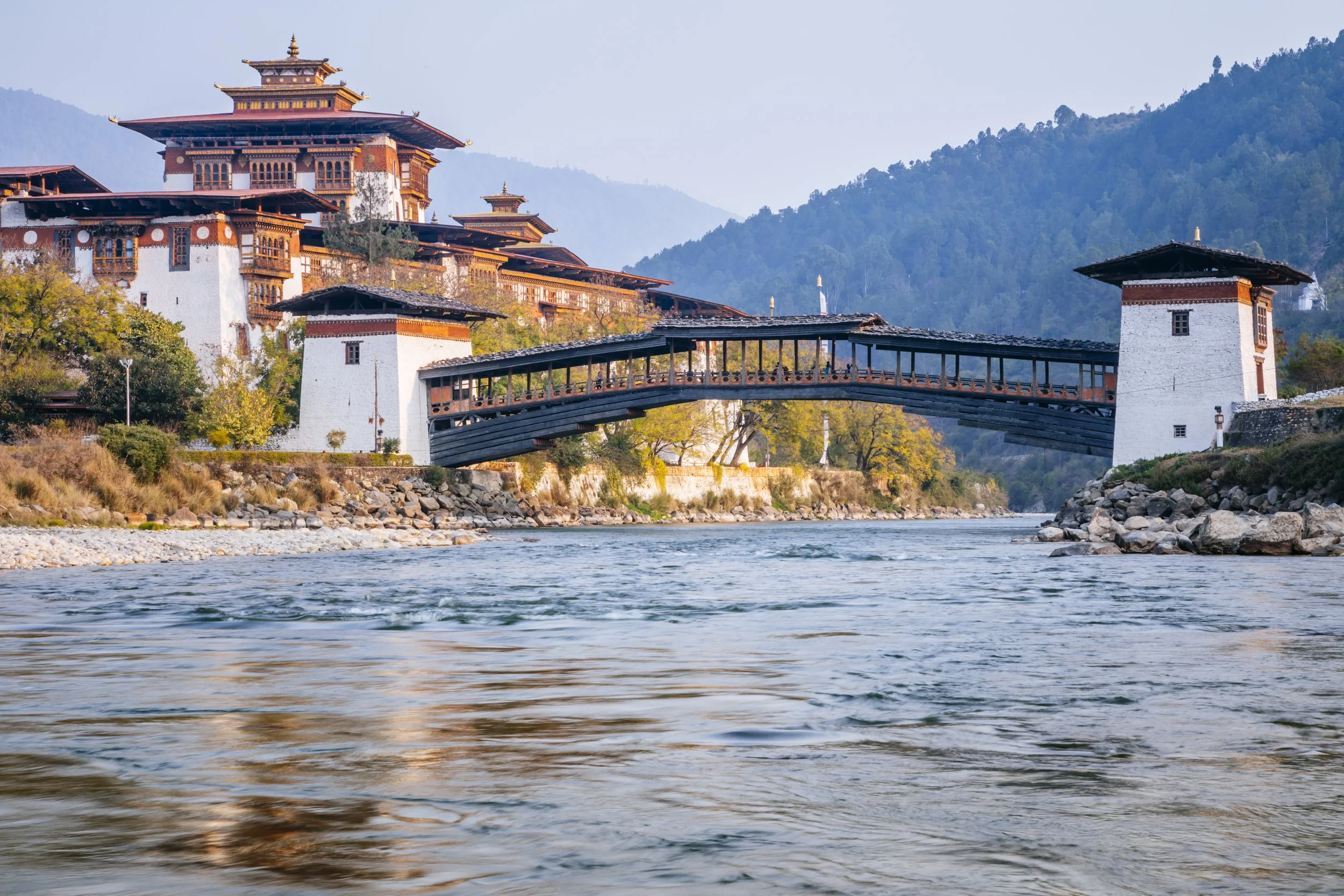
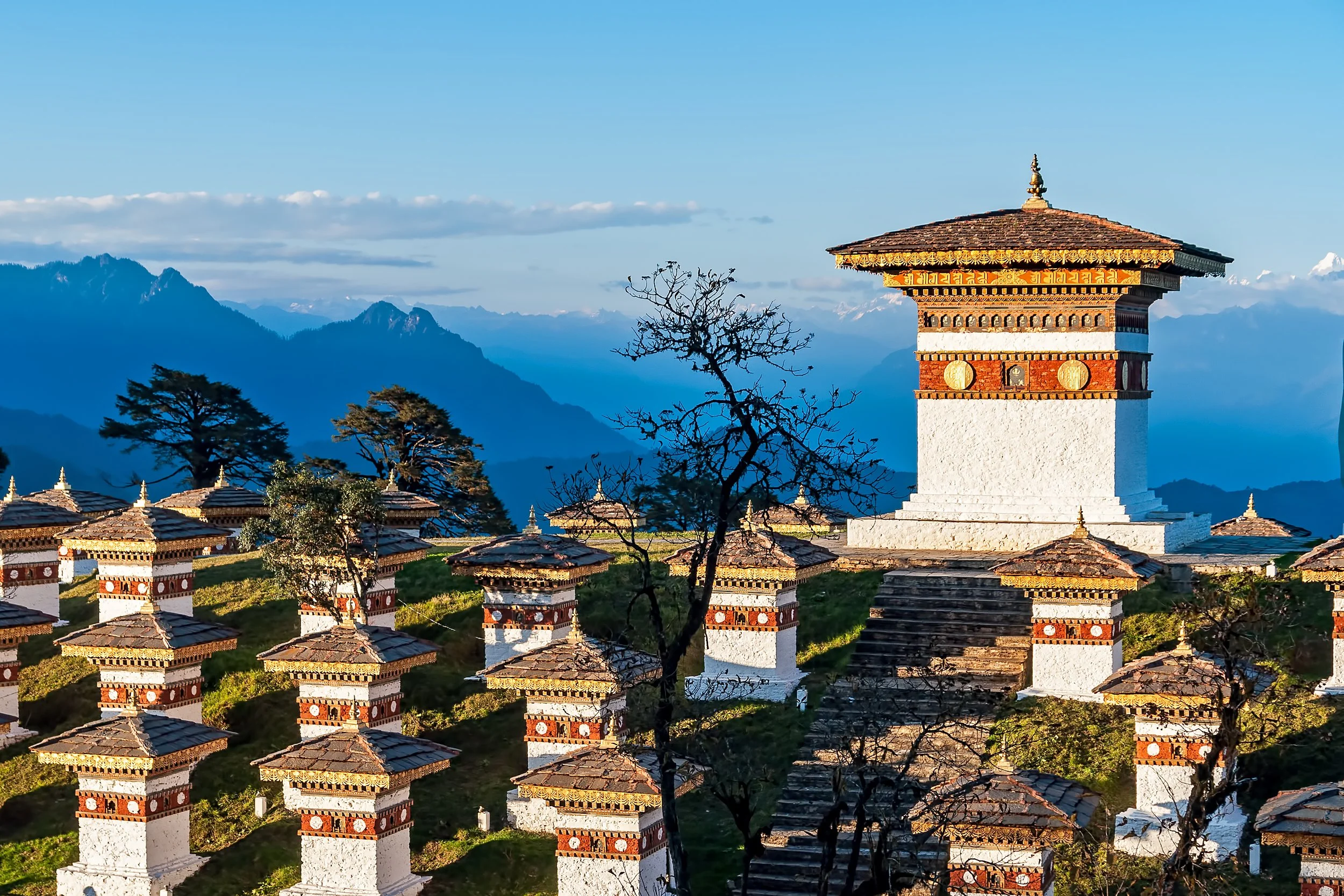
    Crossing the mountains east of Thimphu brings a striking change in landscape and climate, from forests of blue pine at higher elevations to the terraced rice fields and subtropical valleys below. Leaving Thimphu behind, our route takes us over the Dochula Pass, rising to more than 3,000 metres, where 108 memorial chortens stand against a backdrop of Himalayan peaks. Erected in remembrance of a 2003 military campaign, these Buddhist stupas form one of Bhutan’s most distinctive mountain landmarks, with sweeping views of the eastern Himalaya on clear days. Descending into the warmer Punakha Valley, we enjoy lunch together before visiting Punakha Dzong, one of the country’s most historically significant fortresses. Built in 1637 by Zhabdrung Ngawang Namgyal at the confluence of the Pho Chhu and Mo Chhu rivers, it served as Bhutan’s seat of government for three centuries and remains the winter residence of the Je Khenpo, the country’s chief religious authority. The dzong has also witnessed defining moments in Bhutan’s monarchy, including the coronation of its first King in 1907 and the wedding of the present King in 2011. Following our visit, we continue to our hotel for dinner this evening. Overnight Punakha (B, L, D)

  • Day 7 | Sunday 14 November
    Punakha
    Bhutanese Buddhism has a long tradition of unconventional spiritual teachers, none more celebrated than Drukpa Kunley, the 15th-century saint known as the Divine Madman. Famous for his irreverent humour and disregard for religious convention, his teachings challenged established customs while emphasising the importance of compassion and spiritual understanding. A gentle walk this morning through terraced rice fields and the village of Sopsokha brings us to Chimi Lhakhang – a small hilltop temple founded in 1499 and closely associated with the Divine Madman. Still visited by couples seeking blessings for fertility, the temple reflects a distinctive aspect of Bhutanese religious life. The phallic symbols painted on surrounding farmhouses belong to the same tradition, believed to ward off evil spirits and misfortune. Following lunch together in the valley, we continue to Punakha’s local bazaar and the banks of the Pho Chhu River. Here, a long suspension bridge adorned with colourful prayer flags offers views across the river and surrounding rice fields, where traditional agricultural life continues much as it has for generations. We return to our hotel in the afternoon before gathering for dinner this evening. Overnight Punakha (B, L, D)

  • Day 8 | Monday 15 November
    To the Phobjikha Valley
    East of Punakha, the Black Mountains form a natural divide between western and eastern Bhutan, their forests providing an important refuge for Himalayan wildlife. Continuing our journey today, we venture higher into the mountains, passing through forests of hemlock and rhododendron before emerging into the broad, glacial Phobjikha Valley – a landscape of open grasslands, winding streams and scattered farmhouses at around 3,000 metres above sea level. Lunch together is enjoyed along the way, before we continue to Gangteng Monastery, one of Bhutan’s most important Buddhist monasteries. Founded in 1613 by a grandson of the revered Buddhist teacher Pema Lingpa, the monastery occupies a commanding ridge overlooking the valley. It remains a major centre of the Nyingma school of Tibetan Buddhism, distinguished from the Drukpa Kagyu tradition that predominates elsewhere in Bhutan. Its beautifully restored assembly hall and surrounding monastic residences reflect more than four centuries of religious life. Following our visit, we then make our way to our hotel, with time to settle in and appreciate the peaceful surroundings before dinner together. Overnight Gangtey (B, L, D)

  • Day 9 | Tuesday 16 November
    The Black-Necked Cranes of Phobjikha
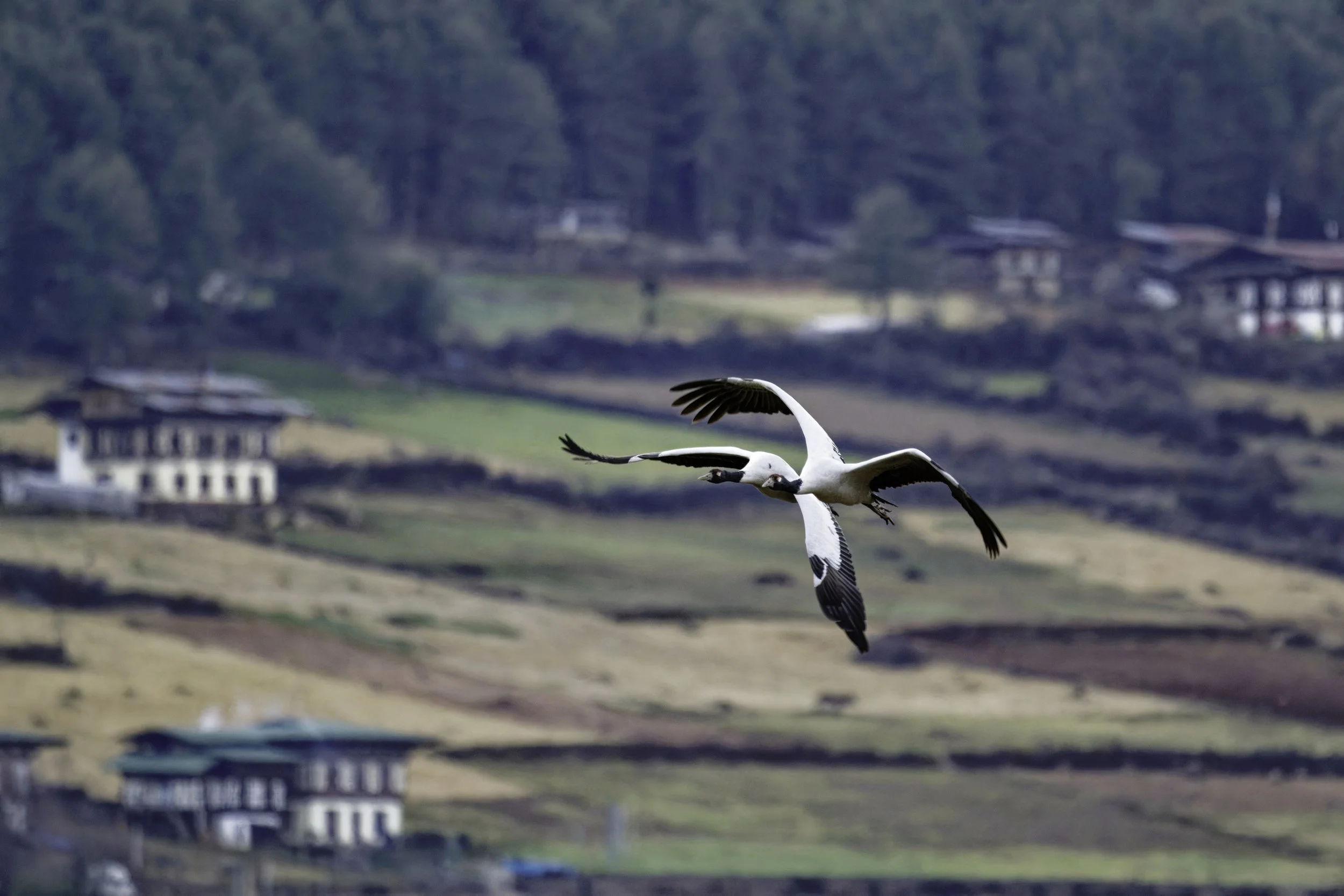
    Each winter, hundreds of black-necked cranes migrate from the Tibetan Plateau to the Phobjikha Valley, arriving from late October and remaining until February. Revered in Bhutanese culture as symbols of longevity and good fortune, these elegant birds have become central to the valley’s conservation efforts. Local power lines have even been laid underground to protect them, while tradition holds that the cranes circle Gangtey Goenpa three times on arrival and again before their departure. Our day begins at the Black-Necked Crane Information Centre, operated by the Royal Society for Protection of Nature, where spotting scopes allow us to observe the birds feeding across the valley’s marshlands.
    We then follow the Gangtey Nature Trail, a gentle walk descending through pine forests, open meadows and potato fields towards the valley floor, with opportunities to appreciate the landscape and its wildlife. Following lunch together, the remainder of the afternoon is at leisure to explore Phobjikha at your own pace or simply enjoy the peaceful surroundings. We gather for dinner this evening. Overnight Gangtey (B, L, D)

  • Day 10 | Wednesday 17 November
    Return to Paro
    Until the early 1960s, Bhutan had no motor roads, with travel between its mountain valleys undertaken on foot or by pack animal along centuries-old trading routes. The construction of the country’s first highways brought once-isolated communities into closer contact and our return to Paro follows one of these remarkable mountain roads through forested slopes, deep river valleys and scattered villages. Leaving Phobjikha this morning, we retrace our route westwards, pausing at scenic viewpoints along the way, including the Dochula Pass, where the Himalayan peaks may again be visible in clear weather. We enjoy lunch together en route before continuing through the Wang Chhu Valley towards Paro, arriving in the late afternoon. For those interested, there is an opportunity to enjoy a traditional Bhutanese hot stone bath, in which river stones heated over a fire are placed into a wooden tub filled with water and medicinal herbs. Long used in Bhutanese villages to soothe tired muscles and aching joints, it offers a welcome way to relax after our travels through the mountains. Later in the evening we gather again for dinner. Overnight Paro (B, L, D)

  • Day 11 | Thursday 18 November
    Tiger’s Nest Monastery
    According to Bhutanese tradition, Buddhism took root in the country during the 8th century with the arrival of Guru Rinpoche, also known as Padmasambhava, the Indian Buddhist master credited with bringing Vajrayana Buddhism to the Himalaya. Legend holds that he flew to a cave high above the Paro Valley on the back of a tigress, where he meditated for three years, three months and three days. In 1692, a monastery was built around this sacred site, becoming one of Bhutan’s most revered pilgrimage destinations. Our final full day offers the opportunity to ascend to Taktsang, or Tiger’s Nest Monastery, its buildings clinging to a granite cliff some 900 metres above the valley floor. The climb takes approximately three hours, with an opportunity to rest at the cafeteria partway up the mountain. From here, the path continues on foot along the mountainside, before descending a flight of stone steps into a narrow gorge and rising again to the monastery entrance. For those who prefer not to undertake the climb, an alternative scenic drive into the upper Paro Valley offers views of traditional farmhouses, small temples and the surrounding mountains. In the evening, we reconvene for a farewell dinner accompanied by traditional Bhutanese music and dance, bringing our exploration of the kingdom to a close. Overnight Paro (B, L, D)

  • Day 12 | Friday 19 November
    Depart Paro
    Bhutan’s only international airport lies on the valley floor a short distance from our hotel, and the morning flight to Bangkok lifts away between the same ridges we descended on arrival. After breakfast we transfer together to Paro airport for our Druk Air flight to Bangkok, arriving at Suvarnabhumi Airport at approximately 12.10pm, where our tour concludes. (B)

Throughout our journey, we stay in a selection of comfortable four-star hotels and resorts. Each provides a convenient base for our explorations, with opportunities to enjoy Bhutan’s mountain scenery and warm hospitality.

Tour Accommodation

tour booking

$14,280 AUD per person, twin share (land content only)
$1,460 AUD supplement for sole use of a hotel room

A $2,000 deposit is required per person to confirm your booking on tour. This deposit is non-refundable.

Hold a Place

Still deciding? We are happy to hold a tentative place for 7 days while you make your final arrangements.

Book Online

To secure your place(s) on tour, book online below with “Athena”, our virtual tour consultant.

DOWNLOAD FORM

Download a printable booking form. You can also complete the form on screen and submit via email.

your tour consultant

The consultant for this tour is Lucy Yeates. For further information or to discuss the tour, please call 9235 0023 (Sydney) or 1800 639 699 (outside Sydney) or email lucy@academytravel.com.au

have you thought about?

Academy Travel is more than just a tour operator. We are also a full-service travel agency who can assist you with all aspects of your travel, including flights, transfers, pre-tour arrival, additional travel and comprehensive travel insurance.

can’t make this departure?

If these dates don't work for you, register to hear about the next tour.