Bologna & ravenna

Treasures of Emilia-Romagna

Trace centuries of Italian history through medieval cities, Renaissance courts, Byzantine mosaics and culinary traditions.

TOUR STATUS

Places Available | Maximum 16

TOUR DATES

June 30 - July 13, 2027 | 14 Days

TOUR LEADER

Dr Eireann Marshall | View Bio

snapshot

OVERVIEW

Emilia-Romagna occupies a pivotal place in the history of northern Italy. Roman roads, medieval communes, Renaissance courts and early Christian centres developed across a fertile landscape stretching from the Apennines to the Adriatic. From Bologna’s porticoes and university traditions to Ravenna’s late Roman churches, the region preserves an exceptional concentration of architecture, art and archaeology.

Led by Dr Eireann Marshall, this new 14-day residential-style tour is divided between seven nights in Bologna and six nights in Ravenna. From Bologna, we examine the city’s Etruscan, Roman and medieval foundations alongside the courtly cultures of Modena, Parma and Ferrara. Travelling east through the Po delta, the tour then turns to Ravenna, Classe and the Adriatic world, tracing the transition from Roman imperial rule to the Ostrogothic and Byzantine eras.

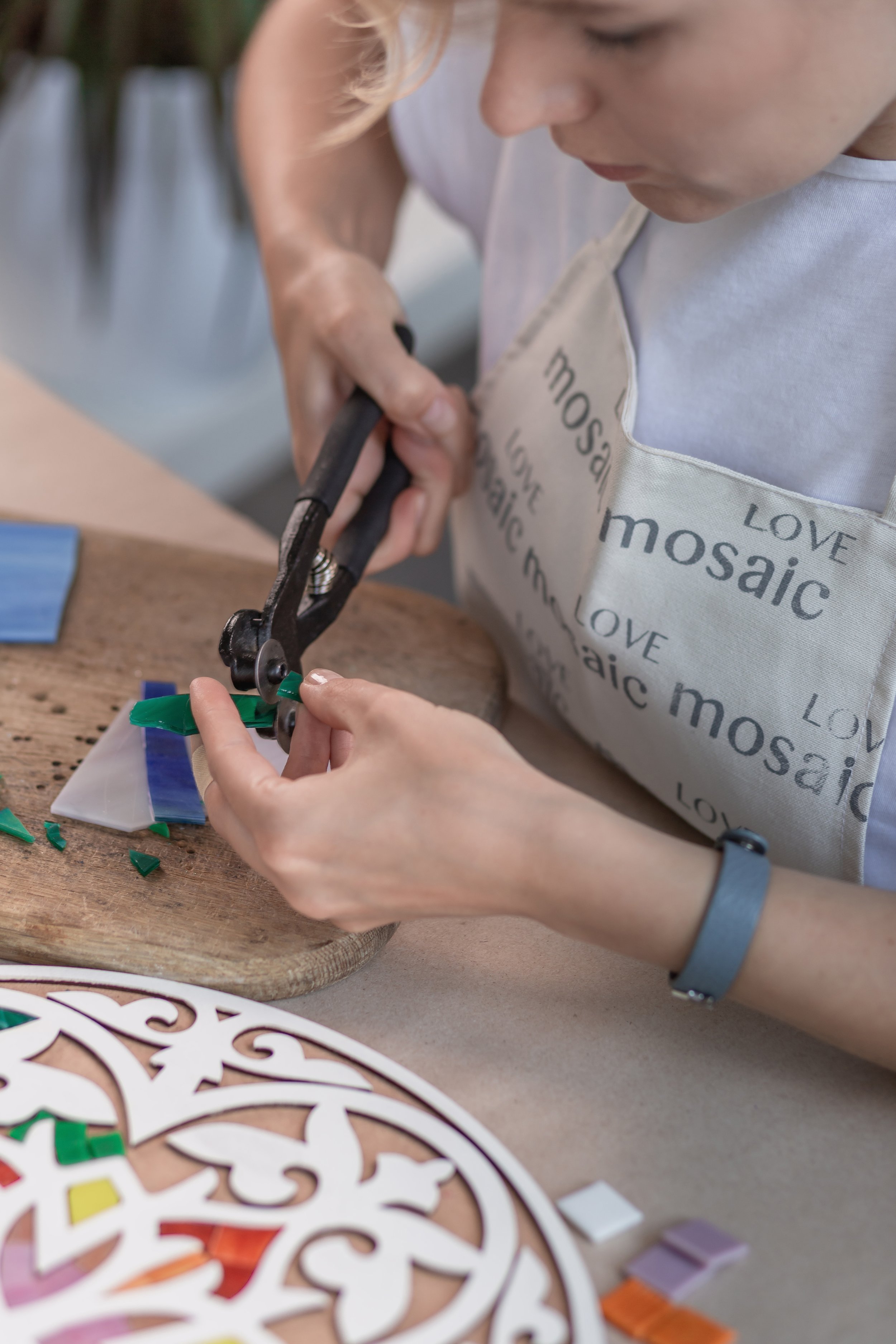
An evening performance and a hands-on mosaic workshop complement the historical program, while the region’s culinary traditions are explored through visits to local producers and a cooking class in a historic Bolognese palazzo.

tour highlights

Trace Emilia-Romagna from Bologna’s medieval street to Ravenna’s Byzantine mosaics

Dr Eireann Marshall

your expert tour leader

Eireann is an Honorary Research Associate and Associate Lecturer with the Open University. Raised in the Veneto, she was educated in Barnard College, Columbia University, in New York, as well as the Universities of Birmingham and Exeter in England, where she has lectured. With her vast lecturing and guiding experience, Eireann has in-depth knowledge of Italy and its history and archaeology. Eireann has led many tours, including several to Rome, Ravenna, Venice, Pompeii and Sicily, and is bilingual in English and Italian.

Read full bio >

Accompanied by an Experienced Tour Manager

Alongside your expert tour leader, an experienced tour manager will accompany for the entirety of the tour. They oversee logistics, ensure your comfort and safety, and provide friendly support – whether offering tips for free time, sharing a chat over dinner, or giving you space to relax.

tour ITINERARY

Bologna (7 nights), Ravenna (6 nights)

Included meals are shown with the letters B, L and D
  • Day 1 | Wednesday 30 June
    Bologna

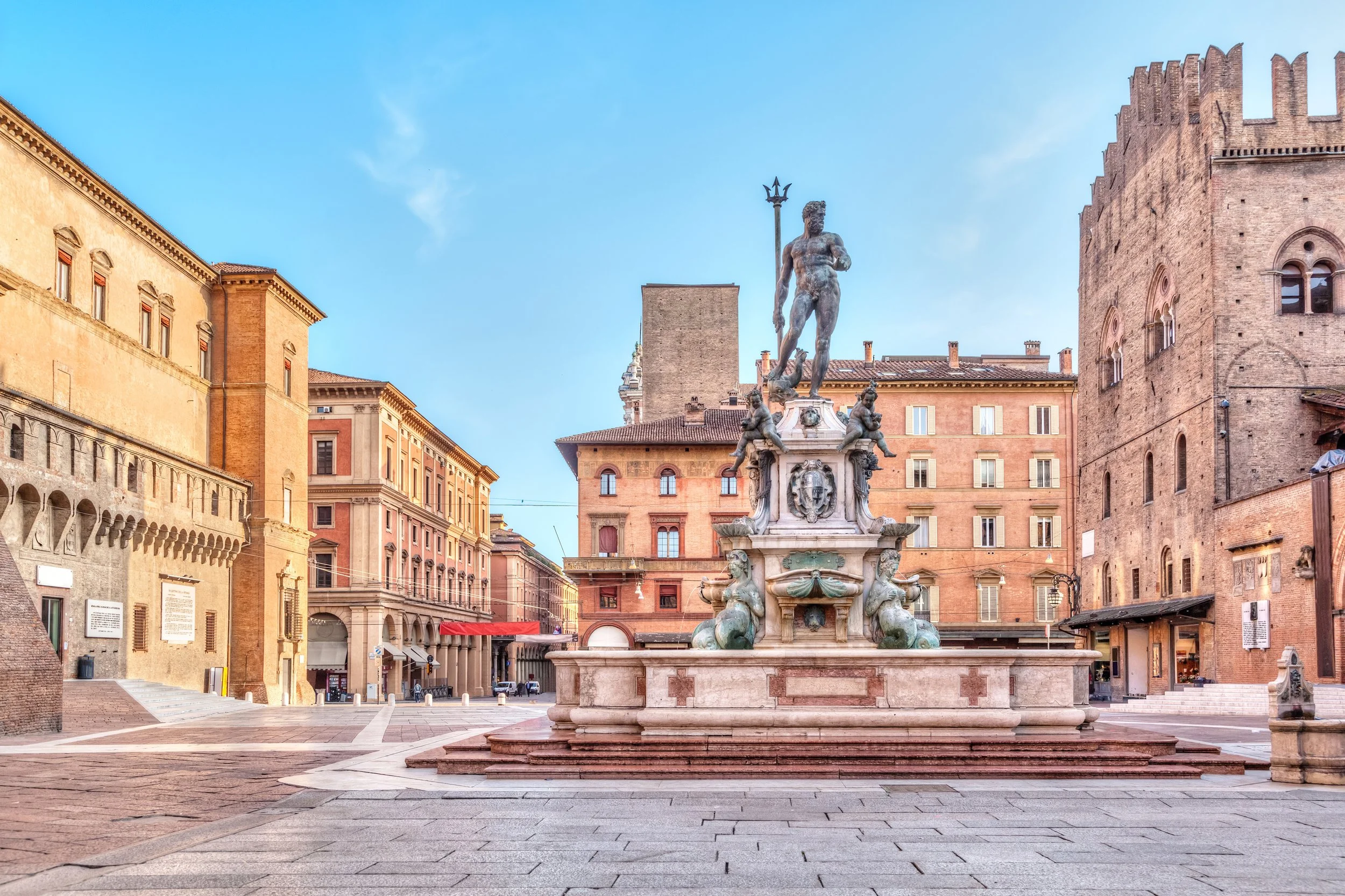
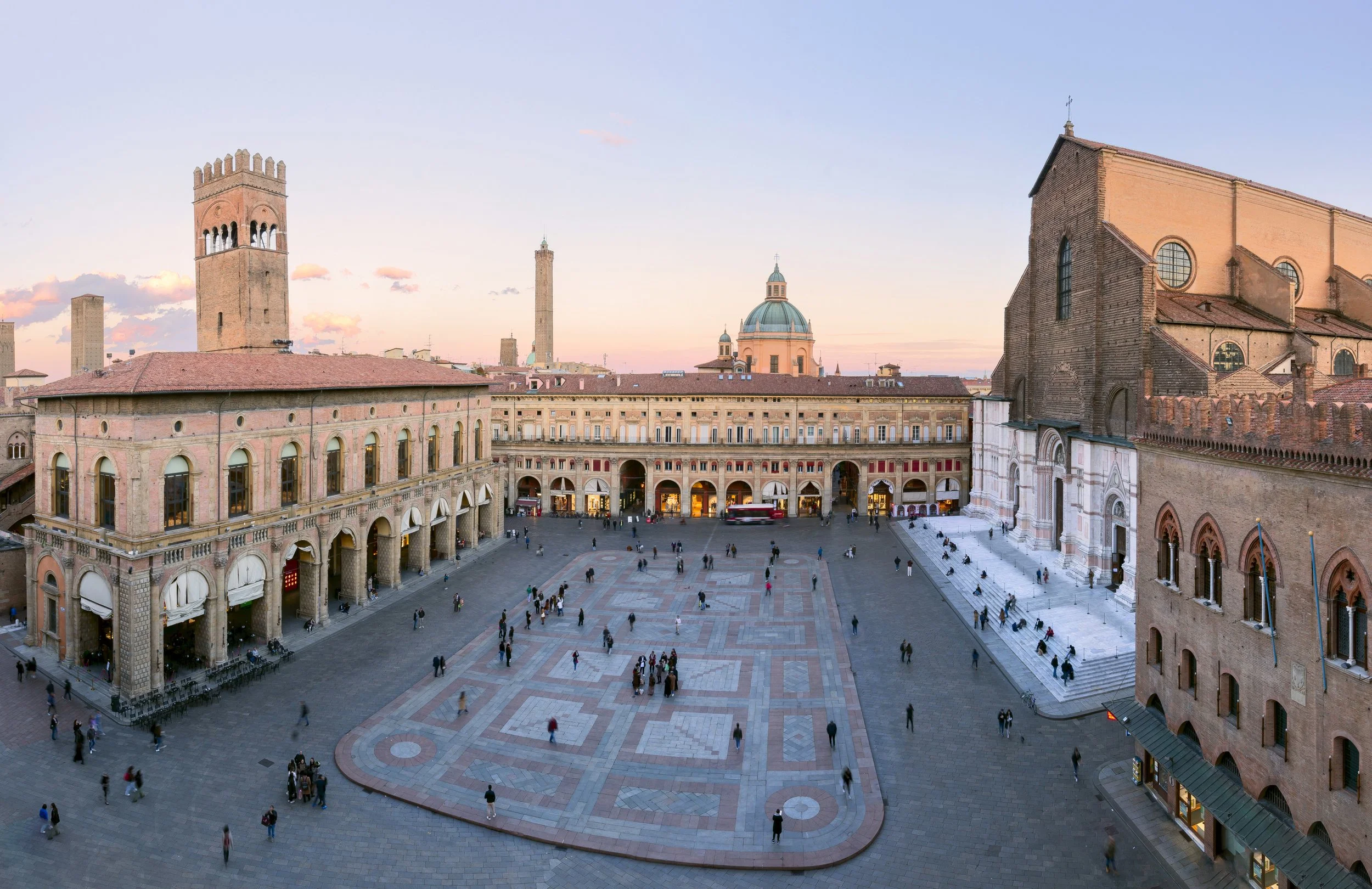
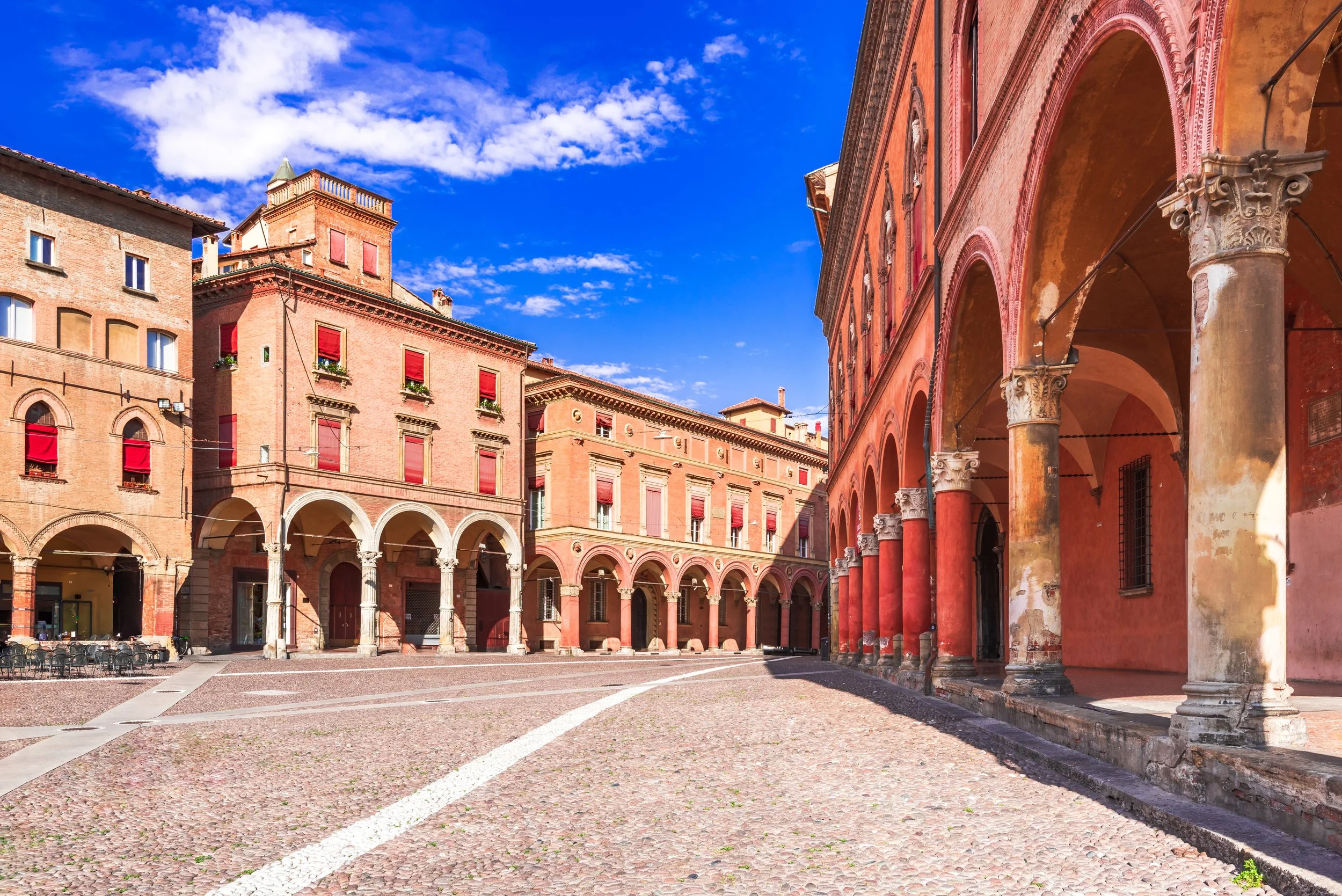
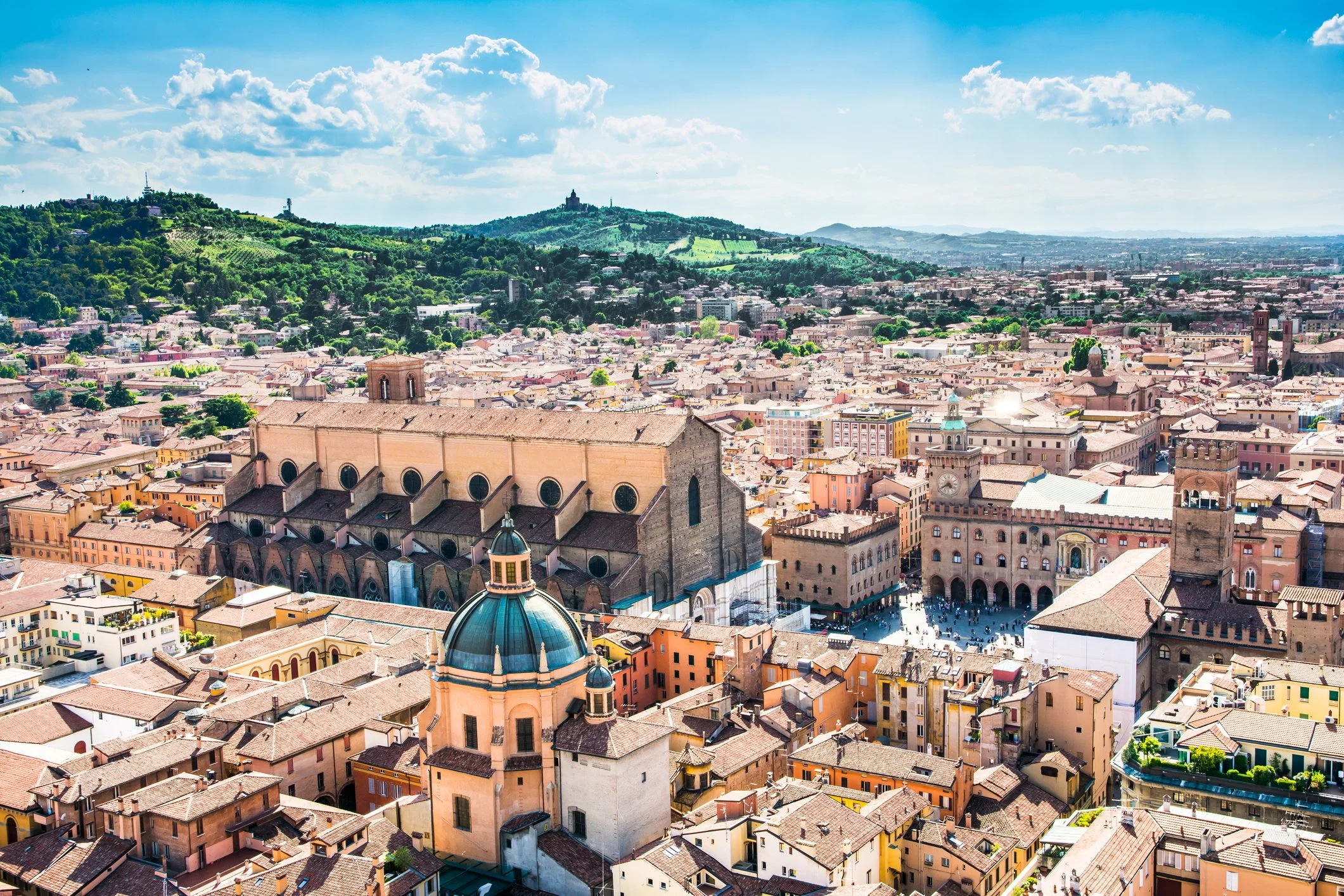
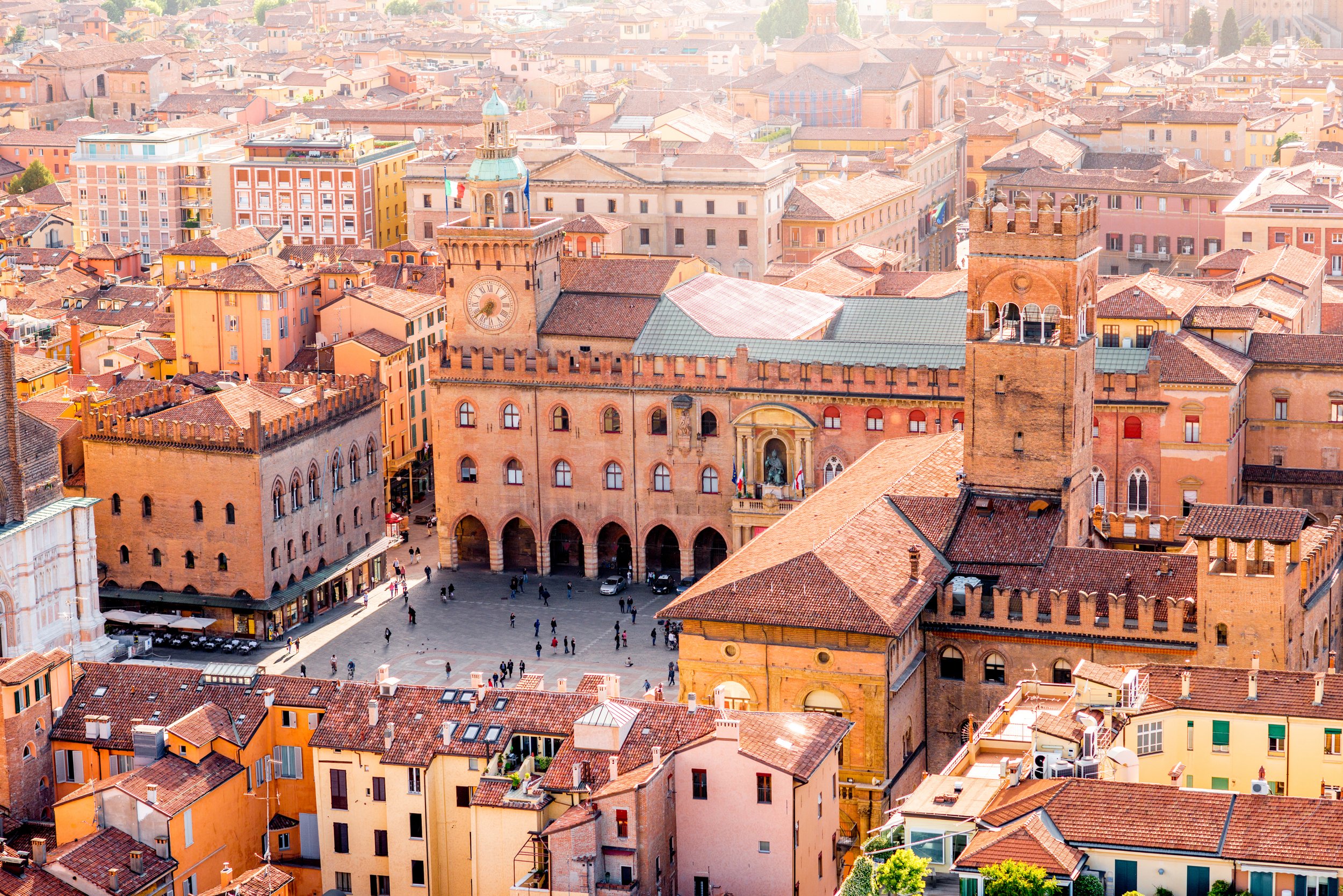
    La Rossa, la Dotta, la Grassa – the red, the learned, the fat – Bologna wears its three medieval nicknames in its terracotta rooftops, ancient university and celebrated culinary traditions. It provides an ideal starting point for our exploration of Emilia-Romagna, a region shaped by Roman roads, medieval communes and the courts of Renaissance Italy. Gathering at Venice Marco Polo Airport this afternoon, we transfer south to Bologna, our base for the next seven nights. Once settled, an orientation walk introduces the historic centre, beginning beneath the leaning Due Torri – the surviving pair of towers that once punctuated the medieval skyline. We continue through the former Ghetto, past the bronze Neptune presiding over Piazza del Nettuno and into Piazza Maggiore, before entering the arcaded market lanes of the Quadrilatero. As evening falls, we gather for a welcome drink at the hotel, followed by dinner at a nearby restaurant. Overnight Bologna (D)

  • Day 2 | Thursday 1 July
    From Felsina to the University

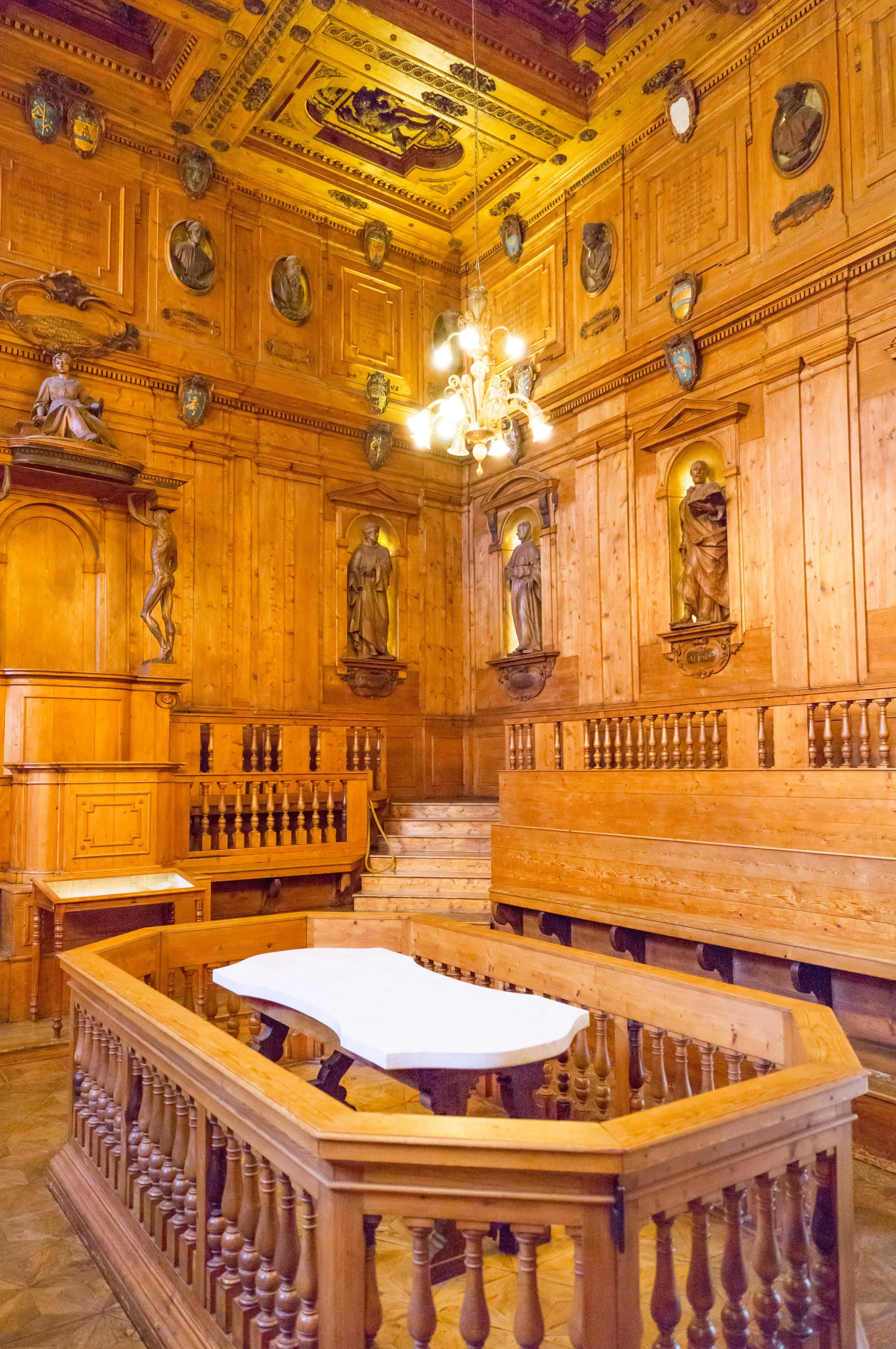
    Beneath Bologna’s medieval streets lie the remains of earlier cities – the Etruscan settlement of Felsina and the Roman colony of Bononia, positioned on the Via Aemilia and the trade routes of the Po plain. We begin today at the Civic Archaeological Museum, whose collections trace these early layers through carved funerary stelae, votive bronzes and objects recovered from Etruscan tombs, alongside significant Roman and Egyptian holdings. The city’s later identity as a centre of learning comes into focus at the Palazzo dell’Archiginnasio, the former seat of the University of Bologna. Its celebrated anatomical theatre, completed in 1637, recalls the city’s renowned medical school, where dissections were conducted before rising tiers of students beneath a gilded figure of Apollo. After a break for lunch, we visit the Basilica of San Domenico, where the founder of the Dominican order rests in the richly sculpted Arca di San Domenico, incorporating early figures by Michelangelo. An evening talk at the hotel draws together the day’s themes. Overnight Bologna (B)

  • Day 3 | Friday 2 July
    Modena – Culinary & Romanesque Traditions

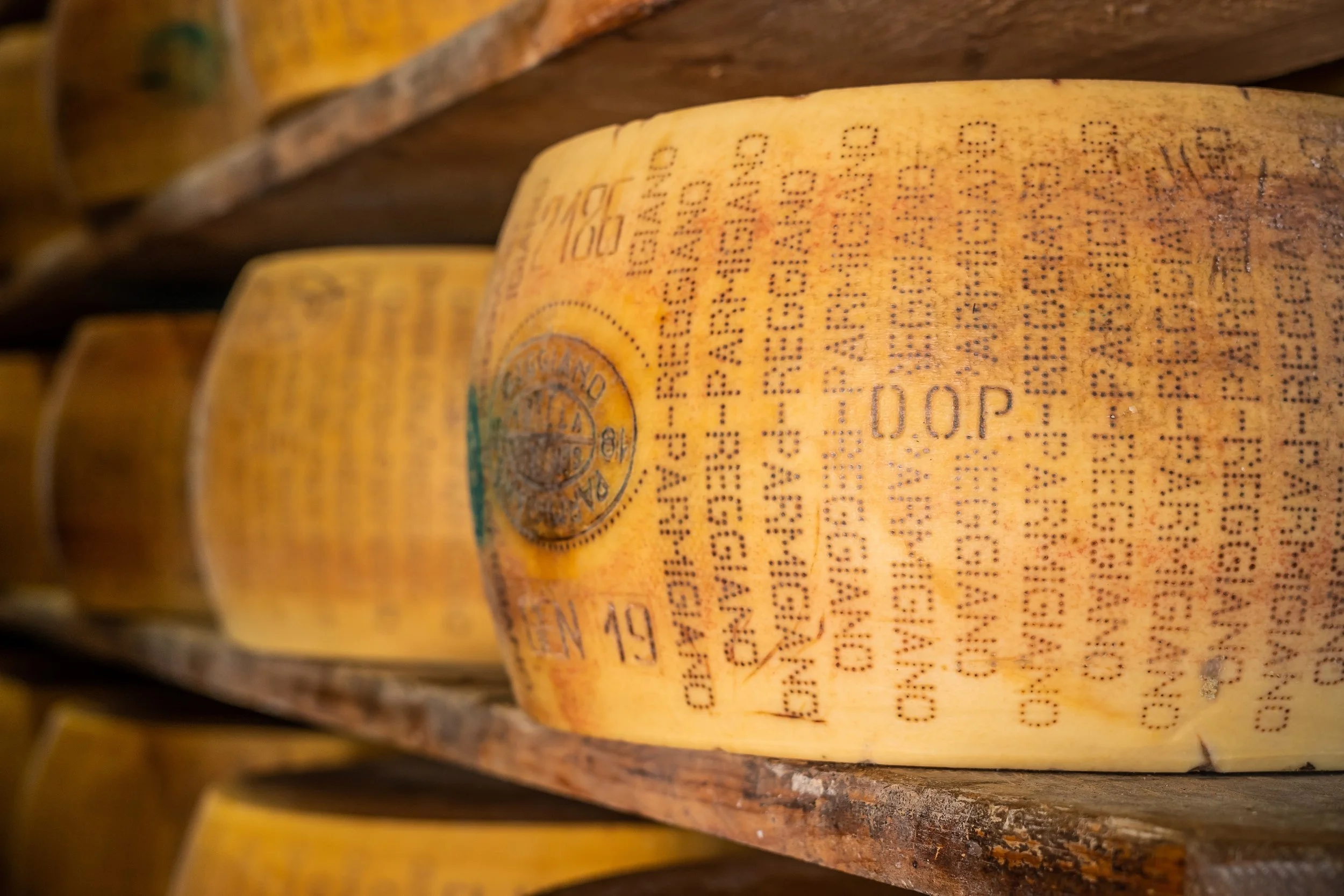
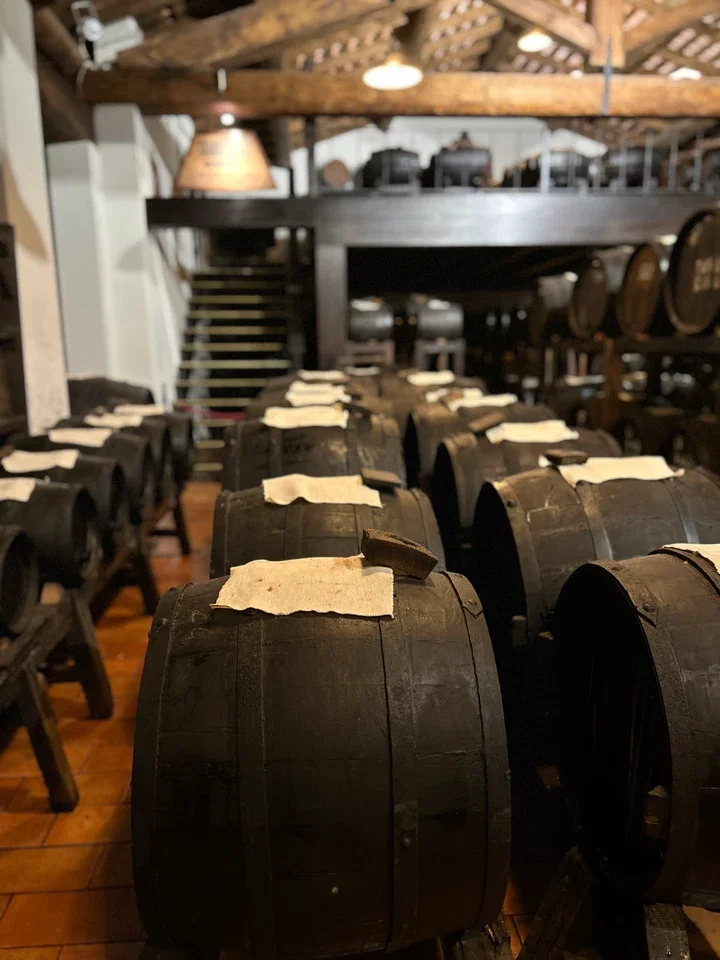
    Beyond Bologna, the fertile countryside of Emilia has long supported agricultural traditions that have produced some of Italy’s most celebrated foods. Travelling into this landscape, we begin at Caseificio 4 Madonne, a Parmigiano Reggiano dairy at Lesignana, where we arrive in time to observe the morning’s production. We then taste cheeses at four stages of maturation, accompanied by ricotta, local cured meats, breads, preserves and Lambrusco over a light lunch. Continuing through the Modenese countryside, our next stop is Casa Giusti – the museum and historic ageing rooms of Acetaia Giusti, a family balsamic vinegar producer founded in 1605. Here we examine the traditional ageing process before tasting vinegars matured in centuries-old wooden casks. The afternoon then turns from Modena’s culinary traditions to its artistic heritage. In the historic centre, the Cathedral, Piazza Grande and Torre Ghirlandina form one of Italy’s finest Romanesque ensembles and are collectively inscribed as a UNESCO World-Heritage site. We conclude at the Casa Museo Luciano Pavarotti before returning to Bologna. Overnight Bologna (B, L)

  • Day 4 | Saturday 3 July
    Bologna – Churches & Culinary Traditions

    Having traced Bologna’s ancient foundations, we now turn to the churches through which its medieval civic and religious identity took shape. Our walking tour begins at the Basilica of San Francesco, one of Italy’s earliest examples of French Gothic architecture, before continuing to Piazza Maggiore and the immense Basilica of San Petronio. Begun in 1390 as the city’s civic church, its monumental yet unfinished structure reflects the ambitions of the medieval commune, while the Cappella dei Magi preserves Giovanni da Modena’s vivid
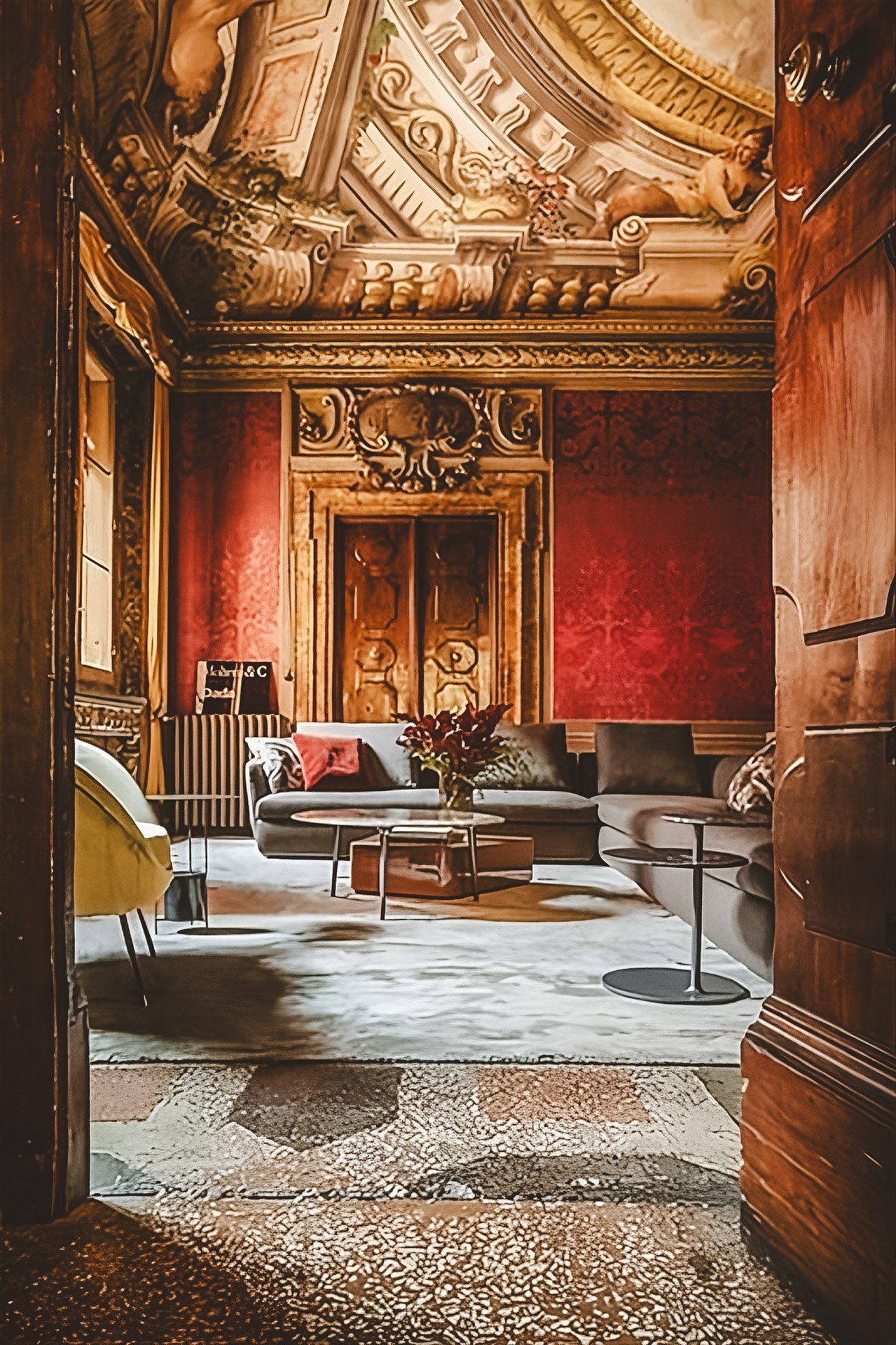
    15th-century frescoes. We then continue to Santo Stefano, an interconnected complex of churches, chapels and cloisters traditionally known as the ‘Seven Churches’. Developed over many centuries, it was conceived as a symbolic recreation of the holy sites of Jerusalem. Around midday, a member of the Isolani family welcomes us to Palazzo Isolani for a private tour of its historic interiors. A tasting of wines from the Cavazza Isolani estate is followed by a hands-on cooking class devoted to Bolognese traditions, concluding with lunch in the frescoed rooms. The remainder of the afternoon is at leisure. Overnight Bologna (B, L)

  • Day 5 | Sunday 4 July
    Parma – Farnese Patronage & Performance

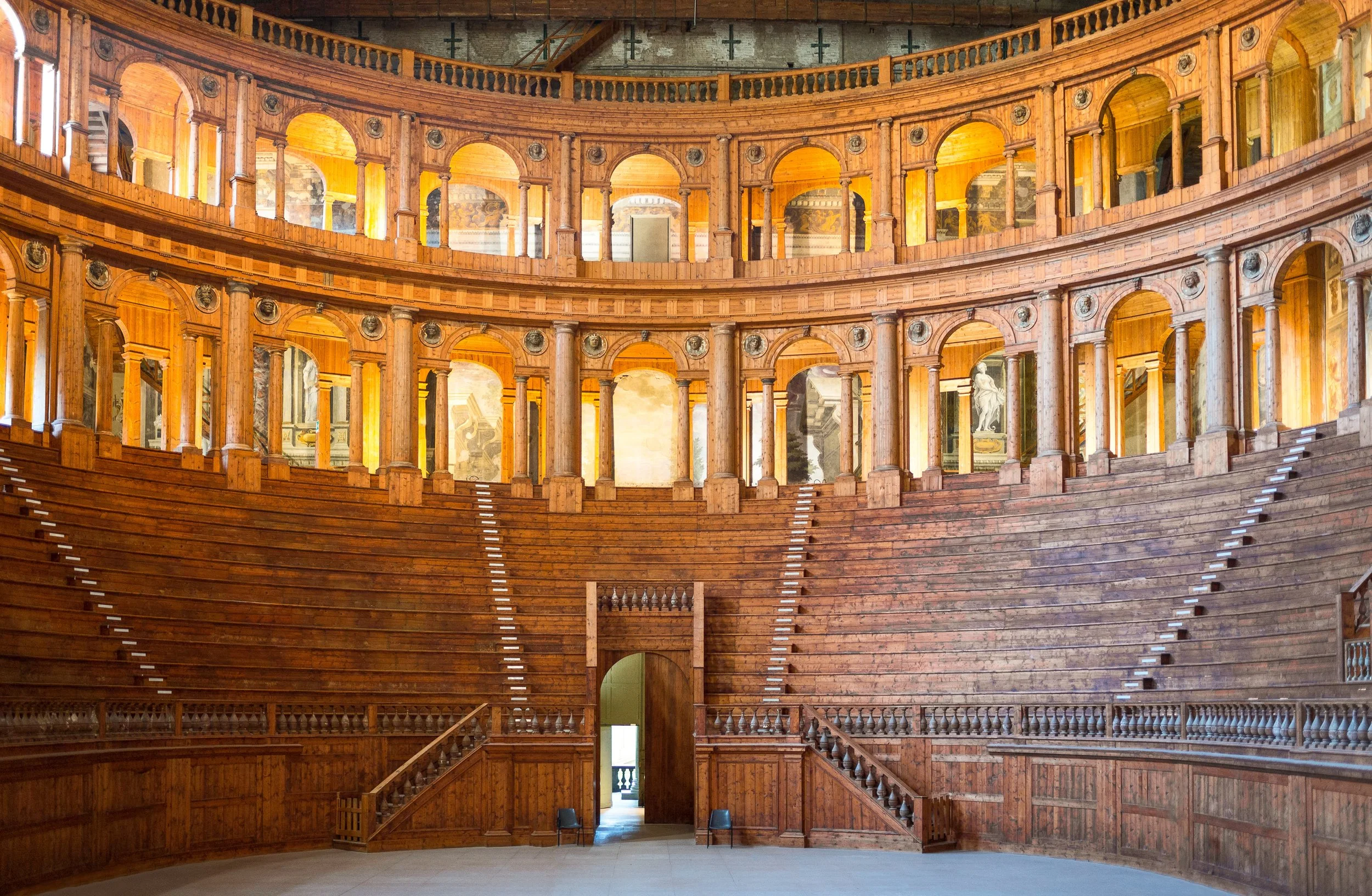
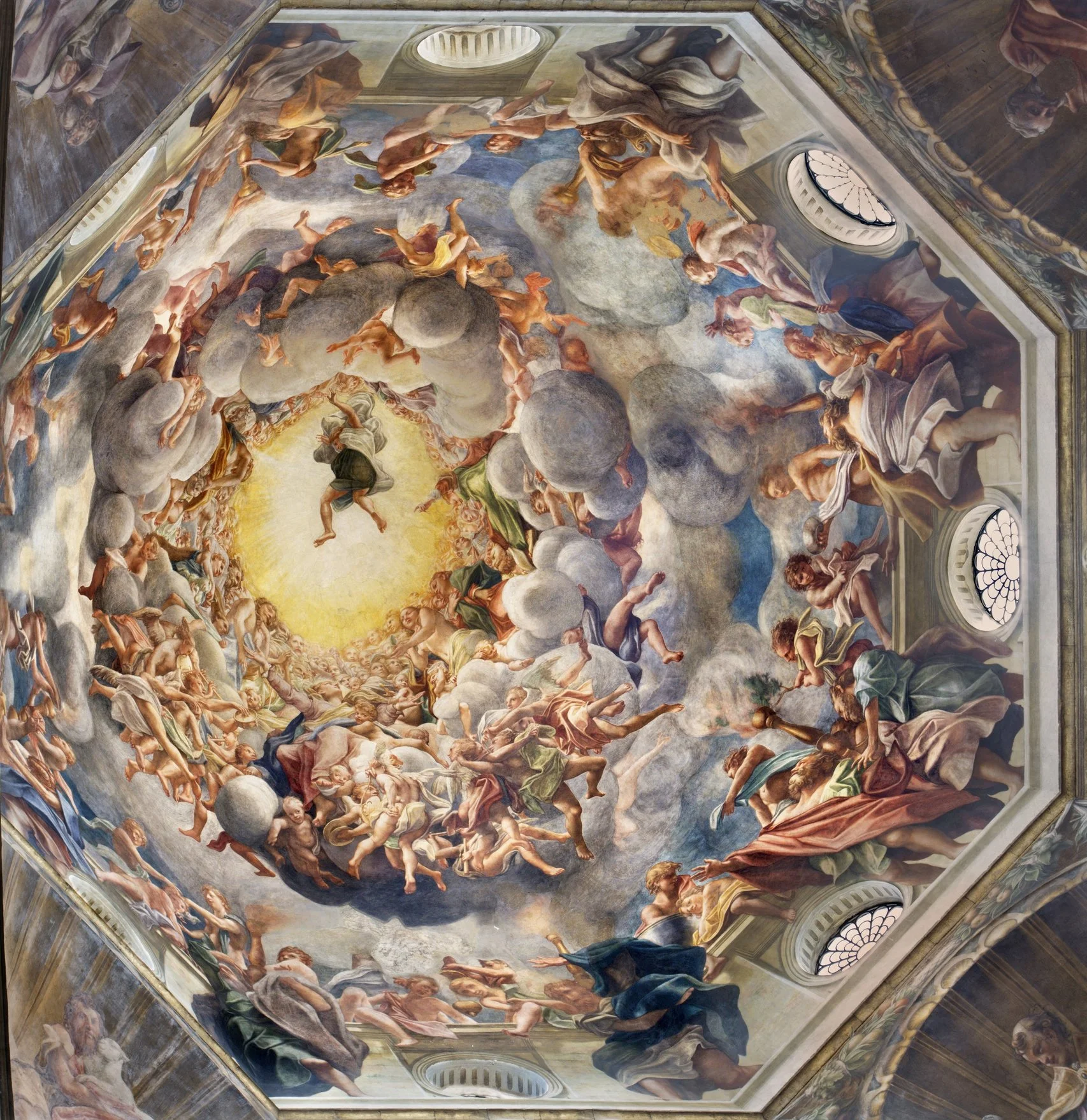
    Parma’s identity brings together sacred art, courtly patronage and the agricultural traditions of the surrounding countryside. The city flourished particularly under the Farnese dukes, whose ambitions endowed it with churches, palaces and one of Italy’s most remarkable historic theatres. Travelling west from Bologna today, we begin at the Palazzo della Pilotta, the vast Farnese seat of power. Its collections include the Archaeological Museum and the Teatro Farnese, an extraordinary early 17th-century theatre constructed almost entirely from timber and carefully rebuilt after wartime destruction. We continue to Parma Cathedral, where Correggio’s illusionistic dome fresco is a masterpiece of Renaissance painting, and the adjoining octagonal Baptistery, faced in rose-coloured Verona marble. Lunch is enjoyed at a local restaurant, accompanied by a tasting that introduces Parma’s celebrated tradition of cured ham. Returning to Bologna in the late afternoon, there is time to freshen up before an evening performance at the Teatro Comunale, subject to the announcement of its program. Overnight Bologna (B, L)

  • Day 6 | Monday 5 July
    Ferrara – An Este Renaissance Capital

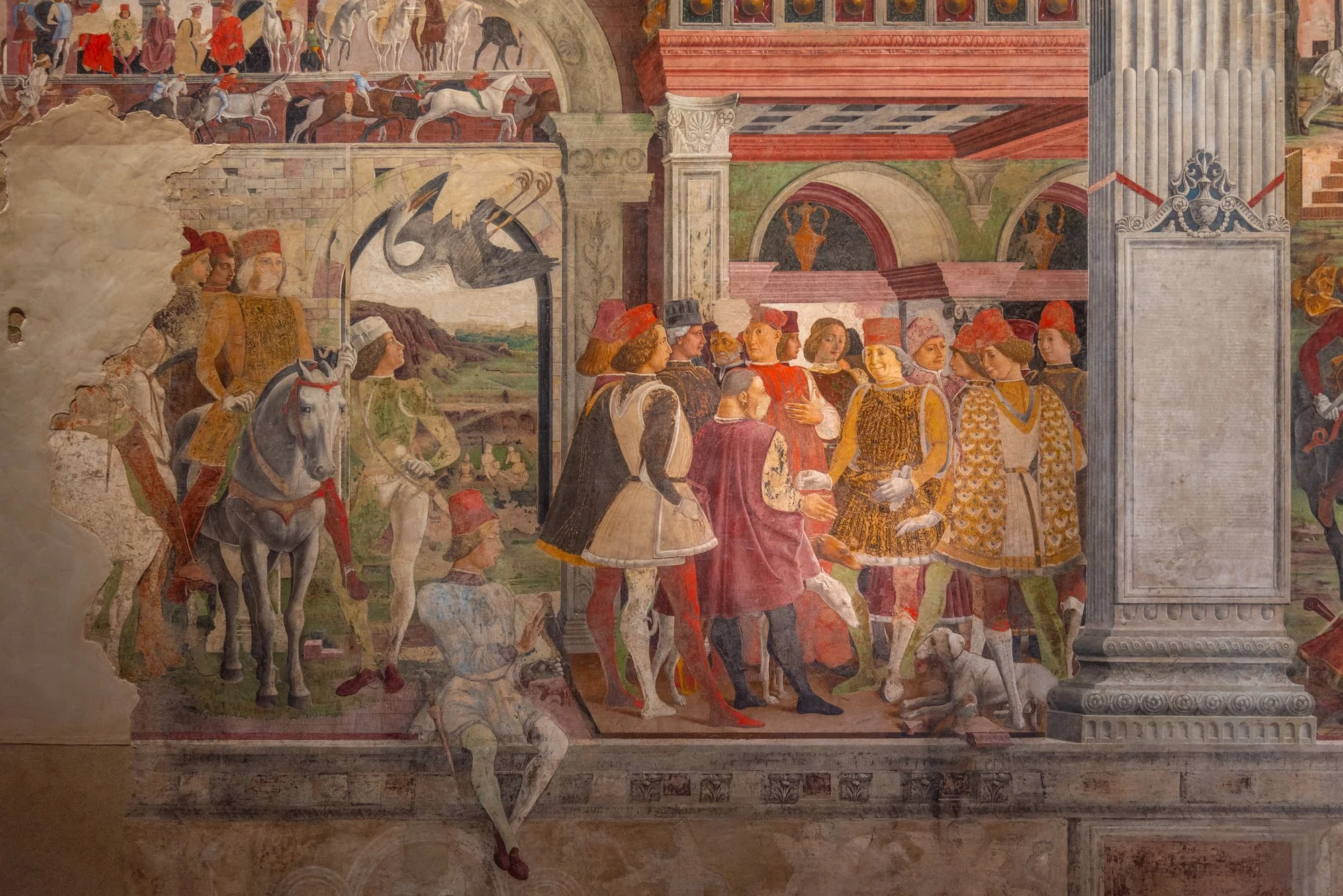
    Where Parma reflects the power of the Farnese, Ferrara reveals the architectural and artistic ambitions of the Este court. Under the Este dukes, the city was transformed into a carefully planned Renaissance capital, its northern extension designed by Biagio Rossetti in the 1490s with broad avenues, ordered perspectives and palaces conceived as a unified urban composition. Travelling to Ferrara, we begin at the Cathedral before continuing to the Palazzo dei Diamanti, whose façade is faced with thousands of diamond-shaped marble blocks. Now home to the city’s picture gallery, the palace embodies the cultivated image promoted by the Este rulers. We then visit the Archaeological Museum in Palazzo Costabili, where objects excavated at Spina illuminate the Greek and Etruscan worlds of the ancient Po delta. After a break for lunch, our afternoon is dedicated to Palazzo Schifanoia, with its celebrated Hall of the Months preserving one of the Renaissance’s most important secular fresco cycles, commissioned for Duke Borso d’Este. We return to Bologna in the late afternoon, with the evening at leisure. Overnight Bologna (B)

  • Day 7 | Tuesday 6 July
    Bologna at Leisure

    After several days tracing Bologna and the neighbouring courts of Emilia, today provides time to explore the city according to individual interests. A morning talk at the hotel places the region’s history and culture within the wider progression of the tour, after which the remainder of the day is at leisure. Those wishing to venture beyond the historic centre might walk from Porta Saragozza beneath the Portico di San Luca, a 3.8-kilometre covered route of 666 arches climbing to the Sanctuary of the Madonna di San Luca on the Colle della Guardia. Alternatively, there is time to visit the Pinacoteca Nazionale, explore the university quarter, browse the food shops of the Quadrilatero or return independently to Bologna’s churches and civic monuments. This evening, we reconvene for dinner together at a local restaurant, marking the conclusion of our stay in Bologna before the tour turns east towards the Adriatic. Overnight Bologna (B, D)

  • Day 8 | Wednesday 7 July
    Across the Po Delta to Ravenna

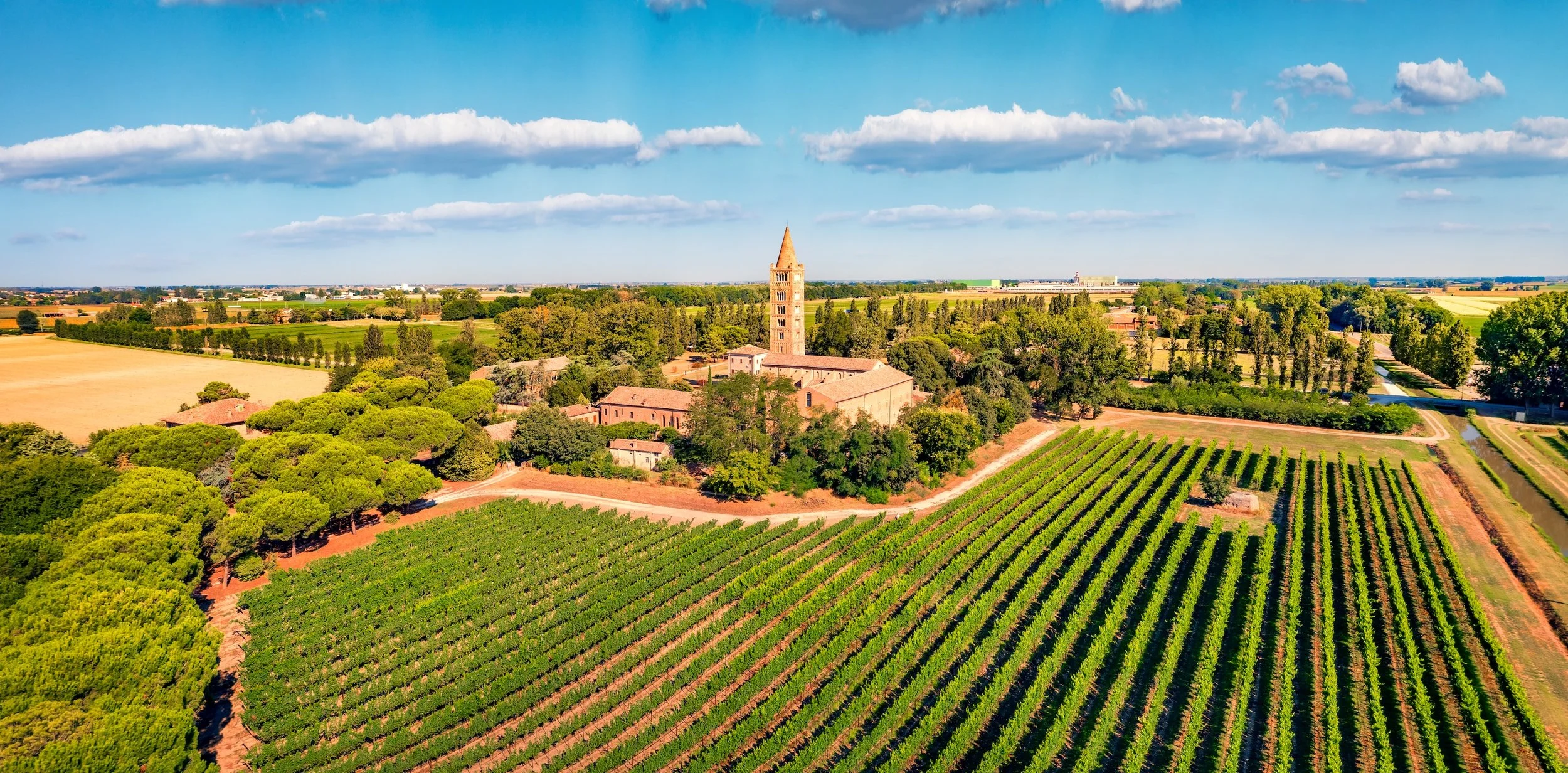
    Leaving Bologna and the courtly cities of inland Emilia behind, we follow the waterways and wetlands of the Po delta towards the Adriatic. This low-lying landscape once sheltered some of medieval Italy’s most important monasteries, their isolation providing a refuge for scholarship, art and religious life. Our first visit is the Abbey of Pomposa, whose soaring brick campanile rises above the surrounding plain. Inside, the abbey church preserves a remarkable cycle of 14th-century frescoes depicting heaven, hell and the Last Judgement. The Benedictine monk Guido d’Arezzo taught music here and developed methods that contributed to the system of musical notation used today. We then continue to canal-lined Comacchio and the Museo Delta Antico, whose collections trace the region from the Etruscan settlement of Spina through Roman commerce and medieval Comacchio. After a break for lunch, our final journey bring us to Ravenna, where the second part of the tour begins. An evening talk introduces this new chapter before dinner at a local restaurant. Overnight Ravenna (B, D)

  • Day 9 | Thursday 8 July
    Capital of Empires

    Ravenna’s importance arose from its position between the Italian peninsula, the Adriatic and the eastern Mediterranean. For more than three centuries, it served successively as the capital of the Western Roman Empire, the Ostrogothic Kingdom of Theodoric and the Byzantine Exarchate in Italy. These overlapping centres of imperial and ecclesiastical power left an exceptional artistic and archaeological legacy. Exploring on foot, we begin at the National Museum of Ravenna, housed in the former Benedictine monastery of San Vitale. Its collections range from Roman and early Christian sculpture to medieval ivories, textiles and decorative arts, providing a broad introduction to the cultures that shaped the city. We then continue to the Domus of the Stone Carpets, discovered beneath a later church in 1993. Here, 14 rooms of a late Roman residence preserve intricate mosaic floors with geometric, floral and figurative designs, revealing the refinement of domestic life in Late Antiquity. Following our visit, the remainder of the afternoon is at leisure to continue exploring independently. Overnight Ravenna (B)

  • Day 10 | Friday 9 July
    Classe – Ravenna’s Ancient Port

    Ravenna’s rise as an imperial capital depended upon Classis, the great Roman harbour established to the south of the city. Although its waterways have long disappeared beneath farmland, archaeological remains still reveal the scale of this once-important Mediterranean port and Ravenna’s connections with the wider Adriatic world. Travelling to Classe today, we begin at its archaeological museum before visiting the Basilica of Sant’Apollinare in Classe. Consecrated in the 6th century, the basilica preserves a luminous apse mosaic in which Saint Apollinaris stands within a pastoral landscape beneath a jewelled cross. Lunch is then enjoyed at a local restaurant, followed by a hands-on workshop that introduces us to the traditional methods of cutting and laying mosaic tesserae, offering insight into the craftsmanship behind Ravenna’s celebrated interiors. Returning towards the city in the late afternoon, we conclude at the Mausoleum of Theodoric. Built from pale Istrian stone and crowned by a single monumental roof slab, the Ostrogothic king’s tomb offers a striking contrast to the richly decorated Byzantine churches encountered elsewhere in Ravenna. The evening is at leisure on return to our hotel. Overnight Ravenna (B, L)

  • Day 11 | Saturday 10 July
    Rimini and the Fortresses of the Montefeltro
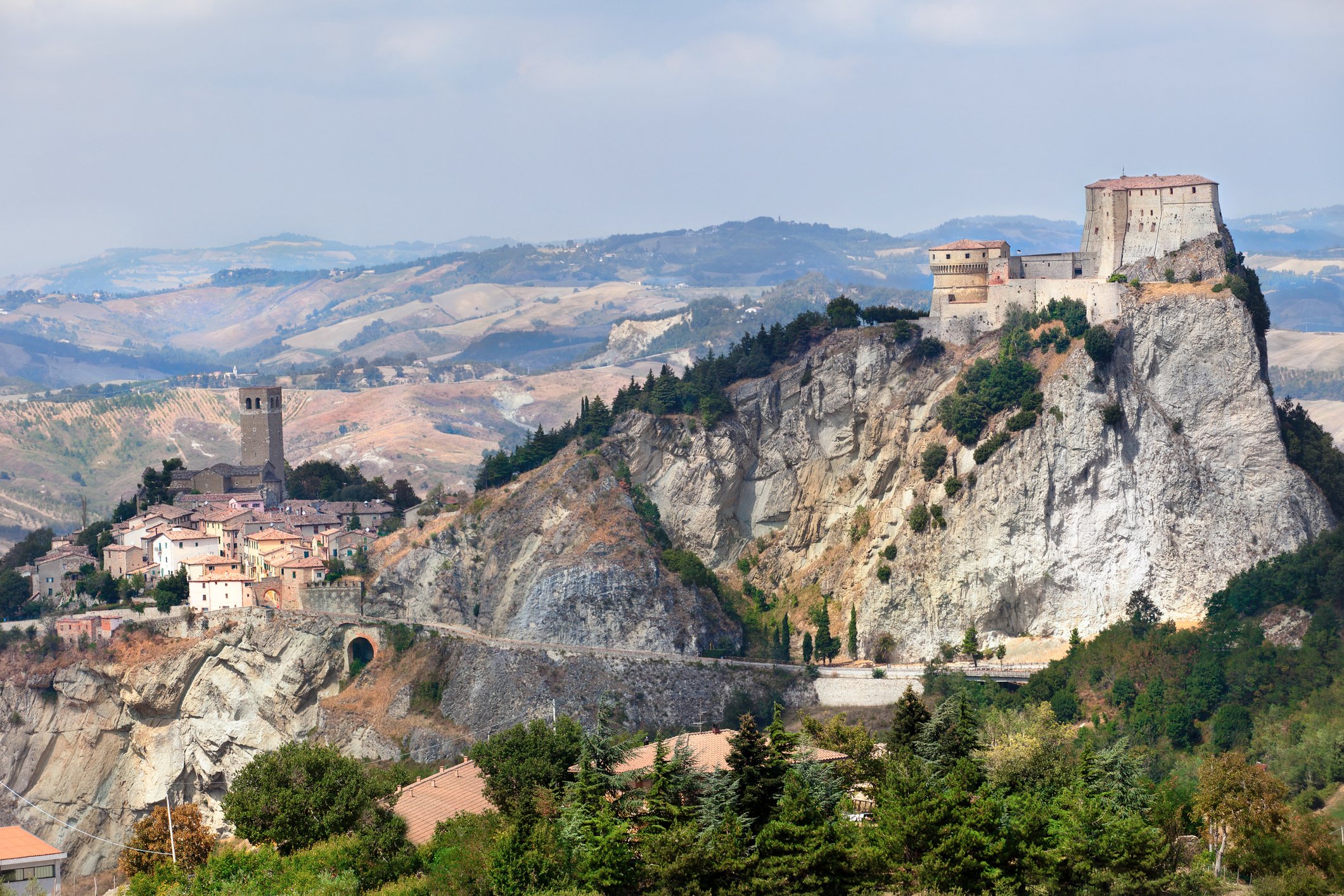
    The Adriatic coast south of Ravenna was shaped by the Roman roads that connected northern Italy with the peninsula, and later by the rival courts and fortified towns of the Renaissance. Travelling south to Rimini, the Roman colony of Ariminum, we begin at the Tempio Malatestiano, where Sigismondo Malatesta commissioned Leon Battista Alberti to transform a medieval church with a monumental classical exterior. We then trace the city’s Roman past through the Arch of Augustus, the Domus del Chirurgo and the Bridge of Tiberius, which carried the Via Aemilia across the Marecchia River. After a break for lunch, we ascend to the Republic of San Marino on Monte Titano before continuing into the rugged Montefeltro. At San Leo, a formidable fortress crowns a sheer rocky outcrop, while Gradara’s castle is traditionally associated with Paolo and Francesca, the doomed lovers immortalised by Dante in the Inferno. Dinner is enjoyed nearby before we return to Ravenna in the evening. Overnight Ravenna (B, D)

  • Day 12 | Sunday 11 July
    Arian and Orthodox Ravenna
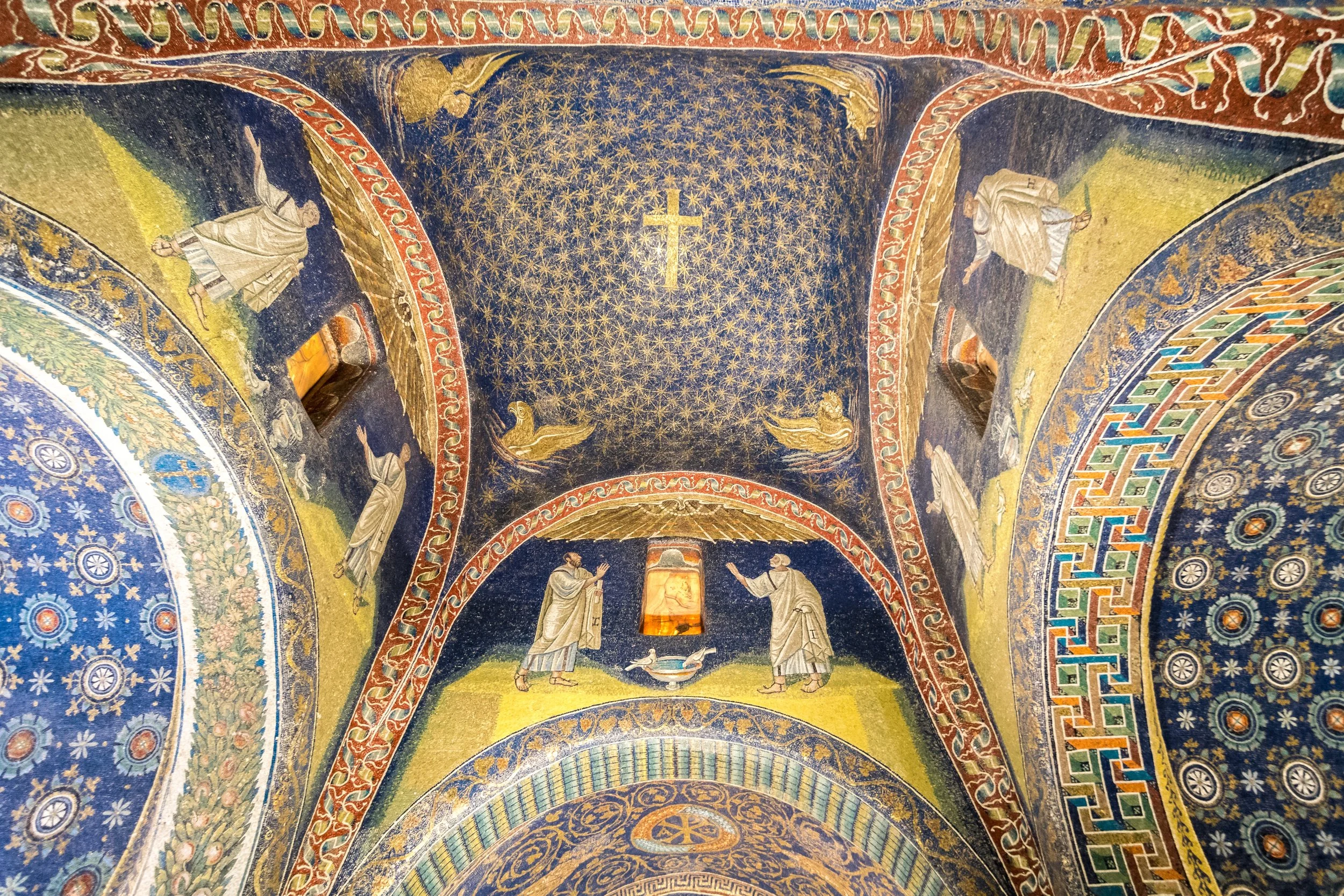
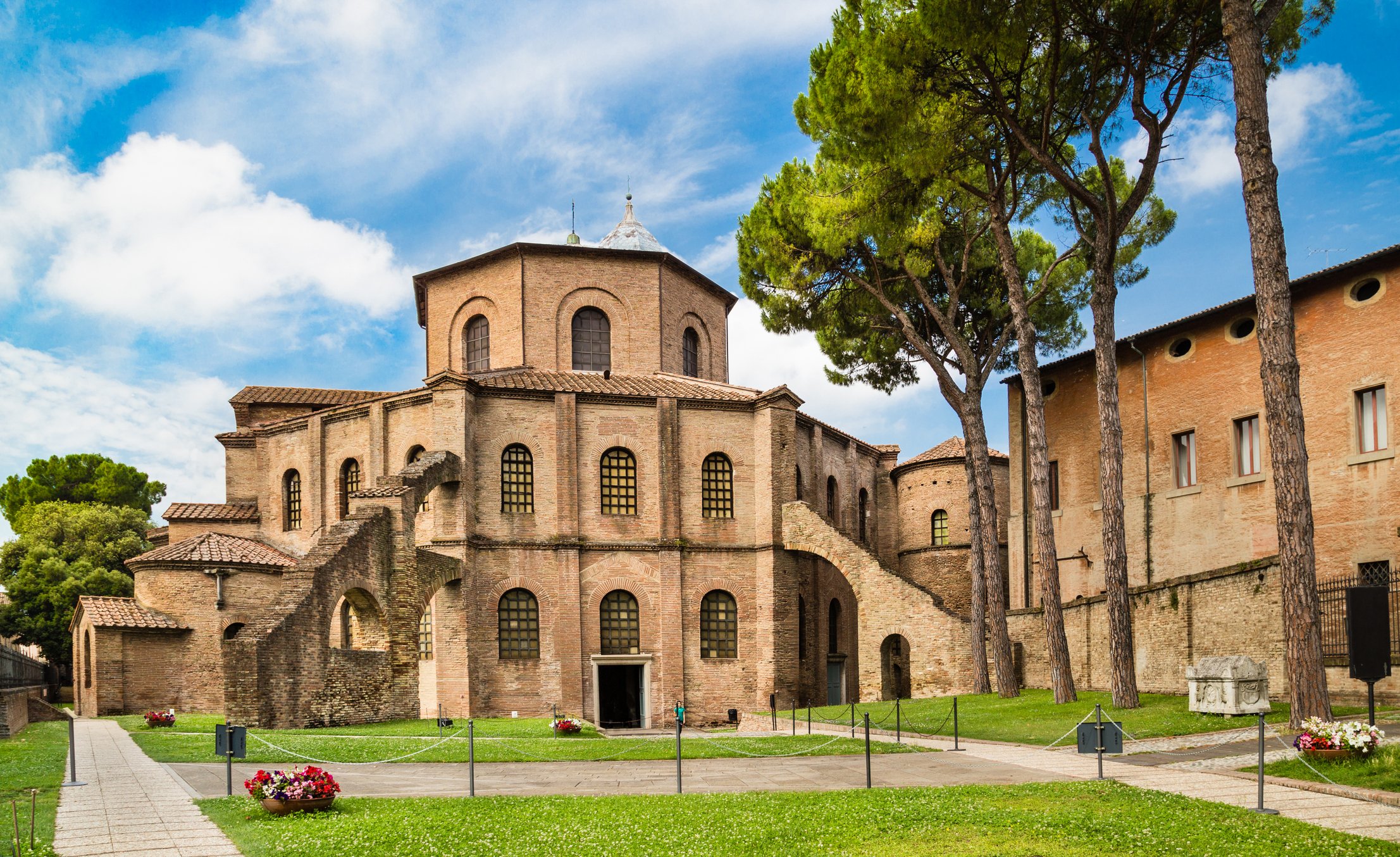
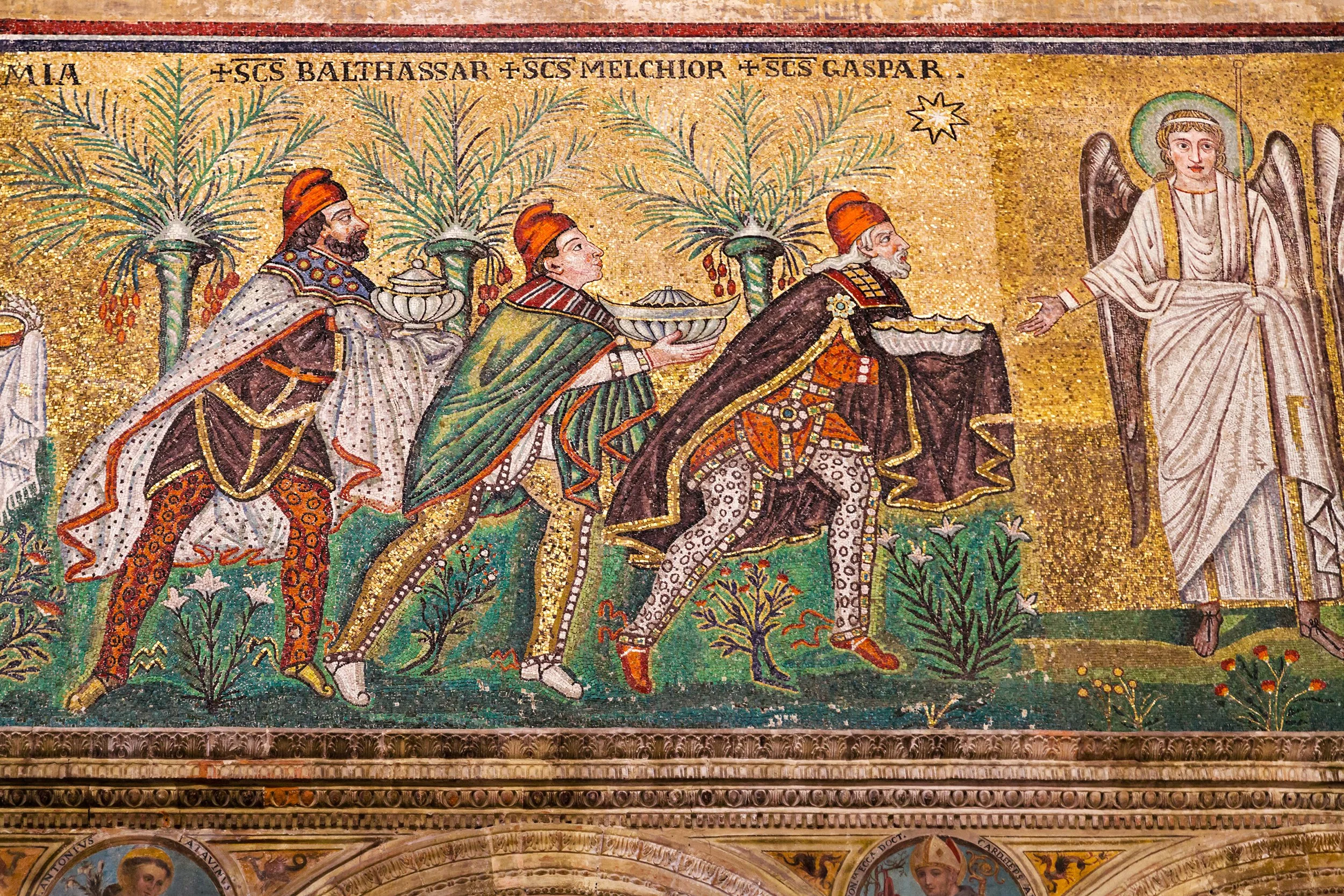
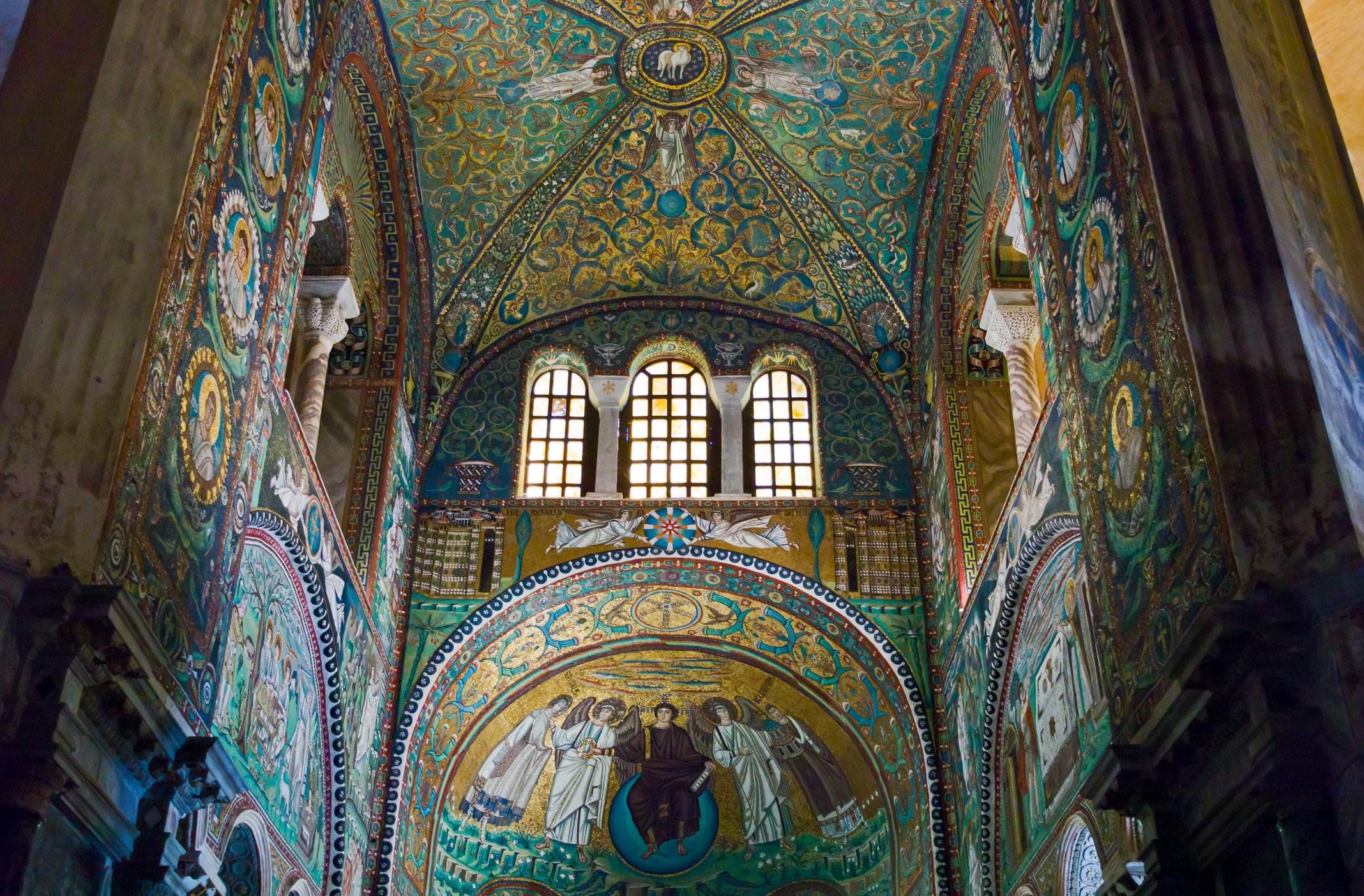
    Ravenna’s churches and baptisteries reveal the political and religious transformations of the 5th and 6th centuries, when the city passed from Ostrogothic to Byzantine rule. Arian and Orthodox communities worshipped side by side, while buildings and images were adapted to express each succeeding authority. Exploring on foot today, we begin at the Basilica of Sant’Apollinare Nuovo, built by Theodoric for the Arian rite. Its mosaics include glittering processions of martyrs and virgins, while traces of erased court figures reveal the church’s later conversion to Orthodox worship. Nearby, we view the surviving exterior of the Palace of Theodoric before entering the Arian Baptistery, whose dome mosaic depicts the Baptism of Christ. After a break for lunch, we visit the Neonian Baptistery, the older Orthodox counterpart, followed by the Archiepiscopal Museum and its celebrated ivory throne of Maximian. The remainder of the afternoon is at leisure before we reconvene for a private evening visit to the Basilica of San Vitale and the Mausoleum of Galla Placidia. At San Vitale, the apse glitters with imperial mosaics of Justinian and Theodora with their attendants, framing Christ seated upon a blue globe against a field of gold. Nearby, the intimate mausoleum is enveloped in deep-blue mosaics, from its star-strewn vault to images of Christ as the Good Shepherd, all illuminated by light filtering through alabaster windows. Overnight Ravenna (B)

  • Day 13 | Monday 12 July
    Dante and Byron in Ravenna
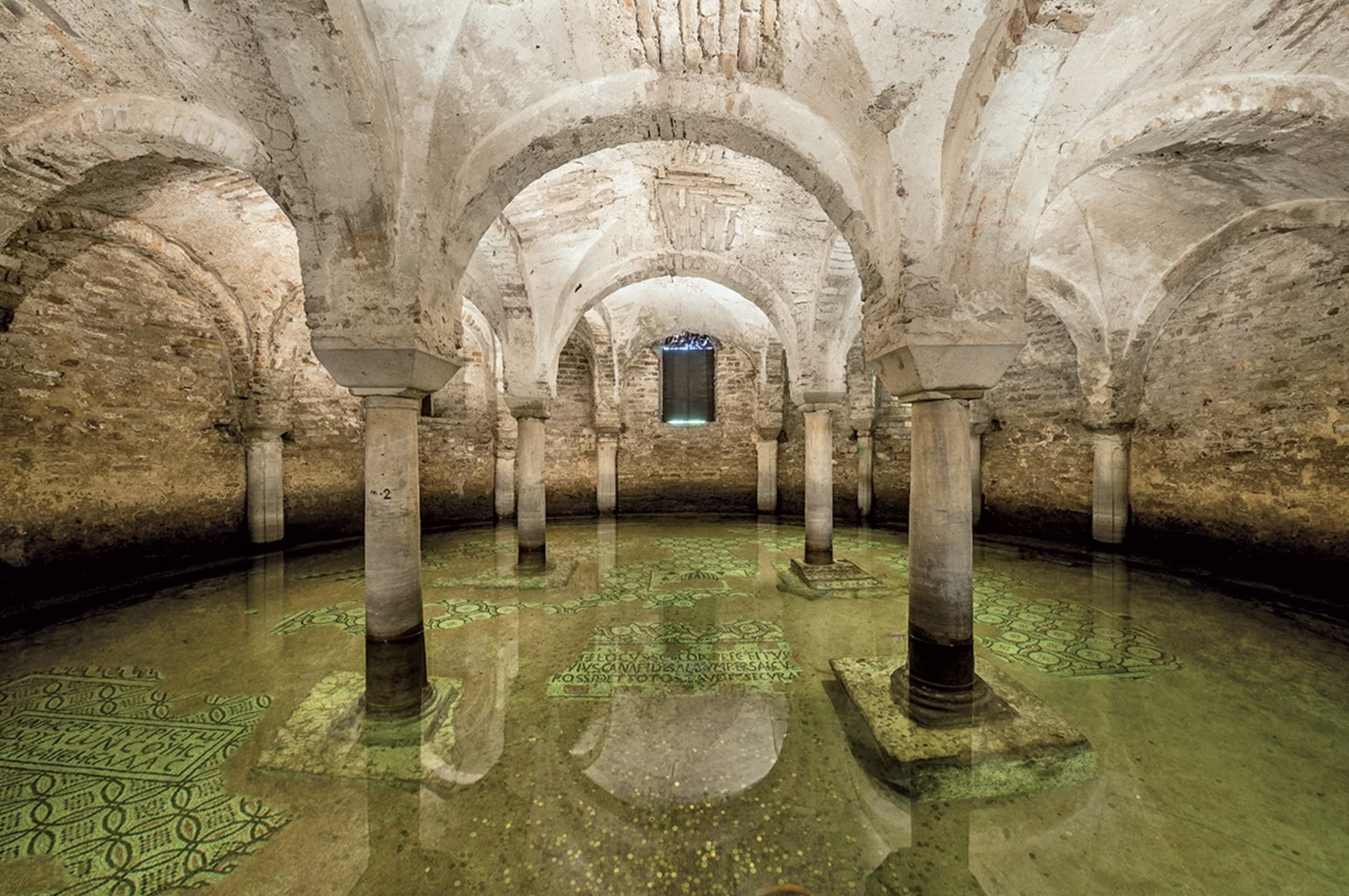
    Ravenna’s cultural legacy extends beyond its imperial and Byzantine past to the poets who found refuge and inspiration within the city. Exiled from Florence, Dante Alighieri spent his final years here, completing the Divine Comedy before his death in 1321. Five centuries later, Ravenna also captivated Lord Byron during his years in Italy. Setting out on foot today, we begin with a private visit to the Byron Museum, housed in the palazzo associated with the English poet’s time in the city. We then continue to the Basilica of San Francesco, where Dante’s funeral was held and a flooded crypt reveals an ancient mosaic pavement beneath the water. Nearby stands his neoclassical tomb, where a lamp supplied annually with oil from Florence burns beside the poet’s remains. After a break for lunch, we make a final visit to the Basilica of San Giovanni Evangelista, founded by Galla Placidia in fulfilment of a vow made after surviving a storm at sea. The remainder of the afternoon is at leisure before we reconvene this evening for our farewell dinner at a local restaurant. Overnight Ravenna (B, D)

  • Day 14 | Tuesday 13 July
    Depart Ravenna

    Our exploration of Emilia-Romagna concludes after breakfast. We depart Ravenna by coach and travel north to Venice Marco Polo Airport to meet departing flights. (B)

Hotels have been selected principally for their central location. Both hotels are an excellent four-star standard.

Tour Accommodation

  • Bologna, Art Hotel Orologio | 7 Nights

    Ideally located on Piazza Maggiore, Art Hotel Orologio is an elegant boutique hotel combining historic character with contemporary comfort, placing Bologna’s rich cultural and culinary attractions
    right on your doorstep.

  • Ravenna, Palazzo Bezzi | 6 Nights

    A stylish boutique hotel in the heart of Ravenna, Palazzo Bezzi offers modern comfort and a relaxed atmosphere within easy walking distance of the city’s celebrated Byzantine mosaics and historic landmarks.

tour booking

$15,670 AUD per person, twin share (land content only)
$3,890 AUD supplement for sole use of a hotel room

A $2,000 deposit is required per person to confirm your booking on tour. This deposit is non-refundable.

Hold a Place

Still deciding? We are happy to hold a tentative place for 7 days while you make your final arrangements.

Book Online

To secure your place(s) on tour, book online below with “Athena”, our virtual tour consultant.

DOWNLOAD FORM

Download a printable booking form. You can also complete the form on screen and submit via email.

your tour consultant

The consultant for this tour is Lucy Yeates. For further information or to discuss the tour, please call 9235 0023 (Sydney) or 1800 639 699 (outside Sydney) or email lucy@academytravel.com.au

have you thought about?

Academy Travel is more than just a tour operator. We are also a full-service travel agency who can assist you with all aspects of your travel, including flights, transfers, pre-tour arrival, additional travel and comprehensive travel insurance.

can’t make this departure?

If these dates don't work for you, register to hear about the next tour.