CATALONIA, ARAGON & VALENCIA

Art, Architecture & Nature of North eastern Spain

Uncover the Romanesque churches, medieval cities and Mudéjar splendour of Spain’s little-travelled eastern regions

TOUR STATUS

Places Available | Maximum 16

TOUR DATES

Sep 24 - Oct 12, 2027 | 19 Days

TOUR LEADER

Dr Jeni Ryde | View Bio

snapshot

OVERVIEW

Between the Mediterranean and the Pyrenees, north eastern Spain holds some of the richest and least-travelled cultural landscapes of the Iberian Peninsula. From the coast to the foothills of the Pyrenees and the high plains of Aragón, this is a landscape written over by Greek and Roman settlers, Romanesque church-builders, Jewish and Islamic communities, and the Mudéjar craftsmen who drew these traditions together.

Across 19 days, Dr Jeni Ryde follows this inheritance from cosmopolitan Barcelona through the medieval streets of Girona and Vic, into the remote Vall de Boí, where painted Romanesque churches form a UNESCO World-Heritage site, before continuing to the historic cities of Zaragoza, Teruel and Valencia. Along the way, we encounter Modernist wine cellars, remote Romanesque churches, the Greco-Roman ruins of Empúries, Dalí’s theatrical museum and Besalú’s 12th-century Jewish mikveh, hidden from view for some six centuries.

With the distinctive traditions of each region woven throughout, the tour brings together three very different parts of eastern Spain and the histories that have shaped them.

tour highlights

Uncover the Romanesque churches and Mudéjar splendour of Spain’s little-travelled regions

Dr Jeni Ryde

your expert tour leader

Jeni is a linguist and art history specialist with over fifteen years experience leading tours to Spain, Italy, France and Portugal. She is passionate about art, design and architecture both ancient and modern and particularly enjoys how both complement each other. Jeni holds two undergraduate degrees with majors in Anthropology and French and Interpreting and Translation with NAATI qualifications, two Masters degrees in Italian Linguistics and TESOL and a cross disciplinary PhD in Renaissance Art History, Tourism and Museum Management.

Read full bio >

Accompanied by an Experienced Tour Manager

Alongside your expert tour leader, an experienced tour manager will accompany for the entirety of the tour. They oversee logistics, ensure your comfort and safety, and provide friendly support – whether offering tips for free time, sharing a chat over dinner, or giving you space to relax.

tour ITINERARY

Barcelona (3 nights), Girona (3 nights), Vic-Sau (2 nights), Caldes de Boí (3 nights), Zaragoza (3 nights), Teruel (2 nights), Valencia (2 nights)

Included meals are shown with the letters B, L and D
  • Day 1 | Friday 24 September
    Arrive in Barcelona
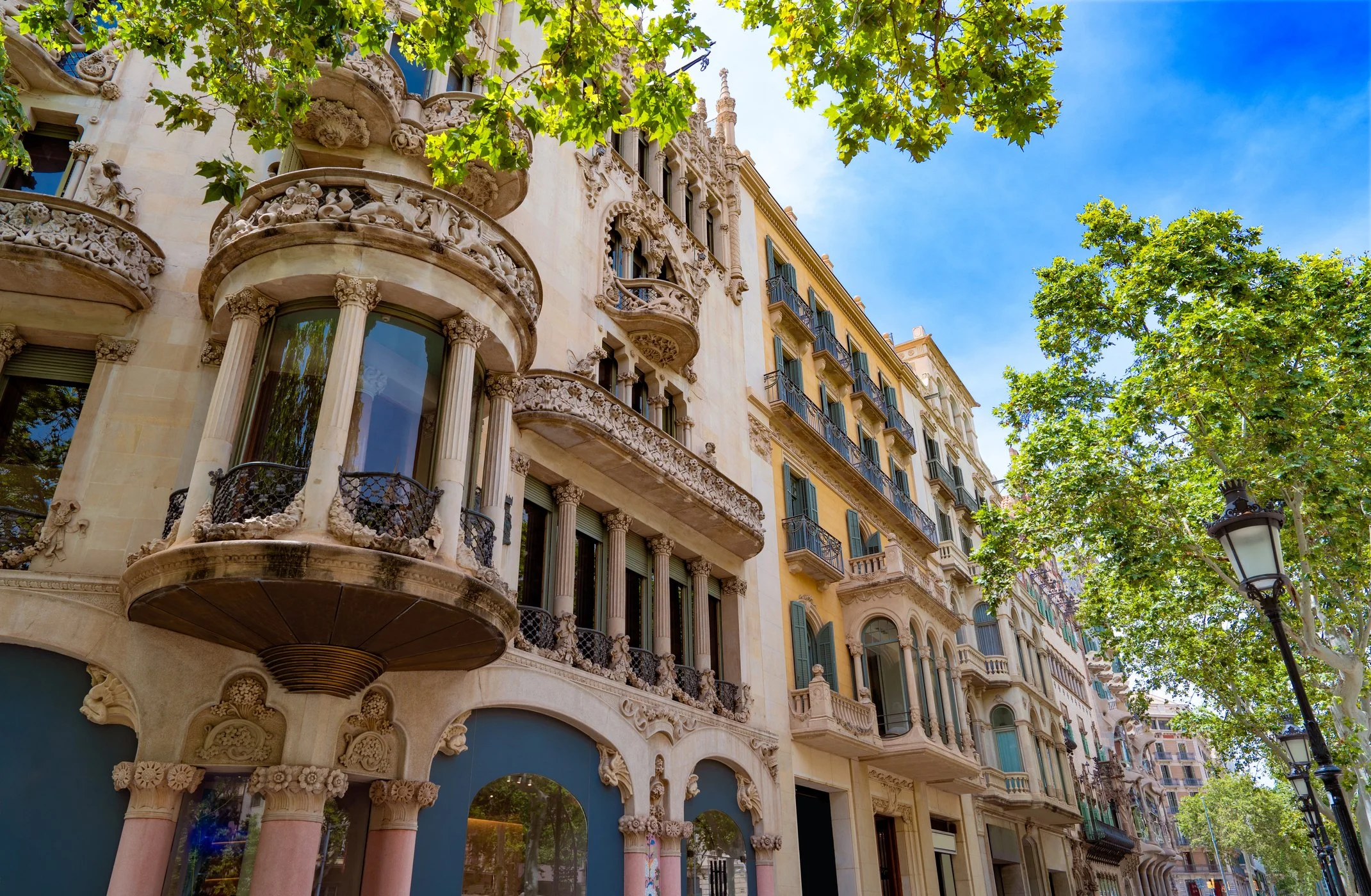
    Few European cities reveal their past as visibly as Barcelona, where Roman walls, Gothic streets and Modernist architecture sit within a short walk of one another. The city has been a Roman colony, a medieval maritime power and, in turn, a crucible of Catalan identity. The Romans knew it as Barcino, though the name runs deeper still, back to the Iberian Bàrkeno stamped on coins minted at the foot of Montjuïc long before they arrived. It makes a fitting gateway to a tour that draws together the Catalan, Aragonese and Valencian threads ahead. Our tour commences this evening, as we gather for a welcome drink at our centrally located hotel on Plaça d’Urquinaona, before continuing to a local restaurant for dinner. Overnight Barcelona (D)

  • Day 2 | Saturday 25 September
    Barcelona – The Raval & Montjuïc
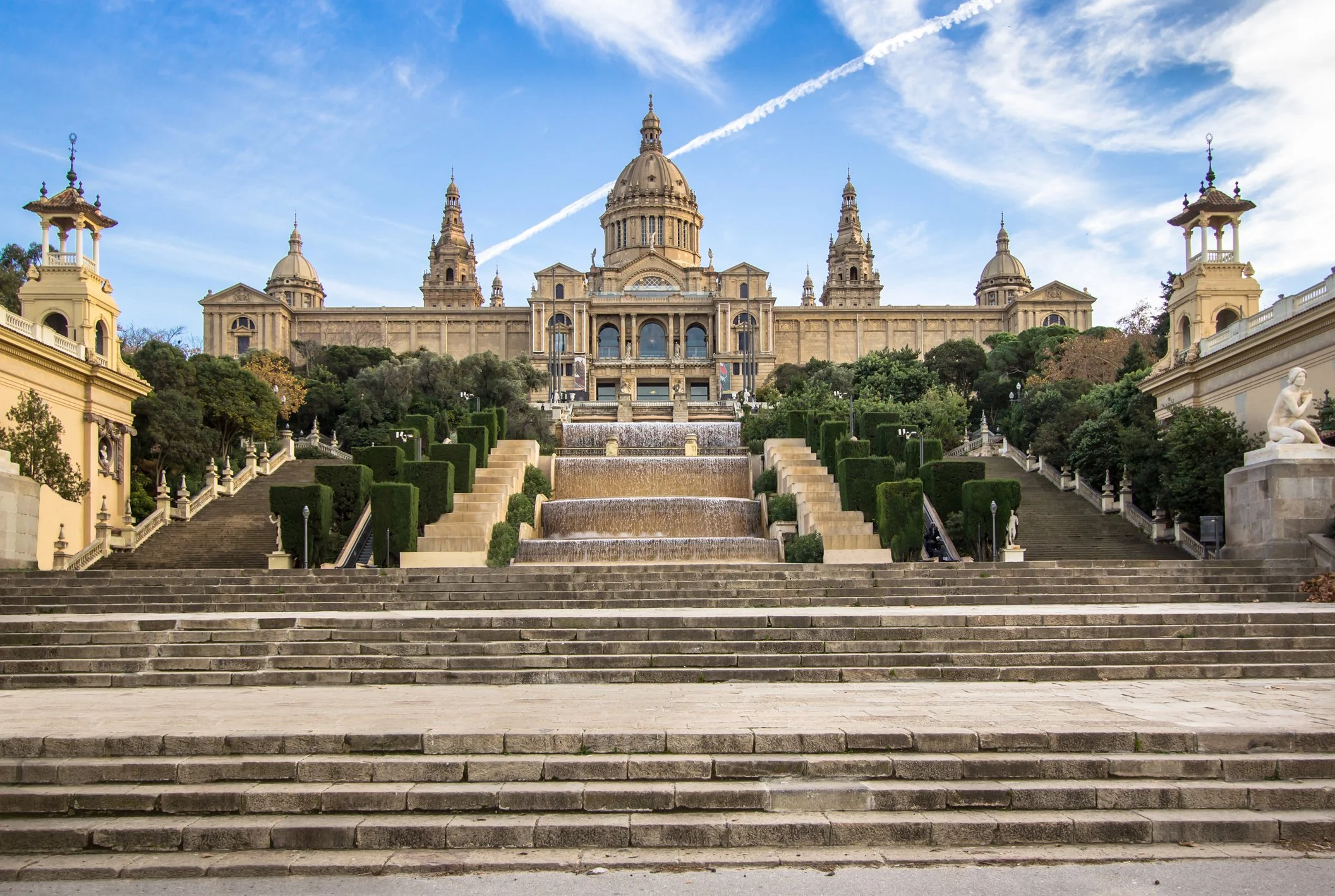
    Beneath the familiar landmarks of the Catalan capital lies a quieter, older city. The Raval, long the working heart of the old town, holds traces of almost every era – from the Romanesque cloister of Sant Pau del Camp, the oldest church in the city, to the medieval halls of the Antic Hospital de la Santa Creu, once Barcelona’s principal hospital and now home to the National Library of Catalonia. These are corners that rarely reach the guidebooks, yet they trace how the city grew from Roman outpost to Mediterranean power. We spend the morning exploring these hidden corners on foot, and in the afternoon ascend Montjuïc to the National Art Museum of Catalonia. Its Romanesque gallery gathers the frescoes removed from the churches of the Pyrenees early in the 20th century, fortunately before they were sold abroad – the original paintings from the buildings we will visit in the Vall de Boí later in the tour. We then return to our hotel, with the evening at leisure. Overnight Barcelona (B)

  • Day 3 | Sunday 26 September
    Montserrat & The Penedès
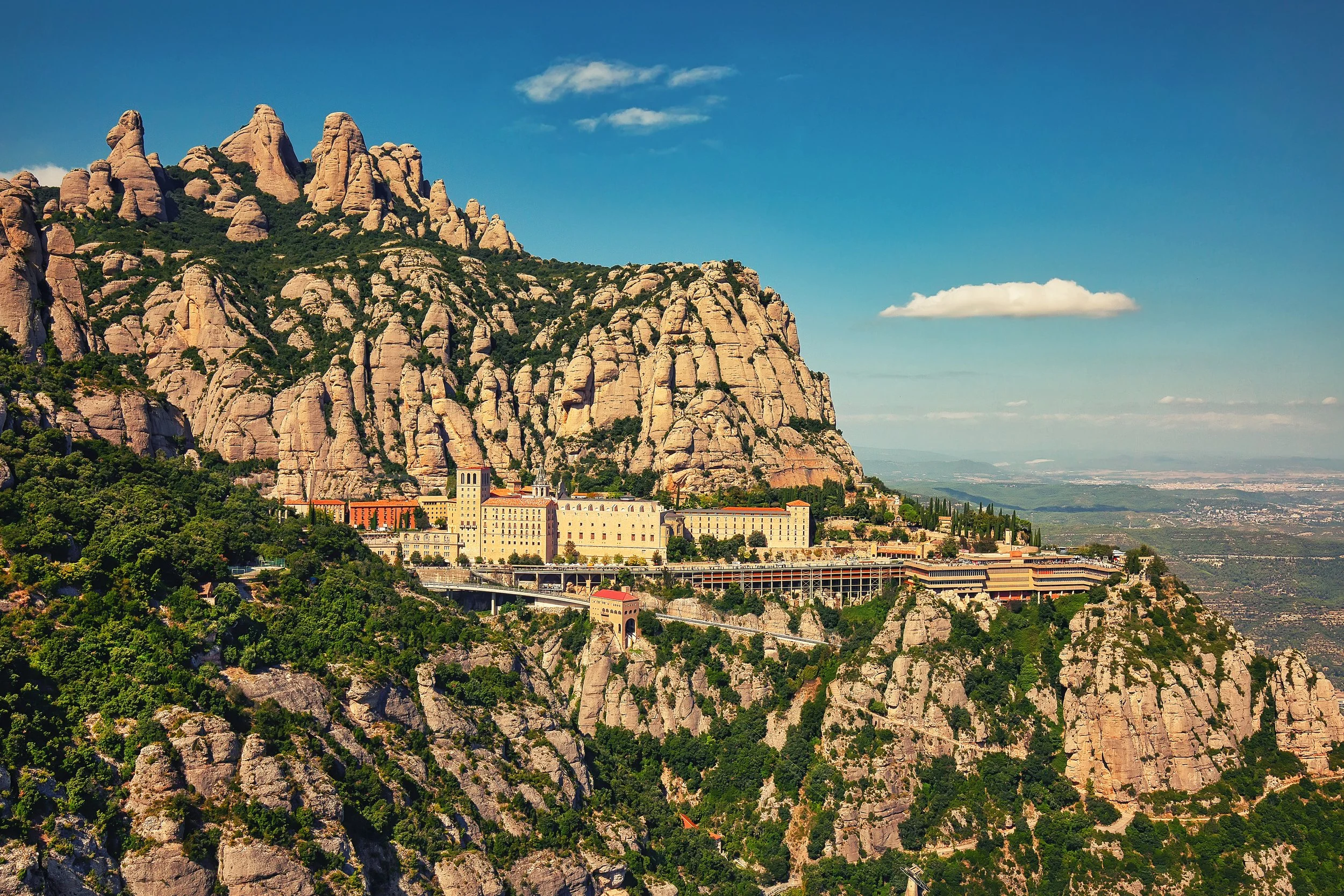
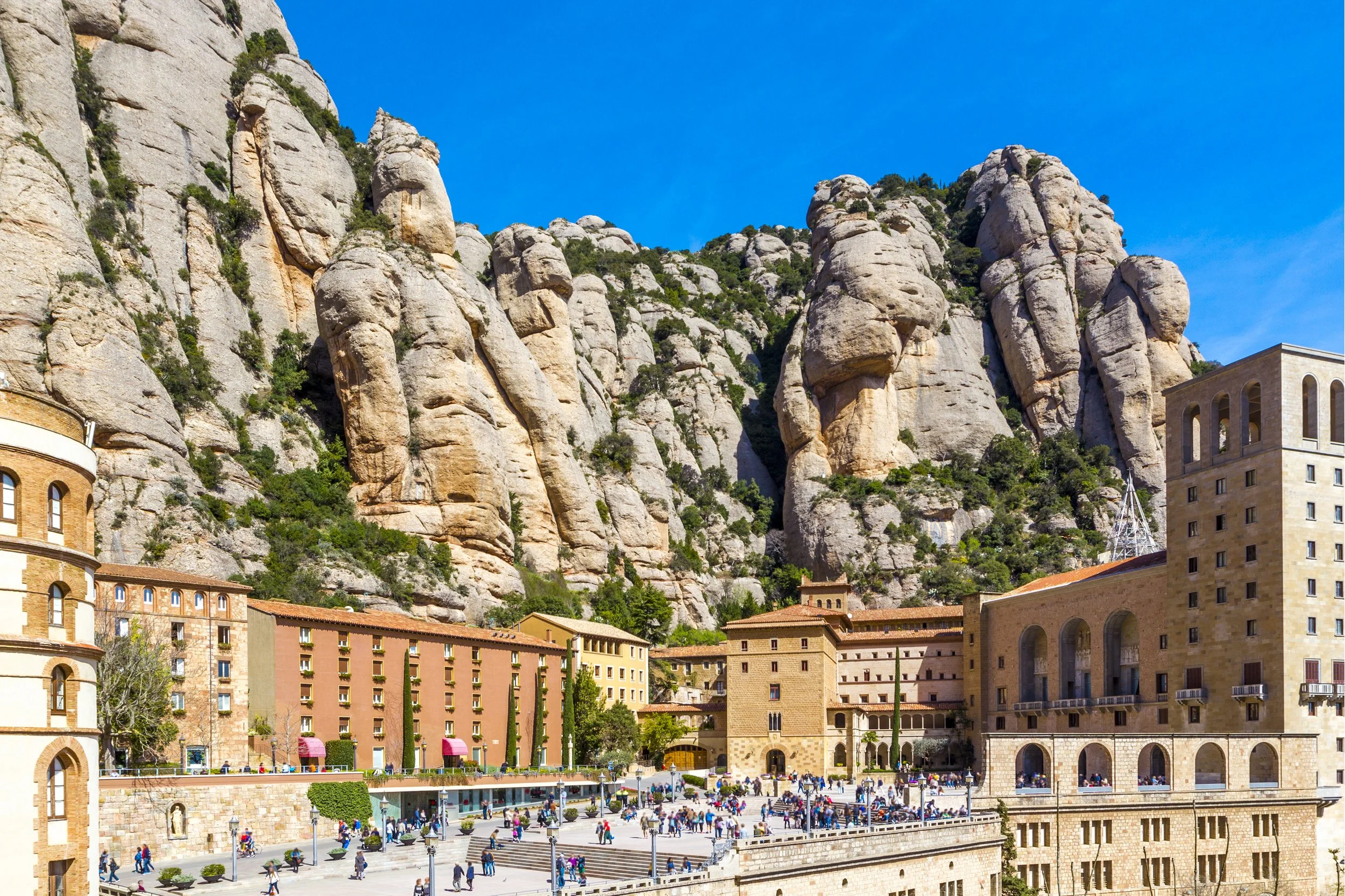
    Few locations capture the Catalan imagination like Montserrat. The Benedictine monastery, set among the jagged peaks of the Montserrat massif, has been a pilgrimage site since medieval times and remains the spiritual centre of Catalonia. It houses the revered Black Madonna statue and has a boys’ choir dating back to the 13th century. Travelling by coach into the Montserrat massif this morning, we ascend the final stretch by the Cremallera rack railway, with the rocky pinnacles opening around us as we climb. On arrival, a guided visit includes the basilica and the monastery’s museum, with its notable collection of paintings spanning from the Old Masters to the modern era. After lunch together, we descend into the Penedès, the heartland of Catalonia’s sparkling wine production, for a visit to the cellars of Codorníu. Founded in 1551, it is one of Spain’s oldest wineries, and it was here in 1872 that Josep Raventós produced the first bottle of cava. Its remarkable Modernist cellars were designed by Josep Puig i Cadafalch, a contemporary of Gaudí. A guided tour through the extensive underground vaults concludes with a tasting before we return to Barcelona. Overnight Barcelona (B, L, WT)

  • Day 4 | Monday 27 September
    Pals & Peratallada
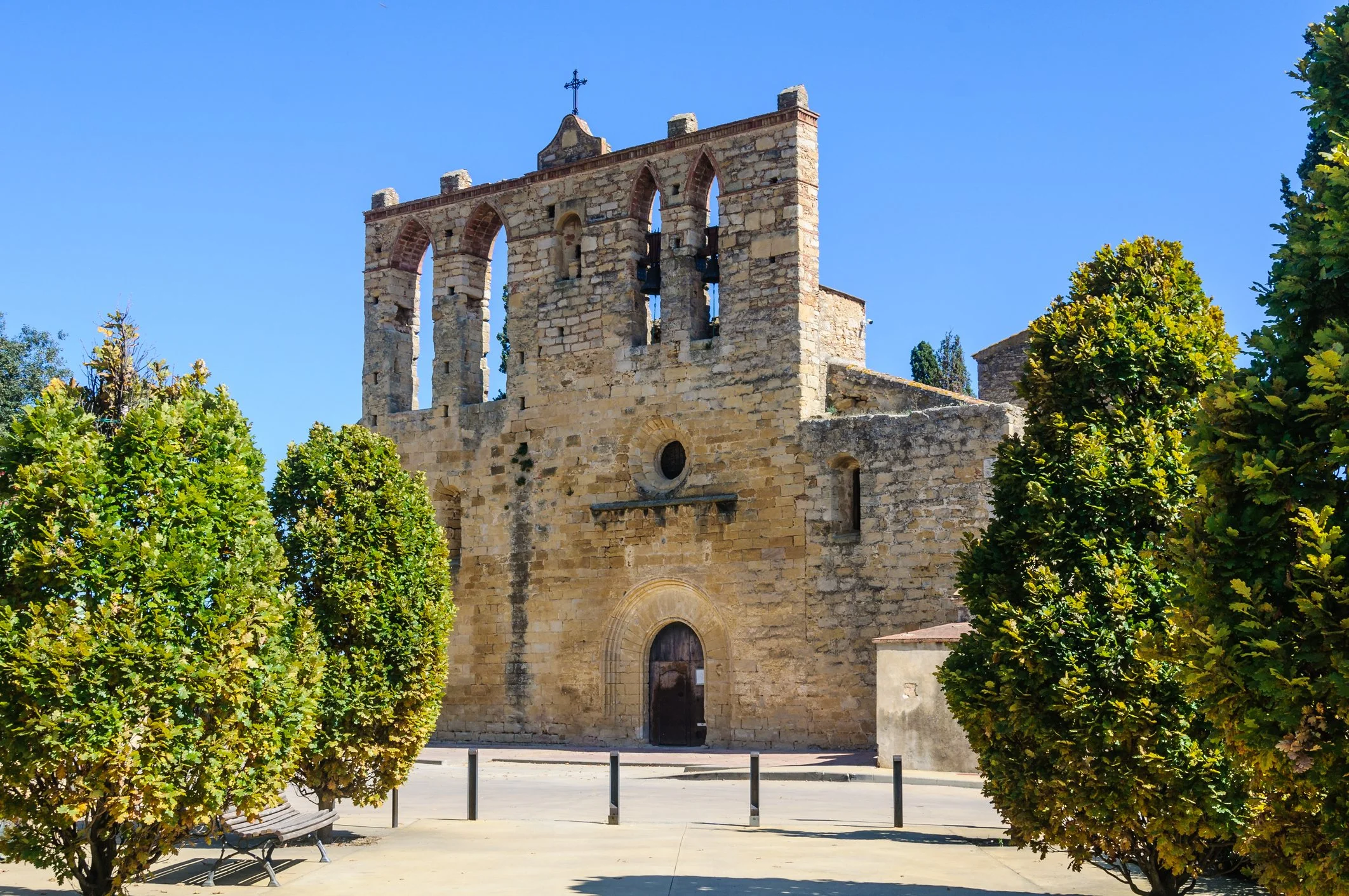
    The medieval villages of the Empordà region preserve a Catalonia that predates the modern age, their walls and cobbled lanes little changed across the centuries. Pals and Peratallada, two fortified stone settlements rising from the coastal plain, are among the best-preserved in the region. Pals climbs towards a Gothic watchtower above a maze of honey-coloured streets, while Peratallada – its name meaning ‘carved stone’ – is encircled by a moat cut directly into the rock, a reminder of its medieval defensive past. Departing Barcelona for Girona today, we break the journey to explore both villages on foot, with time to wander their lanes and arcaded squares. Continuing north, we arrive in Girona in the late afternoon, a city set astride the River Onyar whose Roman, Jewish and medieval layers we will discover over the coming days. After checking in and time to freshen up, we conclude our day with dinner in the hotel restaurant. Overnight Girona (B, D)

  • Day 5 | Tuesday 28 September
    Girona
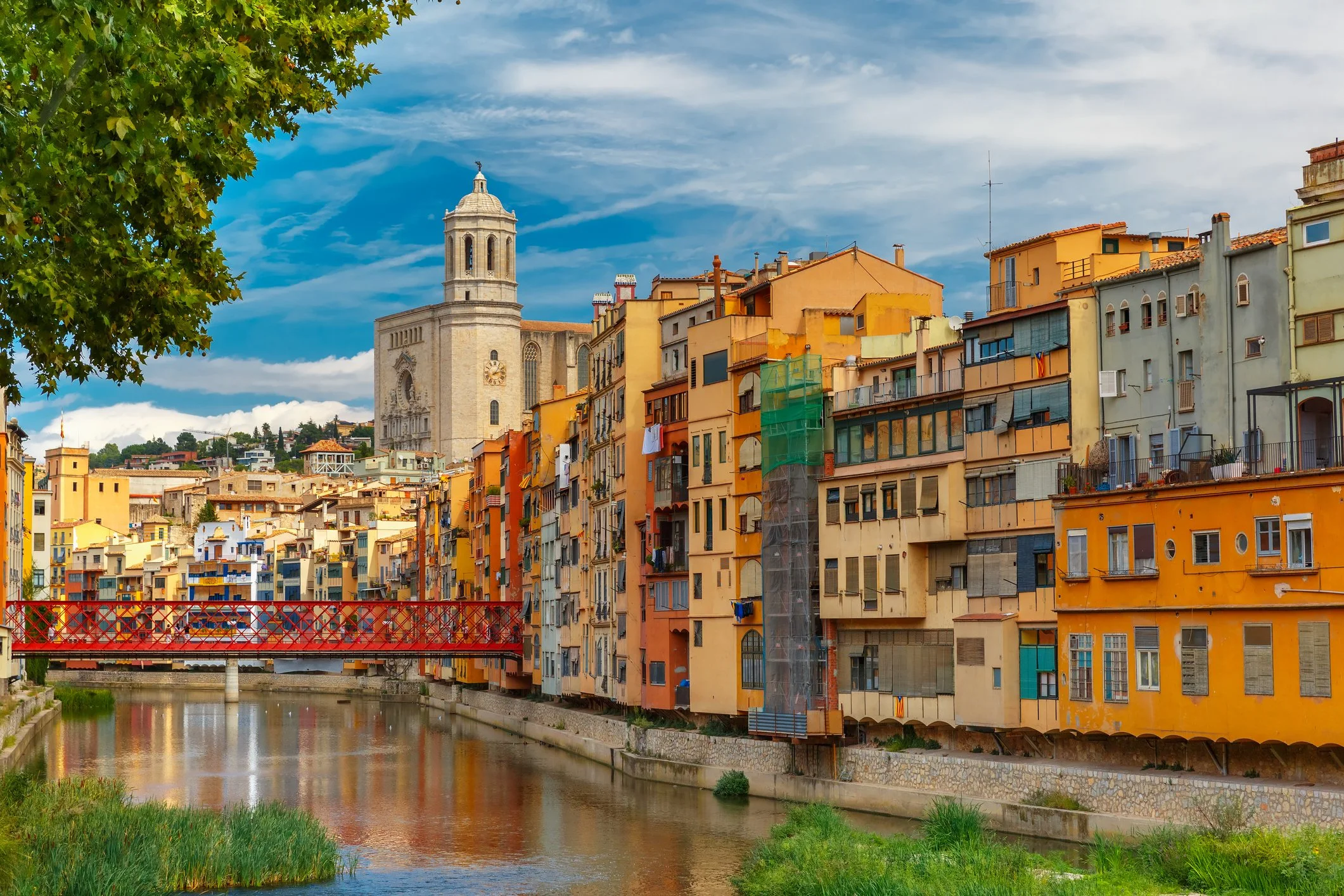
    Set above the River Onyar, Girona is one of Catalonia’s most rewarding small cities, where Roman, medieval, Jewish and Christian histories remain written into the fabric of the old town. Its historic centre contains one of the best-preserved Jewish quarters in Europe, a reminder of El Call, the medieval Jewish community that flourished here until the expulsion of 1492. We spend the morning on a guided walk through the medieval quarter, taking in the cathedral with its vast single nave – one of the widest Gothic naves in the world – the labyrinthine streets of El Call and the Arab Baths, a fine example of Romanesque civil architecture. We then walk a stretch of the ancient city walls, with views across the rooftops and the colourful facades lining the Onyar, before reaching the Eiffel Bridge, built by Gustave Eiffel’s workshop shortly before his more famous Parisian tower. After a break for lunch in the Plaça de la Independència, the afternoon is at leisure to explore further, perhaps returning to the cathedral steps or the riverside. Overnight Girona (B)

  • Day 6 | Wednesday 29 September
    Figueres & Empúries
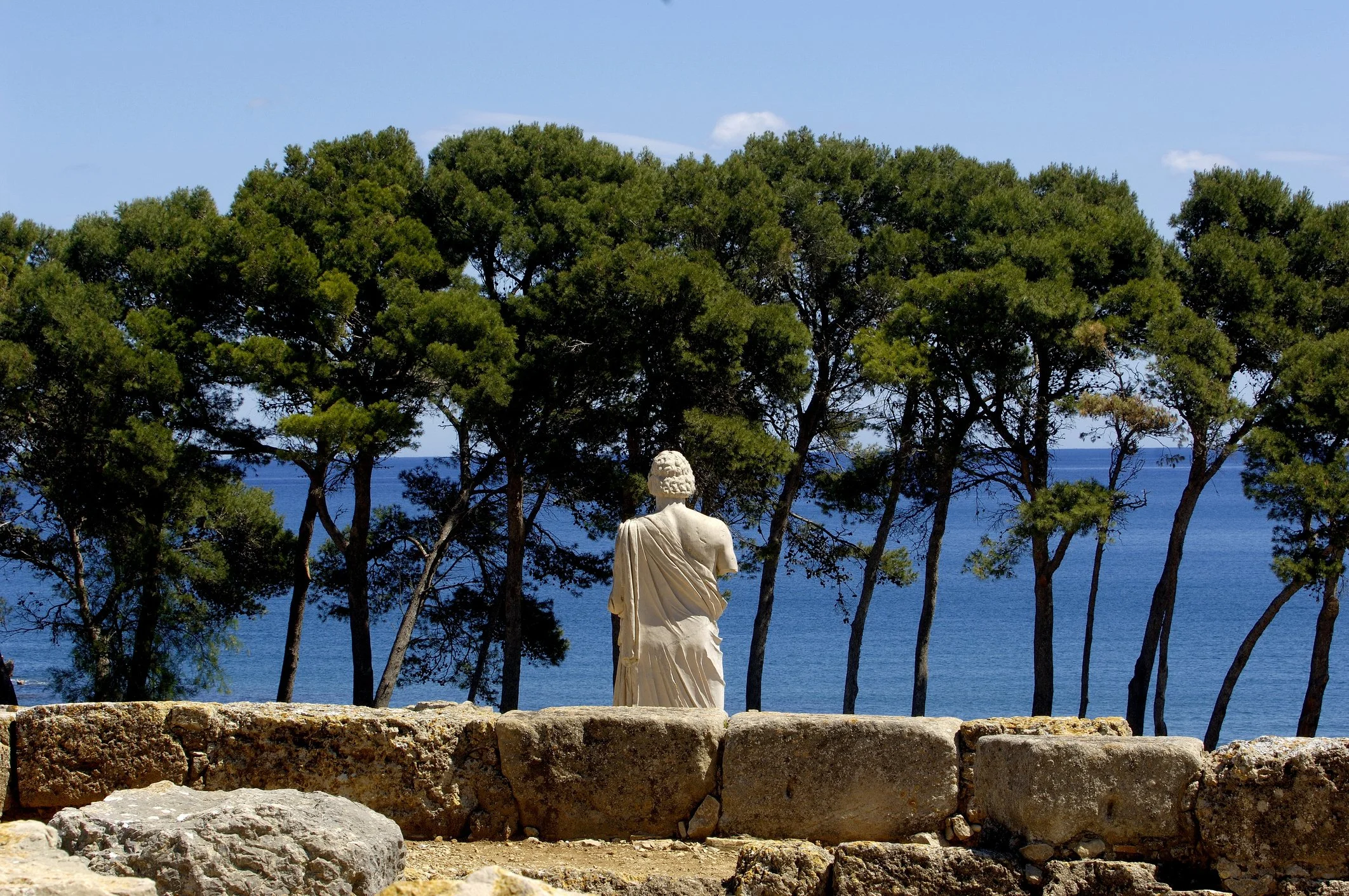
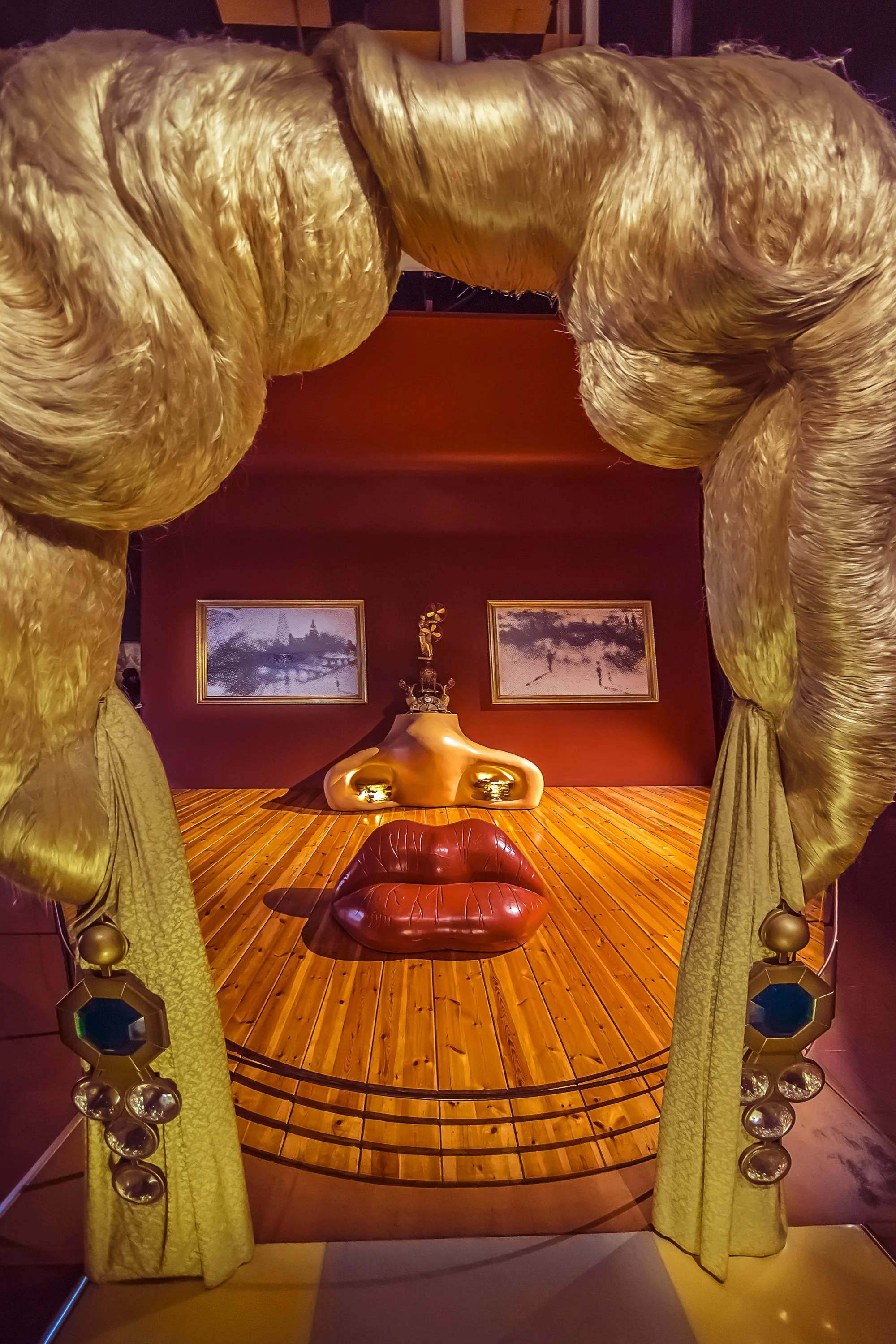
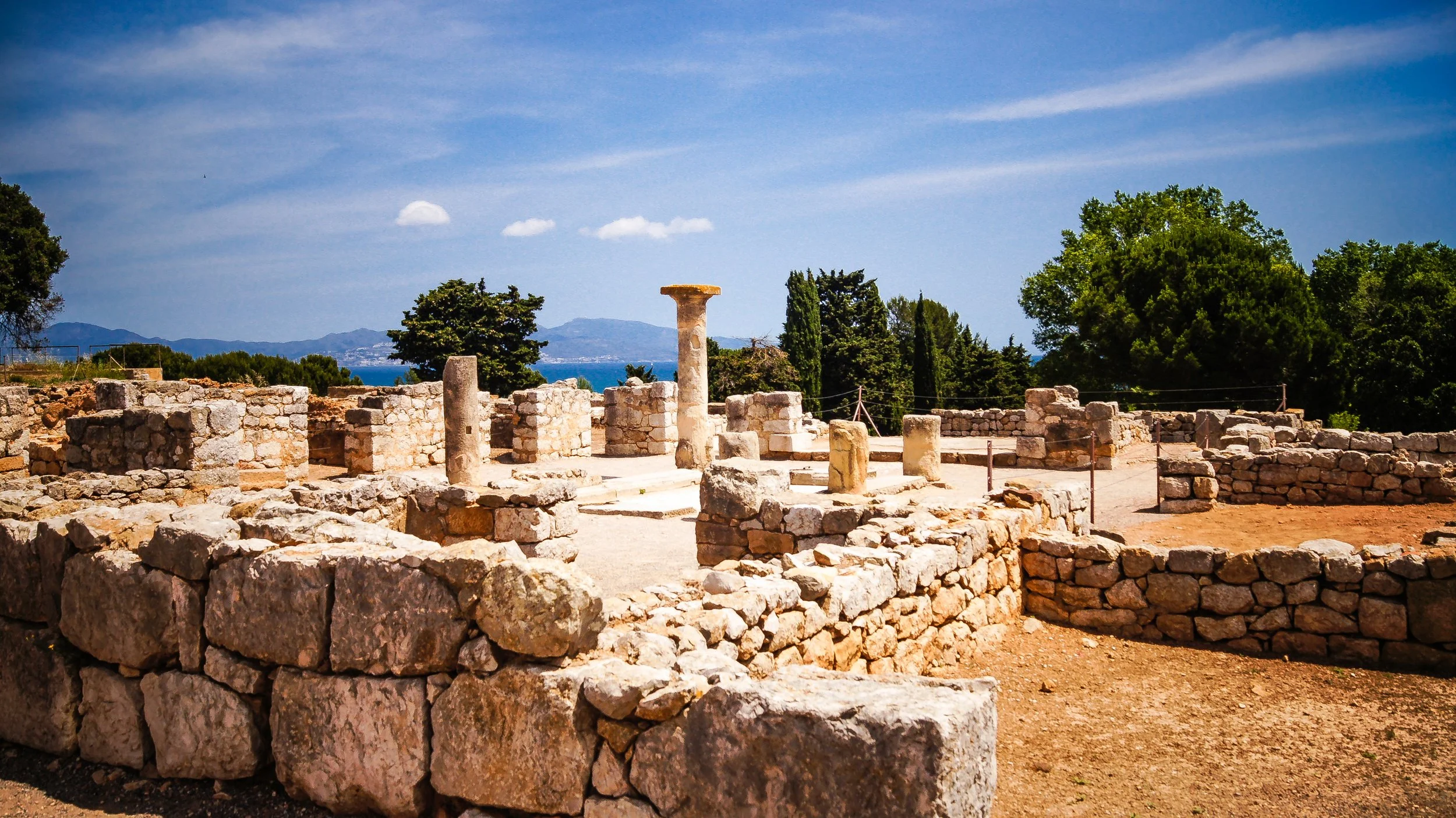
    North of Girona, Figueres and Empúries reveal two very different chapters in Catalonia’s cultural history. Figueres is inseparable from Salvador Dalí, who transformed the town’s former municipal theatre into the extraordinary Theatre-Museum that became his final great artistic statement. Further east on the Mediterranean coast, Empúries preserves the remains of Greek and Roman settlements side by side, marking one of the earliest points of sustained contact between the classical Mediterranean world and the Iberian Peninsula. We begin in Figueres with a guided visit to the Dalí Theatre-Museum, conceived by the artist as a vast Surrealist work in its own right and now also his burial place. In the afternoon, we continue to Empúries for a guided visit through the Greek and Roman remains, descending towards the Moll Grec, the ancient Greek jetty overlooking the Mediterranean. We return to Girona in the evening. Overnight Girona (B)

  • Day 7 | Thursday 30 September
    Besalú & Ripoll
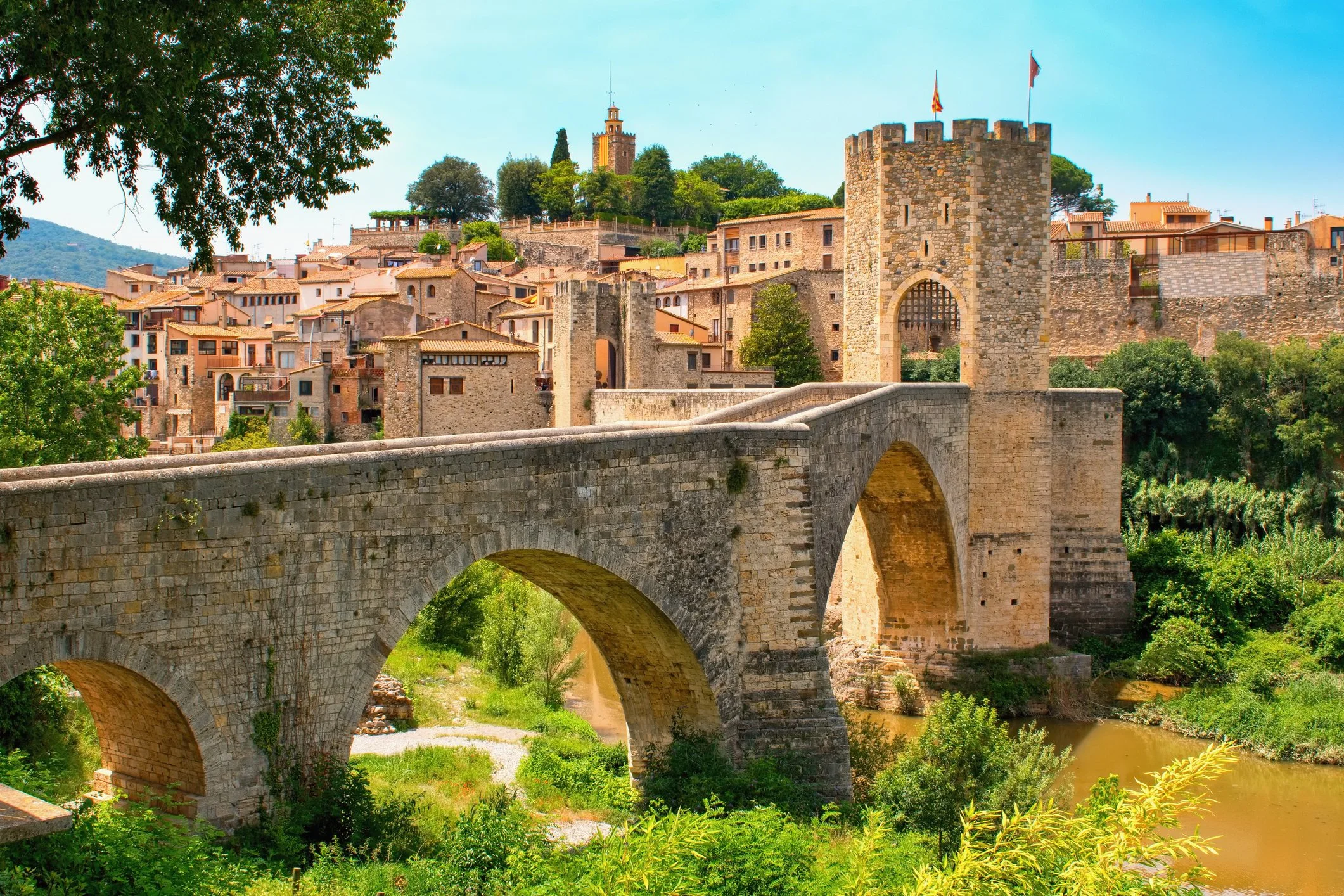
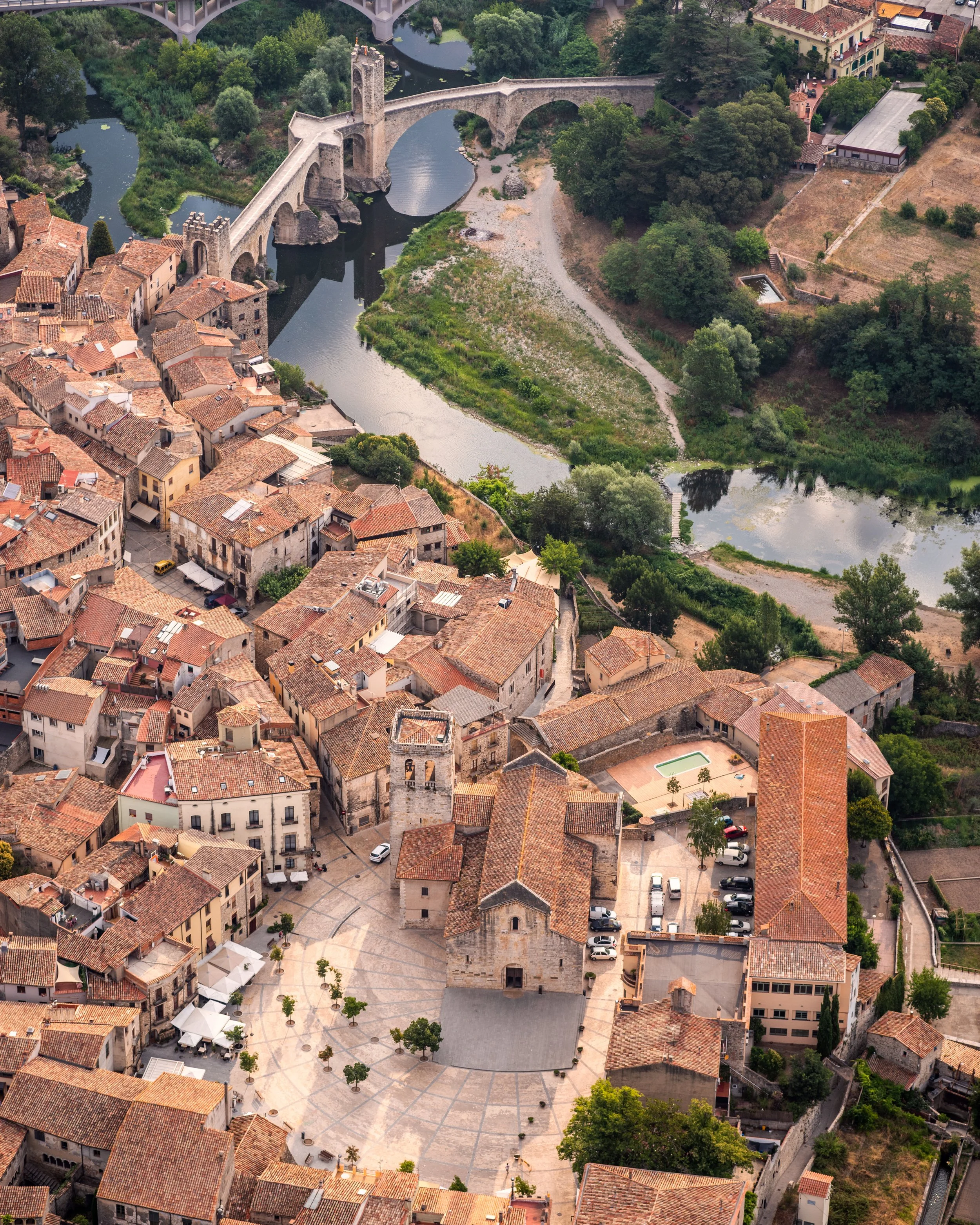
    Between Girona and Vic, the inland landscapes of Catalonia bring together some of the region’s finest Romanesque heritage with the volcanic country of La Garrotxa. Besalú is among the best-preserved medieval towns in Catalonia, its compact historic centre retaining a remarkable collection of Romanesque buildings. Further west, Ripoll was one of the great monastic centres of medieval Catalonia and remains closely associated with the development of Catalan Romanesque art. Leaving Girona behind today, we begin with a guided visit to Besalú, including the 12th-century Monestir de Sant Pere and its fortified bridge with seven irregular arches. We also descend to the town’s remarkable 12th-century mikveh, an underground Romanesque Jewish ritual bath and the only known medieval example of its kind in Spain. Buried and forgotten following the expulsion of Spain’s Jewish communities in 1492, it remained hidden for centuries before being rediscovered accidentally in 1964 during excavations for a wine cellar. Continuing through the volcanic landscape around Olot, we pause in Ripoll to see the richly carved portal of the Monastery of Santa Maria. From here, we continue into the countryside beyond Vic, arriving in the late afternoon at our hotel overlooking the Sau Reservoir. After time to settle in, we gather for dinner in the hotel restaurant. Overnight Vic-Sau (B, D)

  • Day 8 | Friday 1 October
    Vic
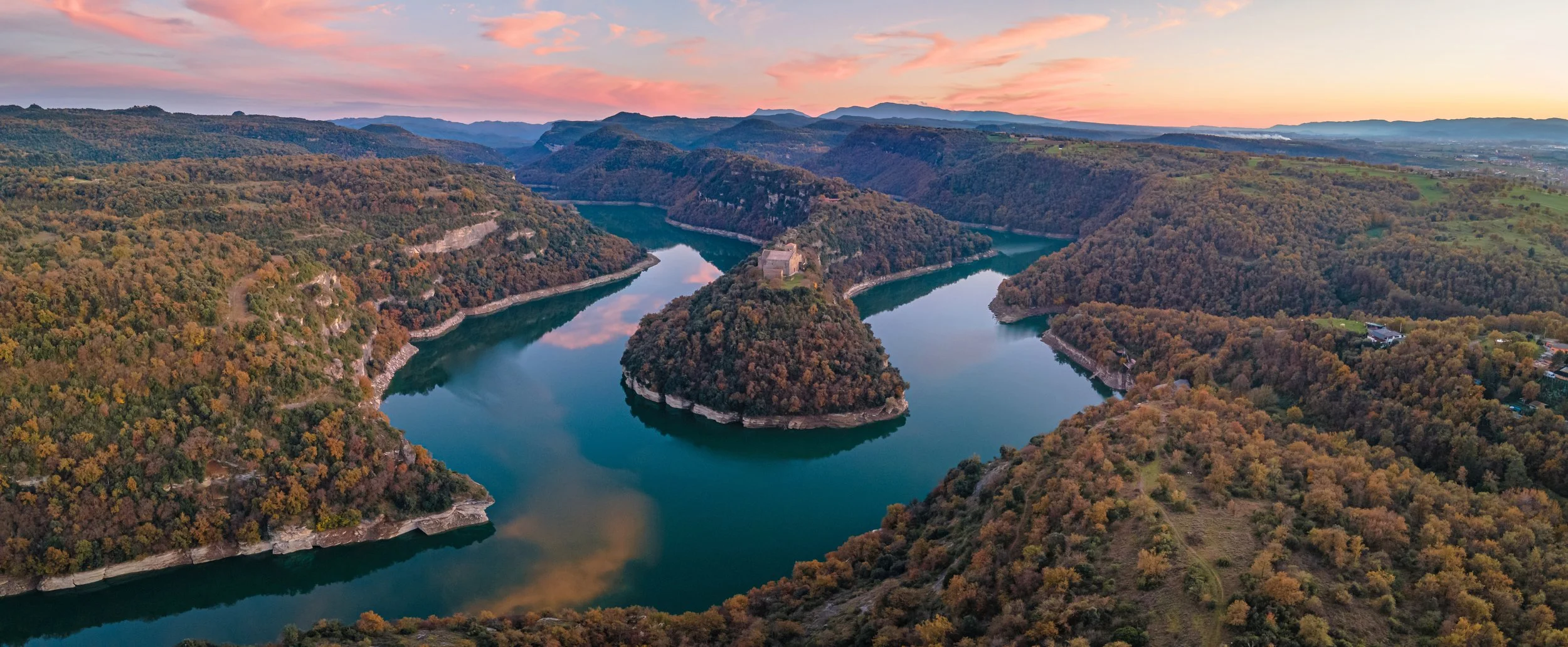
    On the Osona plain, Vic developed around its cathedral and market square into one of inland Catalonia’s principal regional centres. Its compact old town preserves an unusually broad sweep of history, from a remarkably complete Roman temple to medieval streets, the episcopal quarter and the arcaded Plaça Major, which continues a market tradition stretching back centuries. We travel into Vic this morning for a guided walk through the historic centre, visiting the cathedral, Roman temple and Plaça Major before breaking for lunch in town. In the afternoon, we continue to Sant Pere de Casserres, an 11th-century Romanesque monastery occupying a secluded headland above the River Ter. After our visit, we return to the hotel for time at leisure, followed by dinner together this evening – a quiet close to our time in the Catalan interior. Overnight Vic-Sau (B, D)

  • Day 9 | Saturday 2 October
    La Seu d’Urgell & The Vall de Boí
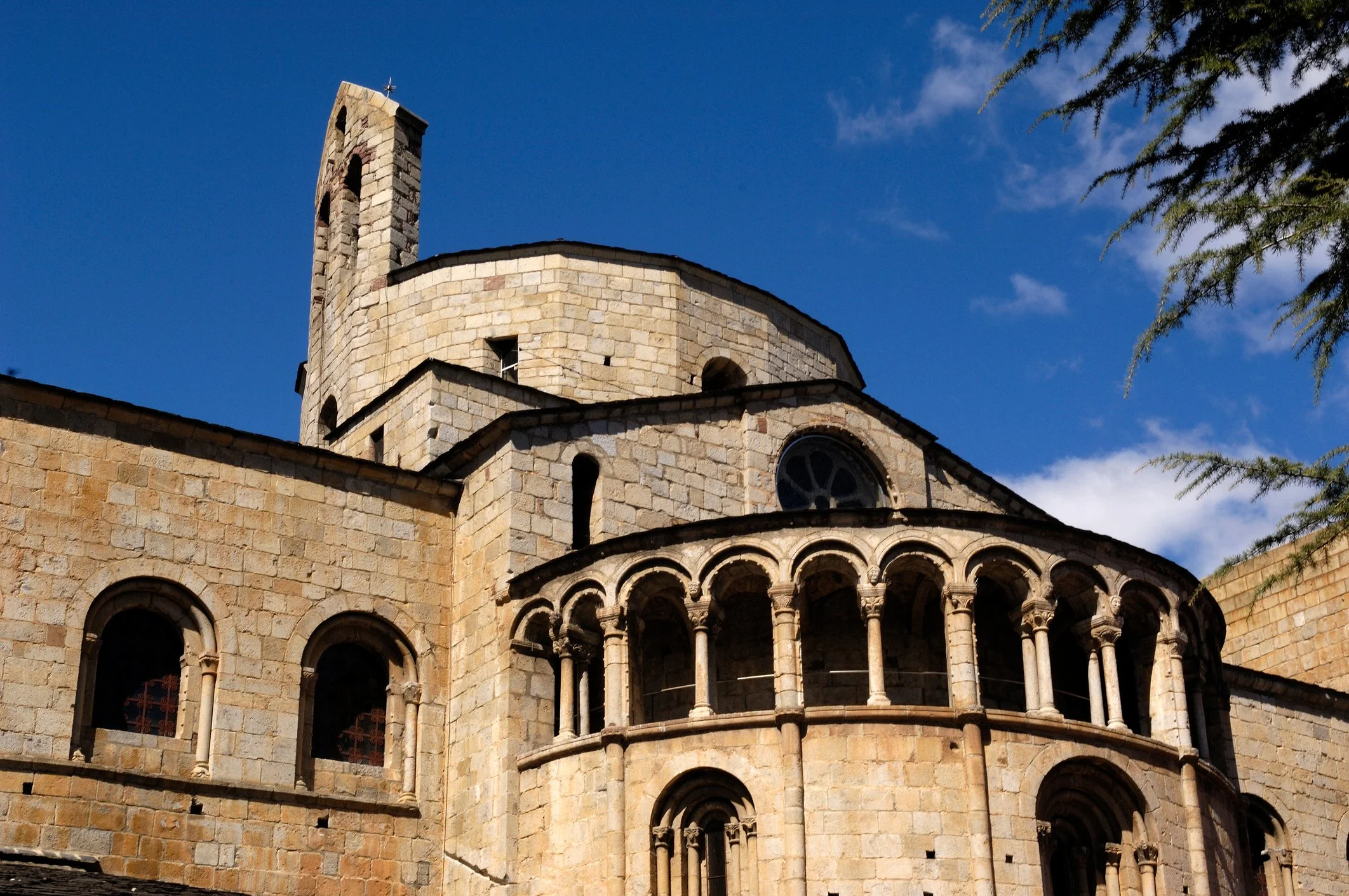
    The southern approaches to the Catalan Pyrenees mark a distinct change in landscape, as the broad interior gives way to increasingly mountainous country. Along this route, La Seu d’Urgell developed as an important episcopal centre, while further west the Vall de Boí preserves an exceptional concentration of Romanesque heritage within a remote Pyrenean valley. Leaving our hotel this morning, we travel north to La Seu d’Urgell for a guided walk through its historic centre. At its heart stands the Cathedral of Santa Maria, the only Romanesque cathedral in Catalonia to survive substantially intact, together with its cloister and museum. After a break for lunch in town, we continue west through the Pyrenees and into the Vall de Boí. Arriving at Caldes de Boí, in the upper reaches of the valley, we settle into our spa hotel, our base for the next three nights, before gathering for dinner in the hotel restaurant. Overnight Caldes de Boí (B, D)

  • Day 10 | Sunday 3 October
    Taüll & Aigüestortes National Park
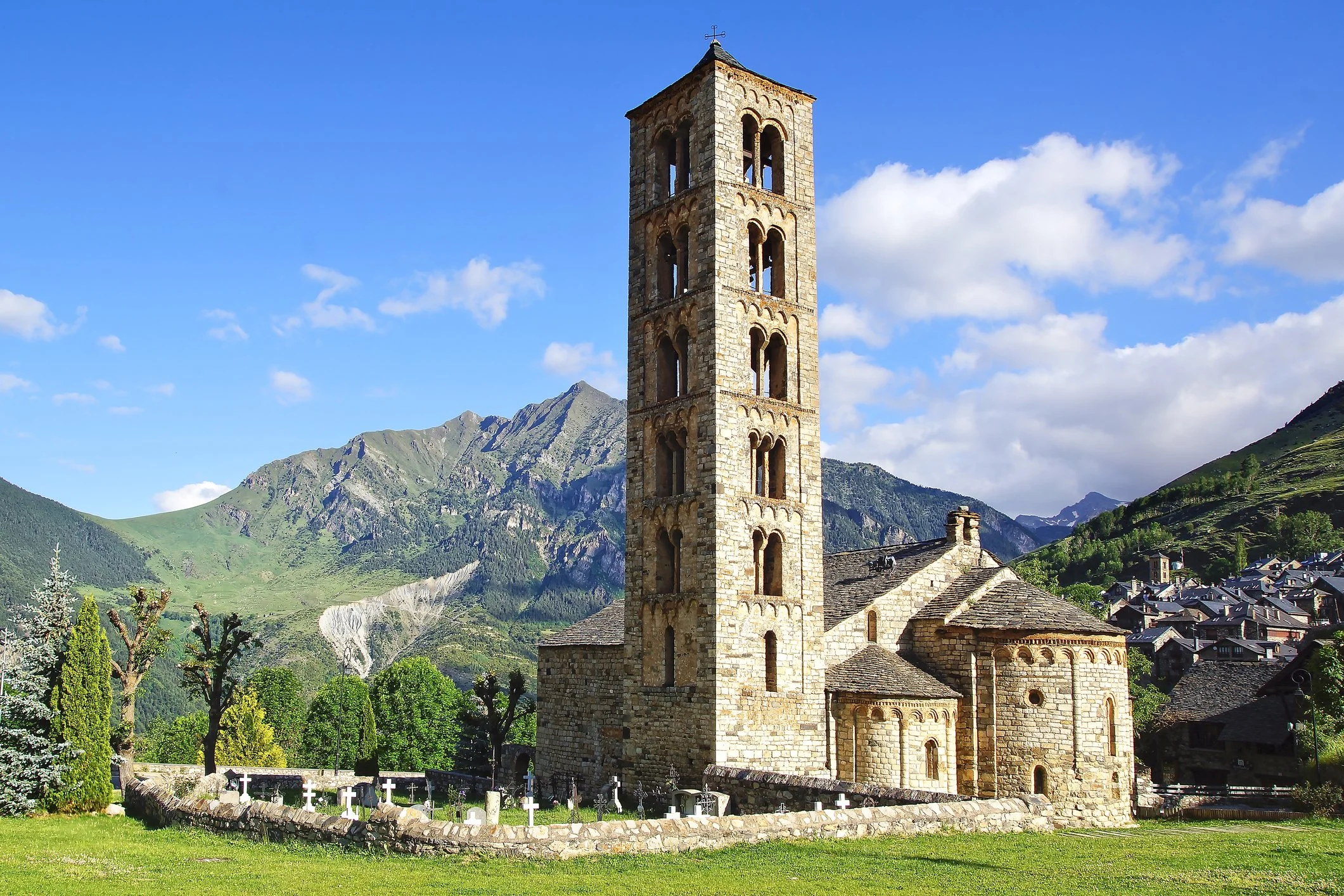
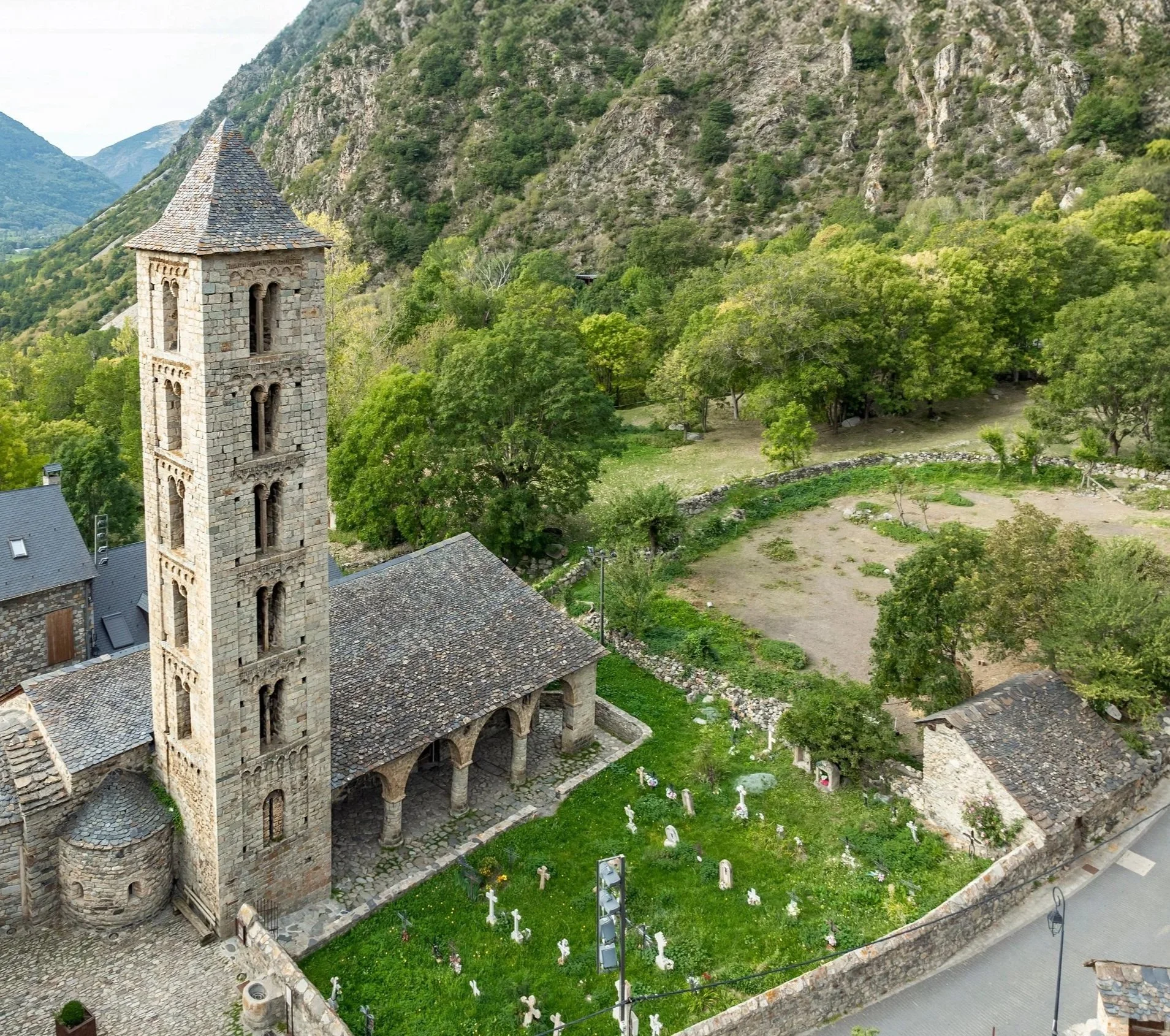
    High in the Catalan Pyrenees, this secluded valley preserves one of Europe’s greatest concentrations of Romanesque architecture. Built between the 11th and 14th centuries, its churches are distinguished by slender bell towers and the frescoes that once covered their interiors – the original paintings we encountered in Barcelona at the beginning
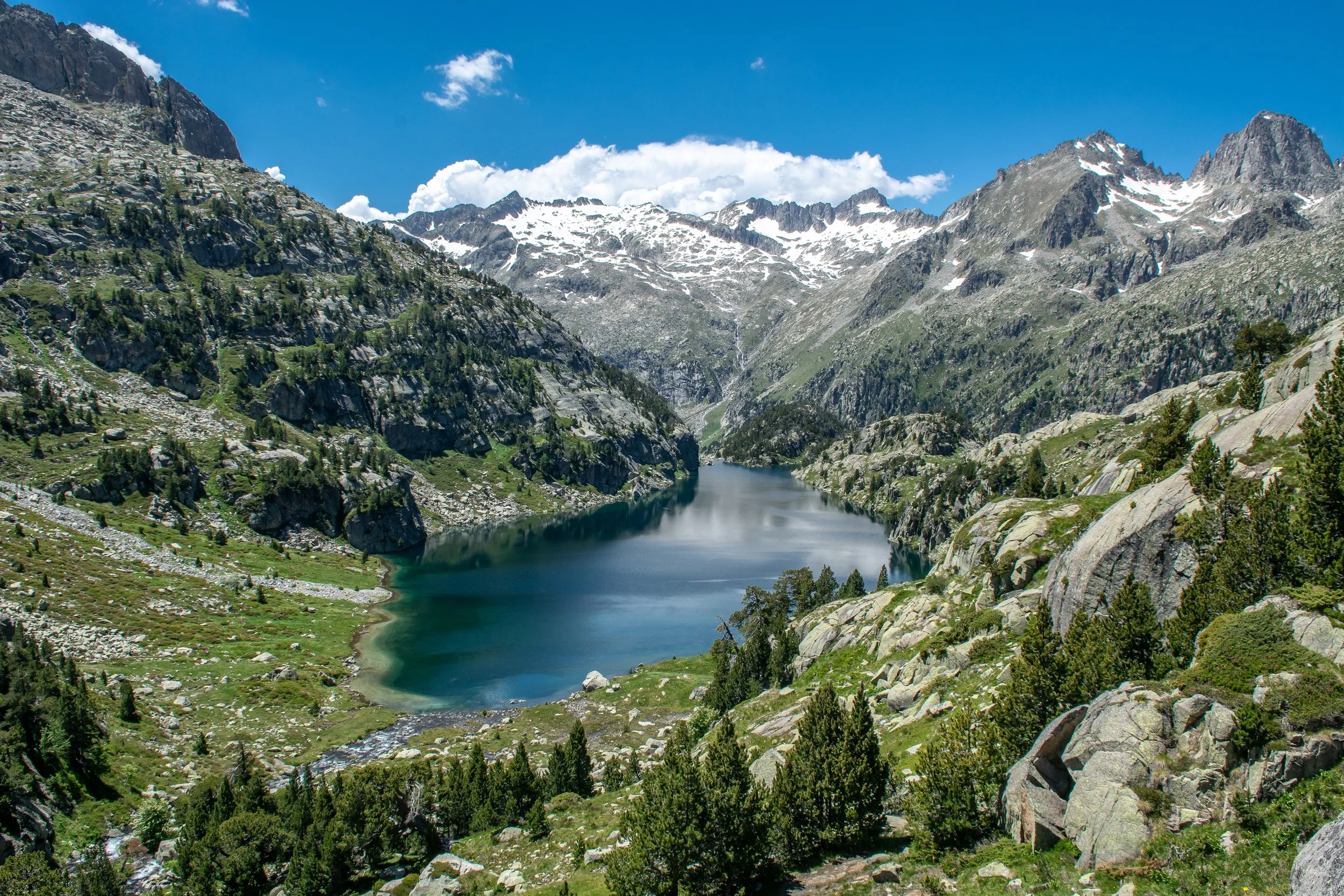
    of the tour. Together, the churches form a UNESCO World-Heritage site remarkable for the survival of so many medieval buildings within a single valley. Travelling to Taüll this morning, we embark on a walking tour of the village and its churches, including Sant Climent and Santa Maria, before continuing to Sant Joan de Boí. Replicas displayed within the churches help recreate the relationship between the architecture and the paintings removed for preservation. After lunch together in Taüll, we continue into Aigüestortes National Park, where an afternoon walk takes us through a high Pyrenean landscape of glacial lakes, pine forests and granite peaks. We then return to our hotel, with the evening at leisure. Overnight Caldes de Boí (B, L)

  • Day 11 | Monday 4 October
    Erill la Vall, Barruera & Cóll
    Beyond the celebrated churches of Taüll, the Romanesque heritage of the Vall de Boí extends through a series of small villages scattered along the valley. Each community developed its own church, their distinctive bell towers creating a visual connection between settlements and reflecting the close relationship between medieval religious life and this isolated Pyrenean landscape. This morning, we travel through the valley to Erill la Vall, Barruera and Cóll, visiting their Romanesque churches along the way. At Erill la Vall, the Centre of Romanesque Art provides further context for the architecture we have encountered, examining the construction, decoration and preservation of these remarkable buildings. On return to Caldes de Boí, the afternoon is at leisure to enjoy the surroundings or make use of the thermal spa at our hotel, whose mineral waters have long drawn visitors to the valley. Overnight Caldes de Boí (B)

  • Day 12 | Tuesday 5 October
    Into Aragón
    At the foot of the Pyrenees, Barbastro marks our transition from Catalonia into Aragón, sitting at the centre of the Somontano wine region whose name means ‘beneath the mountains’. Its vineyards spread across the meeting point of the Pyrenean foothills and the broad Aragonese plain, providing a fitting introduction to the landscapes and culture of the next stage of our journey. We leave Caldes de Boí this morning, descending from the Pyrenees towards Barbastro and the vineyards of the Somontano. By late afternoon, we reach Zaragoza, the regional capital on the banks of the Ebro, where we settle into our centrally located hotel for the next three nights. This evening, we gather for dinner at a local restaurant. Overnight Zaragoza (B, D)

  • Day 13 | Wednesday 6 October
    Zaragoza
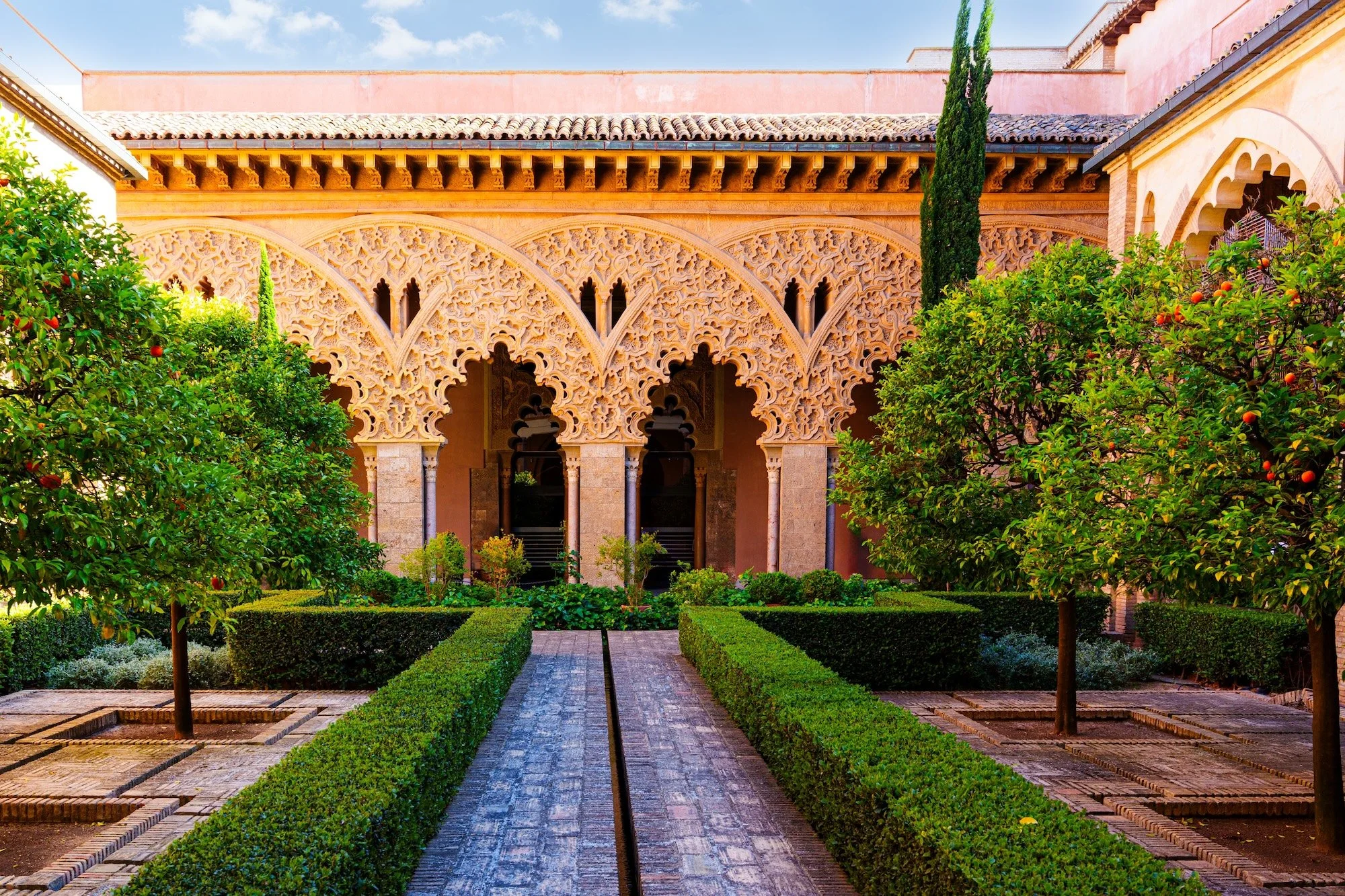
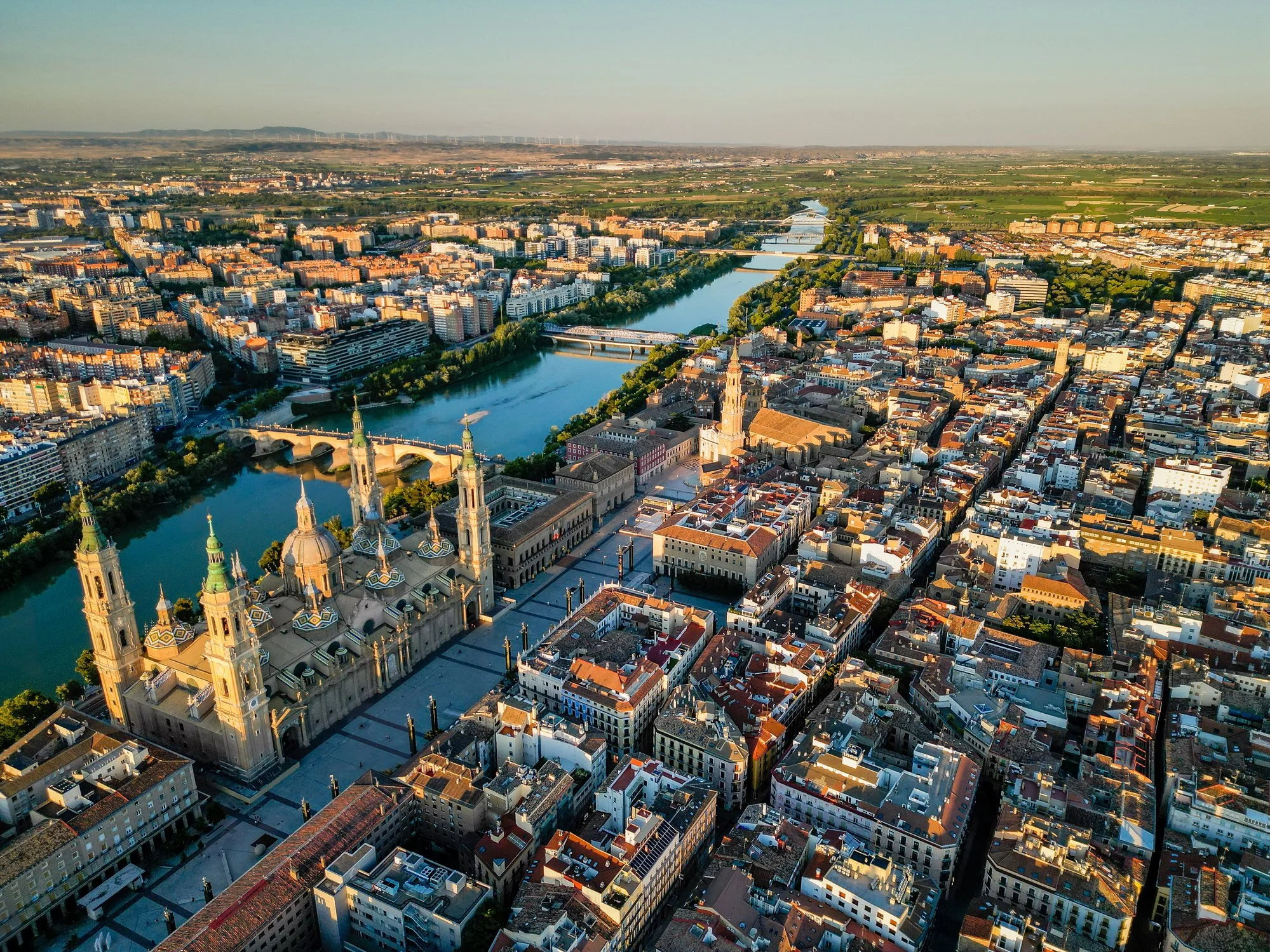
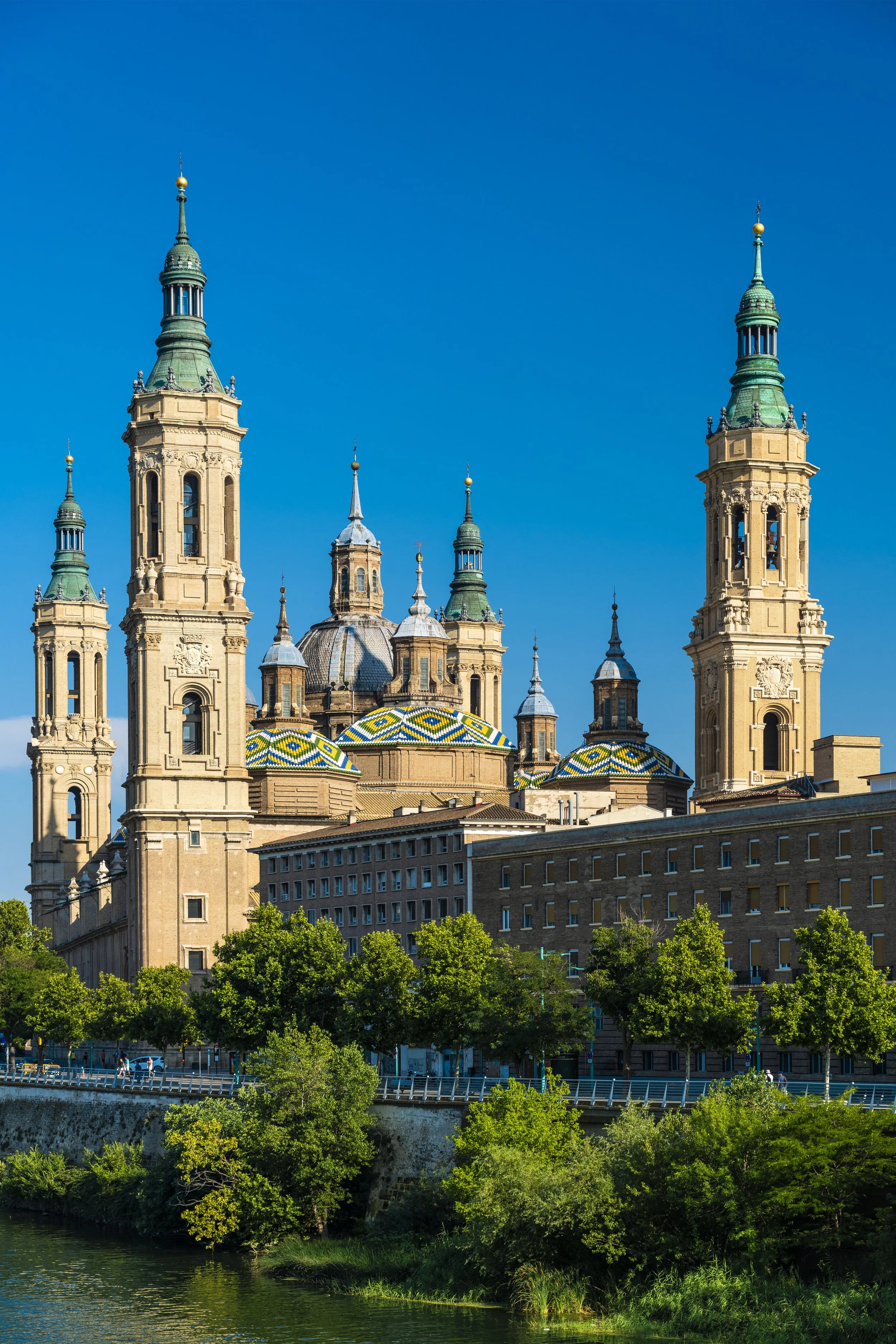
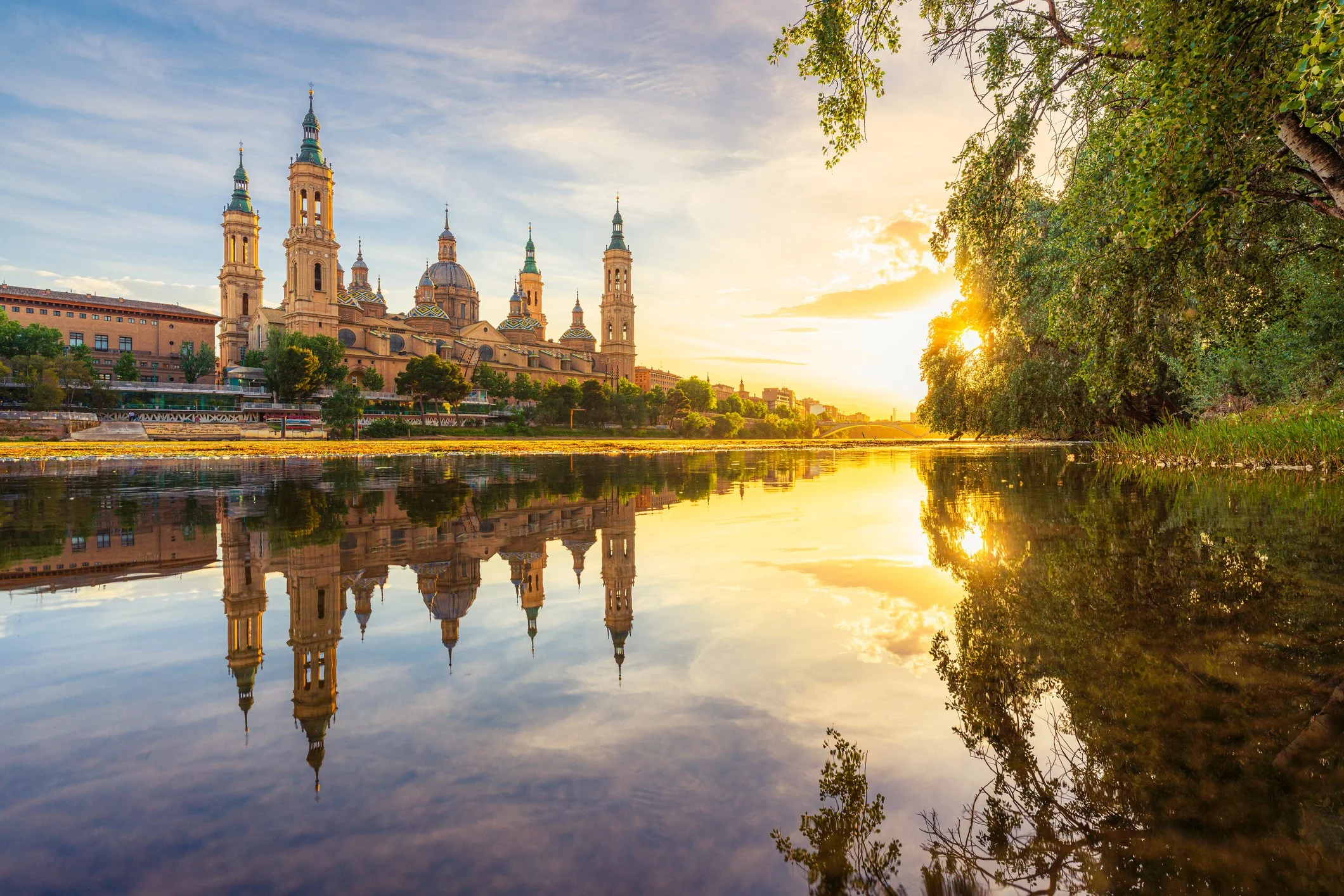
    At the heart of Aragón, Zaragoza preserves some of the clearest evidence of the region’s Islamic and Christian past. Foremost among these is the Aljafería, an 11th-century palace built for the Muslim rulers of the taifa of Zaragoza and later adapted as a royal residence by the Christian monarchs of Aragón. Its interlacing arches, carved stucco and later Mudéjar additions reveal the successive cultures that shaped the city. We begin this morning with a guided visit to the Aljafería, following its transformation from Islamic palace to royal court. After a break for lunch in the city centre, we continue on foot through Zaragoza’s historic centre. Our guided walk takes in the vast Plaza del Pilar and its baroque basilica, before continuing to La Seo, where Romanesque, Gothic, Mudéjar and baroque elements record centuries of rebuilding. Before returning to our hotel, we also view the Arco del Deán and the medieval Puente de Piedra spanning the Ebro. Overnight Zaragoza (B)

  • Day 14 | Thursday 7 October
    Goya & Gargallo
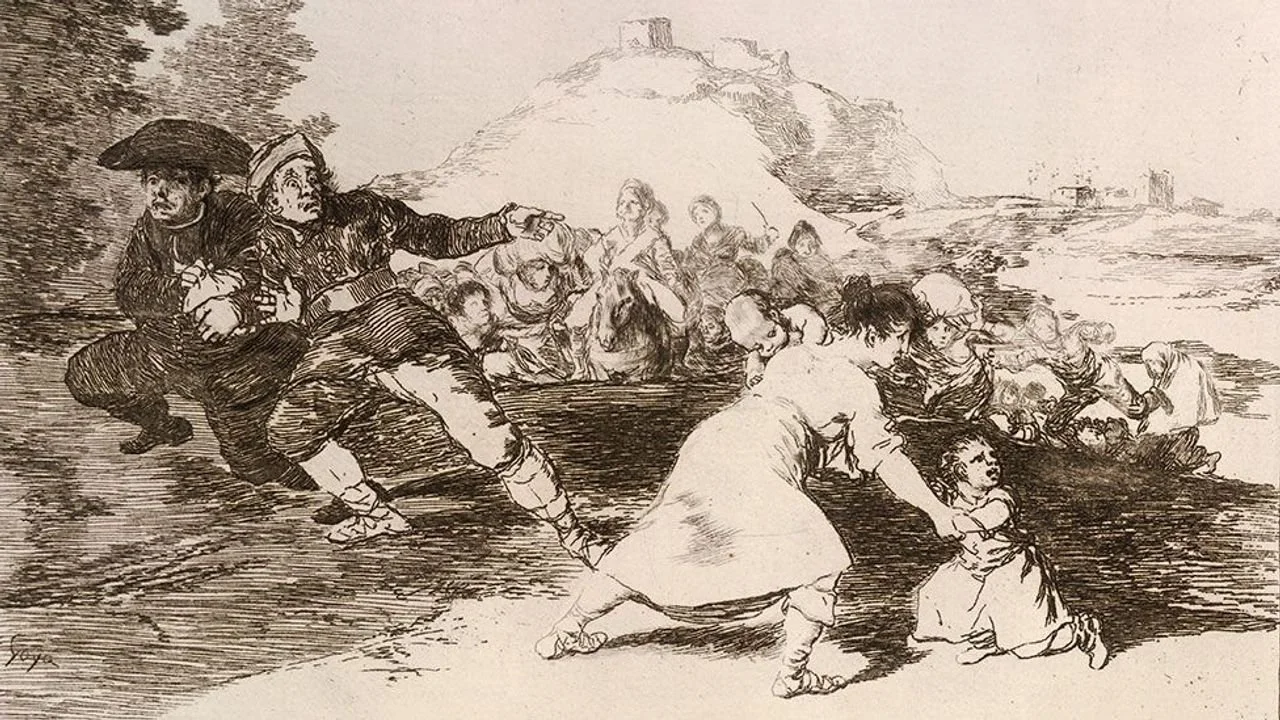
    Few artists are as closely associated with Aragón as Francisco de Goya, who was born near Zaragoza and received his early artistic training in the city. His work spans the elegance of the Spanish court and the darker political and social upheavals of his lifetime, while Zaragoza also claims an important place in the story of modern sculpture through the work of Pablo Gargallo. We begin our day at the recently renovated Goya Museum, whose collection includes complete sets of the artist’s celebrated print series, among them The Disasters of War. The museum will also includes immersive rooms and interactive installations that will explain the techniques, context, and global distribution of Goya’s work. After a break for lunch in the old quarter, we continue to the Pablo Gargallo Museum, housed in a Renaissance palace and devoted to the Aragonese sculptor whose experiments with metal helped shape 20th-century modernism. Returning to our hotel, the evening is at leisure. Overnight Zaragoza (B)

  • Day 15 | Friday 8 October
    Belchite, Montalbán & Teruel
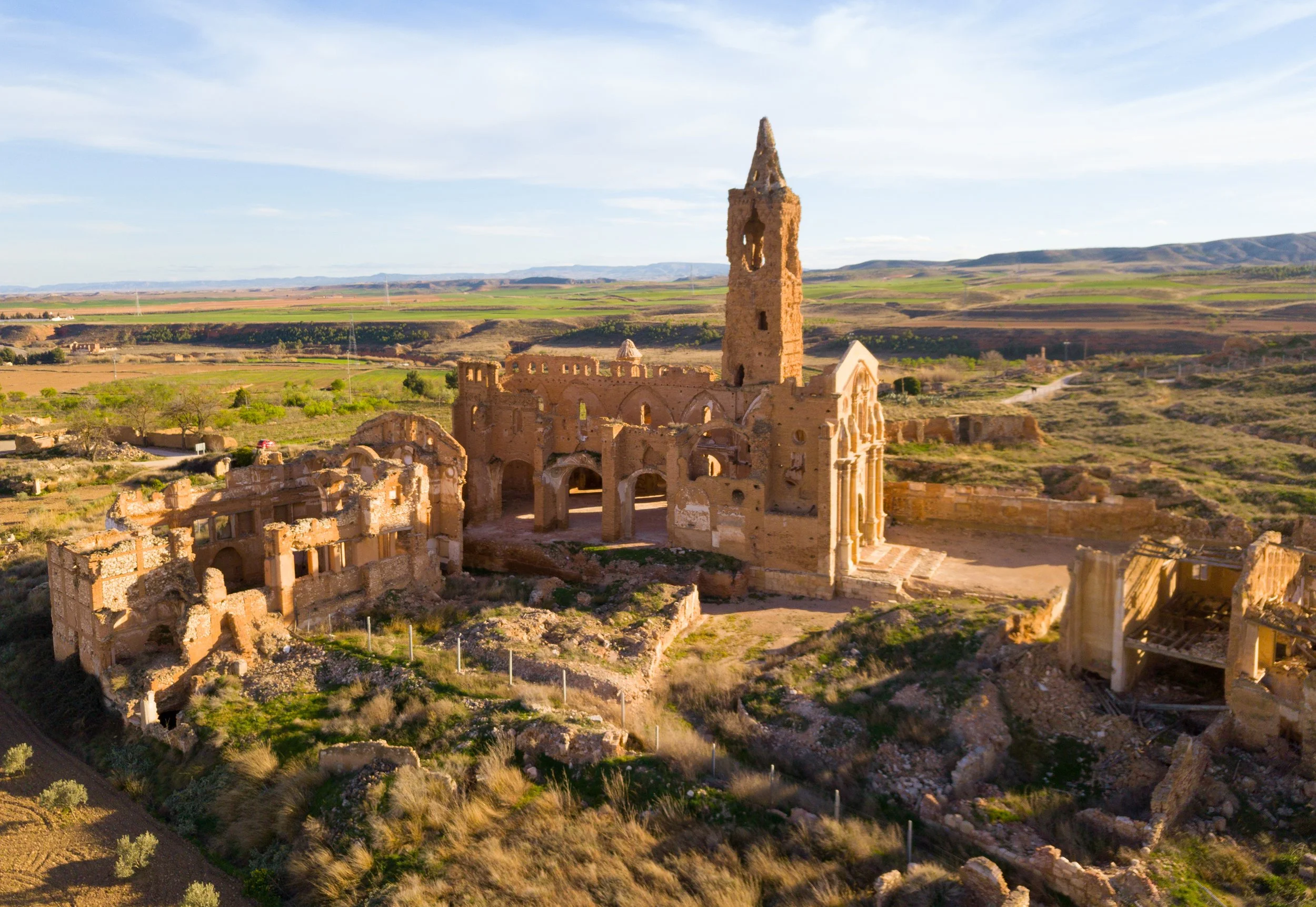
    South of Zaragoza, the route towards Teruel crosses a region where the legacy of the Spanish Civil War sits alongside some of Aragón’s finest Mudéjar architecture. Old Belchite preserves the ruins of the town destroyed during the fierce fighting of 1937, while further south Montalbán introduces the distinctive brickwork and ceramic decoration that will become a major theme of our time in Teruel. Leaving Zaragoza today, we first travel to Old Belchite for a guided visit through the ruined town and its churches. After a break for lunch in New Belchite, we continue to Montalbán to visit the fortress-church of Santiago el Mayor, an important example of Aragón’s Mudéjar tradition. From here, we travel on to Teruel, arriving in the late afternoon and settling into our centrally located hotel. In the evening, we gather for dinner at a nearby restaurant. Overnight Teruel (B, D)

  • Day 16 | Saturday 9 October
    Teruel
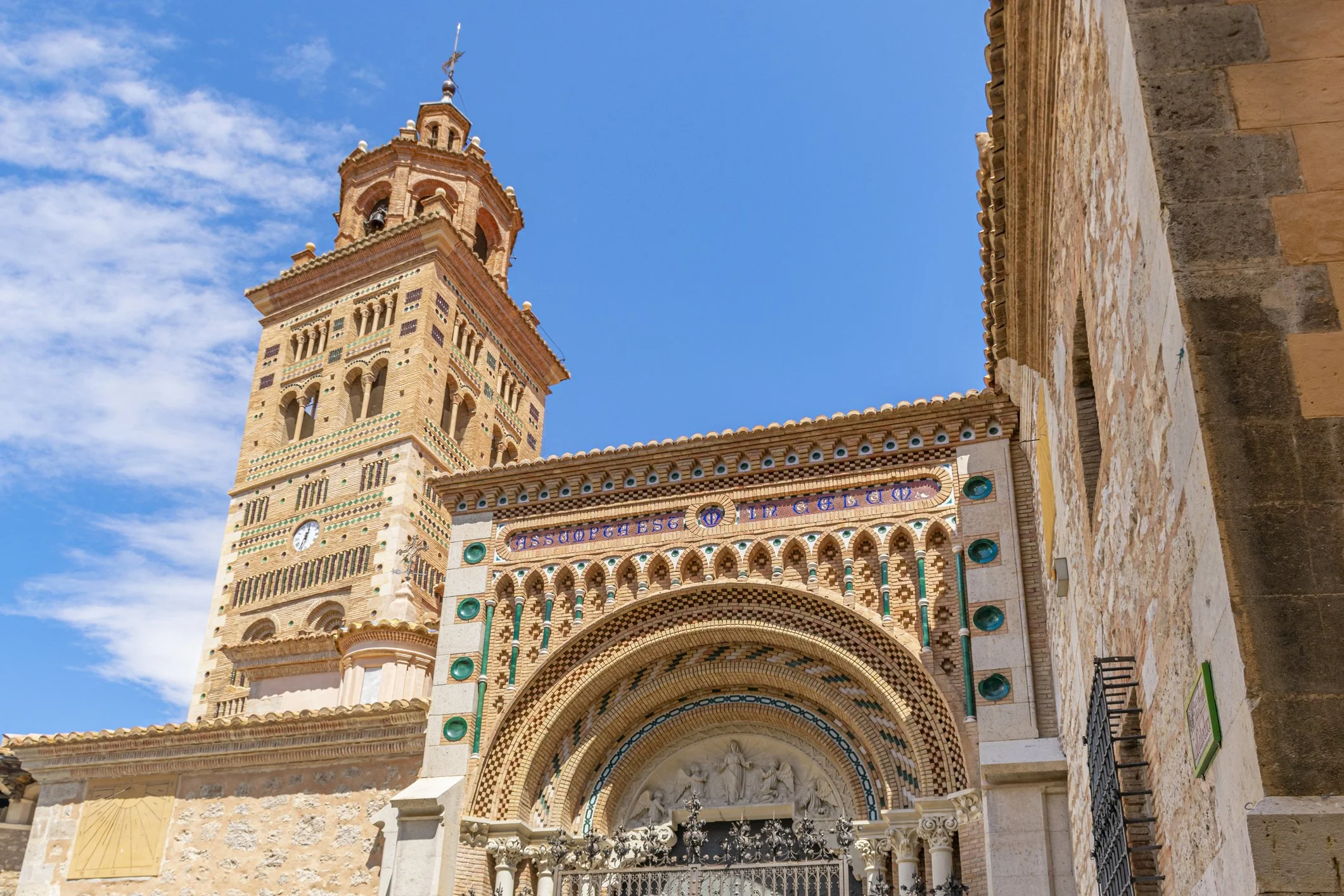
    Rising above the old town, the brick towers of Teruel form one of the most complete expressions of Mudéjar architecture in Aragón. Developed by Muslim craftsmen working under Christian rule, the style combined Islamic decorative traditions with Gothic forms, using brick, glazed ceramics and intricate geometric patterns. Together with the cathedral, these monuments form part of Aragón’s UNESCO World-Heritage Mudéjar legacy. A guided walk this morning introduces the ‘Teruel of the Three Cultures’, focusing on the city’s outstanding Mudéjar architecture. We visit the Cathedral of Santa María, with its celebrated painted wooden ceiling, and see the principal Mudéjar towers rising above the historic centre. Our walk also considers the former Jewish quarter, where little physical fabric survives but whose location remains part of the city’s medieval story. After a break for lunch, we return to our hotel for an afternoon at leisure. Overnight Teruel (B)

  • Day 17 | Sunday 10 October
    Into Valencia
    The historic Kingdom of Valencia occupies a distinctive place on Spain’s Mediterranean coast, shaped over centuries by Iberian, Roman, Islamic and Christian rule. Sagunt provides a fitting introduction to this layered history. Once an important Iberian settlement and later a Roman city, its theatre and hilltop fortress preserve evidence of successive cultures that controlled this strategic approach to the coast. Leaving Teruel this morning, we descend from the Aragonese highlands towards Sagunt, where a guided visit takes us through the 1st-century Roman theatre before continuing to the castle stretching along the ridge above the town. After a break for lunch, we travel on to Valencia, arriving in the late afternoon. Here we settle into our centrally located hotel, our base for the final two nights of the tour, before gathering for dinner
    in the hotel restaurant. Overnight Valencia (B, D)

  • Day 18 | Monday 11 October
    Valencia
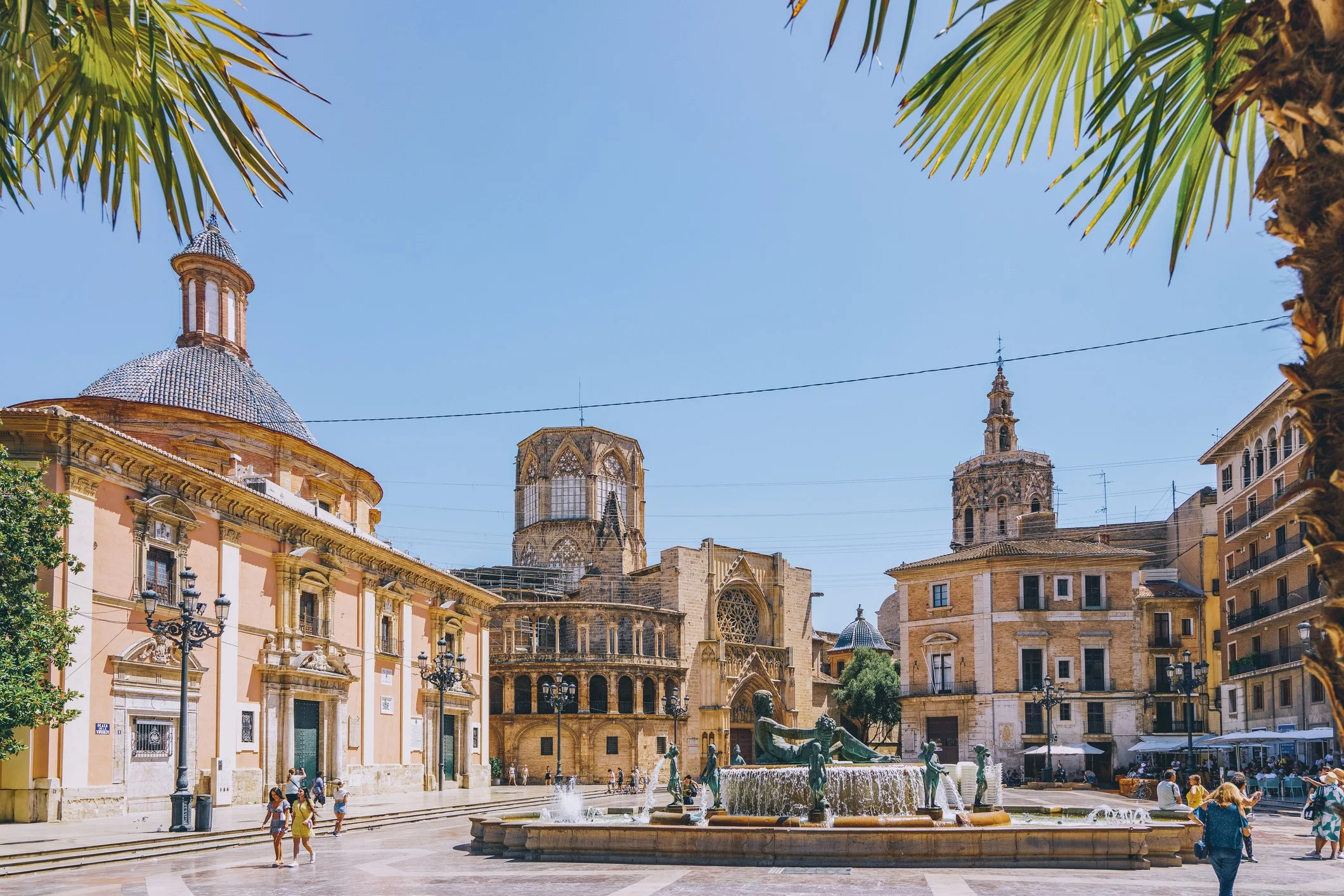
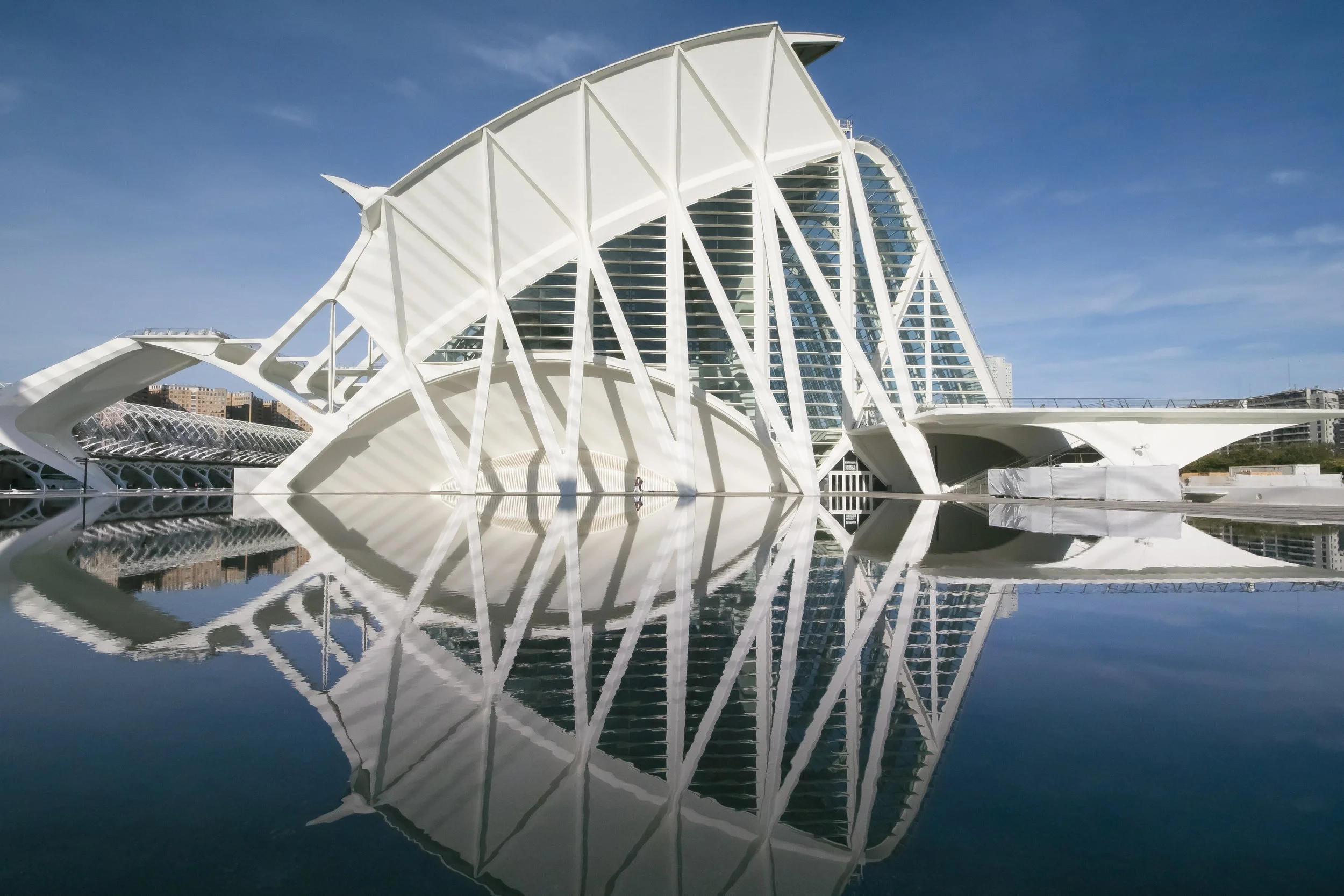
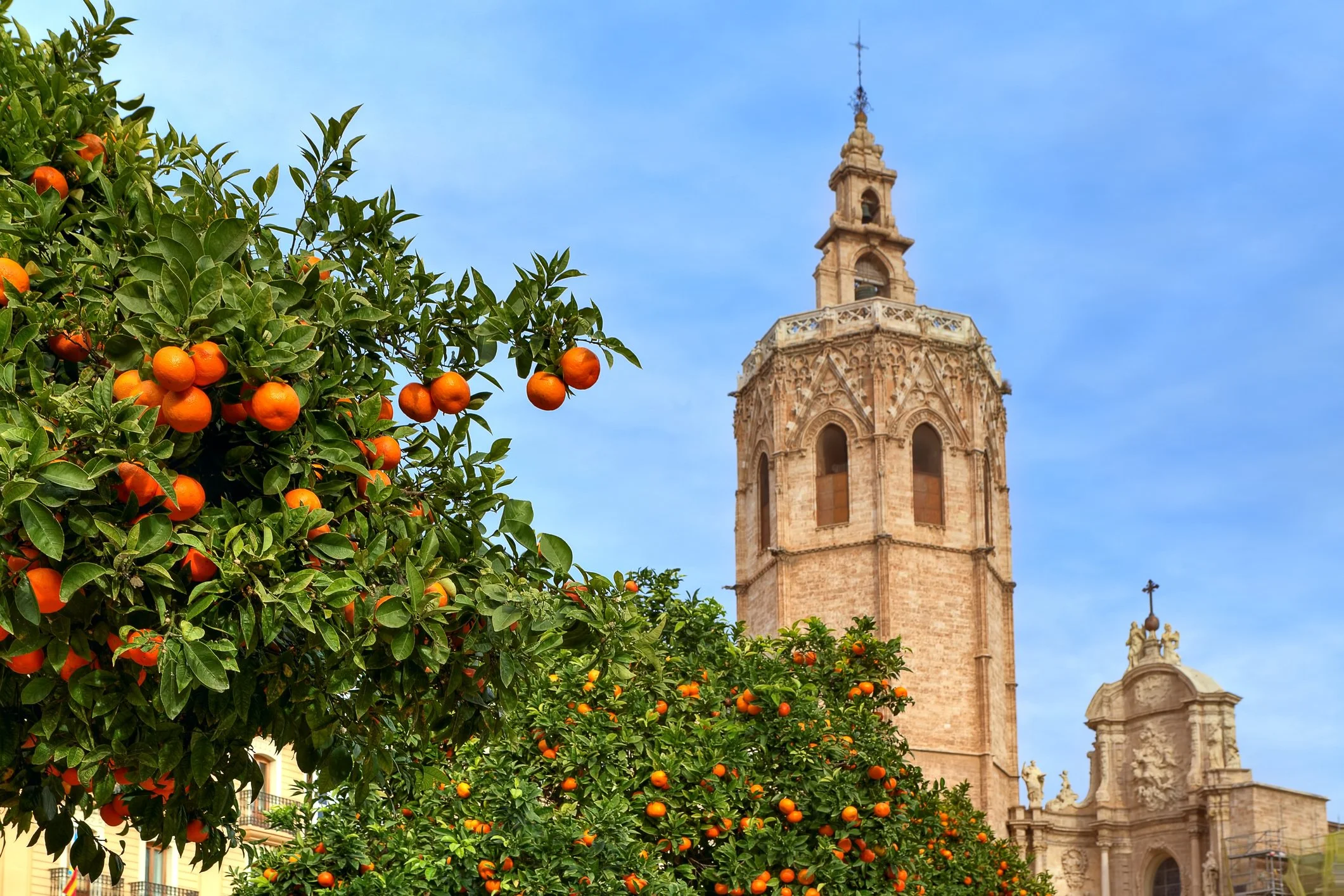
    At the mouth of the Turia, this great Mediterranean port grew from the Roman settlement of Valentia into one of the wealthiest cities of the Crown of Aragón. Its prosperity was built in part on the silk trade, a legacy most clearly expressed in the Lonja de la Seda, whose soaring Gothic hall remains one of the finest secular buildings of medieval Spain. A guided walk through the historic centre this morning takes us to the Mercado Central, with its vast displays of Valencian produce, before continuing to the Lonja de la Seda, a UNESCO World-Heritage site. After a break for lunch in the city, we then turn to Valencia’s modern architectural identity at the City of Arts and Sciences. Designed principally by Valencian architect Santiago Calatrava, the complex of sculptural white buildings and reflecting pools occupies the former riverbed of the Turia. This evening, we gather for a farewell dinner, bringing our journey through Catalonia, Aragón and Valencia to a close. Overnight Valencia (B, D)

  • Day 19 | Tuesday 12 October
    Depart Valencia
    Our tour concludes this morning after breakfast. Valencia is well connected for onward travel, with services from several European airlines and high-speed rail links to Madrid and Barcelona, offering convenient connections through two of Spain’s principal international gateways. (B)

Throughout the tour, we stay in a selection of well-located 4-star hotels, combining contemporary comfort with historic character and convenient access to the places we visit.

Tour Accommodation

tour booking

$19,860 AUD per person, twin share (land content only)
$3,180 AUD supplement for sole use of a hotel room

A $2,000 deposit is required per person to confirm your booking on tour. This deposit is non-refundable.

Hold a Place

Still deciding? We are happy to hold a tentative place for 7 days while you make your final arrangements.

Book Online

To secure your place(s) on tour, book online below with “Athena”, our virtual tour consultant.

DOWNLOAD FORM

Download a printable booking form. You can also complete the form on screen and submit via email.

your tour consultant

The consultant for this tour is Lucy Yeates. For further information or to discuss the tour, please call 9235 0023 (Sydney) or 1800 639 699 (outside Sydney) or email lucy@academytravel.com.au

have you thought about?

Academy Travel is more than just a tour operator. We are also a full-service travel agency who can assist you with all aspects of your travel, including flights, transfers, pre-tour arrival, additional travel and comprehensive travel insurance.

can’t make this departure?

If these dates don't work for you, register to hear about the next tour.