High Art in the Low Countries

Brussels, Bruges, Delft, & Amsterdam

Explore the fascinating history and art of the Low Countries, from Van Eyck to Rembrandt, Vermeer and Van Gogh.

TOUR STATUS

Places Available | Maximum 16

TOUR DATES

May 21 - June 3, 2027 | 14 Days

TOUR LEADER

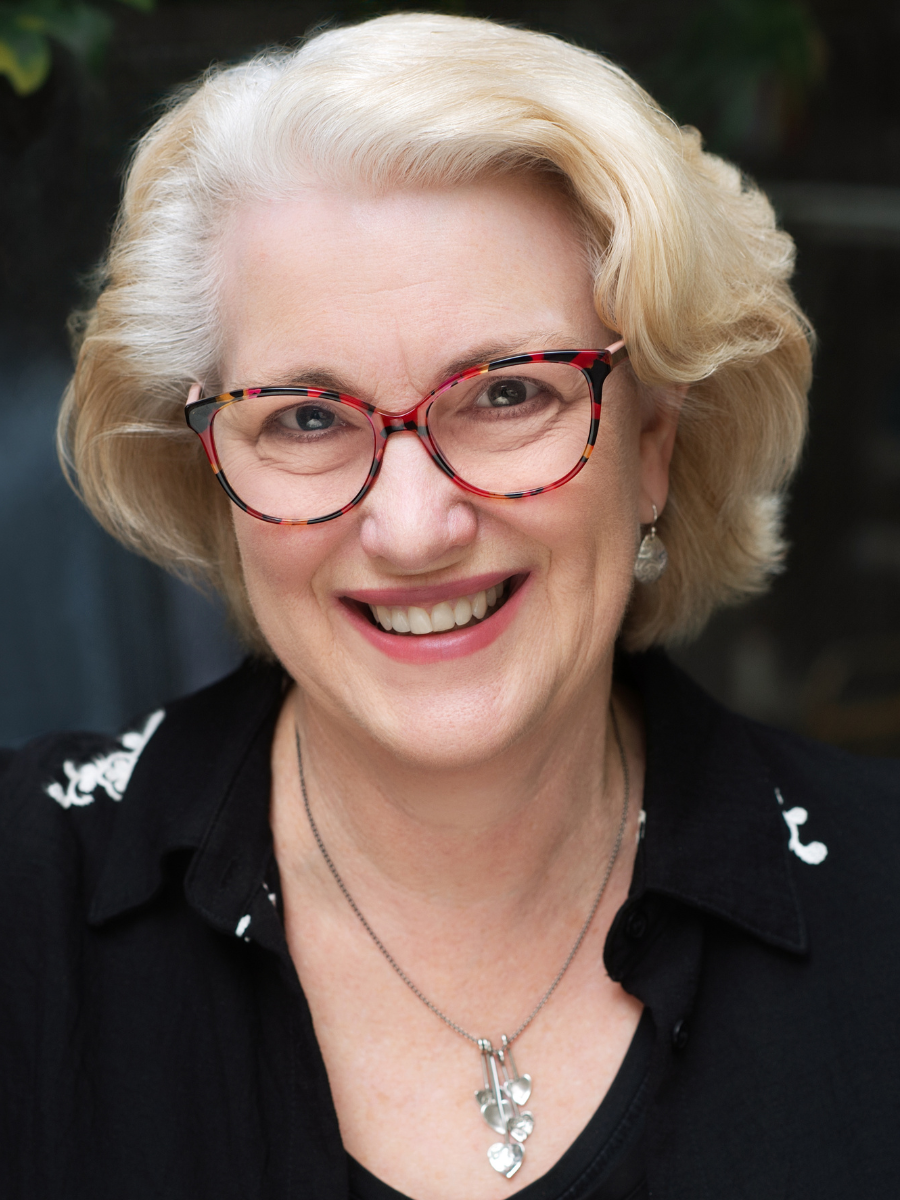
Anne Harbers | View Bio

snapshot

OVERVIEW

From the 15th century, the Low Countries became one of Europe’s most dynamic centres of art, shaped by Burgundian wealth, religious institutions and prosperous merchants. Across the centuries, changing patterns of patronage transformed both subject matter and audience,
from the devotional precision of early Netherlandish painting to the portraiture, landscapes and domestic scenes of the Dutch Golden Age.

Led by art historian Anne Harbers, this 14-day tour follows that development across Belgium and the Netherlands. The cities of Brussels, Ghent, Bruges and Antwerp reveal the worlds of Van Eyck, Van der Weyden, Memling and Rubens, before we cross into the Netherlands to explore Delft, The Hague, Amsterdam and Haarlem through the Dutch
masters Vermeer, Rembrandt and Frans Hals.

The tour’s chronology extends into the modern era through Horta’s Art Nouveau, Van Gogh’s Post-Impressionism, Mondrian and De Stijl and Magritte’s Surrealism, revealing how artists of the Low Countries continued to reshape European art.

tour highlights

Embark on a richly layered journey through the Low Countries

Anne Harbers

your expert tour leader

Anne Harbers is an independent Art Historian & Lecturer focusing on European and Australian artists as well as on Decorative Arts. She has lectured for the Art Gallery of NSW, National Trust, The Royal Society of NSW, WEA (Sydney) and by invitation to various Clubs and Libraries, and conferences in Australia, Europe, UK and USA. She also is a speaker for ArtsNational, the new name for the former ADFAS groups.

Read full bio >

Accompanied by an Experienced Tour Manager

Alongside your expert tour leader, an experienced tour manager will accompany for the entirety of the tour. They oversee logistics, ensure your comfort and safety, and provide friendly support – whether offering tips for free time, sharing a chat over dinner, or giving you space to relax.

tour ITINERARY

Brussels (3 nights), Bruges (3 nights), Delft (3 nights), Haarlem (4 nights)

Included meals are shown with the letters B, L and D
  • Day 1 | Friday 21 May
    Arrive Brussels

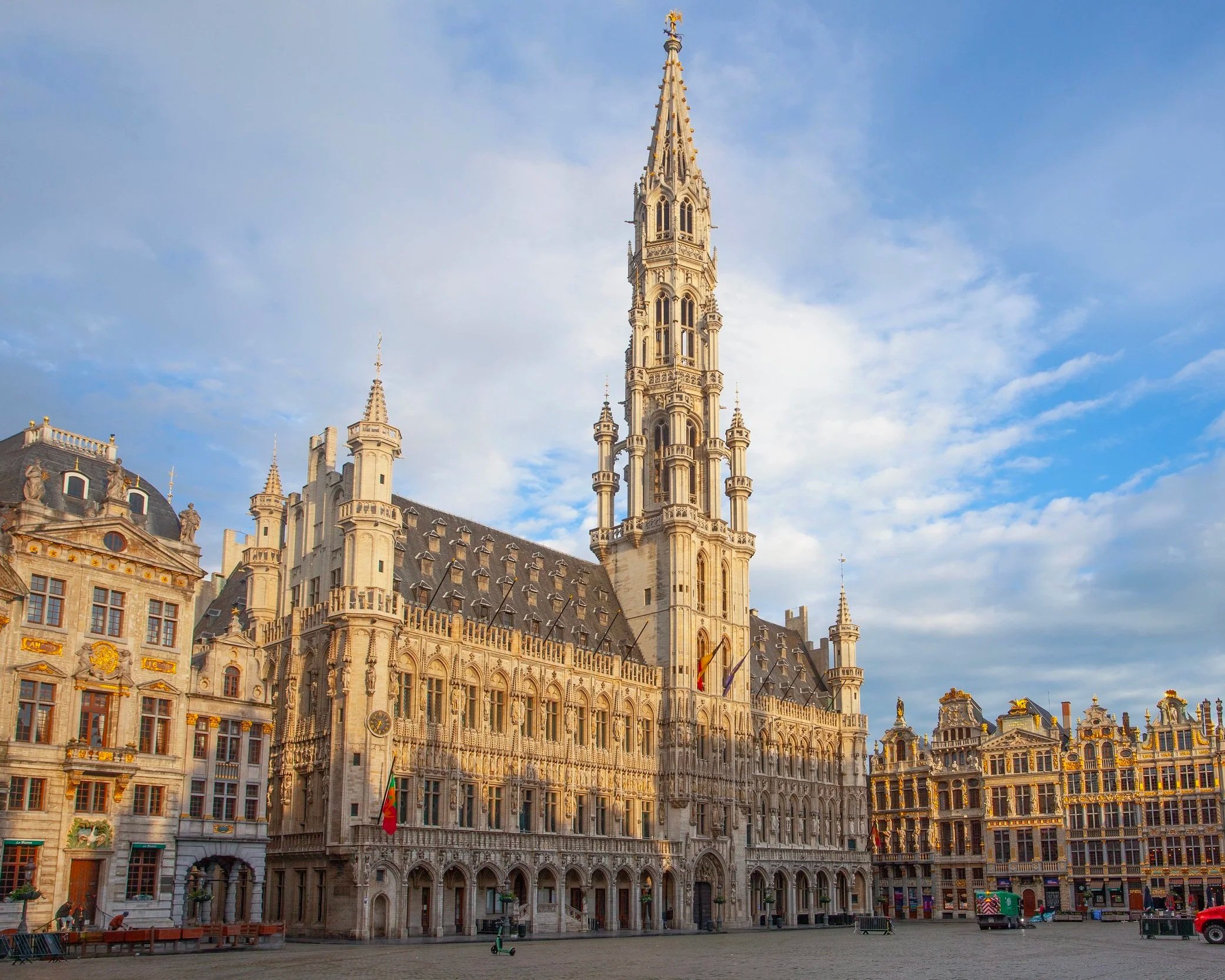
    Originally a medieval trading settlement, Brussels grew into one of the principal political centres of the Low Countries, its fortunes shaped by the dukes of Brabant, the Burgundian court and later Habsburg rule. Together, court, church and commerce created the conditions for a flourishing artistic culture that we trace throughout the tour. After gathering at the hotel in the late afternoon, we set out on foot for an introduction to the historic centre, beginning at the Cathedral of St Michael and St Gudula before continuing to the Grand Place, Brussels’ historic main square, framed by the Gothic Town Hall and its soaring spire, the Maison du Roi and richly gilded guildhalls. We conclude the day with a welcome dinner together at a local restaurant. Overnight Brussels (D)

  • Day 2 | Saturday 22 May
    Brussels’ Old Masters

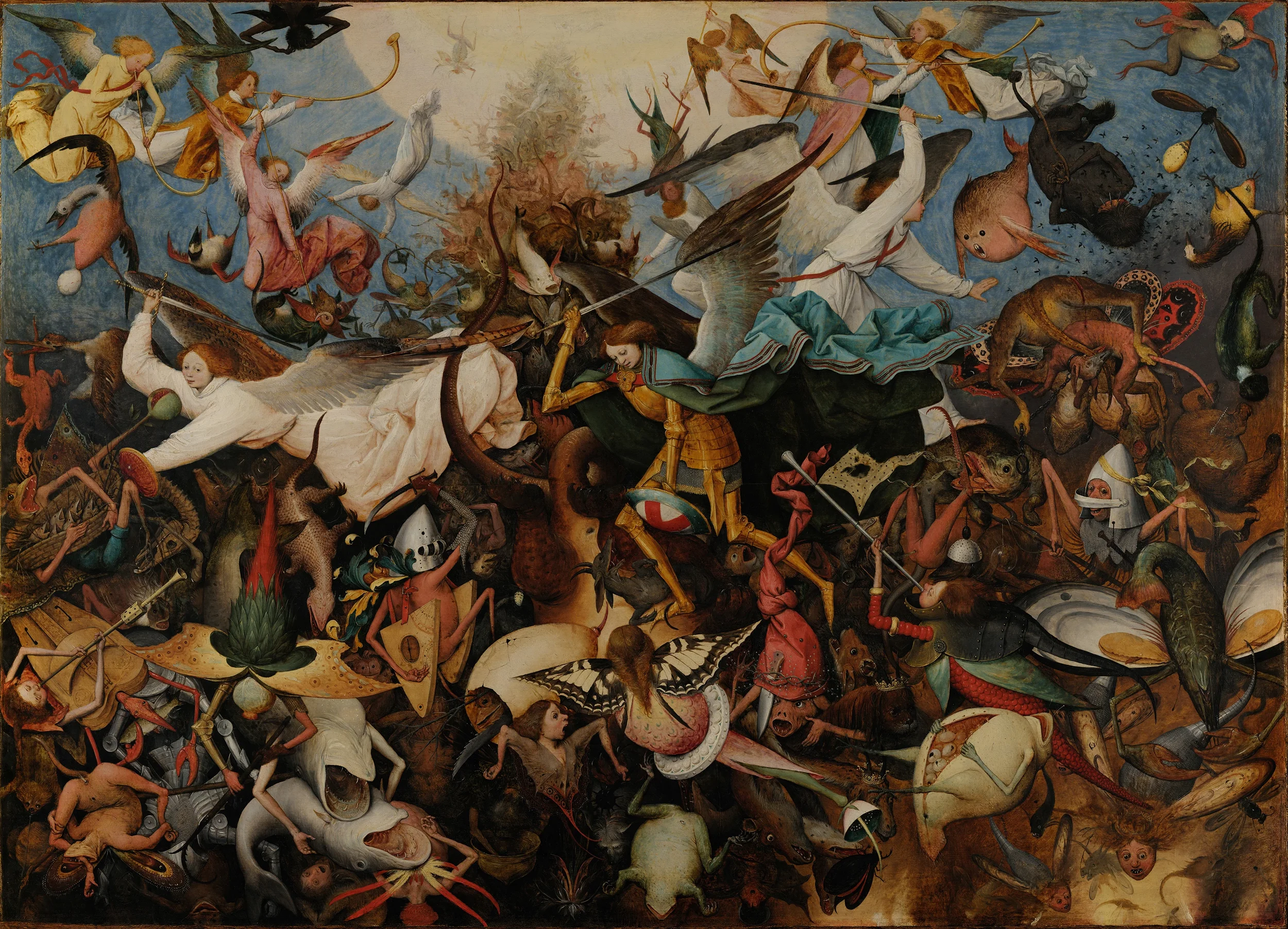
    By the 15th century, Brussels had become an important centre of the Burgundian Netherlands, a group of territories extending across much of present-day Belgium, the Netherlands and Luxembourg. Courtly, civic and religious patronage drew leading artists to the city, among them Rogier van der Weyden, appointed official painter to Brussels and one of the defining figures of early Netherlandish art. Following a talk at the hotel, we make our way to the Royal Museums of Fine Arts, where a guided visit to the Old Masters collection places van der Weyden within the wider development of painting across the Burgundian Netherlands. Works by Bosch, Bruegel and Rubens carry the story forward, revealing how religious imagery, portraiture, landscape and scenes of everyday life evolved across three centuries. We then cross to nearby BOZAR, Brussels’ Centre for Fine Arts, for lunch. Designed by Victor Horta and opened in the 1920s, the building is itself an important landmark of Belgian modernism, conceived to bring major exhibitions together with the performing arts under one roof. An afternoon at leisure follows, offering time to visit the adjoining Magritte Museum, dedicated to Belgian Surrealist René Magritte and home to the world’s largest collection of his work. Overnight Brussels (B, L)

  • Day 3 | Sunday 23 May
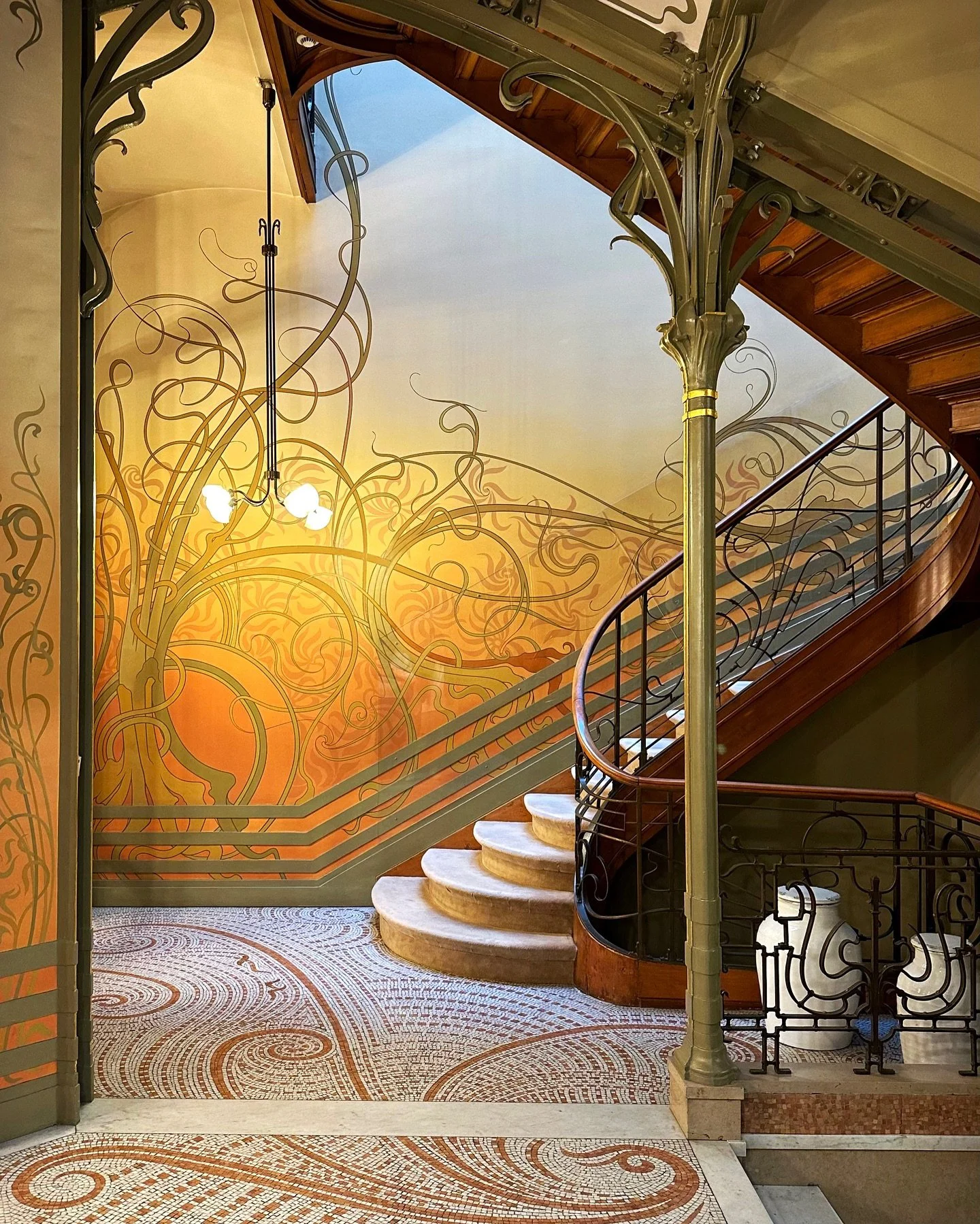
    Victor Horta & Leuven

    In the late 19th century, industrial prosperity and rapid urban expansion transformed Brussels, as a wealthy bourgeois clientele commissioned ambitious new townhouses across the growing city. The resulting appetite for new forms and materials helped give rise to Belgian Art Nouveau, with Victor Horta emerging as one of its defining figures. We encounter this new architectural language at close quarters this morning with a private guided visit to his former home and studio, where sinuous ironwork, stained glass and carefully manipulated light reveal Horta’s integrated approach to architecture and design. We then travel to Leuven to visit St Peter’s Church, home to Dirk Bouts’ 15th-century Triptych of the Last Supper, a masterpiece of early Netherlandish painting that still hangs in the church for which it was painted. Before returning to Brussels, we make a final stop at the Groot Begijnhof, a UNESCO World-Heritage site of brick houses, narrow lanes and small bridges clustered along branches of the River Dijle. Dating largely from the 16th and 17th centuries, the complex preserves a remarkably intact picture of the communal life of the Beguines. Overnight Brussels (B)

  • Day 4 | Monday 24 May
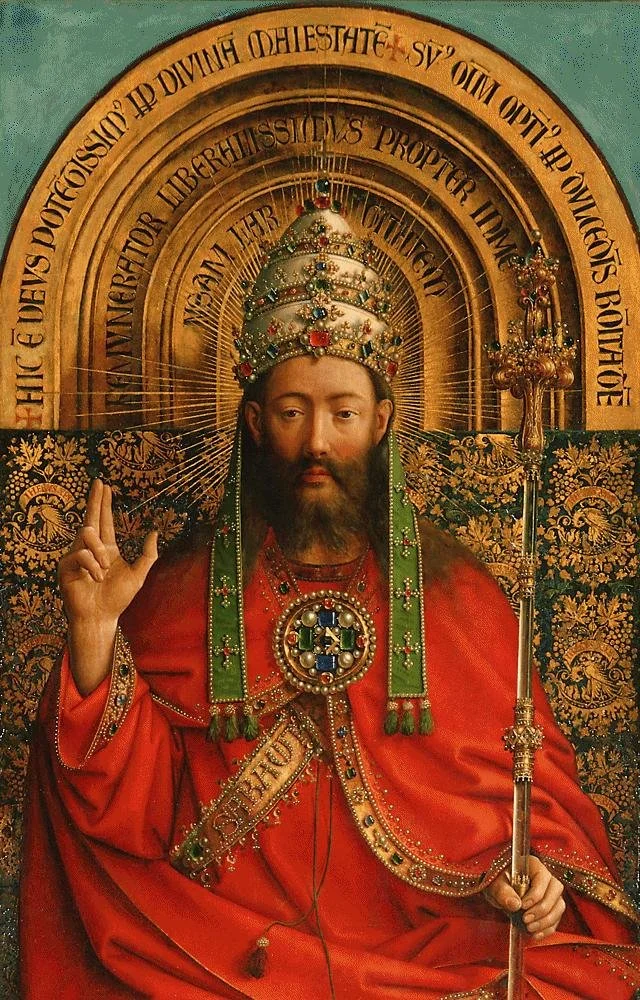
    Ghent & The Altarpiece

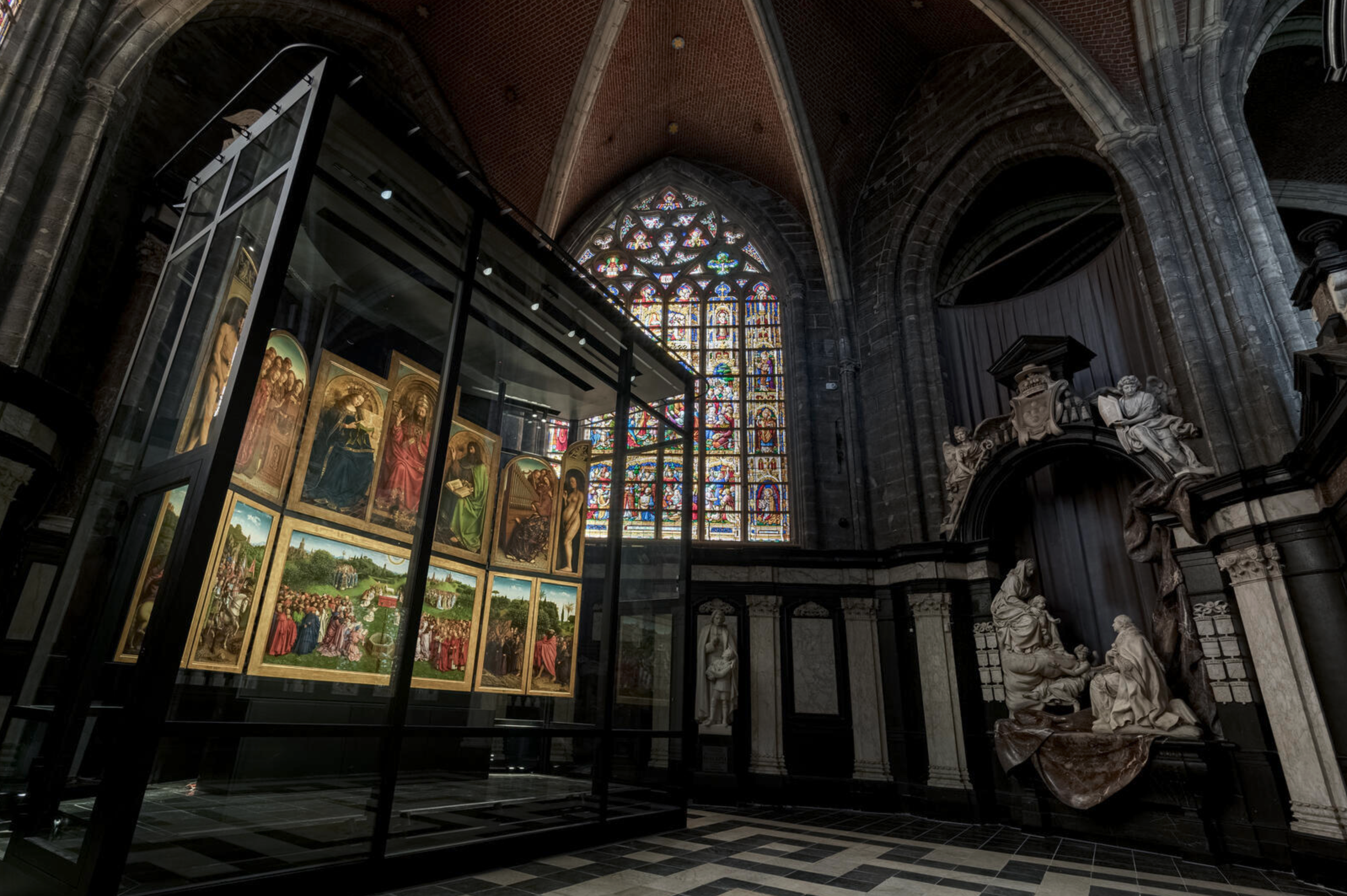
    At the height of Burgundian rule, Ghent ranked among the largest and wealthiest cities in northern Europe, its prosperity built on the cloth trade and the influence of its merchants and urban elite. That wealth supported ambitious religious commissions, culminating in one of the defining works of early Netherlandish art – Hubert and Jan van Eyck’s The Adoration of the Mystic Lamb. Travelling from Brussels to Bruges today, we stop in Ghent to visit St Bavo’s Cathedral, where the altarpiece remains the centrepiece of the collection. Commissioned by the wealthy official Joos Vijd and his wife Elisabeth Borluut, its complex cycle of panels reveals van Eycks’ masterful application of oil paint. An augmented-reality presentation in the cathedral crypt also traces the work’s turbulent history and recent restoration before we continue on foot through the historic centre, taking in the Graslei, Belfry and Church of St Nicholas. We make the final journey to Bruges in the late afternoon, with dinner this evening enjoyed at a local restaurant. Overnight Bruges (B, D)

  • Day 5 | Tuesday 25 May
    Burgundian Bruges

    At the height of Burgundian power, one of northern Europe’s great commercial centres emerged around the ports and markets of Bruges, drawing merchants, bankers and luxury goods from across the continent. The presence of the Burgundian court, alongside wealthy local and international patrons, made the city one of the leading centres of early Netherlandish art, attracting painters including Jan van Eyck, Hans Memling and Gerard David. Following a talk at the hotel this morning, we make our way to the Gruuthuse Museum, the former residence of Louis of Gruuthuse – an influential Burgundian courtier, collector and patron. Its richly furnished interiors display tapestries, stained glass, sculpture and decorative arts, while the house’s private oratory opens directly onto the choir of the neighbouring Church of Our Lady. We then continue to the medieval St John’s Hospital and its Memling Museum, where works painted by Hans Memling for the hospital and its patrons include the St John Altarpiece and the richly detailed Shrine of St Ursula. On return to the hotel, the evening is at leisure. Overnight Bruges (B)

  • Day 6 | Wednesday 26 May
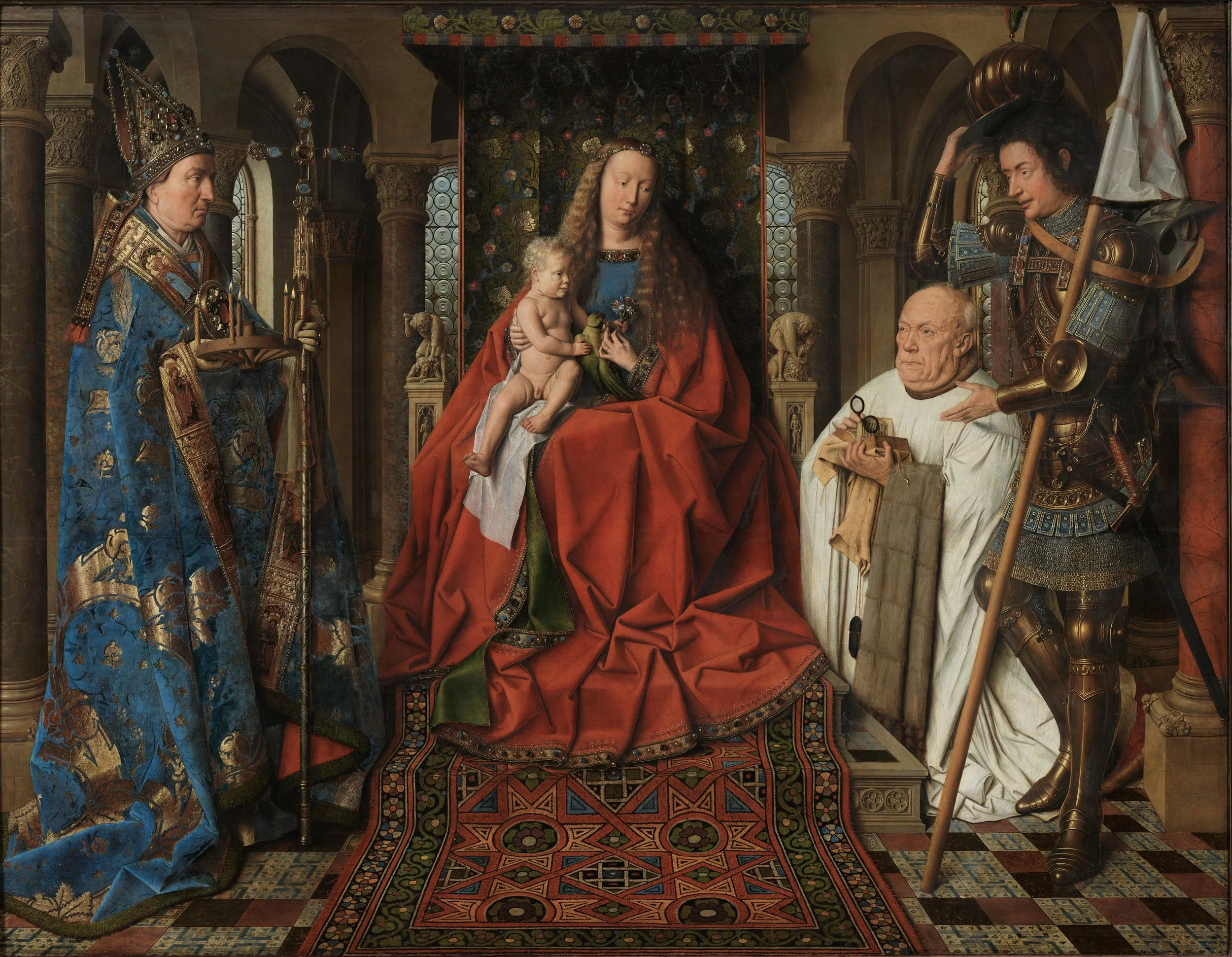
    Devotion & Painting in Bruges

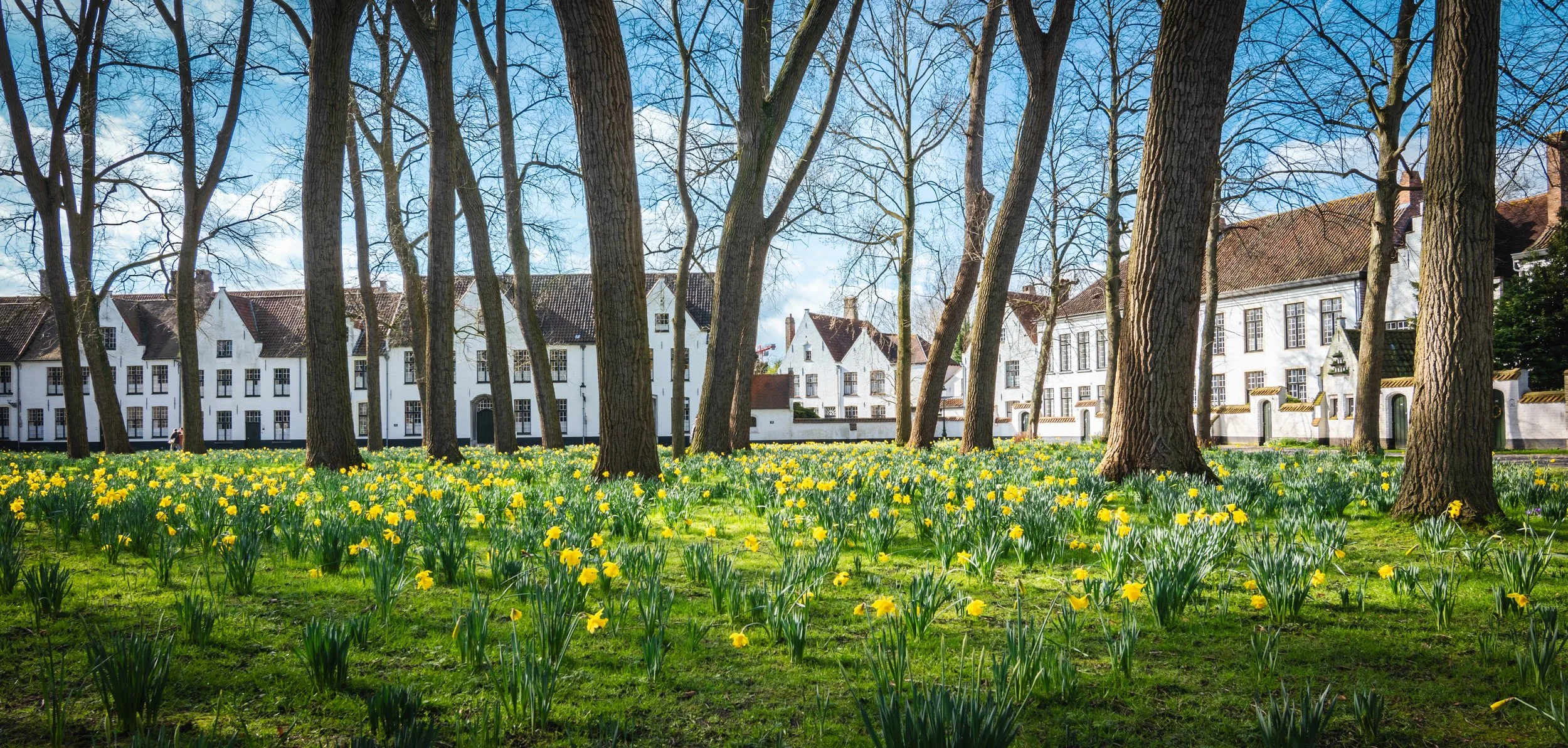
    Beyond the wealth of court and commerce, religious institutions were equally important patrons in medieval Bruges, commissioning altarpieces, sculpture and precious objects for churches and confraternities across the city. In tracing this devotional world, our day begins at the Basilica of the Holy Blood, where a relic traditionally believed to have been brought from the Holy Land after the Second Crusade is preserved within richly decorated chapels of gilded detail, stained glass and painted ornament. From here, we continue to the Groeninge Museum, where our guided visit centres on Jan van Eyck’s Virgin and Child with Canon van der Paele. Commissioned by a Bruges cleric, the work brings together private devotion, portraiture and Van Eyck’s close observation of fabrics, jewels and sacred detail. Other works by Bosch and Gerard David broaden the picture of Bruges painting across the 15th and early 16th centuries before we continue to St Salvator Cathedral, whose treasury includes the Hippolytus Triptych by Dirk Bouts and Hugo van der Goes. Afternoon tea at the Old Chocolate House follows, before we conclude our day in the Begijnhof, where whitewashed houses, a central garden and the quiet enclosure of the complex preserve the character of Bruges’ historic beguine community. Overnight Bruges (B)

  • Day 7 | Thursday 27 May
    Antwerp

    As Bruges’ access to the sea declined, trade increasingly shifted to Antwerp, whose position on the Scheldt connected the Low Countries with expanding Atlantic and European markets. By the 16th century, this commercial ascendancy had created a thriving market for artists, culminating in the following century with Peter Paul Rubens. Departing Bruges for Delft today, we stop first in Antwerp to visit the Cathedral of Our Lady, where several of Rubens’ monumental altarpieces remain on display. From the cathedral, we walk through the historic centre past the Grote Markt and Renaissance Town Hall before making our way to the Royal Museum of Fine Arts Antwerp. Here, a guided visit carries the story of Flemish painting forward through works by Rubens, Van Dyck and Jordaens, alongside later Belgian artists including James Ensor. We then leave Antwerp behind and continue north to Delft, arriving in the late afternoon with time to settle into our hotel before gathering for dinner at a local restaurant. Overnight Delft (B, D)

  • Day 8 | Friday 28 May
    Vermeer’s Delft

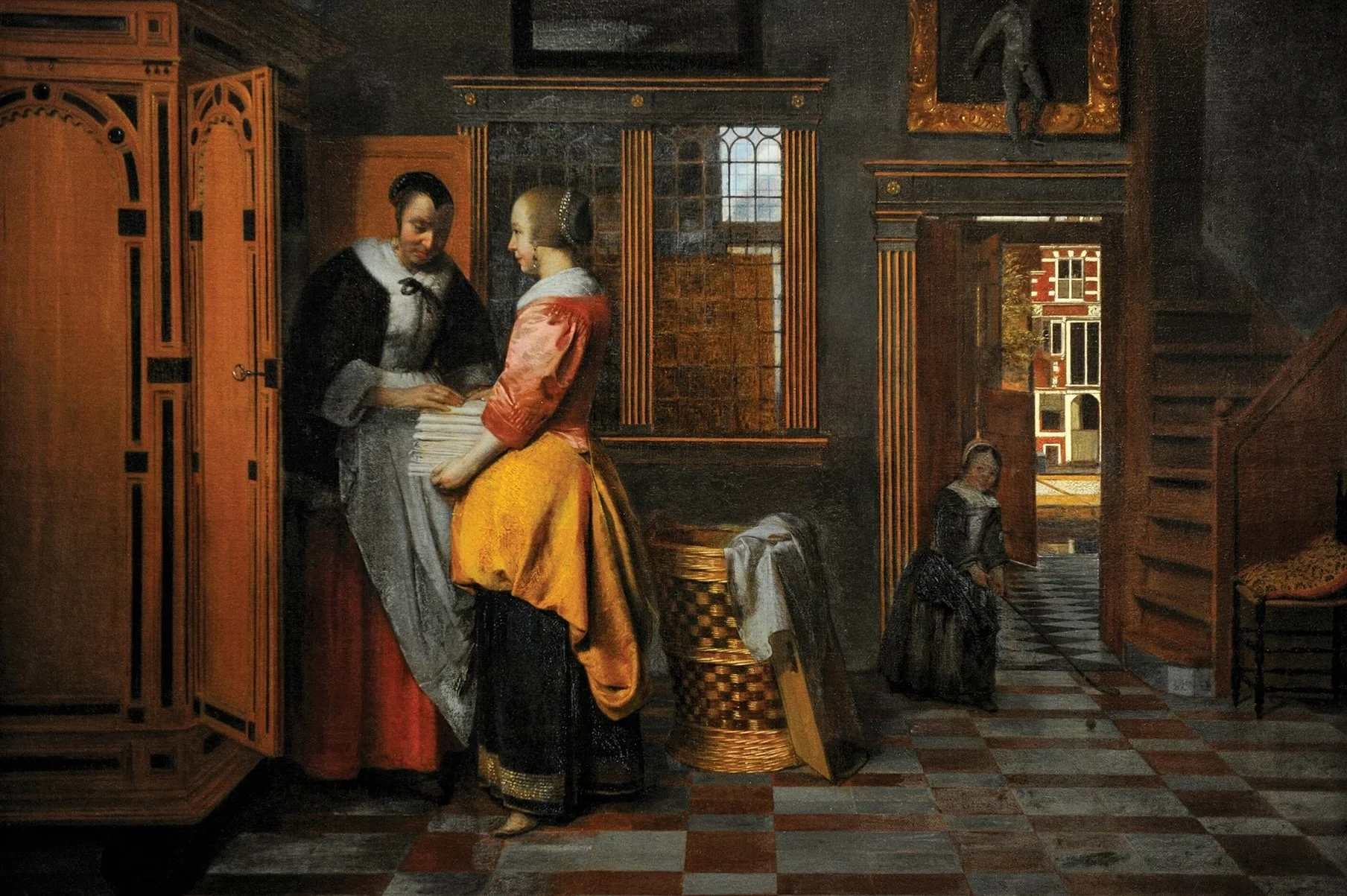
    With the rise of the Dutch Republic in the 17th century, artistic patronage shifted increasingly from court and church to merchants, professionals and prosperous households. Delft shared in this new urban culture through trade, brewing and the production of Delftware, while also becoming the lifelong home of Johannes Vermeer. We begin today on foot through the historic centre, visiting the Nieuwe Kerk – burial place of William the Silent and generations of the House of Orange – before visiting the Vermeer Centrum. Here, reproductions of his complete surviving oeuvre, together with displays on his techniques and use of light, explore an artist whose known body of work numbers around three dozen paintings. Later in the afternoon, we venture beyond Delft to Hofwijck, the 17th-century country estate of Constantijn Huygens – poet, composer, diplomat and secretary to the House of Orange. Rising directly from the water beside the Vliet canal, the compact brick house was designed by Huygens, in collaboration with architect Jacob van Campen, as a retreat from court life. A guided visit is followed by coffee and cake before we return to Delft for an evening at leisure. Overnight Delft (B)

  • Day 9 | Saturday 29 May
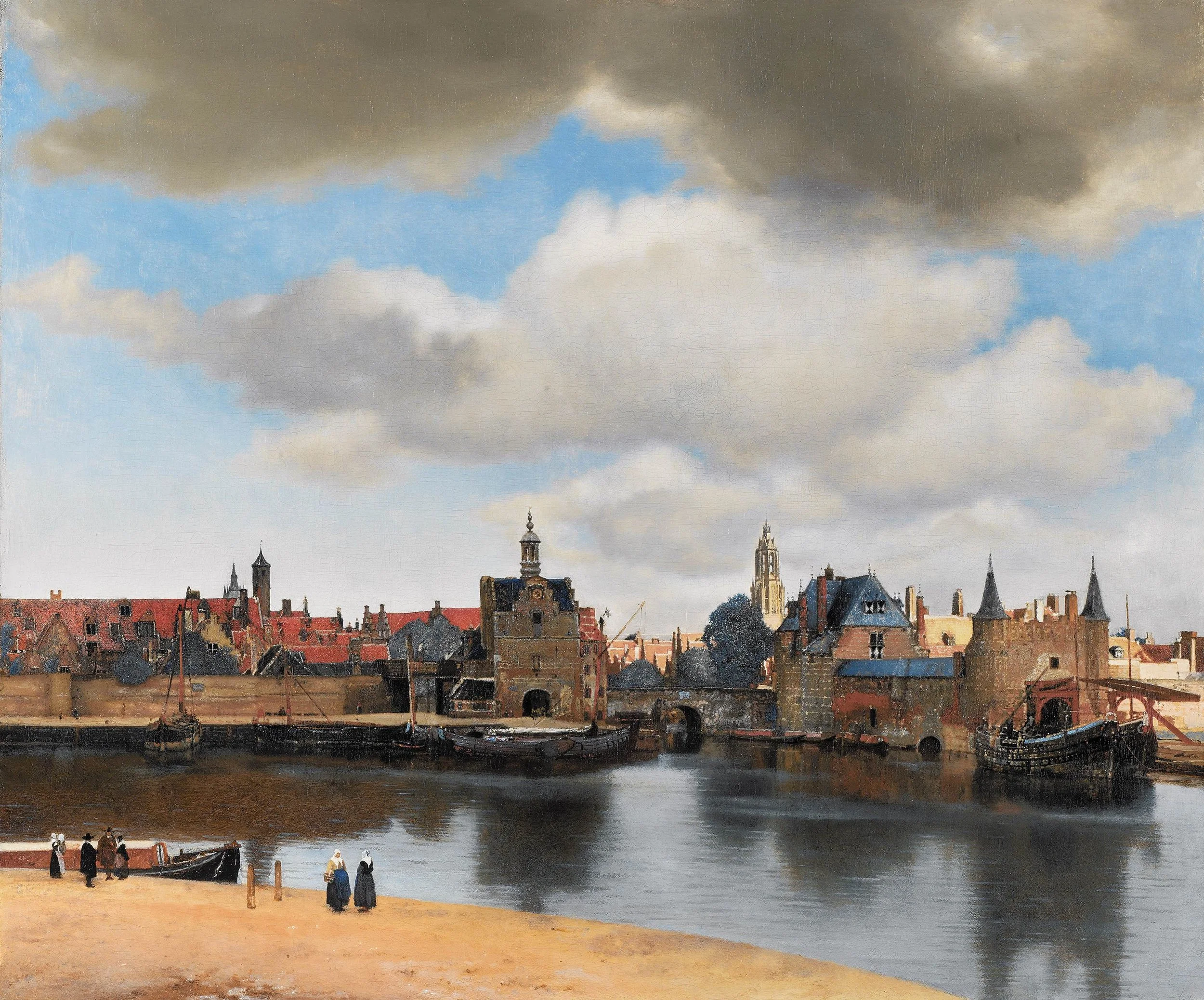
    The Hague

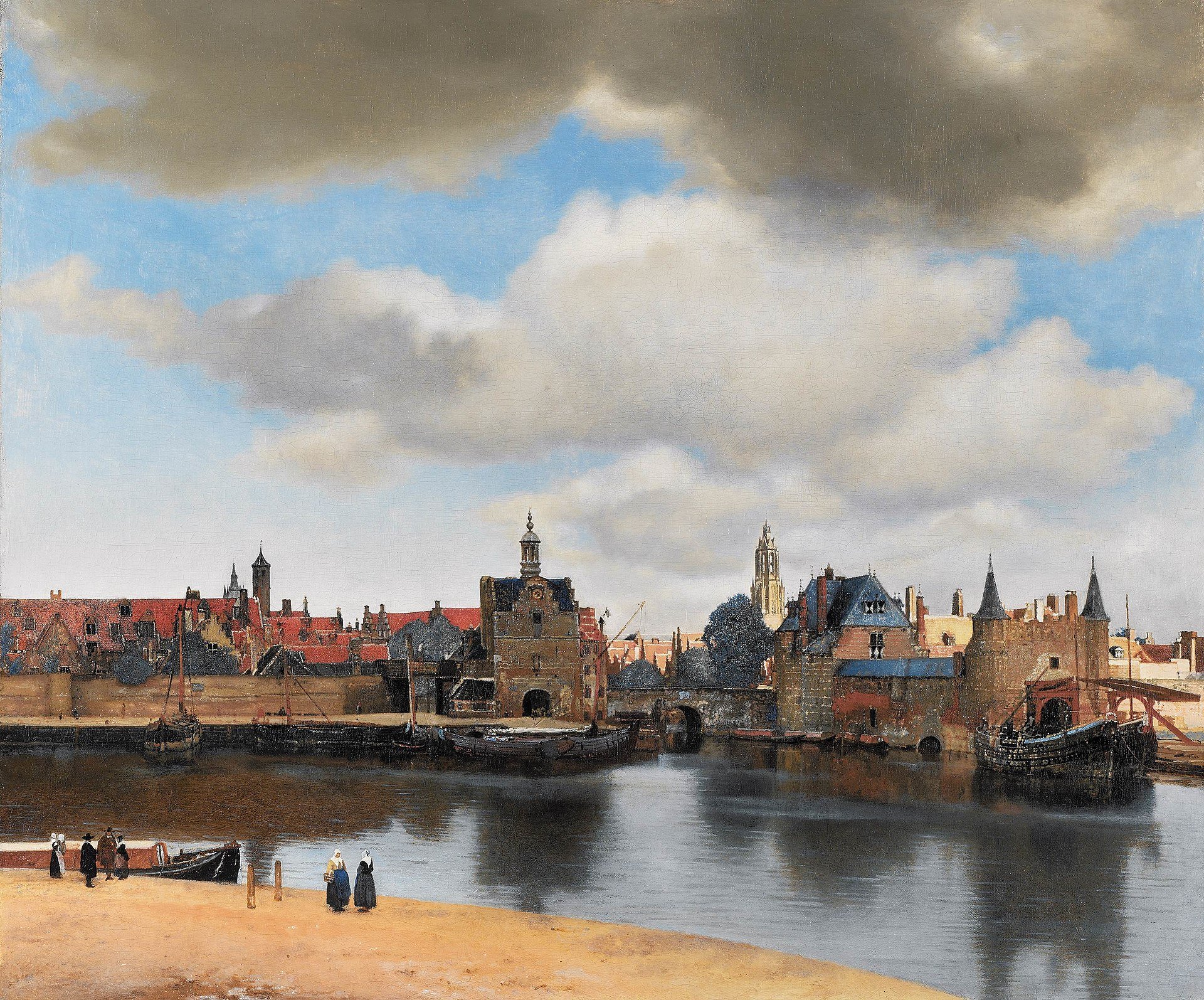
    Artistic life developed differently in The Hague than in the great mercantile cities of the Dutch Republic. As the seat of the States General and residence of the stadholder, it drew diplomats, government officials and members of the court, creating an important culture of patronage and collecting. This morning, we first encounter this world at the Mauritshuis, whose intimate galleries bring together some of the finest paintings of the Dutch Golden Age. Our guided visit includes Vermeer’s Girl with a Pearl Earring and View of Delft, Fabritius’ The Goldfinch and portraits by Rembrandt. We then turn to a later chapter in Dutch art at Panorama Mesdag, where Hendrik Willem Mesdag’s extraordinary 120-metre panorama surrounds the viewer with an illusionistic view of the coast at Scheveningen. Our final visit is the Kunstmuseum Den Haag, housed in an impressive Art Deco building, where a guided tour explores the world’s largest collection of works by Piet Mondrian, tracing his development from early landscapes to the radical abstraction of De Stijl. We return to Delft in the late afternoon for an evening at leisure. Overnight Delft (B)

  • Day 10 | Sunday 30 May
    Duivenvoorde, Leiden & Haarlem

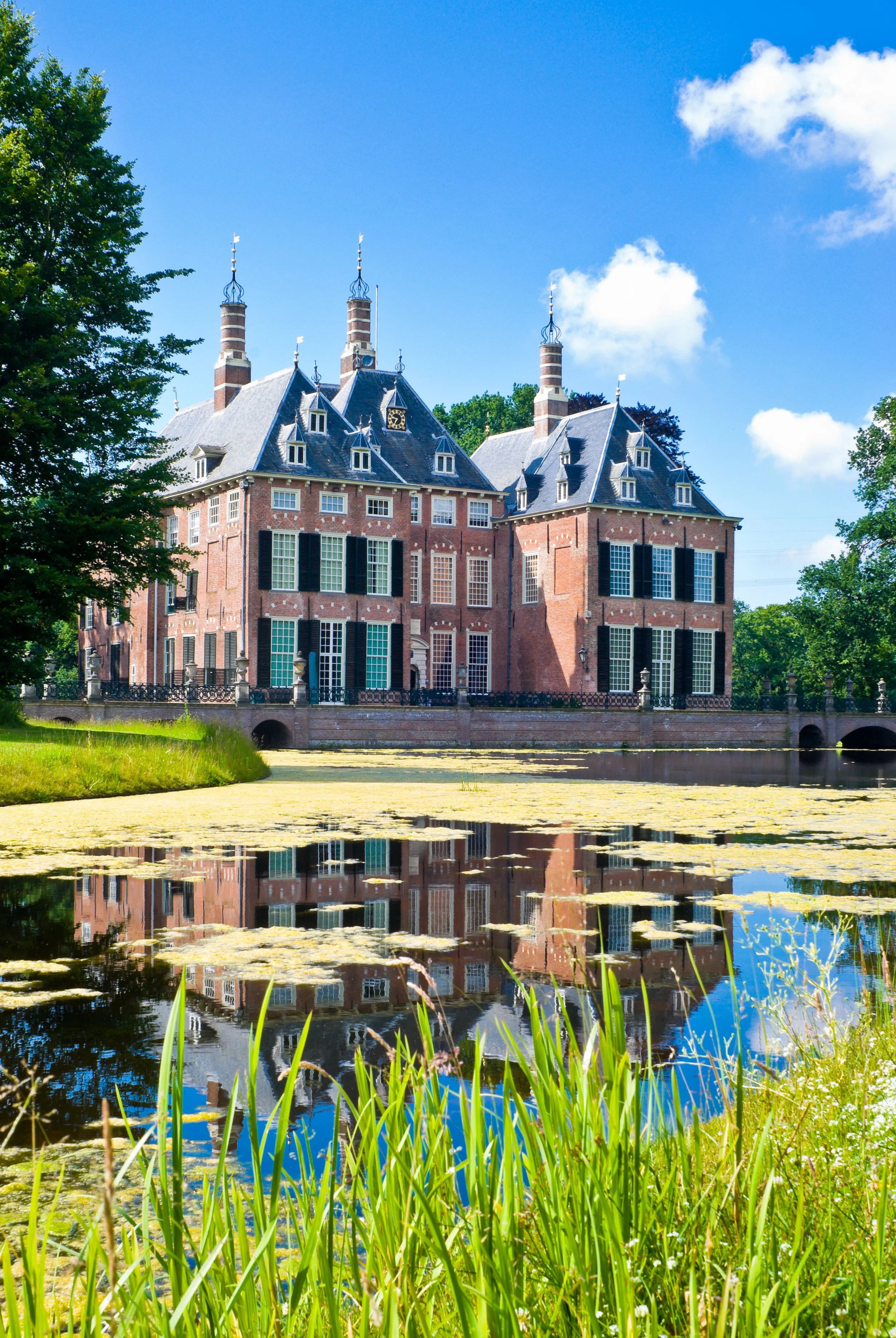
    The prosperity of the Dutch Republic supported a cultural world that extended beyond its great mercantile centres. Country estates housed generations of private collections, while university towns such as Leiden became centres of scholarship, publishing and intellectual exchange – environments that also shaped artists and their patrons. Leaving Delft behind today, our first stop is Kasteel Duivenvoorde, one of the oldest country estates in South Holland, where more than six centuries of family ownership are reflected in its preserved interiors, portraits, furnishings and collections. From here, we travel to Leiden, whose university – founded in 1575 – and thriving printing industry made the city one of the Republic’s leading intellectual centres. A walking tour introduces its canals, historic university quarter and streets associated with Rembrandt, who was born here in 1606 and received his early artistic training in the city. In the afternoon, we travel on to Haarlem, another important centre of Golden Age painting and our base for the remainder of the tour. After settling into our hotel, we gather for a talk over a glass of prosecco, followed by dinner at a local restaurant. Overnight Haarlem (B, D)

  • Day 11 | Monday 31 May
    The Rijksmuseum & Van Gogh

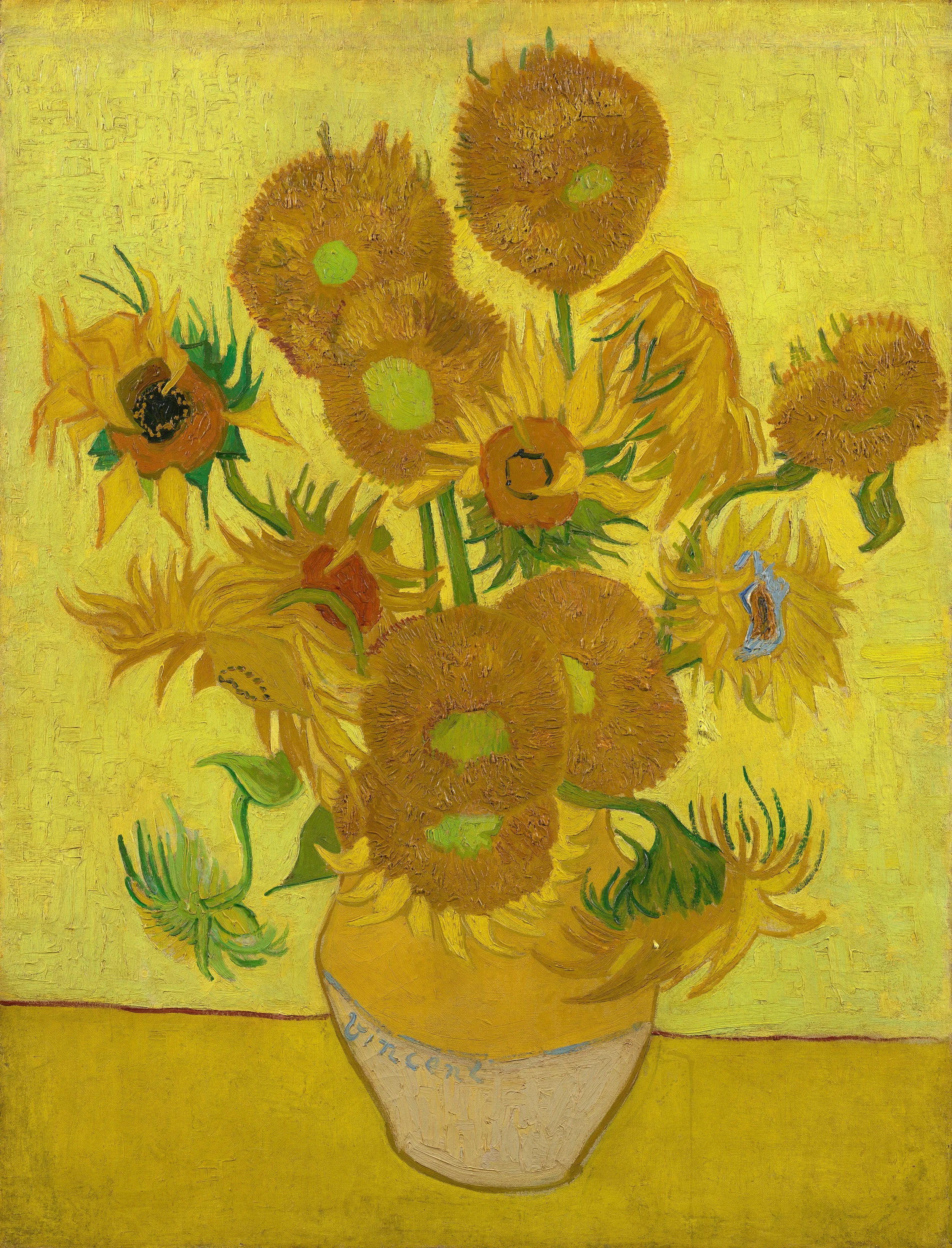
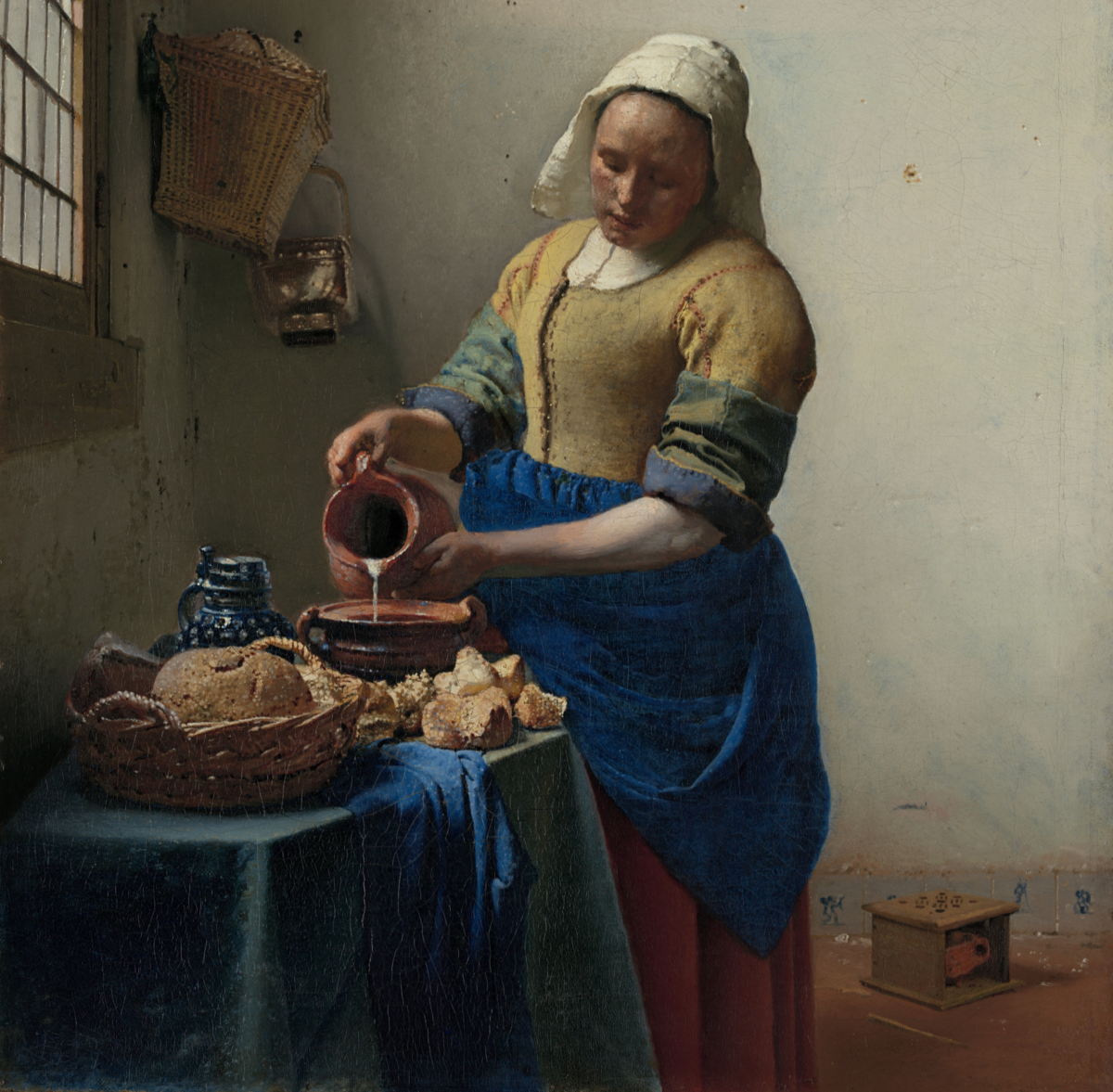
    By the 17th century, Amsterdam had become the commercial heart of the Dutch Republic, its wealth creating an unusually broad market for art. Merchants, guilds and prosperous households commissioned portraits, landscapes, still lifes and scenes of everyday life, while collectors helped establish the tastes that came to define the Dutch Golden Age. We travel into Amsterdam this morning for a guided visit to the Rijksmuseum, where these different strands come together in works by Rembrandt, Vermeer, Hals and their contemporaries. Highlights include Rembrandt’s Night Watch and Vermeer’s The Milkmaid, alongside portraits, domestic interiors and landscapes that reflect the range of the period’s artistic production. In the afternoon, we turn to the 19th century at the Van Gogh Museum, home to the world’s largest collection of works by the artist. Paintings, drawings and letters trace his development from the darker palette of his Dutch years to the vivid colour and expressive brushwork of Arles and Saint-Rémy. Among the works on display are The Potato Eaters, Sunflowers, Almond Blossom and several of his celebrated self-portraits, allowing us to follow the rapid evolution of his style across little more than a decade. On return to Haarlem, the evening is at leisure. Overnight Haarlem (B)

  • Day 12 | Tuesday 1 June
    Amsterdam

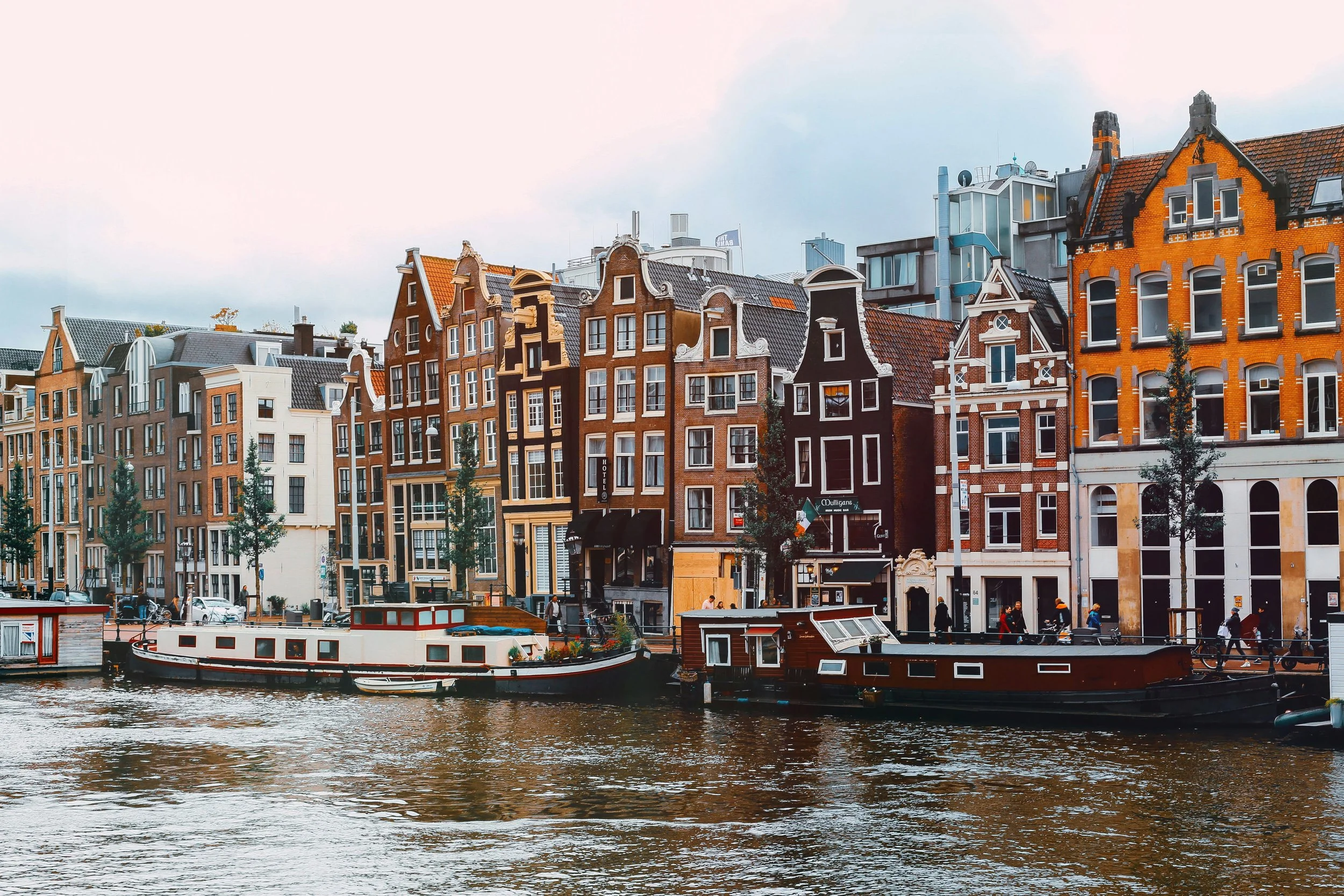
    As Amsterdam expanded beyond its medieval core, the city authorities laid out the great canal ring of the Herengracht, Keizersgracht and Prinsengracht, creating new residential districts lined with merchant houses, warehouses and gardens. Returning to the city this morning, we trace this changing urban landscape, beginning at the Oude Kerk – Amsterdam’s oldest building – whose history reflects the city’s transformation from a medieval Catholic town to a Protestant republic. We then visit Museum Van Loon, a richly preserved canal house built in the 17th century and later home to the Van Loon family, co-founders of the Dutch East India Company. Its period interiors, family portraits, garden and coach house evoke the domestic world of Amsterdam’s mercantile elite. Our final visit is the Rembrandt House Museum, where the artist lived and worked at the height of his career. Reconstructed interiors and studio spaces explore his painting, printmaking and workshop practice, while also revealing how art was produced and sold to Amsterdam’s prosperous patrons. Following our visit, we return to Haarlem in the late afternoon. Overnight Haarlem (B)

  • Day 13 | Wednesday 2 June
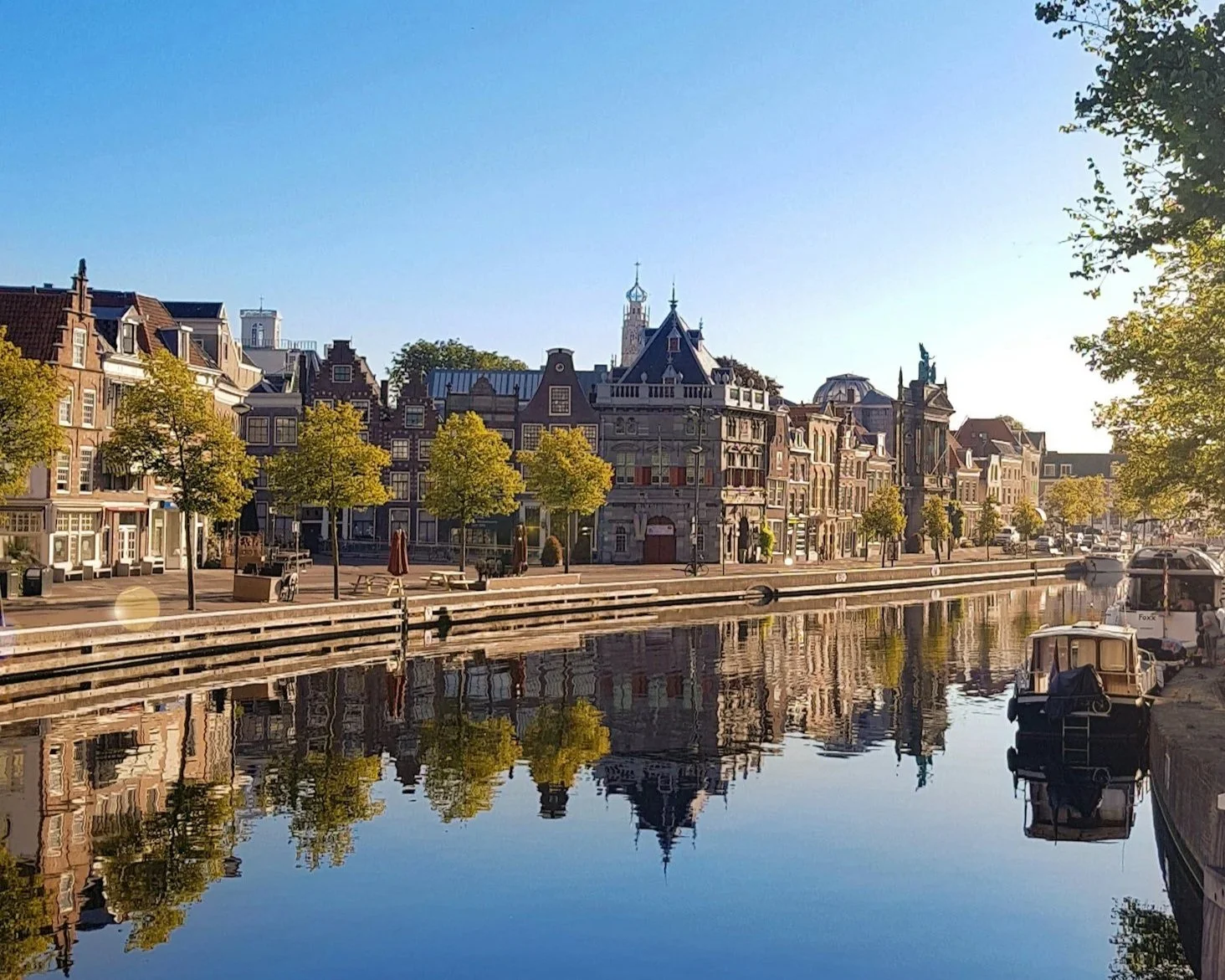
    Frans Hals & Haarlem

    Haarlem brings together many of the forces that shaped the art of the Dutch Golden Age. Rebuilt after the upheavals of the Dutch Revolt, the city prospered through brewing, textiles and printing, while its merchants, guilds and prosperous households supported a thriving community of painters. Among them was Frans Hals, whose portraits captured the individuals and institutions of this newly confident Dutch society. We begin our day on foot at the Grote Kerk of St Bavo, whose vast Gothic interior contains the celebrated Müller organ, later played by both Handel and the young Mozart, while Hals himself lies buried beneath the choir. After lunch in the museum café, we continue to the Frans Hals Museum, housed in a former almshouse dating from 1609. A guided visit explores Hals’ portraits and group paintings alongside works by other Haarlem masters, bringing our study of Golden Age painting to a fitting conclusion. In the evening, we gather for a farewell dinner at a local restaurant. Overnight Haarlem (B, L, D)

  • Day 14 | Thursday 3 June
    Departure

    The tour ends after breakfast this morning. (B)

Hotels have been selected principally for their central location. All hotels are a comfortable four-star standard.

Tour Accommodation

tour booking

$14,870 AUD per person, twin share (land content only)
$2,750 AUD supplement for sole use of a hotel room

A $2,000 deposit is required per person to confirm your booking on tour. This deposit is non-refundable.

Hold a Place

Still deciding? We are happy to hold a tentative place for 7 days while you make your final arrangements.

Book Online

To secure your place(s) on tour, book online below with “Athena”, our virtual tour consultant.

DOWNLOAD FORM

Download a printable booking form. You can also complete the form on screen and submit via email.

your tour consultant

The consultant for this tour is Jamal Fairbrother For further information or to discuss the tour, please call 9235 0023 (Sydney) or 1800 639 699 (outside Sydney) or email jamal@academytravel.com.au

have you thought about?

Academy Travel is more than just a tour operator. We are also a full-service travel agency who can assist you with all aspects of your travel, including flights, transfers, pre-tour arrival, additional travel and comprehensive travel insurance.

can’t make this departure?

If these dates don't work for you, register to hear about the next tour.