SICILY & THE AEOLIAN ISLANDS

JEWELS OF THE MEDITERRANEAN

From Greek temples to medieval mosaics, Sicily showcases more than 3,000 years of Mediterranean civilisation.

TOUR STATUS

Places Available | Maximum 16

TOUR DATES

September 10-26, 2027 | 17 Days

TOUR LEADER

Dr Eireann Marshall | View Bio

snapshot

OVERVIEW

Steeped in myths and legends at the crossroads of civilisation, Sicily and its Aeolian Islands are ancient landscapes brimming with vestiges of antiquity. Temple ruins and Baroque palaces are matched by verdant hills, as volcanic terrain tumbles out over the cobalt blue Mediterranean.

This comprehensive 17-day tour, led by Dr Eireann Marshall, delves into the region’s unique fusion of Phoenician, Greek, Roman, Arab, Norman and Spanish heritage. Commencing in Siracusa, an ancient city which encapsulates the Sicilian cultural aesthetic, we move to the Baroque cities of Noto and Ragusa, and down to the coastal towns of Agrigento
and Selinunte, home to beautifully preserved Greek temples.

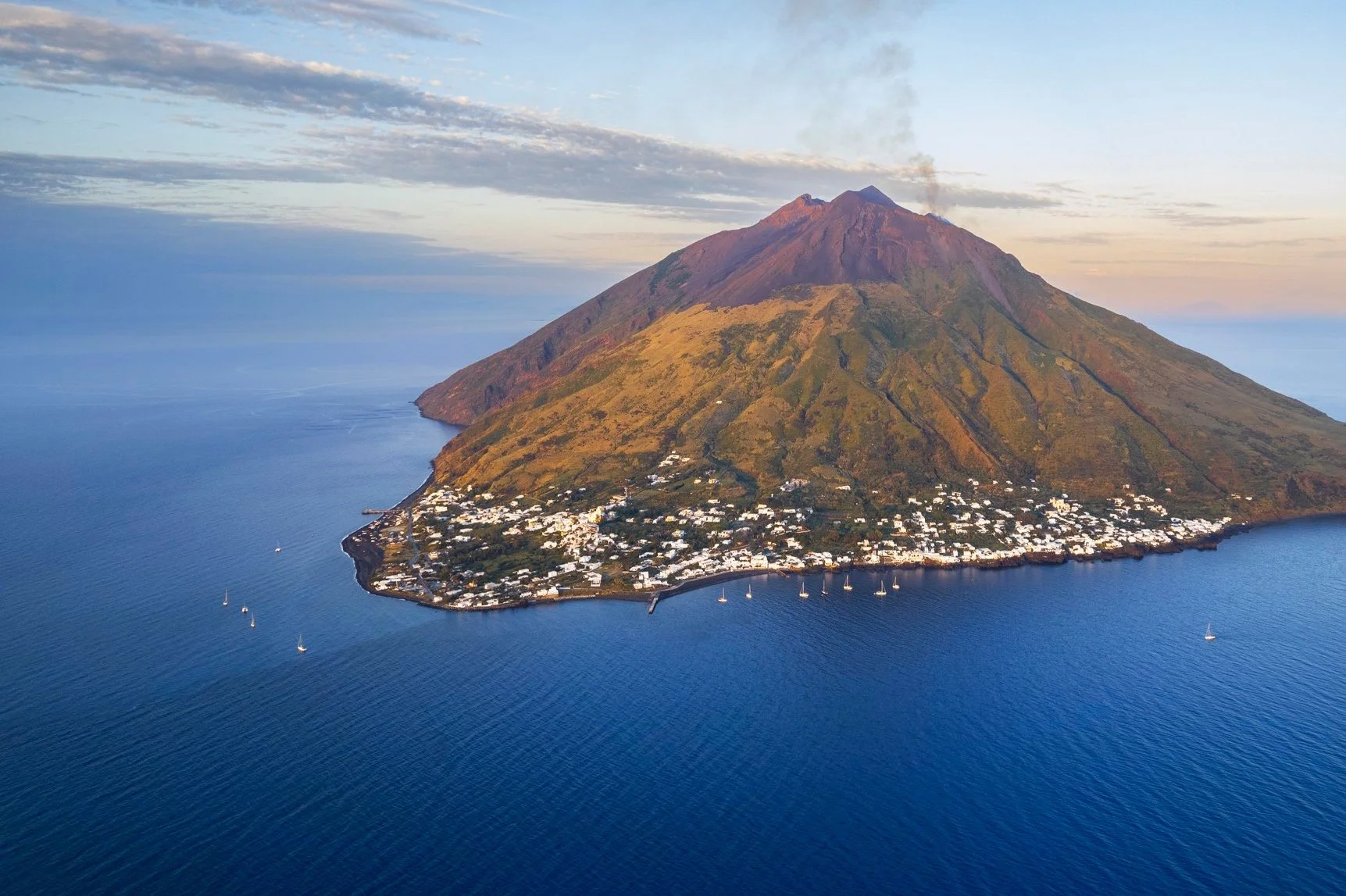
The cultural landscape shifts as we journey north to Palermo, with its stunning Arab-Norman architecture, followed by the picturesque island of Lipari, our base to explore the whitewashed buildings of Panarea and the explosive beauty of Stromboli. Returning to the mainland, our final days are spent in the hilltop town of Taormina in the shadow of Mount Etna.

tour highlights

Encounter the ancient, medieval and volcanic landscapes of Sicily and the Aeolian Islands.

Dr Eireann Marshall

your expert tour leader

Eireann is an Honorary Research Associate and Associate Lecturer with the Open University. Raised in the Veneto, she was educated in Barnard College, Columbia University, in New York, as well as the Universities of Birmingham and Exeter in England, where she has lectured. With her vast lecturing and guiding experience, Eireann has in-depth knowledge of Italy and its history and archaeology. Eireann has led many tours, including several to Rome, Ravenna, Venice, Pompeii and Sicily, and is bilingual in English and Italian.

Read full bio >

Accompanied by an Experienced Tour Manager

Alongside your expert tour leader, an experienced tour manager will accompany for the entirety of the tour. They oversee logistics, ensure your comfort and safety, and provide friendly support – whether offering tips for free time, sharing a chat over dinner, or giving you space to relax.

tour ITINERARY

Siracusa (4 nights), Agrigento, (2 nights), Palermo (4 nights), Lipari (3 nights), Taormina (3 nights)

Included meals are shown with the letters B, L and D

  • Day 1 | Friday 10 September
    Rome to Siracusa

    Meet your tour manager at Rome Fiumicino airport in the afternoon to commence the tour. There is a group flight to Catania, before we transfer by coach to our hotel in the historic city of Siracusa. The afternoon is then at leisure, and you might like to unwind after the day’s travels with an aperitif before we gather for dinner together this evening. Overnight Siracusa (D)

  • Day 2 | Saturday 11 September
    Island of Ortigia

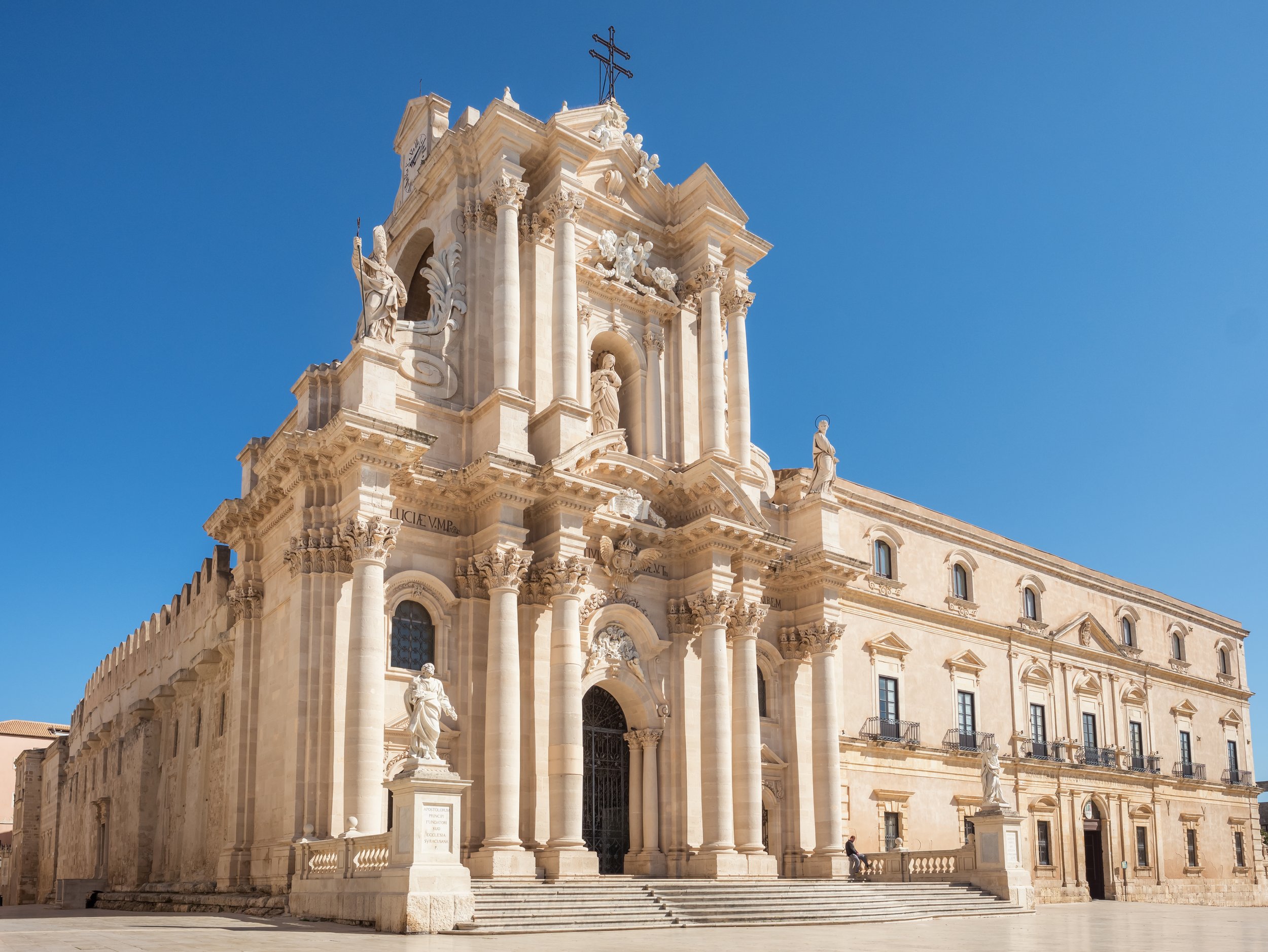
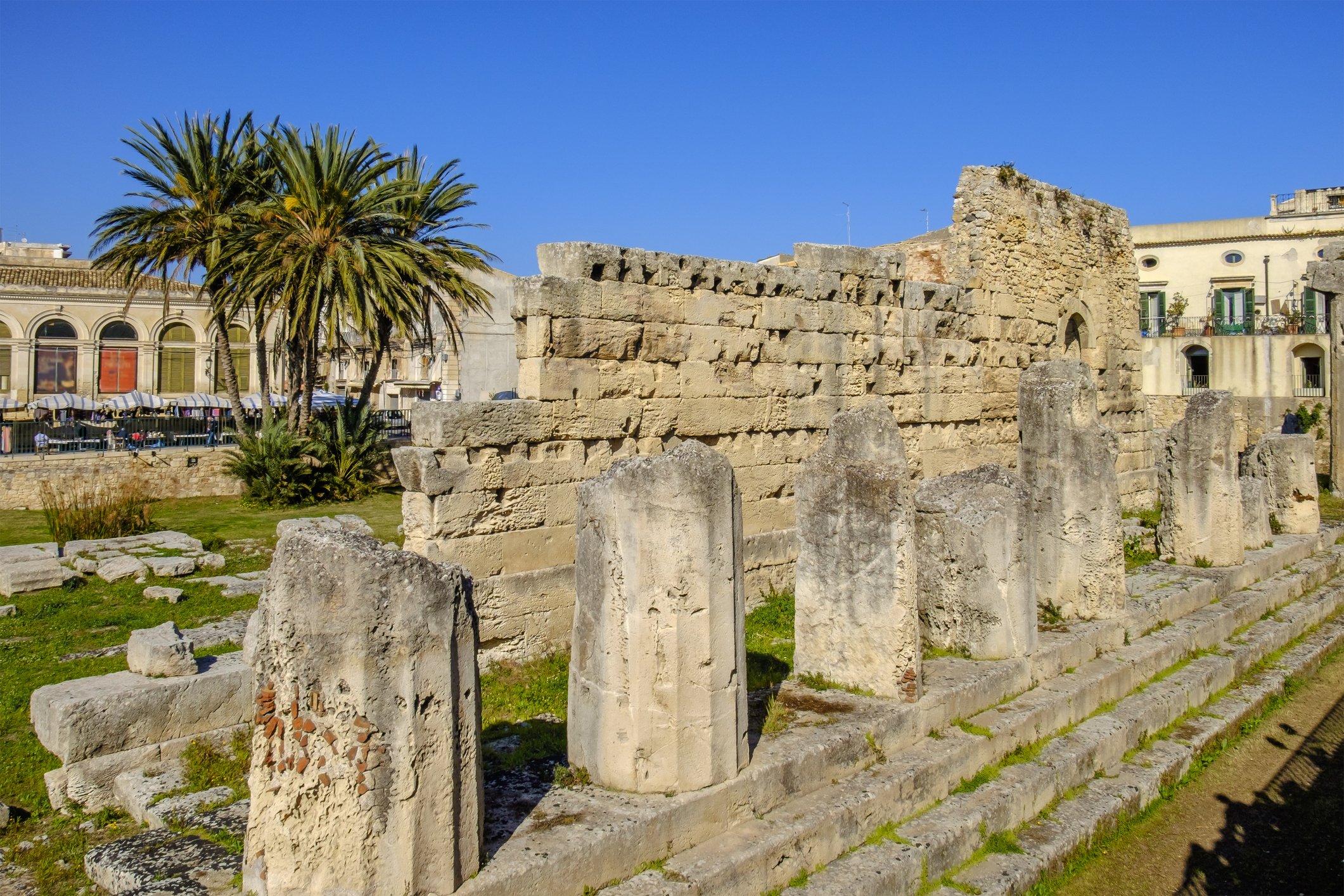
    Founded by Corinthian settlers in 734 BCE, Siracusa grew to become the most powerful Greek city in Sicily, rivalled only by Athens in wealth and influence. At its heart lies the island of Ortigia, where successive Greek, Roman, medieval and Baroque civilisations have left their mark, creating one of the Mediterranean's most richly layered urban landscapes. An introductory talk in the hotel provides historical context before we set out to explore Ortigia on foot. Our walk begins at the Temple of Apollo, the oldest Doric temple in Sicily, before continuing to the cathedral, where the massive columns of the 5th-century BCE Temple of Athena remain embedded within the later Baroque church. We also visit the Fountain of Arethusa, linked to one of Greek mythology's most enduring legends, before continuing into the former Jewish quarter to descend to the remarkable Byzantine mikveh. Dating from at least the 6th century CE, these ritual baths are among the oldest surviving Jewish baths in Europe. The remainder of the afternoon is then at leisure before we reconvene for a traditional Sicilian puppet performance, followed by a welcome dinner at a local restaurant. Overnight Siracusa
    (B, D)

  • Day 3 | Sunday 12 September
    Ancient Siracusa

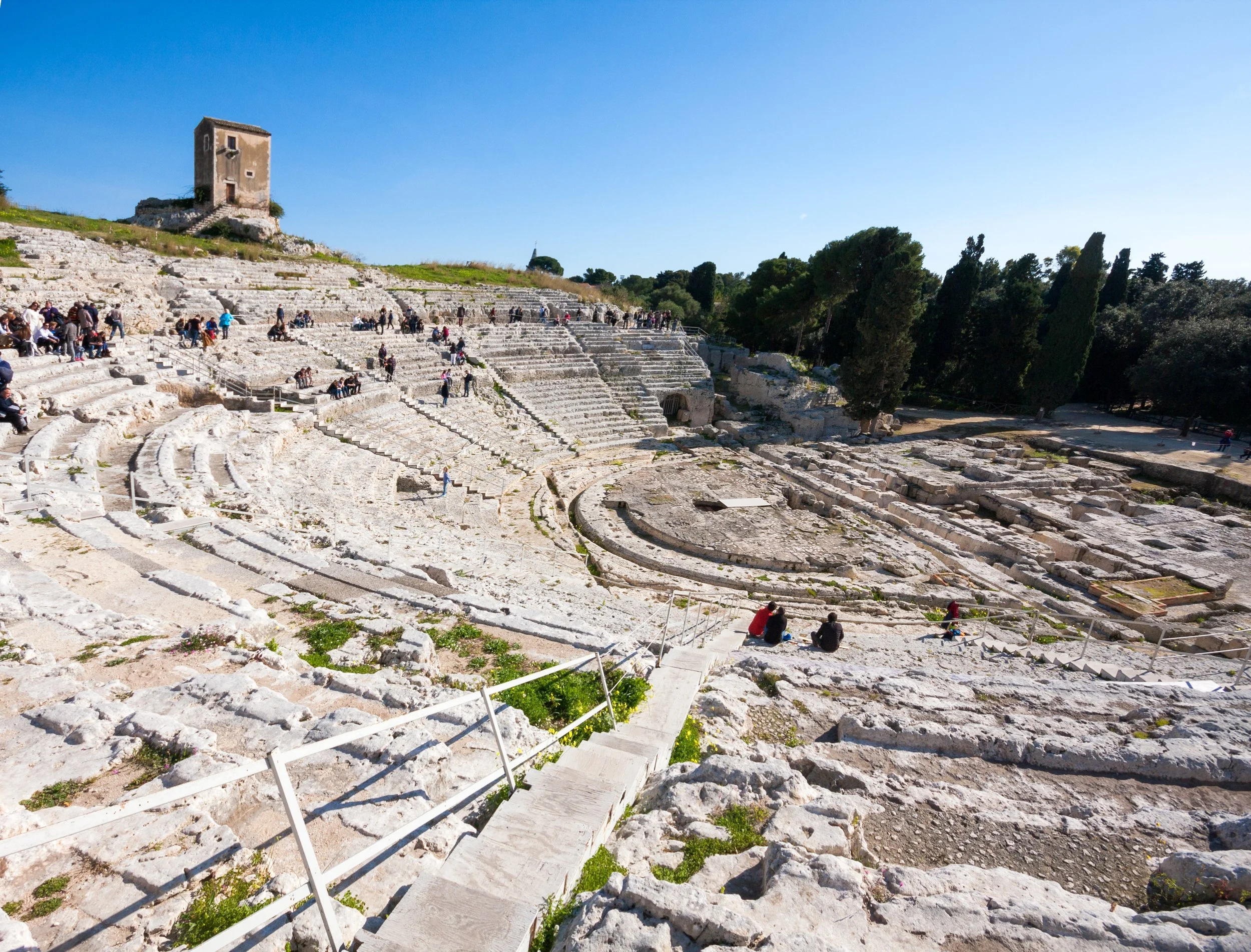
    Siracusa's power rested not only on its strategic harbour but also on its impressive civic and religious monuments, many of which survive within one of the Mediterranean's most important archaeological landscapes. Today's visits deepen our understanding of the city's development, from its Greek foundation through to the Roman period. We begin at the Neapolis Archaeological Park, where we explore the principal remains of ancient Siracusa. Highlights include the vast Greek theatre, still used for performances today, the Roman amphitheatre and the limestone quarries known as the Latomie, including the celebrated Ear of Dionysius. We also see the monumental Altar of Hieron II, one of the largest sacrificial altars of the ancient Greek world. Following lunch together, we then continue to the outstanding Paolo Orsi Archaeological Museum, whose collections trace the island's history from prehistoric settlement to the Byzantine era and provide essential context for the places visited throughout the tour. Before returning to the hotel, we also visit the Basilica of Santa Lucia al Sepolcro to view Caravaggio's moving Burial of Saint Lucy, painted for Siracusa in 1608. Overnight Siracusa (B, L)

  • Day 4 | Monday 13 September
    Sicilian Baroque in Ragusa & Noto

    The devastating earthquake of 1693 transformed south-eastern Sicily, destroying entire towns and prompting one of Europe's most ambitious rebuilding programs. Over the following decades, architects and patrons created elegant new urban centres whose theatrical streets, churches and palaces gave rise to the distinctive style now known as Sicilian Baroque. Our first destination today is Ragusa Ibla, the historic heart of Ragusa, where winding medieval streets were rebuilt with remarkable harmony following the earthquake. As we explore the town, we encounter richly ornamented churches, aristocratic palaces and picturesque piazzas that illustrate the confidence and prosperity of 18th-century Sicily. After a break for lunch, we then continue to nearby Noto – regarded as the masterpiece of Sicilian Baroque urban planning. Constructed almost entirely in warm honey-coloured limestone, its broad avenues are lined with imposing buildings, monasteries and churches whose facades glow in the changing afternoon light. On return to Siracusa, the evening is at leisure. Overnight Siracusa (B)

  • Day 5 | Tuesday 14 September
    Roman Sicily

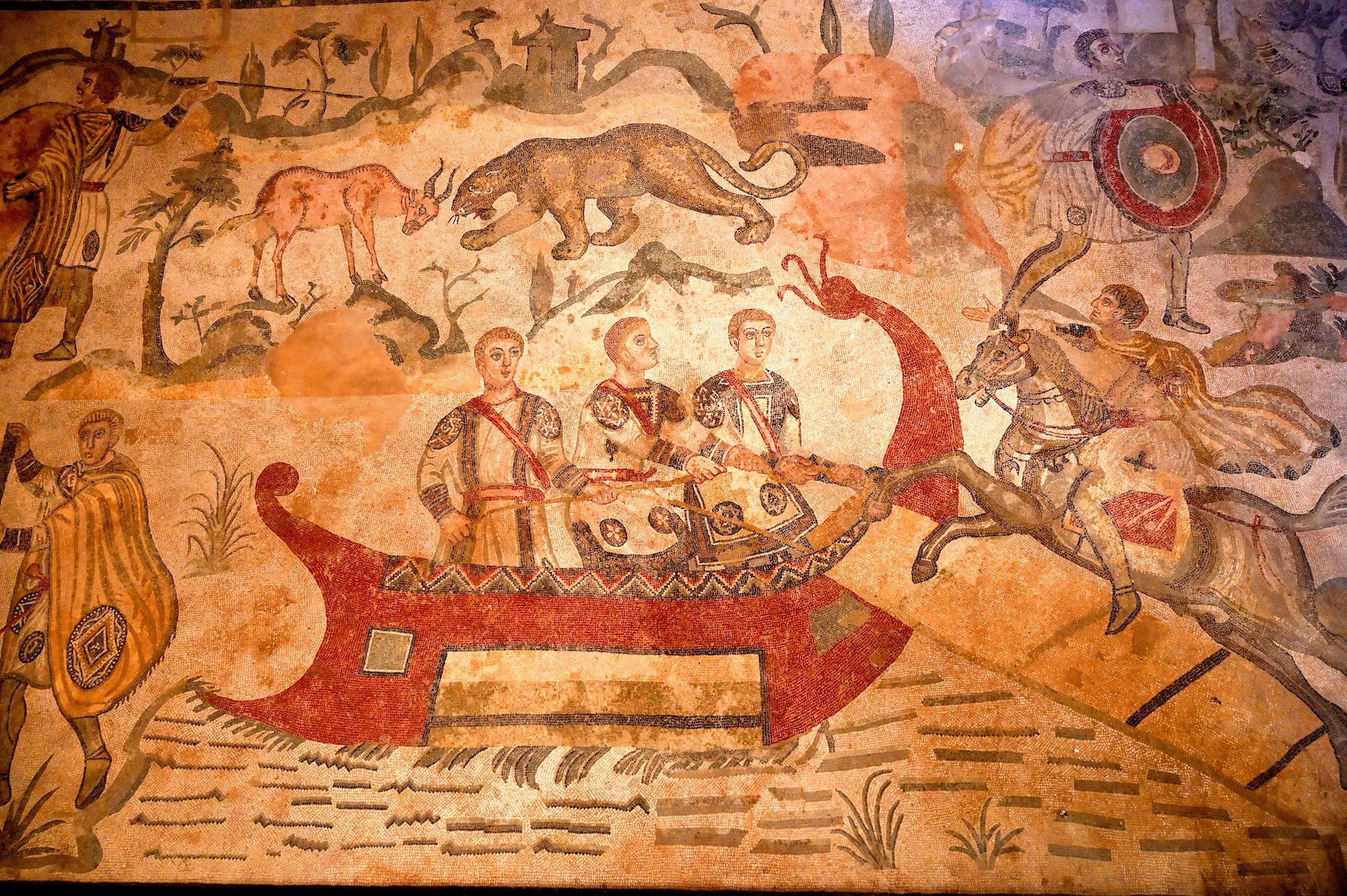
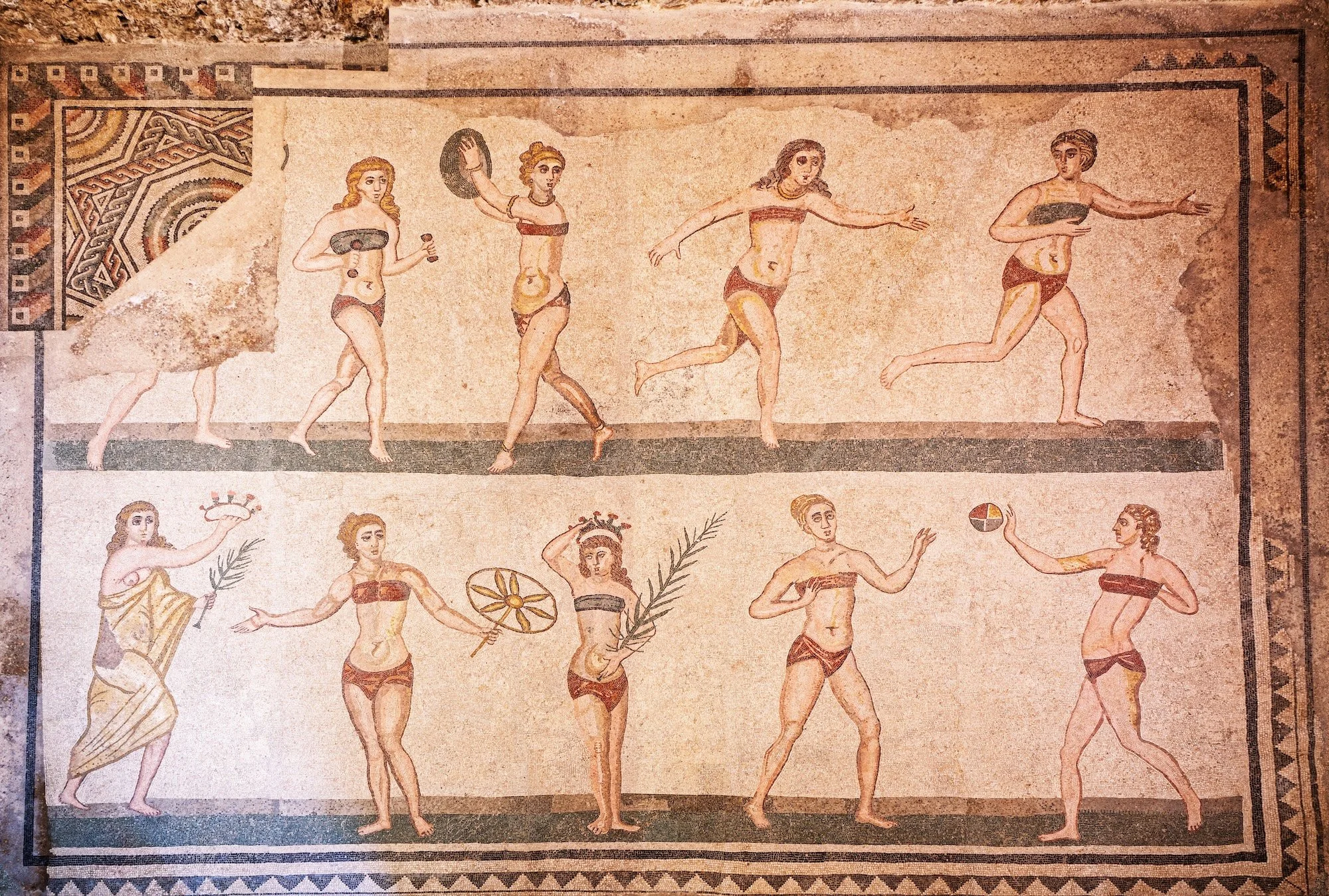
    As Rome expanded across the Mediterranean, Sicily became one of the Empire's most prosperous provinces. Its fertile interior supplied grain to the capital while wealthy landowners established luxurious country estates whose remains reveal the island's importance within the Roman world. Departing Siracusa today, we travel through Sicily's interior, pausing briefly in Caltagirone, a town renowned for its centuries-old maiolica ceramic tradition, before continuing to Aidone. Here we visit the Archaeological Museum of Aidone, whose exceptional collection includes masterpieces recovered from the nearby ancient city of Morgantina, among them the celebrated Morgantina Goddess and the Head of Hades. Together these discoveries illuminate the cultural transition from the Greek to the Roman world in central Sicily. Following lunch together, we then continue to nearby Piazza Armerina to explore the Villa Romana del Casale. One of the finest surviving Roman villas anywhere in the Empire, it is celebrated for its extraordinary mosaic floors, which depict mythology, hunting scenes, sporting contests and everyday life. Late in the afternoon we continue west to Agrigento, where dinner is served in the hotel gardens. Overnight Agrigento (B, L, D)

  • Day 6 | Wednesday 15 September
    Agrigento & The Valley of the Temples

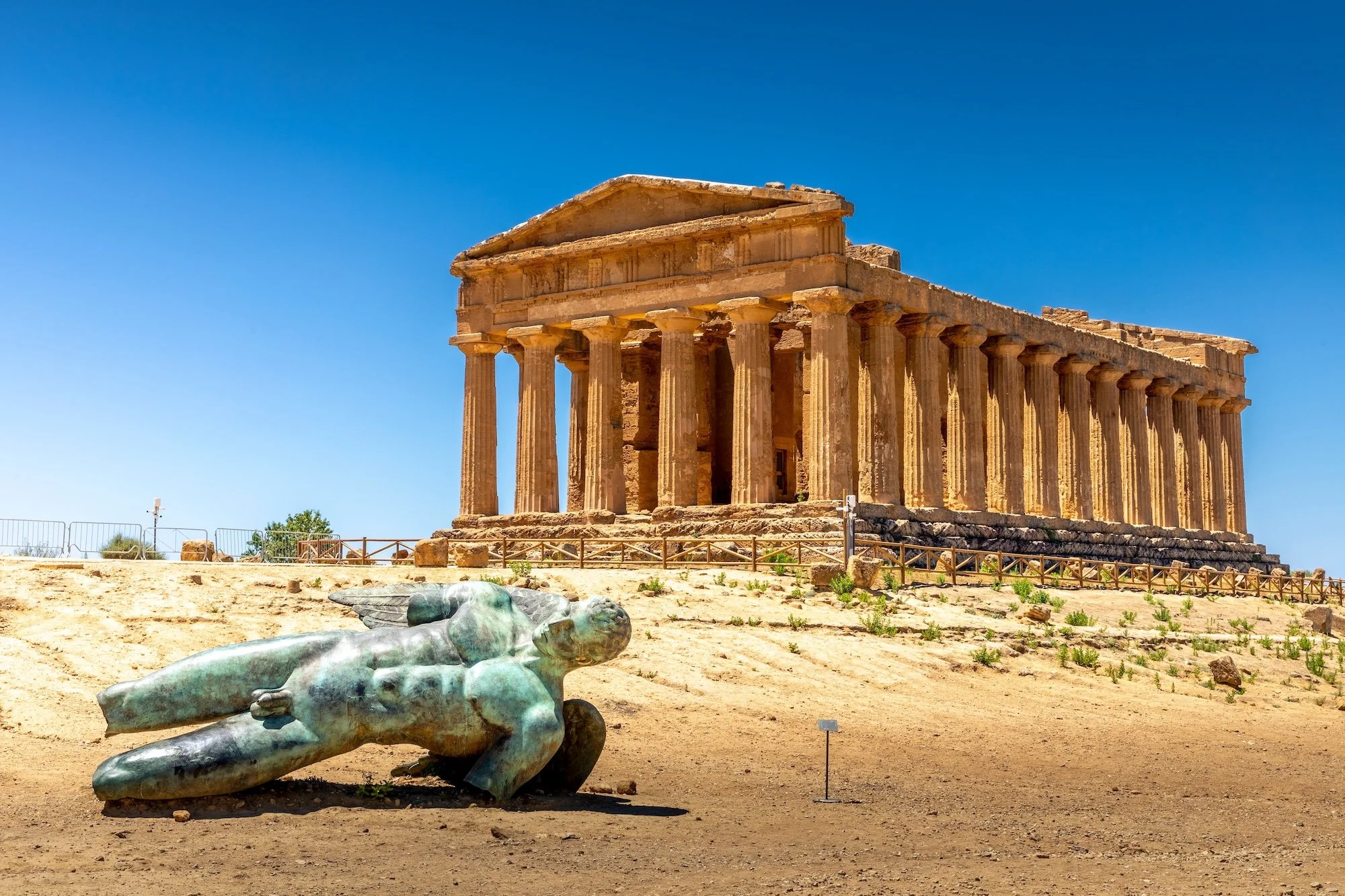
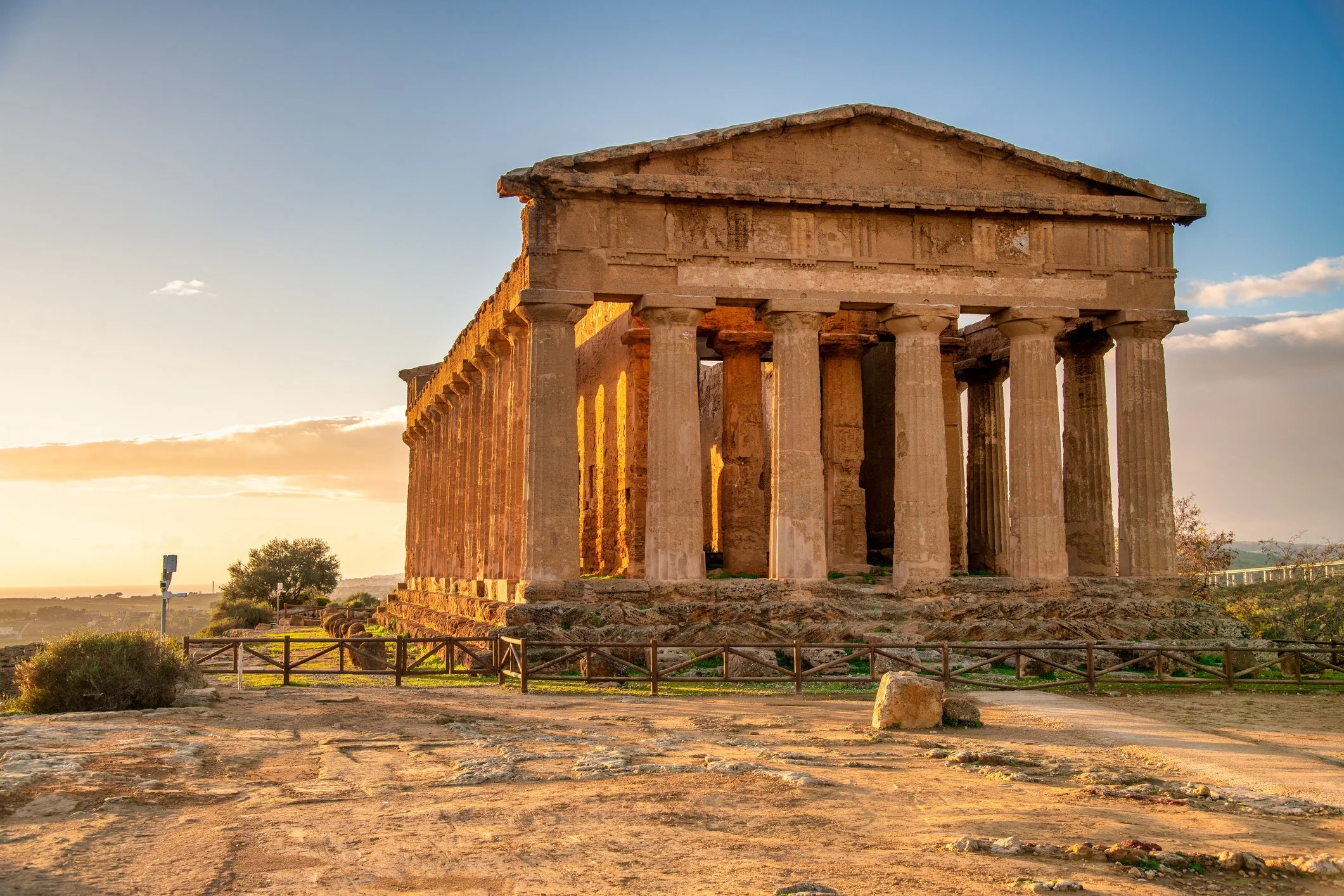
    Founded as Akragas in the 6th century BCE, Agrigento became one of the wealthiest and most influential Greek colonies in the Mediterranean. Celebrated by the poet Pindar as "the fairest city of mortals", its monumental temples reflected both the prosperity of the city and the religious ambitions of its citizens. An introductory talk in the hotel sets the historical context before we visit the UNESCO World-Heritage-listed Valley of the Temples. Stretching along a rocky ridge overlooking the surrounding countryside, this extraordinary archaeological landscape preserves some of the finest surviving examples of Doric architecture anywhere in the Greek world. As we explore the sanctuary, we encounter temples dedicated to deities including Hera, Heracles and Concordia, whose exceptional state of preservation offers remarkable insight into the scale and sophistication of ancient Akragas. After a break for lunch, we then continue to the nearby Regional Archaeological Museum, where sculptures, inscriptions, ceramics and architectural fragments provide further context for the sanctuary and the city's wider history. Returning to our hotel in the afternoon, there is time to relax before dinner together at a local restaurant overlooking the illuminated temples. Overnight Agrigento (B, D)

  • Day 7 | Thursday 16 September
    Selinunte & Western Sicily

    Western Sicily was one of the ancient Mediterranean's great frontier regions, where Greek colonies competed with the Phoenicians and, later, the Carthaginians for control of the island. The remains preserved here reveal these centuries of cultural exchange, conflict and maritime trade that shaped the western coast. Leaving Agrigento this morning, we travel to the vast archaeological park of Selinunte, one of the largest Greek archaeological sites in Europe. Founded in the 7th century BCE, the city flourished before its destruction by the Carthaginians in 409 BCE. Exploring the acropolis and its commanding coastal setting, we encounter the remains of imposing Doric temples, fortifications and sanctuaries that testify to the city's former importance. After a break for lunch, we then travel to the historic port of Mazara del Vallo, where the Regional Museum houses the celebrated Dancing Satyr. Recovered from the floor of the Mediterranean in 1998, this Greek bronze masterpiece provides a remarkable insight into the artistry of the Classical world. In the late afternoon we continue to our hotel in Palermo, where dinner is enjoyed together this evening. Overnight Palermo (B, D)

  • Day 8 | Friday 17 September
    Arab-Norman Palermo

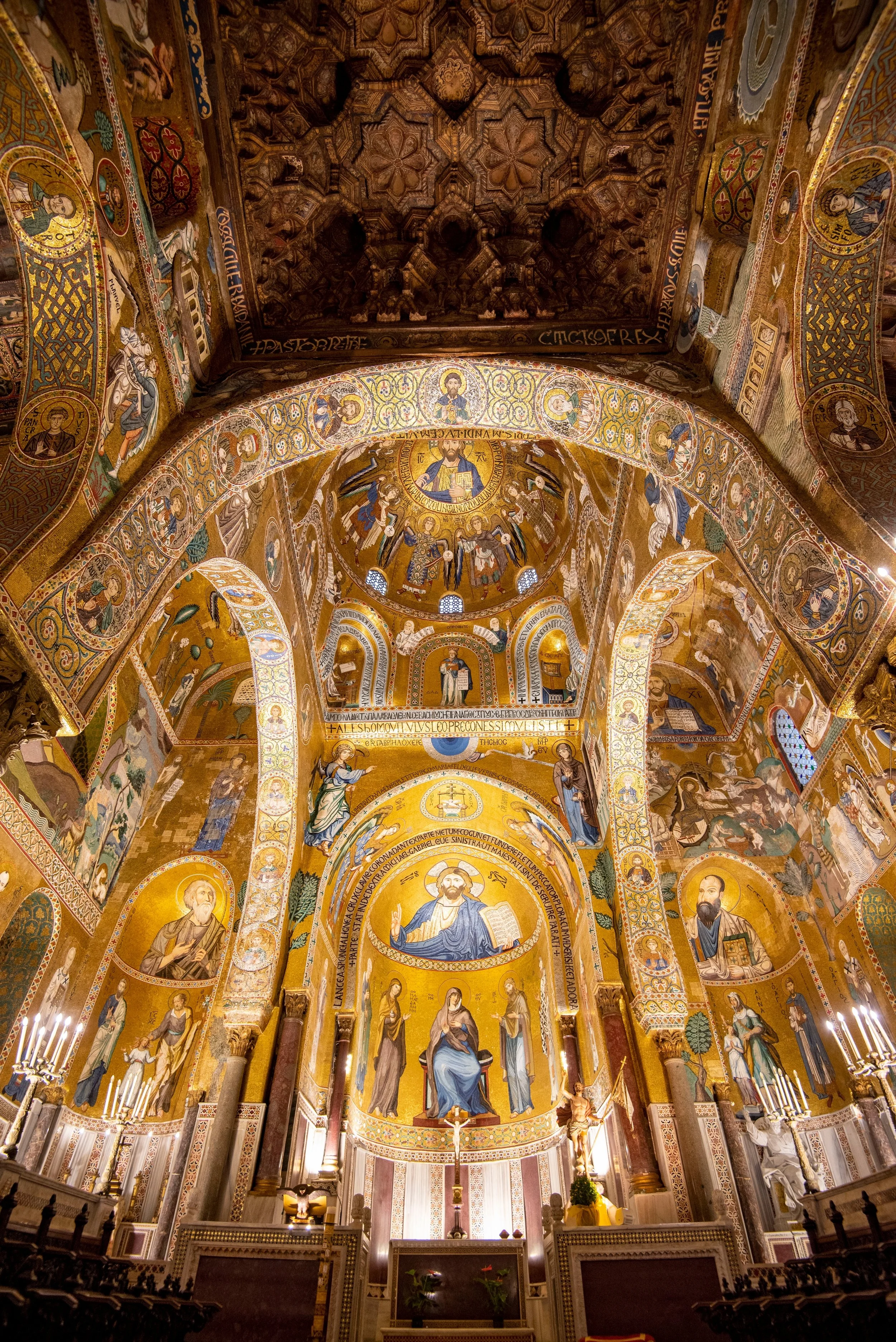
    For centuries Palermo stood at the crossroads of the Mediterranean, successively ruled by Phoenicians, Romans, Arabs and Normans. More than any other Sicilian city, it reflects the cultural exchange that shaped the island, where Byzantine, Islamic and Latin artistic traditions combined to create one of medieval Europe's most distinctive architectural styles. A morning orientation tour introduces the historic centre and its layered urban landscape before we visit the Regional Archaeological Museum. One of Sicily's most important museums, its collections span prehistoric, Greek, Roman and Etruscan civilisations, providing further context for the archaeological sites explored throughout the tour. After a break for lunch in the atmospheric Kalsa district, the afternoon is at leisure to continue exploring Palermo's historic streets and piazzas. We reconvene in the evening for a special private visit to the Cappella Palatina within the Norman Palace. Commissioned by Roger II in the 12th century, this extraordinary royal chapel combines dazzling Byzantine mosaics, Islamic craftsmanship and Norman architecture in one of the greatest artistic achievements of medieval Europe.Overnight Palermo (B)

  • Day 9 | Saturday 18 September
    Monreale

    During the 12th century, the Norman Kingdom of Sicily emerged as one of the most sophisticated courts in the Mediterranean. Among its greatest surviving monuments is Monreale Cathedral, commissioned by King William II as a masterpiece of royal patronage that reflects the artistic traditions inherited from the Byzantine and Islamic worlds. Travelling into the hills overlooking Palermo, we visit this extraordinary cathedral, built as a powerful expression of Norman authority. The vast interior is adorned with more than 6,000 square metres of glittering Byzantine mosaics depicting scenes from the Old and New Testaments, culminating in the monumental image of Christ Pantocrator within the apse. We also explore the adjoining Benedictine cloister, whose richly carved capitals and elegant paired columns reveal the diverse artistic influences that characterised Norman Sicily. On return to Palermo, the afternoon is at leisure to continue exploring the city before an afternoon talk in the hotel provides historical context for the next stage of our exploration. Overnight Palermo (B)

  • Day 10 | Sunday 19 September
    Mozia & Segesta

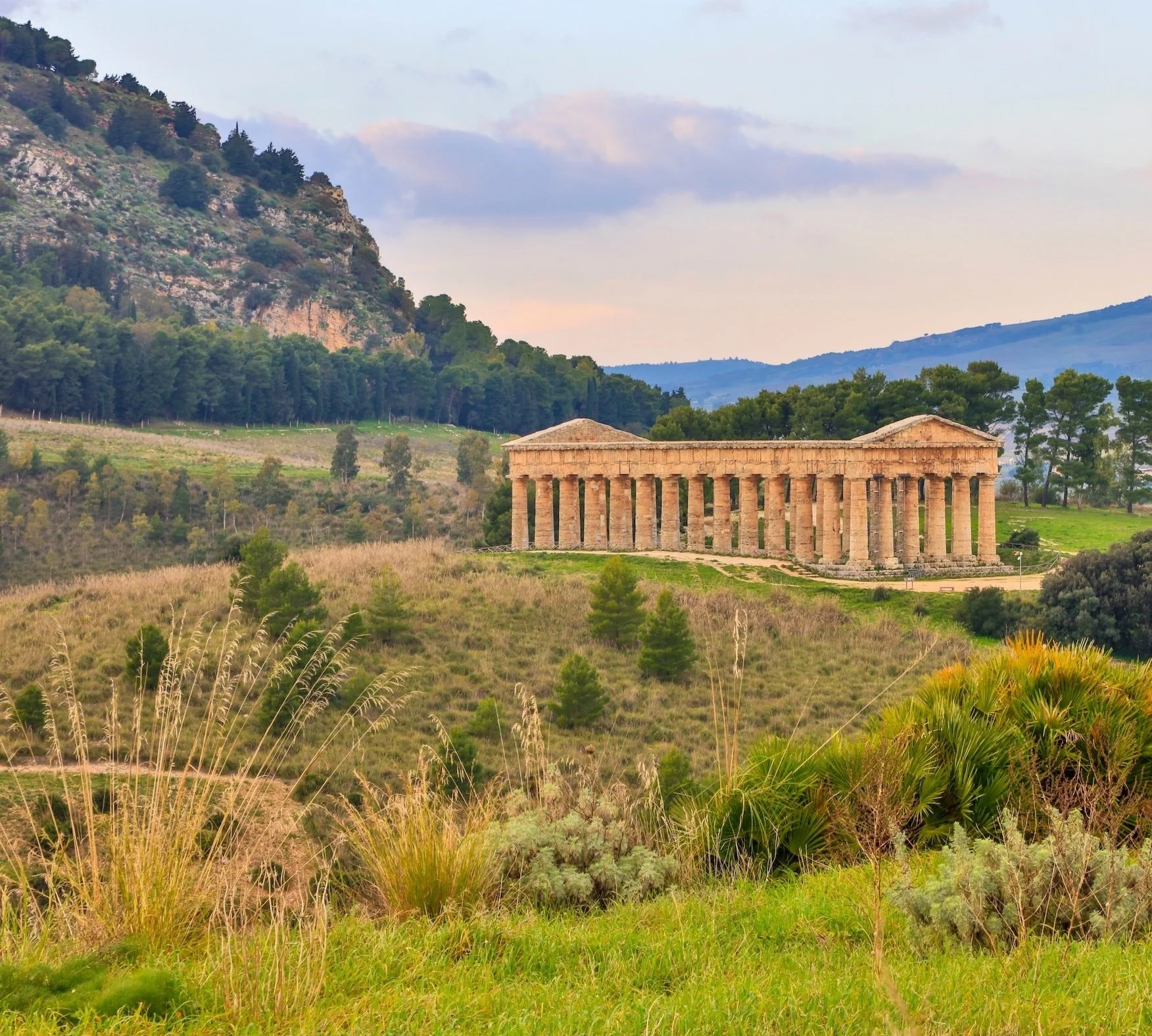
    Long before the arrival of the Romans, western Sicily was home to a diverse mix of peoples whose cultures flourished alongside, and often competed with, the island's Greek colonies. Phoenicians, Carthaginians and the indigenous Elymians all left their mark on this corner of Sicily, where maritime trade and strategic alliances shaped the island's history. Travelling west from Palermo, we arrive at the lagoon of Marsala and take a short ferry to the island of Mozia. Founded by Phoenician settlers in the 8th century BCE, it became one of the principal Carthaginian strongholds in the western Mediterranean. Here we explore the archaeological site with a local guide, discovering the remains of its fortifications, streets and sanctuary before visiting the Whitaker Museum, whose collections include the celebrated marble statue known as the Youth of Mozia. Returning to the mainland, we then enjoy lunch together before continuing to Segesta. Founded by the Elymians, this remarkable archaeological site preserves one of the finest Doric temples in the ancient world together with a spectacular hilltop theatre overlooking the surrounding countryside. We return to Palermo in the early evening. Overnight Palermo (B, L)

  • Day 11 | Monday 20 September
    Cefalù & The Aeolian Islands

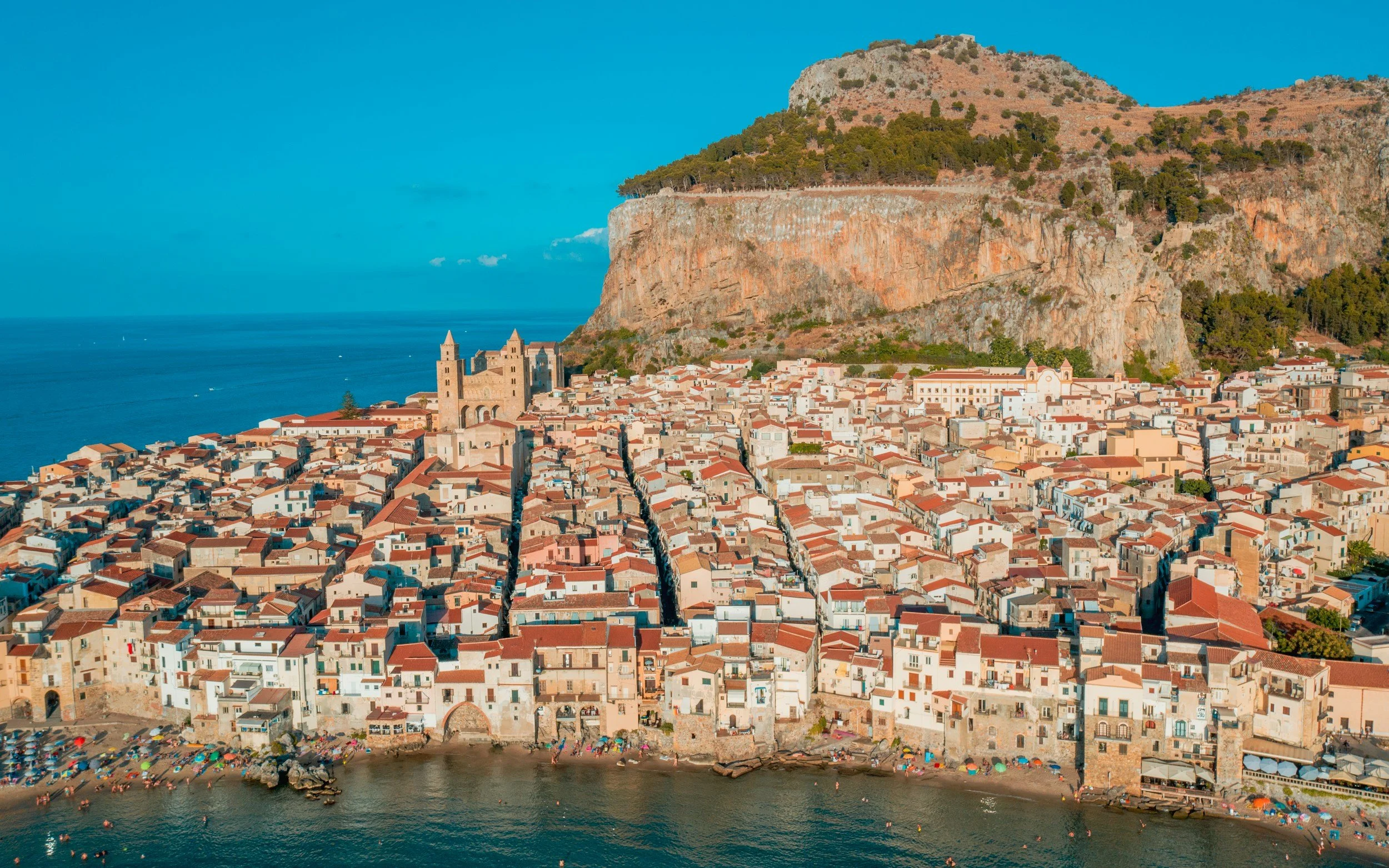
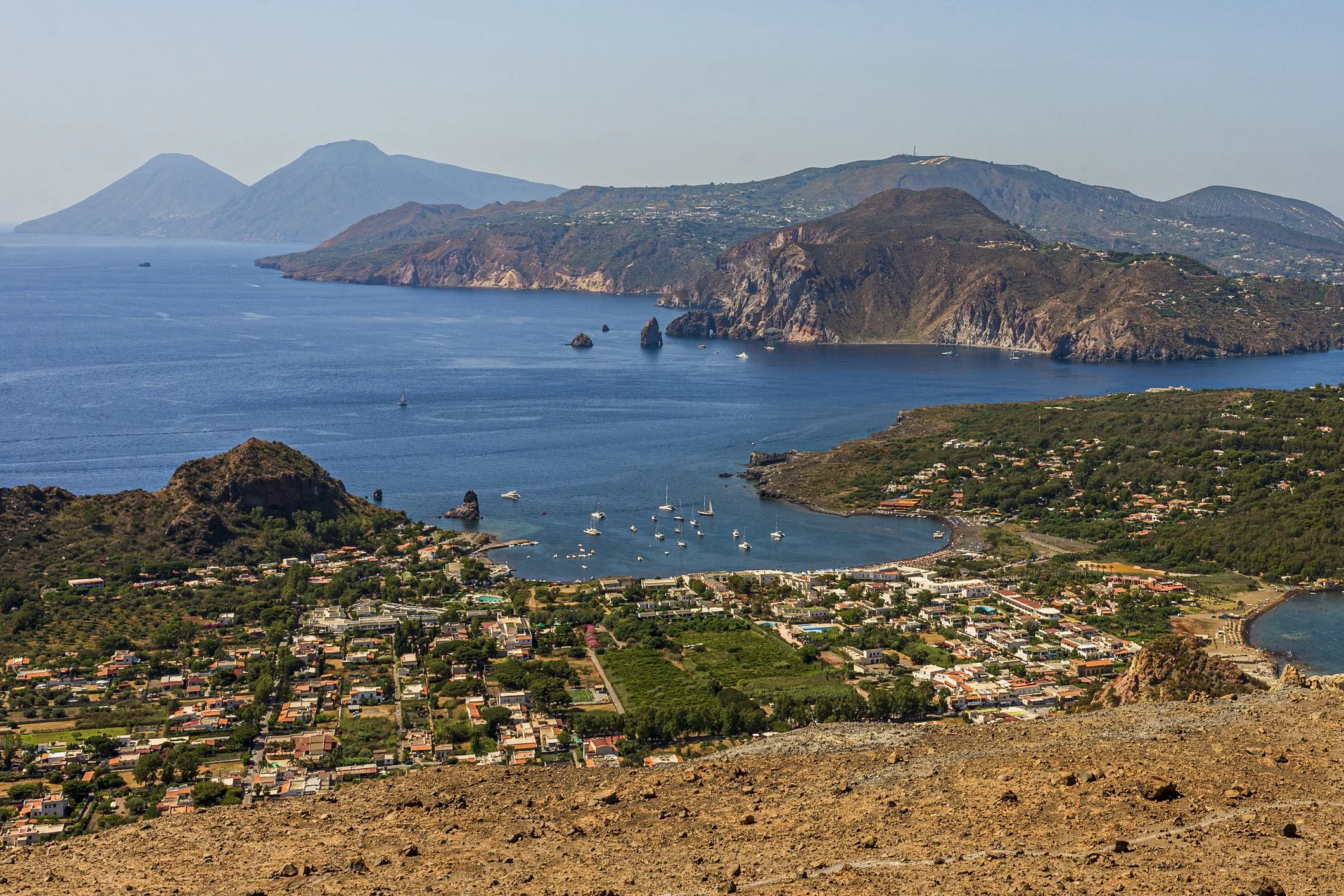
    Lying just off Sicily's north coast, the Aeolian Islands have been shaped by volcanic activity for hundreds of thousands of years. Known to the ancient Greeks as the home of Aeolus, god of the winds, the archipelago has long occupied an important place in both Mediterranean mythology and maritime history. Departing Palermo today, we follow the Tyrrhenian coast to Cefalù, where we explore the historic centre and its magnificent 12th-century cathedral. Commissioned by King Roger II, its soaring interior is dominated by the magnificent Byzantine mosaic of Christ Pantocrator, one of the great masterpieces of medieval art. We also visit the Mandralisca Museum, whose diverse collections range from Greek and Roman antiquities to Antonello da Messina's celebrated Portrait of an Unknown Man. After a break for lunch, we continue our journey east to Milazzo, where we board a hydrofoil for the crossing to Lipari – the largest of the seven Aeolian Islands. Passing the volcanic island of Vulcano, we arrive in the early evening with dinner served in the hotel. Overnight Lipari (B, D)

  • Day 12 | Tuesday 21 September
    Panarea & Stromboli

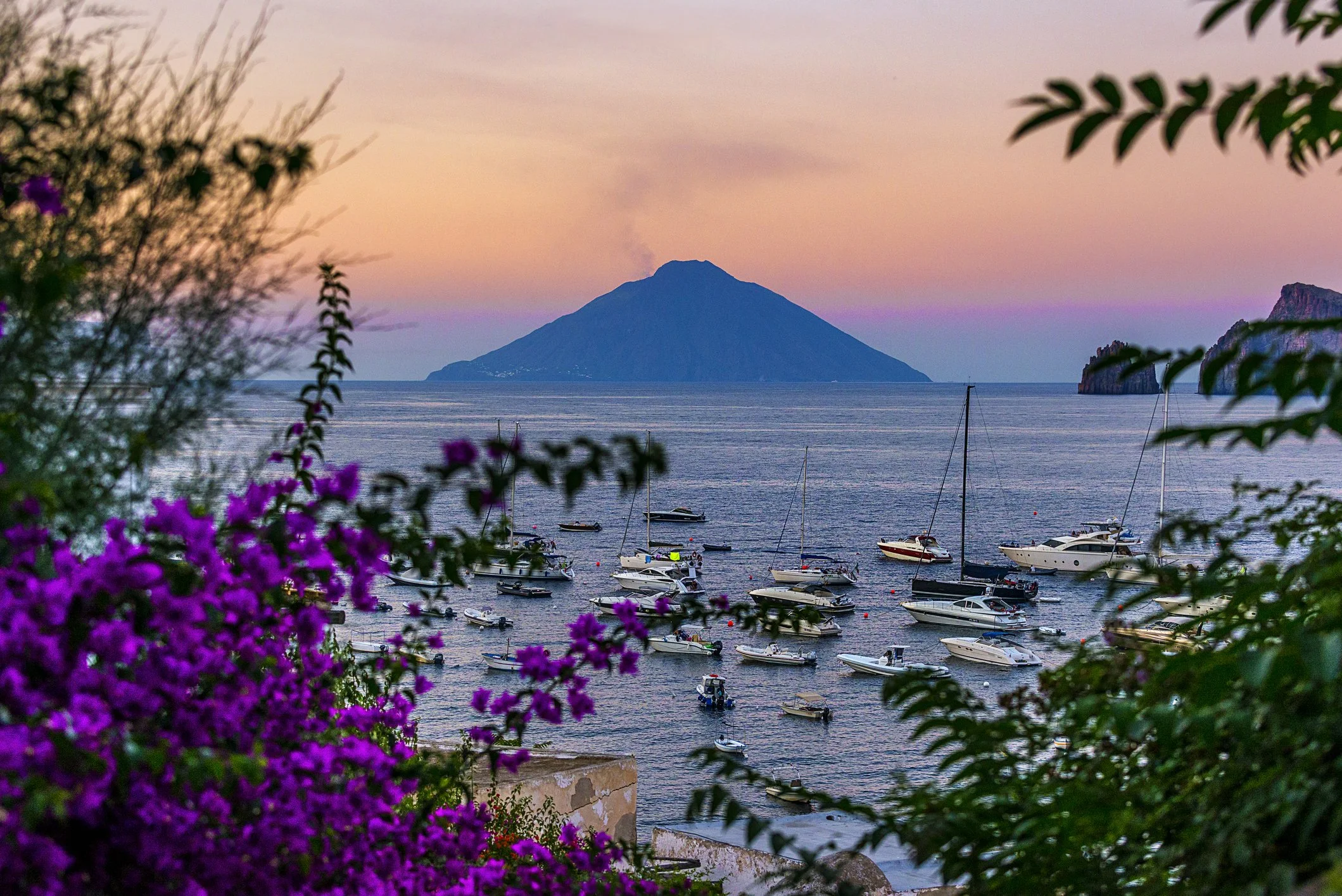
    Created by volcanic activity over hundreds of thousands of years, the Aeolian Islands form one of the Mediterranean's most remarkable natural landscapes. Their strategic position along ancient maritime routes ensured they were settled from prehistoric times, while their dramatic geology inspired myths that linked the islands with Aeolus, the Greek god of the winds, and Hephaestus, god of fire. An introductory talk in the hotel is followed by a guided walk through Lipari this morning, where we discover the island's long history as a centre of obsidian production, trade and settlement. After time at leisure for lunch, we then board our boat for an excursion through the archipelago. Our first stop is Panarea, the smallest and most exclusive of the inhabited Aeolian Islands, whose whitewashed houses and car-free streets preserve its distinctive island character. Continuing to Stromboli, we enjoy an early dinner together before cruising beneath the spectacular Sciara del Fuoco, where, conditions permitting, we witness the glow of Europe's most persistently active volcano as darkness falls. Returning to Lipari by boat, we conclude a memorable day among the islands. Overnight Lipari (B, D)

  • Day 13 | Wednesday 22 September
    Lipari

    The largest of the Aeolian Islands, Lipari has been inhabited since the Neolithic period and owes much of its early prosperity to obsidian, the volcanic glass that was traded widely across the Mediterranean long before the widespread use of metals. Its dramatic coastline and fertile valleys continue to reflect the powerful geological forces that shaped the archipelago. The morning is at leisure to enjoy the relaxed atmosphere of Lipari. You may wish to explore the island's historic centre, visit the fortified citadel or discover the excellent Aeolian Archaeological Museum, whose collections trace thousands of years of settlement across the islands. In the afternoon, we embark on a panoramic tour of the island with a local guide, discovering its volcanic landscapes, white pumice cliffs and sweeping coastal views. Along the way, we pause at scenic lookouts overlooking the Tyrrhenian Sea and neighbouring islands including Vulcano and Salina. On return to our hotel, the evening is at leisure. Overnight Lipari (B)

  • Day 14 | Thursday 23 September
    Messina

    The narrow Strait of Messina has long shaped the history of north-eastern Sicily. Linking the Tyrrhenian and Ionian Seas, it established Messina as one of the Mediterranean's principal ports and an important centre of trade, commerce and cultural exchange. Leaving Lipari this morning, we return by hydrofoil to Milazzo before travelling to Messina. Our first visit is to the Regional Museum, whose outstanding collection includes two masterpieces by Caravaggio, The Raising of Lazarus and The Adoration of the Shepherds, together with important works by Antonello da Messina that reflect the city's rich artistic heritage. We then explore the historic centre, visiting the Norman cathedral before enjoying time at leisure for lunch. In the afternoon we continue south along Sicily's Ionian coast to the seaside town of Taormina, our base for the final three nights of the tour. After settling into our hotel, we gather for a welcome drink overlooking the sea before the evening is at leisure. Overnight Taormina (B)

  • Day 15 | Friday 24 September
    Taormina

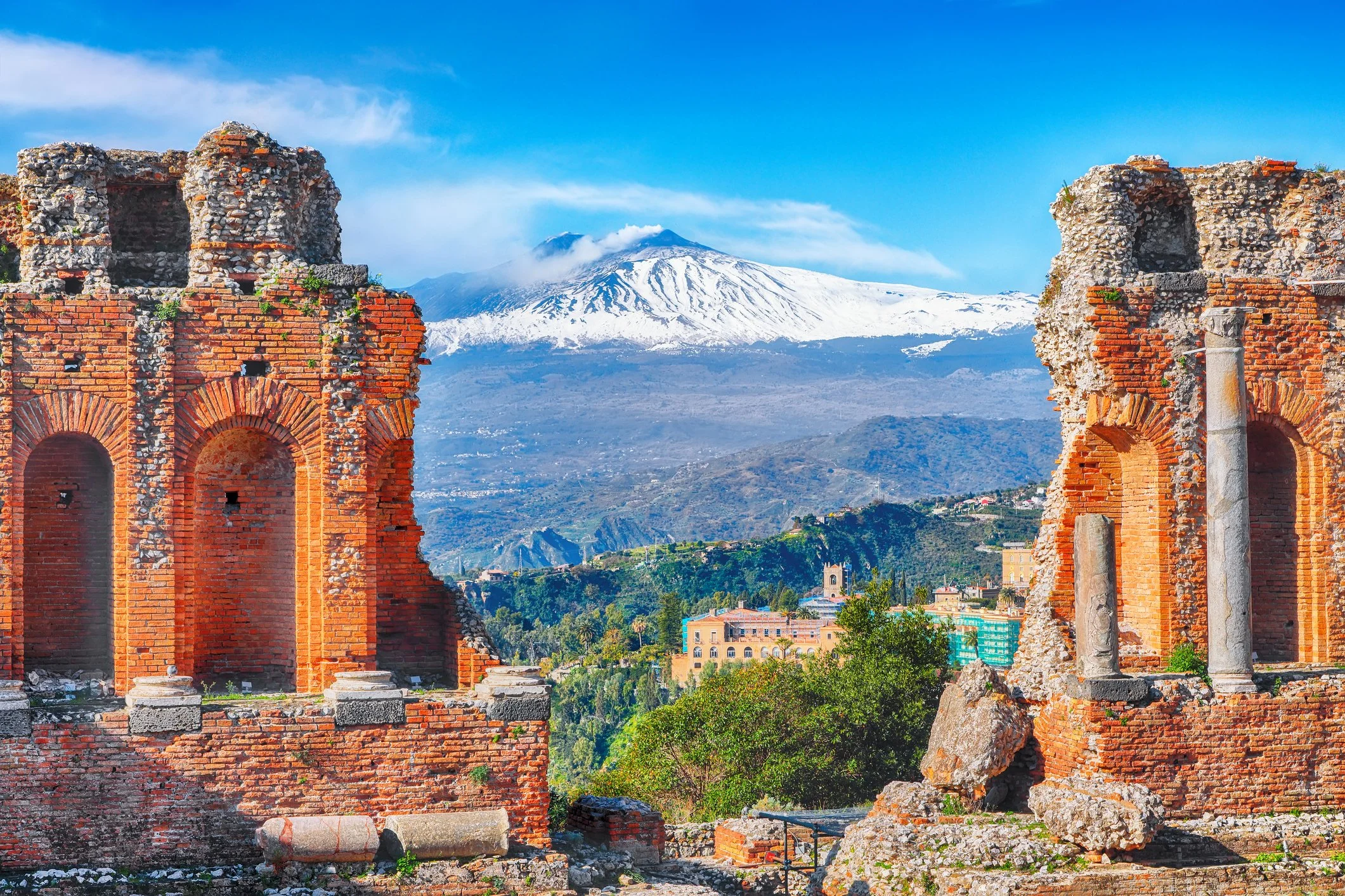
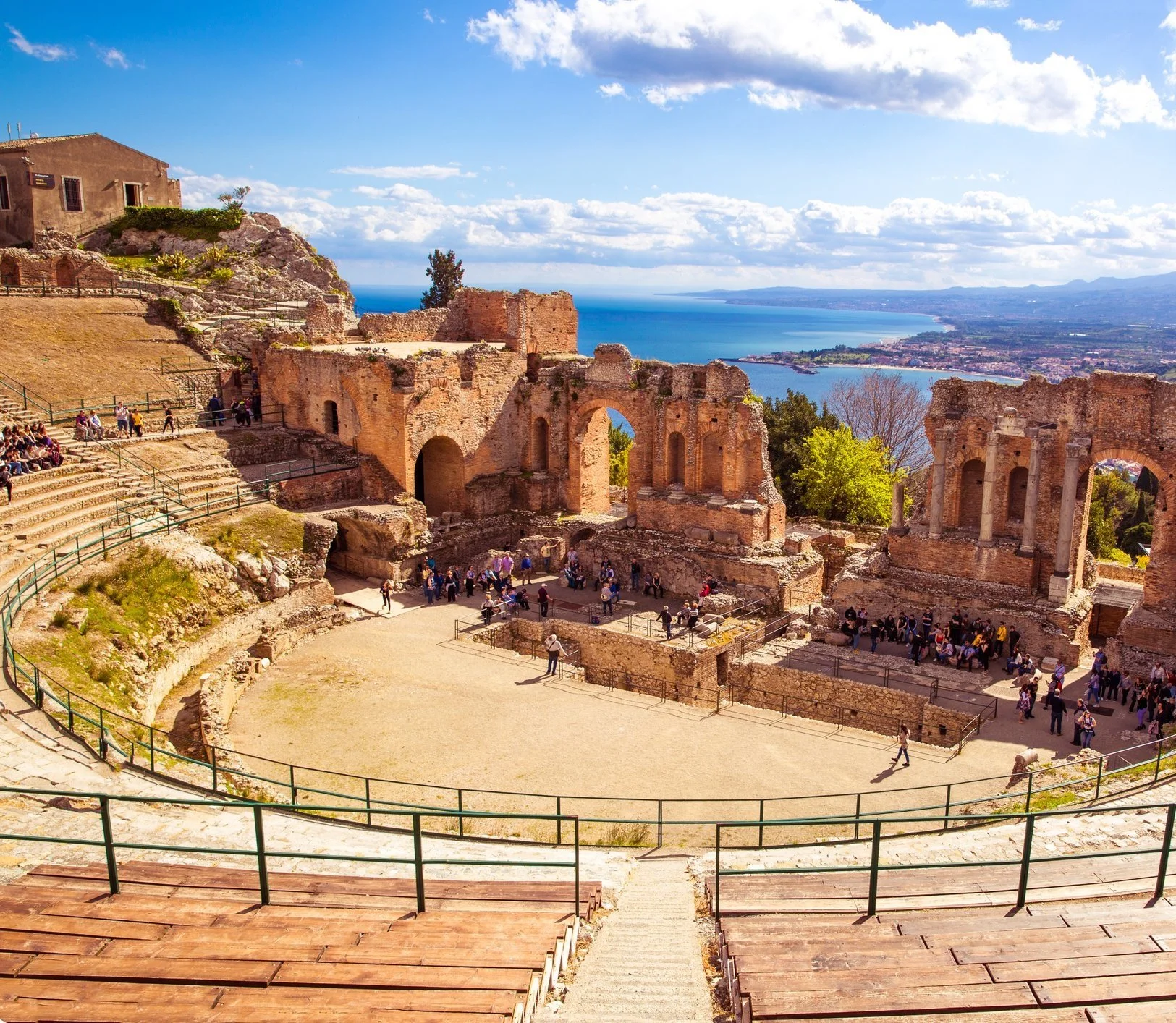
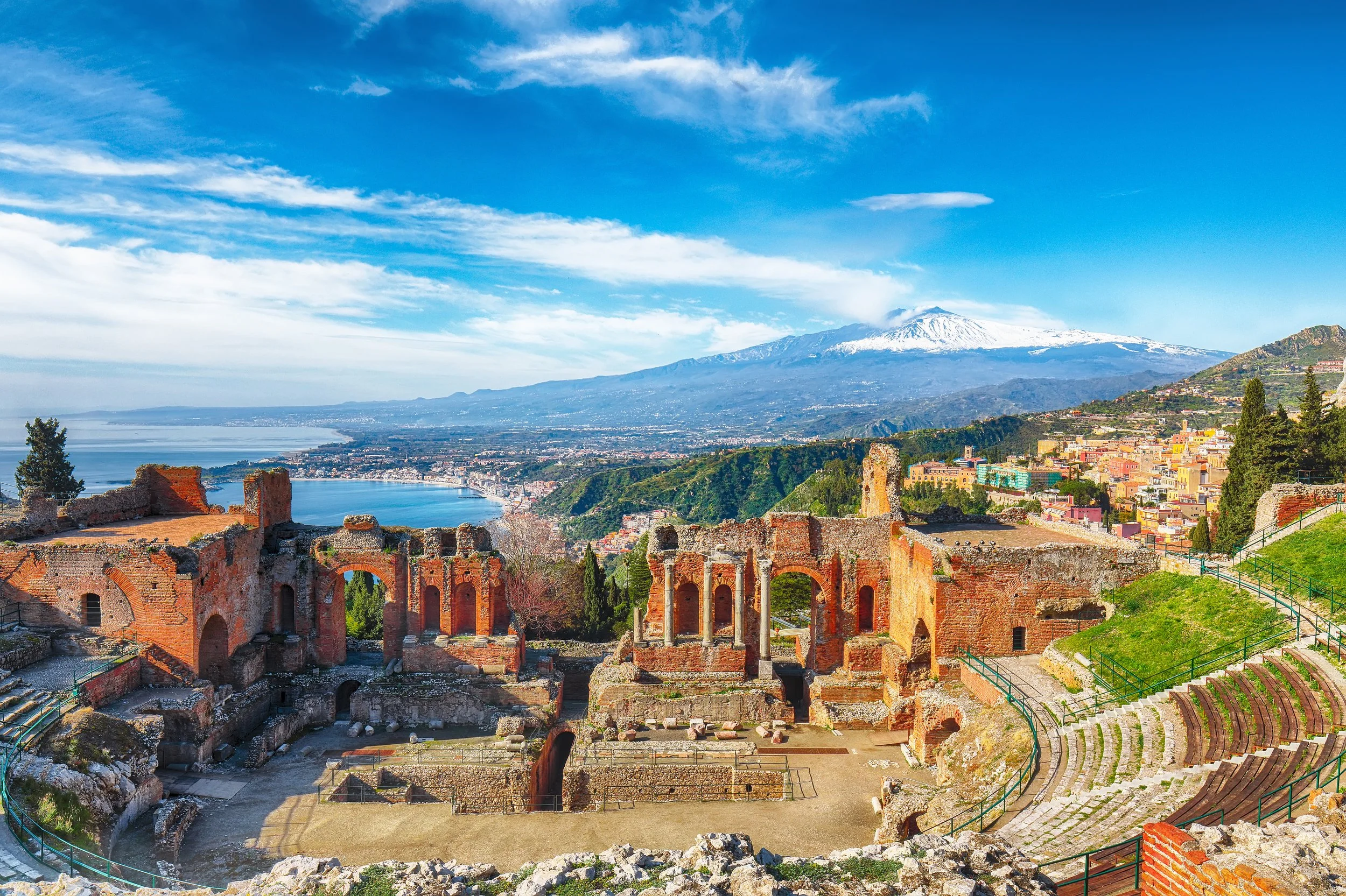
    Shaped by centuries of Greek, Roman and medieval presence, Taormina has long captivated visitors with its commanding position above the Ionian coast and its enduring views toward Mount Etna. A memorable final destination for our journey, we begin this morning with a walking tour of the town, enjoying the vibrant tapestry of historical attractions, charming boutique shops, streetscapes and palazzos. We will also pay a visit to the ancient Graeco-Roman theatre, which dates back to the 3rd century BCE, and is the second largest theatre in Sicily. Quite apart from its magnificently preserved setting, the theatre also has splendid views toward the Calabrian coast, the Ionian coast of Sicily, and the striking Mount Etna. Taormina is a city to be savoured, and we will have the afternoon and evening at leisure to enjoy this pearl of the Mediterranean. Overnight Taormina (B)

  • Day 16 | Saturday 25 September
    With the Gods on Mount Etna

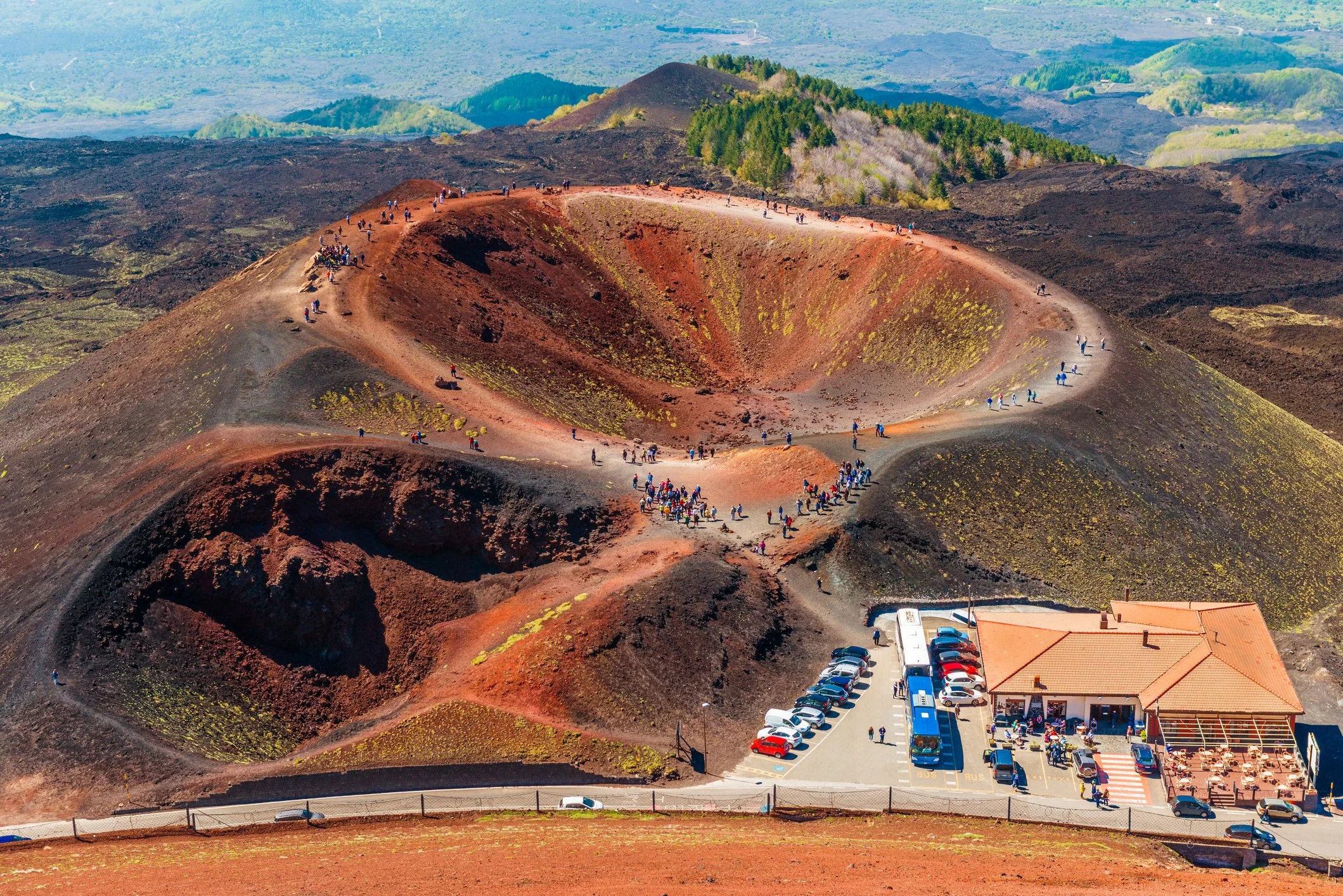
    Arguably Sicily’s most famous landmark, Mount Etna is an imposing and majestic sight which has followed us throughout our tour, and thus it is only fitting that on our final full day, we join our coach for an excursion to its summit. Mount Etna is Europe’s largest, most spectacular and most active stratovolcano, with an eruptive history spanning over 500,000 years, and its almost continuous eruptive activity has shaped entire civilisations and the landscape of the region. Assuming conditions are safe, we travel to the south side of the volcano, where we take the Funivia dell’Etna (cable car) followed by an off-road vehicle to the summit, which stands at a height of 2,900 metres. Here, the landscape and the views across the Ionian Sea are unforgettable. (Please note that the last part of the excursion involves walking over uneven surfaces. It may not be possible for all passengers to undertake this segment.) Upon our descent, there is time for a lunch break in the traditional restaurant at the base of Mount Etna, before we return to Taormina. There will be time to relax this afternoon before we reconvene in the evening for our farewell dinner at a local restaurant. Overnight Taormina (B, D)

  • Day 17 | Sunday 26 September
    Taormina to Rome

    The morning is at leisure in Taormina, before departing at midday for our mid-afternoon flight for Rome, arriving in time to meet the late evening departing flights for Australia. (B)

Hotels have been selected principally for their central location. All hotels are a comfortable four-star standard.

Tour Accommodation

Optional pre-Tour extension

Malta | September 6-10, 2027

A trip to Sicily provides the ideal opportunity to enjoy a short pretour excursion to nearby Malta. This small island archipelago offers a rich blend of ancient history, striking fortifications and a distinctive culture.

Often overlooked as a travel destination – much to the delight of those who know what it has to offer and prefer to keep it quiet – Malta rewards visitors with its prehistoric temples, Baroque streetscapes and dramatic coastal scenery.

tour booking

$16,990 AUD per person, twin share (land content only)
$4,440 AUD supplement for sole use of a hotel room

A $2,000 deposit is required per person to confirm your booking on tour. This deposit is non-refundable.

Hold a Place

Still deciding? We are happy to hold a tentative place for 7 days while you make your final arrangements.

Book Online

To secure your place(s) on tour, book online below with “Athena”, our virtual tour consultant.

DOWNLOAD FORM

Download a printable booking form. You can also complete the form on screen and submit via email.

your tour consultant

The consultant for this tour is Sharon Williams. For further information or to discuss the tour, please call 9235 0023 (Sydney) or 1800 639 699 (outside Sydney) or email sharon@academytravel.com.au

have you thought about?

Academy Travel is more than just a tour operator. We are also a full-service travel agency who can assist you with all aspects of your travel, including flights, transfers, pre-tour arrival, additional travel and comprehensive travel insurance.

can’t make this departure?

If these dates don't work for you, register to hear about the next tour.