southern & eastern türkiye

Archaeology, Civilisations & Landscapes

Journey through the heart of ancient Anatolia, from Göbeklitepe and the Roman East to Mount Nemrut and Lake Van.

TOUR STATUS

Places Available | Maximum 16

TOUR DATES

October 8-25, 2027 | 18 Days

TOUR LEADER

Ben Churcher | View Bio

snapshot

OVERVIEW

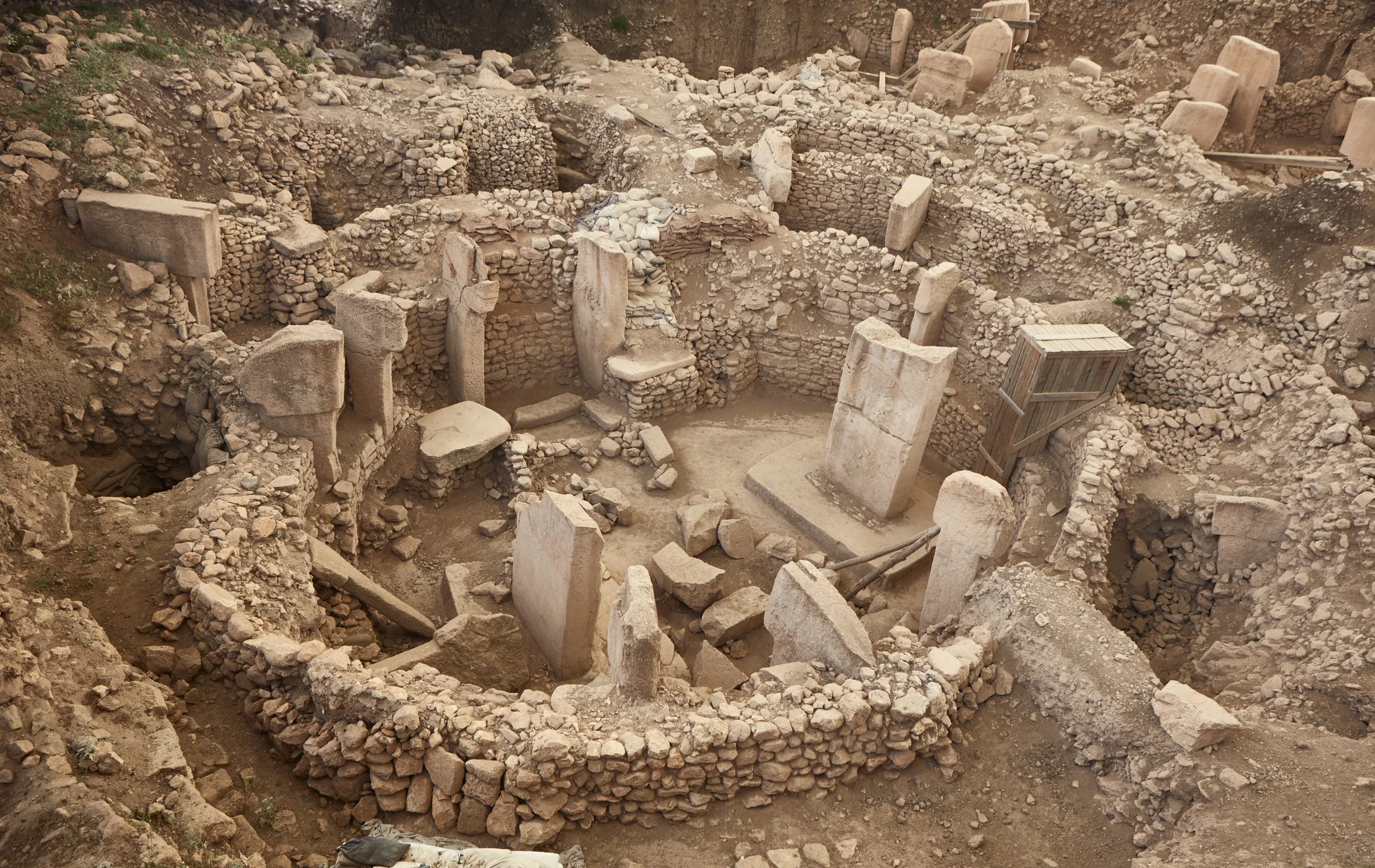
Southern and eastern Anatolia is where the human story takes one of its most extraordinary turns. At Göbeklitepe, hunter-gatherers raised carved stone pillars over seven thousand years before Stonehenge, creating a sanctuary that has reshaped our understanding of early civilisation.

From that astonishing beginning, the region only deepens: Roman cities on the Pamphylian plain, mountain gods of Commagene, the streets where St Paul walked in Tarsus and Antioch, and the Armenian churches and Kurdish castles of the Tigris and Lake Van. This new 18-day itinerary, led by archaeologist Ben Churcher, traces that history eastward across Türkiye’s stunning landscapes. Beginning in Istanbul, the journey heads to Antalya on the Mediterranean and continues along the Cilician coast to the site of Tarsus.

It then turns inland to explore Mesopotamian Şanlıurfa, the towering heads of Mount Nemrut, the basalt walls of Diyarbakır, and the Urartian fortresses above Lake Van. With decades of Near Eastern fieldwork experience, Ben guides us through a land where the origins of settled life are vividly on display.

tour highlights

Explore the landscapes where some of the world’s earliest civilisations, kingdoms and faiths first emerged

Ben Churcher

your expert tour leader

Ben is an archaeologist who works both in the Near East, as well as with Aboriginal archaeology in Australia. He has a strong personal interest in history and archaeology, primarily of the Muslim world, but not exclusively. Ben holds the position of Field Director at the University of Sydney’s archaeological excavations at Pella in Jordan. Ben holds a BA (Hons) from the University of Queensland and a Dip. Ed from the University of Sydney.

Read full bio >

Accompanied by an Experienced Tour Manager

Alongside your expert tour leader, an experienced tour manager will accompany for the entirety of the tour. They oversee logistics, ensure your comfort and safety, and provide friendly support – whether offering tips for free time, sharing a chat over dinner, or giving you space to relax.

tour ITINERARY

Istanbul (2 nights), Antalya (2 nights), Anamur (1 night), Tarsus (1 night), Antakya (2 nights),
Şanlıurfa (3 nights), Malatya (1 night), Diyarbakır (2 nights), Van (3 nights)

Included meals are shown with the letters B, L and D
  • Day 1 | Friday 8 October
    Arrive Istanbul

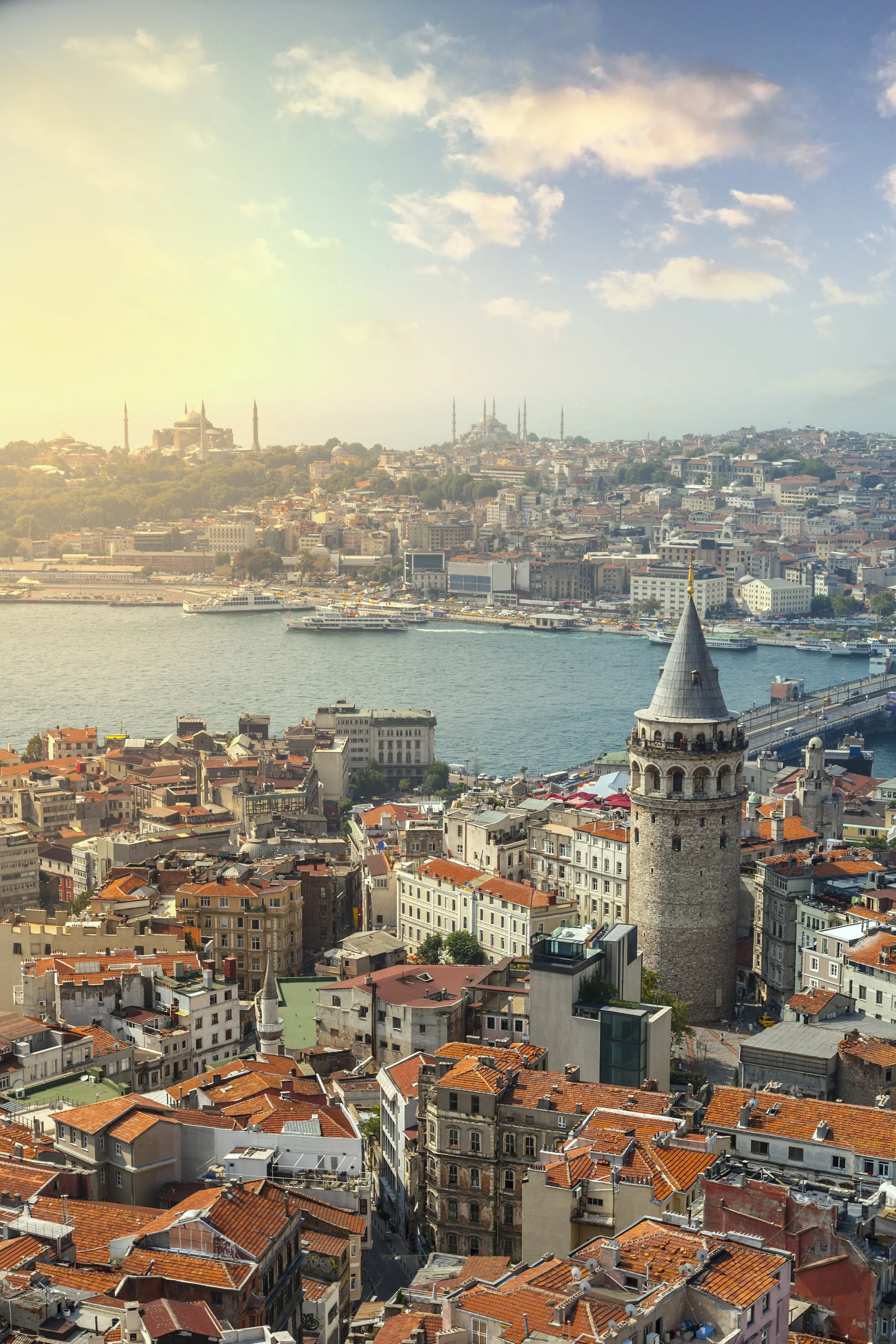
    Istanbul uniquely spans two continents, standing as a coveted bridge between Europe and Asia, and its role as a crossroads has made it one of the most sought-after destinations worldwide. Airport transfers are provided to our hotel in the vibrant Beyoğlu district, on Istanbul’s European side overlooking the Golden Horn. In the evening, we gather for introductions over a welcome drink, followed by dinner together in the hotel restaurant. Overnight Istanbul (D)

  • Day 2 | Saturday 9 October
    Imperial & Sacred Landscapes

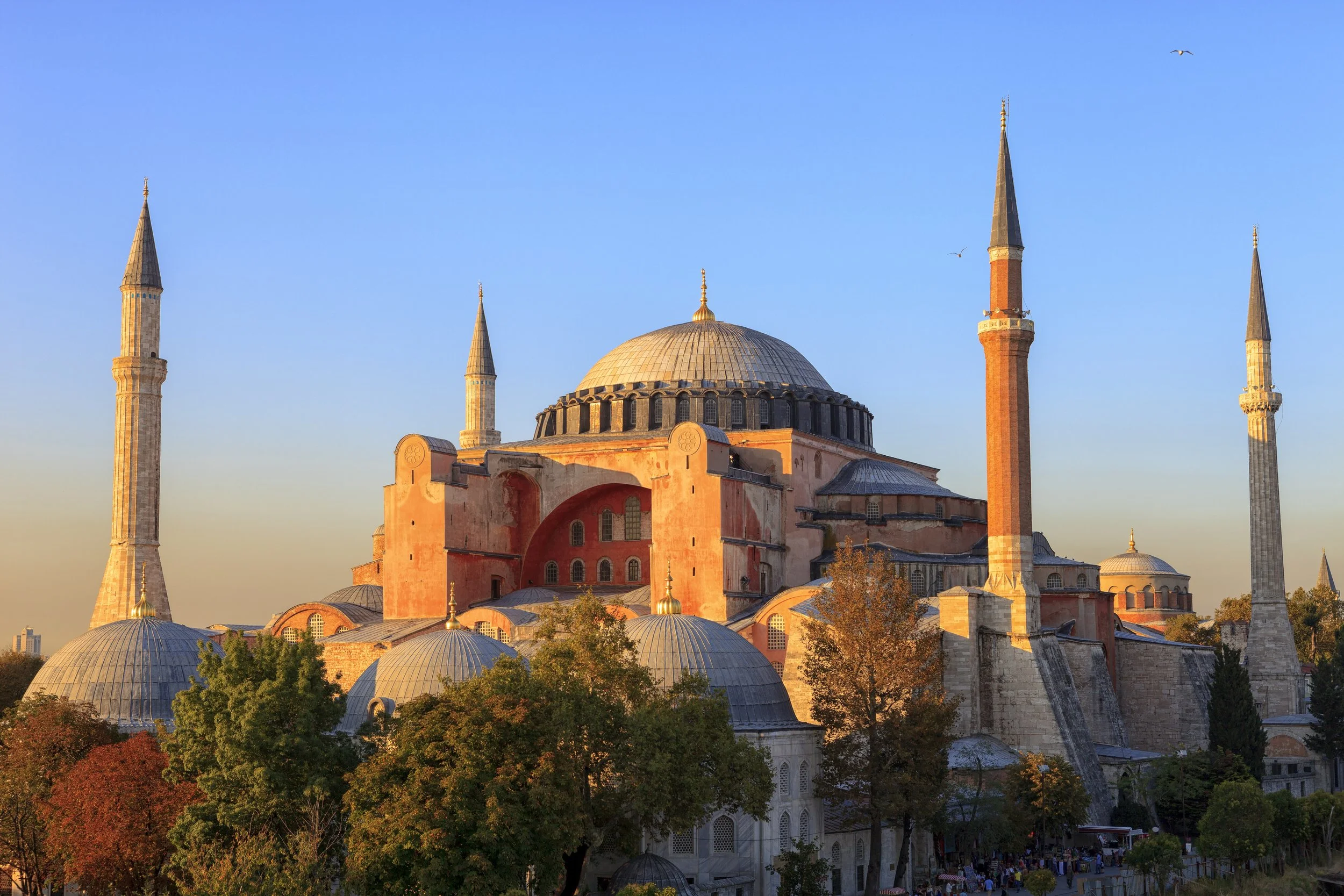
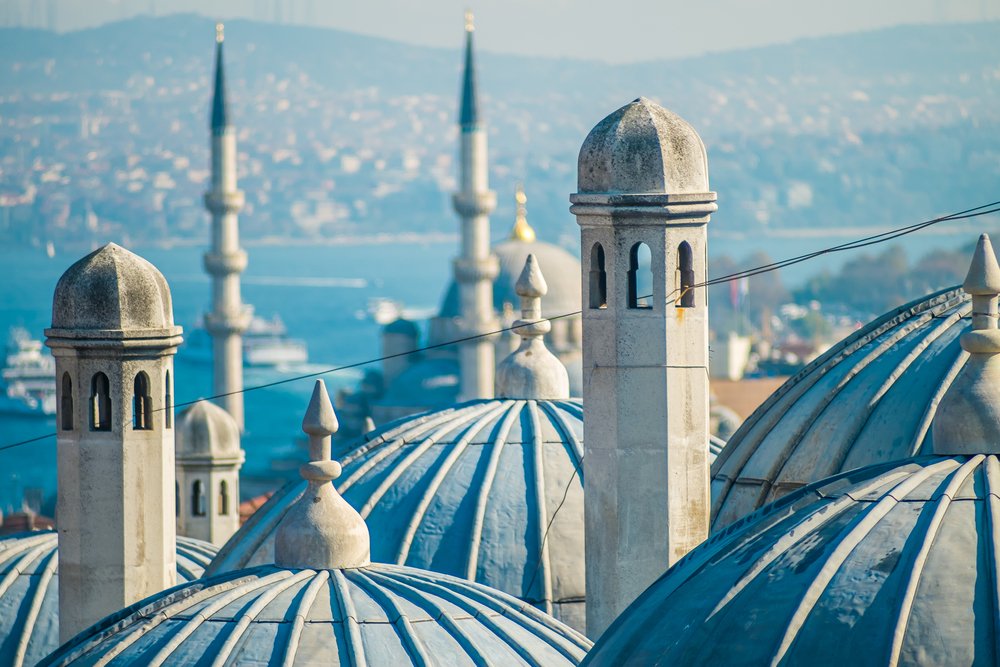
    For over 1,500 years, Istanbul stood at the heart of two of history’s greatest empires. As Constantinople, it served as the capital of Imperium Romanum, the Christian successor to Rome, and was the largest city in the Mediterranean world. As the seat of the Ottoman sultans, it became the centre of one of the most powerful empires of its age, and the city’s historic monuments remain among the most impressive worldwide. After a morning talk, we tour both the Hippodrome and the Blue Mosque before visiting the Hagia Sophia. Underground, we explore its Basilica Cistern, with its columns reflected in calm water. A welcome lunch follows before we conclude our day at the Istanbul Archaeological Museum, which displays collections that set the stage for the ancient world we are about to explore. Overnight Istanbul (B, L)

  • Antalya Tükiye

    Day 3 | Sunday 10 October
    To Antalya

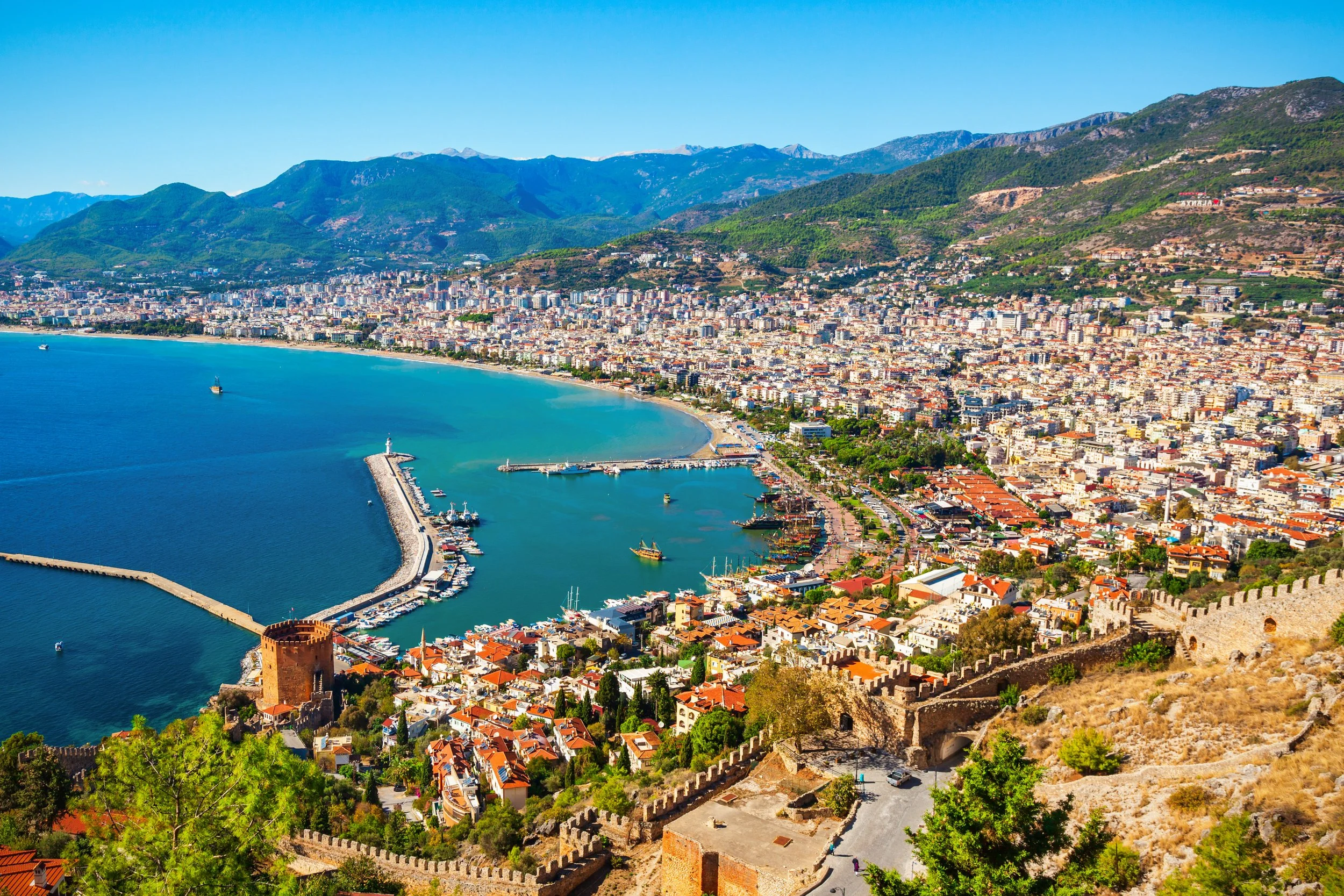
    South of Istanbul, the imperial centuries give way to a far deeper past, and the Mediterranean coast around Antalya is where we begin to uncover it. The city is the gateway to three of antiquity’s great regions – Pamphylia, spread across a broad coastal plain; Pisidia, whose fiercely independent cities clung to the mountains behind; and Lycia to the west, with its rock-cut tombs and distinctive funerary culture. Antalya itself has commanded this coast since Hellenistic times, sheltered beneath the wall of the Taurus Mountains, and its old town preserves the imprint of Roman, Byzantine, Seljuk and Ottoman rule. Today we transfer to the airport for our flight south to Antalya, where we make our way to our hotel in the atmospheric old quarter of Kaleiçi. Dinner tonight is in a local restaurant. Overnight Antalya (B, D)

  • Day 4 | Monday 11 October
    Mountain Cities & Funerary Landscapes

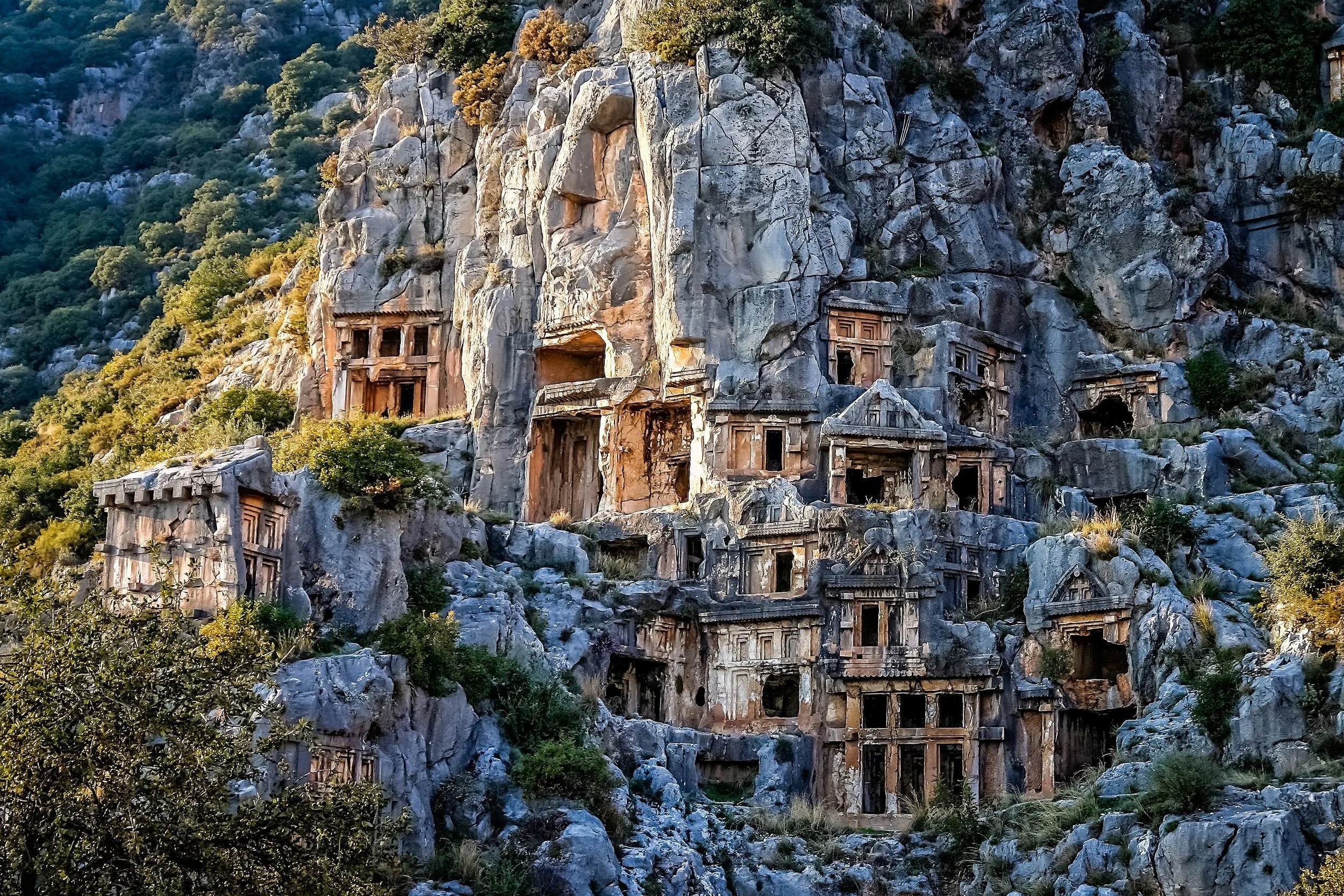
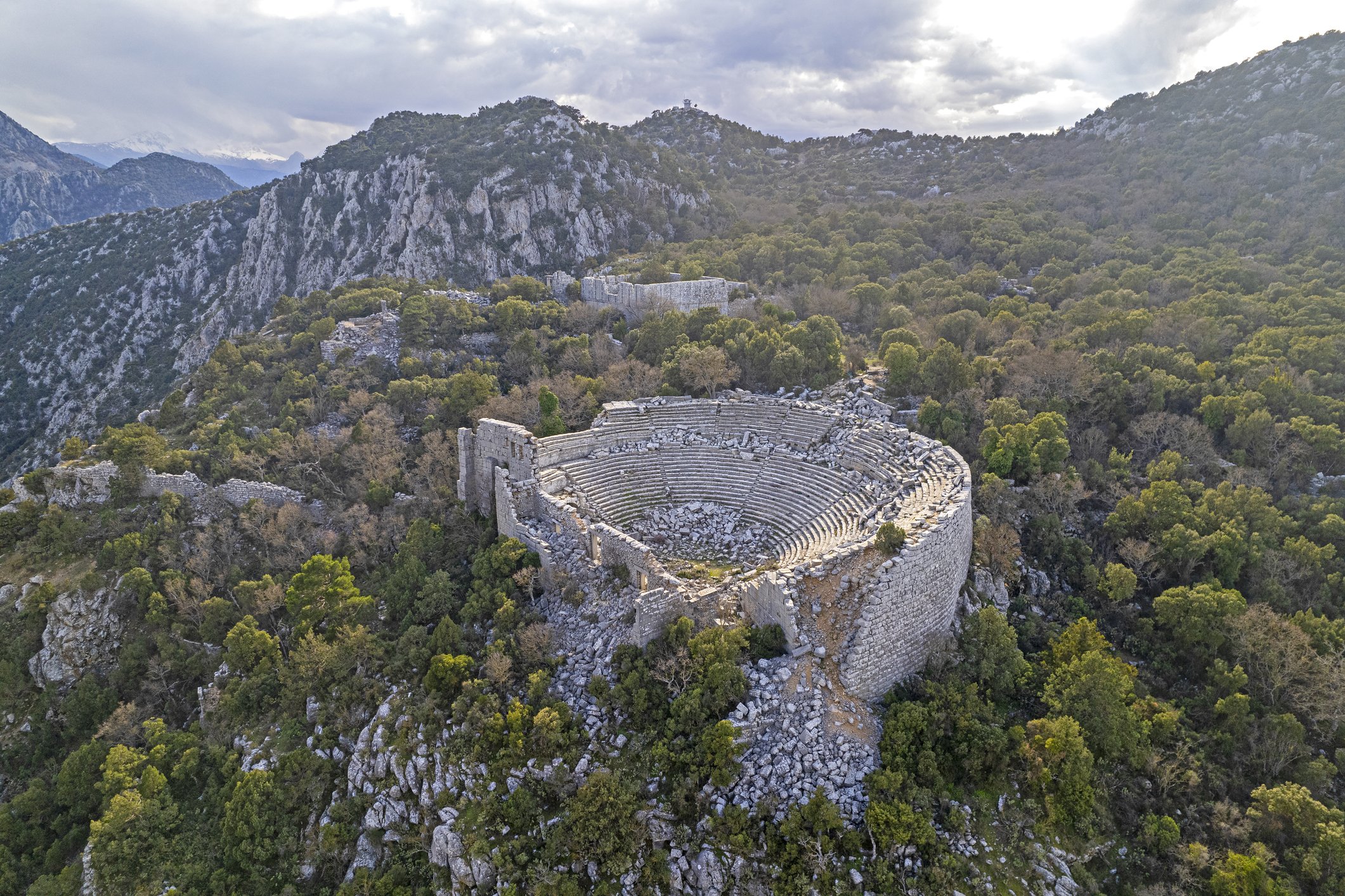
    The mountains behind Antalya sheltered fiercely independent peoples who built their cities where few armies could follow, and none was more formidable than Termessos. Perched high in the Taurus among pine forests and sheer ravines, it was the one city that Alexander the Great, sweeping through Anatolia in 333 BCE, judged too costly to besiege, likening it to an eagle’s nest. We spend the morning among its dramatic ruins – a theatre poised above a precipice, temples, a council house, and a great scatter of carved tombs – in terrain so rugged that it has kept the site remarkably unspoilt. After lunch at a local restaurant, we descend to the coast and the Lycian city of Myra, celebrated for the rock-cut tombs carved into the cliff face like house facades. Myra is bound up too with the story of St Nicholas, the 4th-century bishop whose cult would travel far beyond Anatolia and into legend. We return to our hotel in the late afternoon. Overnight Antalya (B, L)

  • Side Türkiye

    Day 5 | Tuesday 12 October
    Pamphylia to Rough Cilicia

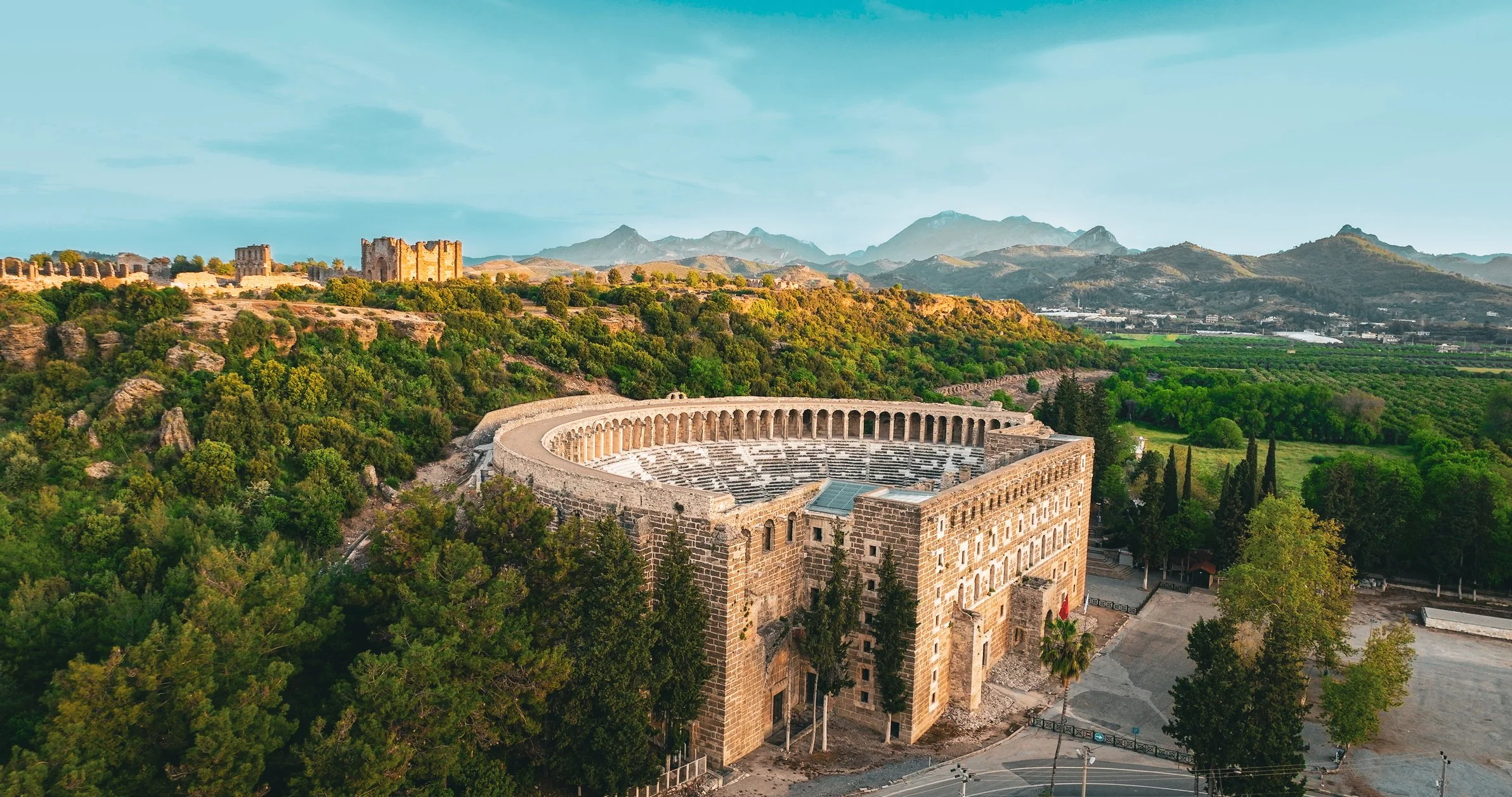
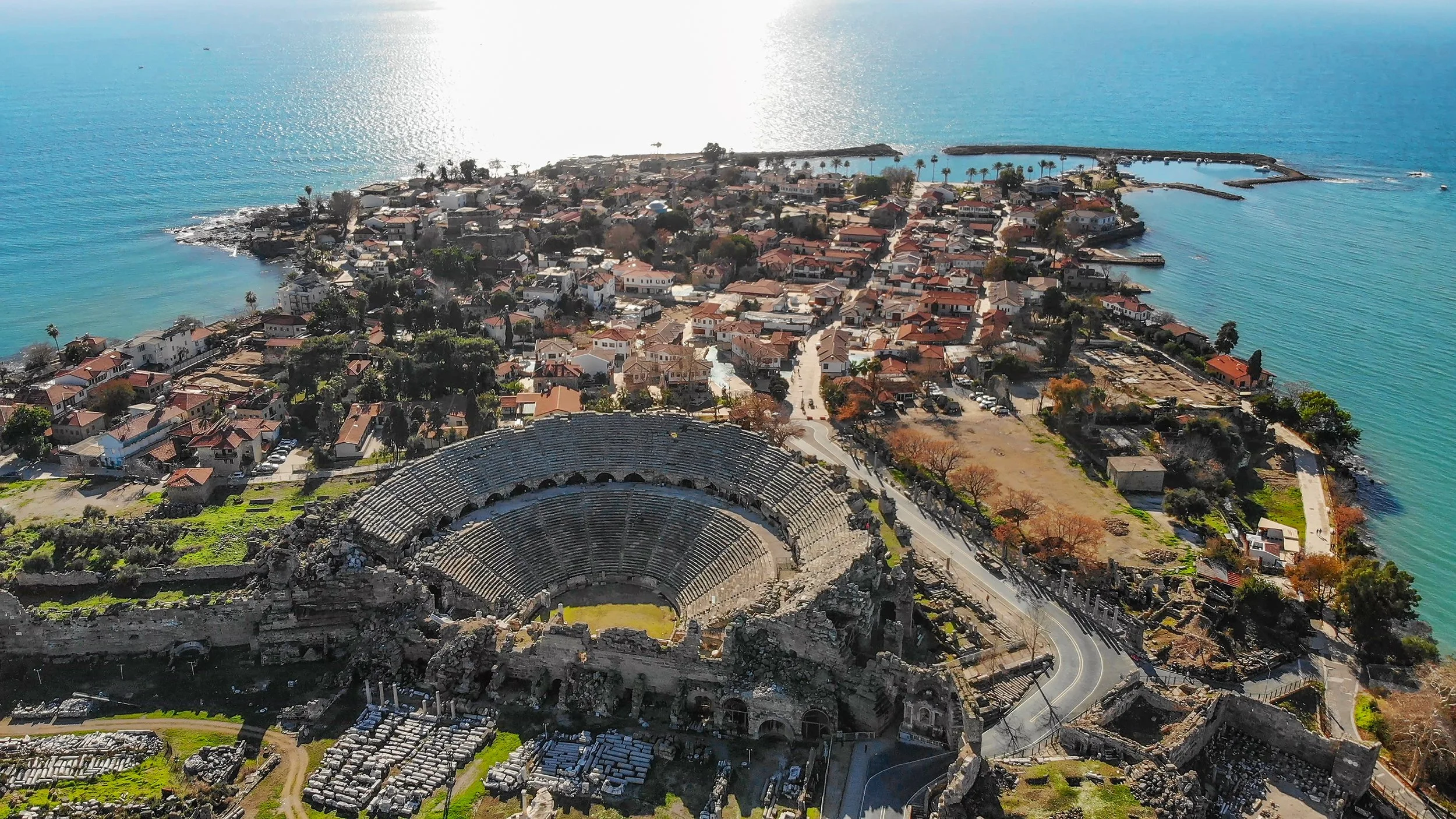
    The broad plain stretching east from Antalya was known to the ancients as Pamphylia, a prosperous coastal strip where Greek colonists settled from the early first millennium BCE and where Rome later built some of its most lavish provincial cities. Three of the finest survive and today we explore them in turn on our journey to Anamur. Our first stop is Perge, whose monumental gateway conveys the scale of a city that thrived for over a thousand years. Next is Aspendos, whose Roman theatre is among the finest to survive anywhere – so complete it still stages performances today. After a break for lunch, our final stop is Side, a Hellenistic and Roman port set on a promontory above the sea, where temples to Apollo and Athena once greeted ships entering the harbour. Our journey then takes us from the smooth Pamphylian plain to the broken coastline the ancients knew as Rough Cilicia, a land of rugged headlands and hidden coves long associated with pirates. Continuing east, we arrive in Anamur, where we check into our hotel before gathering for dinner. Overnight Anamur (B, D)

  • Memure Turkiye

    Day 6 | Wednesday 13 October
    Medieval Fortifications & Early Christianity

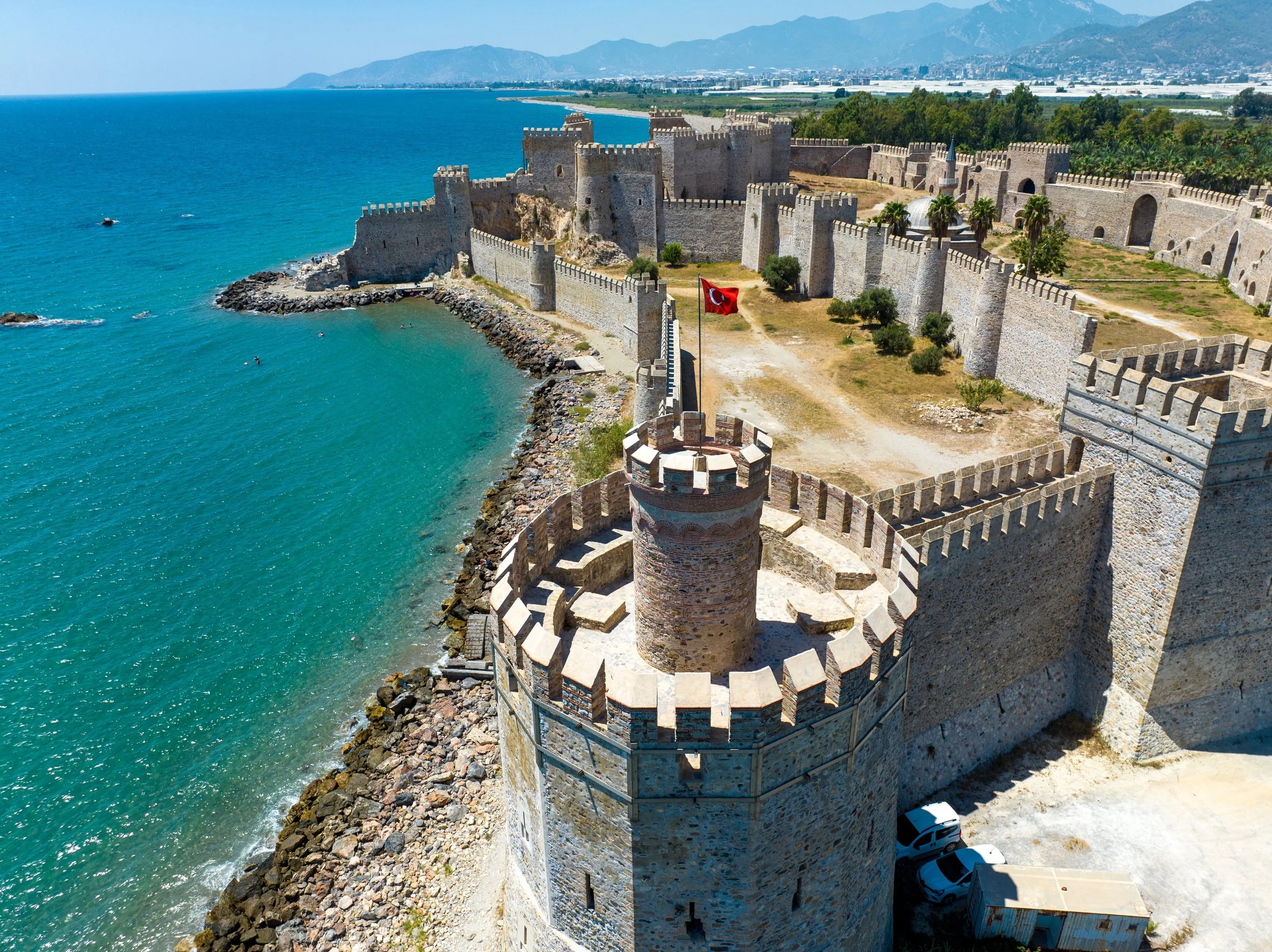
    The Cilician coast was for centuries a contested frontier, fought over by Byzantines, Armenians, Crusaders and the Islamic dynasties of the Levant, and no monument captures that better than the fortress of Mamure. Raised on the shore over earlier Roman foundations and reworked by each power that held it, the castle grew into a sprawling stronghold. It is among the most complete medieval castles to survive anywhere on the Turkish coast, a fortress that once guarded the sea lanes against the pirates and rival fleets that have haunted these waters since antiquity. We devote our morning to exploring its magnificent battlements and courtyards, before breaking for lunch. In the afternoon we leave the rugged coast behind and continue our journey inland, crossing the Çukurova plain to the ancient city of Tarsus, where we check in to our hotel for the night and enjoy dinner together. Overnight Tarsus (B, D)

  • Day 7 | Thursday 14 October
    To Antakya

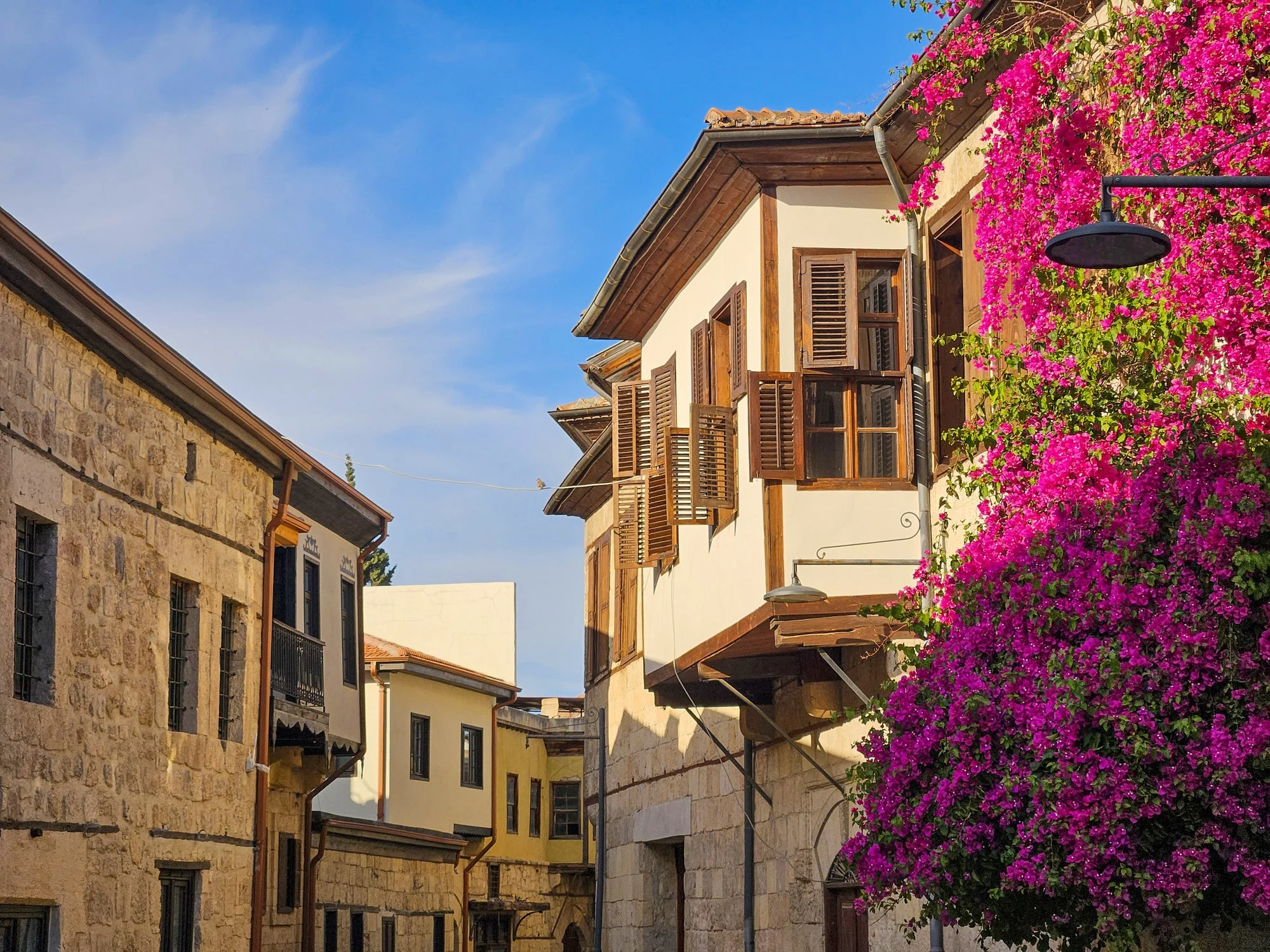
    Tarsus was already old and prosperous when its most famous son was born here in the first century – the Apostle Paul, who would carry the new Christian faith across the Mediterranean world and shape it as profoundly as any figure after Christ himself. The city he knew was a renowned centre of trade and learning, its schools of philosophy spoken of in the same breath as those of Athens and Alexandria, all of it layered upon far older Hittite and Greek foundations. This morning we explore the old town on foot, taking in its excavated Roman street and gateway, the ancient sites linked to Paul, and the everyday life of a city that has been continuously inhabited for some four thousand years. In the afternoon, we continue south towards the Syrian border and the city of Antakya, set on the banks of the Orontes River. As ancient Antioch, this was once among the greatest cities of the Hellenistic and Roman worlds. On arrival, we check into our hotel and gather for dinner at a local restaurant. Overnight Antakya (B, D)

  • Day 8 | Friday 15 October
    Antioch & Seleucia Pieria

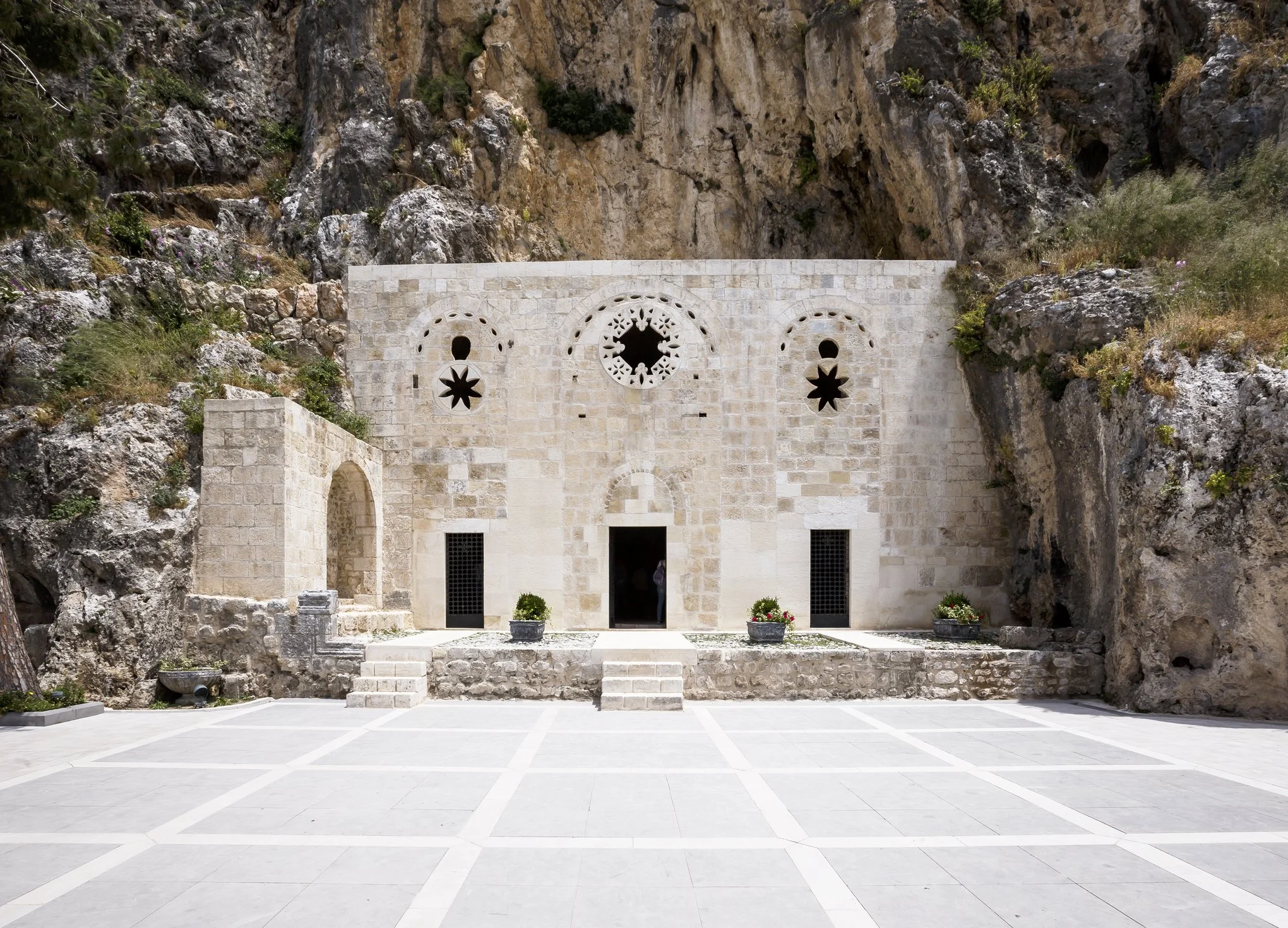
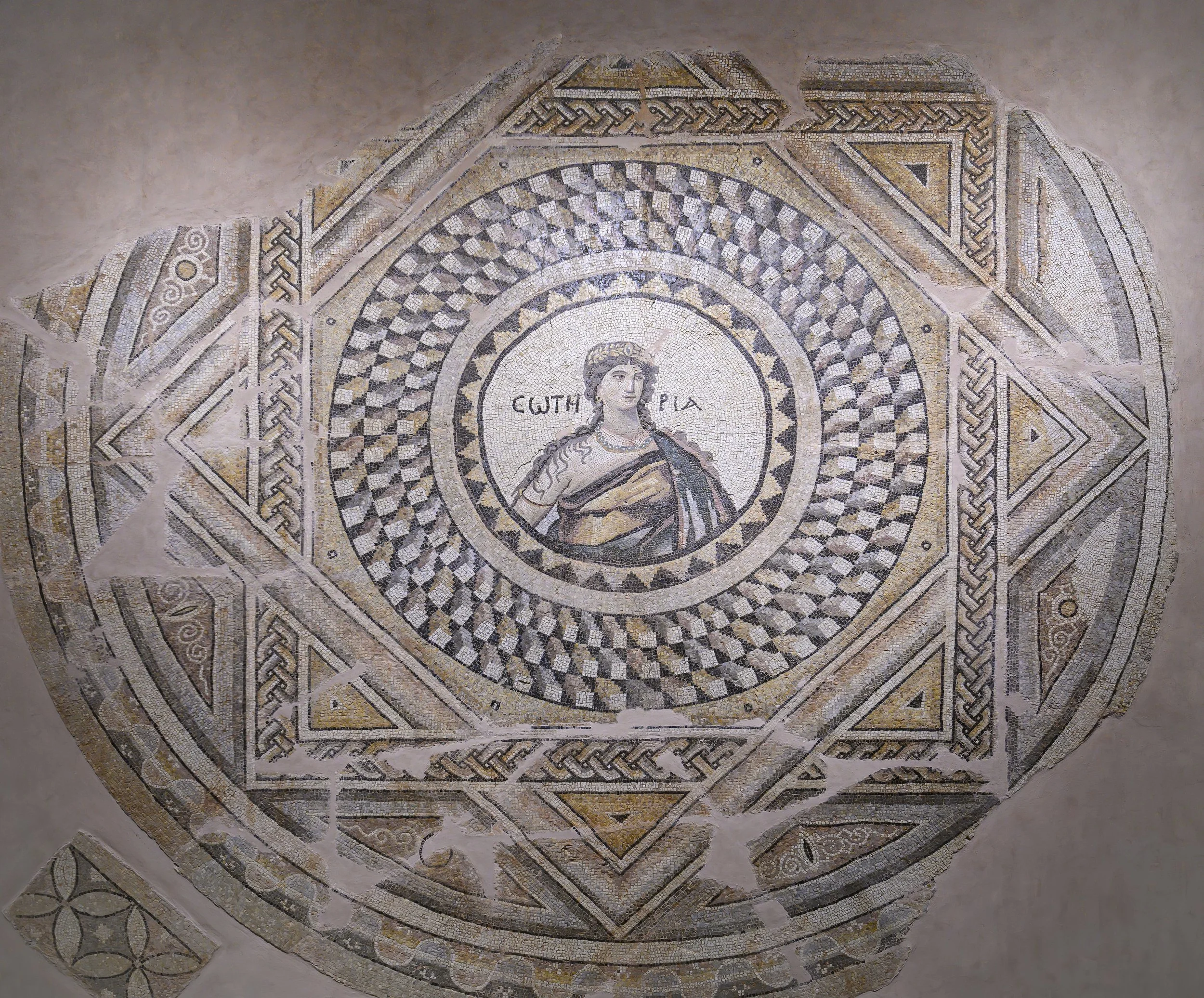
    It was at Antioch, the New Testament records, that the followers of Christ were first called Christians, and the city became one of the great cradles of the early Church, seat of a patriarchate and a centre of missionary energy that sent Paul and Barnabas out across the Roman world. We spend the morning exploring that legacy, beginning at the Church of St Peter – a sanctuary cut into the hillside above the city and where the first community of Antioch is said to have gathered. We then continue to the Hatay Archaeology Museum, whose collection of Roman and Byzantine mosaics – lifted from the villas of Antioch and its seaside suburb of Daphne – ranks among the finest in the world. In the afternoon, we drive to nearby Seleucia Pieria, the ancient port through which Antioch traded with the Mediterranean, to walk the Vespasian-Titus Tunnel, a vast channel hewn through solid rock by Roman engineers and legionaries to divert the floodwaters that threatened the harbour. Overnight Antakya (B)

  • Şanlıurfa Türkiye

    Day 9 | Saturday 16 October
    To Şanlıurfa

    Beyond the coastal mountains lies a different world. Upper Mesopotamia – the land between the Tigris and Euphrates – is one of the few areas where humanity first gathered into cities, raised temples and learned to write, and today we cross into it, leaving the Mediterranean behind. The drive east is itself a kind of journey through deep time: the olive groves and limestone hills of the coast give way to a landscape that grows steadily drier and more open, the horizon widening across the great plains of the Fertile Crescent until the light itself seems to change. Our destination today is Şanlıurfa, known in antiquity as Edessa – one of the oldest continuously inhabited cities on earth and steeped in traditions that reach back long before any of the great religions gave them their present form. A city of pilgrimage, of sacred pools and covered bazaars, it will be our base for the next three nights. We pause for a break for lunch along the way, arriving in the late afternoon to check in to our hotel. This evening’s talk introduces the region’s deep history before we gather for dinner at a local restaurant. Overnight Şanlıurfa (B, D)

  • Harran Türkiye

    Day 10 | Sunday 17 October
    Edessa & Harran

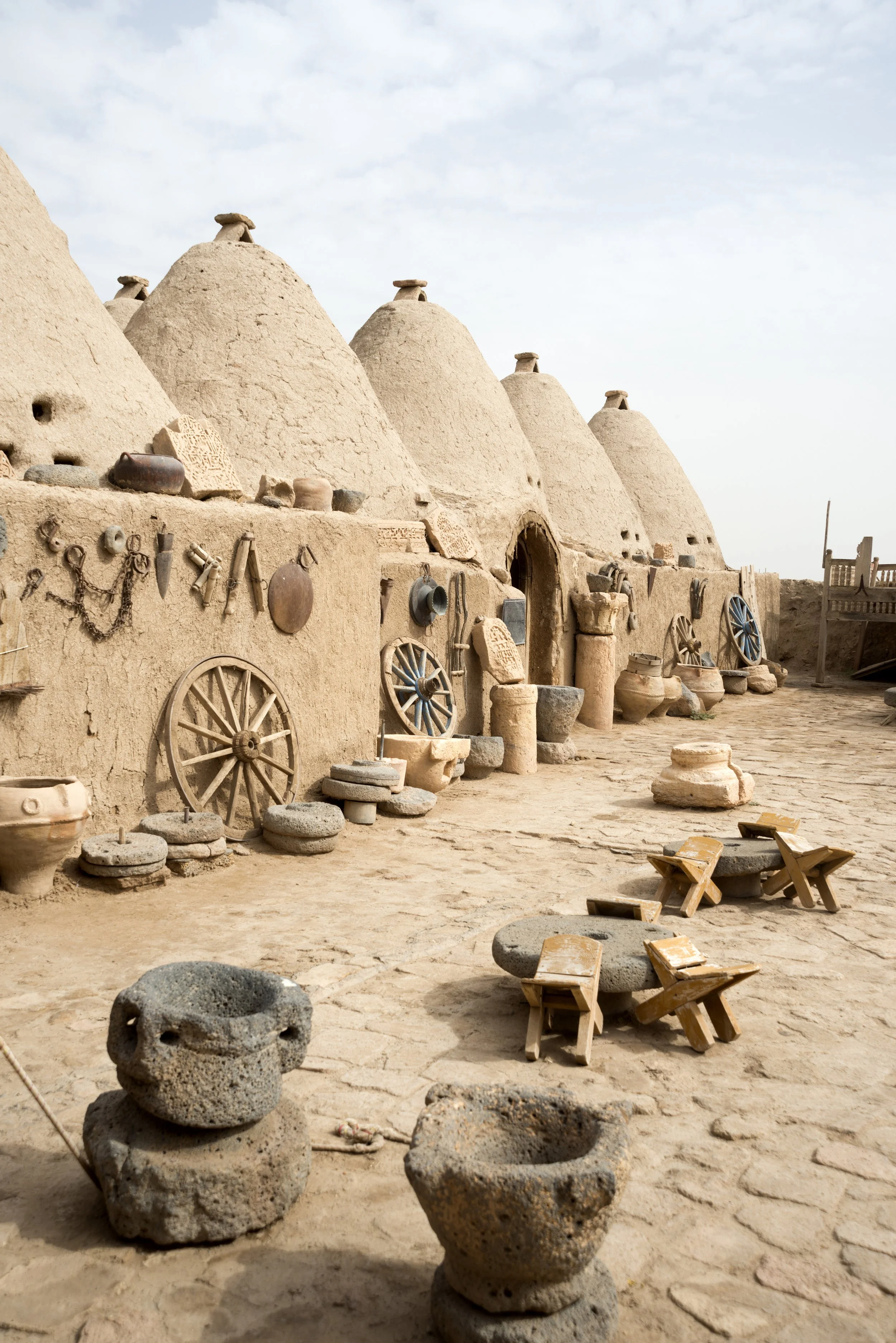
    Few cities have worn as many identities as Şanlıurfa. Known across the ages as Edessa, Urhai and Urfa, it was one of the earliest centres of Christianity in the world and, much later, the first of the Crusader states. Yet, older still is its claim to be the birthplace of the prophet Abraham. This morning we tour the old city, beginning at the tranquil pools of Balıklıgöl, where spring water feeds a series of ancient fish pools whose carp have been held sacred for centuries. We then explore the city’s superb archaeology museum, followed by lunch at a local restaurant. In the afternoon we venture to Harran, an ancient city named in the book of Genesis, where Abraham himself is said to have sojourned. Here we view the beehive houses that rise from the plain, alongside the ruins of what is reckoned among the world’s first universities, before returning to our hotel. Overnight Şanlıurfa (B, L)

  • Day 11 | Monday 18 October
    Göbeklitepe and the Origins of Monumentality

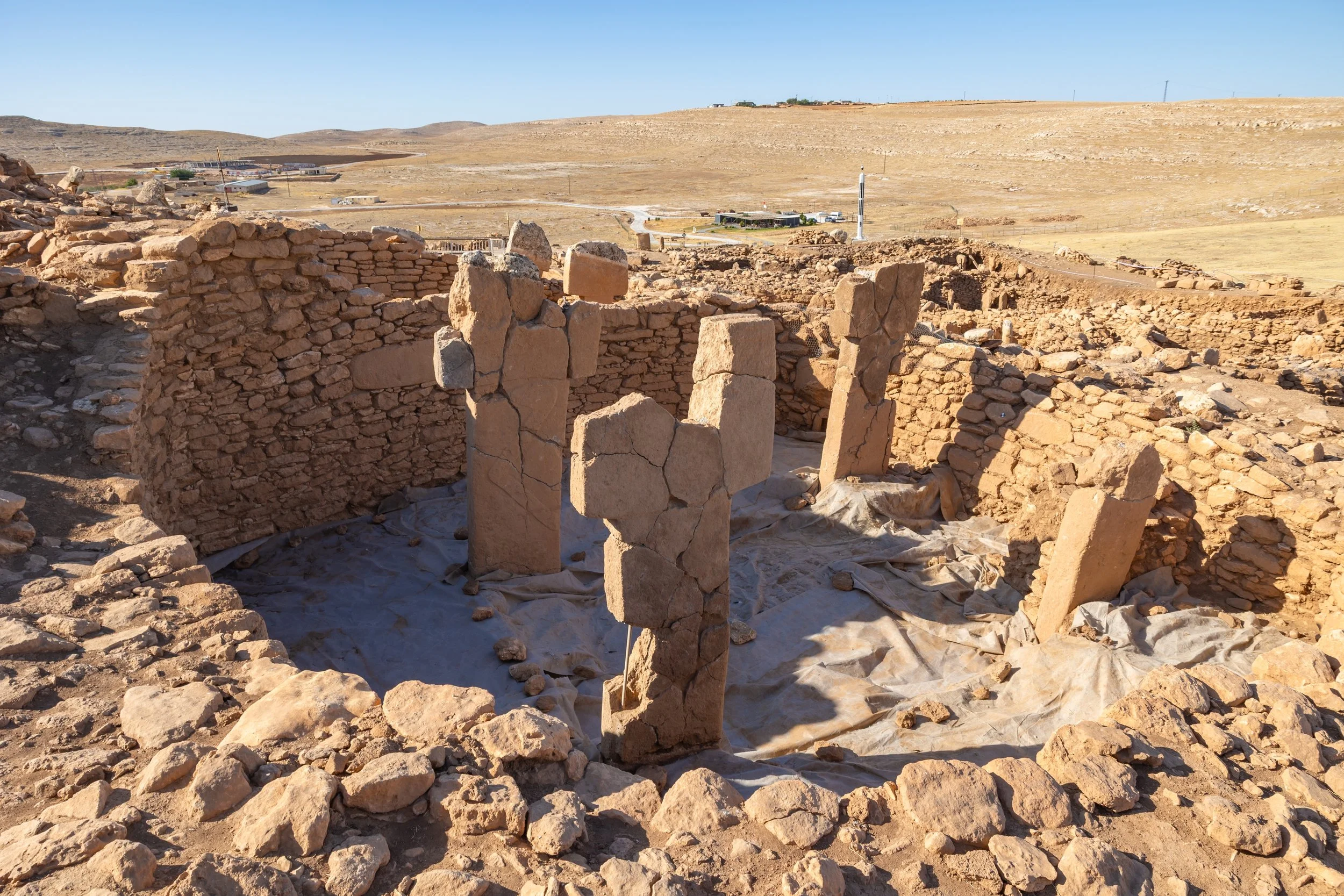
    Nothing quite prepares the visitor for the sheer antiquity of Göbeklitepe. Raised in the 10th millennium BCE – before pottery, before writing, before the wheel, and by people who had not yet fully taken up farming – its great carved pillars form the oldest known sanctuary on earth, and their discovery has overturned a long-held assumption that organised religion followed the rise of settled society rather than helping to bring it about. This morning we drive out to the site to walk among its great stone enclosures and T-shaped megaliths in the company of an archaeologist well placed to explain what they may have meant to the people who built them. The implication is profound: that it may have been the impulse to gather and to worship, as much as the plough, that first drew humanity together in great numbers. In the afternoon, we continue to nearby Karahan Tepe, where excavations have uncovered T-shaped stelae akin to those at Göbeklitepe, along with chambers cut directly into the bedrock. We return to Şanlıurfa in the late afternoon. Overnight Şanlıurfa (B)

  • Day 12 | Tuesday 19 October
    Kingdom of Commagene

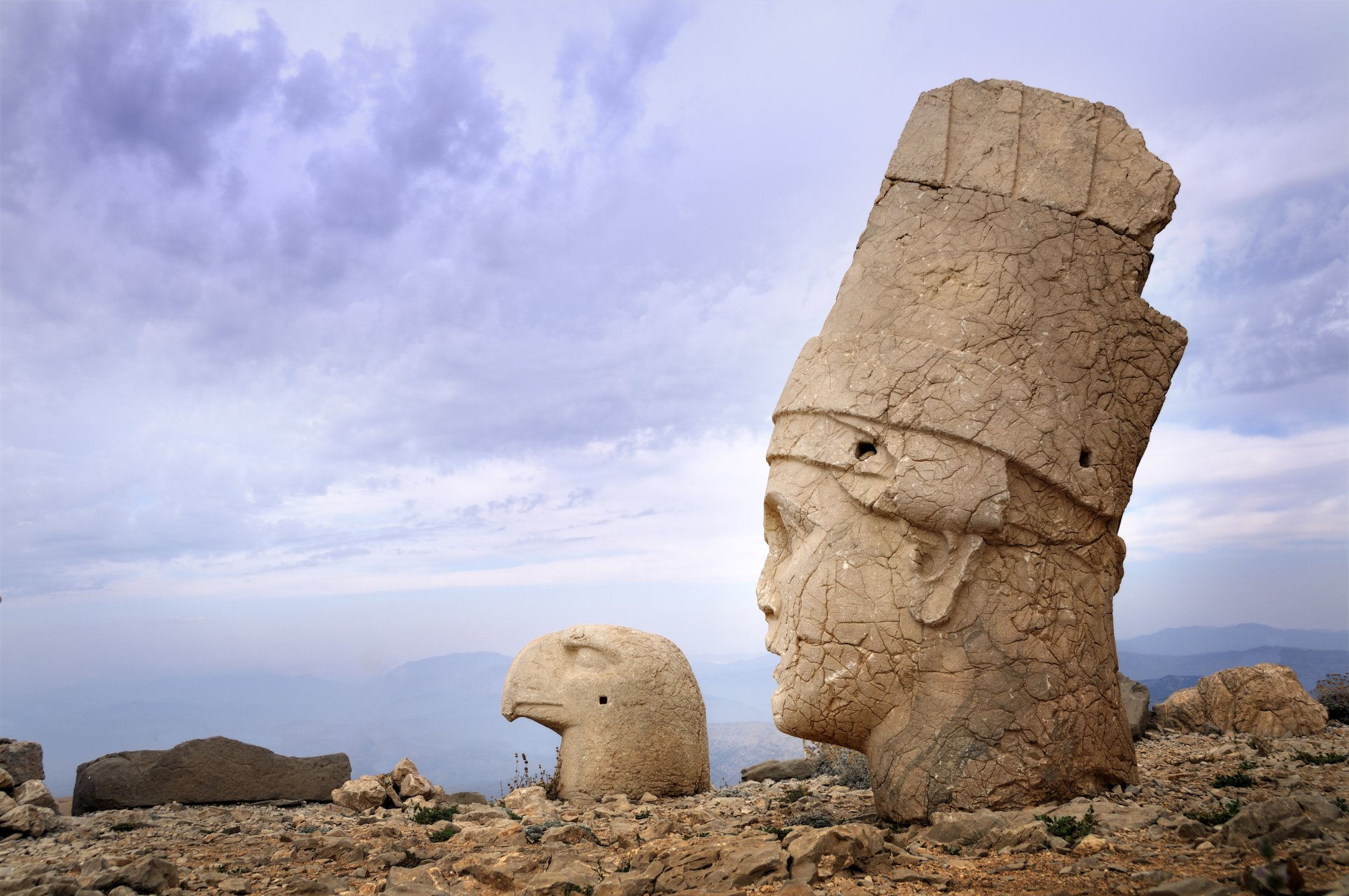
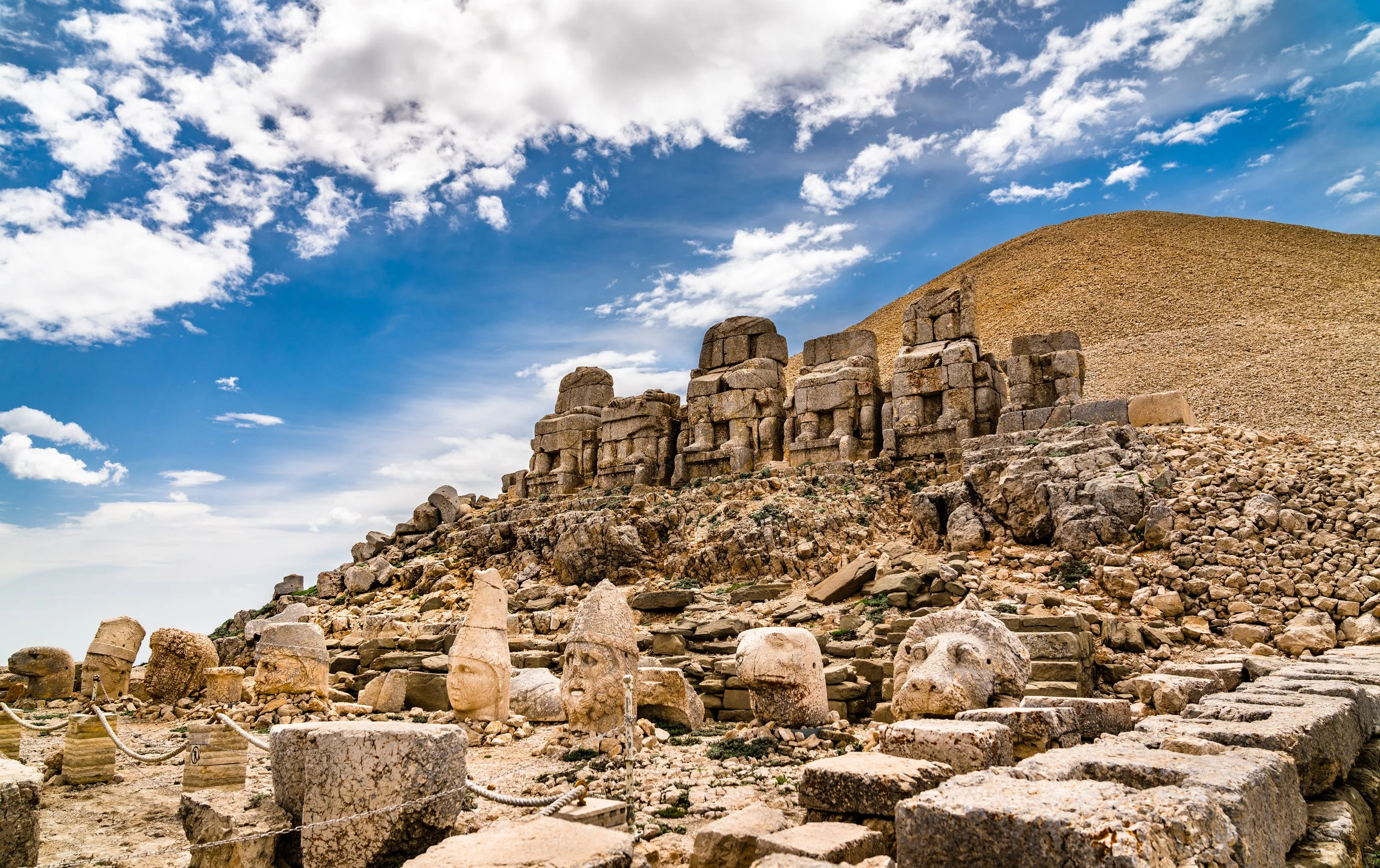
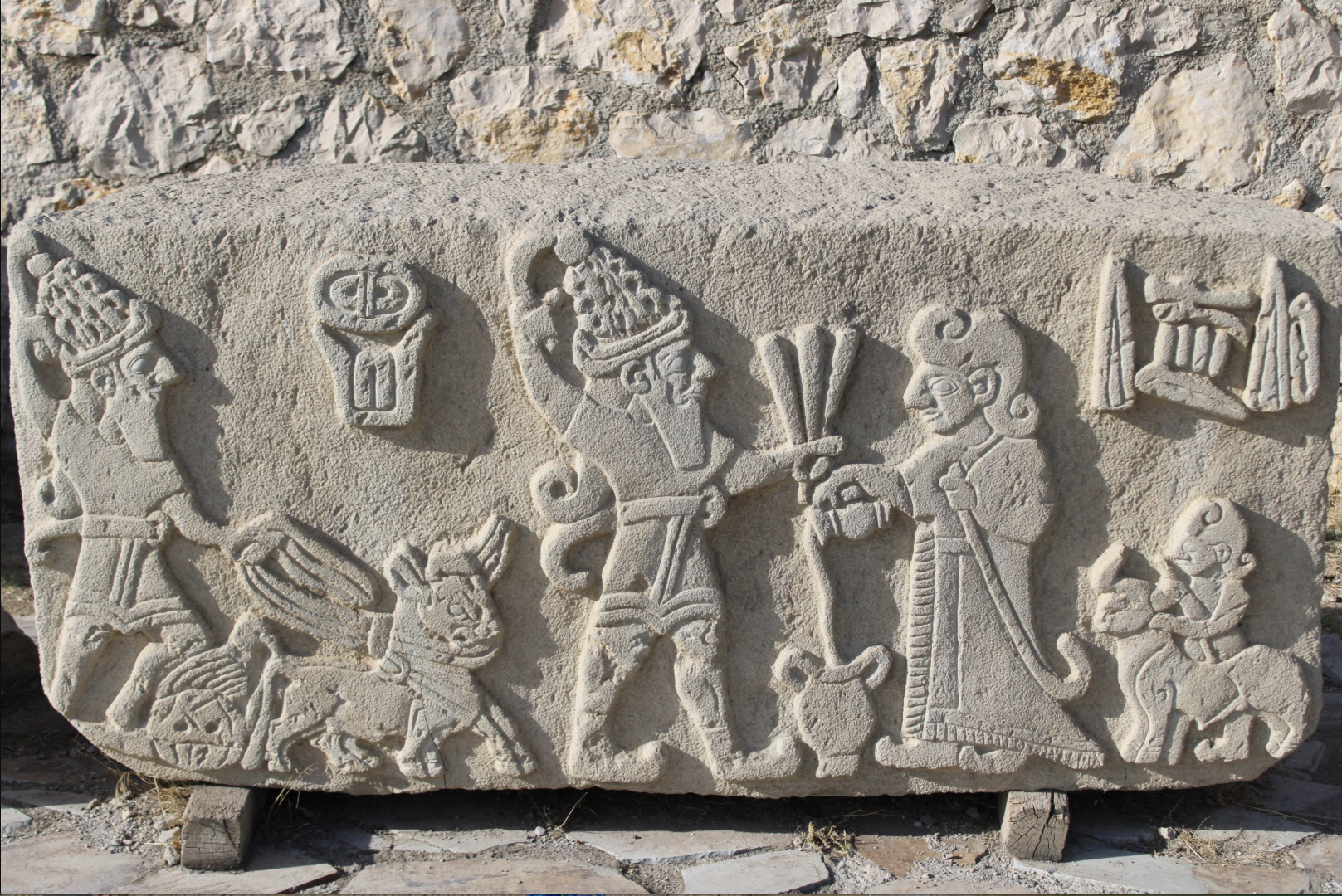
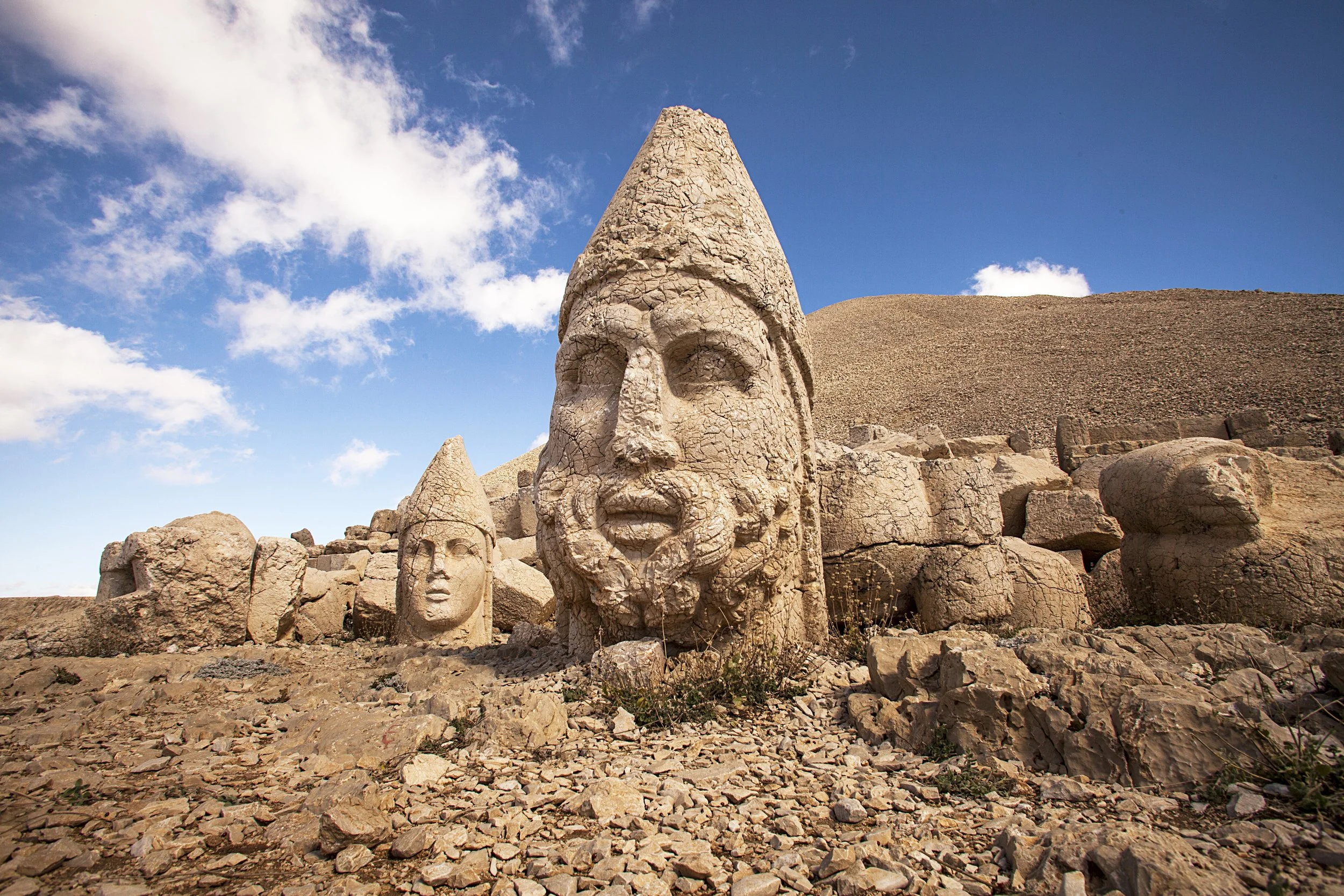
    In the first century BCE a small but immensely wealthy kingdom flourished in the Taurus Mountains. Commagene stood at the meeting point of the Persian and Greek worlds, and its kings claimed descent from both the Achaemenid royal line and Alexander the Great – a dual heritage they proclaimed in one of the strangest and most spectacular monuments of antiquity. Departing Şanlıurfa today, our journey takes us first to Mount Nemrut, where King Antiochus I raised a vast tomb-sanctuary, surrounded by colossal, seated statues of Greek and Persian gods enthroned alongside the king himself. Earthquakes have since toppled their great carved heads, which now sit upturned gazing out across the mountains. We pause for lunch nearby before continuing to Arsameia, where a long rock-cut inscription and a fine relief of Antiochus clasping hands with Heracles record the rituals once performed here. Our next stop is the Roman Cendere Bridge, a graceful single arch thrown across a mountain gorge by the legions, before making the final drive to Malatya. Dinner this evening is at a local restaurant. Overnight Malatya (B, L, D)

  • Day 13 | Wednesday 20 October
    Upper Euphrates to Diyarbakır

    The hills around Malatya hold one of the most important sites in the story of how human society first grew in complexity. Continuing our journey east today, we first head into the hills to find the UNESCO World-Heritage site of Aslantepe. Here archaeologists have uncovered one of the earliest known palace complexes anywhere, dating to around 3300 BCE, and with it some of the first clear evidence for centralised authority and administration – the very machinery of the world’s first organised societies. Among its most celebrated finds is a hoard of swords reckoned the oldest yet discovered, marking the dawn of metal weaponry. We pause for lunch nearby, before crossing the upper Euphrates and continuing our journey east toward Diyarbakır, the great city set on the banks of the Tigris that is often called the unofficial capital of Türkiye’s Kurdish southeast. On arrival, we check into our hotel and gather for dinner in the evening. Overnight Diyarbakır (B, L, D) 

  • Diyarbakır Türkiye

    Day 14 | Thursday 21 October
    Diyarbakır, City of the Tigris

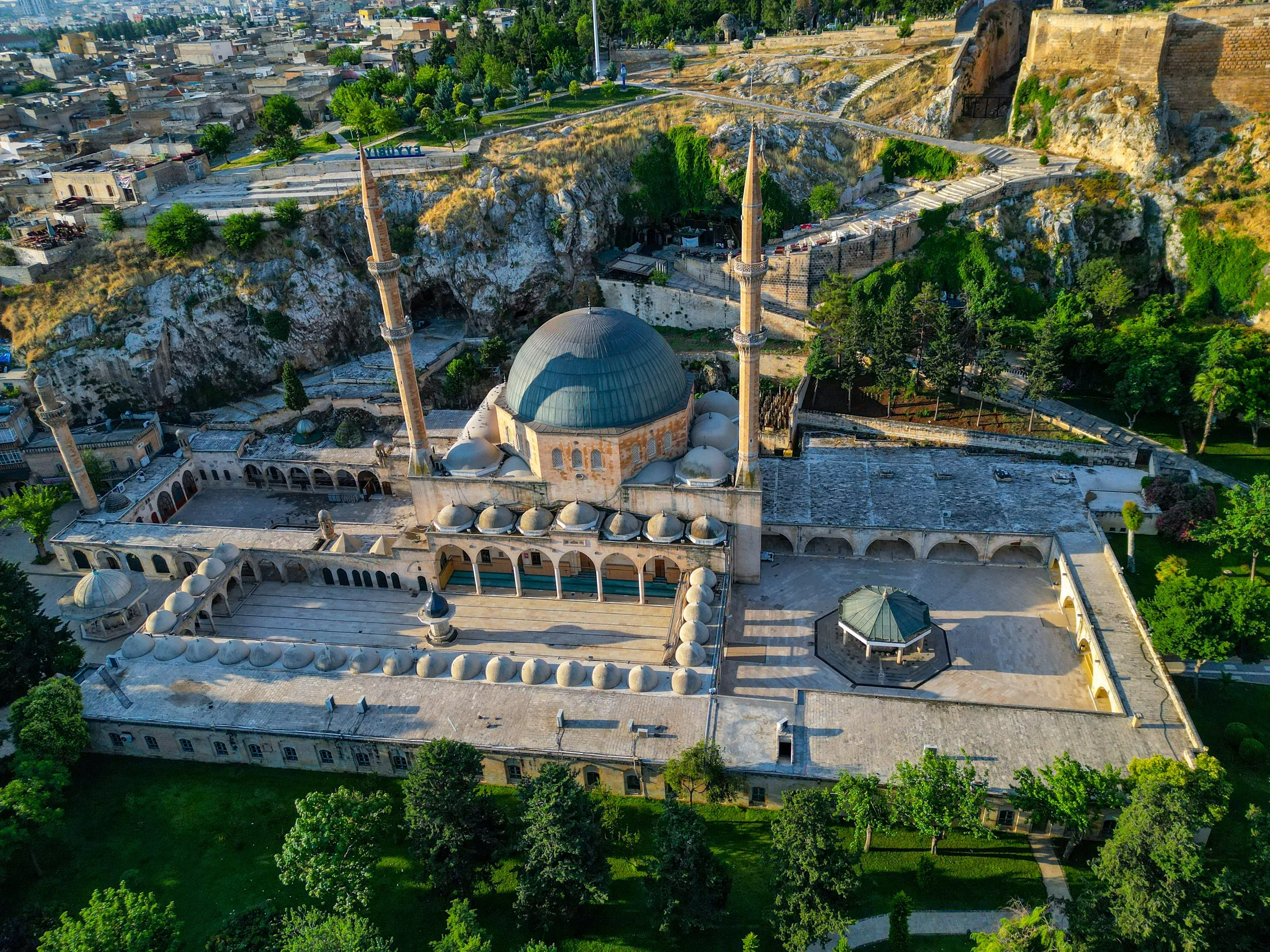
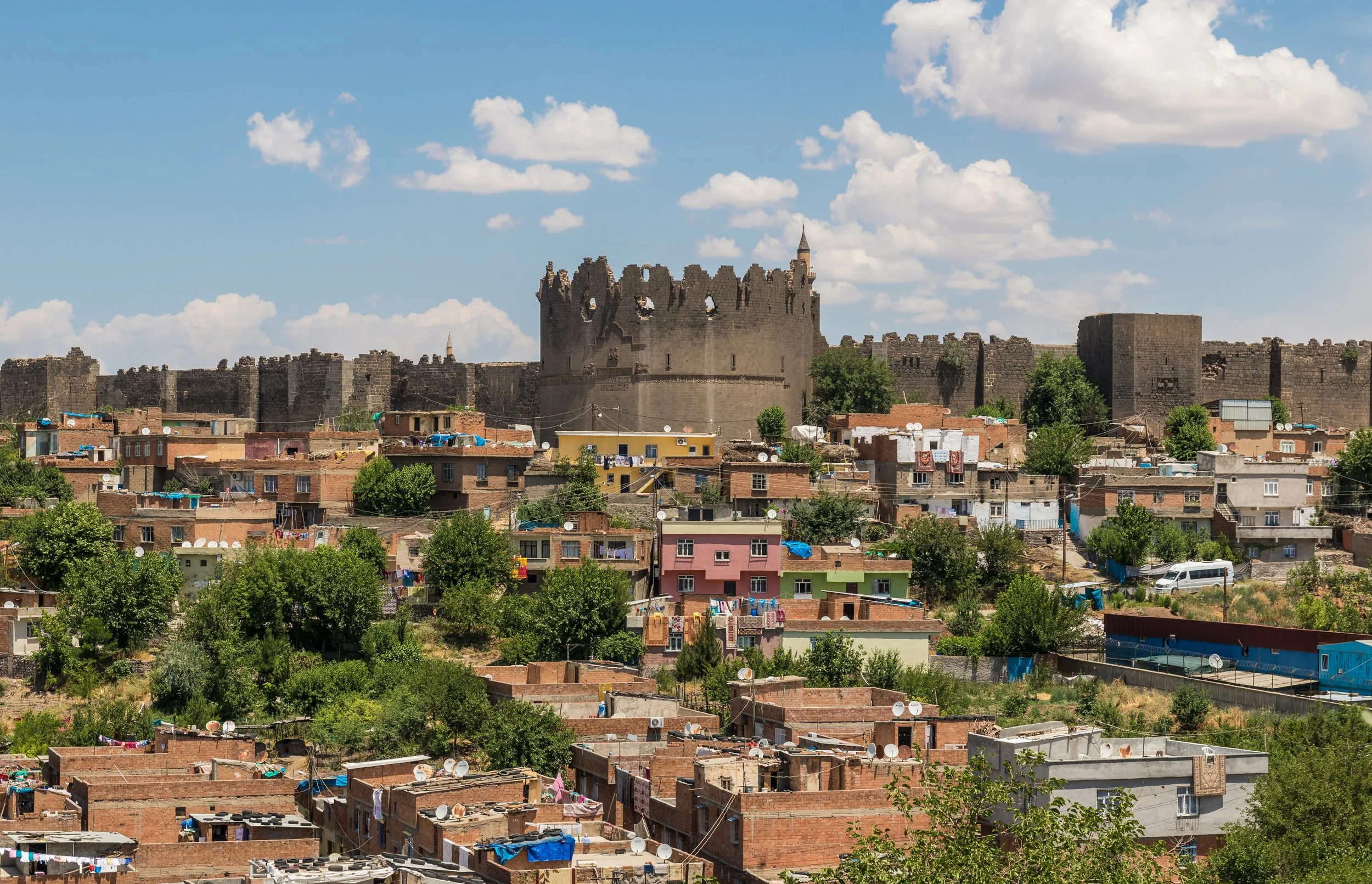
    Set on a great basalt plateau above the Tigris, Diyarbakır is among the oldest cities in Mesopotamia, its origins reaching back some 5,000 years. Its defining feature is its walls. Encircling the old city in an unbroken ring of black basalt, studded with 82 towers and pierced by four great gates, they are the longest complete defensive walls in the world after the Great Wall of China, and today form part of a UNESCO World-Heritage site. This morning we explore the old walled city on foot, walking sections of the ramparts for the views they command over the river and the Hevsel Gardens below, before turning to the religious heritage within – the great Ulu Cami, one of the oldest mosques in Anatolia, alongside Armenian and Syriac churches that recall the many communities who have called the city home. A talk in the hotel later in the afternoon draws together the threads of the region’s long and complex history. Overnight Diyarbakır (B)

  • Day 15 | Friday 22 October
    To Van

    The far eastern highlands are a world apart – a country of volcanic peaks, high plateaus and deep valleys that has long stood at the crossroads of the Anatolian, Armenian, Persian and Kurdish worlds. Leaving Diyarbakır behind, we climb toward Lake Van through some of the most dramatic scenery in all Türkiye. Our route carries us through Bitlis, a town built dramatically along a steep river gorge, its old stone houses clustered beneath a medieval castle that has guarded this strategic mountain pass for centuries. We pause to take in the town and its fortress before continuing, with the road climbing steadily onto the high plateau – a landscape of open sky and distant snow-capped mountains – until the great inland sea of Lake Van comes into view. On arrival in Van, we check into our hotel and gather for dinner. Overnight Van (B, L, D)

  • Day 16 | Saturday 23 October
    Lake Van & Medieval Armenia

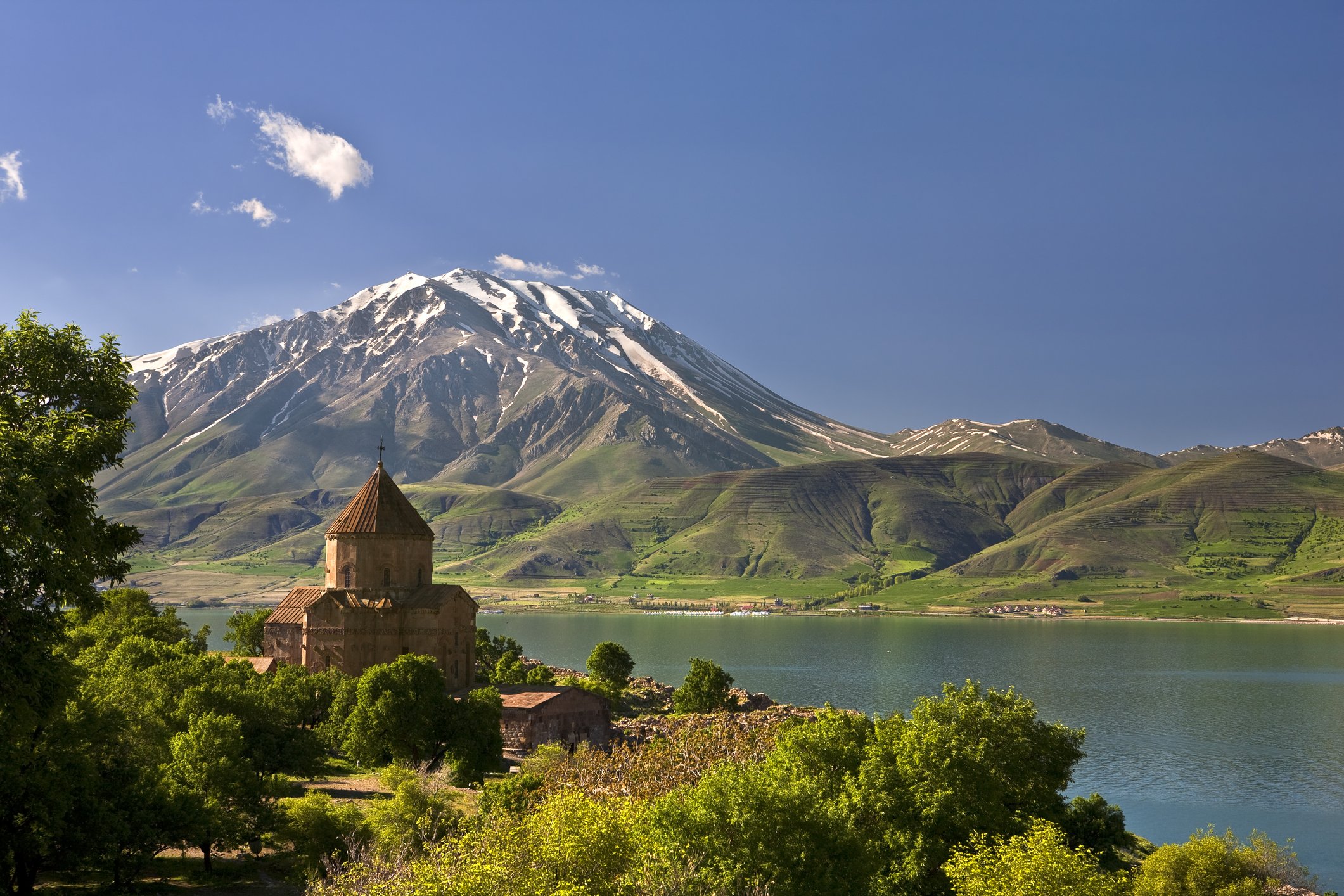
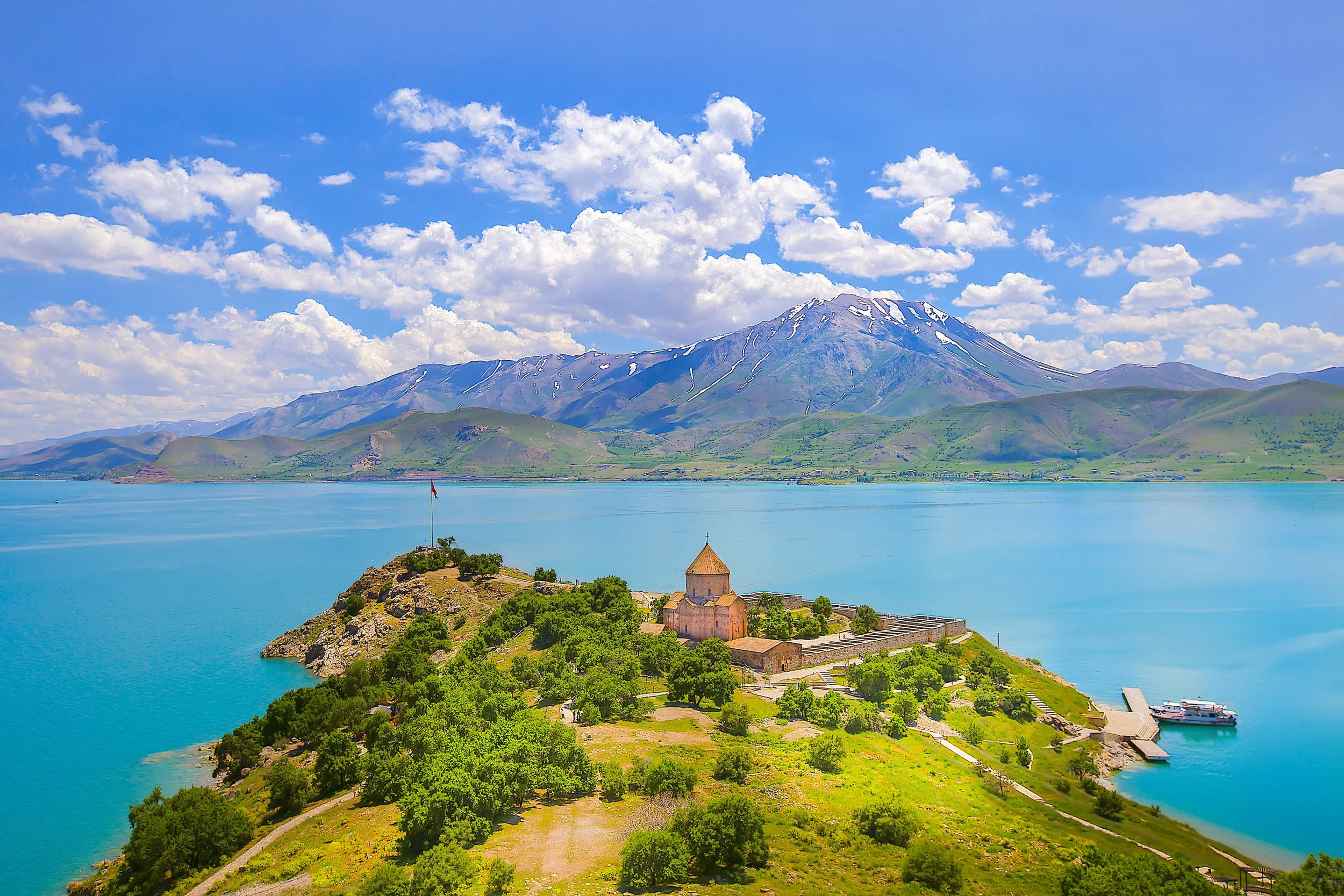
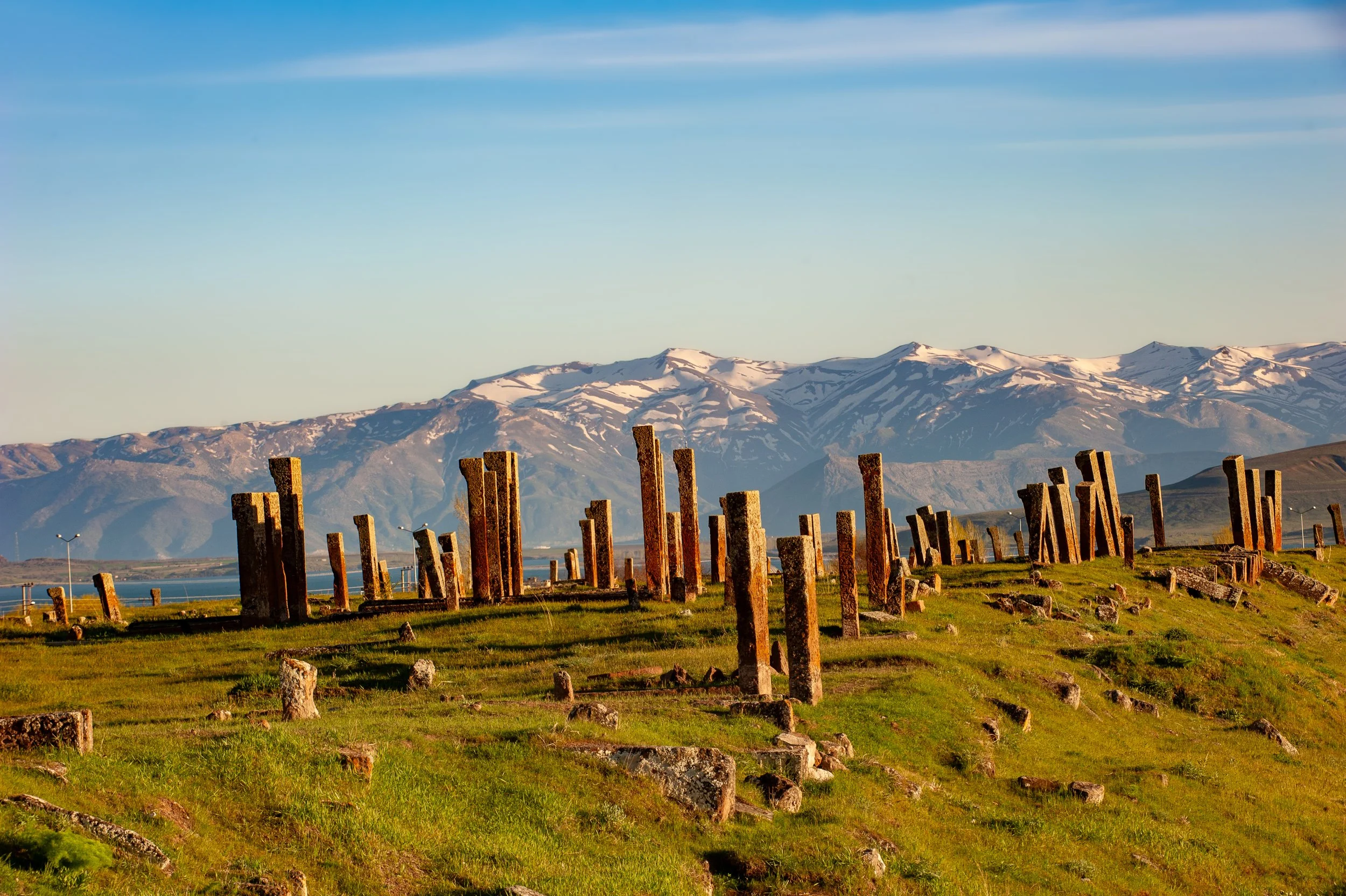
    For more than a 1,000 years this region lay at the heart of the Armenian world, with Lake Van preserving some of its finest monuments. Today we make a circuit of the lake, beginning with a short boat crossing to the island of Akdamar and its Church of the Holy Cross, built in the early 10th century for the Armenian kings of Vaspurakan. Its great achievement is the band of high-relief carving that wraps the exterior walls – a vivid sequence of Old Testament scenes including Adam and Eve, David and Goliath, and Jonah and the whale. After lunch at a local restaurant, we continue to Ahlat, where a vast field of carved tombstones and domed mausolea records the arrival of the Seljuk Turks in Anatolia in the centuries after their victory at nearby Manzikert in 1071 CE. We end on the northern shore at Erciş, the site of an ancient Urartian settlement, for our first taste of this Iron Age kingdom, before returning to our hotel in time for dinner this evening. Overnight Van (B, L, D)

  • Day 17 | Sunday 24 October
    Urartian Fortresses

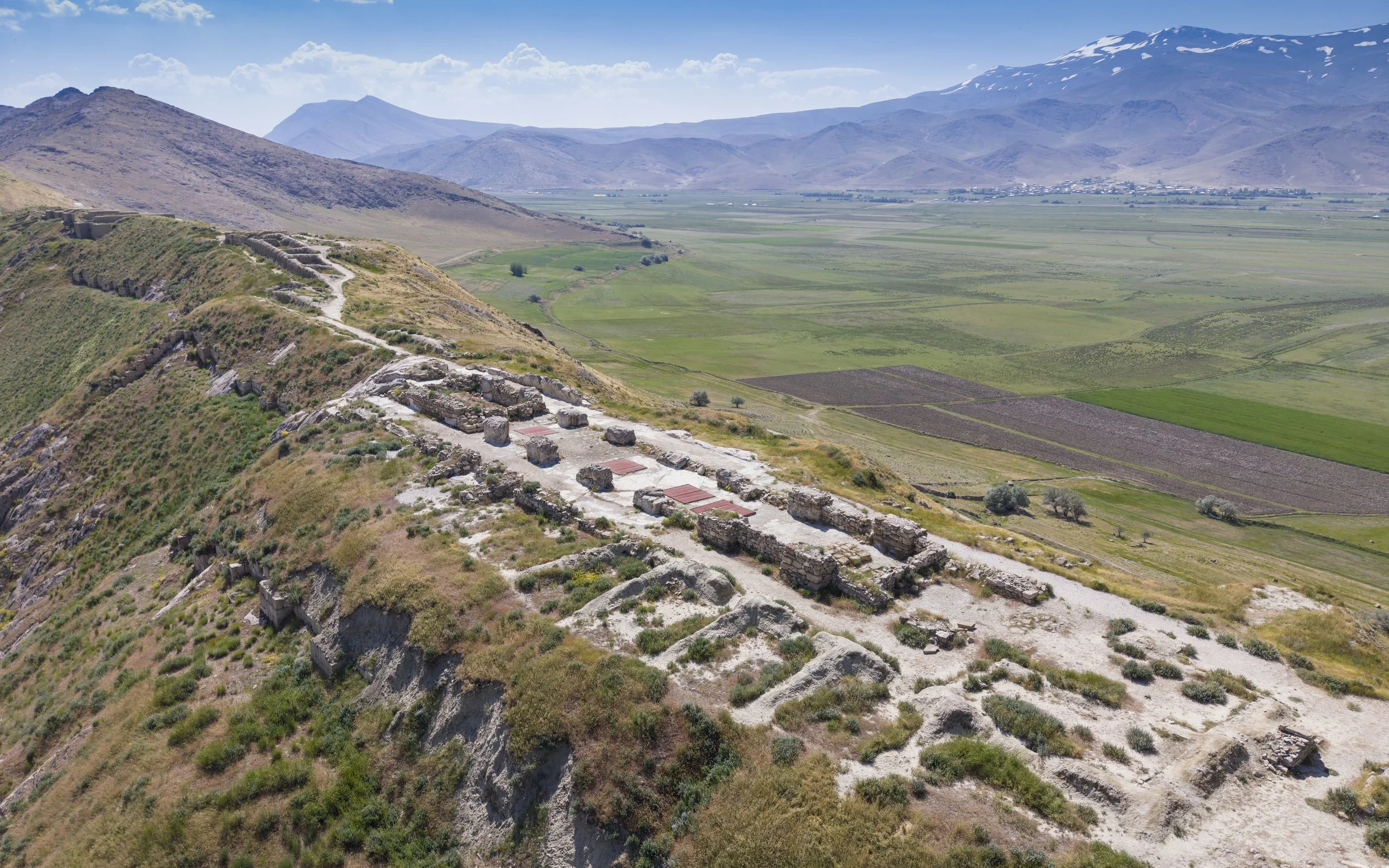
    Long before the Armenians or the Seljuks, the lands around Lake Van were the heartland of Urartu, a powerful Iron Age kingdom that rose in the 9th century BCE to rival Assyria itself, leaving behind a remarkable legacy of fortress architecture. After first visiting Van citadel that overlooks the ruins of Tushpa, the ancient Urartian capital during the 9th century BCE, we set out to Çavuştepe. This royal citadel was built by King Sarduri II in the 8th century BCE and its finely cut basalt masonry – some still bearing cuneiform inscriptions – reveal the sophistication of a kingdom now little remembered. We then visit Hoşap Castle, a dramatic 17th-century Kurdish fortress crowning a rocky outcrop, before returning to Van. Tonight we gather for a farewell dinner, concluding our exploration of Anatolia’s deep past. Overnight Van (B, D)

  • Day 18 | Monday 25 October
    Depart to Istanbul

    This morning we transfer to Van Airport for an included flight to Istanbul, arriving at approximately 3.00pm. (B)

Hotels on this tour range from 4 and 5-star properties in the larger cities to smaller, simpler 3-star boutique hotels in towns with fewer options. Please also note that the standard of service in the hotels is not necessarily at the same level as other countries.

Tour Accommodation

tour booking

$17,640 AUD per person, twin share (land content only)
$2,470 AUD supplement for sole use of a hotel room

A $2,000 deposit is required per person to confirm your booking on tour. This deposit is non-refundable.

Hold a Place

Still deciding? We are happy to hold a tentative place for 7 days while you make your final arrangements.

Book Online

To secure your place(s) on tour, book online below with “Athena”, our virtual tour consultant.

DOWNLOAD FORM

Download a printable booking form. You can also complete the form on screen and submit via email.

your tour consultant

The consultant for this tour is Lucy Yeates. For further information or to discuss the tour, please call 9235 0023 (Sydney) or 1800 639 699 (outside Sydney) or email lucy@academytravel.com.au

have you thought about?

Academy Travel is more than just a tour operator. We are also a full-service travel agency who can assist you with all aspects of your travel, including flights, transfers, pre-tour arrival, additional travel and comprehensive travel insurance.

can’t make this departure?

If these dates don't work for you, register to hear about the next tour.