The Bauhaus

Art, Architecture & Design from Weimar to Berlin

Trace the origins of modern design across Germany, exploring the buildings and ideas that shaped the Bauhaus movement.

TOUR STATUS

Places Available | Maximum 16

TOUR DATES

October 13–22, 2027 | 10 Days

TOUR LEADER

Thomas Abbott | View Bio

snapshot

OVERVIEW

Few schools have shaped modern art, architecture and design as profoundly as the Bauhaus. Founded in Weimar in 1919 by Walter Gropius, it set out to unite art, craft and architecture – and the furniture we use, the type we read and the buildings we inhabit still carry its imprint a century later.

Led by Berlin-based historian Thomas Abbott, this new ten-day tour follows the school across the German landscape that produced it. From Frankfurt, we travel to Weimar, where figures such as Gropius, Paul Klee and Wassily Kandinsky helped define its early years, then to Dessau and the landmark Bauhaus Building and Masters’ Houses, before continuing to Berlin, where the school made its final stand before closing in 1933. Along the way, we take in the artists’ colony at Darmstadt, private modernist villas in Gelmeroda, Jena, Gera and near Leipzig, and major design collections.

Guided by the buildings and personalities at the heart of the story – from Henry van de Velde to Ludwig Mies van der Rohe – the tour reveals how one embattled school reshaped the 20th century. Centrally located hotels and meals in Bauhaus and modernist settings complete the program.

tour highlights

See more than 20 buildings and works associated with the Bauhaus

Thomas abbott

your expert tour leader

Thomas has led many cultural tours throughout Germany, Europe and the USA, both with Academy Travel and other leading tour companies. Thomas is a specialist in architectural history from the Baroque to the present day, with a wide knowledge of the fine and performing arts. He has an intimate knowledge of Germany, residing in Berlin since 1987, making him the ideal interpreter of the language, history & culture.

Read full bio >

Accompanied by an Experienced Tour Manager

Alongside your expert tour leader, an experienced tour manager will accompany for the entirety of the tour. They oversee logistics, ensure your comfort and safety, and provide friendly support – whether offering tips for free time, sharing a chat over dinner, or giving you space to relax.

tour ITINERARY

Frankfurt (1 night), Weimar (3 nights), Dessau (2 nights), Berlin (3 nights)

Included meals are shown with the letters B, L and D
  • Day 1 | Wednesday 13 October
    Arrive Frankfurt

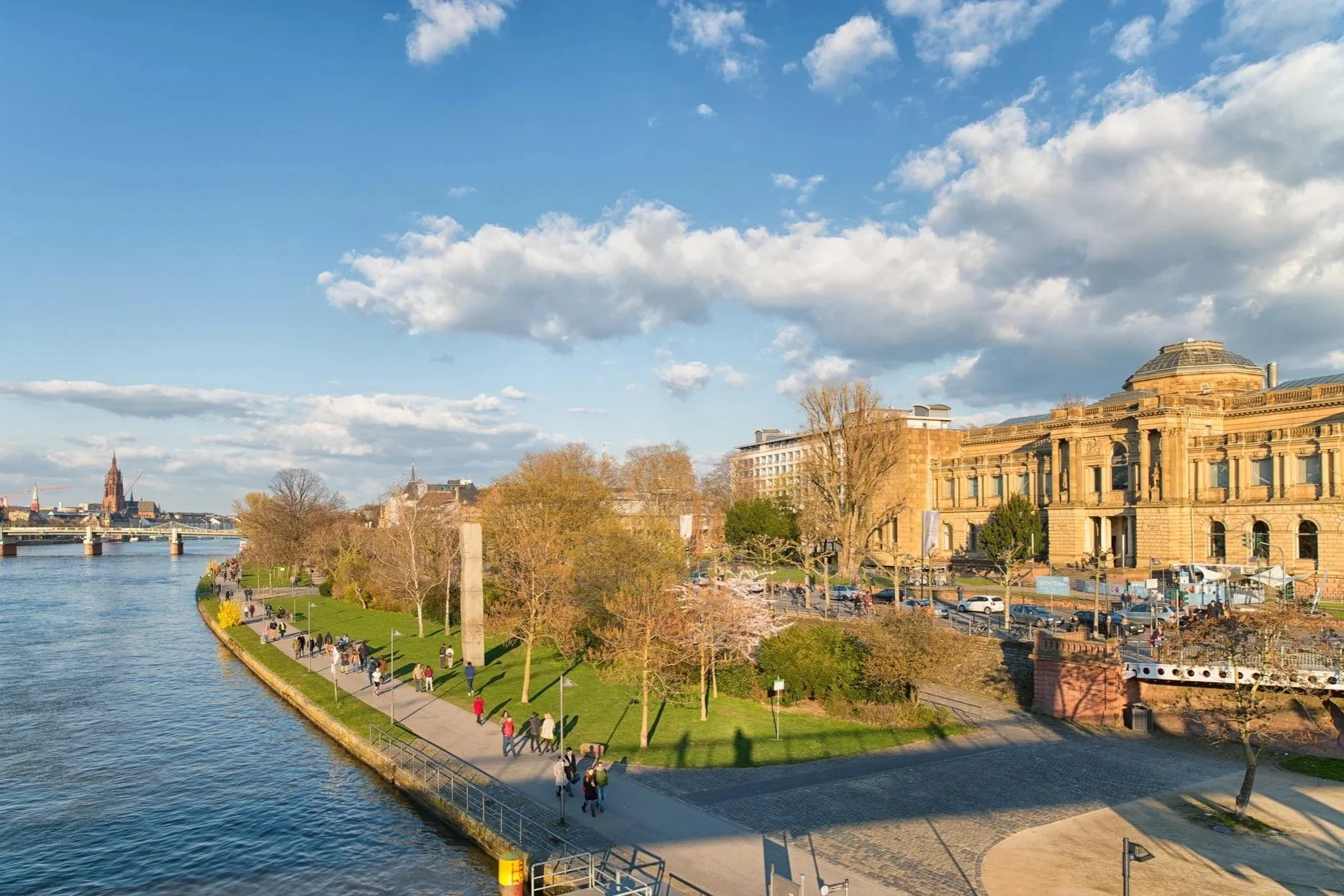
    Long a centre of commerce and ideas, Frankfurt developed from a medieval imperial city into one of modern Germany’s principal financial centres. Its museums also hold some of the country’s most important art collections, making the city a suitable starting point for a tour examining the development of modern German architecture and design. Arriving independently, we gather at the hotel in the mid-afternoon before setting out on foot. Our orientation walk takes us through the reconstructed old town and along the River Main to the Städel Museum. Founded in 1815, the Städel traces more than 700 years of European art, from the Old Masters to significant modern and 20th-century collections. These later works introduce many of the artistic shifts that would help shape the Bauhaus and the wider development of modernism in Germany. Later this evening, we enjoy a welcome dinner at a local restaurant. Overnight Frankfurt (D)

  • Day 2 | Thursday 14 October
    Darmstadt and Weimar

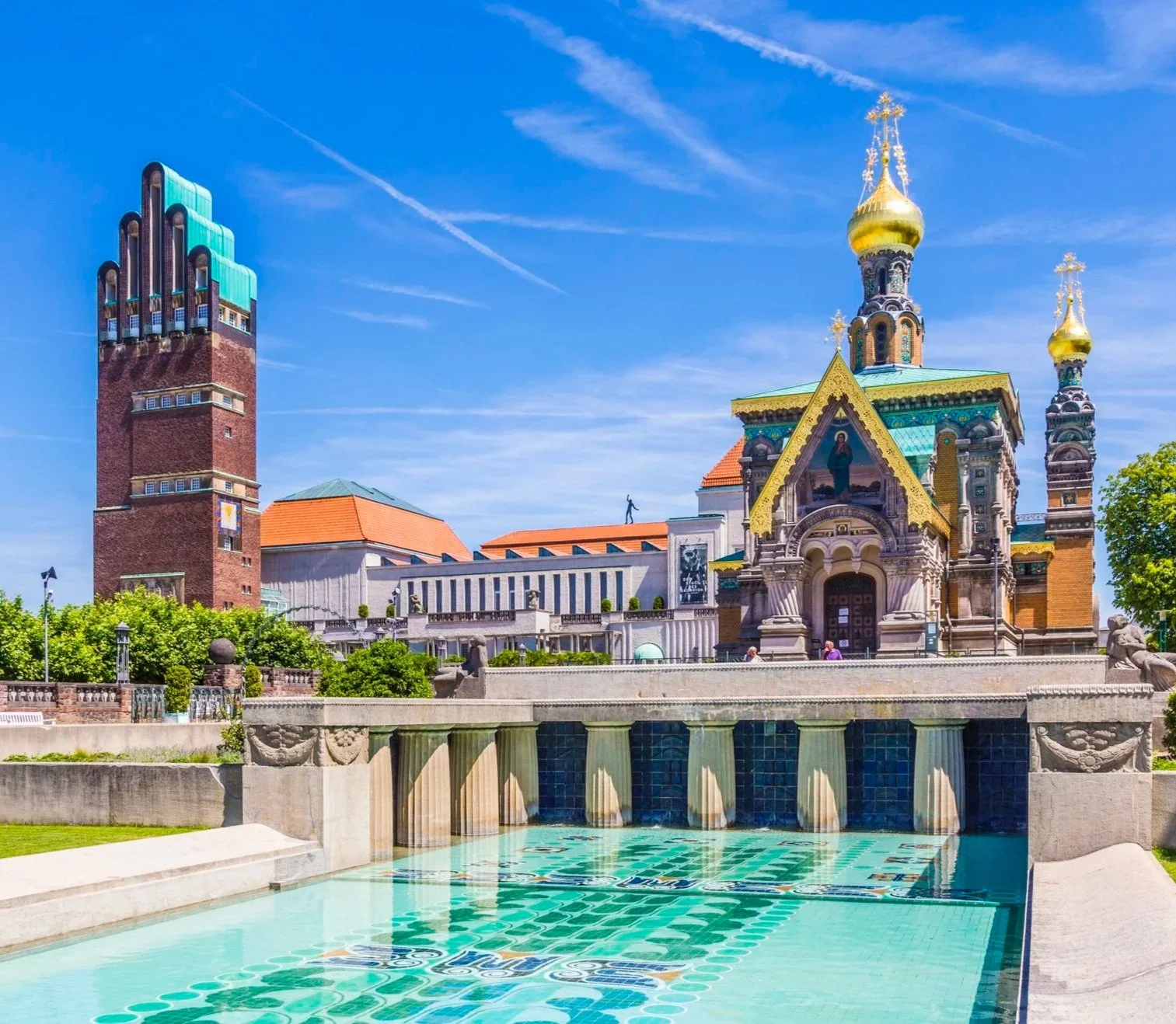
    At the turn of the 20th century, German architects and designers were rethinking the relationship between art, craft and modern life. At Darmstadt, this search took shape in an artists’ colony founded in 1899 by Grand Duke Ernst Ludwig of Hesse on the Mathildenhöhe, now a UNESCO World-Heritage site. Here, architects and artists sought a unified approach to design that would help prepare the ground for the Bauhaus. Departing Frankfurt this morning, we travel south to Darmstadt to explore the colony’s exhibition grounds and residences, including work by Joseph Maria Olbrich and Peter Behrens. Their architecture reflects a move away from historicist styles towards cleaner forms, functional planning and integrated design. We also visit the Hessisches Landesmuseum, whose collections include important examples of Art Nouveau and decorative arts. After lunch together, we continue to Weimar, where these reforming ideas would be brought together in a new institutional form with the founding of the Bauhaus. On arrival at our hotel, there is time to freshen up before dinner together this evening. Overnight Weimar (B, L, D)

  • Day 3 | Friday 15 October
    Bauhaus in Weimar

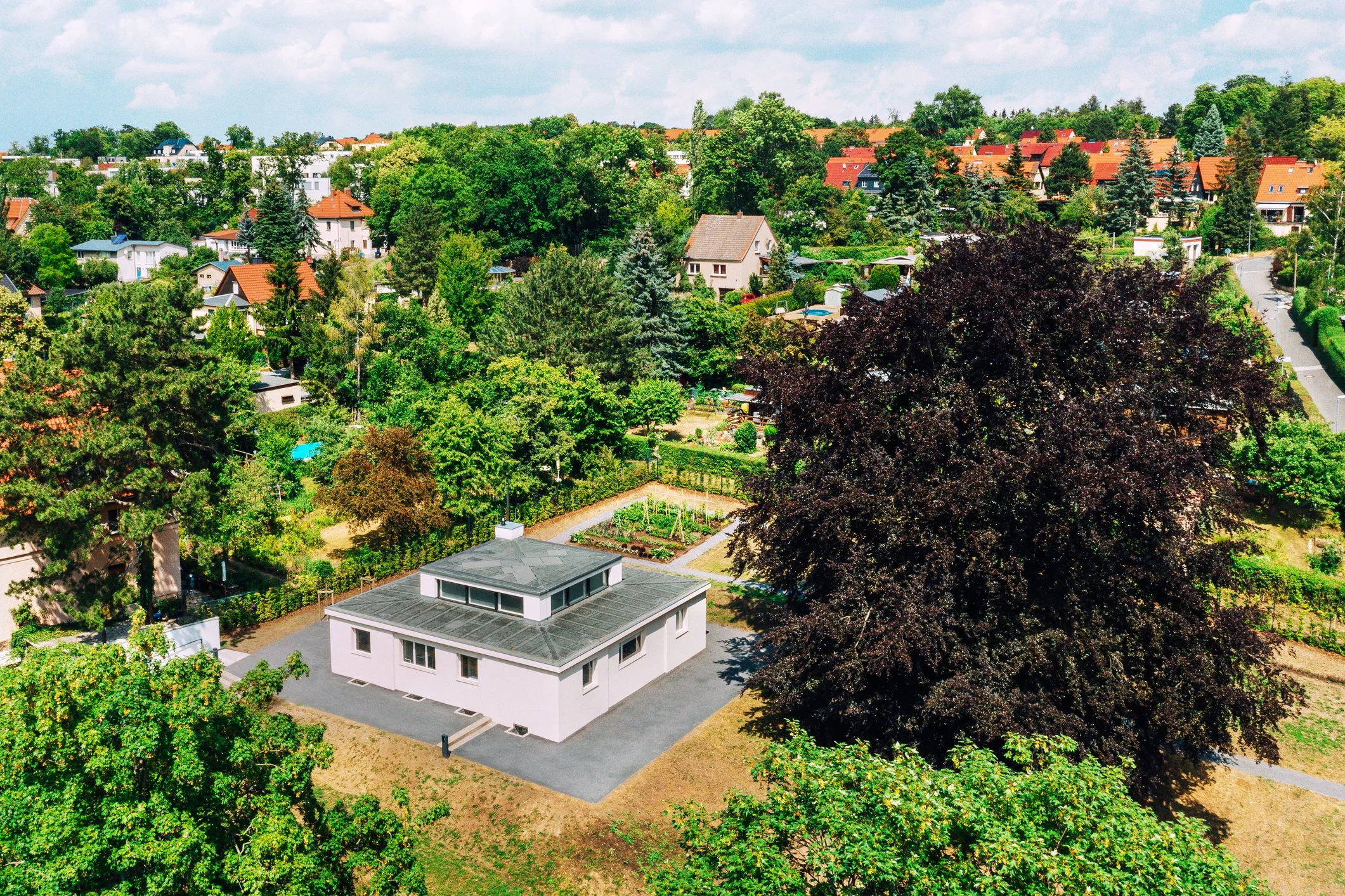
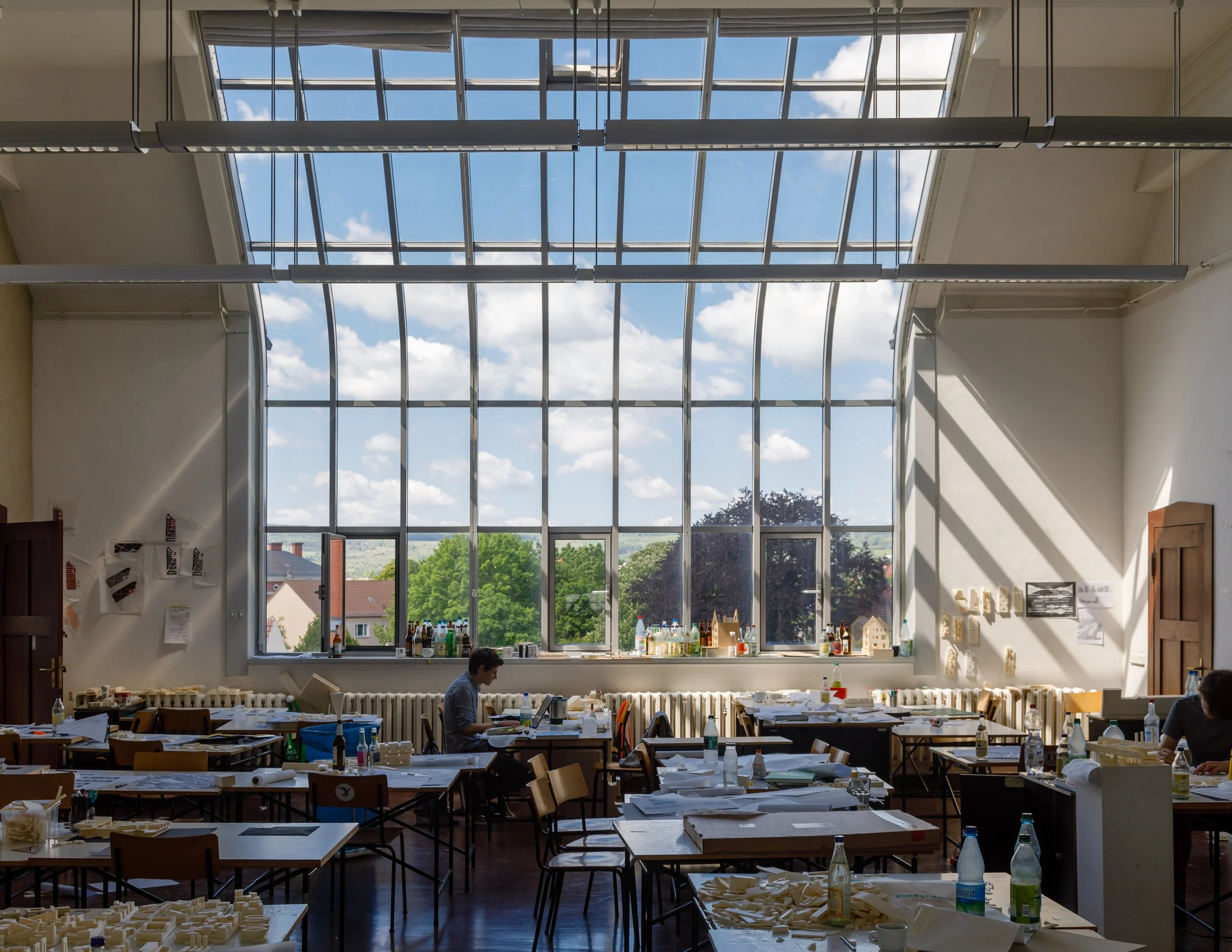
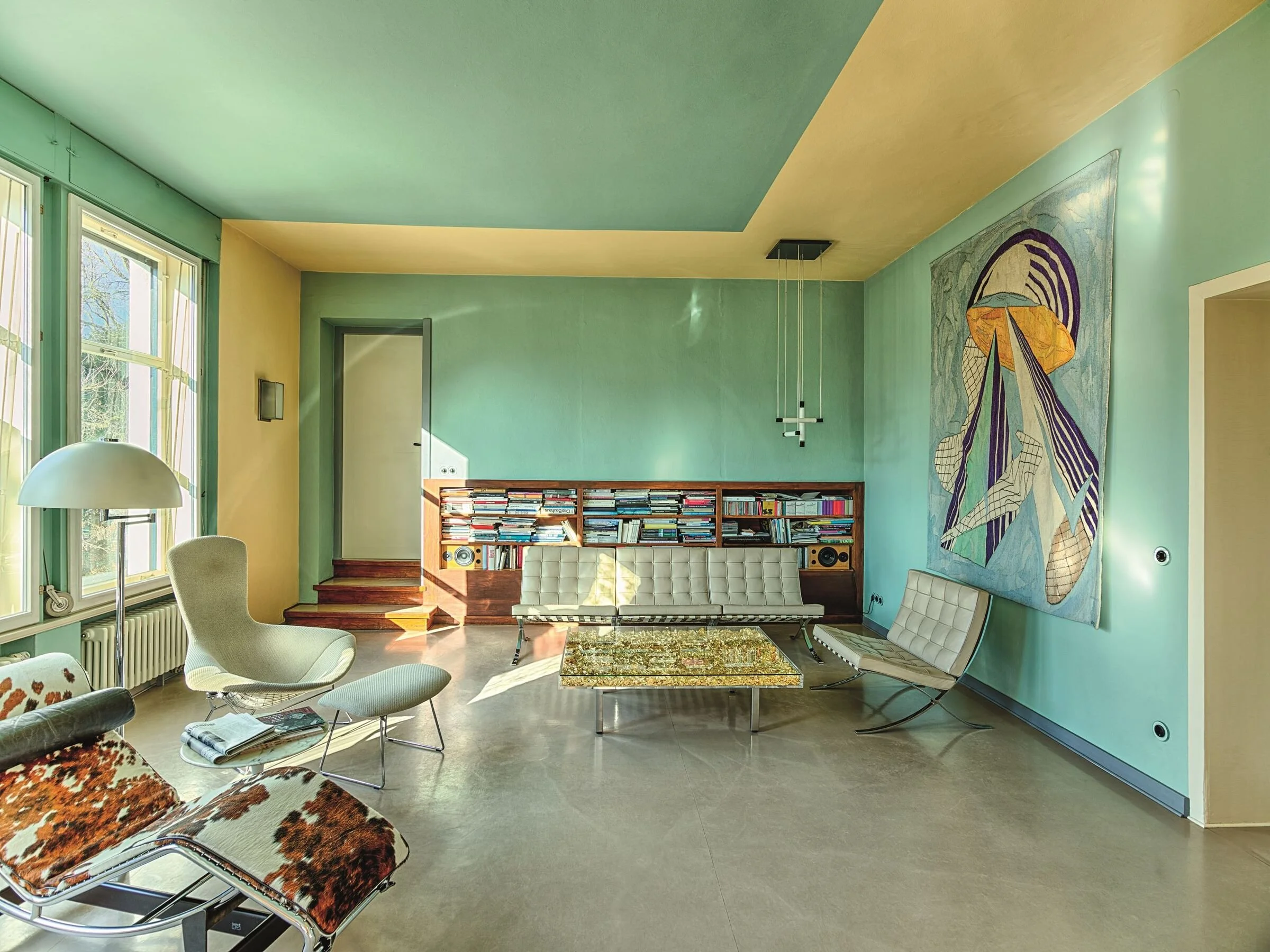
    In 1919, Walter Gropius founded the Bauhaus in Weimar by combining the city’s existing art and applied arts schools into a new institution. Rejecting the traditional separation between fine and applied arts, the school sought to rethink how artists, designers and architects might shape the modern world. A talk at our hotel introduces these formative years before we walk to the Neues Museum, whose collections trace the design reforms that preceded the school. We then continue to the Bauhaus Museum Weimar, where a guided visit explores the personalities, experiments and teaching methods that shaped its early development. After a break for lunch, we next visit the original Bauhaus building, the former art school designed by Henry van de Velde and now part of the Bauhaus-Universität. Nearby stands the Haus am Horn, built for the influential 1923 Bauhaus exhibition. Entering the house, we see how the school’s principles were applied to domestic architecture, from its efficient plan to its purpose-designed interiors and fittings. The remainder of the day is at leisure to explore Weimar’s old town. Overnight Weimar (B)

  • Day 4 | Saturday 16 October
    Gelmeroda, Jena and Gera

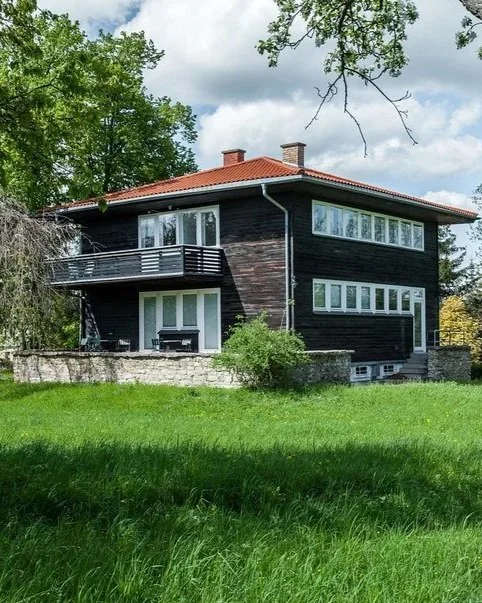
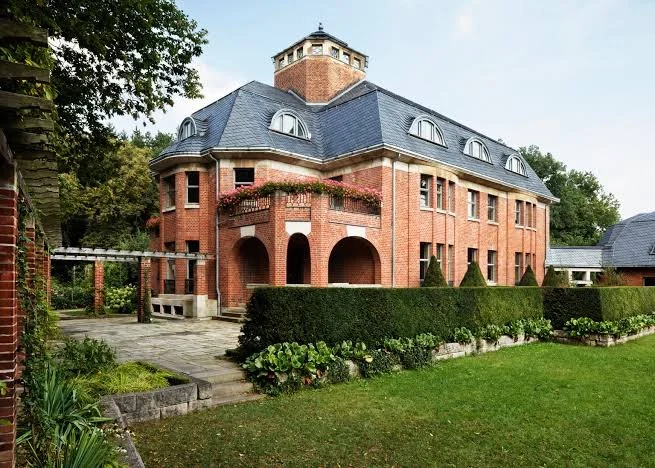
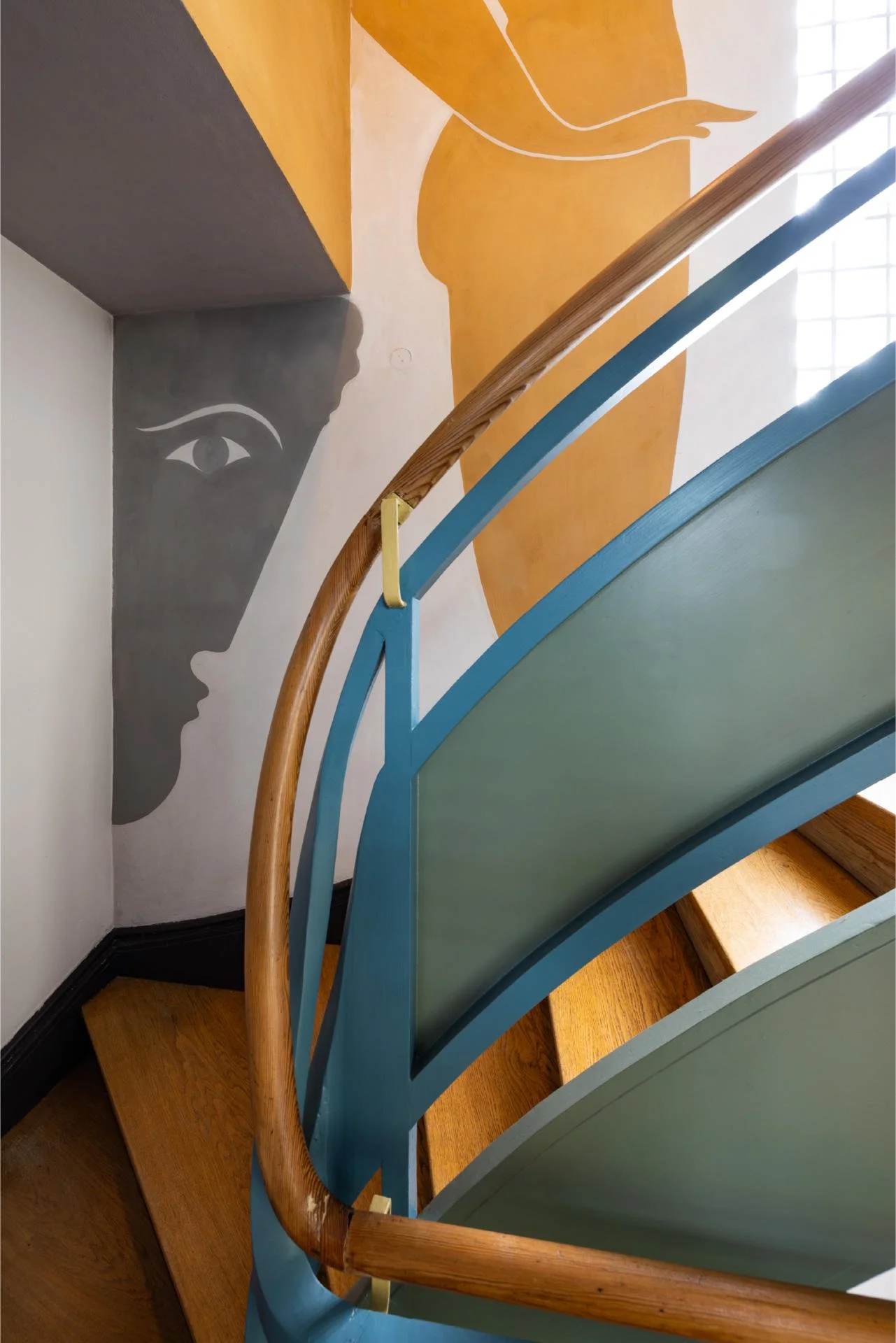
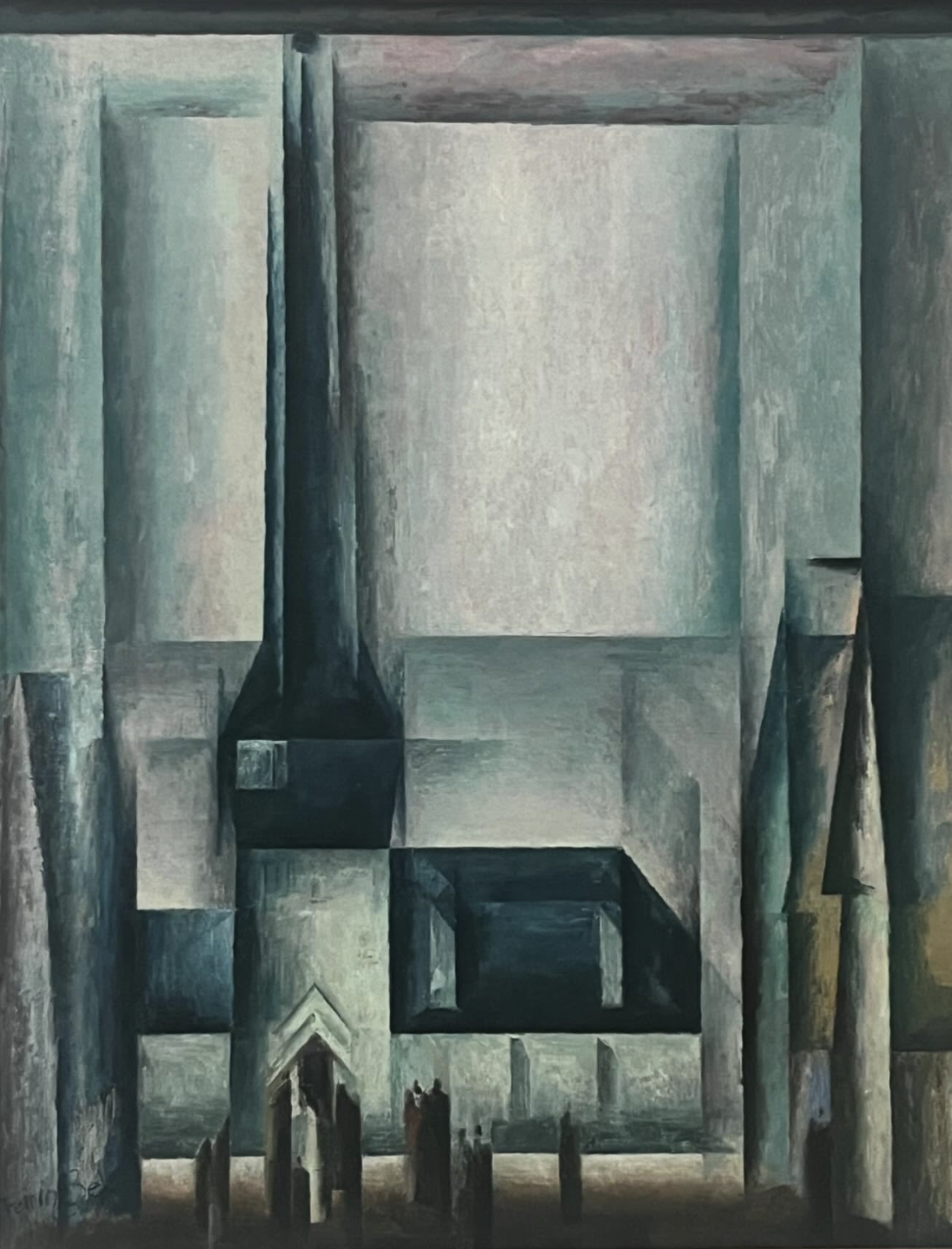
    The Bauhaus did not develop in isolation. Its teachers and students were part of a wider network of architects and designers whose work was reshaping the modern house, while earlier figures such as Henry van de Velde had already established many of the ideas the school would inherit. Today we travel beyond Weimar to see how those ideas were expressed in the wider landscape. Our first stop is in Gelmeroda for a visit to the Neufert House, designed by Bauhaus-trained architect Ernst Neufert in 1929 as his home and office. Nearby, we also view the village church, repeatedly depicted by Bauhaus master Lyonel Feininger and closely associated with his distinctive crystalline style. Continuing to Jena, our next visit is to Haus Auerbach, designed in 1924 by Walter Gropius and Adolf Meyer. Its interlocking cubic forms show how Bauhaus principles were being translated into domestic architecture during the school’s Weimar years. Our final visit is to Haus Schulenburg in Gera, designed by Henry van de Velde as a complete work of architecture, interiors, furniture and decorative art. Created before the Bauhaus was founded, it demonstrates the integrated approach to design that Gropius and his colleagues would later pursue in a more radical modernist form. Lunch is included during our excursion before we return to Weimar in the late afternoon. Overnight Weimar (B, L)

  • Day 5 | Sunday 17 October
    Dornburg and Leipzig

    Our departure from Weimar marks an important transition in the Bauhaus story, from the school’s formative years to Dessau, where its architectural ideas would find their fullest expression. Before reaching Dessau, however, we make two contrasting stops that place this development within a broader context. Leaving Weimar this morning, we first travel to the Dornburg Castles, three historic residences overlooking the Saale valley, where Goethe spent time in the early 19th century. After a break for lunch, we continue to Leipzig and the Grassi Museum, one of Germany’s leading museums of applied art. Its collections trace changing approaches to decorative art and design from Art Nouveau and Art Deco into the modern period, while its celebrated stained-glass windows by Bauhaus artist Josef Albers provide a direct link to the movement itself. We then make a visit to Haus Rabe, an important modernist residence near Leipzig, before continuing to our hotel in Dessau. After time to settle in, we conclude the day with dinner together in the hotel. Overnight Dessau (B, D)

  • Day 6 | Monday 18 October
    Bauhaus in Dessau

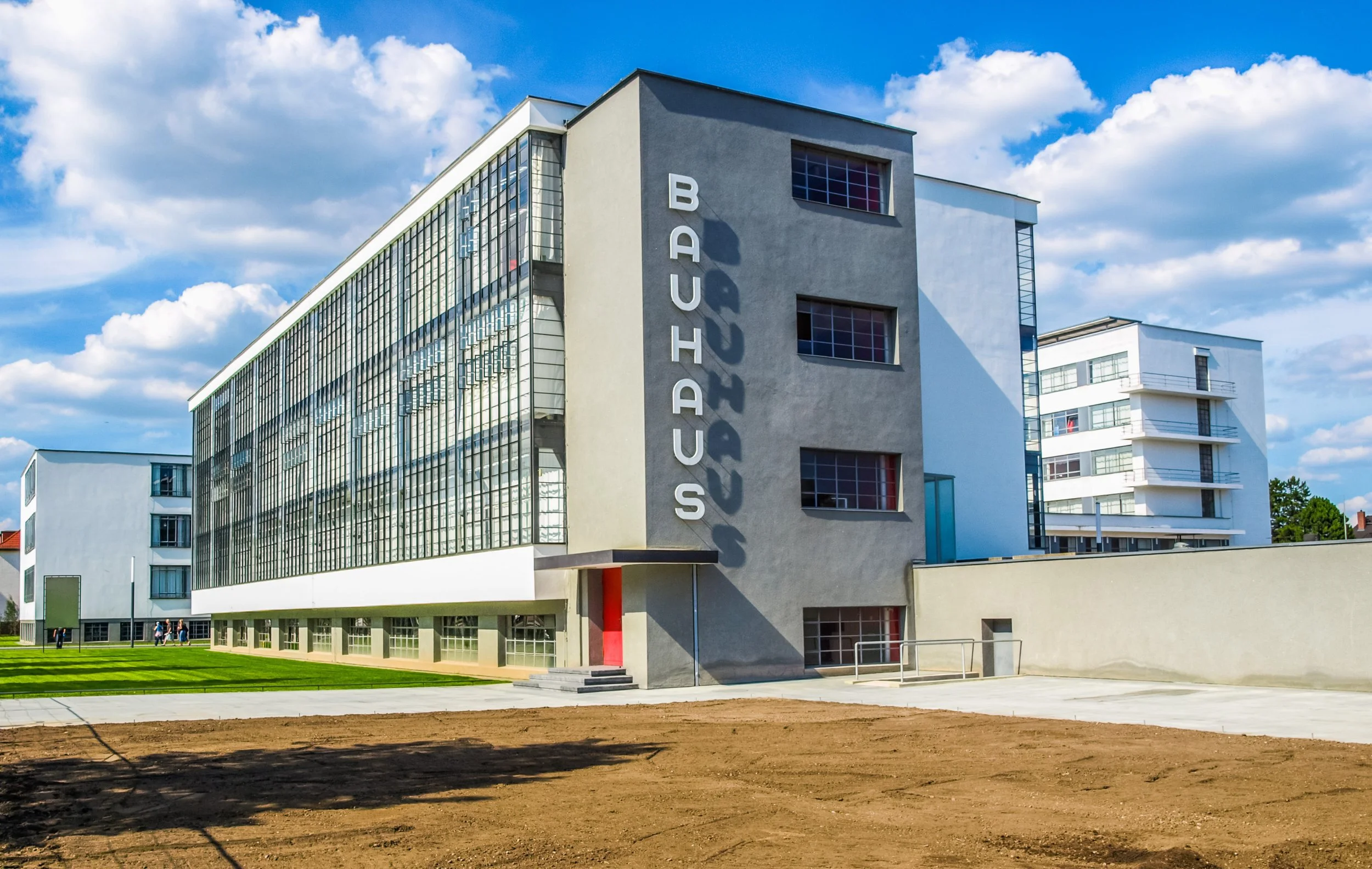
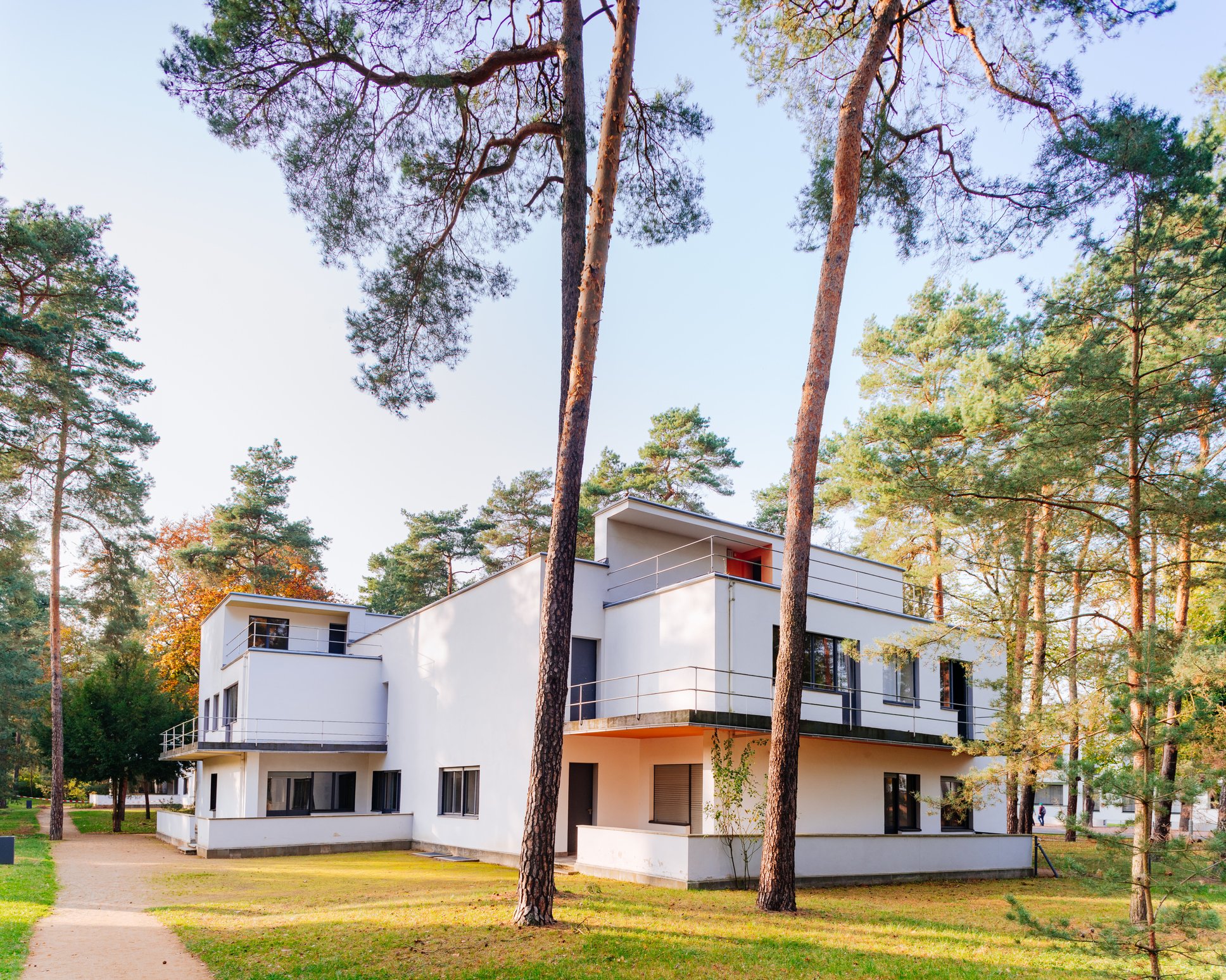
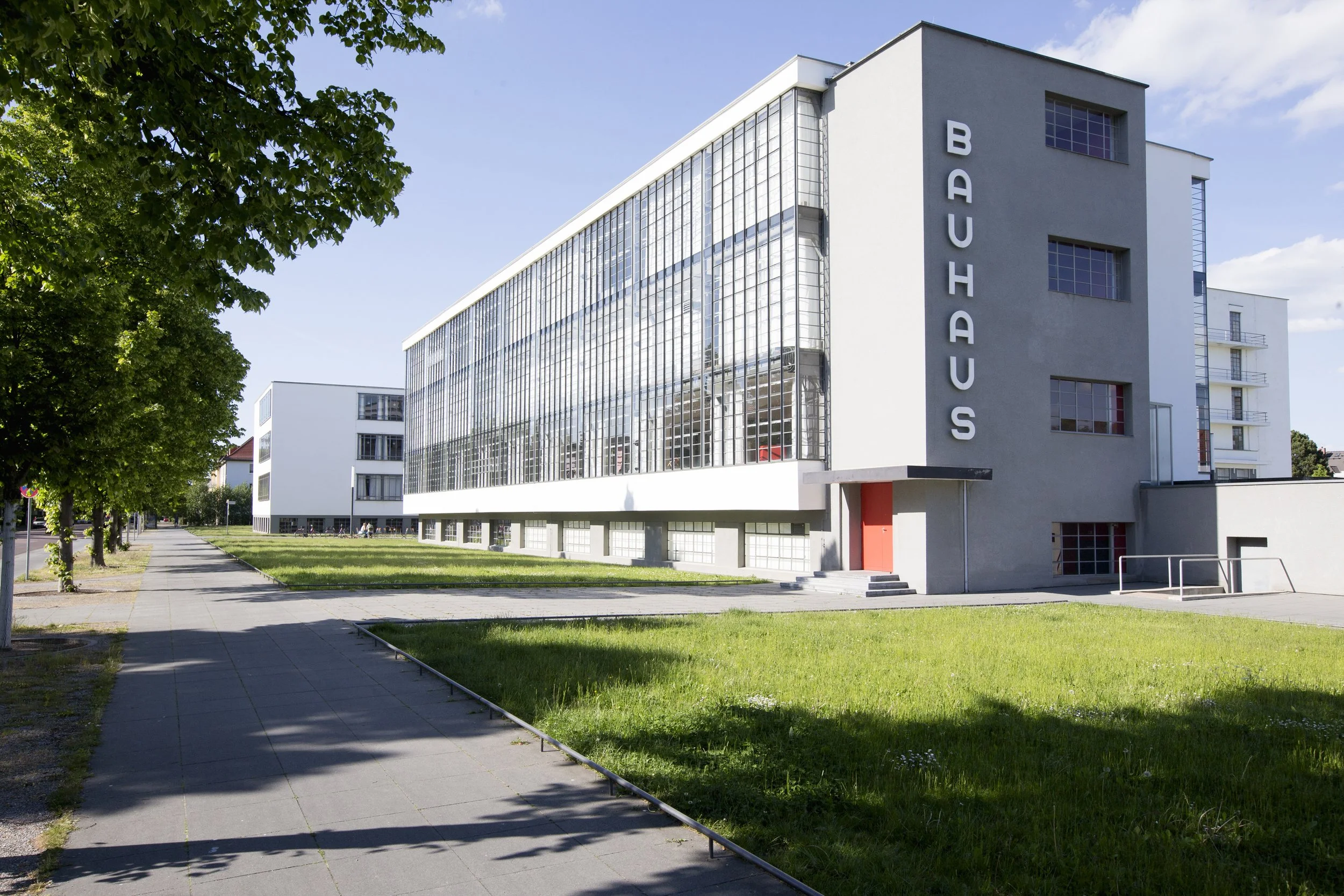
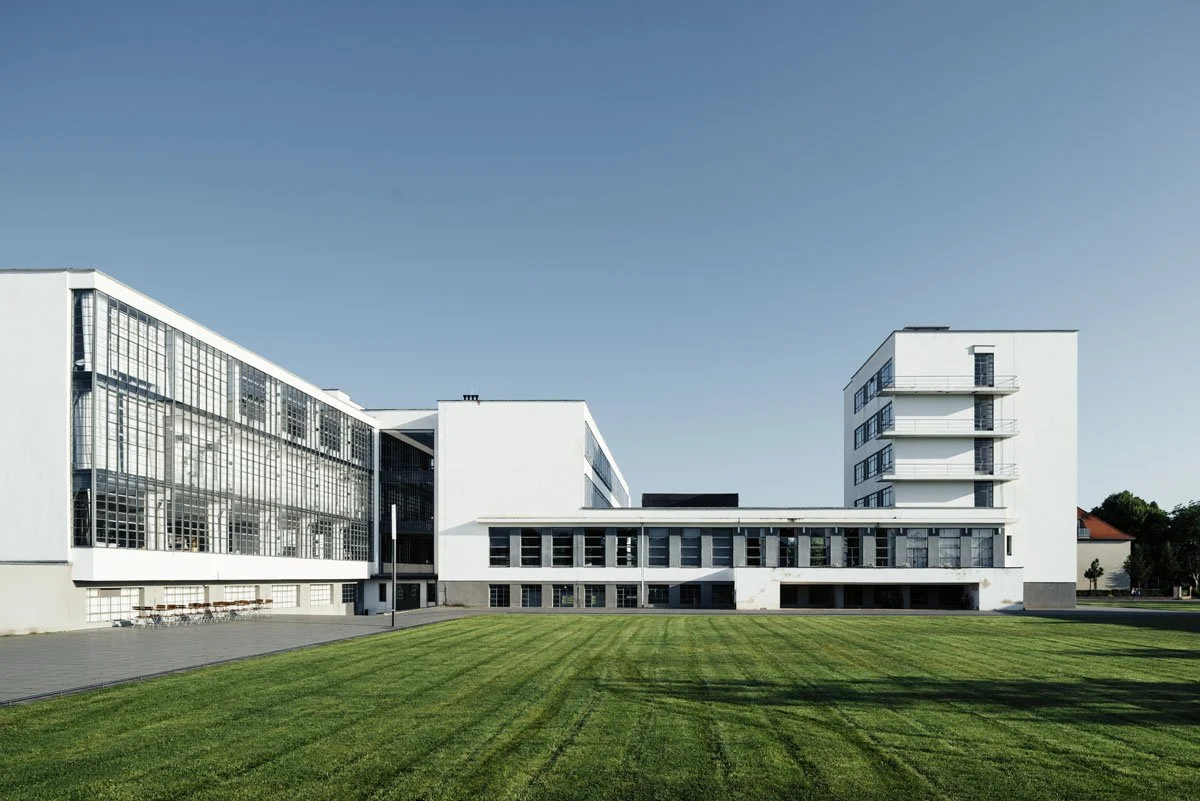
    When the Bauhaus moved from Weimar to Dessau in 1925, it entered the period that would define much of its international reputation. The following year, Walter Gropius completed the school’s new purpose-built complex, giving architectural form to the principles that had shaped the institution from its beginnings. This morning a guided visit introduces the Bauhaus Building, with its glass curtain walls, workshops and studios, before we continue to the nearby Masters’ Houses, designed by Gropius for senior figures including Wassily Kandinsky, Paul Klee and Lyonel Feininger. Lunch is included in the Bauhaus canteen and in the afternoon, we look beyond the school itself to examine how Bauhaus ideas were applied across the wider city, including the functional Employment Office and the Törten housing estate – an ambitious experiment in affordable modern housing. Later in the evening we dine at the Kornhaus, Carl Fieger’s riverside restaurant on the Elbe, where architecture, design and everyday life come together in one of Dessau’s most distinctive Bauhaus buildings. Overnight Dessau (B, L, D)

  • Day 7 | Tuesday 19 October
    Potsdam and Berlin

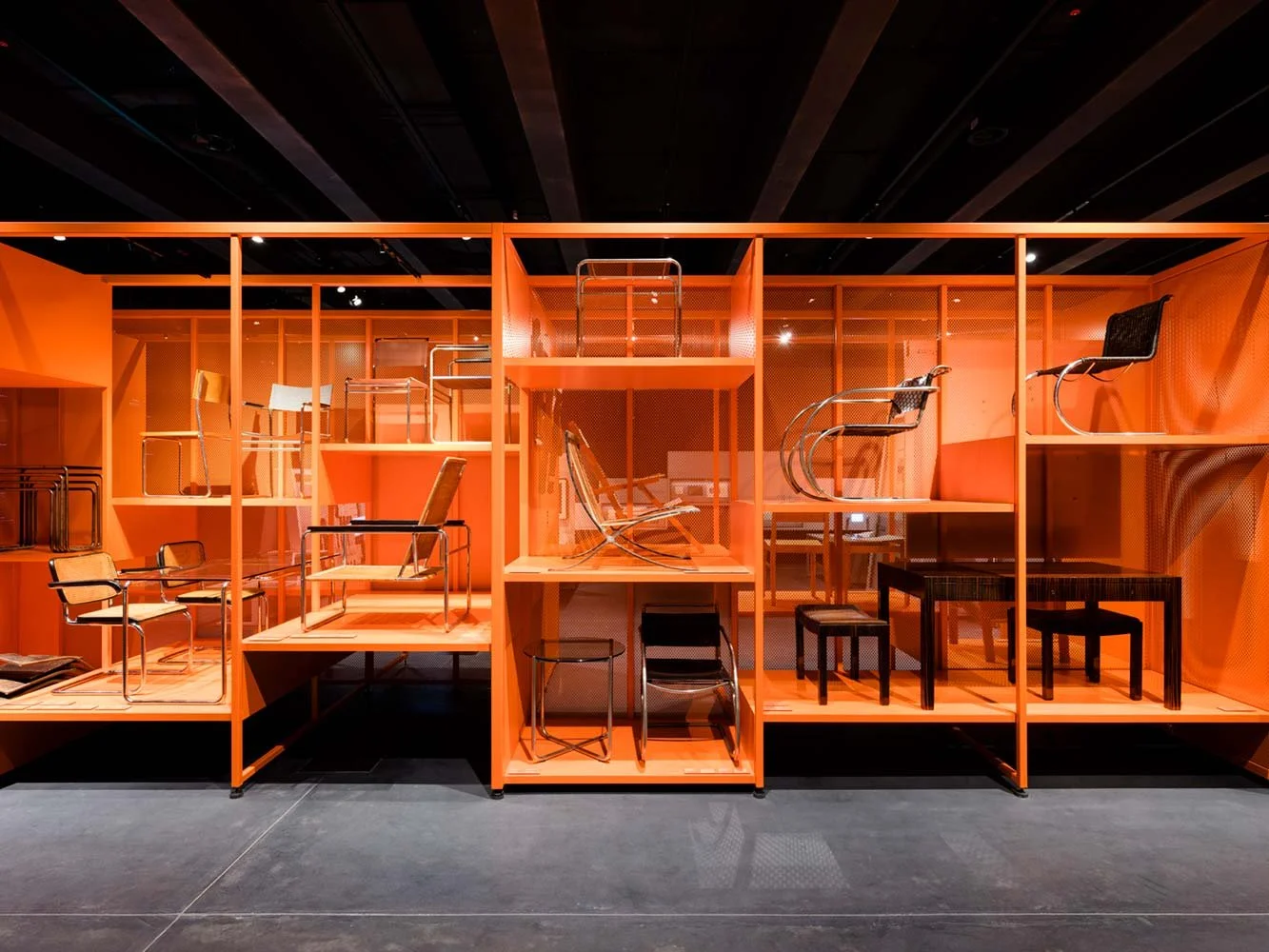
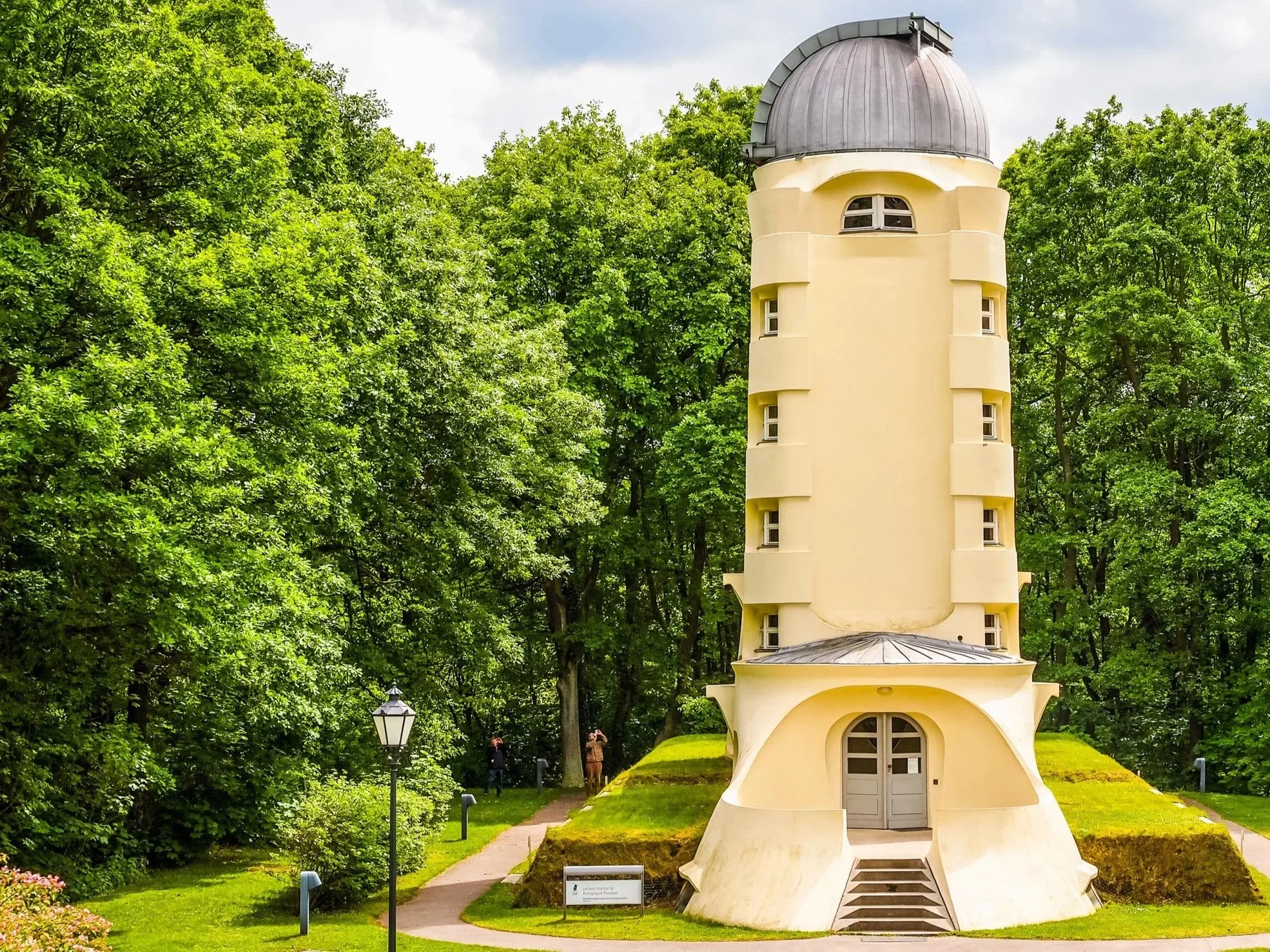
    The Bauhaus was never concerned with architecture alone. Its workshops developed furniture, textiles and everyday objects alongside buildings, seeking to bring modern design into daily life. Before leaving Dessau today, we visit the Bauhaus Museum, opened in 2019 to display the extensive collection of the Bauhaus Dessau Foundation. Highlights include tubular-steel furniture, textiles, metalwork and graphic design, revealing how Bauhaus ideas moved from the workshop into the modern home. We then travel to Potsdam, the former Prussian royal seat whose palaces and parks form a UNESCO World-Heritage site. After time in the historic centre we turn to a very different chapter in the city’s architectural history with a visit to Erich Mendelsohn’s Einstein Tower. Completed in the early 1920s as an astrophysical observatory, its sculptural, expressionist form stands in striking contrast to the functional modernism of the Bauhaus while reflecting the same period of intense architectural experimentation in Germany. From here we continue to Berlin, arriving in the late afternoon. There is time at leisure before we reconvene for dinner together at a local restaurant. Overnight Berlin (B, D)

  • Day 8 | Wednesday 20 October
    Berlin

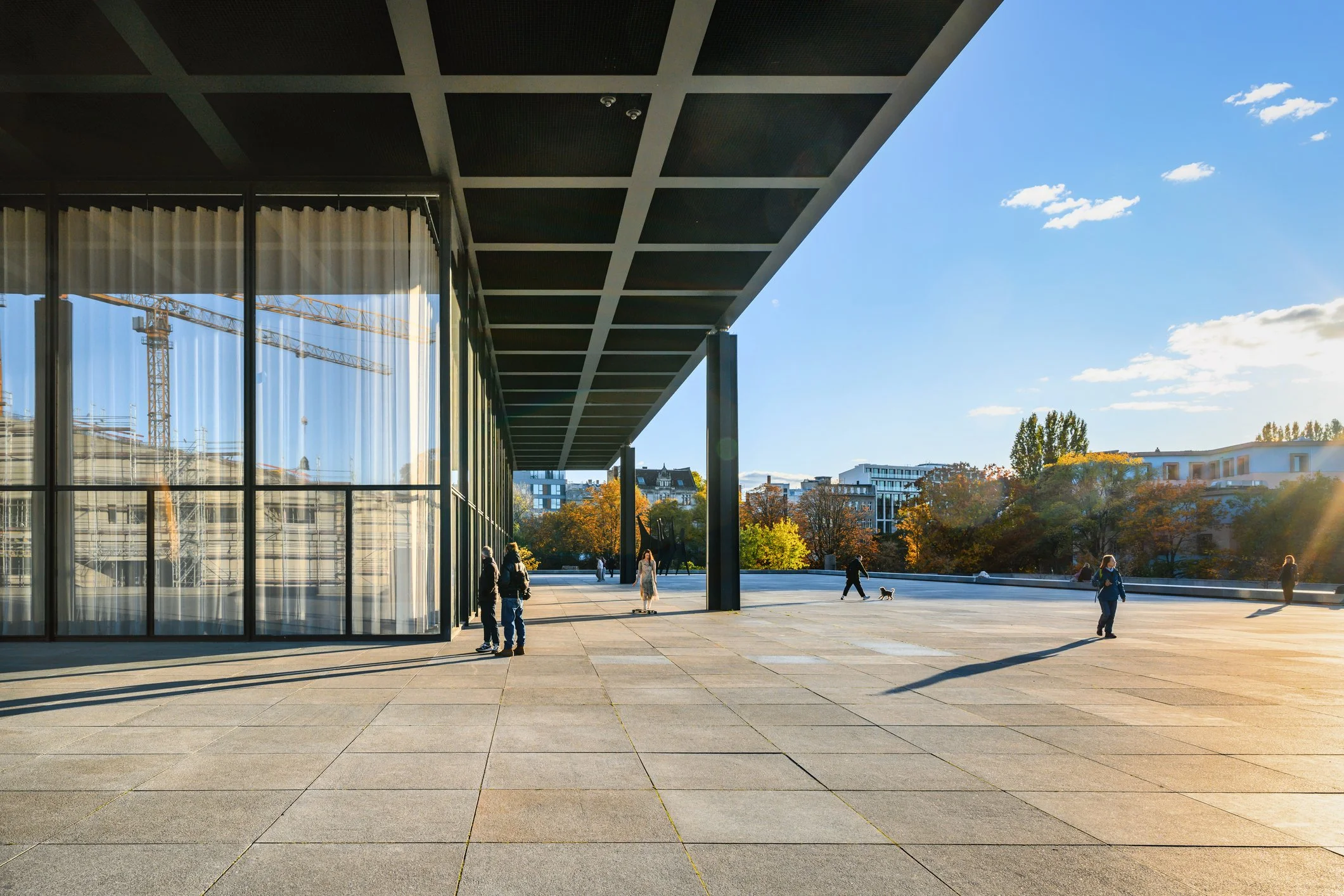
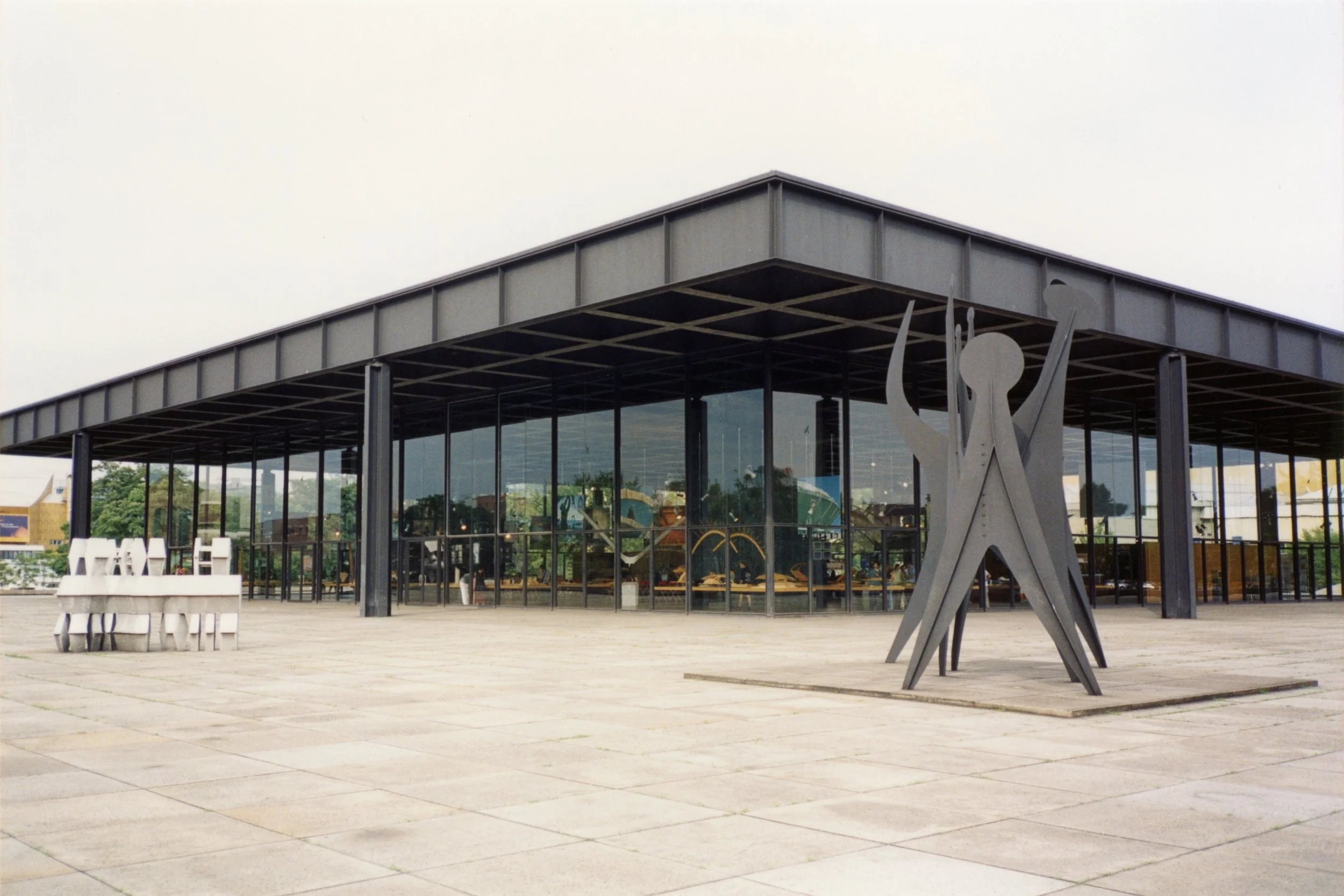
    By 1932, mounting political hostility had forced the Bauhaus from Dessau to Berlin. The school had already left Weimar in 1925 after conservative opposition and funding cuts, only to face renewed pressure in Dessau as the Nazis gained local power. Mies van der Rohe attempted to continue the Bauhaus in Berlin as a private institution, but it survived for less than a year before closing in 1933. Its influence, however, spread far beyond Germany, with many of its leading figures carrying Bauhaus ideas into new institutions and cities across Europe and the United States. Berlin, therefore, provides a fitting final chapter to the tour, allowing us to consider both the school’s abrupt end and the modernist legacy that followed. After a morning talk at our hotel, we first visit the Berlinische Galerie, whose collections trace artistic developments in Berlin from the late 19th century through modernism, including New Objectivity and other movements that developed alongside the Bauhaus. In the afternoon, we turn to the Neue Nationalgalerie, completed in 1968 as one of Ludwig Mies van der Rohe’s final major works. Its glass-and-steel pavilion distils the structural clarity and restraint that came to define his mature architecture. The remainder of the day is then at leisure to explore Berlin. Overnight Berlin (B)

  • Day 9 | Thursday 21 October
    Contemporary Berlin

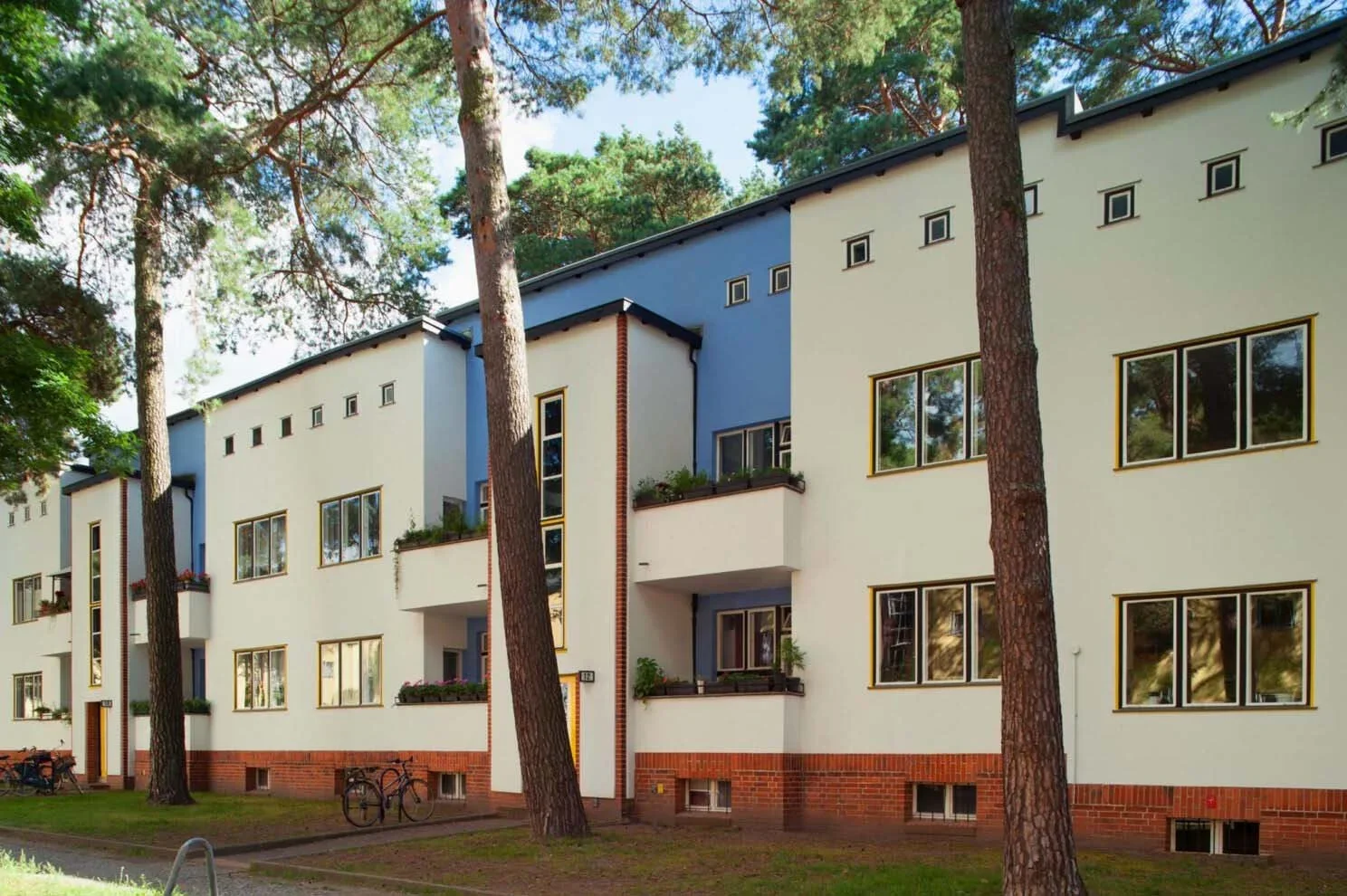
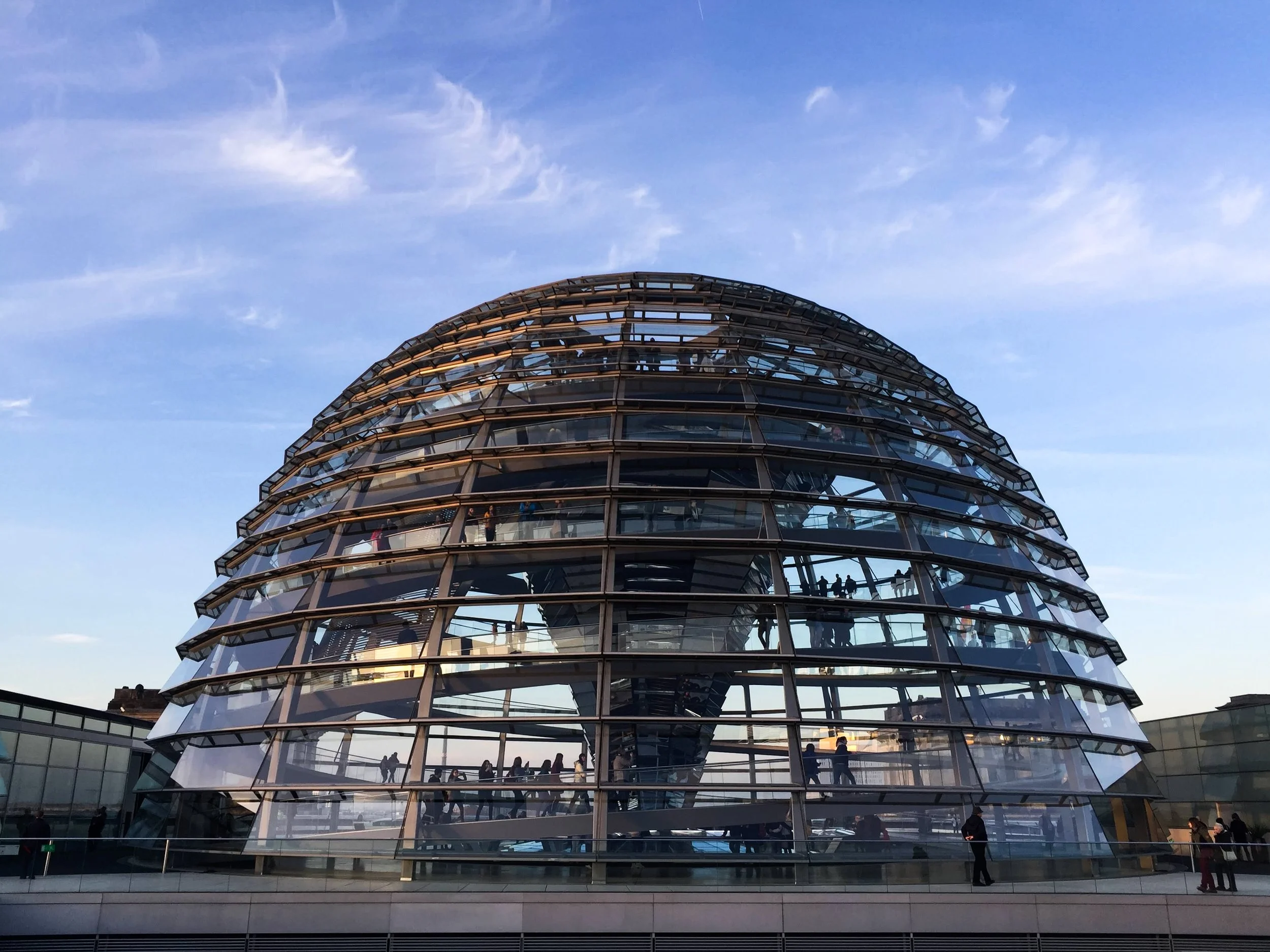
    The Bauhaus may have closed in 1933, but many of the ideas associated with modernism continued to shape Berlin’s urban planning throughout the 20th century. Today we consider how those principles were applied at the scale of the modern city and how Berlin itself has continued to reinvent its architectural identity. We begin with a panoramic coach tour of modernist and Bauhaus-related sites across the capital before continuing to Zehlendorf and the Waldsiedlung, better known as Onkel Toms Hütte. Developed from 1926 with Bruno Taut as its principal architect, the estate combined functional planning with vivid colour and carefully considered communal spaces, challenging conventional ideas about working-class housing and later becoming part of Berlin’s UNESCO-listed Modernism Housing Estates. On return to our hotel, we have time to freshen up before a stroll along Unter den Linden towards the Reichstag. Here, Norman Foster’s glass dome forms a striking contemporary intervention within the historic parliament building, its spiralling ramp opening to panoramic views over the city. On arrival, we continue upstairs to the rooftop restaurant for our farewell dinner. Overnight Berlin (B, D)

  • Day 10 | Friday 22 October
    Depart Berlin

    Our tour concludes after breakfast. (B)

Hotels have been selected principally for their central location. All hotels are an excellent four and five-star standard.

Tour Accommodation

tour booking

$12,280 AUD per person, twin share (land content only)
$1,960 AUD supplement for sole use of a hotel room

A $2,000 deposit is required per person to confirm your booking on tour. This deposit is non-refundable.

Hold a Place

Still deciding? We are happy to hold a tentative place for 7 days while you make your final arrangements.

Book Online

To secure your place(s) on tour, book online below with “Athena”, our virtual tour consultant.

DOWNLOAD FORM

Download a printable booking form. You can also complete the form on screen and submit via email.

your tour consultant

The consultant for this tour is Lucy Yeates. For further information or to discuss the tour, please call 9235 0023 (Sydney) or 1800 639 699 (outside Sydney) or email lucy@academytravel.com.au

have you thought about?

Academy Travel is more than just a tour operator. We are also a full-service travel agency who can assist you with all aspects of your travel, including flights, transfers, pre-tour arrival, additional travel and comprehensive travel insurance.

can’t make this departure?

If these dates don't work for you, register to hear about the next tour.