Italian summer music festivals

Cortona, Val d’Orcia & Spoleto

Experience the music, art and landscapes of Tuscany and Umbria at three distinctive summer festivals.

TOUR STATUS

Places Available | Maximum 16

TOUR DATES

June 16-30, 2027 | 15 Days

TOUR LEADER

Kate Bolton-Porciatti | View Bio

snapshot

OVERVIEW

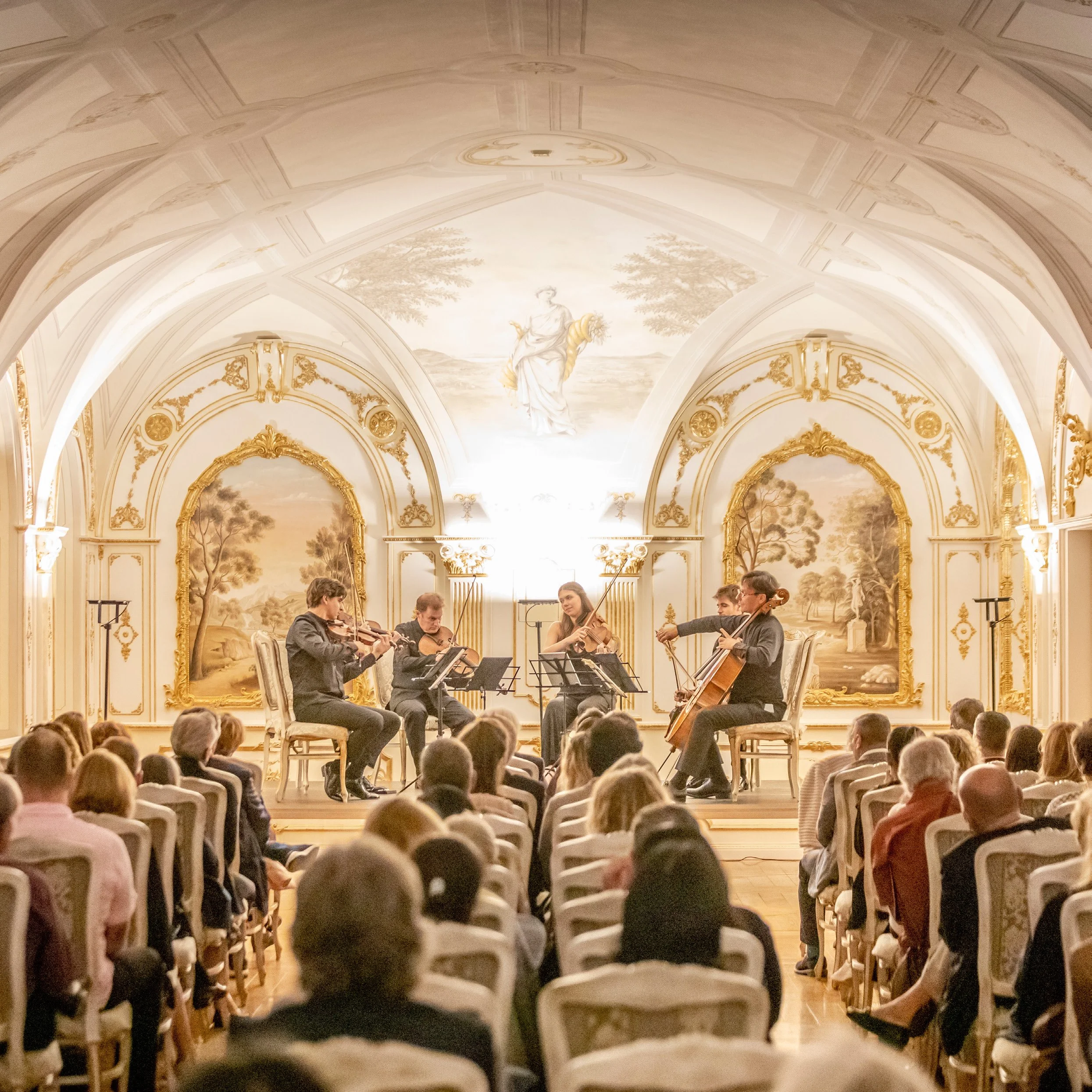
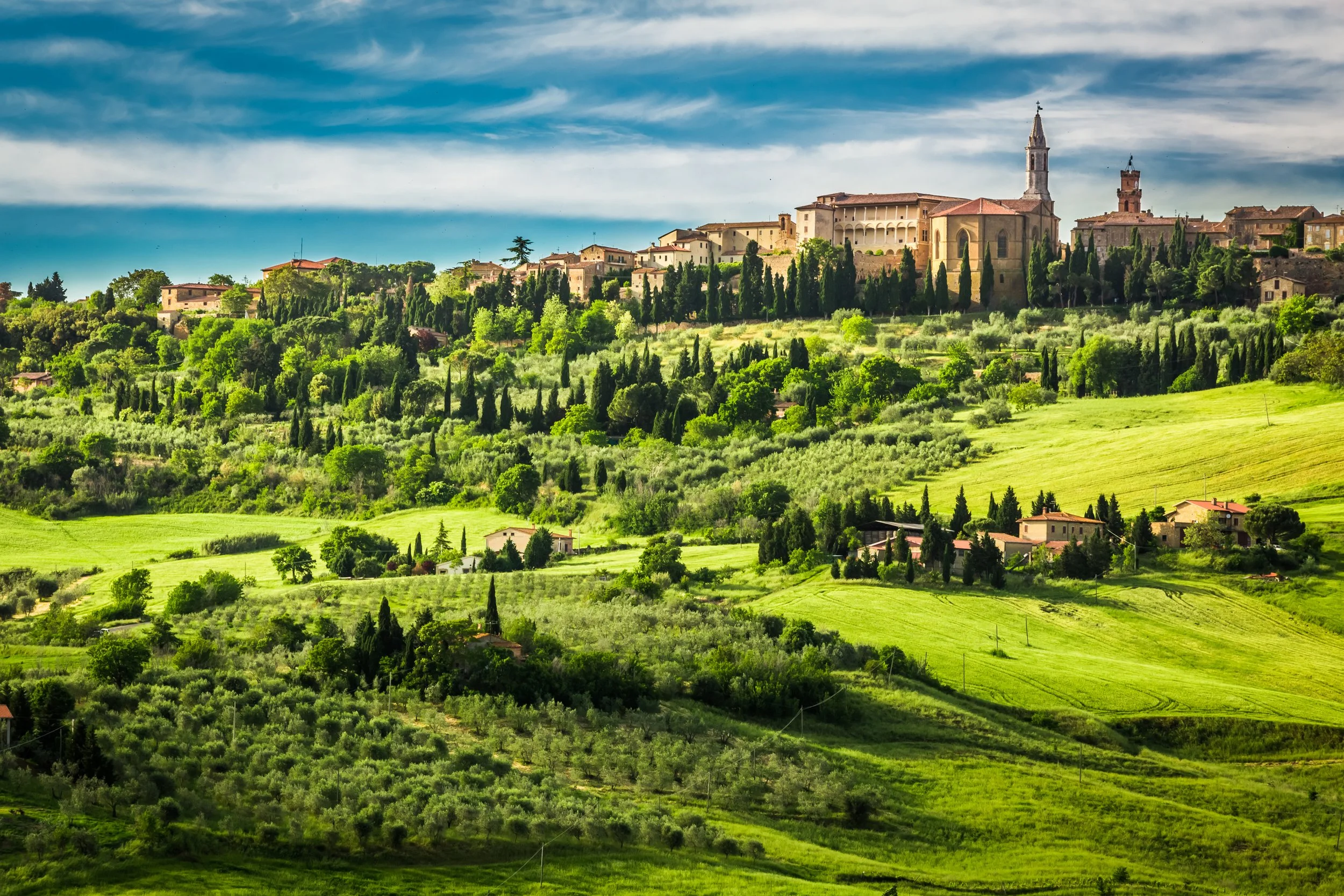
Across Tuscany and Umbria each June, three distinctive summer festivals unfold within historic churches, courtyards and theatres. From Cortona’s Nume Festival to the village based Cacciaconti Festival in the Val d’Orcia and Spoleto’s Festival dei Due Mondi, the program places music within the historic fabric of the towns and landscapes that host it.

Led by Kate Bolton-Porciatti, this 15-day tour brings together 12 performances centred on these three summer festivals. The Cacciaconti Festival forms the heart of the program, with its 2027 season marking the bicentenary of Beethoven’s death, while a special concert at a Tuscan country estate brings a more intimate dimension to our time in the Val d’Orcia.

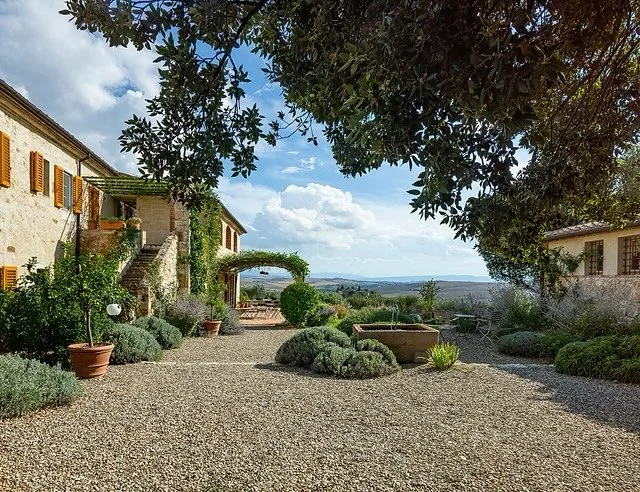
Between performances, we explore the artistic and historic landscapes that give these festivals their setting, from Piero della Francesca in Arezzo and the medieval streets of Perugia to Renaissance Pienza, Montalcino and the gardens of La Foce. Five nights at our farmhouse in the Val d’Orcia allows time to savour the region more slowly, with Brunello tasting and local cuisine complementing our time in Orvieto and Spoleto.

Three Festivals, 12 Performances

Including a special Val d’Orcia concert

Kate Bolton-Porciatti (MPhil.)

your expert tour leader

Kate is a Florence-based cultural historian, academic and writer specialising in Italian cultural history and music. She holds an MPhil in Italian cultural history and teaches at leading institutions including the Istituto Lorenzo de’ Medici. A former BBC Arts and Classical Music producer, Kate brings a rare combination of scholarly depth, media experience and on-the-ground knowledge to her tours, offering informed and engaging insight into Italy’s cultural landscapes.

Read full bio >

Accompanied by an Experienced Tour Manager

Alongside your expert tour leader, an experienced tour manager will accompany for the entirety of the tour. They oversee logistics, ensure your comfort and safety, and provide friendly support – whether offering tips for free time, sharing a chat over dinner, or giving you space to relax.

tour ITINERARY

Cortona (5 nights), Castelmuzio (5 nights), Spoleto (4 nights)

Included meals are indicated with B, L, D and WT, Wine Tasting
  • Day 1 | Wednesday 16 June
    Arrive Rome - To Cortona

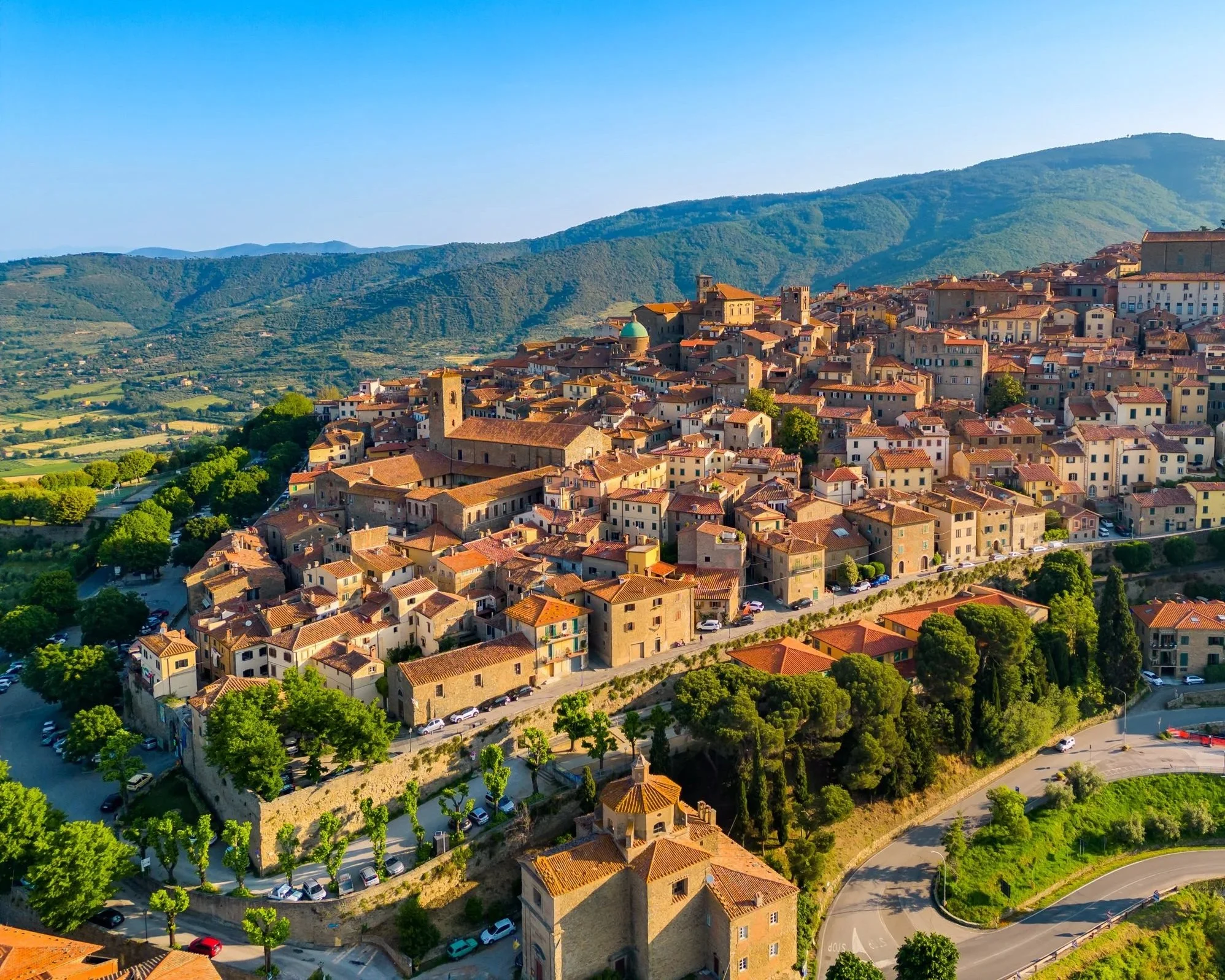
    Perched high above the Val di Chiana, this ancient hill town preserves Etruscan walls laid more than 2,000 years ago, enclosing a historic centre shaped principally during the medieval and Renaissance periods. Each June, this layered setting also becomes home to the Nume Festival, the first of three music festivals on our tour. Meeting at Rome’s Fiumicino Airport in the early afternoon, we travel north by coach into Tuscany, reaching Cortona by the late afternoon. After checking in to our hotel, a former 18th-century residence set just below the town walls, there is time to settle in before we gather for a welcome drink and an introduction to the musical and cultural program ahead. A light dinner at a nearby restaurant concludes the evening. Overnight Cortona (D)

  • Day 2 | Thursday 17 June
    Cortona | Nume Festival

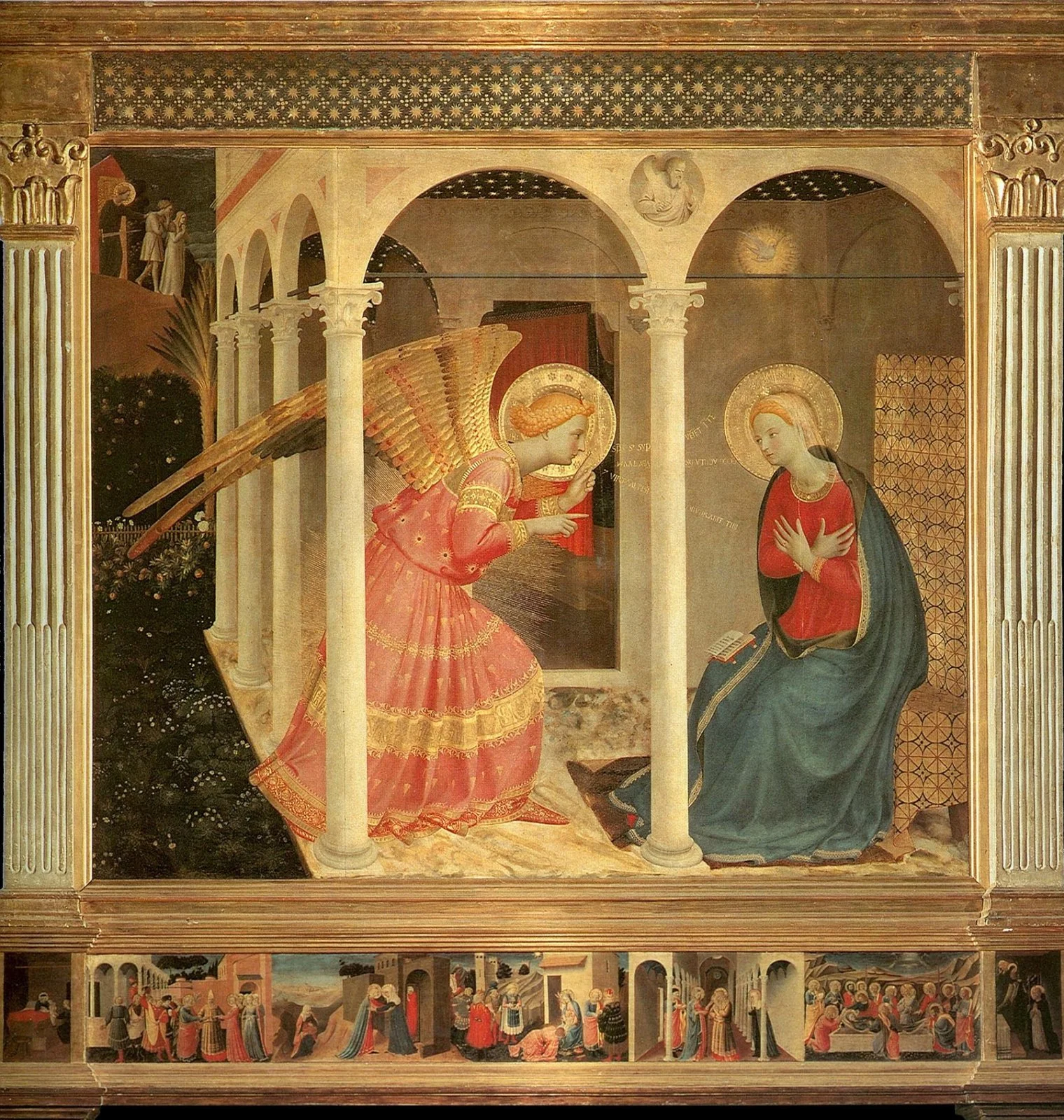
    Combining an international music academy with a series of public performances, the Nume Festival brings established and emerging musicians together for a concentrated period of study, collaboration and concert-making. Our first full day explores the artistic setting in which these concerts take place, beginning at Cortona’s Church of San Francesco, founded by Brother Elias – companion of St Francis and later head of the order – who is buried here. From here we continue to the Duomo and the Diocesan Museum, whose collection includes Fra Angelico’s Annunciation alongside important works by Luca Signorelli, the Cortona-born painter whose powerful draughtsmanship and treatment of the human figure helped shape the later Renaissance. Seen together, their works reveal the changing character of Tuscan painting across the 15th century. Lunch is then enjoyed at La Loggetta, beneath its loggia overlooking Piazza della Repubblica, with the remainder of the afternoon at leisure. In the evening, we reconvene for the first of three Nume Festival concerts. Overnight Cortona (B, L)

  • Day 3 | Friday 18 June
    Arezzo | Nume Festival

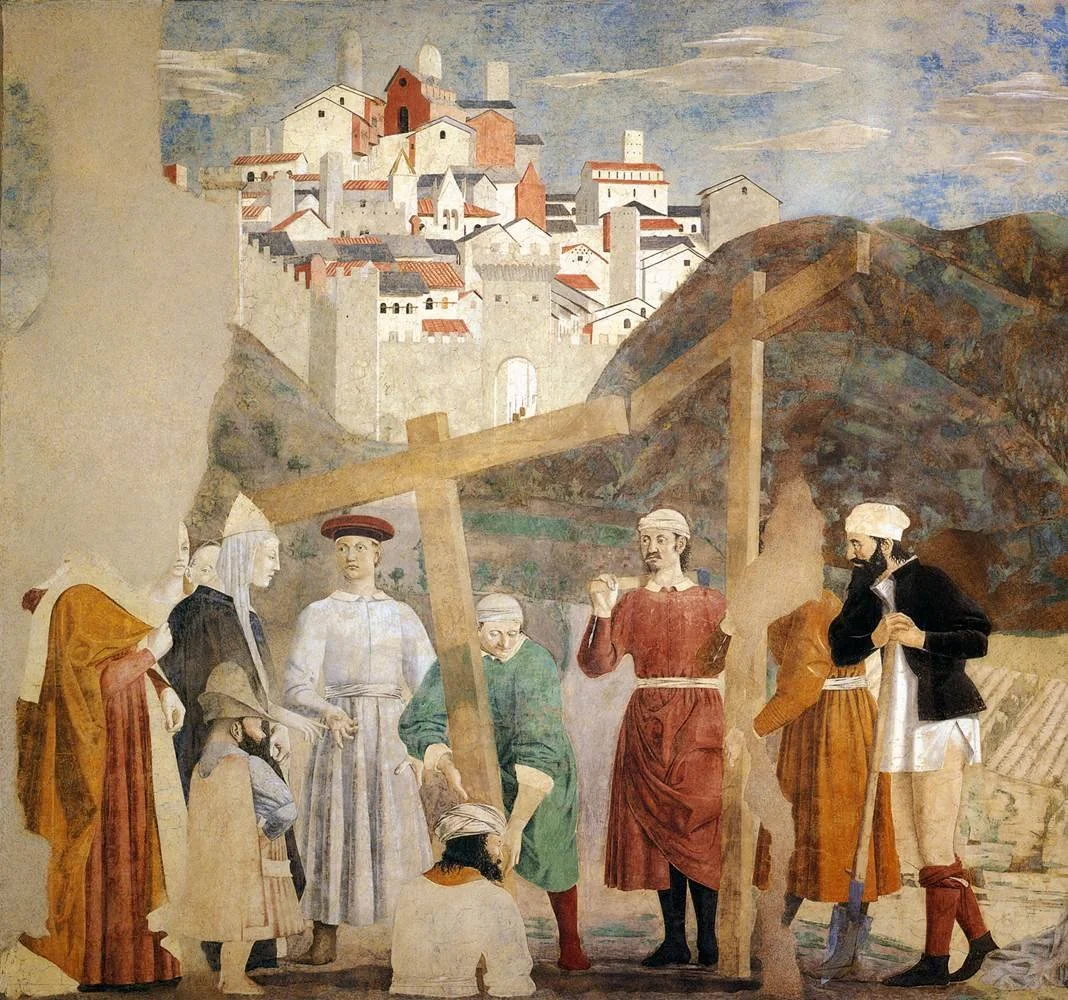
    The development of Western musical notation has an important connection to the Tuscan city of Arezzo. In the 11th century, the Benedictine monk Guido of Arezzo developed new methods of notation and musical teaching, helping cathedral singers to read music at sight and introducing solmisation syllables derived from a hymn to St John. Today we travel north for a guided exploration of the historic centre, which climbs in tiers towards the cathedral where Guido worked, before turning to one of the great achievements of Renaissance painting at the Basilica of San Francesco. Here, Piero della Francesca’s Legend of the True Cross unfolds across the walls of the Bacci Chapel. Piero also wrote treatises on perspective and geometry, and the measured space of these frescoes reflects the same impulse to order and proportion that, four centuries earlier, had helped set music onto the written page. We return to Cortona in the early afternoon, with time to freshen up before our second Nume Festival concert this evening. Overnight Cortona (B)

  • Day 4 | Saturday 19 June
    Perugia
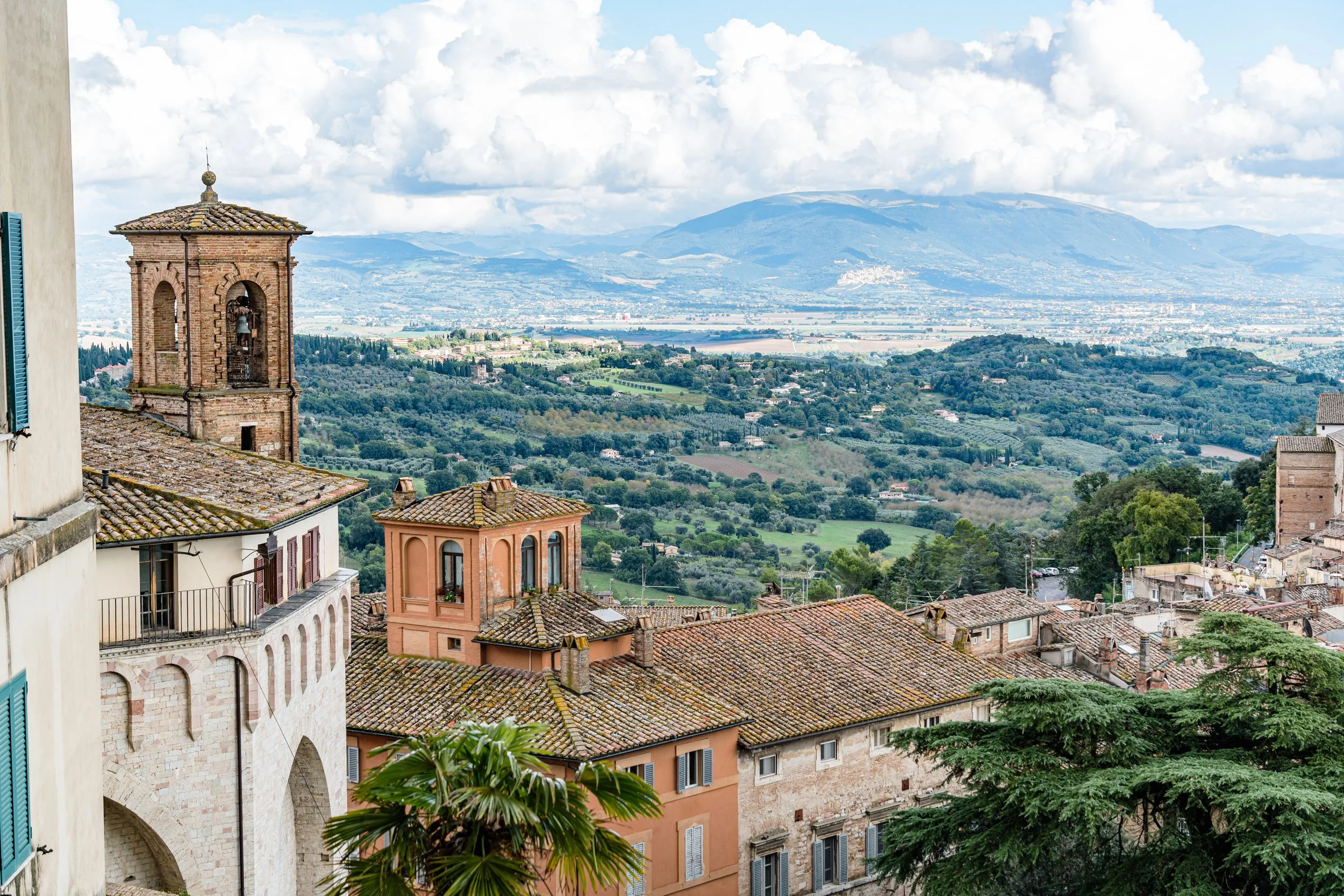
    For much of the Middle Ages, Perugia was governed through a shifting balance of guild power and noble families, until papal authority was imposed decisively in the 16th century. In 1540, after the city resisted a new salt tax, Pope Paul III crushed the revolt and built the Rocca Paolina over the quarter of the defeated Baglioni family. On a morning tour of Perugia, we descend into the fortress, where the former streets, doorways and staircases of the Baglioni quarter survive beneath the modern city. Above ground, the city they lost is still legible. We emerge into Piazza IV Novembre, Perugia’s civic heart, where the Fontana Maggiore, carved in the 1270s by Nicola and Giovanni Pisano, stands before the Duomo. Nearby, at the Collegio del Cambio, the money-changers’ guild hall, Perugino frescoed the audience chamber between 1496 and 1500, while the neighbouring Collegio della Mercanzia preserves its early 15th-century interior of carved wooden panelling. Following a break for lunch, we then visit a hand weaving workshop where traditional Umbrian patterns are still produced on 18th and 19th-century looms, before returning to our hotel for an evening at leisure. Overnight Cortona (B)

  • Day 5 | Sunday 20 June
    Etruscan Cortona | Nume Festival

    Long before archaeology was a discipline, the gentlemen of this small Tuscan town were collecting its past. The Etruscan Academy, founded here in 1727, was among the earliest learned societies in Italy devoted to the ancient world, and the collection its members assembled is now the MAEC, the Museum of the Etruscan Academy and the City of Cortona, where we spend our morning. Its most celebrated object is the bronze lamp discovered in a field below the town in 1840, composed of a chandelier of 16 burners ringed with sirens, satyrs and dolphins, dated to the 4th century BCE and often described as the finest Etruscan bronze of its kind to survive. A walk through the upper town follows, its stepped lanes opening onto views across the Val di Chiana towards Lake Trasimeno. The afternoon is at leisure before we reconvene for our final Nume Festival concert. Overnight Cortona (B)

  • Day 6 | Monday 21 June
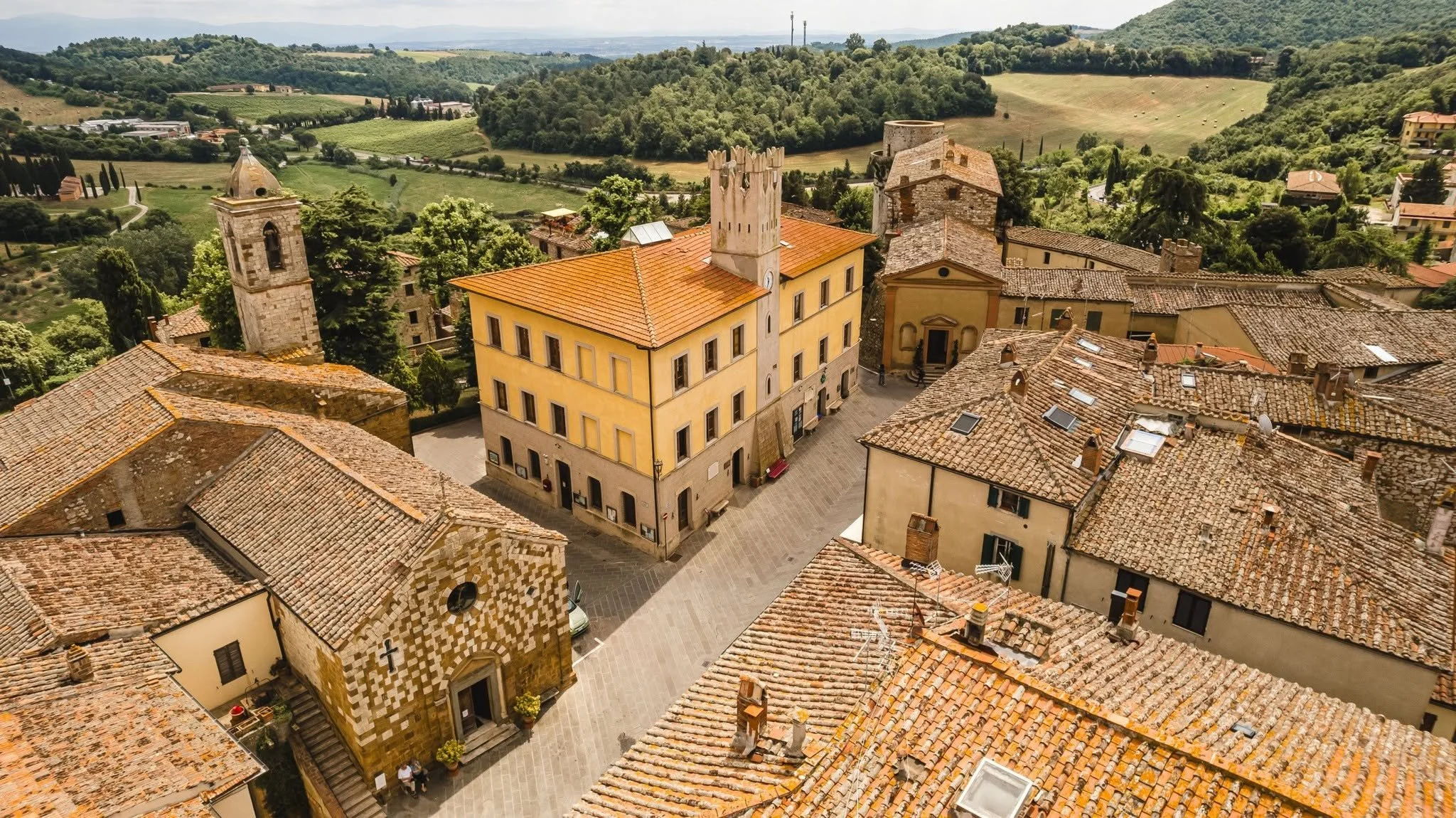
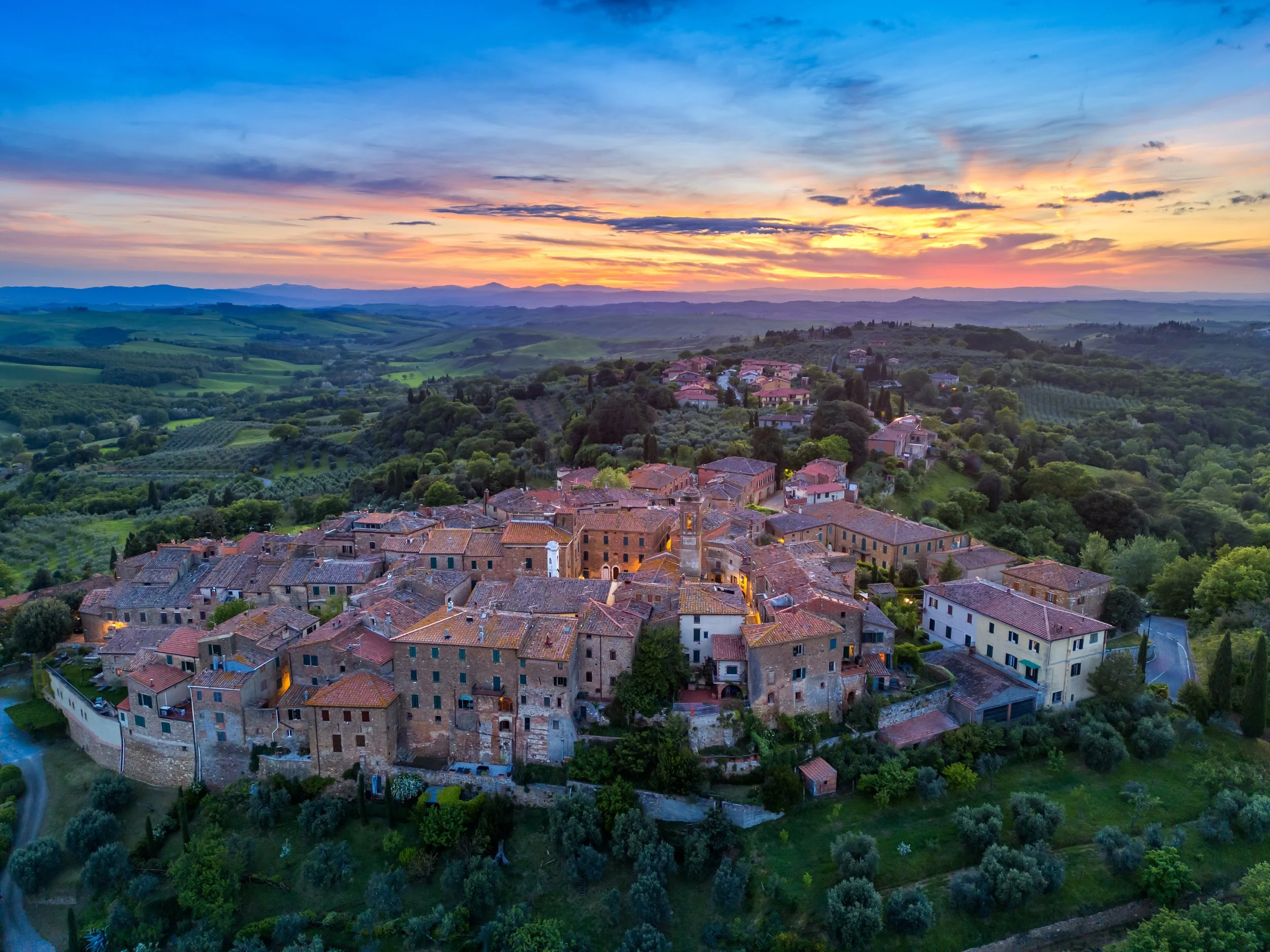
    Pienza & Castelmuzio | Cacciaconti Festival

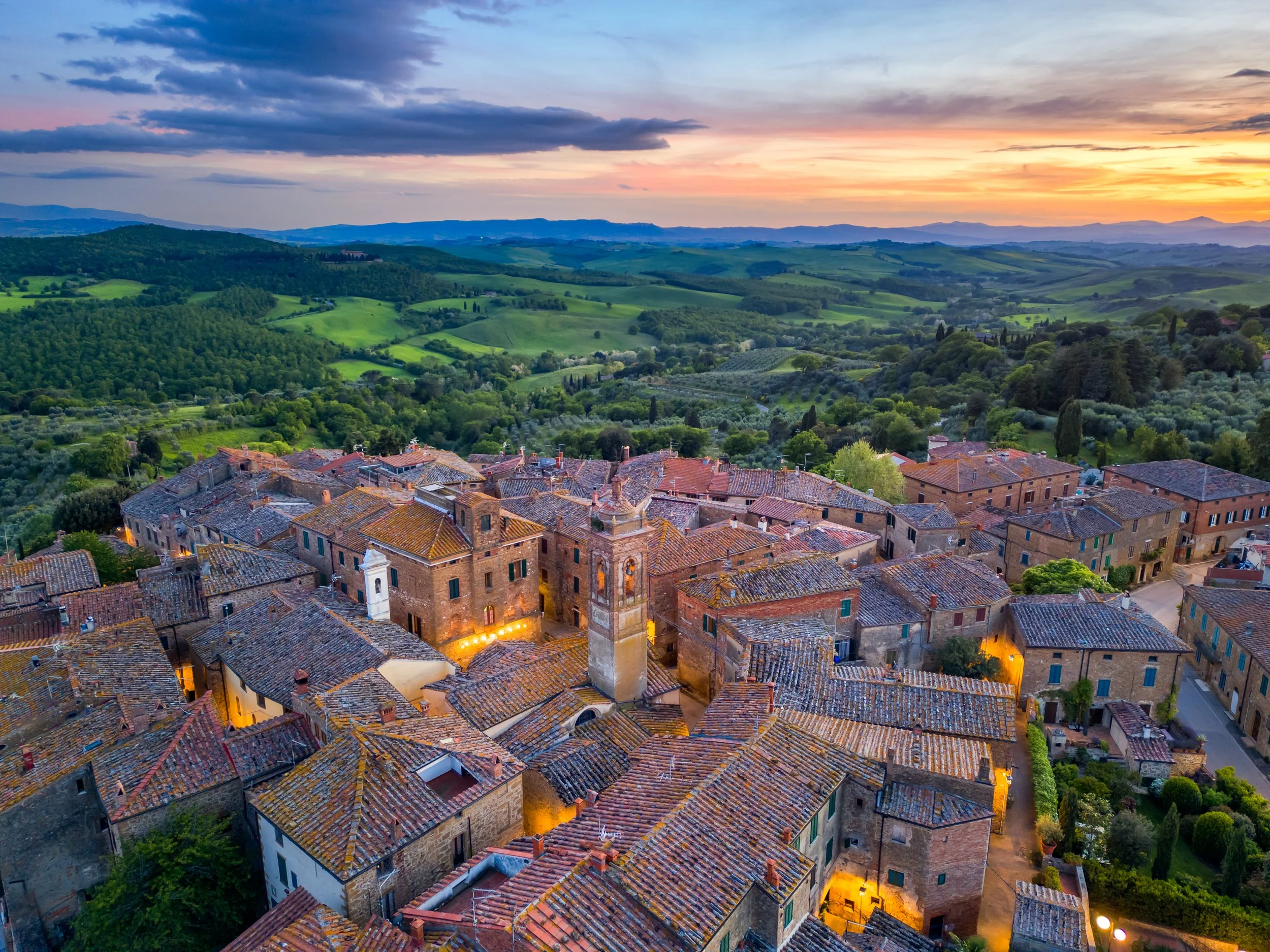
    Enea Silvio Piccolomini, later Pius II, was born in the village of Corsignano in 1405, and on becoming pope set about rebuilding it as a town worthy of his name. Between 1459 and 1462, Bernardo Rossellino remade its centre around a single trapezoidal square, and the result, renamed Pienza, is the earliest built expression of the Renaissance ideal city. Departing Cortona today and travelling west into the Val d’Orcia, we first stop in Pienza to explore its cathedral, whose hall-church design reflects Pius’s travels north of the Alps. Time at leisure in the city follows before we continue through the rolling Tuscan landscapes to Castelmuzio – a walled hilltop village historically associated with the Cacciaconti lords of Trequanda. Their name is carried today by the Cacciaconti Festival that unfolds around the nearby village of Trequanda, with performances staged in historic churches, castles and open-air settings of the Val d’Orcia. On arrival in Castelmuzio, we settle into our converted former monastery with time to freshen up and enjoy an early dinner before making the short journey to Trequanda for the Festival’s opening concert. Pianist Jae Hong Park will join the ensemble I Solisti di Milano Classica for Beethoven’s Piano Concerto No. 4, followed by the Eroica Symphony in a 19th-century arrangement for chamber ensemble. Overnight Castelmuzio (B, D)

  • Day 7 | Tuesday 22 June
    Sant’Antimo & Montalcino | Cacciaconti Festival

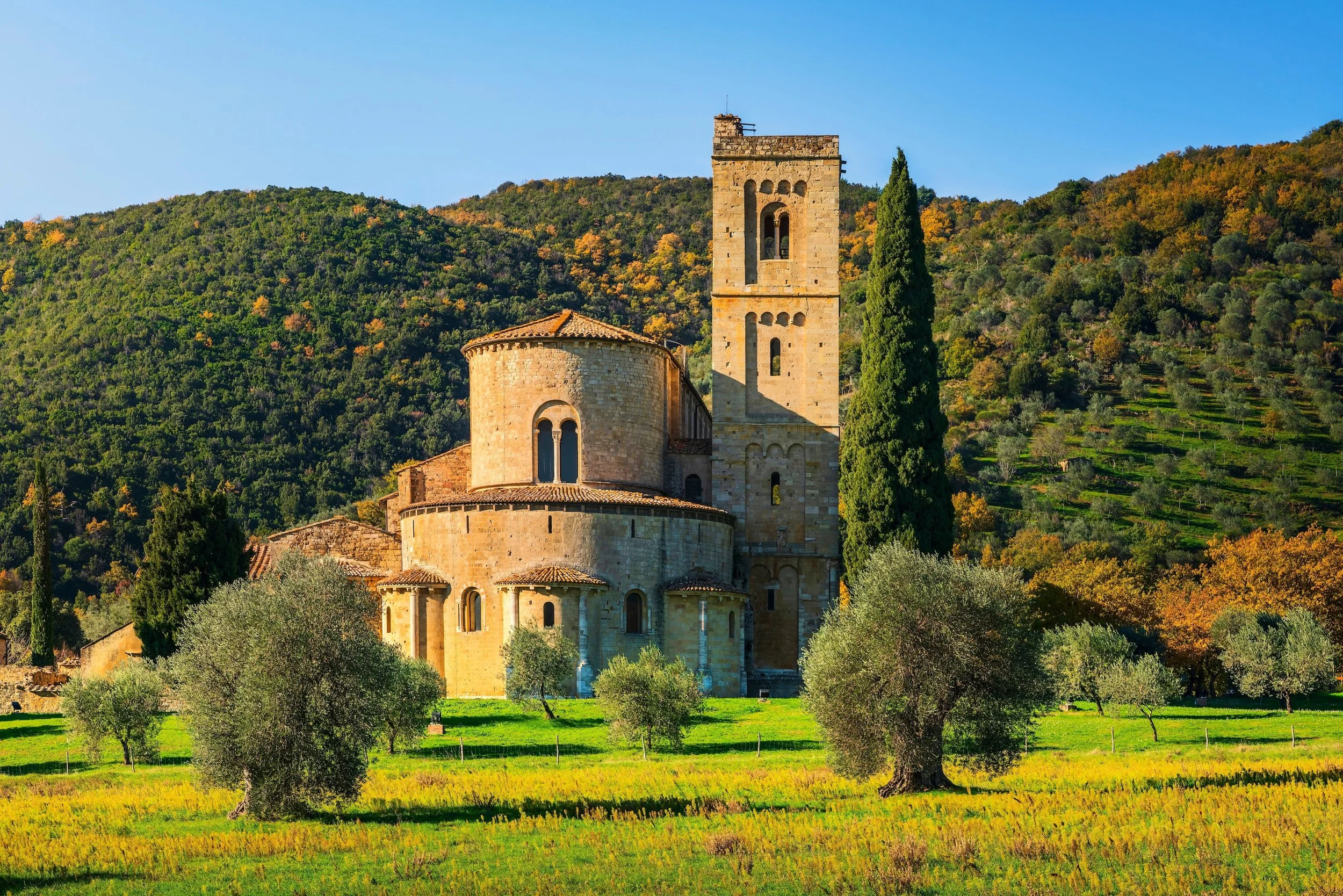
    Tradition holds that Charlemagne founded the Abbey of Sant’Antimo in 781 in gratitude for deliverance from plague. Standing alone among olive groves and cypresses below Montalcino, the present Romanesque church was begun around 1118 and is unusual in Italy for its French-inspired ambulatory and radiating chapels. Inside, pale travertine and alabaster soften the light, while a carved capital depicting Daniel in the lions’ den is attributed to the enigmatic Master of Cabestany. After our morning visit here, we continue towards Montalcino, the hill town that sheltered the last defenders of the Sienese Republic after Siena fell in 1555. The surrounding countryside is synonymous with Brunello di Montalcino, produced from Sangiovese, which we sample during a tasting at a local estate. On return to Castelmuzio, we gather for dinner before travelling to the 13th-century Castello Cacciaconti in Trequanda for this evening’s Festival concert. Here, the Chaos String Quartet performs a program spanning Haydn, Stravinsky and Fauré. Overnight Castelmuzio (B, WT, D)

  • Day 8 | Wednesday 23 June
    La Foce | Cacciaconti Festival

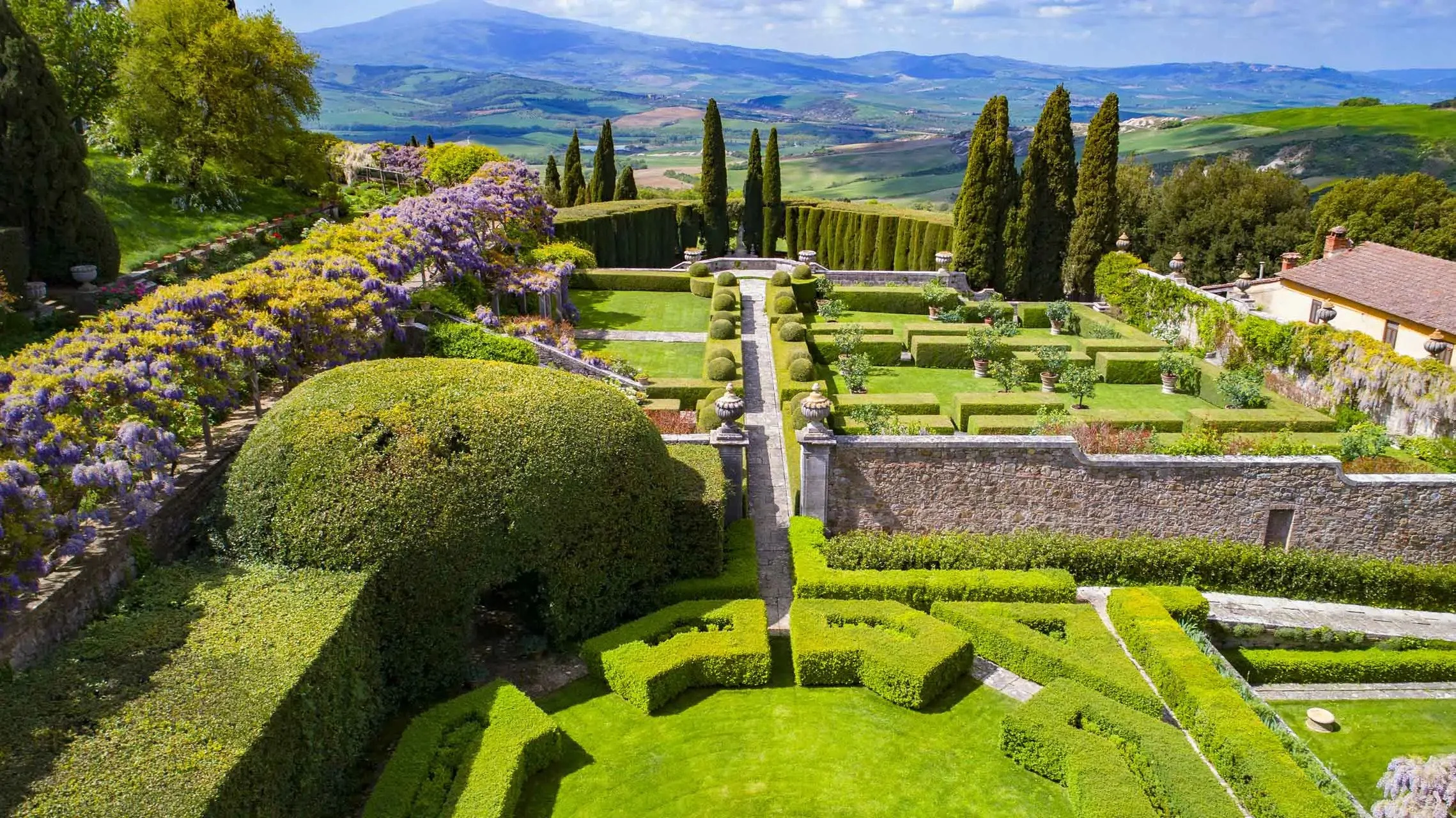
    When Iris and Antonio Origo acquired the La Foce estate in 1924, they took on a depleted property of eroded clay and struggling tenant farms, and over the following three decades set about restoring both its agriculture and its landscape. As part of this wider transformation, Cecil Pinsent designed the gardens between 1927 and 1939 in the Anglo-Florentine manner, arranging formal box parterres and stone terraces close to the house before allowing the composition to open gradually into wisteria, cypresses and the surrounding hills. The cypress-lined road below, laid out by the Origos to connect the estate with farms on the ridge, has since become one of the defining images of the Val d’Orcia. Following a morning at leisure at our farmhouse, we make a private afternoon visit to the gardens of La Foce, where formal terraces, clipped hedges and cypress-lined vistas are carefully composed to open progressively onto the Tuscan landscape. In the evening we return to Trequanda for a Festival concert at the Church of Saints Peter and Andrew, where violinist Ariana Kim, violist Jamiang Santi and cellist Wilhelmina Smith perform Beethoven’s String Trios, Op. 9. Overnight Castelmuzio (B)

  • Day 9 | Thursday 24 June
    Castelmuzio | Cacciaconti Festival

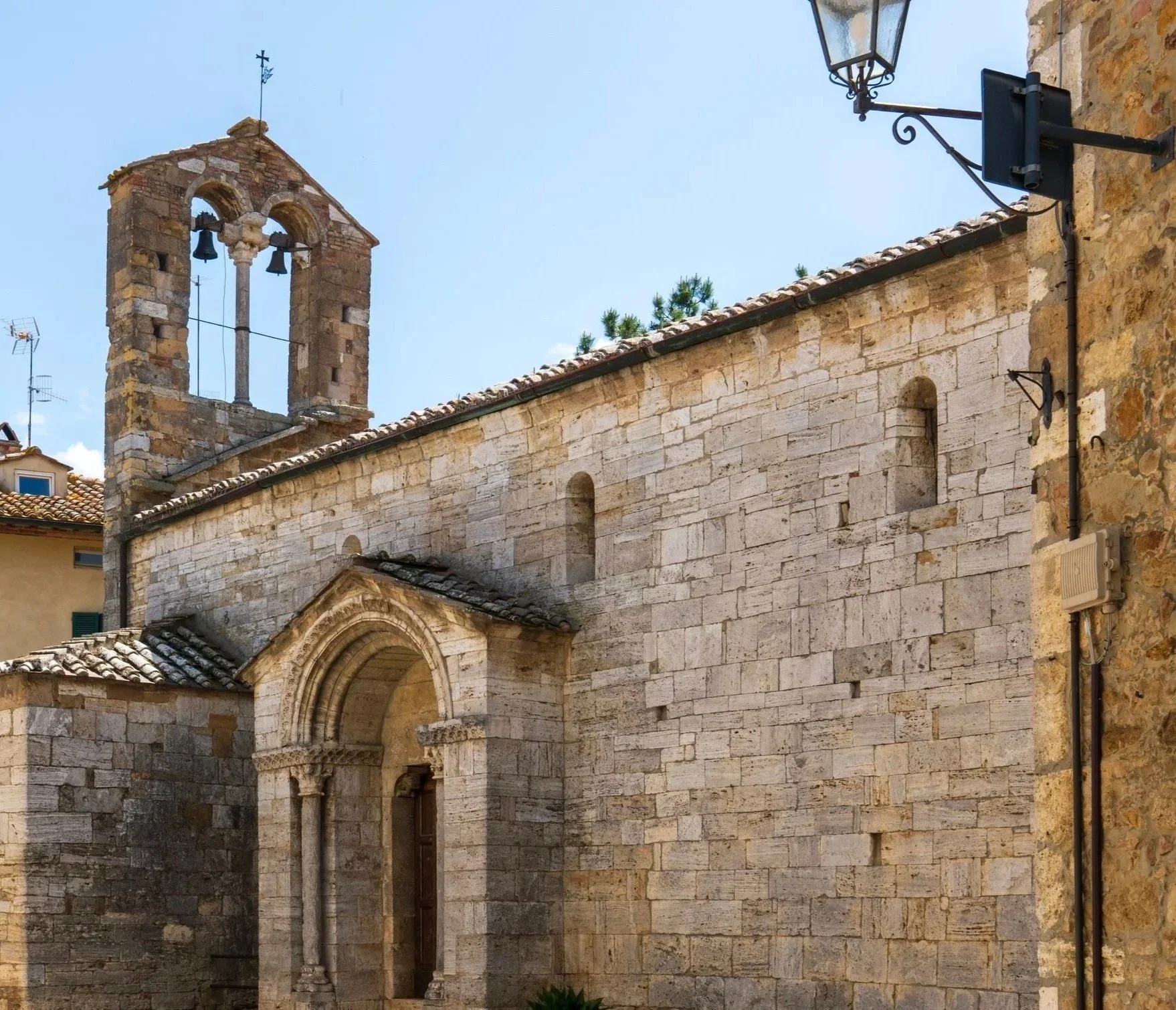
    Across rural Tuscany, the pieve was once the mother church of its surrounding district, holding the right of baptism and often standing apart from the villages it served. A short walk below Castelmuzio brings us to the Romanesque Pieve di Santo Stefano a Cennano this morning, whose simple stone interior has become one of the atmospheric venues of the Cacciaconti Festival. Here, pianist Jae Hong Park gives a solo recital beneath the church’s bare Romanesque stonework offering three late-Romantic visions of the piano – by turns symphonic, intimate and spiritual. Lunch follows nearby before we return to our farmhouse. In the evening, we travel again to Trequanda, where the festival moves outdoors to Parco Pancirolli. The Soloists of Milano Classica and harpist Luisa Prandina perform a chamber program including works by Debussy and Ravel alongside Beethoven’s Septet. Overnight Castelmuzio (B, L)

  • Day 10 | Friday 25 June
    San Quirico d’Orcia | Cacciaconti Festival

    For centuries, the Via Francigena carried pilgrims through the Val d’Orcia on their way to Rome, and San Quirico grew as an important stopping place along the route. Its medieval fabric still reflects this role, from the Romanesque Collegiata with its three sculpted portals to the later Horti Leonini, laid out in 1580 as one of Tuscany’s earliest surviving formal gardens. Before exploring the town, however, the day begins with one of the tour’s special musical events: a performance at a secluded country estate near Trequanda, where the Indaco Quartet performs three of Beethoven’s string quartets. We then continue to San Quirico d’Orcia for time to explore its historic centre before returning to our farmhouse via the thermal village of Bagno Vignoni. In the early evening, we return to the intimate setting of the Pieve di Santo Stefano a Cennano, where renowned English tenor and historian Ian Bostridge joins pianist Roberto Prosseda in Schubert’s seminal Romantic cycle Die schöne Müllerin - a journey from hope and desire to obsession and loss, and one of the supreme achievements of the Lieder repertoire. Dinner follows back at our farmhouse, with an opportunity to meet the artists over a glass of bubbles. Overnight Castelmuzio (B, D)

  • Day 11 | Saturday 26 June
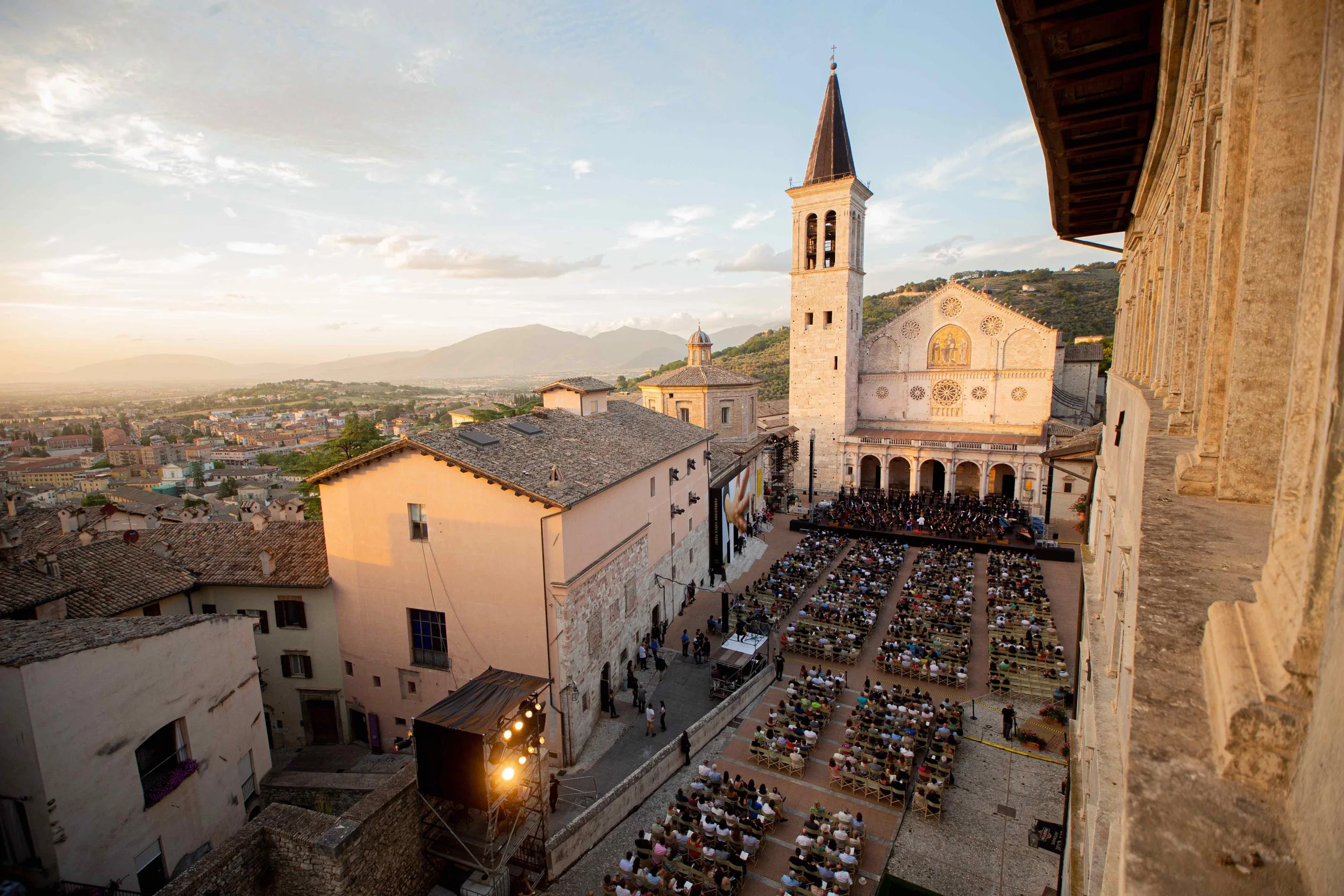
    Spoleto | Festival dei Due Mondi

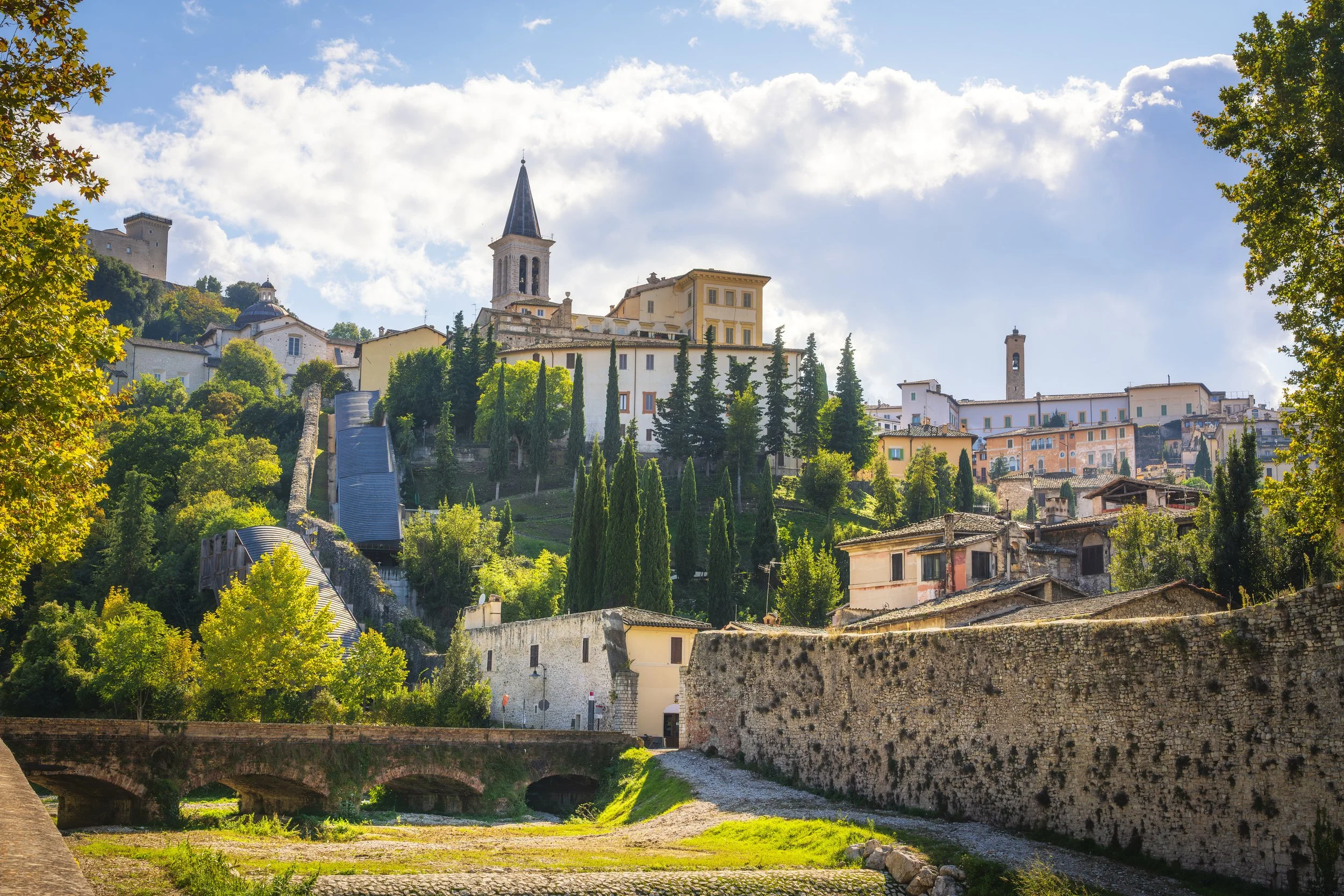
    When Gian Carlo Menotti founded the Festival dei Due Mondi in 1958, he chose a compact Umbrian hill town whose theatres, churches, cloisters and piazzas could become part of the performance itself. That relationship between festival and place has remained central ever since, with music, opera, theatre and dance unfolding across a city whose history reaches from Roman Spoletium to its later role as the seat of a powerful Lombard duchy. Today we travel east across Umbria to Spoleto, arriving in time for lunch together before beginning our exploration of the ancient city. Our afternoon takes in the Roman theatre, the Arch of Drusus and the Casa Romana, where mosaic floors survive across a suite of rooms from the Imperial period. The remainder of the afternoon is then at leisure before we reconvene this evening for the first of our performances at the Festival dei Due Mondi (Festival of Two Worlds). Overnight Spoleto (B, L)

  • Day 12 | Sunday 27 June
    The Rocca and the Duomo | Festival dei Due Mondi

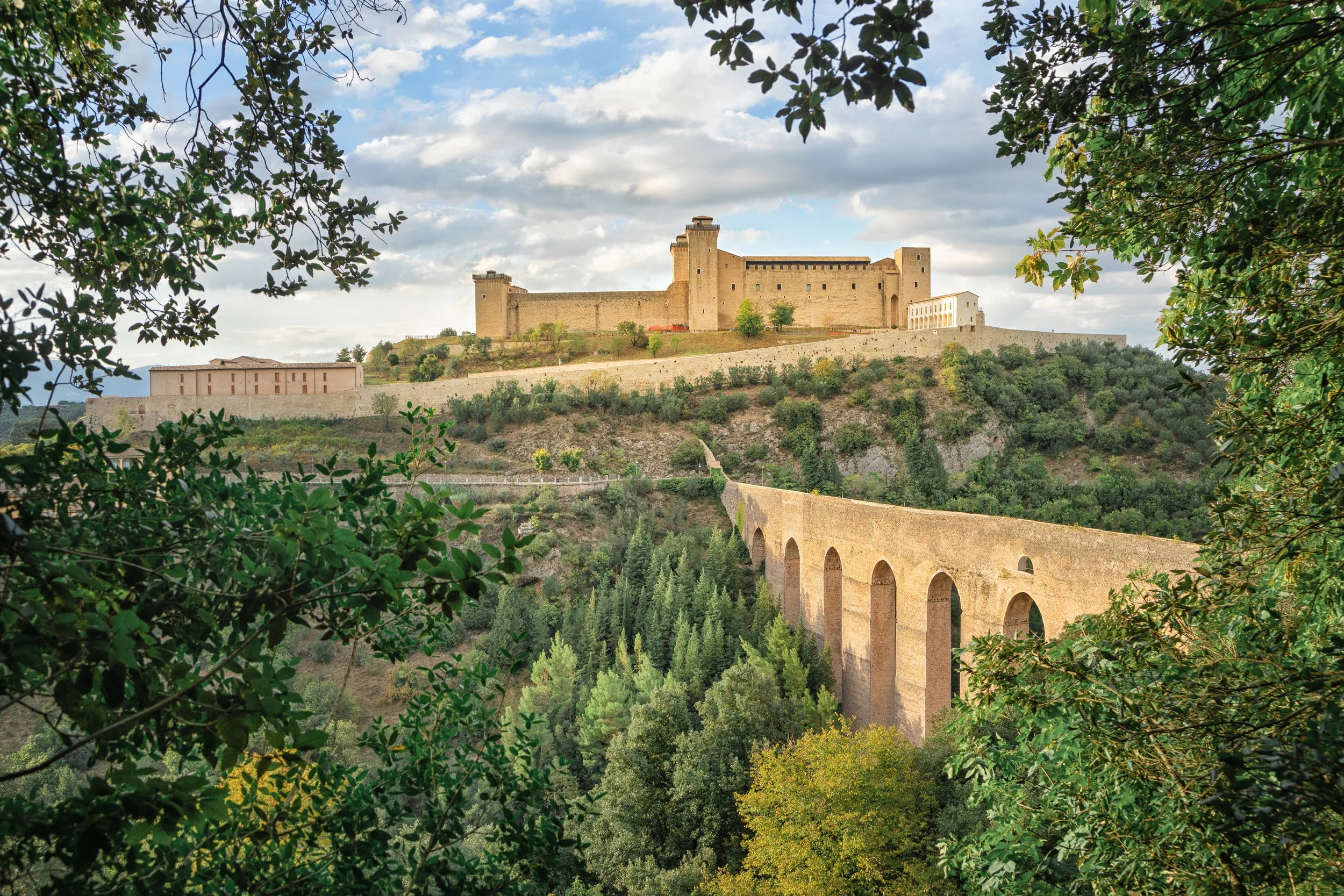
    Sent into central Italy in 1353 to restore papal authority while the popes remained at Avignon, Cardinal Albornoz made the hill above Spoleto the site of a formidable new fortress. The Rocca Albornoziana became both a symbol and an instrument of papal rule, which endured across the region for the next four centuries. We begin the morning at the Rocca, where the ramparts open onto views of the Ponte delle Torri, its 10 arches spanning some 80 metres across the Tessino gorge on foundations long believed to be Roman. After a coffee break, we descend through the historic centre to the Duomo, approached across its broad piazza and crowned by a 13th-century mosaic of Christ enthroned. Inside, Fra Filippo Lippi’s frescoes fill the apse; the artist died in Spoleto in 1469 before completing the cycle and is buried here in a tomb commissioned by Lorenzo de’ Medici. An afternoon at leisure follows before we reconvene this evening for our final performance of the tour at the Festival dei Due Mondi. Overnight Spoleto (B)

  • Day 13 | Monday 28 June
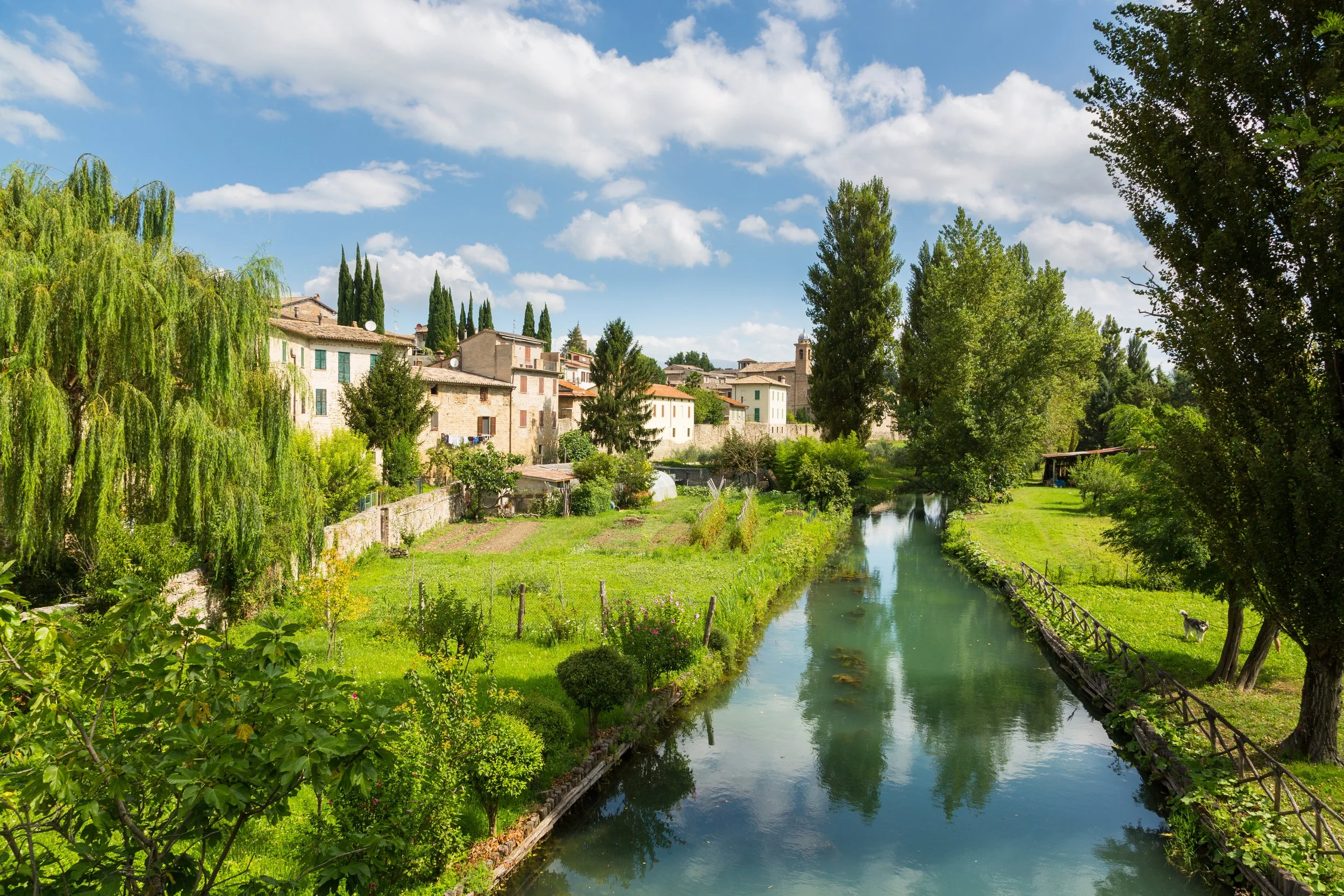
    Bevagna and Montefalco

    The Mercato delle Gaite transports Bevagna back to the Middle Ages for a few days each June, when the four gaite, the medieval districts into which the town is still divided, each reopen the workshops of the old trades: paper, silk, candles and hemp, all worked by hand. Crossing the Umbrian plain by coach, we reach the town in time for the morning’s work, and find its centre in Piazza Silvestri, where two Romanesque churches and a 13th-century consuls’ palace stand on a Roman street plan still legible beneath them. We then continue to Montefalco, set high above the Umbrian valley, where lunch is enjoyed together. In the afternoon, we visit the former Church of San Francesco to see Benozzo Gozzoli’s celebrated 1452 fresco cycle depicting the life of St Francis, one of the most complete surviving examples of the artist’s early work. We return to Spoleto in the late afternoon for an evening at leisure. Overnight Spoleto (B, L)

  • Day 14 | Tuesday 29 June
    Orvieto

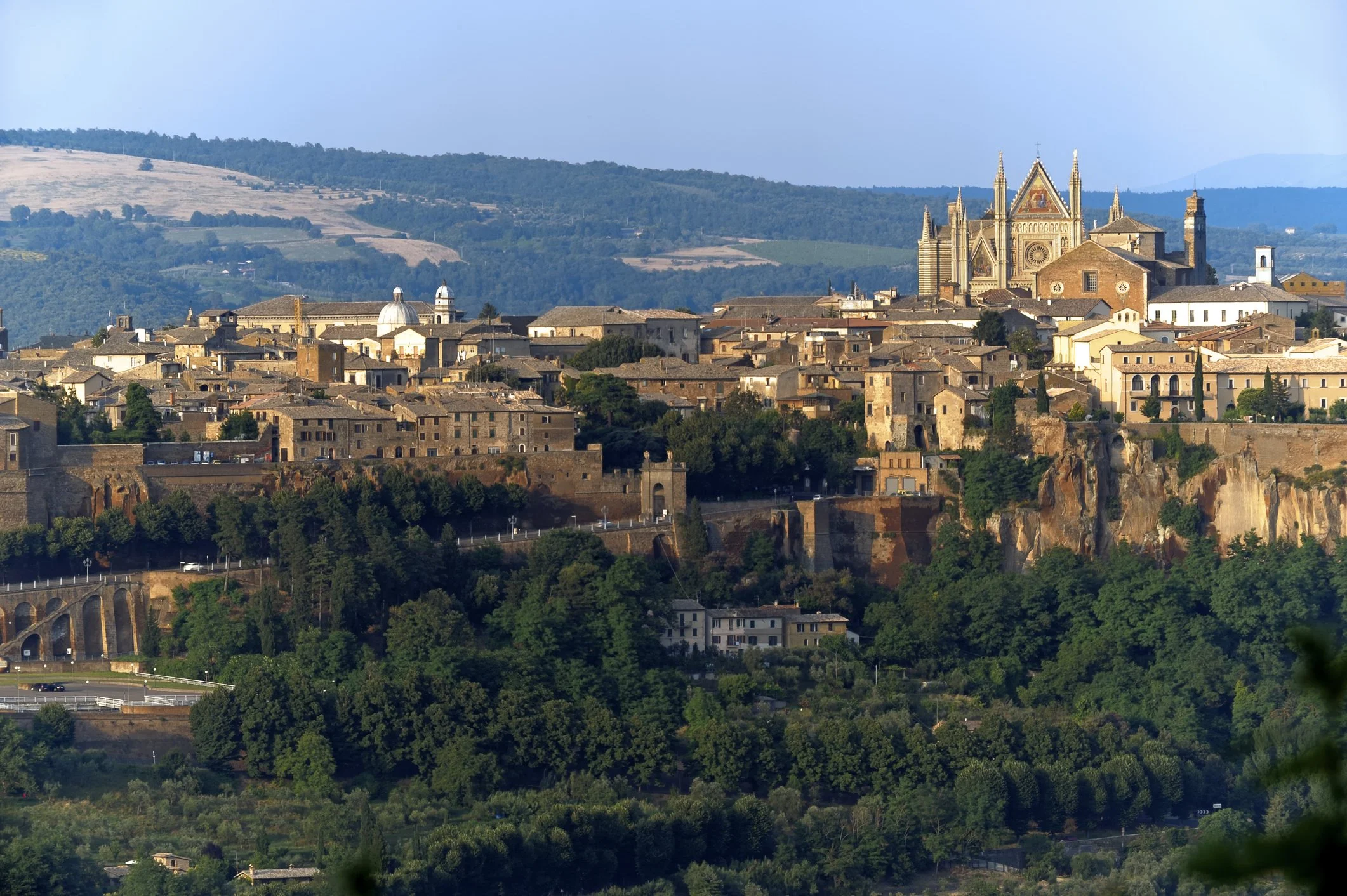
    Rising abruptly above the Umbrian plain on a plateau of volcanic tufa, the city of Orvieto has been hollowed out since Etruscan times with wells, cellars, workshops and pigeon lofts, creating an extraordinary subterranean world beneath its streets. More than 1,200 chambers have been mapped, and after travelling here this morning, we explore the historic centre before descending into part of this network of caves and passageways. We then turn to the Duomo, begun in 1290 and distinguished by its striped basalt and travertine walls and richly decorated facade of mosaic, bronze and carved marble. Inside, the Chapel of San Brizio contains the great fresco cycle begun by Fra Angelico and Benozzo Gozzoli and completed half a century later by Luca Signorelli. Painted between 1499 and 1504, Signorelli’s scenes of the Antichrist, the Resurrection and the Damned display a dramatic command of the human figure that would later resonate in Michelangelo’s Sistine Chapel. There is a pleasing symmetry to our visit; having encountered Signorelli’s work in his native Cortona at the beginning of the tour, we conclude our cultural program before his greatest achievement. We return to Spoleto for a farewell dinner in the old town. Overnight Spoleto (B, D)

  • Day 15 | Wednesday 30 June
    Depart Spoleto - To Rome

    Our tour concludes after breakfast. A group transfer takes us south by coach to Rome’s Fiumicino Airport, arriving in the late morning for onward flights. (B)

Hotels have been selected principally for their central location. All hotels are excellent four-star standard.

Tour Accommodation

  • Cortona, Hotel Villa Marsili | 5 Nights

    A restored historic residence just outside Cortona’s pedestrian centre, with views across the Val di Chiana.

  • Castelmuzio, La Moscadella | 5 Nights

    A beautifully restored monastery in the Val d’Orcia countryside, featuring a swimming pool and an on-site restaurant.

  • Spoleto, Hotel San Luca | 4 Nights
    An elegant hotel within Spoleto’s historic centre, housed in a restored 19th-century building with a peaceful internal courtyard.

tour booking

$18,480 AUD per person, twin share (land content only)
$4,470 AUD supplement for sole use of a hotel room

A $2,000 deposit is required per person to confirm your booking on tour. This deposit is non-refundable.

Hold a Place

Still deciding? We are happy to hold a tentative place for 7 days while you make your final arrangements.

Book Online

To secure your place(s) on tour, book online below with “Athena”, our virtual tour consultant.

DOWNLOAD FORM

Download a printable booking form. You can also complete the form on screen and submit via email.

your tour consultant

The consultant for this tour is Jamal Fairbrother. For further information or to discuss the tour, please call 9235 0023 (Sydney) or 1800 639 699 (outside Sydney) or email jamal@academytravel.com.au

have you thought about?

Academy Travel is more than just a tour operator. We are also a full-service travel agency who can assist you with all aspects of your travel, including flights, transfers, pre-tour arrival, additional travel and comprehensive travel insurance.

can’t make this departure?

If these dates don't work for you, register to hear about the next tour.