Japan

Tradition, Memory & Modern Life

Journey from the streets of Kanazawa to Kyoto's temples and Hiroshima's memorials, where ritual still shapes everyday life.

TOUR STATUS

Places Available | Maximum 16

TOUR DATES

October 20-30, 2027 | 11 Days

TOUR LEADER

Dr Lauren Richardson | View Bio

snapshot

OVERVIEW

Japan preserves its past with meticulous care. Temples are maintained using centuries-old building techniques, gardens reflect traditions of landscape design, and craftsmanship is passed from one generation to the next. Yet Japan is also a country shaped by profound change, from the transformation of Edo into modern Tokyo to the destruction and rebuilding of Hiroshima after 1945.

Over 11 days, Dr Lauren Richardson, a specialist in Japanese history and politics, leads a journey aross Japan’s main island of Honshu that examines these contrasting aspects of Japanese life. Beginning in Tokyo’s historic neighbourhoods, we travel to the former samurai stronghold of Kanazawa and the thatched villages of Shirakawa-go. The living traditions of Zen Buddhism at Eihei-ji lead us towards Kyoto before
concluding in Hiroshima and on the sacred island of Miyajima.

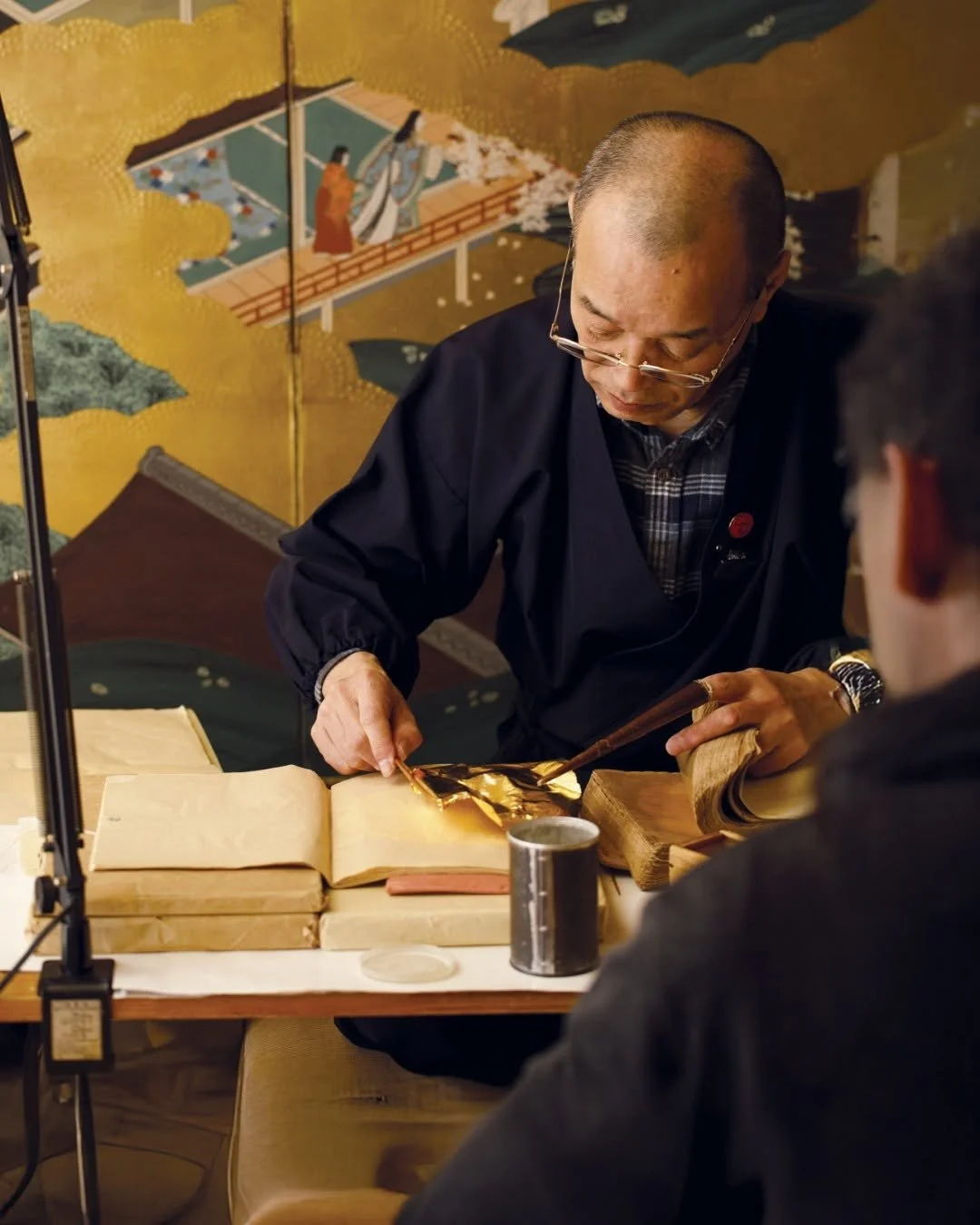
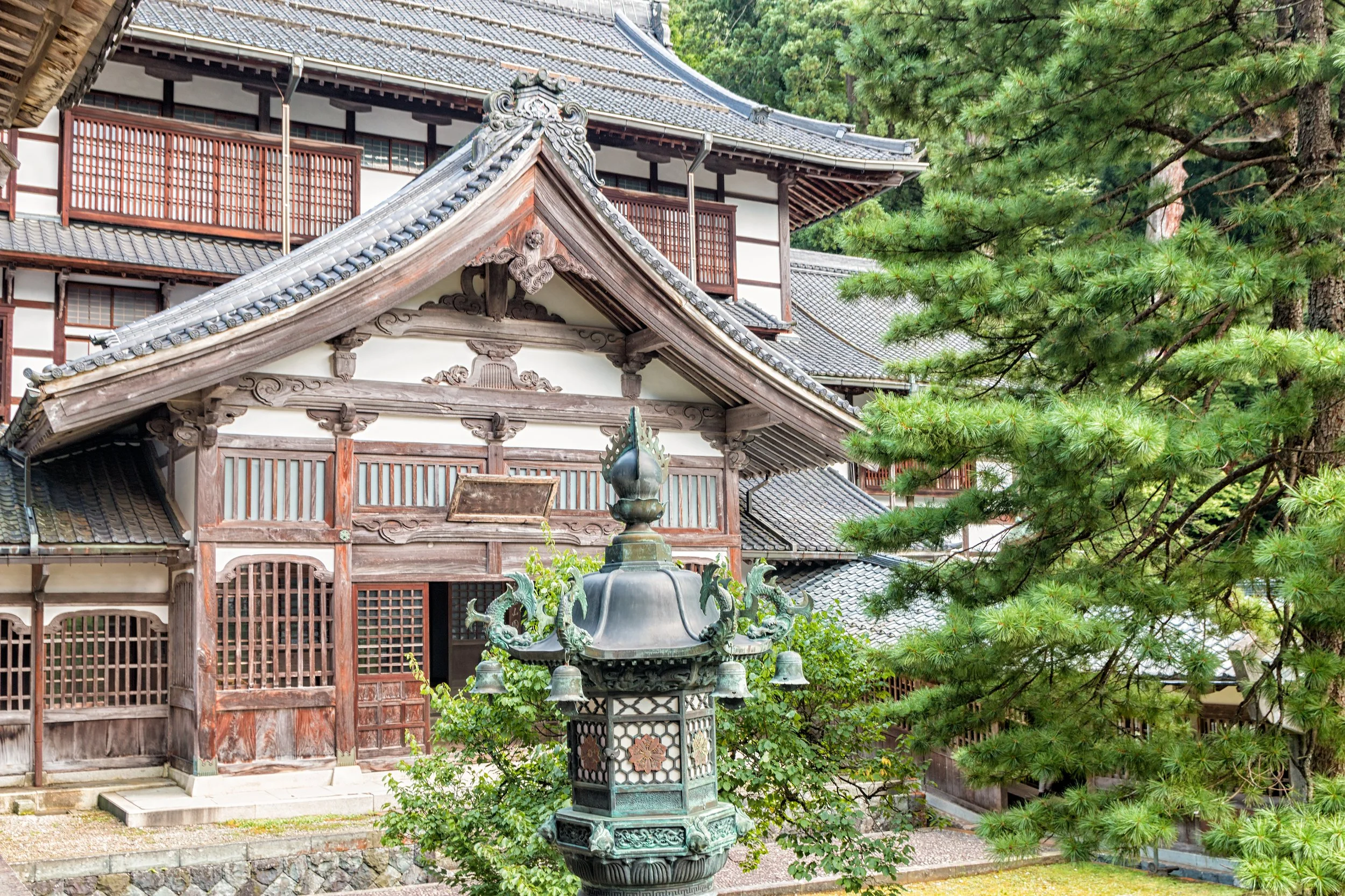
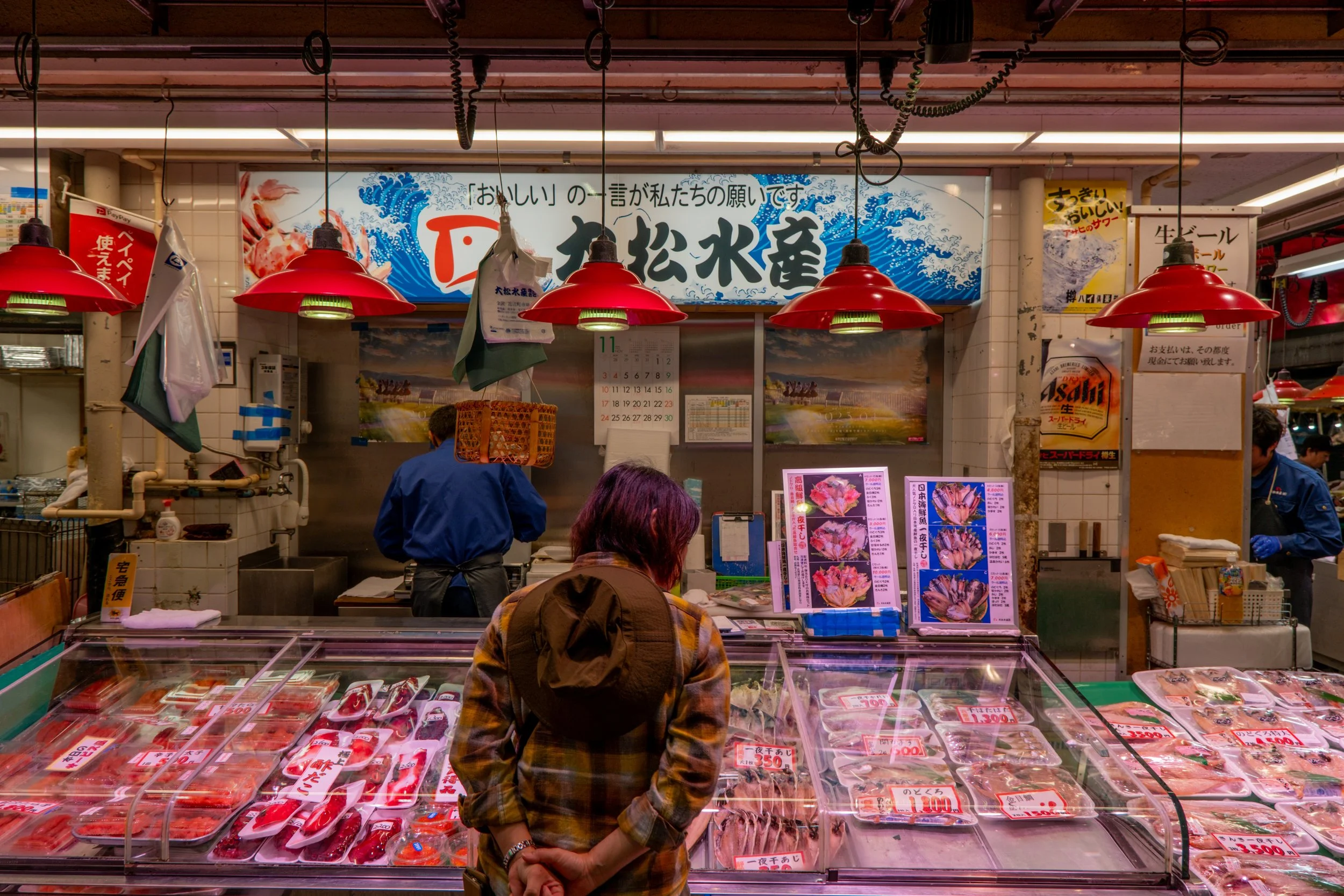
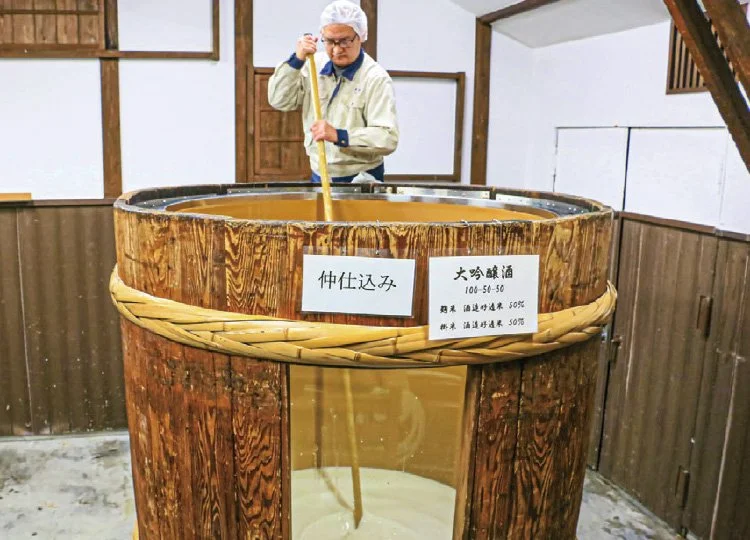
Throughout the tour, local specialists share their expertise, from gold-leaf craftsmanship and Zen Buddhist practices to sake brewing in Fushimi. Regional cuisine adds another dimension, from the vegetarian shōjin-ryōri of monastery kitchens to Kanazawa’s seafood markets and Miyajima’s specialities.

tour highlights

Hands-On Workshops, Artisan Encounters & Personal Testimonies

Dr Lauren Richardson

your expert tour leader

Lauren is a lecturer in international relations at the Australian National University, specialising in Japan and the Korean peninsula. She holds postgraduate degrees from Monash University, Keio University in Tokyo and ANU, and has taught at Keio and the University of Edinburgh. An active public commentator on the politics and society of Northeast Asia, Lauren regularly briefs politicians, diplomats and public servants. She brings academic expertise of Japan to her tours, helping travellers understand the histories, cultures and polotics that shape the region.

Read full bio >

Accompanied by an Experienced Tour Manager

Alongside your expert tour leader, an experienced tour manager will accompany for the entirety of the tour. They oversee logistics, ensure your comfort and safety, and provide friendly support – whether offering tips for free time, sharing a chat over dinner, or giving you space to relax.

tour ITINERARY

Tokyo (2 nights), Kanazawa (3 nights), Kyoto (3 nights), Hiroshima (2 nights)

Included meals are shown with the letters B, L and D
  • Day 1 | Wednesday 20 October
    Arrive Tokyo
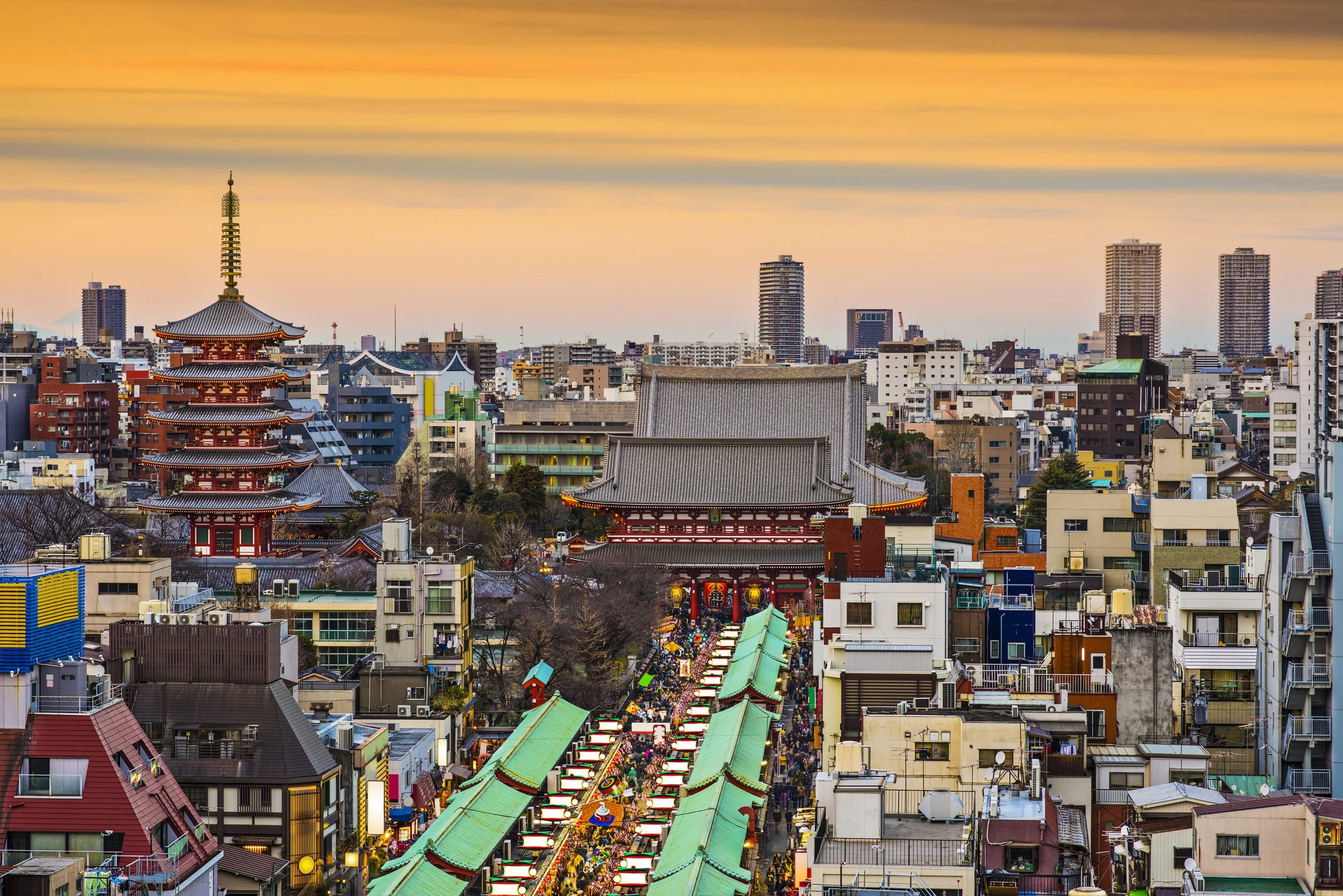
    Japan’s capital is a city of contrasts, where centuries-old temples and traditional neighbourhoods stand alongside the architecture of a modern metropolis. Much of Tokyo was rebuilt following the Great Kantō Earthquake of 1923 and the destruction of the Second World War, yet districts such as Asakusa retain a strong connection to the city’s earlier history. On arrival at Tokyo’s Haneda Airport, we transfer by coach to our hotel in this historic district, our base for the next two nights. The afternoon is at leisure to rest or explore the surrounding neighbourhood before we gather in the early evening for an introductory lecture. A welcome dinner at a nearby restaurant concludes the evening. Overnight Tokyo (D)

  • Day 2 | Thursday 21 October
    Old Tokyo
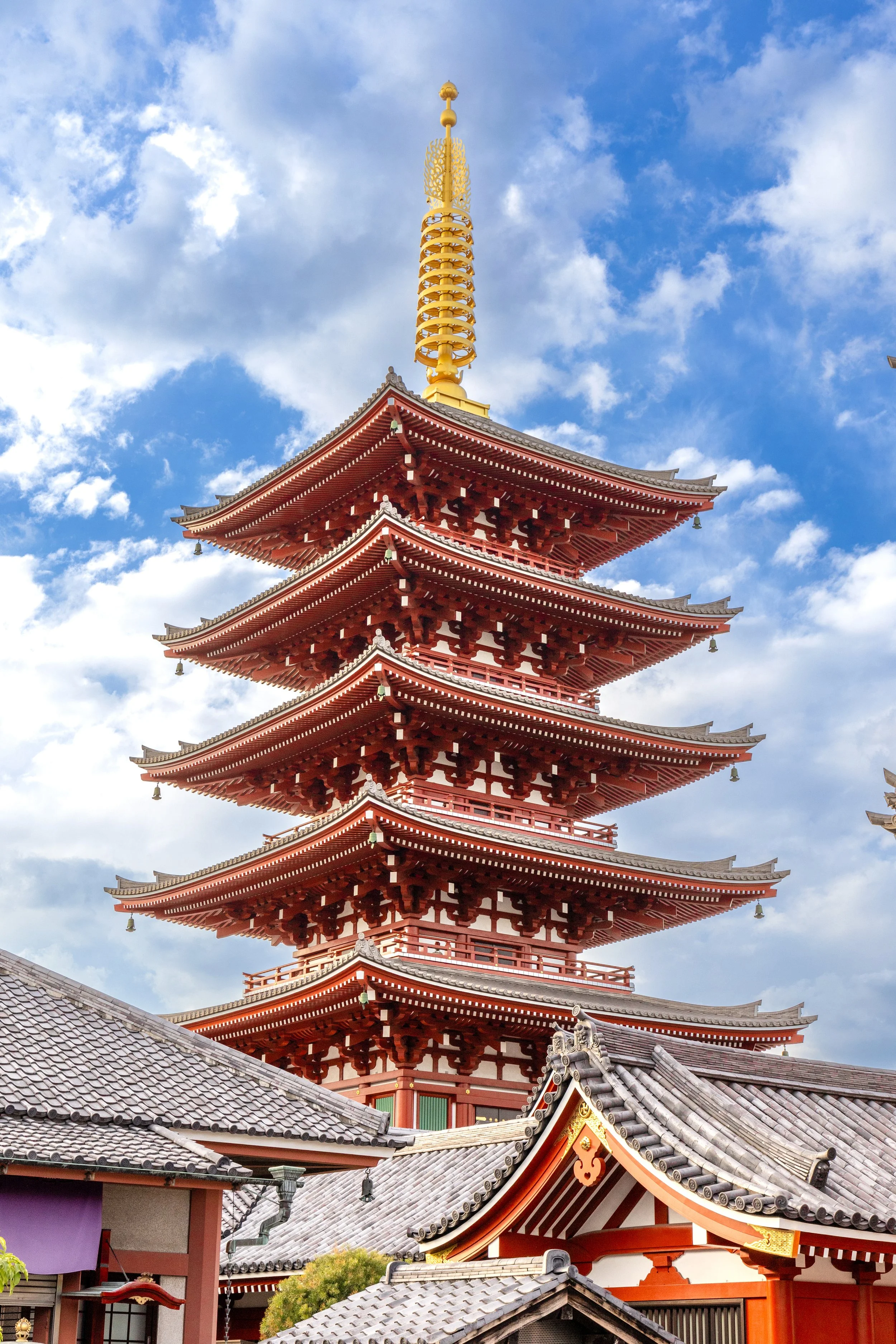
    During the Edo period (1603–1868), the districts surrounding the shogun’s castle were home to samurai and powerful families, while merchants, artisans and labourers occupied the bustling neighbourhoods of the shitamachi, or ‘low city’. Although much of this older Tokyo has disappeared, several districts still preserve its traditional streetscapes and community life. We begin our exploration of old Tokyo in Yanaka, where narrow streets, traditional shops and numerous Buddhist temples preserve something of the atmosphere of the Edo period. Having largely escaped both the 1923 earthquake and wartime firebombing, the neighbourhood offers a glimpse of the city’s earlier character. Our walking tour takes us along Yanaka Ginza and through the temple lanes surrounding Tennō-ji before returning to Asakusa. Here, we pass beneath the great Thunder Gate and follow Nakamise-dōri, lined with traditional shops, to Sensō-ji, Tokyo’s oldest Buddhist temple, founded in the 7th century. After a break for lunch, we then continue to Ueno and the Tokyo National Museum, home to an extensive collection of Japanese and Asian art, including samurai armour. We return to our hotel in the late afternoon, with the evening at leisure. Overnight Tokyo (B)

  • Day 3 | Friday 22 October
    Kanazawa
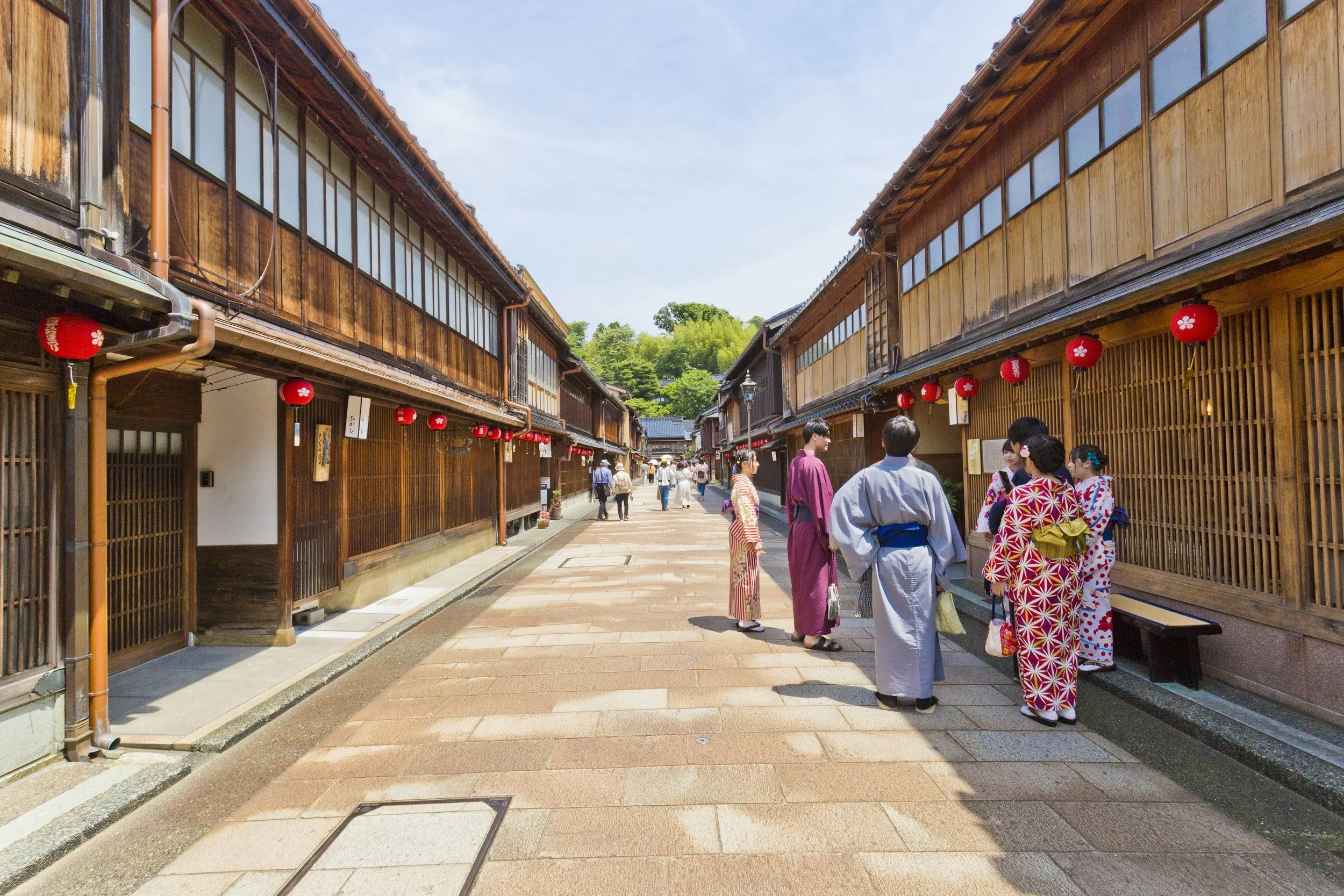
    During the Edo period, Kanazawa flourished under the powerful Maeda clan, whose domain was among the wealthiest in Japan. Their patronage of gardens, architecture and traditional crafts transformed the castle town into a centre of artistic and cultural life, a legacy that remains evident today. Following a leisurely morning, we transfer to Tokyo Station to board the Hokuriku Shinkansen for Kanazawa. The two-and-a-half-hour rail journey takes us north-west through the mountainous interior of Honshu towards the Sea of Japan coast. Arriving in the early afternoon, we transfer to our hotel with time to settle in before visiting Higashi Chaya, one of Kanazawa’s historic geisha districts. Established in 1820, its streets are lined with two-storey wooden teahouses, distinguished by their finely latticed facades. Behind these were elegant reception rooms where geisha entertained wealthy merchants and patrons with music, dance and conversation. Several historic teahouses survive and some houses open to visitors. In the evening, we gather for dinner in Katamachi, Kanazawa’s lively dining district, where traditional restaurants serve regional Kaga cuisine, including seafood from the nearby Sea of Japan. Overnight Kanazawa (B, D)

  • Day 4 | Saturday 23 October
    Kenroku-en & Kinpaku
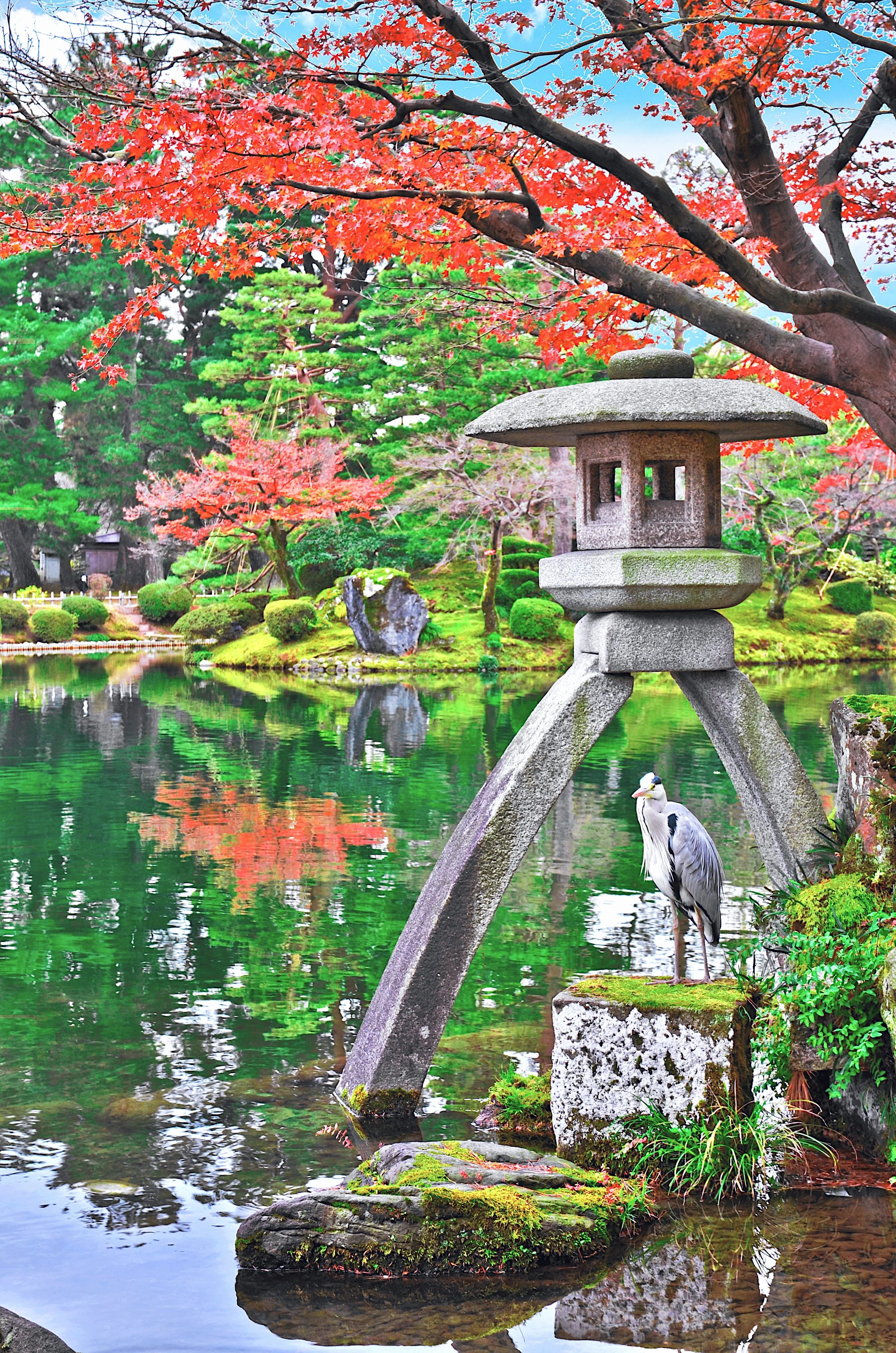
    Considered one of Japan’s three great gardens, Kenroku-en was developed over successive generations by the powerful Maeda lords. Its name refers to six qualities of an ideal landscape garden drawn from Chinese garden theory, including spaciousness, tranquillity and scenic beauty. We begin our day among its carefully composed ponds, streams, stone lanterns and sculpted pine trees before continuing to the adjacent Kanazawa Castle, where reconstructed buildings demonstrate the sophisticated timber construction techniques of the Edo period. Nearby, we also explore Nagamachi, the former samurai quarter, where narrow lanes and earthen walls recall the residential compounds of the Maeda retainers and a visit to the Nomura Residence reveals the refined interiors and intimate landscaped garden of a samurai household. Lunch is then enjoyed through a series of tastings at Ōmichō Market, Kanazawa’s bustling food market, established in the 18th century and renowned for its fresh seafood. Turning our attention to another of the city’s celebrated traditions, we conclude the day with a special private kinpaku workshop, learning the delicate art of gold-leaf application for which Kanazawa is renowned. Under the guidance of a skilled artisan, each guest decorates a piece to take home. On return to our hotel, the evening at leisure. Overnight Kanazawa (B, L)

  • Day 5 | Sunday 24 October
    The Villages of Shirakawa-go
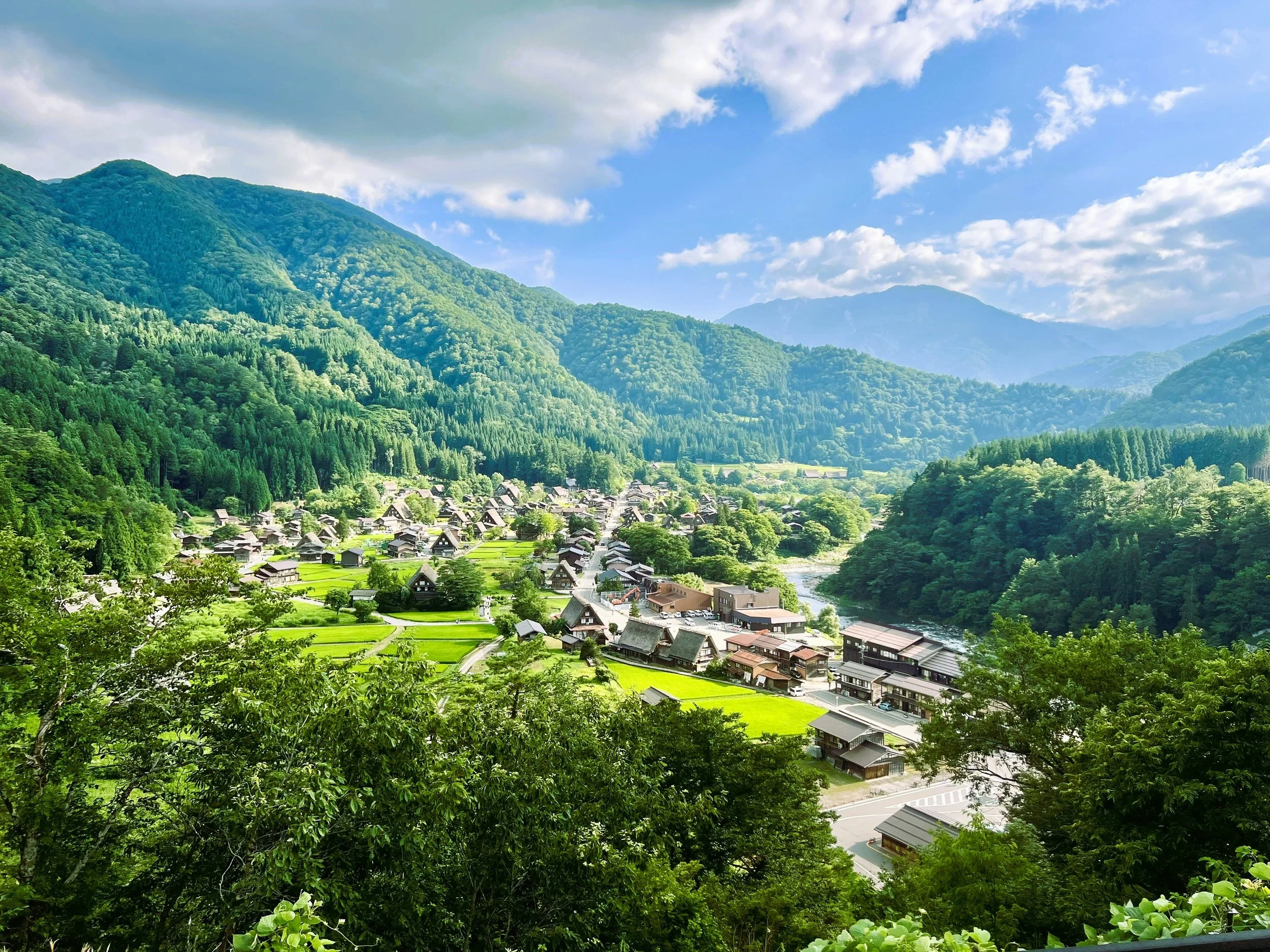
    In the mountainous valleys of central Japan, heavy winter snowfall has shaped a distinctive form of rural architecture. Known as gasshō-zukuri, meaning ‘hands joined in prayer’, the traditional farmhouses have steeply pitched thatched roofs designed to withstand deep snow, with spacious upper floors once used for silkworm cultivation. Today we set out from Kanazawa on a day trip into the mountains to Shirakawa-go, a historic region recognised as a UNESCO World-Heritage site in 1995. Here, we explore the village of Ogimachi, strolling through its narrow lanes before visiting the Wada House, one of the largest surviving traditional farmhouses. Its interiors reveal how families combined domestic life with silkworm cultivation and the production of saltpetre, an ingredient used in gunpowder. We then take a shuttle to a viewpoint overlooking the village, where the steep thatched roofs form a striking pattern against the surrounding mountains, often coloured by autumn foliage in late October. Lunch together introduces regional specialities, including hoba miso, a local dish cooked on a magnolia leaf, and handmade soba noodles before we return to Kanazawa in the mid-afternoon. The remainder of the day is then at leisure. Overnight Kanazawa (B, L)

  • Day 6 | Monday 25 October
    Eihei-ji & the Traditions of Zen
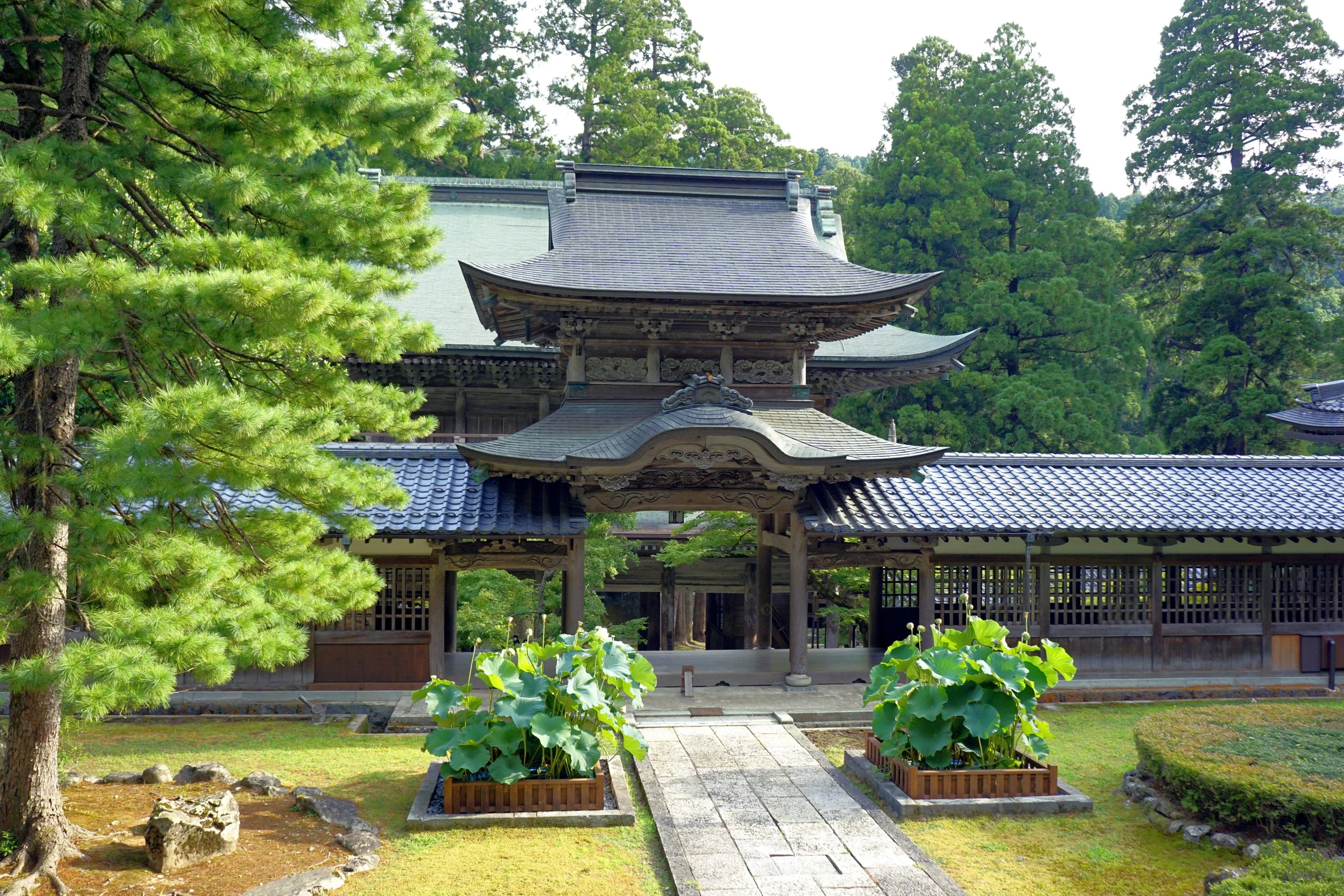
    In the 13th century, the Buddhist monk Dōgen returned from China with teachings that emphasised seated meditation as the foundation of Zen practice. He established the Sōtō school of Zen Buddhism and, in 1244, founded Eihei-ji in a secluded valley in present-day Fukui Prefecture, away from the political and religious centres of the capital. Today, it remains one of the school’s two head temples and an active centre of monastic training. Leaving Kanazawa, we travel south to Eihei-ji for a guided tour of the monastery. Set among towering cedar trees, its more than 70 buildings are connected by covered corridors and stairways, with daily routines still governed by Dōgen’s teachings. There is also an opportunity to participate in zazen, the practice of seated meditation. Lunch then introduces shōjin-ryōri, the traditional vegetarian cuisine of Buddhist monasteries, prepared according to principles of simplicity, seasonality and respect for ingredients. Afterwards, we continue by coach to Kyoto, arriving at our hotel in the central Sanjō district in the mid-afternoon. The evening is at leisure. Overnight Kyoto (B, L)

  • Day 7 | Tuesday 26 October
    Kyoto – The Shogun’s City
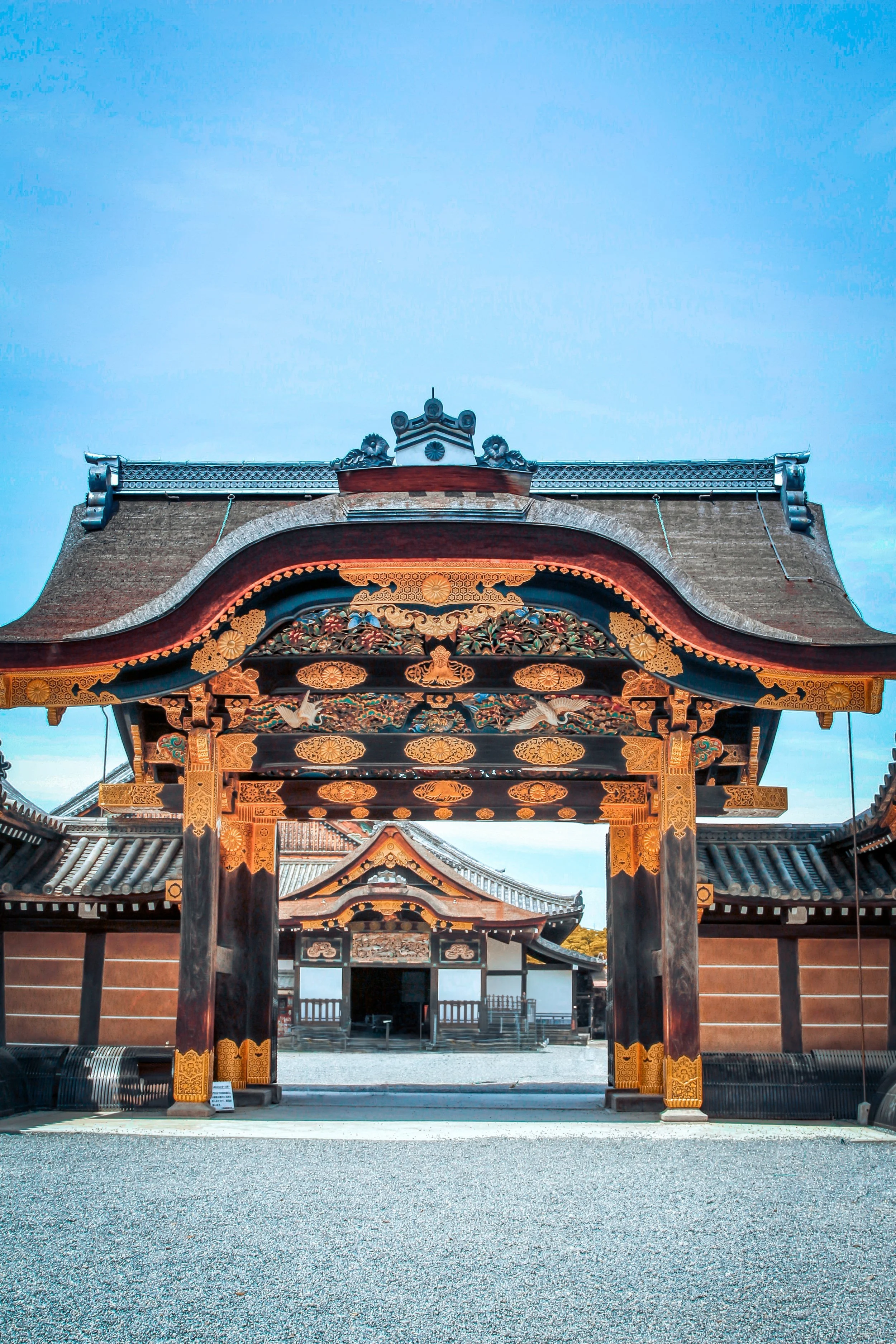
    Built in 1603 as the Kyoto residence of Tokugawa Ieyasu, Nijō Castle was a powerful statement of the shogunate’s authority in the imperial capital. More than two centuries later, it became the setting for a pivotal moment in Japanese history, when the last Tokugawa shogun announced the restoration of political authority to the emperor in 1867. We begin our day exploring the castle’s Ninomaru Palace, a series of richly decorated reception rooms designed to reinforce the hierarchy of the shogun’s court. Magnificent painted screens by artists of the Kanō school depict tigers, pine trees and other symbols of power, while the corridors sing underfoot, their famous ‘nightingale floors’ designed to betray the approach of visitors. From the castle, we continue south to Fushimi, a centre of sake production since the 16th century, where soft water from the surrounding hills produces a smoother, more rounded sake than the harder waters of Nada. During a special visit to a historic brewery, a brewmaster guides us through the traditional processes of rice polishing and winter fermentation, explaining the seasonal rhythms that have shaped sake production for centuries. We conclude with a guided tasting and lunch before returning to our hotel in the mid-afternoon. Overnight Kyoto (B, L)

  • Day 8 | Wednesday 27 October
    Nara’s Great Buddha & Kyoto Ceramics
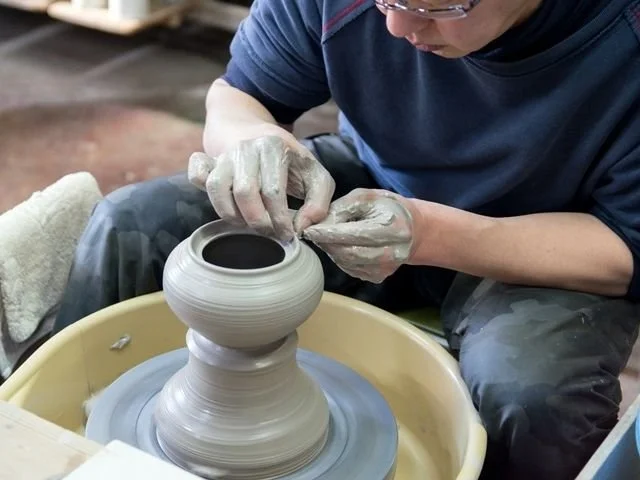
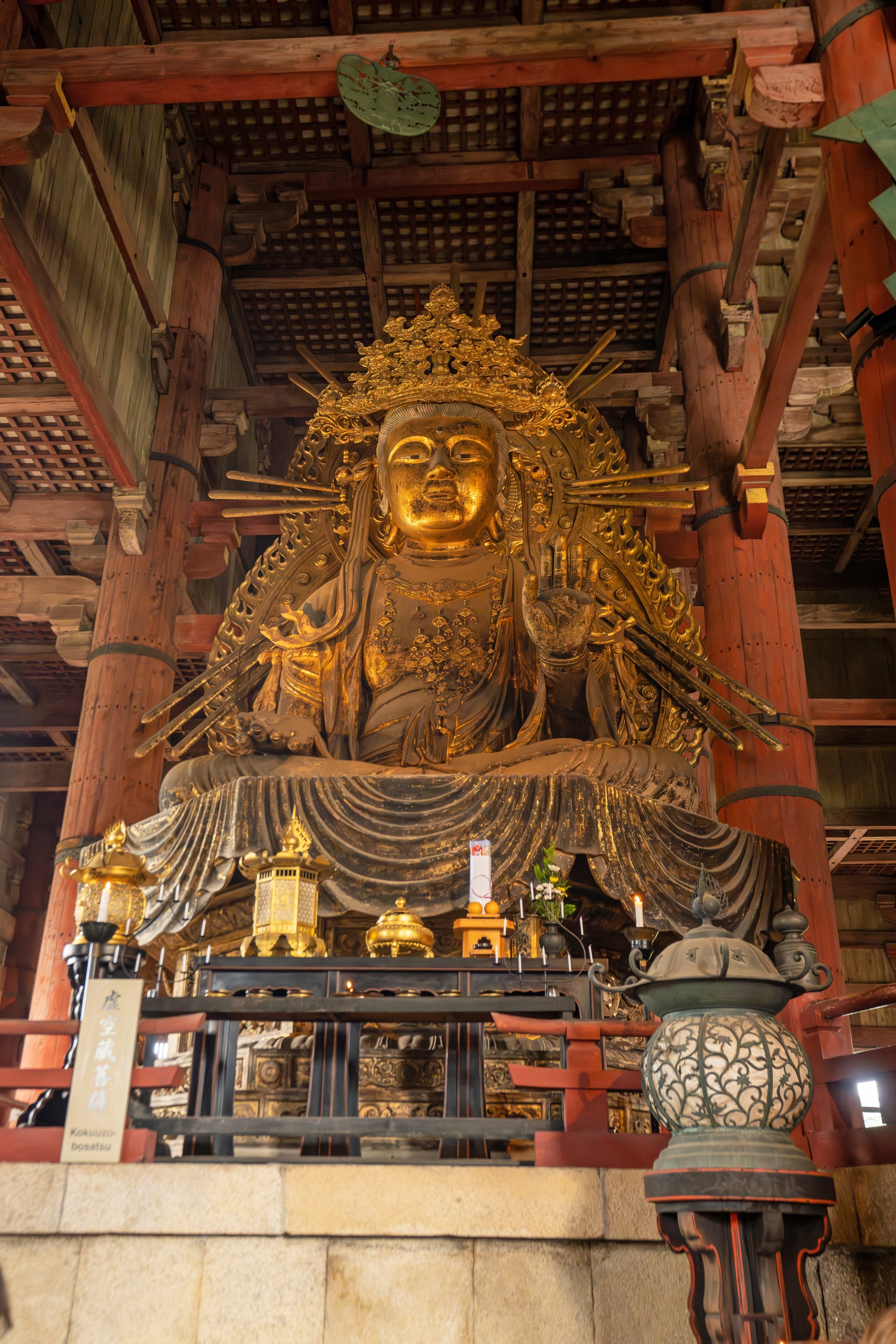
    Established in 710, Nara was Japan’s first permanent capital, where successive emperors commissioned vast Buddhist temples to demonstrate the growing power of the imperial state. Among the greatest of these was Tōdai-ji, built to house an enormous bronze Buddha and establish Buddhism at the centre of national life. Today we travel by coach to Nara, beginning with a walk through Nara Park, where the resident sika deer, traditionally regarded as sacred messengers of the gods, roam freely among visitors. At Tōdai-ji, we enter the great Daibutsuden Hall to see the monumental bronze Buddha, cast in the 8th century in an undertaking that placed enormous demands on Japan’s resources. Rebuilt in 1709 at approximately two-thirds its original width, the hall remains one of the largest historic wooden structures in the world. Returning to Kyoto in the early afternoon, we turn our attention to another of Japan’s longstanding artistic traditions. In the Higashiyama pottery quarter, below Kiyomizu-dera Temple, we visit a studio specialising in Kyō-ware, the refined ceramics for which Kyoto is renowned. A special workshop introduces the techniques of wheel throwing, glazing and decorative painting that have shaped this tradition for centuries. The evening is then at leisure. Overnight Kyoto (B)

  • Day 9 | Thursday 28 October
    Golden Kyoto to Hiroshima
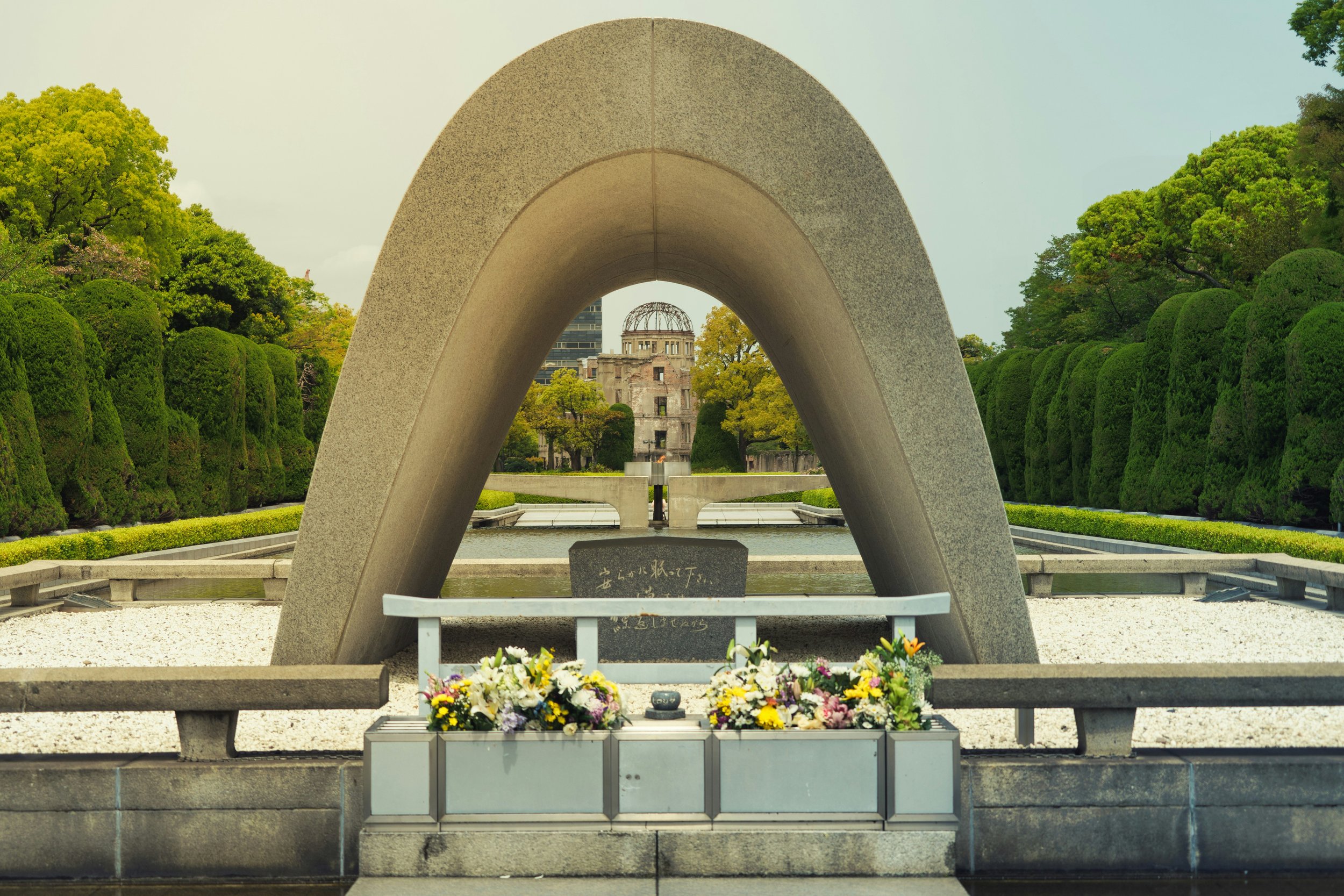
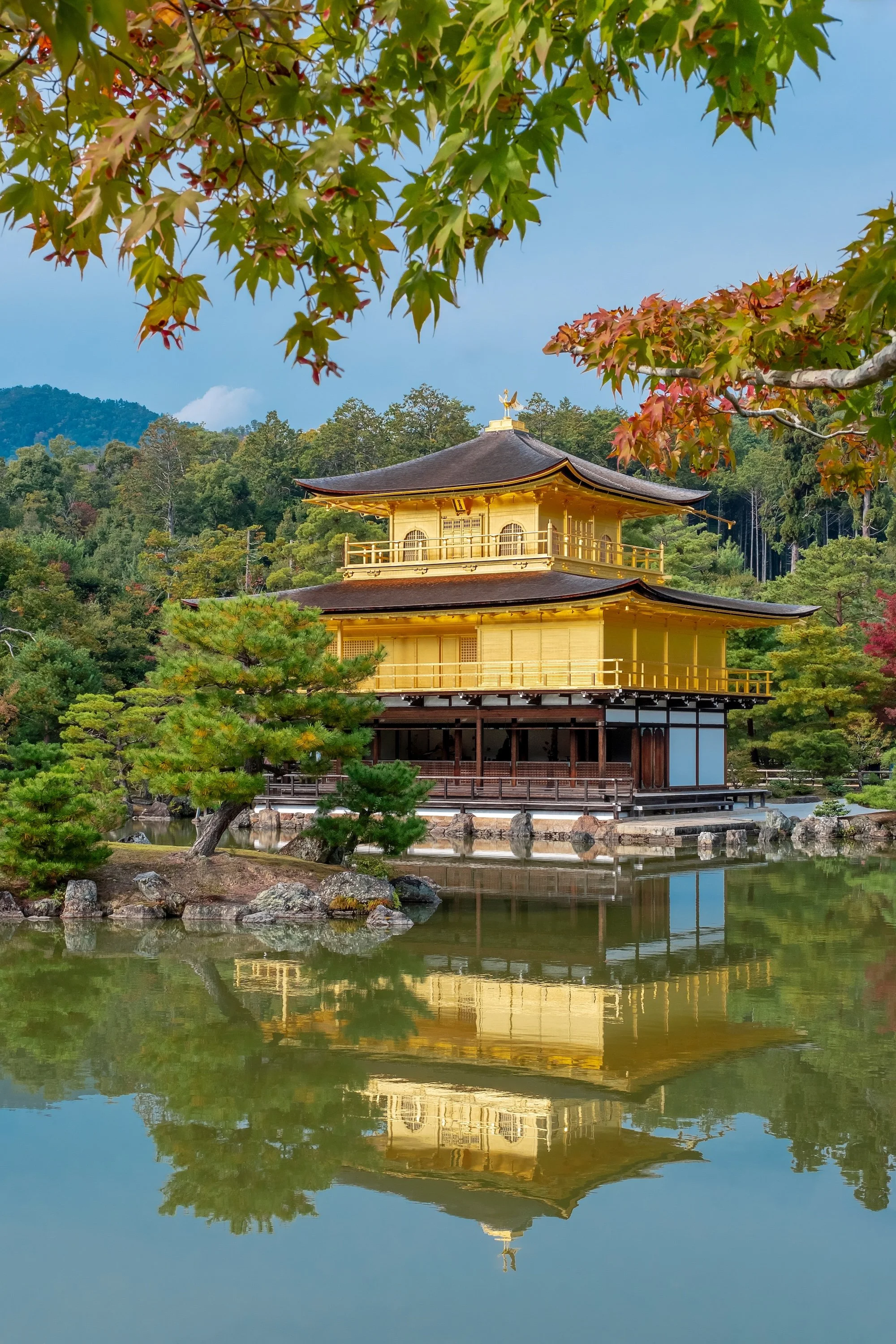
    Originally built as the retirement villa of the shogun Ashikaga Yoshimitsu, Kinkaku-ji became a Zen Buddhist temple following his death in 1408. Its celebrated Golden Pavilion, with its upper storeys covered in gold leaf, rises above a tranquil reflecting pond. Destroyed by fire in 1950 and reconstructed five years later, the pavilion reflects the fusion of aristocratic architecture and Zen aesthetics that flourished under Yoshimitsu’s patronage. We begin our morning at Kinkaku-ji before continuing west to Arashiyama, where we walk through the towering bamboo groves and visit the gardens of Tenryū-ji Temple. Designed in the 14th century by the Zen monk Musō Soseki, the garden retains its original layout, incorporating the surrounding mountains as part of its carefully composed landscape. After a break for lunch, we then transfer to Kyoto Station and board the Shinkansen for Hiroshima, arriving in the mid-afternoon. Almost entirely rebuilt following the atomic bombing of 1945, the city has placed remembrance at the heart of its modern identity. At dusk, our tour leader guides us through Peace Memorial Park, past the Cenotaph and commemorative monuments to the A-Bomb Dome, the preserved remains of a building that stood near the centre of the explosion. We conclude with dinner beside the river, sampling Hiroshima-style okonomiyaki, a savoury pancake layered with cabbage, noodles and other ingredients and cooked on a hot griddle. Overnight Hiroshima (B, D)

  • Day 10 | Friday 29 October
    Hiroshima & Miyajima
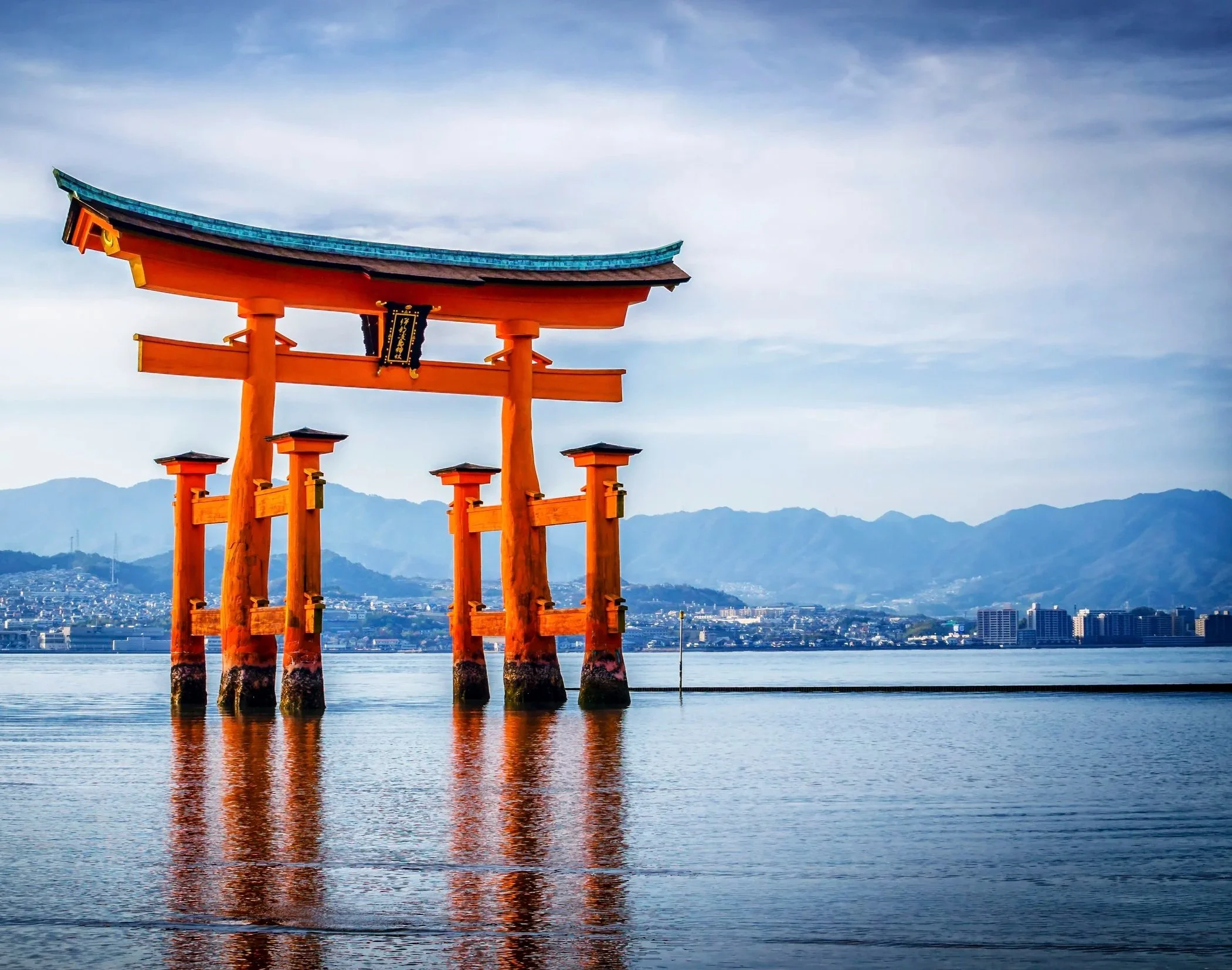
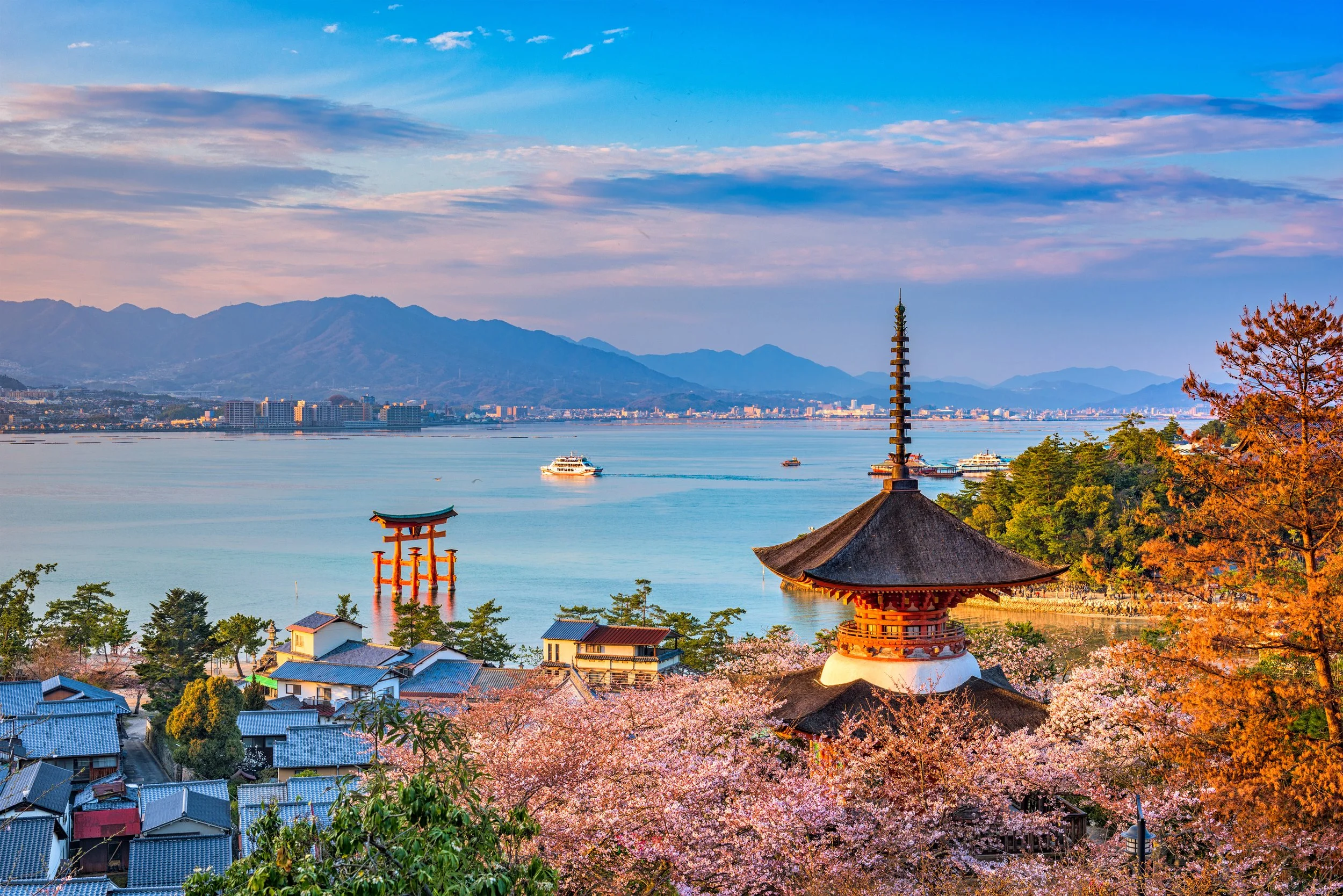
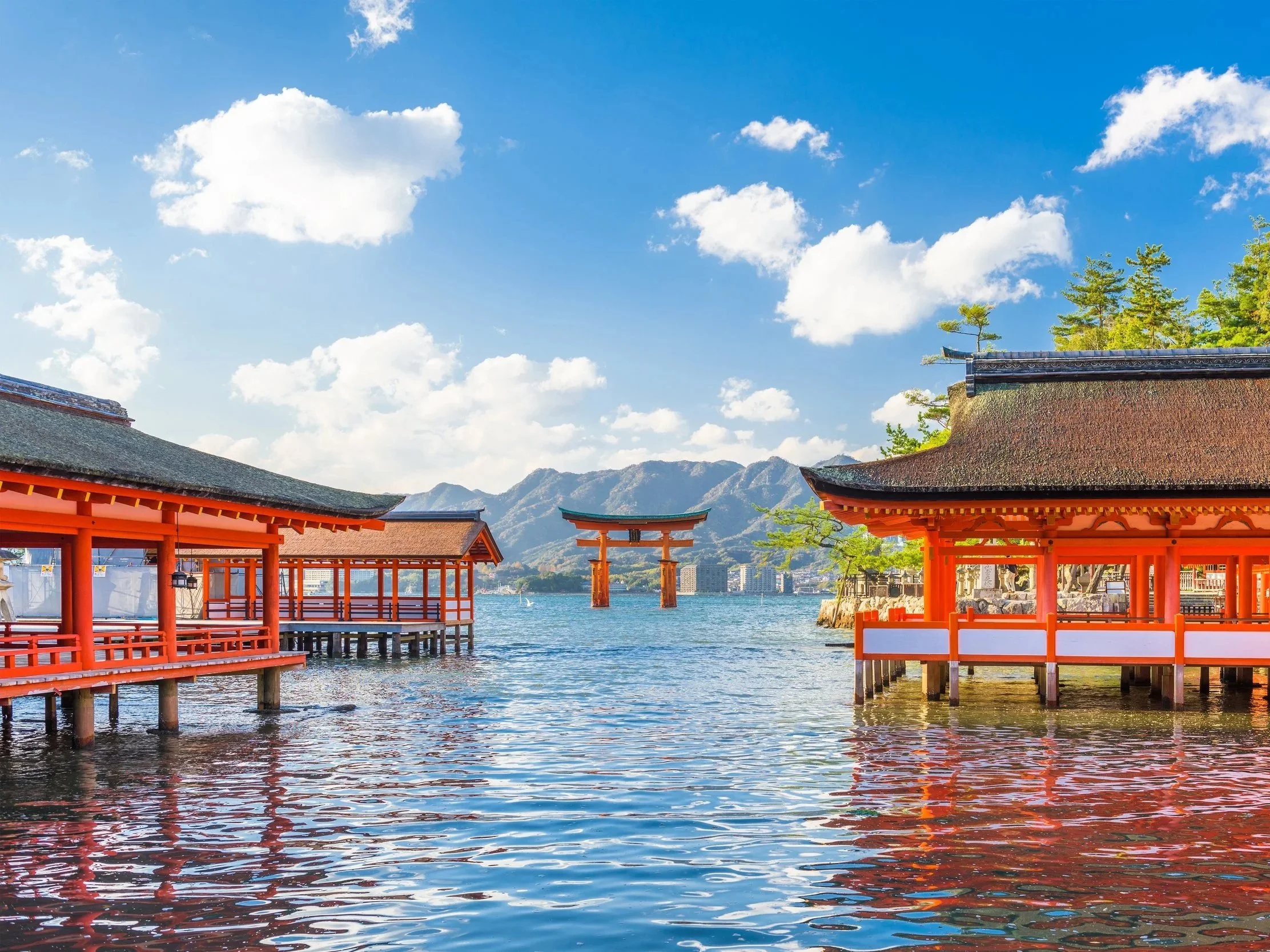
    At 8.15 am on 6 August 1945, an atomic bomb detonated approximately 600 metres above Hiroshima, devastating the city and changing the course of modern history. The Hiroshima Peace Memorial Museum documents the bombing and its aftermath through personal accounts, photographs and objects recovered from the ruins. We begin our day exploring its galleries, followed by a session with a Peace Memorial storyteller who shares the testimonies of survivors, preserving the memories of those who witnessed the destruction. Around midday, we travel by coach to the ferry terminal and cross to Miyajima, an island considered sacred in the Shinto tradition for centuries. Following lunch together, featuring local specialities including oysters and anago-meshi, grilled conger eel served over rice, we visit Itsukushima Shrine. Its present form dates largely from the 12th century, when the powerful Taira clan developed its distinctive buildings over the water. Connected by covered walkways, the vermilion shrine appears to float above the sea at high tide, alongside its celebrated offshore torii gate. We return to Hiroshima by ferry in the late afternoon, with time to relax at our hotel before gathering for our farewell dinner. Overnight Hiroshima (B, L, D)

  • Day 11 | Saturday 30 October
    Depart Hiroshima
    The morning is at leisure for a final stroll through Hiroshima or a return visit to the nearby Peace Memorial Park. Around midday, we transfer by coach to Hiroshima Airport, where our tour concludes. (B)

Throughout our journey, we stay in four carefully selected hotels, providing comfortable bases from which to explore Tokyo, Kanazawa, Kyoto and Hiroshima. Each offers convenient access to the city’s principal sights, restaurants and surrounding neighbourhoods.

Tour Accommodation

tour booking

$13,880 AUD per person, twin share (land content only)
$2,960 AUD supplement for sole use of a hotel room

A $2,000 deposit is required per person to confirm your booking on tour. This deposit is non-refundable.

Hold a Place

Still deciding? We are happy to hold a tentative place for 7 days while you make your final arrangements.

Book Online

To secure your place(s) on tour, book online below with “Athena”, our virtual tour consultant.

DOWNLOAD FORM

Download a printable booking form. You can also complete the form on screen and submit via email.

your tour consultant

The consultant for this tour is Lucy Yeates. For further information or to discuss the tour, please call 9235 0023 (Sydney) or 1800 639 699 (outside Sydney) or email lucy@academytravel.com.au

have you thought about?

Academy Travel is more than just a tour operator. We are also a full-service travel agency who can assist you with all aspects of your travel, including flights, transfers, pre-tour arrival, additional travel and comprehensive travel insurance.

can’t make this departure?

If these dates don't work for you, register to hear about the next tour.