
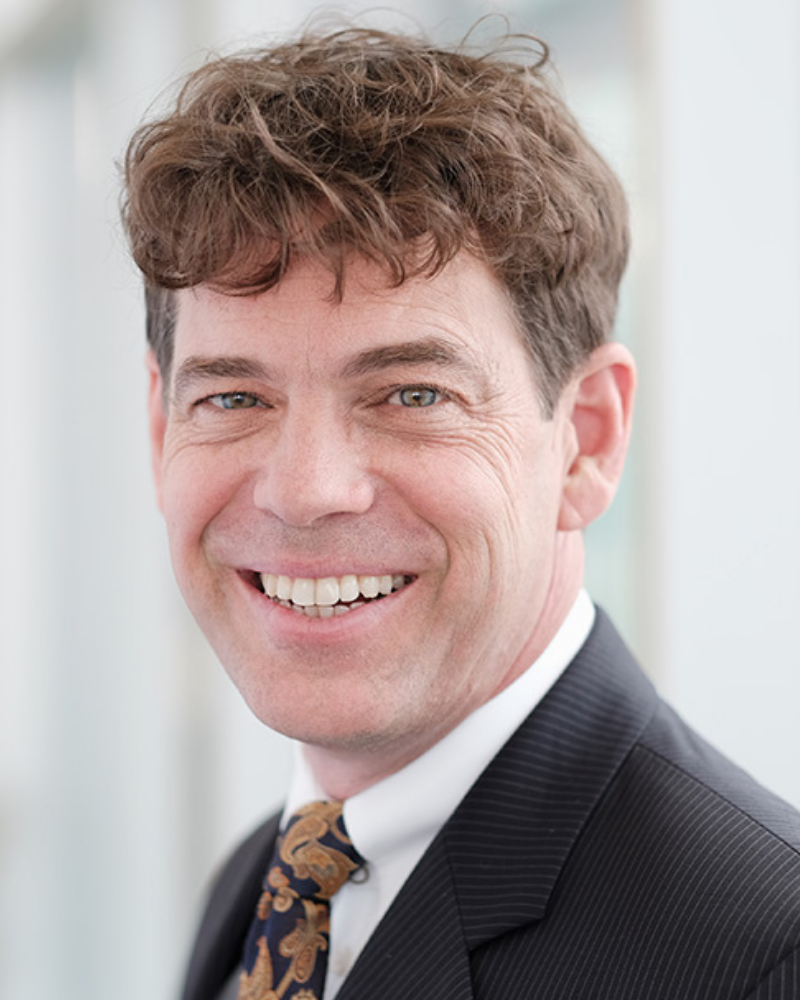
Dr Michael Dodds
A musicologist, conductor, composer and author whose work bridges scholarship and performance practice.
Biography
Dr Michael Dodds is Professor of Music History at the University of North Carolina School of the Arts. His book From Modes to Keys in Early Modern Music Theory (Oxford University Press, 2024) won the Wallace Berry distinguished book award from the Society for Music Theory and the Early Music Award from the American Musicological Society.
His research has been funded by multiple fellowships, including Fulbright, National Endowment for the Humanities, Yale Institute of Sacred Music, and the Thomas S. Kenan Institute for the Arts. Numerous articles on how Baroque musicians conceptualized tonal space have appeared in publications including the Journal of Musicology, Journal of Seventeenth Century Music, Philomusica Online, and the New Grove Dictionary of Music and Musicians. His second book, The Organ in Baroque Office Liturgy, is forthcoming from Oxford University Press.
After childhood and youth in the Peruvian Amazon, Dodds studied violin performance at the Wheaton College Conservatory of Music and the Peabody Institute of Johns Hopkins before earning the M.A. and Ph.D. in Musicology at the Eastman School of Music. With strong interests in public service, he worked early in his career for all three branches of the Federal Government in Washington, D.C., and for the United Nations in Vienna, Austria. A member of the International Musicological Society and German Society for Music Theory, among others, Dodds also maintains deep ties with Italy, having spent a year in Florence as a Fulbright research scholar.
Besides his work as a scholar, Dodds has long been active as a conductor and composer. His story as an artist-scholar, culminating in his 2013 choral symphony on Psalm 145, is explored in a feature-length documentary, Blessed Unrest, by Bonnemaison, Inc. The film, with voice-over by legendary actress Rosemary Harris, has won more than a dozen awards on the festival circuit. He plans to spend the 2026–2027 academic year as a Visiting Fellow of Clare Hall, University of Cambridge, writing a third book and fulfilling a commission for a new choral symphony.