Abruzzo, Puglia & Matera

Mysteries of the Mezzogiorno

Discover the spectacular mountains of the less-visited Abruzzo region and uncover the many layers of picturesque Puglia.

TOUR STATUS

Places Available | Maximum 16

TOUR DATES

May 10-25, 2027 | 16 Days

TOUR LEADER

Neil Moore | View Bio

snapshot

  • The tour starts at 2.30pm on Monday 10 May at Rome Fiumicino Airport, followed by a group transfer to the hotel is Santo Stefano di Sessanio.

    The tour ends after breakfast on Tuesday 25 May at the hotel in Matera, followed by a group
    transfer to Bari Airport.

  • Grade Three. This tour is among our most physically demanding.

    View all requirements >

  • 15 nights’ accommodation in
    centrally located 4-star hotels.
    Airport-Hotel transfers as indicated. All breakfasts, 5 lunches, 4 dinners and 1 wine-tasting. Services of an expert tour leader and an experienced tour manager throughout. All ground transport, entrance fees and tipping.

    View standard tour inclusions >

  • $14,680 AUD per person, twin share (land content only)
    $3,490 AUD supplement for sole use of a hotel room

    A $1,000 AUD non-refundable deposit is required per person to confirm your booking on tour

OVERVIEW

Southern Italy – long known as the Mezzogiorno and formerly united under the Kingdom of the Two Sicilies – is a region shaped by successive civilisations, whose layers of settlement and governance continue to define its cultural character.

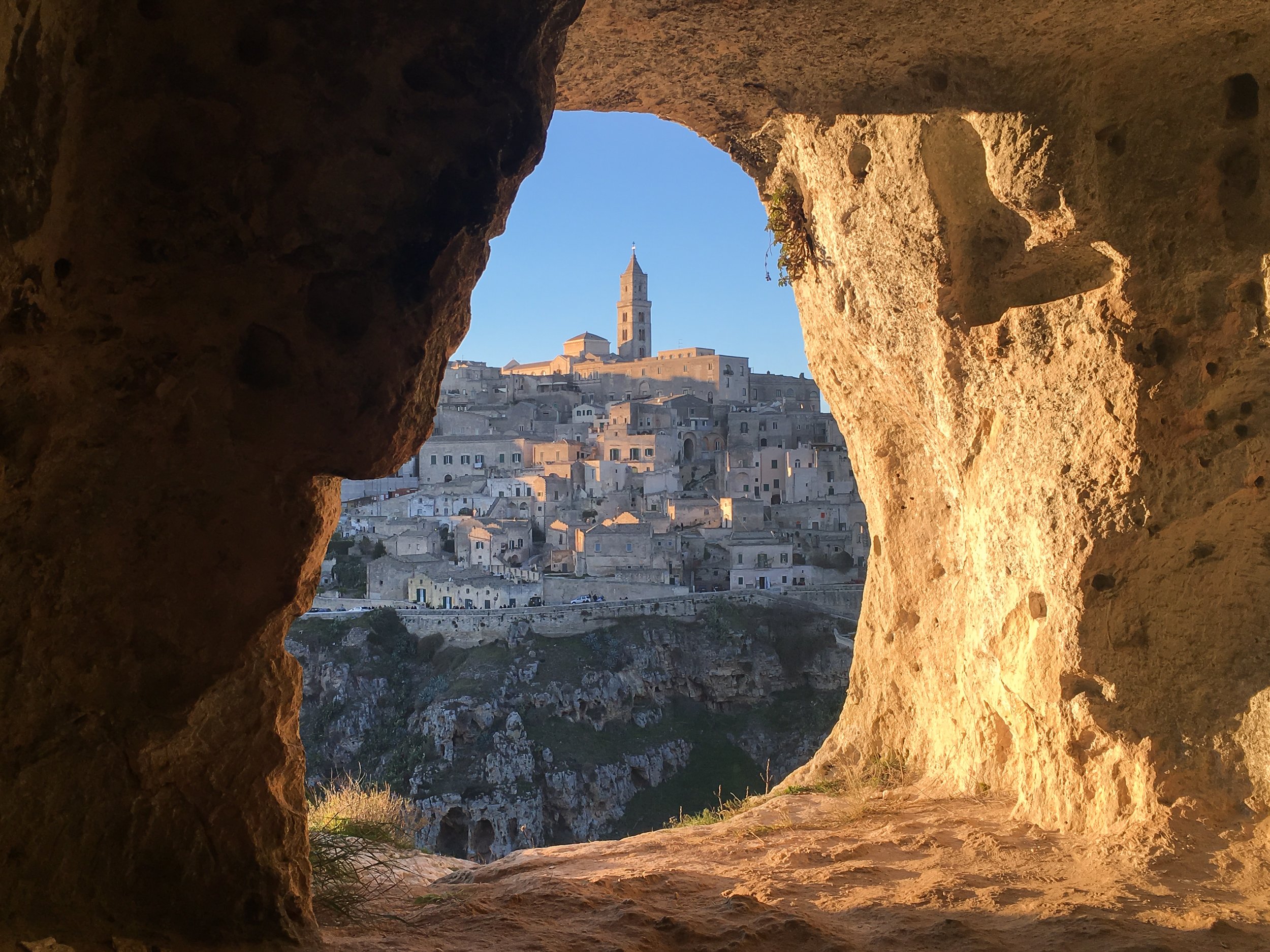
This 16-day journey, led by artist and historian Neil Moore, begins in the mountainous Abruzzo region, where fortified hill towns, remote abbeys and the remains of Roman settlements sit within dramatic Apennine landscapes. We then explore the layered history of Puglia, from Norman castles and distinctive stone trulli to whitewashed towns shaped by Greek, Roman and Byzantine rule, tracing how conquest, trade and pilgrimage connected this Adriatic frontier to the wider Mediterranean world. The journey concludes in Matera, home to the remarkable Sassi cave dwellings, often described as one of the world’s oldest inhabited settlements, their rock-cut churches and houses illustrating adaptation across millennia.

Throughout the tour, we encounter outstanding architecture, archaeological sites and art, complemented by the region’s celebrated food, wine and distinctive historic accommodation.

tour highlights

The aim of every Academy Travel tour is to provide a rewarding, in-depth travel experience.

Neil Moore

your expert tour leader

Neil was born in Oxford, grew up in Melbourne and Canberra and has an Honours degree in Fine Arts from the University of Sydney, where he also taught art history in the Power Department of Fine Arts. Since 1988, Neil has lived in an Umbrian hill town, restoring a medieval ruin into a family home and focusing on his work as a painter. For over 20 years, he has designed and led small group cultural tours to Italy, and he brings this extraordinary wealth of experience as a tour leader to his work. Pictured as Neil’s profile photo is his latest self portrait.

Read full bio >

Accompanied by an Experienced Tour Manager

Alongside your expert tour leader, an experienced tour manager will accompany for the entirety of the tour. They oversee logistics, ensure your comfort and safety, and provide friendly support – whether offering tips for free time, sharing a chat over dinner, or giving you space to relax.

tour ITINERARY

Santo Stefano di Sessanio (2 nights), Sulmona (3 nights), Trani (3 nights), Ostuni (4 nights), Matera (3 nights)

Included meals are indicated with B, L, D & WT (Wine Tasting)
  • Day 1 | Monday 10 May
    Arrive Rome - Santo Stefano di Sessanio

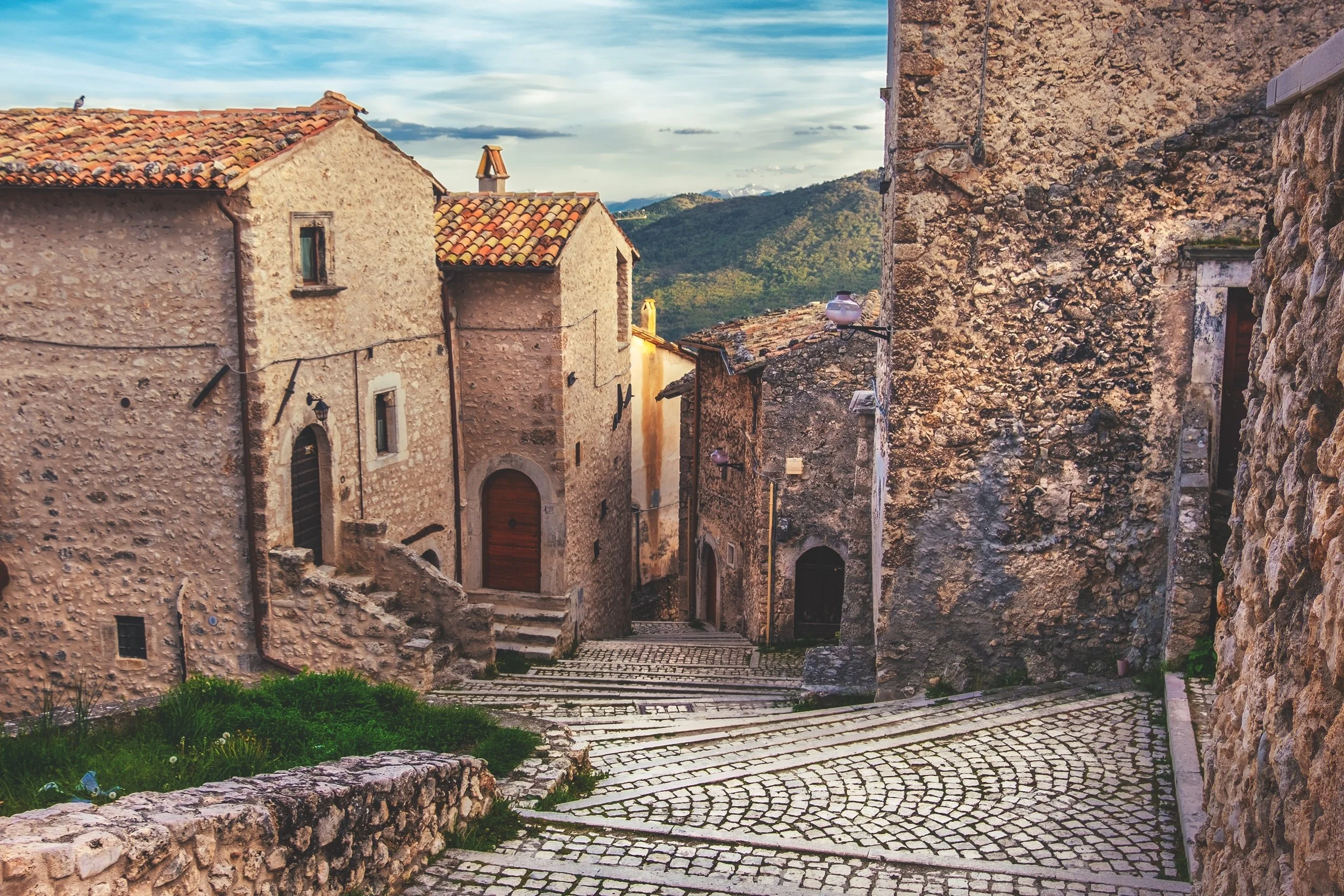
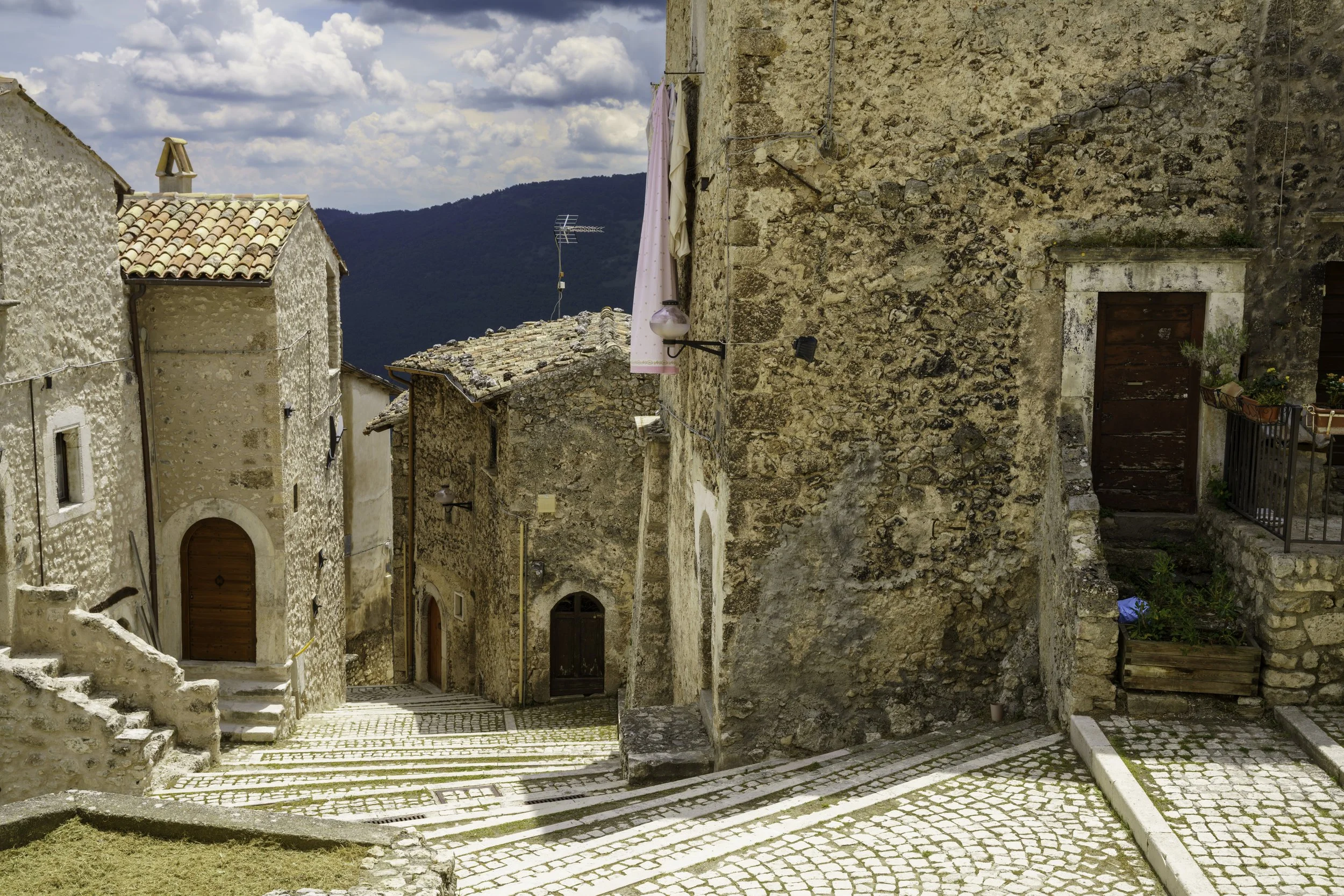
    The high plateau of the Gran Sasso preserves a form of Italy that evolved at a distance from the great courts and maritime republics that dominated much of the peninsula’s history. Yet Abruzzo’s relative isolation has not meant stagnation, but continuity – allowing layers of architecture, settlement and rural life to endure here with unusual clarity. Meeting at Rome’s Fiumicino Airport in the afternoon, we travel east into the Apennines, ascending towards the medieval village of Santo Stefano di Sessanio. Here we stay at the remarkable ‘Sextantio Albergo Diffuso’, where 30 rooms and apartments, along with a wine bar and restaurant, are dispersed through former barns, stables, wine cellars and shepherds’ lodgings. Once facing depopulation and decline, the village has been revitalised through this thoughtful restoration, allowing us to experience daily life within a mountain community. After time to settle in, we gather for a welcome dinner in the hotel’s restaurant overlooking the valley. Overnight Santo Stefano (D)

  • Day 2 | Tuesday 11 May
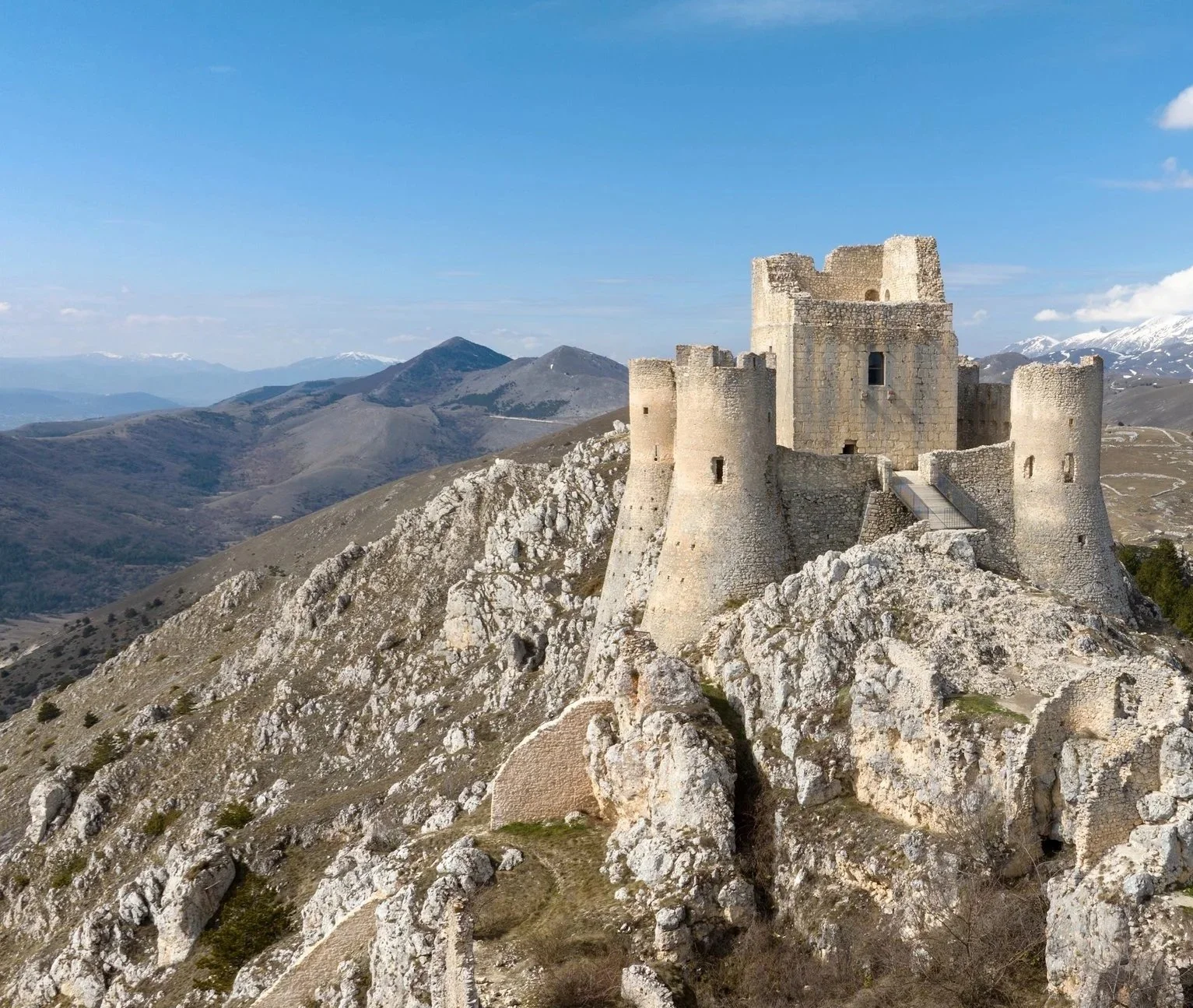
    Campo Imperatore & Rocca Calascio

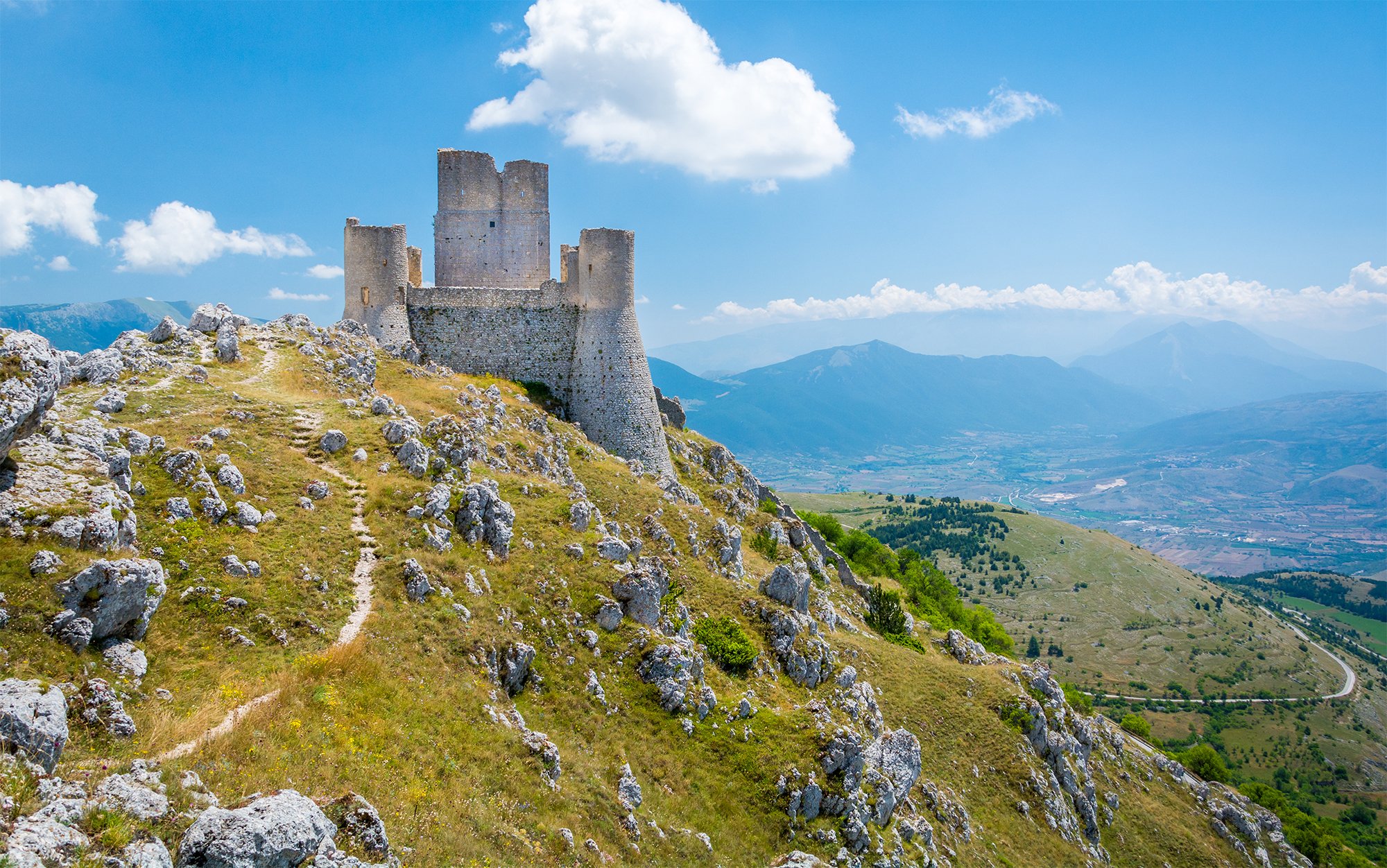
    The Gran Sasso massif has long formed both a physical and political frontier – separating papal lands from the Kingdom of Naples, and linking upland shepherding communities with markets on the Adriatic coast. This morning we travel across this high plateau, pausing first at Campo Imperatore at the foot of the Gran Sasso massif before continuing to the striking fortress of Rocca Calascio. Rising above the surrounding valleys, the castle formed part of a defensive network that controlled pastoral routes and regional power, its austere stone silhouette against the mountains making clear the strategic realities of medieval Abruzzo. Lunch is enjoyed at a nearby rifugio, offering regional dishes grounded in local produce. Returning to Santo Stefano in the afternoon, we then undertake a guided exploration of the village and its Medicean tower, considering its Florentine connections and later decline. An evening talk in the hotel further situates these mountain communities within the broader history of southern Italy. Overnight Santo Stefano di Sessanio (B, L)

  • Day 3 | Wednesday 12 May
    Peltuinum & Bominaco

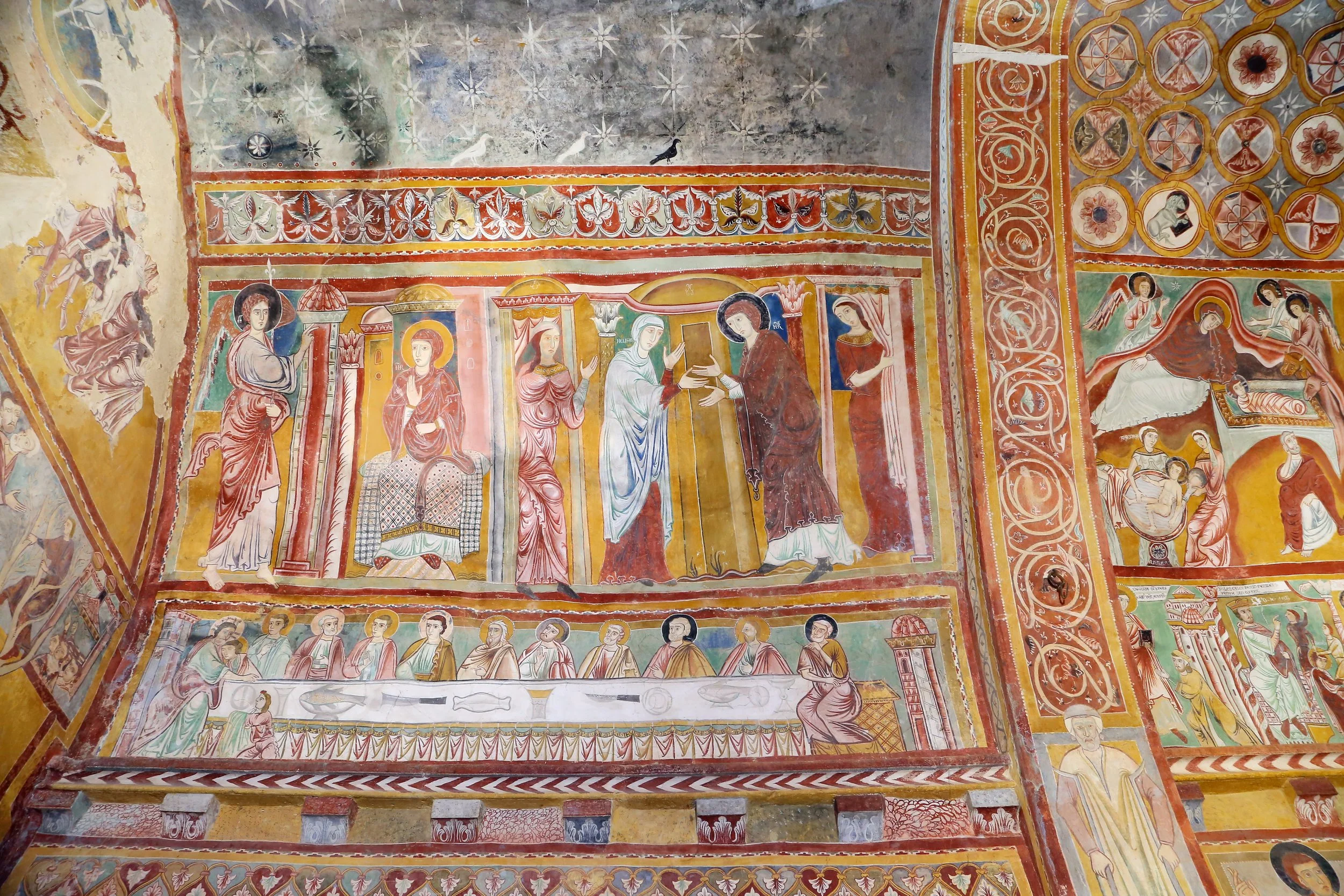
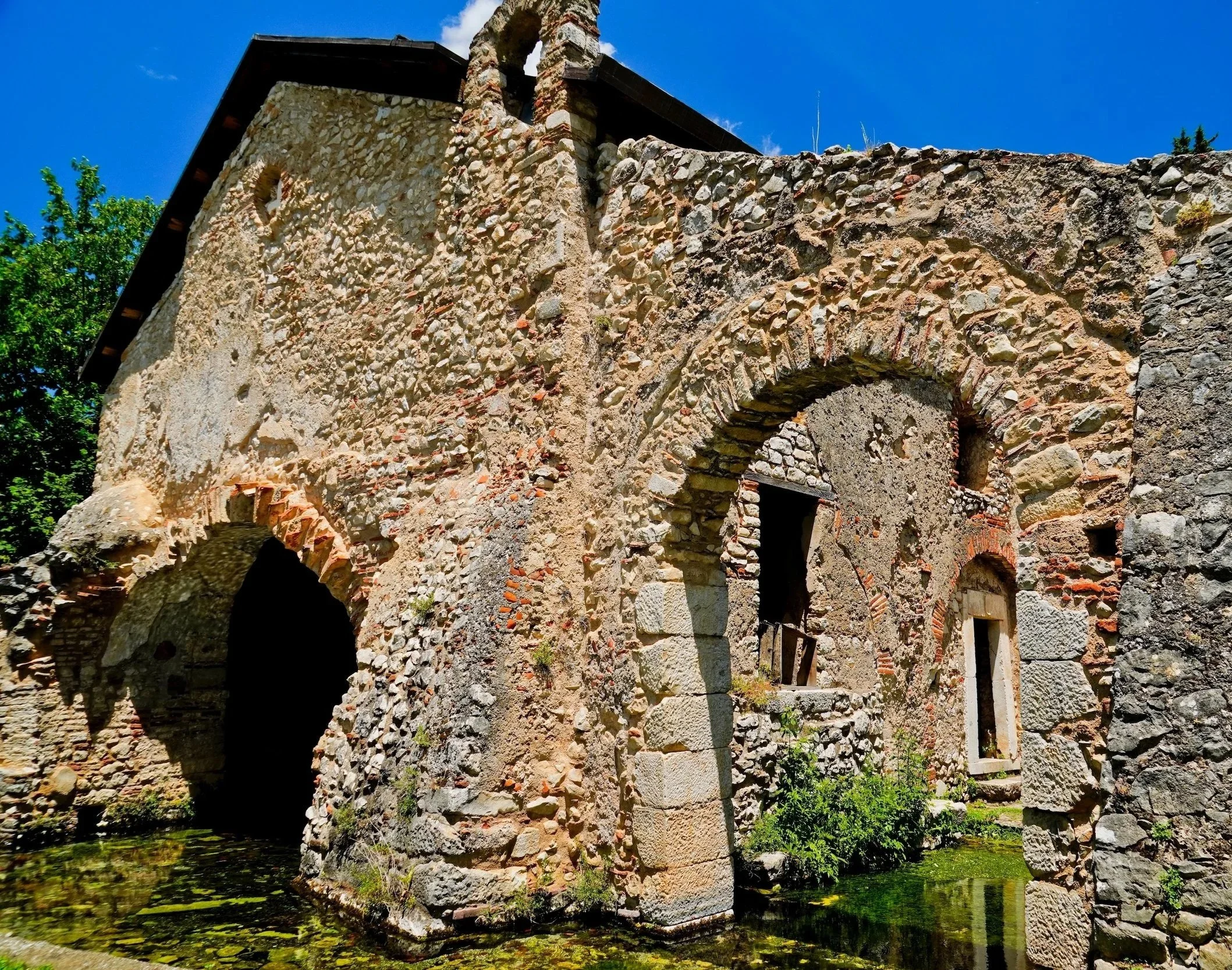
    When Rome extended its reach into the central Apennines, it brought with it new forms of urban planning, road networks and monumental building to landscapes long shaped by Italic communities. Departing Santo Stefano, we first visit the atmospheric ruins of Peltuinum, revealing how Roman civic life took root even in these remote mountain settings, adapting imperial order to a rugged and elevated terrain. Continuing to the nearby village of Bominaco, we view the magnificent 13th-century fresco cycle in the Oratorium of a former Benedictine monastery. The original Abbey was founded by Charlemagne in the 8th century CE on the site of a former pagan temple and the current structure now combines graphic biblical narratives with astrological calendars and the phases of the moon. Lunch is then enjoyed at a local agriturismo, where traditional dishes are accompanied by an introduction to saffron cultivation, long central to Abruzzo’s rural economy. From here we pause at Corfinium to view the Church of San Pelino before continuing to Sulmona, where the evening is at leisure to explore its arcaded piazzas and elegant streets. Overnight Sulmona (B, L)

  • Day 4 | Thursday 13 May
    Sulmona & Santo Spirito di Morrone

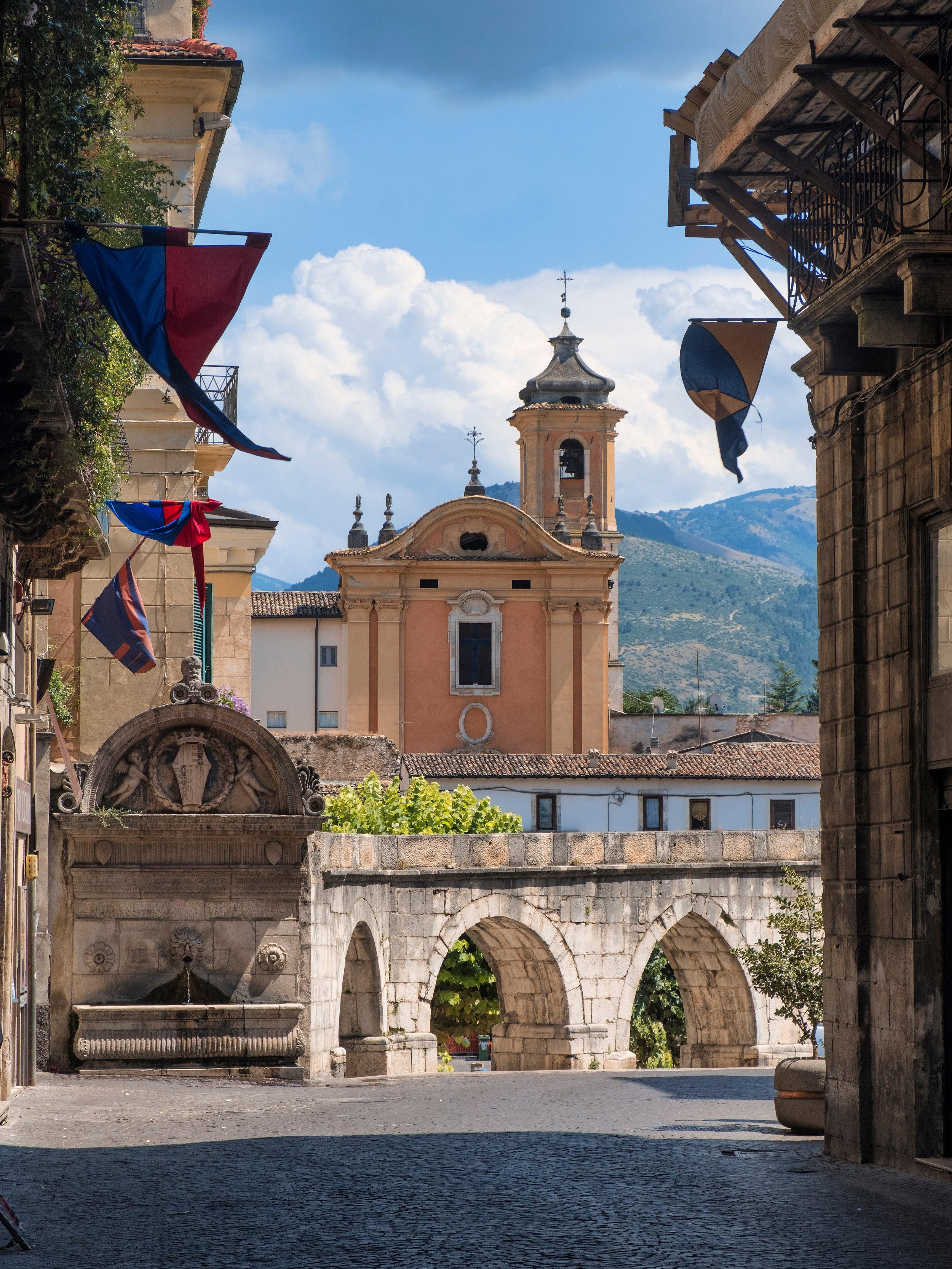
    Sulmona occupies a broad valley beneath the Majella, its prosperity shaped by medieval trade routes and by the religious movements that emerged from Abruzzo’s mountains. It is also the birthplace of the Roman poet Ovid, whose verses carried the name of this town across the ancient world. A guided walk this morning introduces Sulmona’s historic centre, including the Cathedral of San Panfilo, the long medieval aqueduct and Piazza Garibaldi, still the setting for local ritual and festival. We then leave the town to visit the Abbazia di Santo Spirito di Morrone, founded in the 13th century by Pietro da Morrone – later Pope Celestine V. Its restrained architectural forms reflect the eremitic spirituality that first drew followers to these mountains, later expanded into a substantial monastic complex. The abbey’s subsequent use during World War II as a detention site adds a further, sobering layer to its long history. After a break for lunch near the abbey, we continue to Pacentro to view the towers of Caldora Castle before returning to Sulmona for an evening are at leisure. Overnight Sulmona (B)

  • Day 5 | Friday 14 May
    Roman Ruins at Alba Fucens

    Founded as a Latin colony in 303 BCE, Alba Fucens secured Rome’s authority in the central Apennines. Its position near former Lake Fucino made it both strategic and prosperous, and its remains rank among the most impressive Roman sites in inland Italy. Today we travel to this archaeological site for a guided exploration of its forum, amphitheatre and early Christian church of San Pietro, considering how Roman urban life functioned in this frontier environment. After time at the site, we continue to Celano, where a break allows time for lunch and a view of the imposing Piccolomini Castle. On our return to Sulmona, we pause above the Sagittario Gorge near Anversa degli Abruzzi, where steep limestone cliffs frame one of the region’s most dramatic landscapes. Overnight Sulmona (B)

  • Day 6 | Saturday 15 May
    From Abruzzo to Puglia

    For centuries, the Adriatic coast has linked southern Italy with the wider Mediterranean, connecting inland towns to trade, pilgrimage and cultural exchange across the sea. Leaving the Apennines behind, we experience this gradual shift from mountain landscapes shaped by pastoral life to a coastline oriented towards commerce and contact with the eastern shores. Our journey takes us south-east to Trani, first stopping at the Abbazia di San Giovanni in Venere – a Romanesque Benedictine monastery dramatically positioned above the Adriatic. Lunch is enjoyed in a nearby restaurant before we continue along the coast to the port town of Giovinazzo, where medieval walls and a compact historic centre offer a first glimpse of Puglia’s distinctive coastal character. By early evening we arrive in Trani and settle into our hotel near the seafront. Overnight Trani (B, L)

  • Day 7 | Sunday 16 May
    Trani

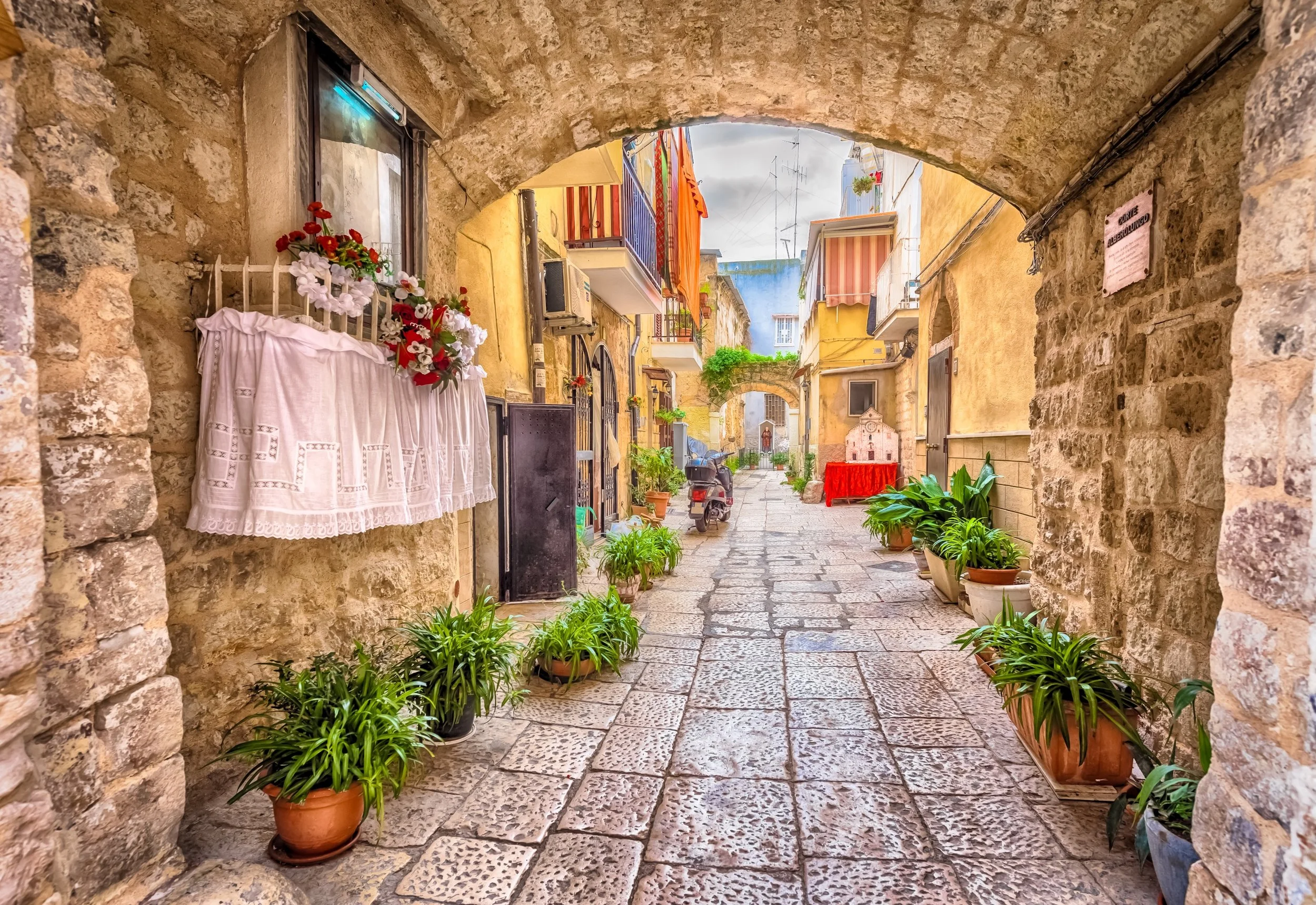
    From the 11th century, Trani emerged as one of the Adriatic’s most important ports, its prosperity built on trade and pilgrimage. A guided walking tour this morning introduces the historic centre, where the town’s pale limestone facades and wide harbour frontage immediately distinguish it from the mountain settlements of Abruzzo. Along our walk, we explore the former Jewish quarter, whose community contributed significantly to Trani’s commercial and intellectual life, before visiting the Cathedral of San Nicola Pellegrino. Rising directly from the water’s edge, it stands as a defining example of Apulian Romanesque architecture. Its sculpted portals, layered crypt and commanding position over the harbour express both spiritual purpose and civic ambition. After time together in the cathedral, the remainder of the day is at leisure to enjoy the harbourfront or continue exploring the old town.Overnight Trani (B)

  • Day 8 | Monday 17 May
    Castel del Monte & Bitonto

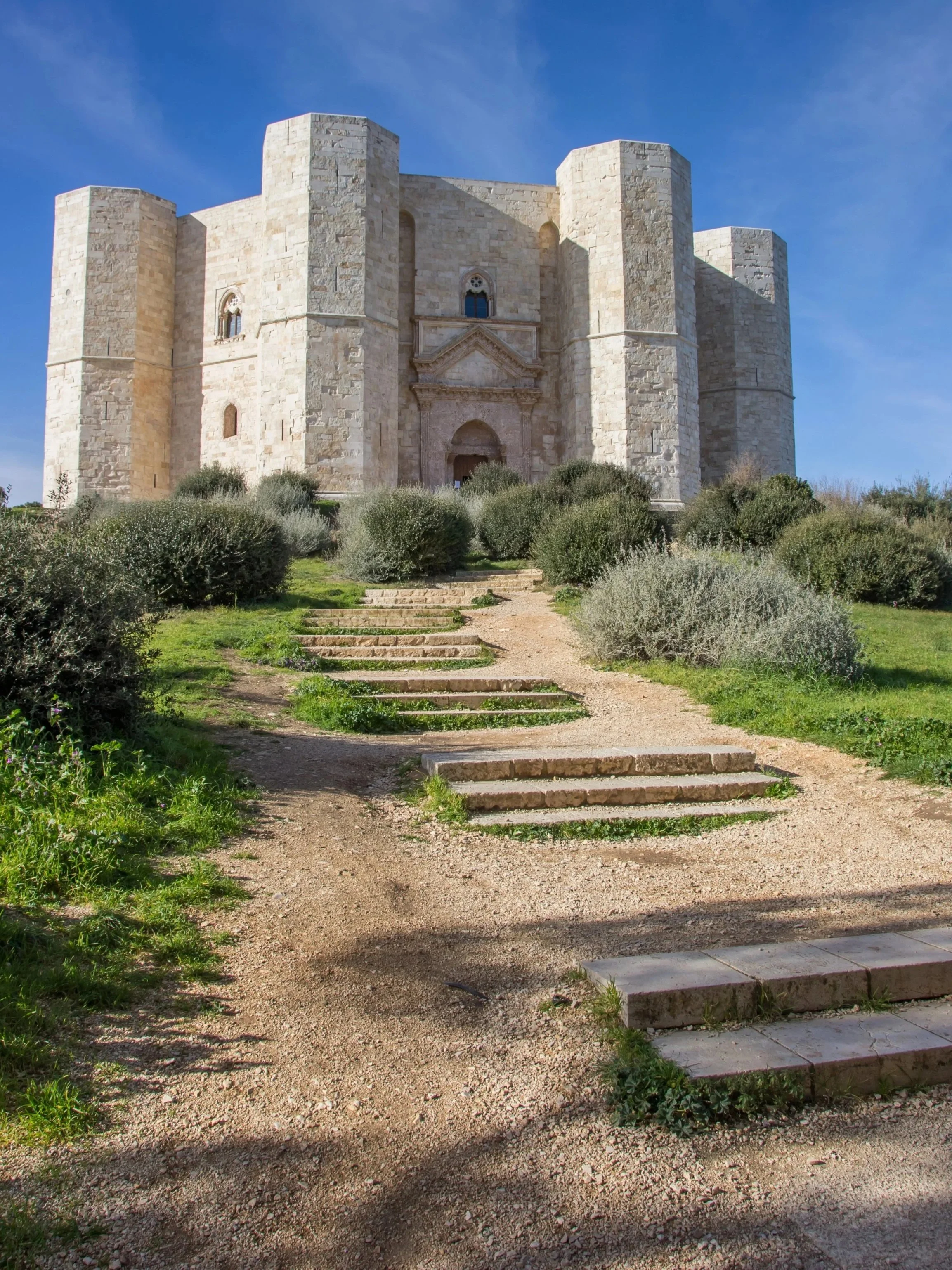
    Frederick II’s reign in the 13th century reshaped much of southern Italy, blending classical learning, Islamic science and imperial ambition. His most enigmatic monument remains Castel del Monte, whose precise geometry continues to provoke debate. Venturing our of Trani today, we first pause in Bitonto to visit the remarkable crypt of its cathedral, where layered remains reveal the city’s early medieval foundations. Continuing inland, we then ascend to the Castel del Monte, whose octagonal form and mathematical clarity set it apart from conventional fortresses. A guided visit of this now UNESCO World-Heritage site explores its design, symbolism and imperial context. Lunch is enjoyed in a nearby restaurant before we return to Trani in the late afternoon. The evening
    is at leisure. Overnight Trani (B, L)

  • Day 9 | Tuesday 18 May
    Monopoli, Alberobello & The Itria Valley

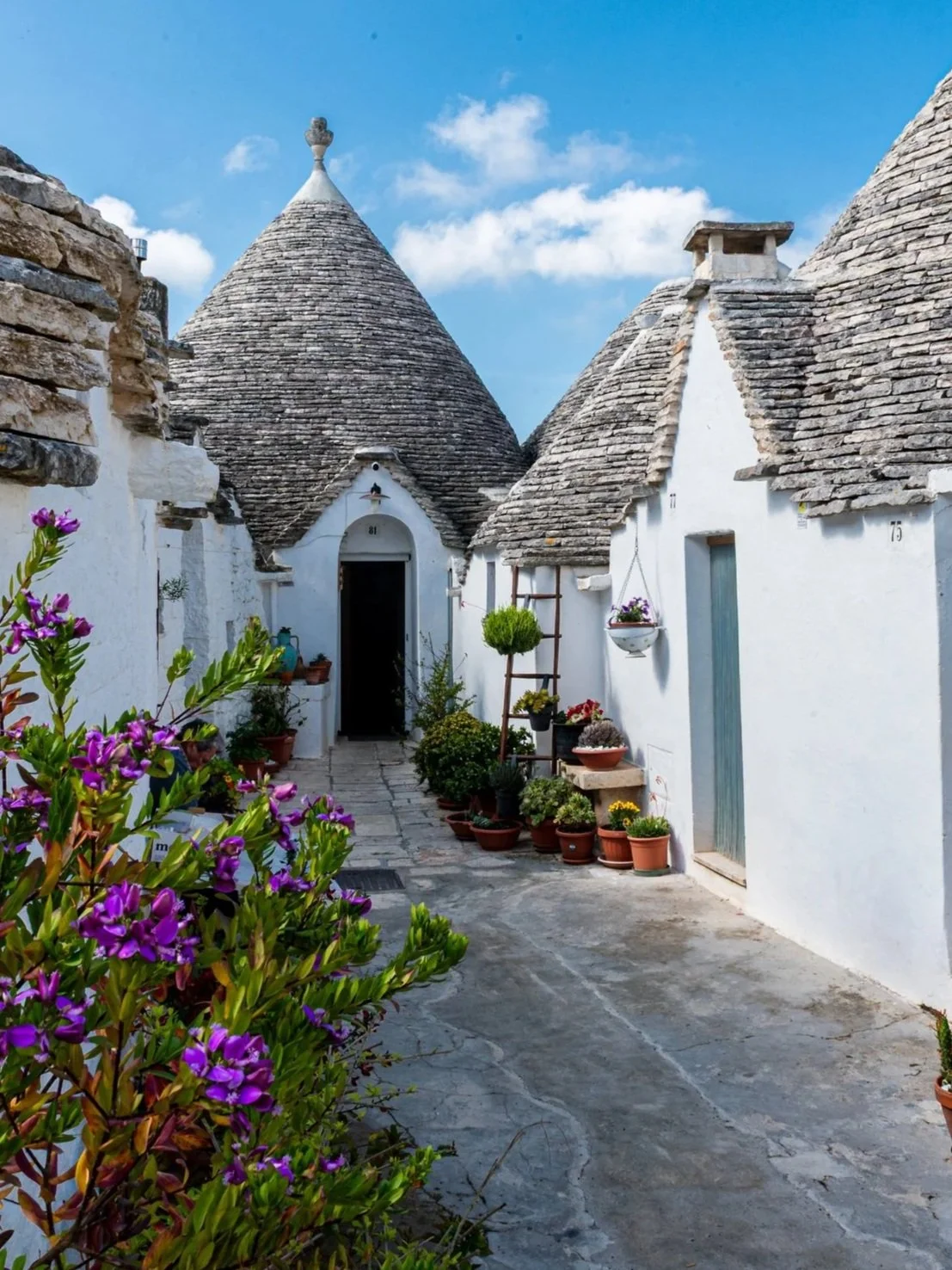
    Puglia’s southern landscapes are shaped by olive cultivation, dry-stone walls and whitewashed towns that developed under Norman, Angevin and later Bourbon rule. The coast and interior together reveal a region long open to exchange yet firmly rooted in local building traditions. Departing Trani this morning, we first make our way to the picturesque coastal city of Monopoli whose whitewashed houses contrast perfectly with the turquoise waters lapping at the walls. After time to explore and enjoy a break for lunch here, we continue to Alberobello to explore the extraordinary trulli – conical dry-stone dwellings that characterise the Val d’Itria and are today recognised as a UNESCO World-Heritage site. By early evening we arrive at our masseria near Ostuni, surrounded by ancient olive groves. Dinner is enjoyed in the estate’s restaurant, showcasing regional produce and raw ingredients grown in their own garden. Overnight Ostuni (B, D)

  • Day 10 | Wednesday 19 May
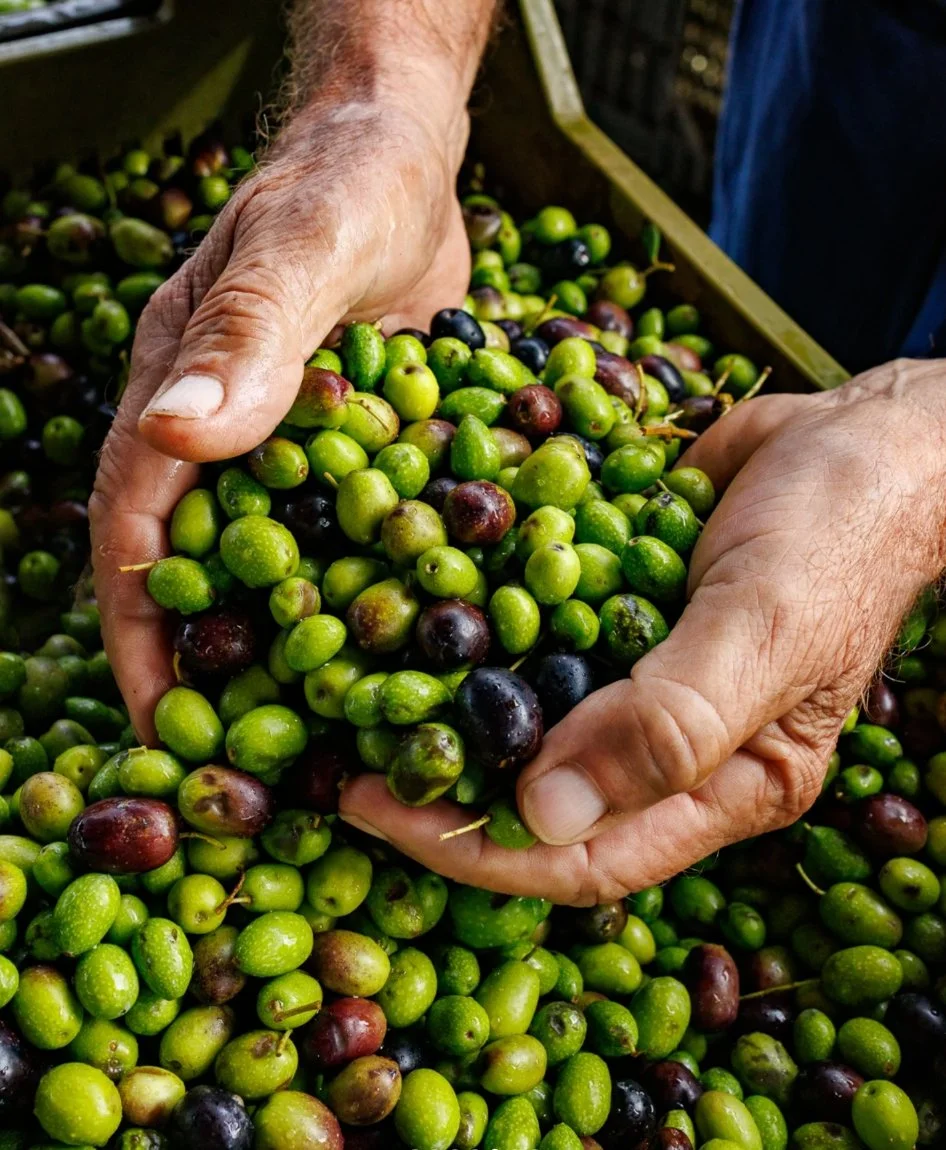
    Ostuni & The Olive Landscape

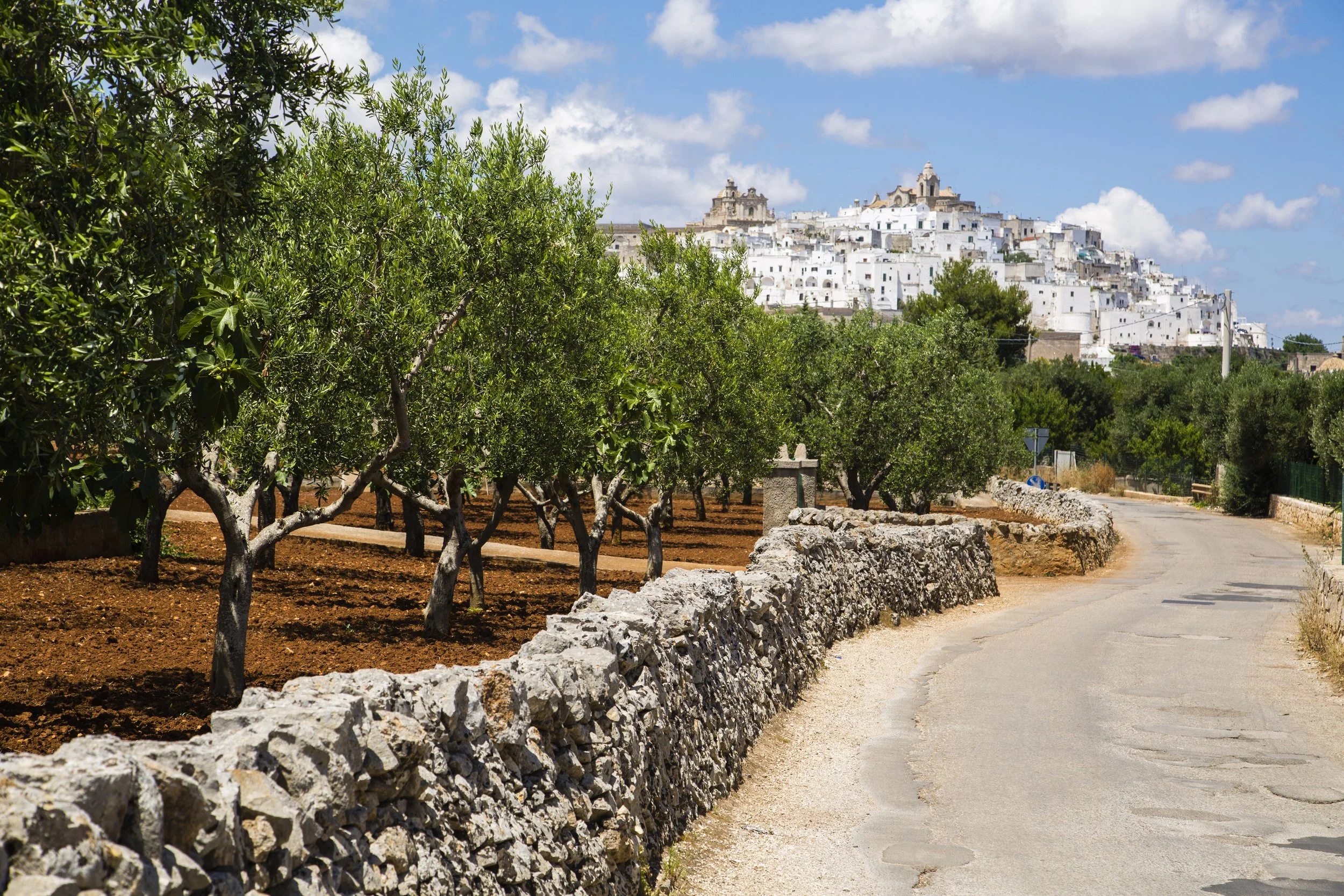
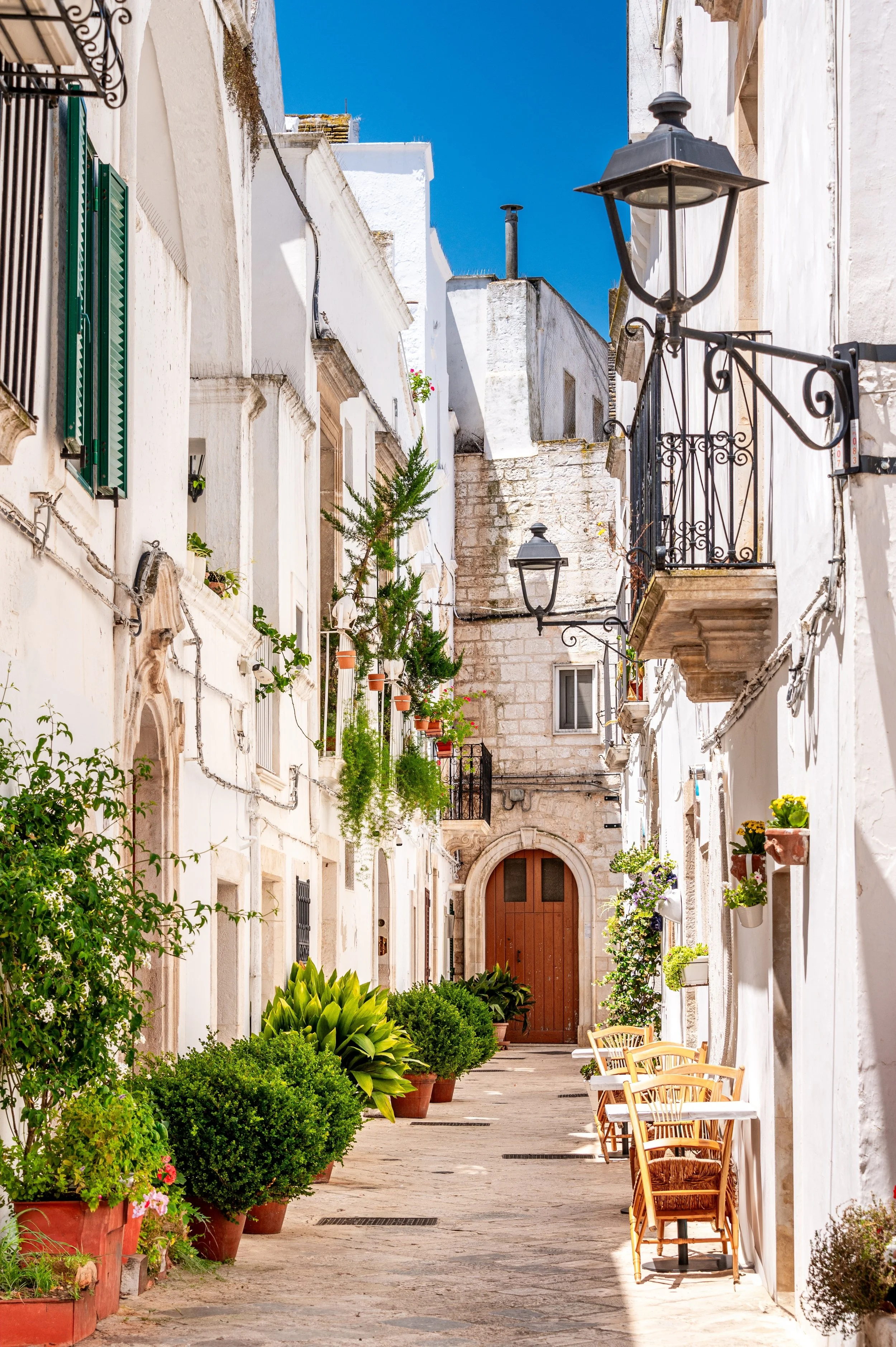
    Ostuni’s brilliant white profile has long announced its presence above the Adriatic plain. The limewash that coats its houses was both practical and symbolic – reflecting sunlight in the intense southern heat while giving the town a striking visual unity. Below its walls, an immense olive-growing landscape has shaped regional wealth for centuries. Today we make our way into the historic centre of Ostuni for a guided walk through its winding lanes and stepped passageways. The cathedral, defensive walls and layered urban plan reveal how the town has adapted to both climate and control, rising in concentric bands towards its highest point. In the afternoon we visit a traditional olive mill set among ancient groves, where cultivation and pressing methods illuminate the agricultural foundations of Puglia’s economy. The remainder of the day is at leisure at our masseria, providing the perfect chance to unwind with a refreshing dip or a delicious aperitivo by the hotel pool.  Overnight Ostuni (B)

  • Day 11 | Thursday 20 May
    Martina Franca & Locorotondo

    In the Itria Valley, agricultural wealth translated not only into olive groves and trulli, but into ambitious urban renewal during the 17th and 18th centuries. Landed families and ecclesiastical patrons reshaped existing hill towns with facades and churches that expressed confidence and regional identity. A visit to Martina Franca this morning reveals this transformation in limestone. On a guided walk, we view its Baroque palazzi, sculpted portals and the Basilica of San Martino, where decorative exuberance sits within a compact medieval plan. The interplay between narrow streets and ornate elevations reflects both defensive origins and later refinement. Lunch is enjoyed at a local masseria, before we continue to whitewashed town of Locorotondo in the heart of the Itria Valley. Its circular historic core and steeply pitched ‘cummerse’ roofs illustrate practical responses to climate and terrain. Time is set aside for a gentle exploration before returning to our accommodation. Overnight Ostuni (B, L)

  • Day 12 | Friday 21 May
    Lecce

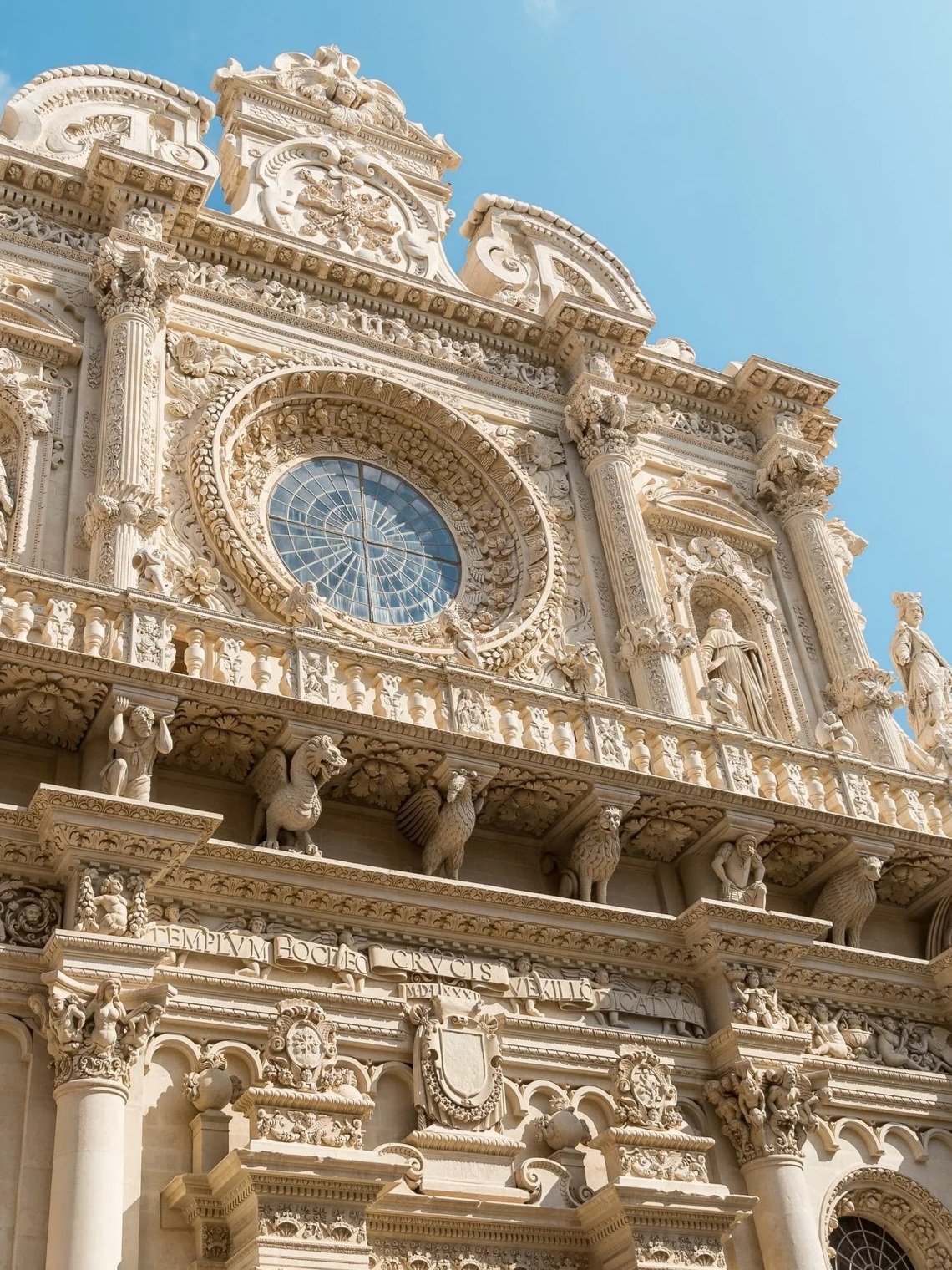
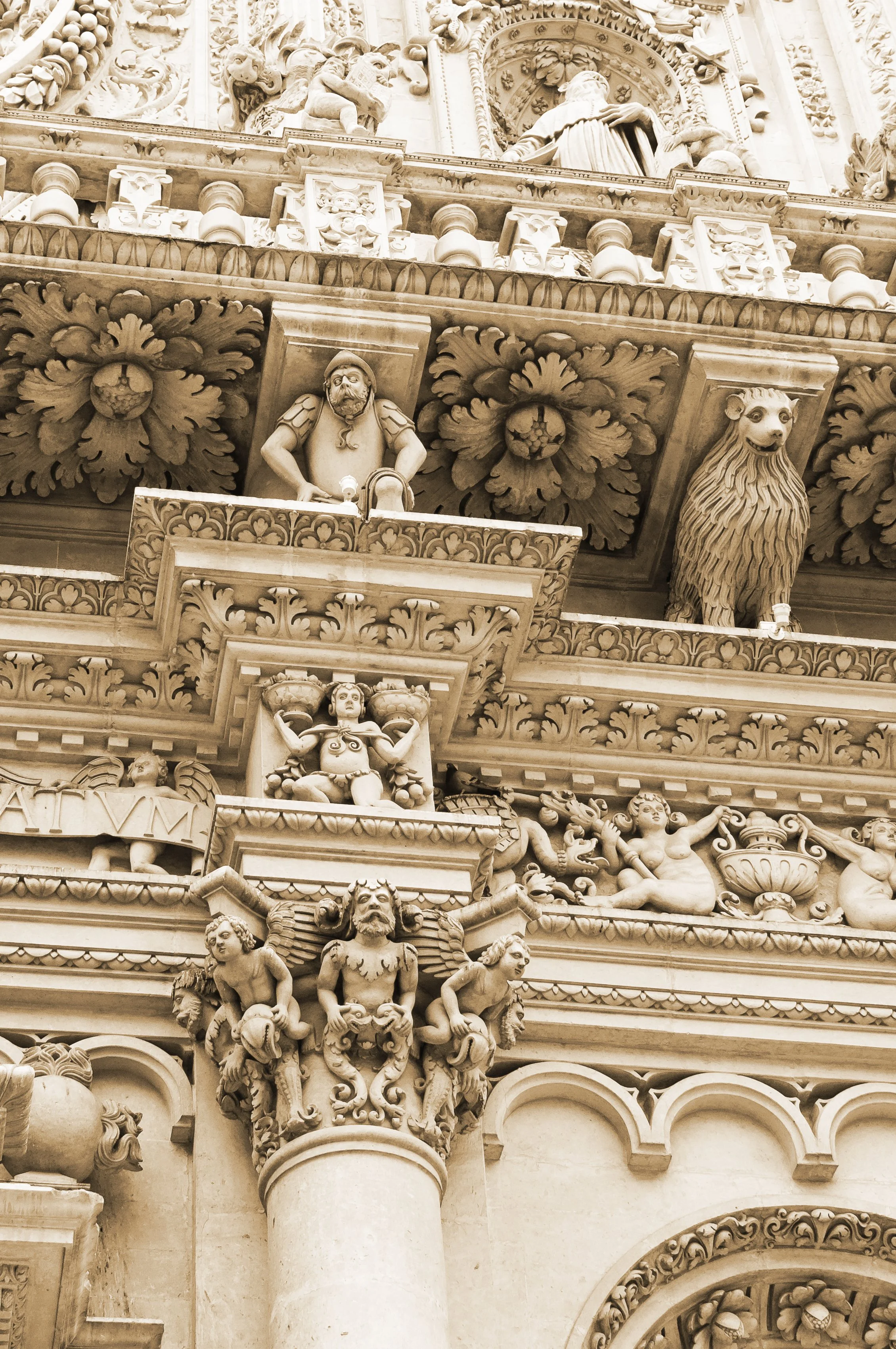
    Lecce represents one of the most distinctive expressions of Baroque architecture in Italy. Under Spanish administration in the 16th and 17th centuries, the city channelled ecclesiastical reform and political authority into an architectural language made possible by its soft, honey-coloured limestone. The result is an urban landscape of remarkable theatricality and craftsmanship. Travelling south to Lecce this morning, we explore its historic centre with a local guide. The Roman amphitheatre recalls the city’s classical foundations, while the Basilica di Santa Croce and the Cathedral complex display the intricate carving that defines the Baroque of the Salento – facades animated with foliage, figures and symbolic detail. Following our tour, we lend our hand to the ancient art of papier-mâché production, a phenomenon mastered by the skilled craftsmen of Lecce. Returning to our masseria, the evening includes a demonstration of the traditional pizzica dance accompanied by local finger food. Overnight Ostuni (B)

  • Day 13 | Saturday 22 May
    Taranto

    Leaving Puglia behind, we turn inland towards our final region of southern Italy – Basilicata – where landscape and settlement take on a markedly different character. Before crossing this boundary, we pause in Taranto, founded by Spartan settlers in the 8th century BCE and later one of the principal cities of Magna Graecia. Its position between two seas ensured both military importance and commercial prosperity, traces of which remain visible today. We explore the old town before visiting the National Archaeological Museum, whose collection of Greek and Roman material culture illuminates Taranto’s classical past. Gold jewellery, sculpture and ceramics testify to its wealth and artistic exchange across the Mediterranean. After time for a break in the historic centre, we continue inland to our final destination, Matera. By late afternoon we arrive at our remarkable albergo diffuso, Sextantio Le Grotte della Civita, where restored cave dwellings form part of the ancient Sassi. Dinner is enjoyed in a local restaurant this evening. Overnight Matera (B, D)

  • Day 14 | Sunday 23 May
    Matera – The Sassi

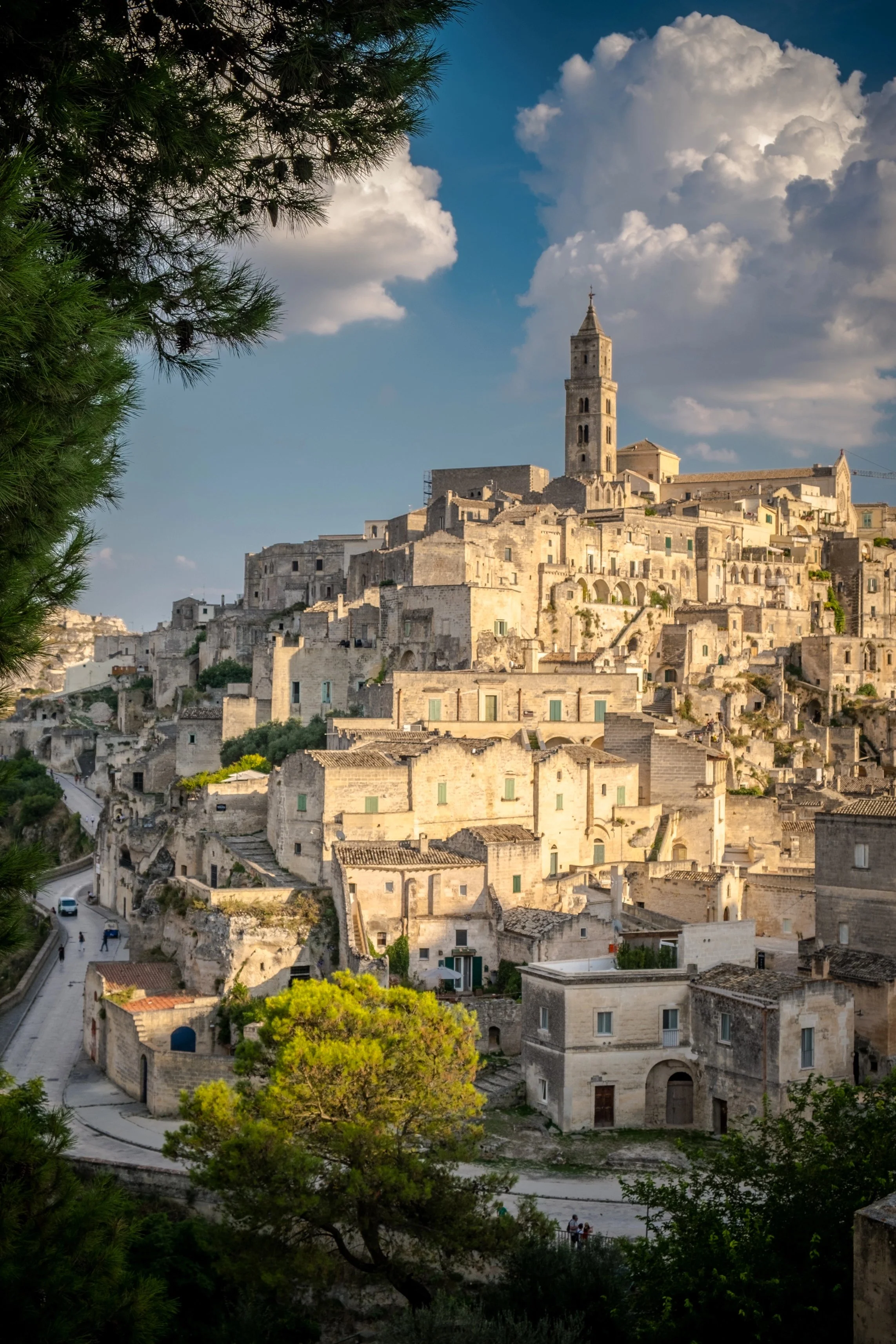
    Matera’s Sassi preserve one of Europe’s most extraordinary urban landscapes. Carved into limestone ravines and progressively expanded over centuries, these cave dwellings reflect a continuous pattern of habitation shaped by geology, poverty and adaptation. A guided walking tour this morning introduces the Sasso Caveoso and Sasso Barisano, where churches, cistern systems and domestic spaces reveal how communities organised life within the rock itself. We visit selected rupestrian churches whose frescoes reflect Byzantine influence and monastic settlement in the early medieval period. The urban fabric – once associated with hardship and depopulation – now stands as a powerful example of conservation and renewal. After a break for lunch, we then explore the upper town, including the Museo Lanfranchi, whose collections provide further context for Basilicata’s cultural history. The evening is at leisure to experience Matera as light shifts across the ravine. Overnight Matera (B)

  • Day 15 | Monday 24 May
    Chapel of the Original Sin

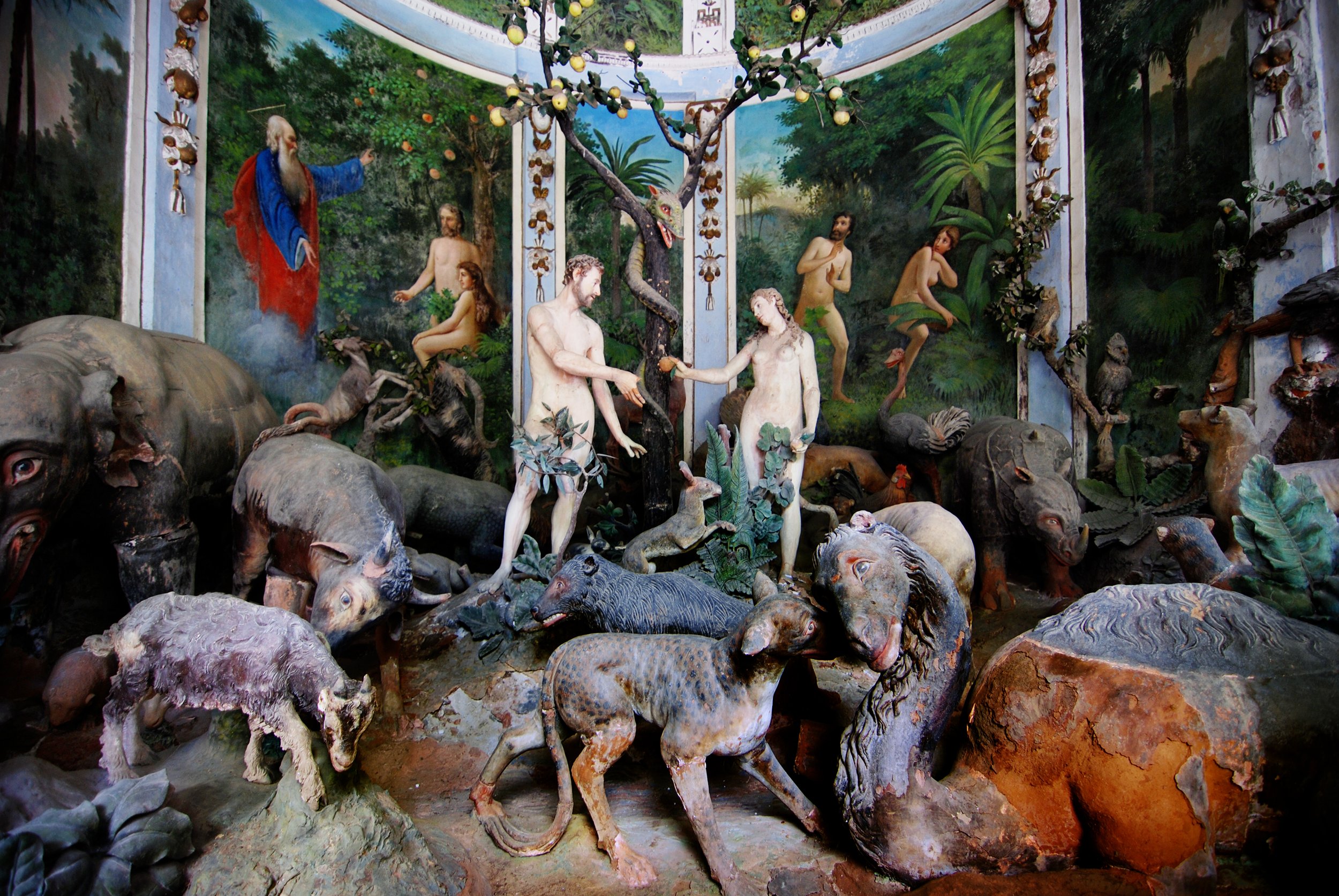
    The ravines surrounding Matera contain some of the earliest Christian artistic expressions in southern Italy. Among them, the so-called Chapel of the Original Sin preserves an extraordinary cycle of 8th-century frescoes attributed to Benedictine influence. We travel beyond the city today to visit this rupestrian chapel, where vivid painted scenes of Creation and biblical narratives unfold across the rock surface. The imagery reflects both theological instruction and the transmission of monastic culture across Basilicata. Following our visit, we continue to Cantina Dragone for a wine tasting that introduces the character of Basilicata’s viticulture. Drawing on local grape varieties such as Aglianico, often cultivated in mineral-rich soils shaped by ancient volcanic activity further north, these wines reflect the climate and terrain of southern Italy’s interior. Returning to Matera, time is at leisure before we gather for a concluding talk and farewell dinner in a local restaurant, marking the end of our exploration of southern Italy’s interconnected landscapes and histories. Overnight Matera (B, WT, D)

  • Day 16 | Tuesday 25 May
    Departure

    The tour ends this morning after breakfast. A group transfer will be provided to Bari Airport. (B)

Tour Accommodation

The accommodation on this tour is a defining feature of the experience, with two of our stays in the distinctive ‘albergo diffuso’ style, where rooms are dispersed through historic buildings, each with its own character. In Santo Stefano di Sessanio, one of Italy’s earliest examples of this model, carefully restored medieval interiors are combined with contemporary comfort, allowing us to inhabit the fabric of the village itself. In Matera, our rooms are set within sensitively converted cave dwellings, offering a an opportunity to stay within the ancient Sassi.

In Ostuni, we stay at a fortified masseria – a traditional farmhouse protected by ancient walls and surrounded by olive groves. Owing to the historic nature of these properties, there will be variation in the size and layout of individual rooms.

tour booking

$14,680 AUD per person, twin share (land content only)
$3,490 AUD supplement for sole use of a hotel room

A $1,000 deposit is required per person to confirm your booking on tour. This deposit is non-refundable.

Hold a Place

Still deciding? We are happy to hold a tentative place for 7 days while you make your final arrangements.

Book Online

To secure your place(s) on tour, book online below with “Athena”, our virtual tour consultant.

DOWNLOAD FORM

Download a printable booking form. You can also complete the form on screen and submit via email.

your tour consultant

The consultant for this tour is Jamal Fairbrother. For further information or to discuss the tour, please call 9235 0023 (Sydney) or 1800 639 699 (outside Sydney) or email jamal@academytravel.com.au

have you thought about?

Academy Travel is more than just a tour operator. We are also a full-service travel agency who can assist you with all aspects of your travel, including flights, transfers, pre-tour arrival, additional travel and comprehensive travel insurance.

can’t make this departure?

If these dates don't work for you, register to hear about the next tour.