Chile & Patagonia

From Deserts To Glaciers

Venture into one of the planet’s greatest frontiers, home to wind-swept plains, mountain glaciers and turquoise lakes.

TOUR STATUS

Places Available | Maximum 16

TOUR DATES

Jan 27 - Feb 16, 2027 | 21 Days

TOUR LEADER

Dr Chris Carter | View Bio

snapshot

  • The tour starts at 3.00pm on Wednesday 27 January, at Hotel Plaza San Francisco, Santiago.

    The tour ends after breakfast on Tuesday 16 February, at the Holiday Inn Santiago Airport Terminal, Santiago.

  • Grade Two. This tour is designed for people who lead active lives.

    View all requirements >

  • Land component: 15 nights in centrally located hotels. All breakfasts, 9 lunches and 6 dinners. Internal economy flights as indicated, airport-hotel transfers, all ground transport, entrance fees and tipping.

    Cruise component: 5 nights aboard the MV Skorpios II, with all meals and drinks onboard, all shore excursions, and the group tip for cruise staff.

    View standard tour inclusions >

  • $23,940 AUD per person, twin share (land content only)
    $7,240 AUD supplement for sole use of a hotel room

    A $1,000 AUD non-refundable deposit is required per person to confirm your booking on tour

OVERVIEW

Venture into one of the world’s great frontiers, tracing Chile’s immense geographic diversity from desert plateaus and ancient cultures to deep southern fjords shaped by ice, water and wind.

Led by archaeologist Dr Chris Carter, whose long experience across the Andes brings clarity and depth to each site, and accompanied by South American Naturalist Juan Cárdenas, this 21-day adventure offers a comprehensive journey through the landscapes, cultures and histories that define Chile and its southern frontier. Our tour begins in the Atacama, where arid plains, volcanic uplands and high-altitude salt lakes reveal the environmental extremes that defined life for early Andean communities. Here we explore the Lluta Valley geoglyphs, examine the Chinchorro mummies and consider the wider networks that linked northern Chile to the Inca world.

Travelling south, the landscape transforms into temperate forests, glacial valleys and the dramatic peaks of Patagonia, culminating in the remarkable setting of Torres del Paine National Park. A highlight is a six-day voyage aboard the A1 Ice-Class MV Skorpios II, a small expedition vessel designed for remote waters that allows us to explore the northern fjords.

This tour connects with our 18-day tour to Ecuador & Galápagos Islands, commencing February 2026 >

tour highlights

Embark on a comprehensive journey tracing Chile’s remarkable geographic and historical diversity.

featured experience

Six Day Cruise

Expedition Ship

Chilean Fjords

Northern Patagonia Fjords Cruise

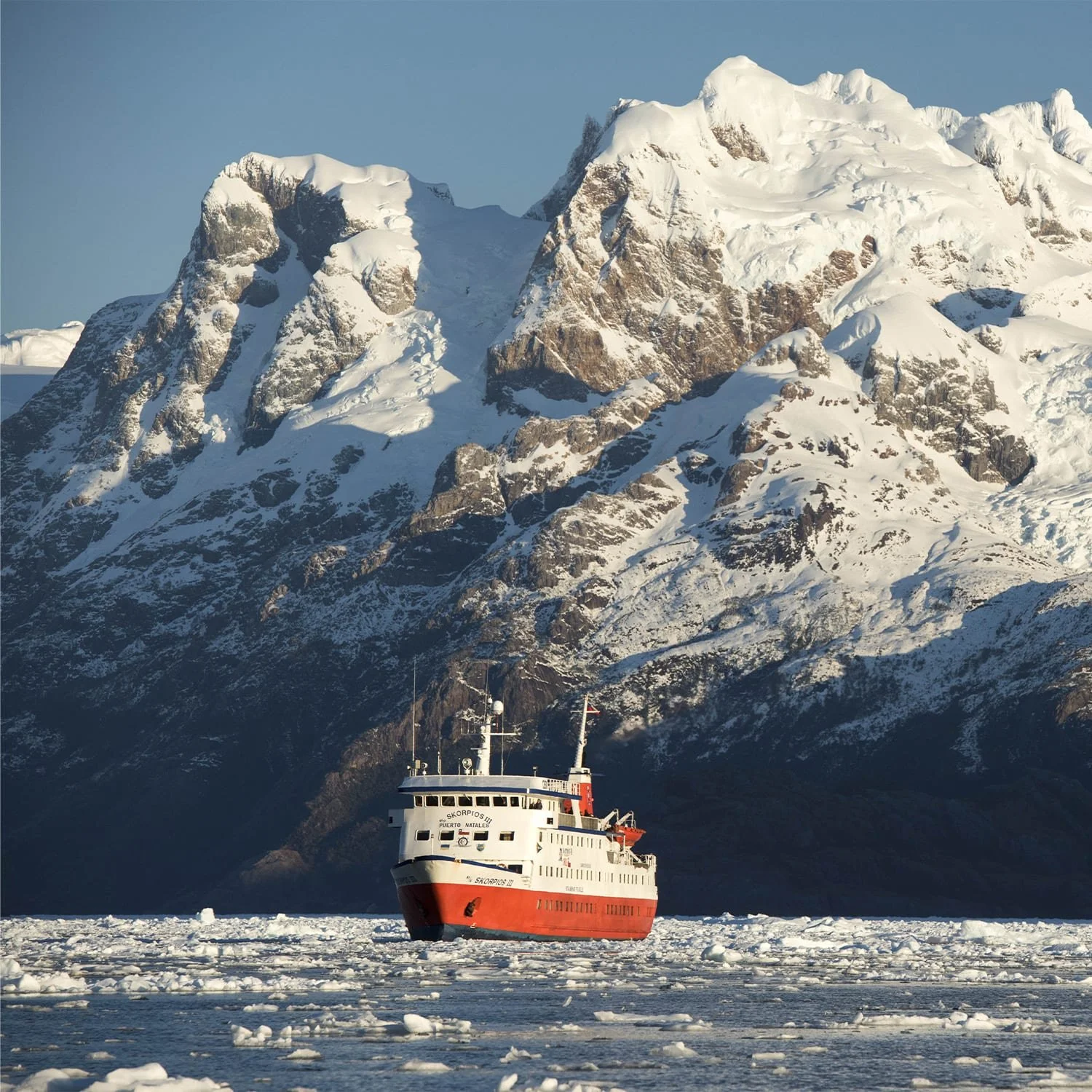
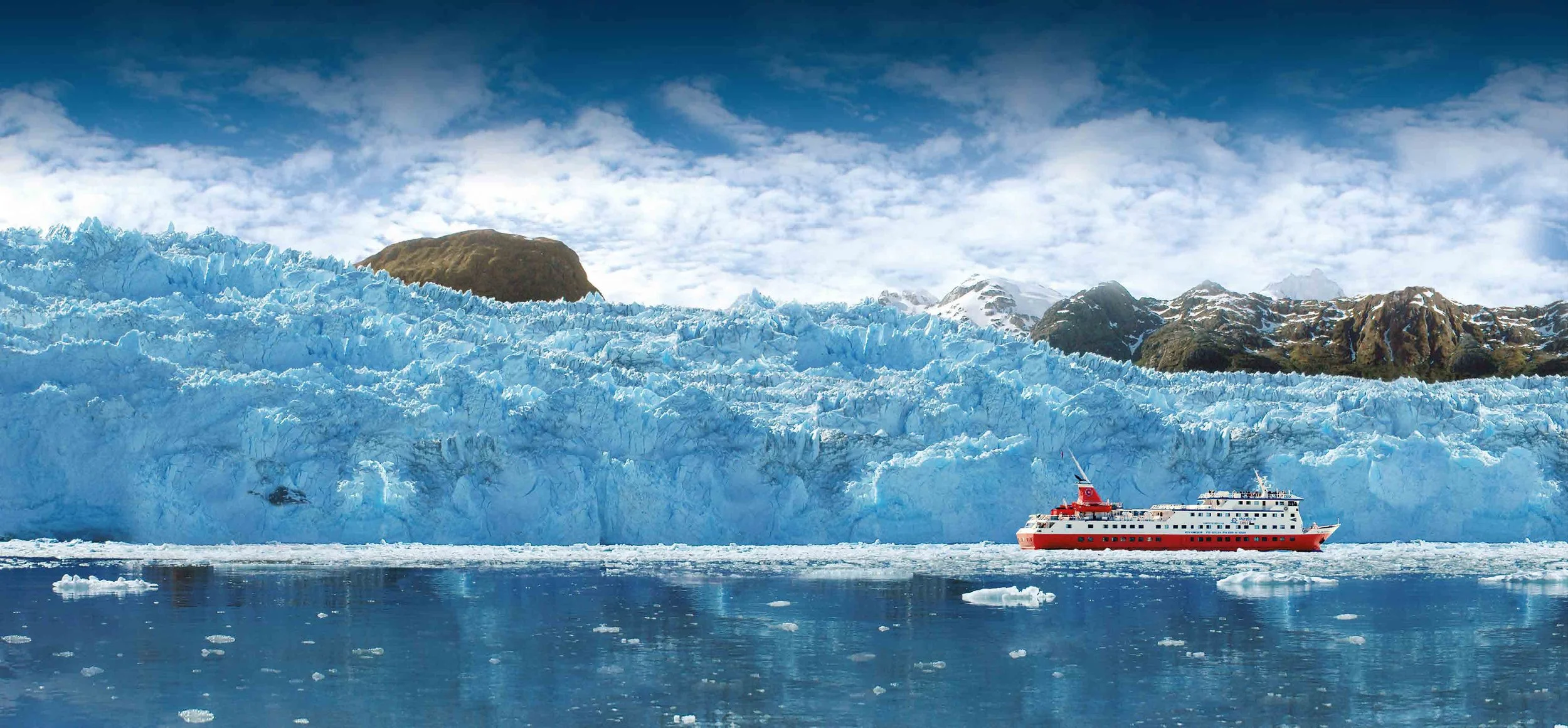
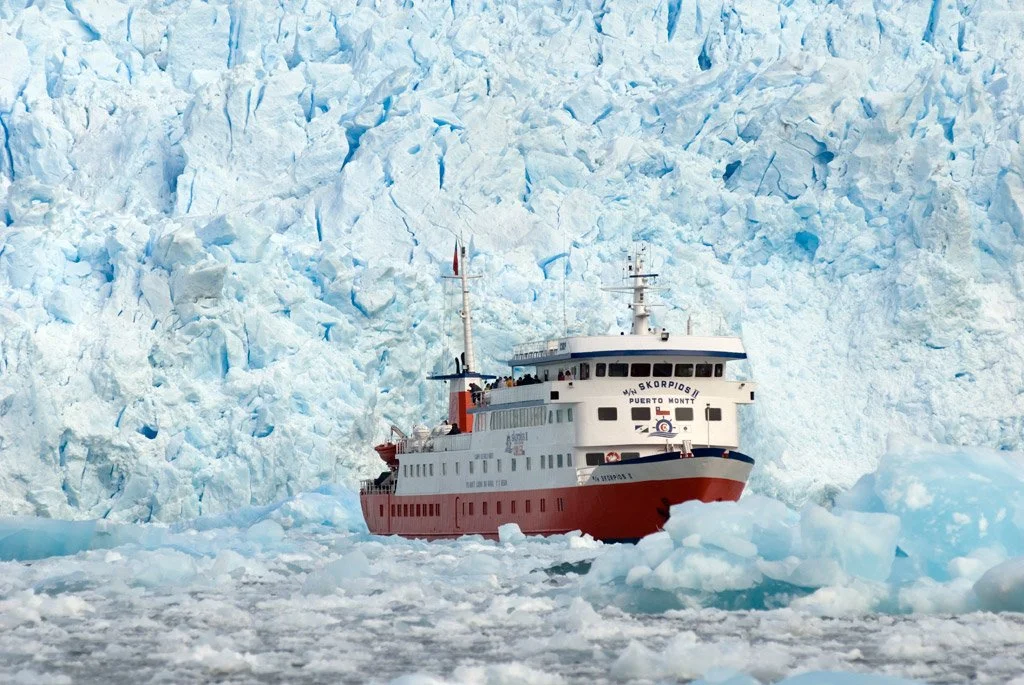
At the centre of the tour is a six-day cruise aboard the MV Skorpios II, a purpose-built small expedition vessel that allows us to navigate deep into the remote northern fjords of Patagonia. Sailing round-trip from Puerto Montt, the ship follows the celebrated Chonos Route, travelling through a network of narrow channels, forested islands and sheltered bays that are otherwise inaccessible by land.

This 800-mile voyage takes in Chiloé Island, the remote fishing villages of Puerto Aguirre and Dalcahue, the hot-spring thermal baths of Quitralco and the imposing ice
front of the San Rafael Glacier.

About the MV Skorpios II

An A1 Ice-Class rated expedition vessel, the MV Skorpios II is well suited to navigating Patagonia’s narrow channels and glacial waters. The ship has 55 cabins, each with a private bathroom and practical in-room amenities, along with a sun deck, multiple outdoor viewing platforms and two comfortable indoor observation lounges.

All meals are included and prepared onboard, and an open bar is available throughout the voyage, creating a relaxed setting in which to enjoy the journey between shore excursions and wildlife viewing.

Dr chris carter

your expert tour leader

Chris is a historical archaeologist with over 25 years’ experience leading tours across Australia and abroad, including more than 30 to South America. He holds a BA (Hons), MA, and PhD from the Australian National University, where his doctoral research focused on excavations in Chile’s Atacama Desert. Since the late 1990s, Chris has dedicated much of his career to this region and contributed to Chile’s successful proposal to have the Inka trails inscribed on the UNESCO World Heritage List.

Read full bio >

Accompanied by an Experienced Tour Manager

Alongside your expert tour leader, an experienced tour manager will accompany for the entirety of the tour. They oversee logistics, ensure your comfort and safety, and provide friendly support – whether offering tips for free time, sharing a chat over dinner, or giving you space to relax.

tour ITINERARY

Santiago (2 nights), San Pedro (3 nights), Iquique (1 night), Arica (3 nights), Puerto Varas (1 night), MV Skorpios II (5 nights), Puerto Natales (1 night), Torres del Paine (3 nights), Santiago (1 night)

Included meals are shown with the letters B, L and D

Download Printable Itinerary
  • Day 1 | Wednesday 27 January
    Arrive Santiago

    Airport transfers to our hotel in Santiago will be arranged by Academy Travel. We meet in the foyer of our hotel at 3.00pm before heading out for a leisurely walk through the streets of downtown Santiago. This evening our tour leader will present an introductory talk about Chile before we enjoy a weclome dinner together in our hotel. Overnight Santiago (D)

  • Day 2 | Thursday 28 January
    Panoramic Views & Traditional Chilean Wines

    Santiago’s development has been shaped by its position between the Andes and the Central Valley, where early settlement, agriculture and later viticulture took root. Today’s program introduces these foundations through key viewpoints. We begin with a morning visit to Cerro San Cristóbal, whose panoramic outlook clarifies the city’s geography and its relationship to the surrounding snow-capped mountains. We then travel to one of the region’s oldest wineries on the city’s outskirts, gaining an overview of Chile’s long-established wine industry before enjoying lunch in the estate’s hacienda. In the afternoon we return to the city centre at Cerro Santa Lucía, the hill of Santiago’s original settlement and now a landscaped park within easy reach of our hotel. The reminder of the evening is at leisure. Overnight Santiago (B, L) 

  • Day 3 | Friday 29 January
    San Pedro & The Valley of the Moon

    The Atacama has long supported human settlement despite its extreme environment, with San Pedro emerging as a key centre of Atacameño culture and, later, a hub for archaeological research. Our day introduces the region’s geography and early history before we explore one of its most distinctive desert landscapes. Departing Santiago early this morning, we first fly to Calama, gateway to the Atacama and centre of Chile’s copper mining industry. On arrival we transfer to our hotel in San Pedro, with free time for lunch in the town. The afternoon is then spent in the local archaeological museum, which provides an overview of the region’s prehistory and the long-standing cultural traditions of the Atacameño people. Later we drive into the Valley of the Moon, where sculpted dunes and mineral formations create one of the Atacama’s most emblematic settings. We remain here as the light shifts across the landscape before returning to our hotel for dinner. Overnight San Pedro (B, D)

  • Day 4 | Saturday 30 January
    High Country Scenery

    The valleys surrounding San Pedro preserve some of the most significant archaeological sites in the Atacama, reflecting a long sequence of settlement from early local cultures through to the Inka expansion. Today we explore this history through key fortified and ceremonial locations, beginning with a visit to Pukará de Quitor, a pre-Inka defensive settlement overlooking the Río San Pedro, and the nearby Inka site of Catarpé, which illustrates how the imperial administration incorporated existing Atacameño communities into its regional network. Our afternoon is then spent visiting the remains of Tulor, a prehistoric settlement built on the river floodplain, whose circular structures offer important evidence of early life in the oasis. The day concludes at the Valle de la Muerte, where steep canyon walls and eroded formations demonstrate the powerful processes that have shaped the region’s terrain. Overnight San Pedro (B)

  • Day 5 | Sunday 31 January
    Salar de Atacama

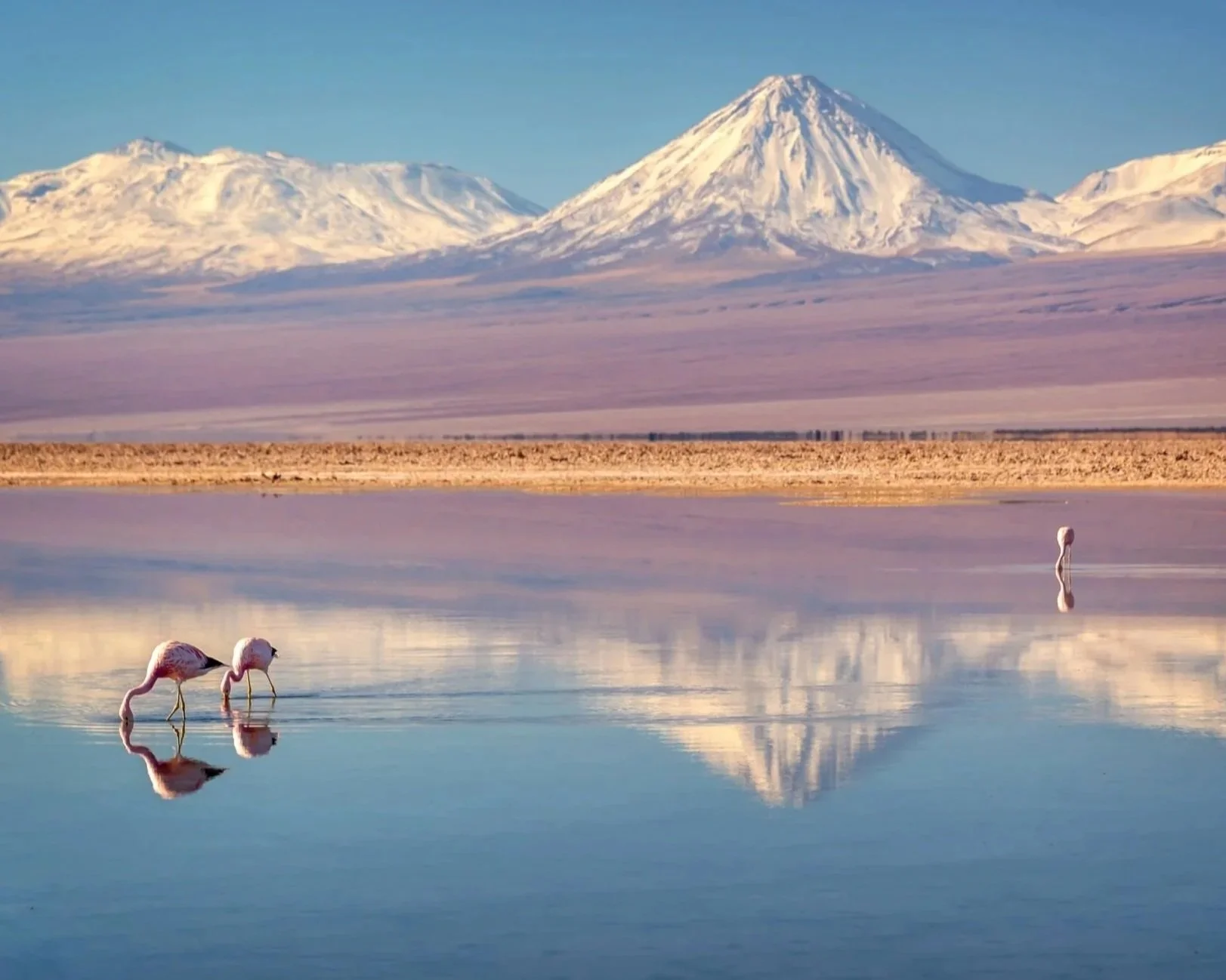
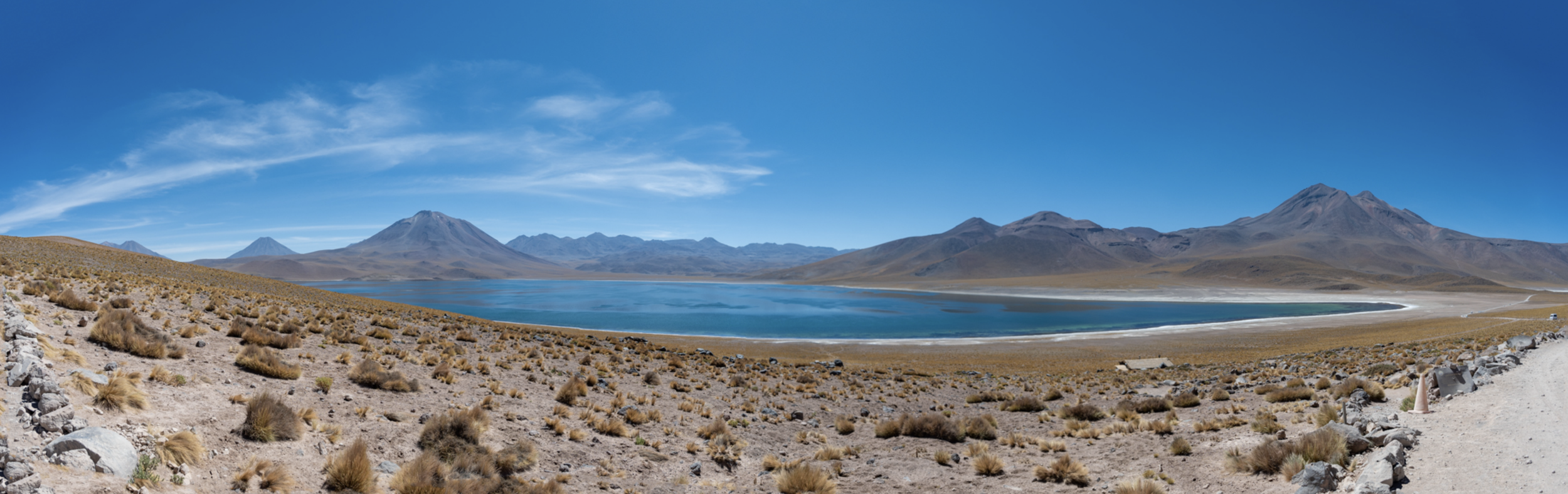
    The southern Atacama basin contains one of the region’s most distinctive environments – a vast salt flat formed by the evaporation of ancient lakes. Travelling south of San Pedro today, we arrive at the Salar de Atacama, Chile’s largest salt lake, where broad white crusts and shallow lagoons provide habitat for colourful Andean, Chilean and James’s flamingos. Continuing across the altiplano, we pass a series of smaller archaeological and geological sites before climbing towards the high-altitude lagoons of Miscanti and Miñiques, framed by volcanic peaks and notable for their clear waters and sparse desert vegetation. A packed lunch is enjoyed in the mountains before we return to San Pedro in the afternoon, with the remainder of the day is at leisure. Overnight San Pedro (B, PL)

  • Day 6 | Monday 1 February
    Across the Atacama to the Pacific Coast

    The corridor between the Andes and the Pacific forms one of the driest environments on earth, shaped by the region’s geological uplift, mineral wealth and long-standing isolation. Travelling from the high plateau towards the coast allows us to observe the transition from desert interior to maritime settlements that historically served as gateways for mining and trade. Departing San Pedro this morning, our drive takes us north-west into the open expanse of the Atacama. The route crosses broad gravel plains and salt-rich basins that illustrate the extremes of the desert. Descending towards the Pacific, we reach the port town of Tocopilla, where we stop for a simple seafood lunch at a local restaurant overlooking the coast. From here we follow the coast north to Iquique, whose 19th-century growth was driven by nitrate exports and its role as a key Pacific port, and where we stay tonight. Overnight Iquique (B, L)

  • Day 7 | Tuesday 2 February
    The Hidden Beach - Caleta Vitor

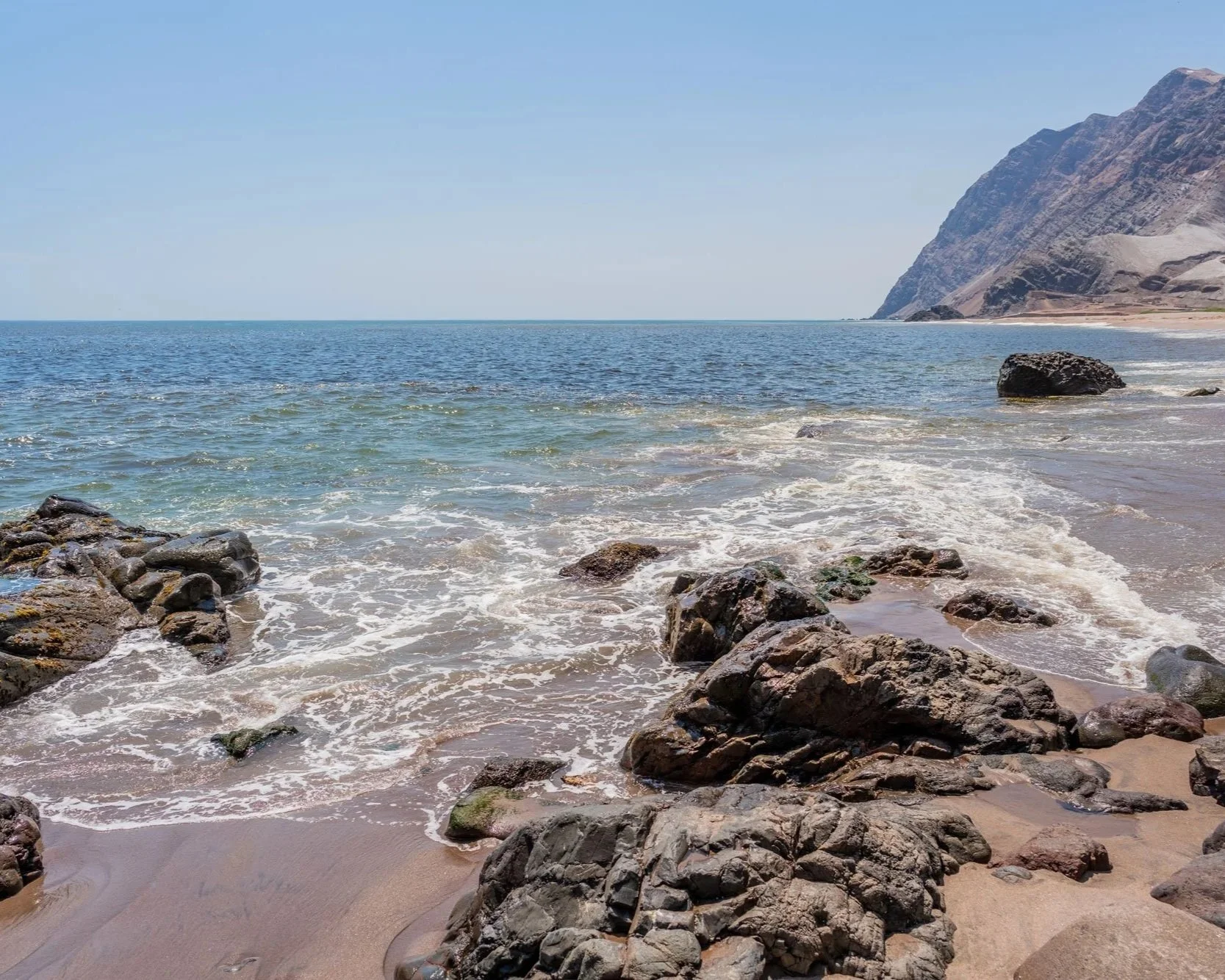
    The far north of Chile preserves some of the earliest evidence of human occupation on the Pacific coast. Departing Iquique this morning, we travel north along the Panamerican Highway, crossing a series of deep quebradas before reaching Caleta Vítor. This secluded bay, enclosed by high coastal cliffs, was occupied for nearly 9,000 years and contains traces of Chinchorro, Tiwanaku and later Inka activity. Our visit highlights the different phases of settlement visible in the landscape, and with luck we may observe local fauna such as marine otters or Humboldt penguins. A picnic lunch is enjoyed at the site before we continue north to Arica, where we visit the Museo Sitio Colón 10 – one of the most significant locations in the Chinchorro UNESCO World-Heritage listing. Here, excavations beneath a former private residence have revealed an extraordinary sequence of burials – some more than 7,000 years old. The site offers a rare opportunity to see Chinchorro mummies in situ, alongside evidence of the complex mortuary practices that make this culture one of the earliest in the world to develop mummification. Afterwards, the tour leader presents a talk on Chinchorro society, followed by dinner together
    at a nearby restaurant. Overnight Arica (B, PL, D)

  • Day 8 | Wednesday 3 February
    Lluta Valley

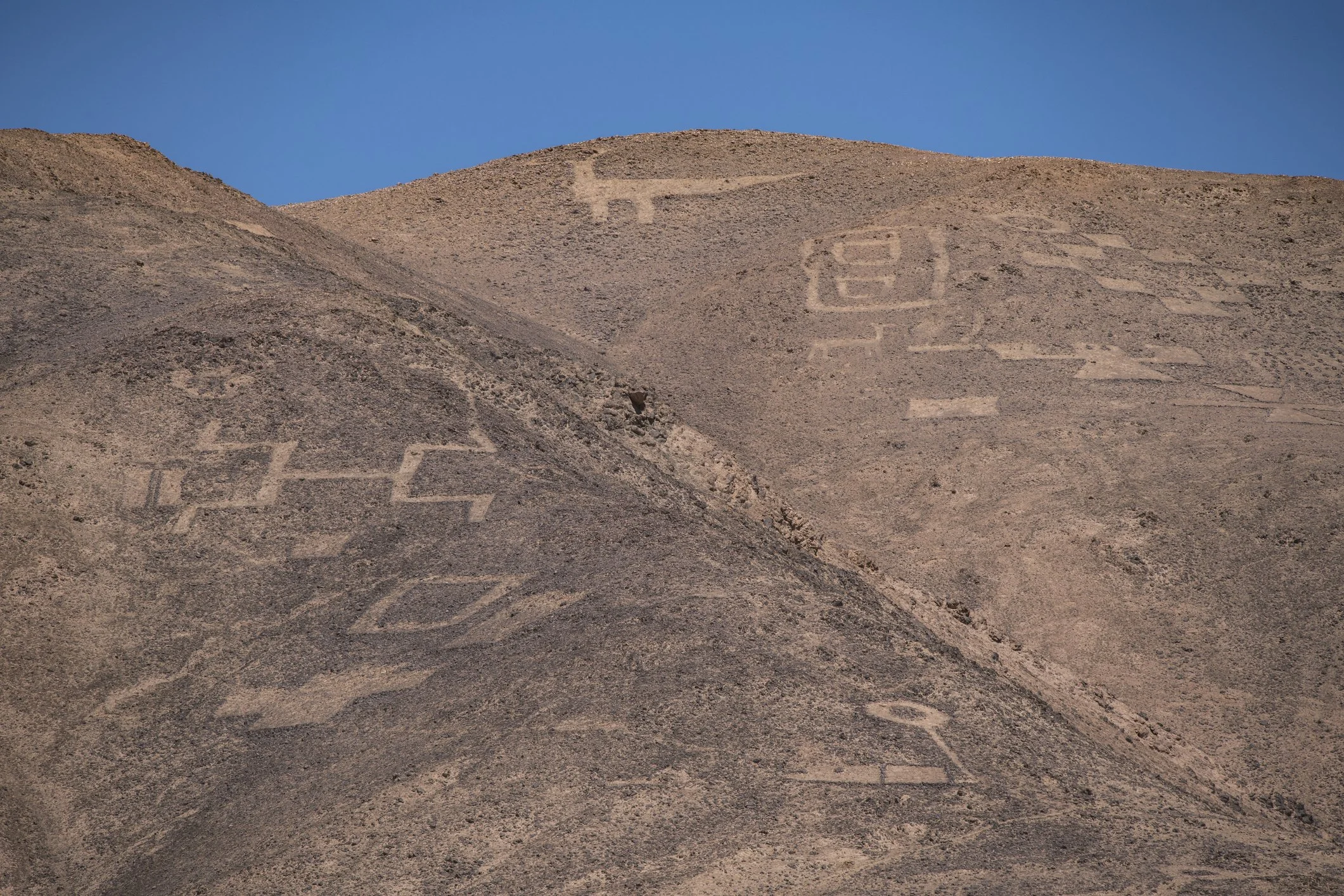
    The river valleys north of Arica illustrate the long interaction between Andean communities and the desert landscape, where agriculture, trade routes and ceremonial traditions developed along narrow corridors of fertile land. Travelling from Arica into the Lluta Valley today, we stop en route to view a series of geoglyphs and petroglyphs depicting camelids, travellers and other motifs linked to pre-Hispanic movement across the desert. We also visit the remains of an Inka settlement located on a terrace overlooking the Río Lluta, providing insight into how the empire made use of these key agricultural and transport corridors. Lunch is enjoyed at a rural restaurant before we continue south to the Museo Universidad de Tarapacá – San Miguel de Azapa. The museum holds an extensive collection of material from the region, including an important group of Chinchorro mummies. We return to Arica in the late afternoon with the evening at leisure. Overnight Arica (B, L)

  • Day 9 | Thursday 4 February
    Into the Andes

    The highlands east of Arica reveal how Andean societies moved people, goods and information across dramatic changes in altitude, linking the Pacific coast with settlements on the altiplano. To understand this network of movement and control, we travel inland into the Andean foothills, where long-established pathways and fortified sites remain visible in the landscape. Our excursion begins early as we ascend through desert valleys and rising mountain terrain, stopping first at an Inka tambo that once served as a waystation along imperial routes. Short walks allow us to follow nearby sections of the Inka Trail before continuing to the pre-Inka fortress of Copaquilla, whose location on a ridge highlights the strategic control once exercised over the surrounding valleys. The drive continues through striking scenery, with snow-capped volcanoes visible along the horizon, before reaching the highland settlements around Zapahuira and Putre. Lunch is enjoyed together in one of the villages, with time to observe aspects of their traditional layout and architecture. As we are above 4,000 metres, some effects of altitude may be felt. Later in the afternoon we descend from the highlands and return to our hotel in Arica. Overnight Arica (B, L)

  • Day 10 | Friday 5 February
    South to Puerto Varas

    Flying south from Arica brings a marked shift in both climate and landscape, from the desert plateaus of the far north to the glacial lakes, forests and volcanic peaks of Chile’s Lake District. This transition highlights the country’s striking geographic diversity and introduces the environments that shape its southern regions. Our morning flight via Santiago brings us to Puerto Montt, where we continue by road to nearby Puerto Varas on the shores of Lake Llanquihue. Established in the 19th century by German settlers, the town retains its steep-roofed houses and timber facades. If time permits, we take a short scenic drive to view sections of the lakeshore and, if feasible, visit the waterfalls at Saltos del Petrohué and the glacially fed waters of Lake Todos los Santos. Overnight Puerto Varas (B)

  • Day 11 | Saturday 6 February
    Expedition by Sea | Crossing to Chiloé Island

    The sheltered waters south of Puerto Montt form the gateway to the Patagonian fjords, and the island of Chiloé has long served as a maritime crossroads between the mainland and the southern archipelagos. Returning to Puerto Montt this morning, we begin our sea-based exploration aboard the
    MV Skorpios II, crossing the Gulf of Ancud towards Chiloé while enjoying views of the mainland coast and the island’s wooded hills. We disembark in the afternoon by tender at the village of Quemchi, a small coastal settlement with traditional houses, a local handicraft market and a modest museum. On return to the ship, dinner is served on board, as all meals will be for the duration of our cruise. Overnight MS Skorpios II (B, D)

  • Day 12 | Sunday 7 February
    Puerto Aguirre & Isla Barrientos

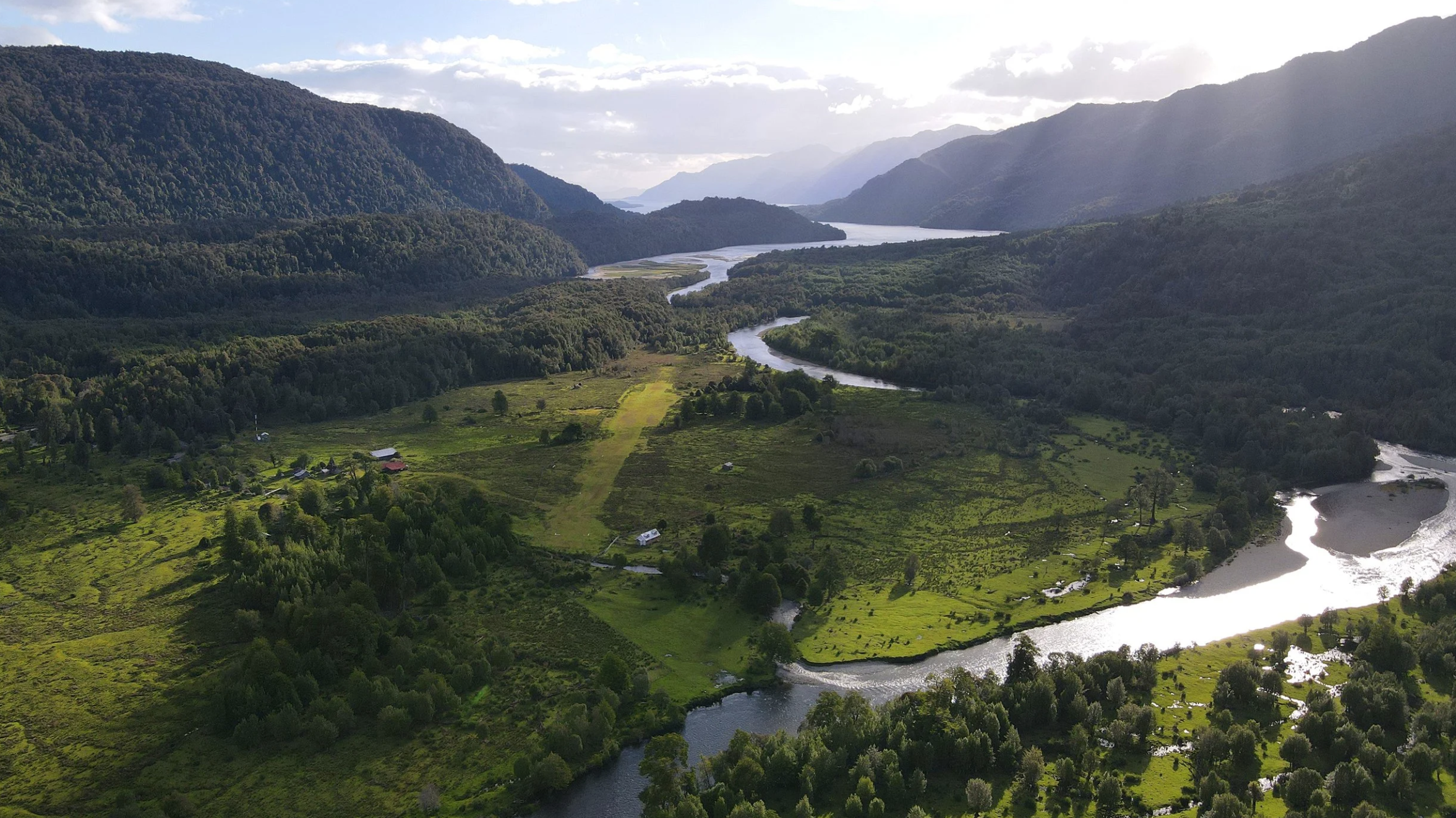
    Low-lying islands, sheltered channels and dense forested slopes mark the landscape as we continue south through the inland waters of northern Patagonia. Cruising through the Straits of Moraleda and Ferronave, we arrive late morning at Puerto Aguirre, situated within the Chonos Archipelago. After disembarking, we walk through the settlement and follow a short trail into the Patagonian rainforest, ending at a lookout with views over the islands. Early in the afternoon we return to the Skorpios II and sail toward Isla Barrientos. Here we transfer to smaller boats to approach the rocky outcrops that support one of Chile’s largest seabird colonies, including kelp gulls and shags. South American fur seals are also commonly seen along the shoreline. Overnight MS Skorpios II (B, L, D)

  • Day 13 | Monday 8 February
    San Rafael Glacier

    As we continue south, the landscape shifts to broader channels and colder waters, signalling our approach to the fjords that lead into the San Rafael Lagoon – gateway to one of the most significant tidewater glaciers of the Northern Patagonian Icefield. Early this morning the Skorpios II enters the lagoon and anchors approximately two kilometres from the face of the San Rafael Glacier. When conditions allow, we transfer to the smaller boats to navigate among the icebergs that regularly calve from the glacier’s front, gaining a close view of its scale and the surrounding rainforest-clad slopes. If the weather remains favourable, the ship itself will later advance toward the glacier for a wider perspective of the ice front. In the afternoon we depart the lagoon and begin the journey toward Quitralco Fjord. Overnight MS Skorpios II (B, L, D)

  • Day 14 | Tuesday 9 February
    Quitralco - ‘Waters of Fire’

    The sheltered inlet of Quitralco is known for its thermal springs, a reminder of the region’s underlying volcanic activity and the geological forces that shape the fjords. After breakfast we disembark at the Quitralco pier, where you can enjoy a relaxing soak in the warm thermal springs, with pools inside or outside, while taking in the spectacular visual contrasts of snow-covered mountains and lush vegetation. If the weather is fine, we board smaller boats for a short excursion to the inside of the ancient Quitralco Fjord. Later in the afternoon the Skorpios II departs Quitralco and begins the return journey north toward Chiloé, navigating through the channels of Moraleda and Pérez Norte. Overnight MS Skorpios II (B, L, D)

  • Day 15 | Wednesday 10 February
    Islote Conejos & Dalcahue

    Crossing the Gulf of Corcovado before dawn brings us into waters known for seasonal whale activity, and early risers may have the chance to see humpback or, more rarely, blue whales as the ship makes its passage north. Later in the morning we board the smaller boats to visit Islote Conejos, a low rocky islet that supports a large colony of Magellanic penguins alongside several species of seabird. The visit provides a clear view of how these colonies occupy the island’s narrow ledges and open slopes. After lunch on board, the Skorpios II continues past the islands of Lemuy and Chelín before arriving at Dalcahue. Here we disembark to explore the waterfront, visit the local handicraft market and see the town’s timber church – part of the UNESCO-listed group of wooden churches that characterise the Chiloé archipelago. Overnight MS Skorpios II (B, L, D)

  • Day 16 | Thursday 11 February
    Disembarkation | Into Patagonia

    After several days navigating the northern fjords, today marks a transition into the far south of Chile and the landscapes of Patagonia. Following an early breakfast, we disembark the Skorpios II in Puerto Montt and transfer to the airport for our flight to Punta Arenas – a gateway city for Torres del Paine and the southern steppe. On arrival, we continue by coach toward Puerto Natales, travelling through open country framed by wide skies and distant mountain ranges. Given the late arrival of the flight, dinner is included en route before we settle into our hotel for the night. Overnight Puerto Natales (B, D)

  • Day 17 | Friday 12 February
    Torres del Paine National Park

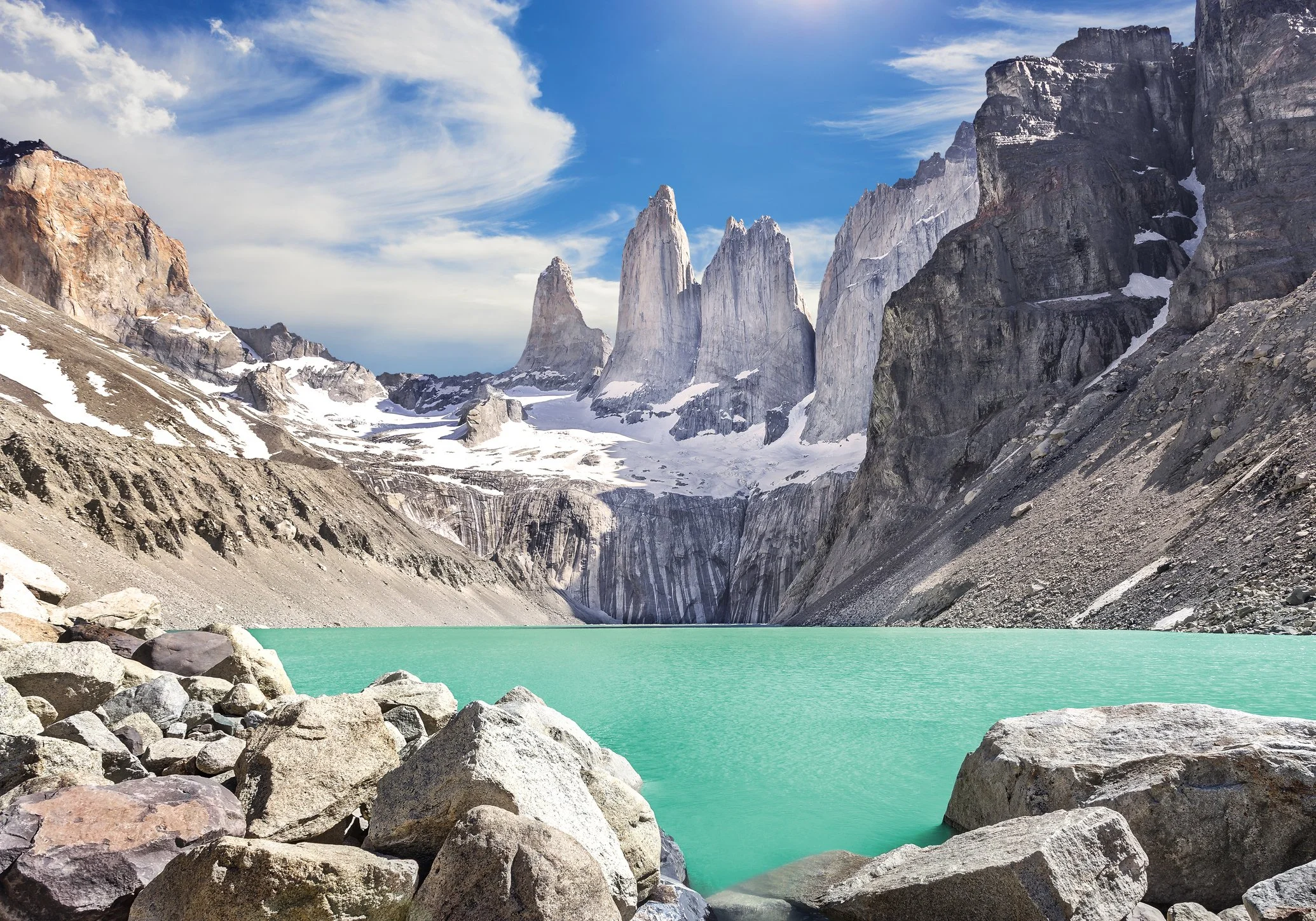
    Travelling north from Puerto Natales brings us into one of the most striking natural landscapes in the world, where open steppe, glacial lakes and rising granite massifs mark our arrival into Torres del Paine National Park. The park’s setting on the margin of the Southern Patagonian Icefield – one of the largest ice masses outside the polar regions – helps explain the scale of its lakes, waterfalls and sculpted valleys. Along the way we may see Andean condors, guanaco herds and grey foxes, along with areas of native vegetation and seasonal wildflowers. A picnic lunch is enjoyed at one of the designated sites, and Lago Azul is among the options for a brief walk and wider views of the massif. In the evening, the tour leader provides a talk on the geology and environmental history of southern Patagonia. Overnight Torres del Paine (B, PL, D)

  • Day 18 | Saturday 13 February
    Exploring the Paine Massif

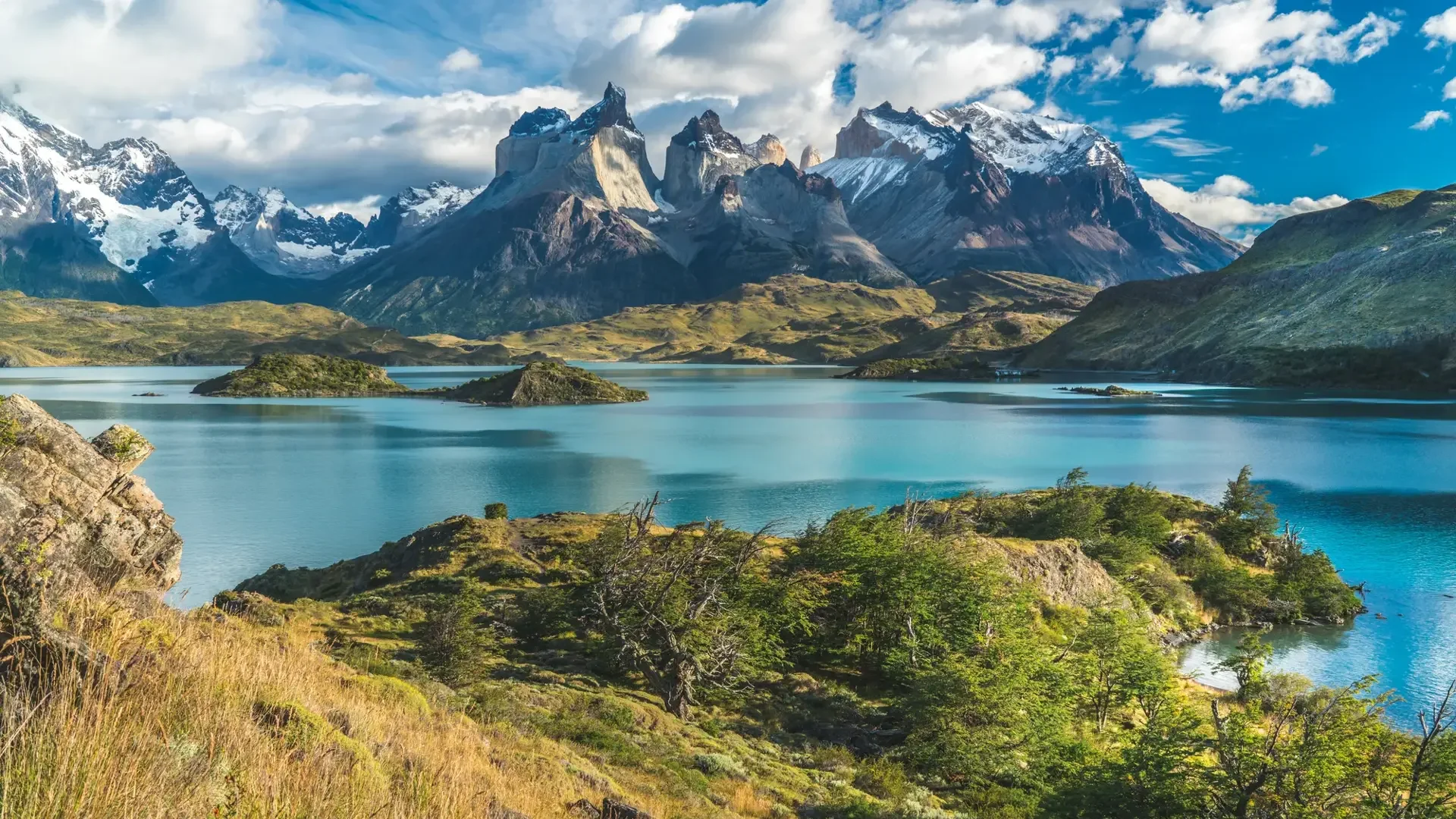
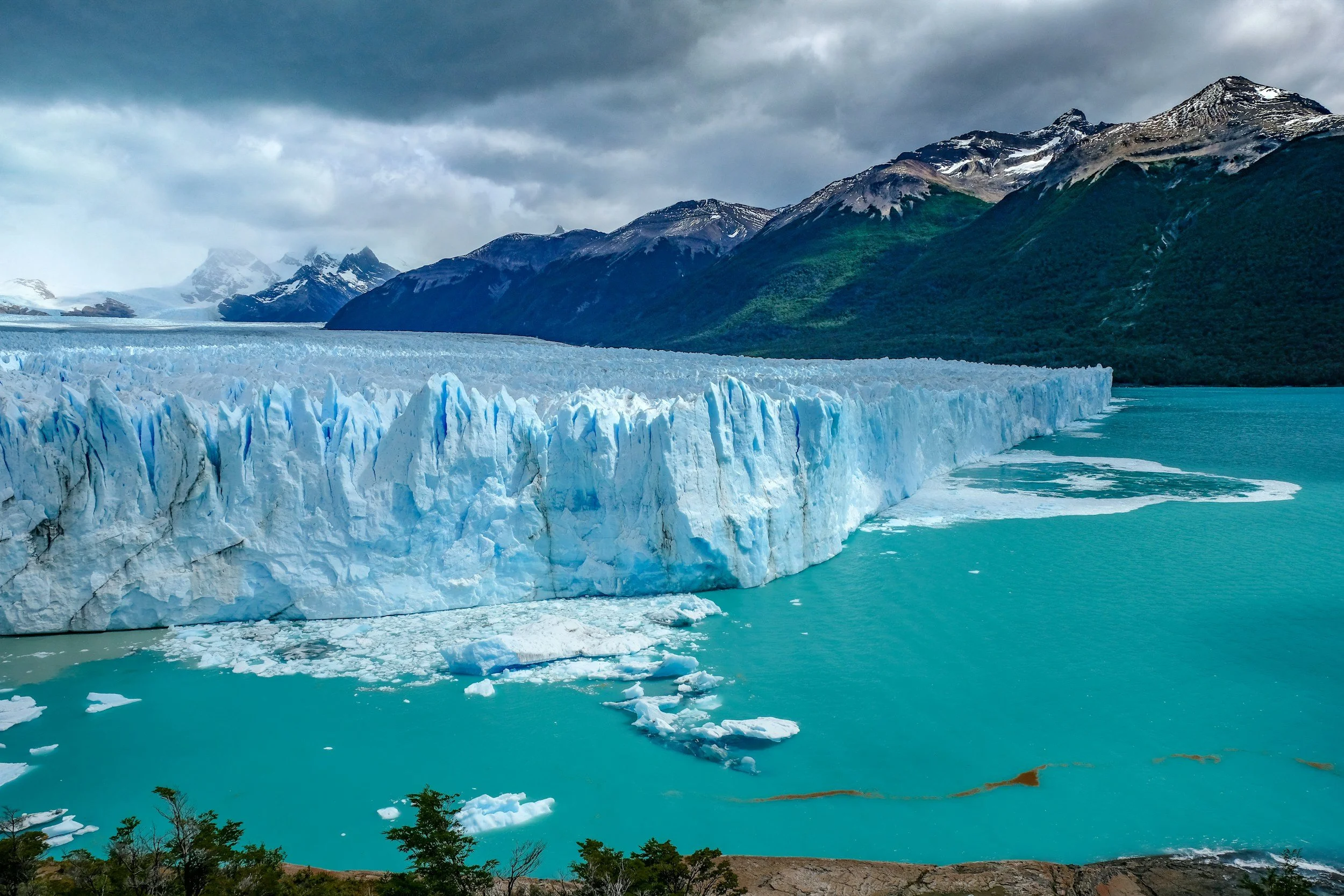
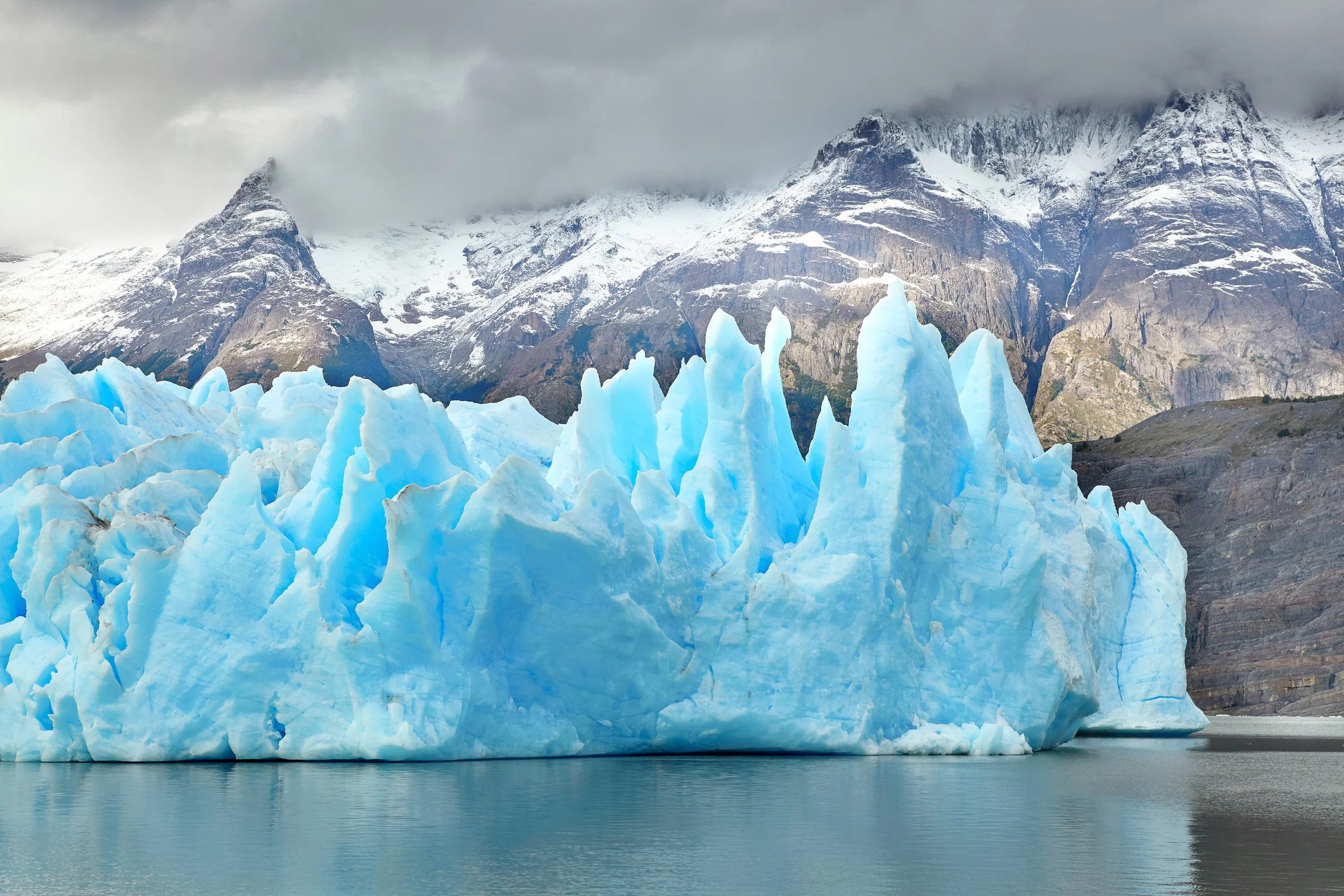
    A full day in Torres del Paine allows us to focus on the park’s central feature – the Paine Massif – whose three iconic granite towers and surrounding valleys form one of the most recognisable landscapes in southern Patagonia. We spend the day visiting a series of viewpoints and walking short sections of trail that reveal different aspects of the massif and its glacial environment. Stops at locations such as Lago Pehoé provide broad views of the central peaks, while other areas offer closer perspectives on the contrasting colours and formations within the range. In the afternoon we then board a scenic cruise on Lake Grey, travelling through the narrow channel that leads toward the Grey Glacier. Fed by the Southern Patagonian Icefield, the glacier’s fractured surface and floating icebergs illustrate the ongoing processes shaping the region’s waterways. A picnic lunch is arranged during the day at one of the park’s designated areas and we return to our hotel in the late afternoon. Overnight Torres del Paine (B, PL, D)

  • Day 19 | Sunday 14 February
    Turquoise Lakes & Sweeping Landscapes

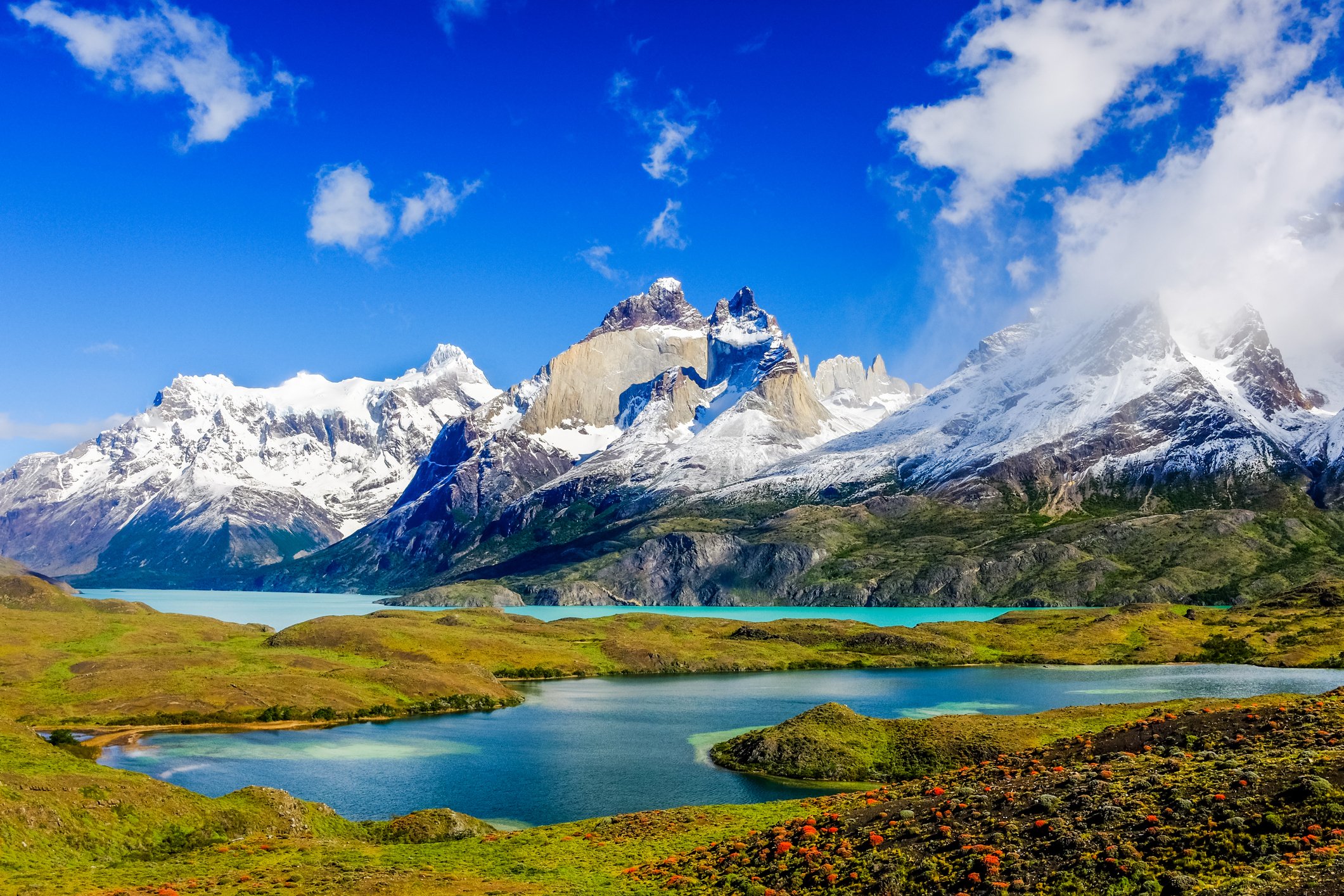
    A further day in Torres del Paine allows us to appreciate the diversity of its terrain – from open steppe and glacial valleys to the lakes that ring the central massif. We spend the day moving through different areas of the park at a relaxed pace, with time to observe wildlife, stop at lakes such as Nordenskjöld or Sarmiento, and walk short stretches of trail that reveal contrasting perspectives on the Paine range. A picnic lunch is again enjoyed within the park before returning to our hotel. In the evening we gather for a farewell dinner together, recounting the stories of the journey that has been. Overnight Torres del Paine (B, PL, D)

  • Day 20 | Monday 15 February
    Cueva del Milodón & Return to Santiago

    Departing Torres del Paine this morning, our journey takes us south again to Puerto Natales. We stop enroute at Cueva del Milodón, one of the most important palaeontological and archaeological sites in southern Patagonia. This large cave system, shaped by glacial and wind erosion, has yielded remains of extinct megafauna – including the ground sloth Mylodon darwinii – as well as evidence of early human occupation dating back around 6,000 years. The visit provides a clear sense of the conditions faced by its earliest inhabitants. Continuing to Puerto Natales airport, we take a return flight to Santiago where we spend the night at an airport hotel. Overnight Santiago (B)

  • Day 21 | Tuesday 16 February
    Depart Santiago or Continue the Journey

    Our tour concludes after breakfast. Flights are available to Sydney departing at lunchtime. For those continuing on to the ‘Ecuador & Galápagos’ tour, there will be an included flight and trasnfer to the Ecuadorian capital, Quito. (B)

Hotels have been selected principally for their central location. All hotels are a comfortable four-star standard.

Tour Accommodation

  • Santiago, Hotel Plaza San Francisco | 2 Nights

  • San Pedro, NOI Casa Atacama | 3 Nights

  • Iquique, Hilton Garden Inn | 1 Night

  • Arica, Novotel Arica | 3 Nights

  • Puerto Varas, Hotel Cumbres | 1 Night

  • Cruise, MV Skorpios II | 5 Nights

    Twin Cabins are included in the tour price. Located on the Parthenon (3rd) deck, each has two single beds (no bunks), an ample window, private bathroom, TV, wardrobe, bedside tables, a safe and the option of background music. Cabins are upgradable subject to availability.

  • Puerto Natales, Remota Patagonia | 1 Night

  • Torres del Paine, Rio Serrano | 3 Nights

  • Santiago, Holiday Inn Santiago | 1 Night
CHILE & PATAGONIA IN PICTURES

Photos by Strat Mairs

On Academy Travel’s January 2025 departure, tour participant Strat Mairs captured some of the region’s most breathtaking landscapes. From the arid expanses of the Atacama Desert, with its vibrant canyons and high-altitude salt flats, to the lush rainforests and icy fjords of Torres del Paine National Park, we invite you to experience the awe-inspiring beauty of Chile and Patagonia as seen through Strat’s lens...

photo Blog

tour booking

$23,940 AUD per person, twin share (land content only)
$7,240 AUD supplement for sole use of a hotel room (based on Parthenon Cabins)

A $1,000 deposit is required per person to confirm your booking on tour. This deposit is non-refundable.

An instalment of $3,500 will be required in May 2026 on confirmation of the ship.

Hold a Place

Still deciding? We are happy to hold a tentative place for 7 days while you make your final arrangements.

Book Online

To secure your place(s) on tour, book online below with “Athena”, our virtual tour consultant.

Book Online

DOWNLOAD FORM

Download a printable booking form. You can also complete the form on screen and submit via email.

Download Form

your tour consultant

The consultant for this tour is Jamal Fairbrother. For further information or to discuss the tour, please call 9235 0023 (Sydney) or 1800 639 699 (outside Sydney) or email jamal@academytravel.com.au

have you thought about?

Academy Travel is more than just a tour operator. We are also a full-service travel agency who can assist you with all aspects of your travel, including flights, transfers, pre-tour arrival, additional travel and comprehensive travel insurance.

can’t make this departure?

If these dates don't work for you, register to hear about the next tour.