CITIES OF THE RIVER PO

TURIN, PAVIA, CREMONA, PARMA, MANTUA & FERRARA

Discover how the river and its tributaries have shaped the history, culture and gastronomy of the region.

TOUR STATUS

Places Available | Maximum 16

TOUR DATES

April 1-18, 2027 | 18 Days

TOUR LEADER

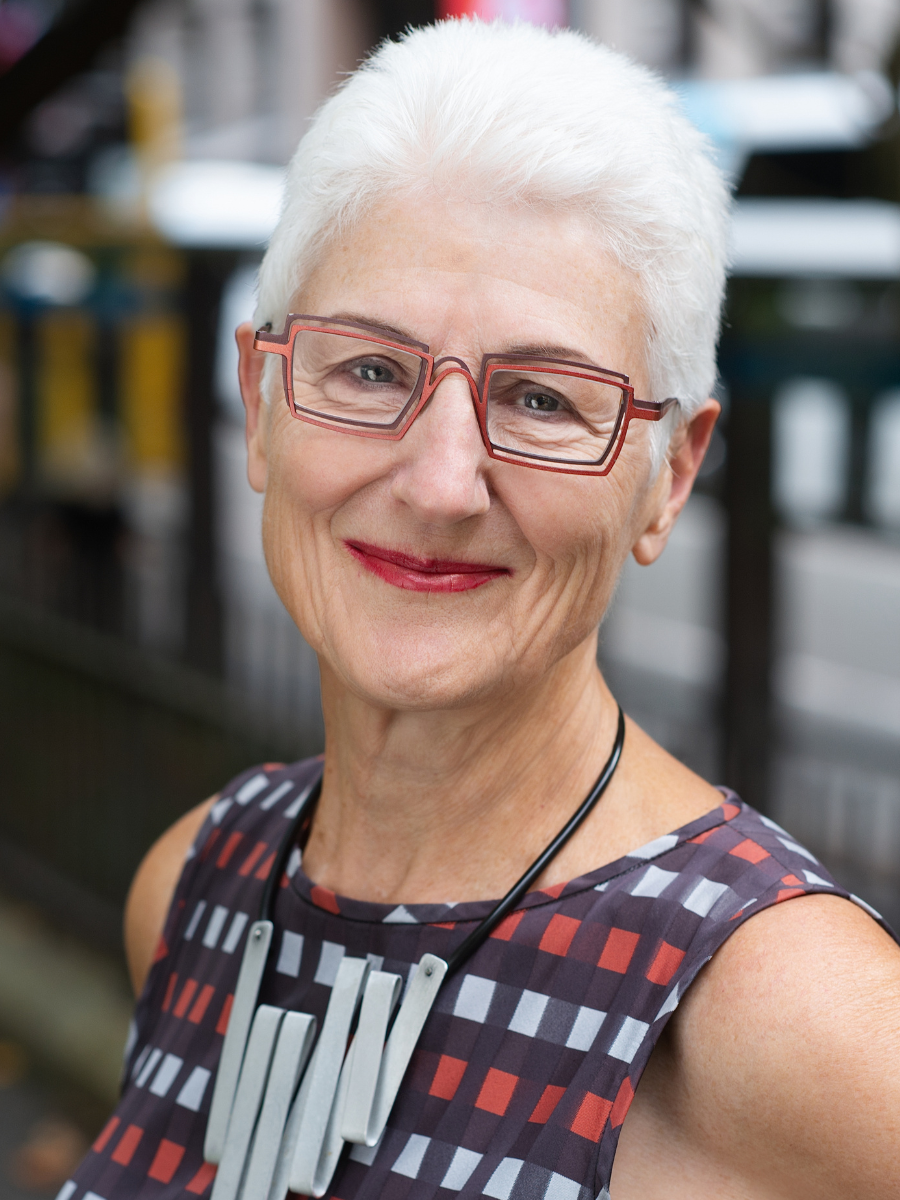
Dr Jeni Ryde | View Bio

snapshot

  • The tour starts at 7.00pm on Thursday 1 April, at the Grand Hotel Sitea, Turin.

    The tour ends after breakfast on Sunday 18 April, followed by a transfer to Venice Marco Polo Airport.

  • Grade Three
    This tour is among our most physically demanding. This is a long tour with a fair amount of walking, which would require a good level of overall fitness. Activities may include travelling long distances, walking on difficult terrain, climbing stairs, embarking and disembarking boats and long days of touring.

    View all requirements >

  • 17 nights’ accommodation in
    centrally located 4 and 5-star hotels. All breakfasts, 5 lunches and 4 dinners. Best available tickets to 1 performance (schedule permitting). Services of an expert tour leader and an experienced tour manager throughout. All ground transport, entrance fees and tipping.

    View standard tour inclusions >

  • $15,720 AUD per person, twin share (land content only)
    $3,610 AUD supplement for sole use of a hotel room

    A $1,000 AUD non-refundable deposit is required per person to confirm your booking on tour

OVERVIEW

From its source high in the Cottian Alps, the River Po weaves its way across the fertile plains of Northern Italy before reaching its vast delta in the Adriatic Sea. Described by Virgil as the King of Rivers, it has long shaped the region’s economy, settlement patterns and cultural life.

Led by Dr Jeni Ryde, this 18-day tour follows the Po from Turin to the Adriatic, revealing a sequence of cities and landscapes that are central to Italian history yet are often overlooked in favour of better-known destinations. Along the way we explore the beautiful Renaissance cities of Parma, Mantua and Ferrara as well as smaller gems such as Cremona, Pavia, Sabbioneta and Comacchio.

The tour foregrounds the artistic and architectural legacies of influential dynasties – from the Visconti and Gonzaga to the Farnese, Este and Agnelli – set within the varied landscapes of Piedmont, Lombardy and Emilia-Romagna. It is complemented by the region’s exceptional food culture, shaped by river, plain and mountain, and expressed through local produce and celebrated wines.

tour highlights

Follow the River Po through northern Italy’s great ducal cities, artistic centres and fertile landscapes

Dr Jeni Ryde

your expert tour leader

Jeni is a linguist and art history specialist with over fifteen years experience leading tours to Spain, Italy, France and Portugal. She is passionate about art, design and architecture both ancient and modern and particularly enjoys how both complement each other. Jeni holds two undergraduate degrees with majors in Anthropology and French and Interpreting and Translation with NAATI qualifications, two Masters degrees in Italian Linguistics and TESOL and a cross disciplinary PhD in Renaissance Art History, Tourism and Museum Management.

Read full bio >

Accompanied by an Experienced Tour Manager

Alongside your expert tour leader, an experienced tour manager will accompany for the entirety of the tour. They oversee logistics, ensure your comfort and safety, and provide friendly support – whether offering tips for free time, sharing a chat over dinner, or giving you space to relax.

tour ITINERARY

Turin (4 nights), Pavia (2 nights), Cremona (2 nights), Parma (3 nights), Mantua (3 nights), Ferrara (3 nights)

Included meals are shown with the letters B, L and D
  • Day 1 | Thursday 1 April
    Arrive Turin

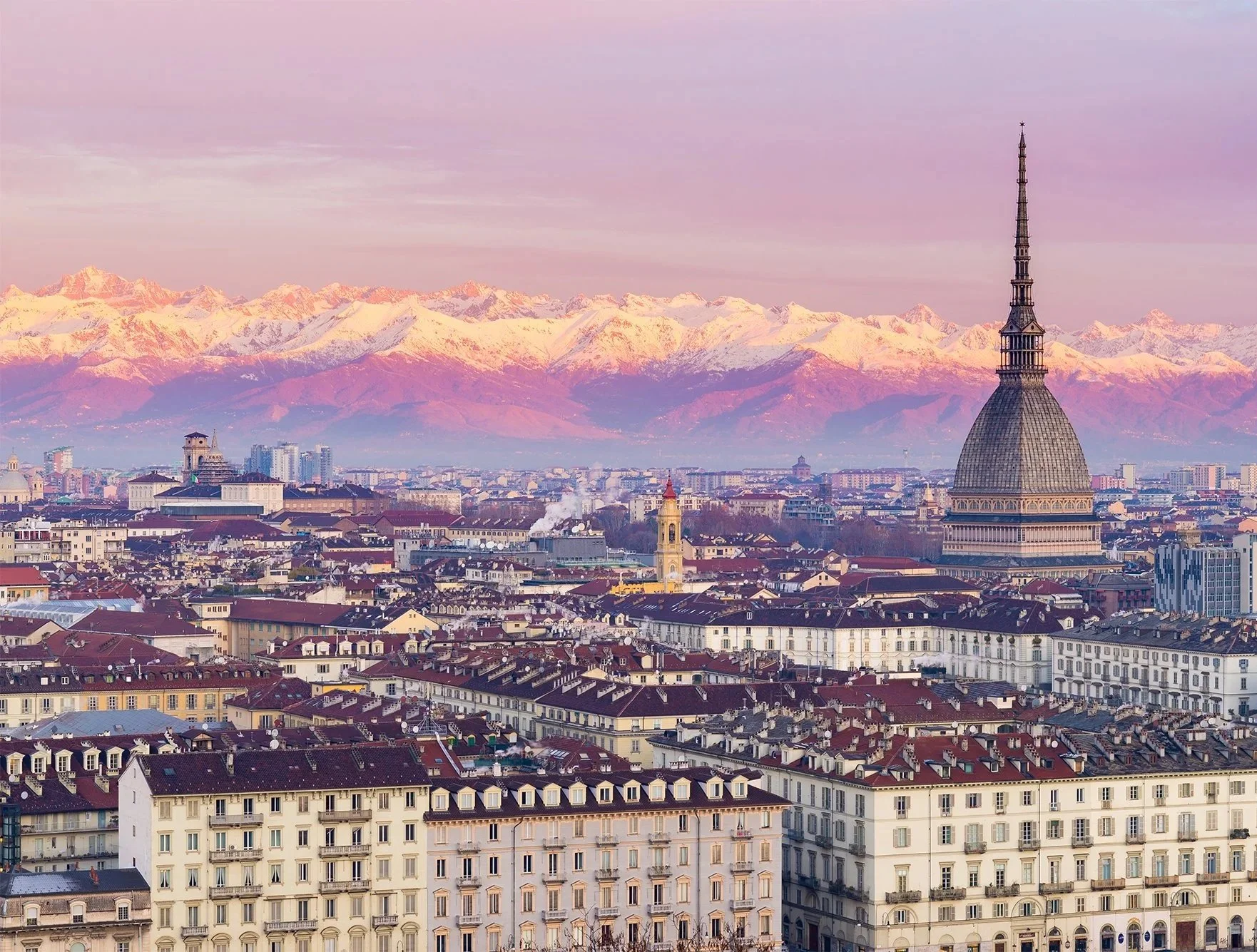
    At the western edge of the Po Valley, Turin stands where Alpine waters gather before beginning their long eastward course. Once capital of the House of Savoy and later of unified Italy, the city provides an essential starting point for understanding the political ambitions and geographic realities that shaped the north. We gather in the hotel this evening for introductions over welcome drinks, followed by a welcome dinner in a nearby restaurant. Overnight Turin (D)

  • Day 2 | Friday 10 April
    Augusta Taurinorum

    After a morning talk at our hotel, we set off in search of Augusta Taurinorum, the ancient Roman garrison town upon which modern Turin was founded. Our walking tour includes a visit to the Cathedral, home to the controversial Shroud of Turin (although the chapel is not accessible from the Cathedral itself). We also explore the Baroque city, with its expansive, elegant squares and colonnaded streets. After lunch, we drive to the avant-garde Lingotto building, famous as FIAT’s first factory and its rooftop test track. As founders of the iconic FIAT Motor Company, the Agnelli family name is inextricably linked to modern Italian history. After the Lingotto complex became obsolete in the 1970s, the building was repurposed by architect Renzo Piano and now includes an exceptional art gallery, the Scrigno or “casket”, displaying works from the Agnelli family’s private collection. After our visit, there is free time to explore Eataly Lingotto, the celebrated food destination that embodies Italy’s Slow Food Movement, which originated in Turin. Overnight Turin (B)

  • Day 3 | Saturday 3 April
    Medieval Staffarda

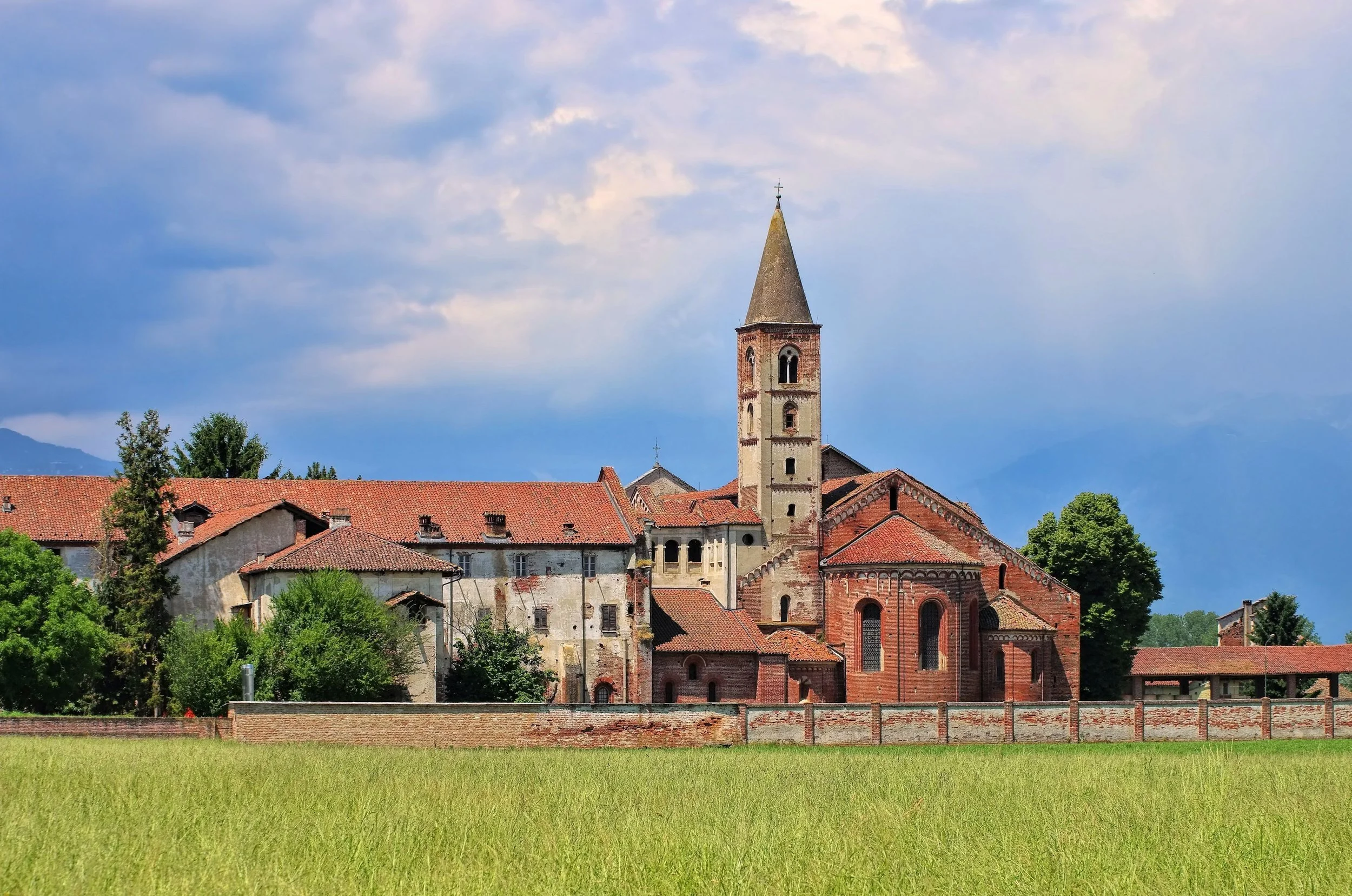
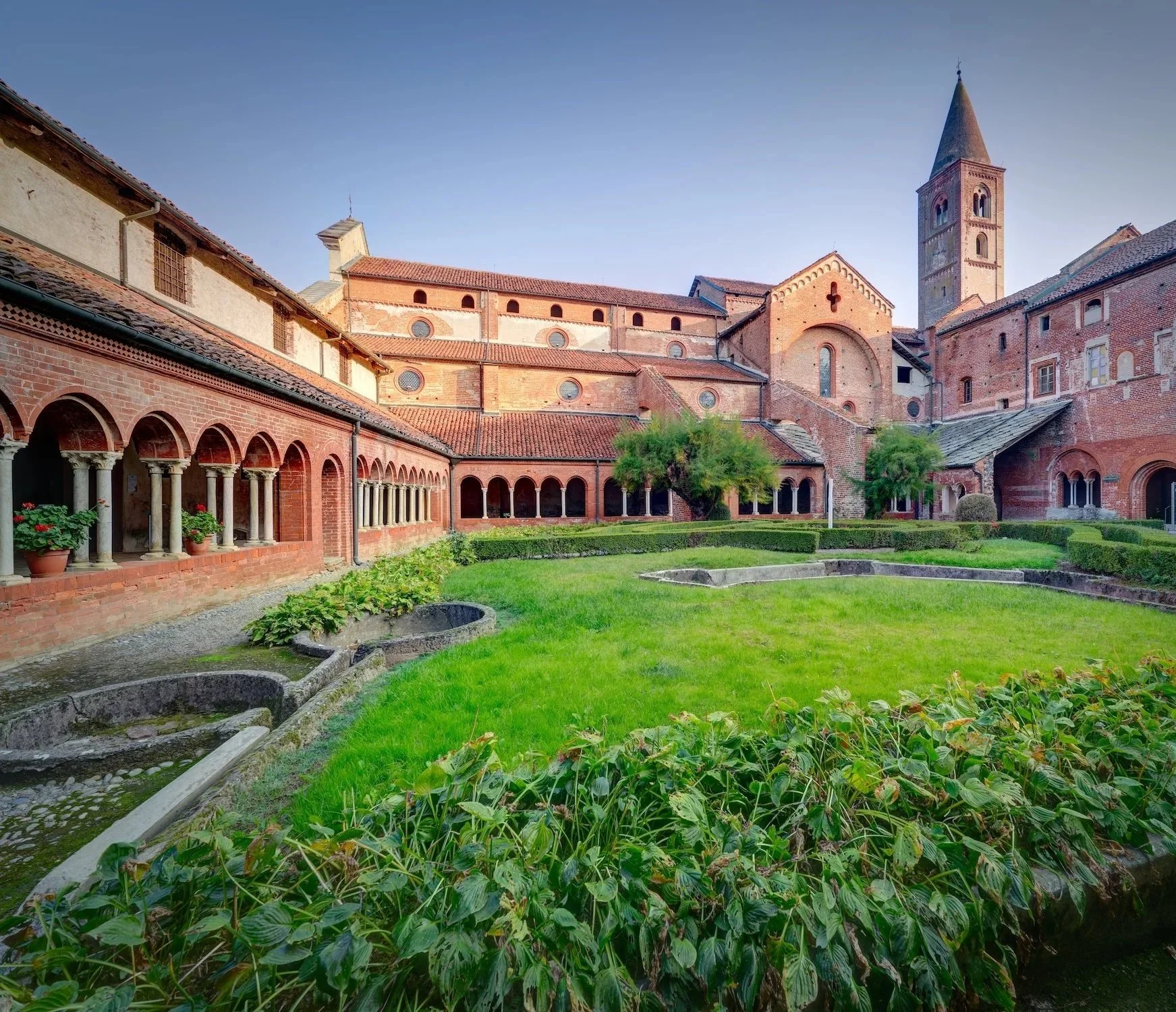
    South of Turin, the Po gathers strength beneath the shadow of Monviso, whose snowmelt feeds the plains. In this transitional landscape between upland pasture and cultivated valley, monastic foundations and feudal courts played a decisive role in organising land, labour and devotion. Our coach journey takes us into this mountain setting for a walk amid the clear air and expansive Alpine scenery before visiting the Abbey of Staffarda, founded in 1135 by Cistercian monks. Despite a ransacking by the French army in 1690, this austerely beautiful abbey remains one of the most complete medieval monastic complexes to be found in Italy. We enjoy lunch together in Staffarda before visiting the noble residence of Castello della Manta for its delightful 15th-century fresco cycle, before heading back to Turin. Overnight Turin (B, L)

  • Day 4 | Sunday 4 April
    Modern Turin

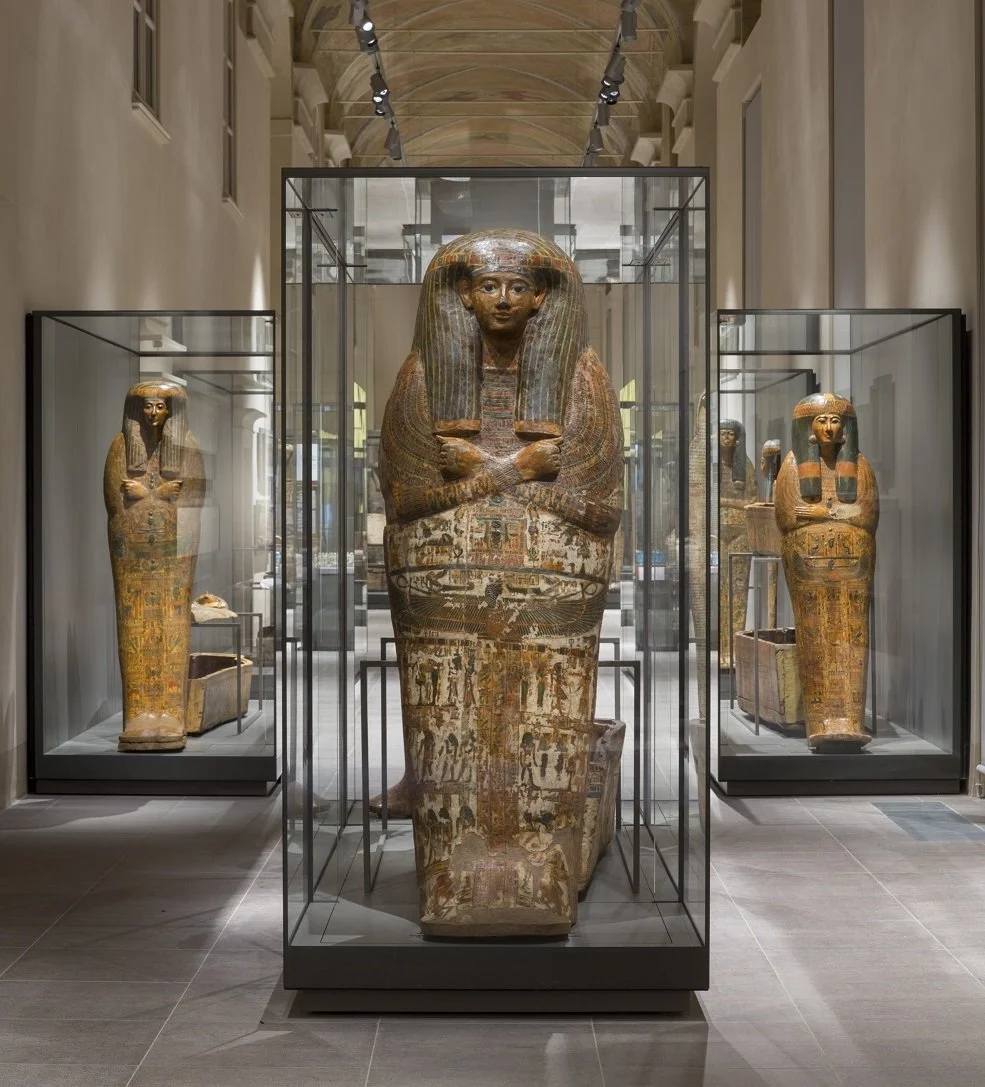
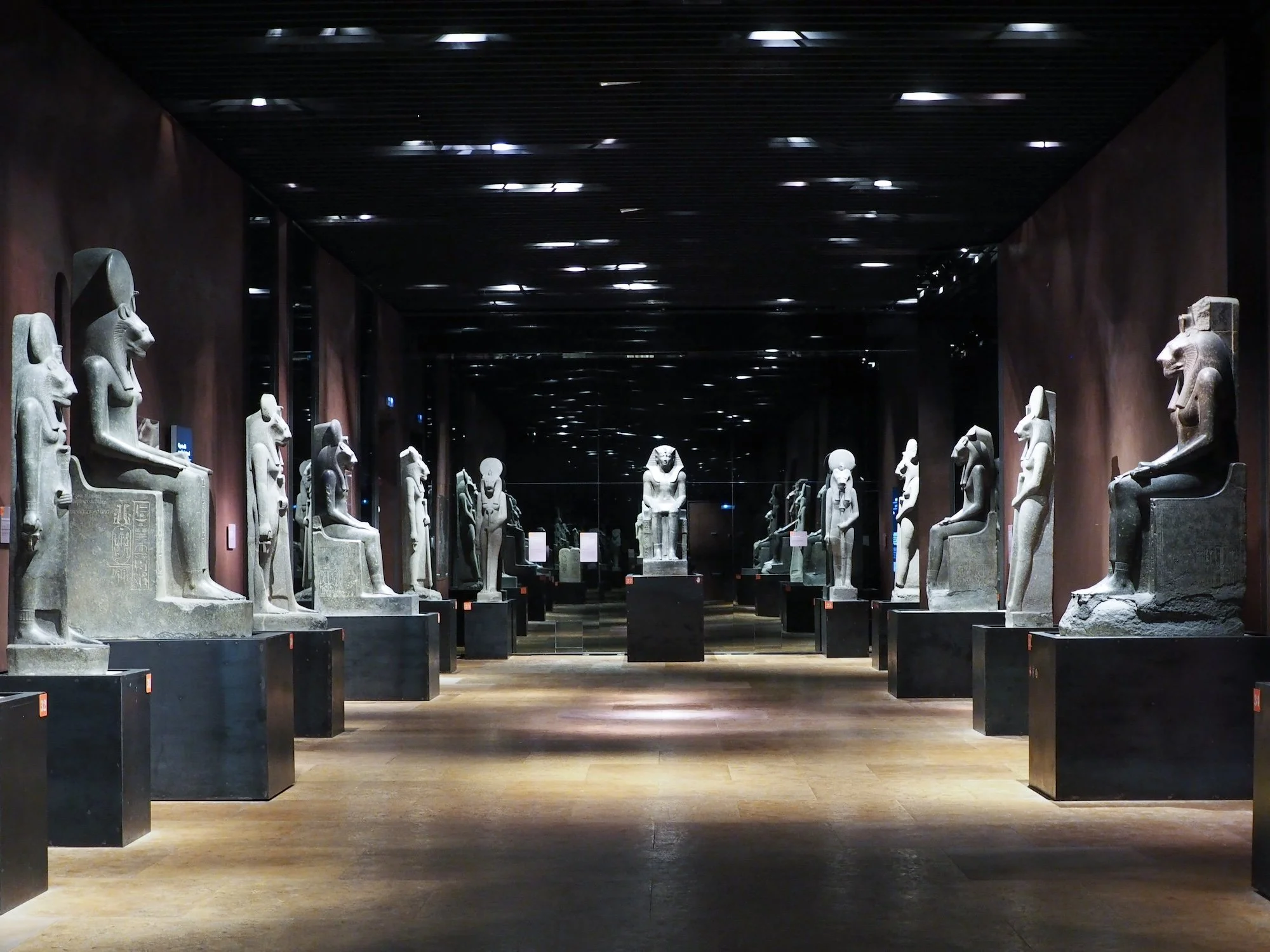
    If Turin looks west toward the Alps, it has also long looked outward to the wider world. Nowhere is this more evident than in its great museums, shaped by Savoy collecting and 19th-century scholarship. Our day begins with a guided tour of the outstanding Museo Egizio, one of the oldest collections of Egyptian artefacts in the world. Opened to the public in 1824 and expanded several times since then, it houses the world’s second-largest collection of Egyptian artefacts outside of Cairo. The museum is organised chronologically, allowing for a structured and in-depth visit that traces the remarkable evolution of Egyptian culture from its earliest periods to the Roman era. Highlights include the statues of Ramesses II and Seti II, and paintings from the Tomb of Iti, which provide rare glimpses into daily life. There is also an extensive, world-class papyri collection on display. The afternoon is free to continue exploring the museum or to relax in Turin. Overnight Turin (B)

  • Day 5 | Monday 5 April
    Vercelli and Italian Gastronomy

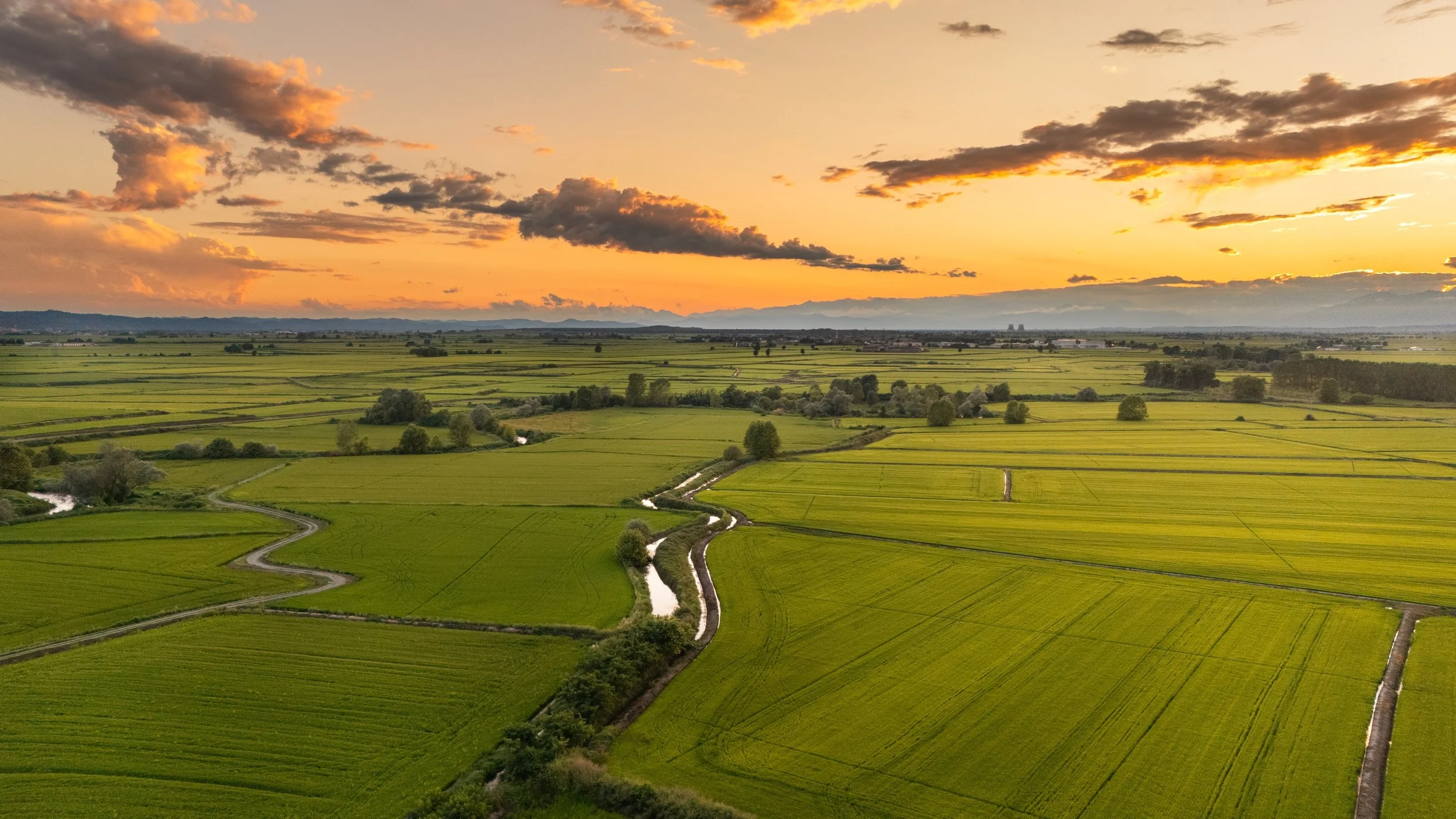
    Water has long determined prosperity across the Po Valley. From the 15th century, vast irrigation schemes redirected the river and its tributaries across the plains, transforming wetlands into fertile paddies. Rice cultivation embedded itself deeply within northern Italian cuisine and created an agricultural economy that still defines the region today. Departing Turin this morning, we travel east into the Vercelli district, pausing near Chivasso to view the Canale Cavour, one of the great 19th-century engineering works that rationalised irrigation across the plains. Continuing into the rice fields, we visit Cascina Oschiena, where we learn about the cultivation of carnaroli rice and the rhythms of paddy agriculture. Lunch is enjoyed at the farm before we continue to Pavia – a city that rose from Roman Ticinum to Lombard capital and later Visconti stronghold. The evening is at leisure on arrival. Overnight Pavia (B, L)

  • Day 6 | Tuesday 6 April
    Pavia

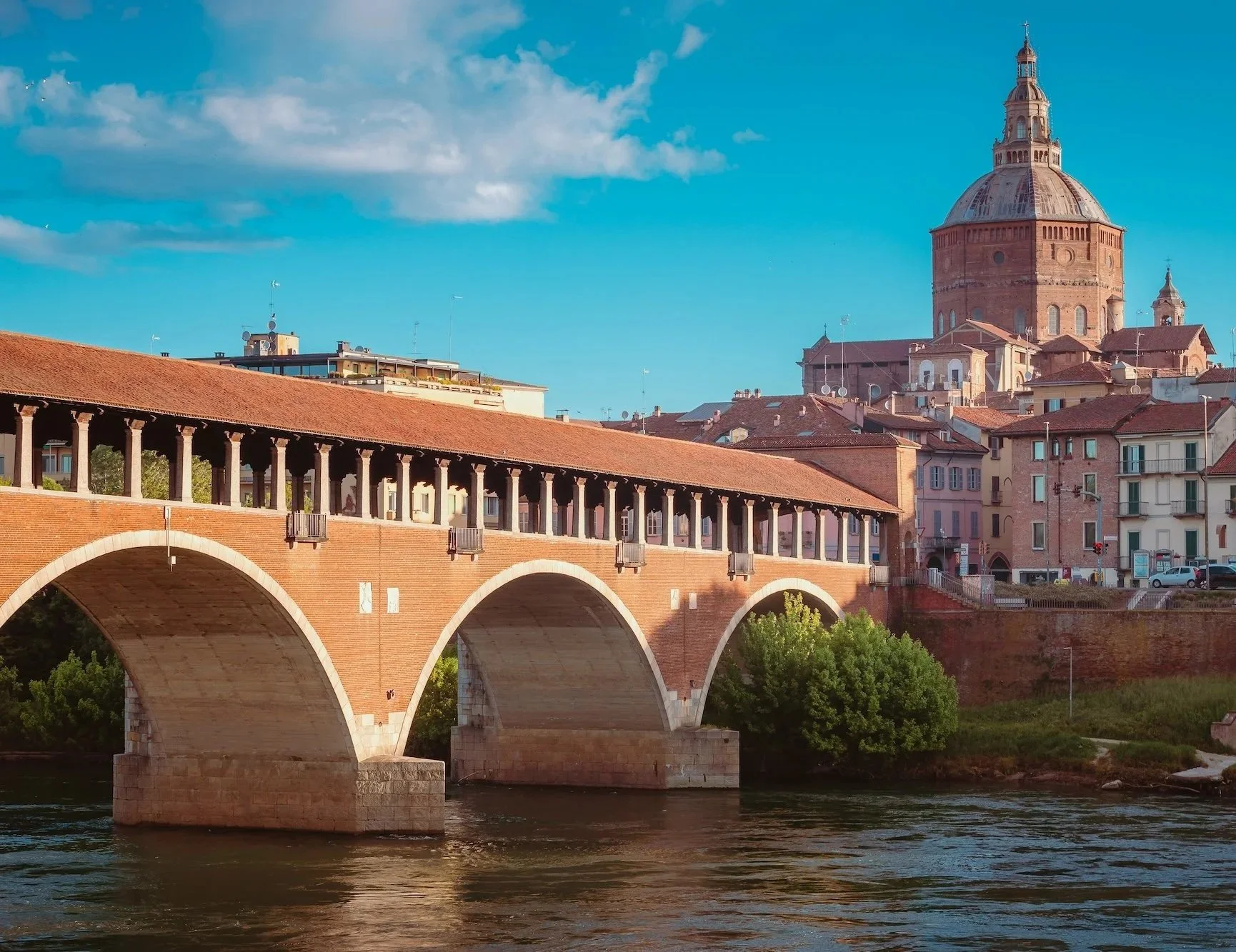
    Under the Visconti in the 14th century, Pavia emerged as one of northern Italy’s principal ducal capitals. Control of key river crossings and the surrounding agricultural hinterland underpinned its political strength, while court patronage fostered artistic ambition and scholarly life. The university, founded in 1361, drew students and thinkers from across Europe, reinforcing the city’s reputation as a centre of learning. Following a talk in the hotel, our morning walking tour explores this layered legacy, including the university’s historic courtyards, the city’s surviving medieval towers and the Romanesque church of San Michele, associated with Lombard coronations. In the afternoon, we travel by coach to the Certosa di Pavia, the monumental Carthusian monastery commissioned by the Visconti as both dynastic mausoleum and statement of political authority. Following our visit, we return to Pavia where the evening is at leisure. Overnight Pavia (B)

  • Day 7 | Wednesday 7 April
    Piacenza and Culatello di Zibello

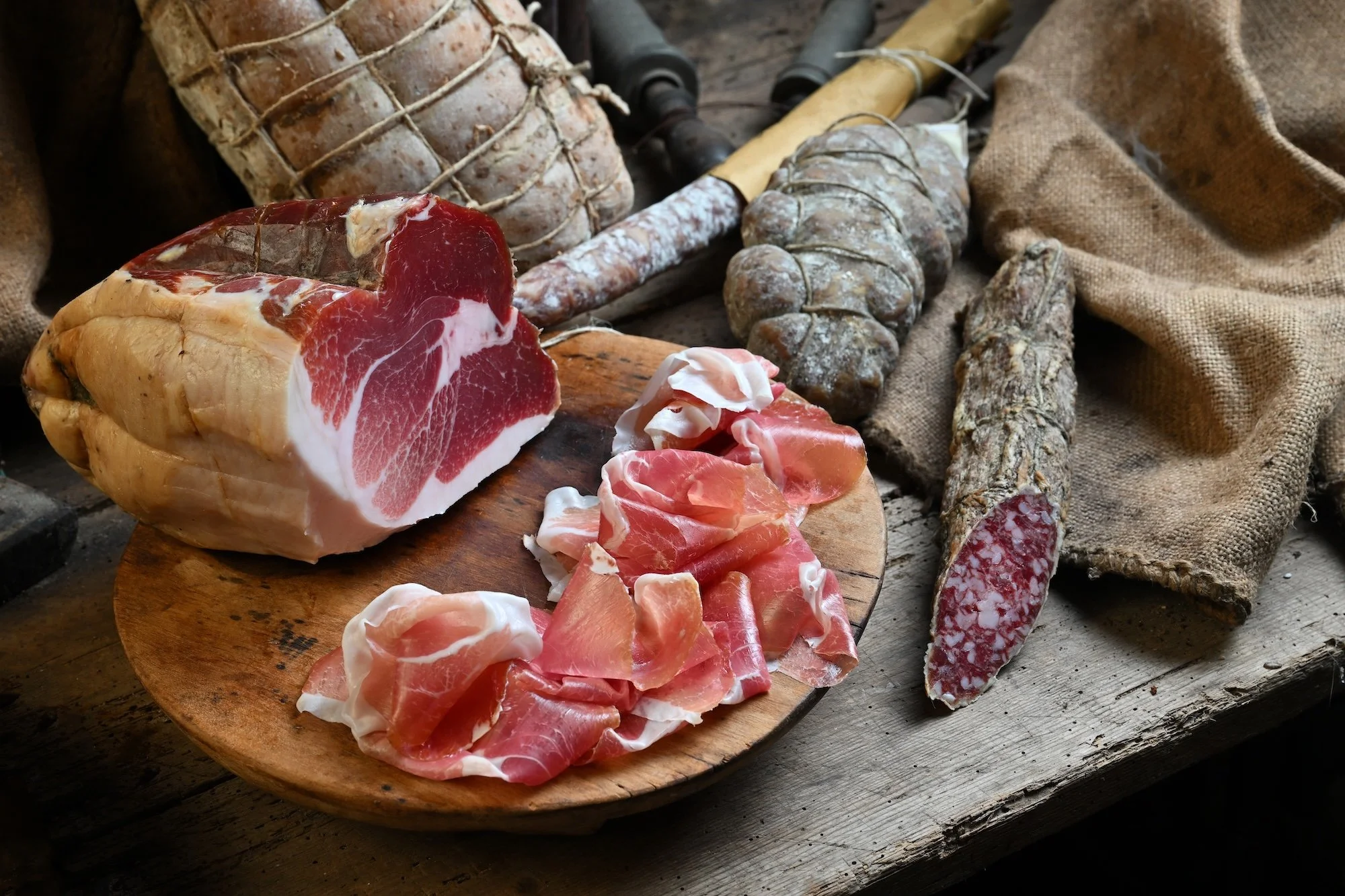
    As the Po broadens across the Emilia plain, its shifting channels, humidity and seasonal floods have long influenced both settlement patterns and food production. In this lower valley, preservation techniques evolved in direct response to this climate. En route to Cremona today, we pause in Piacenza for a walking tour and time for lunch, before continuing into the countryside to visit a producer of culatello di Zibello. This prized cured meat relies on the damp microclimate created by the Po’s mists and winter fogs, conditions that regulate its slow maturation. One of Italy’s most in-demand cured meats, it is rarely sold outside the area. By late afternoon we arrive in Cremona, with time to freshen up before dinner together in a local restaurant. Overnight Cremona (B, D)

  • Day 8 | Thursday 8 April
    Cremona

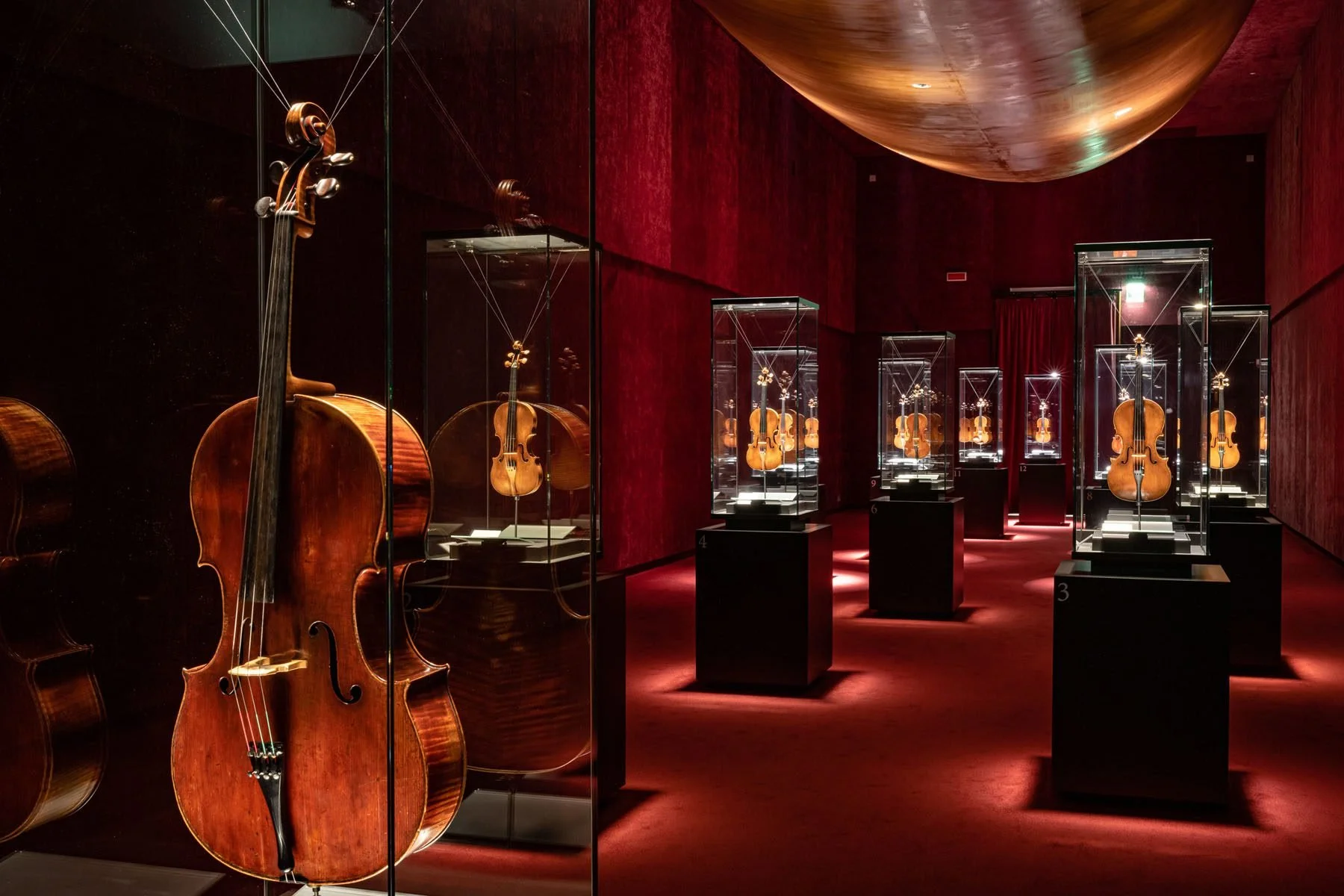
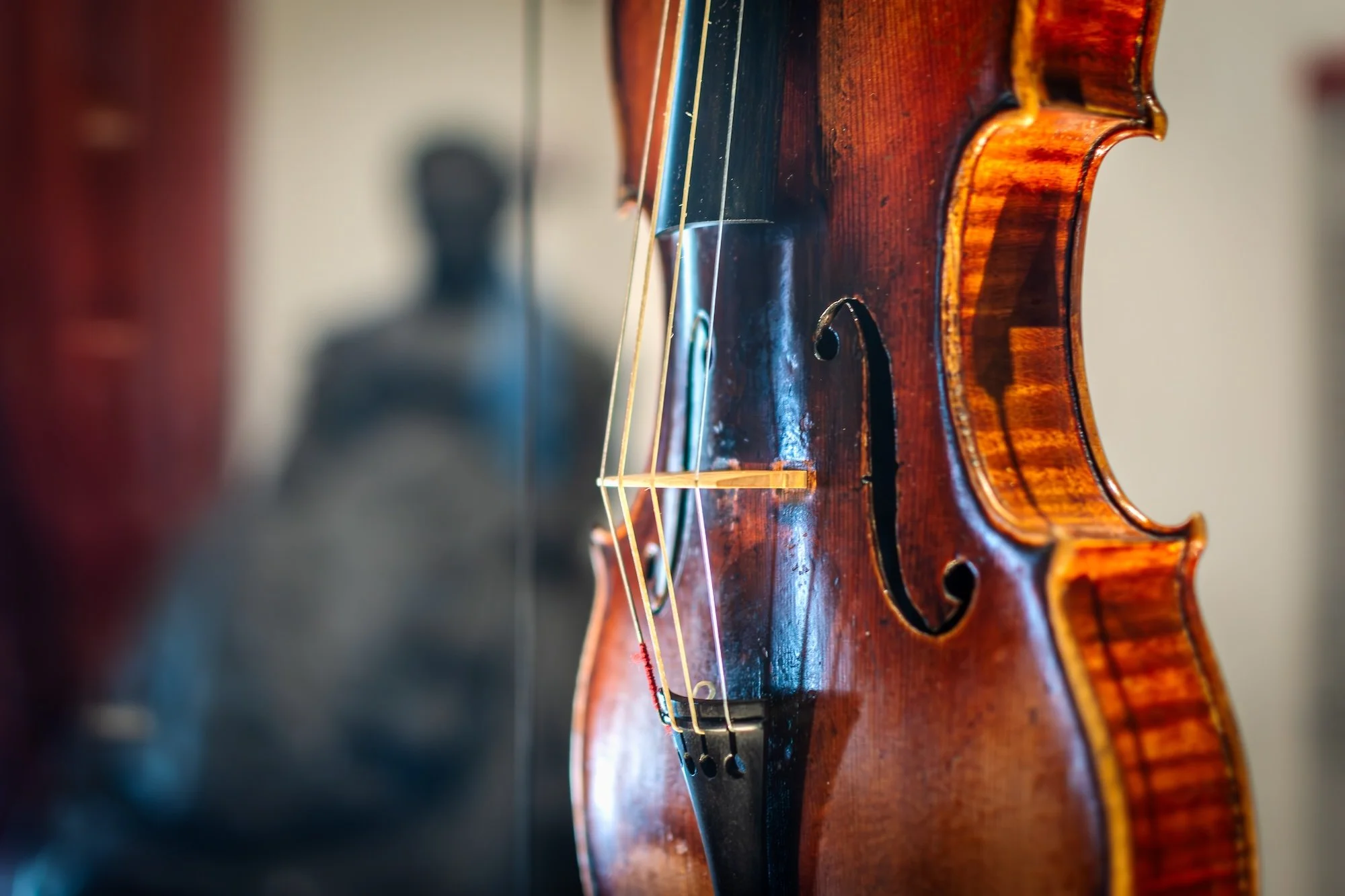
    If the surrounding plains express agricultural refinement shaped by the Po’s waters, Cremona’s distinction lies in craftsmanship. Prosperity under the Visconti allowed for artistic and musical innovation, and by the 16th century the city had become synonymous with violin making. Our day begins at the Archaeological Museum, tracing Cremona’s Roman origins, before walking to Cathedral Square, one of northern Italy’s most harmonious medieval ensembles. The Cathedral and Baptistery reflect civic confidence, while frescoes by Pordenone animate the interior and the Torrazzo bell tower anchors the skyline. After a break for lunch, we visit the Museo del Violino, home to instruments by Stradivari and Guarneri, before concluding at a local workshop to observe contemporary luthiers at work. Overnight Cremona (B)

  • Day 9 | Friday 9 April
    Fontanellato

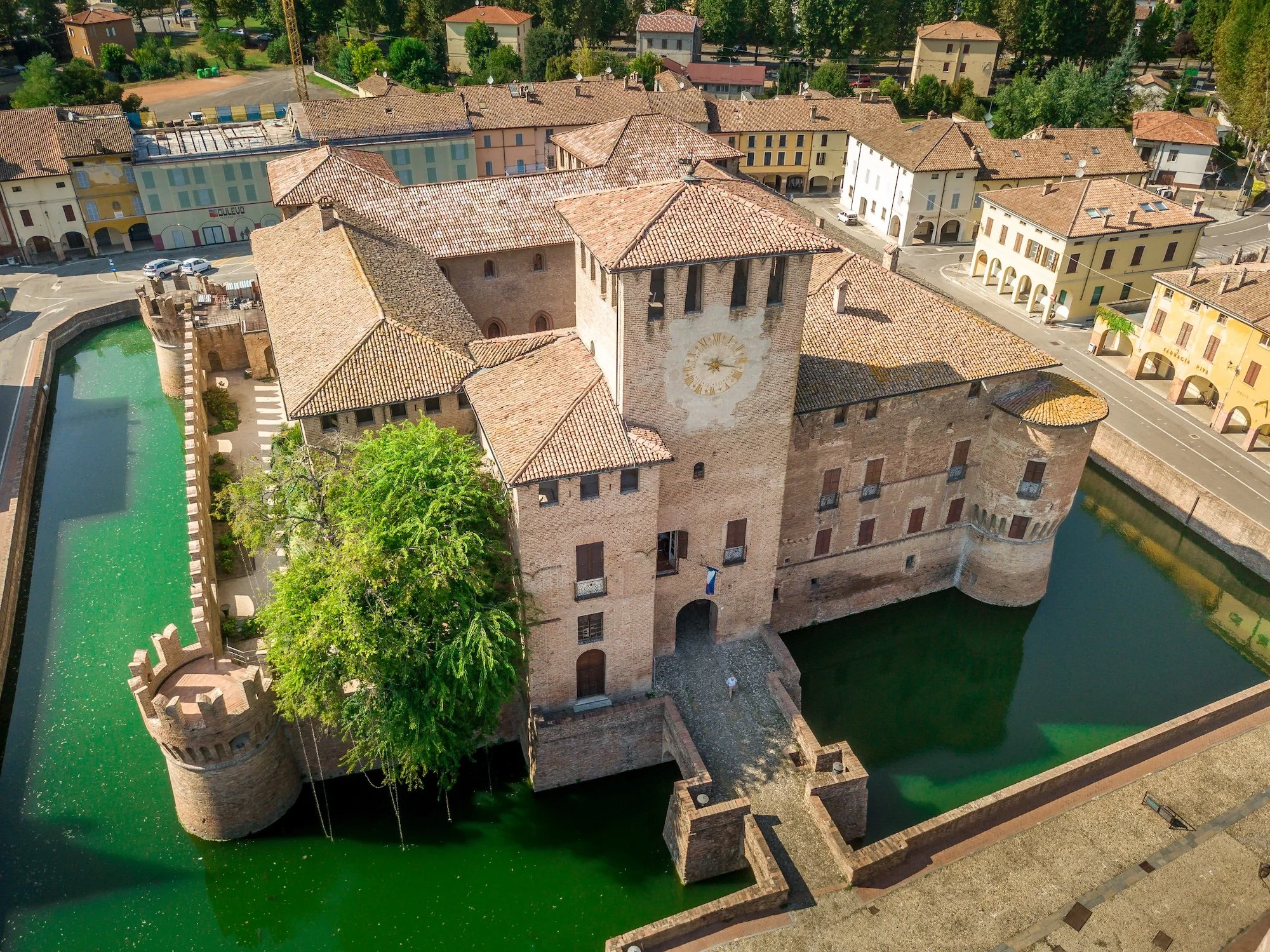
    Across Emilia, prosperity derived from fertile land and river trade found expression in fortified residences and refined interiors. Noble families, such as the Sanvitale, translated agricultural wealth into artistic patronage, commissioning fresco cycles and architectural embellishments that asserted both status and cultural sophistication. Departing Cremona this morning, we travel toward Parma, stopping in the small town of Fontanellato, dominated by the moated Rocca Sanvitale. Within its defensive walls we encounter Parmigianino’s elegant fresco cycle depicting Diana and Actaeon, a work that reflects the courtly tastes and humanist learning of the 16th century. The Rocca’s optical chamber, designed to observe activity in the village square, offers insight into the intersection of surveillance, spectacle and authority in a small Renaissance court. Lunch is enjoyed together in Fontanellato before we continue into the surrounding countryside for a private visit and tasting at a local wine producer. By late afternoon we arrive at our hotel in Parma. Overnight Parma (B, L, WT)

  • Day 10 | Saturday 10 April
    Parma and the Farnese | Teatro Regio

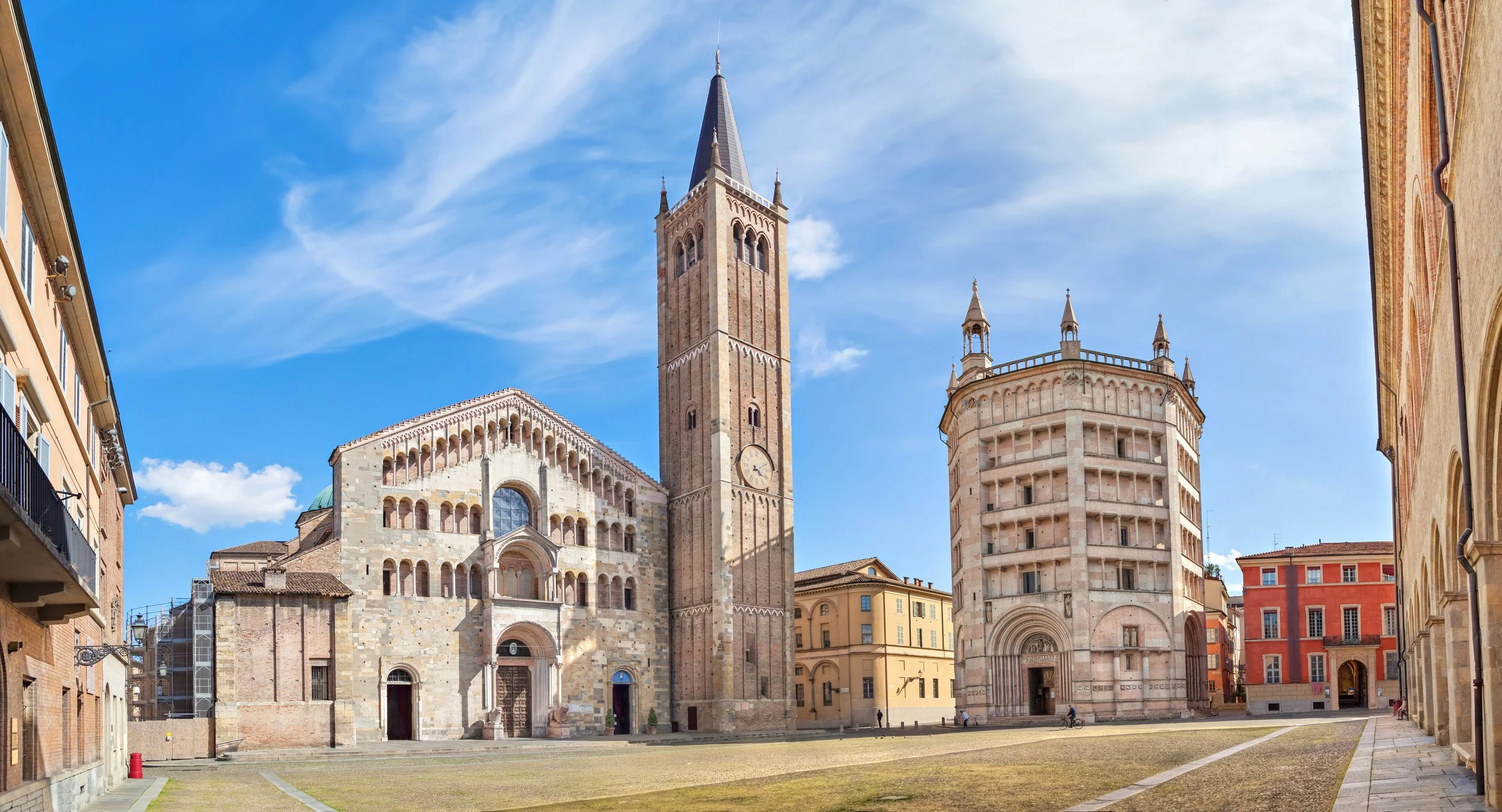
    Parma flourished under the Farnese, who transformed it into a centre of Baroque art and courtly display. Their architectural and theatrical commissions asserted dynastic authority within the competitive politics of northern Italy. Our walking tour this morning includes the spectacular Baptistery and Cathedral complex where the artwork includes Correggio’s masterpiece, The Assumption of the Virgin, and the Church of San Giovanni Evangelista, decorated with more of Correggio’s stunning fresco work. The focus of our afternoon is the Farnese Palazzo della Pilota, where we enjoy the superb art collection in the National Gallery, the wonderful Farnese library and the jewel in the crown, the Farnese Theatre, one of only three extant Renaissance Theatres. Tonight we plan to enjoy a concert in the historic Teatro Regio. Overnight Parma (B)

  • Day 11 | Sunday 11 April
    Parma and the Magnani Rocca Foundation

    Parma’s identity was shaped not only by ducal patronage but also by ecclesiastical refinement and later private collecting. Across centuries, artistic investment remained a marker of status, sustained by the agricultural prosperity of the surrounding Po Valley. Following a talk in the hotel this morning, we set out for the former Benedictine Convent of San Paolo – one of Parma’s most refined Renaissance interiors. Here we explore the celebrated Camera della Badessa, frescoed by Correggio, whose illusionistic ceiling ranks among the masterpieces of early 16th-century painting. We then travel into the countryside to the Magnani Rocca Foundation, housed in the elegant Villa dei Capolavori and set within landscaped gardens. Lunch is taken at the villa’s bistrot before a guided visit of the Foundation’s outstanding private collection, spanning Old Masters and modern art. Highlights include works by Titian, Dürer and Goya alongside 19th and 20th-century paintings by Monet, Renoir and Morandi. There is time to explore the collection and gardens independently before we return to our hotel. Overnight Parma (B, L)

  • Day 12 | Monday 12 April
    Lunch beside the River Po

    Parmigiano Reggiano, whose production is tightly controlled by geography and tradition, exemplifies how pastureland, riverine humidity and centuries-old ageing practices combine to create a product inseparable from place. Departing Parma this morning, we travel into the surrounding countryside to visit the traditional dairy of San Pier Damiani. Here we gain insight into the production of this ‘king of cheeses’, before enjoying a tasting that highlights its distinctive character. Continuing north across the broad plains of the Po, we pause for lunch in the riverside town of Viadana, before continuing to Mantua – whose lakes, formed from controlled branches of the Po, once served as both defence and display for the Gonzaga court. An evening drink on our hotel’s rooftop terrace brings the day to a close. Overnight Mantua (B, L)

  • Day 13 | Tuesday 13 April
    Mantua and Palazzo Te
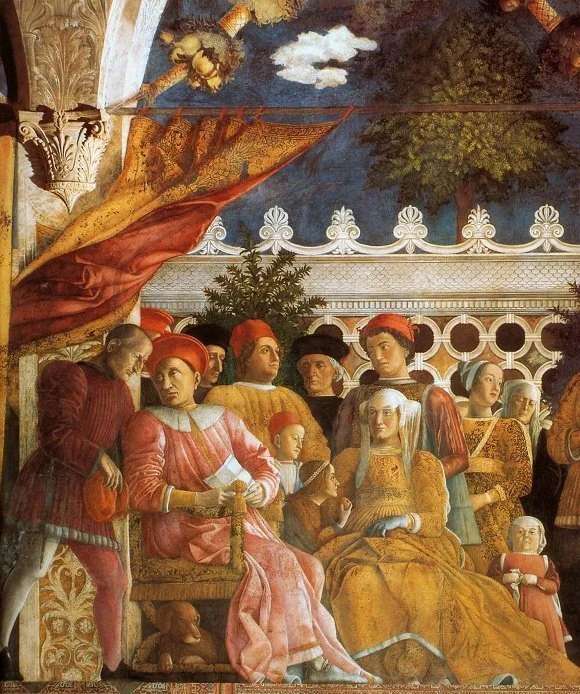
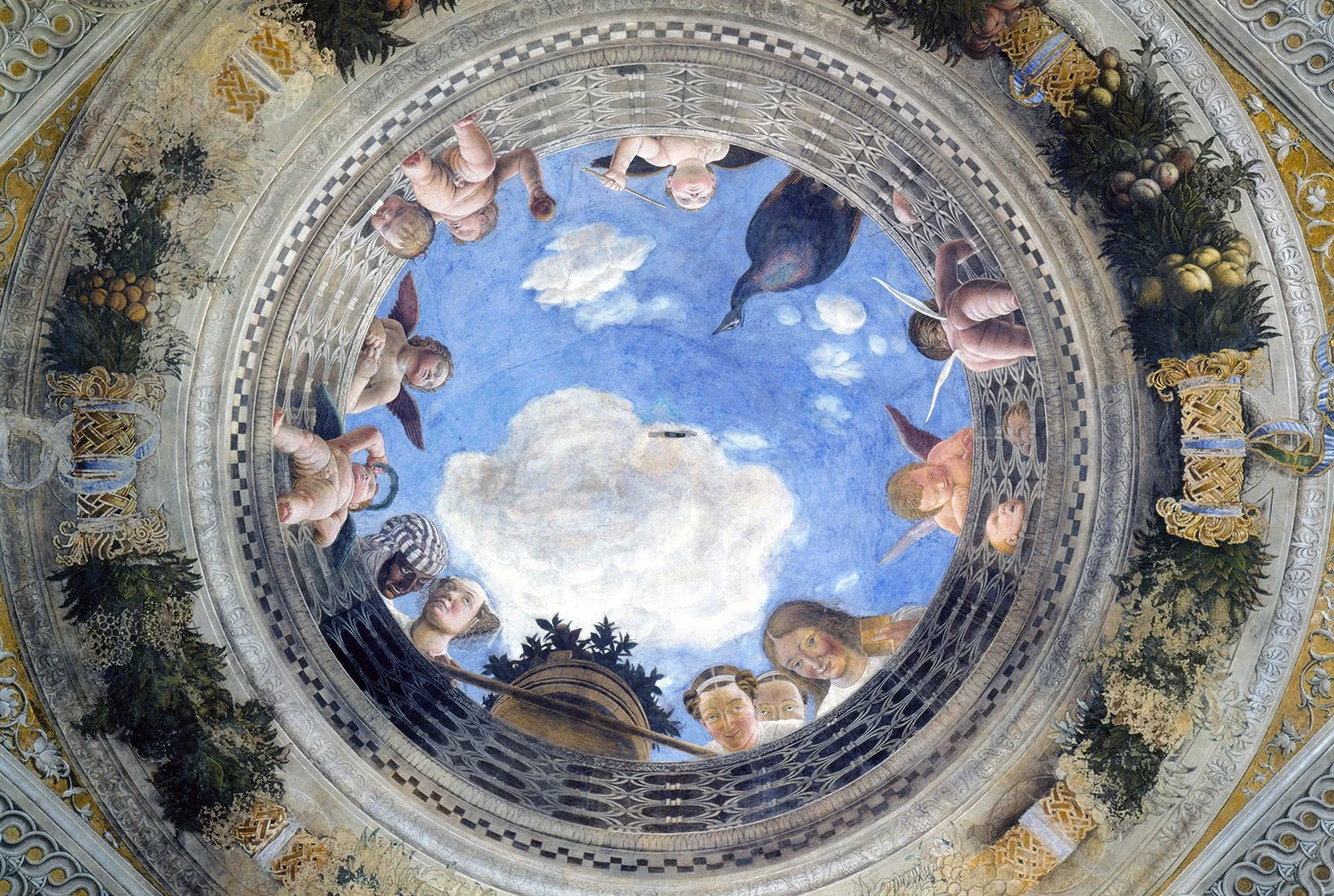
    Under the Gonzaga, Mantua became one of Renaissance Italy’s most sophisticated courts. Their strategic position along the Po allowed diplomatic flexibility between Venice, Milan and the papacy. Our morning is spent exploring the principal monuments shaped by Gonzaga patronage, beginning with the Ducal Palace – a vast complex of medieval and Renaissance buildings. Here we encounter Andrea Mantegna’s celebrated Camera degli Sposi or ‘Bridal Chamber’, whose illusionistic frescoes assert dynastic prestige. We also see the church of Sant’Andrea, designed by Leon Battista Alberti, which embodies many ideals of Renaissance humanism. In the afternoon, we turn to Palazzo Te, conceived as a suburban retreat. Its exceptional décor by Giulio Romano, a pupil of Raphael, reveals the Gonzaga taste for spectacle, mythology and architectural invention. Overnight Mantua (B)

  • Day 14 | Wednesday 14 April
    Sabbioneta

    Conceived by Vespasiano Gonzaga as an ideal Renaissance city, Sabbioneta embodies humanist principles applied to urban form. Built slightly removed from the main river channel, it nonetheless depended on the Po’s networks for survival. Today we travel to Sabbioneta to explore this remarkable experiment in civic design firsthand. Our guided walking tour highlights the extraordinary Galleria degli Antichi, a 100-metre-long frescoed corridor originally built to display Gonzaga’s classical sculpture collection, and the intimate Teatro All’Antica, designed by Vincenzo Scamozzi and regarded as one of the earliest purpose-built theatres of the modern age. We return to our hotel in the late afternoon. Overnight Mantua (B)

  • Day 15 | Thursday 15 April
    Ferrara and the Este

    As the Po approaches the Adriatic, it fragments into multiple channels, creating fertile yet unstable terrain that required careful management. Ferrara emerged in this landscape under the Este family, whose rule transformed the city into one of Renaissance Europe’s leading courts. Departing Mantua and travelling east today, we pause at the small town of San Benedetto Po. Listed amongst the most beautiful towns in Italy, it grew up around the Abbey of San Benedetto in Polirone, a major Benedictine abbey complex and one of most visited religious monuments in Lombardy. After a break for lunch we continue to Ferrara, entering a city renowned for its remarkably preserved Renaissance walls and ordered urban layout. A panoramic drive introduces its distinctive character before an orientation walk familiarises us with the principal streets and monuments. The day concludes with a degustation of local products and wine at a nearby locale. Overnight Ferrara (B, D)

  • Day 16 | Friday 16 April
    Musei e Palazzi

    Under the Este, careful urban planning and cultural patronage transformed what had once been a marginal settlement into a model Renaissance capital, consciously ordered and intellectually vibrant. Beginning in the historic centre, our morning walking tour explores districts shaped by this legacy, including the Jewish Quarter, long one of the most significant in Italy. We also visit the Cathedral, whose Romanesque facade and later Gothic additions chart centuries of architectural and civic development. After a break for lunch, we turn further back in time at the National Archaeological Museum, housed in the Palazzo Costabili. The museum’s outstanding collection centres on material excavated from the Etruscan city of Spina, once a major trading port at the mouth of the Po, offering remarkable insight into Etruscan maritime life and international exchange. The remainder of the afternoon is then at leisure. Overnight Ferrara (B)

  • Day 17 | Saturday 17 April
    The Po Delta

    At its easternmost reach, the Po dissolves into a shifting mosaic of channels, lagoons and marshland before meeting the Adriatic. Over centuries, the interplay between sediment, tide and human intervention created a landscape both fragile and productive, where monastic communities, fishing settlements and trading networks adapted to life at the river’s edge. The delta represents not an end, but a transformation – where inland currents give way to maritime horizons. We begin our day at the Abbey of Pomposa, once a powerful Benedictine centre whose surviving medieval frescoes attest to the spiritual and economic authority exercised in this liminal environment. We then continue to Comacchio, founded in the early medieval period and long sustained by lagoon fishing, particularly the preparation of marinated eel. Known as ‘little Venice’, its canals and bridges reflect adaptation to water rather than resistance against it. In the afternoon, a private boat excursion across the lagoon offers direct experience of this unique ecosystem before returning to Ferrara. This evening we gather for a farewell dinner, marking the completion of our exploration from Alpine source to Adriatic delta. Overnight Ferrara (B, D)

  • Day 18 | Sunday 18 April
    Depart Venice

    Our tour concludes after breakfast. We then transfer by coach from Ferrara to Venice Marco Polo Airport, arriving in time for mid-afternoon international flights. (B)

Hotels have been selected principally for their central location. All hotels are a comfortable four or five-star standard.

Tour Accommodation

tour booking

$15,720 AUD per person, twin share (land content only)
$3,610 AUD supplement for sole use of a hotel room

A $1,000 deposit is required per person to confirm your booking on tour. This deposit is non-refundable.

Hold a Place

Still deciding? We are happy to hold a tentative place for 7 days while you make your final arrangements.

Book Online

To secure your place(s) on tour, book online below with “Athena”, our virtual tour consultant.

DOWNLOAD FORM

Download a printable booking form. You can also complete the form on screen and submit via email.

your tour consultant

The consultant for this tour is Lucy Yeates. For further information or to discuss the tour, please call 9235 0023 (Sydney) or 1800 639 699 (outside Sydney) or email lucy@academytravel.com.au

have you thought about?

Academy Travel is more than just a tour operator. We are also a full-service travel agency who can assist you with all aspects of your travel, including flights, transfers, pre-tour arrival, additional travel and comprehensive travel insurance.

can’t make this departure?

If these dates don't work for you, register to hear about the next tour.