GARDENS OF france

A Journey Through Beauty & Landscape

Explore historic Versailles, Monet’s gardens at Giverny, country châteaux and more celebrated gardens across France.

TOUR STATUS

Places Available | Maximum 16

TOUR DATES

May 27 - Jun 10, 2027 | 15 Days

TOUR LEADER

Mike Turner | View Bio

snapshot

  • The tour starts at 4.00pm on Thursday 27 May at the Le Louis Versailles Château, Versailles.

    The tour concludes on Thursday 10 June at the Hotel de Bourgtheroulde, Rouen, followed by a coach transfer to Charlesde Gaulle Airport.

  • Grade Two. This tour is designed for people who lead active lives.

    View all requirements >

  • 14 nights’ accommodation in centrally located 4 and 5-star hotels. Airport transfer as indicated. All breakfasts, 4 lunches and 5 dinners. Services of an expert tour leader and an experienced tour manager throughout. All ground transport, entrance fees and tipping.

    View standard tour inclusions >

  • $17,860 AUD per person, twin share (land content only)
    $4,970 AUD supplement for sole use of a hotel room

    A $1,000 AUD non-refundable deposit is required per person to confirm your booking on tour

OVERVIEW

France gave the Western world its grandest idea of what a garden could be: the ordered, geometric splendour of the jardin à la française, perfected at Versailles and imitated across Europe. Yet the country’s gardens are far more varied than that formal grandeur suggests, ranging from the painterly Impressionist plantings of Giverny to intimate private gardens shaped by their owners’ hands.

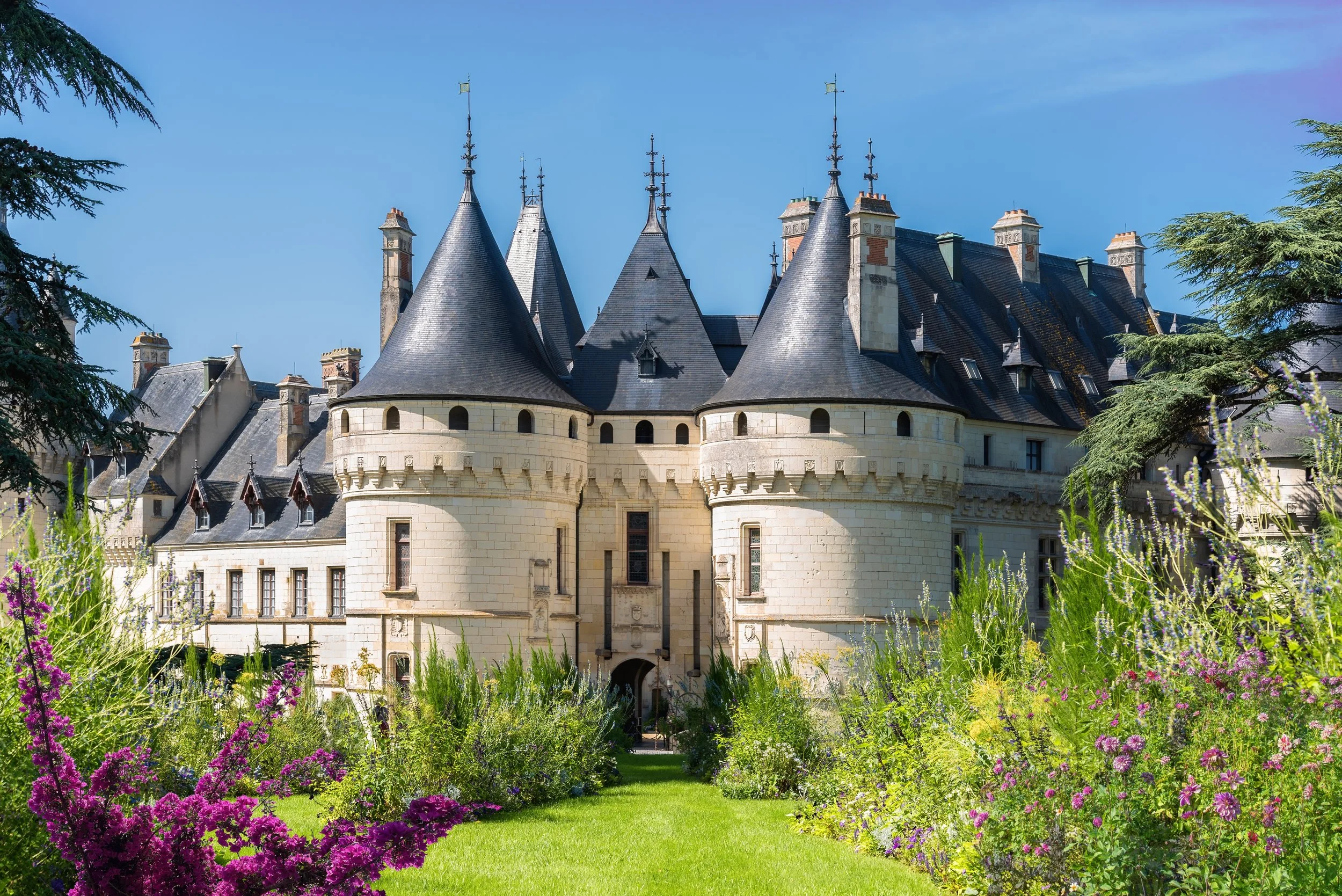
Over 15 days, garden historian Mike Turner leads this exploration from the royal landscapes of Versailles through the great châteaux gardens of the Loire Valley – Chambord, Cheverny, Chaumont, Villandry and Chenonceau. Along the way, the tour also visits lesser-known private gardens whose owners open their gates personally, offering a richer picture of French garden-making beyond the celebrated names.

The tour concludes in Normandy, a region rich in remarkable gardens, from the historic city of Rouen to the inventive modern landscapes of Étretat, Le Jardin Agapanthe, Le Jardin Plume and Le Bois des Moutiers, where contemporary designers continue to redefine French garden tradition.

Key Gardens VisiteD

Across 15-days, visit 18 French gardens in their early summer glory

mike turner

your expert tour leader

Mike is a cultural and garden historian. He has a strong personal and academic interest in the art, history, literature and mythology of the Classical past and how these have shaped the gardens and landscapes of Britain and Italy – from the Renaissance, to the Grand Tour, to the present day.

Read full bio >

Accompanied by an Experienced Tour Manager

Alongside your expert tour leader, an experienced tour manager will accompany for the entirety of the tour. They oversee logistics, ensure your comfort and safety, and provide friendly support – whether offering tips for free time, sharing a chat over dinner, or giving you space to relax.

tour ITINERARY

Versailles (4 nights), Blois (3 nights), Montbazon (3 nights), Rouen (4 nights)

Included meals are shown with the letters B, L and D.
  • Day 1 | Thursday 27 May
    Versailles

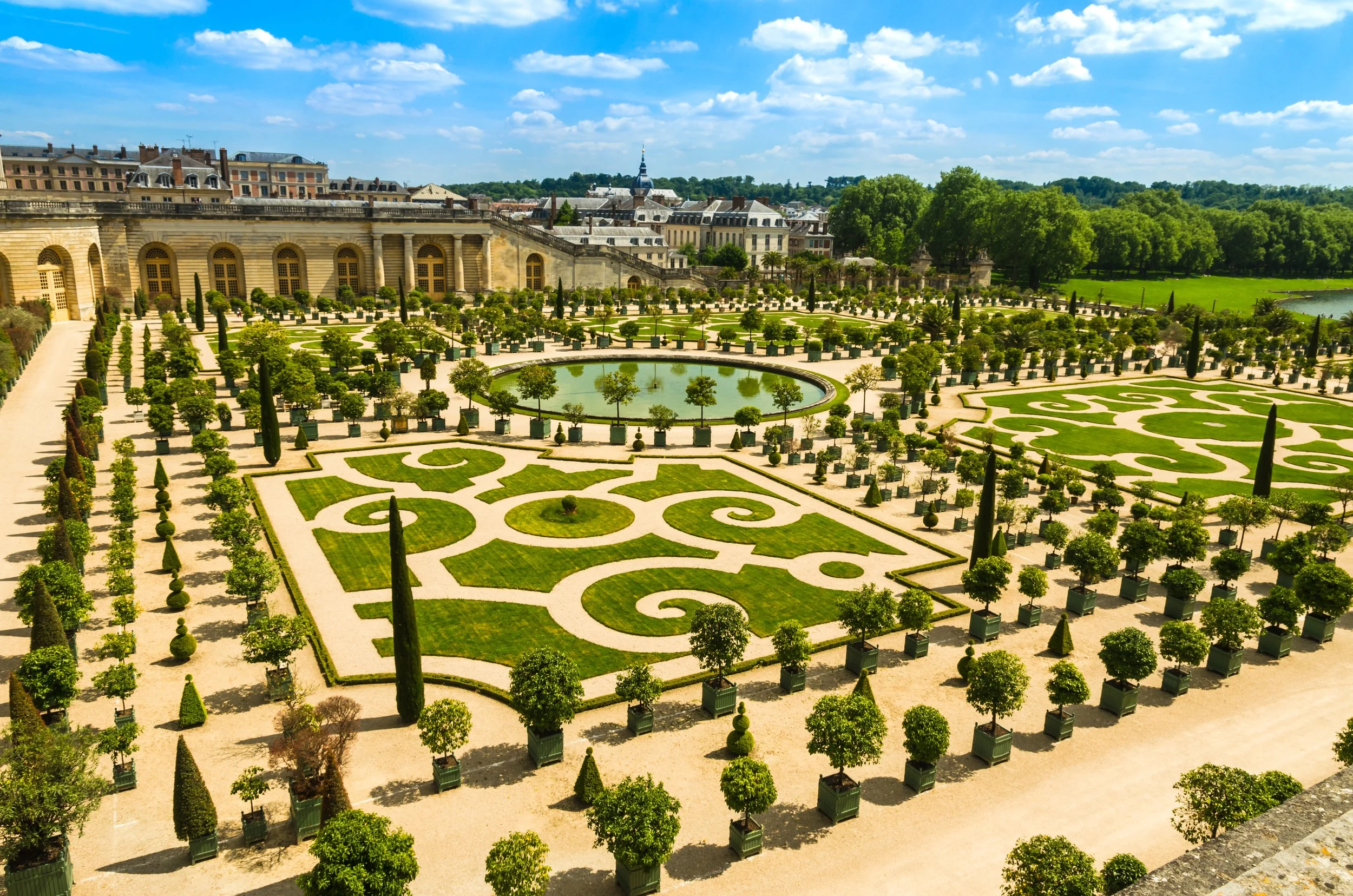
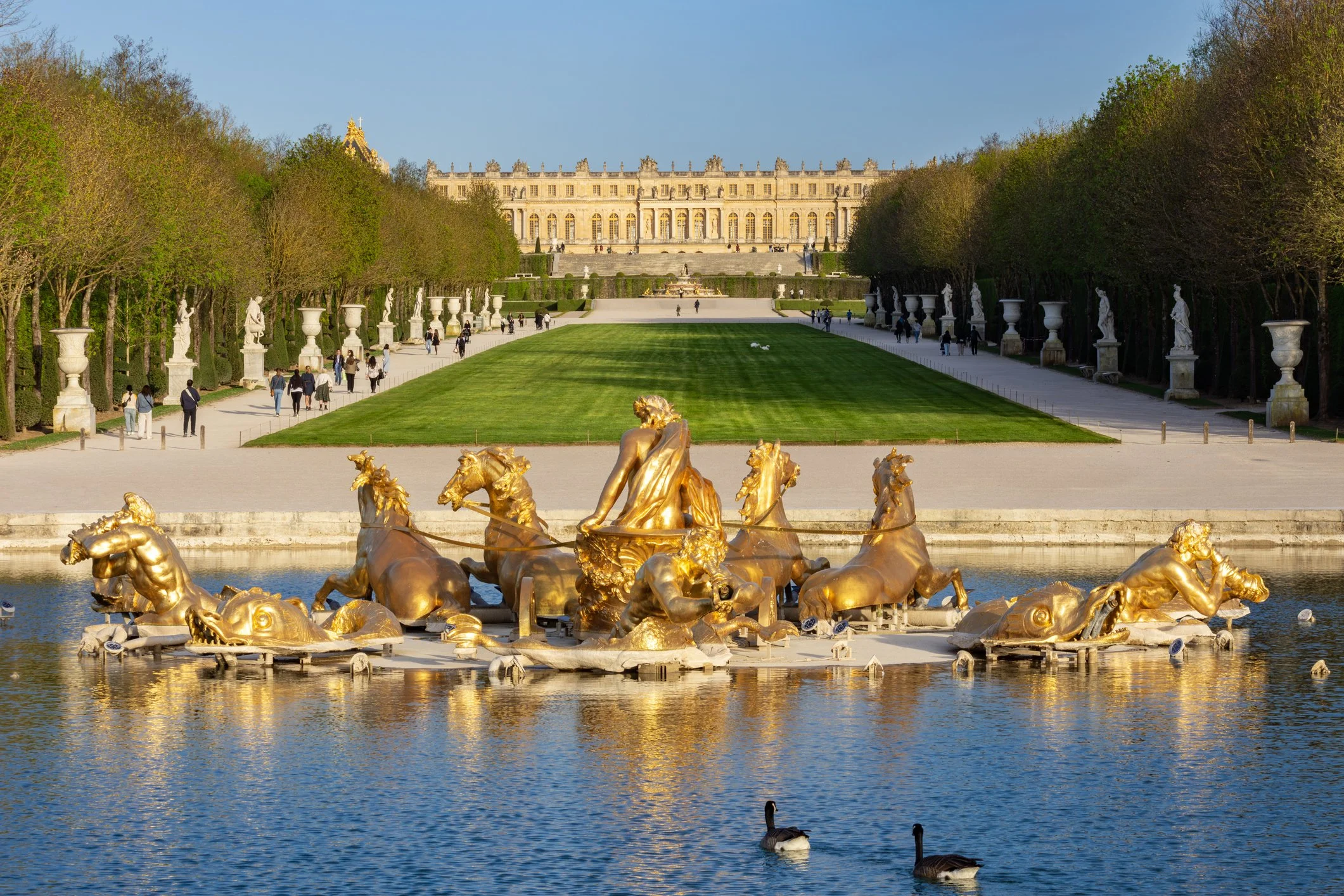
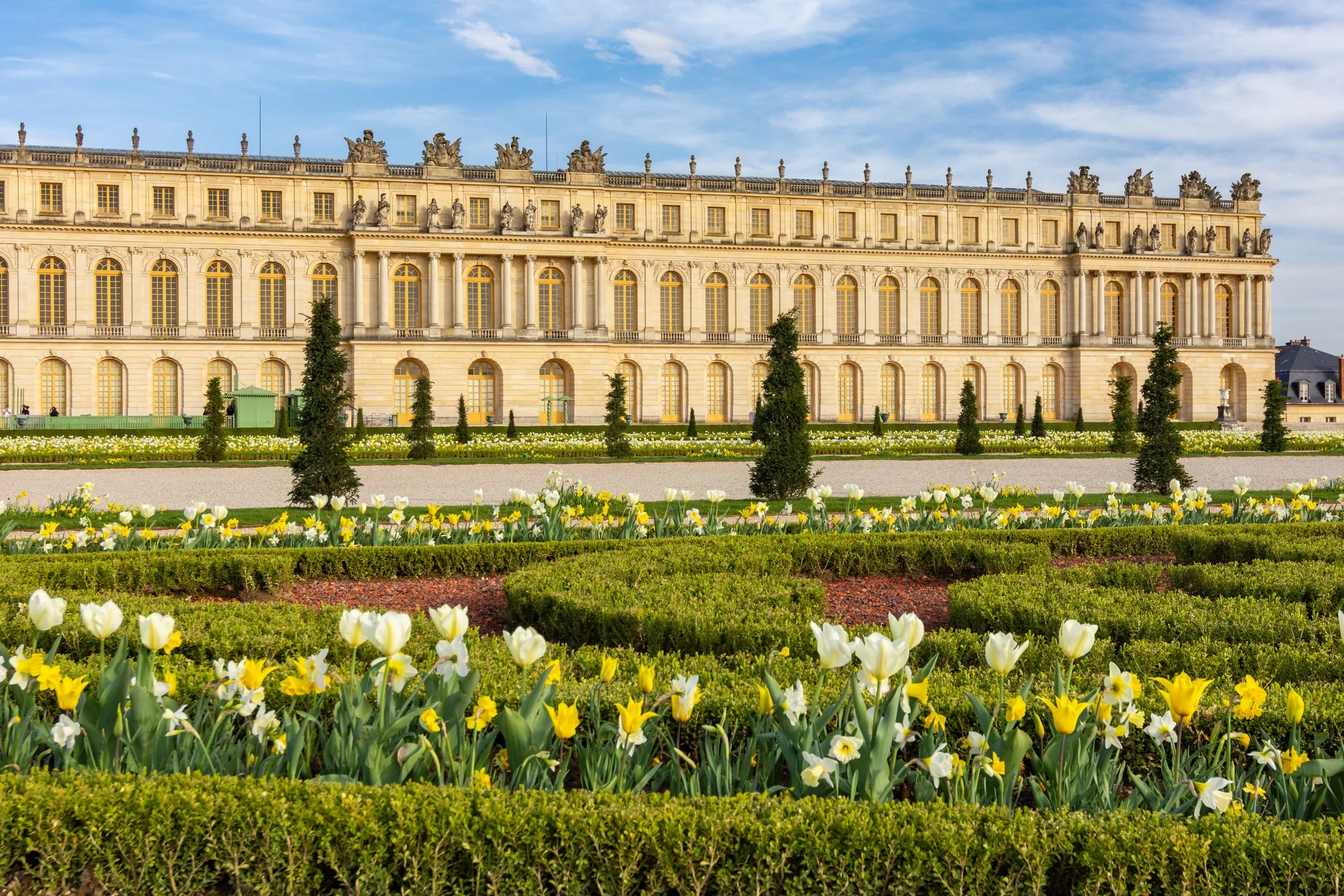
    When Louis XIV transformed his father’s modest hunting lodge from the 1660s, he set André Le Nôtre to work on gardens of a scale Europe had never seen – vast parterres, mile-long axes and water held in check by sheer engineering, all of it bending the natural world to the will of one king. Courtiers learned to read the geometry as they read the man. The result was Versailles: the supreme expression of royal absolutism realised through landscape. We gather in our hotel in the town of Versailles this afternoon, before embarking on an orientation walk to the palace forecourt and the grand stables and wings that frame it, taking the measure of the royal domain before our fuller exploration to come. The evening brings the group together for a welcome dinner. Overnight Versailles (D)

  • Day 2 | Friday 28 May
    Versailles – The Palace & Gardens

    The interiors of Versailles were as carefully orchestrated as its gardens – a sequence of state rooms designed to draw courtiers ever closer to the king, where proximity to the monarch was everything. This morning, we tour the Royal Apartments and the Hall of Mirrors, the dazzling gallery lined with 17 arches of mirrored glass set against the windows that overlook the gardens. If the palace expressed the king’s power, the gardens expressed his ambition to remake the natural world on a heroic scale. Stretching across some 800 hectares, Le Nôtre’s design unfolds through grand allées, fountains and groves, a feat of engineering as much as artistry, demanding that swamps be drained, a forest be planted and water be hauled across the plateau to feed fountains that, even in the king’s day, could rarely all play at once. We descend through one side of the gardens with Mike, reading Le Nôtre’s design as we go, and onto lunch at La Flotille beside the Grand Canal. The afternoon return walk leads back up through the parterres and bosquets of the other side of the gardens towards our hotel, with the remainder of the evening at leisure. Overnight Versailles (B, L)

  • Day 3 | Saturday 29 May
    Le Grand & Petit Trianon and Marie Antoinette’s Hamlet

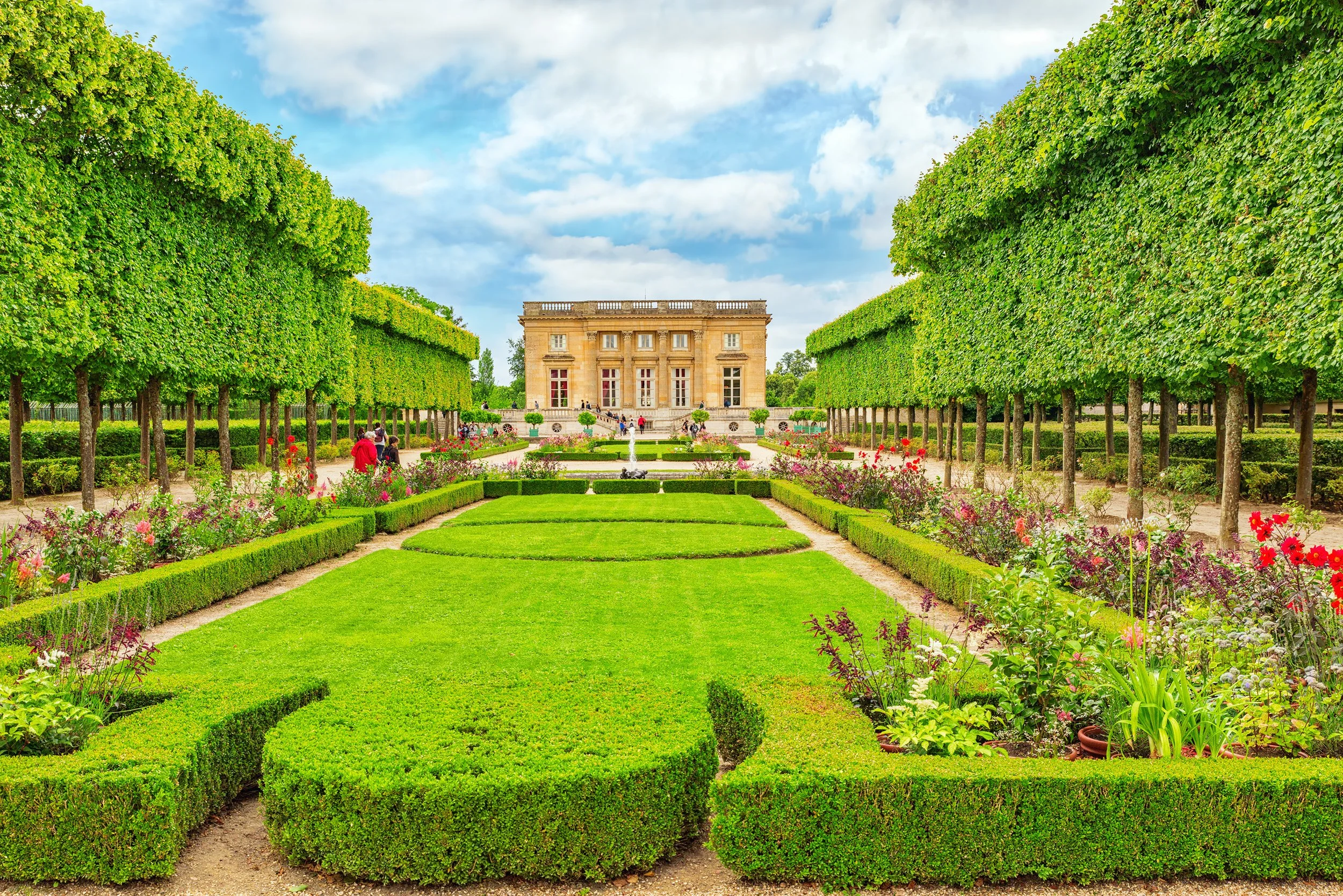
    For all its grandeur, Versailles was also a place from which the French royal family sought escape. Beyond its formal gardens and ceremonial spaces, a series of smaller residences offered an alternative: places of greater privacy, where kings and queens could withdraw from the demands of public life. Following a lecture in the hotel this morning, we travel the short distance to the Grand Trianon, the pink-marble retreat Louis XIV built in 1687 at the edge of the Versailles estate. Designed by Jules Hardouin-Mansart, it is widely regarded as one of the masterpieces of French classical architecture – its elegant colonnades, marble arcades and intimate
    gardens offering a revealing contrast to the scale and ceremonial grandeur of the palace itself. We then continue to the Petit Trianon, originally commissioned by Louis XV and later gifted by Louis XVI to Marie Antoinette. Here, the young queen reshaped the surrounding gardens into a romantic English-style landscape: gone were the straight paths and parterres to be replaced by serpentine paths, small groves of trees, flowering meadows, picturesque temples and follies. Exploring the garden brings us to the Queen’s extraordinary hamlet, a picturesque village of thatched cottages surrounding an artificial lake – an idealised vision of rural life. It was somewhere for Marie Antoinette to live her romantic dream – at great and final devastating expense. We return to our hotel in the afternoon with the evening at leisure. Overnight Versailles (B)

  • Day 4 | Sunday 30 May
    Le Jardin des Plantes

    Founded in 1626 as the royal garden of medicinal plants, the Jardin des Plantes in central Paris grew into the cradle of French botanical science. Under the 18th-century leadership of renowned naturalist Georges-Louis Leclerc, Comte de Buffon, it became a major European scientific hub. Naturalists like Lamarck, the Jussieu family of botanists, and later Cuvier contributed significantly to the classification and understanding of living organisms. The garden still functions as the core of France’s national museum of natural history, with its grounds dedicated to both research and display of plants. After a morning lecture in our hotel, we head to Paris to explore its formal gardens arranged in long vistas, historic glasshouses, and avenues lined with plane trees. Highlights include the alpine garden and rose collections. Lunch is also enjoyed at Les Belles Plantes within the garden. The afternoon is then at leisure: you may wish to return to Versailles by coach, or linger in Paris – perhaps walking along the Seine toward Notre-Dame – before returning in the evening. Overnight Versailles (B, L)

  • Day 5 | Monday 31 May
    André Eve’s Garden and Blois

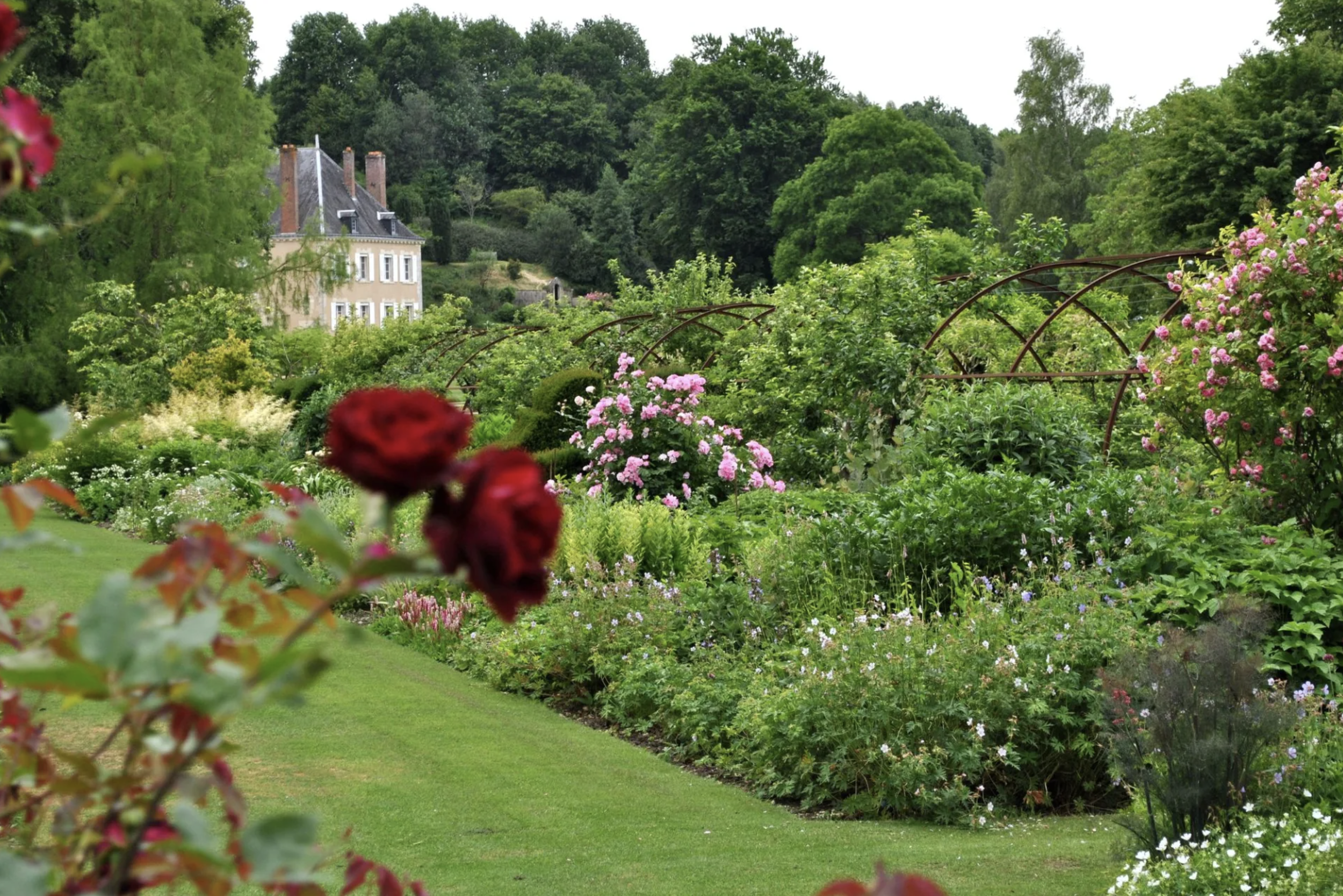
    Some gardens are the work of a single, obsessive hand, and the garden of André Eve at Pithiviers is among the most beloved of these. Trained at the Versailles School of Horticulture, Eve took over a local rose nursery in the late 1950s and went on to become the great champion of the roses anciennes – the old garden roses that had fallen out of fashion in an age dazzled by stiff, scentless modern hybrids. He gathered them, bred his own, and set them loose in his Pithiviers garden in the relaxed English manner he loved: roses scrambling over pergolas and walls, mingled with perennials and clematis rather than regimented into beds. Since his death in 2015, the garden has been tended by the association that bears his name and now holds the Jardin Remarquable label in its own right. Departing Versailles this morning for Pithiviers, we tour the garden before continuing our journey south to Blois. On arrival at our next hotel alongside the Loire, we walk into the charming town to visit the Château de Blois, whose four wings trace the evolution of French royal architecture across four centuries, from medieval austerity through Flamboyant Gothic and the early Renaissance to the cool restraint of the classical age. In the evening, we gather for dinner together in our hotel. Overnight Blois (B, D)

  • Day 6 | Tuesday 1 June
    Château de Chambord and Château de Cheverny

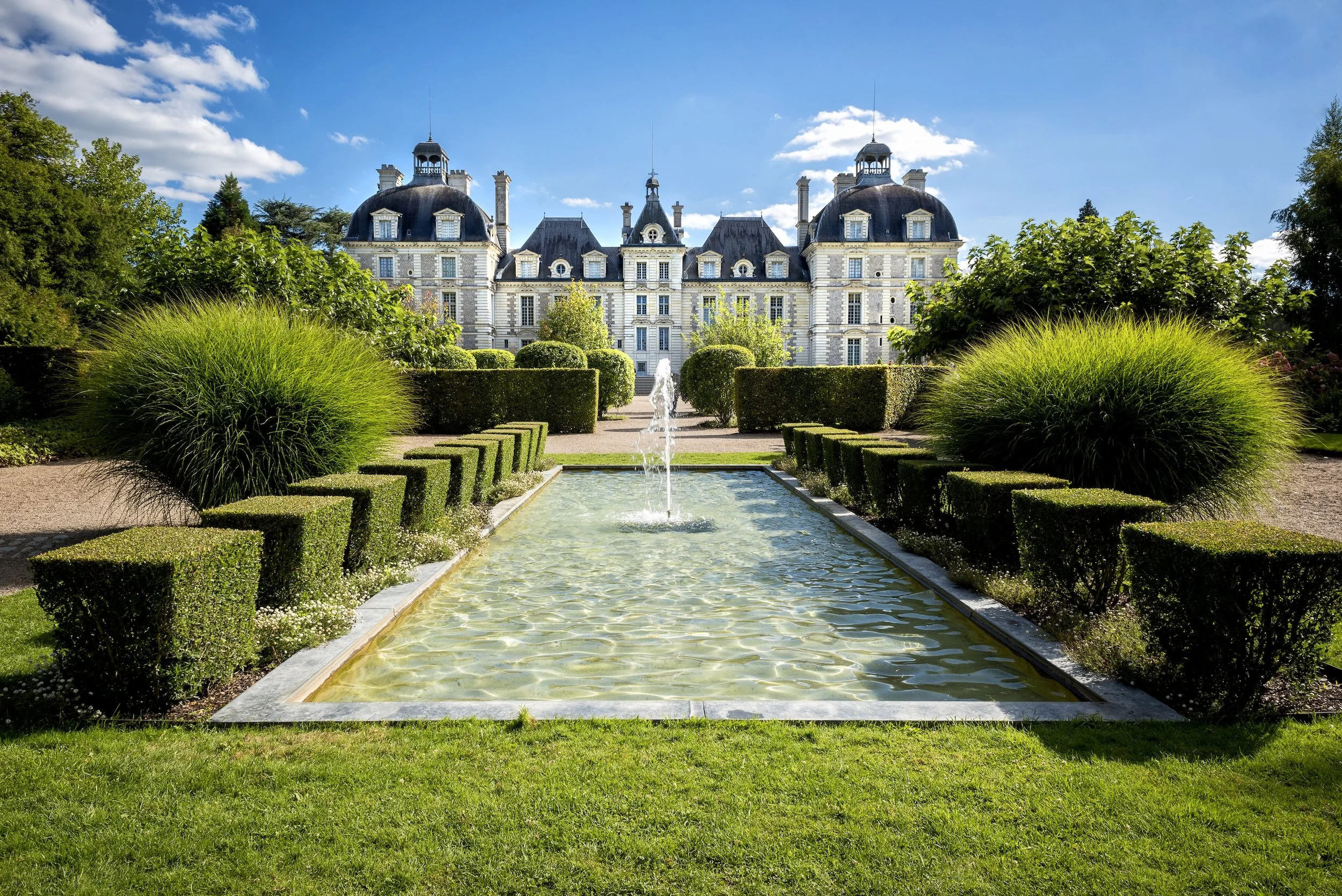
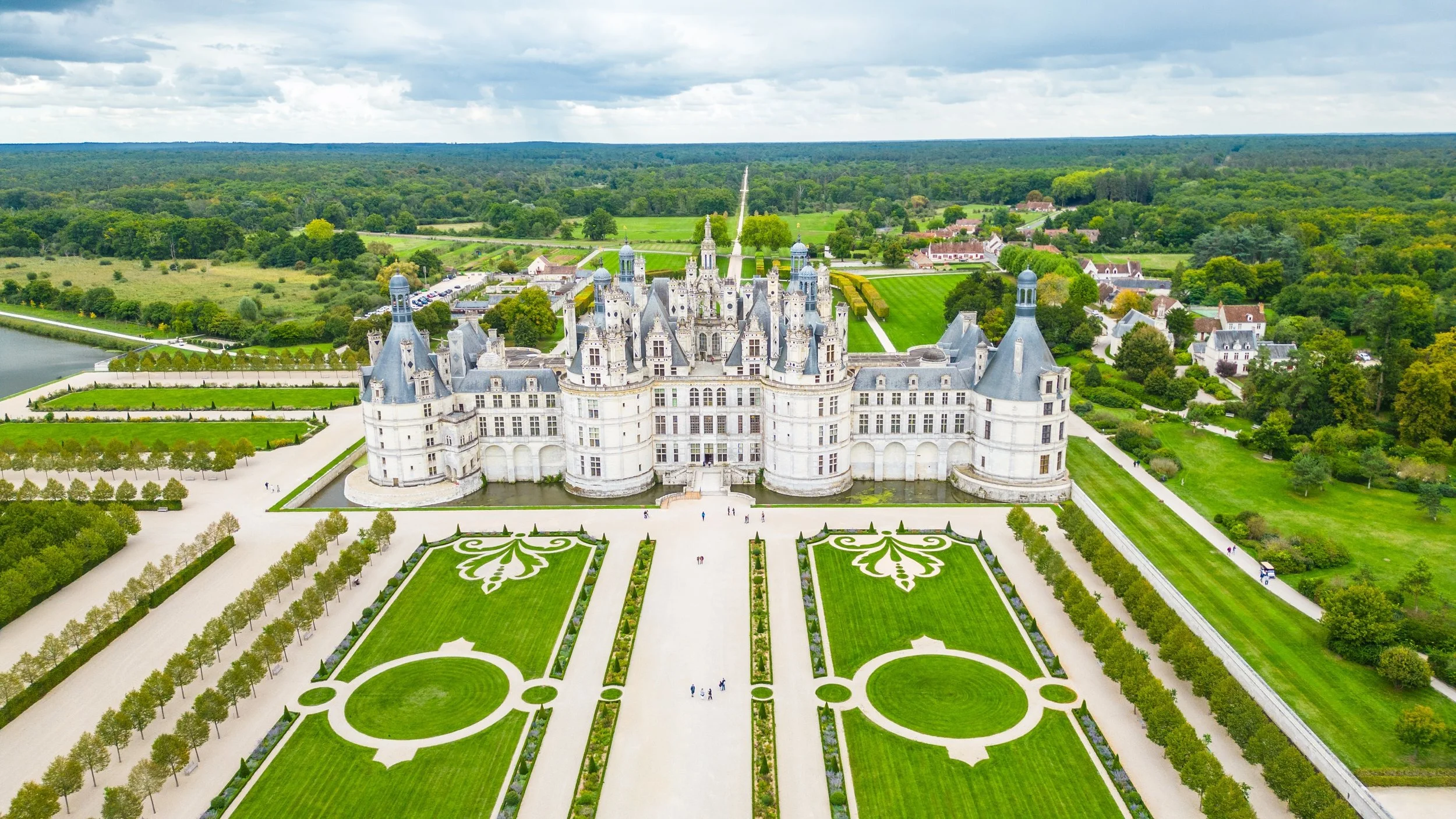
    No château captures the spirit of the French Renaissance quite like Chambord. Built for Francis I in 1519 as a hunting lodge, it features 440 rooms and 365 fireplaces. The château rises from the flat Sologne forest in an extravagant silhouette of towers, turrets and chimneys. Interestingly, despite its grandeur, Chambord never had a Renaissance garden. The current formal gardens, designed in the 18th century under Louis XIV, cover six and a half hectares at the foot of the château. Their clipped parterres, lawns, and around 200 rose bushes highlight the northern facade, while beyond lies Europe’s largest enclosed park–over 5,000 hectares–still home to red deer and wild boar. Today we depart by coach to explore the château and its stunning grounds. In the afternoon, we then continue to the Château de Cheverny, an elegant 17th-century house with a hundred hectares of parkland featuring six themed gardens. The box-edged potager, designed by the current Marquise, combines vegetables and cut flowers in ornamental, productive patterns that supply the château’s rooms. The house is recognisable as the Château de Moulinsart (Marlinspike Hall in English), the home of Captain Haddock in the Tintin books. We will have time to explore the entertaining Tintin museum before returning to Blois by coach in the afternoon. Overnight Blois (B)

  • Day 7 | Wednesday 2 June
    Château de Chaumont

    Standing atop a rocky bluff some 40 metres above the Loire, Château de Chaumont’s history is intertwined with two formidable women of the French Renaissance. After Henri II died in 1559, his widow Catherine de Medici took action against his favoured mistress, Diane de Poitiers, forcing her to relinquish Chenonceau (later visited in the tour) and take control of Chaumont instead. While the château is stunning, it is the grounds that have made Chaumont a pilgrimage site for gardeners. Since 1992, the estate has hosted its International Garden Festival, where around 30 designers from across the globe are given a plot and a theme to experiment with garden design. These creations have established Chaumont as a hub of contemporary landscape innovation, influencing beyond France. Today, we explore the château and its gardens, where the early summer abundance of festival plots provides a lively contrast to the permanent experimental gardens in the park. We will return to our hotel this afternoon. Overnight Blois (B)

  • Day 8 | Thursday 3 June
    Château de Villandry

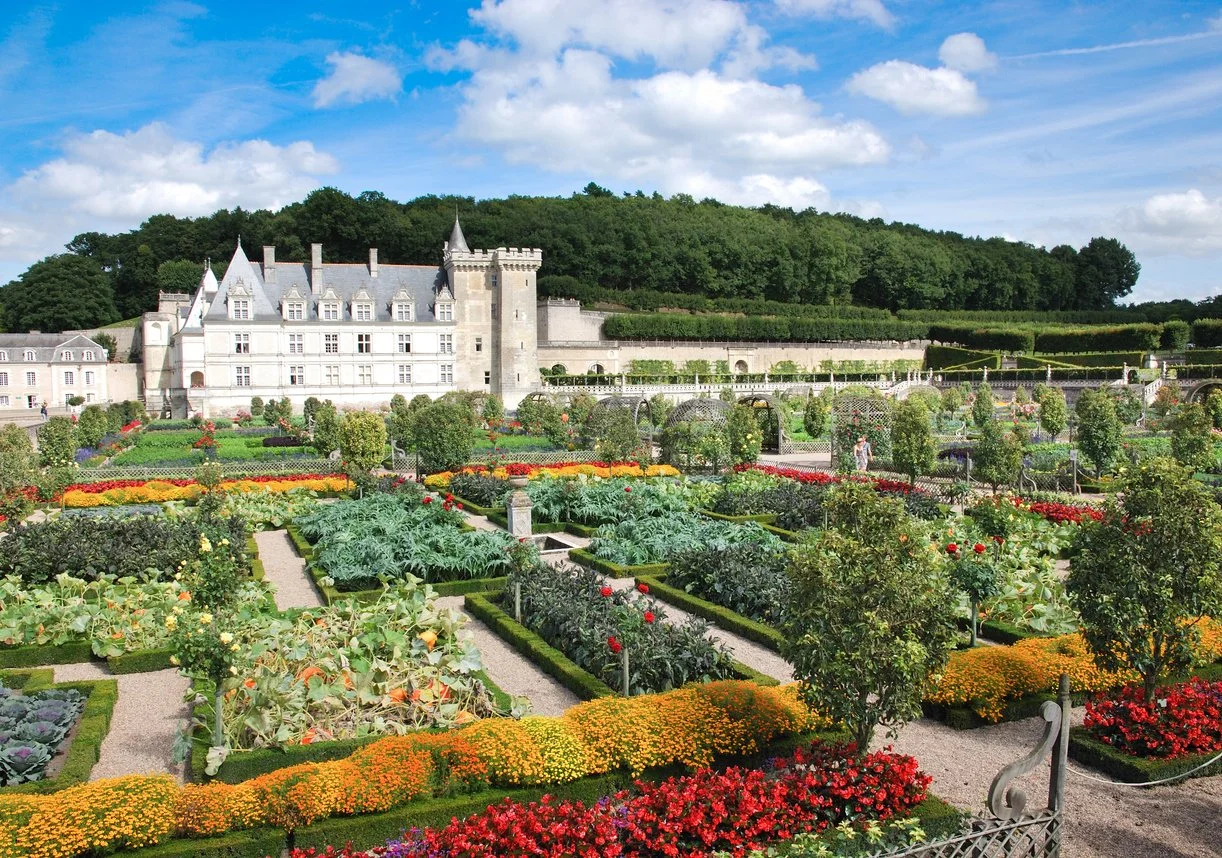
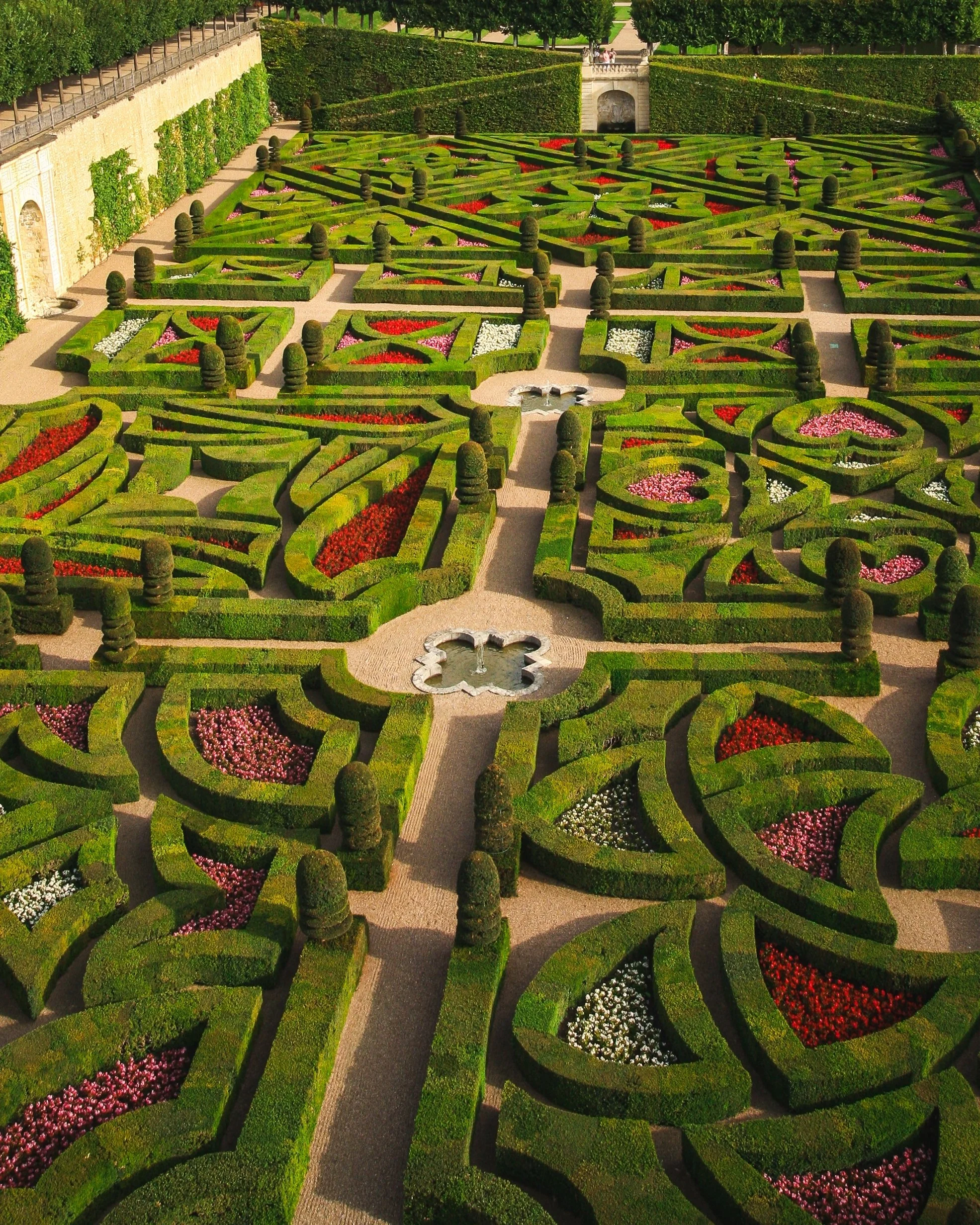
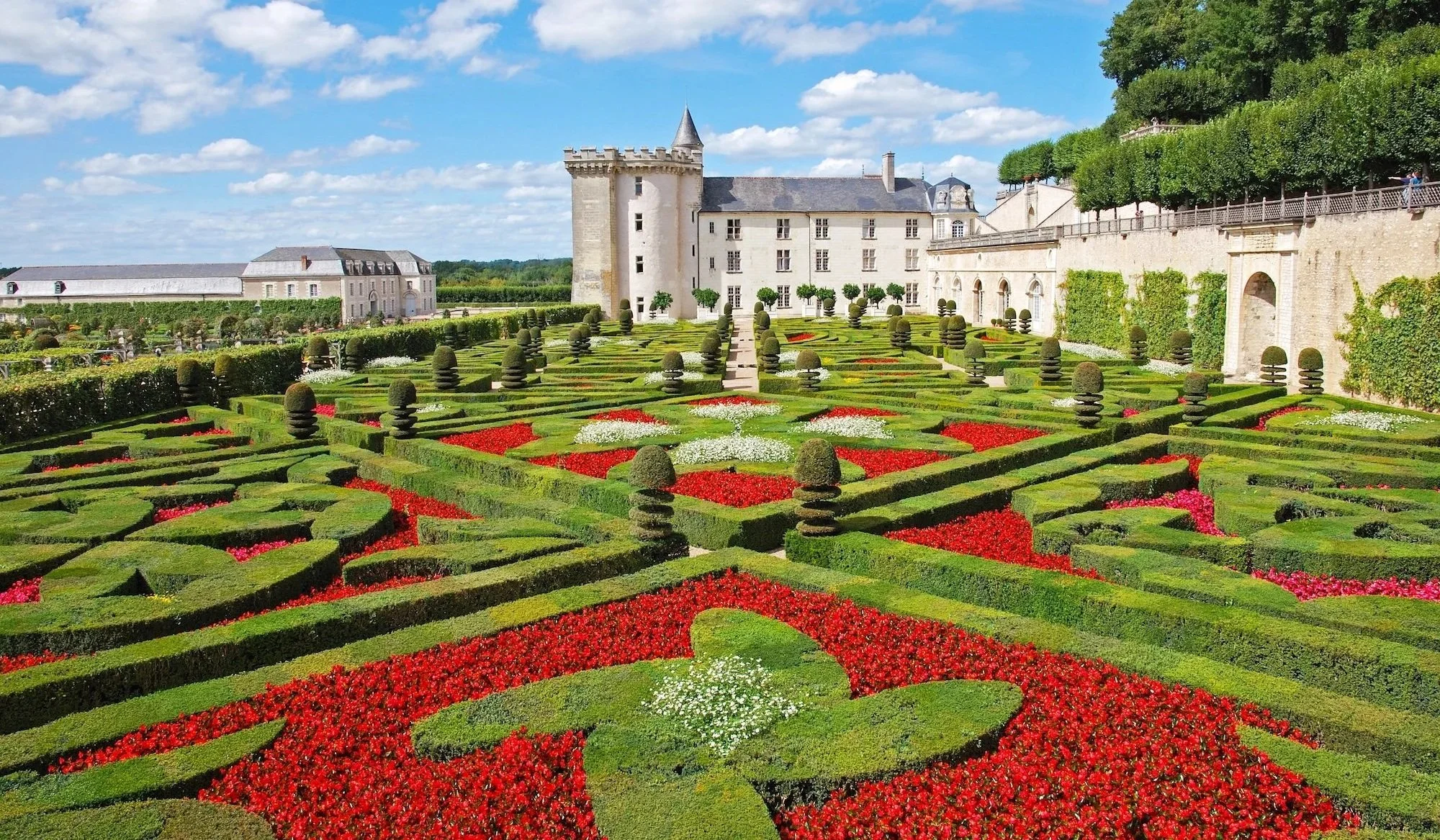
    Villandry is the great showpiece of the formal garden in France, the last of the grand Renaissance châteaux raised on the Loire and the one whose gardens have most completely eclipsed its architecture in fame. Laid out on terraces below the house, they descend in a sequence of distinct spaces – the ornamental garden traces symbolic emblems of love, the serene water garden mirroring the sky, and above all the celebrated potager. Here, cabbages, leeks and carrots are planted in patterns as decorative as any flower bed and are edged with clipped box – the most photographed kitchen garden in the world. By 1900 the Renaissance layout had long since vanished, replaced by a romantic English park. It was Joachim Carvallo, a Spanish-born scientist who bought the run-down estate in 1906, who brought the Renaissance gardens back and his descendants tend them still. As we relocate from Blois to Montbazon today, we spend the day exploring the Château de Villandry and its extraordinary gardens, with dinner this evening in our next hotel. Overnight Montbazon (B, D)

  • Day 9 | Friday 4 June
    Château de Chenonceau and Chédigny

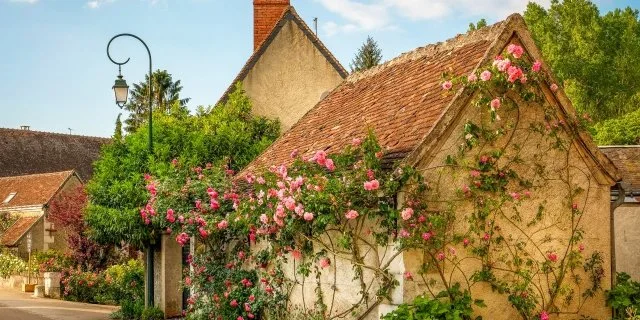
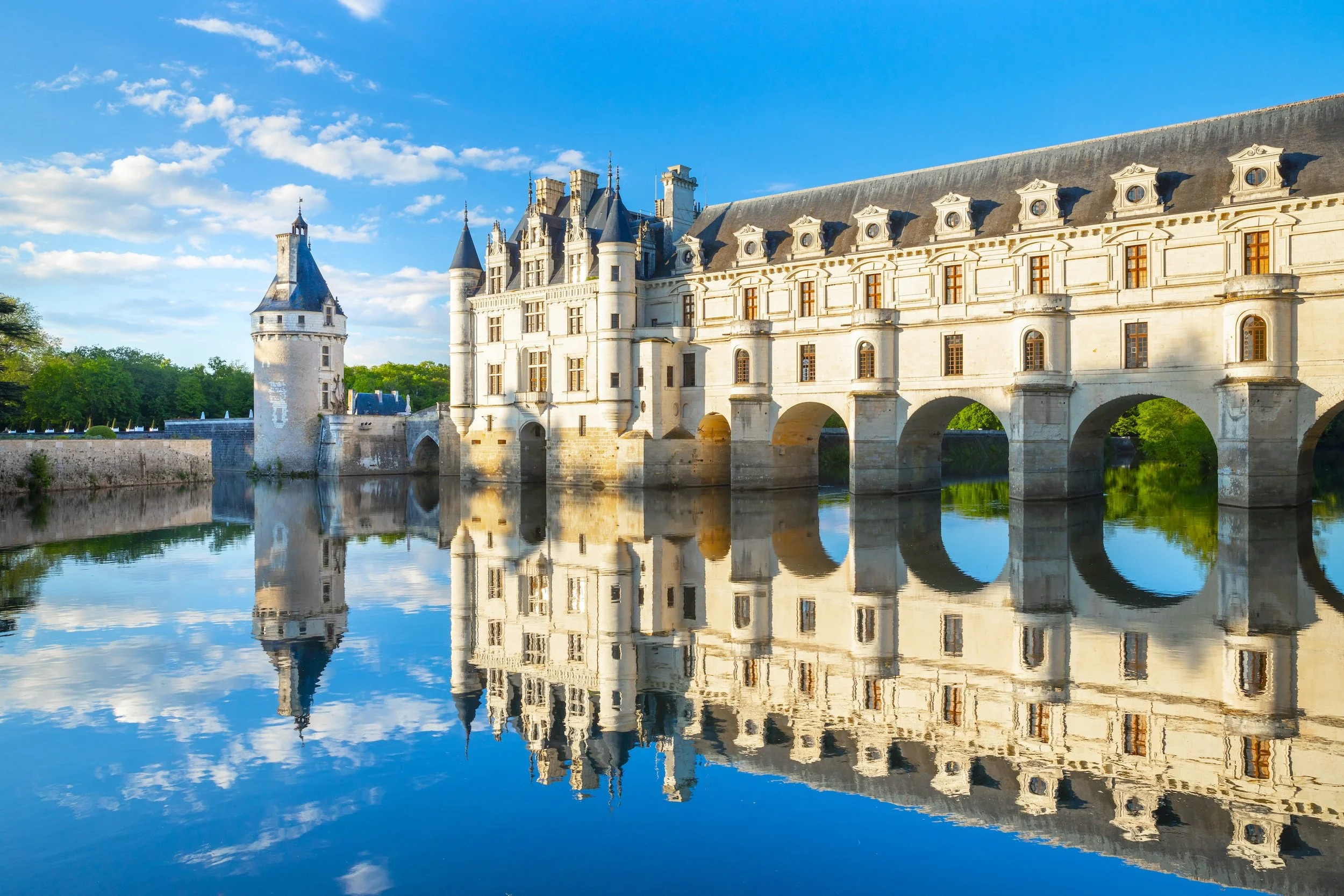
    Chenonceau, known as le château des dames or the ladies’ château, is arguably the most romantic of all Loire castles. Its grand gallery spans directly across the River Cher, giving the impression that the building floats above the water. This nickname reflects the women who shaped it over time, and their rivalry is vividly preserved, especially in its gardens. Diane de Poitiers initiated the construction of a bridge over the Cher and designed a formal parterre of eight grass triangles on raised terraces above the river. After the king’s death, Catherine de Medici took over the château and created her own garden opposite, with more tranquil lawns around a circular pool – completing the gallery her rival had begun. Today, the two gardens face each other across the forecourt, symbolising their ongoing rivalry in stone and box hedging. Following a talk at our hotel, we visit the château and its gardens before heading to Chédigny. This village is uniquely classified throughout as a jardin remarquable, with its tiny lanes and streets lined with over a thousand rose bushes and thousands of perennials, with borders reaching right up to the doorsteps, making the entire village feel like a single garden. We return to our hotel for an evening at leisure. Overnight Montbazon (B)

  • Day 10 | Saturday 5 June
    Jardin du Plessis Sasnières

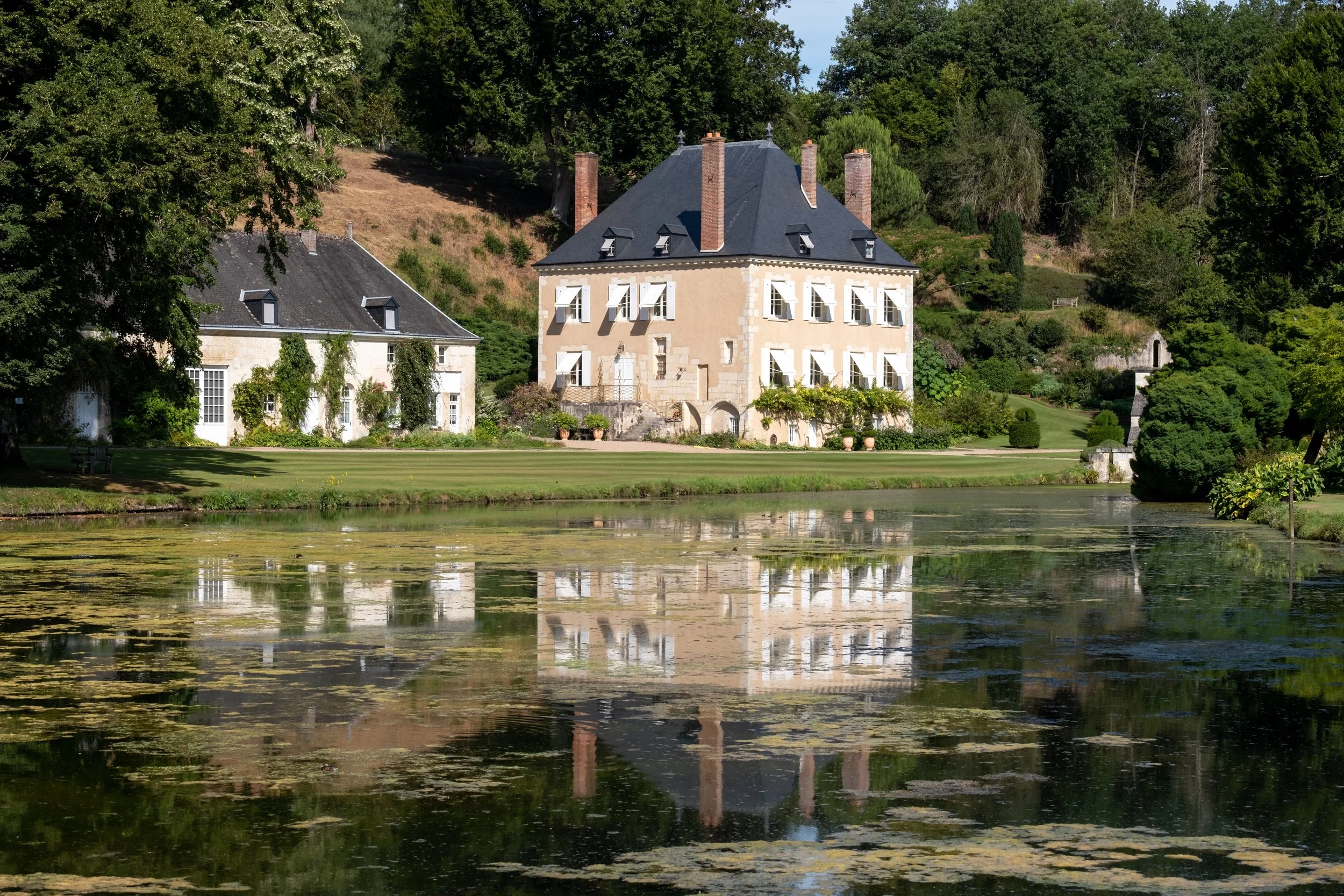
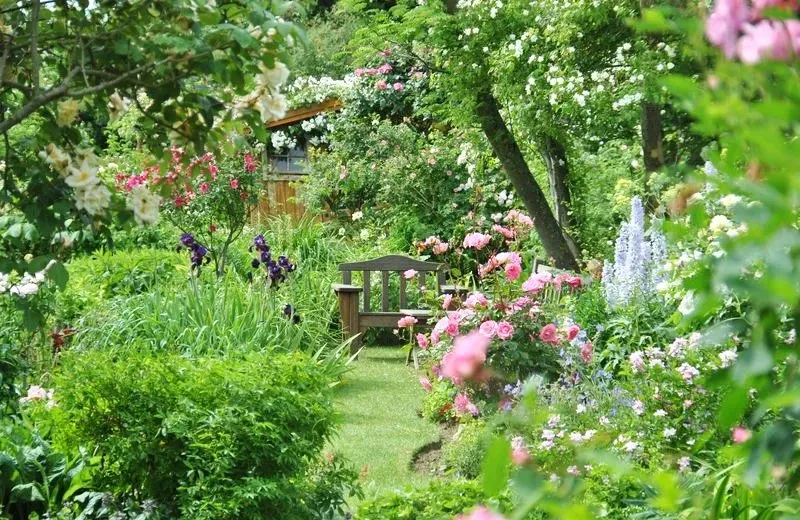
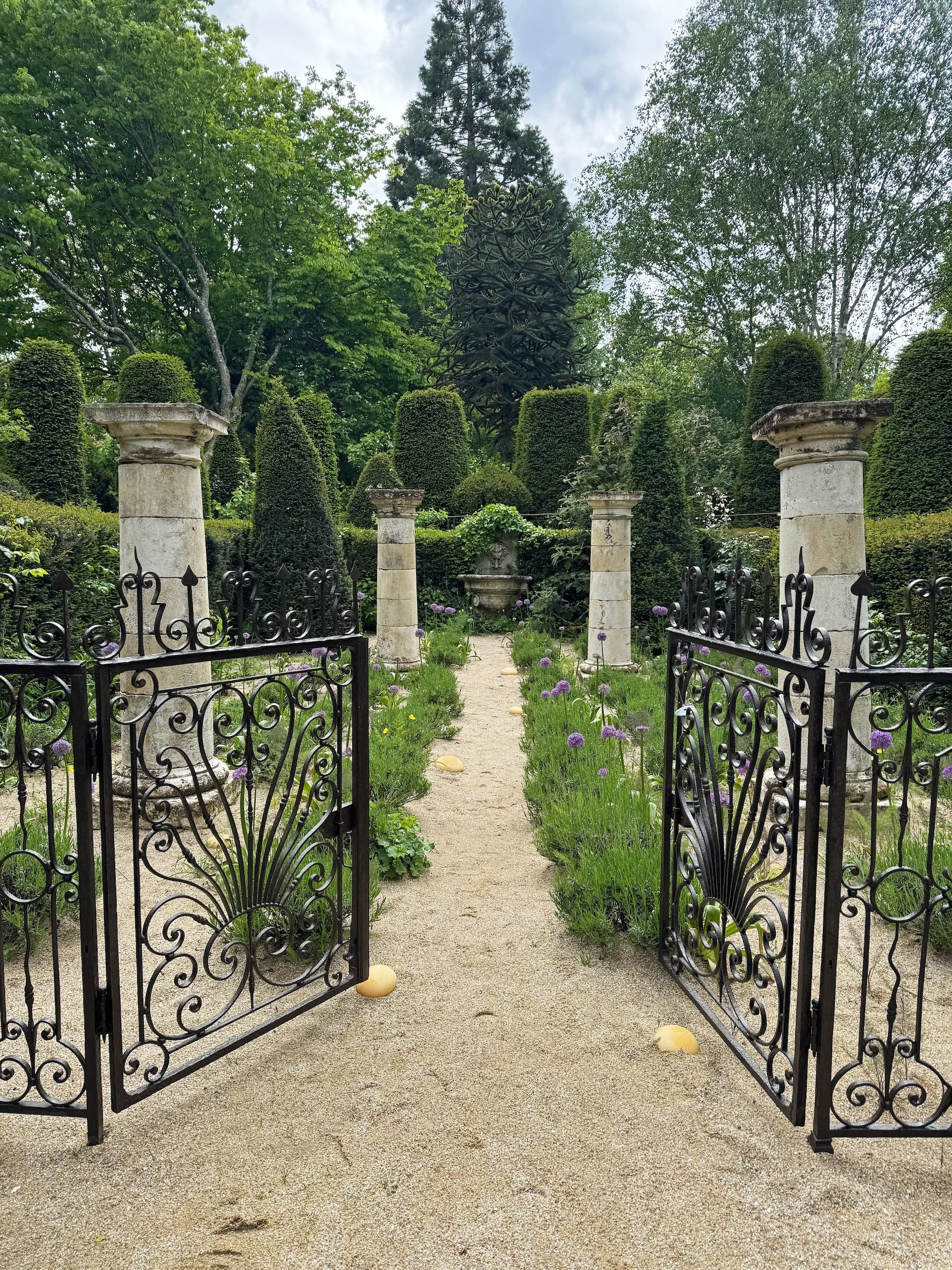
    A garden made by a single pair of hands over a lifetime has an intimacy the grand estates rarely match, and the Jardin du Plessis Sasnières is exactly that – often called the most English of French gardens. When Rosamée Henrion inherited the property in 1960 she found a house abandoned and a valley run wild. A passionate botanist who had travelled the great gardens of England, she set about making her own version of them here, clearing the overgrown slopes to open the valley to the light and planting, over decades, around a spring-fed lake at its floor. The result is a garden of quiet restraint: mixed herbaceous borders composed by colour, hedges and topiary giving structure, and a magnolia avenue running along the plateau above. Rosamée’s son, Guillaume, leads our private tour of the grounds this morning. Time to browse the garden shop precedes lunch at Le Plessis, the restaurant Guillaume has created at the garden’s heart, where the cooking is built on local produce and Loire wines. The evening is at leisure on return to our hotel. Overnight Montbazon (B, L)

  • Day 11 | Sunday 6 June
    To Rouen

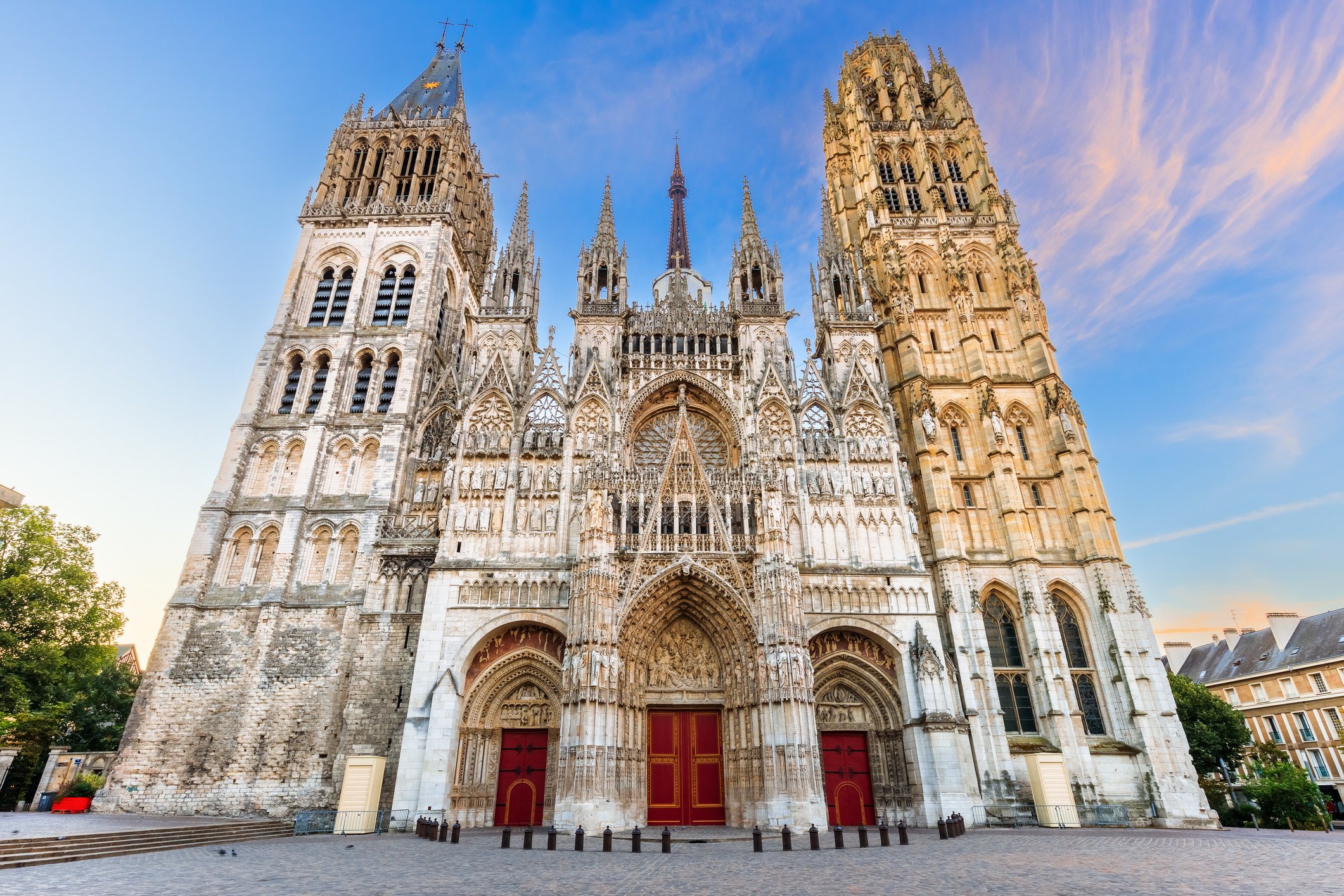
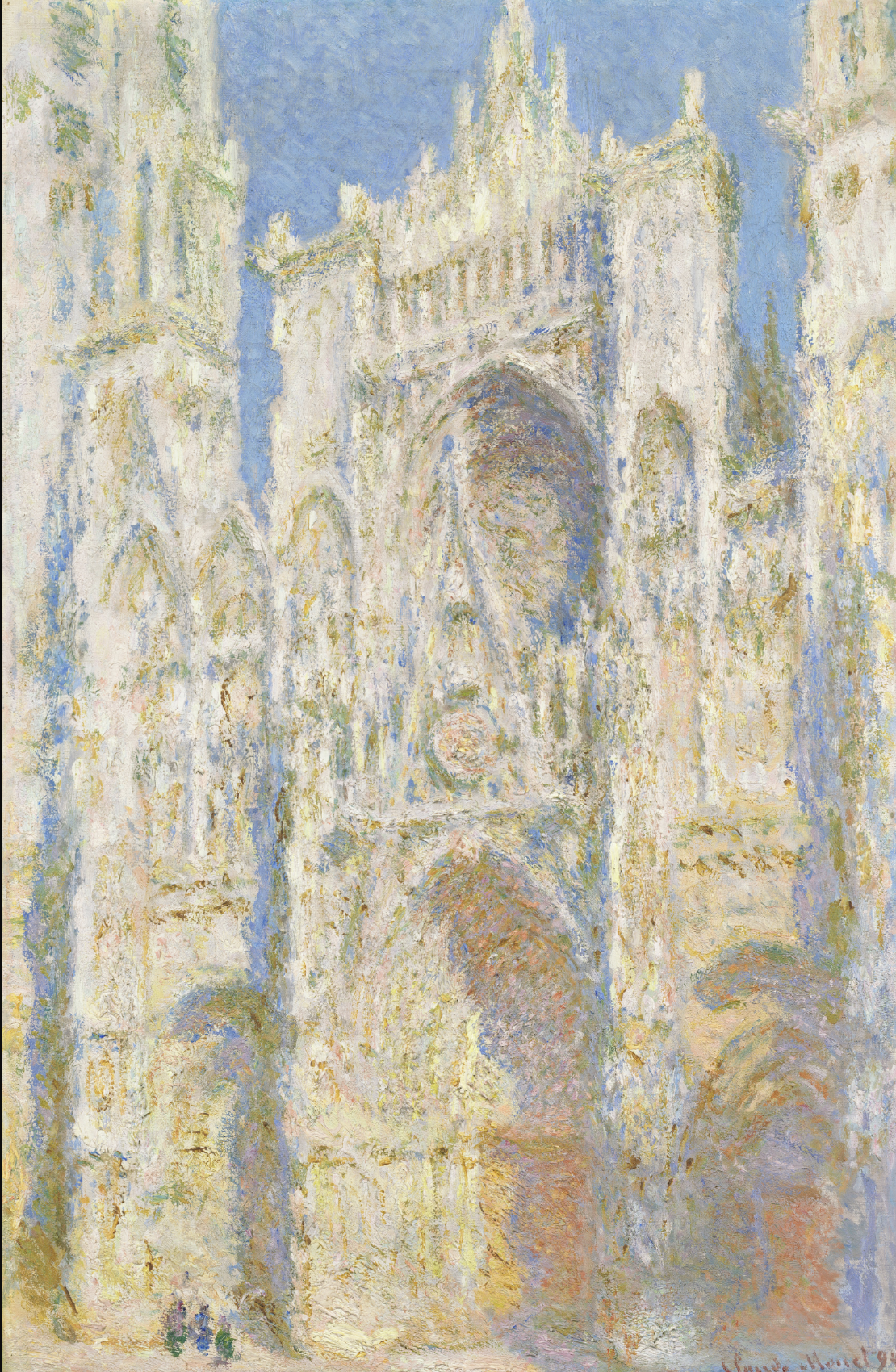
    Rouen was the historic capital of Normandy and one of the great cities of medieval France, grown rich on the wool and cloth trade and dense with Gothic churches. Its cathedral gave Monet one of his most famous subjects: he set up across the square and painted the great west front more than 30 times, at dawn and dusk and in every weather, chasing the way light dissolved and remade the stone – a series that helped change the course of Western painting. We depart this morning for the drive north into Normandy, arriving into Rouen in the afternoon. The rest of the day is free to explore the old city on foot: the narrow lanes of leaning half-timbered houses, the astronomical clock of the Gros-Horloge, and the market square where Joan of Arc was burned at the stake in 1431, now marked by a modern church bearing her name. We reconvene in the evening for dinner together in our hotel, which concludes the day. Overnight Rouen (B, D)

  • Day 12 | Monday 7 June
    Monet’s Garden at Giverny

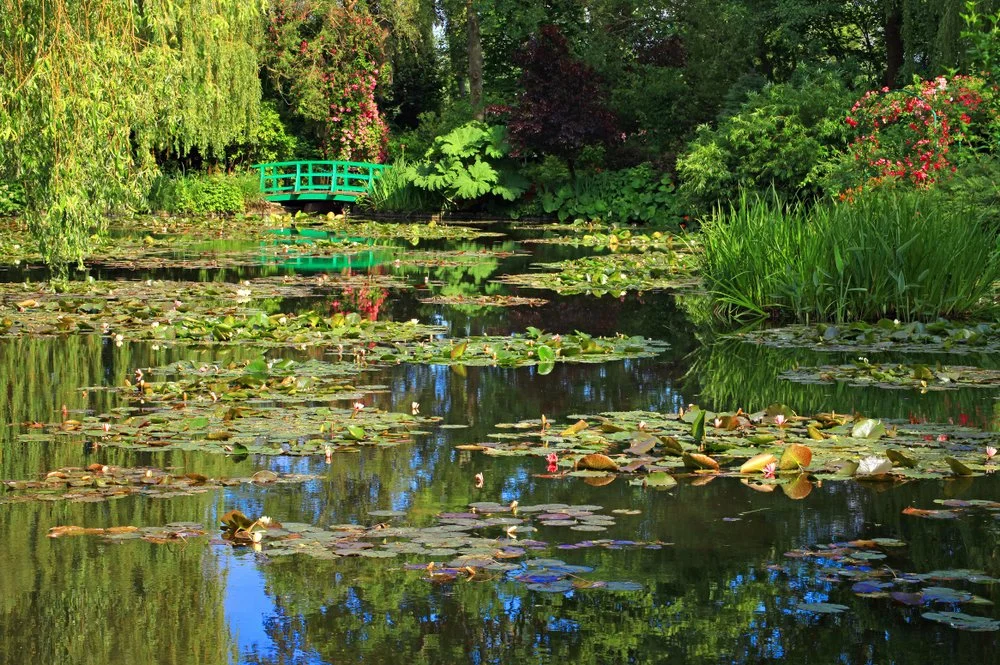
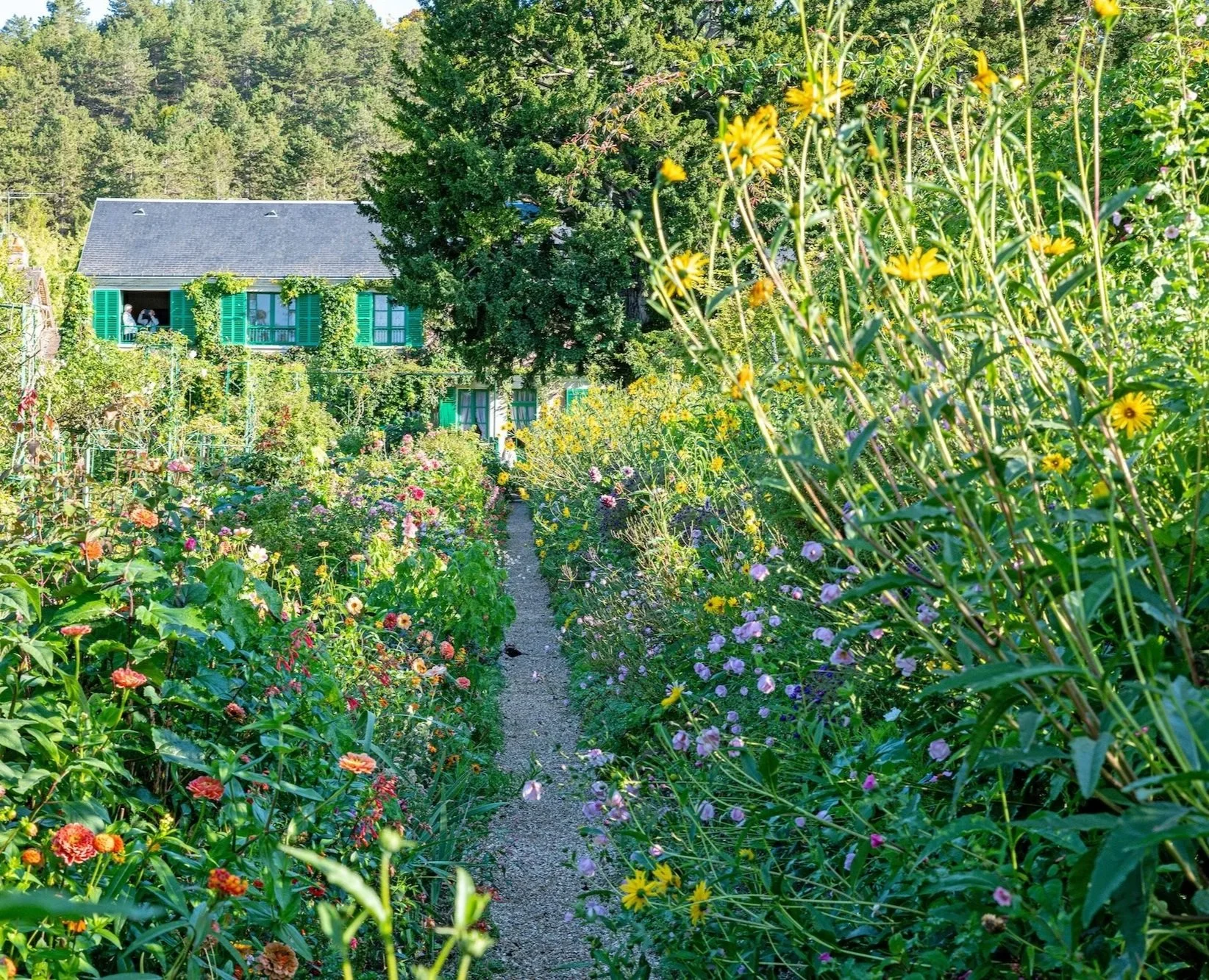
    Few horticultural creations have shaped the way we see gardens as profoundly as Monet’s Garden at Giverny. The painter settled here in 1883 and spent the next decades making a garden that was also his greatest subject, planting and replanting it with a colourist’s eye until garden and painting became a single act. Before the house lies the Clos Normand, a riot of structured colour where flowerbeds rise in tiers beneath arches of climbing roses. Across the road is the water garden Monet began in 1893 – the still, green lily pond he stocked with hybrid water lilies, fringed with willow, iris and bamboo, and spanned by the famous arched bridge, which he painted green rather than the red of Japanese tradition. After a morning talk, we travel to Giverny for lunch at Le Temps des Fleurs before walking to the garden, where there is time to explore the beds, the house with its famous yellow dining room and blue kitchen and the village at your own pace. We return to Rouen in the late afternoon. Overnight Rouen (B, L)

  • Day 13 | Tuesday 8 June
    Jardin d’Agapanthe and Le Jardin Plume

    Normandy has become a centre of inventive garden-making, and today sets two of its most admired private gardens against each other. The Jardin d’Agapanthe, just north of Rouen, is the lifelong obsession of the landscape architect Alexandre Thomas, who created, in less than a hectare, a maze of terraces, walls and watercourses. With no lawn anywhere, the whole garden is carpeted in fine golden sand and crowded with exuberant planting, antique ornaments, urns and fountains, so that the garden feels far larger and more theatrical than its size suggests. After a private guided tour, we continue to Le Jardin Plume, a complete change of register. Here, on a former orchard and sheep pasture, Sylvie and Patrick Quibel – the first in France to show what ornamental grasses could do – have built a garden on the deliberate tension between order and abandon. The bones are pure French classicism: clipped box, hornbeam allées, a still mirror pool. Against them surge billowing grasses and loose drifts of perennials, the formal hedges themselves rolling waves. We return to Rouen in the late afternoon. Overnight Rouen (B)

  • Day 14 | Wednesday 9 June
    Jardin d’Étretat and Le Bois des Moutiers

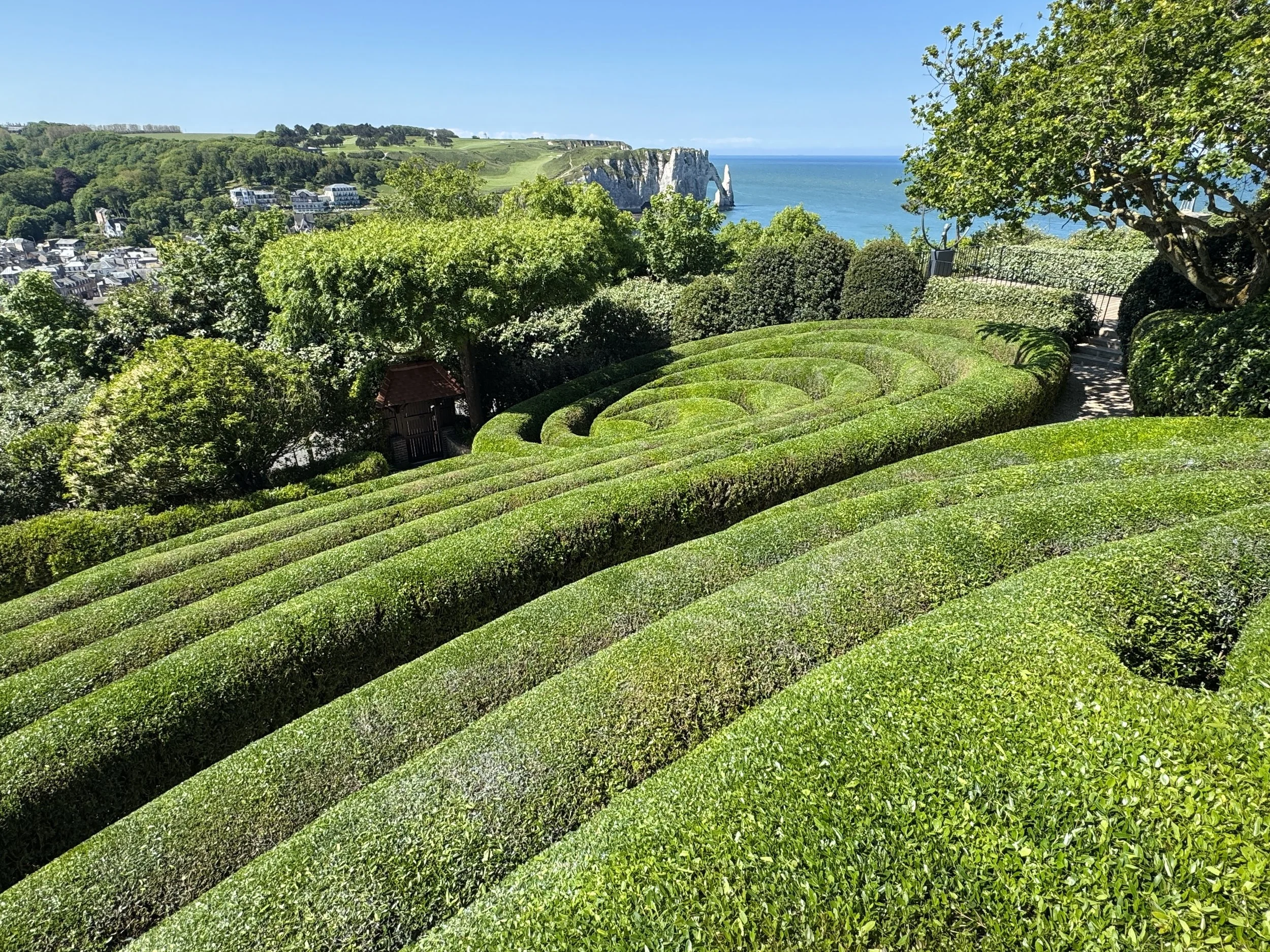
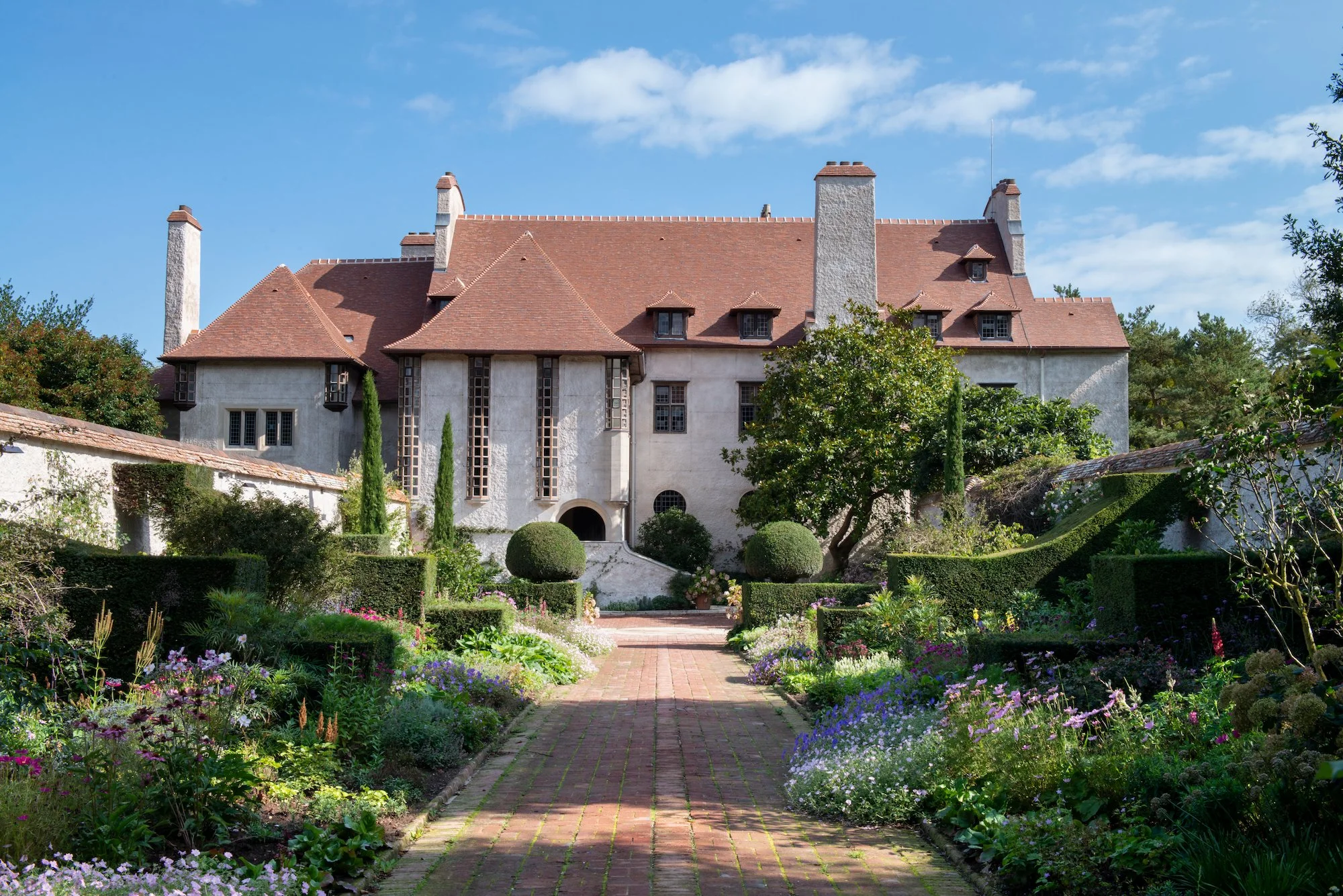
    The Jardin d’Étretat stands on the clifftop where, in 1903, the Belle Époque actress Madame Thébault made a garden inspired by her friend Claude Monet, who painted these chalk cliffs and the great sea-arch of the Porte d’Aval again and again. The garden fell into neglect and was reborn in 2017 in startling contemporary form, when the landscape architect Alexandre Grivko reimagined it as a sculptural landscape of clipped topiary whose swirling forms echo the waves below, the wind and the line of the cliffs, scattered with works of contemporary art. We depart early for a guided tour, before continuing to Le Bois des Moutiers, a rare French expression of the English Arts and Crafts garden. Its house was designed in 1898 by the young Edwin Lutyens for the Mallet family, with the planting drawn up by his great collaborator, Gertrude Jekyll. Here we enjoy a guided tour of the gardens, which descend through formal ‘rooms’ near the house into a wooded valley of rhododendrons, azaleas and rare trees, running down towards the sea. We return to our hotel for our farewell dinner, bringing our tour to an end. Overnight Rouen (B, D)

  • Day 15 | Thursday 10 June
    Departure

    Our tour concludes after breakfast, with a coach transfer to Charles de Gaulle Airport. (B)

Hotels have been selected principally for their central location. Both hotels are excellent 4-star standard.

Tour Accommodation

tour booking

$17,860 AUD per person, twin share (land content only)
$4,970 AUD supplement for sole use of a hotel room

A $1,000 deposit is required per person to confirm your booking on tour. This deposit is non-refundable.

Hold a Place

Still deciding? We are happy to hold a tentative place for 7 days while you make your final arrangements.

Book Online

To secure your place(s) on tour, book online below with “Athena”, our virtual tour consultant.

DOWNLOAD FORM

Download a printable booking form. You can also complete the form on screen and submit via email.

your tour consultant

The consultant for this tour is Lucy Yeates. For further information or to discuss the tour, please call 9235 0023 (Sydney) or 1800 639 699 (outside Sydney) or email lucy@academytravel.com.au

have you thought about?

Academy Travel is more than just a tour operator. We are also a full-service travel agency who can assist you with all aspects of your travel, including flights, transfers, pre-tour arrival, additional travel and comprehensive travel insurance.

can’t make this departure?

If these dates don't work for you, register to hear about the next tour.