Greece

Agamemnon To Alexander

Explore Greece’s oldest sites, journeying from the island of Crete to Thessaloniki and the north.

TOUR STATUS

Places Available | Maximum 16

TOUR DATES

April 7-25, 2027 | 19 Days

TOUR LEADER

Dr Amelia Brown | View Bio

snapshot

  • The tour starts at 6.00pm on Wednesday 7 April, at the Divani Acropolis Hotel, Athens.

    The tour ends on Sunday 25 April, with a flight from Thessoloniki to Athens Airport, arriving at approximately 2.00pm.

  • Grade Two. This tour is designed for people who lead active lives.

    View all requirements >

  • 18 nights’ accommodation in centrally located 4 and 5-star hotels. All breakfasts, 2 lunches and 10 dinners. Services of an expert tour leader and an experienced tour manager throughout. Internal Economy flights as indicated, all ground transport, entrance fees and tipping.

    View standard tour inclusions >

  • $16,980 AUD per person, twin share (land content only)
    $3,260 AUD supplement for sole use of a hotel room

    A $1,000 AUD non-refundable deposit is required per person to confirm your booking on tour

OVERVIEW

Ancient Greece occupies a central place in the history of Western thought, shaping philosophy, political life, literature, architecture and art.

This comprehensive 19-day tour, led by Dr Amelia Brown,
traces the long arc of Greek civilisation, from the early societies of the Aegean Bronze Age to the emergence of Macedon under Philip II and Alexander the Great, whose conquests reshaped the ancient Mediterranean world. A short flight from the mainland begins the journey on Crete, where visits to the Minoan palaces of Knossos and Phaistos and the planned town of Gournia illuminate early forms of political authority.

Returning to Athens, the Acropolis, ancient Agora and major museums reveal the achievements and tensions of the Classical city-state, before we move through the Peloponnese, encountering the Mycenaean centres associated with the age of Agamemnon. Moving north, Delphi, Thermopylae and Meteora reflect landscapes shaped by religion, memory and conflict. The journey concludes in Macedonia, where Philip II and Alexander transformed the scale and reach of Greek power.

tour highlights

Trace Greece’s ancient worlds, from Minoan Crete to classical, Byzantine and Macedonian heartlands.

Dr Amelia brown

your expert tour leader

Dr Amelia Brown is a Greek archaeologist and historian, with specialities in Late Antiquity, maritime culture, Corinth, Thessalonike and Malta. She has a PhD and MA in Ancient History and Mediterranean Archaeology from UC Berkeley. Amelia was a Senior Lecturer in Greek History and Language at UQ and Gertrude Smith Professor at the American School of Classical Studies at Athens. She is currently an Honorary Senior Research Fellow at Macquarie Univeristy researching Roman Mass Media, Imperial Cults and Christian Portrait Statues.

Read full bio >

Accompanied by an Experienced Tour Manager

Alongside your expert tour leader, an experienced tour manager will accompany for the entirety of the tour. They oversee logistics, ensure your comfort and safety, and provide friendly support – whether offering tips for free time, sharing a chat over dinner, or giving you space to relax.

tour ITINERARY

Athens (1 night), Heraklion (3 nights), Athens (2 nights), Nafplio (2 nights), Pylos (2 nights), Olympia (1 night), Delphi (2 nights), Meteora (1 night), Thessaloniki (4 nights)

Included meals are shown with the letters B, L and D
  • Day 1 | Wednesday 7 April
    Arrive Athens

    The tour begins this evening at our hotel in Athens, where we meet for introductions over drinks. We then gather for a welcome dinner on the hotel’s rooftop terrace, enjoying a menu of seasonal Greek dishes. Overnight Athens (D)

  • Day 2 | Thursday 8 April
    Heraklion Archaeological Museum

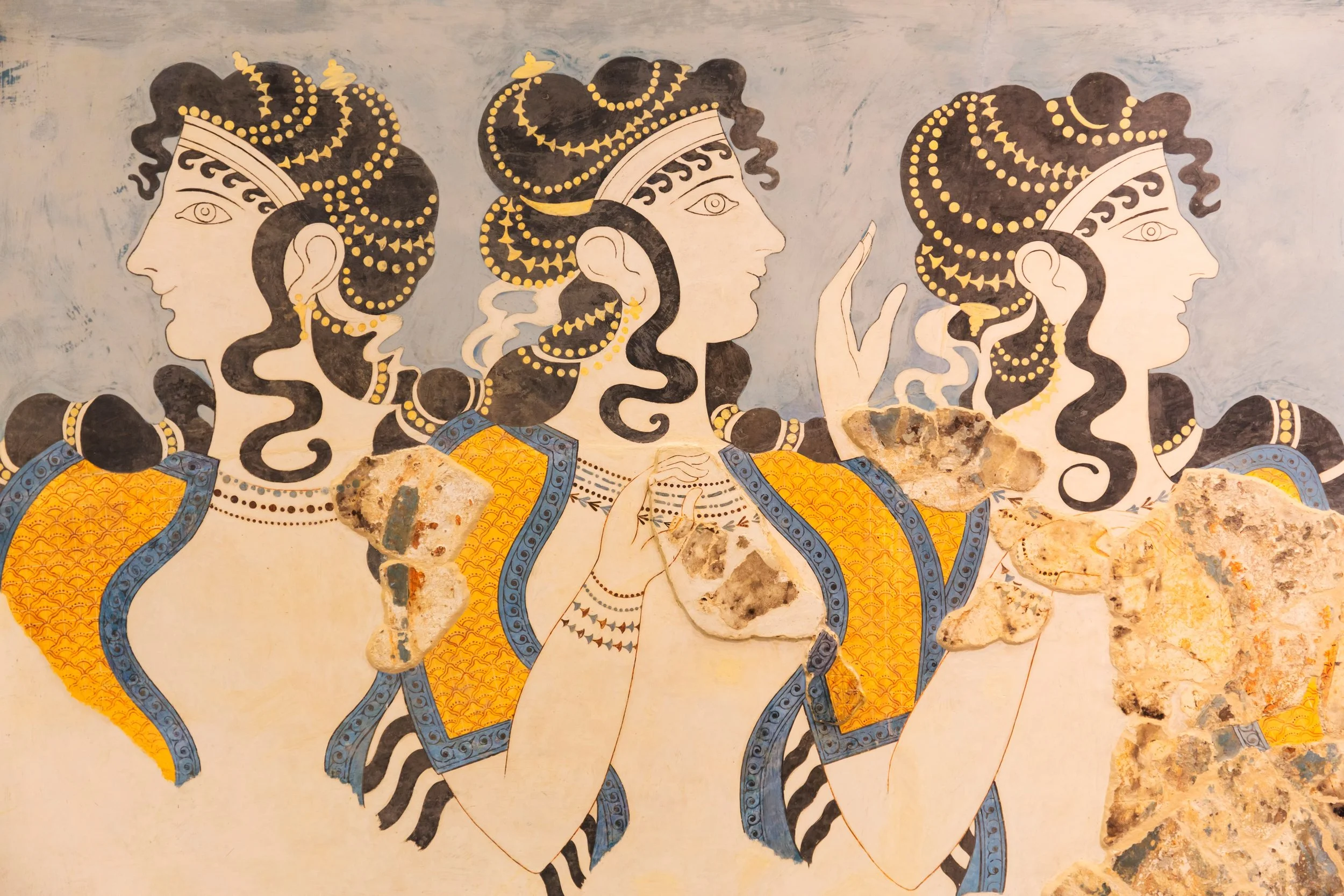
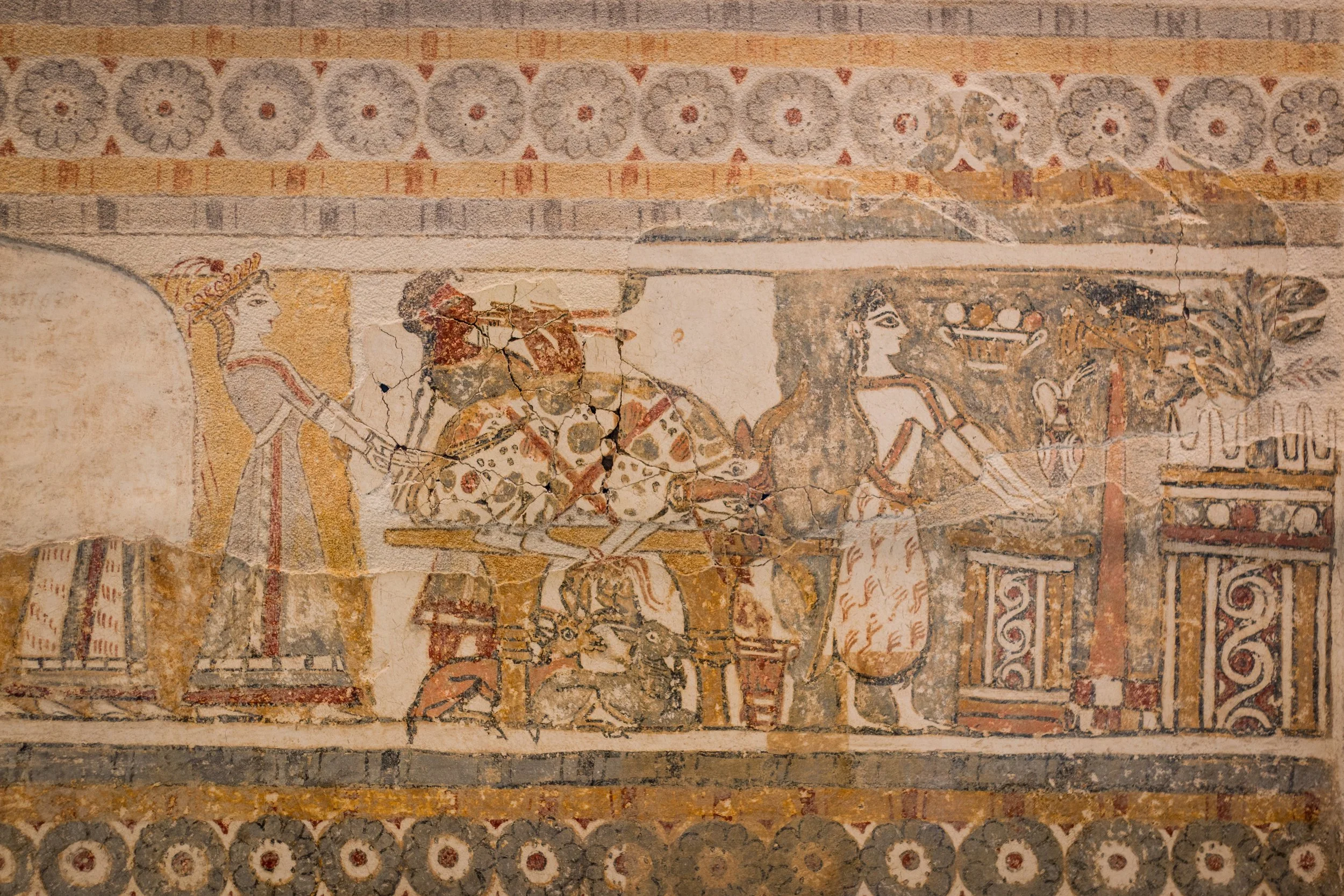
    Crete occupies a distinctive place in the history of the Greek world. During the Bronze Age, its Minoan societies developed complex palace centres, maritime networks and artistic traditions that both influenced and differed from those of the mainland. This morning we fly to Heraklion, transferring to our hotel on arrival before embarking on an orientation walk through Heraklion’s Old Town. Enclosed on three sides by walls and on the fourth by the sea, it has been shaped by centuries of Venetian and Ottoman rule. In the afternoon, we turn our attention to the outstanding Heraklion Archaeological Museum, whose collections provide essential context for the Minoan world. Highlights include frescoes, ceramics and ritual objects from Knossos and other palace sites, as well as the enigmatic Phaistos Disk. Dinner this evening is enjoyed at a local restaurant. Overnight Heraklion (B, D)

  • Day 3 | Friday 9 April
    Phaistos and Knossos

    The palatial centres of Minoan Crete were among the earliest complex societies in the Aegean, functioning as administrative, economic and ceremonial hubs rather than fortified strongholds. Travelling south this morning, we arrive at the Minoan palace of Phaistos, set high above the Messara Plain, one of Crete’s most fertile agricultural regions. After exploring the site, we continue south to the beachside town of Matala, where lunch is enjoyed overlooking the sea. We then spend the afternoon exploring the site of Knossos. Occupied from Neolithic times, its first palace was established around 1900 BCE, destroyed by earthquake and subsequently rebuilt on a larger scale. The site is a complex of administrative, residential, and religious structures that offers an excellent idea of what life in Minoan Crete may have been like. On arrival back at our hotel, the evening is at leisure. Overnight Heraklion (B, L)

  • Day 4 | Saturday 10 April
    Gournia and Malia

    While the great palaces command attention, smaller towns offer insight into daily Minoan life. Today explores both domestic life and regional administration through two contrasting archaeological sites. We begin at Gournia, one of the best-preserved Minoan towns, named for the hollow stone vessels found during excavation. Investigated in the early 20th century by an American team of archaeologists, the site includes a modest central palace, around 60 houses and an interconnected street network. We then visit Malia, home to the third largest Minoan palace on the island. Originally constructed around 1900 BCE, it was destroyed and rebuilt around 1650 BCE, with the remains visible today belonging to this later phase. The palace was discovered in 1915 and excavations of the entire town continue today. Returning to our hotel in the late afternoon, the evening is at leisure to prepare for tomorrow’s return to the mainland. Overnight Heraklion (B)

  • Day 5 | Sunday 11 April
    Athens Archaeological Museum

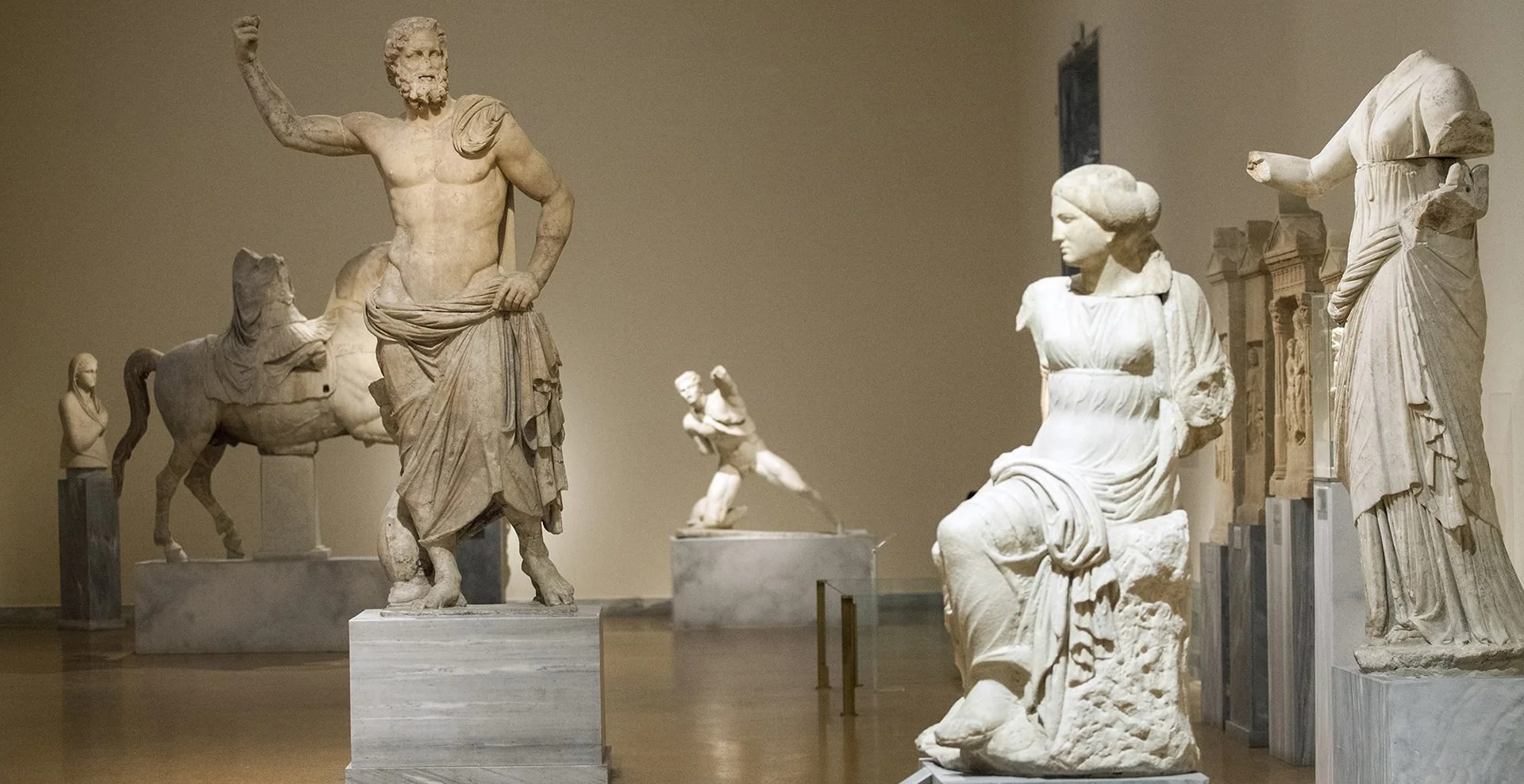
    Athens has been continuously inhabited since antiquity and it emerged as a political and cultural centre whose influence extended far beyond Attica. Today, its museums play a central role in understanding the artistic, religious and social frameworks that shaped the monuments encountered across Greece. Returning to Athens by flight this morning, we transfer to our hotel and have time to settle in before lunch at a local restaurant. The afternoon is then set aside to visit one of the country’s most important collections – the National Archaeological Museum. Its holdings range from prehistoric and Mycenaean material to major works of the Classical period, including the so-called Mask of Agamemnon, the Artemision Bronze and the remarkable Antikythera Mechanism. Seen at this early stage of the journey, these objects establish a material framework for interpreting the sites and landscapes encountered in the days ahead. In the evening, we dine together at a local taverna. Overnight Athens (B, L, D)

  • Day 6 | Monday 12 April
    Agora and the Acropolis

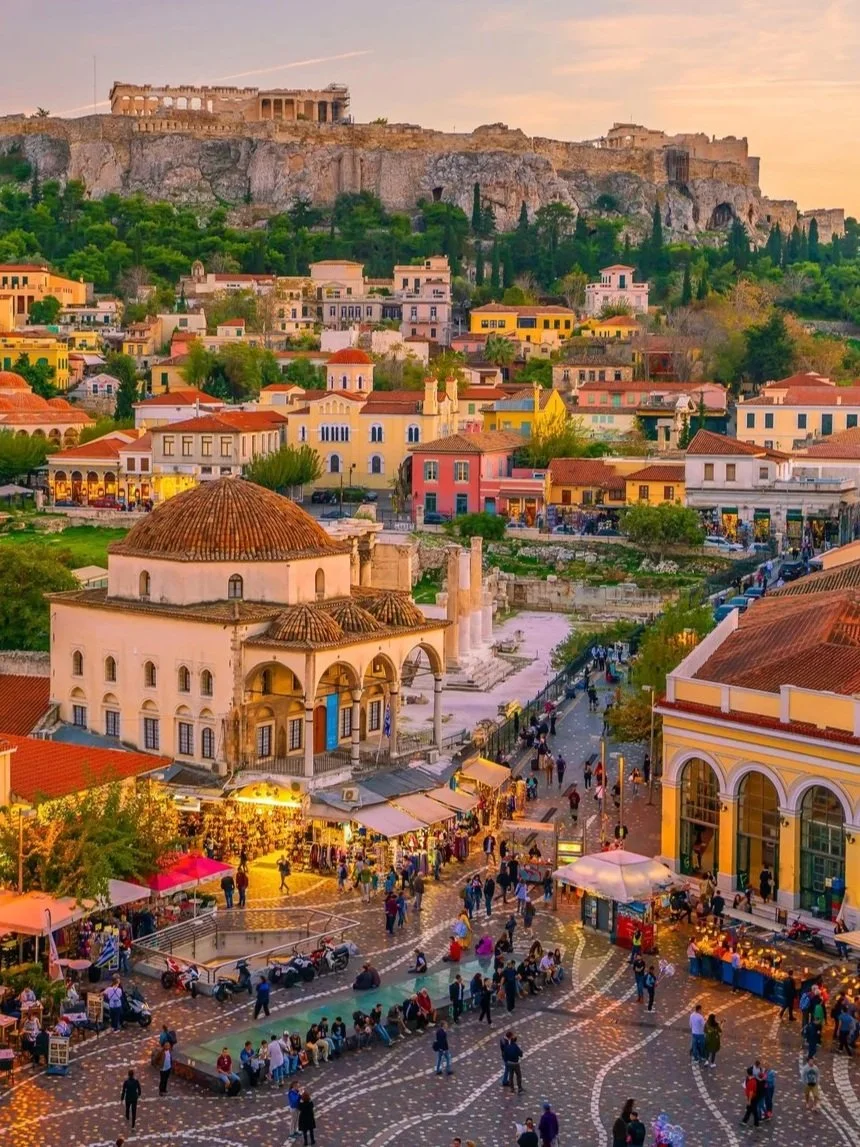
    Classical Athens was defined by the close relationship between civic life, religious practice and monumental architecture. The city’s public spaces were not only functional but symbolic, expressing ideas of citizenship, power and communal identity that became influential far beyond Greece. Following a talk in the hotel this morning, we walk through
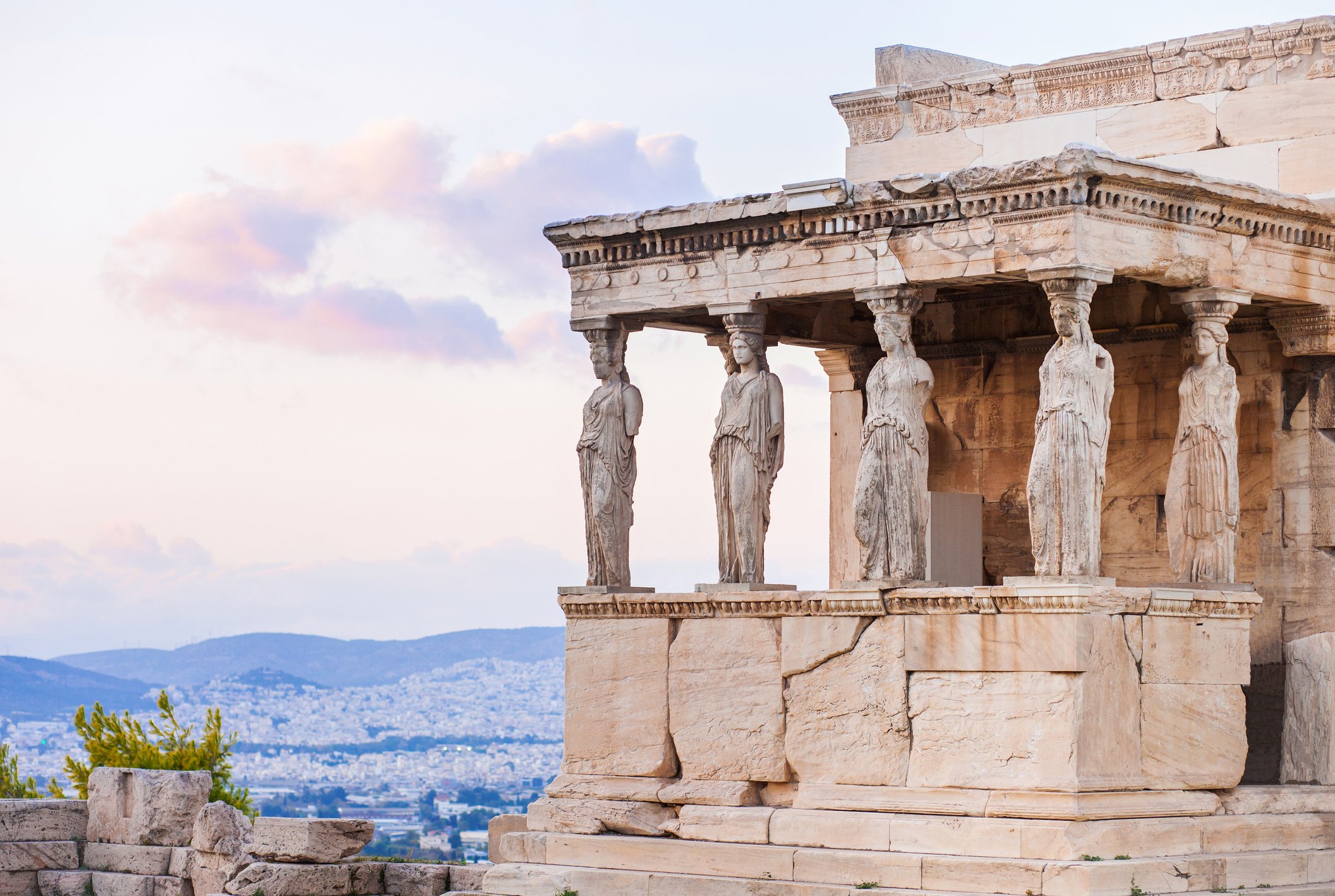
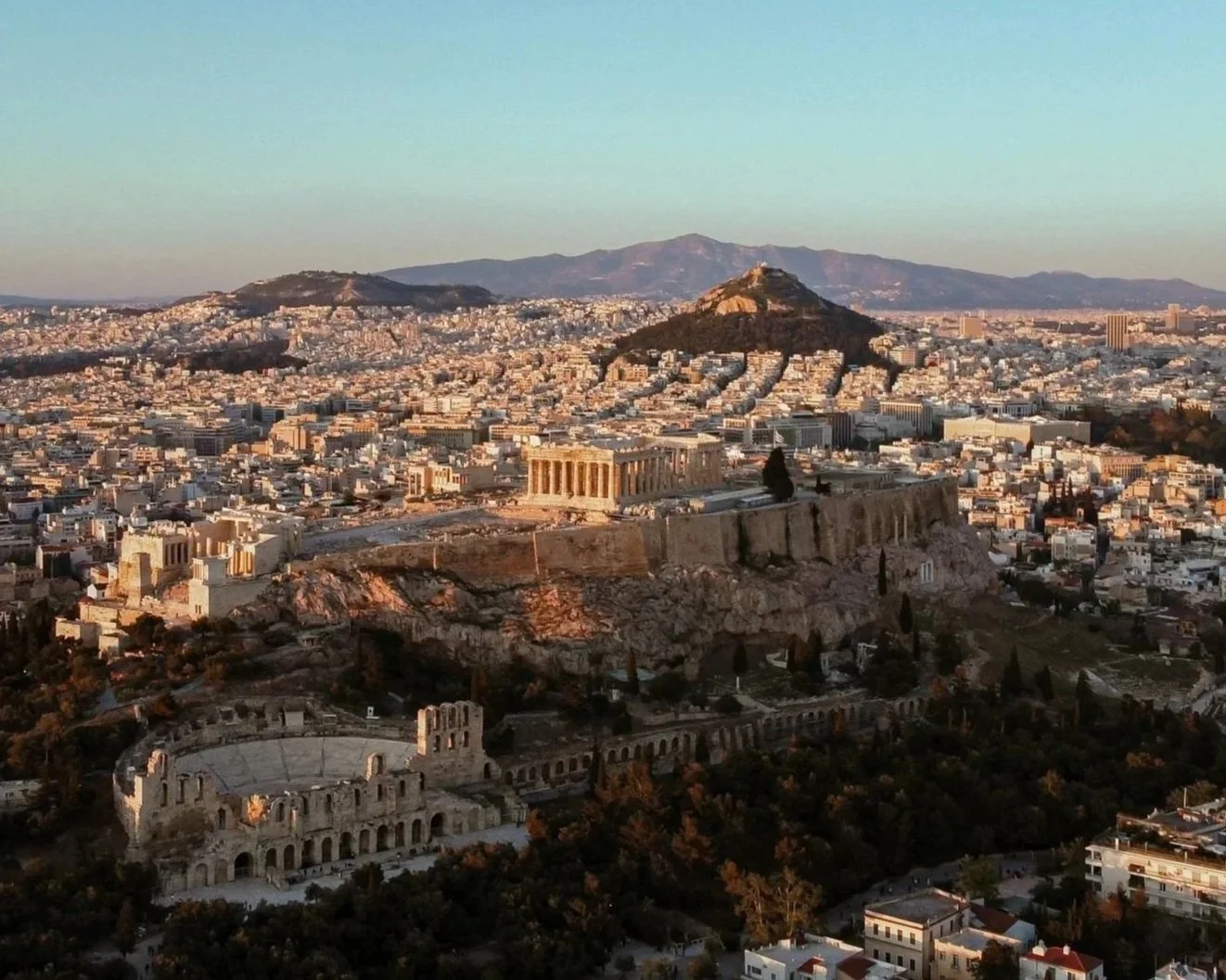
    the Agora, centre of the ancient city where citizens assembled for a wide variety of administrative, cultural, religious and political purposes. We then continue up to the Acropolis, where the views atop the hill are the best in the city. Its principal monuments – the Parthenon, the Erechtheion and the exquisite Temple of Athena Nike – encapsulate both the beauty and achievements of ancient Greece. We conclude at the Acropolis Museum, where sculpture and architectural fragments from the site are displayed in close dialogue with their original setting. Overnight Athens (B)

  • Day 7 | Tuesday 13 April
    Corinth and Mycenae

    The emergence of the Mycenaean palatial centres in the Late Bronze Age marks a decisive transformation in the Greek world – one remembered in later epic as the age of Agamemnon and heroic kings. Departing Athens for Nafplio today, we travel first to Corinth, strategically positioned between the Saronic and Corinthian Gulfs. Here we explore the archaeological site and museum, tracing Corinth’s role as a commercial and political power from Archaic foundations through Roman refoundation. There is time at leisure for lunch before we continue to Mycenae, the most evocative of the Bronze Age citadels. Entering through the Lion Gate, we ascend to the palace complex, visiting the Shaft Graves of Circle A and the megaron – the architectural heart of Mycenaean authority. From its Cyclopean walls, the Argive Plain stretches below, a reminder of the territorial reach of this fortified centre. We arrive in Nafplio in the early evening, gathering for dinner at a local restaurant. Overnight Nafplio (B, D)

  • Day 8 | Wednesday 14 April
    Nafplio and Epidaurus

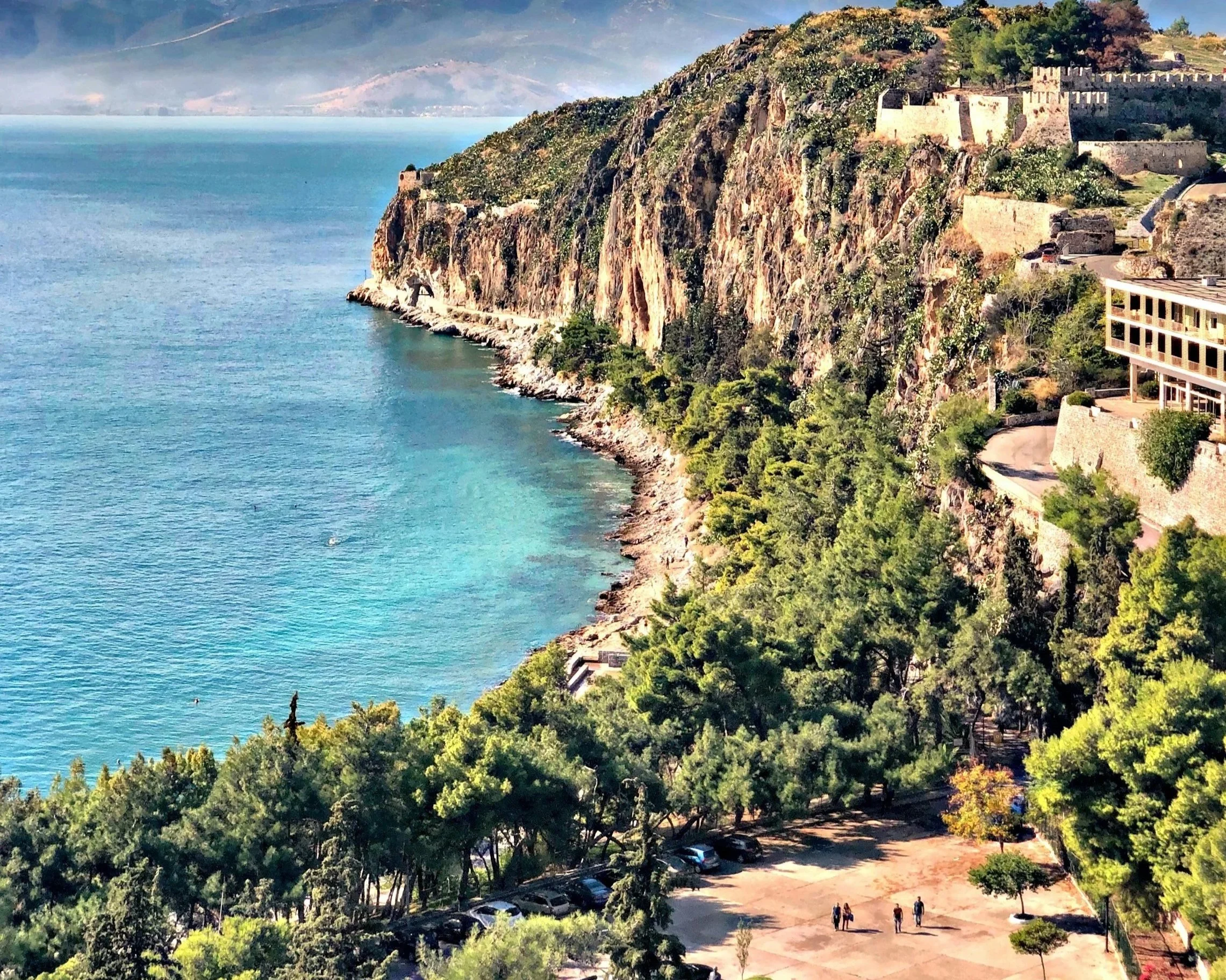
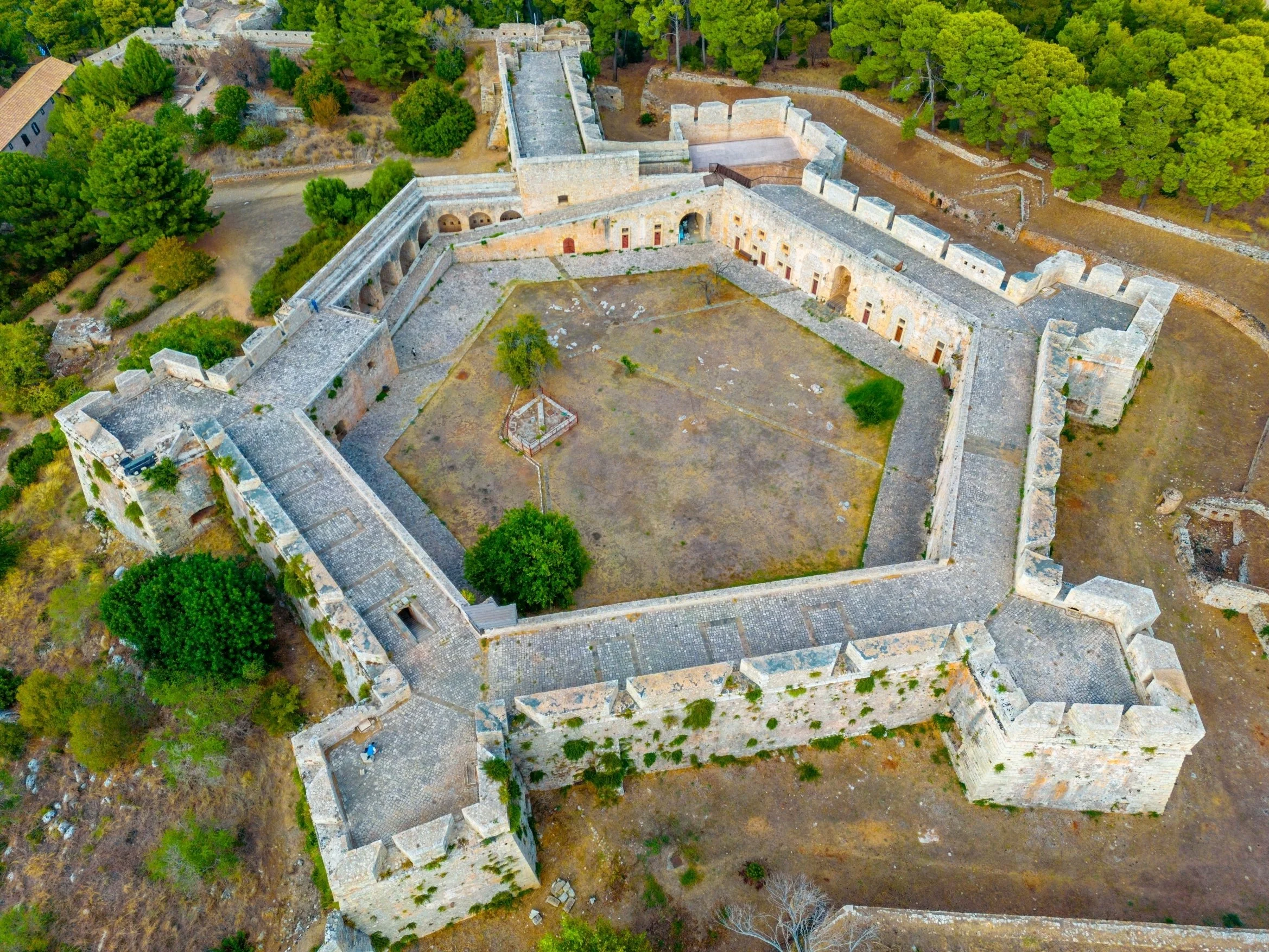
    Following the collapse of the Mycenaean world, the Argolid remained a region of enduring importance, later shaped by Classical religious practice and, in the early modern period, by Venetian and Ottoman rule. We begin today with a walking tour through the historic centre of Nafplio, following its narrow cobbled streets and Venetian-era architecture through Syntagma Square to the Archaeological Museum, whose collections include material from Corinth, Mycenae and Epidaurus. We then ascend above the town to the imposing fortress of Palamidi, a baroque stronghold rising 216 metres above sea level, with expansive views across the Argolic Gulf.
    In the afternoon, we travel to Epidaurus, home to the Asclepeion, one of the most important healing centres of the Classical world. The remarkably well-preserved 4th-century BCE theatre, celebrated for its acoustics and harmony of design, remains among the finest in Greece. On return to our hotel, the evening is at leisure. Overnight Nafplio (B)

  • Day 9 | Thursday 15 April
    Kalamata and Pylos

    Pylos occupies a commanding position on the Bay of Navarino along Greece’s western Peloponnese. Its natural harbour and surrounding landscape have made it strategically significant over many centuries, from the Mycenaean period and Classical warfare to medieval fortifications and the Greek War of Independence. In epic tradition, the area is associated with Nestor, the wise elder of the Greek forces at Troy, while in modern history it was the site of the naval Battle of Navarino in 1827, a decisive engagement that hastened the end of Ottoman rule in Greece. Departing Nafplio this morning, we travel south through Messenia, pausing first in Kalamata – long associated with olive cultivation – to visit its Archaeological Museum. Continuing inland, we explore the extensive remains of ancient Messene, whose well-preserved fortifications evoke the civic ambition of this important Hellenistic foundation. Our journey then turns west toward the Ionian coast, arriving in Pylos in the late afternoon. On arrival, we explore the town and its harbour, before enjoying dinner together at a local restaurant. Overnight Pylos (B, D)

  • Day 10 | Friday 16 April
    The Palace of Nestor and Venetian Methoni

    The Messenian landscape preserves some of the clearest evidence for Mycenaean palatial administration, revealing how Late Bronze Age power was organised beyond the Argolid heartland. Today begins at the Palace of Nestor, traditionally identified as the seat of the wise king Nestor of the Iliad. Remarkably well preserved, the palace includes archives, storerooms and a throne room, offering detailed insight into such administrative systems in the 13th century BCE. After a break for lunch in neaby Chora, the afternoon shifts to the region’s later history with a visit the evocative Venetian castle at the port town of Methoni. Built in the early 13th century on a rocky promontory, this imposing fortress illustrates the continued strategic importance of the Messenian coast long after the collapse of the Mycenaean world. Overnight Pylos (B)

  • Day 11 | Saturday 17 April
    Olympia

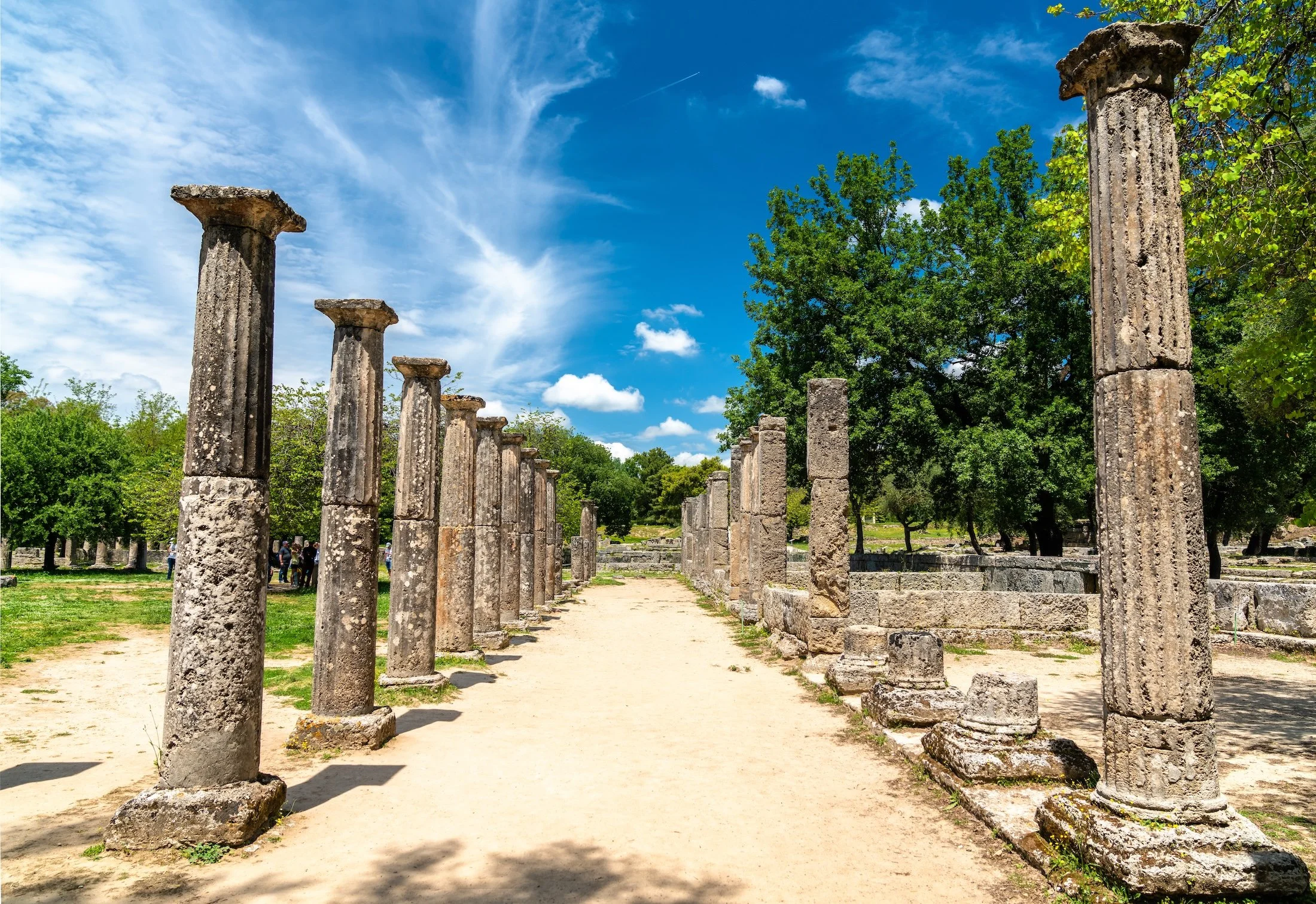
    Olympia was one of the great Panhellenic sanctuaries of the ancient Greek world. From 776 BCE, the Olympic Games were held here in honour of Zeus, drawing competitors and spectators from across the country and reinforcing a sense of common tradition that transcended regional rivalries. Departing Pylos today, we venture to this ancient town, where the Olympic flame still continues to be ceremonially lit. On arrival, we explore the sanctuary, including the Temple of Zeus, the sacred grove of the Altis and the ancient stadium, whose largely unrestored remains allow a clear understanding of the site’s original layout and function. We also visit the Archaeological Museum, which houses sculptural decoration from the Temple of Zeus. We then check into our hotel, where we gather for dinner this evening. Overnight Olympia (B, D)

  • Day 12 | Sunday 18 April
    Monastery of Hosios Loukas
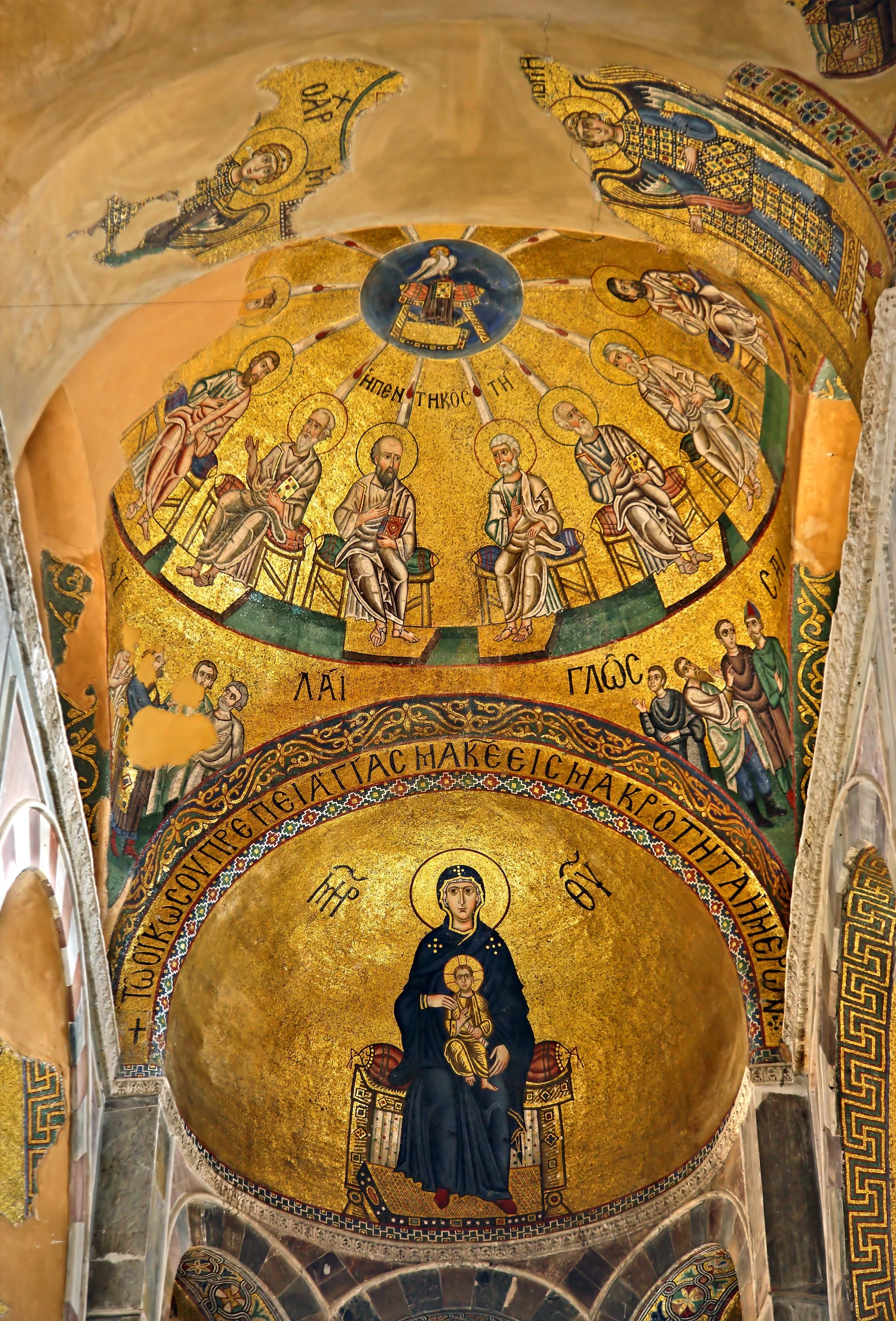
    As the journey turns north through central Greece, the focus shifts from the political landscapes of the Peloponnese to regions shaped by sacred authority. Long before Delphi rose to prominence as a Panhellenic oracle, these upland routes connected communities across the Greek mainland. Departing for Delphi, we stop en route at Hosios Loukas, near the town of Distomo. Today a UNESCO World-Heritage site, the monastery’s main church, or katholikon, was built around 1011–1012 CE and is regarded as one of the finest examples of Middle Byzantine ecclesiastical art and architecture. Later this afternoon, we arrive in the Delphi region and check into our hotel. A talk in the hotel provides historical and archaeological context ahead of our visit to the sanctuary itself, followed by dinner together in a local restaurant. Overnight Delphi (B, D)

  • Day 13 | Monday 19 April
    Delphi

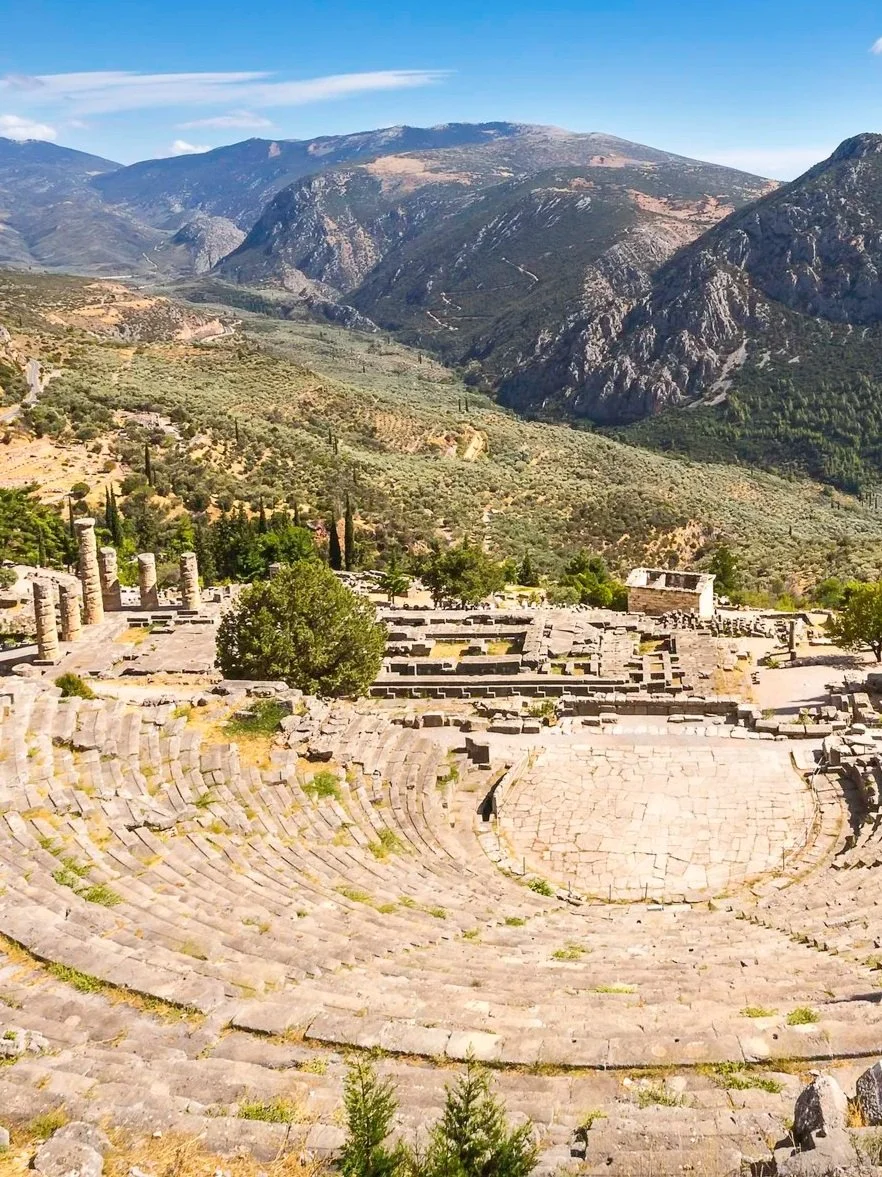
    Delphi was regarded by the ancient Greeks as the most authoritative sacred centre of the Greek world. Dedicated to Apollo, its oracle was consulted by individuals, city-states and rulers, shaping decisions of colonisation, warfare and law. Set high on the slopes of Mount Parnassus, the sanctuary combined religious authority with a dramatic natural setting that reinforced its spiritual significance. This morning is spent exploring the site, where the Sacred Way winds past the treasuries erected by rival city-states toward the Temple of Apollo. We also visit the theatre and stadium, which hosted musical and athletic contests during the Pythian Games, as well as the Altar of the Chians. In the afternoon, we visit the Delphi Archaeological Museum, where sculpture recovered from the sanctuary provide essential context for the site. On return to our hotel, the evening is at leisure. Overnight Delphi (B)

  • Day 14 | Tuesday 20 April
    Thermopylae

    The route north from Delphi passes through landscapes that have repeatedly shaped Greek history, and where mountain corridors controlled movement between regions. We continue north today with a stop at the most famous of these passes – Thermopylae. Here, in 480 BCE, King Leonidas led some 300 Spartans and Greek allies in a legendary stand against the advancing Persian army. We visit the site and the adjacent museum, which provides historical context for the campaign. There is free time for lunch before we continue towards our hotel located in the Meteora region. There is time to settle in on arrival, gathering again in the evening for dinner in a local restaurant. Overnight Meteora (B, D)

  • Day 15 | Wednesday 21 April
    Meteora

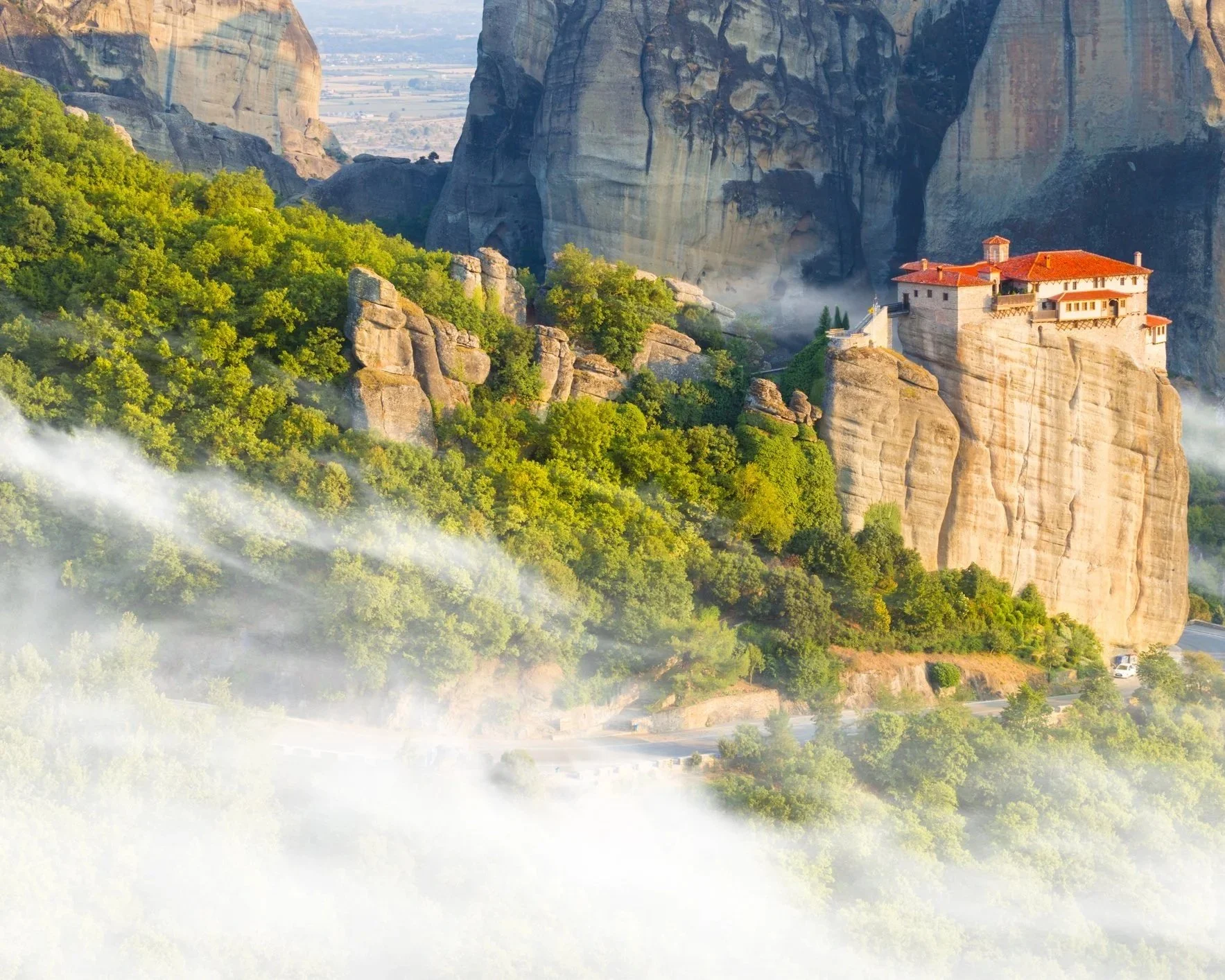
    The monasteries of Meteora represent one of the most striking expressions of Byzantine monasticism, shaped as much by geography as by spiritual aspiration. Rising from the Thessalian plain, these towering sandstone pinnacles provided isolation and protection for communities seeking a life of prayer removed from the secular world. Once accessible only by perilous rope ladders or baskets hoisted by pulleys, the monasteries offered both refuge and spiritual isolation. Reaching them required courage and faith, and legend has it that the ropes were only replaced ‘when the Lord let them break’ – a reminder of life’s transience. After exploring a selection of these monasteries this morning, we continue north to Thessaloniki, our base for the final stage of the tour. Following time to settle in on arrival, we conclude the day with dinner in our hotel. Overnight Thessaloniki (B, D)

  • Day 16 | Thursday 22 April
    Thessaloniki

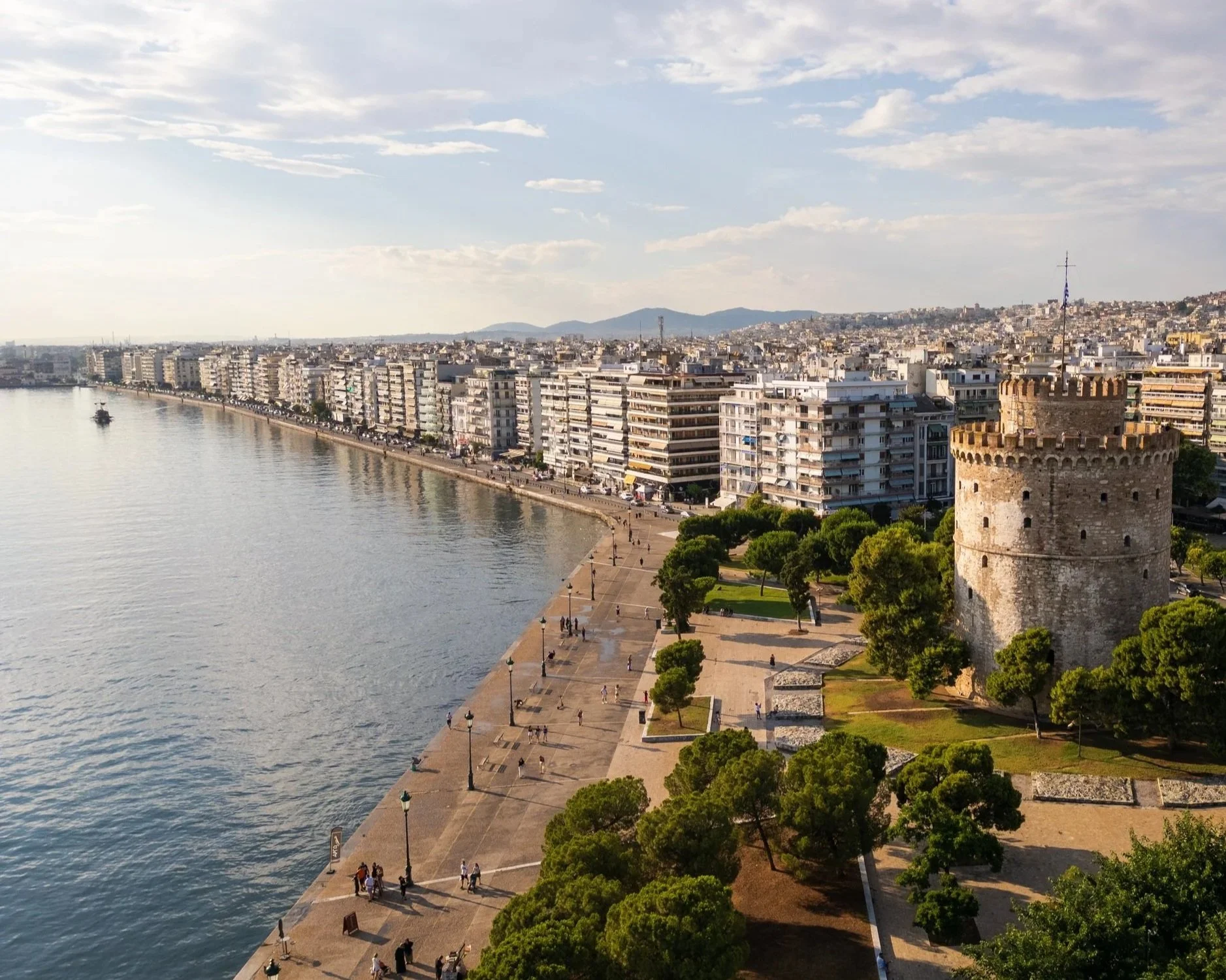
    Founded in 315 BCE by Cassander of Macedon, Thessaloniki has occupied a pivotal position at the crossroads of the ancient and medieval worlds for more than two millennia. Under Byzantium it became the Empire’s second city after Constantinople. Today we begin with the complex associated with Galerius, visiting the palace remains and the Rotunda. We then explore the city’s Byzantine citadel before visiting two outstanding institutions: the Archaeological Museum of Thessaloniki and the Museum of Byzantine Culture, which together trace the region’s long historical continuity. The remainder of the day is at leisure to stroll along the esplanade or visit the White Tower, built in the 15th century following the Ottoman capture of the city. Overnight Thessaloniki (B)

  • Day 17 | Friday 23 April
    Byzantine Churches

    Thessaloniki preserves one of the richest collections of early Christian and Byzantine monuments in Greece, and our day focuses on two churches that illuminate this tradition: the 7th-century church of Hagia Sophia, whose monumental dome reflects the influence of Constantinopolitan models, and the church of Church of Saint Demetrius, dedicated to the city’s patron saint and rebuilt in the 7th century following earlier destruction. Despite later alterations and periods of damage, both churches retain evocative traces of early Byzantine mosaics and frescoes that survived the Iconoclastic period of the 8th and 9th centuries. An evening talk in the hotel brings the day to a close. Overnight Thessaloniki (B)

  • Day 18 | Saturday 24 April
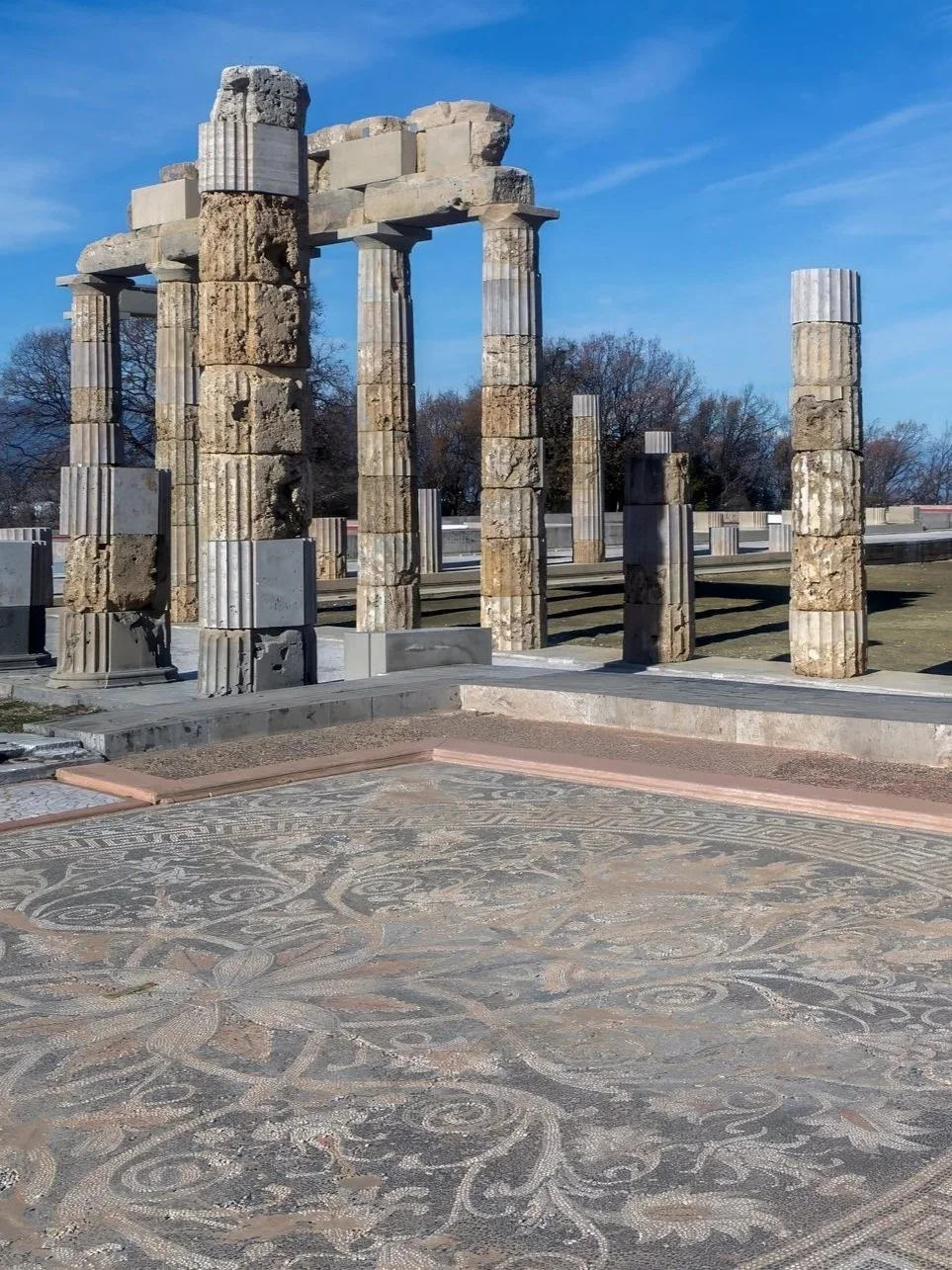
    Pella and Vergina

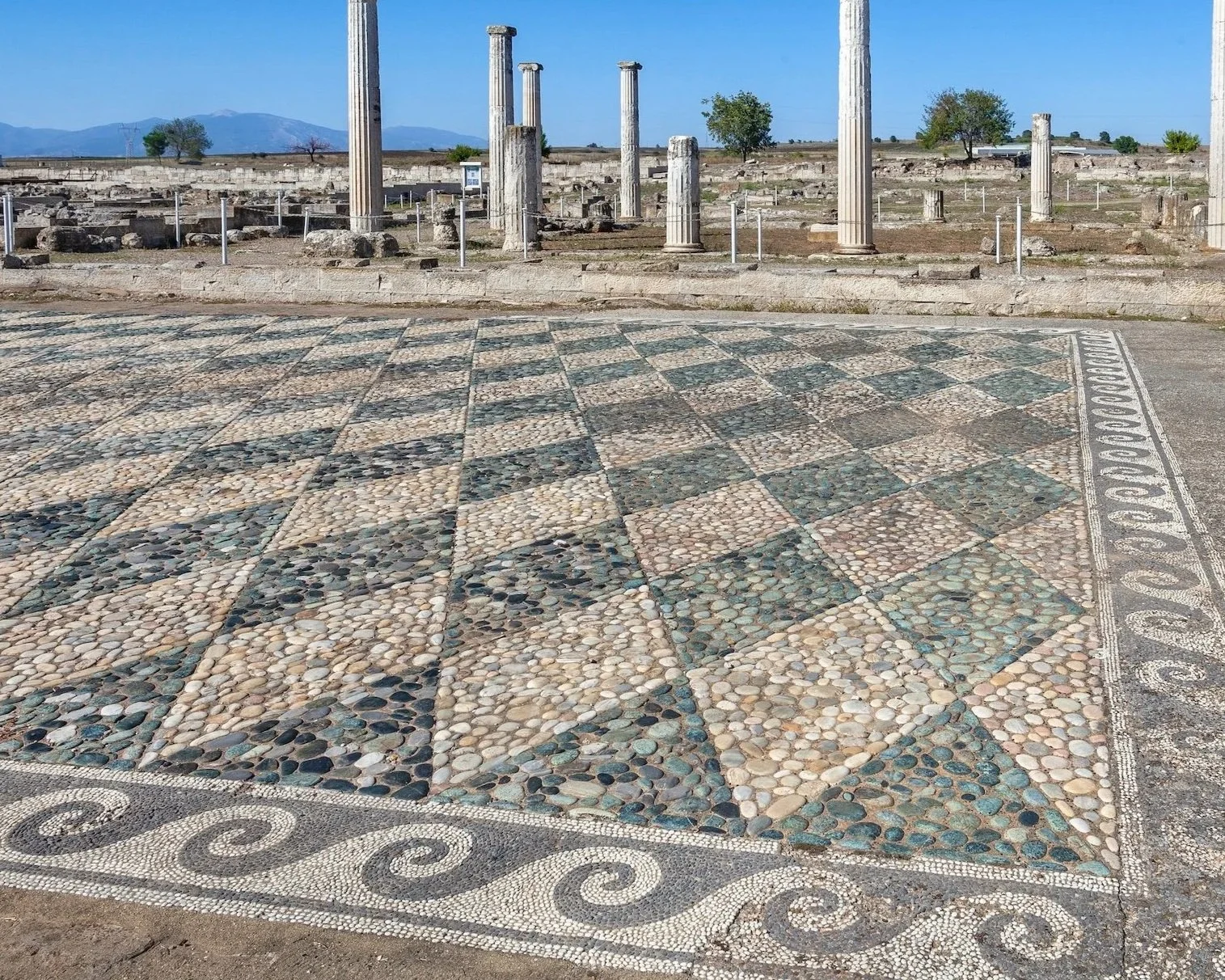
    The rise of Macedon marked a decisive turning point in Greek history, transforming a regional kingdom into a power that reshaped the eastern Mediterranean and beyond. Under Philip II and his son Alexander the Great, Macedon redefined the scale and ambition of Greek political life. Today we travel to Pella, the capital of the Macedonian kingdom and birthplace of Alexander. Here we explore the archaeological site and museum, viewing the celebrated pebble mosaic floors, as well as the remains of streets and buildings that formed the centre of a city which, for a brief period, governed a territory stretching from Greece to India. We then continue to Vergina, ancient Aigai, the ceremonial heart of the Macedonian dynasty. Here we explore the theatre where Philip II was assassinated in 336 BCE and visit the royal tombs, believed to include Philip’s own burial chamber. We conclude our day with a farewell dinner at a fine local restaurant. Overnight Thessaloniki (B, D)

  • Day 19 | Sunday 25 April
    To Athens - Departure

    Our tour concludes today with a transfer to Thessoloniki airport for our flight to Athens. (B)

Hotels have been selected principally for their central location. All hotels are a comfortable four-star standard.

Tour Accommodation

tour booking

$16,980 AUD per person, twin share (land content only)
$3,260 AUD supplement for sole use of a hotel room

A $1,000 deposit is required per person to confirm your booking on tour. This deposit is non-refundable.

Hold a Place

Still deciding? We are happy to hold a tentative place for 7 days while you make your final arrangements.

Book Online

To secure your place(s) on tour, book online below with “Athena”, our virtual tour consultant.

DOWNLOAD FORM

Download a printable booking form. You can also complete the form on screen and submit via email.

your tour consultant

The consultant for this tour is Sharon Williams. For further information or to discuss the tour, please call 9235 0023 (Sydney) or 1800 639 699 (outside Sydney) or email sharon@academytravel.com.au

have you thought about?

Academy Travel is more than just a tour operator. We are also a full-service travel agency who can assist you with all aspects of your travel, including flights, transfers, pre-tour arrival, additional travel and comprehensive travel insurance.

can’t make this departure?

If these dates don't work for you, register to hear about the next tour.