IBERIAN BORDERLANDS

EASTERN PORTUGAL & WESTERN SPAIN

Leave the Iberian tourist trail behind and discover the spectacular frontier lands of Eastern Portugal and Western Spain.

TOUR STATUS

Places Available | Maximum 16

TOUR DATES

May 19 - Jun 1, 2027 | 14 Days

TOUR LEADER

Dr Jeni Ryde | View Bio

snapshot

  • The tour starts at 2.00pm on Wednesday 19 May at Porto Airport (Francisco Sá Carneiro Airport) for our group transfer to Guimarães.

    The tour ends on the morning of Tuesday 1 May, with a group transfer from Salamanca to Madrid Airport, arriving before 11.30am.

  • Grade Three
    This tour is among our most physically demanding. You should be able to comfortably participate in up to five to seven hours of physical activity per day, including walking at an easy to regular pace, sometimes on uneven terrain, with only short breaks.

    View all requirements >

  • 13 nights’ accommodation in centrally located 4 & 5-star hotels. Airport-Hotel transfers as indicated. All breakfasts, 3 lunches, 5 dinners and 1 wine tasting. Services of an expert tour leader and an experienced tour manager throughout. All ground transport, entrance fees and tipping.

    View standard tour inclusions >

  • $12,840 AUD per person, twin share (land content only)
    $2,290 AUD supplement for sole use of a hotel room

    A $1,000 AUD non-refundable deposit is required per person to confirm your booking on tour

OVERVIEW

In the heartland of the Iberian Peninsula lies La Raya (The Line) – the name given to the territories along the border separating Portugal and Spain. Defined in the 13th century, this is one of Europe’s oldest continuous frontiers, shaped by dynastic rivalry, religious conflict and strategic ambition.

Led by Dr Jeni Ryde, this 14-day tour traces this historic border from Portugal into Spain, examining how each side influenced and responded to the other. Beginning in Guimarães, long associated with the emergence of the Portuguese kingdom, we continue to Covilhã in the Serra da Estrela and to Crato in the Alentejo, where monastic foundations and fortified landscapes reveal the complexities of frontier life. Crossing into Spain’s Extremadura region, we then explore the layered medieval fabric of Cáceres and the extraordinary Roman remains of Mérida, before concluding in Salamanca, whose luminous facades embody Spain’s imperial power.

Throughout the tour, we enjoy accommodation in historic pousadas, converted monasteries and castles, and experience the distinctive cuisines of both sides of La Raya.

tour highlights

Explore the shared and contested histories along one of Europe’s oldest borders

Dr Jeni Ryde

your expert tour leader

Jeni is a linguist and art history specialist with over fifteen years experience leading tours to Spain, Italy, France and Portugal. She is passionate about art, design and architecture both ancient and modern and particularly enjoys how both complement each other. Jeni holds two undergraduate degrees with majors in Anthropology and French and Interpreting and Translation with NAATI qualifications, two Masters degrees in Italian Linguistics and TESOL and a cross disciplinary PhD in Renaissance Art History, Tourism and Museum Management.

Read full bio >

Accompanied by an Experienced Tour Manager

Alongside your expert tour leader, an experienced tour manager will accompany for the entirety of the tour. They oversee logistics, ensure your comfort and safety, and provide friendly support – whether offering tips for free time, sharing a chat over dinner, or giving you space to relax.

tour ITINERARY

Guimarães (3 nights), Covilhã (3 nights), Crato (1 night), Cáceres (3 nights), Salamanca (3 nights)

Included meals are indicated with B, L, D & WT (Wine Tasting)
  • Day 1 | Wednesday 19 May
    Arrival

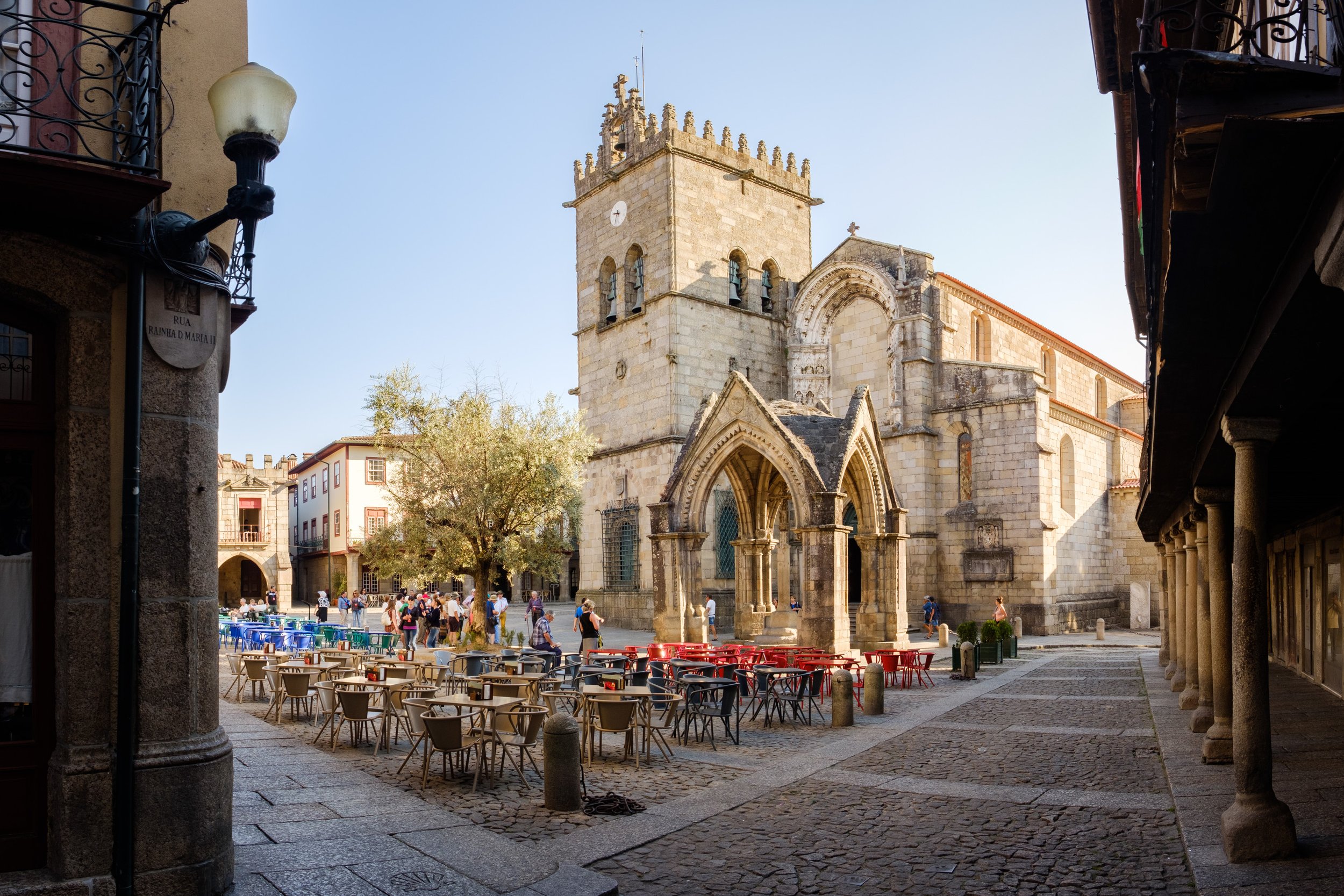
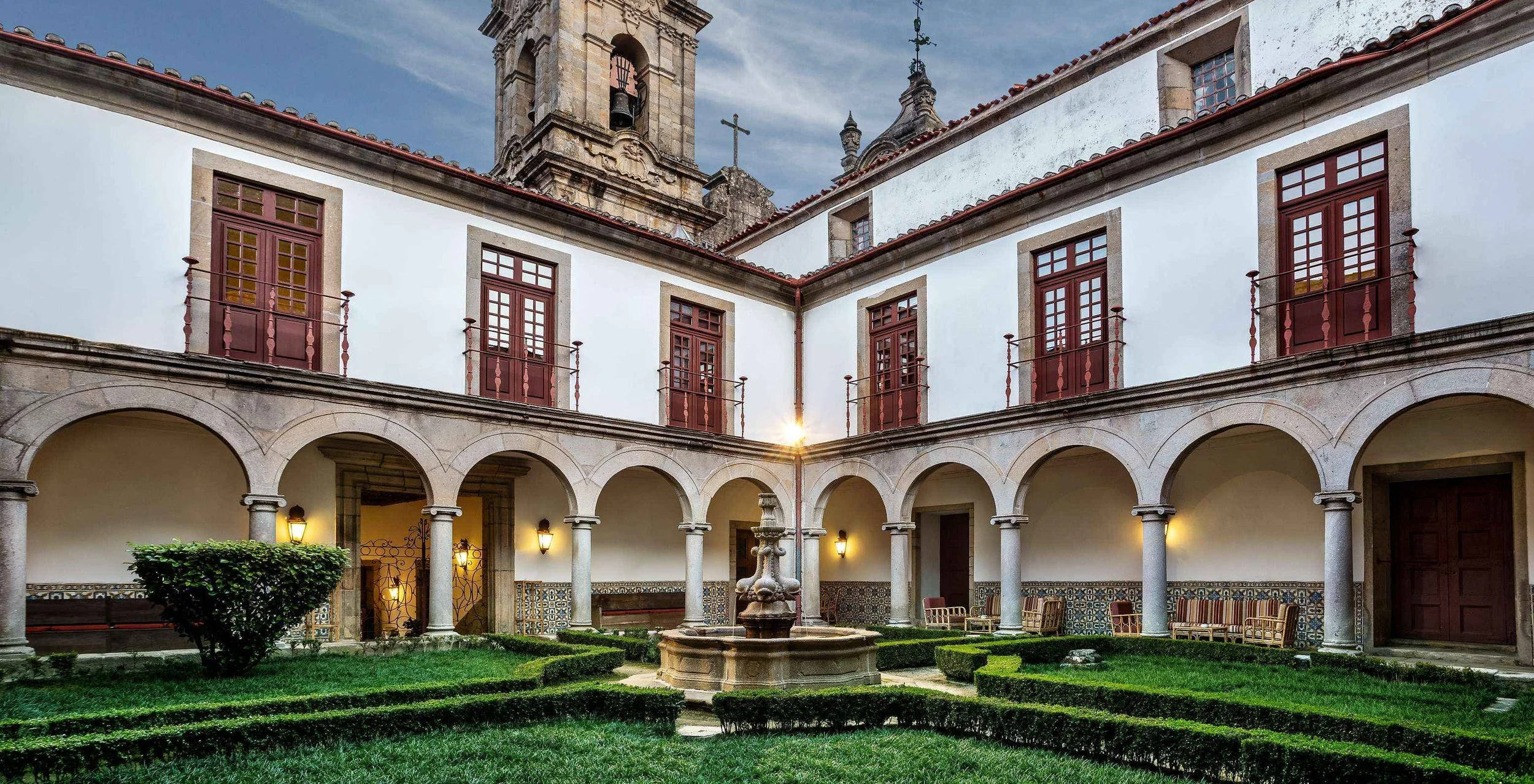
    Guimarães occupies a foundational place in Portuguese history. In the 12th century, as the County of Portugal asserted its independence from León, this northern stronghold became closely associated with the emergence of a new kingdom. Its castle, monastic complexes and compact medieval streets reflect a formative period when frontiers were fluid and political authority was still contested across the Iberian Peninsula. Meeting at Porto Airport in the early afternoon, we transfer by coach to our historic pousada, housed within an imposing 12th-century Augustinian monastery overlooking Guimarães. After time to settle in, we gather in the early evening for introductions before enjoying welcome drinks and dinner in the hotel restaurant. Overnight Guimarães (D)

  • Day 2 | Thursday 20 May
    Guimarães

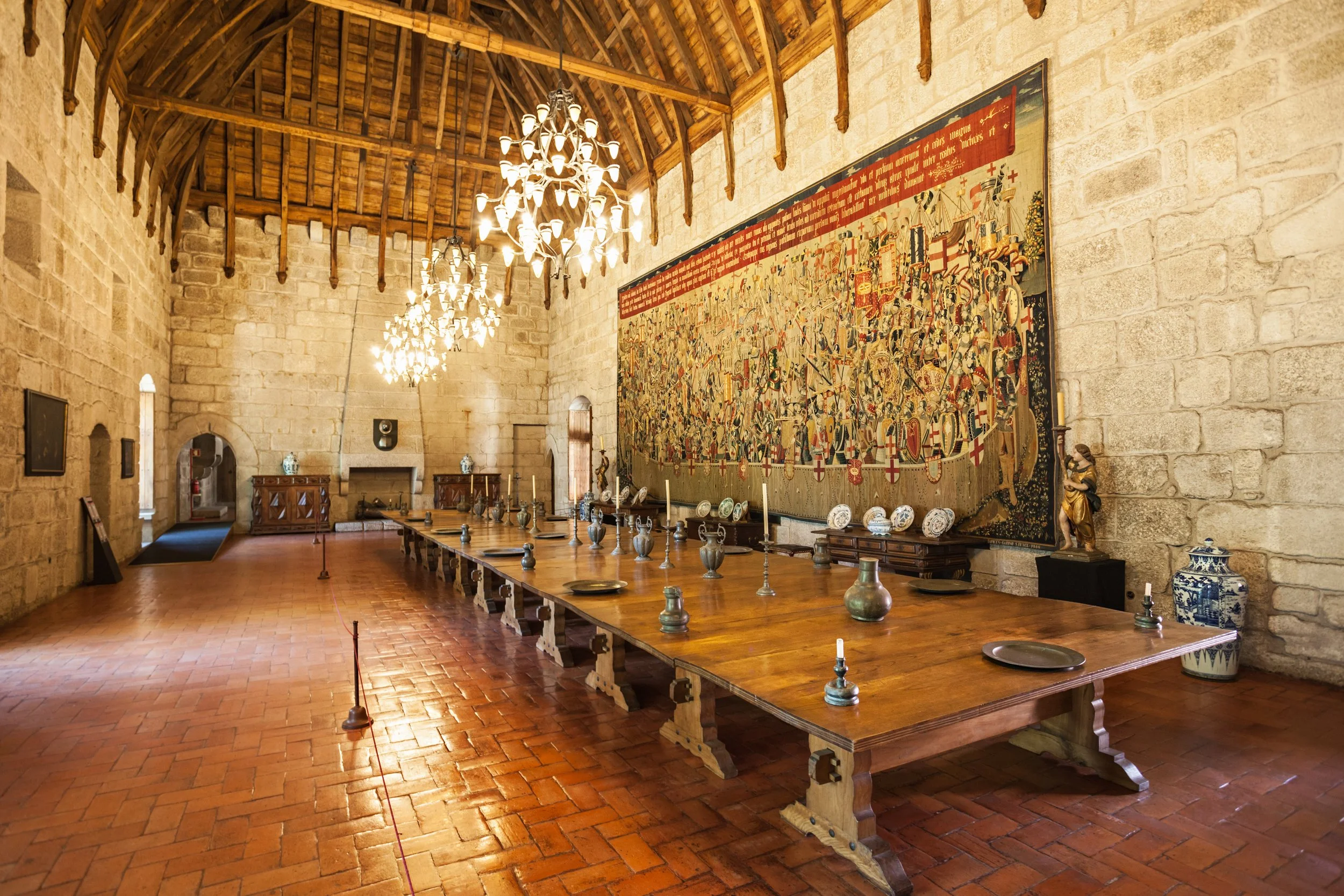
    Shaped as much by noble families and religious communities as by kings and armies, Guimarães has gradually grown into the town we see today. Around its churches, cloisters and manor houses, streets took form and civic life developed, while beneath this medieval surface lie traces of much older settlement stretching back to Celtic and Roman times.Following a talk in our hotel this morning, we travel into the historic centre for a guided walk. Our tour takes us through the interlocking squares of São Tiago and Largo da Oliveira to reveal how religious institutions underpinned political legitimacy, while time spent in the Martins Sarmento Museum allows us to view archaeological finds from nearby Iron Age settlements. After a break for lunch, we continue to the imposing 15th-century Palace of the Dukes of Bragança, abandoned and fallen into ruin before heavy restoration in the 1940s. The vast decorative art collection in the palace museum offers an insight into the lavish lifestyle the dukes once enjoyed. Nearby, the small church of São Miguel connects the town to Portugal’s first dynasty. The remainder of the evening is at leisure on return to our pousada. Overnight Guimarães (B)

  • Day 3 | Friday 21 May
    Braga

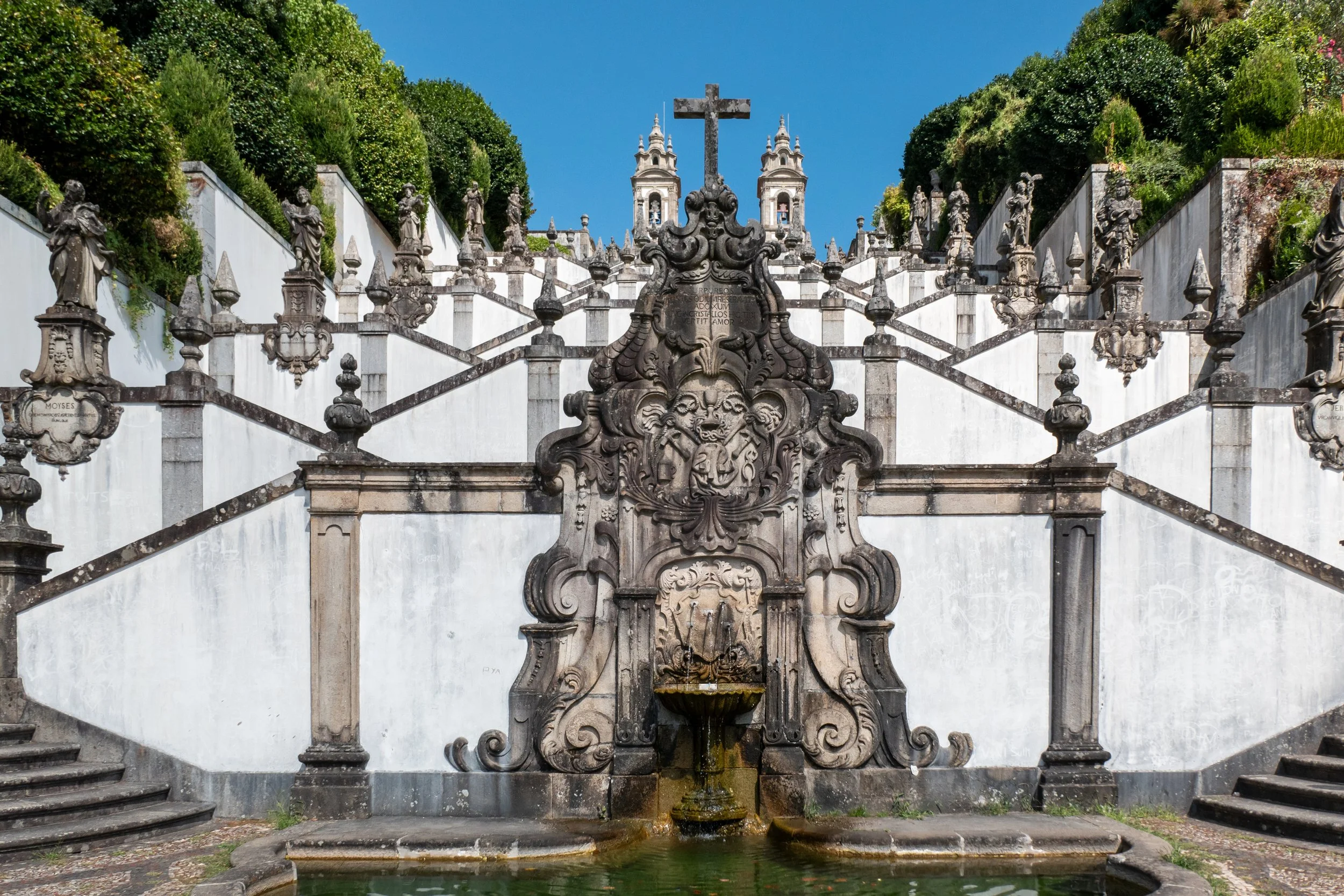
    Long before political frontiers were fixed, Braga functioned as one of the principal religious centres of the Iberian Peninsula. Founded as Roman Bracara Augusta and later established as an archiepiscopal seat, the city’s authority rested less on fortifications than on ecclesiastical influence, shaping belief and governance across northern Portugal. Travelling by coach this morning, we explore Braga’s pedestrianised centre on a guided walk. The 11th-century cathedral – the oldest in Portugal – reveals successive architectural layers, while the Museu de Arte Sacra and Chapel of the Kings reflect the close relationship between royal patronage and church power. Lunch is enjoyed together at a local restaurant before we ascend to the hilltop sanctuary of Bom Jesus do Monte. Its theatrical Baroque stairway, articulated through fountains and sculptural groupings, expresses the devotional drama of the Counter-Reformation era. On our return to Guimarães, we pause at the Iron Age settlement of Citânia de Briteiros, whose excavated stone dwellings provide a reminder of far older communities embedded in this landscape. Overnight Guimarães (B, L)

  • Day 4 | Saturday 22 May
    Douro Valley & Viseu

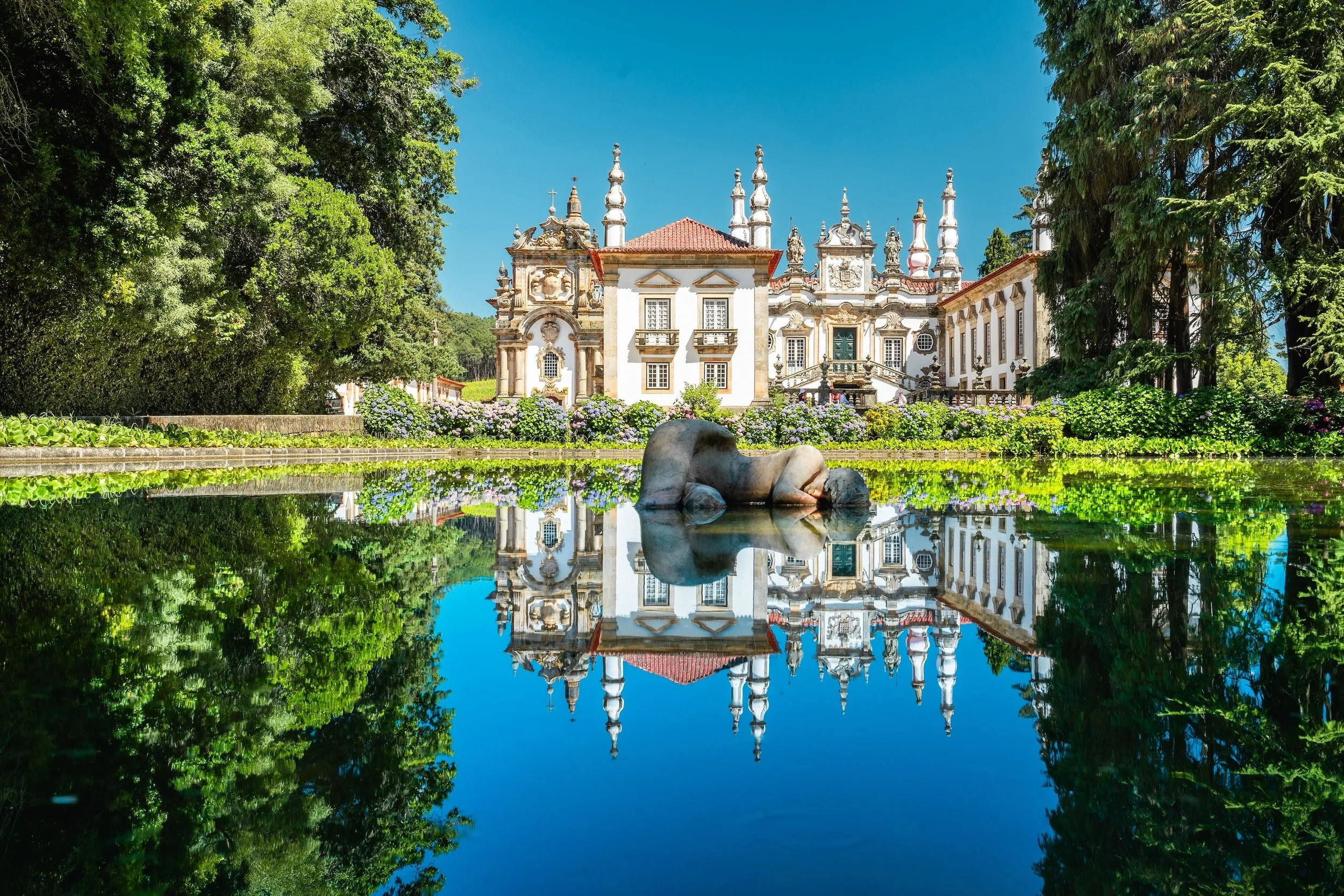
    Central Portugal’s interior developed differently from the coastal north. Here, river valleys and mountain ridges shaped patterns of settlement, agriculture and trade, while proximity to Castile fostered both exchange and periodic tension. The Douro basin generated agricultural wealth, Viseu became an important artistic centre, and the upland towns along the Serra da Estrela emerged as strategic nodes in a landscape that would later sit close to the frontier of La Raya. Departing Guimarães today, we travel south into the Douro Valley to Vila Real, where we tour the 18th-century Casa de Mateus. Its refined Baroque architecture reflects the prosperity created by viticulture, and a tasting here introduces the region’s long-standing wine traditions. Continuing to Viseu, we pause for a break before visiting the Museu Grão Vasco. Named after one of the most important Portuguese painters of the Renaissance, Vasco Fernandes, we see many of his remarkable paintings, along with those of other notable Portuguese artists. By late afternoon we arrive at our hotel in Covilhã. Dinner is enjoyed in the hotel this evening. Overnight Covilhã (B, WT, D)

  • Day 5 | Sunday 23 May
    Covilhã & Castelo Novo

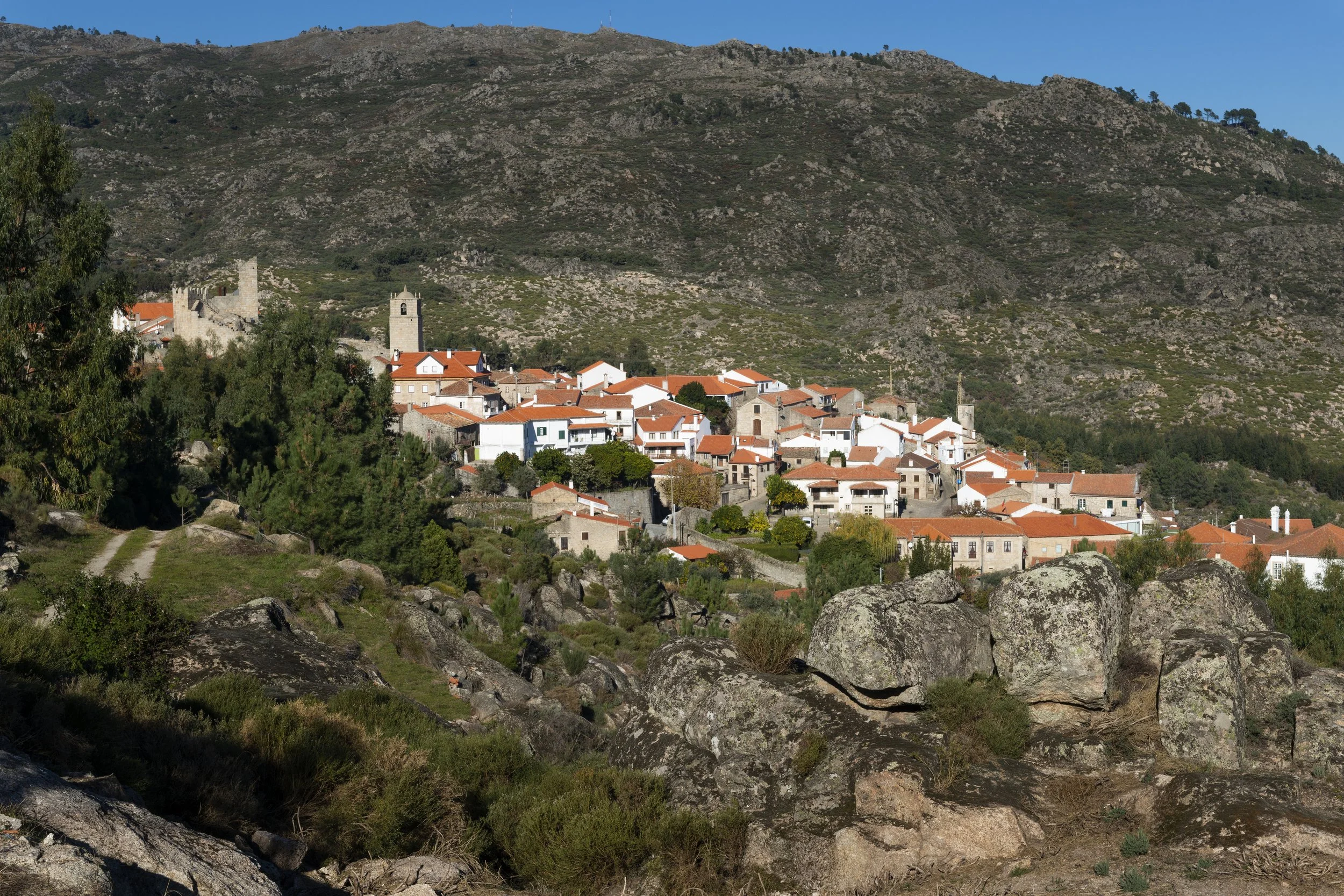
    Covilhã sits on the slopes of the Serra da Estrela, where narrow streets step down the mountainside and reflect a town shaped by both landscape and industry. In the 18th and 19th centuries it flourished as Portugal’s principal wool-producing centre, drawing on the sheep-rearing traditions of the surrounding highlands. Accompanied by a local guide, we explore Covilhã’s historic centre this morning, where former workshops, merchants’ houses and chapels grew together, creating a community defined as much by textile manufacture as by its mountain setting. Contemporary urban murals now animate these facades, creating a dialogue between industrial heritage and present-day artistic expression. After a break for lunch, we then travel to the nearby historic village of Castelo Novo. Granted to the Knights Templar in the 12th century, its castle and fortified streets formed part of a defensive network guarding the eastern approaches. Climbing through its stone lanes, we consider how such settlements functioned within a frontier landscape. An evening talk back in the hotel brings
    the day to a close. Overnight Covilhã (B)

  • Day 6 | Monday 24 May
    Fortress Towns of the Eastern Frontier

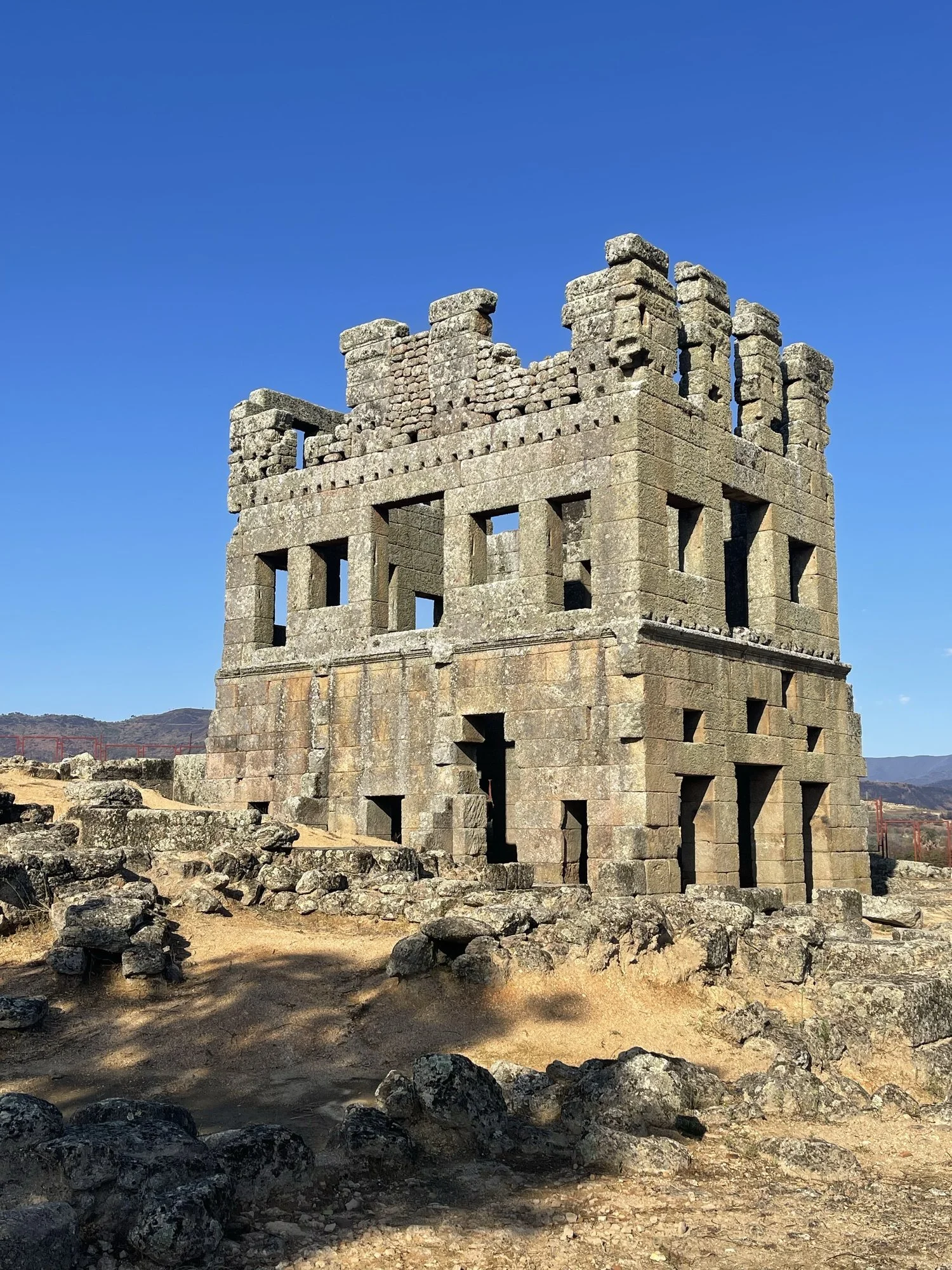
    In Portugal’s eastern uplands, towns developed with a constant awareness of their position near the border. Over time, granite hilltops were crowned with castles and compact communities gathered within protective walls, not only for defence but as expressions of authority and permanence. Our full-day excursion takes us into some of these historic villages and fortified towns of the eastern uplands. We begin on the outskirts of Belmonte at the Roman ruins of Centum Cellas, a reminder that this landscape was inhabited long before medieval frontiers emerged. Returning to the town itself – birthplace of the navigator Pedro Álvares Cabral, credited with reaching Brazil in 1500 – we walk through the historic centre to the 13th-century castle and the Romanesque church of São Tiago, where the Cabral family pantheon reflects Belmonte’s noble heritage. Belmonte’s long-established Jewish community is also explored in the narrow streets of the Jewish quarter and its museum. Continuing to the walled village of Sortelha, we enjoy a light lunch before walking its cobbled lanes beneath the Moorish castle. Its granite houses and intact ramparts offer one of the clearest impressions of a frontier settlement. We return to Covilhã in the late afternoon. Overnight Covilhã (B, L)

  • Day 7 | Tuesday 25 May
    Marvão & Flor da Rosa

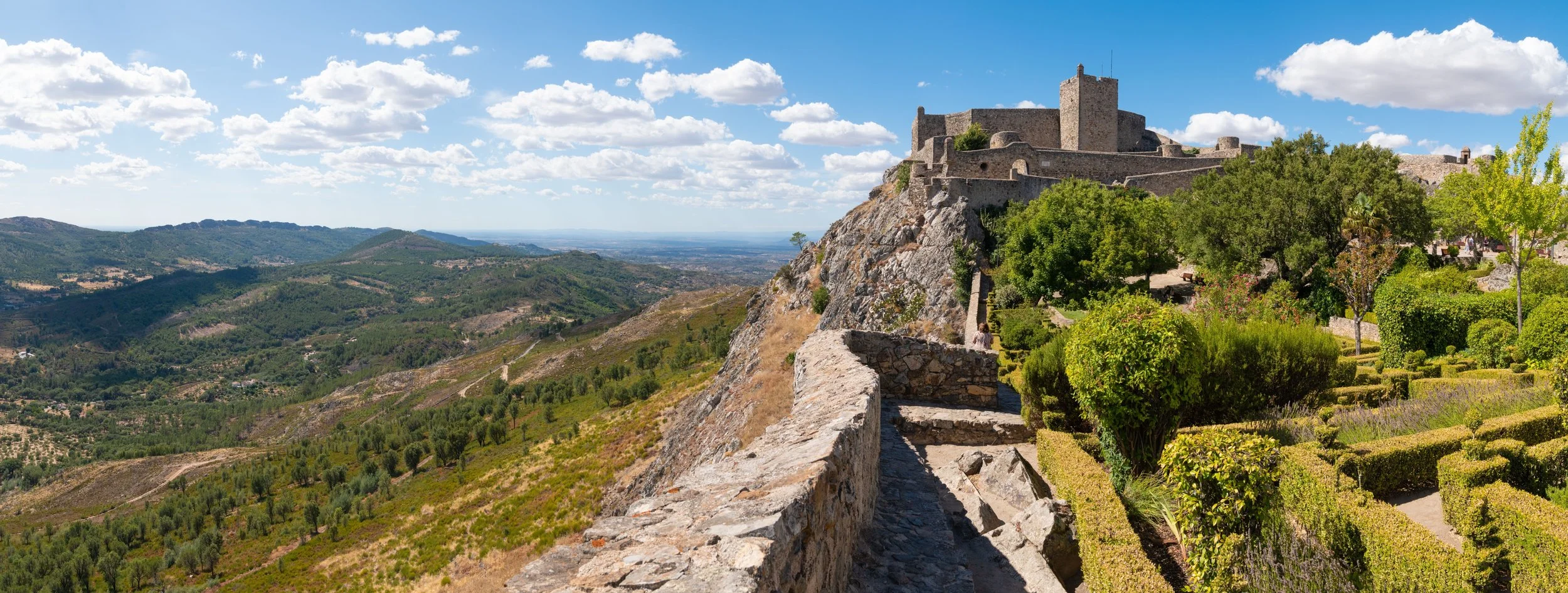
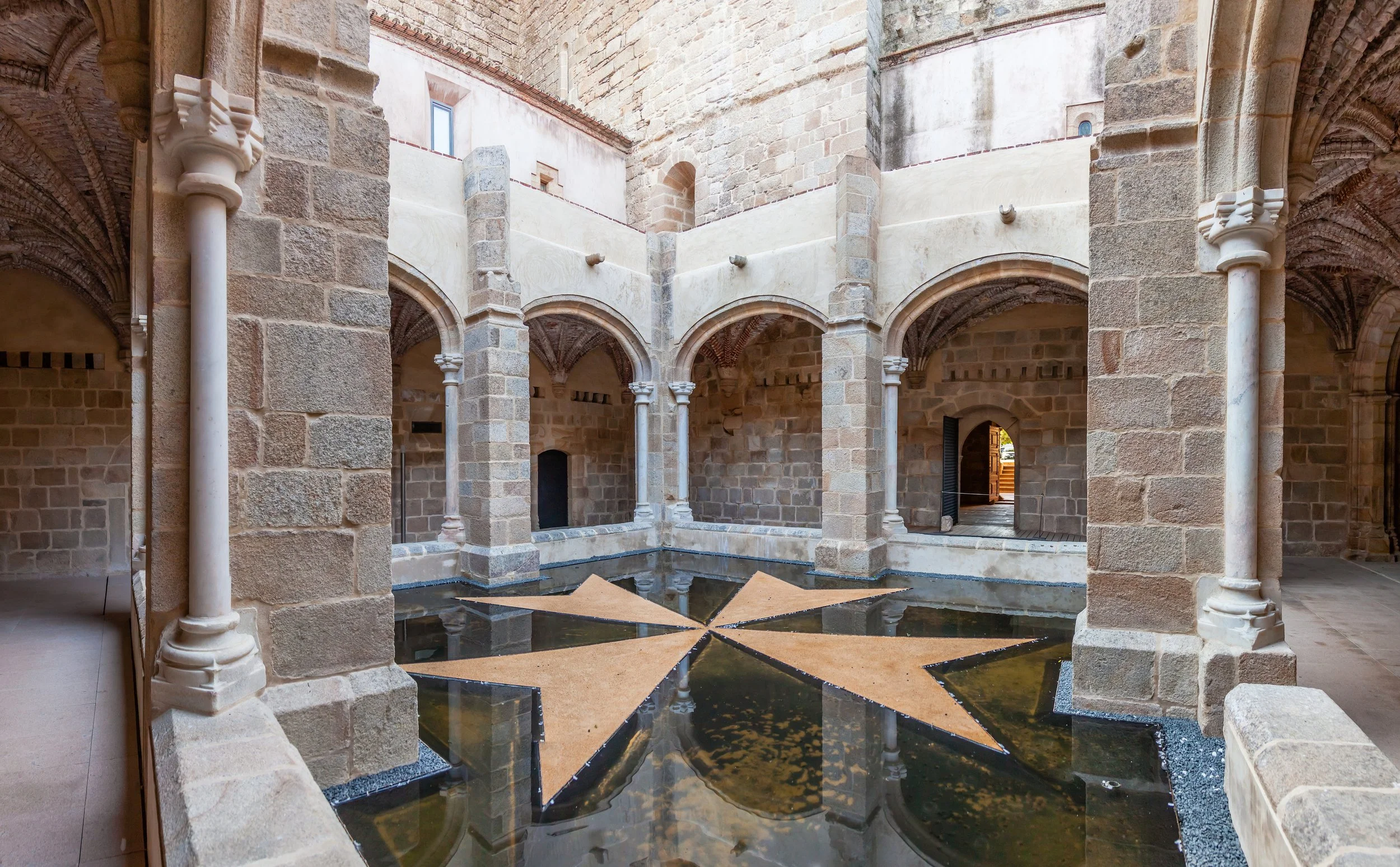
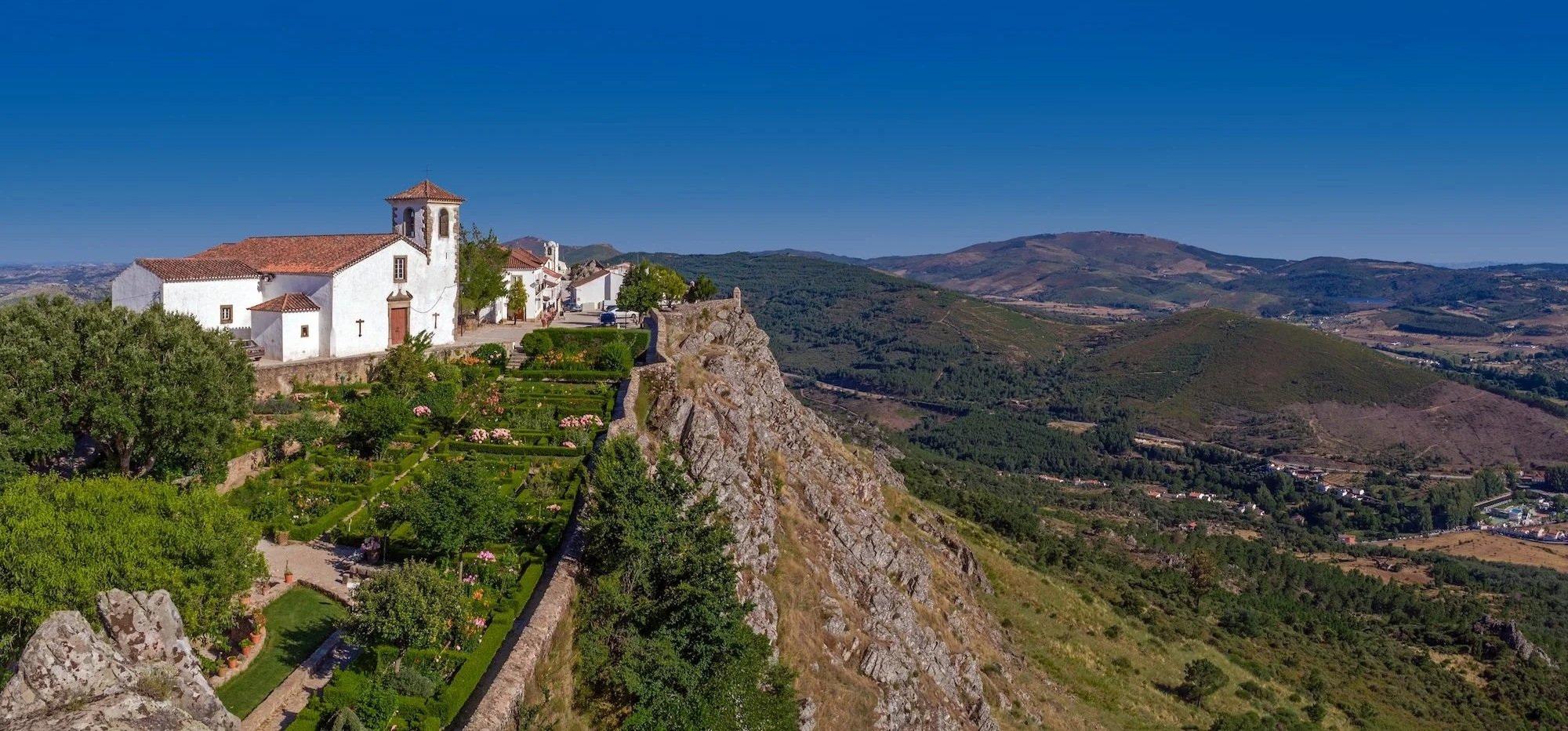
    Perched high above the plains of the Alentejo, Marvão occupies one of the most commanding positions along Portugal’s eastern frontier. From its granite ramparts, the eye travels across open countryside toward Spain, making clear why this settlement held strategic importance for centuries. Beneath the medieval village lie traces of Roman Ammaia, whose stones were later reused in walls and houses, linking successive eras of occupation within the same landscape. Departing Covilhã today, we travel south to Marvão, where there is time for lunch before exploring its narrow streets and castle precinct. The site reveals how geography shaped defence, settlement and daily life along La Raya. Continuing on to Crato, we stop briefly at Portagem before arriving at the former monastery of Flor da Rosa. Established in the 14th century by the Knights Hospitaller, this fortress-monastery reflects the role of military-religious orders in consolidating frontier territories. Now sensitively adapted as our accommodation, it provides a fitting setting for dinner this evening. Overnight Crato (B, D)

  • Day 8 | Wednesday 26 May
    Portalegre & Valencia de Alcántara

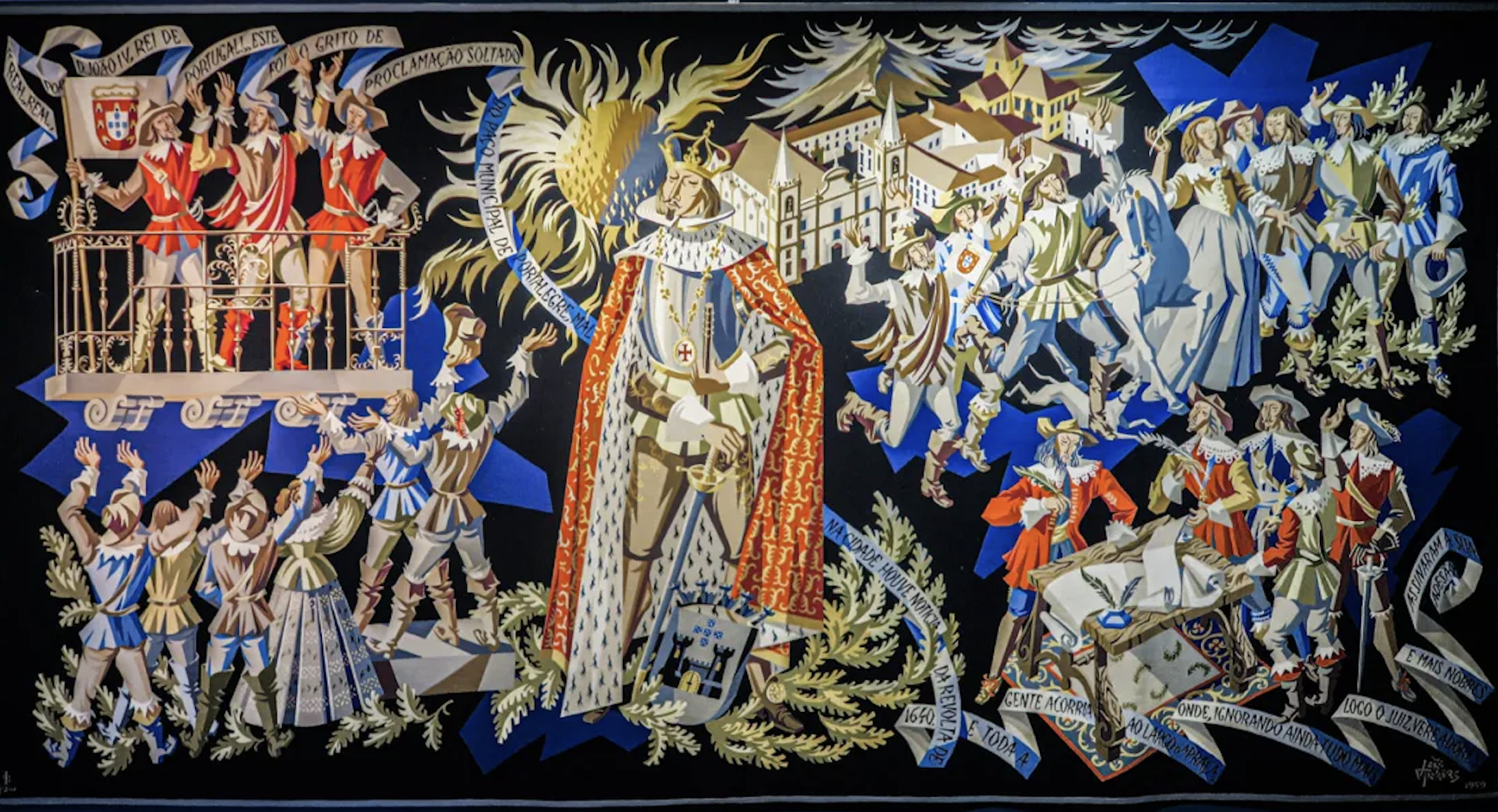
    La Raya was never simply a line on a map but a lived boundary, crossed daily for trade, labour and family ties. Our final morning in Portugal reflects this shared yet distinct border culture before we continue east into Spain. From Crato we travel to Portalegre, set against the slopes of the Serra de São Mamede. Although fortified in earlier centuries, the town became better known from the 17th century for its textile production, and our visit to the Tapestry Museum reveals how this industry gave rise to a distinctive artistic tradition, expressed through both historic and contemporary works. Our route then takes us across the border into Spain, where Valencia de Alcántara marks the transition from Portuguese highlands to Extremadura. After lunch together here, we continue the journey through the granite outcrops of Los Barruecos near Malpartida, and by late afternoon we arrive at our hotel in Cáceres – whose medieval towers and palaces signal a new architectural and cultural setting. Overnight Cáceres (B, L)

  • Day 9 | Thursday 27 May
    Cáceres

    Encircled by medieval walls and punctuated by towers, Cáceres preserves one of the most complete historic ensembles in Spain. Within this compact space, Roman foundations, centuries of Islamic rule and later Christian expansion are layered one upon another, while noble families reshaped the city with palaces and fortified houses. Today it is recognised as a UNESCO World-Heritage site, valued for the remarkable continuity of its historic centre. Following a talk in our hotel this morning, we explore the old town on a guided walk. Moving through its three principal squares, once used for jousting and bullfighting, and into the Jewish quarter, we consider how successive communities shaped urban life within the city walls. At the Church of Santiago, we reflect on the period when Cáceres stood between Christian and Islamic spheres of influence. Among its treasures is the richly carved retablo by Alonso Berruguete, one of the leading sculptors of the Spanish Renaissance and among the final works of his career. After our tour, the afternoon is at leisure
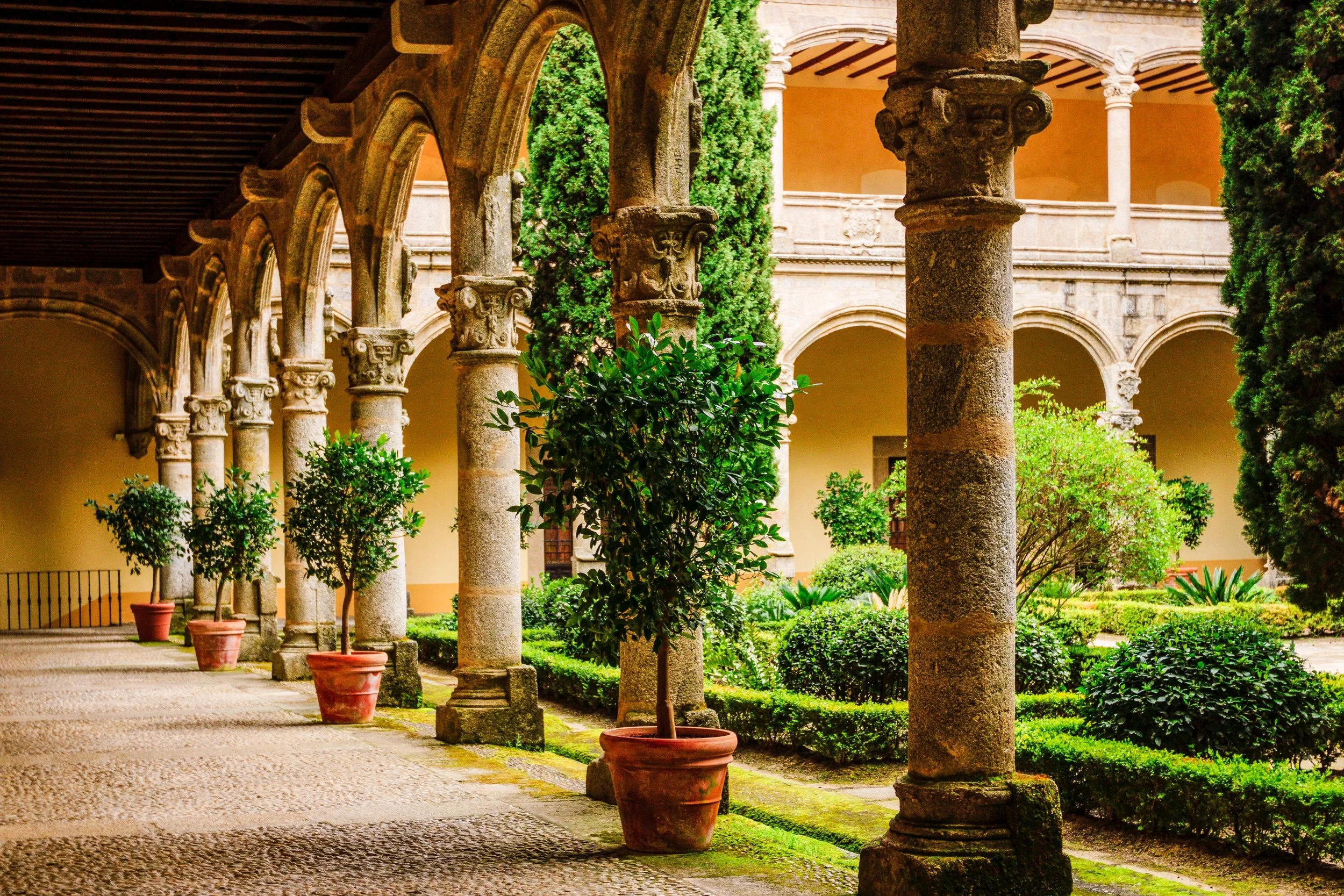
    to revisit the old town’s palaces and museums or simply to enjoy its shaded plazas. Overnight Cáceres (B)

  • Day 10 | Friday 28 May
    Mérida

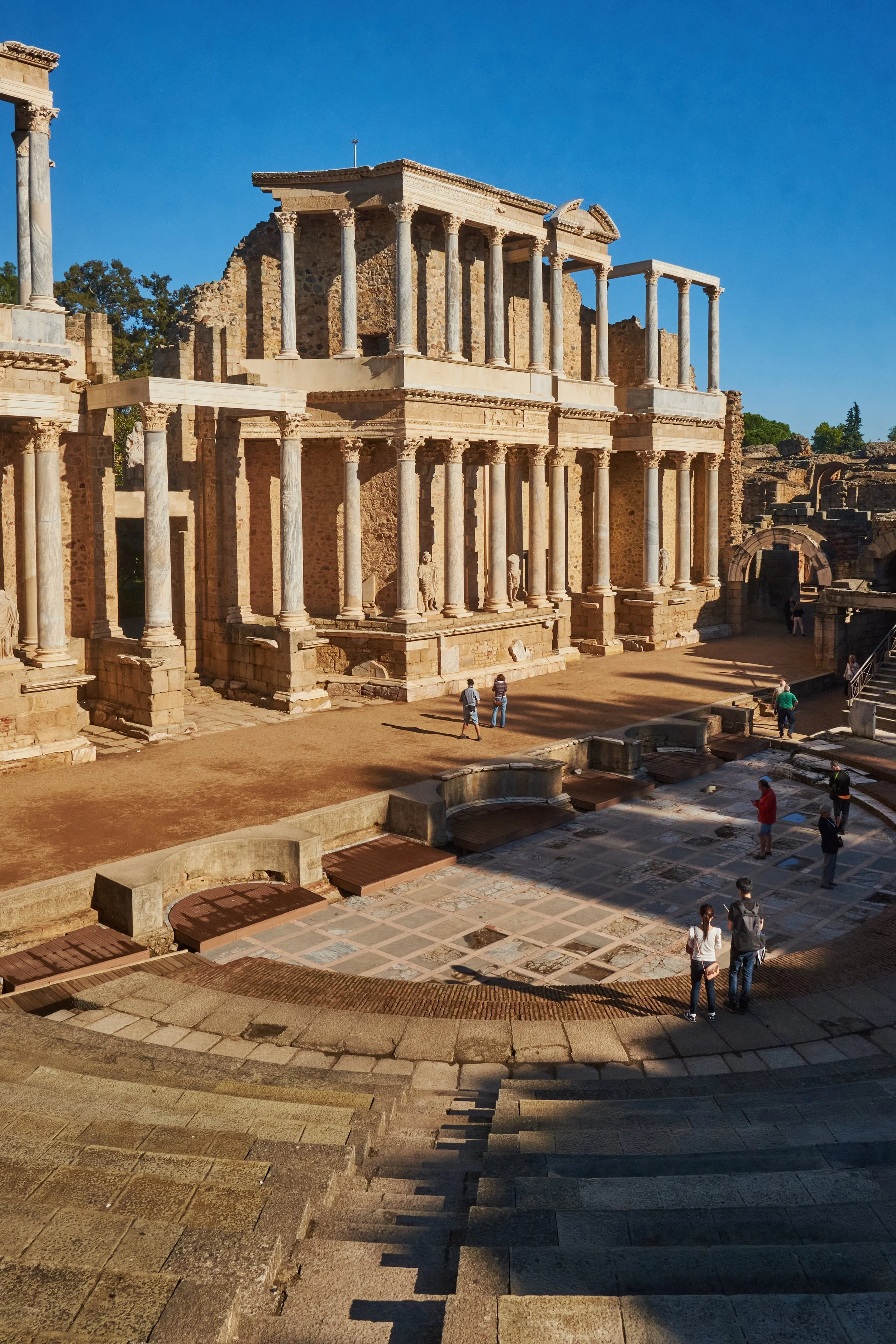
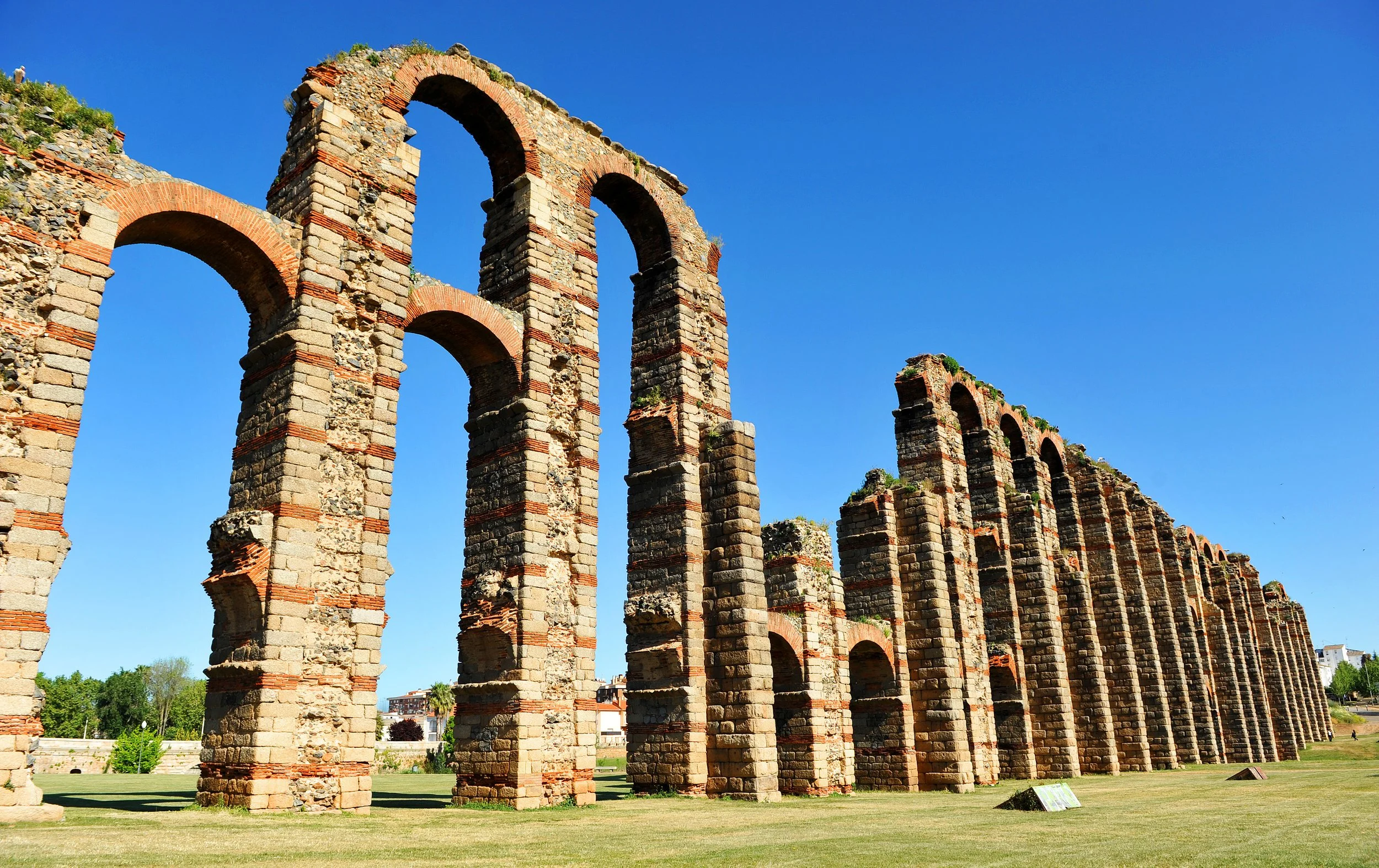
    Long before the medieval frontier between Portugal and Spain emerged, Mérida stood as one of the principal cities of Roman Hispania. Founded in 25 BCE as Augusta Emerita by Emperor Augustus to settle veteran soldiers of the Cantabrian Wars, it became the capital of the province of Lusitania, governing a vast territory across the western Iberian Peninsula. As a Roman colonia, it developed the infrastructure of an imperial centre, with multiple aqueducts, bridges, temples and public forums, many of which still shape the city’s urban landscape today. Travelling by coach from Cáceres, we spend the morning exploring the archaeological ensemble with our guide, where the Roman theatre — still used for summer performances — remains a focal point of the ancient city. Following a break for lunch, we then visit the National Museum of Roman Art, housed in a contemporary brick building designed by Rafael Moneo. Through soaring arcades of simple semicircular arches, Moneo created a structure that echoes Roman engineering. Within, mosaics, sculpture and inscriptions provide essential context for understanding the scale and sophistication of one of the Roman Empire’s principal cities in Hispania. Returning to Cáceres in the late afternoon, the evening is at leisure. Overnight Cáceres (B)

  • Day 11 | Saturday 29 May
    Yuste & Hervás

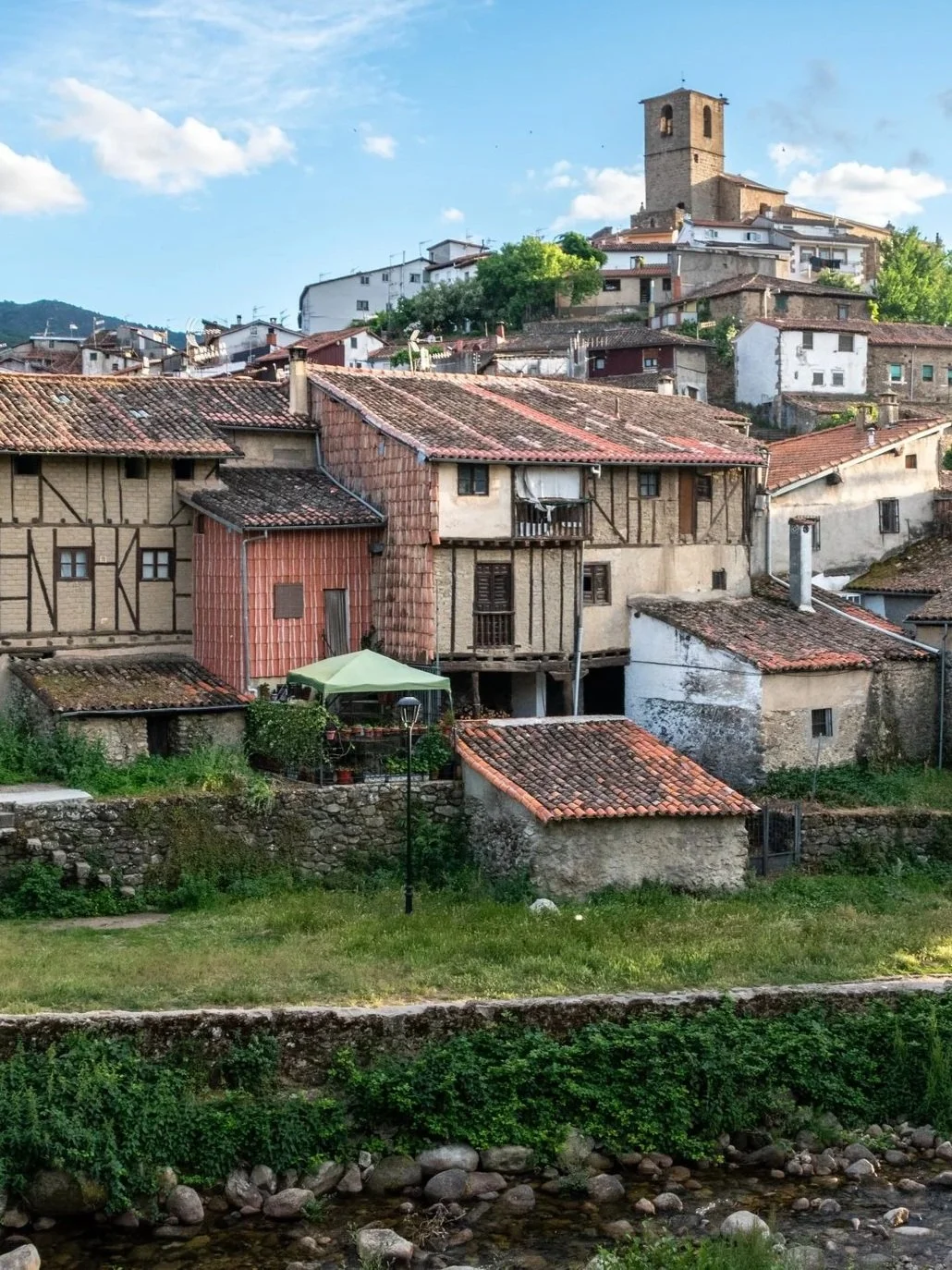
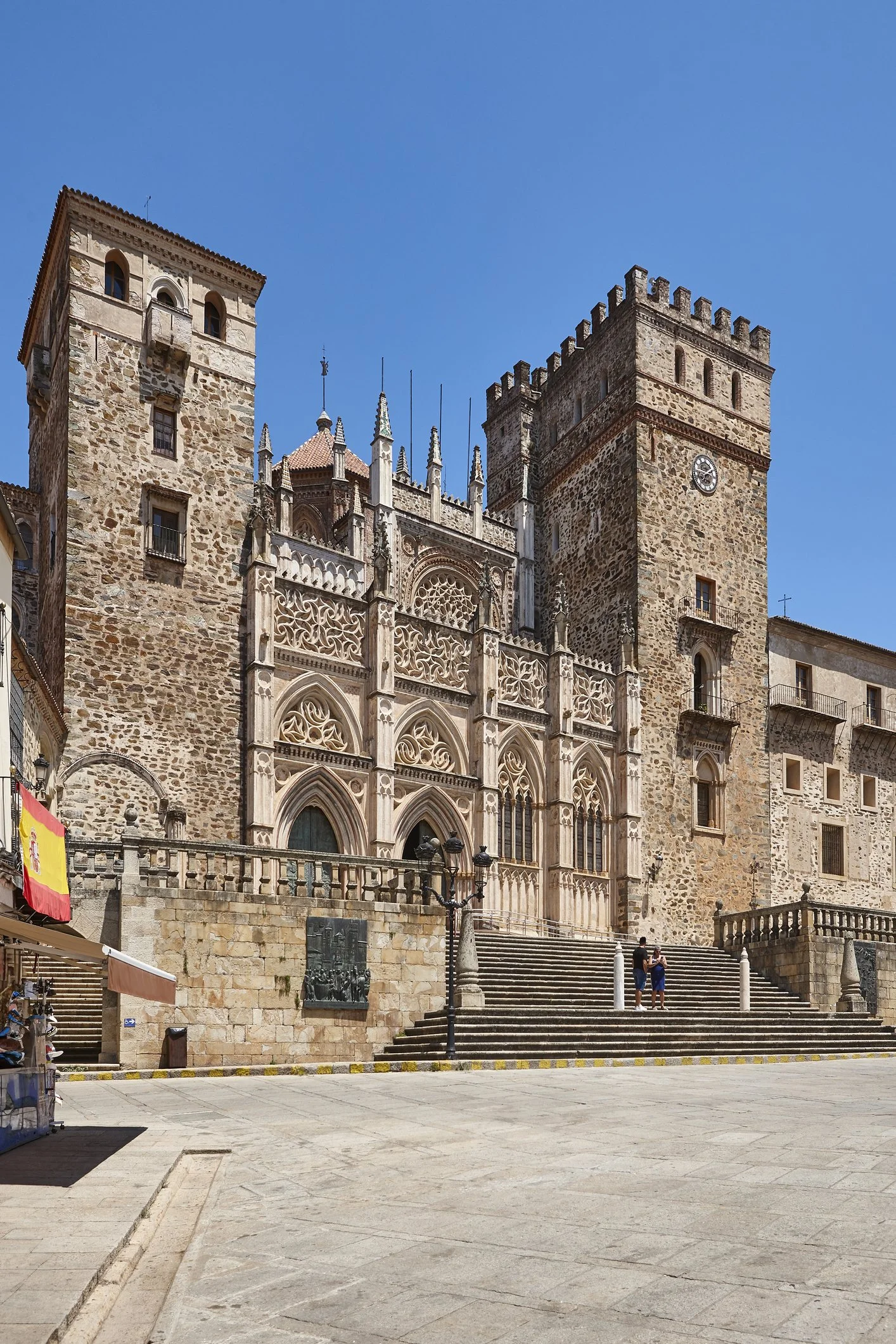
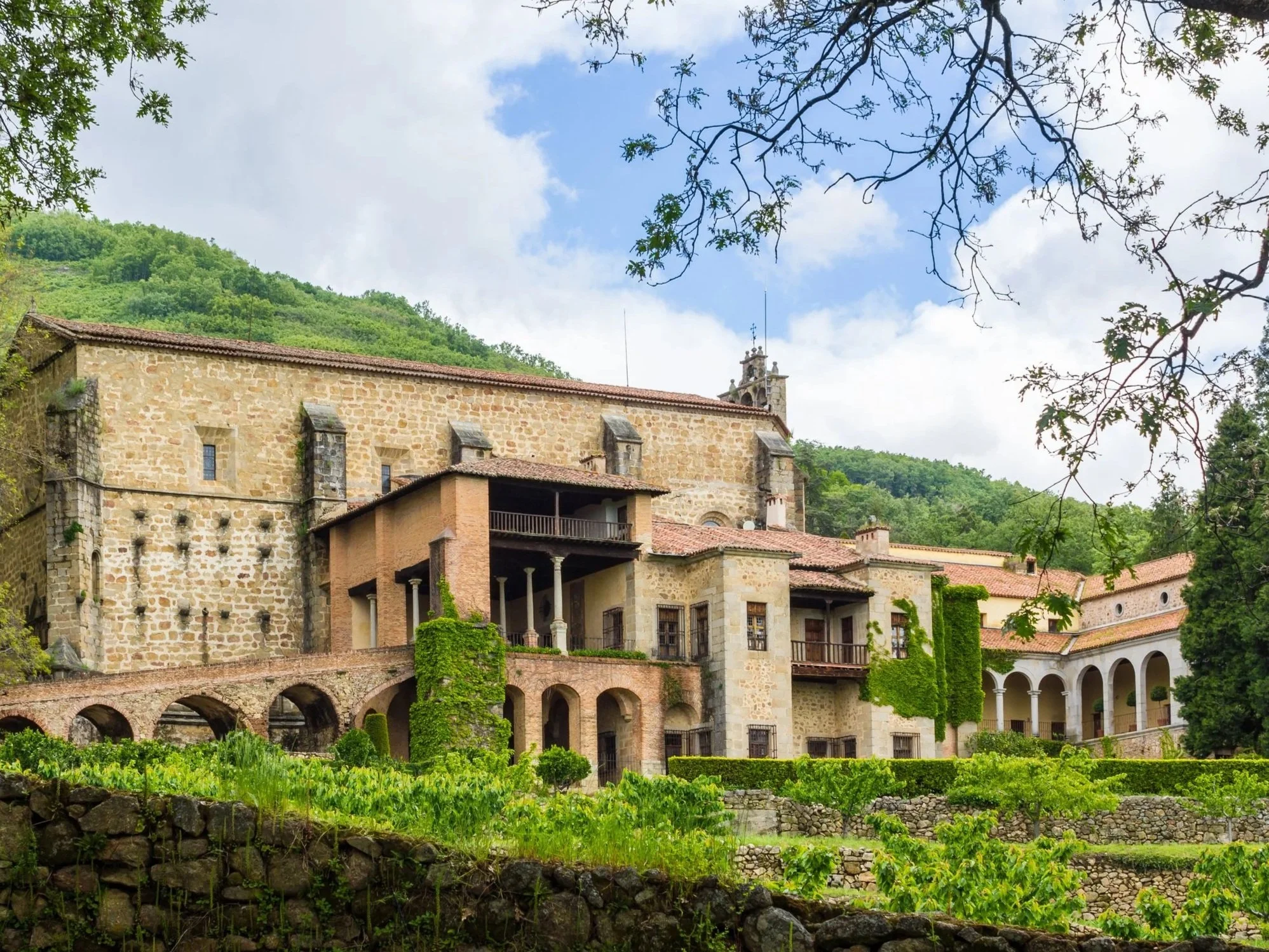
    In the 16th century, the Iberian Peninsula stood at the centre of a vast Habsburg empire. Its ruler, Charles V – King of Spain and Holy Roman Emperor – governed territories stretching across Europe and the Americas before abdicating in 1556 in favour of his son Philip II. Rather than remain at court, he withdrew to the remote Monastery of Yuste in western Spain. Travelling from Cáceres toward Salamanca, we first stop at Yuste. Walking through the monastery and the apartments built for the emperor, we consider how this quiet setting became the chosen retreat of a man who had once presided over much of 16th-century Europe. Much of the complex was later damaged during the Peninsular War in 1809 and subsequently fell into decline, before careful restoration by the Spanish government in the mid-20th century returned it to its present form. Continuing north, our next stop is in Hervás, whose well-preserved Jewish quarter offers a break for lunch. By late afternoon we arrive in Salamanca. Dinner is enjoyed together after settling into our hotel. Overnight Salamanca (B, D)

  • Day 12 | Sunday 30 May
    Salamanca

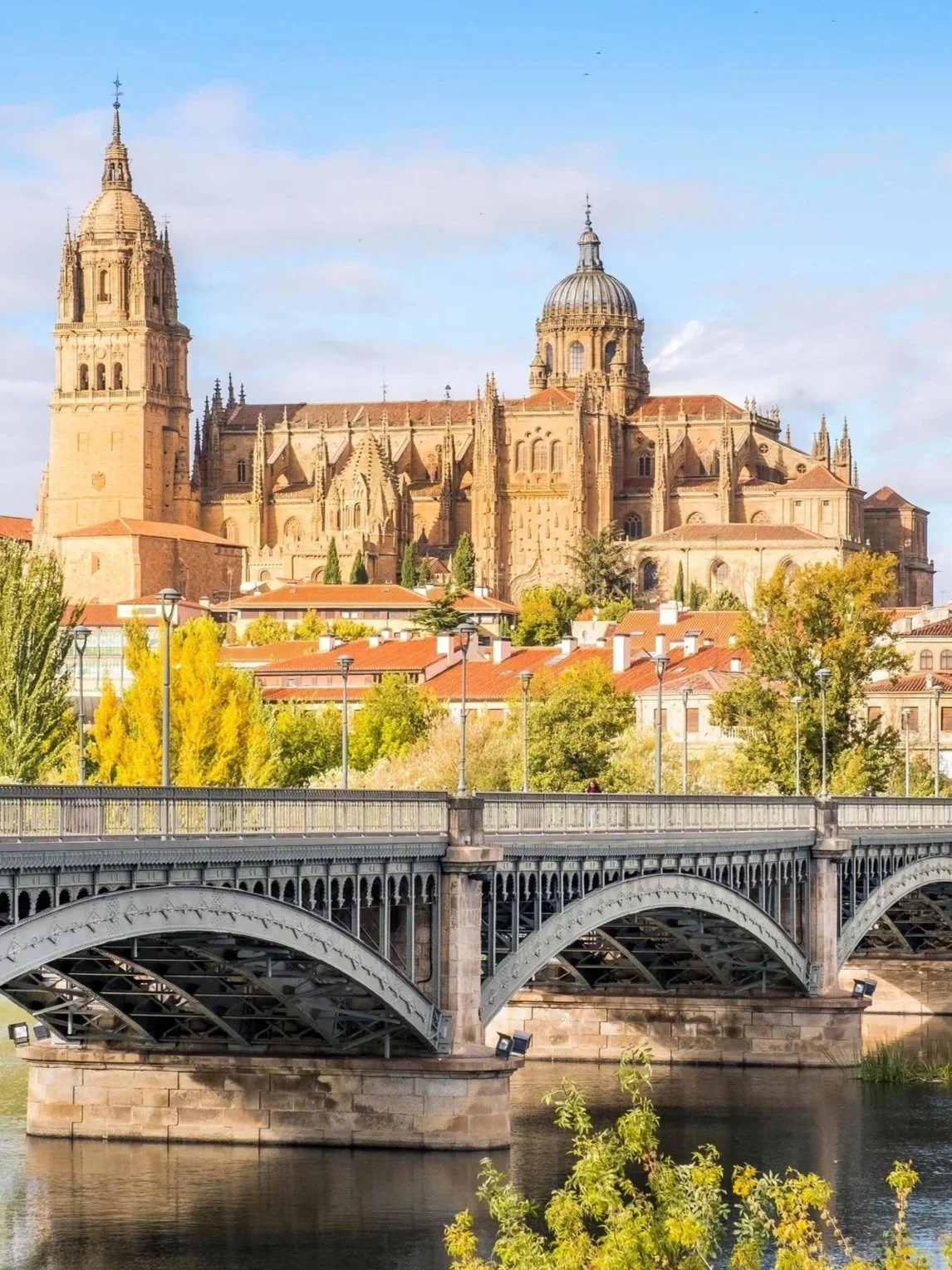
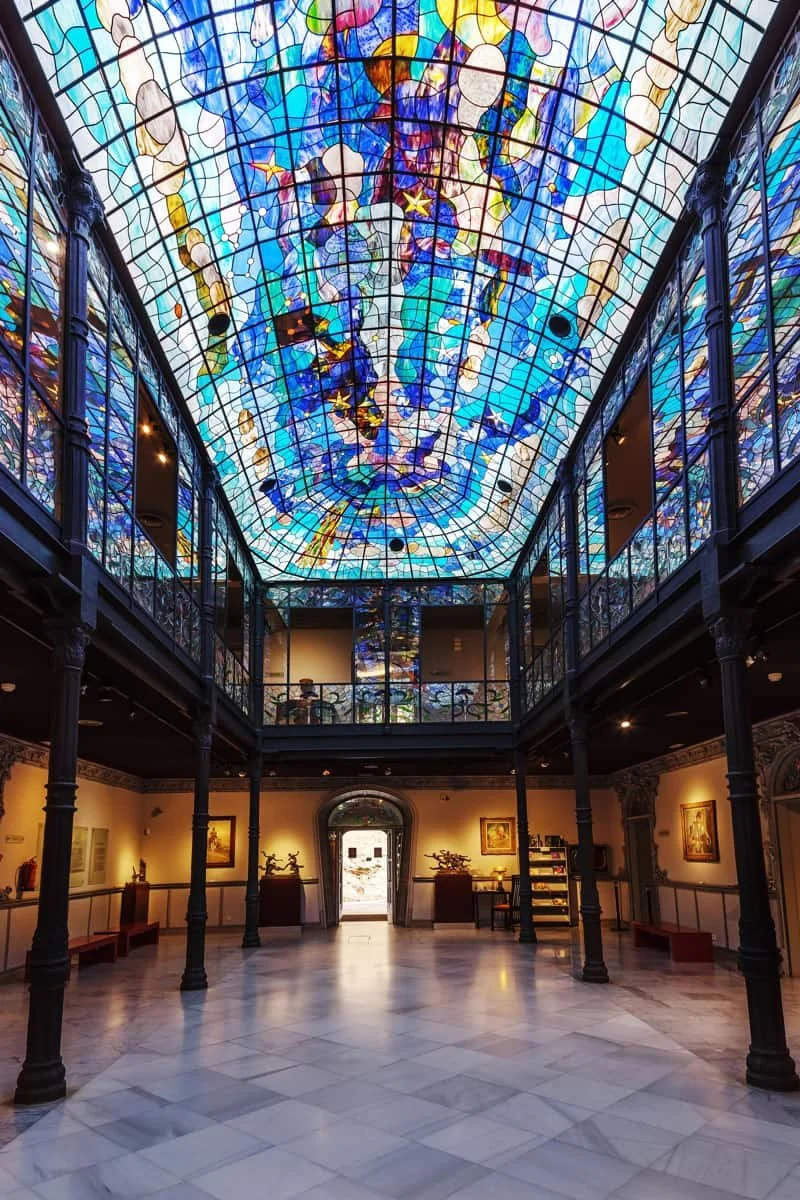
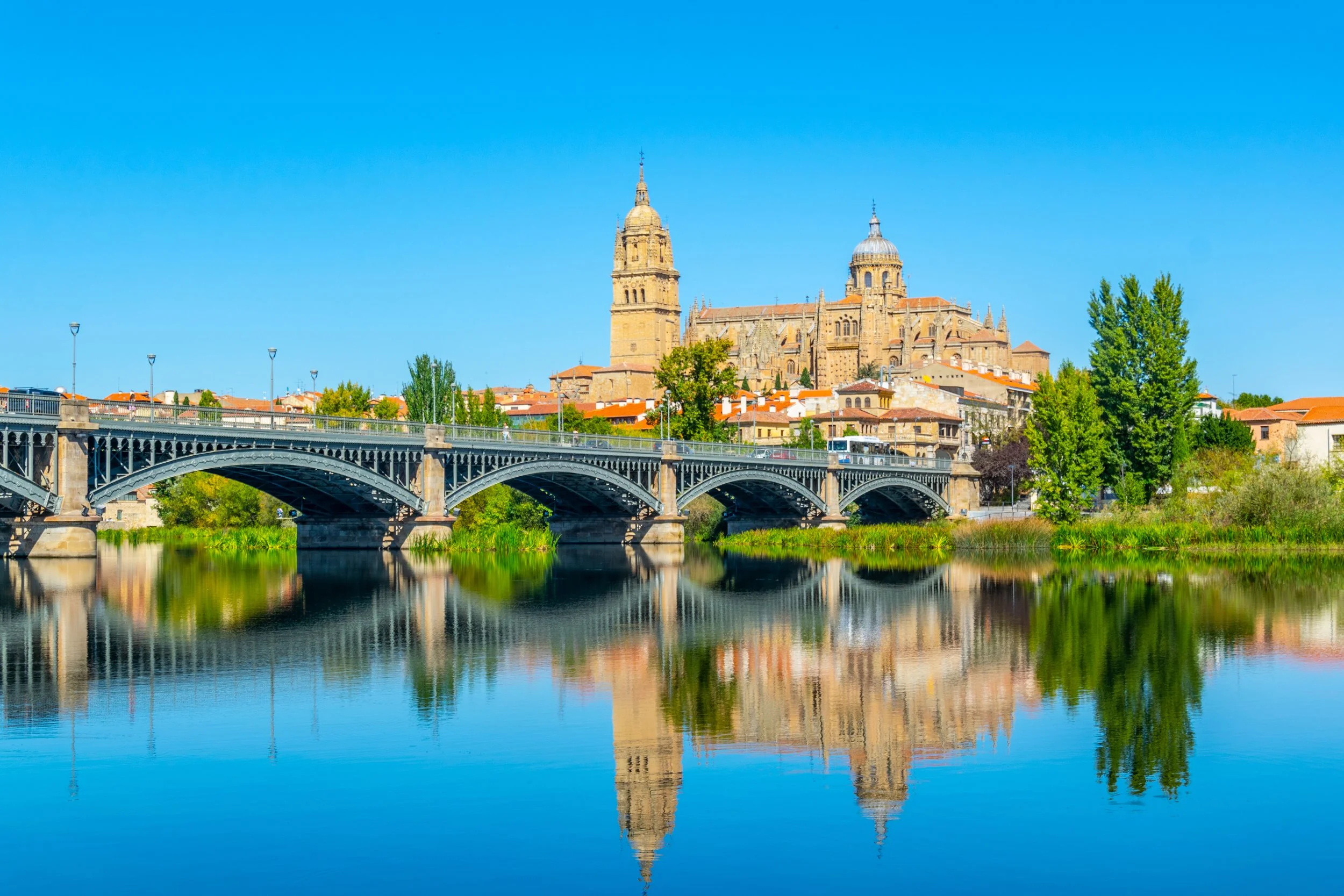
    For centuries, Salamanca has been shaped by its university and the steady presence of students within its walls. Founded in 1218, it grew into one of Europe’s leading centres of learning, drawing scholars from across the Iberian Peninsula and beyond. The city’s golden sandstone glows in the changing light and speaks to a period when academic prestige and civic pride were closely intertwined. During our guided walk this morning, we explore the historic centre, including the Plaza Mayor, the interlinked Old and New Cathedrals and the university complex. Salamanca is particularly noted for its Plateresque style, in which finely detailed ornamentation transforms facades into intricate stone screens. Buildings such as the Casa de las Conchas illustrate this blend of Gothic structure and Renaissance decoration. After a break for lunch, we then visit the Museo Art Nouveau y Art Déco – Casa Lis, whose glass-fronted Modernista facade contrasts with the surrounding sandstone architecture. Inside, a striking stained-glass roof floods the galleries with coloured light, setting the tone for a collection that includes sculpture, glassware, jewellery and furniture from the late 19th and early 20th centuries. Together, the setting and objects trace the shift from the organic forms of Art Nouveau to the cleaner geometry of Art Deco. The remainder of the afternoon is at leisure before an evening talk in the hotel. Overnight Salamanca (B)

  • Day 13 | Monday 31 May
    Zamora

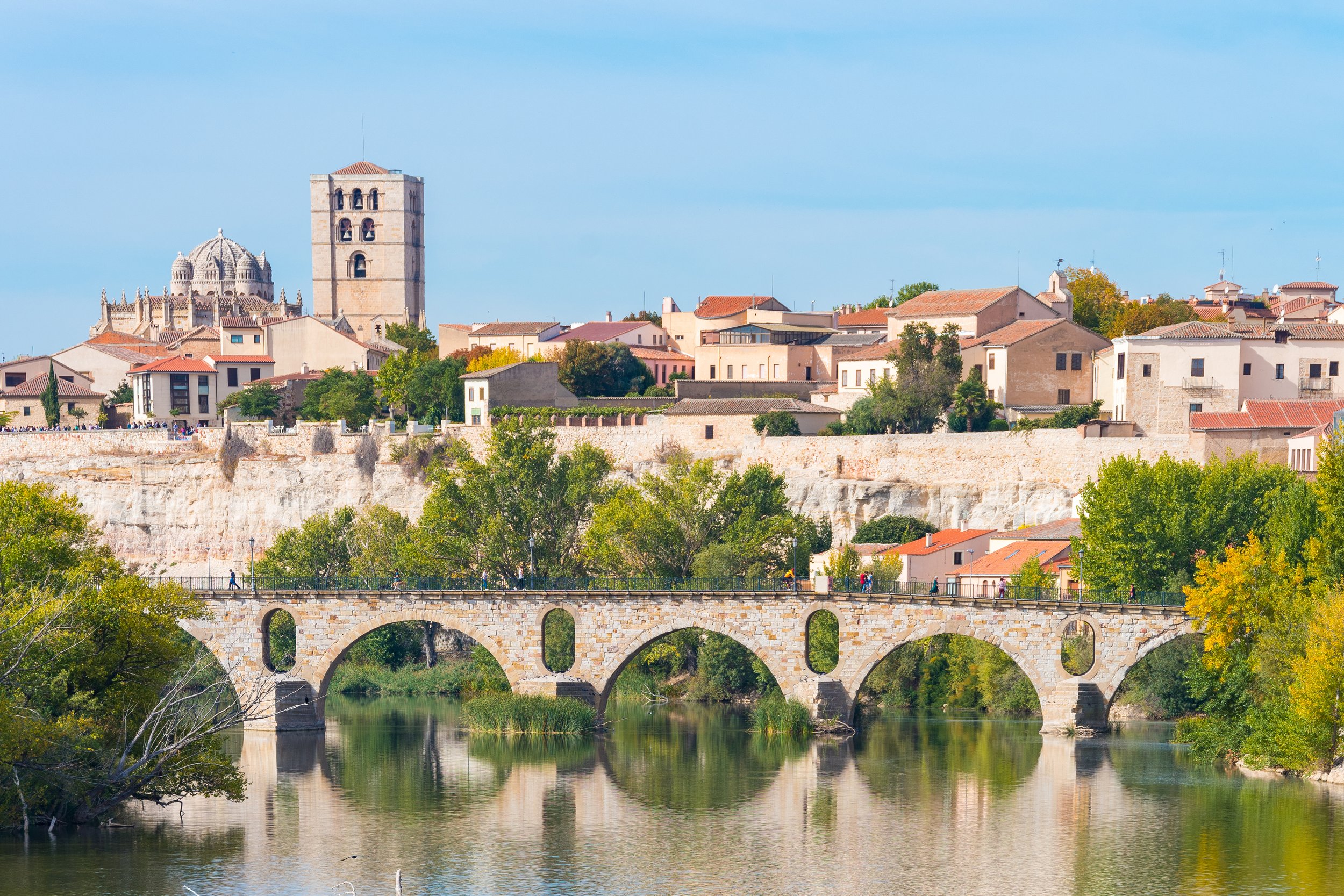
    Long before medieval kingdoms fixed their borders, communities across the western Iberian Peninsula were building churches and shaping traditions that would survive long after political boundaries shifted. Travelling first to the 7th-century church of San Pedro de la Nave today, we encounter one of the finest surviving examples of Visigothic architecture. Carefully relocated in the 20th century to protect it from flooding, its sculpted capitals and carved reliefs predate the frontier struggles we have explored, reminding us that the cultural foundations of this region long preceded the formal establishment of La Raya. Continuing to Zamora on the River Duero, we then explore a medieval walled city whose history stretches back to the Bronze Age. Its strategic position along the river made it a focal point during the 12th-century conflicts between the Kingdom of León and Islamic territories to the south, a period that shaped much of the Romanesque architecture still visible today. During our guided walk through the historic centre, we visit several of the city’s Romanesque churches as well as the 12th-century cathedral, whose museum houses an important collection of Flemish tapestries. Returning to Salamanca, we gather this evening at Al Alquimista for our farewell dinner. The restaurant’s contemporary interpretation of regional Castilian cuisine offers a fitting conclusion to our time in western Spain. Overnight Salamanca (B, D)

  • Day 14 | Tuesday 1 June
    Departure

    The tour ends after breakfast this morning. There is a group coach transfer to Madrid Airport, arriving in time for afternoon and evening departures. (B)

Accommodation has been selected for its location and historic character. All hotels are 4 and 5-star standard.

Tour Accommodation

tour booking

$12,840 AUD per person, twin share (land content only)
$2,290 AUD supplement for sole use of a hotel room

A $1,000 deposit is required per person to confirm your booking on tour. This deposit is non-refundable.

Hold a Place

Still deciding? We are happy to hold a tentative place for 7 days while you make your final arrangements.

Book Online

To secure your place(s) on tour, book online below with “Athena”, our virtual tour consultant.

DOWNLOAD FORM

Download a printable booking form. You can also complete the form on screen and submit via email.

your tour consultant

The consultant for this tour is Lucy Yeates. For further information or to discuss the tour, please call 9235 0023 (Sydney) or 1800 639 699 (outside Sydney) or email lucy@academytravel.com.au

have you thought about?

Academy Travel is more than just a tour operator. We are also a full-service travel agency who can assist you with all aspects of your travel, including flights, transfers, pre-tour arrival, additional travel and comprehensive travel insurance.

can’t make this departure?

If these dates don't work for you, register to hear about the next tour.