Northern Spain & Portugal

Bilbao to Lisbon

Discover 'Green Spain', visiting modern and medieval sites along the Camino, and exploring Portugal's Age of Discovery.

TOUR STATUS

Places Available | Maximum 16

TOUR DATES

April 9-28, 2027 | 20 Days

TOUR LEADER

Elena Ortega | View Bio

snapshot

  • The tour starts at 7.30pm on Friday
    9 April, in the lobby of the Hespería Bilbao Hotel, Bibao.

    The tour ends after breakfast on Wednesday 28 April, at the Bessa Hotel Liberdade, Lisbon.

  • Grade Two. This tour is designed for people who lead active lives.

    View all requirements >

  • 19 nights’ accommodation in centrally located 4 and 5-star hotels. Airport-Hotel transfers as indicated. All breakfasts, 5 lunches, 3 wine tastings and 7 dinners. Services of an expert tour leader and an experienced tour manager throughout. All ground transport, entrance fees and tipping.

    View standard tour inclusions >

  • $18,860 AUD per person, twin share (land content only)
    $3,840 AUD supplement for sole use of a hotel room

    A $1,000 AUD non-refundable deposit is required per person to confirm your booking on tour

OVERVIEW

Northern Spain – often called ‘Green Spain’ – presents a markedly different landscape from the Castilian plateau.

Shaped by an Atlantic climate, its kingdoms developed artistic traditions more closely aligned with northern Europe. Pre-Romanesque sanctuaries, pilgrimage churches and soaring Gothic cathedrals chart the consolidation of Christian power across the north, while Portugal, sharing linguistic and cultural roots, forged a parallel identity defined by maritime expansion. 

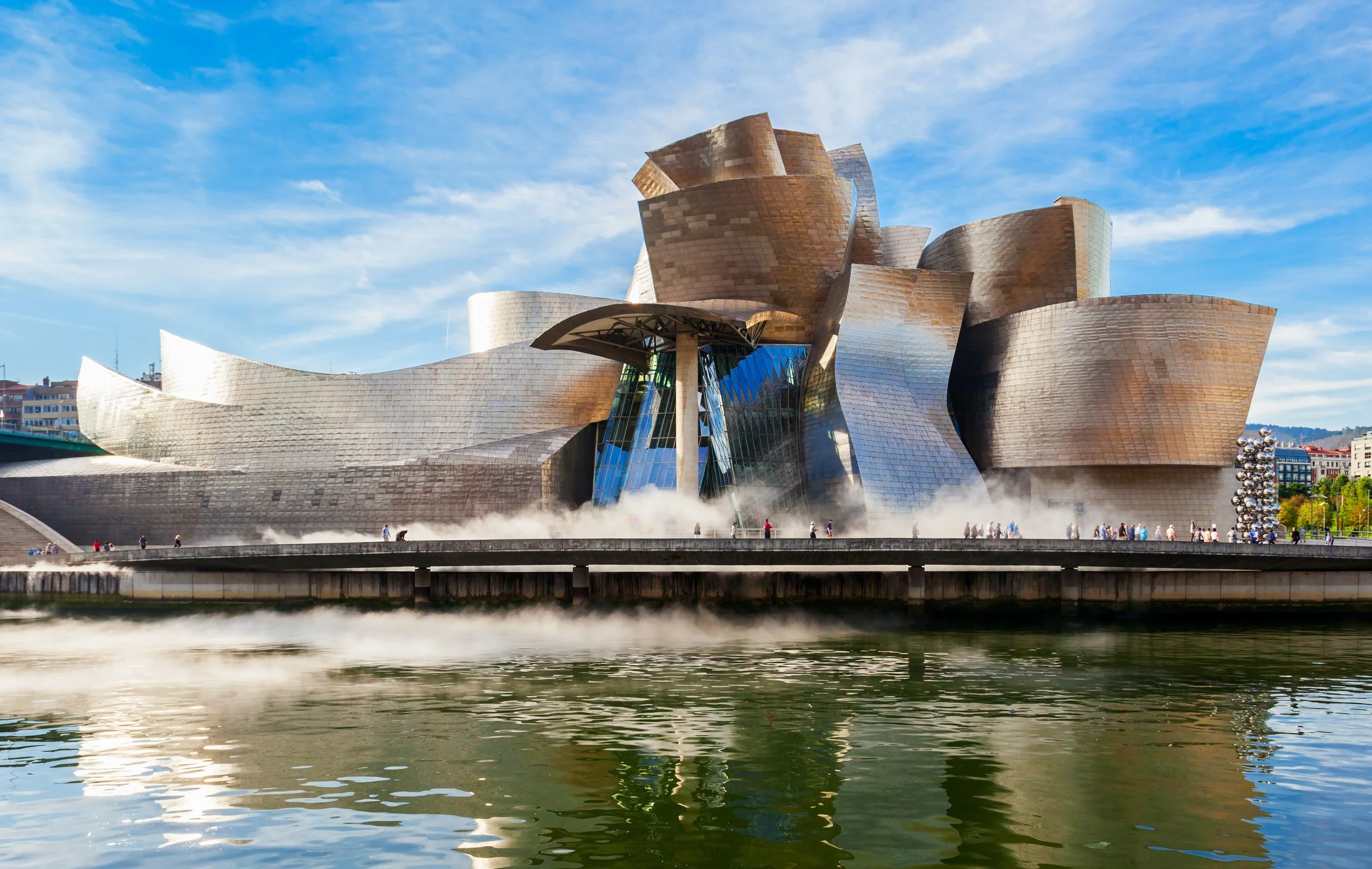
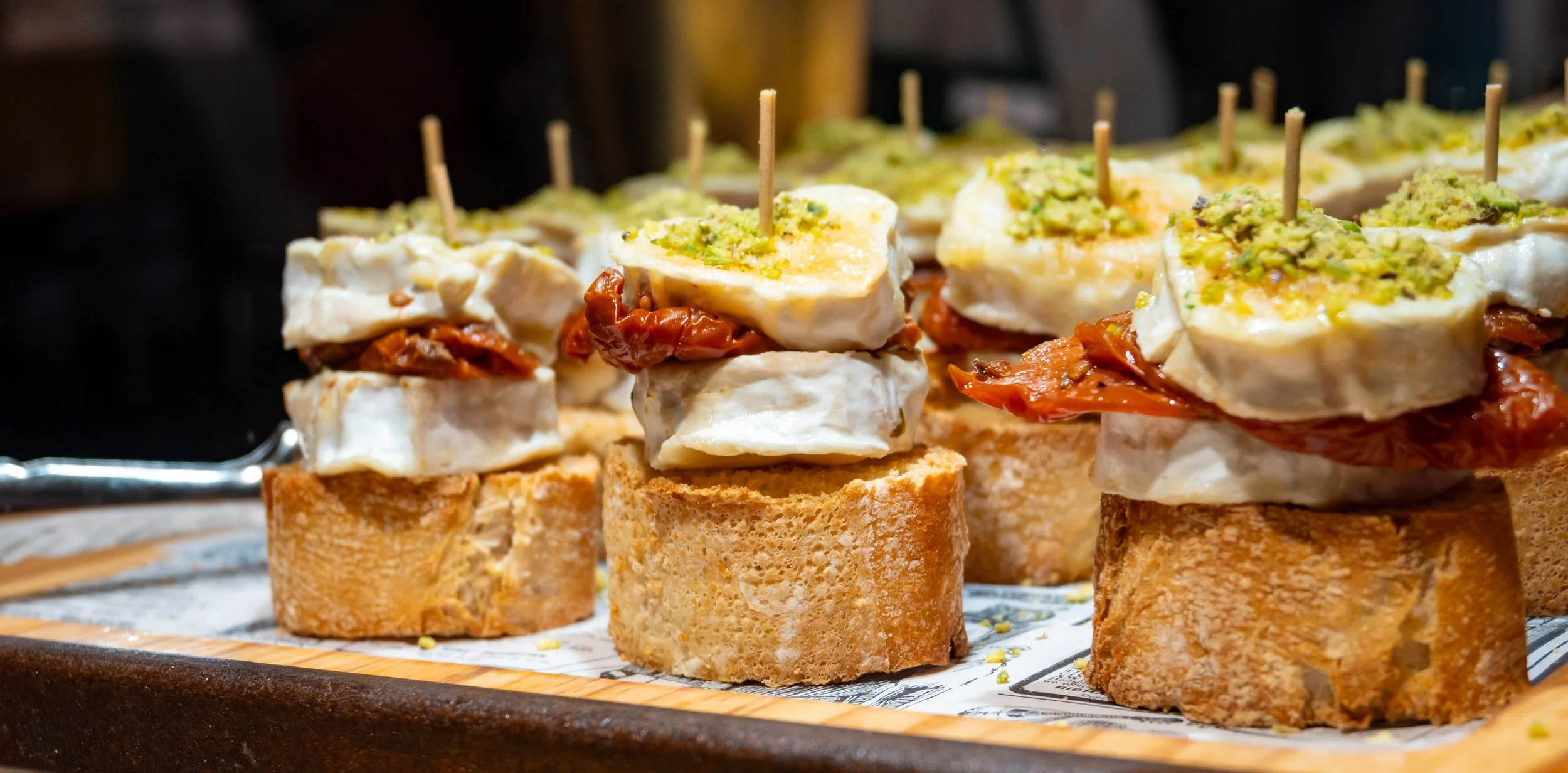
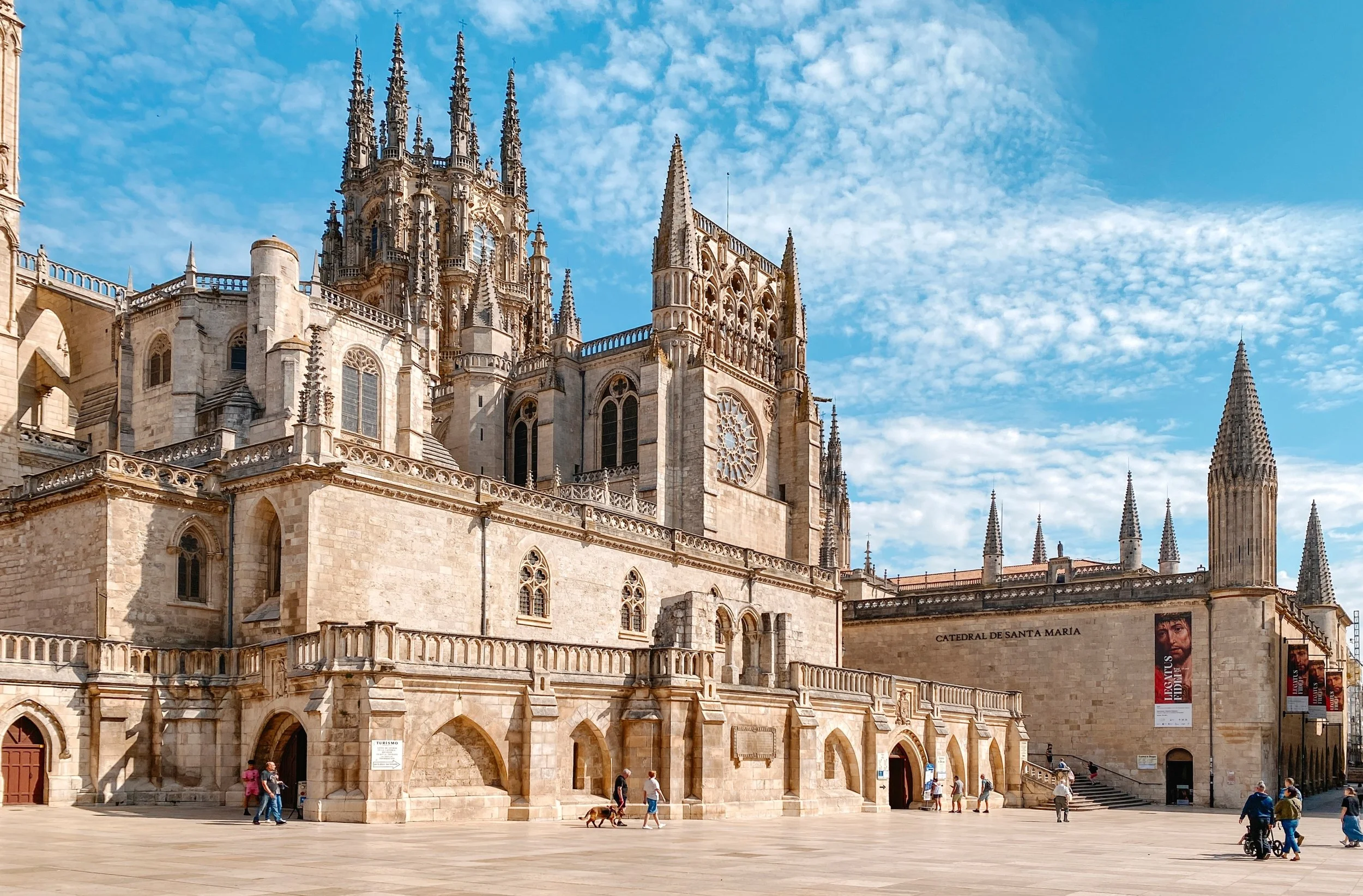
Over 20 days, and in the company of Elena Ortega, we travel from Bilbao – home to the Guggenheim – and the culinary capital of San Sebastián through Burgos with its soaring Gothic cathedral, León’s Romanesque frescoes and Oviedo’s early medieval churches, before reaching Santiago de Compostela. Along the way, Basque pintxos, Rioja wines, Asturian cider and Galician seafood reveal regional identity.

Crossing into Portugal, Porto’s riverfront and historic port lodges lead us south to Lisbon, where Belém’s monastery and tower recall the Age of Discoveries, while the capital’s great museums reveal the many layers of the city’s cultural life.

tour highlights

Explore the landscapes, art, architecture and cultural traditions of northern Spain and Portugal

elena ortega

your expert tour leader

Elena has a Master of Fine Art (Painting) from the National Art School where she also completed her Bachelor of Fine Art. She has won numerous academic prizes for her study in art history and theory, including a scholarship to the Royal College of Art in London. Elena is a practicing artist and also a host at the Museum of Contemporary Art in Sydney, where she enjoys sharing her enthusiasm about art. She has taught Spanish language, culture and society at the University of Sydney, UTS and UNSW, as well as WEA and Instituto Cervantes.

Read full bio >

Accompanied by an Experienced Tour Manager

Alongside your expert tour leader, an experienced tour manager will accompany for the entirety of the tour. They oversee logistics, ensure your comfort and safety, and provide friendly support – whether offering tips for free time, sharing a chat over dinner, or giving you space to relax.

tour ITINERARY

Bilbao (3 nights), Burgos (2 nights), León (2 nights), Oviedo (3 nights), Santiago de Compostela (3 nights), Porto (2 nights), Lisbon (4 nights)

Included meals are shown with the letters B, L and D

  • Day 1 | Friday 9 April
    Arrive Bilbao

    Bilbao stands at the mouth of the Nervión River on Spain’s northern Atlantic coast. As the principal urban centre of the Basque Country, it embodies the distinct language, culture and political traditions that set northern Spain apart from the Castilian interior. In the evening, we gather in our hotel for introductions over a welcome drink. Dinner is then enjoyed together at a local restaurant. Overnight Bilbao (D)

  • Day 2 | Saturday 10 April
    Guggenheim and Casco Viejo

    In the late 20th century, Bilbao became a model for urban reinvention. The opening of the Guggenheim Museum in 1997 marked a decisive shift from industrial decline to cultural renewal. Following a talking in the hotel this morning, we begin our exploration at the Guggenheim, examining both its titanium-clad architecture by Frank Gehry and selected works from its modern and contemporary collections. We then continue to the Museum of Fine Arts, whose collections range from medieval devotional panels and Golden Age painting to modern and contemporary works, including significant holdings of Basque art. In the afternoon, we conclude our day with a walk along the Nervión to the Casco Viejo, crossing the Calatrava bridge and exploring the medieval street plan that predates Bilbao’s industrial expansion. Overnight Bilbao (B)

  • Day 3 | Sunday 11 April
    San Sebastián
    Set around the curve of La Concha Bay, San Sebastián emerged as a 19th-century royal resort while retaining a distinct Basque identity shaped by fishing traditions and celebrated regional cuisine. We travel east along the coast this morning to explore its historic centre with our local guide.  Along the way we pause in one of the old town’s traditional bars to enjoy a selection of pintxos – bite-sized snacks often served on crusty bread – accompanied by a glass of lightly sparkling Txakoli wine, whose crisp acidity complements the flavours of the Atlantic. There is time at leisure to walk along the waterfront before we return to our hotel. En route, we stop to view Eduardo Chillida’s Comb of the Winds – a powerful sculptural intervention where art, iron and ocean converge at the city’s edge. The evening is at leisure. Overnight Bilbao (B, L)

  • Day 4 | Monday 12 April
    La Rioja to Burgos
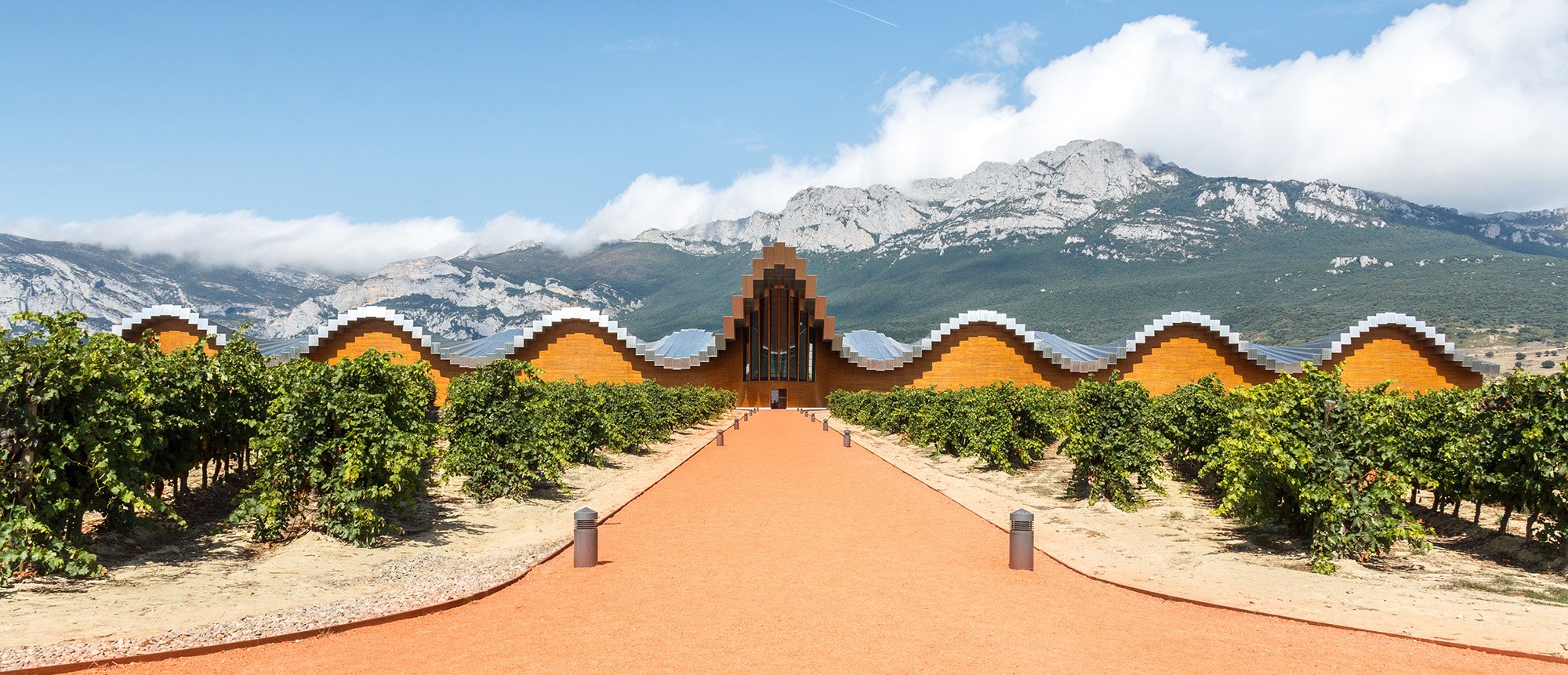
    The frontier territory of Castile took shape in landscapes very different from the Atlantic coast. Here, open plains and vineyard-covered hills replaced maritime industry, and fortified towns marked the slow consolidation of Christian rule during the early Middle Ages. As we travel south from Bilbao today, the change in terrain signals this historical transition. We first pause in Laguardia, whose defensive walls recall the time when this was contested borderland. Continuing into the Rioja wine region, we visit Bodega Ysios, designed by architect Santiago Calatrava. Its undulating roofline echoes the Sierra de Cantabria beyond, creating a striking dialogue between landscape and design. Following a private guided tour and wine tasting here, lunch is then enjoyed nearby at Bodegas Casa Primicia, one of the region’s oldest wine houses. We then continue to our hotel in Burgos. Overnight Burgos (B, WT, L)

  • Day 5 | Tuesday 13 April
    Burgos

    Rising as a centre of royal authority in medieval Castile, Burgos became a major crossroads of the Camino Francés. Pilgrims, merchants and monarchs converged here, shaping a city whose wealth found enduring expression in its monumental Gothic architecture. We begin our morning with a guided walk through the historic centre, including the Casa del Cordón, where Ferdinand of Aragon and Isabella of Castile received Christopher Columbus in 1497. We then enter Burgos Cathedral, one of Spain’s finest Gothic buildings, whose soaring spires reflect close connections with French models at Paris and Reims. In the afternoon, we visit the Cistercian Abbey of Las Huelgas, founded in the 12th century as a royal monastery and burial place for the Castilian monarchy, located just beyond the city walls. An evening talk in the hotel draws the day to a close. Overnight Burgos (B)

  • Day 6 | Wednesday 14 April
    From Frómista to León

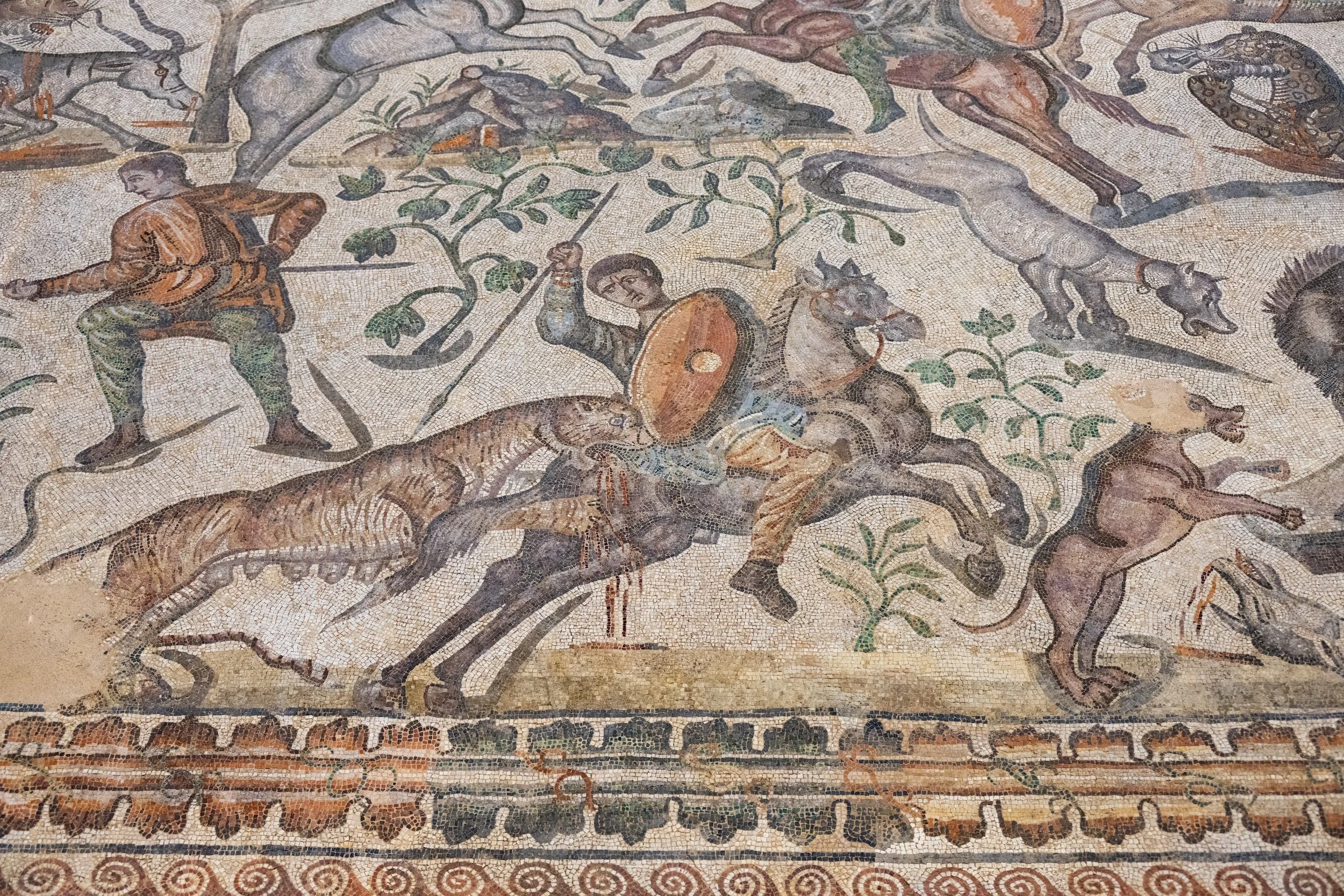
    The open plains between Burgos and León form the historic heartland of the Camino Francés. Across this landscape, Romanesque churches and modest towns developed to serve the steady flow of medieval pilgrims. Continuing west across the Meseta today, we pause at the 11th-century church of San Martín de Frómista, whose balanced proportions and finely carved capitals exemplify Romanesque design along the pilgrimage road. We then proceed towards Palencia to visit the Roman Villa of La Olmeda, where 4th-century mosaics reveal the wealth and cultural sophistication of late Roman Hispania, centuries before the emergence of medieval Castile. For lunch we stop in Sahagún, a town once sustained by pilgrim traffic, to sample one of the simple meals traditionally served to hungry pilgrims in the hostelries along the Camino. On our arrival in León, we settle into our hotel, housed within the former Real Colegiata monastery. Overnight León (B, L)

  • Day 7 | Thursday 15 April
    León

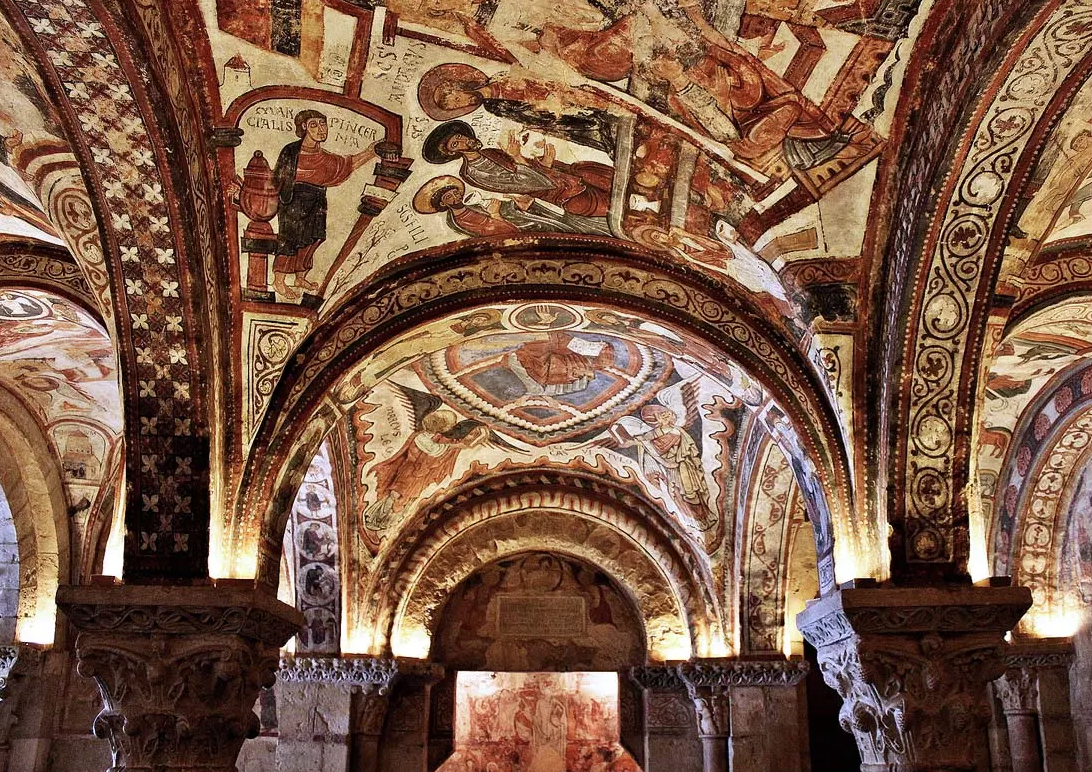
    Flourishing in the 12th and 13th centuries as both a royal capital and a key stop on the road to Santiago, León’s monuments reflect a period when the Christian kingdoms of northern Spain expressed their ambitions through architecture and patronage. Our exploration begins at the Basilica of San Isidoro, where the 12th-century Pantheon of the Kings preserves a remarkable cycle of Romanesque frescoes. Often described as the ‘Sistine Chapel’ of Romanesque art, the painted vaults illuminate medieval ideas of rulership, salvation and dynastic continuity. After a break for lunch, we walk through the Casco Viejo, tracing León’s medieval street plan before entering the Cathedral of Santa María. Known as the ‘House of Light’, its vast stained-glass reflects strong artistic ties with the Gothic cathedrals of France. Dinner this evening is at Los Delirios, drawing on León’s regional produce. Overnight León (B, D)

  • Day 8 | Friday 16 April
    Oviedo

    In the early Middle Ages, Oviedo emerged as the capital of the Asturian Kingdom – a Christian polity that consolidated power in the mountainous north during a period of Islamic rule across much of Iberia. From here, rulers sponsored churches, relic cults and courtly architecture that laid foundations for later expansion southwards. Travelling from León across the Cantabrian Mountains into Asturias, we pause for coffee en route before arriving in Oviedo. After checking into our hotel, we spend the afternoon tracing the city’s layered development. Romanesque and Gothic elements sit alongside Baroque palaces and elegant civic squares, while the Campo de San Francisco offers a green counterpoint at the heart of the city. Oviedo’s compact scale allows us to appreciate how its early medieval status evolved into a refined provincial capital. The evening is at leisure on return to our hotel. Overnight Oviedo (B)

  • Day 9 | Saturday 17 April
    The Picos de Europa

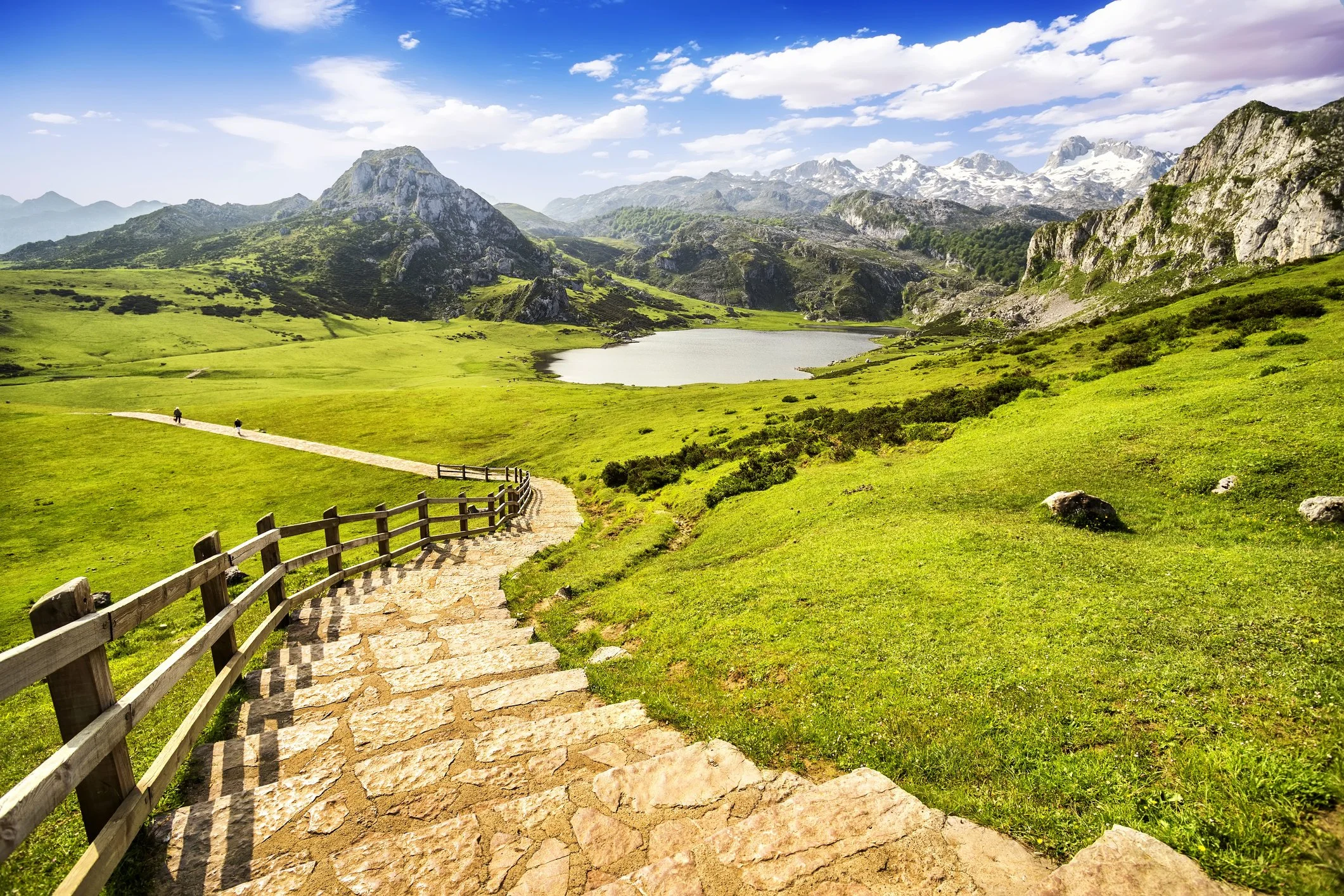
    The limestone peaks of the Picos de Europa rise suddenly from Asturias’s green valleys, creating one of northern Spain’s most striking landscapes. For centuries these mountains offered both protection and isolation, sheltering small communities. Nearby Covadonga later came to hold deep symbolic significance, long associated with the early emergence of the Asturian kingdom. Meeting our local guide this morning, we make our way into the national park, where glacial waters rest beneath towering peaks. Time is set aside to walk around the lakes and observe this dramatic landscape. A rustic lunch is enjoyed at a mountain refuge before we return to Oviedo in the late afternoon. Overnight Oviedo (B, L)

  • Day 10 | Sunday 18 April
    Pre-Romanesque Oviedo

    In the hills above Oviedo stand a small group of remarkable 9th-century churches built by the Asturian kings. Modest in scale yet refined in design, they offer a glimpse into an early phase of medieval architecture, developed before the Romanesque style became widespread across Europe. Today we visit two of the finest examples – San Miguel de Lillo and Santa María del Naranco – both recognised as UNESCO World-Heritage sites. On return to the city centre, we then visit the Museum of Fine Arts, whose collections include works by El Greco and Goya, alongside later Spanish painters such as Joaquín Sorolla. We gather again in the hotel this evening for a talk, followed by dinner. Overnight Oviedo (B, D)

  • Day 11 | Monday 19 April
    Into Galicia – Lugo and Santiago

    Galicia marks the final stage of the Camino Francés, where Atlantic mist and granite-built towns create a distinctive atmosphere. For medieval pilgrims, this landscape signalled that their long road was nearing its sacred destination. Continuing west towards Santiago de Compostela, we first pause at Castro de Viladonga, an excavated Iron Age hill settlement that reveals layers of pre-Roman occupation in north-western Iberia. We then proceed to Lugo, where we walk along the remarkably intact Roman walls – the only complete circuit of Roman fortifications remaining anywhere in the world – before a break for lunch within the old town. By evening we reach Santiago de Compostela. Dinner this evening is enjoyed at Abastos 2.0, situated next to the busy Mercado de Abasto. The cooking here is centred on Galician produce sourced from the market. Overnight Santiago de Compostela (B, D)

  • Day 12 | Tuesday 20 April
    Santiago de Compostela

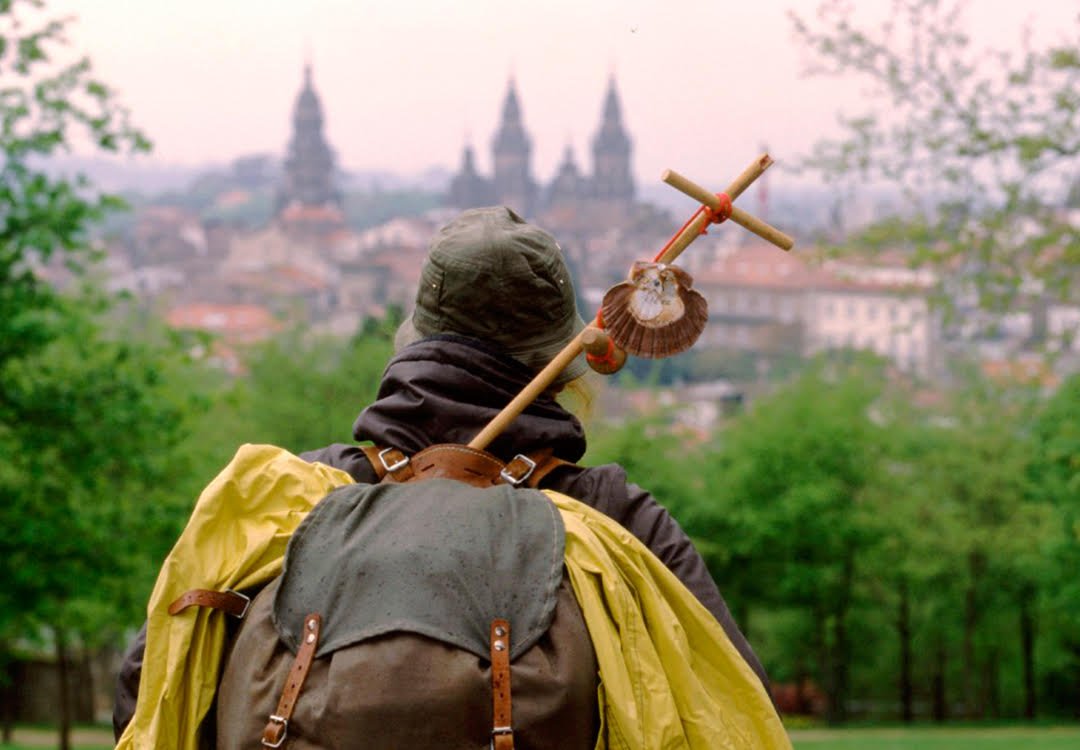
    For over a thousand years, Santiago de Compostela has stood as one of Europe’s great pilgrimage destinations, the culmination of a route stretching more than 800 kilometres across northern Spain. Our day begins with a guided exploration of the historic centre, whose granite streets and monastic buildings reflect centuries of ecclesiastical patronage. Inside the Cathedral, we study the Pórtico de la Gloria, the 12th-century sculptural ensemble attributed to Master Mateo, where more than 200 carved figures are arranged around the vision of the Apocalypse. In the afternoon, there is the opportunity to walk a short stretch of the Camino beyond the city, offering a quieter perspective on the route that has defined Santiago’s identity. Overnight Santiago de Compostela (B)

  • Day 13 | Wednesday 21 April
    Rías Baixas

    Galicia’s Atlantic coastline is deeply indented by rías – tidal estuaries that sustain fishing communities and vineyards. This maritime environment has shaped the region’s cuisine, particularly its reputation for seafood and wine. Travelling south into the Rías Baixas today, we visit the Pazo de Rubianes – an historic estate surrounded by camellia gardens and Albariño vines. A tasting introduces the crisp, mineral character of these wines, before we continue to the coastal town of Cambados for lunch at a renowned seafood restaurant. Before our return to Santiago for our final evening in Spain, a gentle walk along the waterfront offers views of traditional mussel farms suspended in the inlets. Overnight Santiago de Compostela (B, WT, L)

  • Day 14 | Thursday 22 April
    Into Portugal

    Crossing the Minho River, we leave Spain and enter Portugal, a kingdom that from the Middle Ages looked decisively towards the Atlantic. While northern Spain’s identity was shaped by pilgrimage routes, Portugal’s future would be forged through maritime expansion. Our first stop is the fortified town of Valença, whose 17th-century star-shaped walls reflect centuries of frontier tension. We break for lunch here before continuing south to Porto. On arrival, we meet our local guide and walk towards the Ribeira quarter, where tightly packed houses cascade down to the riverfront. From here we embark on a private cruise along the Douro, passing beneath the city’s six bridges. Disembarking in Vila Nova de Gaia, we visit a historic port cellar for an introduction to this fortified wine, developed to withstand lengthy Atlantic voyages. Our day then concludes with dinner in a local restaurant. Overnight Porto (B, WT, D)

  • Day 15 | Friday 23 April
    Porto

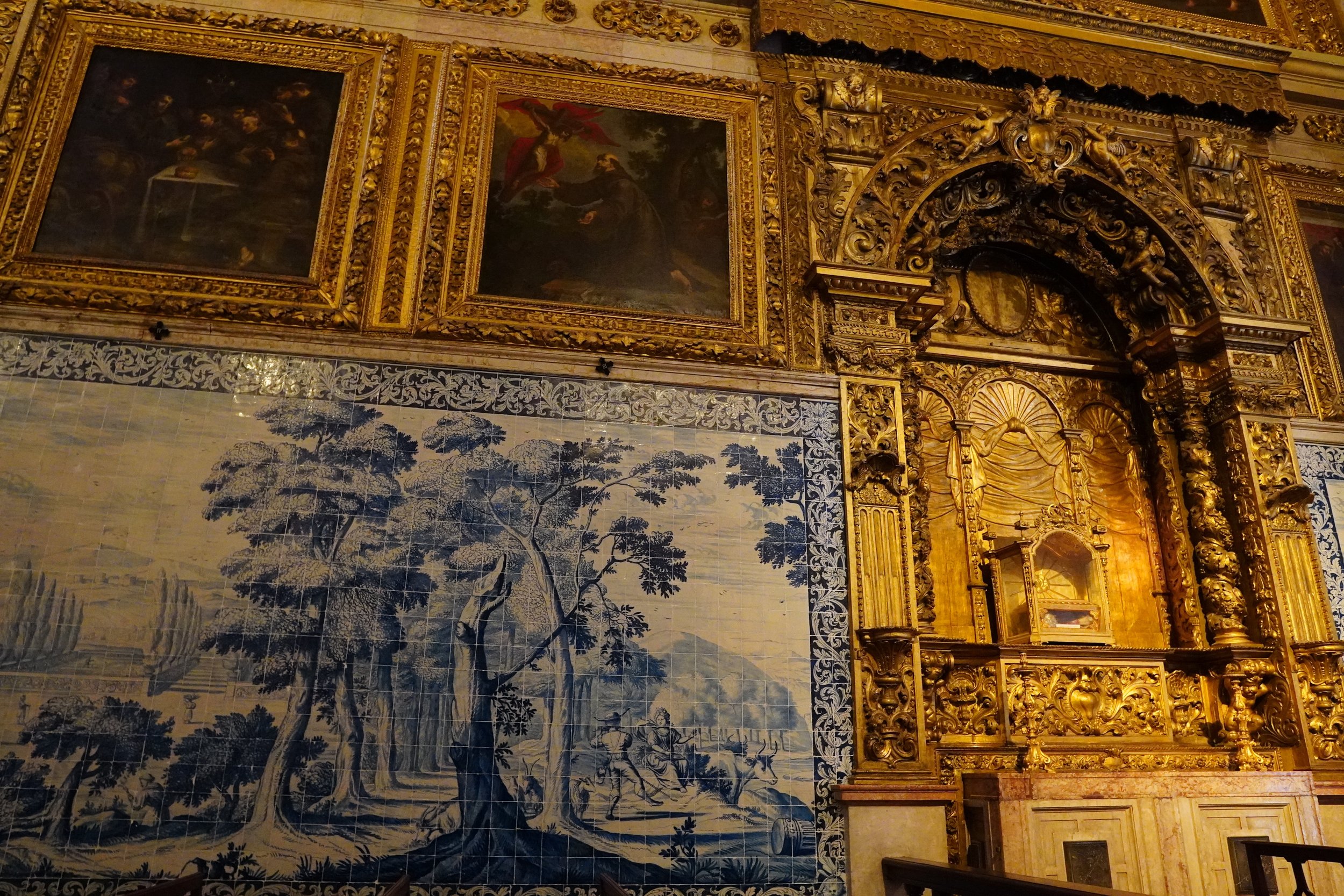
    Porto’s historic centre speaks of centuries of exchange across the Atlantic. From medieval merchants to the wine exporters who later connected the city to Britain and beyond, successive generations left their mark on its streets and buildings. This morning we explore the historic centre, beginning at São Bento station, whose blue-and-white azulejo panels depict key episodes from Portuguese history. We continue to the Palácio da Bolsa, the 19th-century Stock Exchange Palace, where richly decorated interiors speak to Porto’s trading confidence. At the Church of São Francisco, Gothic stonework is overlaid with exuberant gilded carving, revealing changing devotional tastes. The walk concludes near the cathedral, allowing time to continue at leisure through the old quarter. In the early evening, we gather again in the hotel for a talk. Overnight Porto (B)

  • Day 16 | Saturday 24 April
    Lisbon

    Standing at the mouth of the Tagus River, Lisbon is a city shaped by seafaring ambition, imperial expansion and resilience in the face of catastrophe. From its medieval quarters to the rational grid rebuilt after the earthquake of 1755, the city reflects successive layers of history. Departing Porto this morning, we make our final journey south towards the capital. On arrival we view the exquisite collection of azulejos at the National Tile Museum, housed in the monastic buildings of the Madre de Deus Convent. We then check into our hotel, followed by an orientation walk through the Baixa district. In the evening, we gather for dinner accompanied by a performance of Fado – the evocative musical tradition that emerged from Lisbon’s port neighbourhoods in the 19th century. Overnight Lisbon (B, D)

  • Day 17 | Sunday 25 April
    Berardo and Belém

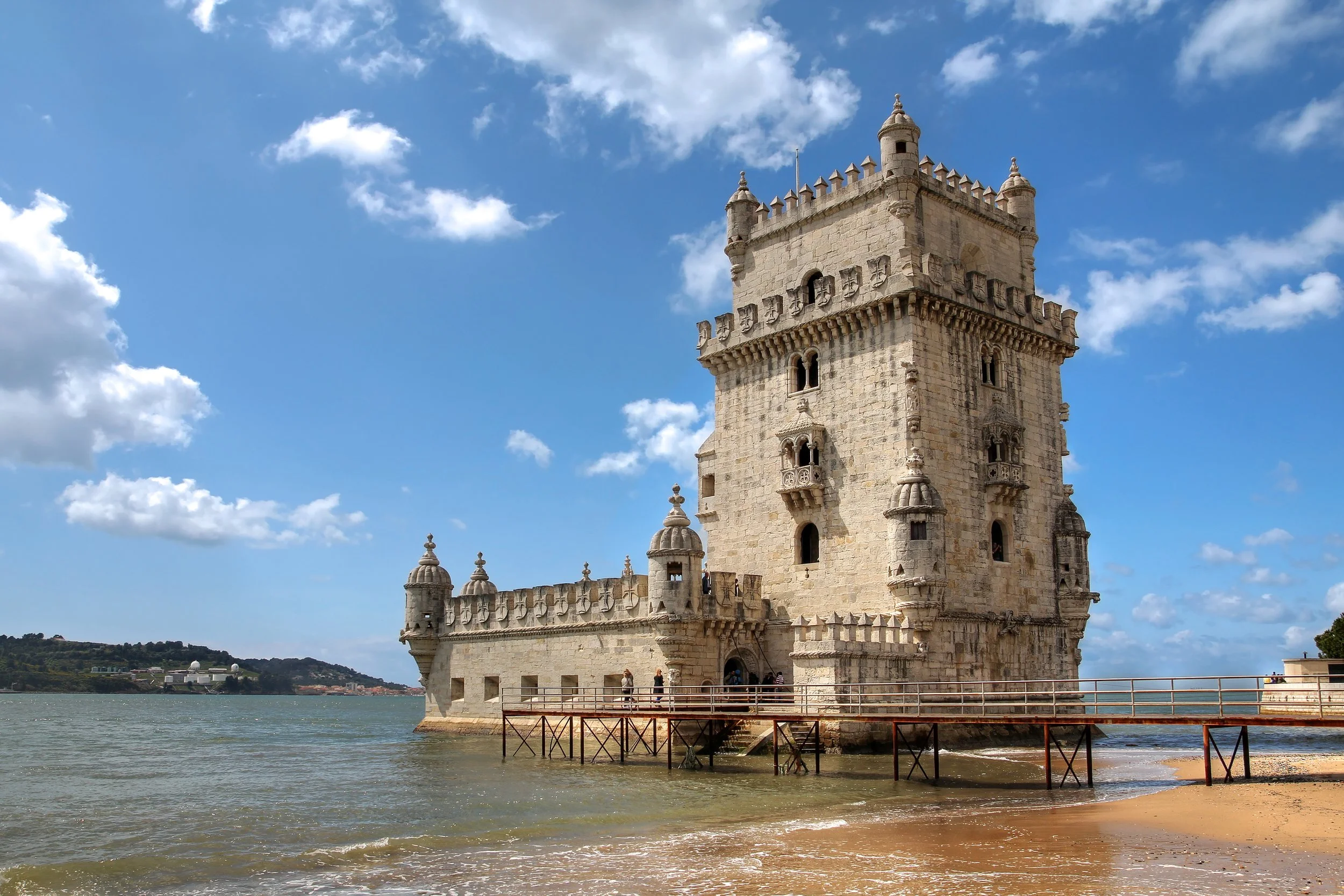
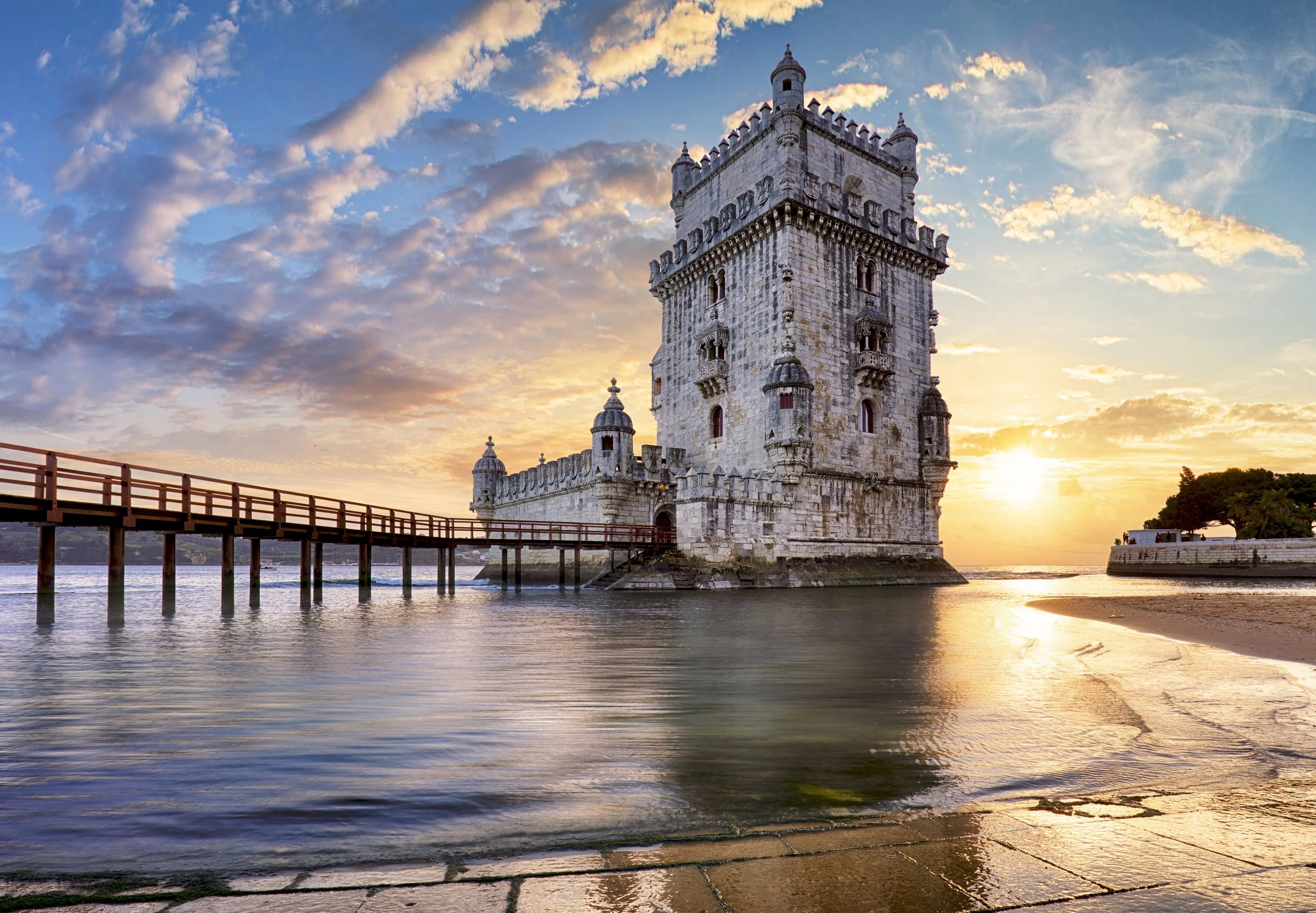
    In the 15th and 16th centuries, Lisbon stood at the centre of Europe’s Age of Discoveries, as Portuguese navigators sailed beyond familiar waters to establish new trade routes to Africa, Asia and South America. Wealth from these maritime ventures transformed the city, funding monuments that still line the banks of the Tagus. We begin today at the Berardo Collection Museum, which houses an extraordinary collection of art amassed by Portuguese billionaire José Berardo. After our visit, we turn our attention to this era that reshaped Lisbon’s place in the world. Making our way to Belém, here we find a 16th-century fortification at the mouth of the Tagus River that formed a vital part of Lisbon’s maritime defences, along with the Monument to the Discoveries that celebrates the location from where many of Portugal’s great maritime expeditions departed. After a break for some fine Portuguese custard tarts, we conclude at the Jerónimos Monastery, built with wealth from the spice trade and where explorers once came to pray before their voyages. Overnight Lisbon (B)

  • Day 18 | Monday 27 April
    Alfama

    We take an iconic yellow tram up to Alfama to view the Castle of São Jorge and enjoy its outstanding views over the city. We then meander down through the labyrinthine Moorish quarter, a truly emblematic part of the city. Alfama was largely spared in the earthquake of 1755 and is still a maze of narrow streets. We visit the Núcleo Arqueológico, an extraordinary archaeological site with remains dating from the Iron Age, hidden under a modern-day bank. This evening we enjoy dinner and a performance of Fado, a Portuguese musical genre dating from the early 19th century. Overnight Lisbon (B, D)

  • Day 19 | Tuesday 28 April
    Age of Discovery

    This morning we pay homage to the Golden Age of Discovery and explore the borough of Belém. Commencing at Belém Tower, a 16th century fortification at the mouth of the Tagus River which formed a vital part of Lisbon’s defences, we continue to the Discovery Monument, celebrating the location where explorers departed to the Far East to open up important trade routes. After a break for some fine Portuguese tarts, we visit the Jerónimos Monastery, where seafarers came to pray. In the afternoon we enjoy the Berardo Collection Museum which houses an extraordinary collection of art amassed by Portuguese billionaire José Berardo. We conclude our evening with a farewell dinner in a fabulous local restaurant. Overnight Lisbon (B, D)

  • Day 20 | Wednesday 29 April
    Departure

    The tour concludes this morning after breakfast. Airport transfers are included with the tour. (B)

Hotels have been selected principally for their central location. All hotels are a comfortable four-star standard.

Tour Accommodation

tour booking

$18,860 AUD per person, twin share (land content only)
$3,840 AUD supplement for sole use of a hotel room

A $1,000 deposit is required per person to confirm your booking on tour. This deposit is non-refundable.

Hold a Place

Still deciding? We are happy to hold a tentative place for 7 days while you make your final arrangements.

Book Online

To secure your place(s) on tour, book online below with “Athena”, our virtual tour consultant.

DOWNLOAD FORM

Download a printable booking form. You can also complete the form on screen and submit via email.

your tour consultant

The consultant for this tour is Lucy Yeates. For further information or to discuss the tour, please call 9235 0023 (Sydney) or 1800 639 699 (outside Sydney) or email lucy@academytravel.com.au

have you thought about?

Academy Travel is more than just a tour operator. We are also a full-service travel agency who can assist you with all aspects of your travel, including flights, transfers, pre-tour arrival, additional travel and comprehensive travel insurance.

can’t make this departure?

If these dates don't work for you, register to hear about the next tour.