Rome

The Eternal City

Take an indepth look at Rome’s history, art and architecture, stretching from the Etruscan civilization to the 21st century.

TOUR STATUS

Places Available | Maximum 16

TOUR DATES

January 7-21, 2027 | 15 Days

TOUR LEADER

Dr Eireann Marshall | View Bio

snapshot

  • The tour starts at 3.00pm on Thursday 7 January, at the Ponte Sisto Hotel, Rome.

    The tour ends after breakfast on Thursday 21 January, at the Ponte Sisto Hotel, Rome.

  • Grade Two. This tour is designed for people who lead active lives.

    View all requirements >

  • 14 nights’ accommodation in
    a centrally located 4-star hotel. Airport-hotel transfers in Rome.
    All breakfasts, 5 lunches and 3 dinners. Premium tickets to 2 performances. Services of an expert tour leader and an experienced tour manager throughout. All ground transport, entrance fees and tipping.

    View standard tour inclusions >

  • $14,870 AUD per person, twin share (land content only)
    $2,890 AUD supplement for sole use of a hotel room

    A $1,000 AUD non-refundable deposit is required per person to confirm your booking on tour

OVERVIEW

The city of Rome stands as one of the most enduring achievements of Western civilisation, its unique concentration of historic sites bridging ancient and modern worlds. Few cities offer such an unbroken dialogue between past and present, making Rome an experience to be savoured over time. 

On this 15-day residential tour, we invite you to unpack your bags once and settle into the rhythm of Roman life, with an exceptional opportunity to explore the city in depth – its history, art and architecture – while enjoying Rome during its quieter months. Led by classicist Dr Eireann Marshall, uncover the layers of the Eternal City: from the grandeur of the ancient Roman world, foundation of its civic pride and traditions, to the sublime achievements of the Renaissance and Baroque periods. 

Guided and private visits bring insight into the city’s rich historical and artistic legacy, while free time allows you to wander at your own pace – to revisit favourite monuments and galleries, discover local neighbourhoods, or simply watch daily life unfold in one of the world’s most extraordinary cities.

tour highlights

From private visits to iconic monuments, experience the history, art and culture that define the Eternal City.

Dr Eireann Marshall

your expert tour leader

Eireann is an Honorary Research Associate and Associate Lecturer with the Open University. Raised in the Veneto, she was educated in Barnard College, Columbia University, in New York, as well as the Universities of Birmingham and Exeter in England, where she has lectured. With her vast lecturing and guiding experience, Eireann has in-depth knowledge of Italy and its history and archaeology. Eireann has led many tours, including several to Rome, Ravenna, Venice, Pompeii and Sicily, and is bilingual in English and Italian.

Read full bio >

Accompanied by an Experienced Tour Manager

Alongside your expert tour leader, an experienced tour manager will accompany for the entirety of the tour. They oversee logistics, ensure your comfort and safety, and provide friendly support – whether offering tips for free time, sharing a chat over dinner, or giving you space to relax.

tour ITINERARY

Rome (14 nights)

Included meals are shown with the letters B, L and D

Download Printable Itinerary
  • Day 1 | Thursday 7 January
    Arrival in Rome
    Rome’s historic centre reflects more than two millennia of continuous urban life, where ancient temples, medieval churches and baroque palaces coexist within a compact, walkable district. Our opening afternoon introduces the city’s layered topography and the themes that will guide our time here. Beginning at 3.00pm in the lobby of the Hotel Ponte Sisto, we first take an orientation walk through the surrounding neighbourhood before returning to the hotel for an introductory talk which frames the days ahead. We then enjoy a welcome dinner together at one of Rome’s classic restaurants. Overnight Rome (D)

  • Day 2 | Friday 8 January
    The Heart of Ancient Rome

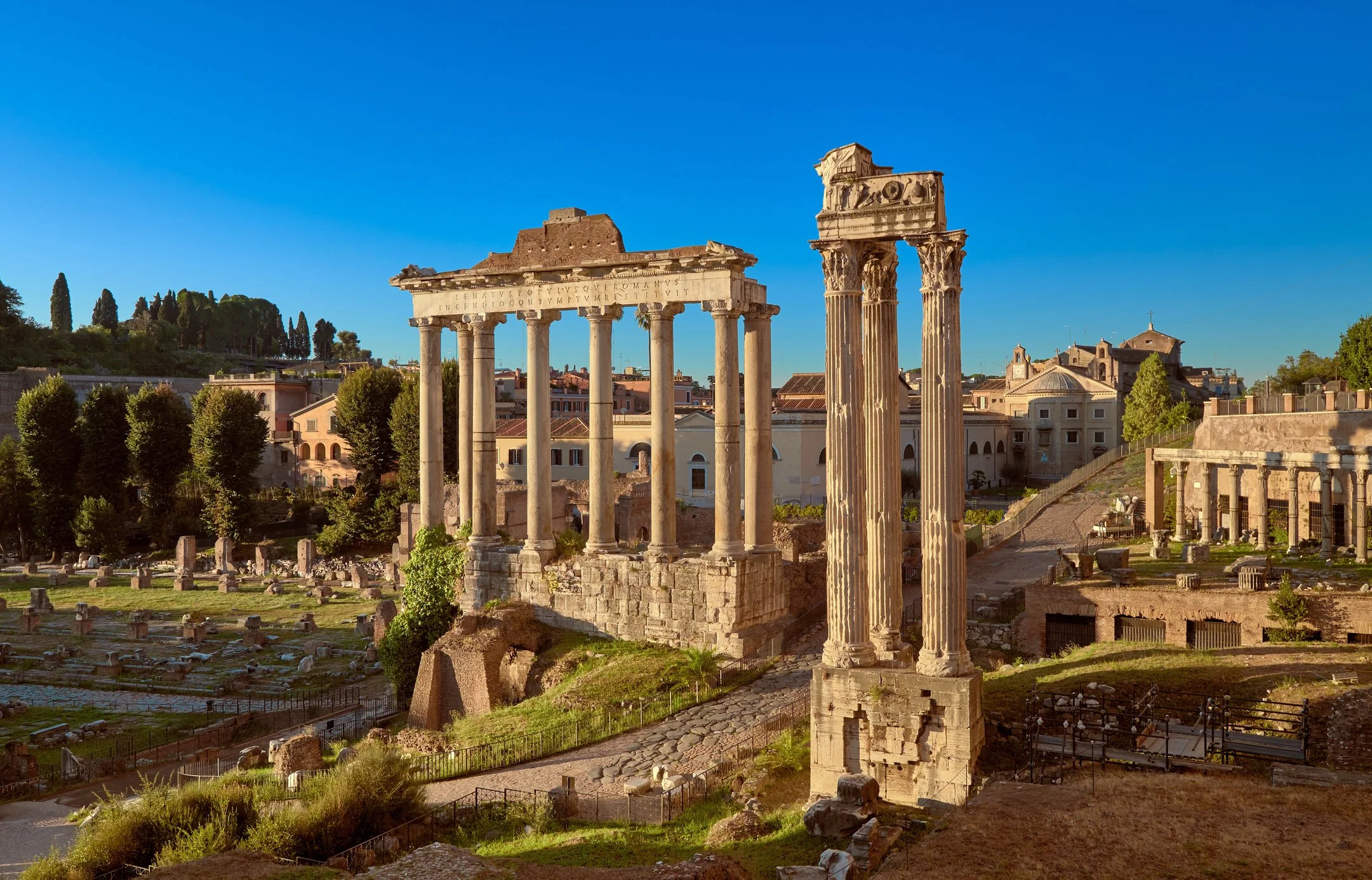
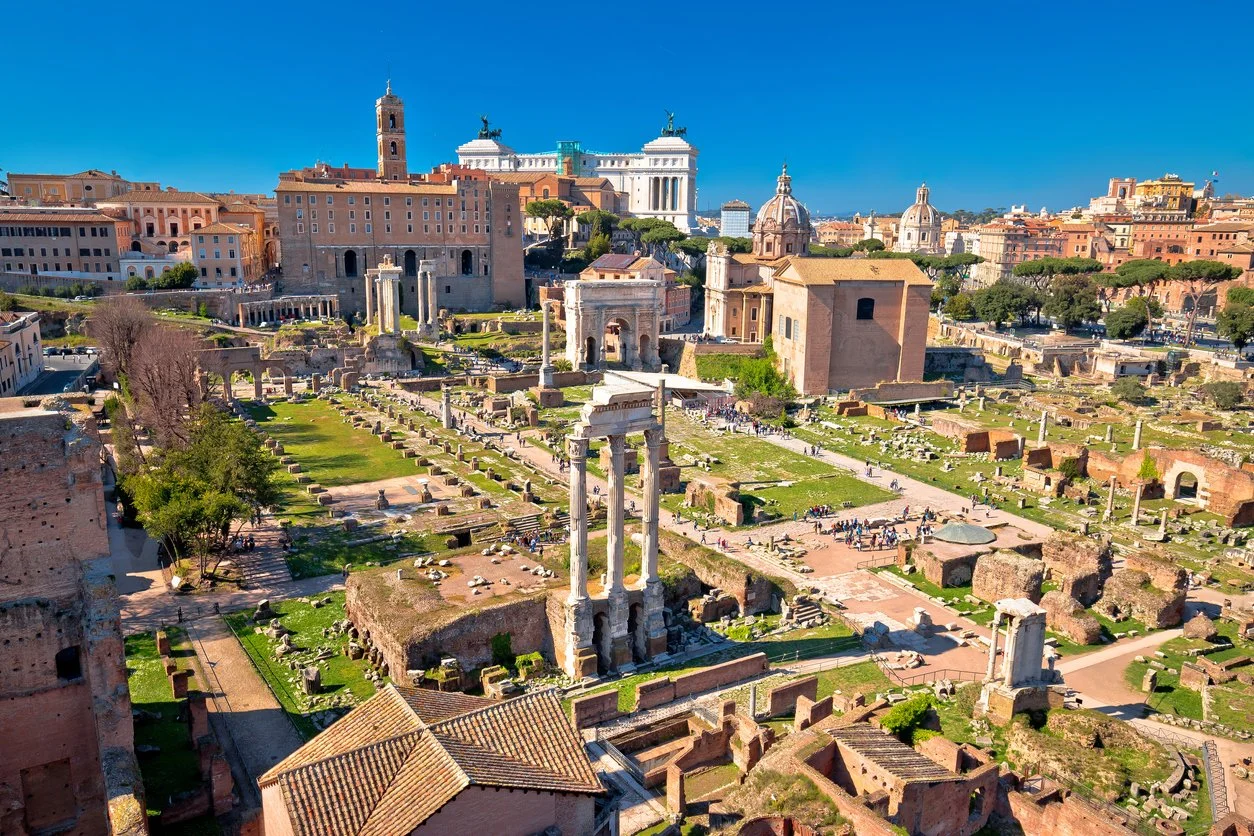
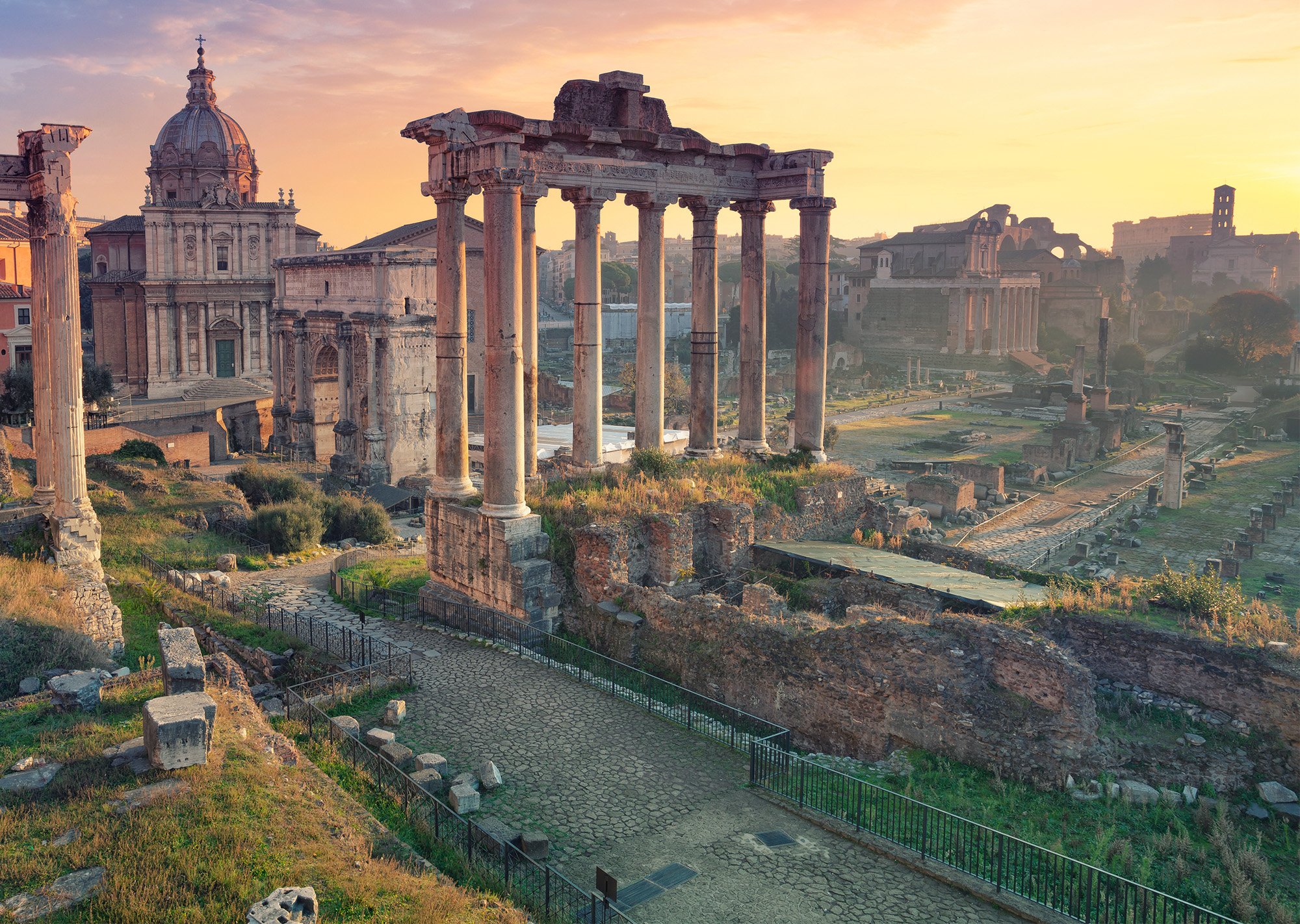
    The Palatine Hill and Roman Forum formed the political and religious nucleus of ancient Rome. Their monuments chart the city’s growth from a modest republic to the capital of a far-reaching empire. Making our way into Rome’s archaeological zone this morning, we begin our day with the imperial residences on the Palatine Hill, including the House of Augustus and the Domus Tiberiana. Descending via Tiberius’ Ramp – an architectural feat linking the imperial residences with the bustling civic heart of the Forum –  we visit the 6th-century church of Santa Maria Antiqua, whose rare frescoes reveal the transition from pagan to Christian Rome. We then walk through the Forum, including the Temple of Caesar and the Temple of Romulus, gaining a clearer understanding of how this valley functioned as the civic heart of the ancient city. On return to our hotel, the afternoon and evening are at leisure. Overnight Rome (B)

  • Day 3 | Saturday 9 January
    Imperial Imagery

    From Augustus to Constantine, emperors reshaped Rome’s visual landscape to project authority and continuity. Today we explore monuments that reveal how art and architecture communicated this evolving political order. We begin at the Ara Pacis, Augustus’s monumental altar celebrating peace and dynastic stability, a key expression of the ideology of Rome’s first princeps. We then continue to the Arch of Constantine, commemorating the Emperor’s decisive victory and signalling a new era, before making our way to one of the most enduring symbols of imperial power: the Colosseum. After lunch together at Gran Caffè Martini & Rossi, with its splendid views over the Colosseum, we view the exterior remains of the Ludus Magnus – the gladiatorial training school. Our day concludes with a visit to the Domus Aurea, the vast and opulent pleasure palace constructed by Emperor Nero, a testament to the extremes of imperial ambition. Upon returning to the hotel, there is time to unwind before an evening lecture on the dynamics of Rome’s imperial power. Overnight Rome
    (B, L)

  • Day 4 | Sunday 10 January
    Imperial Magnificence | Auditorium Parco della Musica

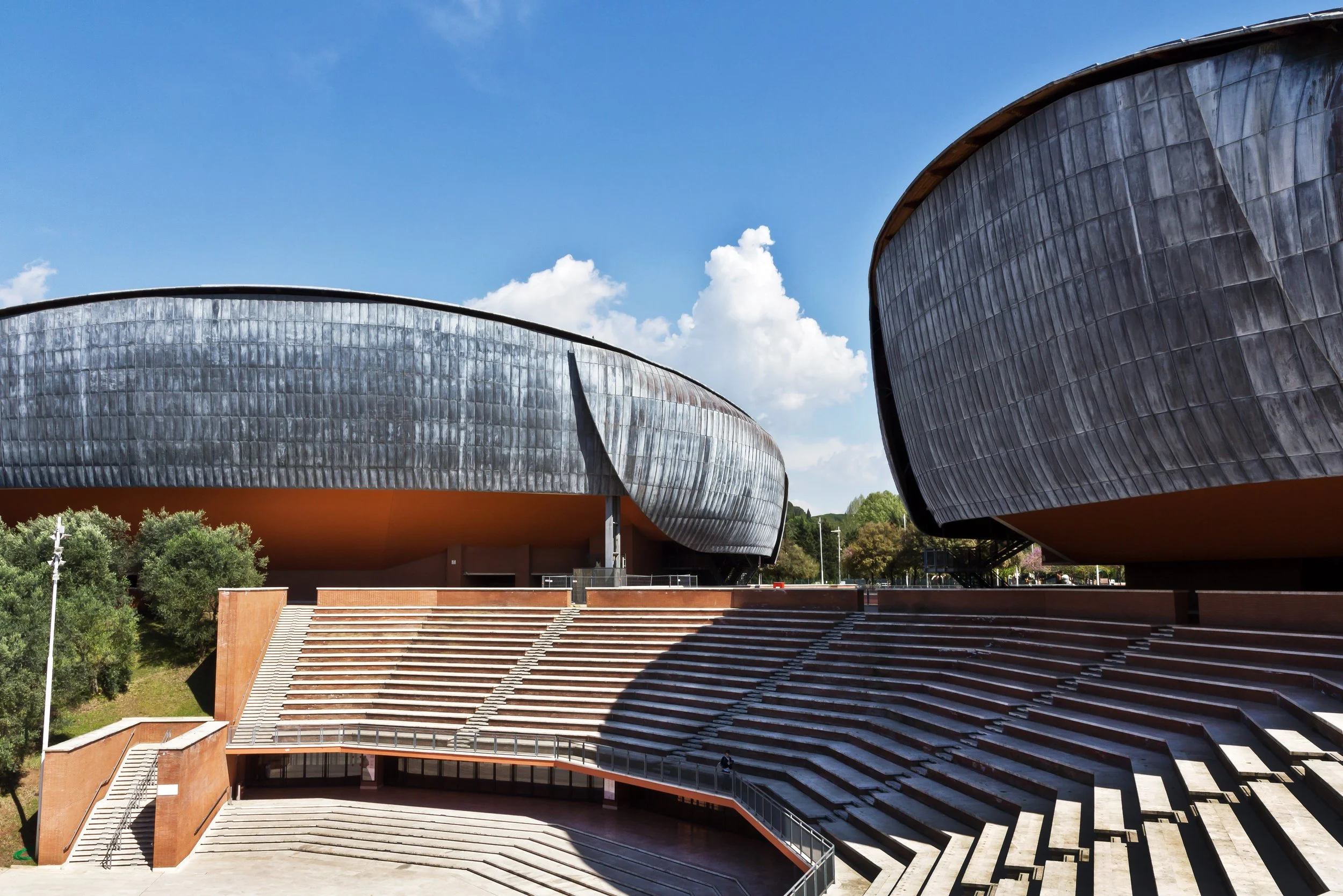
    Rome’s imperial age produced some of the Empire’s finest sculpture, interior decoration and public architecture. This morning we delve into this magnificence with a visit to the Palazzo Massimo, boasting sculptures, mosaics, and frescoes, including wall paintings from Villa Livia – the luxurious country estate of Augustus’s wife at Prima Porta – celebrated for their ethereal depictions of an idealised garden. We then continue to the Baths of Diocletian, the largest and most ambitious of Rome’s imperial bath complexes, whose monumental scale offers powerful insight into the social and architectural life of the ancient city. After a break for lunch nearby, our final stop for the day is the Pantheon – one of the most extraordinary survivals of the ancient world. Its vast concrete dome and central oculus demonstrate the remarkable technical and symbolic achievements of Imperial Rome. This evening (schedule permitting) we plan to enjoy a performance at the Auditorium Parco della Musica – designed by Italian architect Renzo Piano. Overnight Rome (B)

  • Day 5 | Monday 11 January
    Tivoli

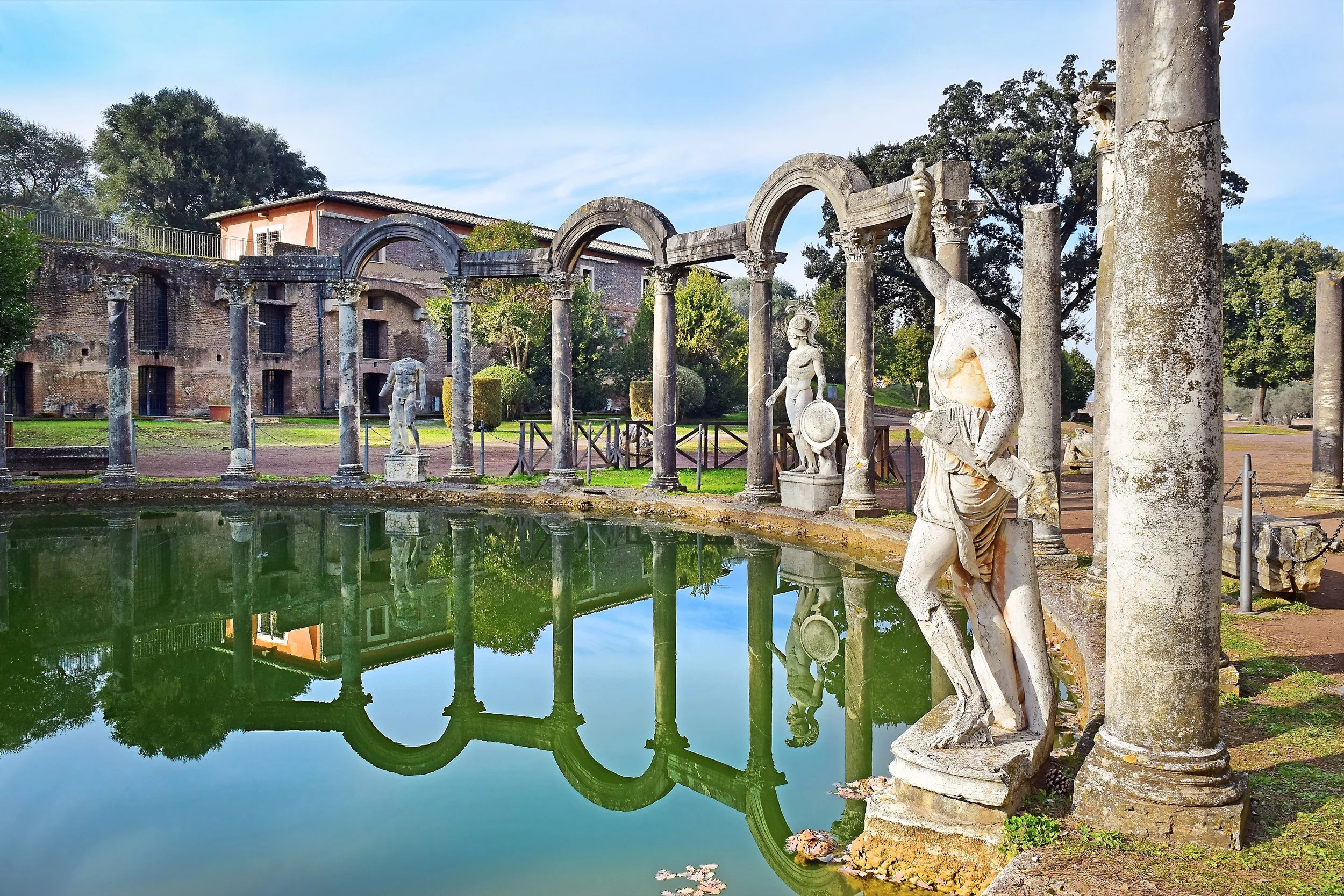
    Tivoli’s hillside villas reflect centuries of creativity, rooted in the long history of ancient Tibur, a settlement dating back to the 13th century BCE. This elegant spa town, prized by wealthy Romans for the restorative waters of the Aniene River, became a favoured place for retreats, where rulers and patrons shaped the landscape into expressions of status, learning and leisure. A short drive from Rome this morning brings us first to the ruins of Hadrian’s Villa, once a vast landscaped retreat of pools, baths and fountains. This extraordinary complex served as both sanctuary and second home to the Emperor, who created a microcosm of his empire. Following our visit, we enjoy lunch at a small, intimate restaurant in the heart of Tivoli before making our way to the exquisite Villa d’Este, a masterpiece of Renaissance art and engineering. Here Cardinal Ippolito d’Este, son of Lucrezia Borgia, and a generous patron of the arts, retired in style, commissioning a villa surrounded by a pagan fantasy of grottoes, gardens and cascading fountains. Returning to Rome in the late afternoon, the evening is at leisure. Overnight Rome (B, L)

  • Day 6 | Tuesday 12 January
    Everyday life in Ancient Rome & the Roman Ghetto

    Beyond its monuments of power, Rome was shaped by the rhythms of daily life – trade, housing, neighbourhood identity and religious diversity. Shifting our focus to these more prosaic remnants of the ancient city, we begin the day with a special visit to San Nicola in Carcere (Saint Nicholas in Prison). This modest 11th-century basilica, built amid the ruins of the Forum Olitorium, incorporates the remains of three Republican- era temples. Descending below the church, we then explore their remarkably preserved foundations and gain insight into the construction techniques and urban layering that defined the ancient city. On foot, we continue through the Forum Boarium to sites including Santa Maria in Cosmedin, the Theatre of Marcellus and the Portico of Octavia. We then continue on to Testaccio, once the city’s slaughterhouse district and now one of Rome’s most vibrant neighbourhoods, where we will enjoy lunch in a local trattoria overlooking Monte Testaccio. Our final destination today is Monte Testaccio itself, an archaeological mound composed entirely of fragments of ancient amphorae – a reminder of the vast scale of trade and consumption in Imperial Rome. On return to our hotel, the evening is at leisure. Overnight Rome (B, L)

  • Day 7 | Wednesday 13 January
    Ostia Antica

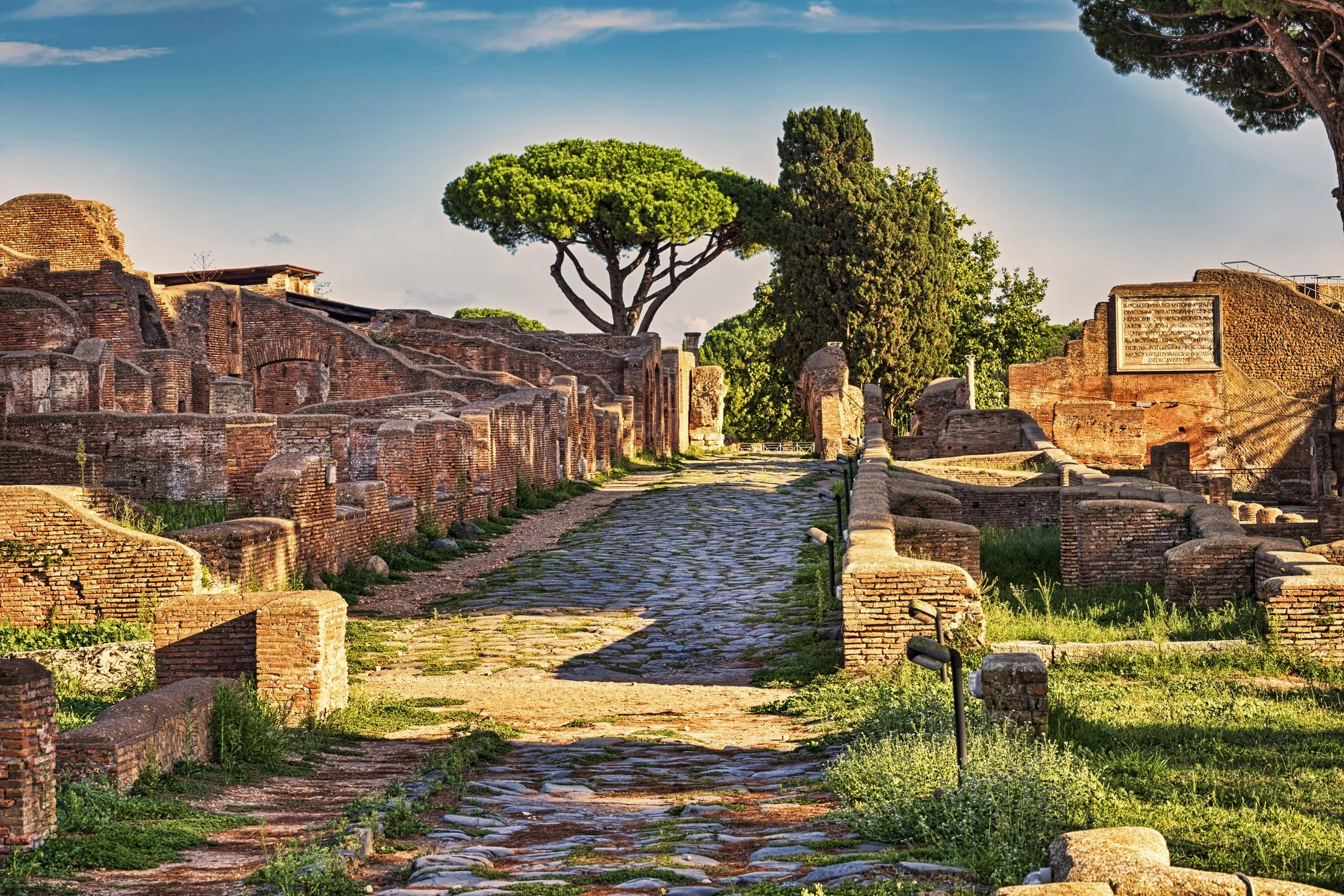
    As Rome’s principal port, Ostia once supported the city’s vast population with grain, goods and labour from across the Mediterranean. An early departure this morning brings us to this ancient port at the mouth of the Tiber. Long since silted up and deserted, the city now stands as one of the most atmospheric archaeological parks in Italy, with its remarkably preserved streets revealing the texture of urban life outside the capital. We explore its streets, temples, and houses – from the Theatre of Marcus Agrippa to the mosaic-lined bathhouses – before enjoying time at leisure to wander among its ruins. On our return journey, we stop at the nearby Museo delle Navi at Fiumicino, where remarkably preserved ships recovered from the ancient harbour basin illustrate the scale and sophistication of Rome’s maritime infrastructure. Returning to Rome in the late afternoon, there is time to freshen up before we gather for dinner at Rimessa Roscioli – a celebrated institution of Roman cuisine. Overnight Rome (B, D)

  • Day 8 | Thursday 14 January
    Walking the Appian Way

    The Appian Way linked Rome to the wider empire, its route lined with tombs, villas and monumental gateways that marked the threshold between city and countryside. This morning’s talk introduces the emergence of Christian communities and shifting funerary traditions in late antiquity, providing context for the monuments that developed along Rome’s great arterial roads. We then follow in the footsteps of the Romans along the Appian Way, beginning with the Tomba degli Scipioni – the burial site of one of ancient Rome’s most illustrious families, where tombs of the Scipiones offer a glimpse into early Roman funerary practices. From here we continue to the privately owned Columbarium of the Freedmen of Augustus, where the owner welcomes us for a special visit, sharing archival material and offering a light aperitivo in the villa garden. After lunch on the Appian Way, we proceed to the Circus of Maxentius, one of the best-preserved arenas of the late Roman Empire, before viewing the nearby Tomb of Caecilia Metella, the monumental mausoleum of a prominent republican family. Returning to the hotel in the late afternoon, the evening is at leisure. Overnight Rome (B, L)

  • Day 9 | Friday 15 January
    The Advent of Christianity

    The conversion of Emperor Constantine to Christianity ushered in a new era of monumental church construction, with basilicas rising on an imperial scale. Our day begins at the Basilica of Santi Quattro Coronati, a fortified medieval church that conceals remarkable treasures, including a peaceful cloister and the exquisite 13th-century frescoes of the Oratory of Saint Sylvester, followed by San Clemente, an elegant 11th-century church built over three layers of earlier structures, the oldest dating back to the 1st century CE. Following lunch at a nearby restaurant, we transfer to the summit of the Esquiline Hill to visit Santa Maria Maggiore, one of Rome’s four major papal basilicas. Founded in 432 CE, the church retains some of the city’s earliest surviving Christian mosaics and is closely associated with the tradition of a miraculous summer snowfall that determined its location. Returning to the hotel in the late afternoon, the evening is at leisure. Overnight Rome (B, L)

  • Day 10 | Saturday 16 January
    Renaissance Rome

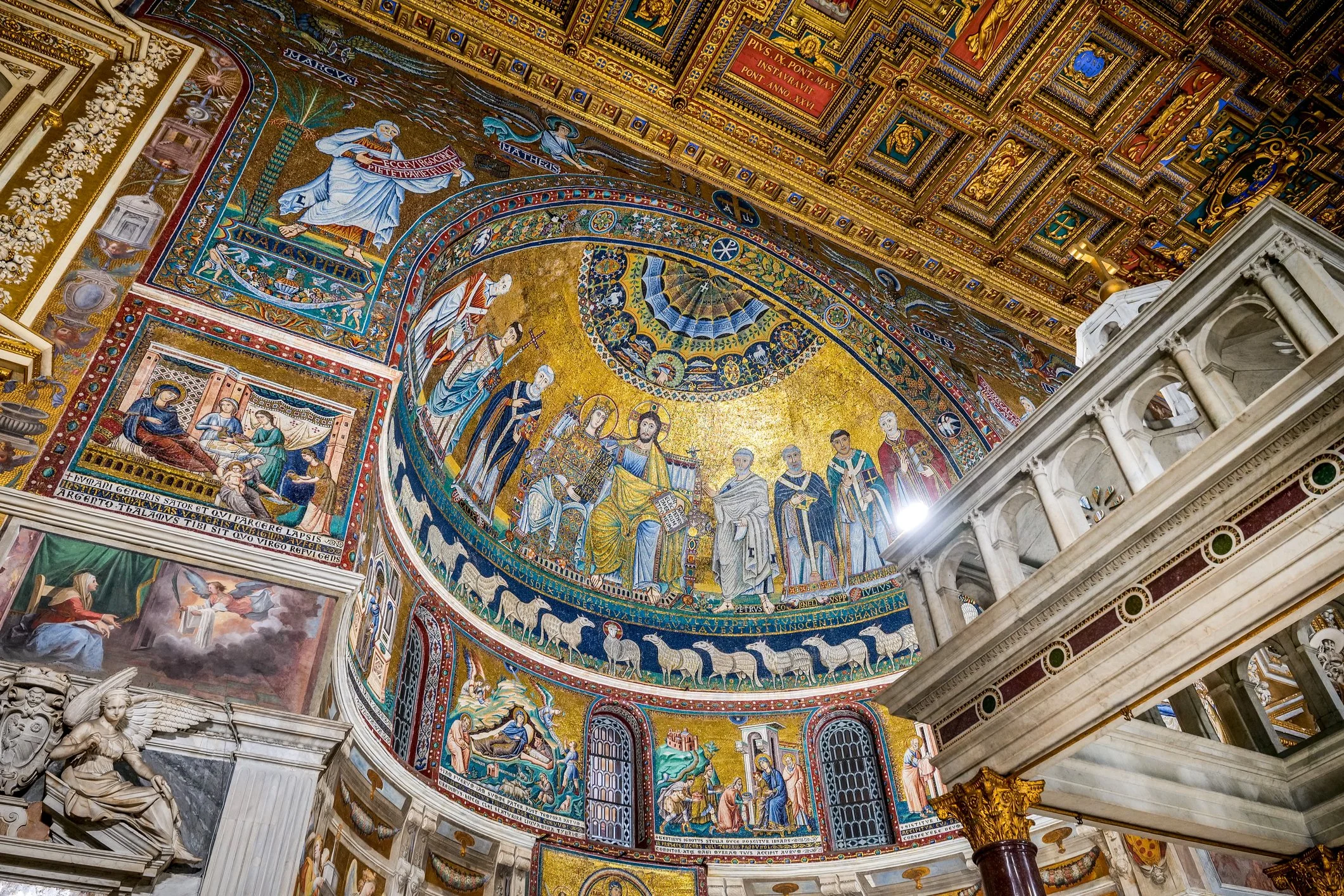
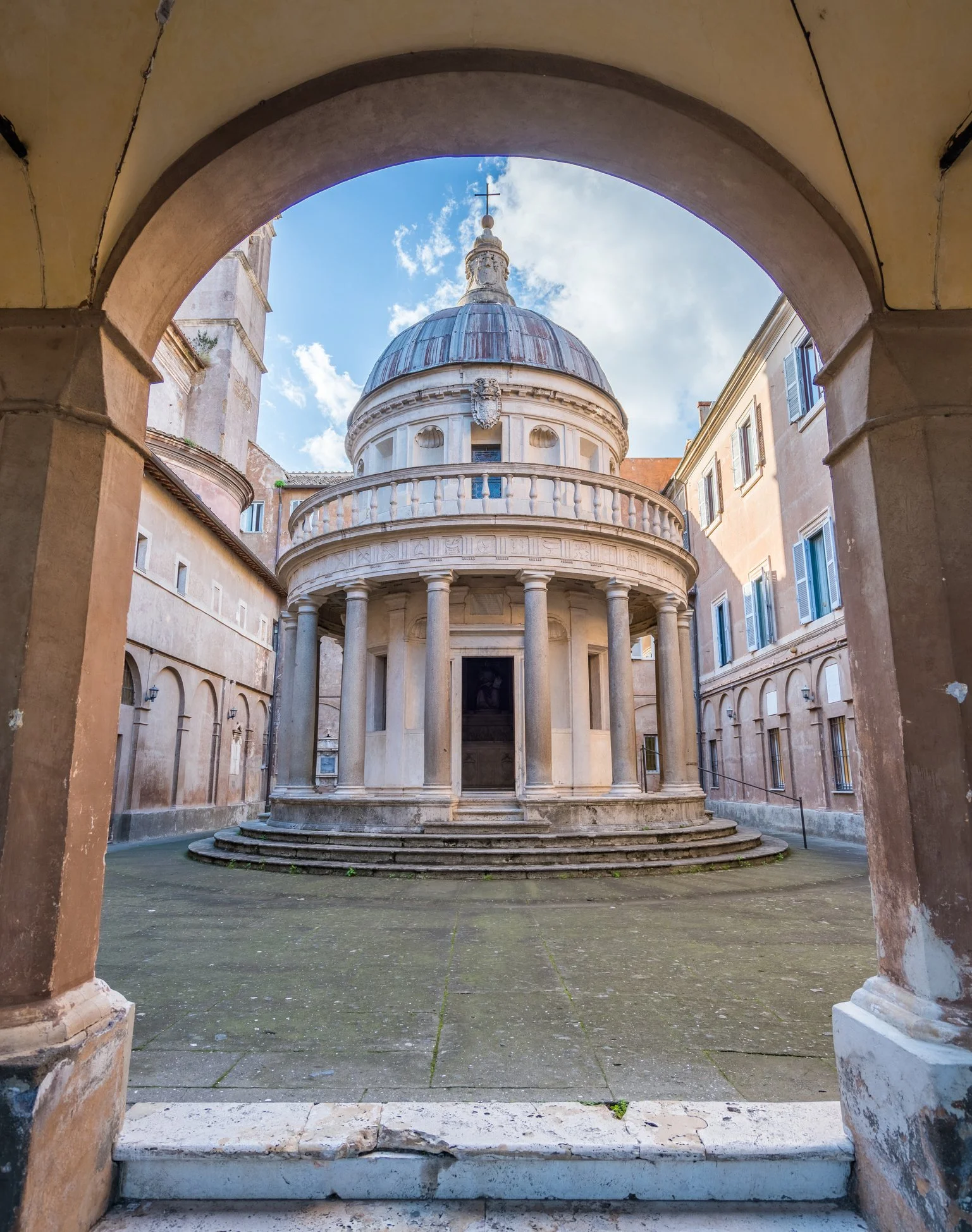
    The Renaissance marked Rome’s rebirth of art, architecture, and learning that followed the return of the Papacy from Avignon. Artists, scholars, and architects from across Italy flocked to the city, seeking to restore its ancient grandeur and to create a new Rome worthy of its imperial past. Our exploration of this extraordinary era begins on the Janiculum Hill, where we visit Bramante’s exquisite Tempietto of 1502. Commissioned by Ferdinand and Isabella of Spain, the small circular temple marks, according to tradition, the spot where St Peter was martyred. We then continue to the magnificent Villa Farnesina, a riverside masterpiece where, amid frescoes by Raphael and his contemporaries, patrons such as Agostino Chigi and Pope Leo X once gathered to enjoy art, music, and conversation, removed from the formalities of court and church. After time for lunch, we proceed to Santa Maria in Trastevere, one of Rome’s oldest churches, adorned with vibrant 12th- and 13th-century mosaics – a golden testament to the city’s position on the threshold between the medieval world and the Renaissance. On return to the hotel, the remainder of the day is at leisure. Overnight Rome (B)

  • Day 11 | Sunday 17 January
    Treasures of Rome | Teatro dell’Opera di Roma

    Rome’s early museums reflect the city’s long-standing efforts to preserve, classify and display its ancient heritage. Today we explore collections that shaped modern understandings of antiquity, beginning with a visit to the Capitoline Museums, whose origins date to the 15th century. Enriched over time by papal gifts and later acquisitions, the museums were opened to the public in 1734 by Pope Clement XII, making them among the oldest public museums in the world. Housed within a complex of medieval and Renaissance palaces on the Capitoline Hill, the collection encompasses masterpieces of classical art and sculpture, including the celebrated Capitoline Wolf, the equestrian statue of Marcus Aurelius, and the iconic Capitoline Venus. Recent renovations have also revealed sections of the ancient Temple of Jupiter Optimus Maximus, whose foundations lie directly beneath the museum complex. The afternoon is at leisure before we reconvene for our planned evening performance (schedule permitting) at the Teatro dell’Opera di Roma – the city’s principal opera house. Overnight Rome (B)

  • Day 12 | Monday 18 January
    Baroque Rome

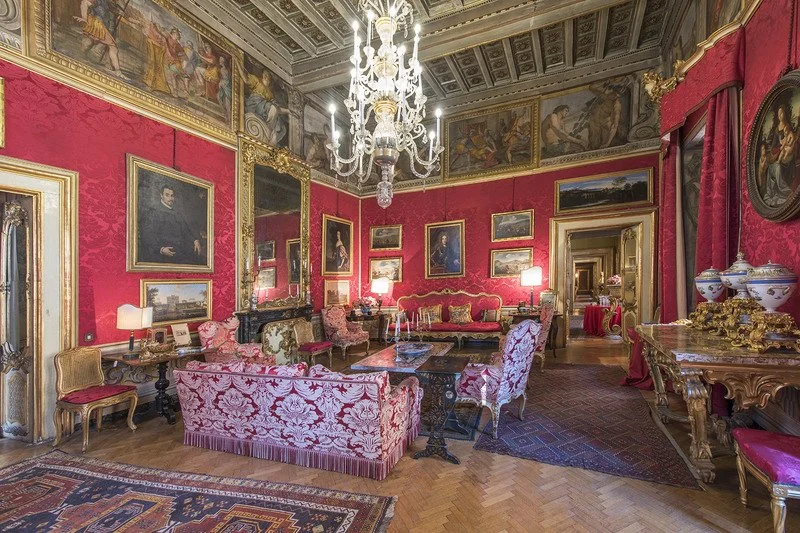
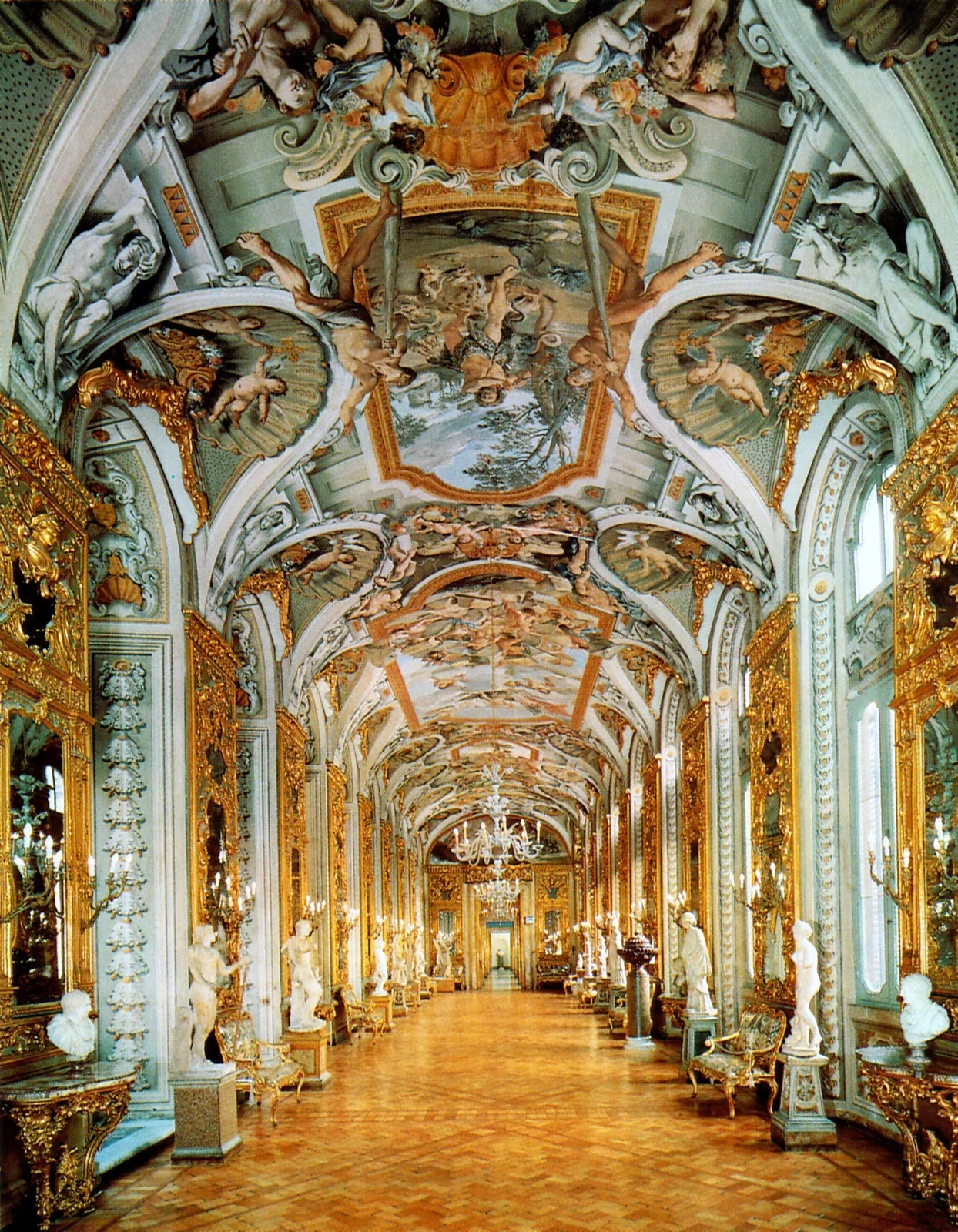
    The Baroque architecture of the 17th and 18th centuries transformed the city of Rome, as papal patronage sought to renew and glorify the Eternal City. Today we begin with a walking tour on the Quirinal Hill, exploring sites where the creative genius of Bernini and his great rival Borromini were fully expressed, including Santa Maria della Vittoria and San Carlo alle Quattro Fontane. We continue to the Trevi Fountain and to Bernini’s fountains at the foot of the Spanish Steps, enduring symbols of Baroque artistry. After time for lunch, we continue to the Palazzo Doria Pamphilj, a 16th-century palace in the heart of Rome that houses a superb private art collection, featuring works by Caravaggio, Titian, Jan Brueghel, and Velázquez’s celebrated Portrait of Pope Innocent X – a fitting conclusion to a day immersed in Rome’s grand theatrical vision of art and faith. Overnight Rome (B)

  • Contarelli Chapel

    Day 13 | Tuesday 19 January
    Caravaggio

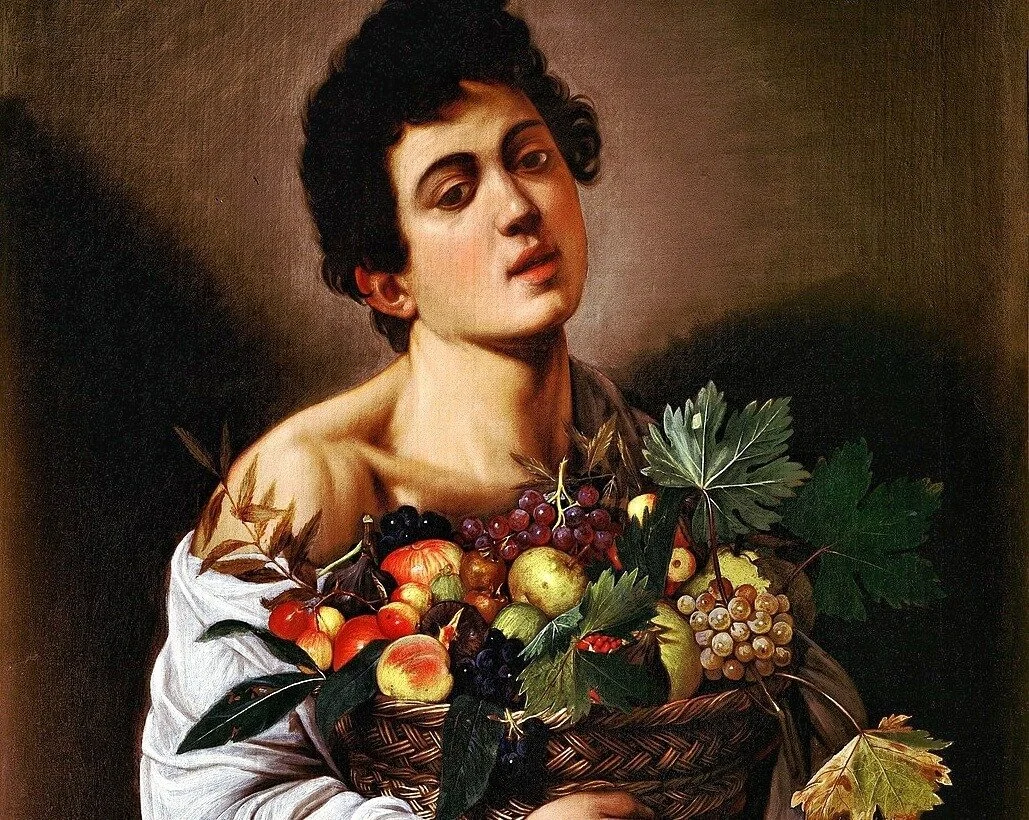
    Caravaggio’s radical naturalism and mastery of light transformed European painting, redefining how sacred subjects were imagined and experienced. Today we explore his work within settings closely tied to his patrons, rivals and the wider artistic culture of early 17th-century Rome. Our morning begins with a talk introducing Caravaggio’s artistic innovations and the world in which he worked before making our way to the Galleria Borghese, where Cardinal Scipione Borghese assembled one of Rome’s most remarkable collections of painting and sculpture. Here we encounter several of Caravaggio’s most important works, displayed alongside masterpieces such as Bernini’s Apollo and Daphne. We then enjoy a private visit to the Casino di Villa Boncompagni – often known as Villa Aurora – home to Caravaggio’s only surviving ceiling painting, offering rare insight into his early career and experimental approach. Continuing to the Piazza Navona, there is free time for lunch, followed by a guided exploration of the square and its Baroque setting. Nearby, we enjoy a special visit to Palazzo Patrizi Montoro, where the Marquis Patrizi Montoro Naro personally guides us through his family’s historic residence. His commentary brings to life the palace’s layered history, from aristocratic patronage to the preservation of one of Rome’s great noble houses. The day concludes with visits to San Luigi dei Francesi and Sant’Agostino, where Caravaggio’s public altarpieces remain in situ, allowing us to reflect on his revolutionary vision within their original devotional contexts.Overnight Rome (B)

  • Day 14 | Wednesday 20 January
    St Peters & the Vatican Museums

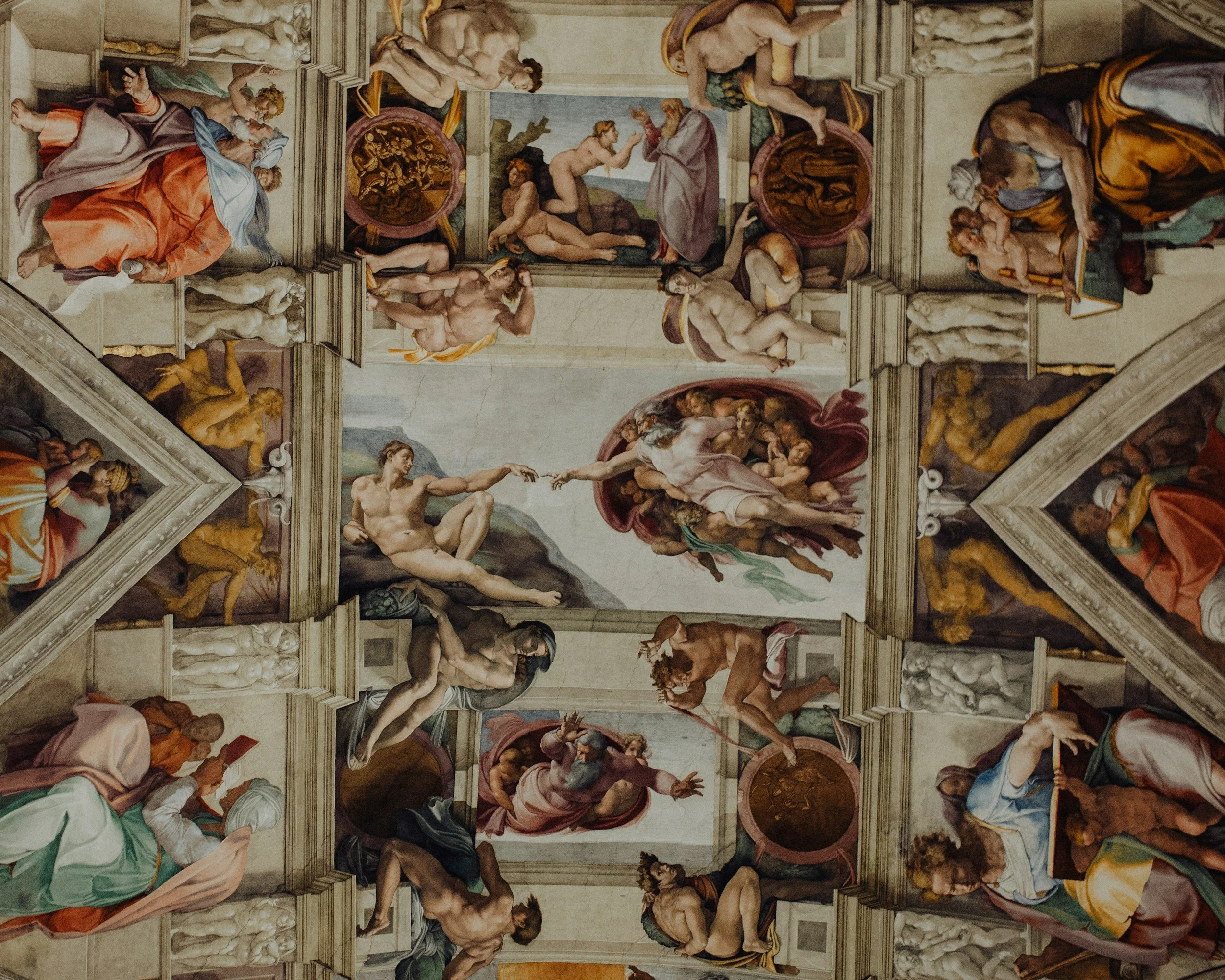
    The Vatican Palace and St Peter’s Basilica were the most ambitious building projects of Renaissance Rome. Drawing on classical ideals to proclaim the supremacy of the Roman Church, they brought together the greatest architects and artists of the age – Bramante, Raphael, Michelangelo, and Bernini. Our visit today takes us through the Vatican Museums, whose collections span ancient sculpture, Renaissance painting and papal patronage at its height. Highlights include the Raphael Rooms, decorated for Pope Julius II, and the Sistine Chapel, where Michelangelo’s ceiling and Last Judgement remain among the defining achievements of Western art. We then continue to St Peter’s Basilica, allowing time to absorb its vast scale, architectural harmony and major works of sculpture before concluding our visit. The remainder of the afternoon is at leisure, before we reconvene this evening for a farewell dinner at La Pollarola – a long-established trattoria near Piazza Navona. Overnight Rome (B, D)

  • Day 15 | Thursday 21 January
    Galleria di Arte Moderna - Departure

    Modern Rome balances its ancient heritage with vibrant artistic production, and this final morning offers an optional look at the city’s later cultural history before departure. Those not departing early take a morning visit to the Galleria d’Arte Moderna, housed in a former Barefoot Carmelite monastery and devoted to Italian art from the 19th and 20th centuries. A mid-morning return to the hotel allows time for check-out before individual transfers to Rome Airport. (B)

Hotels have been selected principally for their central location. All hotels are a comfortable four-star standard.

Tour Accommodation

  • Rome, Hotel Ponte Sisto | 14 Nights

    Accommodation for this tour has been carefully selected. Your base is the four-star Hotel Ponte Sisto, a renovated historical palazzo in a quiet area of central Rome. No two Superior Rooms are alike – each has its own layout and character – yet all are well-equipped and comfortably spacious. The hotel also features an internal courtyard garden, a rooftop terrace, and welcoming public areas. 

    Within a few hundred metres are a range of attractions, including Campo dei Fiori, around which many boutiques and fine restaurants can be found. It is an easy, gentle walking distance to the Trastevere district, with its many restaurants and shops, and the Ghetto, a quiet inner city neighbourhood with a relaxed feel and good local restaurants.

tour booking

$14,870 AUD per person, twin share (land content only)
$2,890 AUD supplement for sole use of a hotel room

A $1,000 deposit is required per person to confirm your booking on tour. This deposit is non-refundable.

Hold a Place

Still deciding? We are happy to hold a tentative place for 7 days while you make your final arrangements.

Book Online

To secure your place(s) on tour, book online below with “Athena”, our virtual tour consultant.

Book Online

DOWNLOAD FORM

Download a printable booking form. You can also complete the form on screen and submit via email.

Download Form

your tour consultant

The consultant for this tour is Sharon Williams. For further information or to discuss the tour, please call 9235 0023 (Sydney) or 1800 639 699 (outside Sydney) or email sharon@academytravel.com.au

have you thought about?

Academy Travel is more than just a tour operator. We are also a full-service travel agency who can assist you with all aspects of your travel, including flights, transfers, pre-tour arrival, additional travel and comprehensive travel insurance.

can’t make this departure?

If these dates don't work for you, register to hear about the next tour.