Spanish Queens, Kings & Caudillos

Aragón, Castile and Andalusia

Trace medieval kingdoms, rival crowns and the making of modern Spain, from courtly Zaragoza to sunlit Seville.
TOUR STATUS

Places Available | Maximum 16

TOUR DATES

May 6-23, 2027 | 18 Days

TOUR LEADER

Giles Tremlett | View Bio

snapshot

  • Download printable itinerary >

    Go to itinerary section >

  • The tour starts at 5.00pm on Thursday 6 May, at Hotel Catalonia El Pilar, Zaragoza.

    The tour ends after breakfast on Sunday 23 May, at Hotel Vincci La Rábida, Seville.

  • Grade Two. This tour is designed for people who lead active lives.

    View all requirements >

  • 17 nights’ accommodation in centrally located 4-star hotels. All breakfasts, 3 lunches, 1 wine tasting and 7 dinners. Services of an expert tour leader and an experienced tour manager throughout. All ground transport, entrance fees and tipping.

    View standard tour inclusions >

  • $19,880 AUD per person, twin share (land content only)
    $3,3330 AUD supplement for sole use of a hotel room

    A $1,000 AUD non-refundable deposit is required per person to confirm your booking on tour

OVERVIEW

Spain is rarely a simple story. Its identity has been forged through centuries of conquest and coexistence, of kingdoms built and undone, of imperial expansion and violent fracture – and nowhere is this more legible than in the places where power was exercised, contested and ultimately lost.

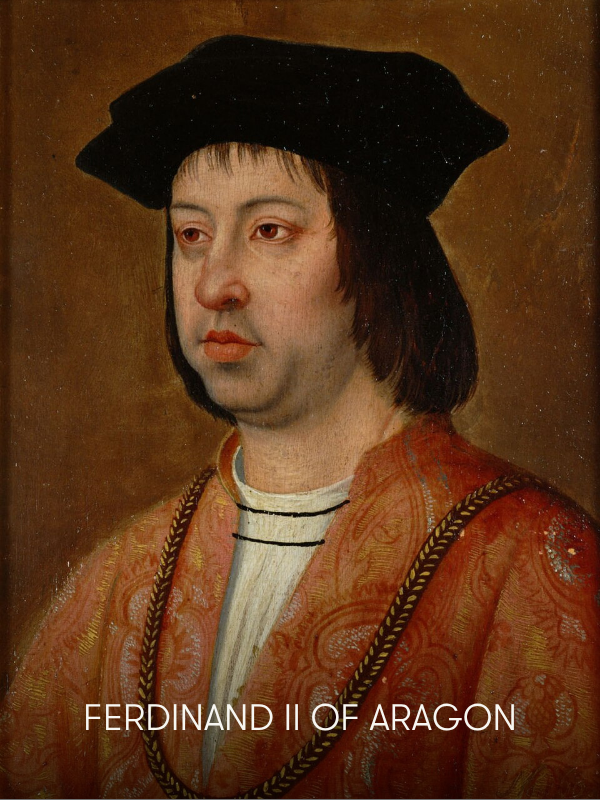
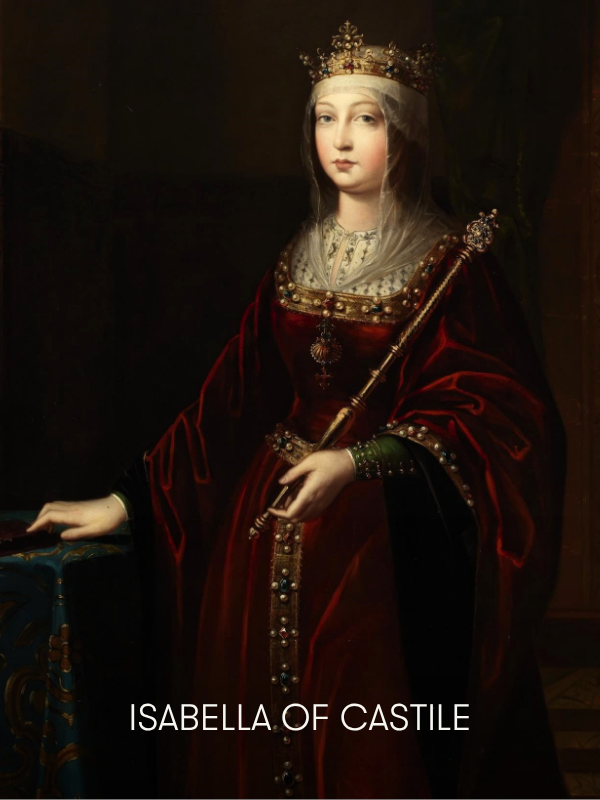
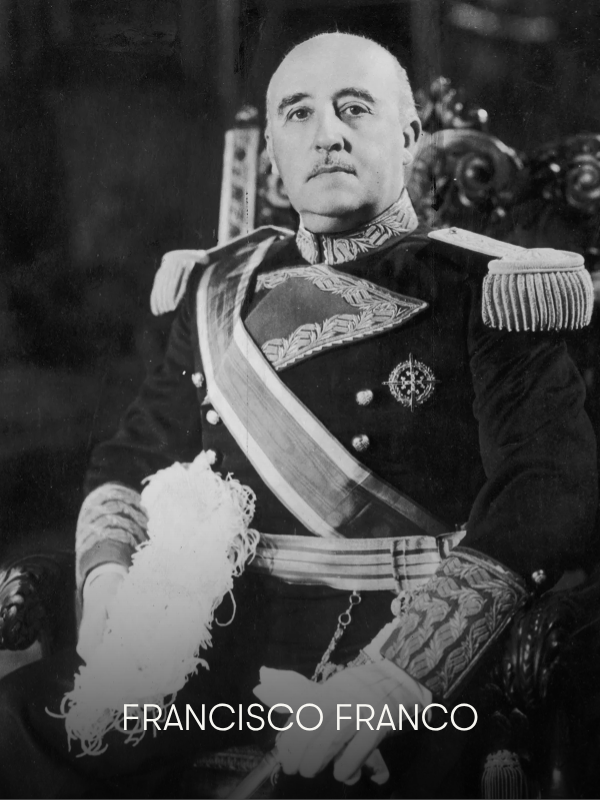
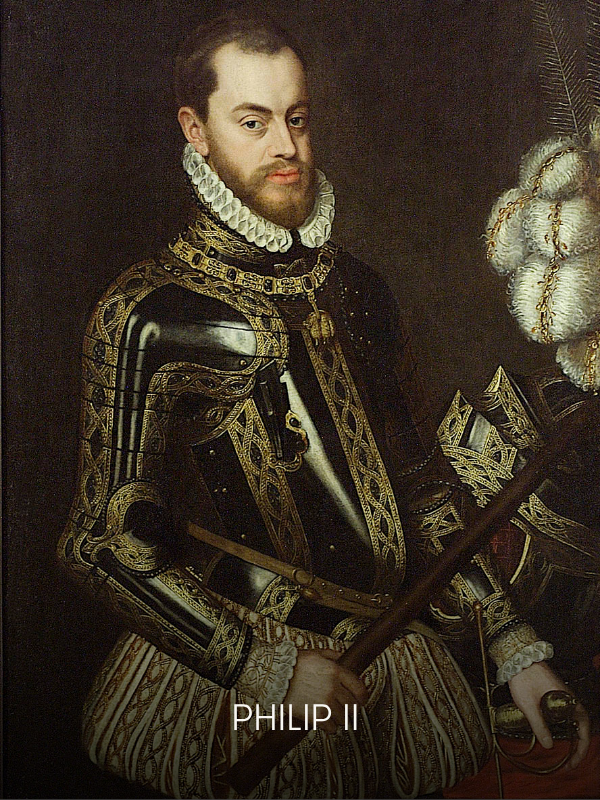
From the Moorish fortresses of Aragón to the cathedral tombs of Castile and Andalusia, the landscape of the Iberian Peninsula preserves the full arc of Spanish history in stone. This new 18-day tour, led by award-winning historian and Madrid resident Giles Tremlett, explores these great political heartlands – Aragón, Castile, the Meseta and Andalusia. It traces the stories of formidable queens and kings, from the marriage of Isabella of Castile and Ferdinand of Aragón and the forging of an empire, to the opulence and brutality of the Habsburgs, the scars of the Civil War and the long shadow of Franco.

As we move through Zaragoza, Burgos, Salamanca, Valladolid, Toledo, Madrid, Granada and Seville, each city reveals a chapter of this history – brought to life by Giles, who has lived in and written about Spain for more than three decades.

tour highlights

Follow the rise of Spain through the rulers, dynasties and political struggles

Giles Tremlett

your expert tour leader

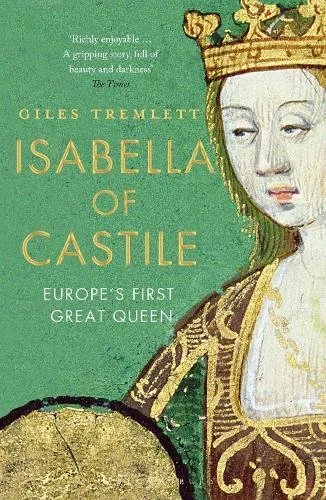
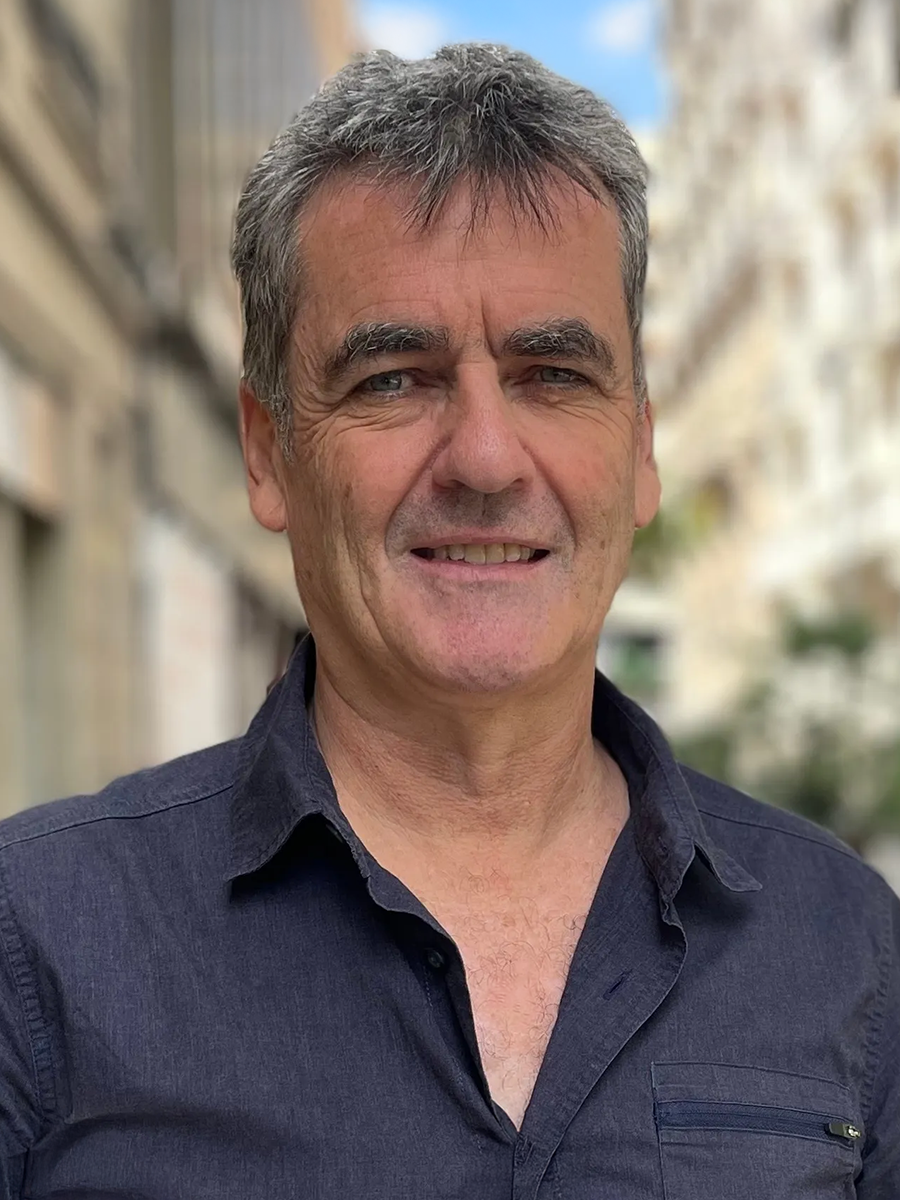
Giles Tremlett is a journalist, historian and best-selling author specialising in the history, culture and politics of Spain, Portugal and the wider Iberian world. A History graduate of the University of Oxford, he lived and worked across Europe before settling in Madrid, where he served as The Guardian’s correspondent from 2007 to 2018. He is the author of acclaimed books including Ghosts of Spain, Catherine of Aragon, Isabella of Castile, The International Brigades and El Generalísimo Franco.

Read full bio >

Accompanied by an Experienced Tour Manager

Alongside your expert tour leader, an experienced tour manager will accompany for the entirety of the tour. They oversee logistics, ensure your comfort and safety, and provide friendly support – whether offering tips for free time, sharing a chat over dinner, or giving you space to relax.

tour ITINERARY

Zaragoza (3 nights), Burgos (3 nights), Salamanca (2 nights), Madrid (3 nights), Granada (3 nights), Seville (3 nights)

Included meals are shown with the letters B, L and D
  • Day 1 | Thursday 6 May
    Arrive Zaragoza
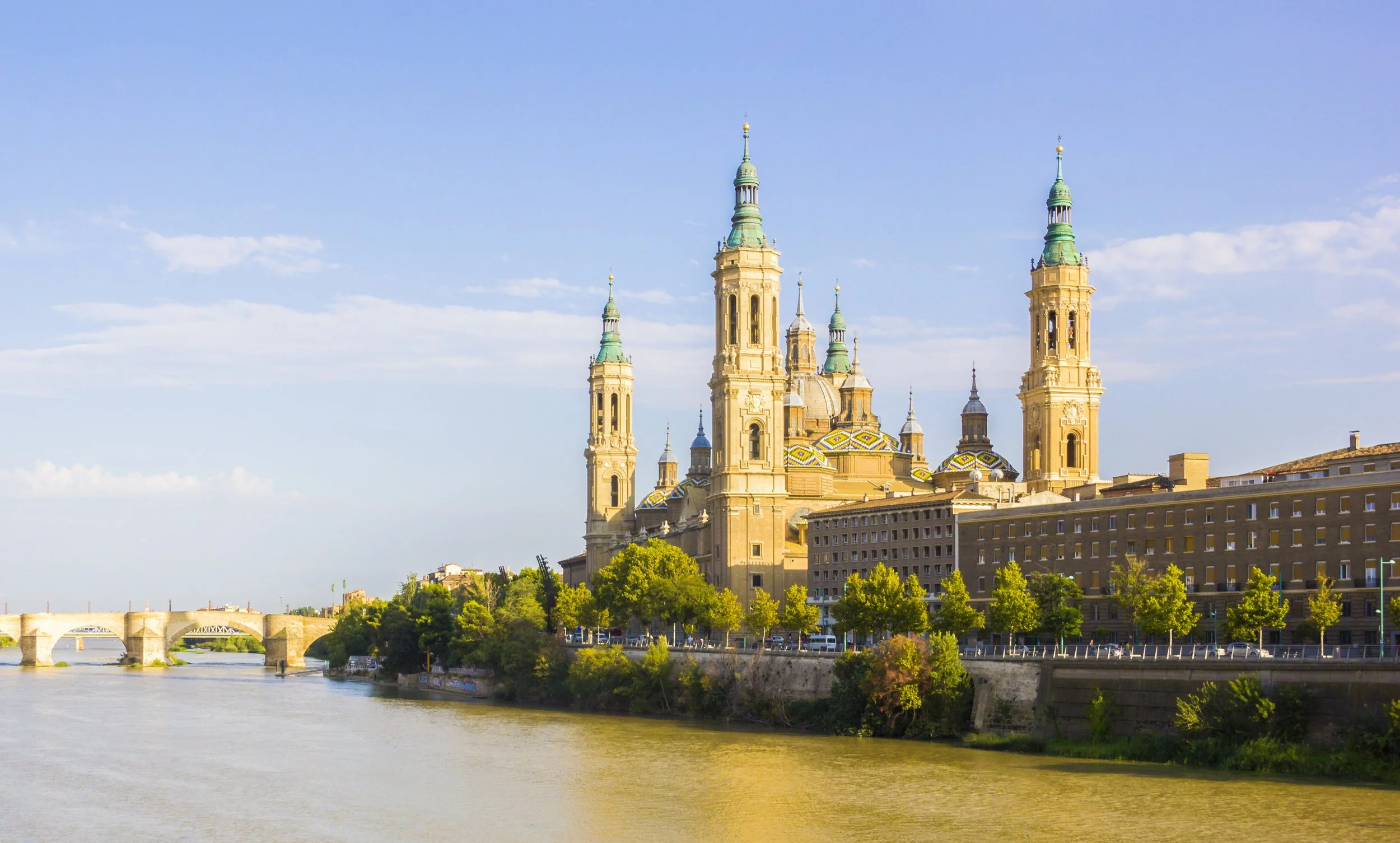
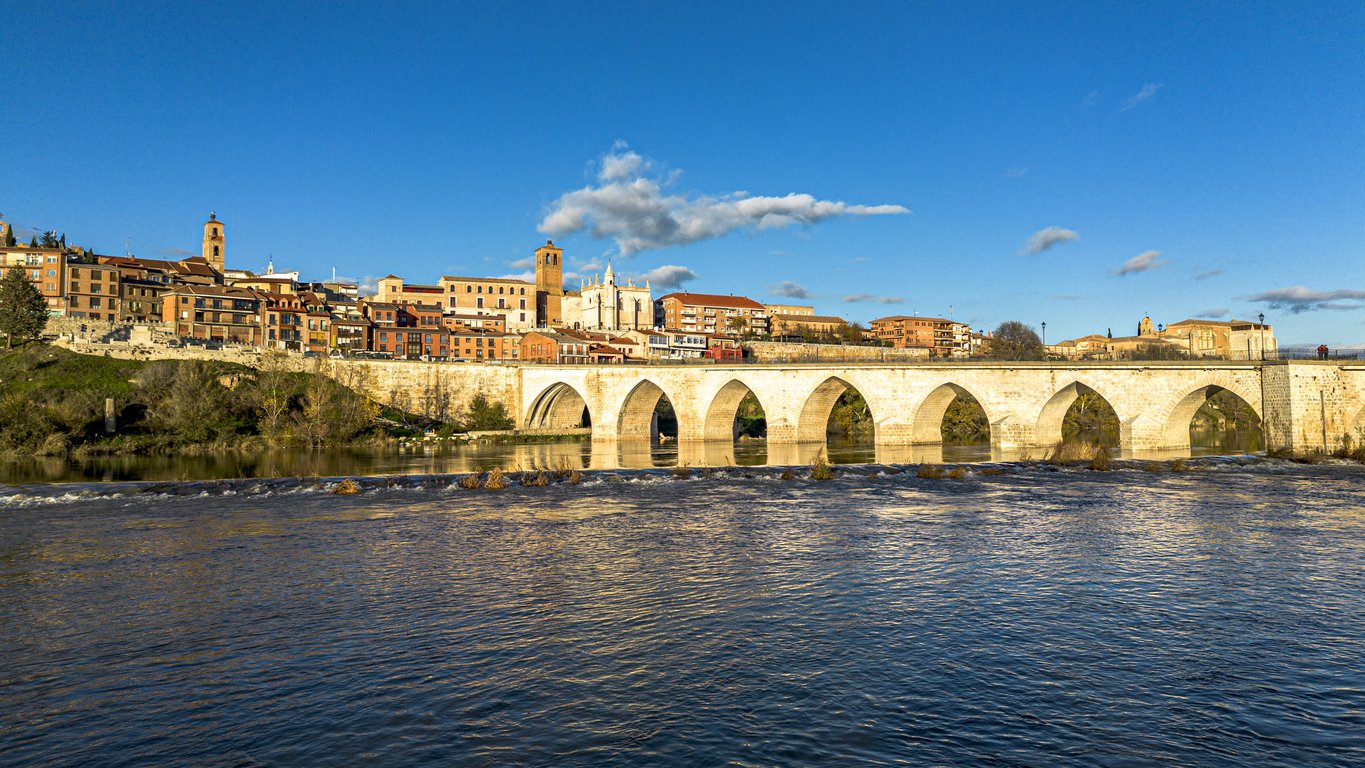
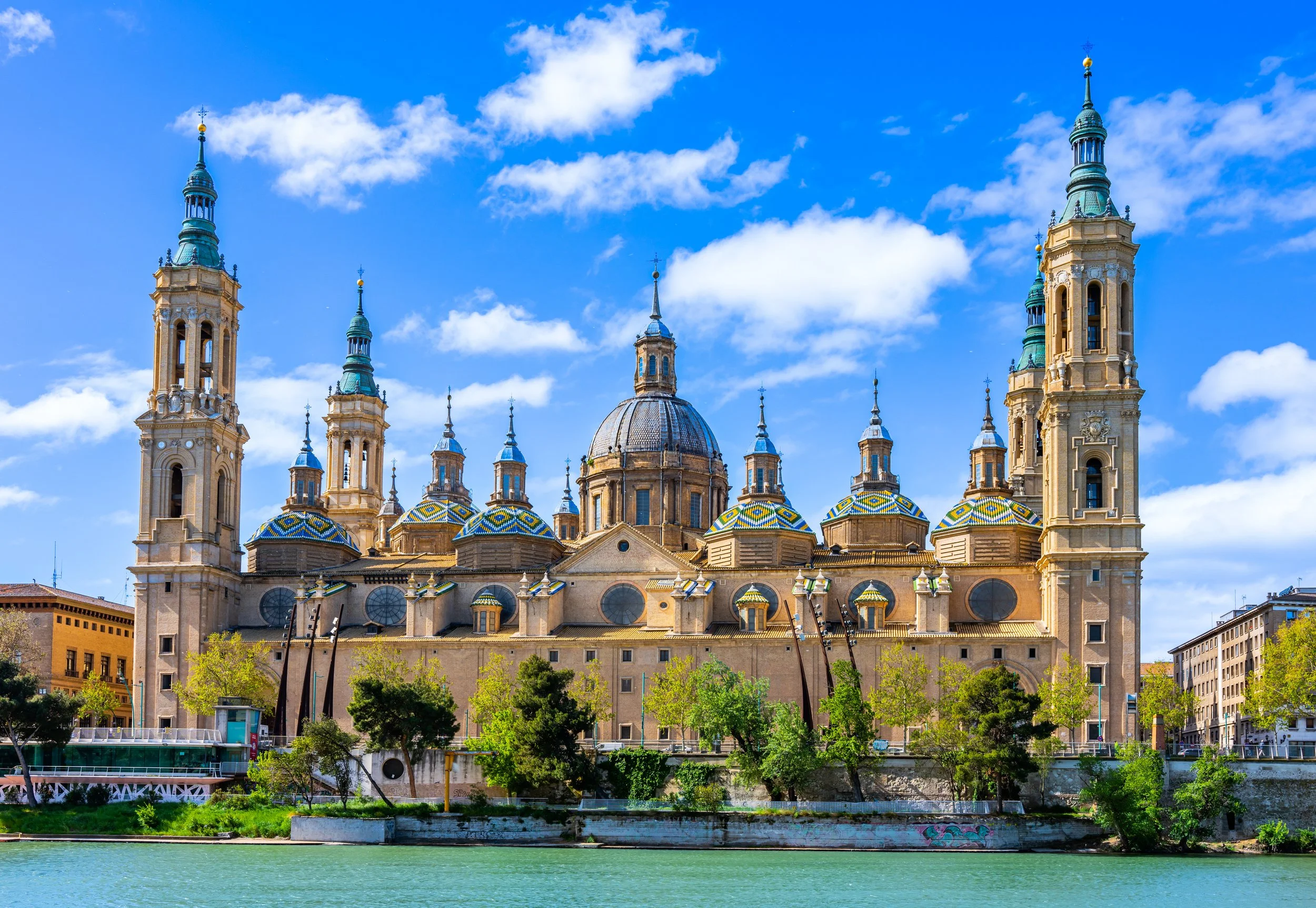
    Few European cities compress as much history into as small a space as Zaragoza. Founded by the Romans as Caesaraugusta, it commands the Ebro river at the crossroads of the old kingdoms of Aragón, Navarre and Castile, and has been fought over, governed and rebuilt by Romans, Moors and Christians in turn. It is the fitting place to begin a tour about power in Spain, with passengers able to arrive via either Madrid or Barcelona before continuing to Zaragoza by high-speed rail. Gathering in our hotel in the late afternoon, we begin with an introductory talk before a welcome dinner together at a nearby restaurant. Overnight Zaragoza (D)

  • Day 2 | Friday 7 May
    Zaragoza
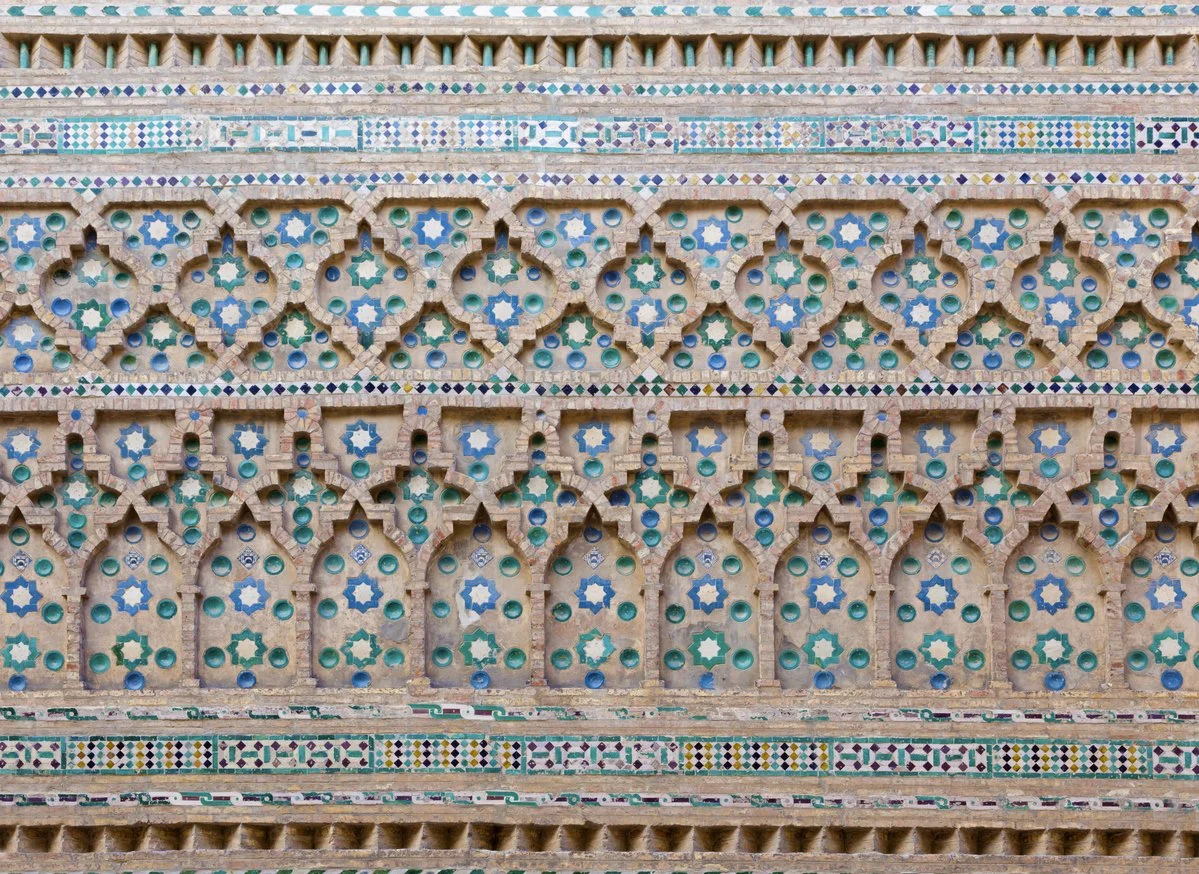
    Zaragoza was for centuries the capital of the Kingdom of Aragón, whose ruling house would eventually extend its reach to Naples, Sicily and the English throne itself – when Ferdinand and Isabella’s daughter, Katherine of Aragon, became the first wife of Henry VIII of England. The historic centre layers Roman, Moorish and Christian remains within a compact old town, and few buildings illustrate that complexity more vividly than the Aljafería Palace, the 11th-century Moorish fortress that became the seat of Aragonese kings. A morning walking tour first brings us to the Mudéjar facade of La Seo, the medieval Torre de la Zuda and the 13th-century San Pablo Church, whose Gothic and Mudéjar elements reflect the creative energies of post-Reconquista Aragón. Lunch in the El Tubo district then gives a taste of Zaragoza’s renowned tapas culture before the afternoon is dedicated to the Aljafería itself – today one of the most significant surviving examples of Hispano-Islamic architecture anywhere in Spain. Overnight Zaragoza (B, L)

  • Day 3 | Saturday 8 May
    Sos del Rey Católico
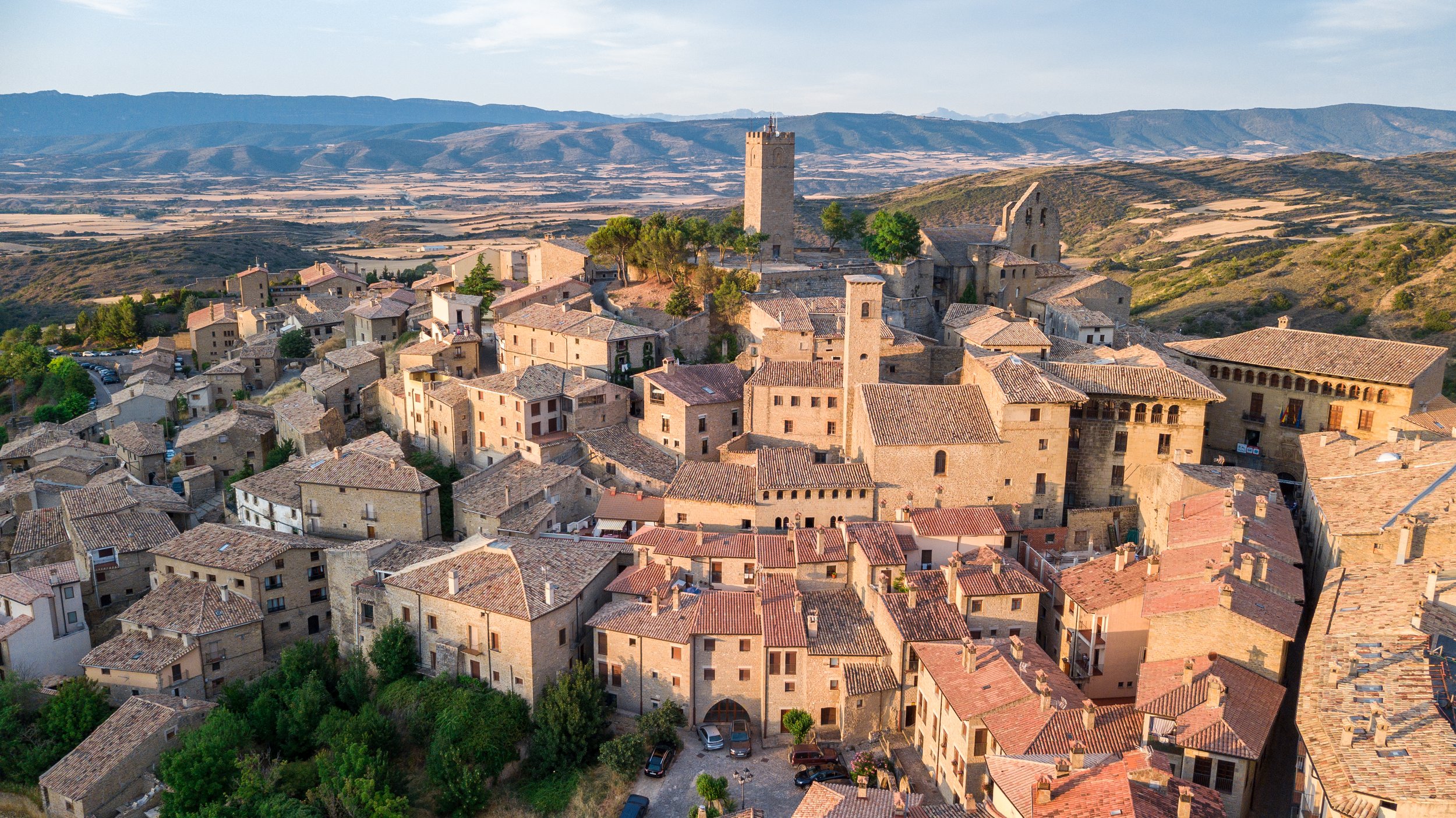
    The fortified town of Sos del Rey Católico, set high above the Aragonese plain near the borders of Navarre and Castile, was the birthplace of Ferdinand II of Aragón – later Ferdinand the Catholic – in 1452. Its strategic position and control of gateway passes between competing medieval kingdoms made it one of the most contested settlements on the northern plateau. Today it survives as one of the best-preserved medieval towns in Spain: a tight weave of cobbled lanes and seigneurial houses climbing the ridge, still ringed by the walls that once held it. Venturing north this morning, we travel to Sos del Rey Católico for a guided visit, exploring the Romanesque Church of San Esteban, with its carved 12th-century crypt and apse, before reaching the royal apartments where Ferdinand was born. Lunch is enjoyed at the Parador de Sos del Rey Católico, a noble stone mansion at the heart of the old town, before returning to Zaragoza. Overnight Zaragoza (B, L)

  • Day 4 | Sunday 9 May
    Logroño & Rioja
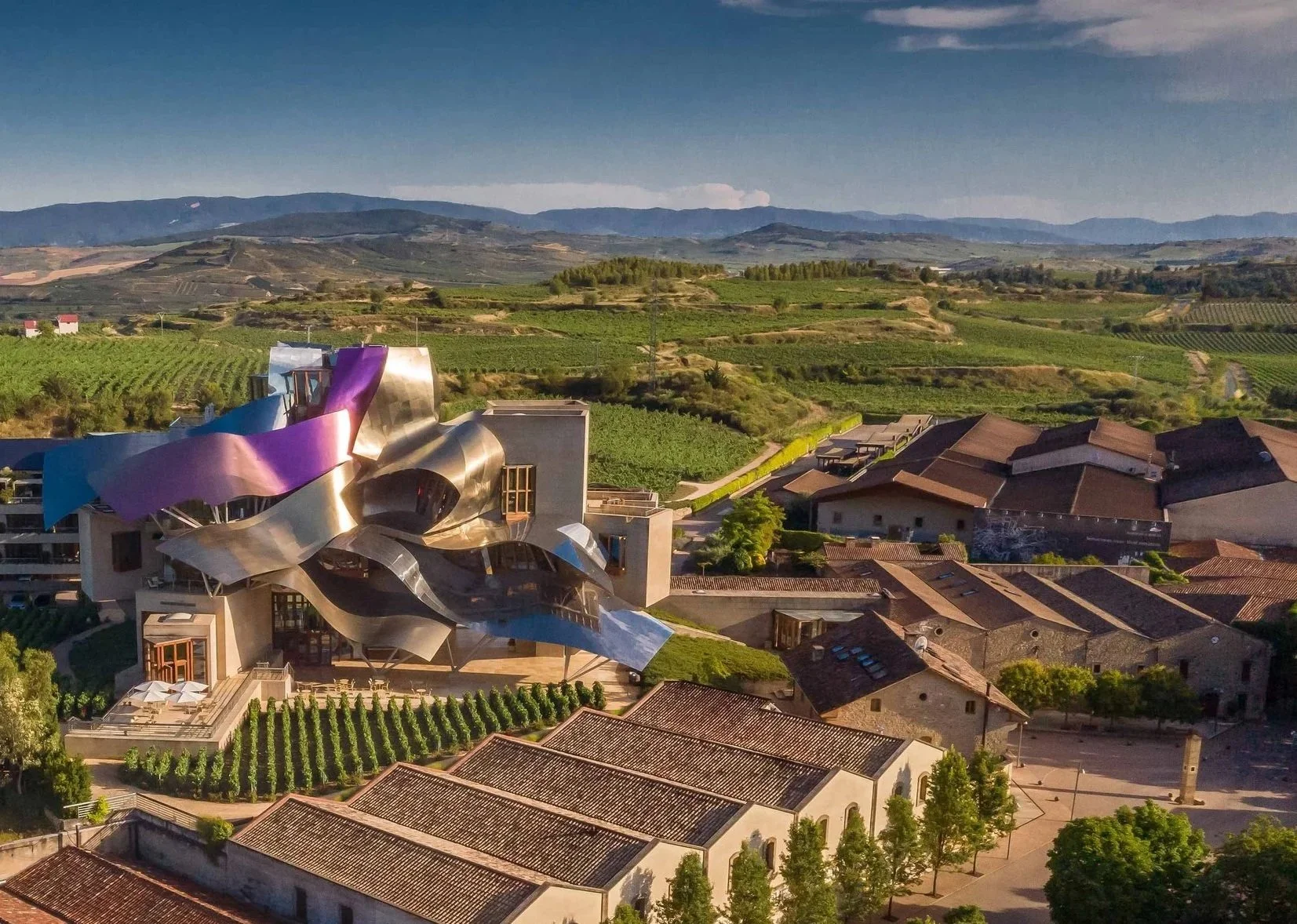
    Logroño sits at the geographical hinge of old Castile, Navarre and Aragón, straddling the Camino de Santiago and the river Ebro – a city shaped as much by the movement of pilgrims and armies as by its own enduring history. The 12th-century Iglesia de San Bartolomé is one of the finest Romanesque buildings in the region, its carved portal a landmark on the pilgrim road, while the later Santa María de la Redonda reflects the wealth that accumulated here as the kingdoms converged. Departing Zaragoza this morning for Burgos, we break our journey in Logroño before continuing into the Rioja wine country. As we travel through the vineyards below the Sierra de Cantabria, we view Bodegas Ysios, Santiago Calatrava’s striking winery whose undulating roofline echoes the mountains behind it. We then enjoy a wine tasting at Marqués de Riscal, whose Frank Gehry-designed winery, all titanium ribbons and sculpted steel, has become one of the most celebrated works of contemporary architecture in Spain. We arrive into Burgos by the late afternoon, with the evening at leisure. Overnight Burgos (B, WT)

  • Day 5 | Monday 10 May
    Cartuja de Miraflores and San Pedro de Cardeña
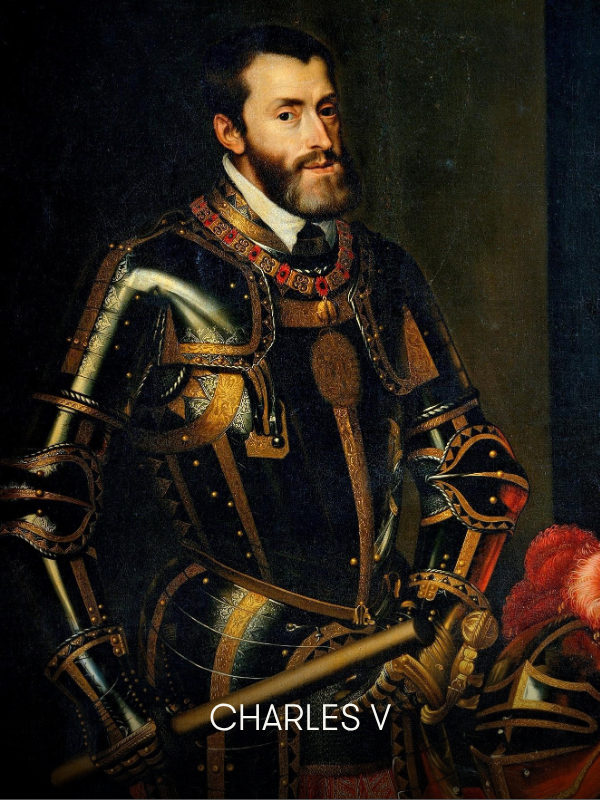
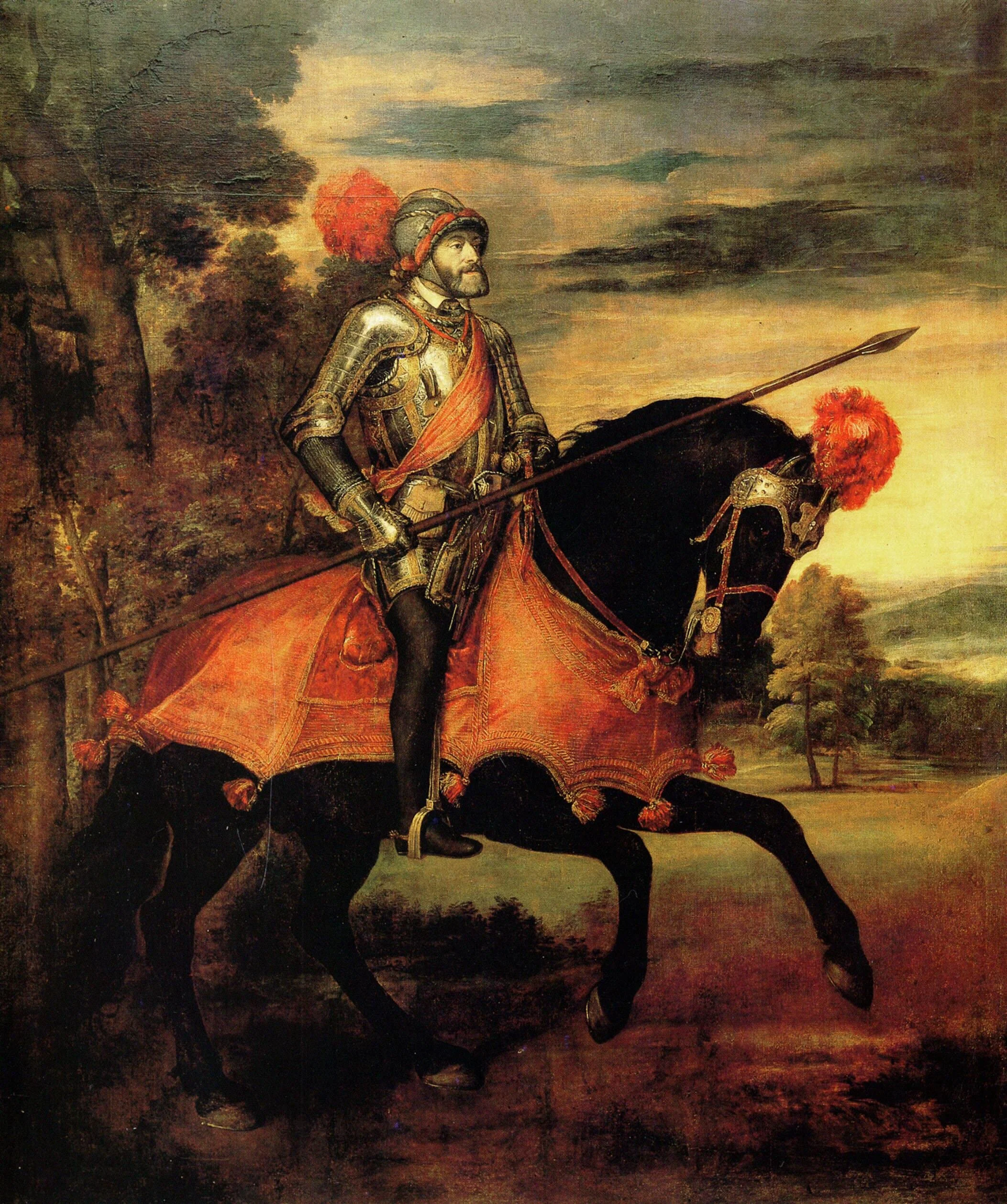
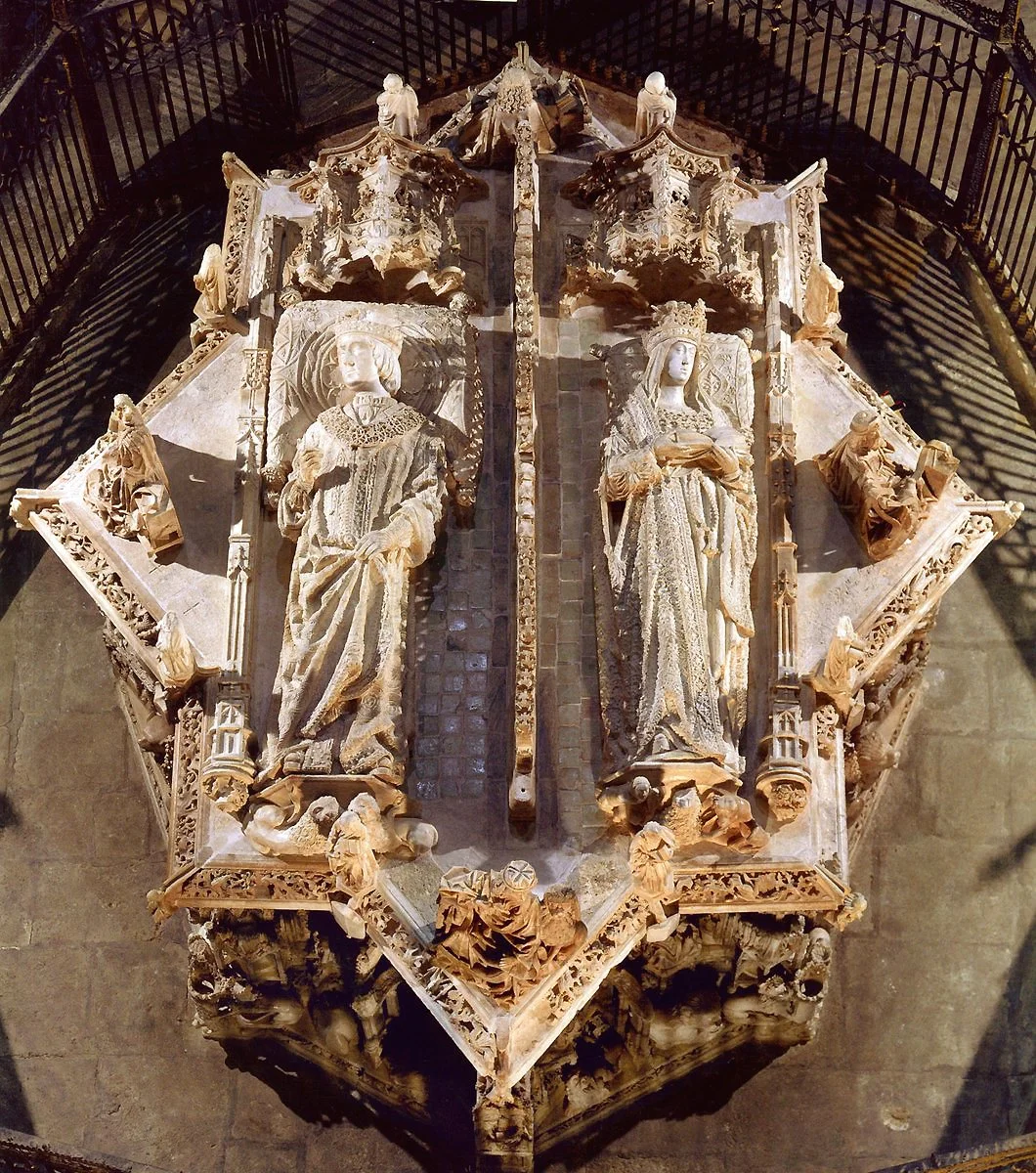
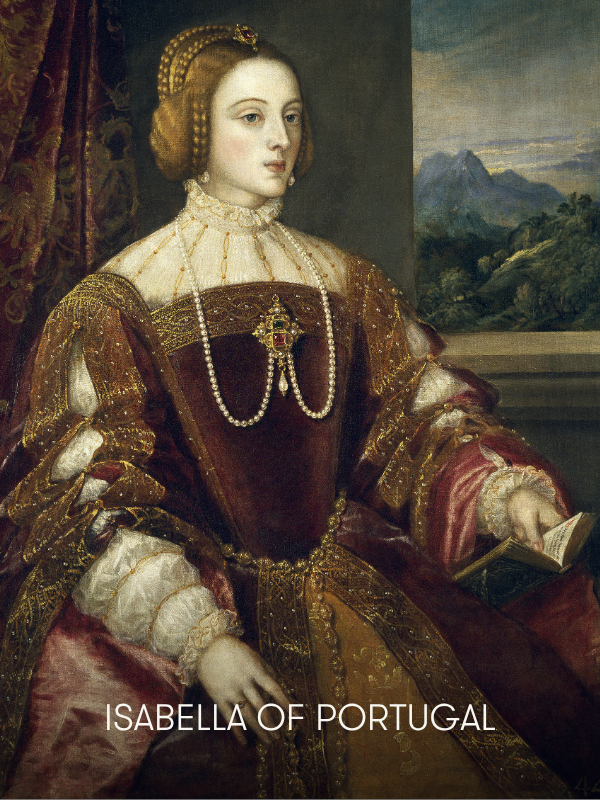
    Set in woodland on the edge of Burgos, the Cartuja de Miraflores is a Carthusian monastery of exceptional quiet, and home to one of the great Gothic tombs of Spain: the alabaster double effigy of King John II of Castile and his queen, Isabella of Portugal – parents of Isabella the Catholic – carved in breathtaking detail. The monastery sits on a stretch of the Camino de Santiago, and there is the option this morning to walk out from the city along the pilgrim way, or to travel direct by coach. We then continue to San Pedro de Cardeña, the monastery where El Cid left his wife Jimena and his daughters in the care of the monks before riding into exile – one of the founding episodes of Spain’s great medieval epic. The afternoon is at leisure in Burgos before an evening talk on the reign of Charles V, followed by dinner together featuring lechazo, the slow-roasted suckling lamb that is Castile’s great culinary gift. Overnight Burgos (B, D)

  • Day 6 | Tuesday 11 May
    Burgos
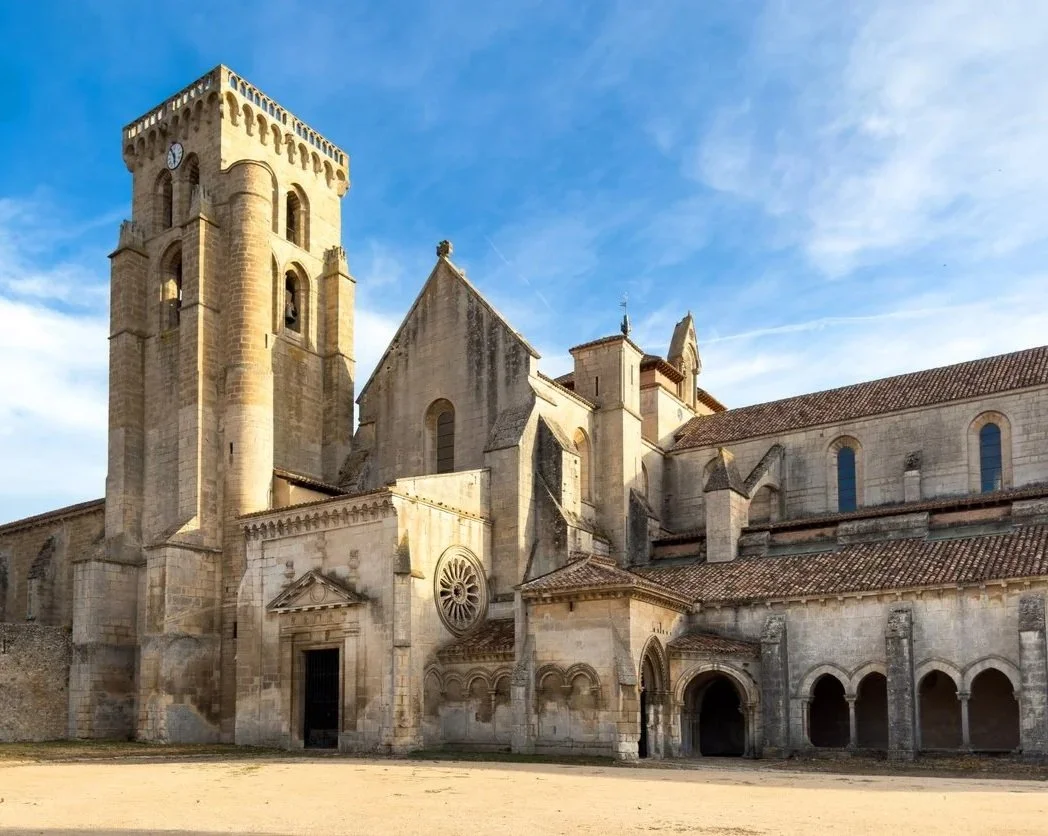
    Burgos was the medieval capital of Castile and played a central role in financing and supporting the Reconquista on the Iberian Peninsula. This history is most evident in its 13th-century cathedral, a pinnacle of Gothic architecture in Europe, featuring twin spires that dominate the Castilian plain. A morning walking tour takes in the cathedral alongside the Arco de Santa María, the gateway through which rulers entered the city, and the Casa del Cordón, the 15th-century palace where Isabella and Ferdinand received Columbus on his return from his second voyage to the Americas. In the afternoon, we visit the Monastery of Santa María la Real de Las Huelgas, one of the most extraordinary royal foundations in Iberia. Established in 1187 by Alfonso VIII of Castile, it became the burial place of more than 30 kings and queens of Castile and León. When Napoleon’s troops sacked the monastery in 1809 they broke open the royal tombs – yet remarkably, one escaped untouched, and the medieval garments, jewels and textiles recovered from within are now displayed in the monastery’s museum, among the finest collections of medieval cloth anywhere in the world. Returning to our hotel, the rest of the evening is at leisure. Overnight Burgos (B)

  • Day 7 | Wednesday 12 May
    Valladolid
    Valladolid was the city where Spain’s imperial story crystallised. It was here that Isabella and Ferdinand governed a newly united kingdom, here that Charles V held his court and ruled an empire spanning Spain, the Netherlands, Naples and the Americas, and here that his son Philip II was born in 1527. It was also here that Columbus died in 1506, still convinced he had reached Asia. Before Madrid became Spain’s capital, Valladolid was the beating heart of Habsburg power, and its streets and palaces still reflect that proud history. Departing Burgos this morning for Salamanca, we break our journey in Valladolid to explore this former seat of royal and imperial power. A leisurely walk through the historic centre reveals its key monuments, before we visit the Royal Testamentary Palace, where Isabella signed her last will and testament in November 1504. Today an interpretation centre dedicated to her reign, it is a small but quietly powerful place, marking a moment when the course of Spanish and European history was subtly altered. Leaving Valladolid behind, we continue to Salamanca, arriving in the early evening to gather for dinner. Overnight Salamanca (B, D)

  • Day 8 | Thursday 13 May
    Salamanca and Tordesillas
    Few cities in Spain carry as much intellectual and imperial weight as Salamanca. Its university, founded in 1218, is one of the oldest in the world – and at the height of Spanish power, it was the empire’s thinking engine, the place where scholars debated the rights of indigenous peoples, drafted colonial law and trained the navigators and administrators who would govern the New World. The golden sandstone of its Renaissance facades, glowing warm against the Castilian sky, makes it one of the most beautiful cities in Spain. A guided walk of the historic centre this morning takes in the University complex and its celebrated library, the two cathedrals, the Casa de las Conchas and the magnificent Plaza Mayor. In the afternoon, we then continue to Tordesillas to visit the Monastery of Santa Clara, which houses the museum dedicated to the Treaty of Tordesillas – the 1494 papal agreement brokered by Pope Alexander VI that divided the globe between Spain and Portugal along a single meridian line, thereby defining the age of exploration. We return to our hotel for an evening talk, setting the stage for the days ahead. Overnight Salamanca (B)

  • Day 9 | Friday 14 May
    The Valley of the Fallen
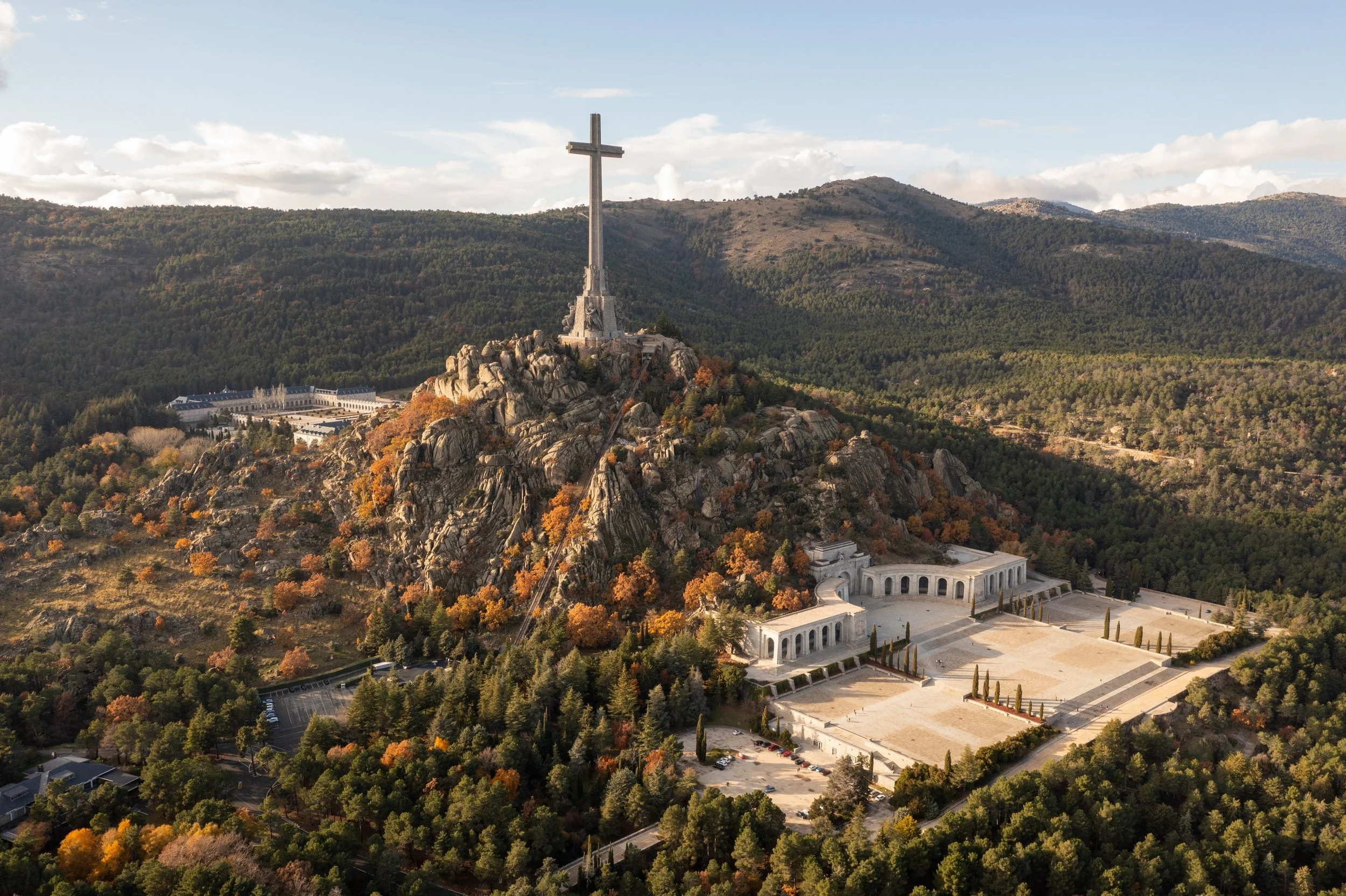
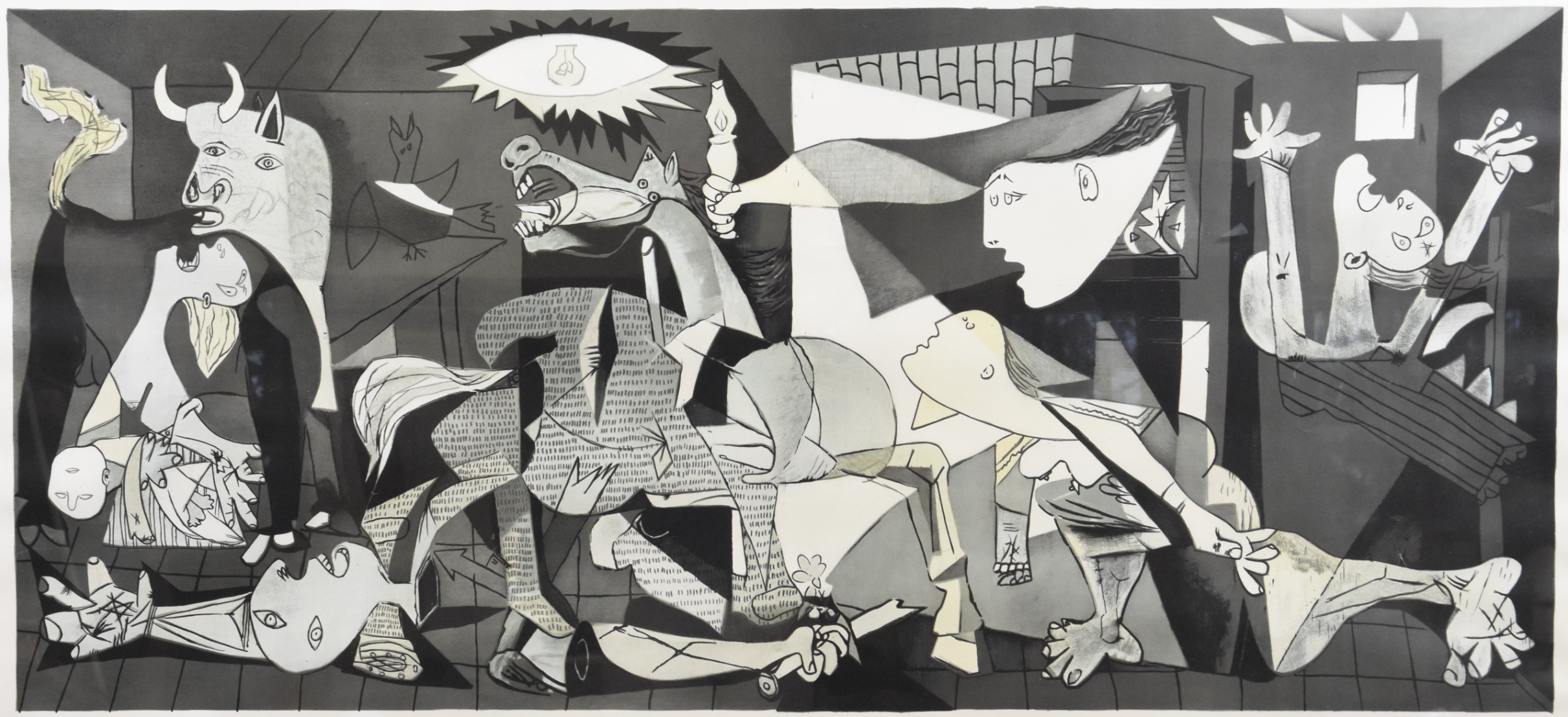
    On 17 July 1936, a military coup against Spain’s elected Republican government fractured the country into two, launching a civil war that would last three years, kill hundreds of thousands and end with Franco’s dictatorship clamping down on Spain for the next four decades. During Franco’s rule, construction commenced on a monument that would define his vision of Spain for many years. Carved into the granite of the Sierra de Guadarrama using the forced labour of Republican prisoners, the Valle de los Caídos took nearly 20 years to complete, its stone cross rising 150 metres above the mountainside and visible across the plateau. Officially a monument to all who died in the Civil War, it ultimately served as Franco’s mausoleum and remains one of Spain’s most contested sites today. We visit the valley this morning before continuing our journey to Madrid, where the afternoon offers a different reflection on the same conflict. Arriving at the Museo Reina Sofía, here we see Picasso’s Guernica – painted in 1937 in furious response to the Nationalist bombardment of the Basque town – alongside the war propaganda posters of the era. We then continue to our hotel, followed by dinner together at La Vaca y la Huerta, known for its contemporary interpretations of Spanish cuisine. Overnight Madrid (B, D)

  • Day 10 | Saturday 15 May
    Madrid
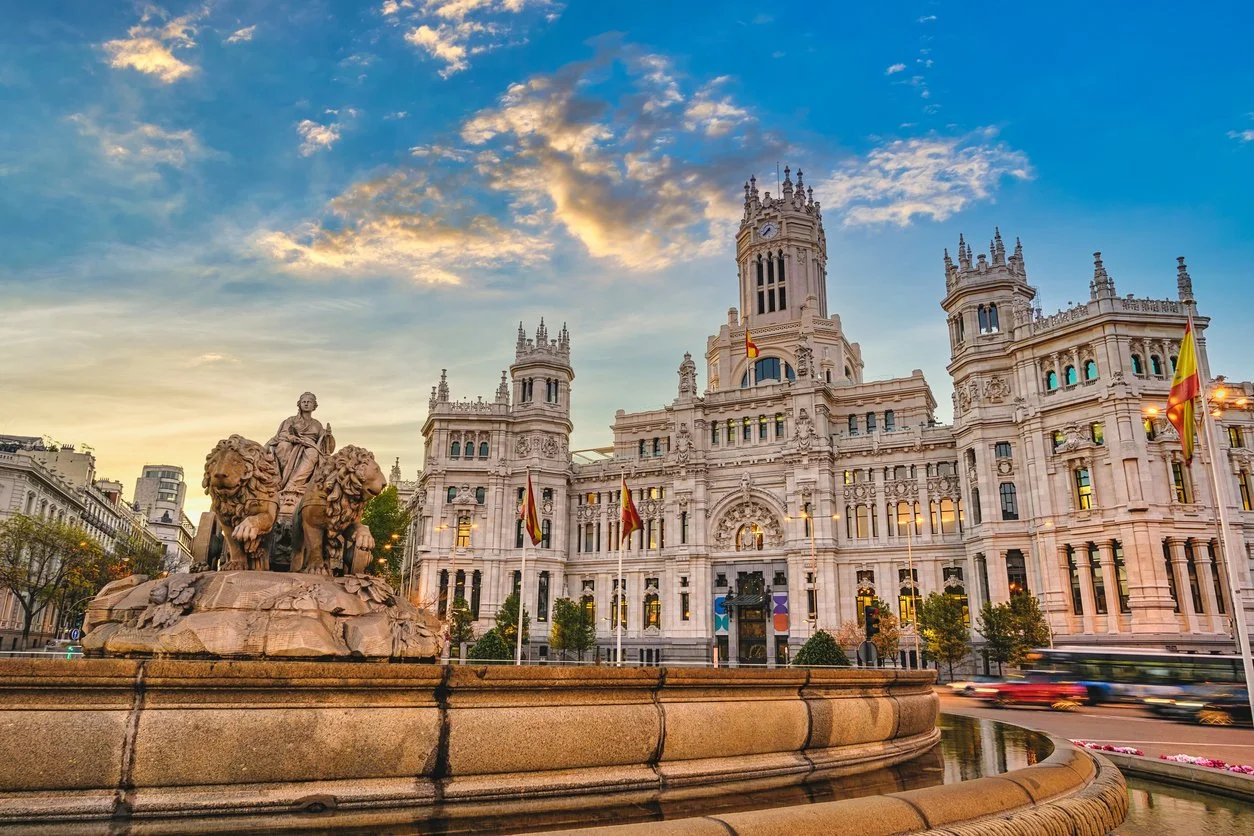
    Madrid became the capital of the Spanish empire almost by accident – Philip II fixed his court here in 1561, choosing a modest Castilian town at the geographical centre of the peninsula, and the city grew around the machinery of imperial government. Today it holds the greatest concentration of royal collections in Spain. The Galería de las Colecciones Reales, opened in 2023 in a vast underground space beside the Royal Palace, is one of the most significant new museums in Europe, its collection spanning 2,000 years of royal patronage – from medieval armour and Flemish tapestries to the carriages, porcelain and ceremonial objects of the Bourbon court. Arranged to reveal how power was projected, contested and performed across the centuries, it offers a perspective on the monarchy unlike any other in the city. We visit in the morning, and in the afternoon Giles leads a thematically focused tour of the Prado – selecting the royal portraits, battle scenes and court paintings that speak most directly to the political and dynastic story of the tour, from the Spain of the Habsburgs to the upheavals of the 19th century. The evening is at leisure on return to the hotel. Overnight Madrid (B)

  • Day 11 | Sunday 16 May
    El Escorial and Segovia
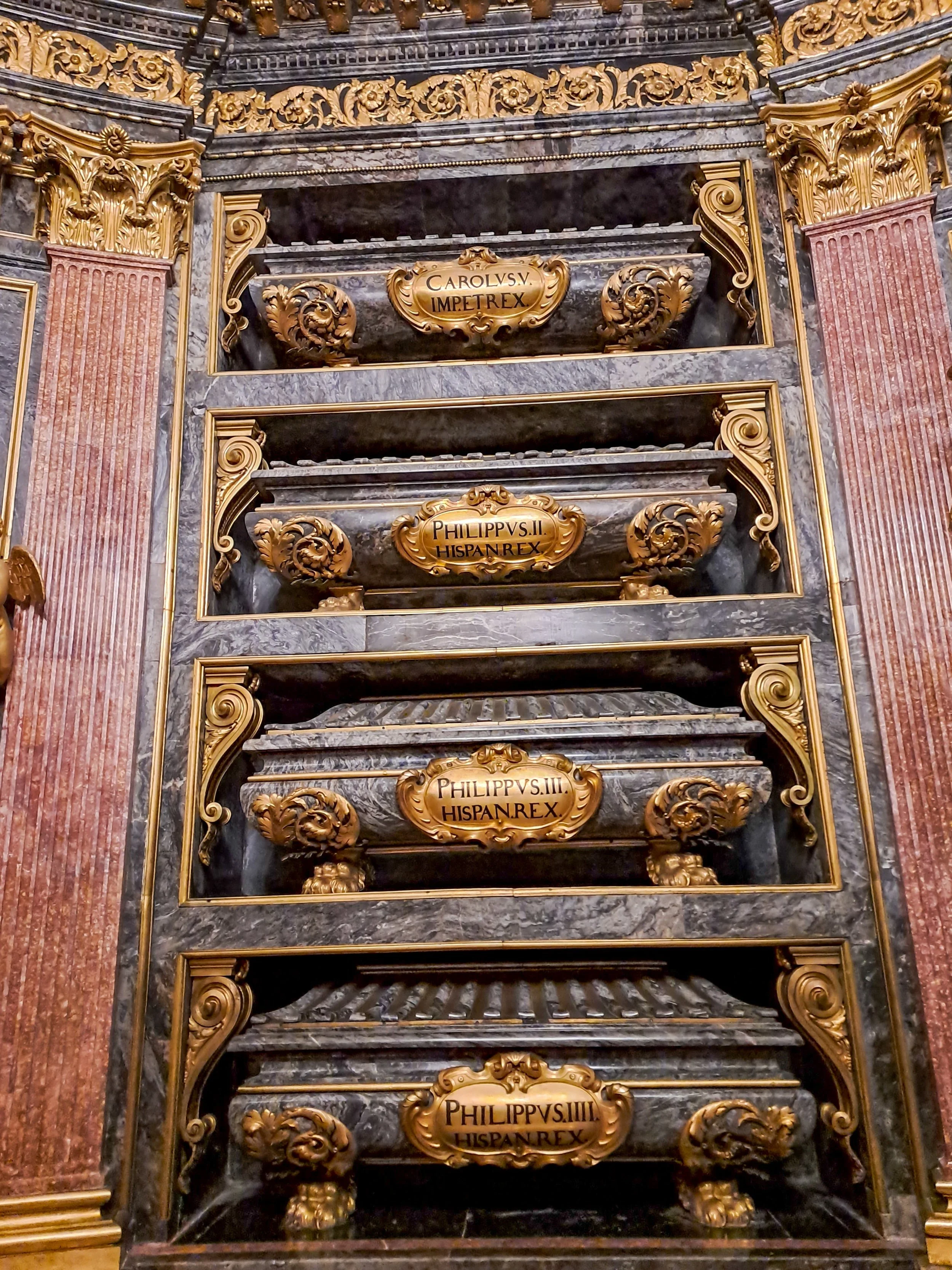
    Philip II began El Escorial in 1563 as an act of devotion, dynastic ambition and political statement combined – a monastery, royal palace and pantheon rolled into a single vast complex of grey granite in the foothills of the Sierra de Guadarrama. Austere where Habsburg taste was often ornate, its severity was deliberate: this was Counter-Reformation Spain made stone, a building that announced to the world the authority of the Spanish Crown. Beneath the basilica, the Panteón de los Reyes contains the remains of almost every Spanish monarch from Charles V to the present dynasty, and we spend the morning exploring the complex before continuing to Segovia. Segovia preserves three monuments of different eras in remarkable proximity: a Roman aqueduct of the 1st century CE, whose 166 arches still stand without mortar; a Gothic cathedral begun in 1525, the last of its kind built in Spain; and the Alcázar, a medieval fortress that served as a residence for Castilian royalty from the 12th century and whose silhouette – towers rising above a sheer rock face – has lost none of its drama. We return to Madrid in the evening. Overnight Madrid (B)

  • Day 12 | Monday 17 May
    Toledo
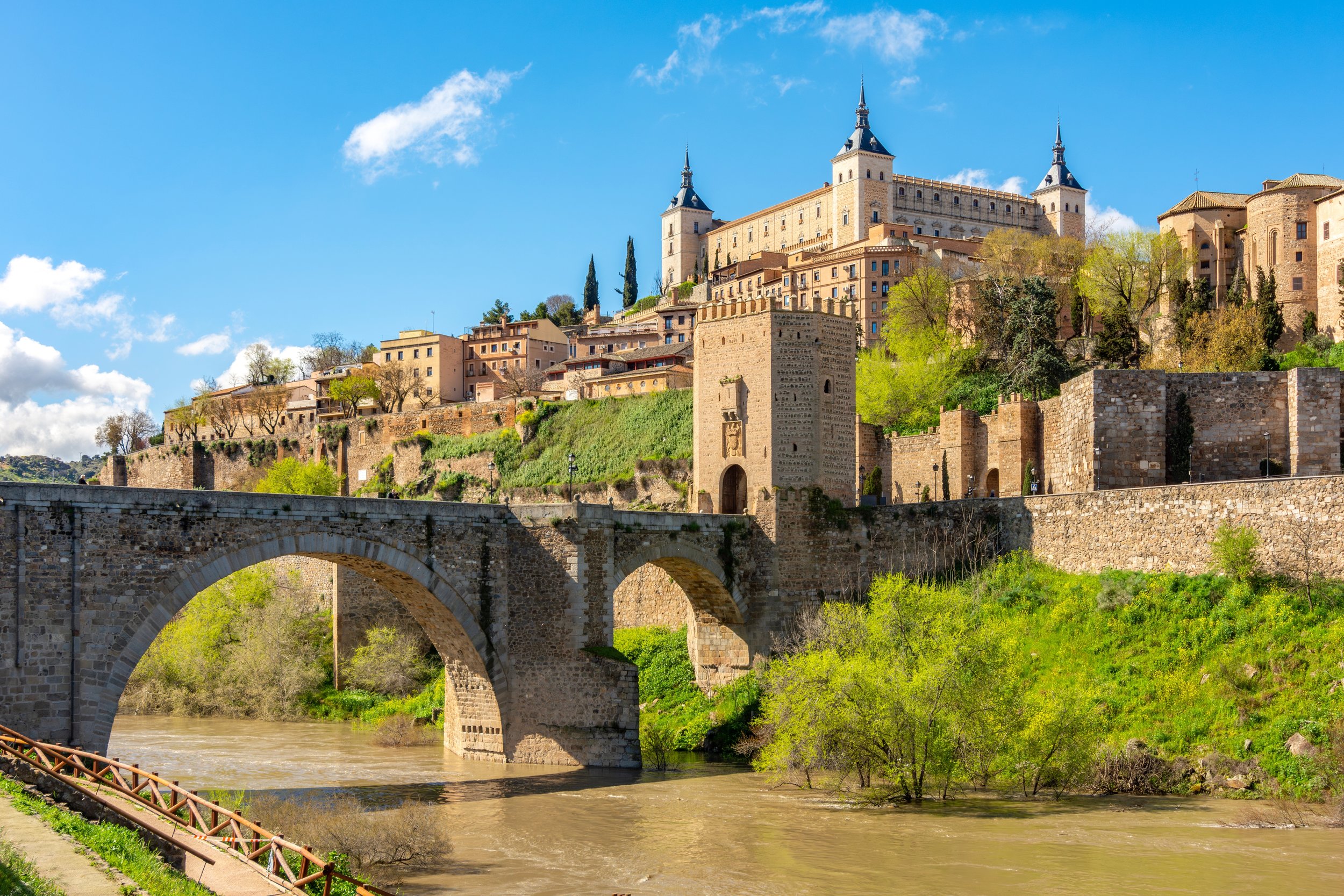
    Perched on a granite ridge above a bend in the river Tagus, its skyline of cathedral towers, minarets and fortress walls visible from miles across the Castilian plain – Toledo has a richly layered history. Originally the capital of Visigoth Spain, then part of Islamic Al-Andalus before Córdoba took prominence, it later became the seat of the Castilian court until Philip II relocated the capital to Madrid. It was also one of the great centres of Jewish learning in Europe, its scholars producing translations of Arabic and Greek texts that would help ignite the Renaissance. Departing Madrid this morning for Granada, we break our journey in Toledo, where the city’s steep, tangled streets reveal these many layers of history. The Cathedral, begun in 1226 on the site of the city’s great mosque; the synagogue of Santa María la Blanca; and the Mosque of Cristo de la Luz, a Moorish prayer hall of the 10th century that survived the Reconquista intact, all speak to the cultures that once coexisted here. A guided walking tour takes in these principal monuments, and in the afternoon, we continue through the plains of La Mancha to Granada, arriving in time for dinner at our hotel. Overnight Granada (B, D)

  • Day 13 | Tuesday 18 May
    The Alhambra
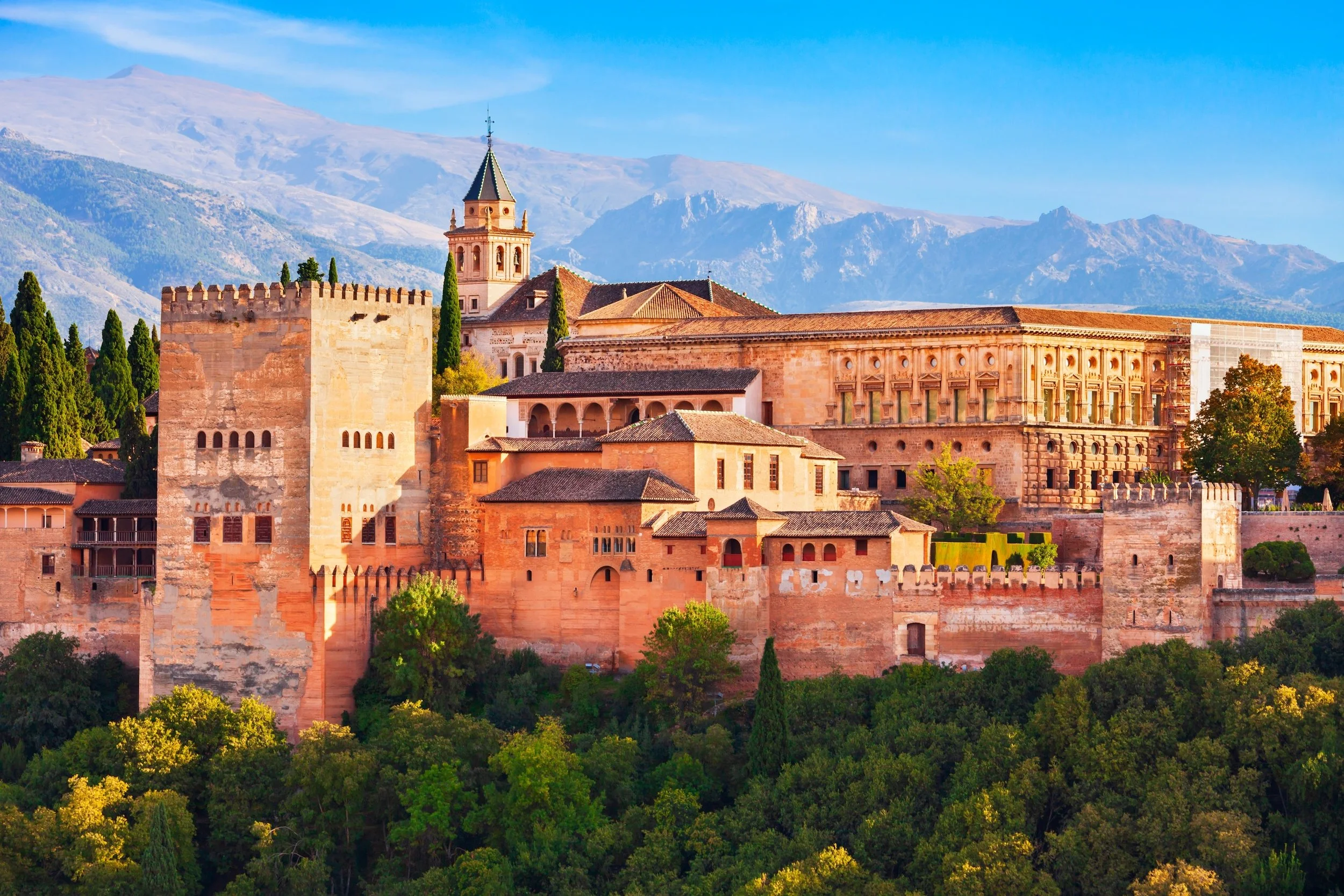
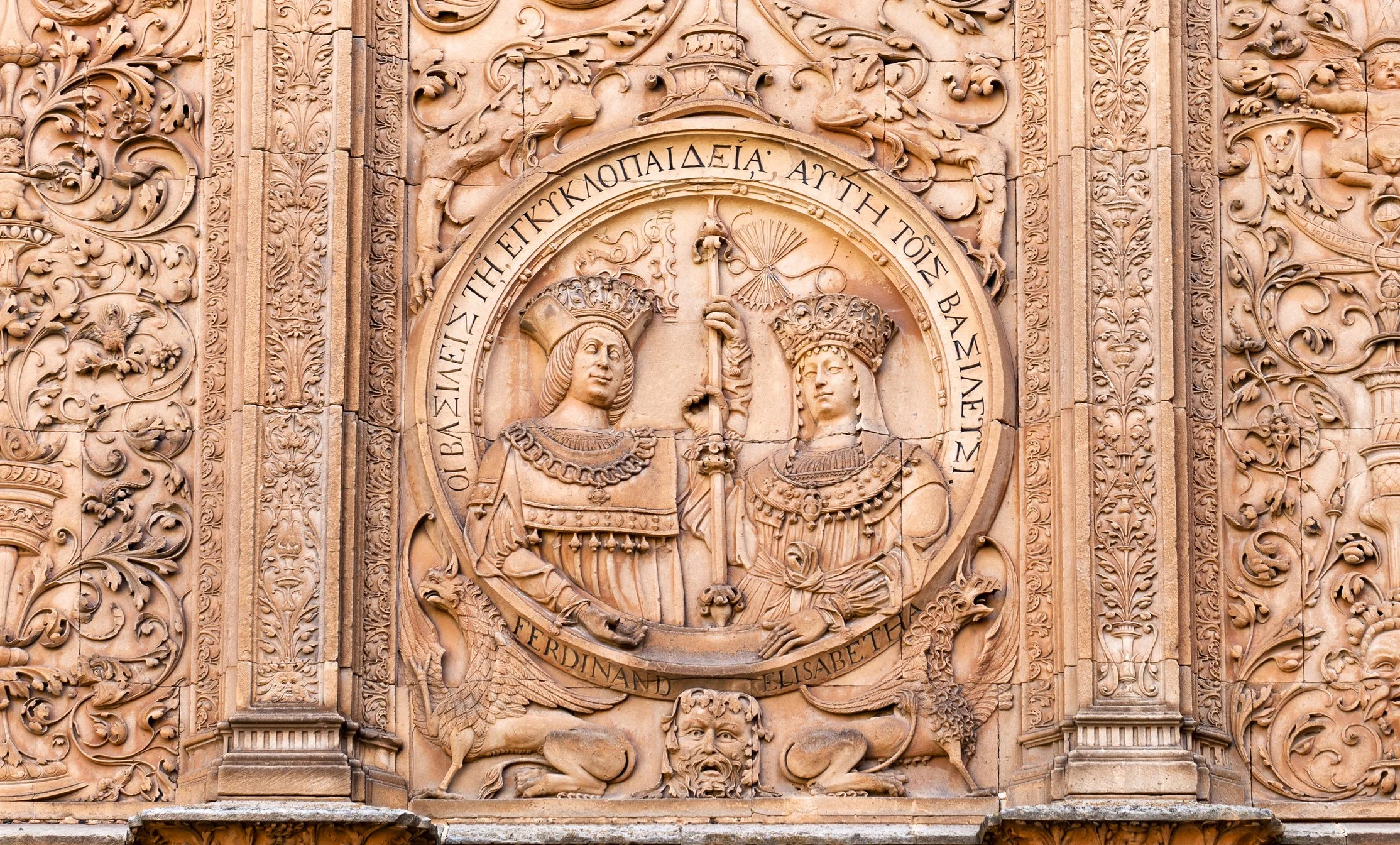
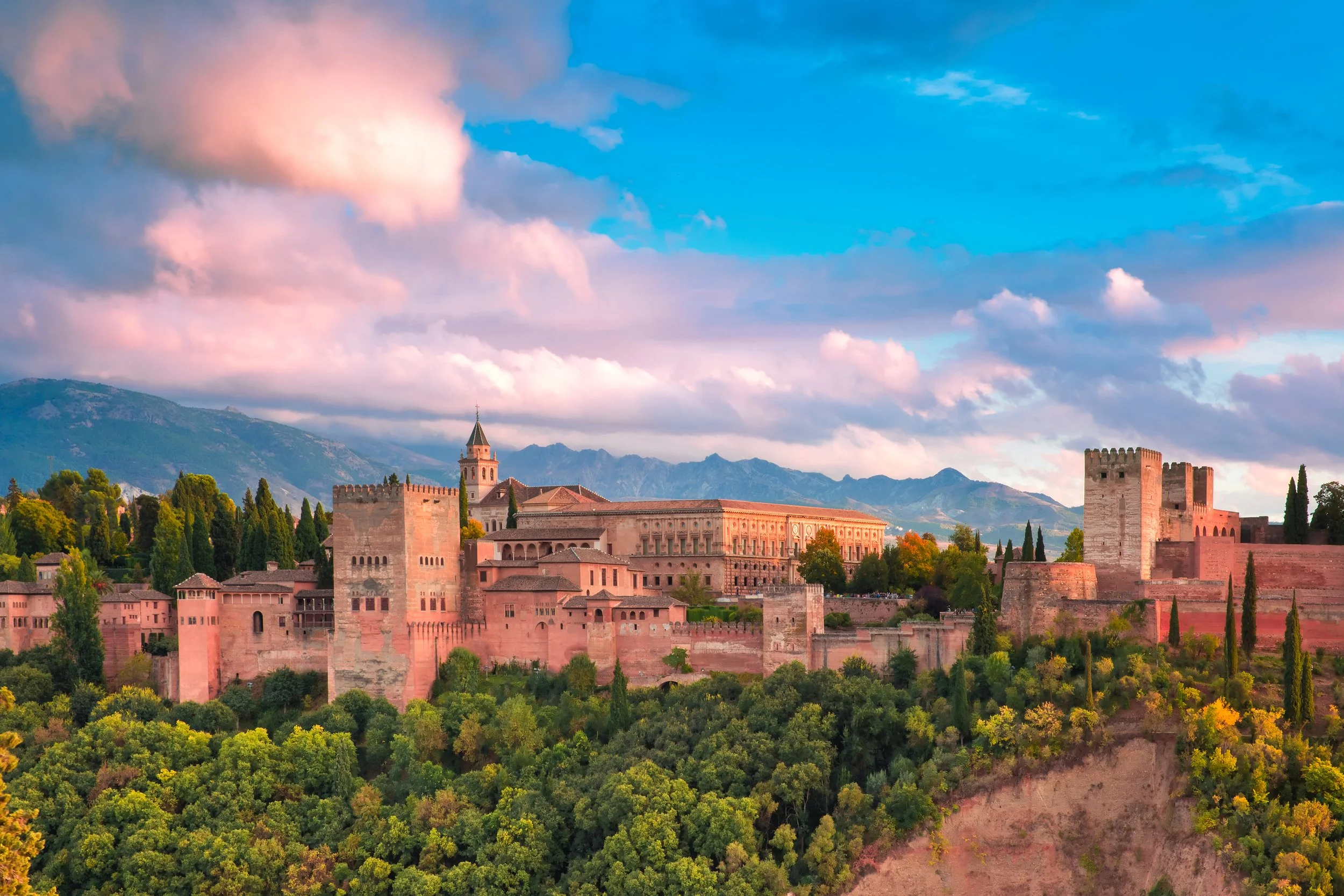
    The Alhambra was the last great court of Moorish Spain – a palace city built by the Nasrid dynasty from the mid-13th century on a wooded hill above Granada, its water gardens, honeycombed stucco ceilings and intricate tilework representing the summit of Andalusian Islamic architecture. Our visit this morning explores its principal monuments, including the Nasrid Palaces and the Generalife gardens – unlike anything else in Europe. In the afternoon, we then descend to the Cathedral of Granada and its Royal Chapel – the mausoleum Isabella and Ferdinand commissioned as the spiritual conclusion to the Reconquista, completed in 1517 in the Isabelline Gothic style. At its heart stand four alabaster effigies: Isabella and Ferdinand, carved by the Florentine sculptor Domenico Fancelli, and their daughter Juana and her husband Philip, by Bartolomé Ordóñez – cenotaphs above a crypt where the actual coffins rest. In the sacristy museum alongside, Isabella’s personal treasures survive intact: her crown, sceptre and mirror, Ferdinand’s sword, and her remarkable collection of Flemish paintings, including works by Memling and Botticelli. Returning to the hotel, the rest of the evening is at leisure. Overnight Granada (B)

  • Day 14 | Wednesday 19 May
    Granada
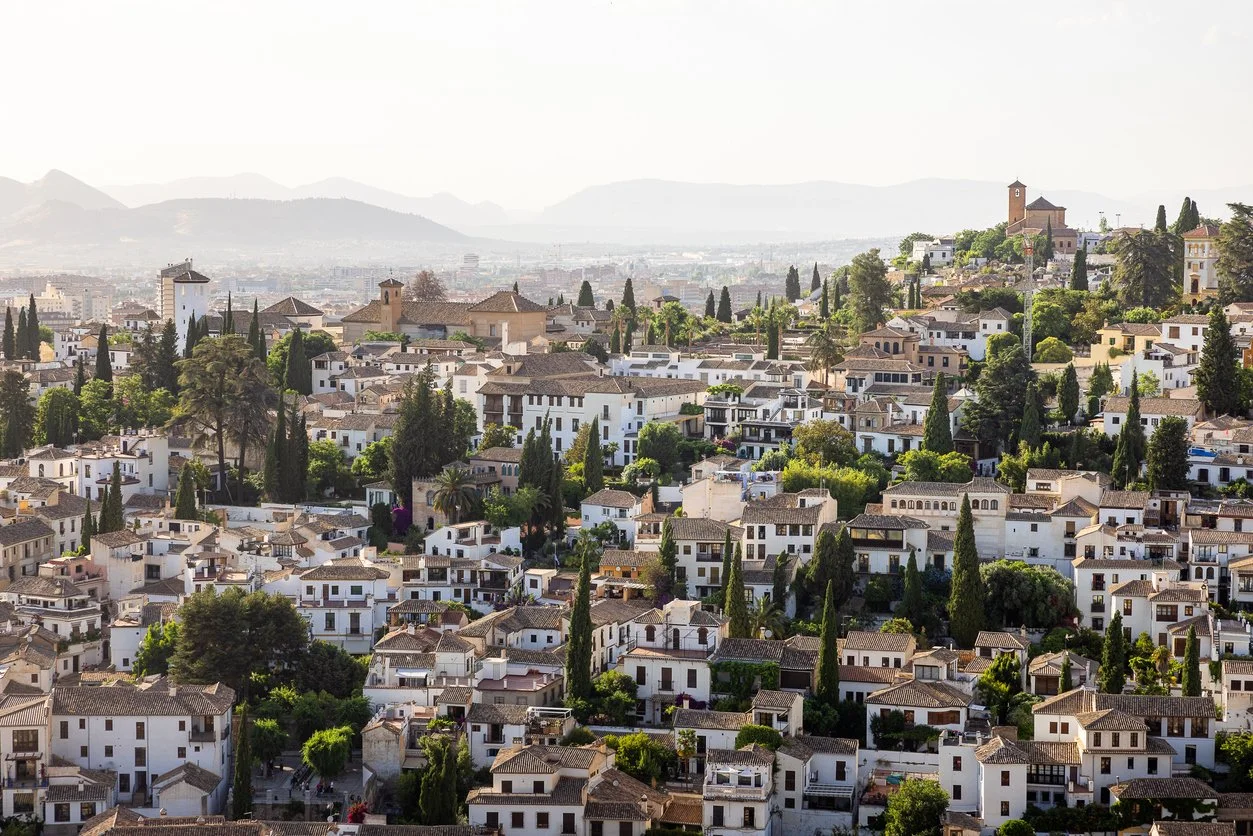
    The Albaicín, Granada’s former Moorish quarter, climbs the hillside opposite the Alhambra in a tangle of whitewashed lanes, carmen gardens and former mosques converted to churches – a neighbourhood whose fabric has changed remarkably little since the Reconquista, and whose streets still read as a map of the medieval city. Today, a walking tour leads us through the quarter to the Arab baths, among the best-preserved Moorish bathhouses in Spain. We then visit the Convento de San José de las Carmelitas Descalzas – founded in 1582 by St John of the Cross on the instructions of St Teresa of Ávila, the penultimate of her foundations in her lifetime, and housed in a former palace where El Gran Capitán, Gonzalo Fernández de Córdoba, spent his final years. Lunch is enjoyed at the Restaurante Carmen del Agua, with views across the city, before a free afternoon to explore Granada at your own pace. Overnight Granada (B, L)

  • Day 15 | Thursday 20 May
    Córdoba
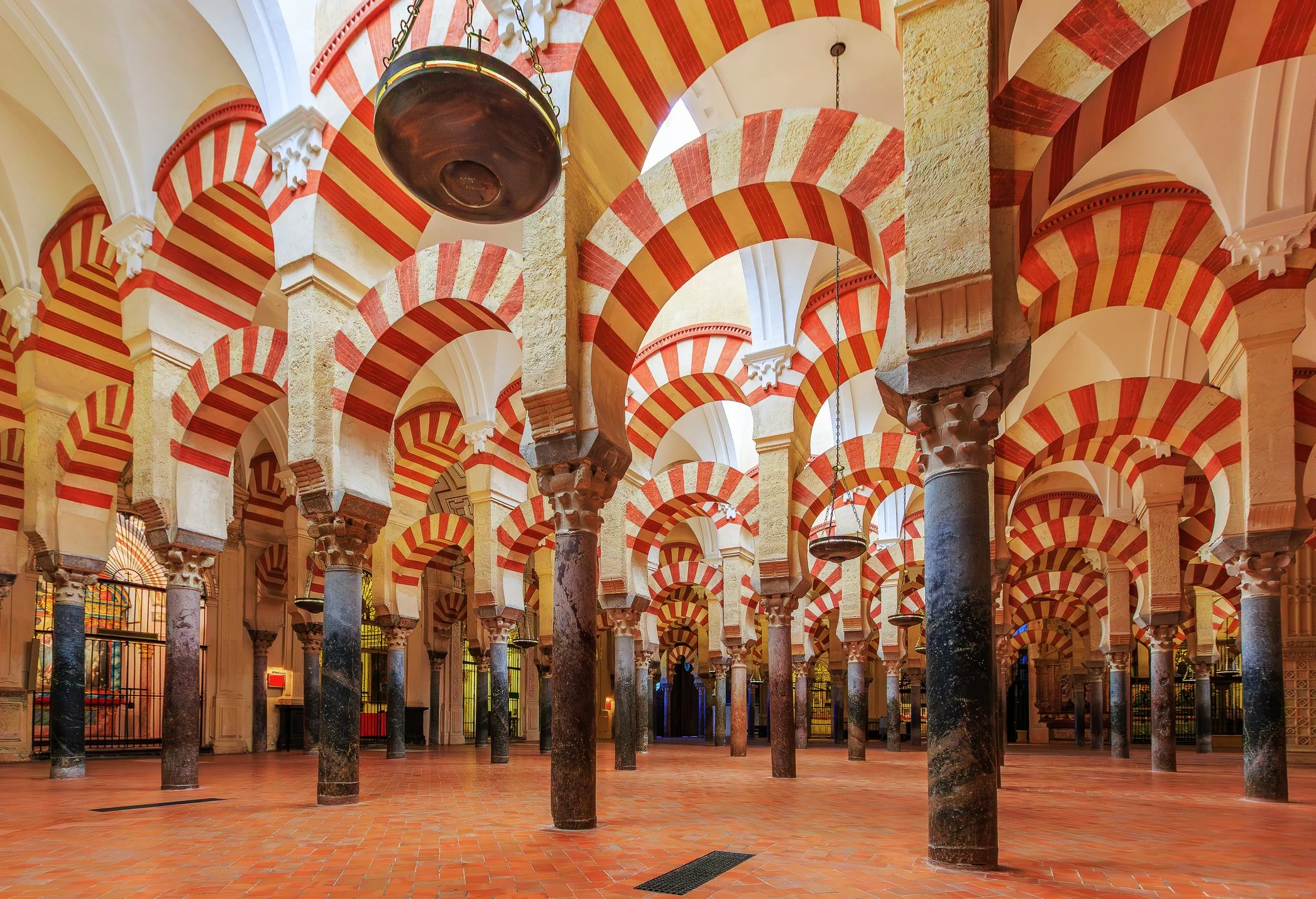
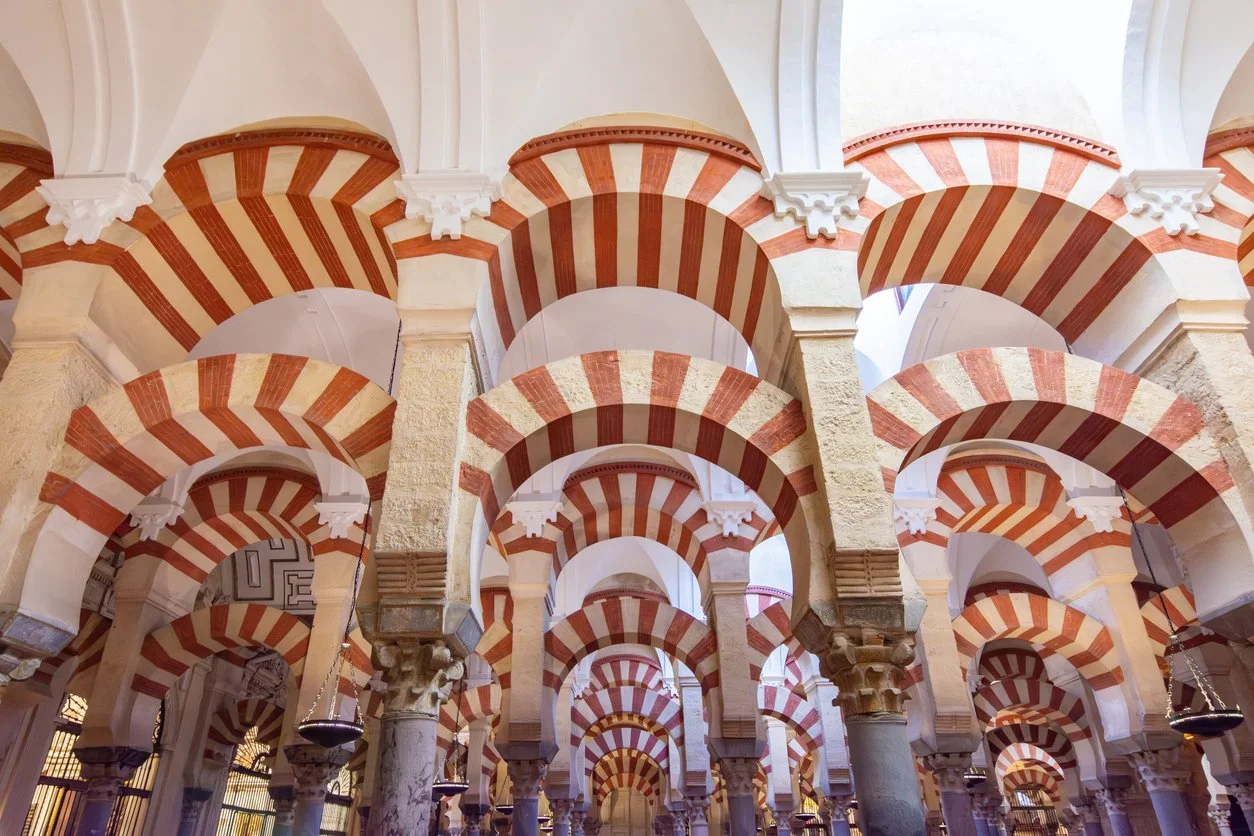
    At its peak in the 10th century, Córdoba was among the largest cities in the world and served as the capital of the Umayyad Caliphate of Al-Andalus. It was a hub for philosophy, medicine and astronomy, with libraries and scholars unrivalled in medieval Europe. Departing Granada this morning for Seville, we break our journey in Córdoba. Its Mezquita, initiated by Abd al-Rahman I in 786 CE on the site of a Visigoth church and expanded over three centuries, is the supreme expression of that civilisation: 856 columns of jasper, marble and granite beneath double arches of brick and limestone, creating a mesmerising red and white pattern that has defined the building for over 1,300 years. In the 16th century, Charles V commissioned a Renaissance cathedral to be inserted into its core, reportedly remarking, ‘You have destroyed something unique to build something ordinary’ when he saw the finished nave. Both structures, however, contribute to the Mezquita’s extraordinary uniqueness. Nearby in the Jewish Quarter, we then visit the Synagogue of Córdoba, built in 1314, one of only three medieval synagogues still standing in Spain and the only one in Andalusia. Continuing westward in the afternoon, we arrive in Seville in time for dinner at our hotel. Overnight Seville (B, D)

  • Day 16 | Friday 21 May
    Seville
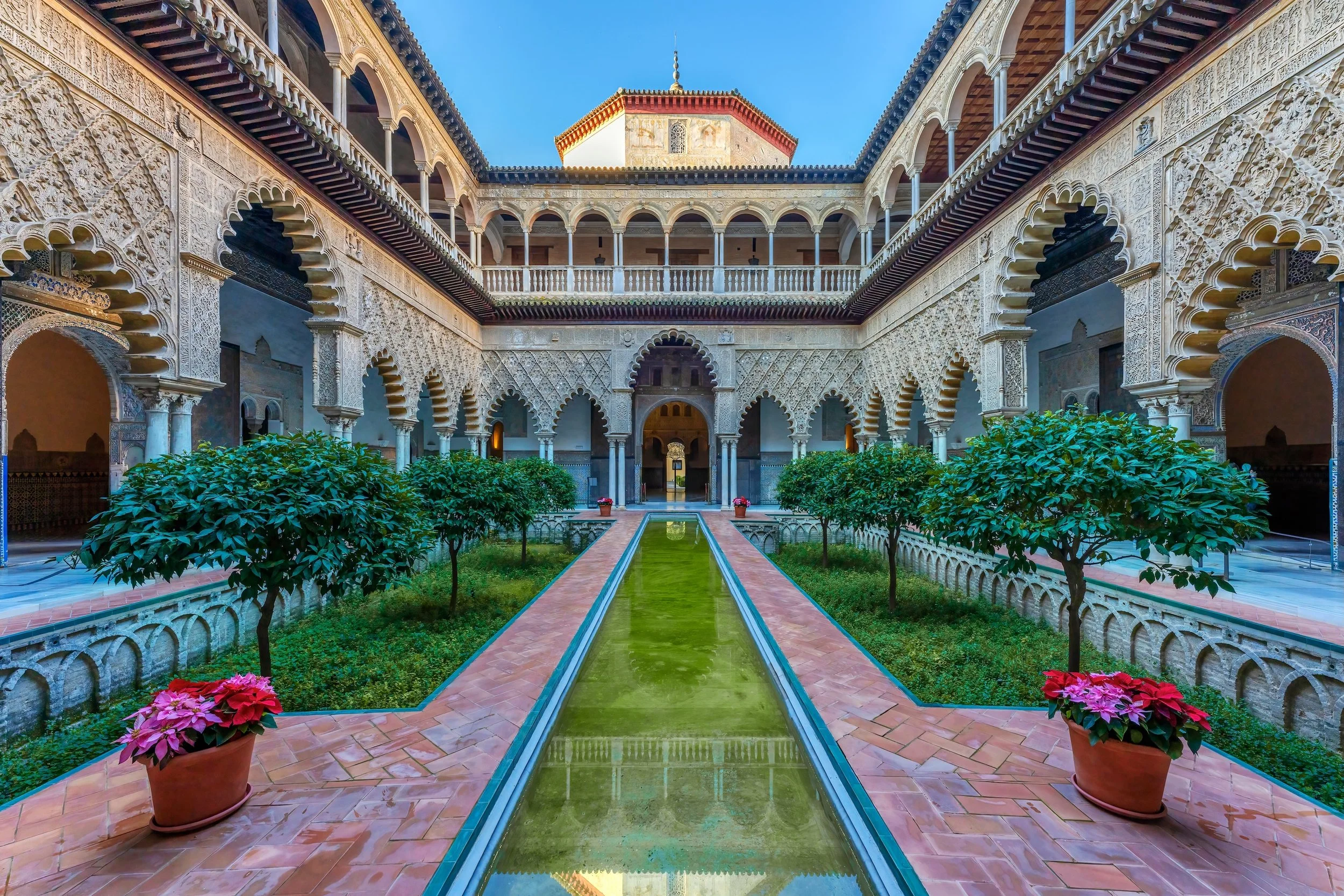
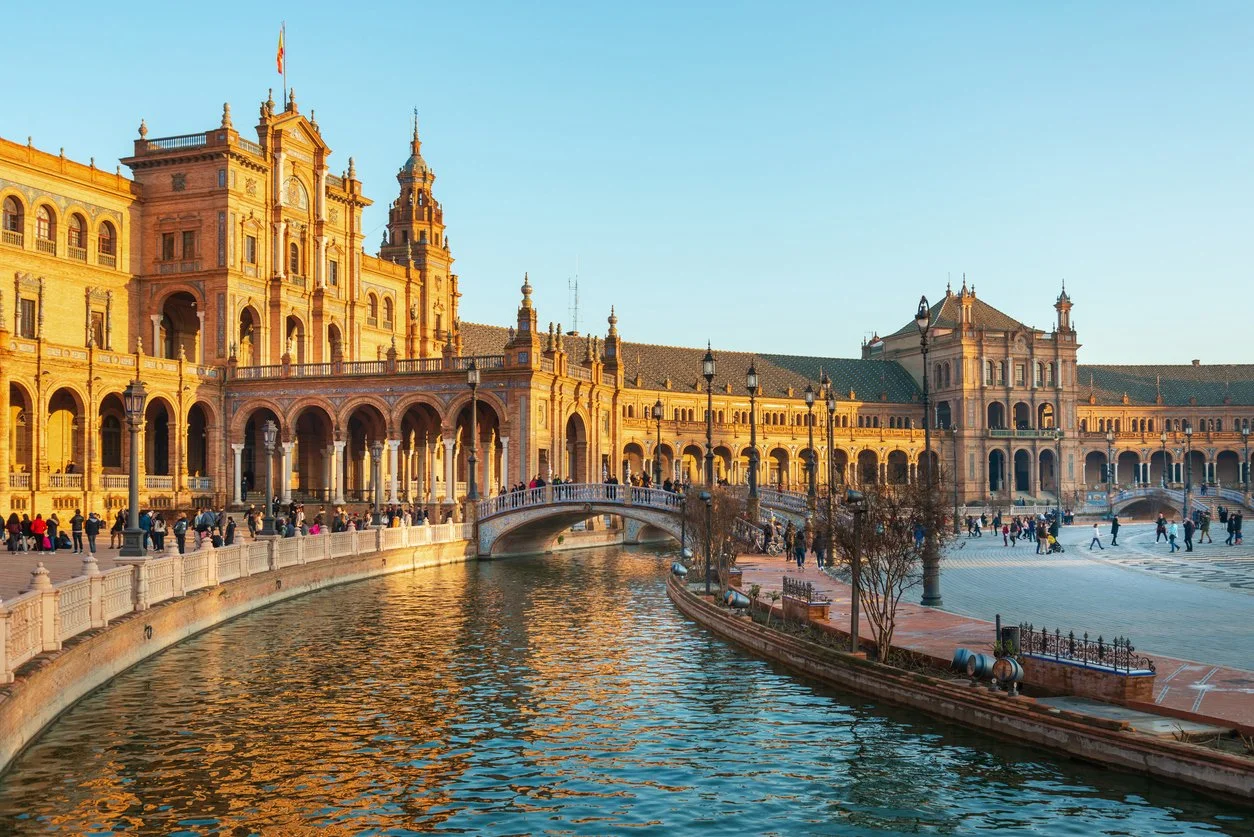
    Seville was the city through which the wealth of the Americas flowed – the licensed port of the Spanish empire, where Columbus returned, Magellan departed, and the gold and silver of the New World were weighed, taxed and distributed across Europe. We begin the day with a talk on Columbus and the Age of Discovery before exploring the city’s core. The Real Alcázar, a royal palace originally built by the Moors and transformed in the 14th century into an exquisite masterpiece of Mudéjar architecture, has been extended by successive rulers, including Charles V. It remains a working royal residence and is among Spain’s most beautiful buildings. Next, we visit the Cathedral, the largest Gothic church in the world, begun in 1401 on the site of Seville’s great Almohad Mosque. Its Giralda tower – originally a minaret and still intact – rises 104 metres above the city. Columbus’s tomb, located just inside the entrance, features a dramatic 19th-century monument with four allegorical figures representing Castile, León, Aragón, and Navarre bearing his coffin – a fitting resting place for the man whose voyage from Seville’s harbour changed history. The remainder of the afternoon is at leisure before we reconvene for an early evening flamenco performance. Overnight Seville (B)

  • Day 17 | Saturday 22 May
    Palos de la Frontera
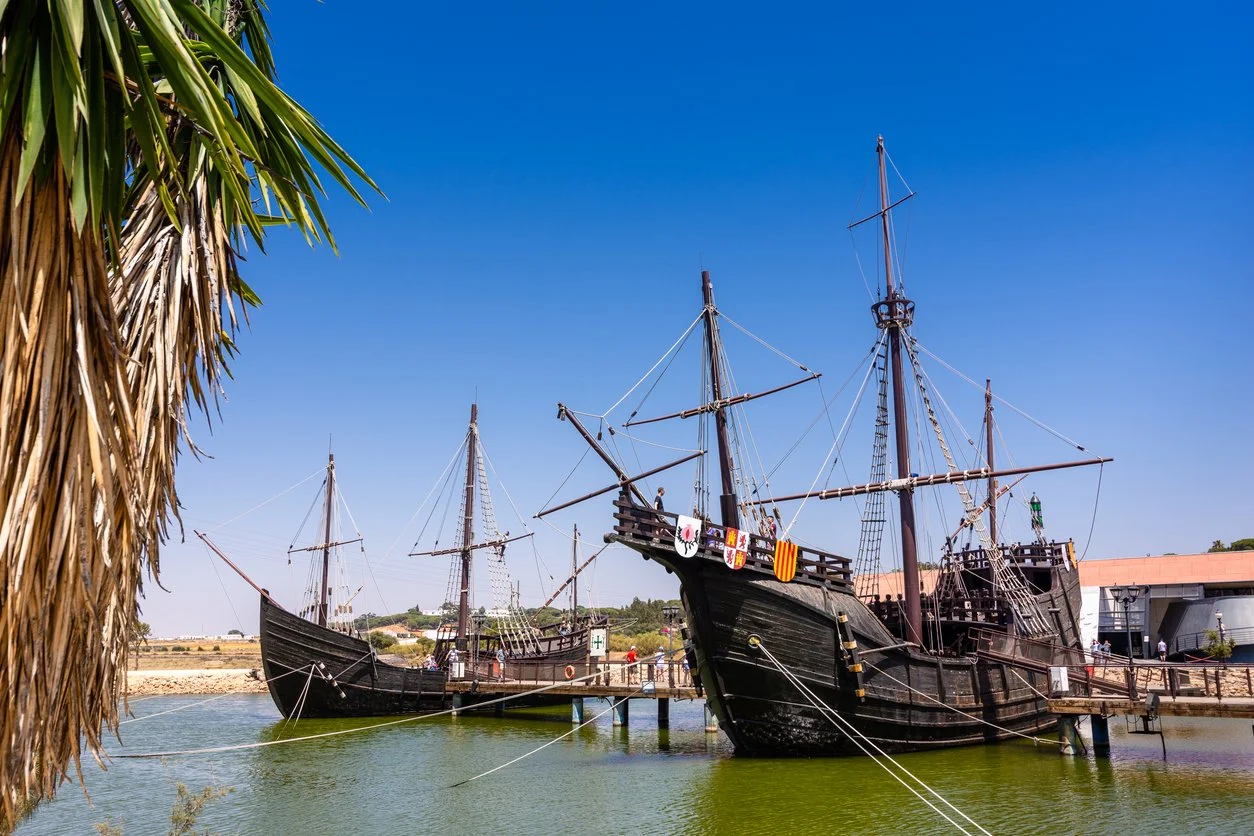
    On 3 August 1492, three ships slipped out of the harbour at Palos de la Frontera carrying 87 men and a conviction that would change the world. Columbus had spent years lobbying for this voyage, and the towns of this corner of Andalusia – Palos, Moguer, La Rábida – were where his project finally took shape. Here the Pinzón brothers signed on as captains, the ships were crewed, the Franciscan friars of La Rábida gave Columbus shelter and intellectual support during the long years of waiting. We spend the morning exploring these quietly extraordinary places, still largely off the beaten path, before visiting the Monastery of Santa Clara in Moguer – the 14th-century convent whose abbess, Inés Enríquez, was a key figure in securing royal support for the voyage. Columbus returned here to give thanks on his arrival back from the Americas in 1493, fulfilling a vow he had made mid-ocean during a storm. We return to Seville in the afternoon, and this evening we gather for our farewell dinner together in an opulent Seville establishment. Overnight Seville (B, D)

  • Day 18 | Sunday 23 May
    Depart Seville
    The tour concludes after breakfast. Passengers may depart Seville by air or continue by high-speed rail to Madrid or Barcelona for onward international flights. (B)

Hotels have been selected principally for their central location. All hotels are an excellent four-star standard.

Tour Accommodation

tour booking

$19,880 AUD per person, twin share (land content only)
$3,330 AUD supplement for sole use of a hotel room

A $1,000 deposit is required per person to confirm your booking on tour. This deposit is non-refundable.

Hold a Place

Still deciding? We are happy to hold a tentative place for 7 days while you make your final arrangements.

Book Online

To secure your place(s) on tour, book online below with “Athena”, our virtual tour consultant.

DOWNLOAD FORM

Download a printable booking form. You can also complete the form on screen and submit via email.

your tour consultant

The consultant for this tour is Sharon Williams. For further information or to discuss the tour, please call 9235 0023 (Sydney) or 1800 639 699 (outside Sydney) or email sharon@academytravel.com.au

have you thought about?

Academy Travel is more than just a tour operator. We are also a full-service travel agency who can assist you with all aspects of your travel, including flights, transfers, pre-tour arrival, additional travel and comprehensive travel insurance.

can’t make this departure?

If these dates don't work for you, register to hear about the next tour.