Uzbekistan & Turkmenistan

A Journey through Central Asia

Follow the footsteps of travellers past, journeying through the Silk Road cities that linked Europe and the Far East.

TOUR STATUS

Places Available | Maximum 16

TOUR DATES

April 7-22, 2027 | 16 Days

TOUR LEADER

Ben Churcher | View Bio

snapshot

  • The tour starts on Wednesday 7 April, with a transfer arranged on arrival at Tashkent airport to take you to the Hyatt Regency, Tashkent.

    The tour ends at c.6.00pm on Thursday 22 April, after a transfer to Tashkent International Airport. For those continuing on the post-tour extension, there will be an afternoon flight from Tashkent to Bishkek.

  • Grade Three
    This tour is among our most physically demanding. Please visit our website for more information on the fitness requirements for this tour.

    View all requirements >

  • 15 nights’ accommodation in
    centrally located 3 to 5-star hotels.
    All breakfasts, 13 lunches and 11 dinners. Services of an expert tour leader and an experienced tour manager throughout. All internal economy flights, ground transport, entrance fees and tipping.

    View standard tour inclusions >

  • $14,160 AUD per person, twin share (land content only)
    $2,620 AUD supplement for sole use of a hotel room

    A $1,000 AUD non-refundable deposit is required per person to confirm your booking on tour

OVERVIEW

Situated at the crossroads of Central Asia, Uzbekistan and Turkmenistan have been shaped by successive waves of settlement and empire. From Bronze Age societies of the desert oases through Persian, Parthian and Sasanian rule, and later Islamic dynasties, their landscapes bear evidence of Silk Roads trade, further shaped in the modern era by Russian expansion, Soviet rule and post-independence nation-building.

Led by archaeologist Ben Churcher, this 16-day journey explores these overlapping histories through a sequence of major cities, ancient landscapes and preserved historic centres. The itinerary moves from the urban fabric of Tashkent to the walled city of Khiva, crosses into Turkmenistan to explore Ashgabat, Mary and the surrounding desert sites, before returning to Uzbekistan to visit Bukhara and Samarkand, among the most intact Silk Road cities in Central Asia.

Along the way, we examine key archaeological sites including Nisa, Gonur Depe and Merv, complemented by a close study of the region’s Islamic architecture.

tour highlights

Trace the great Silk Road cities of Central Asia, exploring centres of trade, learning and art.

Ben Churcher

your expert tour leader

Ben is an archaeologist who works both in the Near East, as well as with Aboriginal archaeology in Australia. He has a strong personal interest in history and archaeology, primarily of the Muslim world, but not exclusively. Ben holds the position of Field Director at the University of Sydney’s archaeological excavations at Pella in Jordan. Ben holds a BA (Hons) from the University of Queensland and a Dip. Ed from the University of Sydney.

Read full bio >

Accompanied by an Experienced Tour Manager

Alongside your expert tour leader, an experienced tour manager will accompany for the entirety of the tour. They oversee logistics, ensure your comfort and safety, and provide friendly support – whether offering tips for free time, sharing a chat over dinner, or giving you space to relax.

tour ITINERARY

Tashkent (1 night), Nukus (1 night), Khiva (2 nights), Ashgabat (3 nights), Mary (2 nights),
Bukhara (3 nights), Samarkand (2 nights), Tashkent (1 night)

Included meals are shown with the letters B, L and D

  • Day 1 | Wednesday 7 April
    Arrive Tashkent

    Passengers will arrive into Tashkent International Airport at various times. Academy Travel will organise individual or group transfers from the airport to the hotel. After checking in and time to freshen up, a light dinner will be available in the hotel. Overnight Tashkent (D)

  • Day 2 | Thursday 8 April
    Tashkent
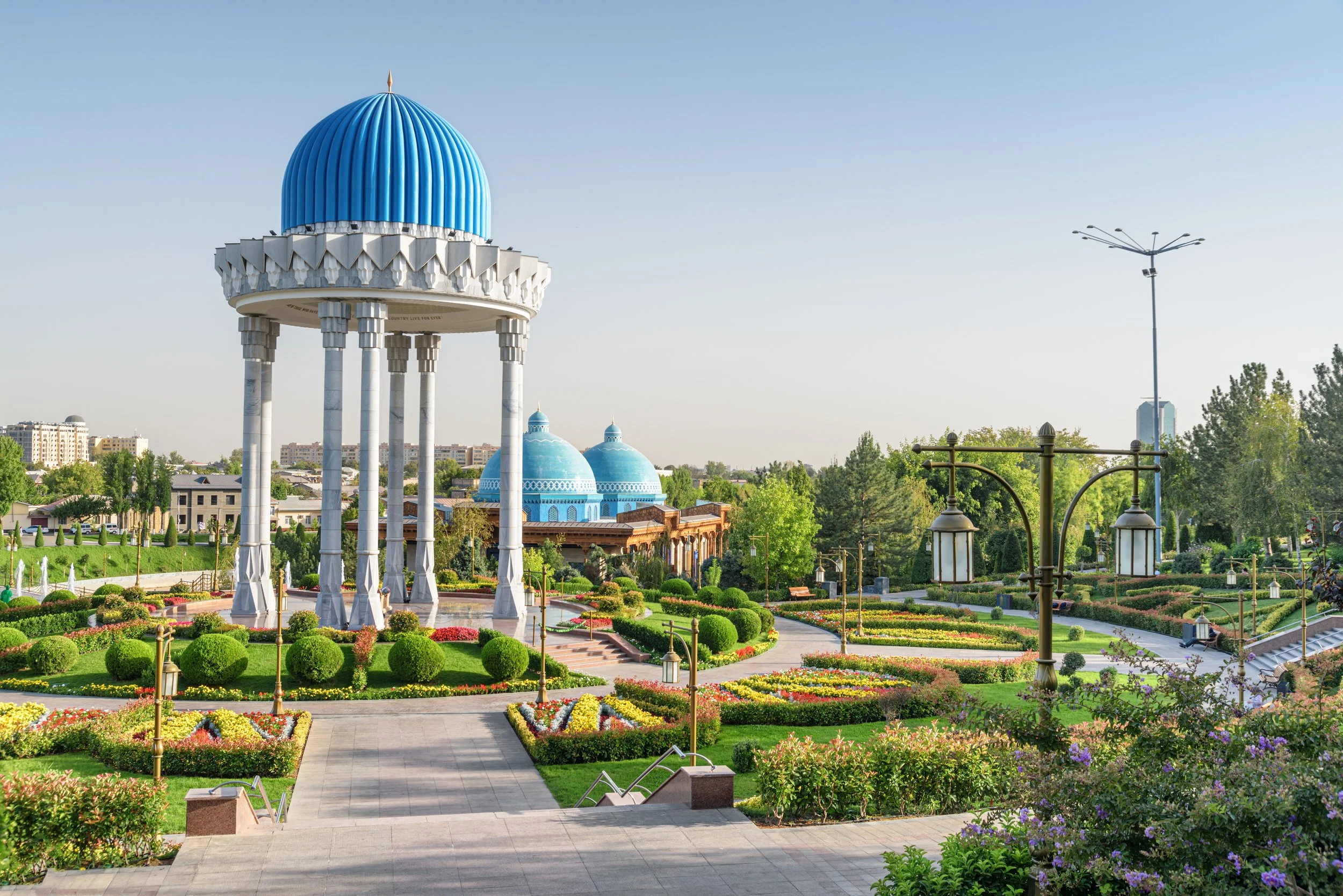
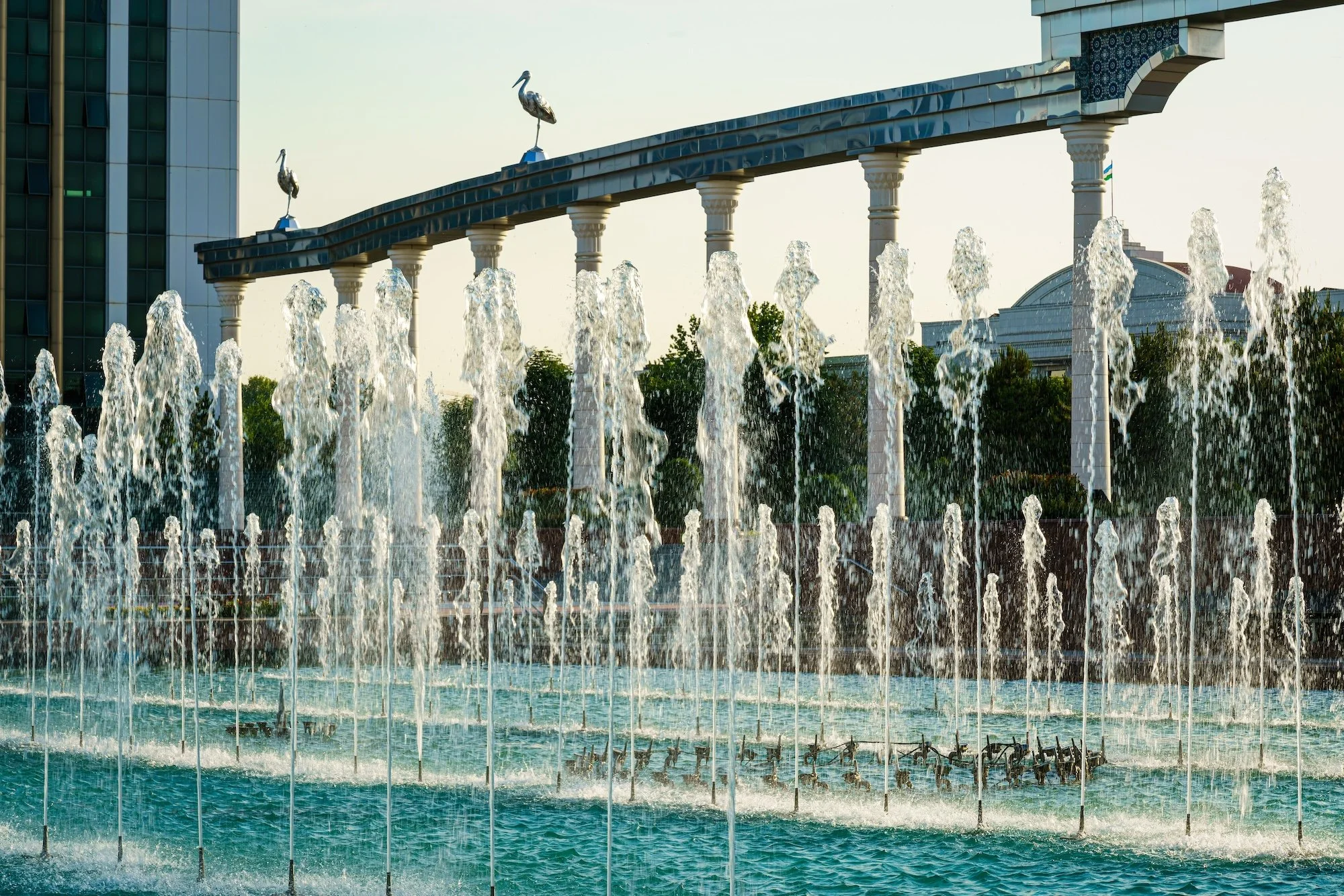
    For more than two millennia, Tashkent has occupied a strategic position at the crossroads of Central Asia. From its early role as a Silk Roads trading centre to the upheavals of Mongol invasion, Russian conquest and Soviet reconstruction, the city reveals successive layers of political power, religious life and urban planning. After a lecture in our hotel this morning, we begin our day at the Monument of Courage, commemorating Tashkent’s resilience following the earthquake of 1966 and its subsequent Soviet-led reconstruction. From here, we continue to the Hazrati Imam complex where madrasas, mosques and libraries reflect the city’s long-standing role as a centre of Islamic learning. Among its treasures is the reputed Uthman Qur’an – one of the oldest surviving manuscripts of the Islamic world. Lunch will be at Afsona restaurant, where we enjoy contemporary interpretations of Uzbek cuisine, before continuing to Amir Temur Square, dominated by the equestrian statue of the Timurid ruler, and the monumental Independence Square. In the late afternoon we return to the hotel, before an early dinner, taken as a takeaway to accommodate our evening flight to the outpost of Nukus, not far from the northern border of Turkmenistan. Overnight Nukus (B, L, D)

  • Day 3 | Friday 9 April
    Nukus

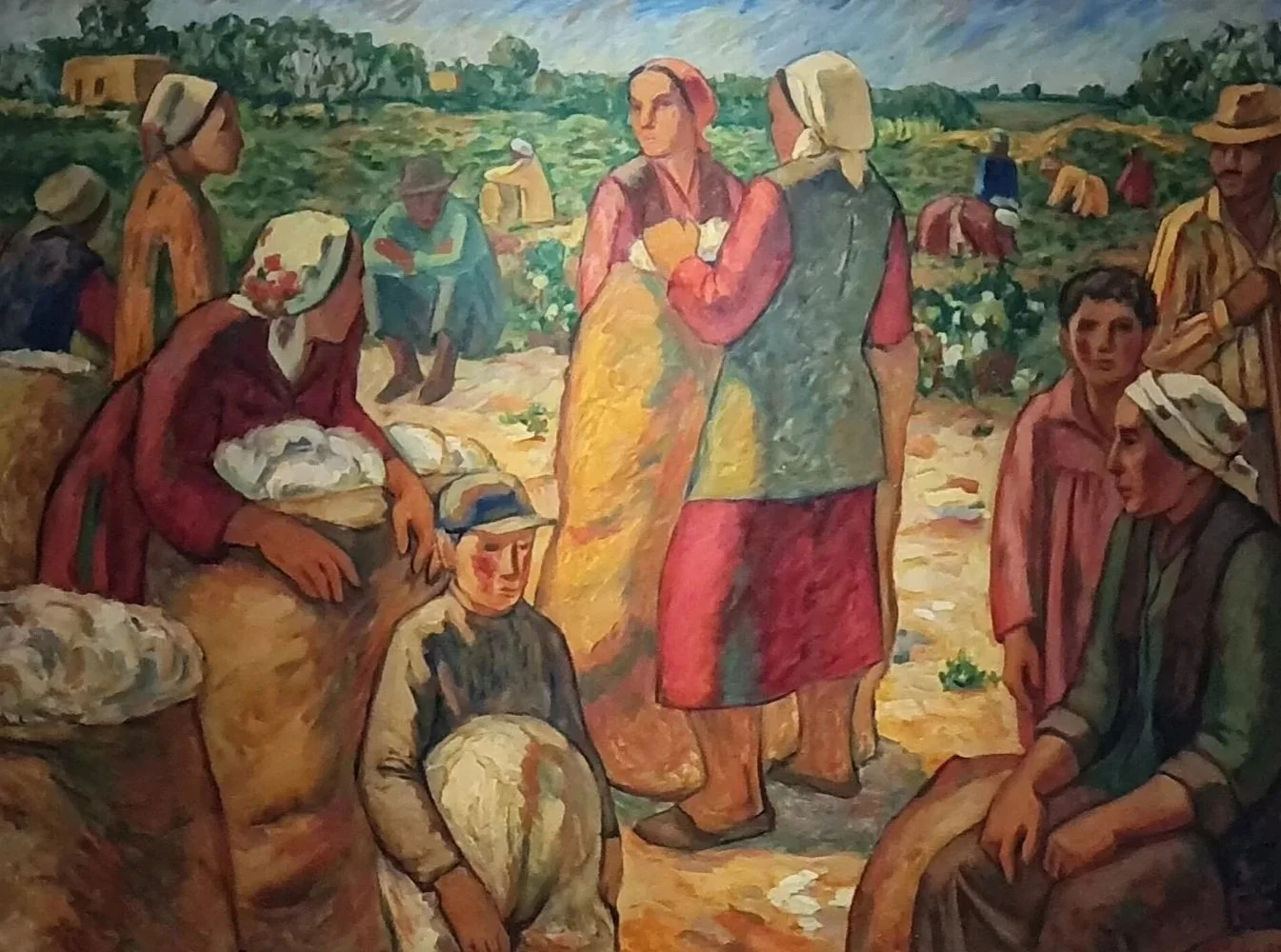
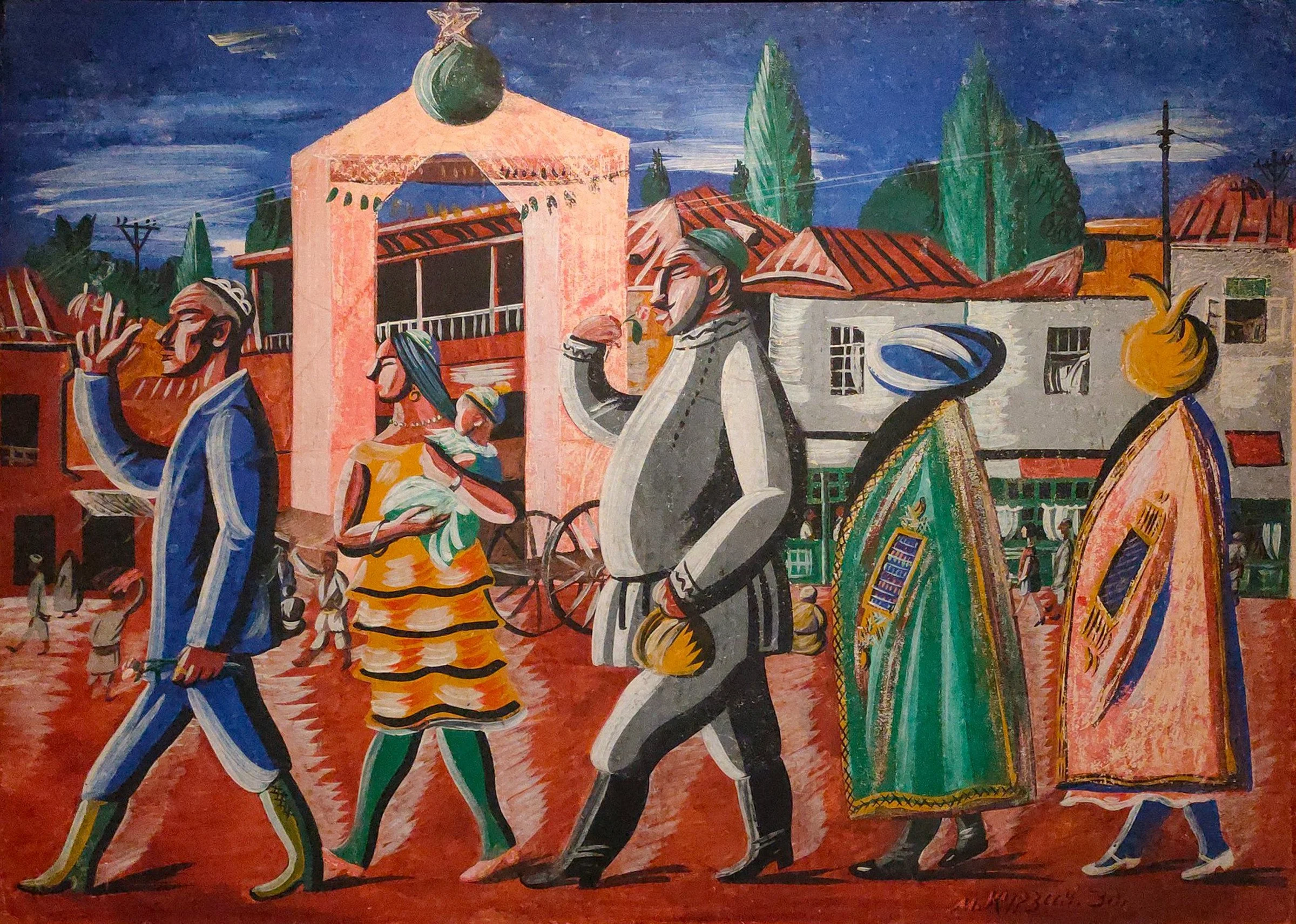
    Long before the Silk Roads flourished, the Khorezm region supported powerful kingdoms shaped by desert geography, river systems and ancient belief systems, including Zoroastrianism. Today’s journey links Nukus’s remarkable modern cultural legacy with these deep historical layers, as we travel south towards Khiva. Our day begins in the centre of Nukus with a visit the Savitsky Art Museum, renowned for its extraordinary collection of Soviet-era avant-garde works, assembled by Igor Savitsky and safeguarded far from Moscow during the Stalinist period. The collection offers a striking counterpoint to official Soviet artistic doctrine. After lunch nearby, we then depart for Khiva, stopping en route at Toprak Qala – the remains of a royal fortress and temple complex of the Khorezm kings, dating to the 3rd–4th centuries CE. Our next stop is Chilpik Dakhma, a Zoroastrian Tower of Silence from around the 1st century BCE, illustrating funerary traditions that predate Islam in the region. Arriving in Khiva in the late afternoon, we check in to our hotel and enjoy dinner together. Overnight Khiva (B, L, D)

  • Day 4 | Saturday 10 April
    Khiva

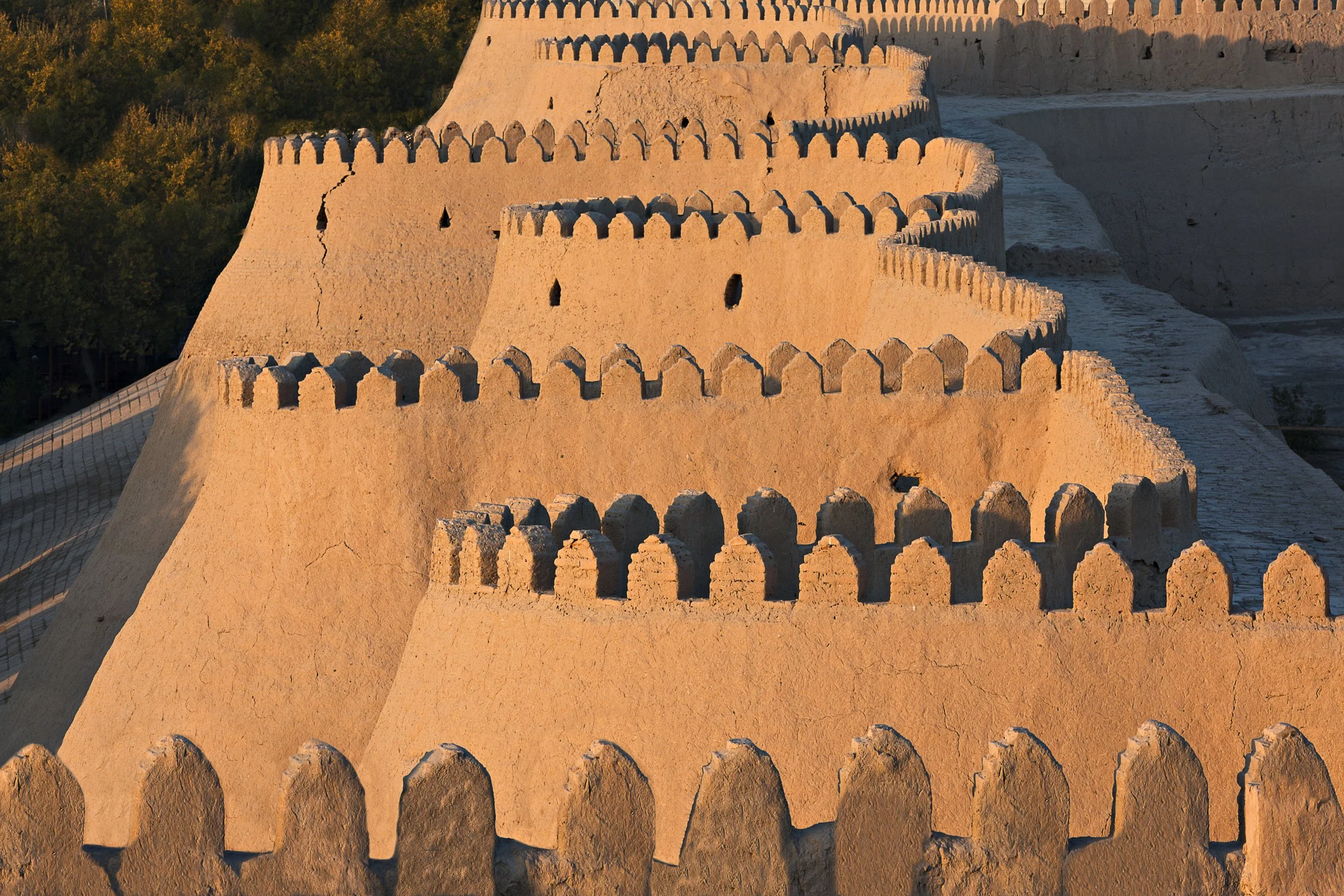
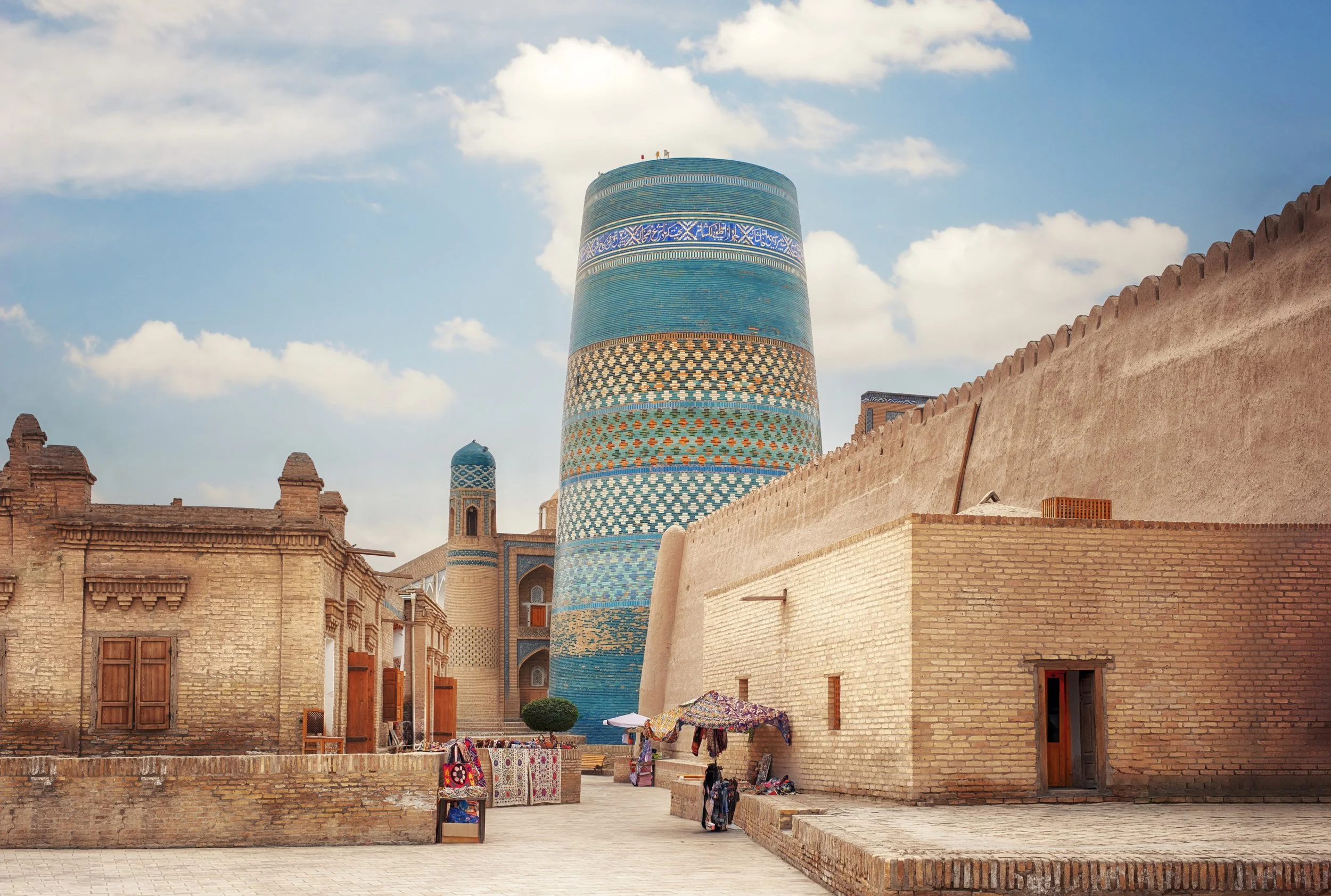
    From the 8th century, Khiva developed as a fortified trading post on the western fringes of the Silk Roads, its wealth sustained by commerce, scholarship and regional power. Enclosed within its mud-brick walls, the old city of Ichan Qala preserves an unusually complete ensemble of Islamic architecture, offering a rare sense of urban continuity from the khanate period to the present day. We enter the walled city to begin our sightseeing with the Kunya Ark, the citadel of Khiva’s rulers and once the administrative and ceremonial heart of the khanate. Within Ichan Qal’a, we continue on foot to explore a sequence of mosques, minarets and madrassas, illustrating the city’s role as a centre of learning and devotion. A highlight is the Pakhlavon Mahmud Mausoleum, richly decorated and revered as the resting place of Khiva’s patron saint. After pausing for lunch together, we continue our exploration of the old town, with free time to shop within the historic precinct. Overnight Khiva (B, L)

  • Day 5 | Sunday 11 April
    Khiva to Ashgabat

    For centuries, the shifting frontier between Khorezm and the lands to its south shaped patterns of trade, movement and political control across Central Asia. Today’s journey marks a clear transition, as we leave Uzbekistan and enter Turkmenistan, where distinct historical trajectories and modern state identities have produced a markedly different cultural landscape. The morning is free in Khiva, allowing time to revisit the old town independently before lunch. In the early afternoon, we drive towards the Dashoguz border crossing. After completing border formalities, we meet our Turkmen guide and coach and continue to Dashoguz Airport for our evening flight to Ashgabat. Transferring to our hotel on arrival, there is time to freshen up before concluding our day with a lecture and dinner together. Overnight Ashgabat (B, L, D)

  • Day 6 | Monday 12 April
    Nisa & Ashgabat

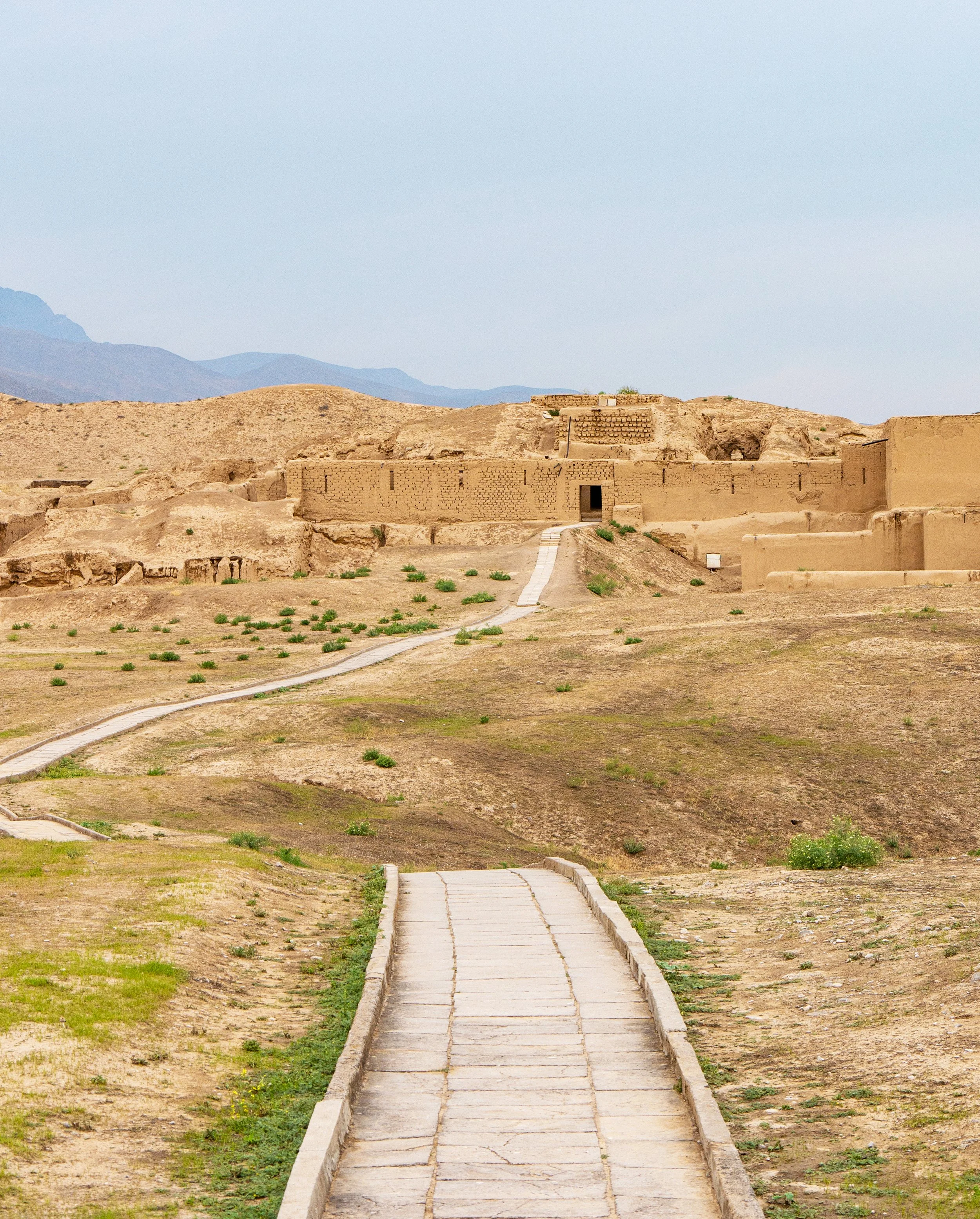
    The lands surrounding modern Ashgabat were once the heart of the Parthian Empire, a major power that controlled vast stretches of Central Asia and the Near East from the 3rd century BCE. A short drive this morning brings us to Nisa, a UNESCO World-Heritage site and former royal centre of the Parthian kings. Here we explore the extensive ruins, which include fortifications, ceremonial buildings and storage complexes that reflect Nisa’s political and ritual importance. We then continue to Gypjak to visit the Turkmenbashi Mosque-Mausoleum, distinguished by its vast scale, gold dome and four minarets, built as a memorial to Turkmenistan’s first president. Returning to Ashgabat, we enjoy lunch at a local restaurant before an afternoon visit to the Turkmen Carpet Museum, home to exceptional examples of traditional weaving, including the world’s largest hand-woven carpet. The remainder of the afternoon is at leisure at the hotel, with time for a lecture before dinner together this evening. Overnight Ashgabat (B, L, D)

  • Day 7 | Tuesday 13 April
    Ashgabat

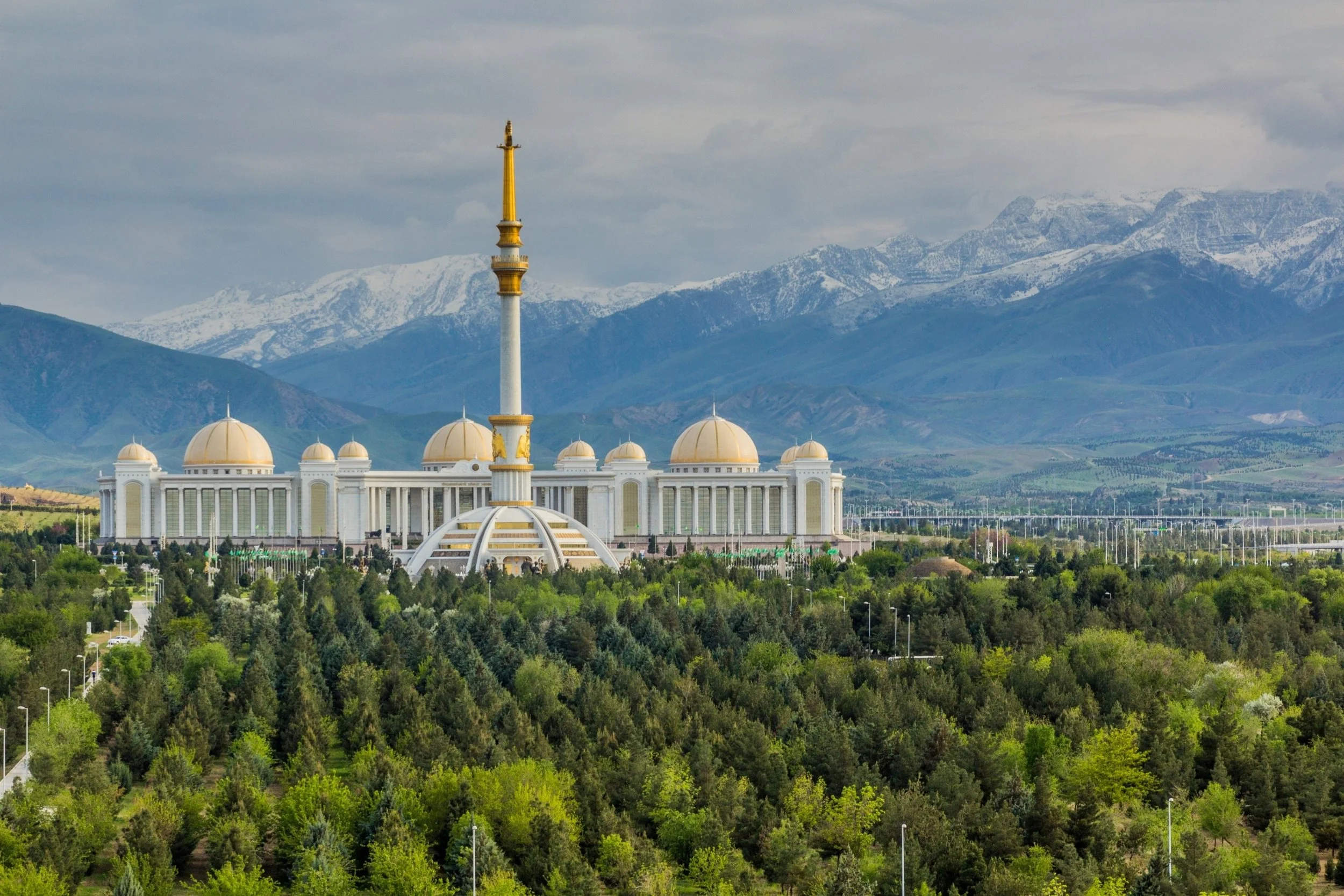
    Ashgabat is a striking expression of modern Turkmenistan, reshaped since independence to project stability, prosperity and national identity. Set against the Kopet Dag Mountains, the city is defined by monumental scale – white-marble government buildings, gold-domed monuments and expansive parklands – layered over a much older past that reaches back to ancient settlements along the Silk Roads. We begin our day at the National Museum of Turkmenistan, whose extensive archaeological and ethnographic collections trace the country’s development from ancient civilisations through to the modern era. We then visit a sequence of key city landmarks, including the Neutrality Arch, Independence Park and the Rukhnama Monument, each reflecting the political ideals and visual language of post-Soviet Turkmenistan. After lunch together, the afternoon is spent at the Russian Bazaar, a vast covered market dating to the Soviet period and one of the most animated spaces in the city, offering insight into everyday life in Ashgabat. This evening we dine at a local restaurant. Overnight Ashgabat (B, L, D)

  • Day 8 | Wednesday 14 April
    Mary & Merv

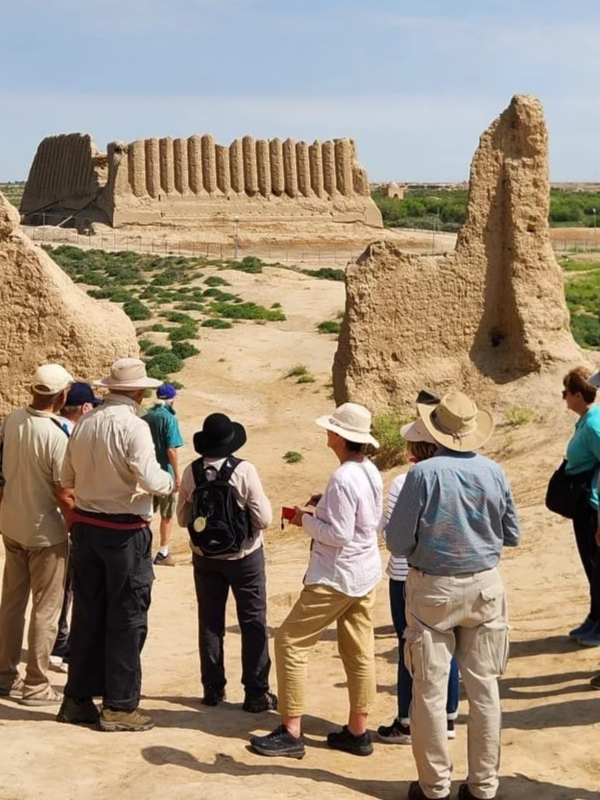
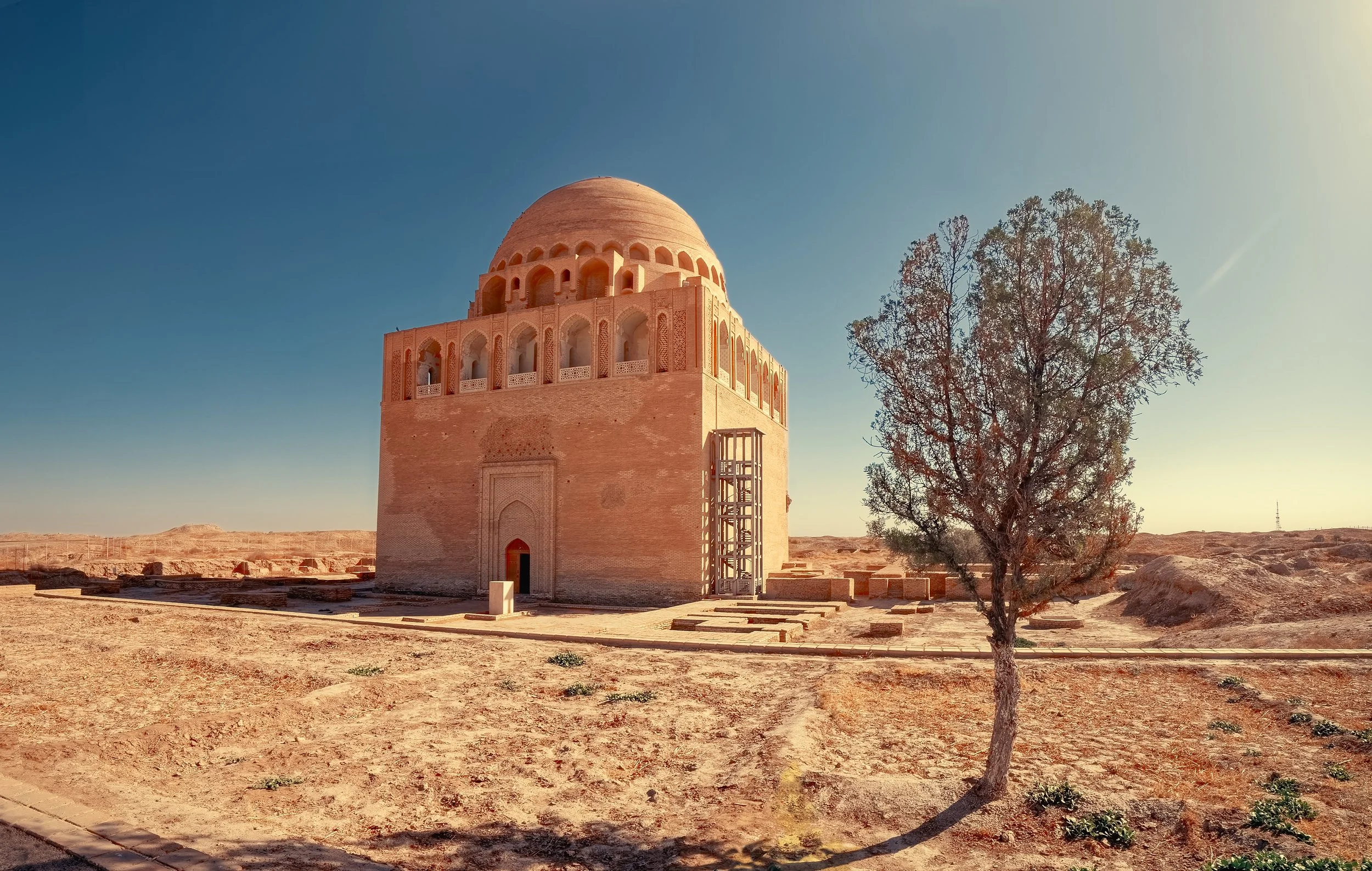
    The oasis of Merv was once one of the great cities of the Islamic world, sustained by sophisticated irrigation and its position on the Silk Roads. Successively ruled by Persians, Arabs, Seljuk Turks and others, it became a renowned centre of learning and commerce before its catastrophic destruction by the Mongols in 1221. An early start today takes us along the high-speed road to Mary, where we pause for lunch at a local restaurant before continuing to the now UNESCO World-Heritage site of Merv. Our exploration begins at Gyaur Kala, a fortified Sasanian-era city enclosed by massive walls, within which survive traces of religious and civic buildings. We then move west to Sultan Kala, the medieval core of Merv, where the restored Mausoleum of Sultan Sanjar stands as a powerful reminder of the city’s prosperity under Seljuk rule in the 11th and 12th centuries. In the late afternoon, we return to Mary and check in to our hotel. We end the day with dinner in a local restaurant. Overnight Mary (B, L, D)

  • Day 9 | Thursday 15 April
    Gonur Depe

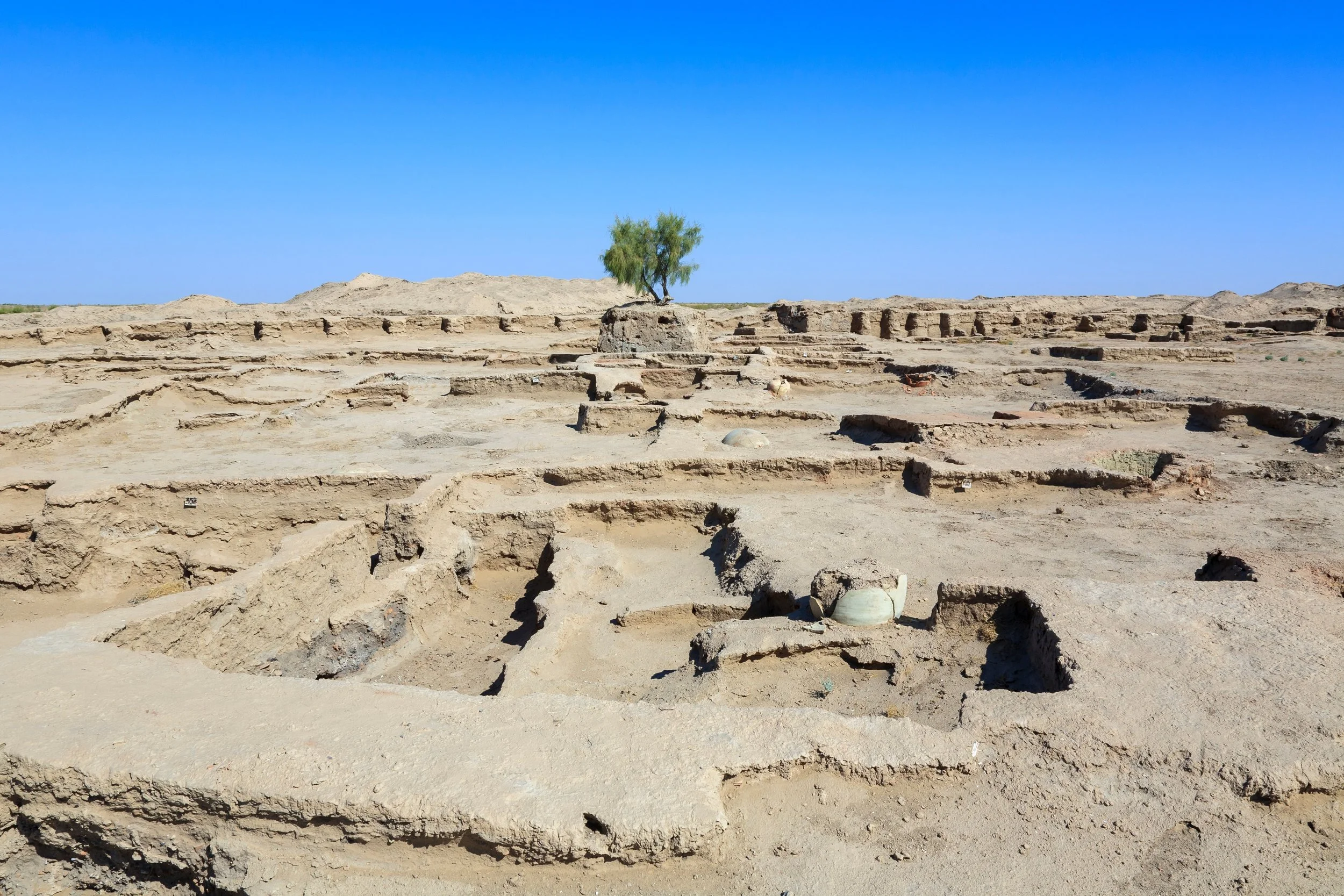
    Long before the rise of the great cities of the Silk Roads, the Murghab delta supported advanced Bronze Age societies whose beliefs and technologies shaped later Central Asian cultures. Gonur Depe, one of the most important sites of the Bactria–Margiana Archaeological Complex, offers rare insight into this early world, where ritual practice, water management systems and political authority were already closely intertwined. After an early breakfast, we travel across the desert to the site, discovered in 1972 by Viktor Sarianidi and excavated over four decades. Here we see the remains of a substantial fortified settlement, including a royal palace, temples with fire altars, burial grounds and evidence of an extensive irrigation system. The associated necropolis, where richly furnished graves were uncovered, points to complex social structures and religious practices often linked to early Zoroastrian traditions. We enjoy a picnic lunch on site before returning to Mary in the afternoon. The remainder of the day is at leisure, with time to explore Mary’s local markets before dinner together at a local restaurant. Overnight Mary (B, L, D)

  • Day 10 | Friday 16 April
    Mary to Bukhara
    Bukhara has long occupied a prominent place in Central Asia’s urban and cultural history, shaped by its position on the Silk Roads and its role as a hub of trade, scholarship and craftsmanship. Today’s journey marks our return to Uzbekistan, moving from the monumental landscapes of Turkmenistan towards one of the region’s most intact historic cities.
    We depart Turkmenistan early, travelling via Turkmenabat to the Farap border crossing. After lunch en route, we complete border formalities and meet our Uzbek driver and guide on the far side. We then continue by coach to Bukhara, arriving later in the day. There is time to freshen up at the hotel before dinner together this evening. Overnight Bukhara (B, L, D)

  • Day 11 | Saturday 17 April
    Bukhara

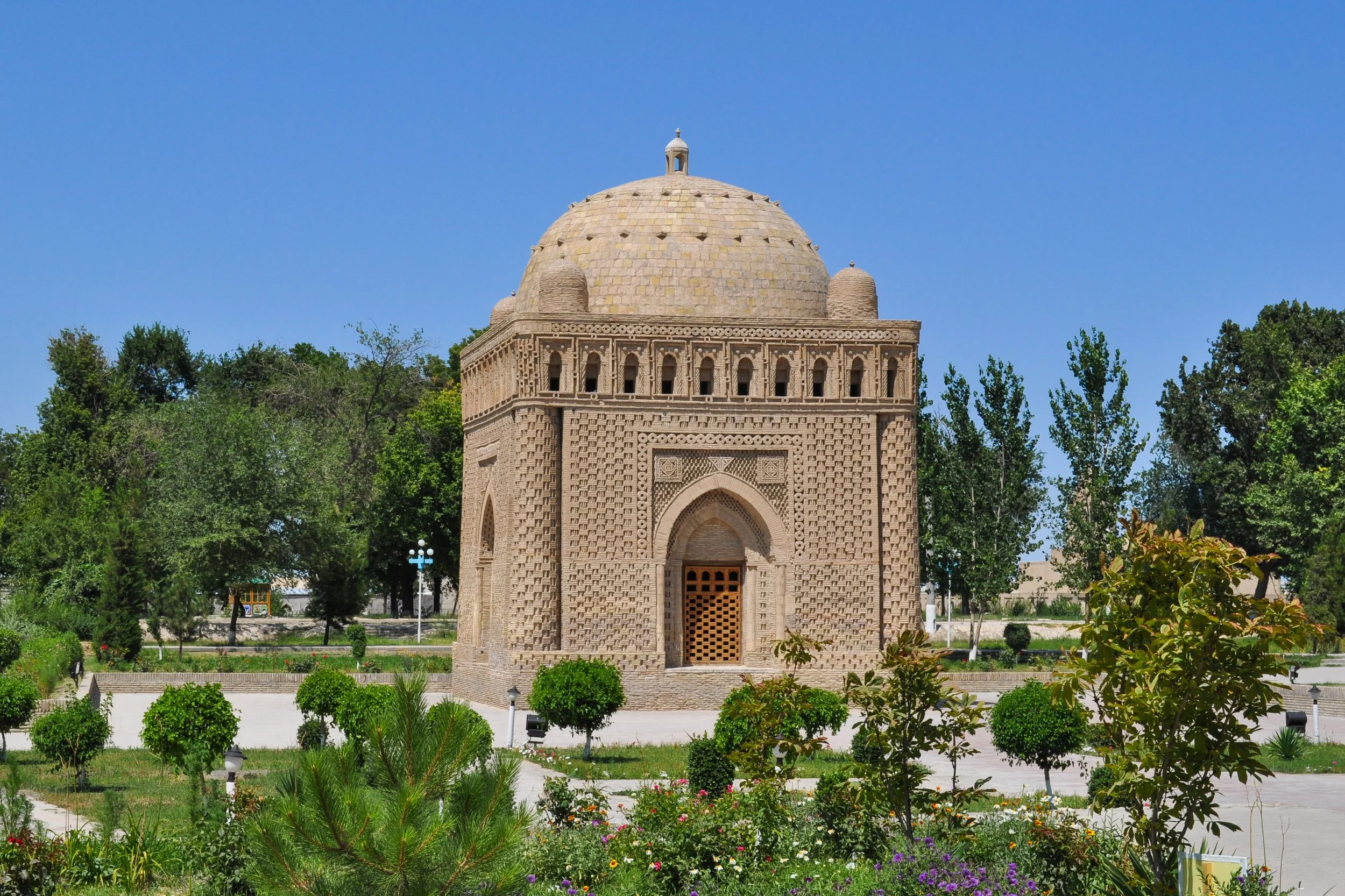
    Bukhara’s historic core reflects the evolution of a Central Asian city shaped by commerce, dynastic power and religious life, preserved with unusual coherence within its city fabric. Our day of exploration begins with the Ismail Samani Mausoleum – a 10th-century masterpiece whose refined brickwork marks a pivotal moment in Islamic architecture in the region. Nearby, we visit the Chashma-Ayub Mausoleum, associated with a sacred spring, before continuing to the Ark Fortress, the former seat of Bukharan rulers, whose massive walls once enclosed palaces, courts and administrative buildings. We then make our way to the monumental ensemble of the Kalon Mosque and Minaret, long a visual and spiritual focal point of the city, and visit the Miri-Arab Madrasa – still active today and emblematic of Bukhara’s enduring scholarly traditions. Lunch is enjoyed in the Old Town, before we continue on foot to the Ulugbek and Abdulazizkhan madrasas, contrasting Timurid restraint with later decorative exuberance. Our afternoon walk also takes in the trade domes, once centres of specialised commerce, the Lyabi-Hauz complex, and the Magoki-Attori Mosque, one of the city’s oldest surviving religious structures. We conclude our day a folk dance and costume presentation held in the courtyard of a historic madrasa, offering insight into Uzbek performance traditions. Overnight Bukhara (B, L)

  • Day 12 | Sunday 18 April
    Bukhara

    Bukhara’s historic fabric also reflects the city’s later transformations, from traditional religious life to the political upheavals of the early 20th century. Today’s program complements yesterday’s intensive walking tour, focusing on sites beyond the old city core and allowing time to absorb Bukhara at a slower pace. This morning we drive to Char Minar, a distinctive four-towered structure originally built as the gatehouse to a now-lost madrasa, notable for its unusual design and symbolic decoration. We then continue to the Naqshbandi Mausoleum, one of the most important pilgrimage sites in Uzbekistan, associated with Bahauddin Naqshband, founder of the influential Naqshbandi Sufi order. The remainder of the afternoon and evening is at leisure, offering the opportunity to relax or revisit favourite parts of the old town. Overnight Bukhara (B)

  • Day 13 | Monday 19 April
    Bukhara to Samarkand

    Today marks a shift from Bukhara’s domestic and political spaces to the monumental cityscape of Samarkand. Our route highlights how different centres expressed authority and identity through architecture, from emirate palaces to the grand projects of the Timurid court. We first complete our sightseeing in Bukhara this morning with a visit to Sitorai Mokhikhosa, the former summer palace of the Bukharan emirs, whose eclectic architecture incorporates European influences. We also visit the House of Fayzulla Khodjaev, a key figure in the overthrow of the emirate and the short-lived Bukhara People’s Republic, offering insight into the city’s revolutionary period. After lunch in town, we transfer to the railway station and board the train to Samarkand, arriving mid-afternoon. On arrival, we transfer to our hotel with time to freshen up before dinner together. Overnight Samarkand (B, L, D)

  • Day 14 | Tuesday 20 April
    Samarkand

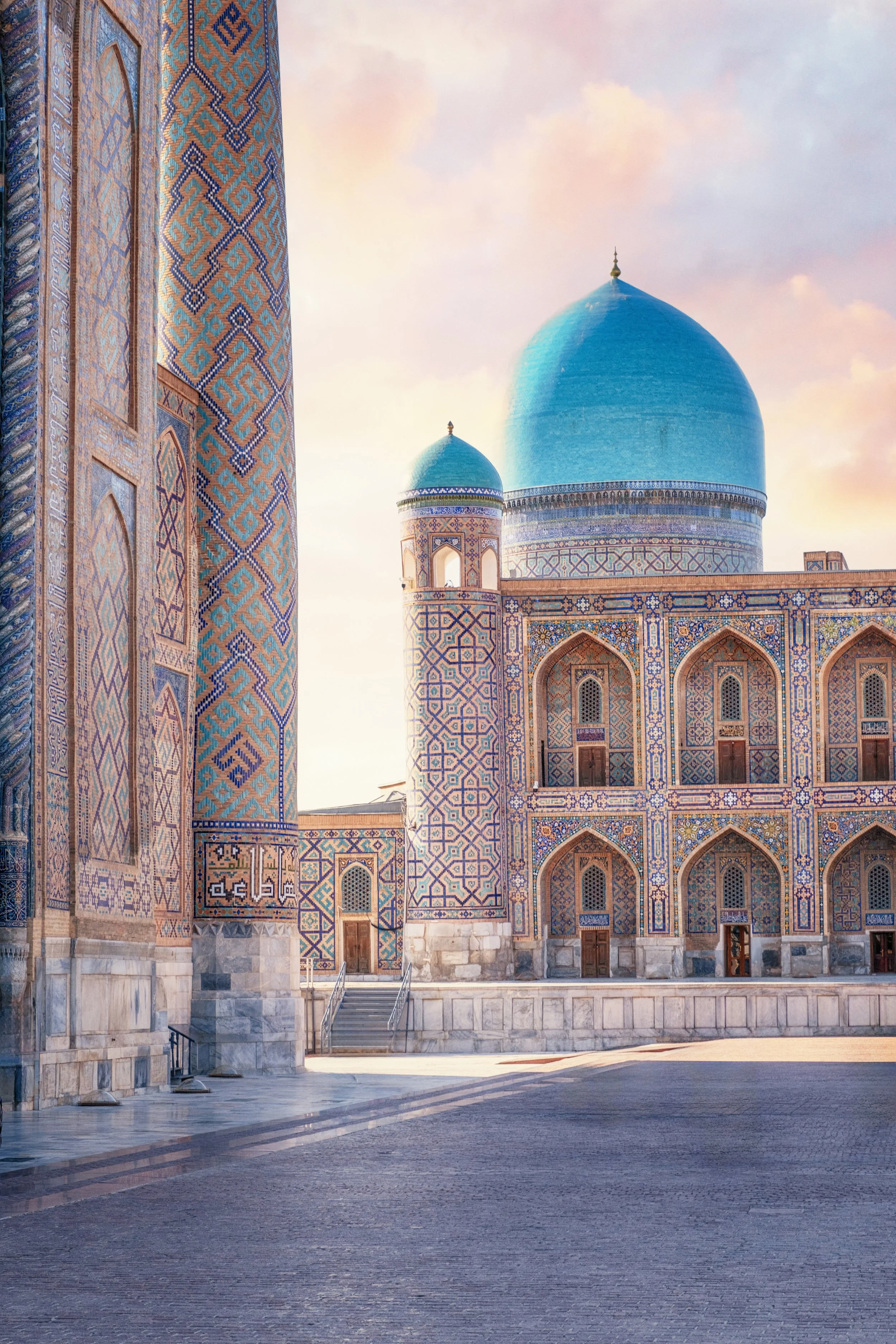
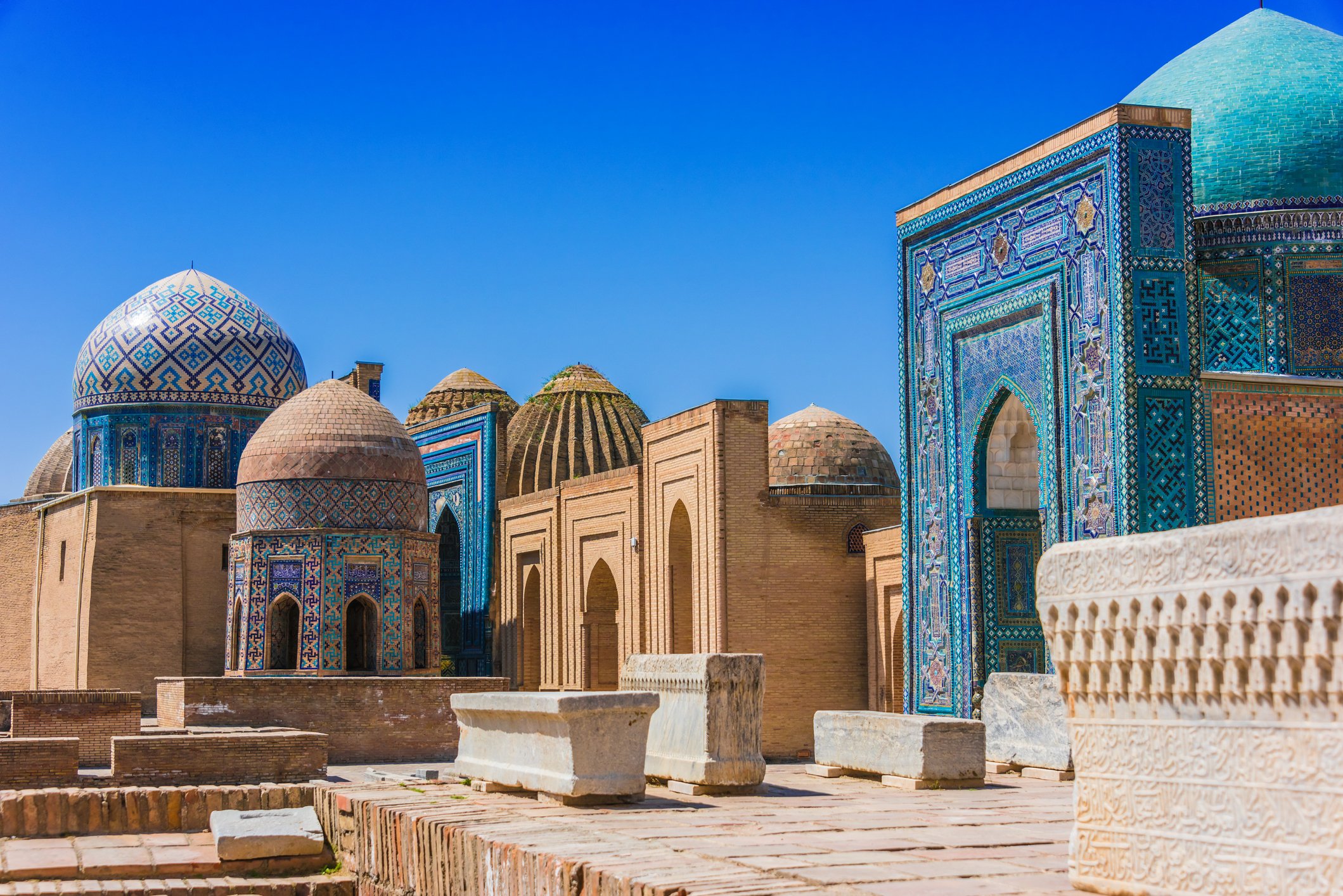
    Samarkand reached its greatest prominence under the Timurids, when it was transformed into an imperial capital intended to rival the great cities of the Islamic world. Architecture, science and religious patronage were used deliberately to project authority and cultural prestige. Beginning our day at Registan Square, the ceremonial heart of Samarkand, we find three monumental madrasas whose scale and decoration reflect the Timurid vision of power and learning. We then visit the Gur-e Amir Mausoleum, the dynastic tomb of Timur and his descendants, whose refined proportions and rich decoration influenced funerary architecture across Central Asia. After pausing for lunch together, we continue to Shah-i-Zinda, a remarkable avenue of mausoleums renowned for its dense concentration of glazed tilework and its role as a sacred burial complex. Our final stop is the Ulugbek Observatory, where the remains of a vast 15th-century astronomical instrument testify to Samarkand’s role as a centre of scientific inquiry. Destroyed after Ulugbek’s death, the site was rediscovered by archaeologists in the early 20th century. The day concludes with a lecture on return to our hotel. Overnight Samarkand (B, L)

  • Day 15 | Wednesday 21 April
    Samarkand to Tashkent

    The morning is at leisure in Samarkand, before we check out and enjoy lunch at the Koni-Ghil paper mill, where traditional papermaking techniques recall practices introduced to Central Asia in the early Islamic period. If time permits, we also visit the Afrosiab Museum. We then board the train to Tashkent, arriving later in the day and transferring to our hotel. This evening we gather for a farewell dinner at a local restaurant. Overnight Tashkent (B, L, D)

  • Day 16 | Thursday 22 April
    Depart Tashkent

    Our tour concludes today, with the option to visit Chor-su Bazaar and explore the surrounding old town this morning. Hotel rooms remain available until our transfer to the airport later today. For those continuing their journey on the post-tour extension, we take an afternoon flight from Tashkent to Bishkek, the capital of Kyrgyzstan. (B)

Hotels on this tour vary from 4 and 5-star to more simple three-star hotels, according to what is available. Some hotels are large constructions and lack any distinctive atmosphere. Others are small and simple, but well located. Please also note that the standard of service in the hotels is not necessarily at the same level as other countries.

Tour Accommodation

  • Tashkent, Hyatt Regency | 2 Nights, total

  • Nukus, Hotel Jipek Joli | 1 Night

  • Khiva, Orient Star | 2 Nights

  • Ashgabat, Yyldyz Hotel | 3 Nights

  • Mary, Hotel Mary | 2 Nights

  • Bukhara, Hotel Shahriston | 3 Nights

  • Samarkand, Zarafshon Parkside | 2 Nights
Optional pre-Tour extension

KYRGYZSTAN & KAZAKHSTAN

April 22-30, 2027 | 7 Days

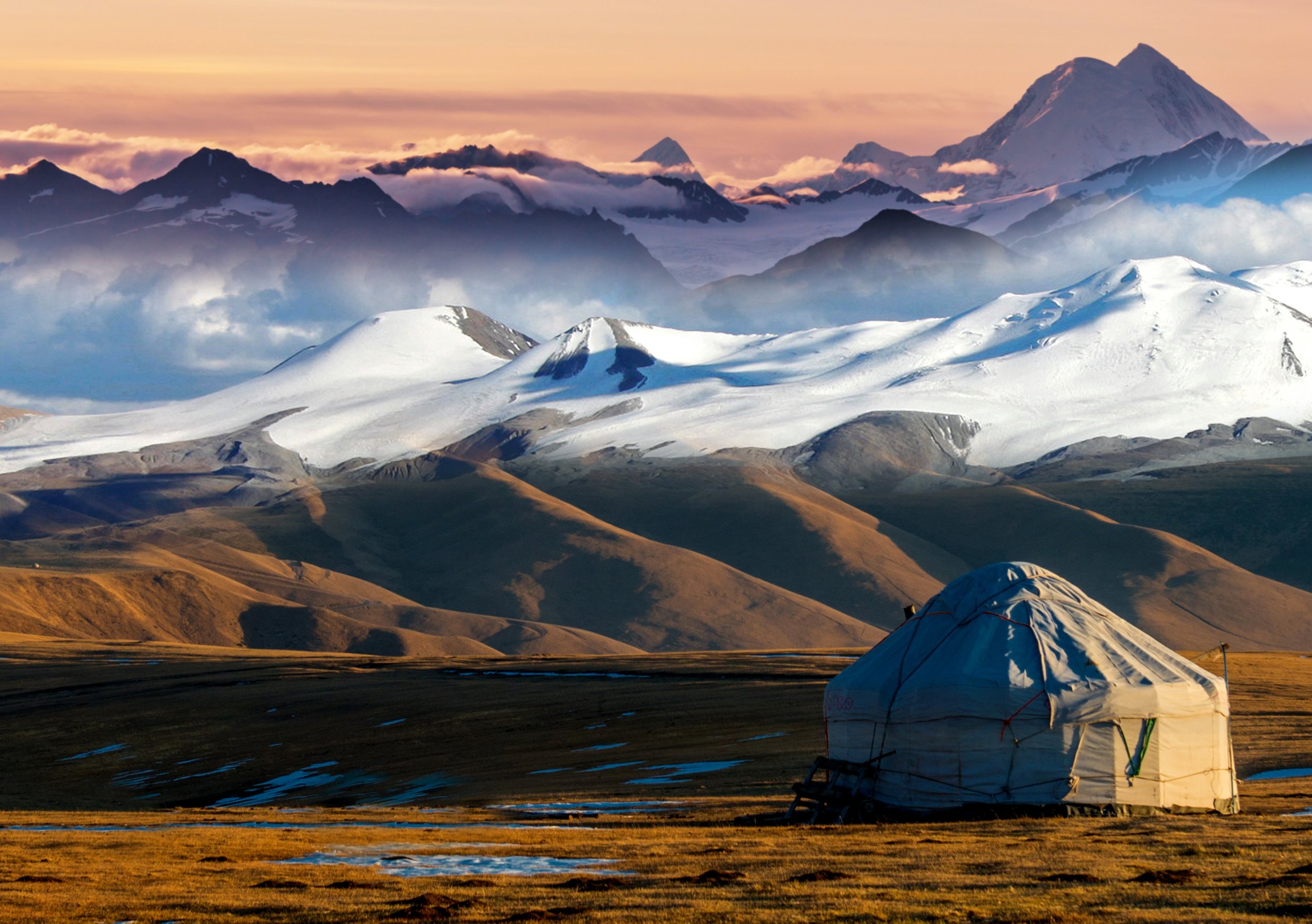
Continue your journey through the Stans and discover the breathtaking landscapes and vibrant cultures of Kyrgyzstan and Kazakhstan on this seven-day post tour extension.

tour booking

$14,160 AUD per person, twin share (land content only)
$2,620 AUD supplement for sole use of a hotel room

A $1,000 deposit is required per person to confirm your booking on tour. This deposit is non-refundable.

Hold a Place

Still deciding? We are happy to hold a tentative place for 7 days while you make your final arrangements.

Book Online

To secure your place(s) on tour, book online below with “Athena”, our virtual tour consultant.

DOWNLOAD FORM

Download a printable booking form. You can also complete the form on screen and submit via email.

your tour consultant

The consultant for this tour is Jamal Fairbrother. For further information or to discuss the tour, please call 9235 0023 (Sydney) or 1800 639 699 (outside Sydney) or email jamal@academytravel.com.au

have you thought about?

Academy Travel is more than just a tour operator. We are also a full-service travel agency who can assist you with all aspects of your travel, including flights, transfers, pre-tour arrival, additional travel and comprehensive travel insurance.

can’t make this departure?

If these dates don't work for you, register to hear about the next tour.