Venice

City, Republic & Empire

Unpack your bags and explore the history, art and architecture of the city that once ruled the Mediterranean.

TOUR STATUS

Places Available | Maximum 16

TOUR DATES

March 10-24, 2027 | 15 Days

TOUR LEADER

Dr Eireann Marshall | View Bio

snapshot

  • The tour starts at 2.00pm on Wednesday 10 March, at Venice’s Marco Polo airport, followed by a private transfer by water taxi to our hotel.

    The tour ends at 12.00pm on Wednesday 24 March, with a private transfer by water taxi to Venice’s Marco Polo airport.

  • Grade Two. This tour is designed for people who lead active lives.

    View all requirements >

  • 14 nights’ accommodation in a centrally located 4-star hotel.
    Private water taxi transfer Venice Airport to Hotel and return. All breakfasts, 2 lunches and 6 dinners. Best available tickets to 1 performance. Services of an expert tour leader and an experienced tour manager throughout. All ground transport, entrance fees and tipping.

    View standard tour inclusions >

  • $14,470 AUD per person, twin share (land content only)
    $3,790 AUD supplement for sole use of a hotel room

    A $1,000 AUD non-refundable deposit is required per person to confirm your booking on tour

OVERVIEW

For more than a thousand years, Venice stood as one of Europe’s most distinctive city-states – a maritime republic shaped by its lagoon environment, far-reaching trade networks and sophisticated civic institutions.

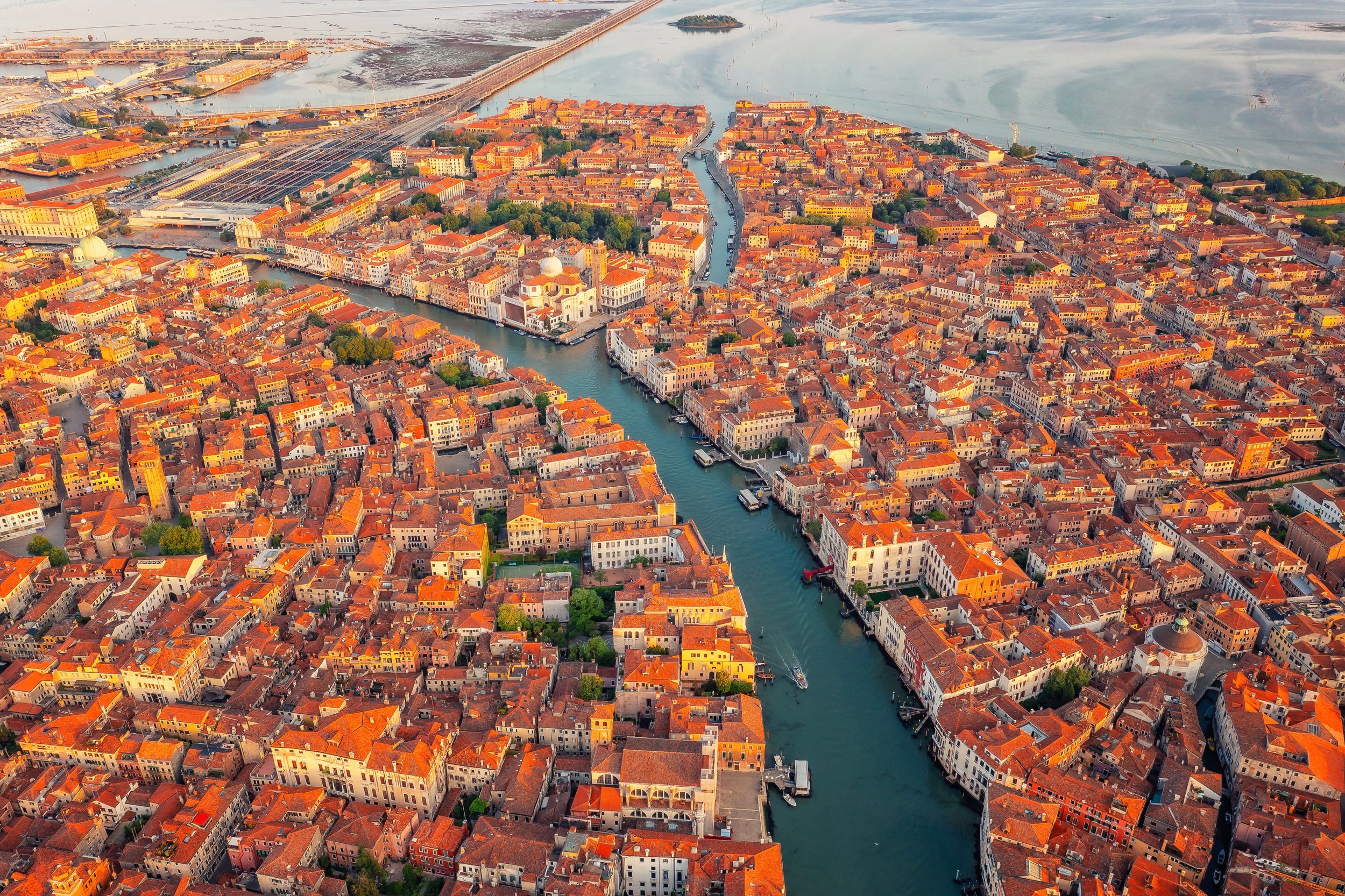
This 15-day residential tour offers the opportunity to explore that legacy in depth, examining the city’s history, art and architecture in the company of historian and Veneto resident Dr Eireann Marshall. Based in the heart of Venice, we trace the city’s development through daily walking and boat excursions, from its origins as a lagoon settlement to its emergence as a major Mediterranean power. Visits to churches, palaces, confraternities and museums illuminate Venice’s outstanding collections of medieval, Renaissance and Baroque art, alongside its enduring traditions of craftsmanship in glassmaking, printmaking and textiles.

Day trips to Ravenna, Padua and the Palladian villas of the Veneto extend the narrative beyond the lagoon, highlighting the cultural, artistic and political networks through which Venice both shaped – and was shaped by – the wider region.

tour highlights

Explore Venice in a way that few tourists do.

Dr Eireann marshall

your expert tour leader

Eireann is an Honorary Research Associate and Associate Lecturer with the Open University. Raised in the Veneto, she was educated in Barnard College, Columbia University, in New York, as well as the Universities of Birmingham and Exeter in England, where she has lectured. With her vast lecturing and guiding experience, Eireann has in depth knowledge of Italy and its history and archaeology. Eireann has led many tours, including several to Ravenna, Venice, Pompeii, Sicily and Tunisia.

Read full bio >

Accompanied by an Experienced Tour Manager

Alongside your expert tour leader, an experienced tour manager will accompany for the entirety of the tour. They oversee logistics, ensure your comfort and safety, and provide friendly support – whether offering tips for free time, sharing a chat over dinner, or giving you space to relax.

tour ITINERARY

Venice (14 nights)

Included meals are shown with the letters B, L and D

  • Day 1 | Wednesday 10 March
    Arrive Venice, orientation

    Flights arrive in Venice in the mid-afternoon. A transfer to the hotel by private water taxi will be arranged by Academy Travel. After time to check in and freshen up, we take an orientation stroll of the district around our hotel followed by an early, light dinner in a local restaurant. Overnight Venice (D)

  • Day 2 | Thursday 11 March
    The People of Venice

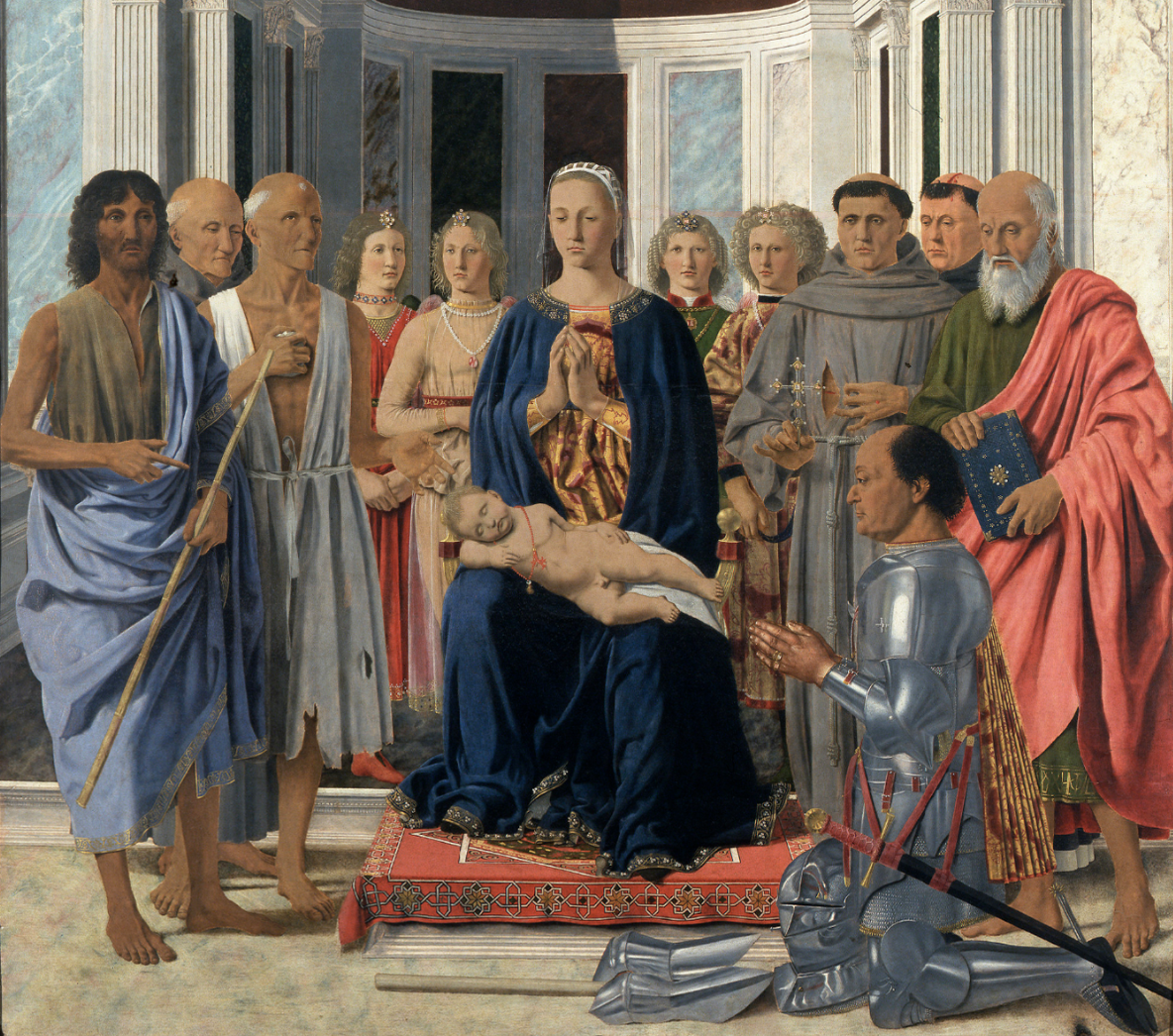
    We begin with an introduction to the Adriatic and Greek communities that supported Venice’s trading empire, exploring their churches, confraternal spaces and distinctive artistic traditions in the Castello district. On a walking tour through these quiet backstreets, we begin at San Zaccaria, home to Giovanni Bellini’s luminous Sacra Conversazione. A short walk then brings us to the Scuola Dalmata di San Giorgio degli Schiavoni, the historic confraternity of the Dalmatian community, where Vittore Carpaccio’s narrative cycle remains in its original setting. Continuing through Castello, we visit San Giorgio dei Greci, the focal point of Venice’s long-established Greek community. Its museum preserves an important collection of icons produced by artists working across the Venetian, Cretan and Cypriot worlds, reflecting the city’s far-reaching ties across the Eastern Mediterranean. We also pause outside San Giovanni in Bragora, among the area’s oldest parish churches, before enjoying a short break. Our final visit is to the Museo della Pietà, which explores the musical traditions associated with the Ospedale della Pietà – once home to Vivaldi’s celebrated orchestra. The remainder of the afternoon is free to enjoy the surrounding district at your own pace. Overnight Venice (B)

  • Friday 12 March
    Venice and the lagoon

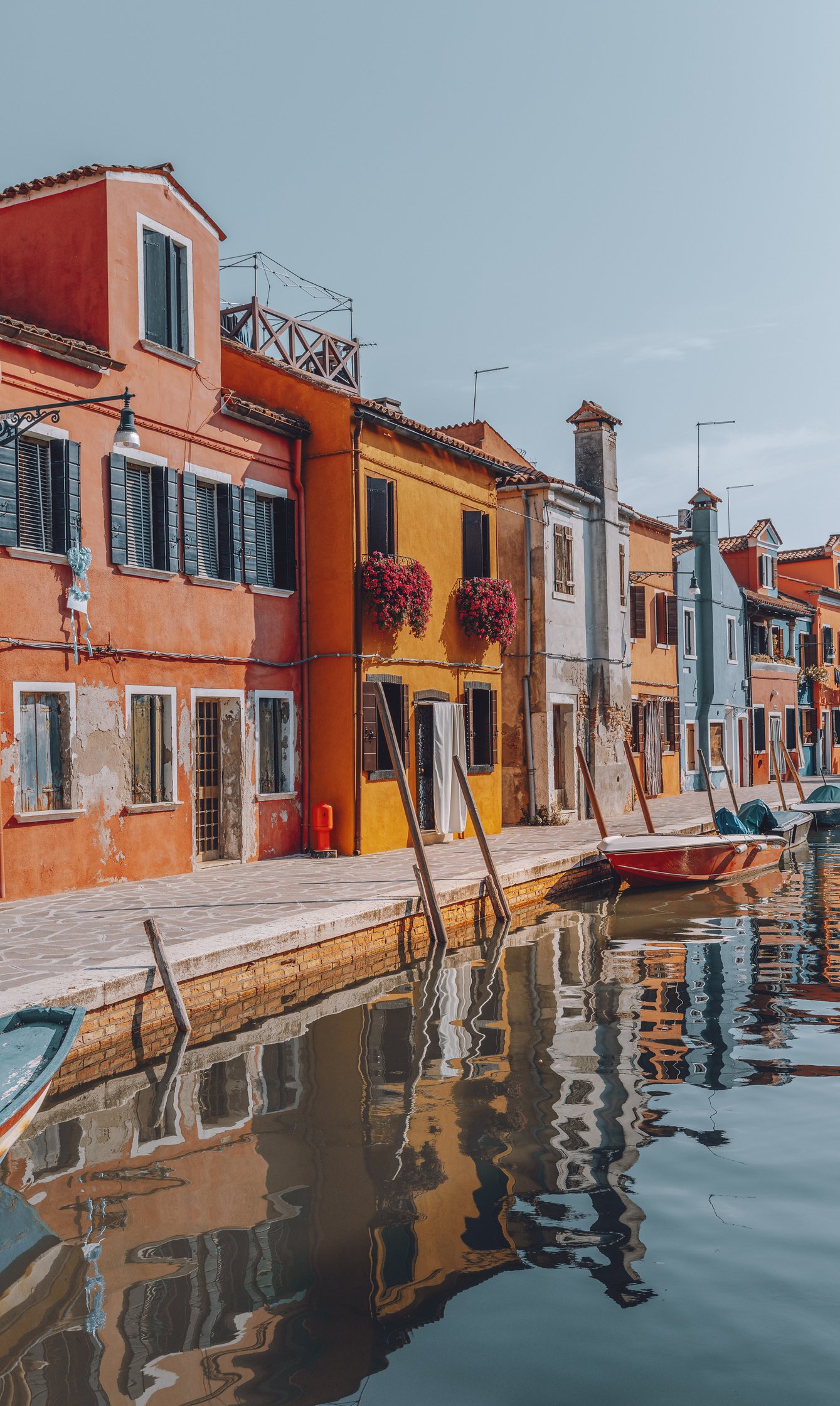
    Understanding Venice requires an appreciation of the lagoon that shaped its early history. This morning we travel by boat to Torcello, the oldest continuously settled island in the lagoon. Once a significant centre before Venice’s rise, Torcello preserves rare evidence of the lagoon’s formative centuries. After a short break at the Trono di Attila, we visit the Basilica of Santa Maria Assunta and its small museum. Founded in 639, the basilica contains one of Italy’s most important cycles of medieval mosaic decoration, including the impressive 12th-century Last Judgement. Following our visit to Torcello, we travel by boat across the lagoon to neighbouring Mazzorbo for lunch at Venissa, the Michelin-starred restaurant set within a restored walled vineyard, before continuing by boat to Burano. This working fishing community is renowned for its brightly painted houses and longstanding lacemaking traditions. After exploring at leisure, we return to our hotel in the afternoon, with time to refresh up before this evening’s introductory talk on Ravenna and the foundation of Venice, examining the late Roman and early medieval roots of the lagoon city. Overnight Venice (B, L)

  • Day 4 | Saturday 13 March
    Venice and the East

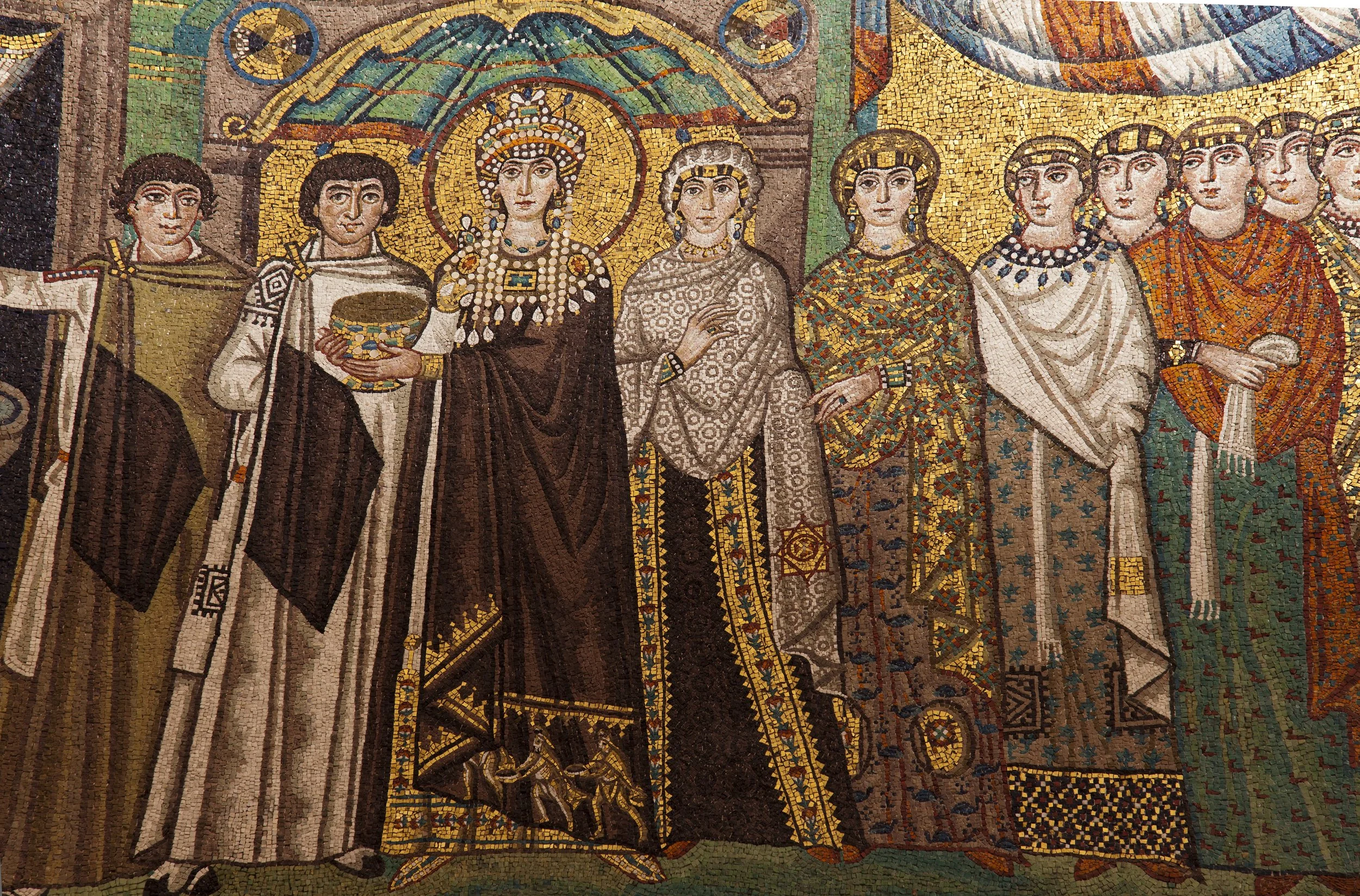
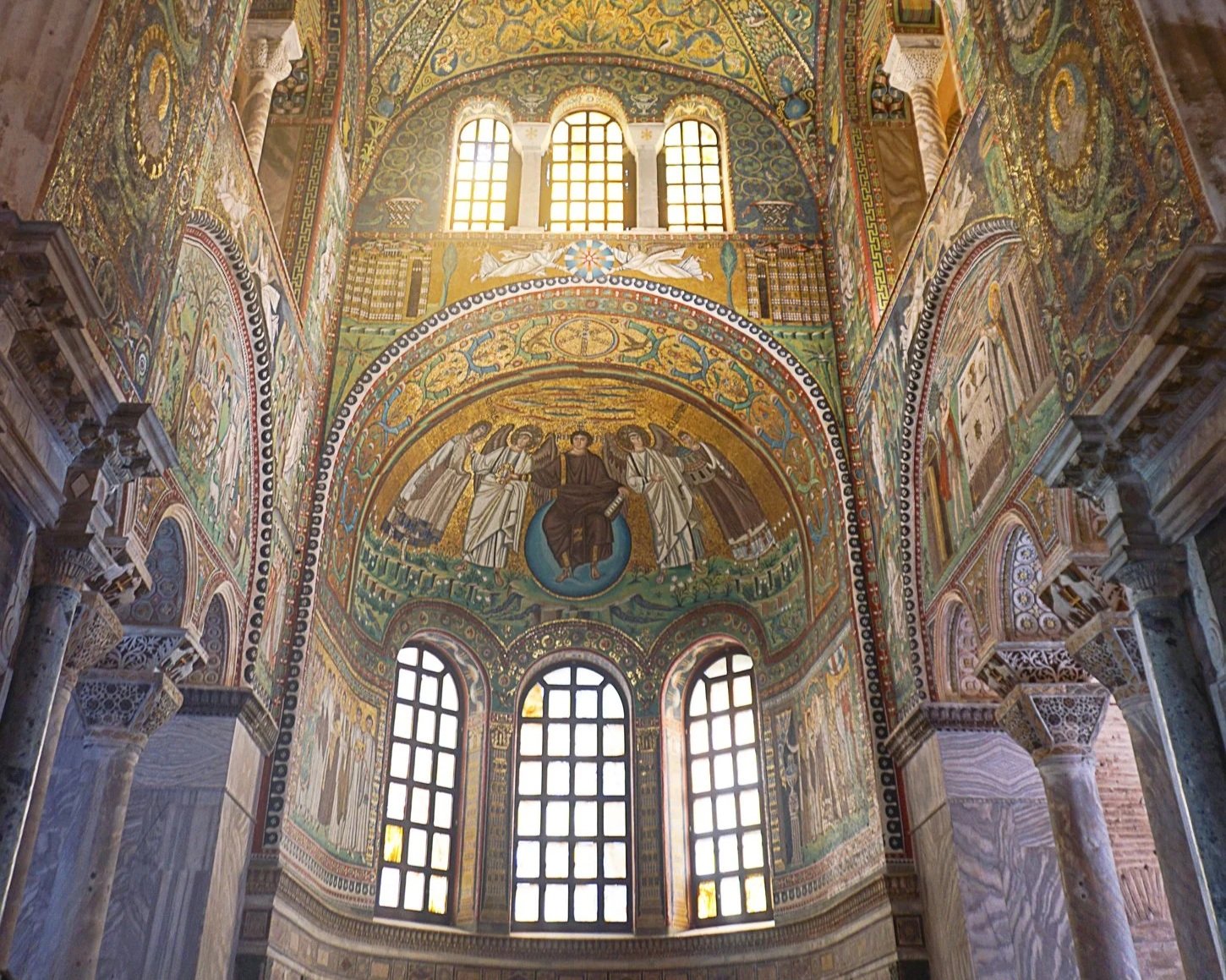
    This morning we depart Venice early, travelling by vaporetto to Tronchetto before continuing by coach to Ravenna, the late antique city that became the administrative centre of the Western Roman Empire and later the principal Byzantine stronghold in Italy. Its churches and baptisteries preserve some of the finest mosaic programs of the 5th and 6th centuries, providing essential insight into the artistic language that would later shape Venice’s own visual culture. We begin at Sant’Apollinare in Classe, located just outside the city, where the apse mosaic offers an exceptional example of early Byzantine iconography. After lunch nearby, we continue into Ravenna to meet our local guide and visit Sant’Apollinare Nuovo, with its remarkable processional mosaics; the Neonian Baptistery, the city’s oldest surviving Christian monument; and finally San Vitale and the Mausoleum of Galla Placidia, both UNESCO World-Heritage sites celebrated for their luminous mosaic decoration. Later in the afternoon we return to Venice, with time to refresh up before dinner at Leon Bianco. Overnight Venice (B, L, D)

  • Day 5 | Sunday 14 March
    State-Sponsored Art

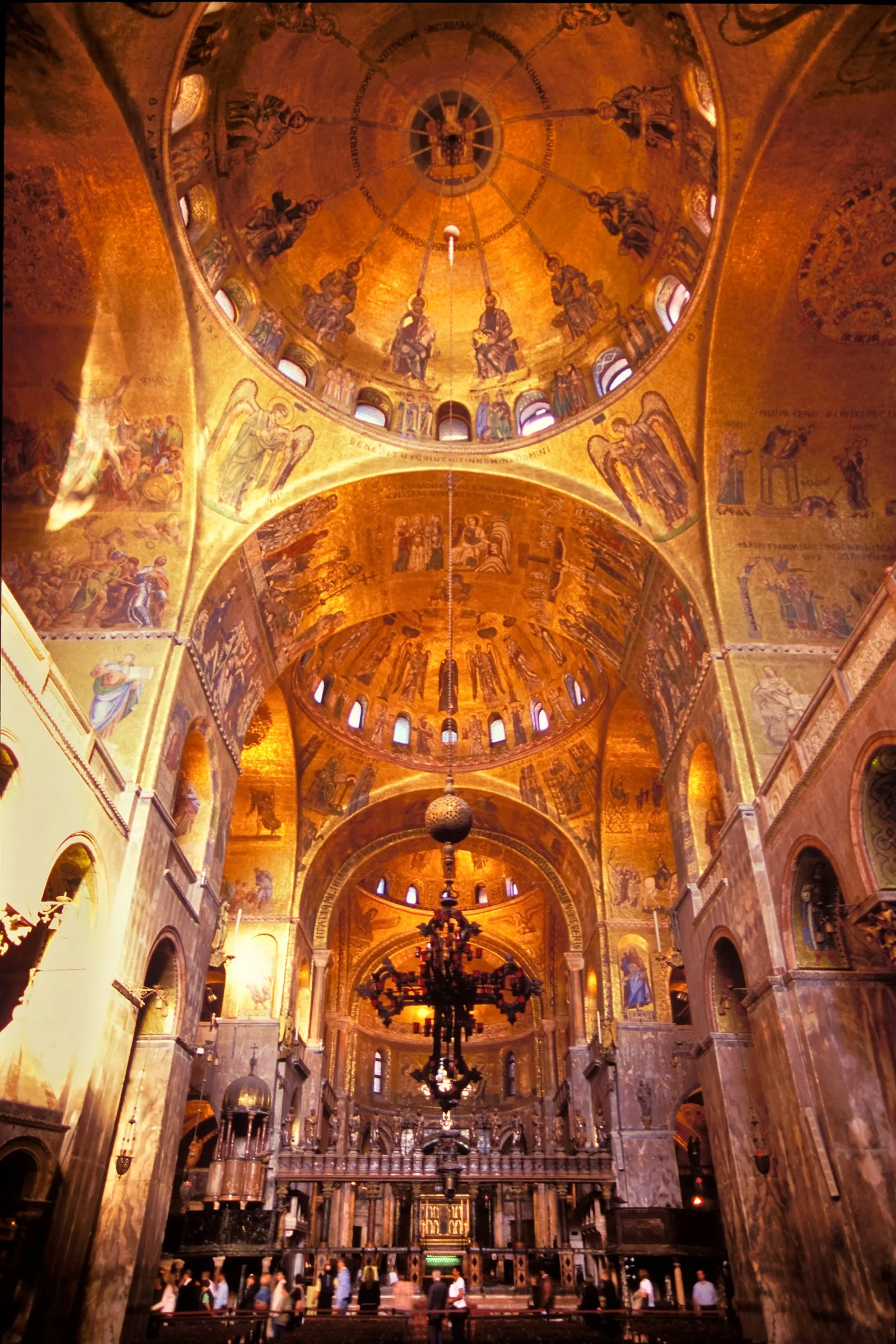
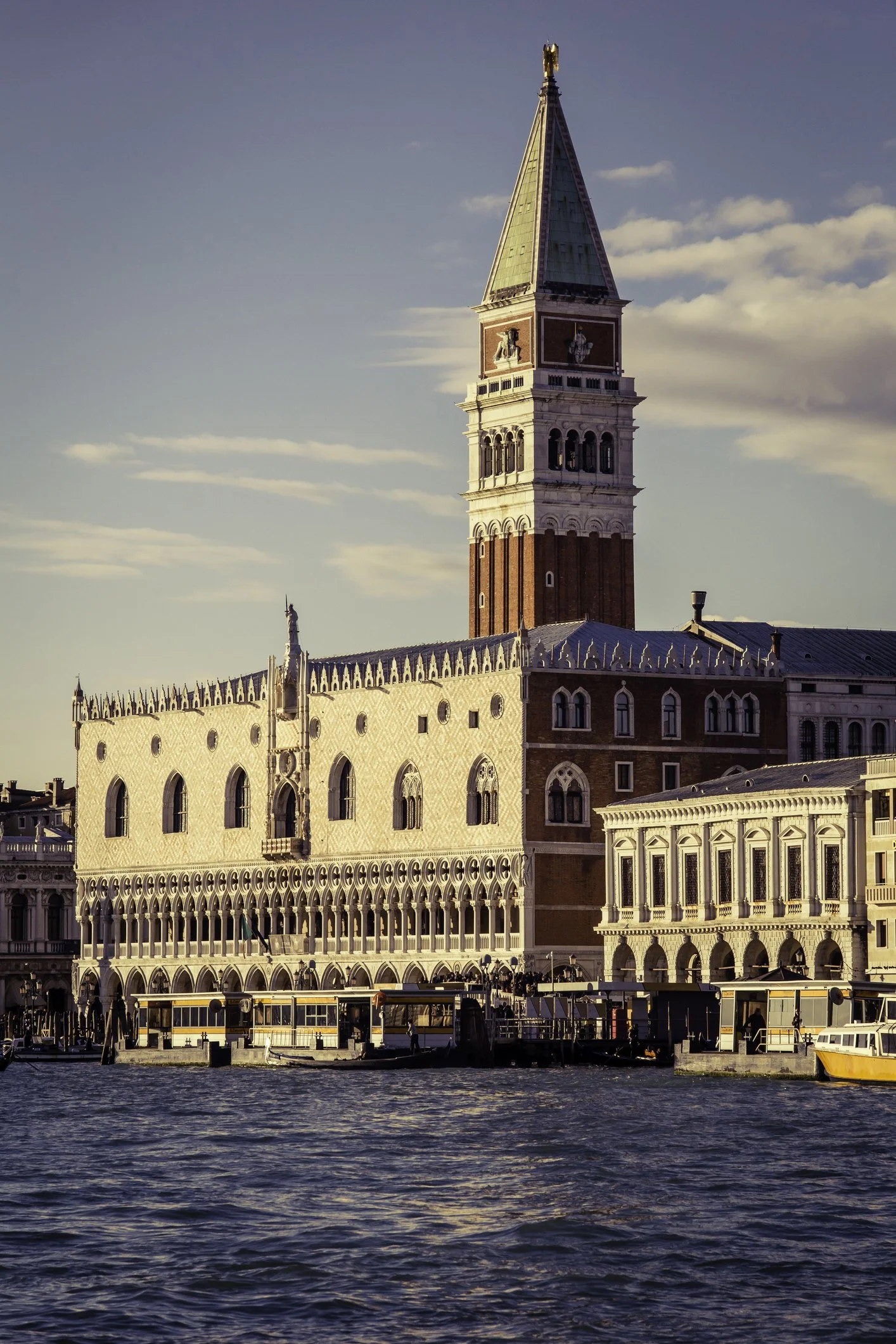
    We begin early this morning with an exclusive out-of-hours visit to the Doge’s Palace, allowing us to explore its grand state rooms before the crowds arrive. The palace’s architecture and decoration reflect the complex machinery of Venetian government, with monumental canvases by Veronese, Tintoretto and their contemporaries underscoring the political ideals and civic identity of the republic. Our next stop is the Biblioteca Marciana – one of the most important Renaissance libraries in Europe. Overlooking Piazza San Marco, its richly decorated interiors were designed by Jacopo Sansovino and house an extraordinary collection of classical manuscripts and early printed books. The remainder of the afternoon is then at leisure, with the option to visit the Museo Correr, whose collections offer insight into Venice’s artistic, political and social history, from early Renaissance painting to neoclassical works by Canova. This evening we gather again for one of the tour’s highlights: a private after-hours visit to the Basilica of San Marco, where the basilica’s extraordinary mosaics – covering some 8,000 square metres – are illuminated exclusively for our group. Overnight Venice (B)

  • Day 6 | Monday 15 March
    Merchants of Venice

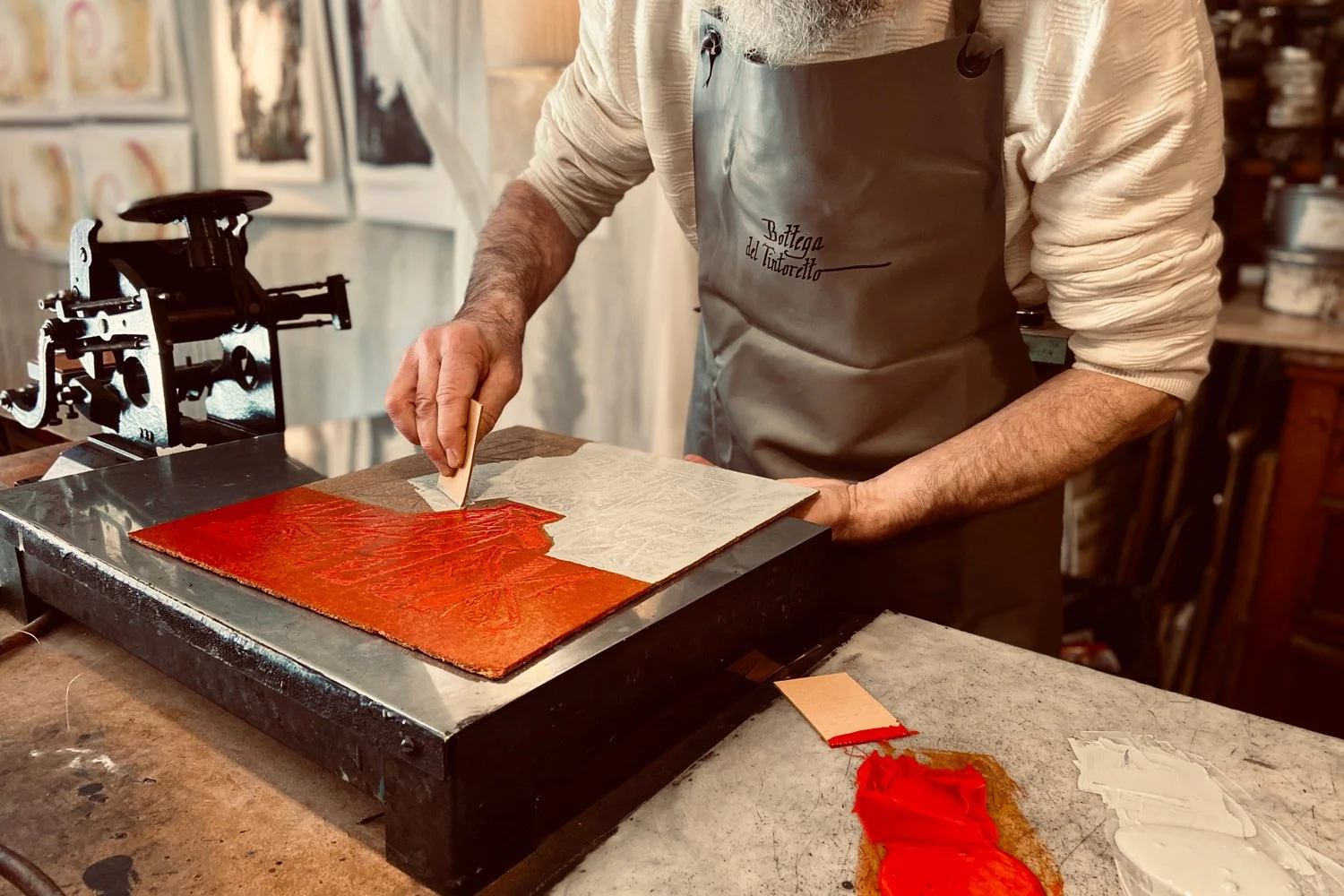
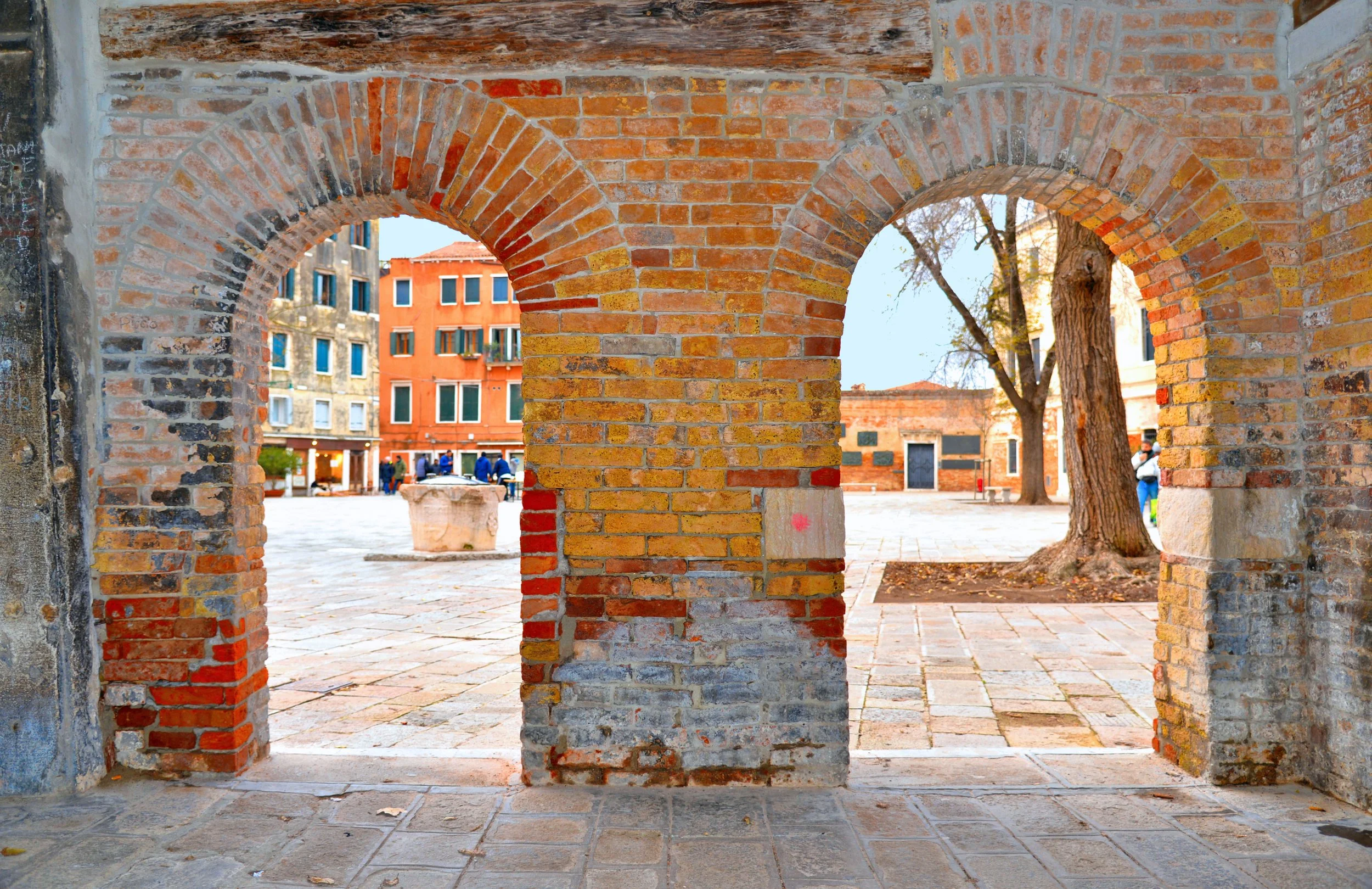
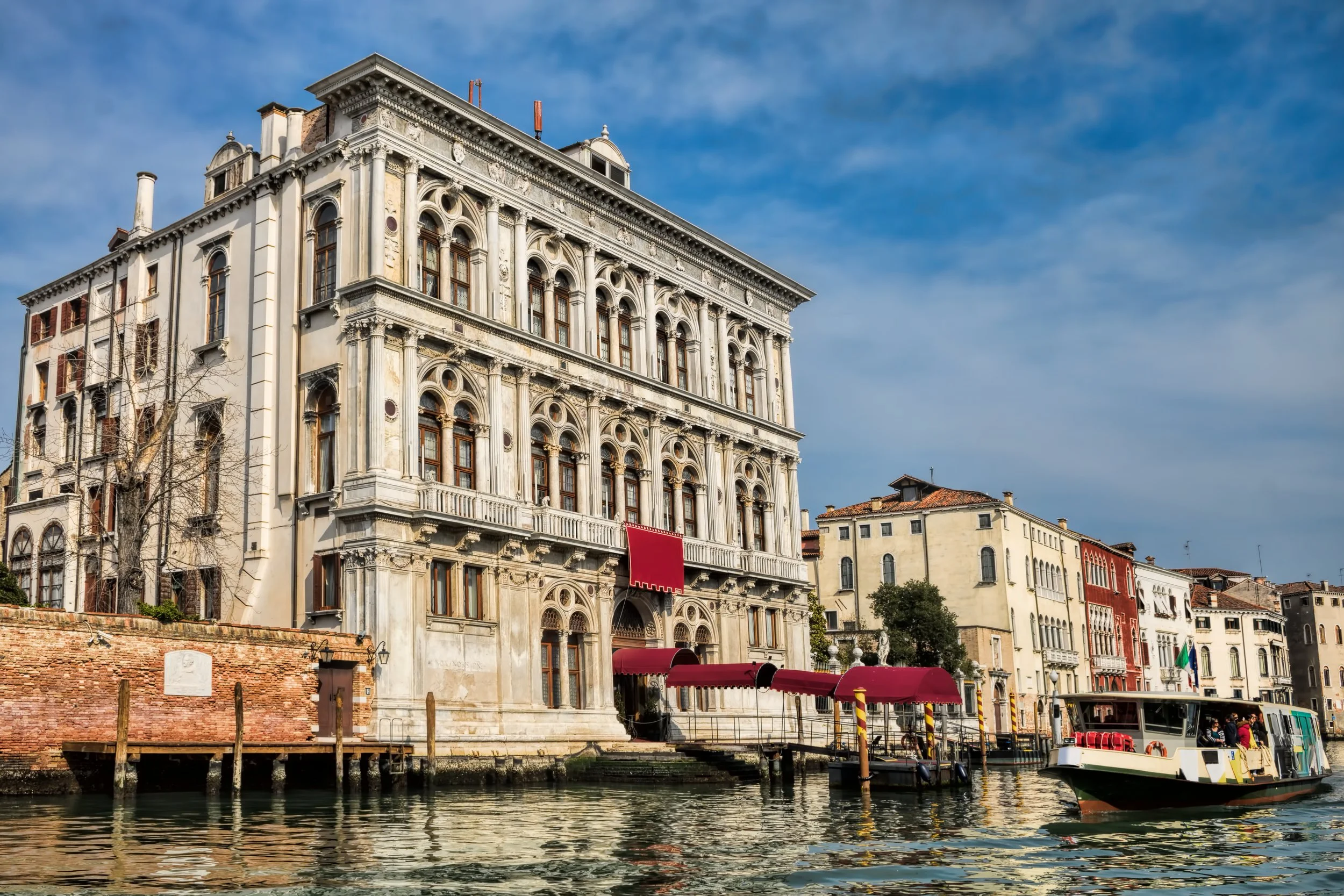
    Our day begins at the Casino Venier, an elegant 18th-century meeting place used by Venice’s patrician families, before walking to the Rialto markets. Long the commercial heart of the city, the area supplied Venice’s merchants, artisans and residents with produce arriving daily from across the lagoon and mainland. Its busy trading environment still evokes the economic life that sustained the republic for centuries. We then continue by vaporetto to San Marcuola for a private guided visit to the Ghetto, established in 1516 and home to Venice’s Jewish community for more than three centuries. The area preserves a distinctive built environment, including unusually tall residential blocks and historic synagogues that reflect the community’s resilience. The early afternoon is free for lunch, before we explore the quieter canals of Cannaregio, passing sites associated with Tintoretto and the medieval façade of the Palazzo Mastelli. We conclude our day with a visit to the Bottega del Tintoretto, a contemporary printing workshop, before returning to our hotel for an evening lecture on Venetian trade. Overnight Venice (B)

  • Day 7 | Tuesday 16 March
    Venetian Fine Art

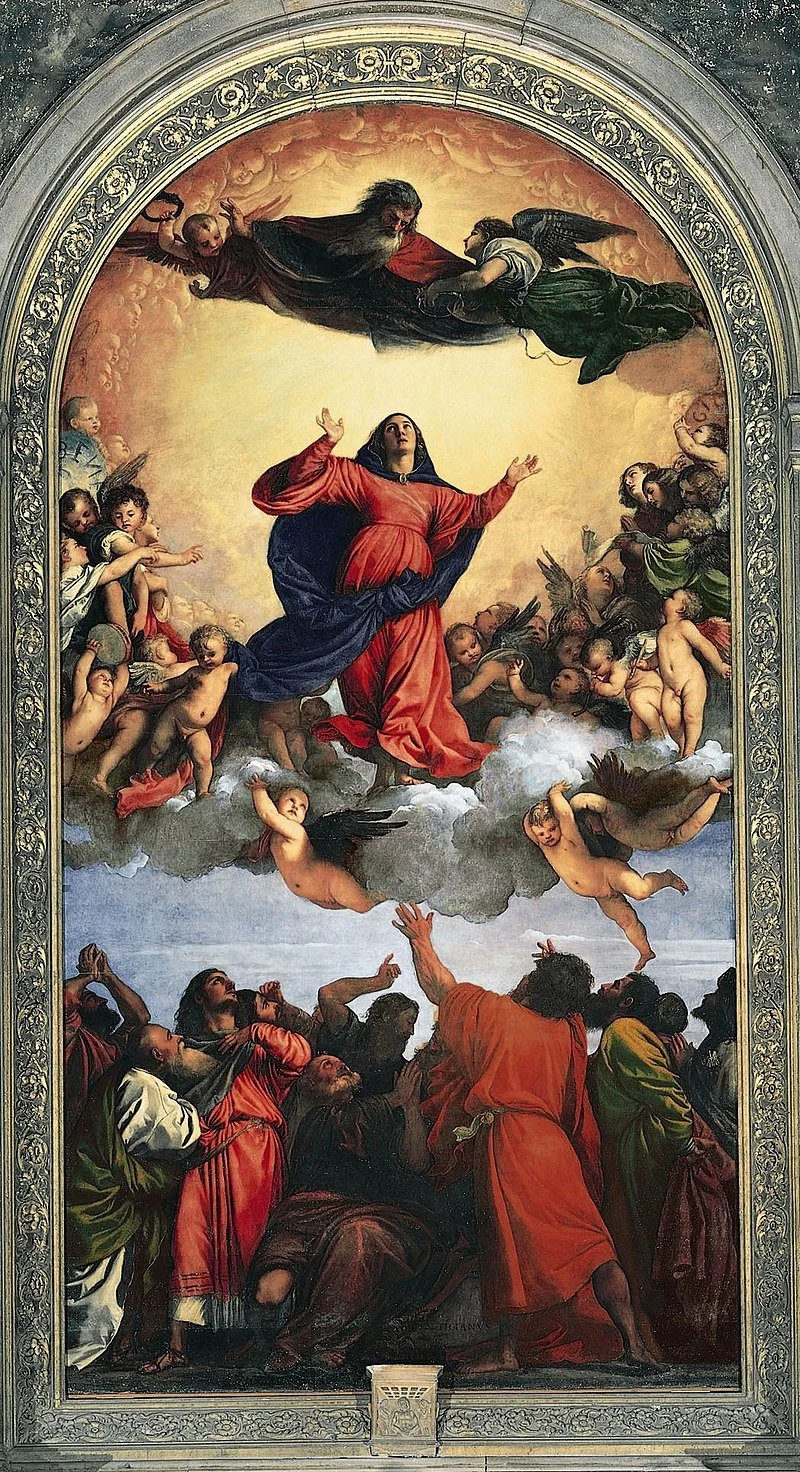
    Today is spent exploring some of the most significant sites for understanding the development of Venetian painting, with our morning devoted to the Galleria dell’Accademia – the principal collection of Venetian art from the Middle Ages to the 18th century. Its holdings trace the evolution of the Venetian school, with major works by Bellini, Carpaccio, Giorgione, Titian, Tintoretto and Tiepolo, illustrating the city’s distinctive approaches to colour, narrative and devotion. After a break for lunch, we continue to the Frari, a vast Gothic church whose artworks provide a rich survey of Venetian religious imagery. Here we encounter Titian’s Assumption of the Virgin, one of the defining altarpieces of the Italian Renaissance, along with important funerary monuments and sculpture. Our final visit is to the Scuola Grande di San Rocco, where Tintoretto worked for over two decades. His dramatic cycle of Old and New Testament scenes, covering the walls and ceilings of the Scuola, remains one of the most ambitious and unified artistic projects of the 16th century. Later this evening, we gather in the hotel for another talk, focusing on Padova and its artistic and intellectual traditions. Overnight Venice (B)

  • Day 8 | Wednesday 17 March
    Padua

    This morning we travel by coach to Padua (Padova), one of Italy’s oldest university towns and a major intellectual centre of the medieval and Renaissance periods. Its university, founded in the 13th century, fostered figures such as Galileo, Copernicus, Dante and Petrarch, and played a central role in shaping the scholarly culture of Venice and the Veneto.
    We begin with a visit to the Scrovegni Chapel, Giotto’s celebrated fresco cycle depicting the lives of the Virgin Mary and Christ. Completed around 1305, the chapel marks a pivotal moment in Western art, its naturalistic modelling and emotional intensity signalling the beginnings of the Renaissance. From here we walk to the Piazza delle Erbe, the historic market square framed by medieval porticoes, and continue to the Palazzo della Ragione, whose vast upper hall is decorated with an extensive program of allegorical frescoes. After free time for lunch in the square, we then visit the Palazzo Bo, the historic seat of the University of Padua, including its renowned anatomical theatre. Later in the afternoon we explore the Battistero, whose 14th-century frescoes by Giusto de’ Menabuoi envelop the interior in a unified and richly symbolic decorative scheme, before continuing to the Basilica of Saint Anthony, one of Europe’s major pilgrimage sites. We return to Venice in the late afternoon and meet again this evening for dinner near the hotel. Overnight Venice (B, D)

  • Day 9 | Thursday 18 March
    At leisure in Venice

    Today is free to relax or explore Venice at your own pace. Your tour leader is available to offer suggestions for independent visits or activities. We meet again late this afternoon for a talk in our hotel. Overnight Venice (B)

  • Day 10 | Friday 19 March
    Art and Life in the Baroque | Performance

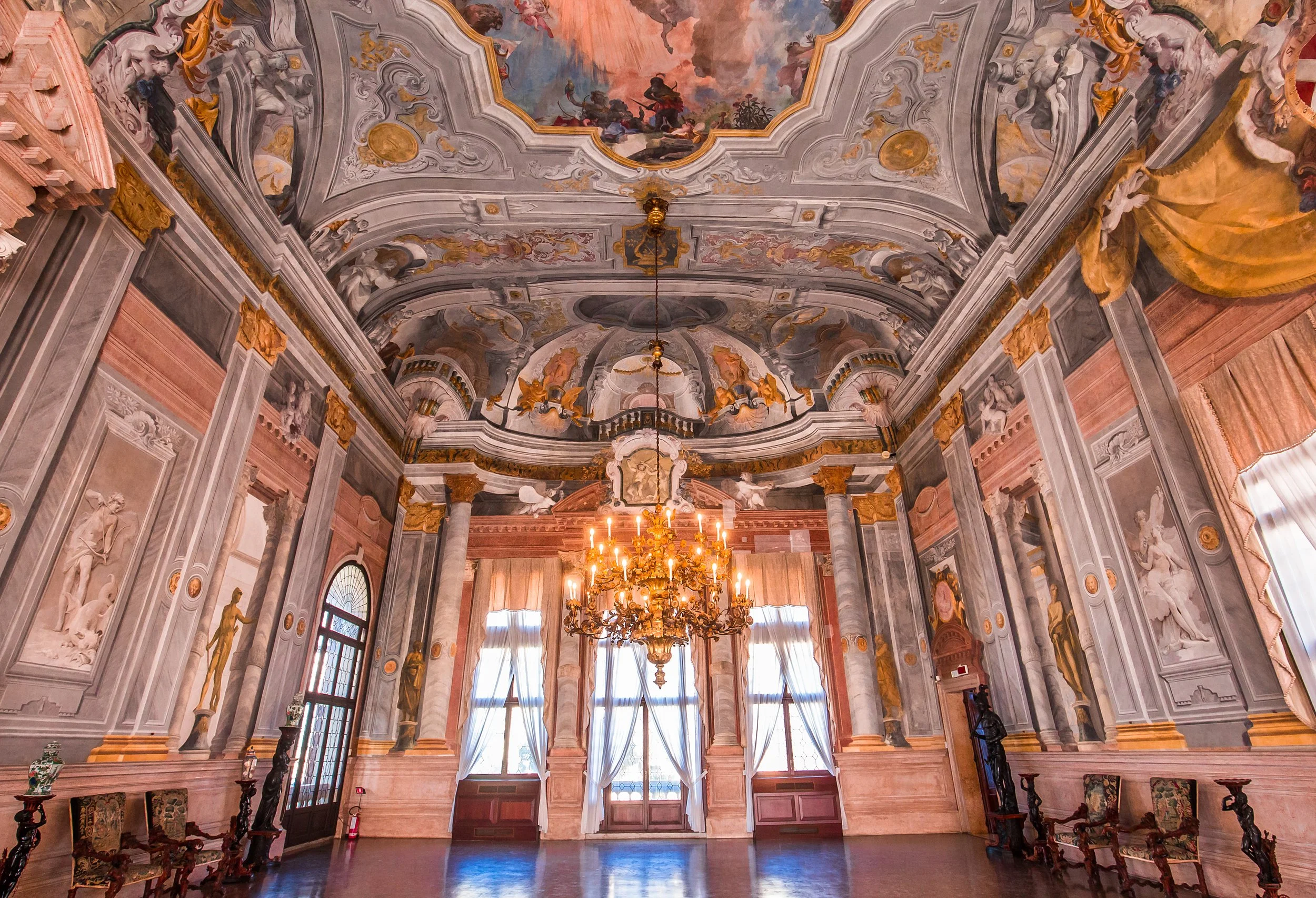
    Our morning begins at the Ca’ Rezzonico, the grand canal-side palace that offers the most complete picture of life in 18th-century Venice. Its richly furnished rooms, frescoed ceilings and paintings by Tiepolo, Longhi and Guardi provide insight into the city’s social world in the final century of the republic. We then walk to Campo Santa Margherita, a lively local square, where there is free time for lunch at one of the surrounding cafés. In the afternoon we visit the nearby Scuola Grande dei Carmini, decorated with a distinguished cycle of ceilings by Giambattista Tiepolo and reflecting the enduring importance of confraternities in Venetian civic and devotional life. The remainder of the afternoon is at leisure before we reconvene in our hotel for a lecture on Vicenza, followed by a performance in one of the city’s historic theatres. Overnight Venice (B)

  • Day 11 | Saturday 20 March
    Palladio and the Terraferma

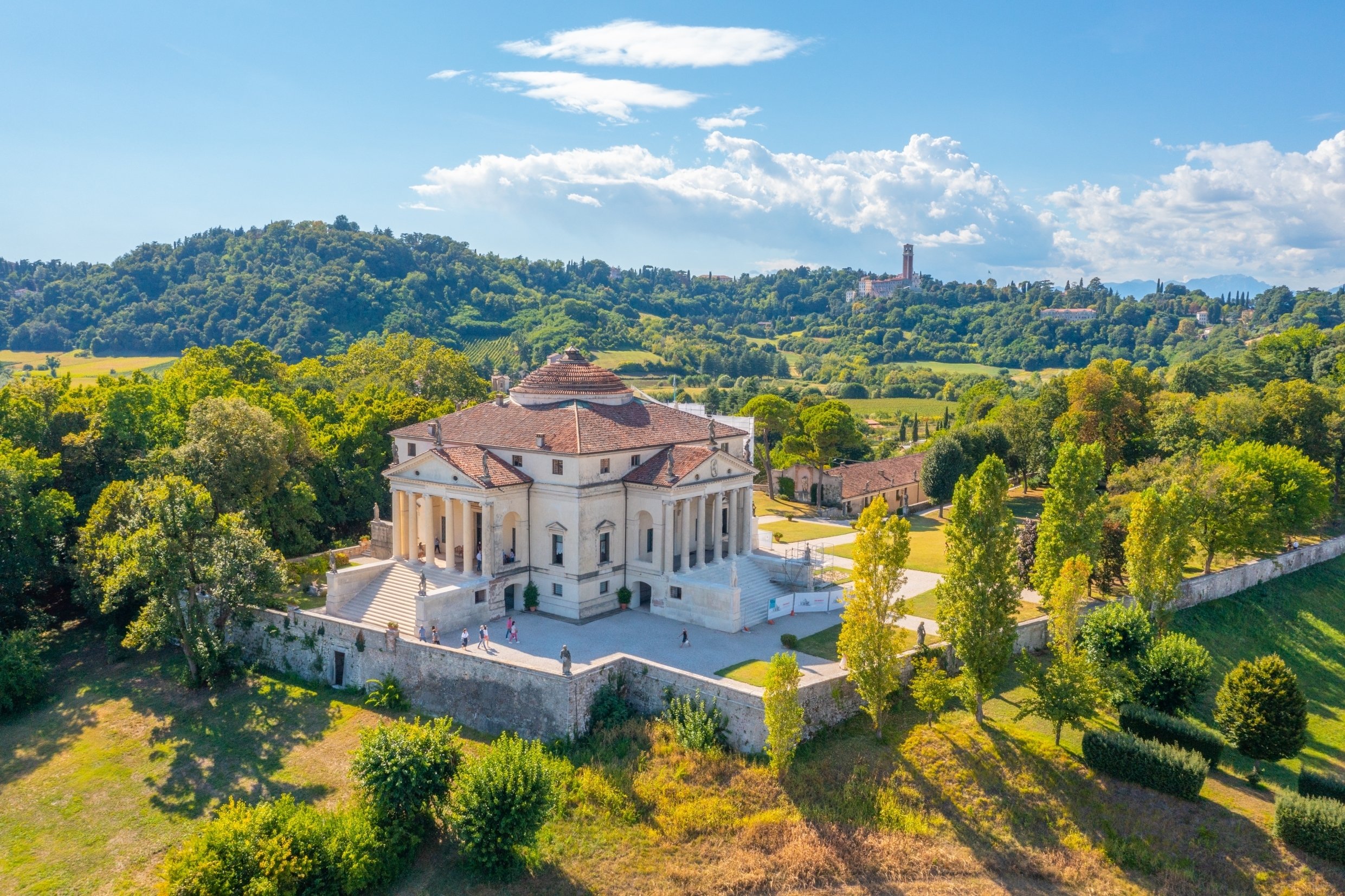
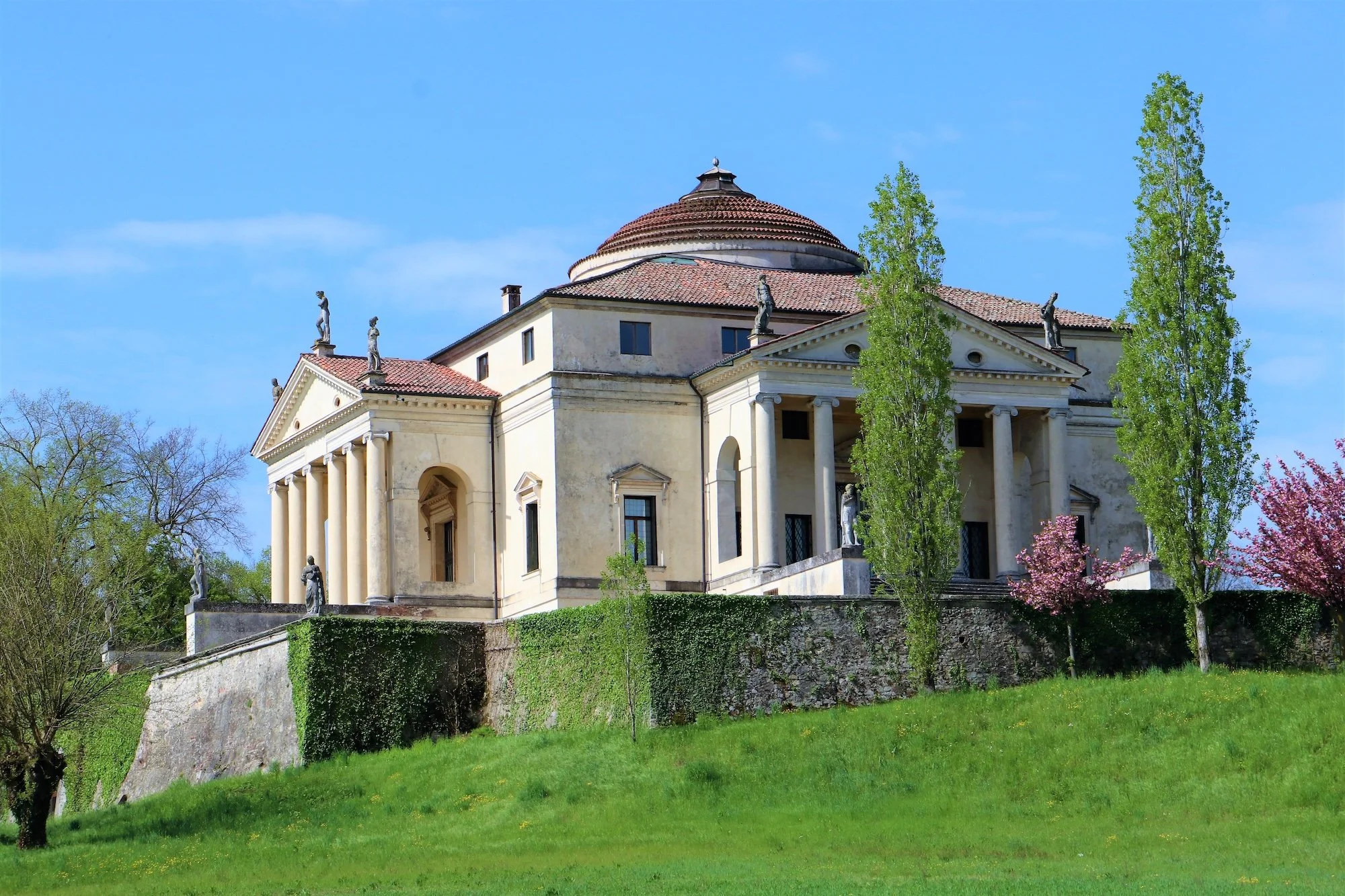
    Today we travel to the Venetian mainland to explore the architecture of Andrea Palladio, whose villas and civic buildings reshaped the landscape of the terraferma in the 16th century and offered Venice’s patrician families a new vision of classical living. Travelling by train to Vicenza, we begin with a private visit to Villa Rotonda (Villa Capra), one of Palladio’s most celebrated creations. Perfectly symmetrical and set within a gentle rural landscape, the villa exemplifies Palladio’s engagement with ancient architectural ideals and his influence on later European neoclassicism. We continue by coach into Vicenza, where there is free time for lunch before a visit to the Teatro Olimpico. Designed by Palladio and completed by Vincenzo Scamozzi after his death, it is the oldest surviving indoor theatre in Europe and renowned for its extraordinary permanent stage set, an intricate perspective vista representing the streets of Thebes. The afternoon is then spent travelling to the foothills near Asolo for a visit to Villa Maser (Villa Barbaro), where Palladio’s harmonious architectural design is enriched by Paolo Veronese’s magnificent frescoes and elegant stuccowork by Alessandro Vittoria. The villa offers one of the finest integrations of art, architecture and landscape in the Veneto. We return to Venice early this evening by coach and water taxi, with a light dinner on arrival. Overnight Venice (B, D)

  • Day 12 | Sunday 21 March
    Modern Art in Venice

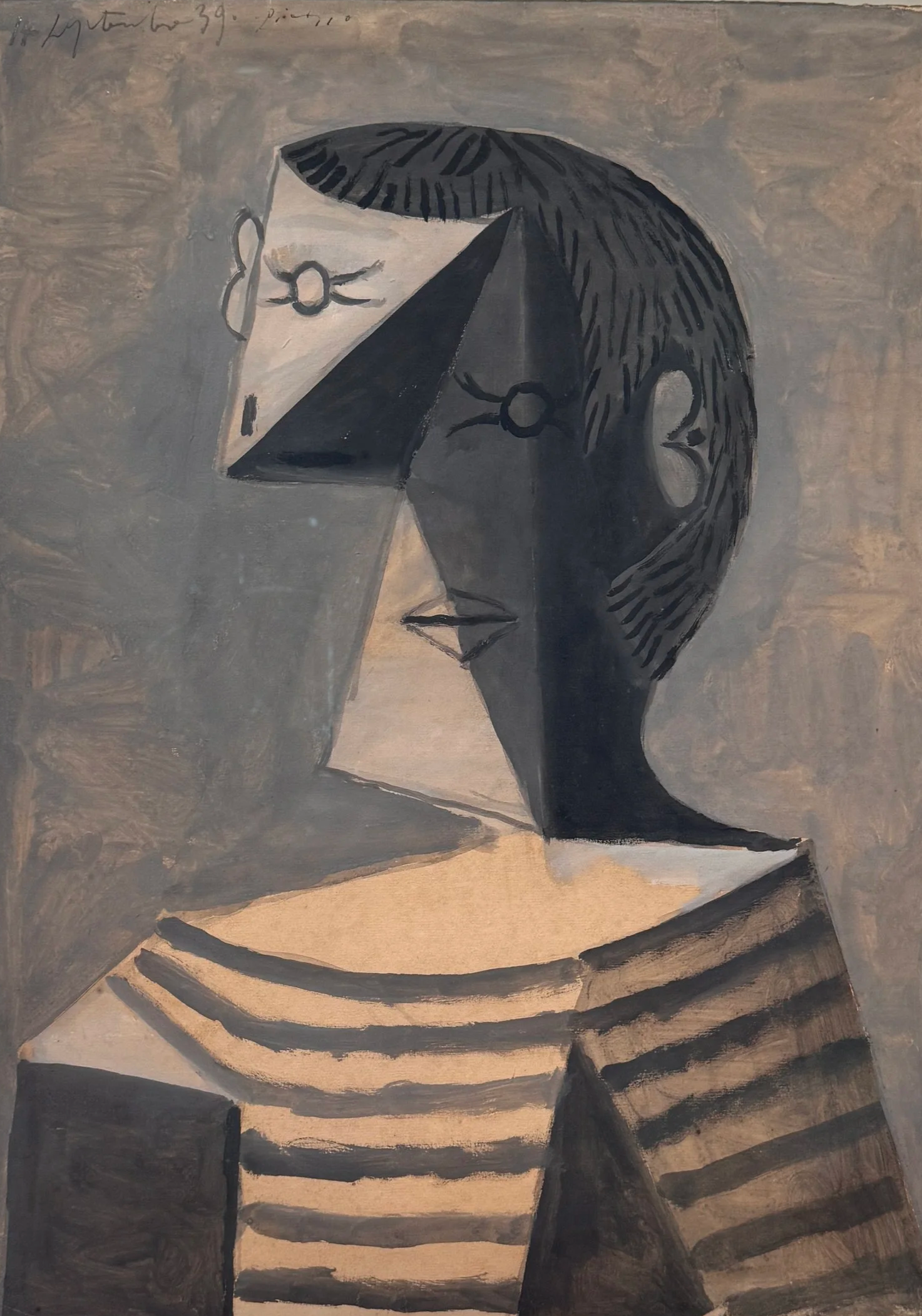
    Venice emerged as a major centre for modern art in the 20th century, a reputation cemented by the launch of the Biennale in 1895. This morning we take the vaporetto to the Peggy Guggenheim Collection, located in the unfinished Palazzo Venier dei Leoni, where Guggenheim once lived. The museum holds one of Italy’s foremost collections of 20th-century art, with landmark works by Pollock, Mondrian, Kandinsky, Magritte, Dalí and Picasso offering a concise overview of the major movements of European and American modernism. After a break for lunch, our afternoon is spent at the Ca’ Pesaro – the city’s principal museum of modern art, housed in a grand Baroque palazzo overlooking the Grand Canal. Its collection includes important works by Klimt, Chagall, Modigliani and the Italian Futurists, many acquired through historic Biennale exhibitions and reflecting Venice’s early engagement with international modernism. In the evening, we gather at a local’s home, joined by writer and Venetian specialist Gregory Dowling, for an informal talk on Venetian history and a cooking demonstration, followed by a relaxed meal featuring the local dishes prepared. Overnight Venice (B, D)

  • Day 13 | Monday 22 March
    Glass and Art in Venice

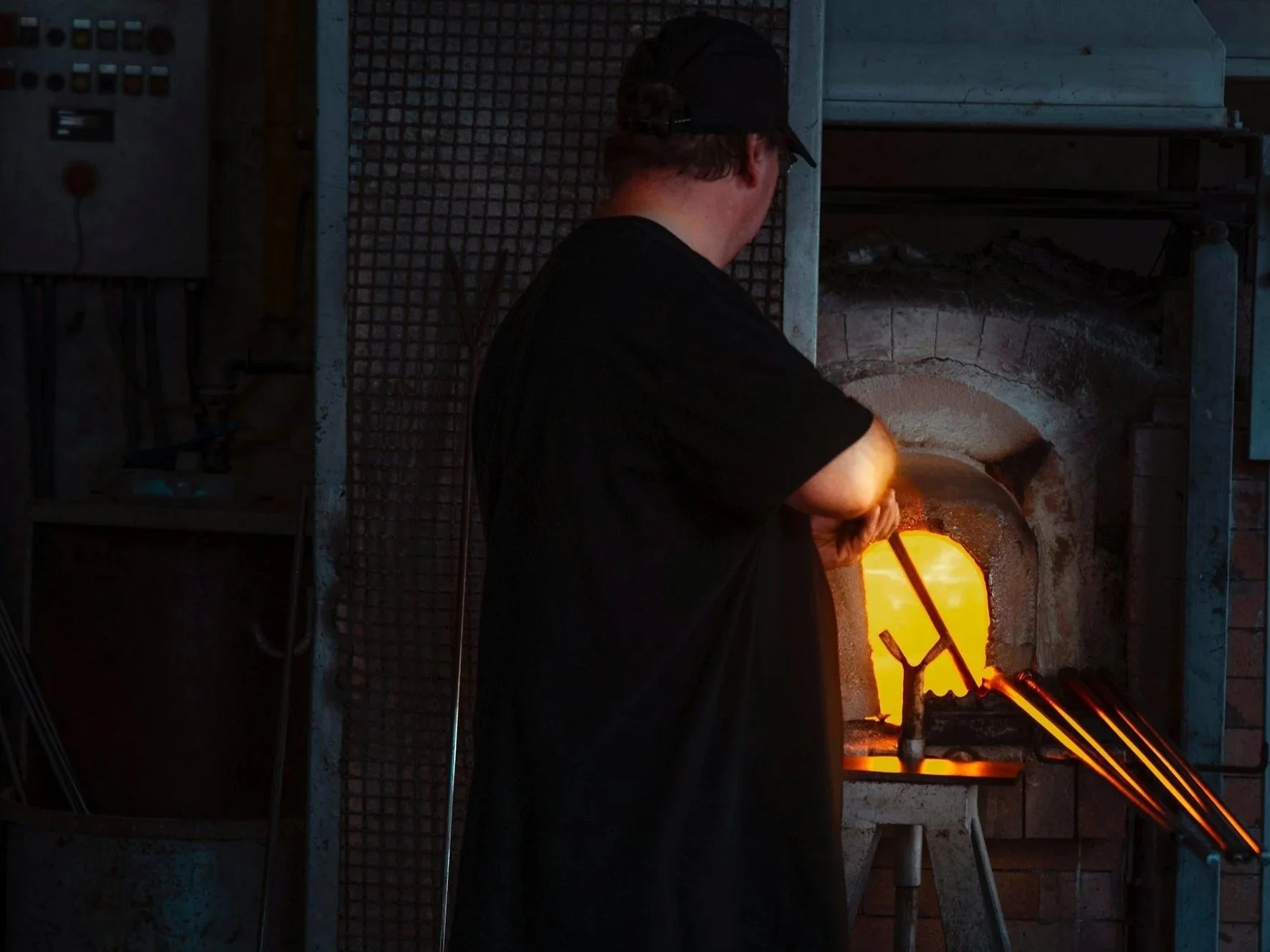
    Venice has long been a city shaped by skilled craftsmanship, from the specialised trades of its island workshops to the refined decorative arts that circulated across Europe. Today we explore two of the city’s enduring artisanal traditions – printmaking and glassmaking – through visits that reveal both historical depth and contemporary practice. We begin in the Castello district with a visit to the lithography studio of Alessandra D’Agnolo, where we gain insight into the processes and tools of traditional printmaking and see how these techniques are being adapted by modern Venetian artists. We then travel by vaporetto to Murano, the centre of Venetian glass production since the 13th century. Here we visit Fornace Mian and the Museo del Vetro, whose extensive collection traces the evolution of glassmaking from antiquity to the present. The museum’s holdings illustrate the technical innovations and artistic refinement that made Murano glass renowned throughout Europe. There is free time for lunch on the island before returning to Venice. Later in the evening we gather at the hotel for our final talk, focusing on Venice’s people and traditions, from civic rituals and religious festivals to neighbourhood life and enduring local customs. Overnight Venice (B)

  • Day 14 | Tuesday 23 March
    San Giorgio Maggiore and San Lazzaro degli Armeni

    We begin the morning with a vaporetto journey to San Lazzaro degli Armeni, home to the Mekhitarist Order since the early 18th century. The island quickly became one of Europe’s most important centres of Armenian scholarship, housing a significant library, rare manuscripts and collections that reflect the Order’s intellectual and artistic legacy. Lord Byron spent time here in 1816, studying Armenian and assisting in the compilation of an English–Armenian dictionary, adding a notable literary association to the island’s history. Returning to Venice, we continue by boat to San Giorgio Maggiore, where Palladio’s harmonious Renaissance church rises above the lagoon as one of the city’s most celebrated architectural landmarks. The adjoining Benedictine monastery has shaped spiritual life on the island since the early Middle Ages, and its setting offers exceptional views across the Bacino di San Marco. The remainder of the afternoon is then at leisure, reconvening in the evening for a farewell dinner in a private room at Bistrot de Venise, featuring a historic degustation menu with matching wines. Overnight Venice (B, D)

  • Day 15 | Wednesday 24 March
    Departure

    After a relaxed morning, we depart Venice today. A group transfer by private launch to Venice’s Marco Polo airport is available for those taking mid-afternoon flights home. (B)

Hotel in Venice

Hotel Saturnia & International Venezia | 14 Nights

This distinguished 4-star hotel is nestled in the heart of Venice, just a short walk from St Mark’s Square and the renowned Teatro La Fenice. Housed in a 14th-century Venetian palace, the hotel has been owned and operated by the Serandrei family since 1908, blending timeless elegance with modern comforts.

Each of the hotel’s 87 rooms is uniquely designed, and all rooms feature air conditioning, free Wi-Fi and a private marble bathroom. A generous and varied breakfast buffet is served each morning, with a delightful mix of sweet and savoury options, and in the evening you can dine at the hotel’s ‘La Caravella’ restaurant, celebrated for its refined Venetian cuisine. The hotel’s rooftop terrace provides a peaceful escape – ideal for unwinding after a day of sightseeing – while the wellness area offers added relaxation with a Jacuzzi, a Turkish bath and a gym.

As the hotel has its own private dock, Academy Travel will arrange private water taxi transfers to and from Venice Marco Polo Airport for all tour arrivals and departures.

With its central location, spacious and individually styled rooms, onsite restaurant, wellness facilities and warm, family-run atmosphere, this hotel is ideally suited for a two-week residential-style stay in Venice.

tour booking

$14,470 AUD per person, twin share (land content only)
$3,790 AUD supplement for sole use of a hotel room

A $1,000 deposit is required per person to confirm your booking on tour. This deposit is non-refundable.

Hold a Place

Still deciding? We are happy to hold a tentative place for 7 days while you make your final arrangements.

Book Online

To secure your place(s) on tour, book online below with “Athena”, our virtual tour consultant.

DOWNLOAD FORM

Download a printable booking form. You can also complete the form on screen and submit via email.

your tour consultant

The consultant for this tour is Sharon Williams. For further information or to discuss the tour, please call 9235 0023 (Sydney) or 1800 639 699 (outside Sydney) or email sharon@academytravel.com.au

have you thought about?

Academy Travel is more than just a tour operator. We are also a full-service travel agency who can assist you with all aspects of your travel, including flights, transfers, pre-tour arrival, additional travel and comprehensive travel insurance.

can’t make this departure?

If these dates don't work for you, register to hear about the next tour.