From Renoir to Monet
A Winter of Art in London and Paris
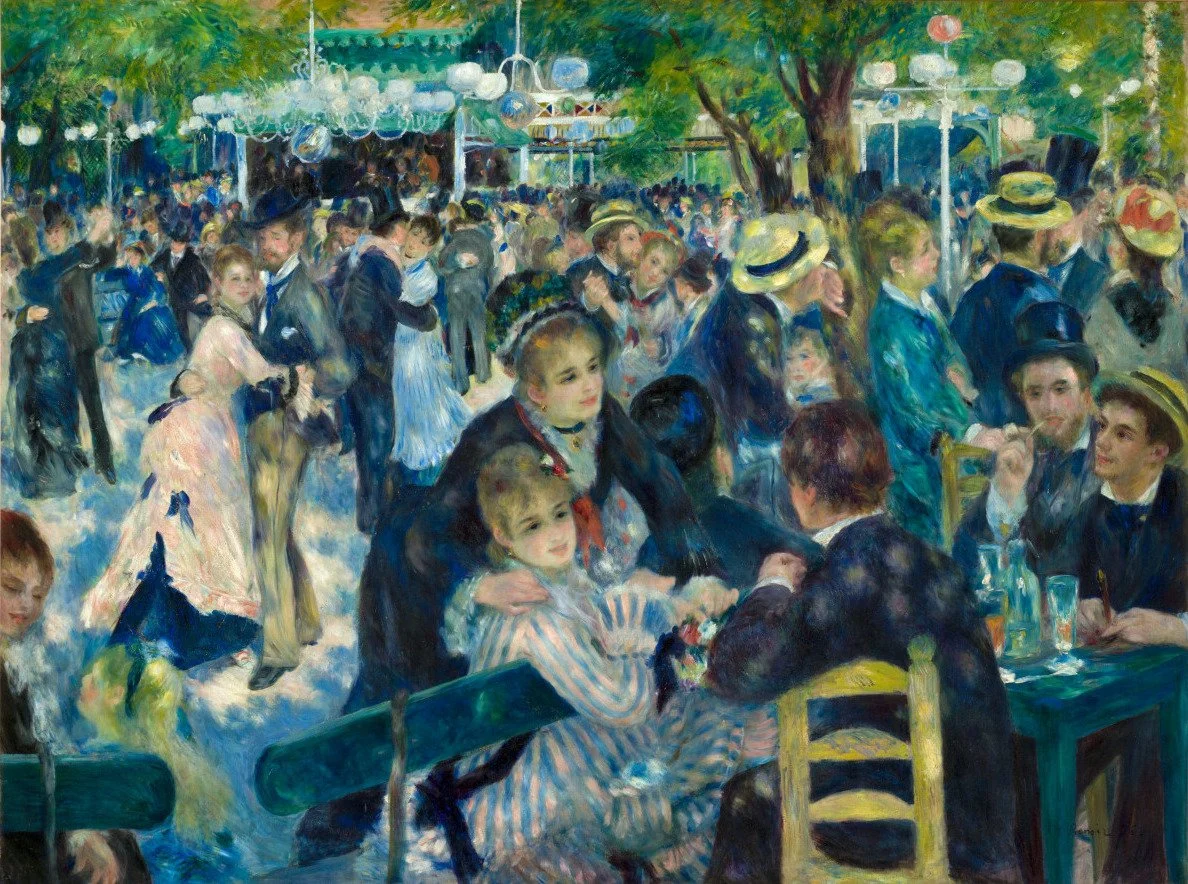
Renoir’s Bal du moulin de la Galette, 1876, Musée d'Orsay
Separated by just over 450 kilometres (roughly a third of the distance from Sydney to Melbourne) and connected by Eurostar rail in a journey taking two hours and fifteen minutes, London and Paris between them offer the richest array of museums and art exhibitions to be found anywhere on the globe.
Every year, Paris presents huge blockbuster exhibitions that attract vast crowds. The Parisians are themselves passionate exhibition goers and as a smart Parisian you are at a social disadvantage if you can’t make intelligent conversation about the latest “must see” show. And of course, these exhibitions are a major attraction for the millions of tourists who flock to the city. The Paris museums have the advantage that the incomparable richness of their holdings gives them leverage to borrow more or less what they want from other museums wanting to borrow treasures in return.
This year's London and Paris tour coincided with a particularly sumptuous and enjoyable show – Renoir et L’Amour (Renoir and Love). Exhibited at the Musée d’Orsay in Paris, before it relocates to London’s National Gallery this October, this slightly misleading title was clearly designed to please the crowds – not that that was ever going to be necessary with an artist like Renoir, who is one of the best known and loved artists in the history of Western art.
Not all the paintings in the show dealt with the theme of love, though one could argue that every painting celebrates Renoir’s unquenchable love of life. Instead, what we got was a carefully selected survey of Renoir’s entire career. The most celebrated masterpieces, The Boatman’s Luncheon from Washington, The Umbrellas from London and the Orsay’s own Moulin de la Galette and The Swing are all there, as well as many less familiar masterpieces from provincial museums and private collections. Some works of lesser quality that might have detracted from his reputation, such as the fluffy pink confections from late in his career, are largely absent.
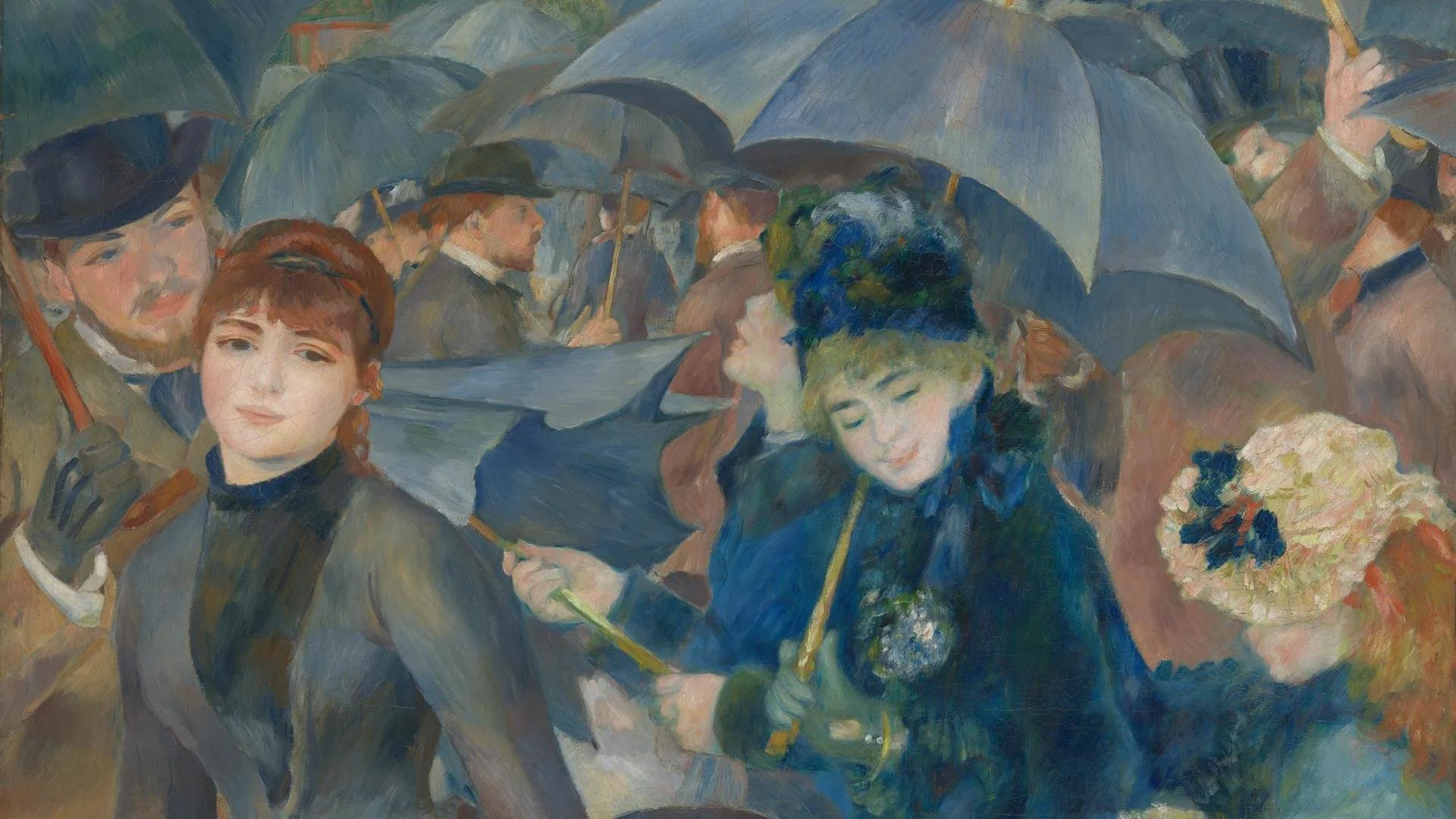
Detail, Renoir’s The Umbrellas, c.1881, The National Gallery, London
But the curators have not flinched from contentious female nudes such as the final Bathers that might open him to charges of sexism. No doubt this particular issue will be hotly debated. Renoir loved women. According to his son, the film director Jean Renoir, “he bloomed both physically and spiritually in the company of women”. He said things about women that seem obnoxious to us – that they didn’t need to learn to read, that he didn’t want to sleep with a lawyer and that they should stick to their role of making life agreeable for men. But in his defense, it could be said that he not only loved women, he like them too, which was not always the case with 19th century artists and intellectuals. His affection for his female models shine through in the depictions of women that make up the bulk of this exhibition.
It was a particular pleasure to see two great masterpieces from National Gallery of Sweden that will have been unfamiliar to most Parisians. The Tavern of Mother Anthony dating from 1866 when Renoir was just 25 years old was his first major work. It is painted in sombre, earthy tones reminiscent of Gustave Courbet and could not be less like the dazzling sunlit La Grenouillere, also from Stockholm, painted in the open air on the banks of the Seine in the Summer of 1869 when Renoir and Monet gave birth to the Impressionist movement.
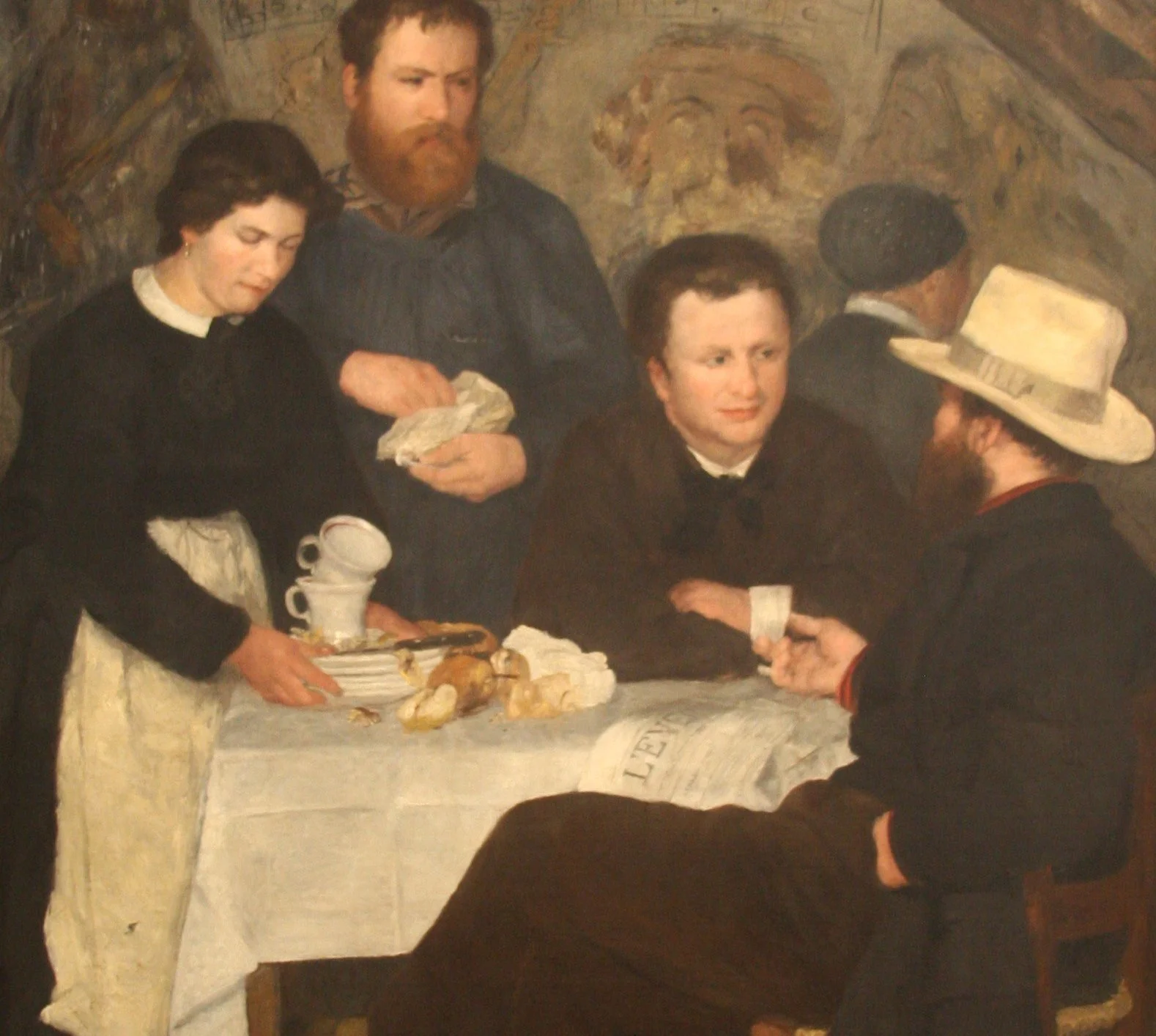
Detail, Renoir’s Mother Anthony's Tavern, 1866, Nationalmuseum, Sweden
The Orsay itself never ceases to be an extraordinary experience. It is housed in a cathedral-sized former railway station that was constructed to receive the crowds from the French provinces visiting the 1900 World Exhibition. In the 1970s the station came close to demolition, before some minister came up with the brilliant idea of transforming it into a museum of early modern art.
Over the last half century the reuse of industrial building for cultural purposes has become familiar but it was really the Orsay that led the way. Covering the period 1848-1914, the museum possesses incomparably the richest collection in the world. Since its opening in 1986, vast sums have been invested to ensure that it has a representative collection of Fine and Decorative arts not only of France but of the entire Western World.
I remember my own first visit when I was so overwhelmed that I had to sit down for a moment to catch my breath. When entering the museum, you are presented with a spectacular view of the entire length of the central nave filled with tragically gesticulating 19th century white marble statues.
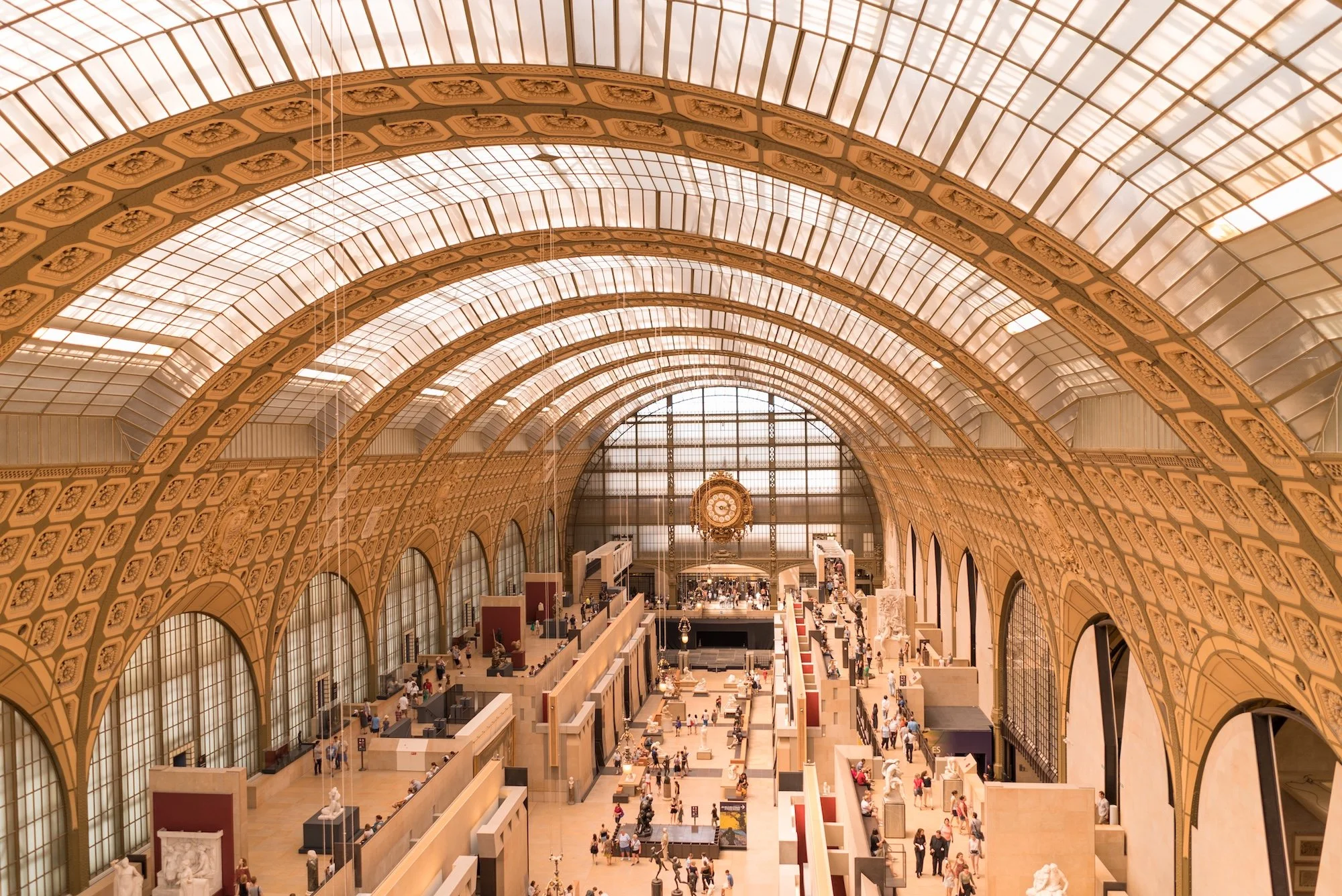
View from the central corridor, Musee d'Orsay, Paris
At your feet is a white marble naked woman writhing in what might be either pain or ecstasy by the sculptor August Clesinger. Exhibited under the title of Woman bitten by a serpent it was a “Succes de Scandale” at the Salon of 1847. When Queen Elizabeth II visited the Orsay soon after its opening, unkind photographers posed her behind “The Woman bitten by a Serpent” and snapped the expression of consternation on her face as she looked down and saw what she was standing behind.
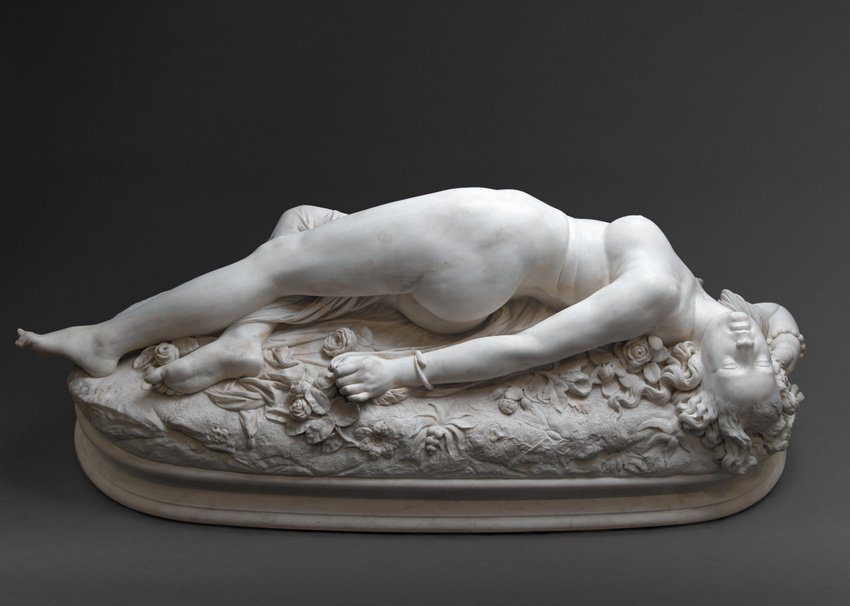
Auguste Clésinger's Woman Bitten by a Serpent, 1847, Musee d'Orsay, Paris
The Renoir exhibition will close in Paris this July before reopening at London's National Gallery, where it forms one of the centrepieces of Academy Travel's London & Paris tour in January 2027. Yet Renoir & Love is only one part of an outstanding exhibition season that will unfold across the two capitals during the northern winter.
Queen Elizabeth II's memorable visit to the museum provides an unexpected link to another major exhibition featured on our tour. At The King's Gallery, Buckingham Palace, Queen Elizabeth II: Her Life in Style brings together the most comprehensive display of the late Queen's wardrobe ever assembled. Featuring designs by Norman Hartnell, Hardy Amies and other leading couturiers, the exhibition examines how dress, ceremony and public image helped shape one of the most recognisable figures of the modern era.
The Musée d'Orsay itself provides another example. Just beyond the galleries devoted to Renoir, visitors will encounter Auguste Bartholdi: Liberty Enlightening the World, an exhibition devoted to the sculptor best known for creating the Statue of Liberty. The connection feels particularly apt here, where a reduced bronze version of the monument stands prominently within the museum's central nave. The exhibition explores Bartholdi's ambitious career and traces the remarkable story of a project first conceived for the Suez Canal before evolving into one of the world's most recognisable public monuments.
Together these exhibitions form part of an exceptional season of art and culture to arrive across London and Paris.
Highlights of the 2027 program include:
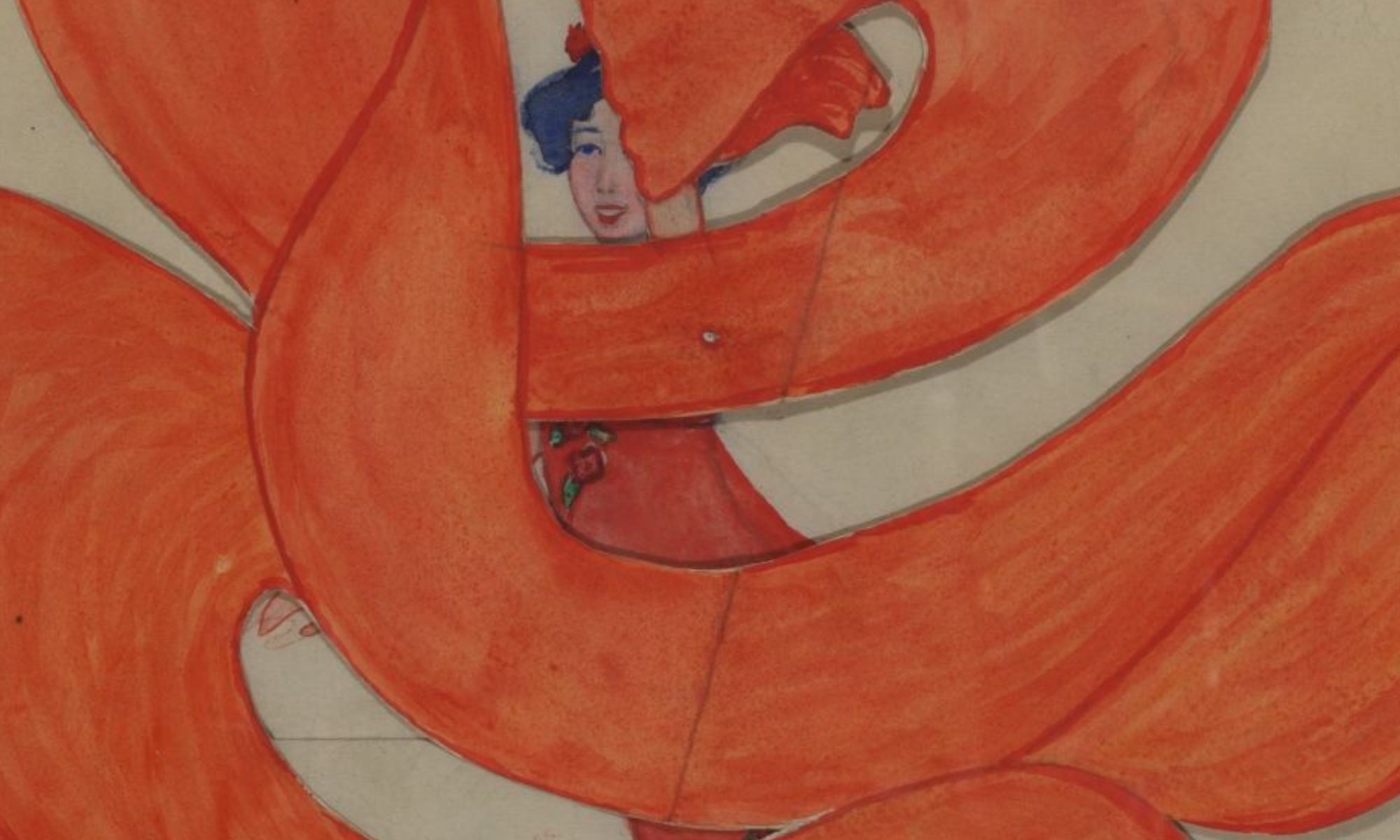
Winifred Gill: A Bloomsbury Pioneer
The Courtauld Gallery, London
This focused exhibition reintroduces Winifred Gill, one of the lesser-known members of the Bloomsbury Group. Through paintings, decorative designs, textiles and archival material, it explores her role within the creative circles that included Vanessa Bell, Duncan Grant and Virginia Woolf, shedding new light on an overlooked contributor to one of Britain's most influential artistic movements.
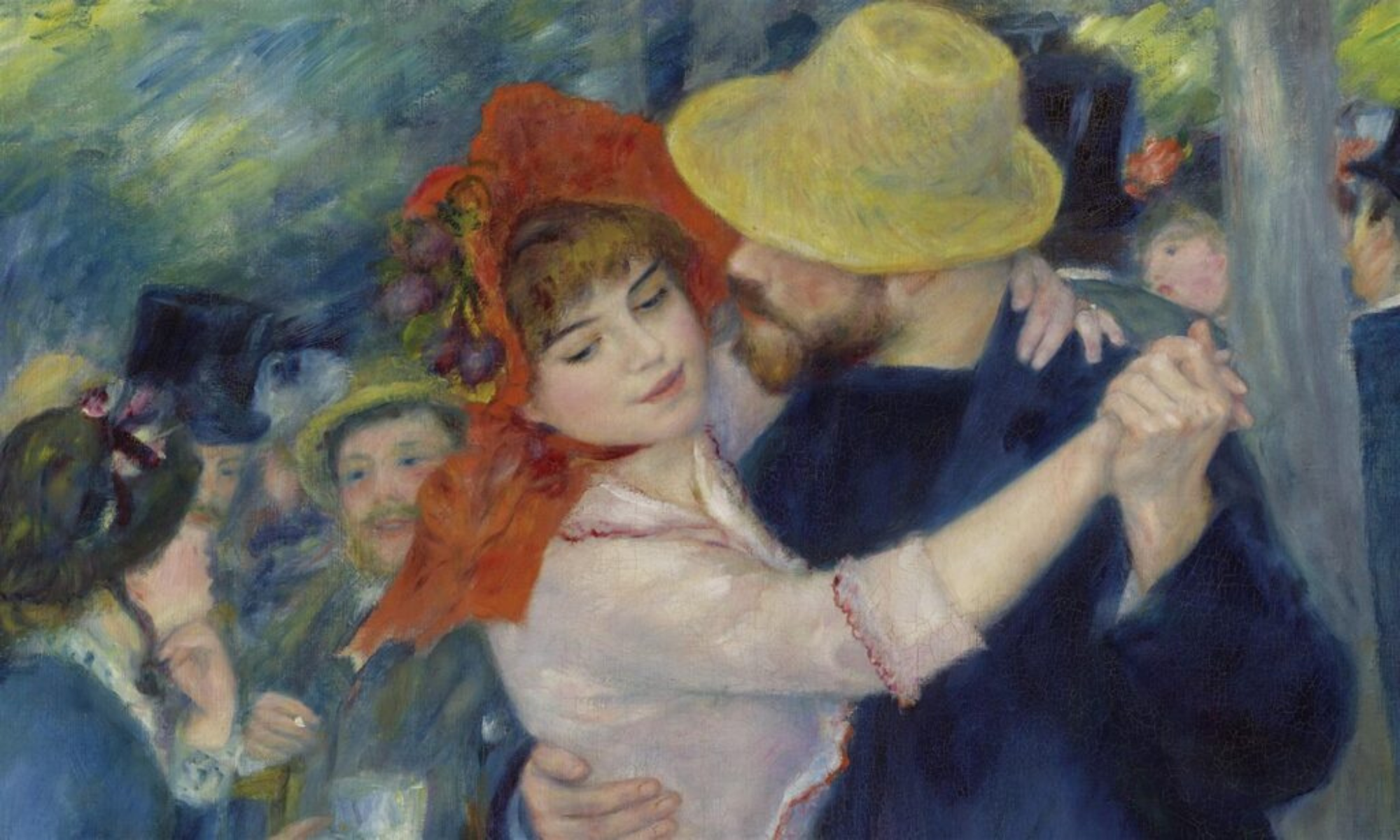
Renoir & Love
The National Gallery, London
Fresh from its acclaimed run at the Musée d'Orsay, Renoir & Love arrives in London as one of the standout exhibitions of the season. Bringing together more than 50 paintings, drawings and works on paper from international collections, it presents a carefully curated survey of Renoir's most important decades. Masterpieces will include Dance at Bougival and Luncheon of the Boating Party.
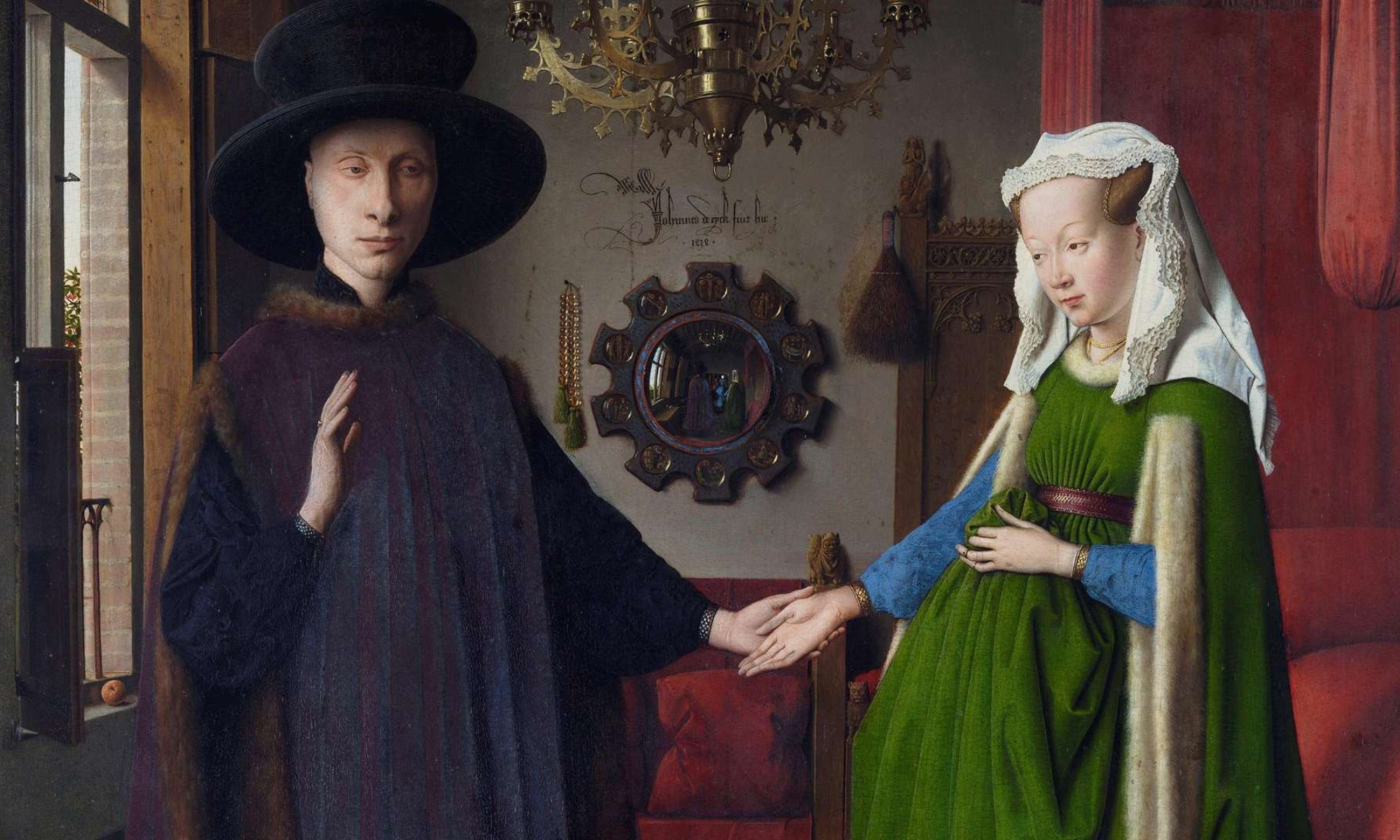
Van Eyck: The Portraits
The National Gallery, London
A landmark exhibition that reunites all of Jan van Eyck's nine known painted portraits for the first time, making up half of his surviving works worldwide. Among the masterpieces assembled is The Arnolfini Portrait – van Eyck's jewel-like masterpiece of 1434. Rarely seen side by side, these works reveal the extraordinary realism and technical innovation that transformed European painting in the 15th century.
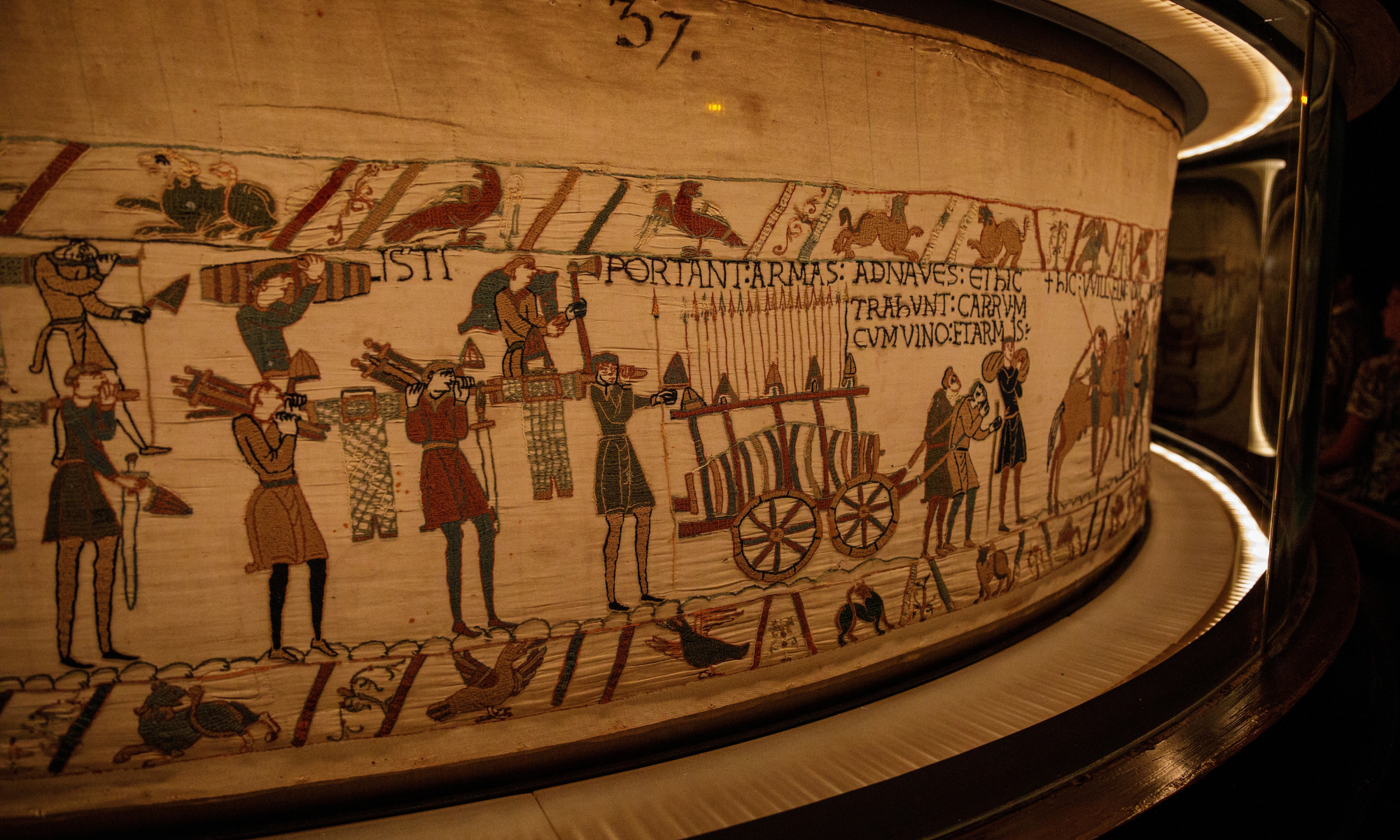
The Bayeux Tapestry
British Museum, London
Returning to Britain for the first time in over 900 years, the Bayeux Tapestry recounts the events leading to the Norman Conquest of 1066 across nearly 70 metres of embroidered linen. From Harold's oath to William's victory at Hastings, the work remains one of the most remarkable visual narratives to survive from medieval Europe. One of the wonders of the medieval world not to be missed!
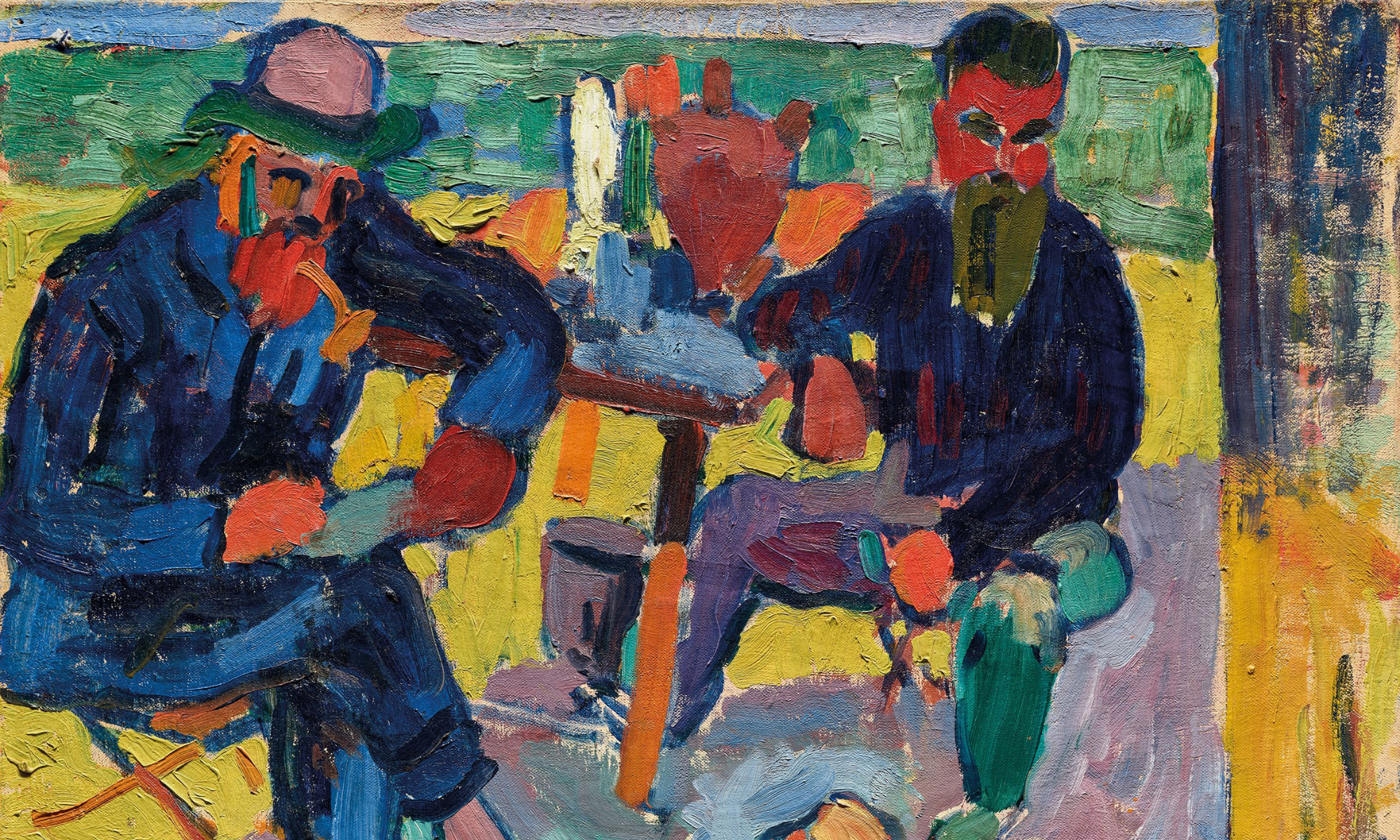
Painting the French Riviera
Royal Academy of Arts, London
Featuring more than 100 works, this exhibition traces the Riviera's transformation from a working coastline into one of Europe's great artistic destinations. Paintings by Monet, Renoir, Signac, Bonnard, Matisse, Picasso and Chagall reveal how successive generations responded to the region's distinctive light, colour and landscapes, while also documenting its emergence as a centre of modern leisure.
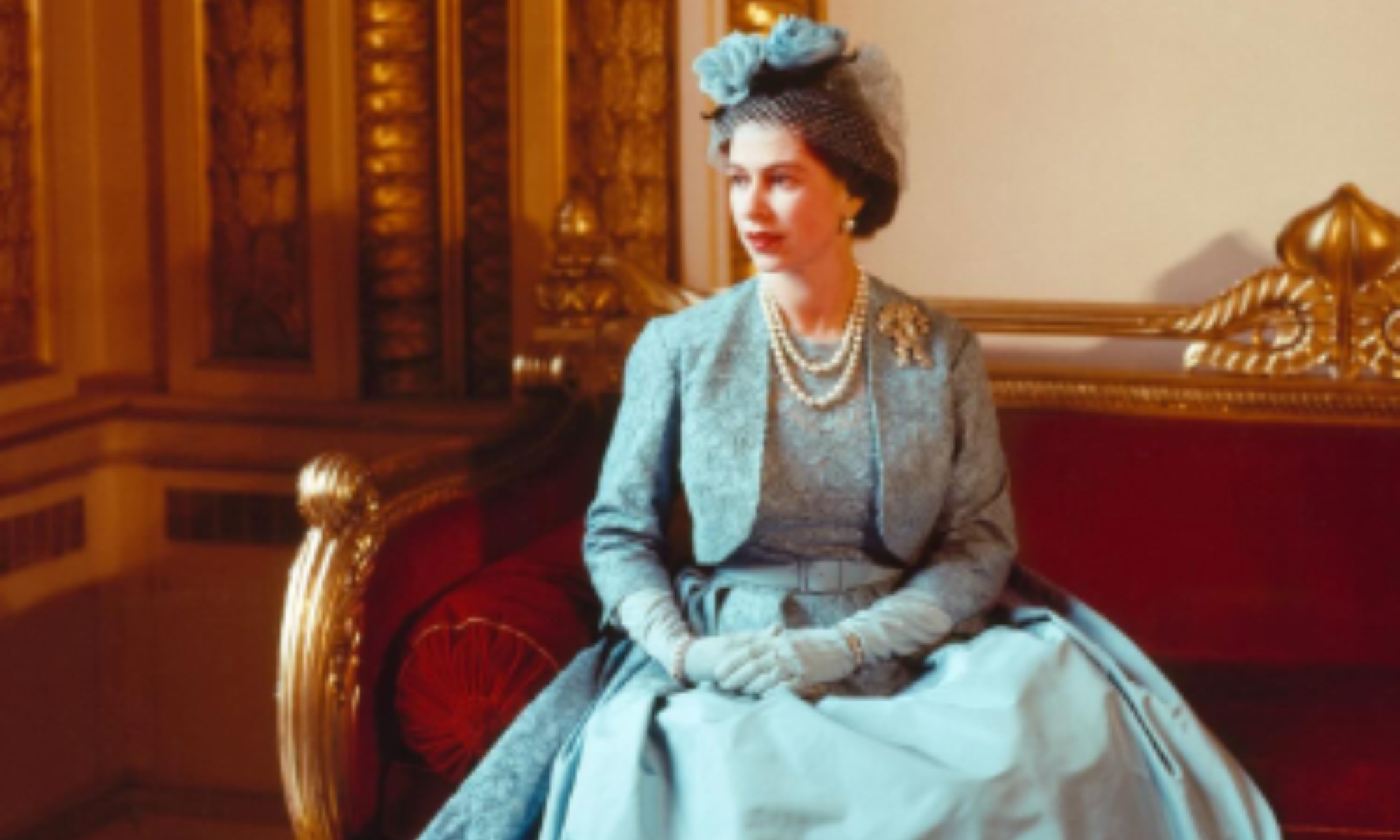
Queen Elizabeth II: Her Life in Style
The King's Gallery, Buckingham Palace, London
The most comprehensive display of Queen Elizabeth II's wardrobe ever assembled, bringing together around 200 items including childhood clothing, coronation garments, evening gowns and diplomatic attire. Designs by Norman Hartnell, Hardy Amies and Ian Thomas reveal how dress was used to project continuity, authority and national identity throughout the longest reign in British history.
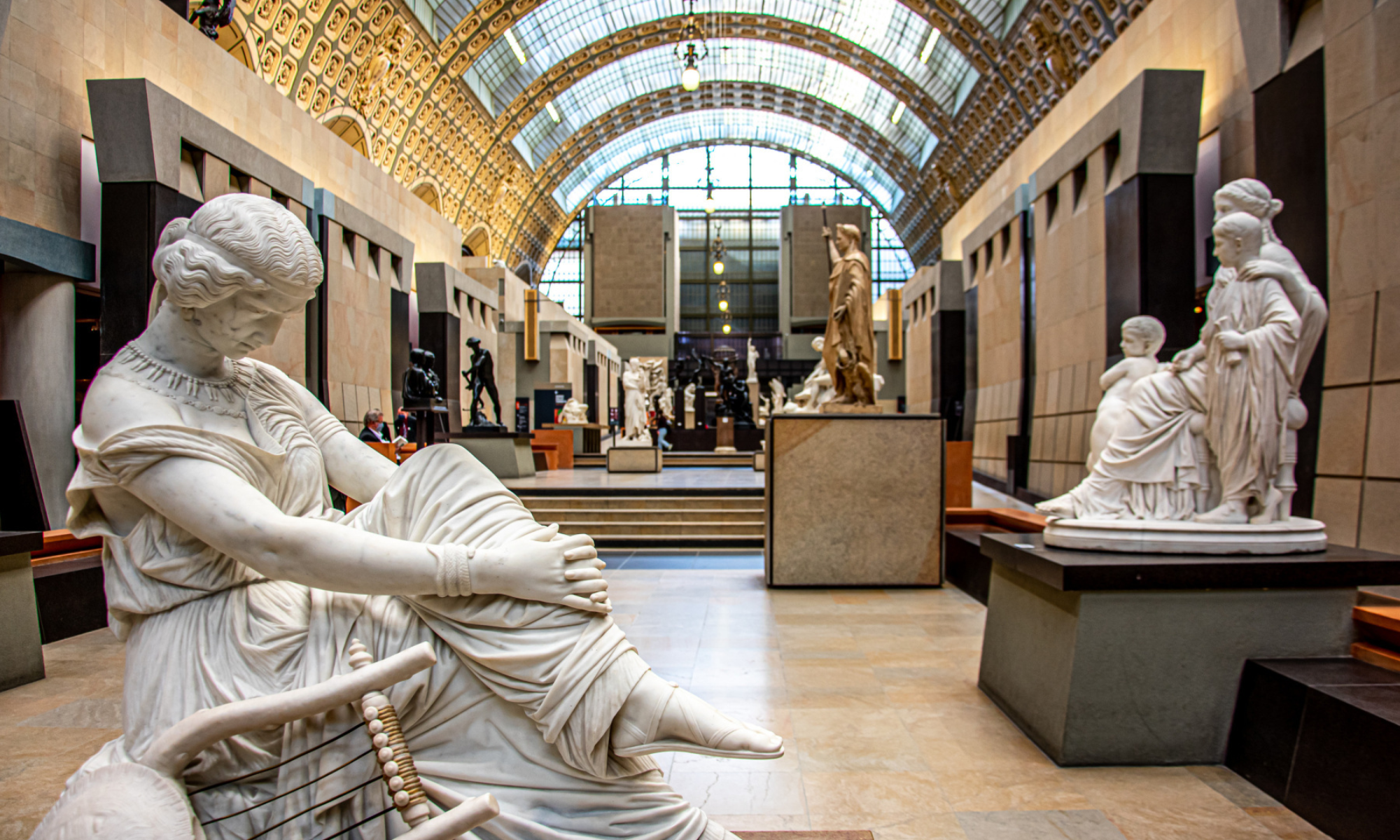
Auguste Bartholdi: Liberty Enlightening the World
Musée d'Orsay, Paris
Dedicated to French sculptor Frédéric-Auguste Bartholdi – the creator of the Statue of Liberty – this exhibition examines his career through sculptures, drawings, photographs and archival material. Particular attention is given to the evolution of Liberty Enlightening the World, tracing the project's origins and its transformation into one of the most recognisable monuments of modern times.
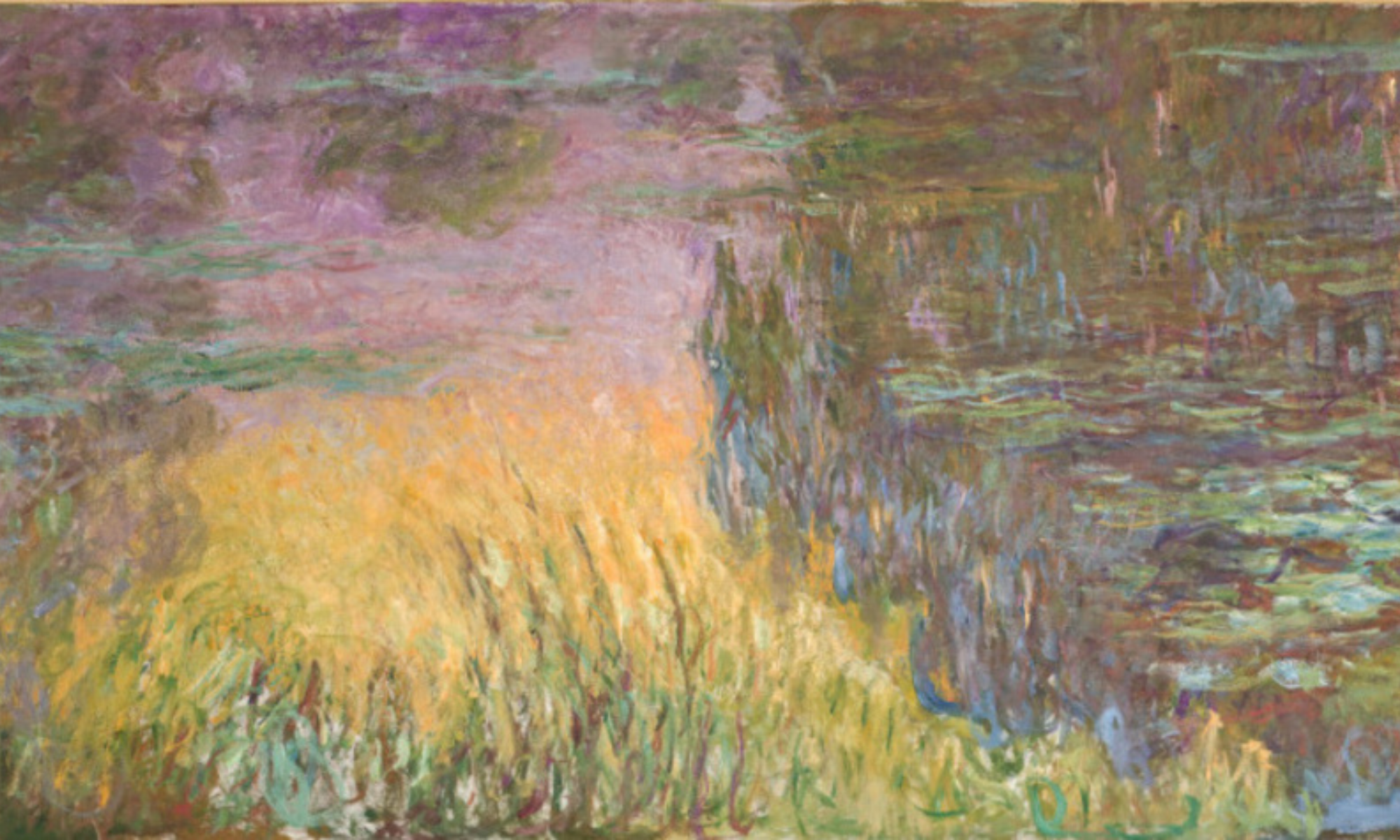
Monet: Painting Time
Musée de l'Orangerie, Paris
Presented for the centenary of Monet's death, the exhibition brings together almost 40 paintings from the Musée d'Orsay, Musée Marmottan Monet and international collections. Works from the Haystacks, Poplars, Rouen Cathedral and Water Lilies series explore Monet's lifelong lifelong obsession with capturing fleeting moments, changing atmospheric conditions and the passage of time.
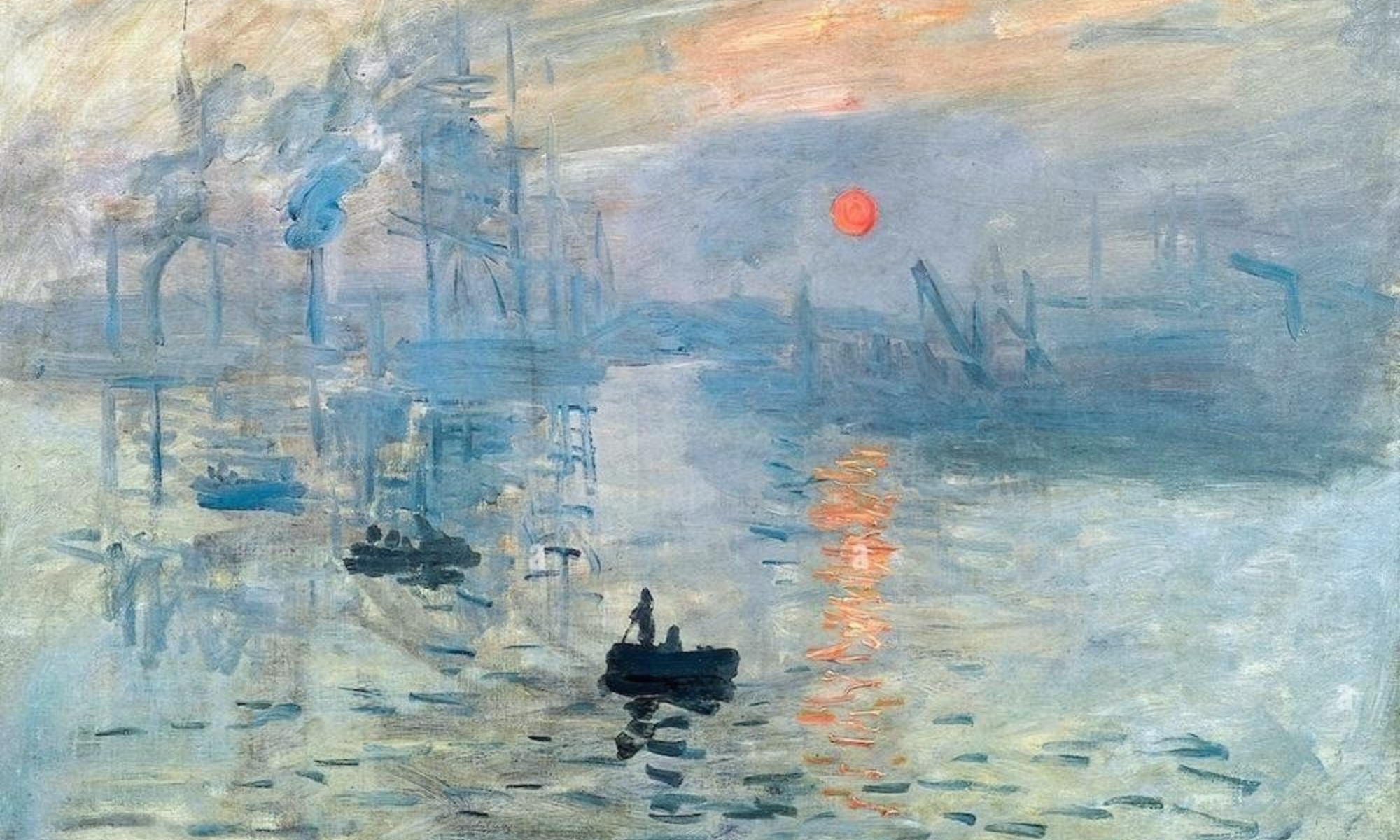
Histories of Landscape: From Monet to Hockney (1890–2025)
Musée Marmottan Monet, Paris
Beginning with Monet's late landscapes and extending to contemporary works by David Hockney, the exhibition follows more than a century of artistic responses to the natural world. Paintings by Pierre Bonnard, Edvard Munch, Joan Mitchell and others reveal how colour, memory, emotion and perception have continually reshaped the landscape tradition.
London & Paris
in 2027
Art and Music
Taken together, these exhibitions provide a compelling snapshot of the artistic life of London and Paris in 2027. Forming part of Academy Travel's London & Paris tour this coming January, they are experienced alongside opera, theatre, orchestral music and visits to some of Europe's most important museums and historic collections.