Ecuador & The Galápagos Islands

Colonial Heritage, Volcanic Landscapes & Natural Wonders

Explore Ecuador’s colonial cities and volcanic highlands before embarking on a private charter through the Galápagos.

TOUR STATUS

Places Available | Maximum 16

TOUR DATES

Feb 18 - Mar 8, 2027 | 19 Days

TOUR LEADER

snapshot

  • The tour starts at 5.00pm on Thursday 18 February at the Go Quito Hotel in Quito. An arrival transfer will be included to fit your flight specifications. The tour ends on Monday 8 March after breakfast at our hotel in Guayaquil – airport transfers are included for onward flights via Santiago to Australia or other destinations.

  • Grade Three
    This tour is among our most physically demanding.

    View all requirements >

  • Land component: 11 nights in
    centrally located 4-star hotels. All breakfasts, 8 lunches and 3 dinners. Internal economy flights as indicated, airport-hotel transfers, all ground transport, entrance fees and tipping.

    Cruise component: 7 nights aboard the Coral I ship, with all meals and drinks onboard, all shore excursions, and the group tip for cruise staff.

    View standard tour inclusions >

  • $26,640 AUD per person, twin share (land content only)
    > Based on a Junior Plus Cabin
    $6,250 AUD supplement for sole use of a hotel room
    > Based on a Standard Plus Cabin

    See page four on the Detailed Itinterary for cabin details

    A $1,000 AUD non-refundable deposit is required per person to confirm your booking on tour

OVERVIEW

Straddling the Equator and shaped by tectonic plate collisions, Ecuador encompasses some of South America’s most diverse landscapes – from the volcanic Andes and Pacific lowlands to the extraordinary ecosystems of the Galápagos Islands.

Over centuries, these regions have been influenced by Indigenous civilisations, Inca expansion, Spanish colonial rule and, more recently, scientific research and conservation. On this new 19-day journey led by archaeologist Dr Chris Carter and naturalist Juan Cárdenas, we begin in Quito, one of the best-preserved colonial cities in the Americas, before travelling through the Andean highlands shaped by páramo landscapes and historic trade routes. Journeying south along the celebrated Avenue of Volcanoes, we explore Inca sites, colonial haciendas and striking national parks, before concluding our land journey in Cuenca.

From the mainland, we fly to Baltra Island and embark on a privately chartered seven-night expedition cruise through the enchanting Galápagos Islands, whose isolated development played a central role in modern evolutionary theory.

tour highlights

Embark on a richly layered journey across mainland Ecuador and the Galápagos Islands

Galápagos Expedition

FEATURED EXPERIENCE

Private CHarter aboard the Coral I

The highlight of this tour is a privately chartered seven-night Galápagos expedition aboard the Coral I, a small vessel purpose-built for naturalist-led exploration of the archipelago that first inspired Charles Darwin.

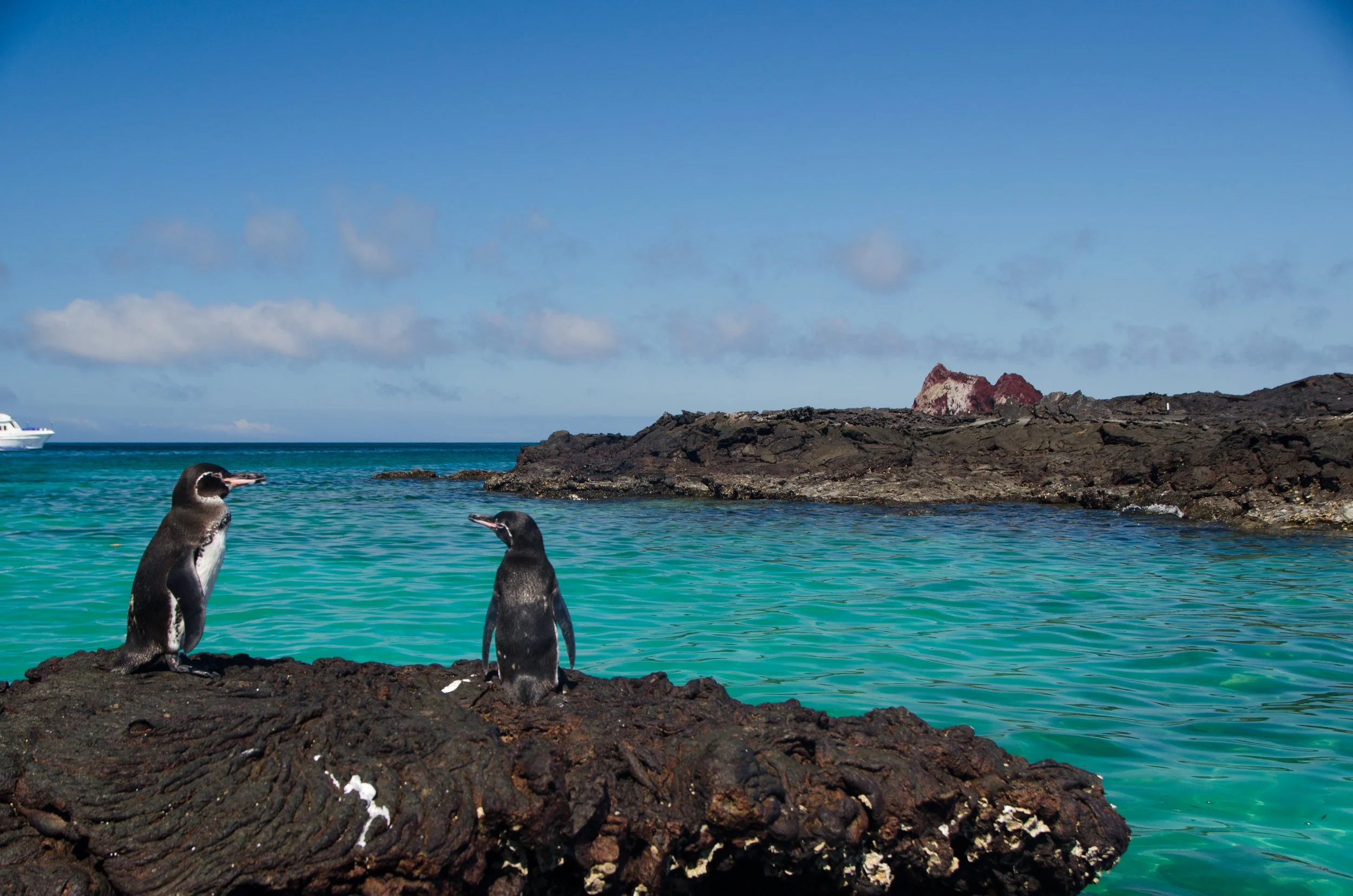
Our carefully planned route explores the northern, eastern and southern reaches of the Galápagos Islands, from the wildlife-rich islands of North Seymour and South Plaza to the human and scientific centres of Santa Cruz and San Cristóbal, and onward to the remote southern island of Española – showcasing the full ecological range of the archipelago. Designed to balance comfort with access, the Coral I ship allows us to make daily shore landings by zodiac, providing close access to beaches, rocky shores and lava platforms. Snorkelling opportunities reveal the extraordinary marine life beneath the surrounding waters, while all shore excursions are led by experienced Galápagos naturalist guides who travel with us throughout the voyage.

All meals throughout the voyage are served buffet style and reflect a mix of Ecuadorian and international cuisine, with drinks included for the duration of the cruise. Communal spaces include a comfortable dining room, indoor and outdoor lounges where onboard lectures will be held, panoramic observation decks and a sun deck with jacuzzi.

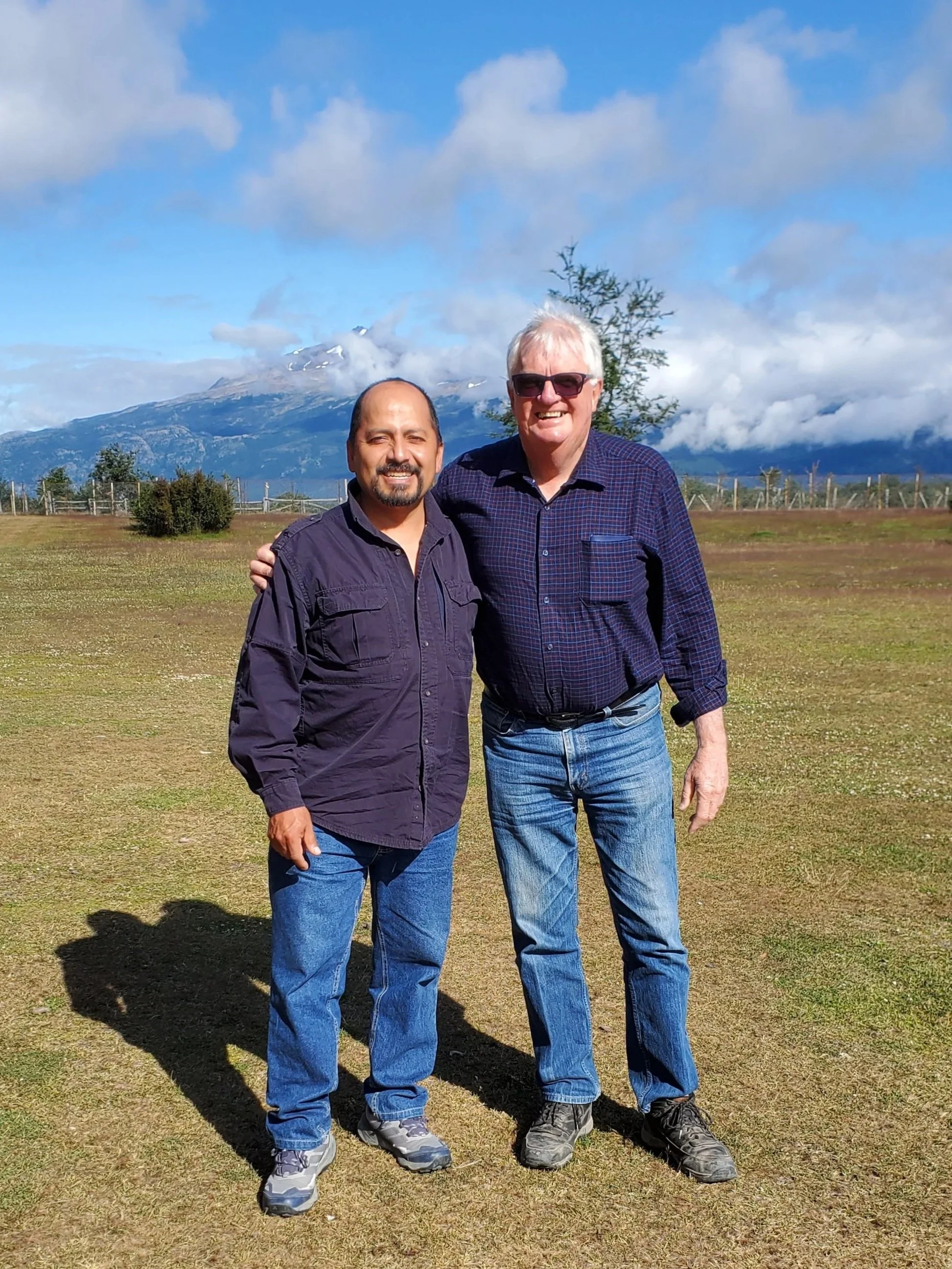
Dr chris carter

Chris is a historical archaeologist with over 25 years’ experience leading tours across Australia and abroad, including more than 30 to South America. He holds a BA (Hons), MA, and PhD from the Australian National University, where his doctoral research focused on excavations in Chile’s Atacama Desert. Since the late 1990s, Chris has dedicated much of his career to this region and contributed to Chile’s successful proposal to have the Inka trails inscribed on the UNESCO World Heritage List.

Read full bio >

Juan Cardenas is a Peruvian Tour Manager, local guide and naturalist with more than 30 years’ experience leading cultural and nature tours across South America. Born and raised in Cusco, he began guiding in 1992 and brings deep knowledge of Andean civilisations through to the Spanish Conquest. He has led tours throughout Peru, Chile, Argentina, Bolivia and Brazil as well as the Galapagos. Juan recently co-led Academy Travel’s inaugural Chile and Patagonia tour.

Read full bio >

Juan Cárdenas

tour ITINERARY

Quito (3 nights), Papallacta (2 nights), Cotopaxi (2 nights), Cuenca (2 nights),
Guayaquil (1 night), Galapagos Charter (7 nights), Guayaquil (1 night)

Included meals are shown with the letters B, L and D
  • Day 1 | Thursday 18 February
    Arrive Quito, Ecuador

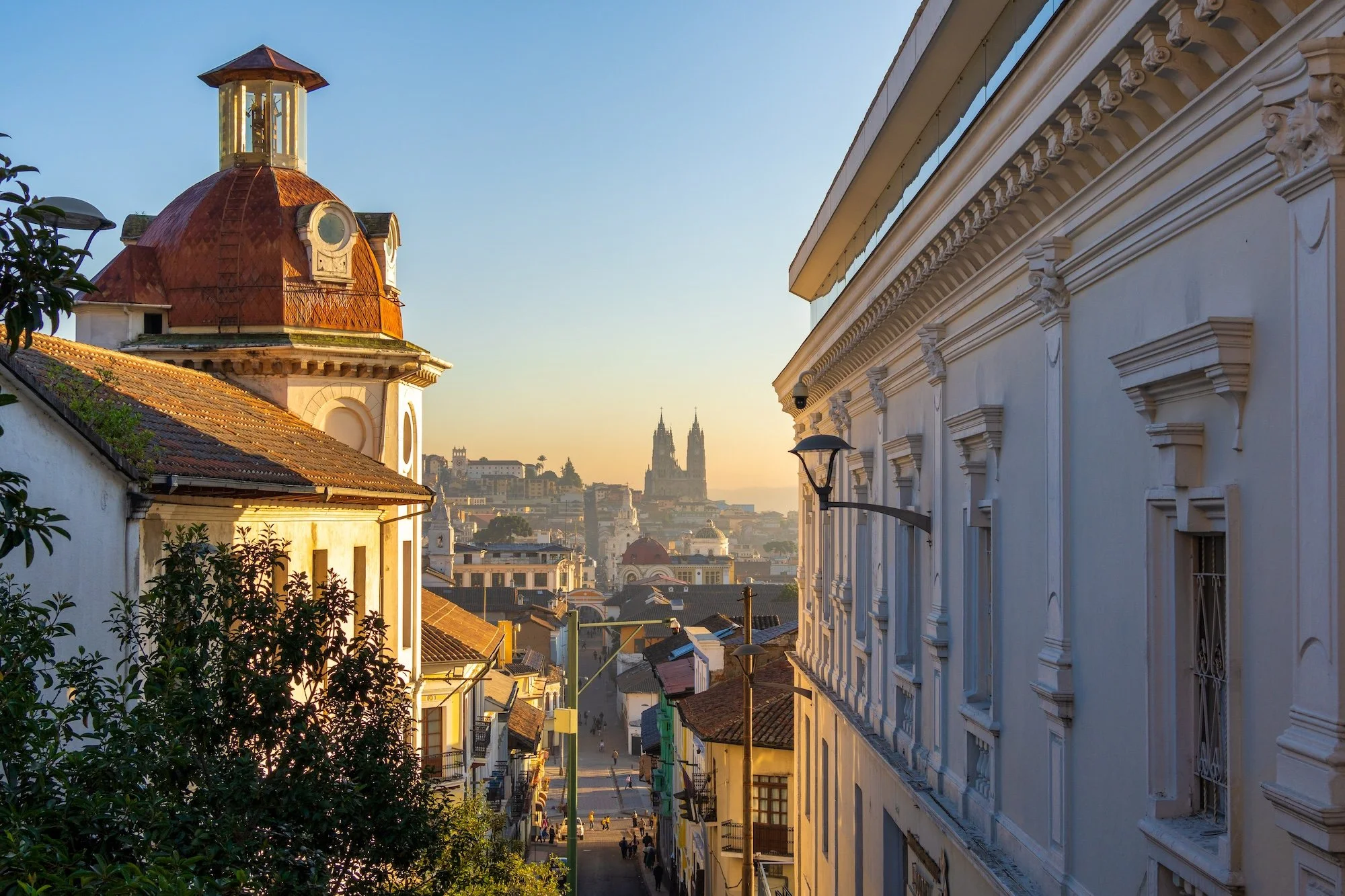
    On arrival in Quito, you will be transferred to our award-winning hotel in the city’s historic centre. In the early evening, we gather for a welcome cocktail and introductions, followed by a lecture that provides an overview of Ecuador’s diverse landscapes and cultural history. We conclude the day with a welcome dinner at our hotel, enjoying fine views across the city. Overnight Quito (D)

  • Day 2 | Friday 19 February
    Historic Quito

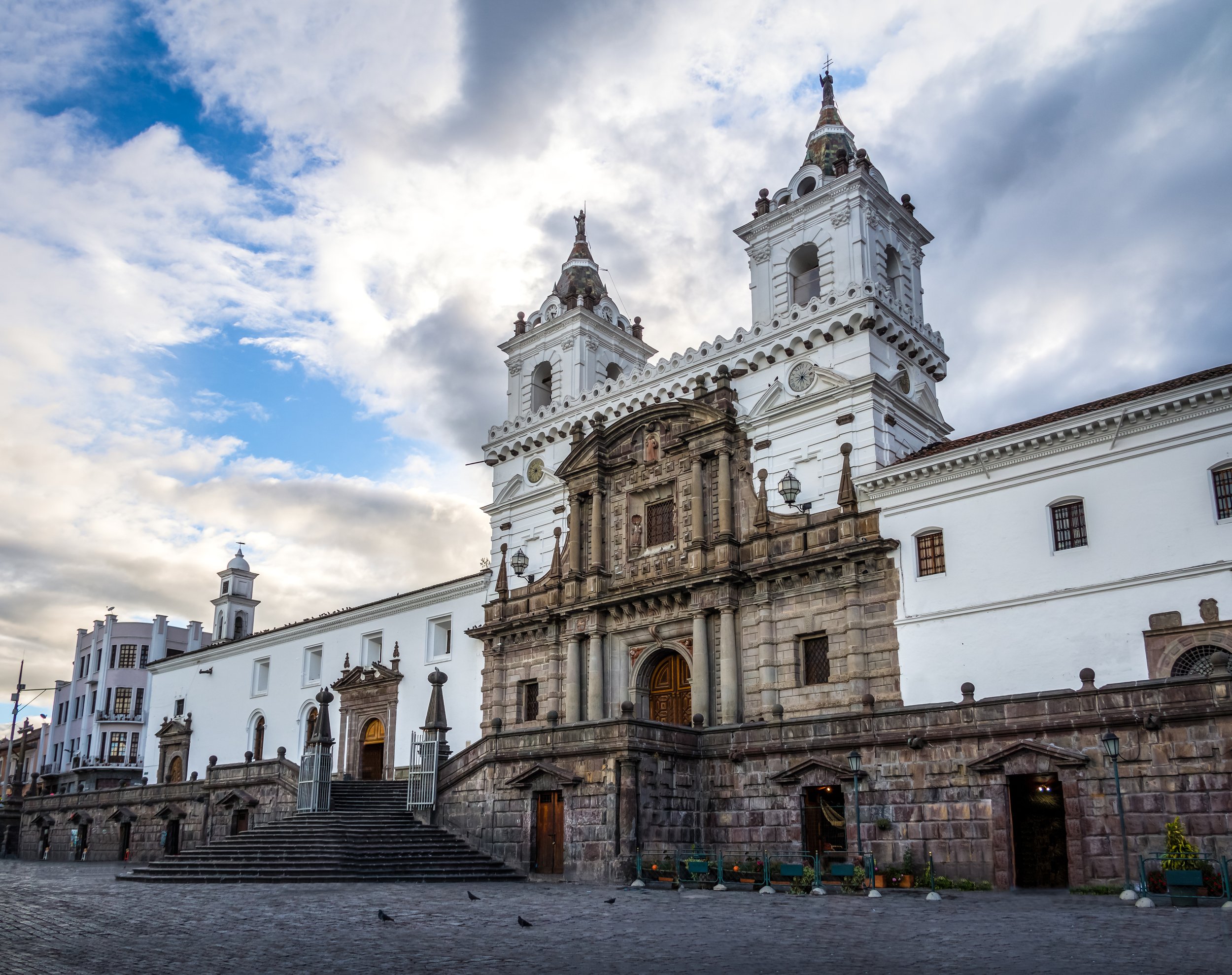
    Quito occupies a dramatic position high in the northern Andes, stretched along a narrow valley beneath volcanic peaks. Shaped by earlier Indigenous settlement and later Spanish colonial planning, the city became a major administrative and religious centre in imperial South America. Its historic centre maintains a well-preserved series of civic spaces, churches and monasteries from the 16th to the 18th centuries. This morning we set out on a walking tour of the historic centre, beginning at La Compañía de Jesús (Church of the Society of Jesus), whose elaborately decorated interior reflects the wealth and religious authority of colonial Quito. We continue through Plaza de Armas, the city’s long-standing political heart, bordered by key institutional buildings including the Presidential Palace. Our walk also takes in the Basilica, whose prominent position and scale speak to later phases of the city’s ecclesiastical development. After a traditional lunch at a local restaurant, we take the cable car to El Panecillo for panoramic views across the city and surrounding Andean landscape, before returning to our hotel. Overnight Quito (B, L)

  • Day 3 | Saturday 20 February
    Exploring the Equator

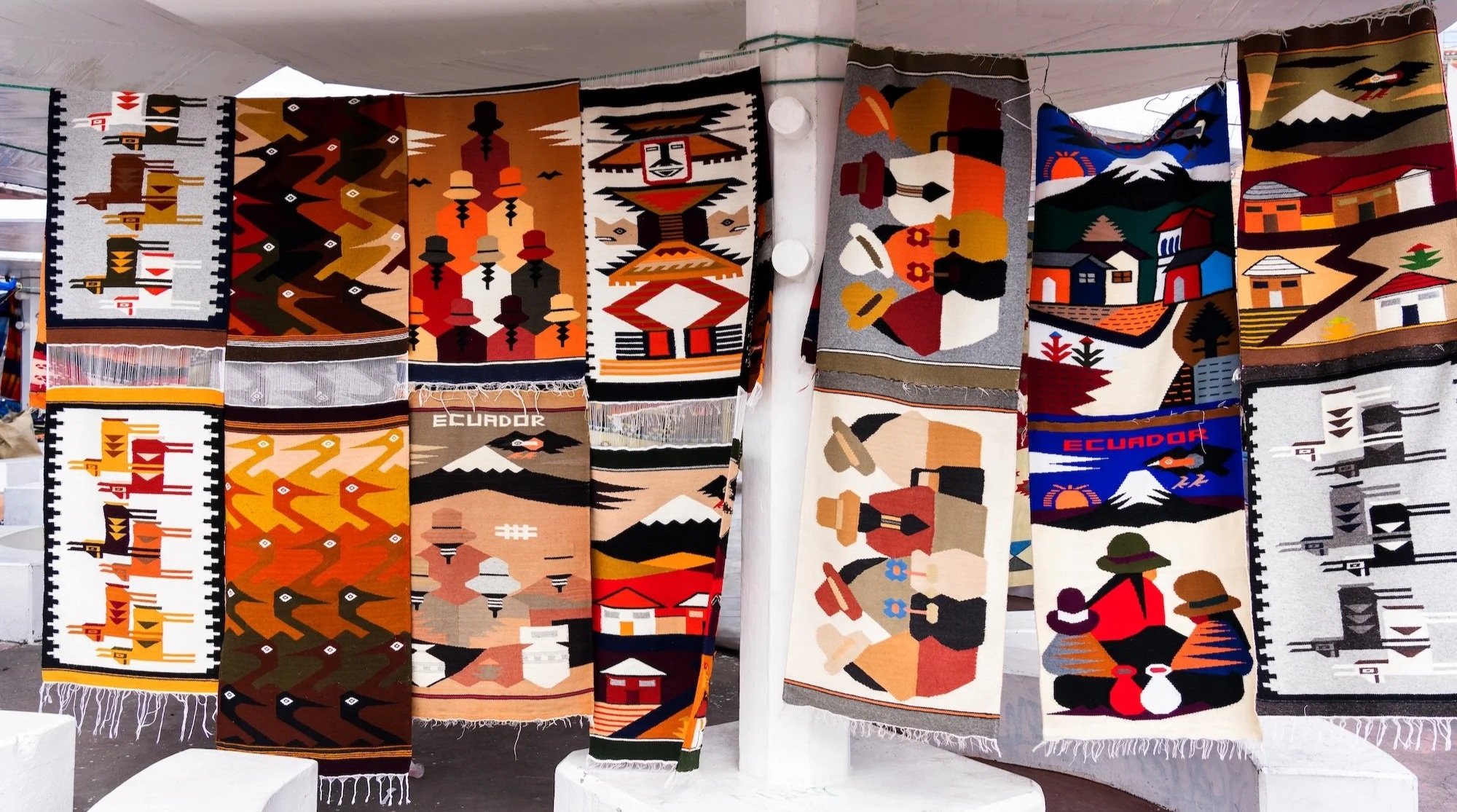
    North of Quito, the Equator runs through the Andean highlands, marking a precise line of latitude that has shaped scientific study and is known as the middle of the world. From the 18th-century French geodesic missions to modern interpretations, this latitude has helped shape Ecuador’s national identity and its place in the history of measurement and exploration. This morning, with a local guide, we explore ‘Mitad del Mundo’ (Middle of the World) and view exhibits that examine latitude, balance and orientation. We then continue into the Otavalo region, known for its enduring Indigenous market culture. There is time to explore the market, celebrated for its textiles, food produce and handicrafts, before enjoying lunch together at a local restaurant. We return to Quito in the afternoon, with free time in the historic centre for independent exploration. Overnight Quito (B, L)

  • Day 4 | Sunday 21 February
    Andean Highlands

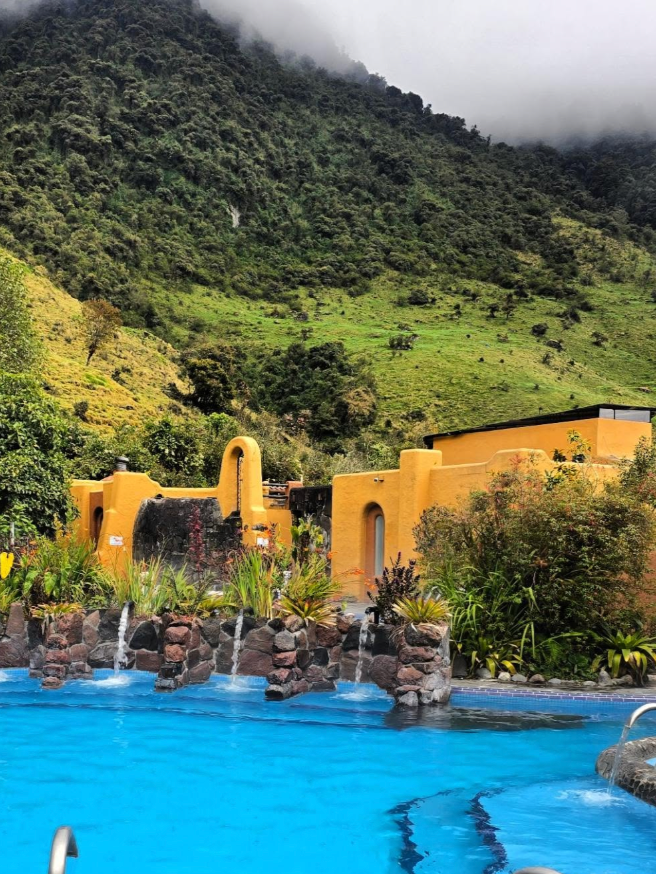
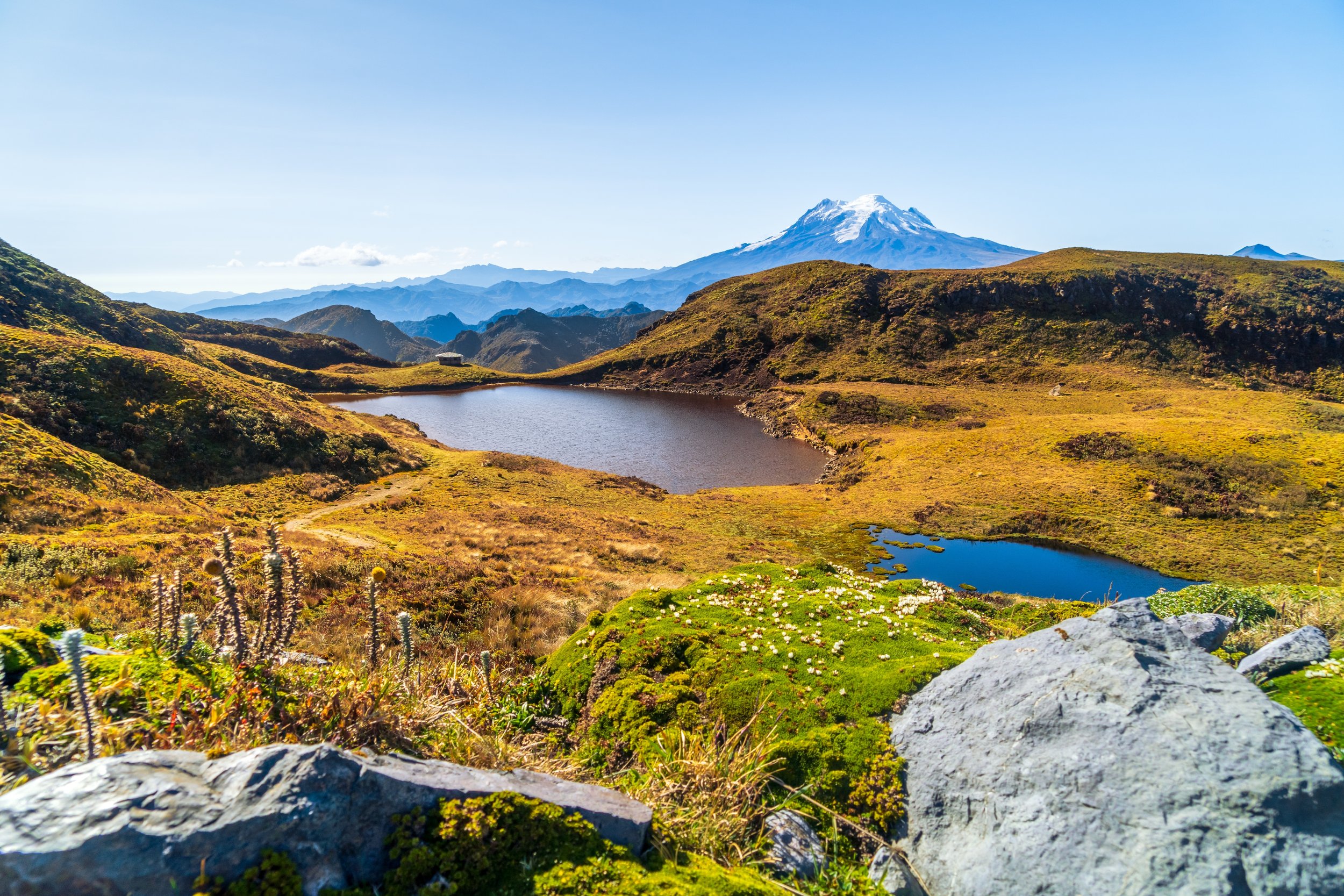
    Departing Quito this morning, we venture east into the Andean highlands toward the volcanic landscapes surrounding Antisana. As the city gives way to open country, the road climbs through a series of high-altitude environments shaped by climate and volcanic activity. Open páramo grasslands alternate with wetlands and lava-strewn slopes, creating a stark and expansive landscape characteristic of Ecuador’s eastern cordillera. This region supports a diverse range of high-altitude birdlife, and the open terrain offers opportunities for sightseeing, with the possibility of Andean condor sightings and, more rarely, spectacled bears. Lunch is enjoyed en route, and by late afternoon we arrive at our hotel in the Andean Highlands. The property is renowned for its natural thermal springs, heated by volcanic activity beneath the surrounding landscape. There is time to enjoy the baths, offering an opportunity to rest and gently adjust to the altitude after the day’s journey. Overnight Papallacta (B, L)

  • Day 5 | Monday 22 February
    Avenue of Volcanoes

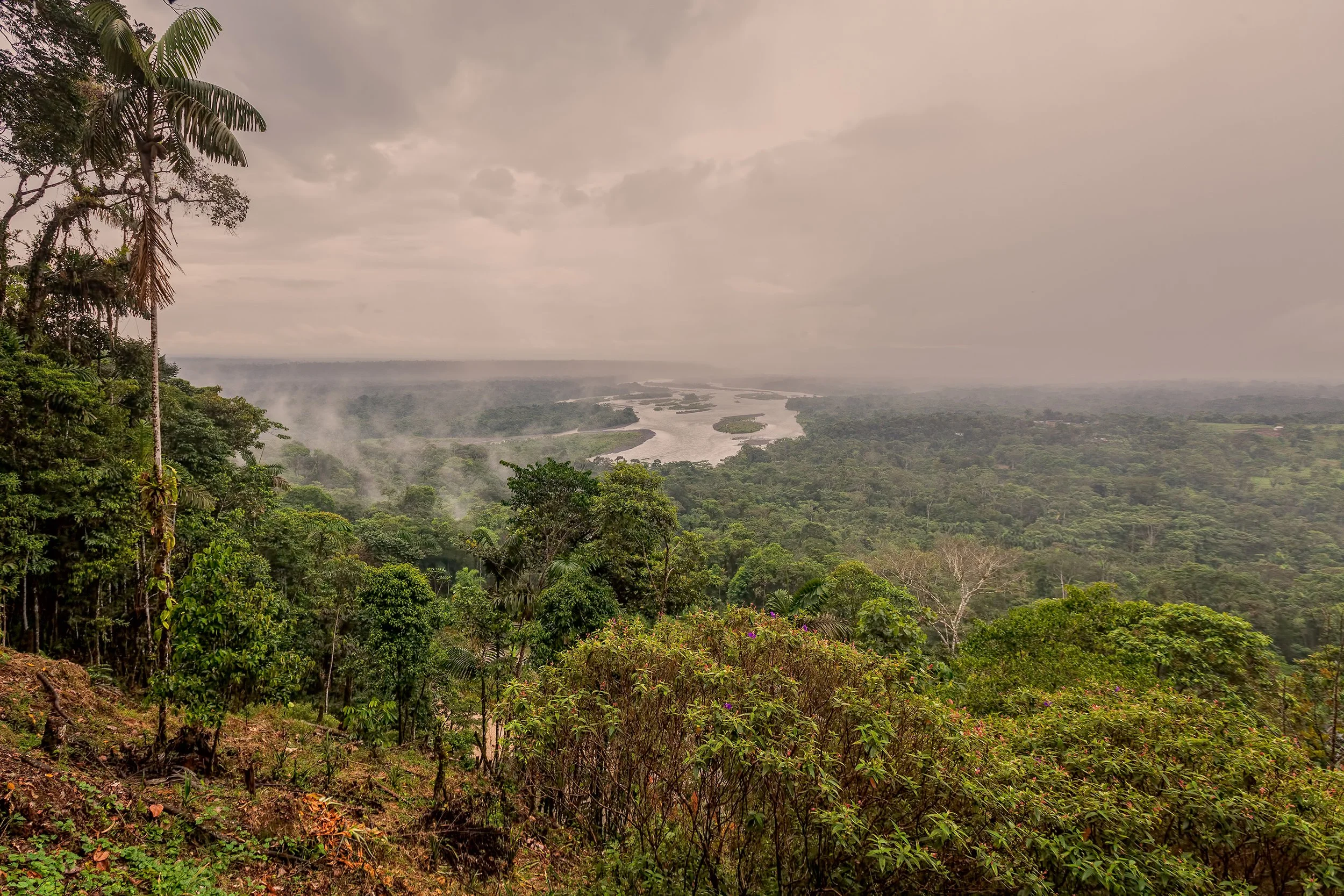
    Much of Ecuador’s Andean highlands lie above the cultivated zone, forming a belt of rugged, high-altitude terrain shaped by volcanic activity, extreme weather and seasonal water systems. Within this landscape lies the páramo – an open environment of grasslands, wetlands and rocky outcrops that plays a critical role in regulating water flow from the mountains to the lowlands below. Today, our drive to Guango Lodge – a small eco-lodge and private nature reserve on the eastern slopes of the Andes – takes us across this highland environment. Travelling through the páramo, we enjoy wide views over the main Andean range, where active and dormant volcanoes punctuate the horizon, before descending toward the cloud forests that signal the transition to the Amazonian basin. At Guango Lodge, surrounded by native forest, feeders, trails and riverine habitats, we encounter bird and plant species characteristic of the cloud forest and upper Amazon region. Lunch is enjoyed at the lodge, featuring homemade Ecuadorian food, before we return to Papallacta. We arrive in the late afternoon, with time to relax in the natural thermal springs of the hotel. Overnight Papallacta (B, L)

  • Day 6 | Tuesday 23 February
    Old Colonial Hacienda

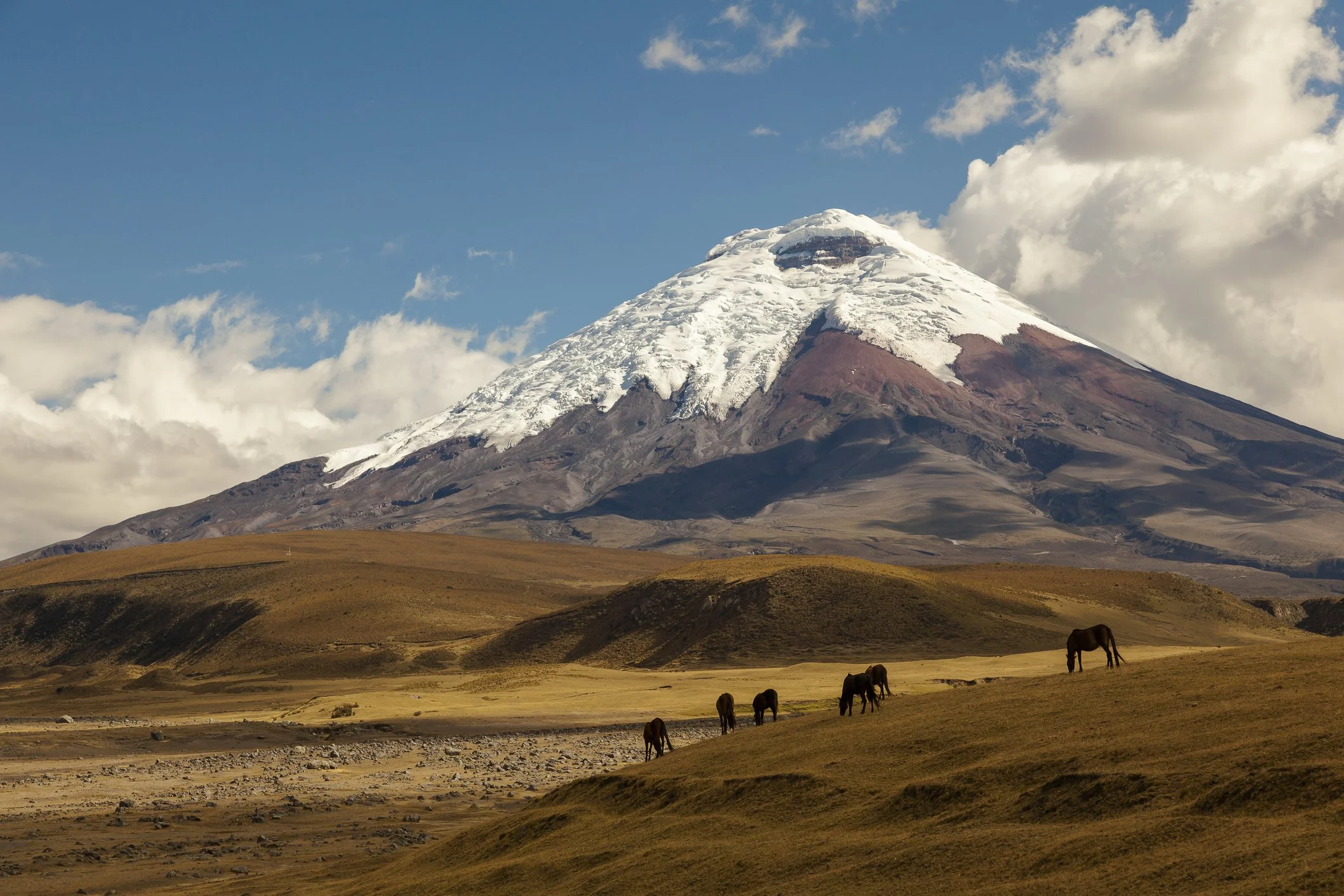
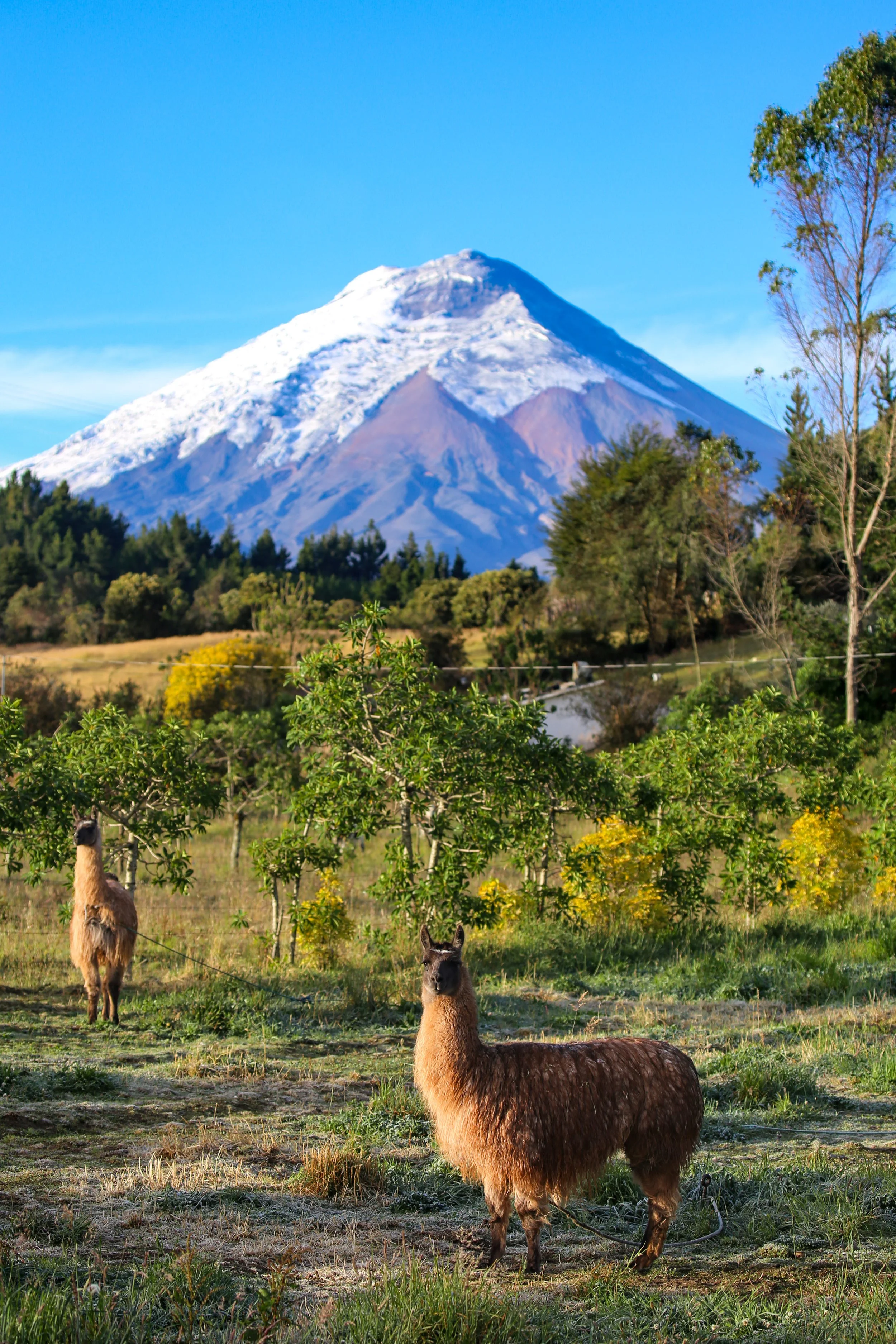
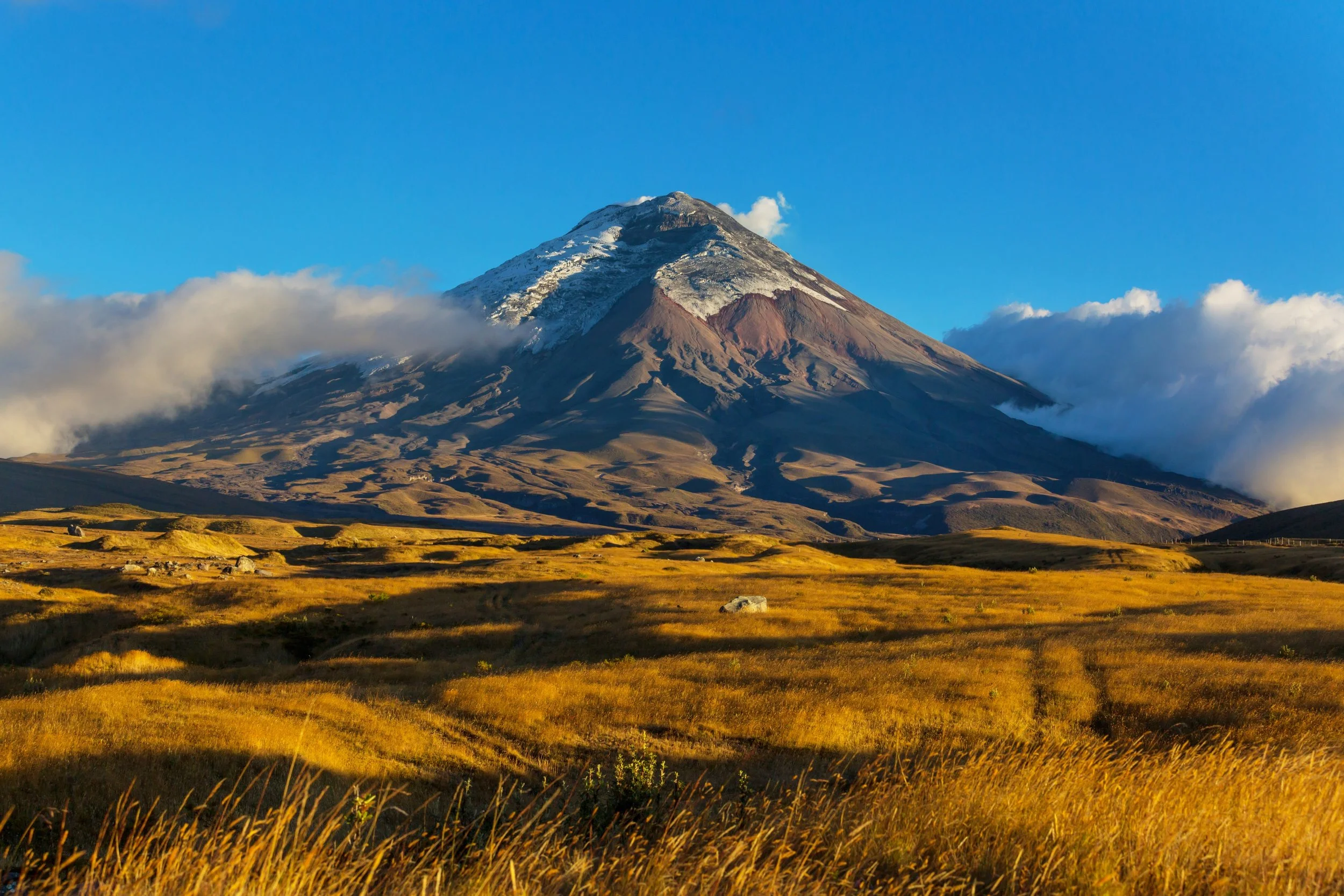
    The central Andean highlands are defined by dramatic volcanic landscapes, shaped over centuries by pre-Columbian settlement, Inca expansion and later rural land use. Today we travel south into Cotopaxi National Park, where the near-perfect cone of Cotopaxi rises steadily into view, dominating the surrounding páramo. Our destination is La Ciénega Hacienda, one of Ecuador’s oldest historic estates. Constructed from 1695 by Matheo de la Escalera y Velasco using locally quarried volcanic stone, the hacienda later became a prominent rural residence, closely associated with the region’s landowning elite. Over centuries, it has played a role in key moments of Ecuador’s social and political history. Arriving in the late afternoon, there is time to settle in before enjoying dinner at the hacienda. Overnight Cotopaxi (B, D)

  • Day 7 | Wednesday 24 February
    Cotopaxi National Park

    Cotopaxi National Park was established in the mid-20th century to protect one of Ecuador’s most significant volcanic landscapes and the high-altitude ecosystems of the central Andes. Long before its designation as a national park, this region formed part of Indigenous trade routes, was later incorporated into Inca imperial territory, and in the colonial period reorganised around haciendas and pastoral farming.We spend a full day exploring the park, following established trails through its open highland landscapes. The area supports a range of high-altitude bird species, including hummingbirds and waterfowl, and there are opportunities to observe native mammals such as vizcacha and camelids, as well as llamas and alpacas grazing across the plains. At lunchtime, we visit Hacienda San Agustín de Callo, a working farm built on the foundations of a 15th-century Inca palace and one of the northernmost surviving examples of imperial Inca stone construction beyond Cusco. On return to our hotel later in the afternoon, the evening is at leisure. Overnight Cotopaxi (B, L)

  • Day 8 | Thursday 25 February
    Ingapirca Ruins

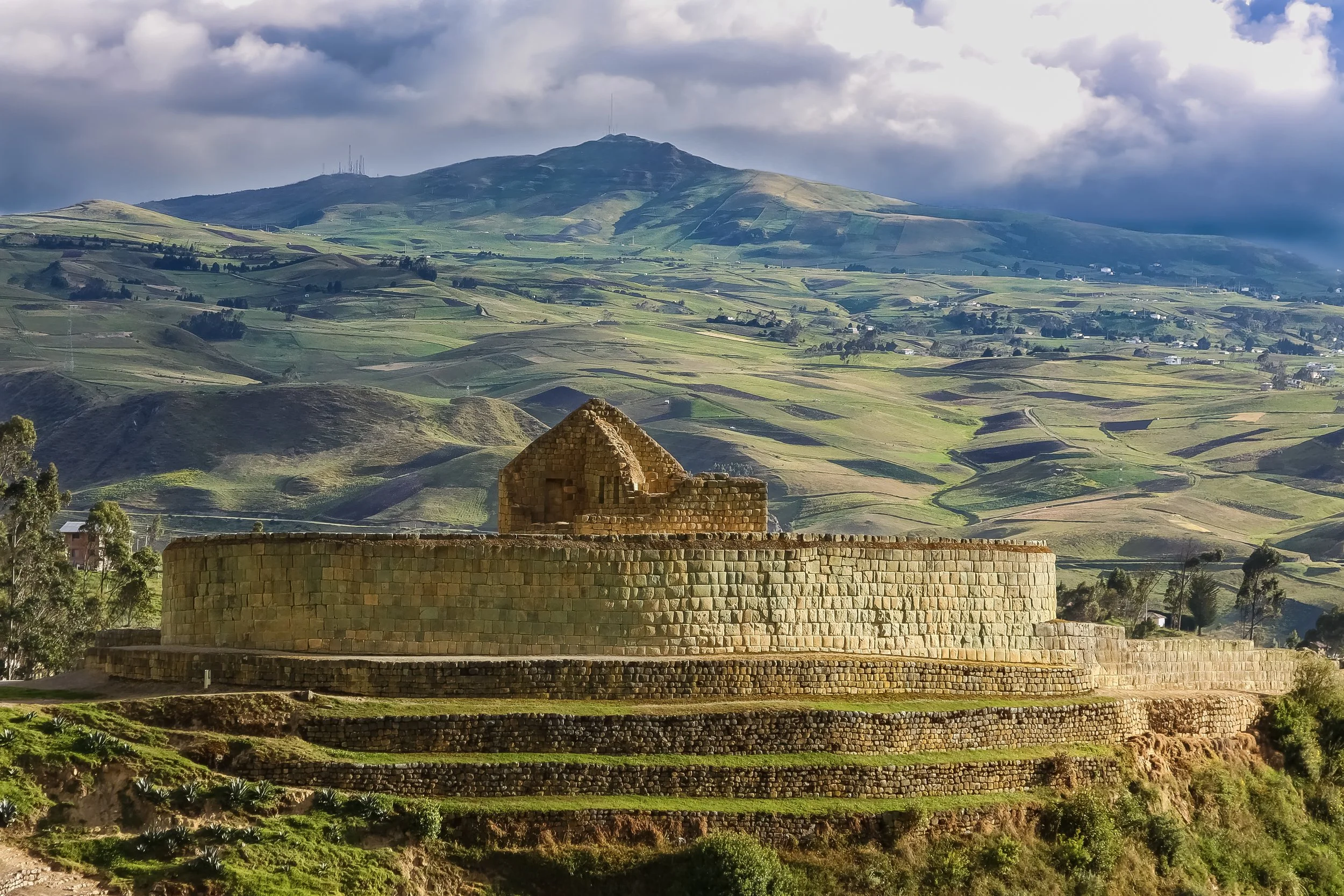
    By the late 15th century, the Inca Empire (c. 1438–1533), known as Tawantinsuyu, was the largest pre-Columbian empire in the Americas, stretching over 4,000kms along the Andes from present-day Colombia to Chile, with Cusco as its capital. Ecuador bordered this Empire to the north, where Inca authority was demonstrated through a network of administrative and ceremonial sites. After an early breakfast, we continue our journey south to Ingapirca – the most significant and well-preserved of these Inca sites. En route, we stop in Alausí for an early lunch before exploring the complex. Its most notable structure is the Temple of the Sun, an elliptical building carefully constructed around a natural rock outcrop and aligned with astronomical and ritual functions. In the afternoon, we continue to Cuenca, where, after checking into our hotel, the evening is at leisure. Overnight Cuenca (B, L)

  • Day 9 | Friday 26 February
    Colonial Cuenca

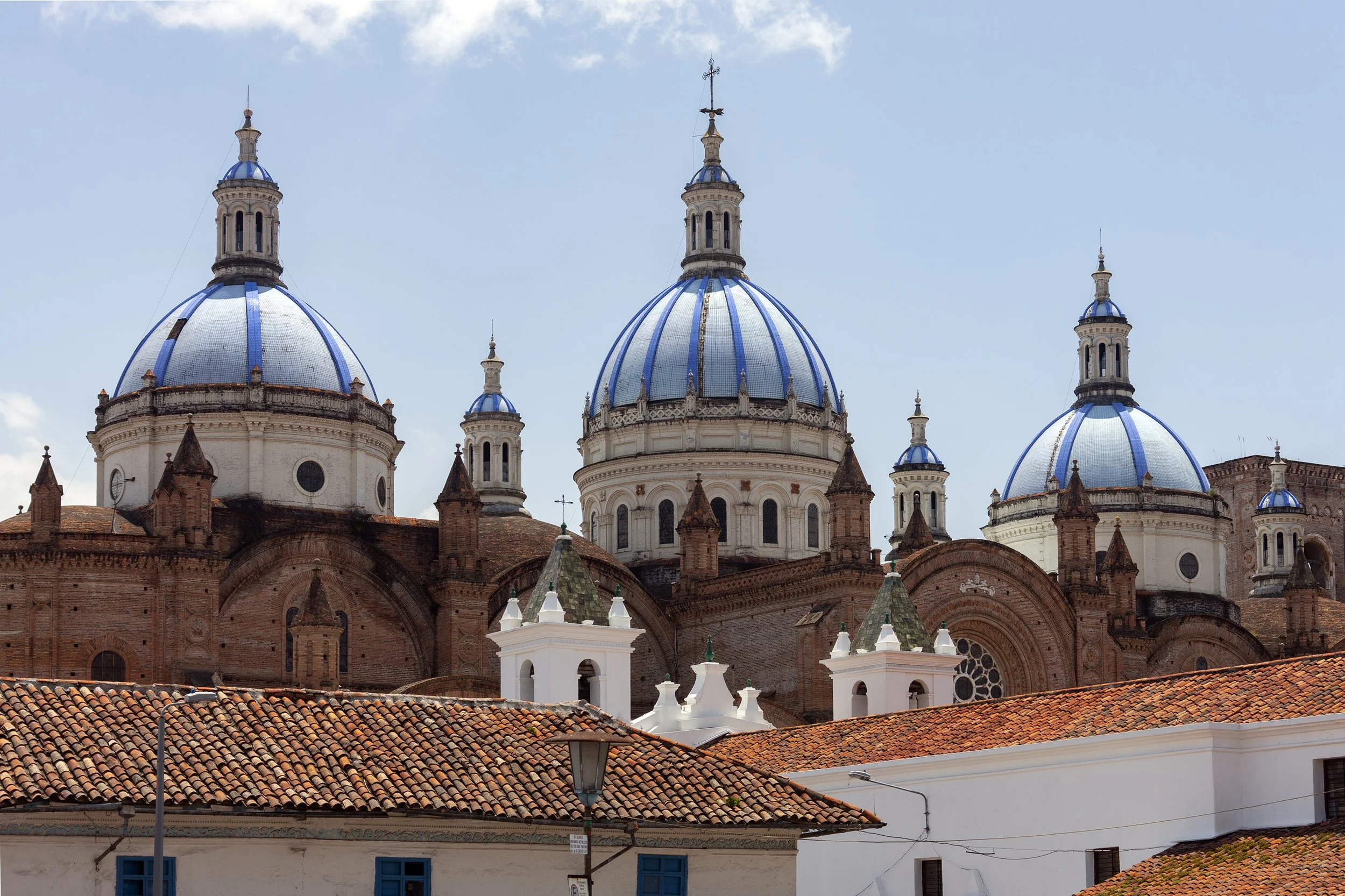
    Founded in 1557 by Spanish explorer Gil Ramírez Dávalos on the site of the former Inca city of Tomebamba, Cuenca developed as a regional centre of colonial administration and religion. Its historic core has been recognised as a UNESCO World-Heritage site, noted for its well-preserved urban plan and use of local building traditions. This morning we explore the city and its layered history, including the Temple of Pachacutec, the Museo de las Culturas Aborígenes and the Museo de Pumapungo, whose collections illuminate the region’s Indigenous heritage and Inca presence in southern Ecuador. Cuenca is also renowned for its ‘sombreros de paja toquilla’, internationally known as Panama hats, and before lunch we visit a local hat workshop to observe this finely skilled weaving tradition. Lunch is then enjoyed at a traditional local restaurant, after which the remainder of the day is free for independent exploration. Overnight Cuenca (B, L)

  • Day 10 | Saturday 27 February
    Guayaquil

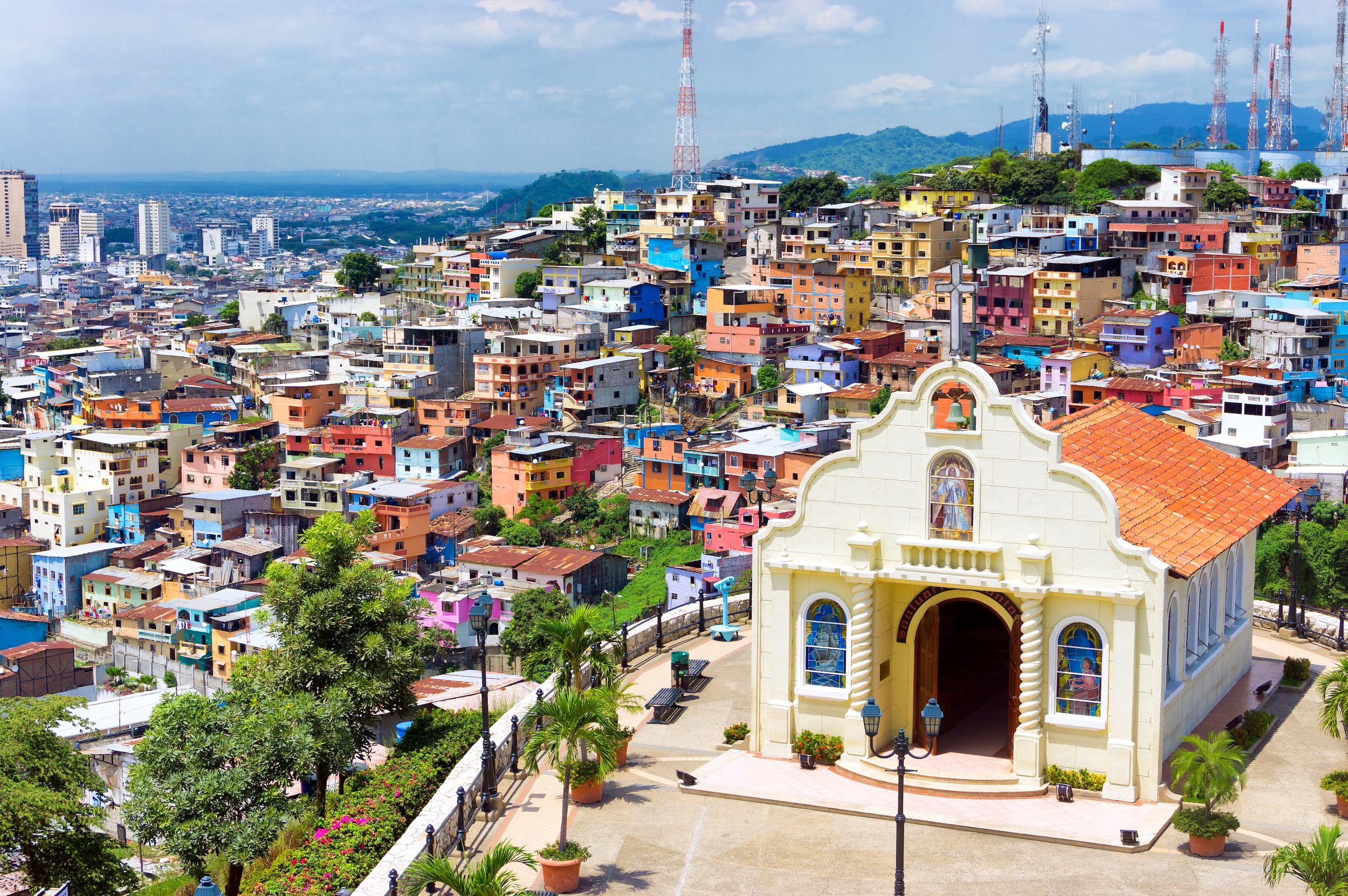
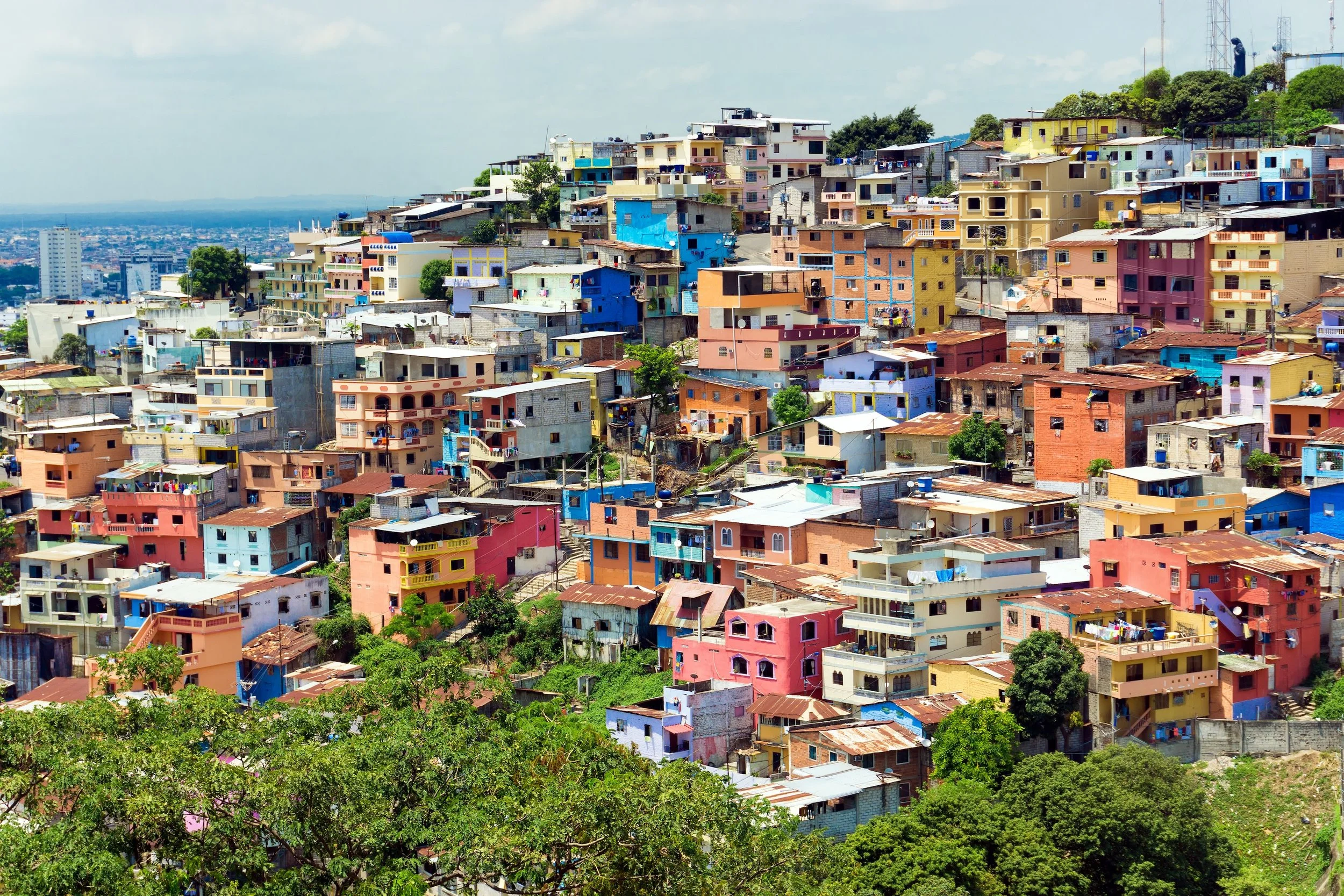
    This morning is set aside to visit Cuenca’s local artisan markets, where stalls offer fresh produce, prepared foods, textiles and household goods from the surrounding highlands, alongside specialist crafts including Panama hats. We then depart for Guayaquil, travelling westward through a succession of highland landscapes. Our route passes through Las Cajas National Park, a protected area renowned for its glacial lakes, rolling grasslands and cloud forests that play a vital role in regional water systems. Lunch is enjoyed nearby at Hostería dos Chorreras, overlooking waterfalls and a trout pond set amid the surrounding highlands. Continuing our journey, we take in final views of Ecuador’s highland ecosystems before the road descends toward the Pacific lowlands. By late afternoon, we arrive in Guayaquil, Ecuador’s principal port city on the Guayas River. Overnight Guayaquil (B, L)

  • Day 11 | Sunday 28 February
    To the Galapagos | Expedition by Sea

    Today marks the start of our Galápagos journey, with a morning flight from Guayaquil to Baltra Island in the heart of the Galápagos Archipelago. On arrival, we meet our naturalist guides and board the Coral I, our base for the week. Spread across three decks, the vessel offers comfortable indoor and outdoor spaces for relaxed observation and shared meals as we begin navigating the archipelago. After lunch on board, we cruise the short distance to North Seymour Island. Here we embark on a guided walk across its open terrain, renowned for its birdlife, including frigatebirds and other endemic species. There is also an opportunity to snorkel in the surrounding waters, offering a first introduction to the Galápagos’ rich marine environments. We return to the vessel in the late afternoon, with time to relax on deck and enjoy sweeping ocean views. Overnight Coral I (B, L, D)

  • Day 12 | Monday 1 March
    Santa Cruz & Mosquera Islands

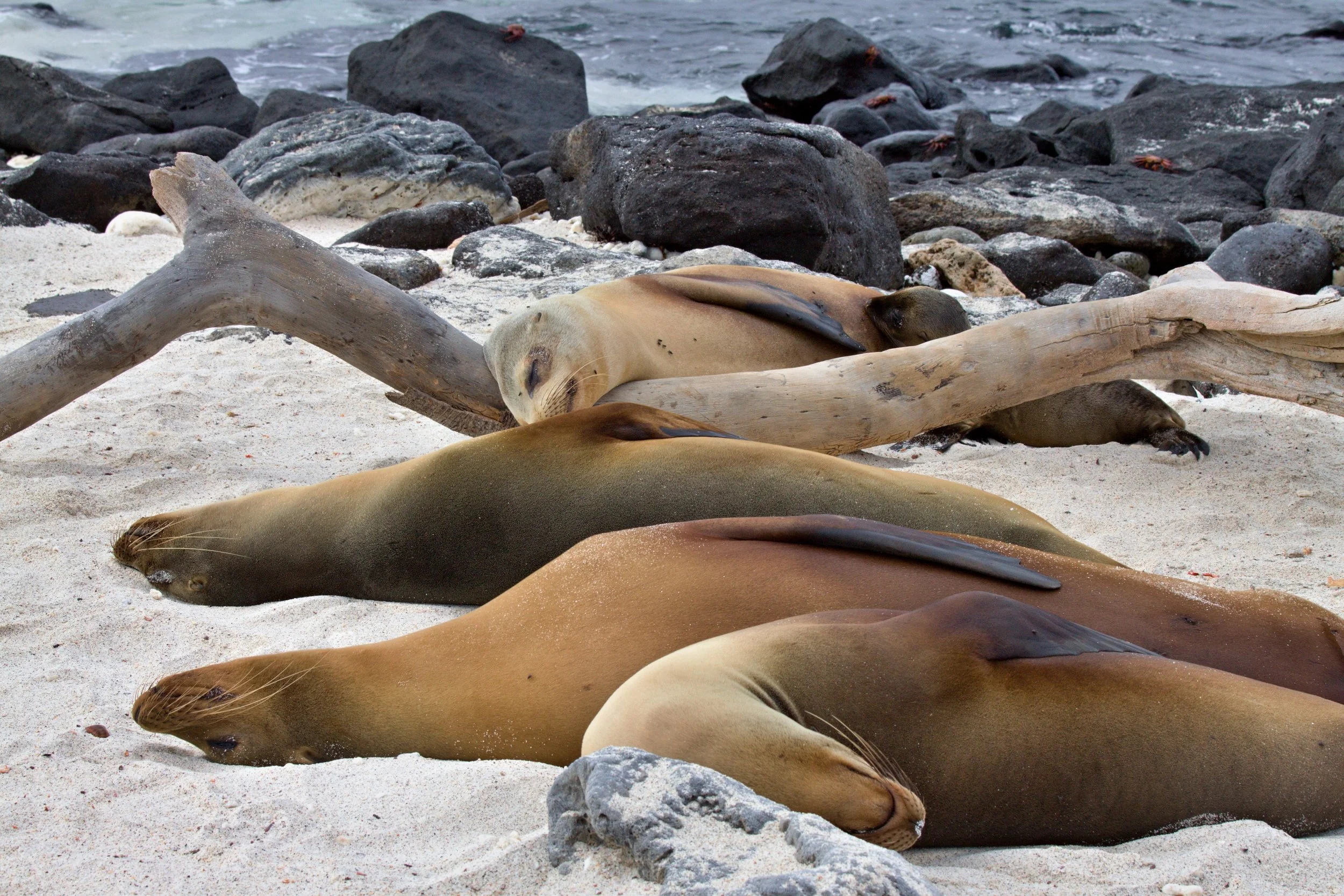
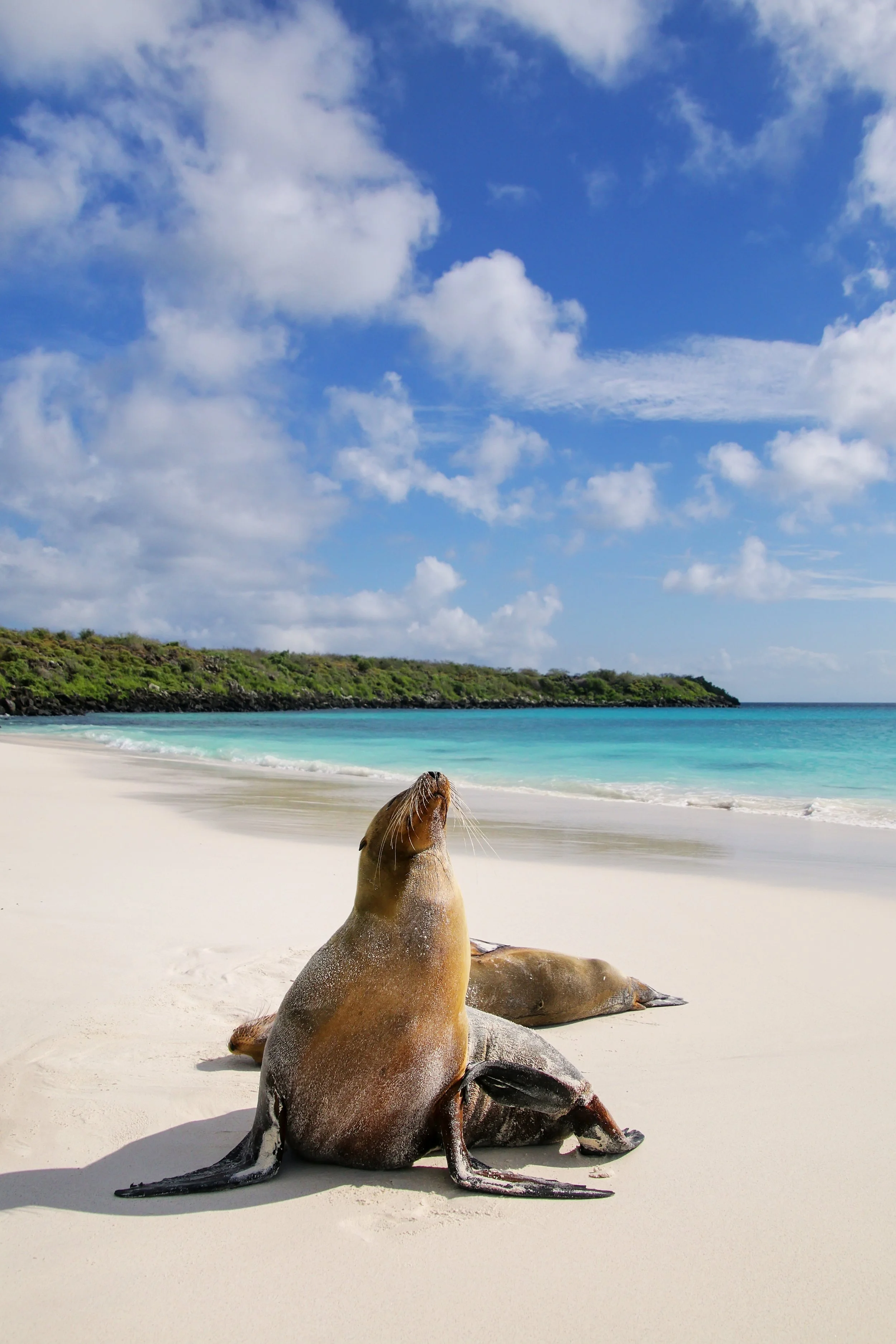
    The Galápagos Islands entered global scientific history through the observations of Charles Darwin, whose visit in 1835 helped shape his ideas on natural selection. Today, the archipelago remains a vital centre for research and conservation, and our morning visit to Santa Cruz Island includes the Charles Darwin Research Centre, which introduces the programs guiding the protection of the islands. It was also once home to Lonesome George, the last giant tortoise of the Pinta Island lineage. After lunch on board, we continue around Santa Cruz to Mosquera, a tiny Galapagos island with white sand beach, black lava rocks and turquoise waters. The shoreline is home to a resident colony of sea lions and attracts a range of shorebirds, while the surrounding waters offer good snorkelling conditions with the chance to see rays, reef sharks, barracuda and schools of fish. As walking on the islet involves uneven lava rock terrain, there is the option to remain on board and enjoy the views. Overnight Coral I (B, L, D)

  • Day 13 | Tuesday 2 March
    South Plaza & Santa Fe Islands

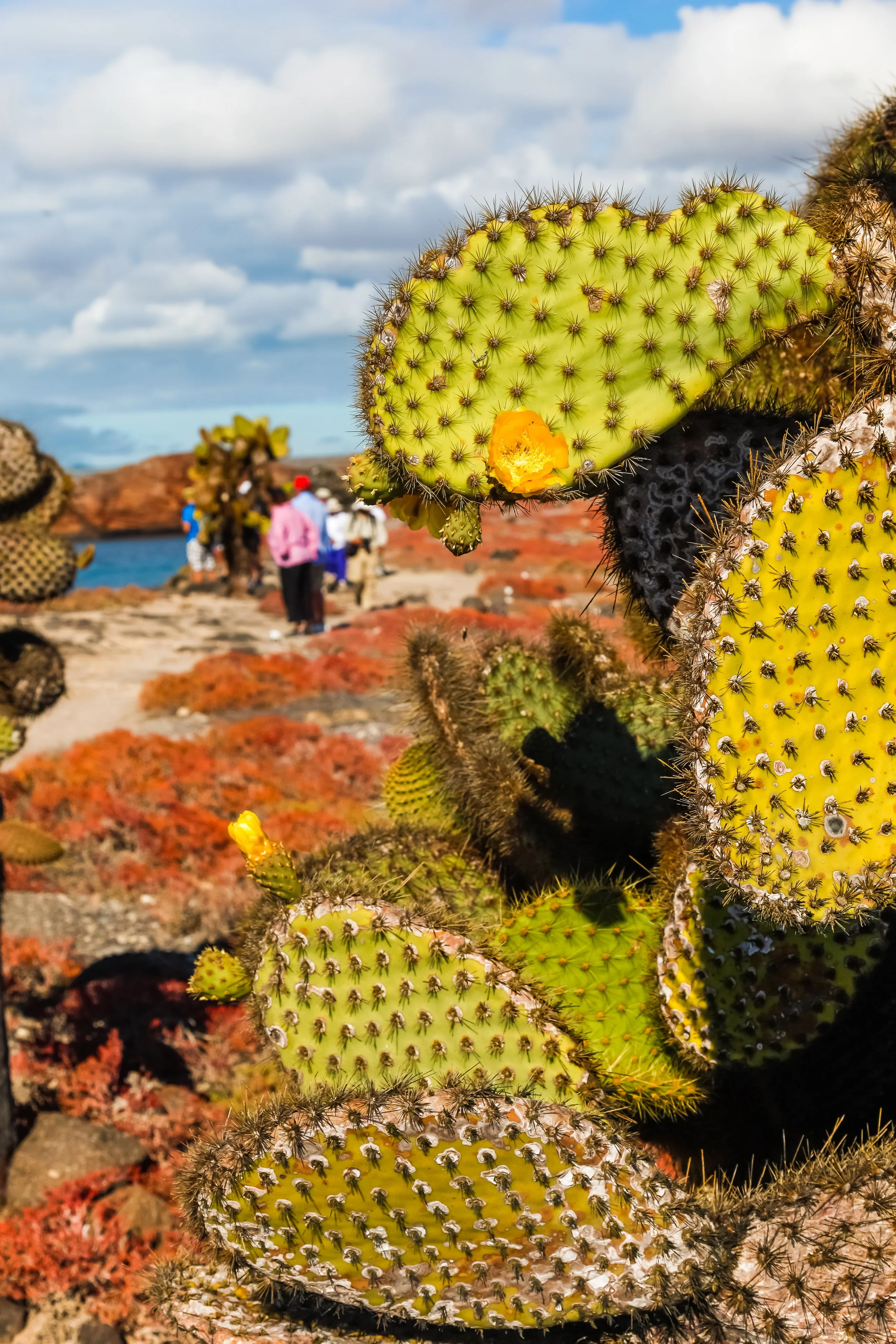
    The small islands of the central Galápagos illustrate one of the archipelago’s defining features: how isolation, geology and limited resources have driven highly specialised forms of life. Variations in terrain and vegetation from island to island have produced distinct adaptations, making even neighbouring islands ecologically unique. Overnight, we reposition to South Plaza Island, waking to views of its low cliffs and cactus-studded slopes. After breakfast, we disembark for a guided morning walk. The landing area is often busy with sea lions, swallow-tailed gulls and land iguanas, while the island’s vivid ground cover of red succulents is punctuated by tall Opuntia cacti. Near the cliff edge, we can observe seabirds in flight, including frigatebirds, Galápagos shearwaters and, with luck, red-billed tropicbirds. After lunch on board, we then make our way to Santa Fe Island – renowned as one of the oldest (approx. 4 million years) in the archipelago. Landing on a sandy beach, we spend time observing the resident sea lion colony and keep watch for the Santa Fe land iguana. There is then time to snorkel in the clear, sheltered waters of the bay, with the chance to encounter sea lions, turtles, reef sharks and spotted eagle rays. Those who prefer not to snorkel may enjoy a dinghy ride or remain on board. Overnight Coral I (B, L, D)

  • Day 14 | Wednesday 3 March
    Isla Lobos & the Interpretation Centre

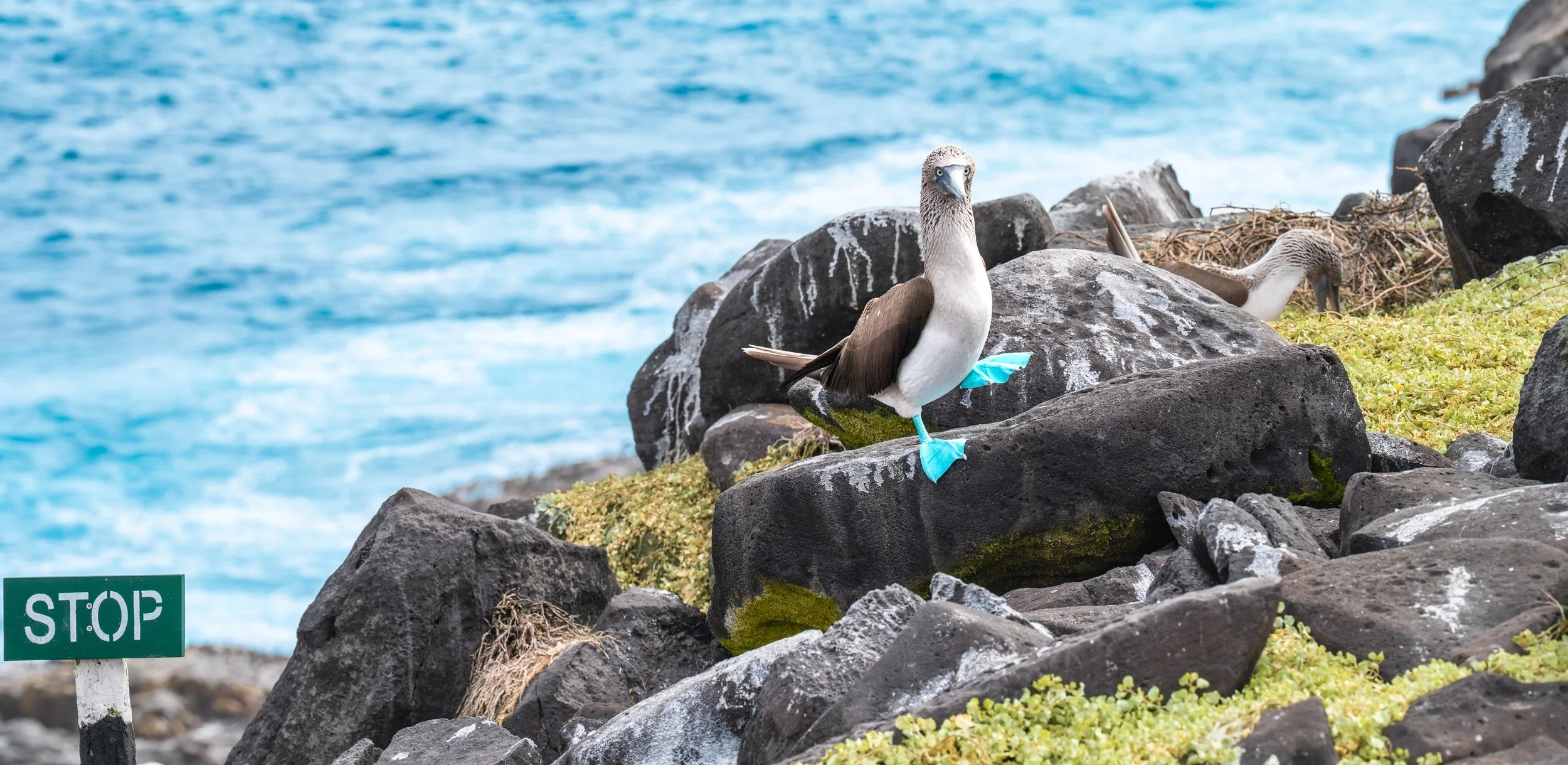
    San Cristóbal, the easternmost island in the archipelago, occupies a pivotal place in the Galápagos narrative as the site of early human settlement and the first island visited by Charles Darwin in 1835. We begin today with a visit to Isla Lobos, located just off San Cristóbal’s west coast and a short distance from Puerto Baquerizo Moreno, the capital of the Galápagos Province. After landing, we follow a walking trail that combines rocky sections with easy sandy paths along the coast. The island supports a small nesting population of blue-footed boobies and great frigatebirds, offering excellent opportunities for relaxed wildlife observation. In the afternoon, we continue along the coast to Puerto Baquerizo Moreno for a visit to the Interpretation Centre. This modern centre provides a clear overview of the islands’ geological origins, ecosystems and conservation efforts. From here, we follow a coastal trail to Frigatebird Hill, named for the frigatebirds that nest in the area, where two species are commonly seen alongside sweeping views across the bay and surrounding coastline, before returning to our vessel for the evening. Overnight Coral I (B, L, D)

  • Day 15 | Thursday 4 March
    San Cristóbal Island

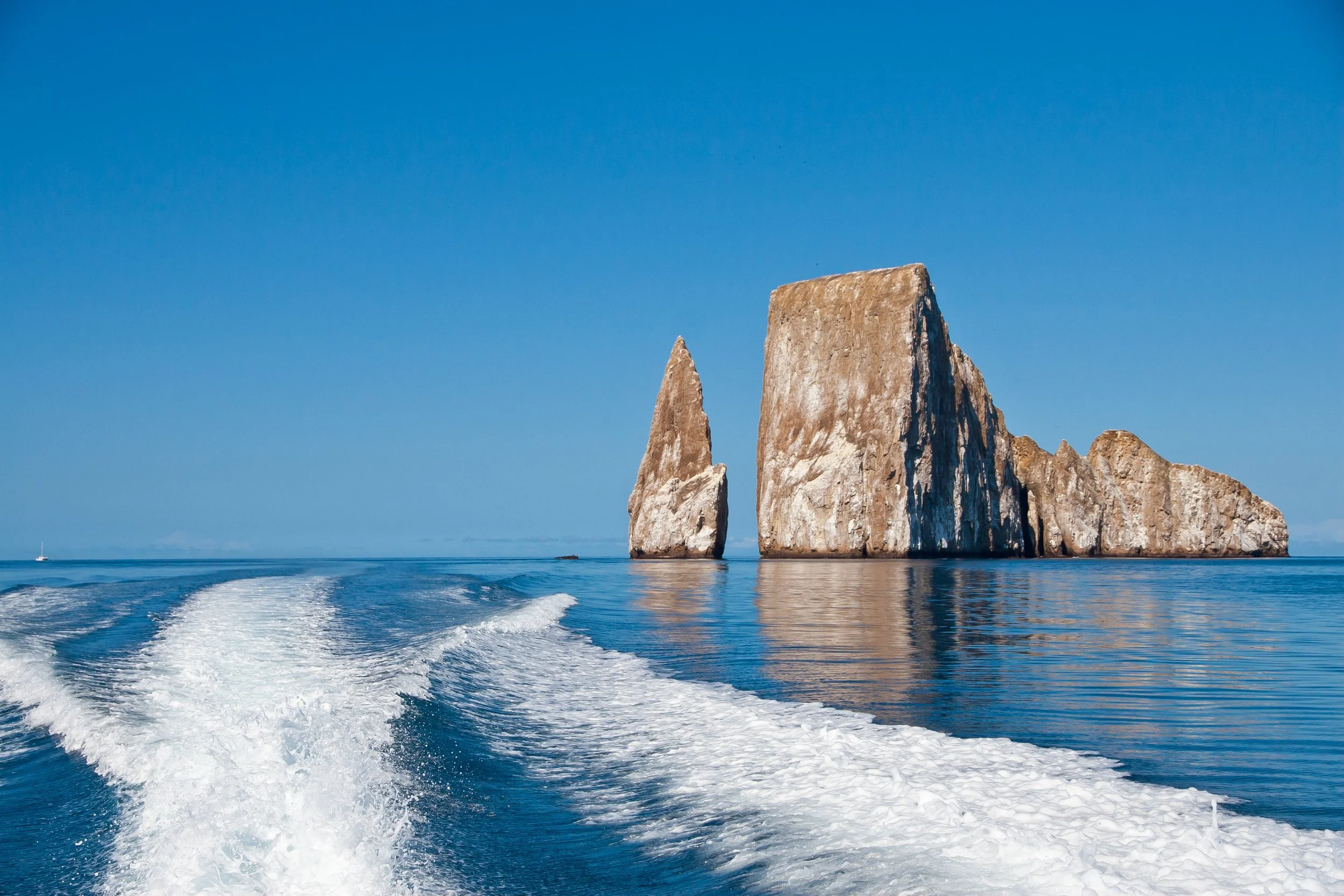
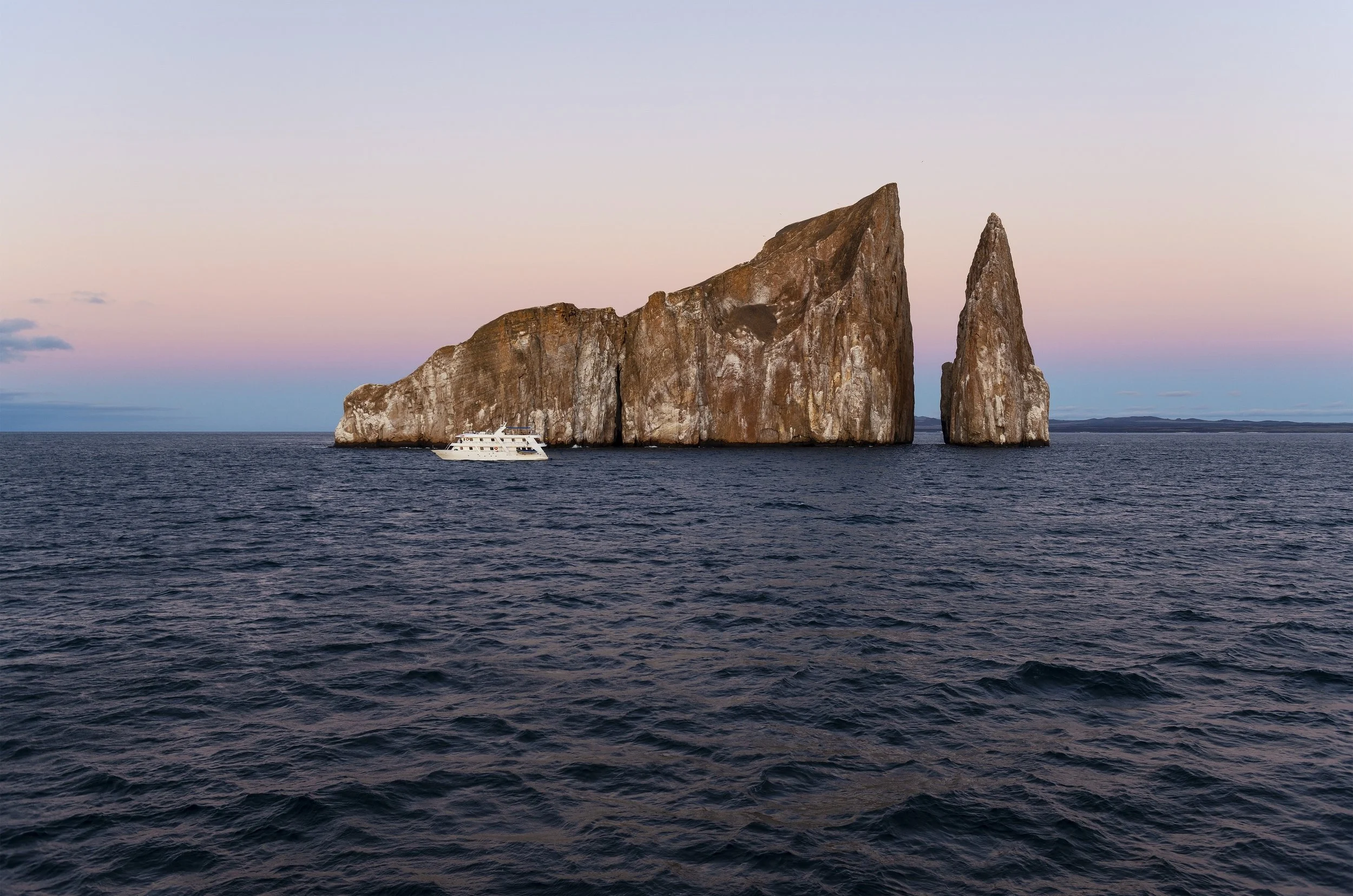
    The waters surrounding San Cristóbal Island are shaped by deep channels and strong currents that sustain some of the eastern Galápagos’ richest marine ecosystems. Travelling this morning along the island’s northern coast toward the white sand beach of Cerro Brujo, we cruise past Kicker Rock (León Dormido) – one of the archipelago’s most dramatic landmarks, where eroded volcanic towers rise from waters renowned for their abundant marine life. Heading ashore at Cerro Brujo, we view the stunning cliffs of ‘Sorcerer’s Hill’, where exposed rock layers reveal the island’s volcanic history. The visit here is flexible: you may relax on the beach among sea lions, snorkel from shore in sheltered waters, or walk inland to a quiet lagoon that attracts birdlife such as black-necked stilts, whimbrels and white-cheeked pintails. In the afternoon, there is the option to join a hike to Punta Pitt, one of the few places in the Galápagos where all three booby species can be seen together. Red-footed boobies perch in low trees, Nazca boobies nest near the cliff edges, and blue-footed boobies are typically found further inland. Overnight Coral I (B, L, D)

  • Day 16| Friday 5 March
    Española Island

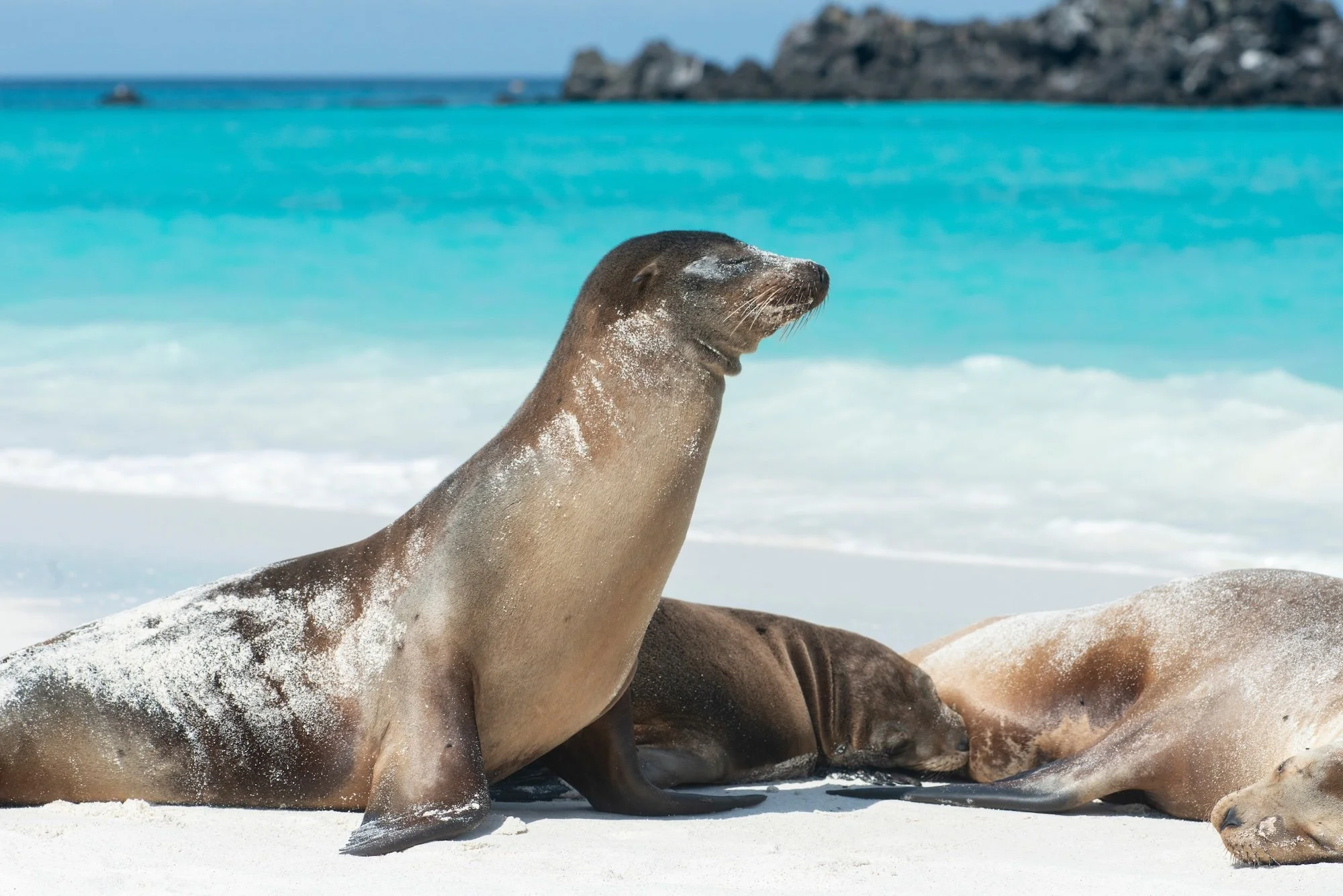
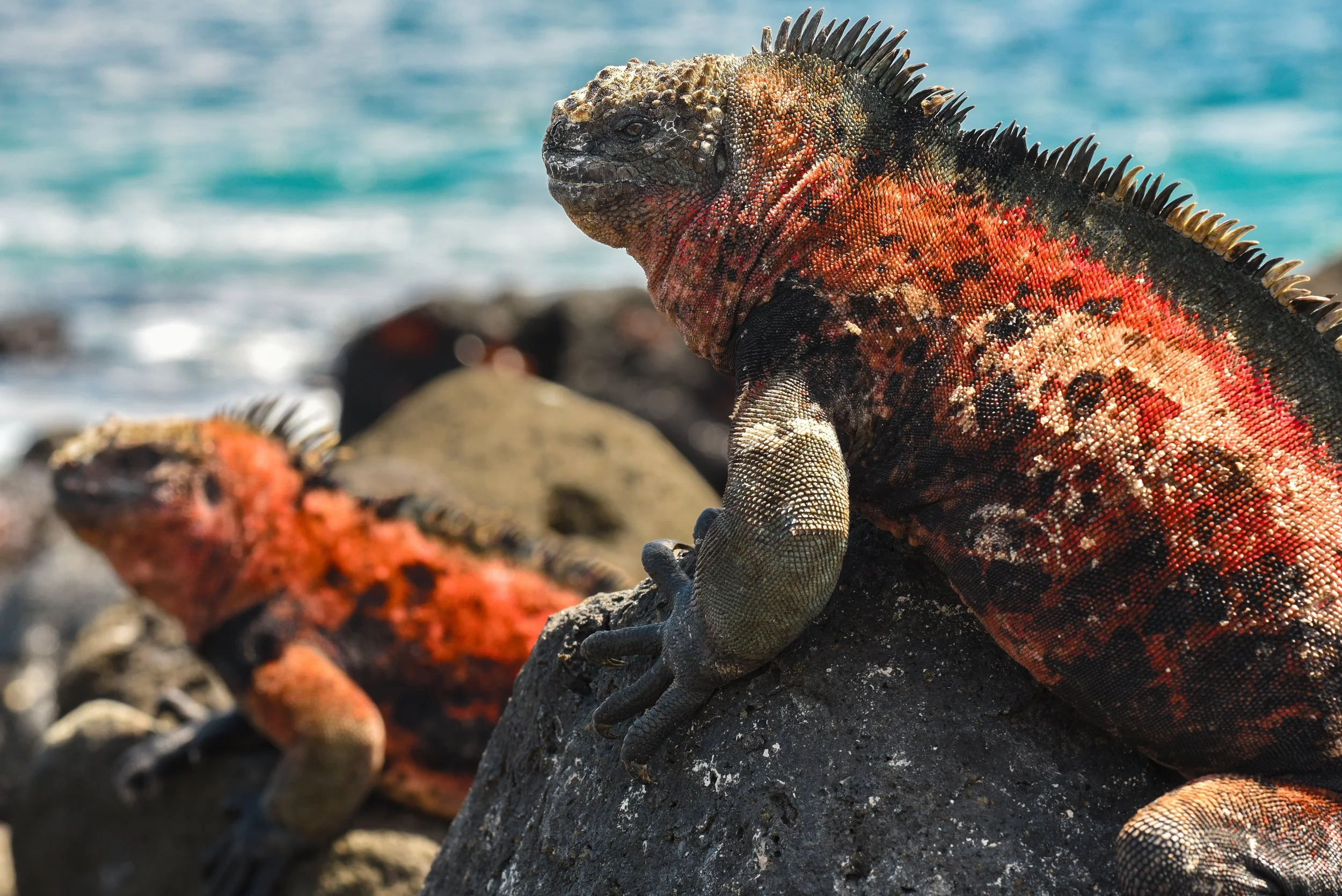
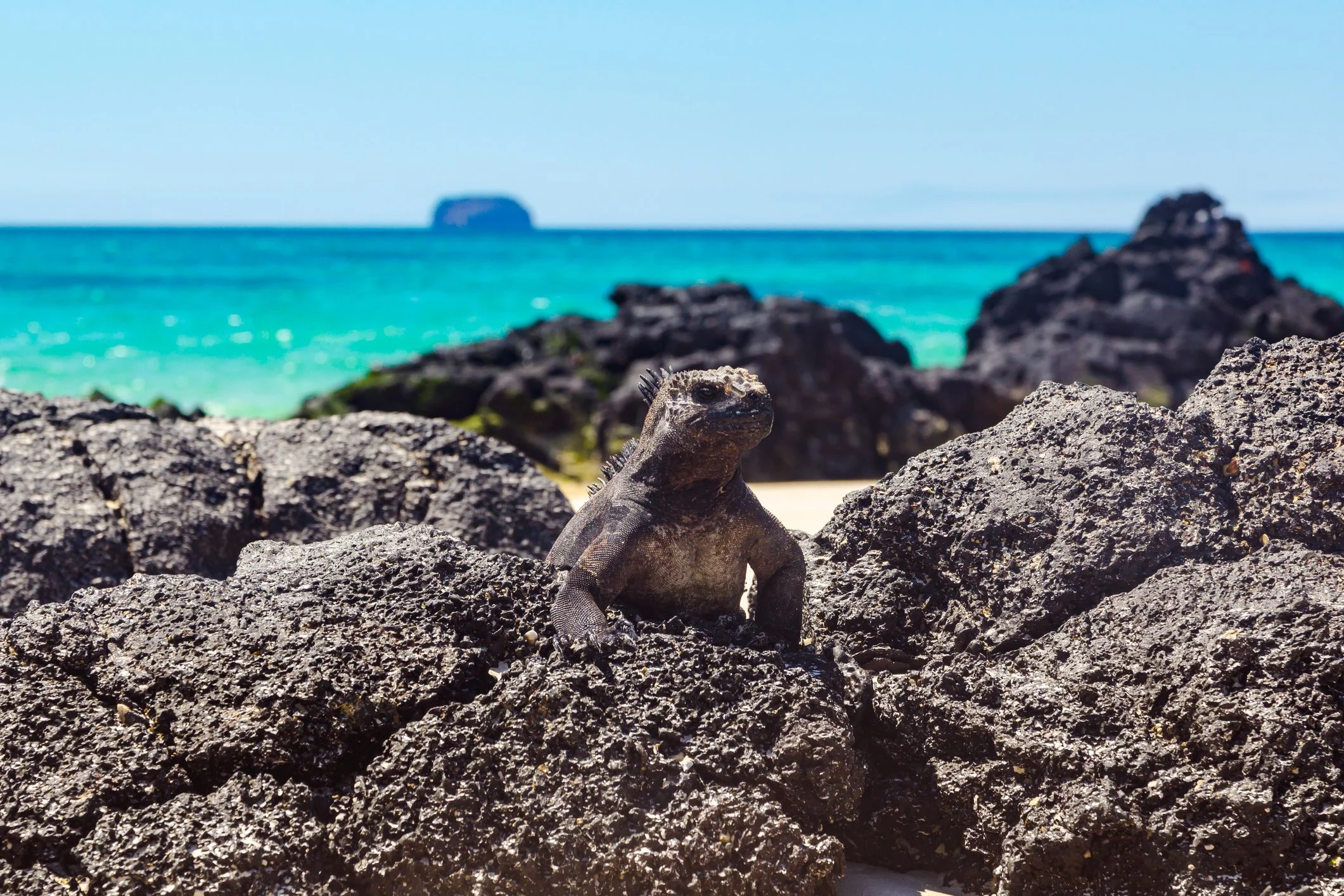
    Situated at the far southern edge of the Galápagos, Española is among the archipelago’s oldest surviving islands. Its long isolation and arid environment have given rise to an exceptional concentration of endemic species, making it a naturalist’s paradise. Cruising south this morning, we first land at the windswept coastal plateau of Punta Suárez – widely regarded as a highlight of any Galápagos expedition. It’s also the only place in the Galápagos where the endemic waved albatross can be observed during its breeding season and one of the best sites for seeing marine iguanas stretched out on lava platforms, often clustered together as they warm themselves after feeding at sea. In the afternoon, we continue along the north coast to Gardner Bay – a sweeping arc of white sand lapped by clear, turquoise waters. There is time to explore the beach, home to a large colony of Galápagos sea lions, or snorkel directly from shore in the calm shallows of the bay before returning to the vessel. Overnight Coral I (B, L, D)

  • Day 17 | Saturday 6 March
    Floreana Island

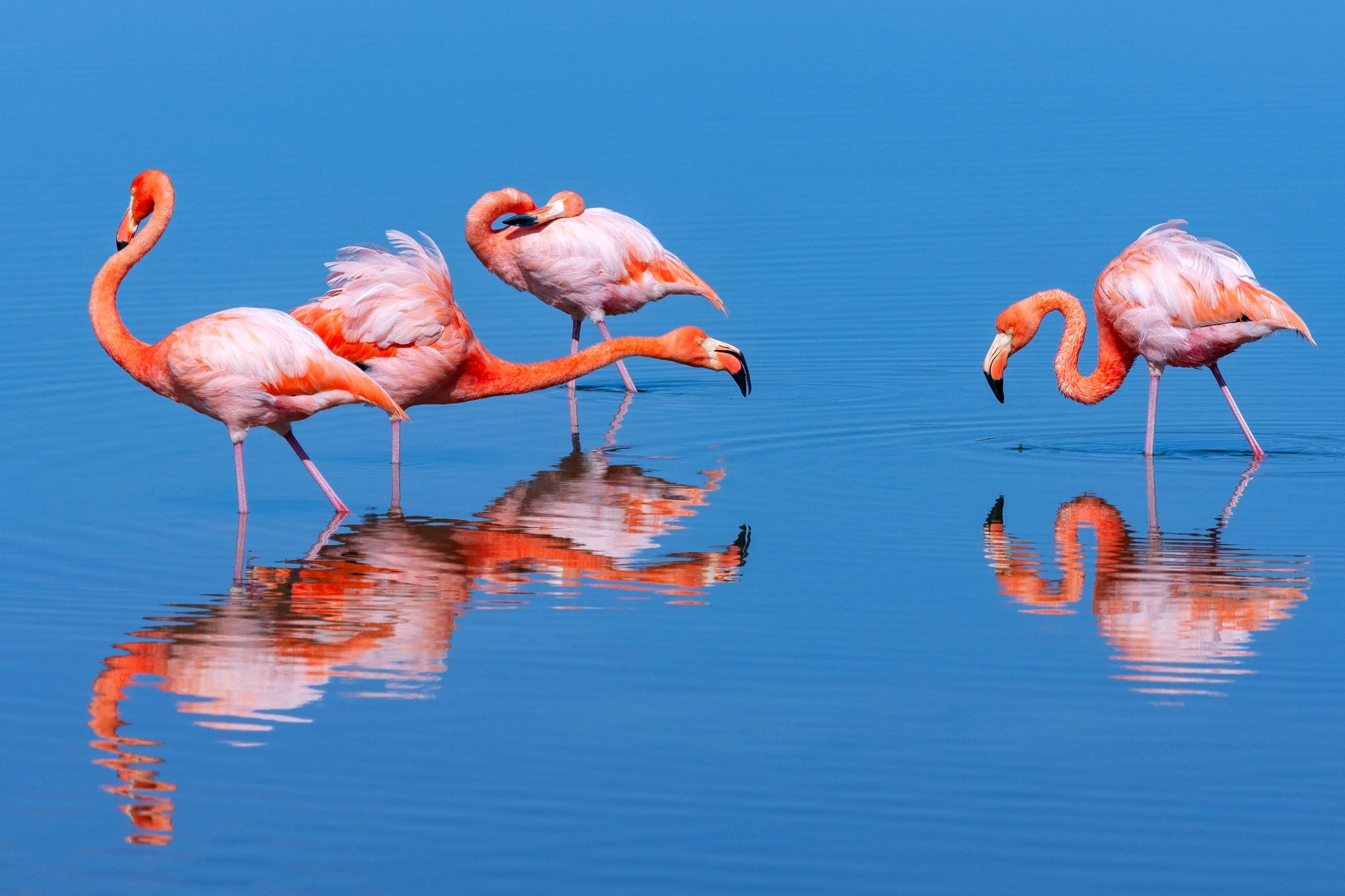
    One of the earliest islands to be settled in the Galápagos, Floreana combines rich wildlife encounters with traces of its layered human past, shaped by whalers, pirates and early colonists. After landing here this morning, we walk to a large, shallow lagoon – one of the archipelago’s few brackish wetlands, where pink greater flamingos are often seen feeding in algae-rich waters. Numbers vary seasonally, but the open setting allows for extended viewing. Nearby, Devil’s Crown, a partially submerged volcanic cone, offers one of the Galápagos’ most celebrated snorkelling sites, with rocky outcrops supporting abundant marine life in clear, sheltered waters. After lunch on board, we make our way around to Post Office Bay, home to the island’s historic Post Office Barrel. First established in 1793, reportedly by Captain James Colnett, the barrel served as an informal mail system for whalers and fur sealers, who left letters for passing ships to carry home. The tradition continues today, with visitors often selecting letters and delivering them by hand to their home countries. In the late afternoon, we head back to the vessel and continue our cruise. Overnight Coral I (B, L, D)

  • Day 18 | Sunday 7 March
    Santa Cruz Island | Disembark Cruise

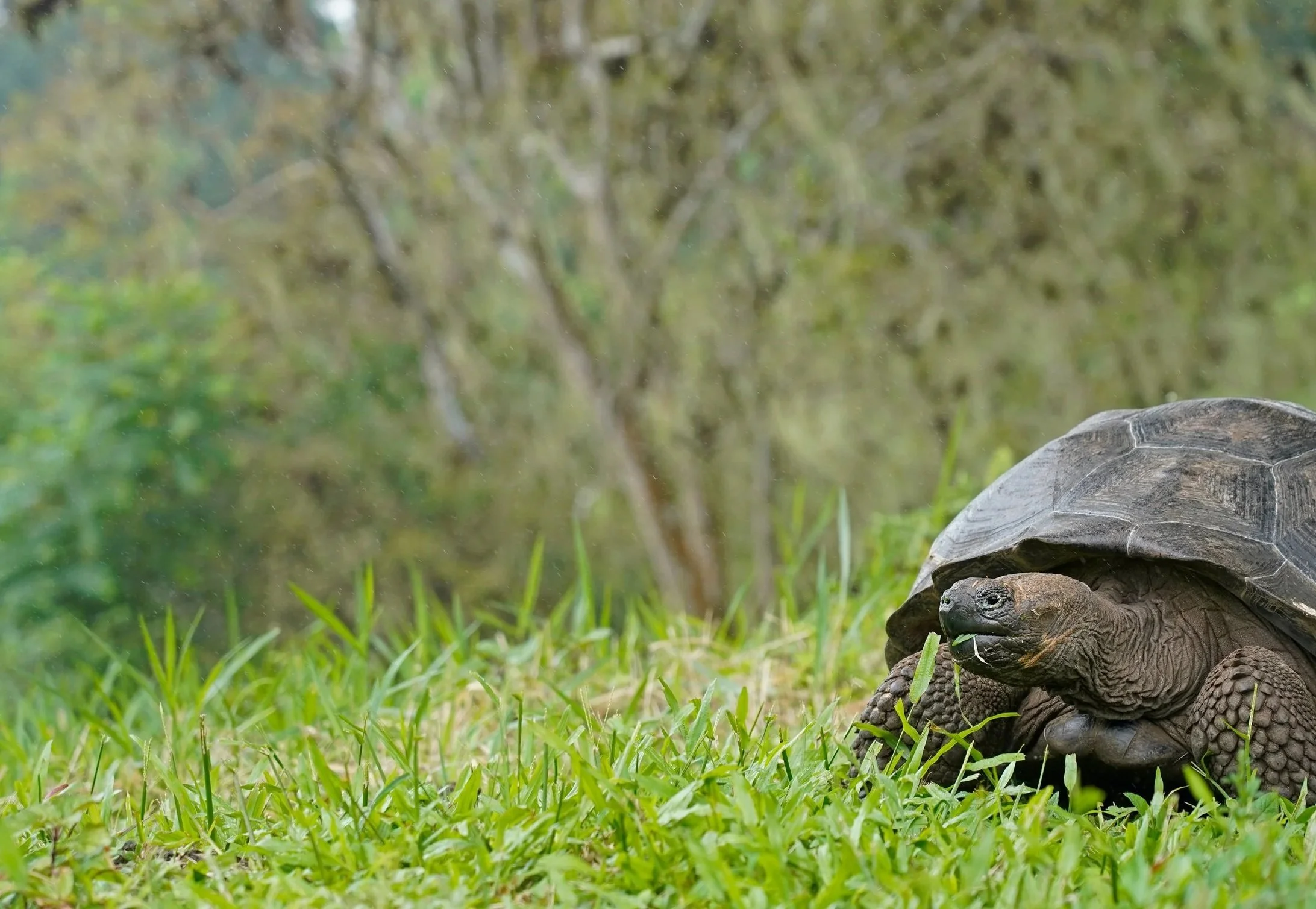
    Santa Cruz offers one of the clearest illustrations of the Galápagos’ ecological contrasts. Returning here this morning, we travel inland into the island’s highlands, ascending from lava-strewn lowlands into humid forest and open pastureland. Within this reserve, we encounter one of the archipelago’s most iconic species, the Galápagos giant tortoise, often seen moving slowly through grasslands and shaded woodland. The area also supports a rich community of land birds, including finches, flycatchers, crakes, warblers and egrets. We then farewell the Coral I and transfer to Baltra Island for our return flight to Guayaquil, where we check into our hotel for our final evening and farewell dinner. Overnight Guayaquil (B, D)

  • Day 19 | Monday 8 March
    Depart to Guayaquil

    The morning is at leisure to enjoy the vibrant waterfront of Guayaquil – airport transfers are included to the airport for onward flights via Santiago, Chile. (B)

Accommodation has been carefully selected for comfort, location and character, ranging from well-appointed city hotels
and heritage haciendas to a purpose-built expedition vessel.

Tour Accommodation

  • Quito, Go Quito Hotel | 3 Nights

  • Papallacta, Termas Papallacta| 2 Nights

  • Cotopaxi, Hacienda La Ciénega | 2 Nights

  • Cuenca, Hotel Inca Real | 2 Nights

  • Guayaquil, Wyndham Guayaquil Puerto Santa Ana | 2 Nights, total

  • Galápagos, Coral I Ship | 7 Nights

tour booking

$26,640 AUD per person, twin share (land content only).
Based on a Junior Plus Cabin
$6,250 AUD supplement for sole use of a hotel room.
Based on a Standard Plus Cabin

A $1,000 deposit is required per person to confirm your booking on tour. This deposit is non-refundable.

Hold a Place

Still deciding? We are happy to hold a tentative place for 7 days while you make your final arrangements.

Book Online

To secure your place(s) on tour, book online below with “Athena”, our virtual tour consultant.

DOWNLOAD FORM

Download a printable booking form. You can also complete the form on screen and submit via email.

your tour consultant

The consultant for this tour is Lucy Yeates. For further information or to discuss the tour, please call 9235 0023 (Sydney) or 1800 639 699 (outside Sydney) or email lucy@academytravel.com.au

have you thought about?

Academy Travel is more than just a tour operator. We are also a full-service travel agency who can assist you with all aspects of your travel, including flights, transfers, pre-tour arrival, additional travel and comprehensive travel insurance.

can’t make this departure?

If these dates don't work for you, register to hear about the next tour.