winter festivals

Music in Malta & Salzburg

Follow Europe’s winter festival tradition from Valletta to Salzburg, where music, history and place are closely intertwined.

TOUR STATUS

Places Available | Maximum 16

TOUR DATES

January 18-31, 2027 | 14 Days

TOUR LEADER

Dr Tarita Botsman | View Bio

snapshot

  • The tour starts at 6.00pm on
    Monday 18 January, at The Phoenicia Hotel, Malta.

    The tour ends after breakfast on Sunday 31 January, at the Imlauer Pitter Hotel, Salzburg.

  • Grade Two. This tour is designed for people who lead active lives.

    View all requirements >

  • 13 nights’ accommodation in
    centrally located 4 & 5-star hotels.
    All breakfasts, 8 lunches and 1 dinner. Premium tickets to 12 performances. Services of an expert tour leader and an experienced tour manager throughout. Internal Economy flights as indicated, all ground transport, entrance fees and tipping.

    View standard tour inclusions >

  • $17,890 AUD per person, twin share (land content only)
    $2,940 AUD supplement for sole use of a hotel room

    A $1,000 AUD non-refundable deposit is required per person to confirm your booking on tour

OVERVIEW

Each January, the Valletta Baroque Festival and Salzburg’s Mozart Week transform their historic cities into stages for two of Europe’s most captivating winter music festivals. These events offer something increasingly rare: the opportunity to experience this repertoire in the palaces, churches and theatres for which it was originally composed.

On this 14-day journey led by music historian Dr Tarita Botsman, we attend 12 performances across both festivals, where leading period-instrument ensembles perform in intimate baroque venues, including Valletta’s Oratory of the Onorati and the 18th-century Teatru Manoel, while in Salzburg we experience Mozart’s Così fan tutte and finish with a concert by the renowned Vienna Philharmonic at the Großes Festspielhaus.

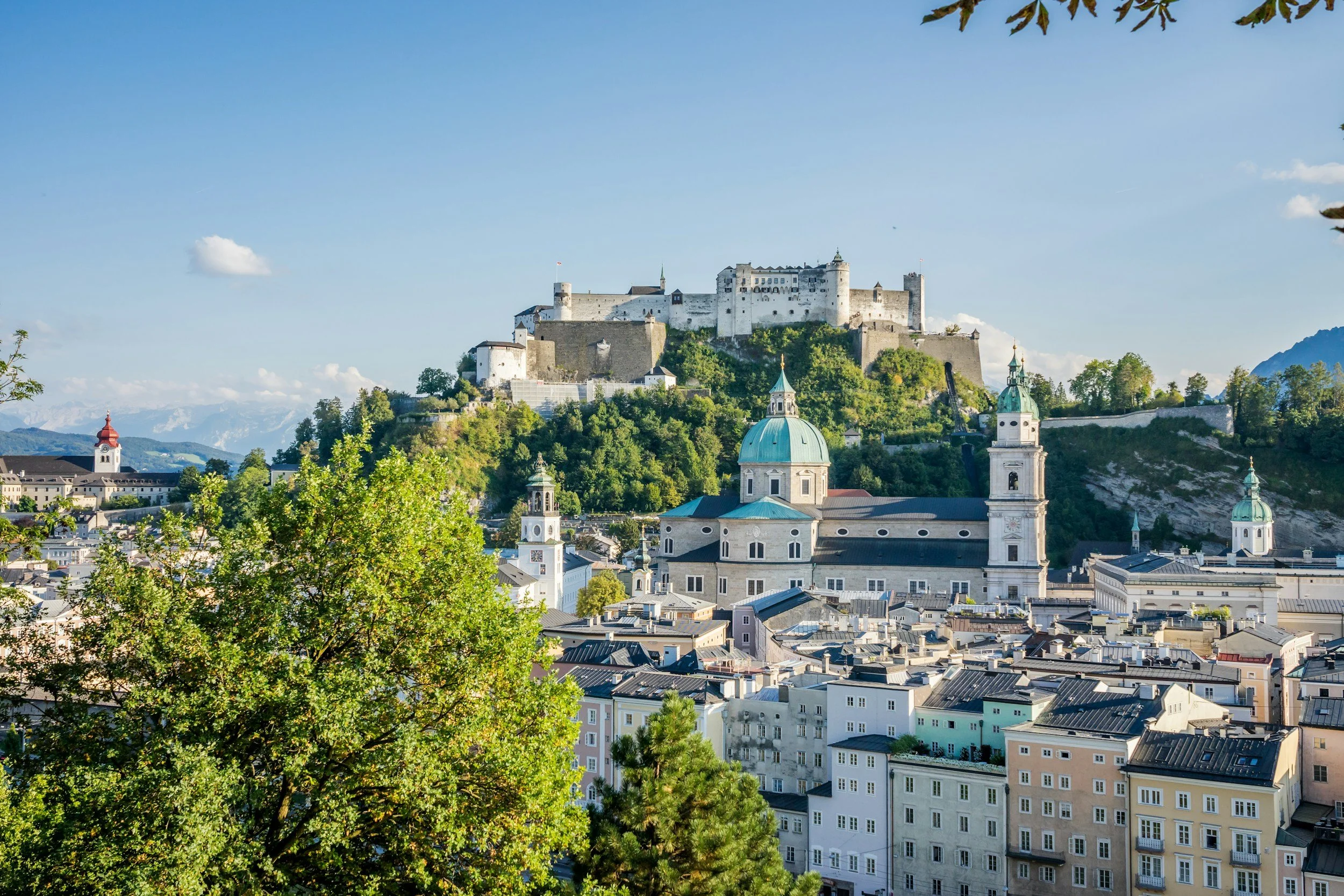
The tour’s residential approach – a relaxed eight nights in Valletta and five nights in Salzburg – allows us to settle into each city’s festival rhythm, experiencing performances as locals rather than visitors. Between concerts, we explore fortresses, palaces, and churches that reveal how faith, power and artistic ambition shaped two extraordinary baroque cities.

Two Festivals, One Journey

Experience two of Europe’s great winter music festivals
Valletta Baroque Festival

Seven performances

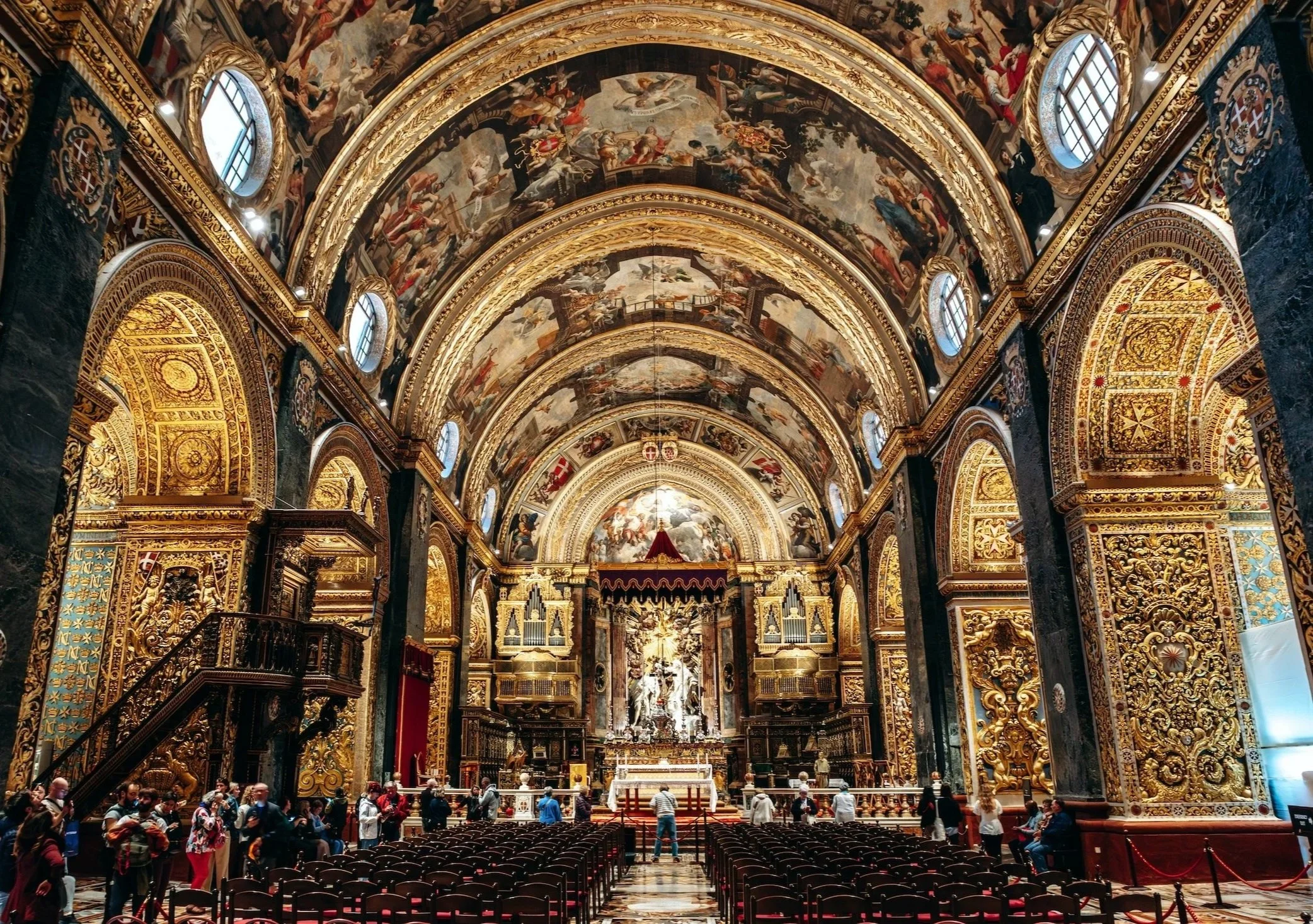
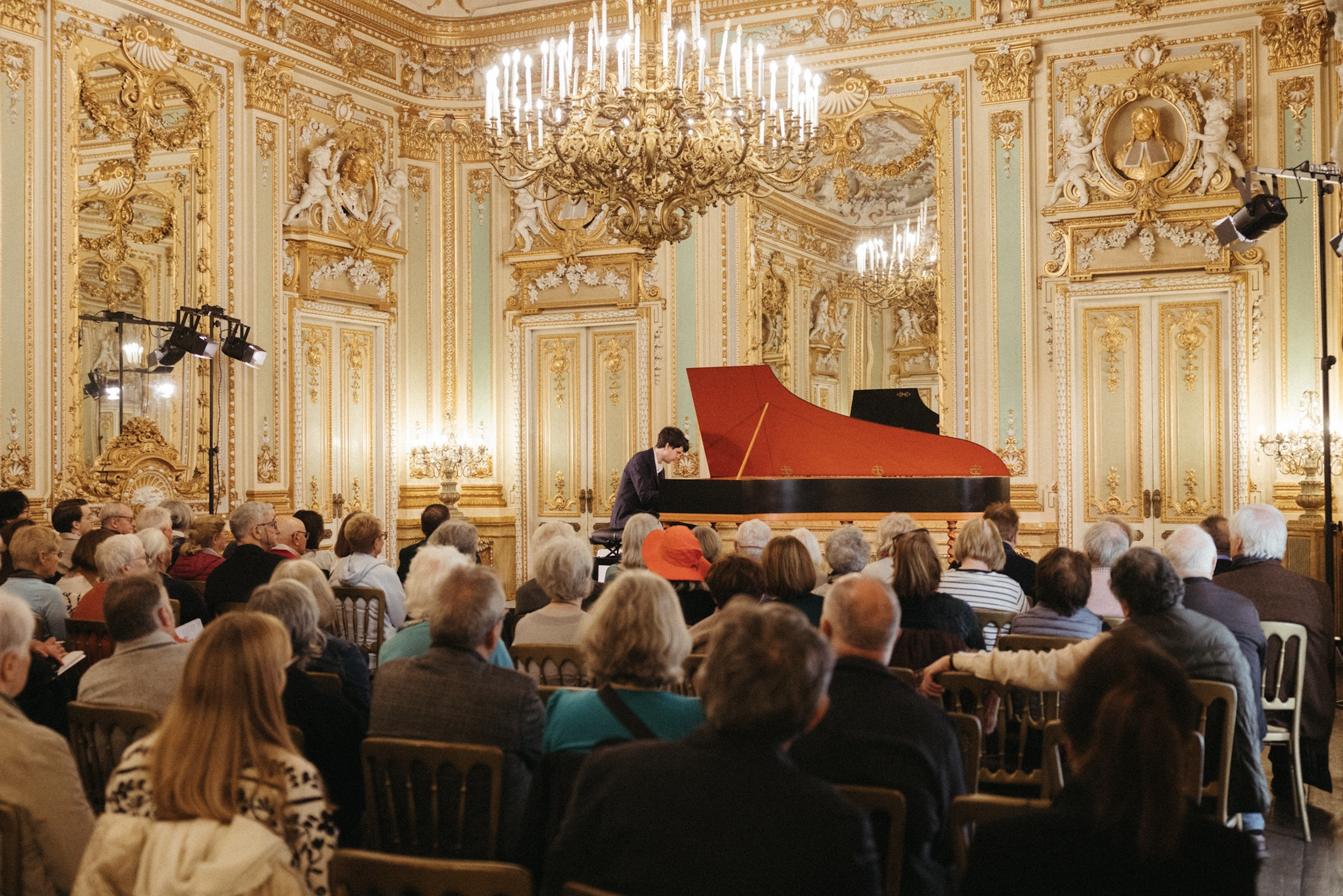
Now in its 15th year, the Valletta Baroque Festival has established itself as one of the Mediterranean’s finest celebrations of baroque music – and one of the most distinctive anywhere in Europe. What sets it apart is not merely the quality of its artists but the incomparable nature of its venues. With its principal home at the 18th-century Teatru Manoel, concerts are also held in St John’s Co-Cathedral, the Oratory of the Onorati, and a rotating selection of extraordinary spaces across Malta and its surrounds.

One of Europe’s most characteristic baroque cities, Valletta provides a fitting backdrop for the festival. Period-instrument ensembles performing works by Vivaldi, Handel, and Rameau allow audiences to experience this music in a setting very close to its original social and architectural environment.
Mozart Week Salzburg

Five performances

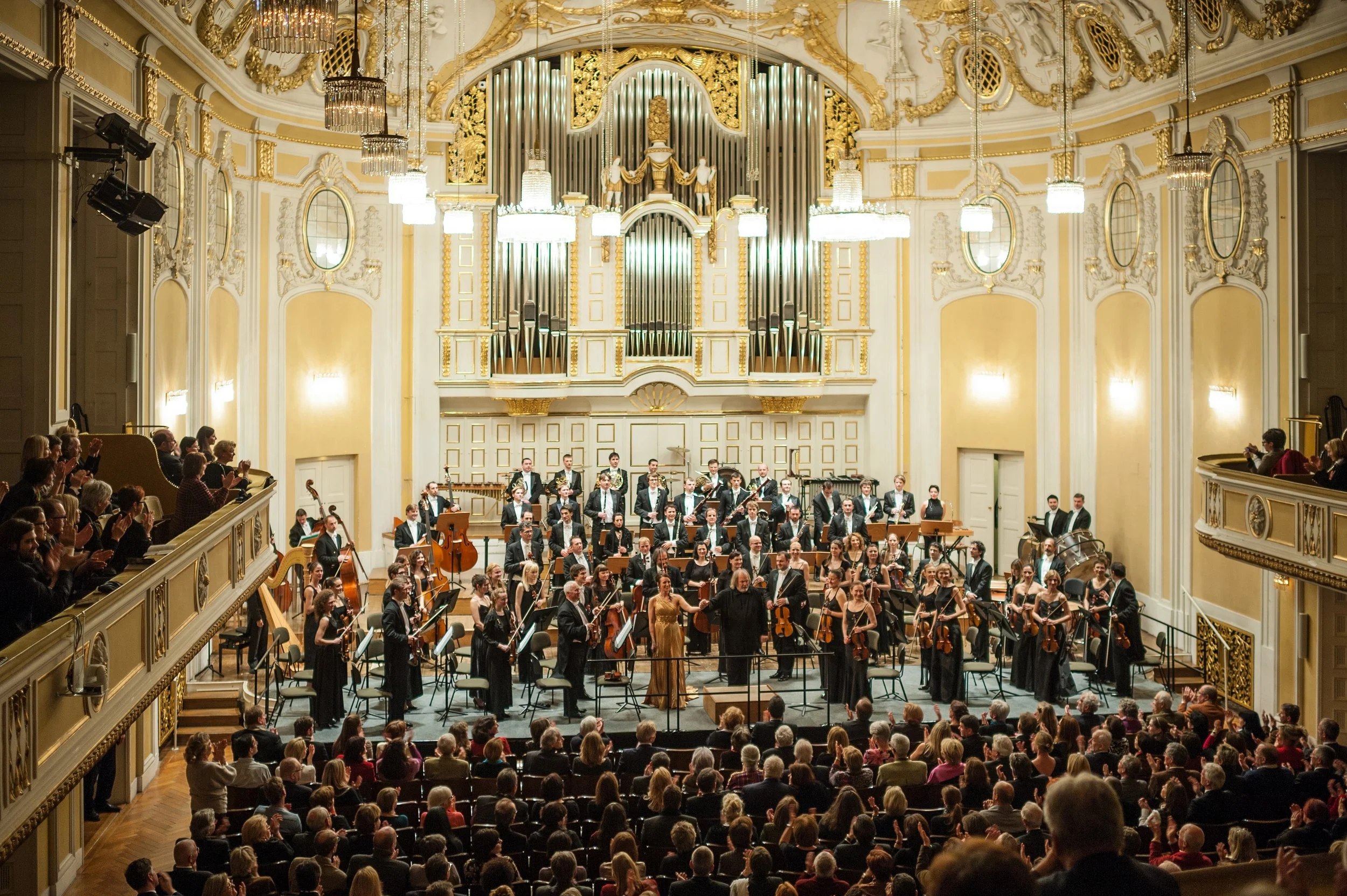
Since 1956, Mozart Week has convened the world’s finest musicians in the Alpine baroque city of Salzburg each January to celebrate his birthday. The festival performances take place across the Mozarteum Foundation’s Großer Saal, the Haus für Mozart, the grand Festspielhaus and the intimate Rittersaal of the DomQuartier – establishing it as one of the most important Mozart festivals in the world, with the 2027 edition among its most prominent.

Rolando Villazón has served as artistic director since 2019, and the 2027 program centres on his completion of a Da Ponte cycle begun with Le nozze di Figaro (2020) and Don Giovanni (2023). Alongside the opera, the Vienna Philharmonic appears in multiple concerts, and the festival welcomes the debut of Icelandic pianist Víkingur Ólafsson, one of the most acclaimed soloists of his generation.

Dr Tarita botsman

your expert tour leader

Tarita is one of Australia’s most accomplished classical artists — a celebrated soprano, director, producer and writer who has performed with major opera companies across Australia and internationally. Holding a PhD in music from the University of Queensland, she is also the founder and Artistic Director of The 7 Sopranos, an acclaimed ensemble that has toured globally for over 15 years. An Adjunct Associate Lecturer at UQ, Tarita brings her deep knowledge and passion for opera and performance to her lectures and tours.

Read full bio >

Accompanied by an Experienced Tour Manager

Alongside your expert tour leader, an experienced tour manager will accompany for the entirety of the tour. They oversee logistics, ensure your comfort and safety, and provide friendly support – whether offering tips for free time, sharing a chat over dinner, or giving you space to relax.

tour ITINERARY

Valletta (8 Nights), Salzburg (5 Nights)

Included meals are shown with the letters B, L and D
  • Day 1 | Monday 18 January
    Arrive Valletta

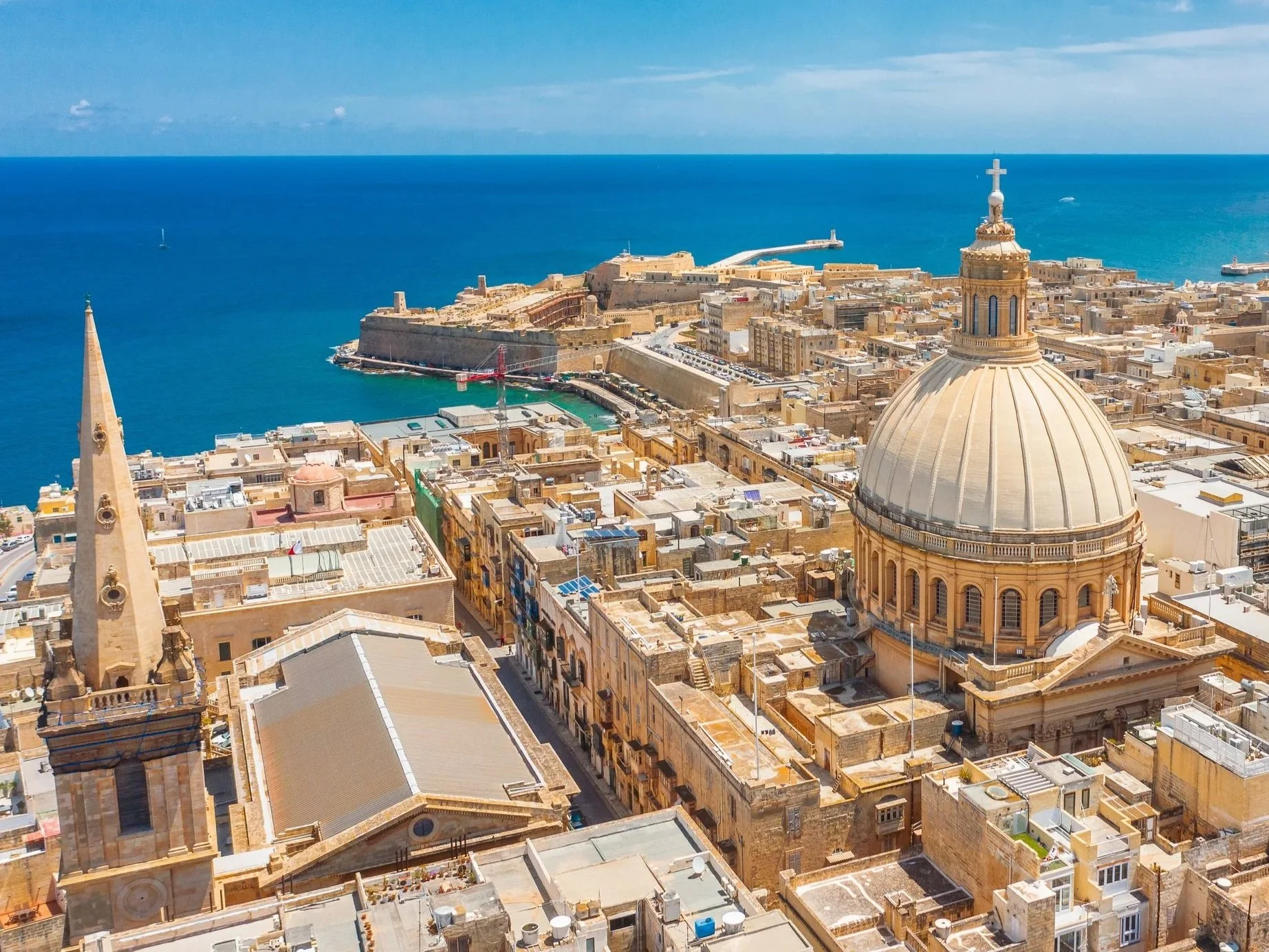
    Malta has occupied a strategic position in Mediterranean affairs since antiquity. Its harbour, among the finest natural anchorages in the region, drew successive waves of Phoenician traders, Roman governors and medieval powers. When the Knights of St John arrived in 1530, they were granted the islands by Charles V, and they recognised Malta’s potential as a base from which to contest Ottoman expansion. Valletta, our base for the first eight nights of our journey, rose as both a stronghold and a showcase, its grid of streets lined with auberges, churches and palaces that expressed the Order’s wealth and power. After settling into our centrally located hotel today, we gather this evening for a welcome briefing on the program ahead, followed by dinner together. Overnight Valletta (D)

  • Day 2 | Tuesday 19 January
    Valletta | Valletta Baroque Festival

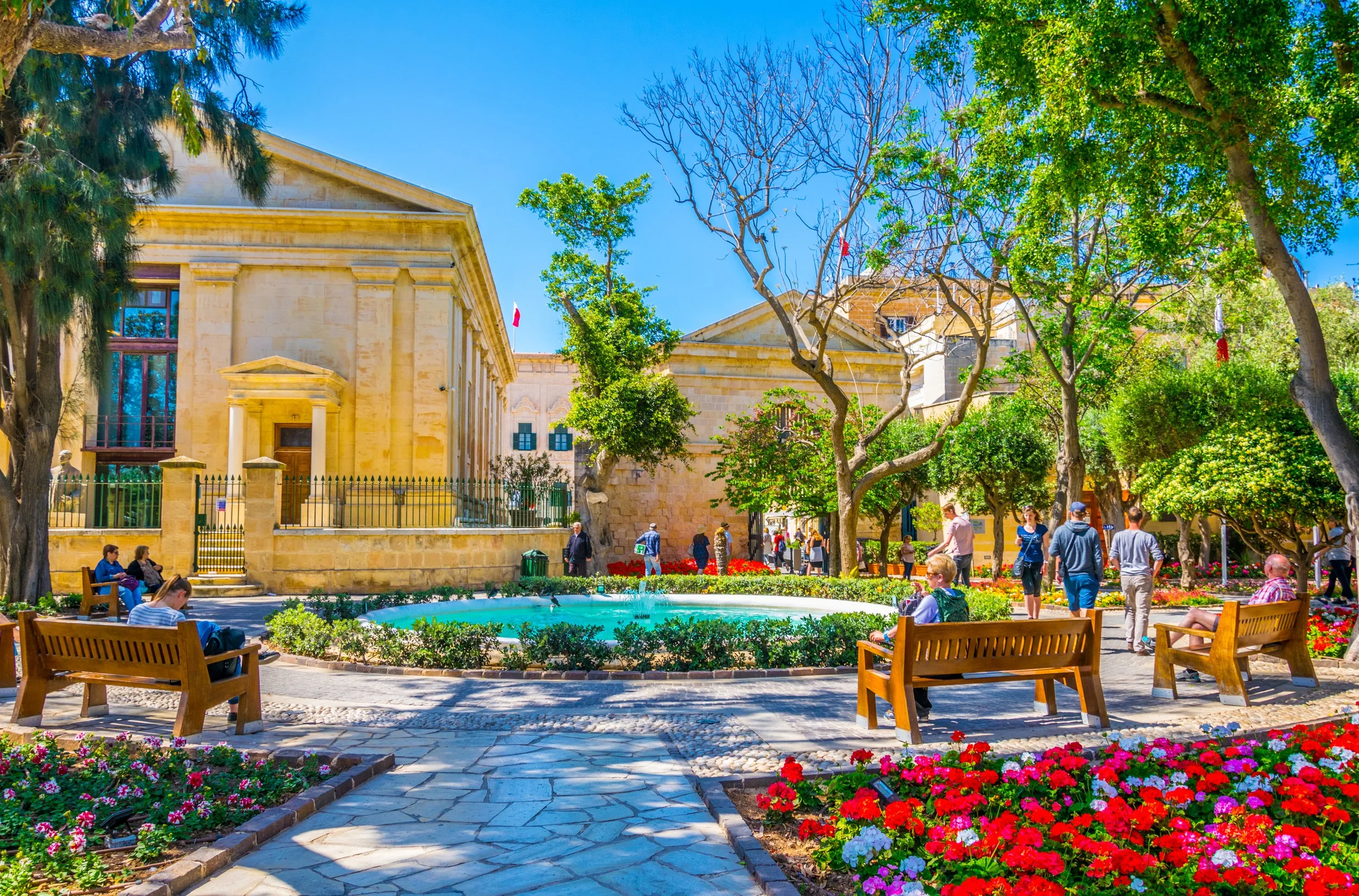
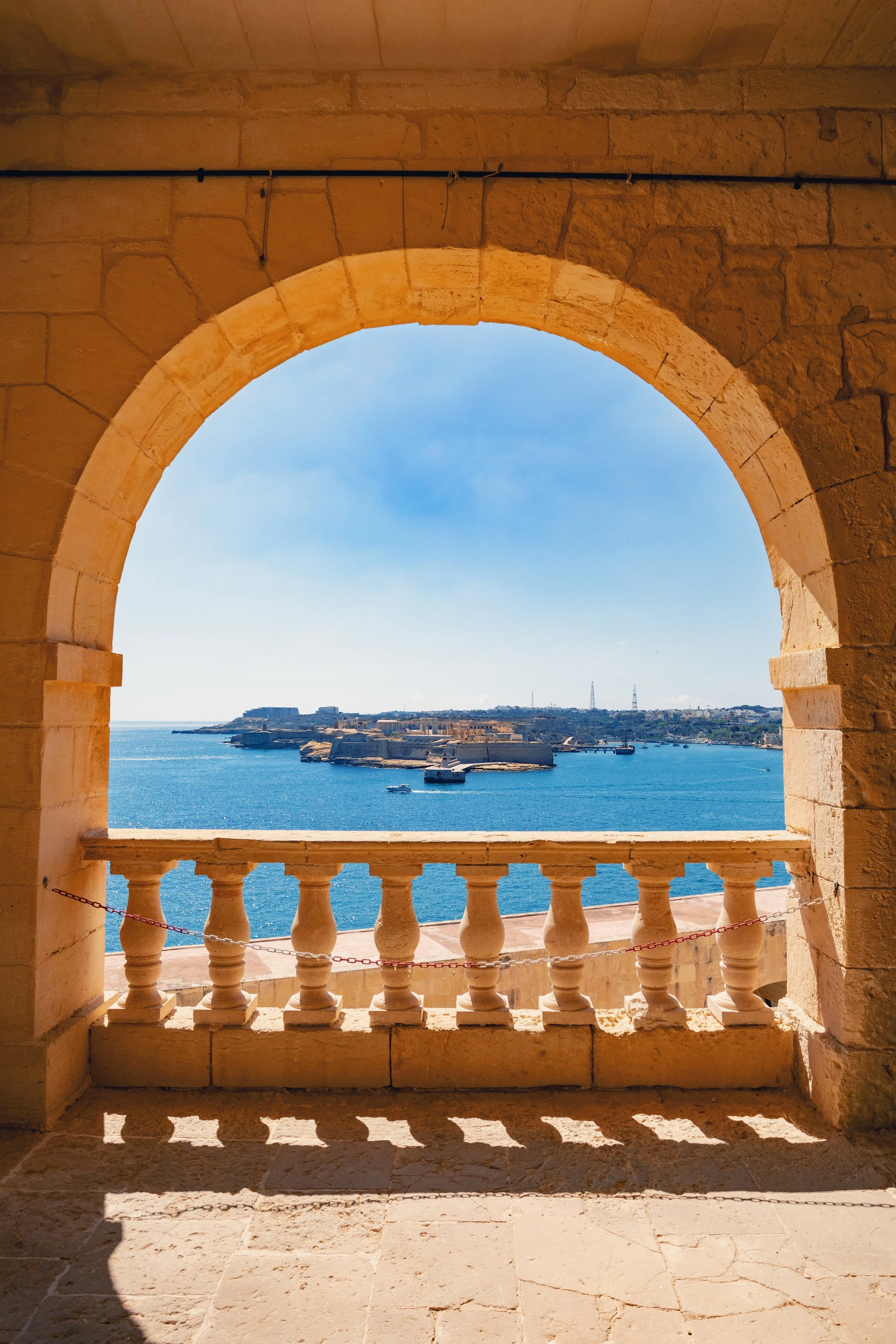
    Established in 2013, the Valletta Baroque Festival celebrates Malta’s rich musical heritage and the island’s enduring connections with the Baroque world of the Knights of St John. Each January, historic churches and palaces across the city become the venues for leading ensembles specialising in historically informed performance. The festival draws on Valletta’s distinctive setting – a fortified capital whose Baroque architecture remains exceptionally well-preserved. This morning we begin our exploration of Valletta with a guided walk at the Upper Barrakka Gardens, where the elevated terrace offers commanding views across the Grand Harbour to the Three Cities. The bastions here served a dual function of military observation and civic ceremony, embodying the Knights’ synthesis of martial and cultural identity. Our route continues through Merchants Street, the commercial artery that connects the city’s port facilities with its administrative heart. Lunch is enjoyed together at a local restaurant before free time this afternoon. Gathering again this evening, we attend our first performance of the Valletta Baroque Festival. Overnight Valletta (B, L)

  • Day 3 | Wednesday 20 January
    Maltese Baroque | Valletta Baroque Festival

    The artistic patronage of the Knights of St John extended beyond ecclesiastical commissions to encompass the full spectrum of visual arts. Today begins with a visit to MUŻA – Malta’s national community art museum, whose collections trace the development of Maltese painting, sculpture and decorative arts from the medieval period through the baroque flowering under the Knights to the 19th century. The museum’s holdings include works by Mattia Preti, the Calabrian master who dominated Maltese art in the late 17th century, and Antoine de Favray, whose portraits of Grand Masters and Maltese nobility document the Order’s final decades on the island. Festival schedule permitting, we then attend a performance in one of Malta’s atmospheric venues, where baroque music resonates through historic architecture. Following lunch together, the afternoon offers time at leisure to further explore Valletta independently before reconvening this evening for another festival performance. Overnight Valletta (B, L)

  • Day 4 | Thursday 21 January
    Caravaggio in Malta | Valletta Baroque Festival

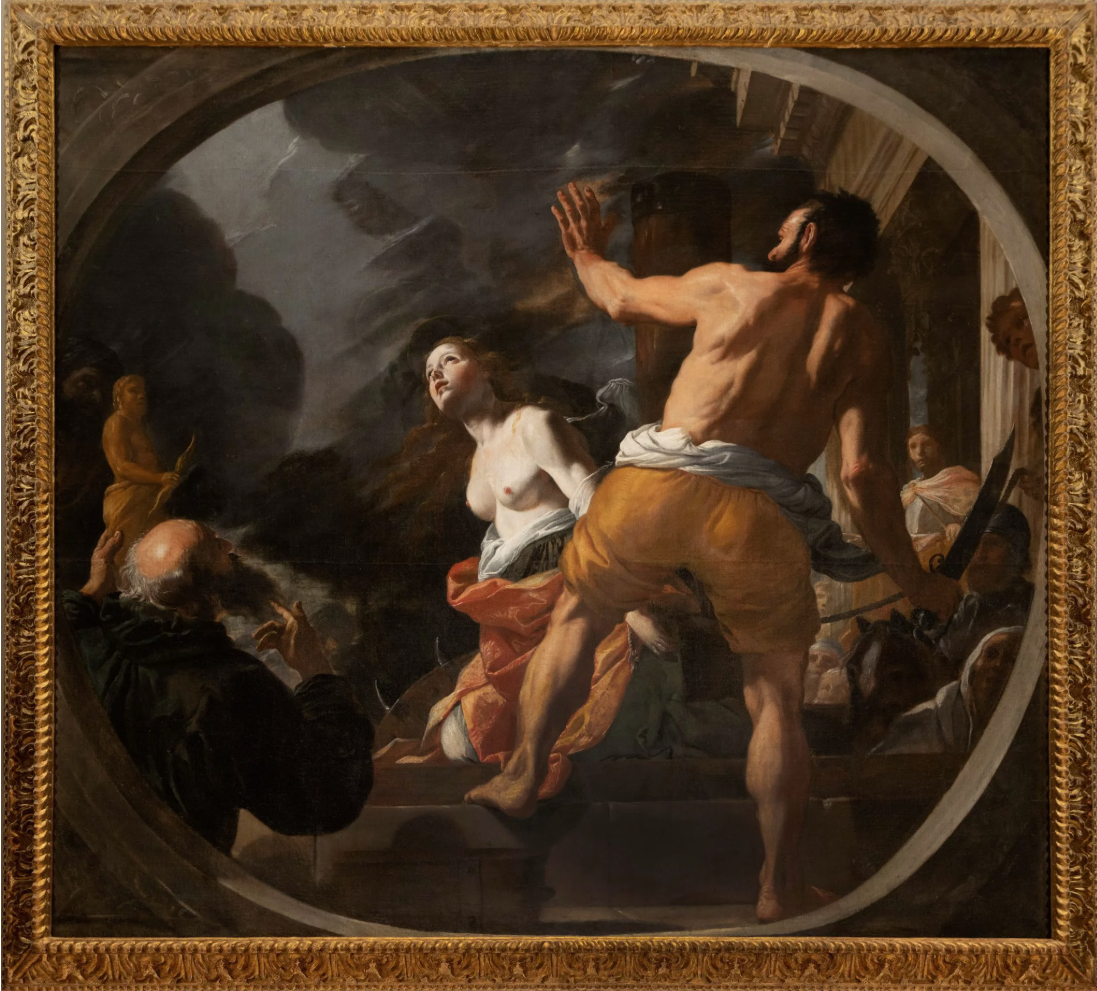
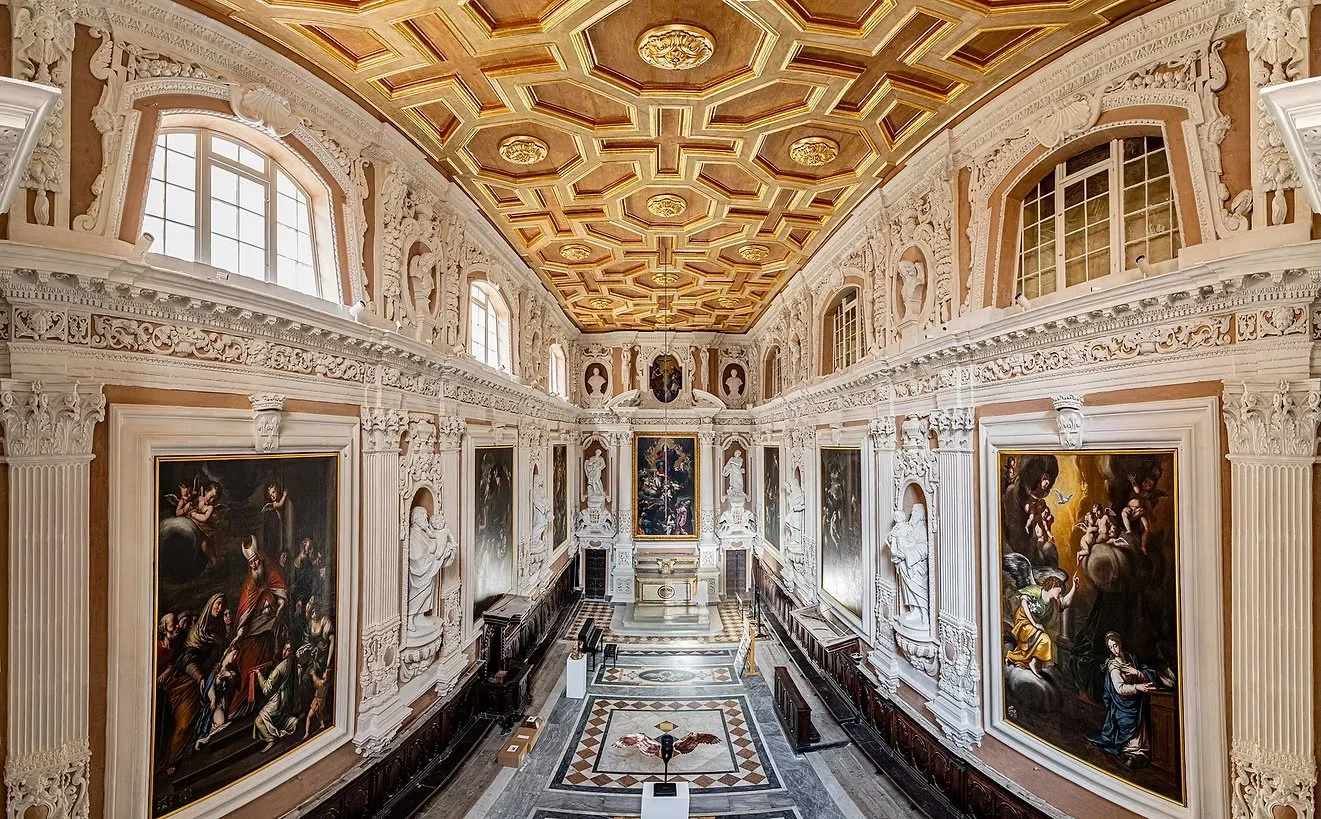
    Caravaggio’s presence in Malta represents one of the most dramatic episodes in the artist’s turbulent biography. Having fled Rome following a fatal brawl, he sought refuge with the Knights of St John, hoping their patronage might secure a Papal pardon. During his brief Maltese sojourn, he produced several major works, most notably The Beheading of St John the Baptist, commissioned for the Oratory of St John’s Co-Cathedral. This morning’s lecture provides context for Caravaggio’s Maltese period before we view the painting itself. At nearly four metres wide, it remains the largest canvas he ever painted and the only work he signed – inscribed in the Saint’s blood pooling on the prison floor. At midday, we attend a concert at the Oratory of the Onorati, another intimate baroque venue, and in the afternoon we take a guided tour of the Teatru Manoel. Built in 1731 and among Europe’s oldest working theatres, its horseshoe design and painted ceiling preserves the character of 18th-century performance spaces. Our day concludes with another festival performance in the evening. Overnight Valletta (B)

  • Day 5 | Friday 22 January
    Grand Masters Palace & Winery Lunch

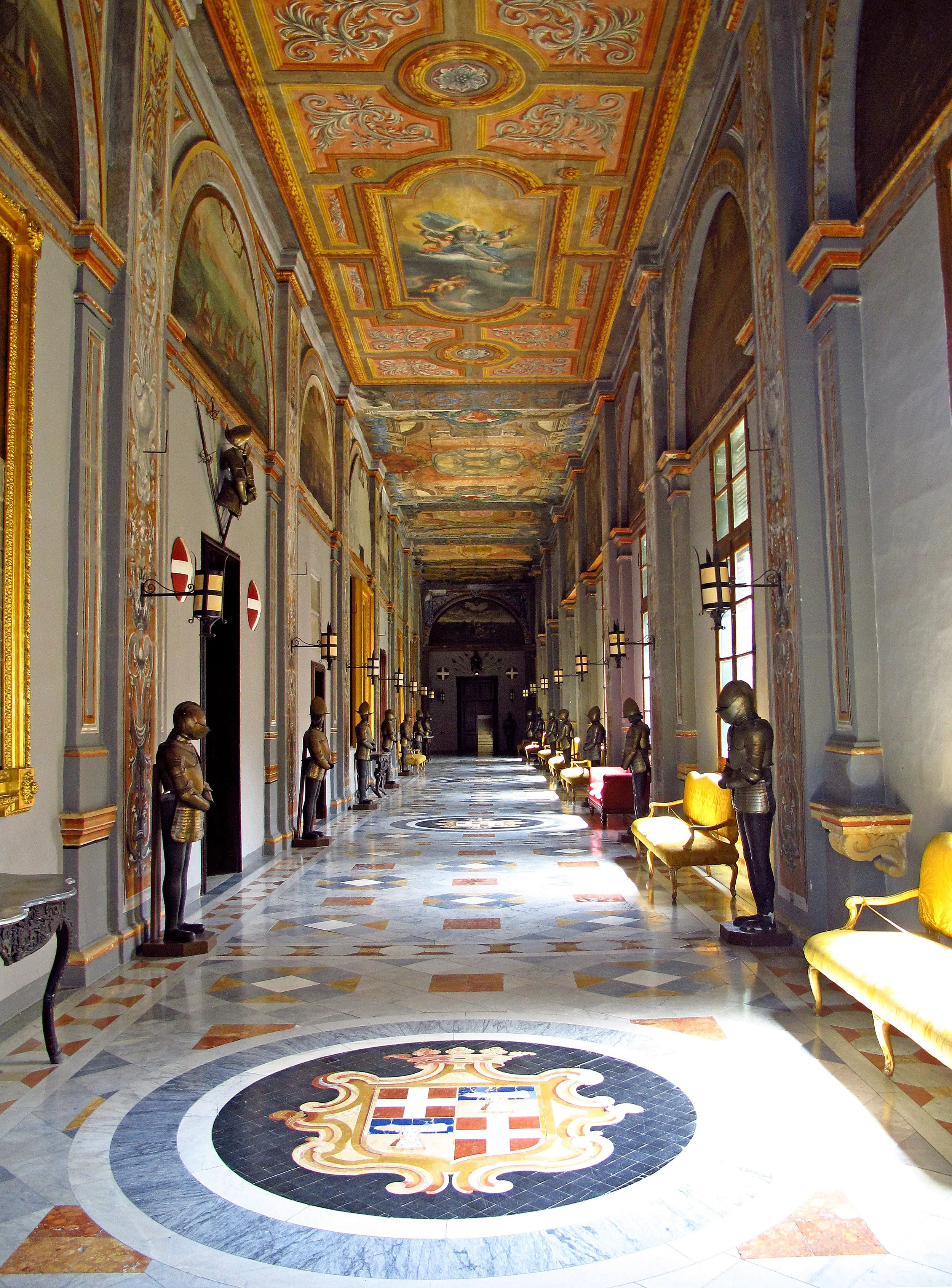
    Beyond the Order’s institutional architecture, Malta’s aristocratic families built private palaces that reflected their wealth and social standing. Casa Rocca Piccola, still inhabited by the de Piro family, opens its doors for a morning tour. The palace’s rooms preserve furnishings, paintings and family archives spanning generations, offering insights into the domestic life of Malta’s nobility from the baroque period through the 20th century. We then continue to the Grand Master’s Palace, the seat of power for the Knights, later for British colonial governors, and now for Malta’s parliament. Its state rooms and armoury display the ceremonial and military apparatus through which the Order projected authority across the Mediterranean. Following our explorations, we travel into the countryside around Attard for lunch at a local winery, where we sample Maltese wines produced from indigenous grape varieties cultivated since Phoenician times. Later in the afternoon, we return to our hotel for an evening at leisure. Overnight Valletta (B, L)

  • Day 6 | Saturday 23 January
    Layers of a City | Valletta Baroque Festival
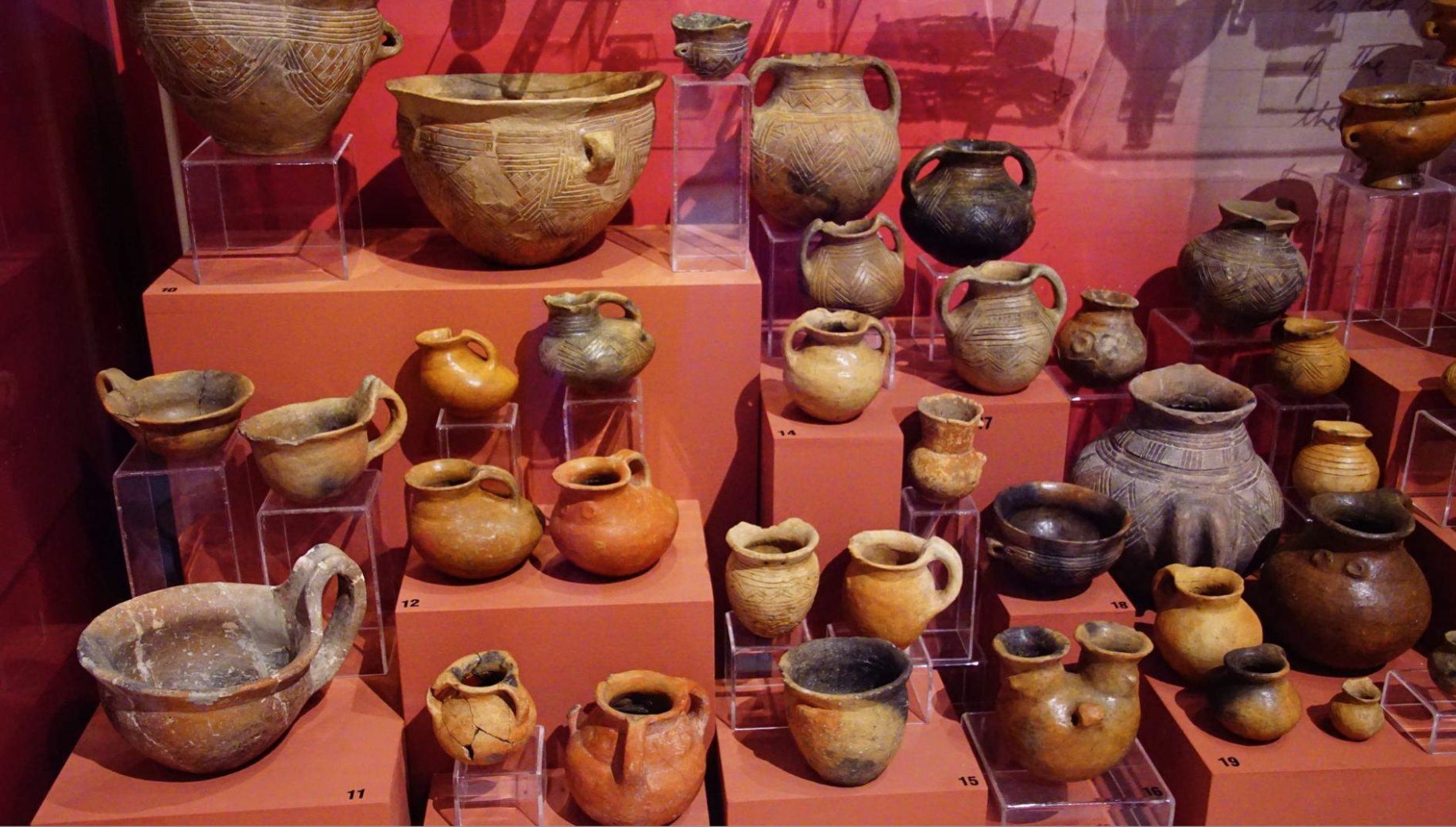
    Malta’s material culture reaches well beyond the Baroque era, reflecting successive waves of Mediterranean civilisation and the island’s remarkable past. The National Museum of Archaeology houses extraordinary collections from the islands’ prehistoric temples, among the oldest free-standing stone structures in the world, predating Stonehenge and the Egyptian pyramids. This morning we explore these galleries displaying carved reliefs, terracotta figurines and ritual objects from sites such as Ħaġar Qim and the Hypogeum, providing context for Malta’s place in Mediterranean prehistory. At midday, we then attend another festival performance, followed by an afternoon at leisure in this remarkable fortified city. Overnight Valletta (B)

  • Day 7 | Sunday 24 January
    Fort St Elmo | Valletta Baroque Festival
    The Great Siege of 1565 represents a defining moment in Malta’s history and in the broader contest between Christian Europe and the Ottoman Empire. Fort St Elmo, positioned at the tip of the Sciberras Peninsula and commanding both Marsamxett and Grand Harbours, bore the initial Ottoman assault when Suleiman the Magnificent’s forces arrived. Though the fort fell after weeks of brutal fighting, the resistance bought crucial time for reinforcements to reach Malta, ultimately securing the island’s survival. Following a morning lecture in our hotel, we visit Fort St Elmo itself, now housing the National War Museum. Standing on its bastions, the position offers spectacular views across both harbours, immediately revealing why control of this position proved decisive. The remainder of the day is at leisure to explore Valletta’s streets one last time before we gather for our final concert of the Valletta Baroque Festival. Overnight Valletta (B)

  • Day 8 | Monday 25 January
    Mdina & Tarxien
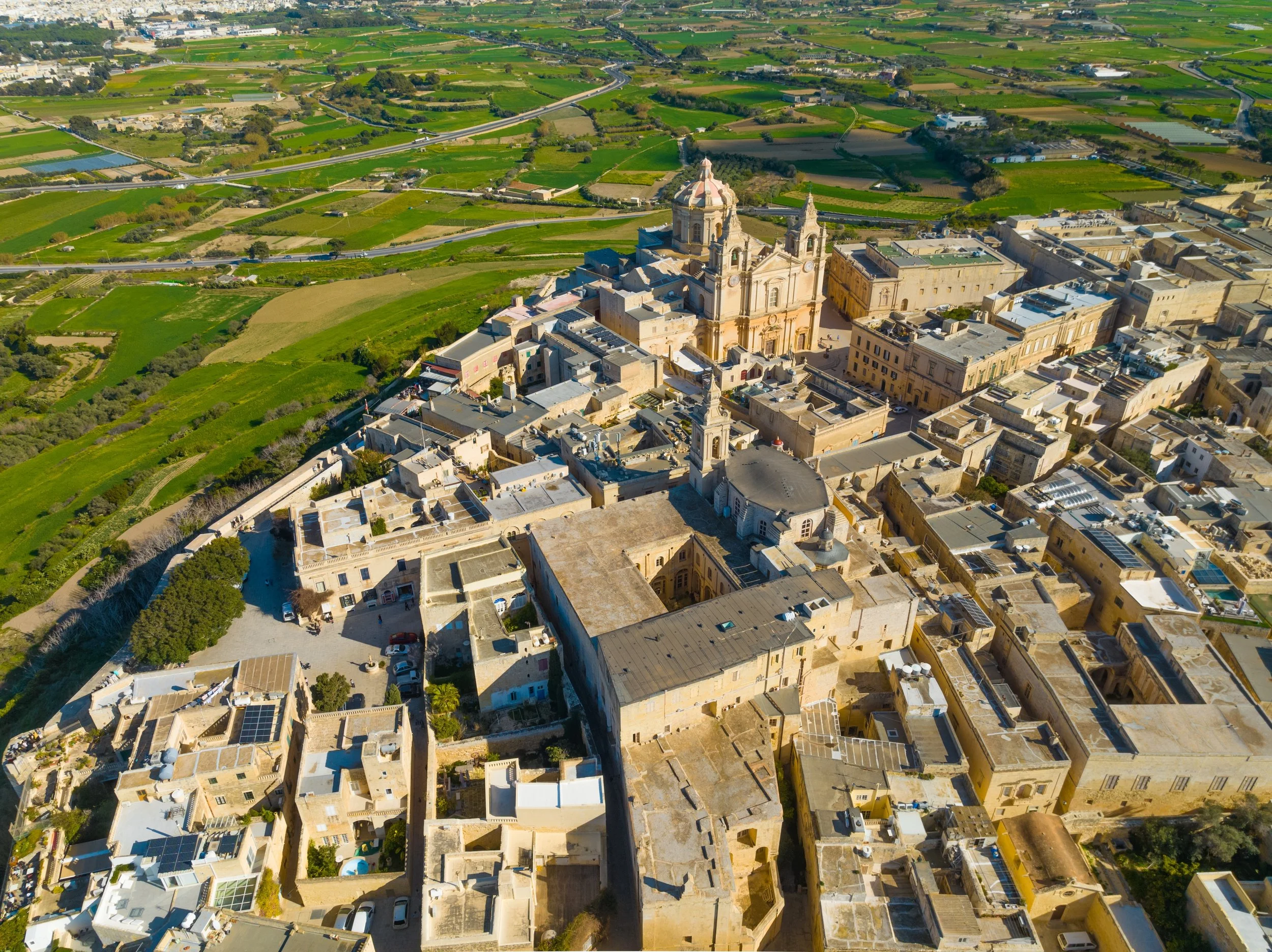
    Before the Knights arrived, Malta’s power resided inland at Mdina, the medieval walled city perched on a limestone plateau with beautiful views across the island. Travelling through Malta’s countryside today, we arrive at this remarkably preserved citadel. The narrow streets, lined with honey-coloured palaces of Malta’s oldest noble families, lead to the cathedral dedicated to St Paul, whose legendary shipwreck brought Christianity to Malta in 60 CE. Inside, Lorenzo Gafà’s baroque interior showcases the work of Malta’s foremost 17th-century architect, whilst the Cathedral Museum reveals an unexpected treasure, works by Dürer and other European masters. Nearby, Rabat, the town that spilled beyond Mdina’s fortified walls, adds further layers to our understanding of Malta’s medieval past. Following lunch together, we journey to Tarxien, where one of Malta’s most important prehistoric temple complexes awaits. The intricately carved stone reliefs and sophisticated architectural planning reveal a civilisation of remarkable achievement, flourishing millennia before the classical world emerged. We then return to our hotel for a final evening in the fortified capital. Overnight Valletta (B, L) 

  • Day 9 | Tuesday 26 January
    Valletta to Salzburg
    Leaving Valletta behind, we travel from one great musical setting to another – from the Mediterranean atmosphere of the Valletta Baroque Festival to the Alpine city that hosts the renowned Mozart Week. This transition also marks a shift between two Baroque worlds. Valletta’s Knights of St John created a fortified city projecting military and religious authority, while Salzburg’s prince-archbishops – rulers who combined ecclesiastical authority with temporal sovereignty – transformed their city into an architectural expression of counter-reformation confidence and artistic patronage. In the morning we transfer to the airport for our flight to Munich, where we continue onward to Salzburg. Upon arrival, we venture into the city where lunch is enjoyed together. The afternoon is set aside to settle into our hotel before an evening at leisure. Overnight Salzburg (B, L)

  • Day 10 | Wednesday 27 January
    Mozart’s Birthday | Mozart Week
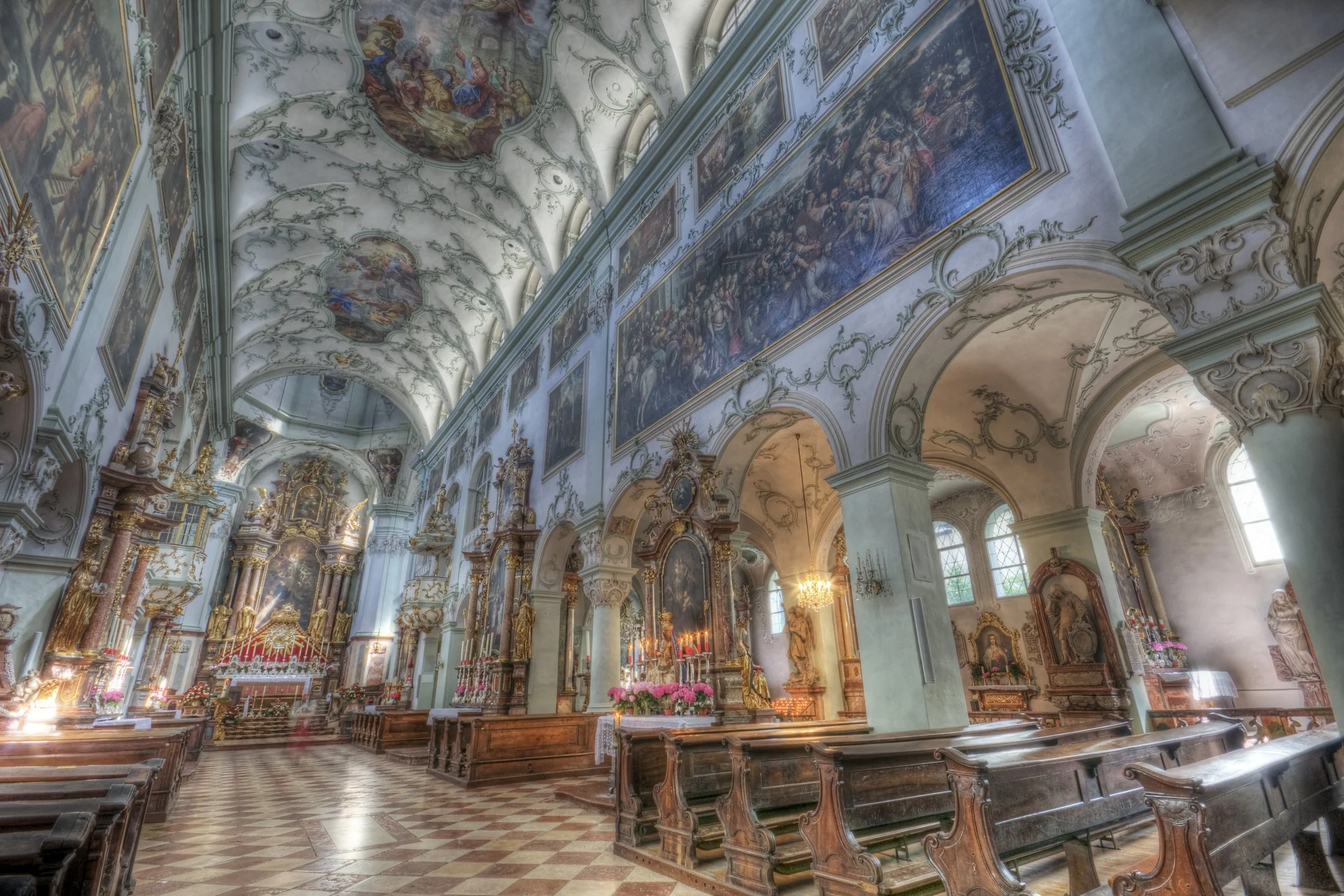
    Wolfgang Amadeus Mozart was born in Salzburg on 27 January 1756, the seventh child of Leopold Mozart, deputy Kapellmeister to the prince-archbishop. On the anniversary of his birth, we attend a morning organ concert in one of Salzburg’s historic churches, where the music of Mozart resounds in the city that shaped his earliest years. Following the performance, we pause for coffee and Sacher torte at the famous Café Sacher before embarking on a walking tour through Salzburg’s old town. The route takes us past Trinity Church and through to St Peter’s Abbey, founded in the late 7th century and among the oldest continuously operating monasteries in the German-speaking world. Our walk continues to Mirabell Palace, built by Prince-Archbishop Wolf Dietrich for his mistress, Salome Alt, in 1606, and later remodelled in Baroque style. We visit Mozart’s birthplace at Getreidegasse 9, where the family lived until Mozart’s teenage years, and now preserves memorabilia from his childhood and early career – instruments, letters and early compositions that document the prodigy whose talents astonished European courts. An evening performance continues our birthday celebrations. Overnight Salzburg (B)

  • Day 11 | Thursday 28 January
    Salzkammergut | Mozart Week
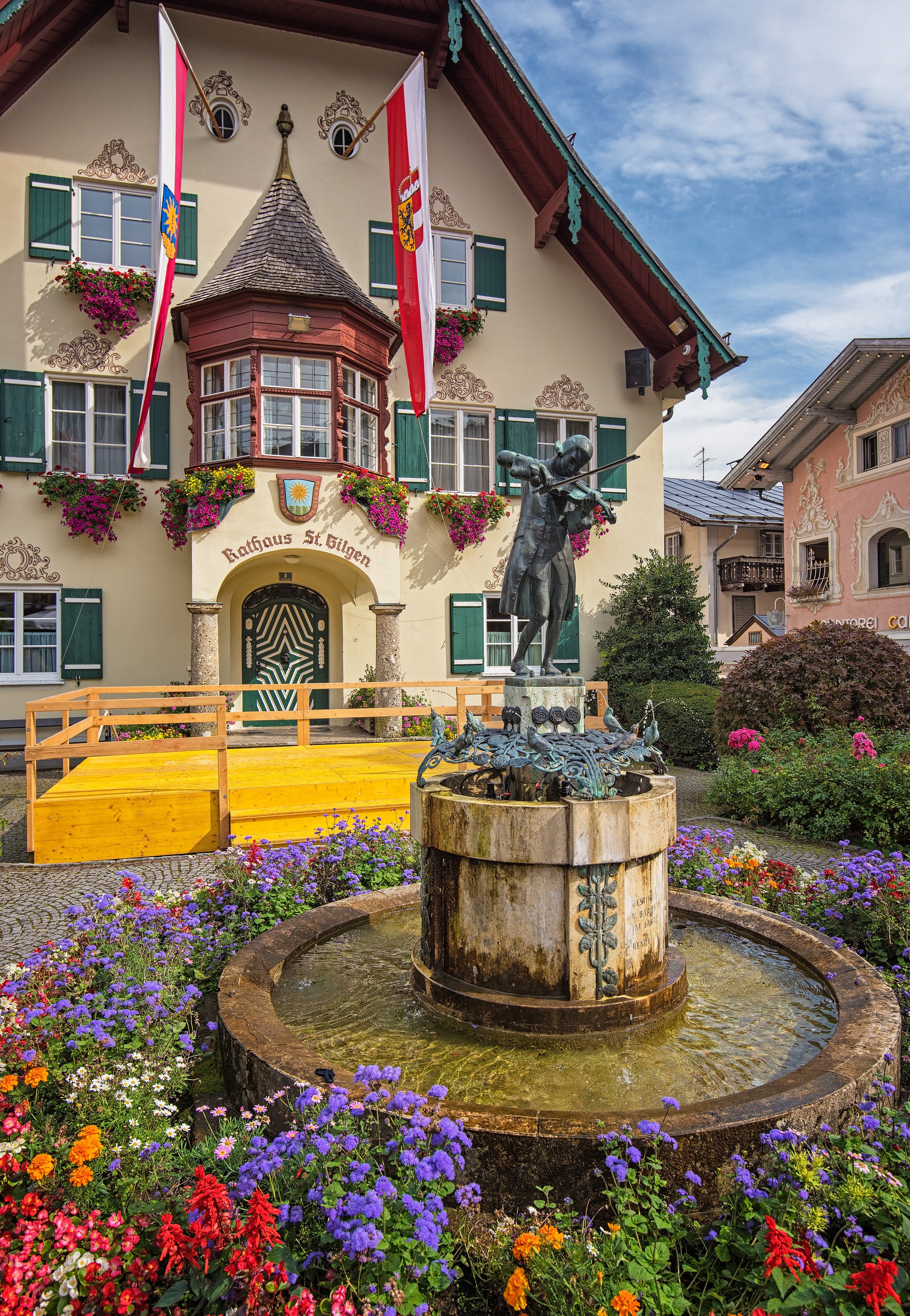
    The Salzkammergut, the lake district extending east of Salzburg, takes its name from the salt deposits that generated princely and later imperial revenues for centuries. Beyond its economic importance, the region’s Alpine landscapes – crystalline lakes surrounded by dramatic peaks – became a favoured retreat for Austrian aristocracy and cultural figures. Today we journey through this picturesque countryside to St Gilgen, the lakeside village where Mozart’s mother Anna Maria Pertl was born. Leopold Mozart maintained strong family connections here, and Mozart himself visited on several occasions. We continue to Bad Ischl, which developed as a spa town in the early 19th century and became the summer residence of Emperor Franz Joseph I. The Kaiser Villa, where the Emperor spent his holidays from 1854 until his death in 1916, preserves interiors and personal effects documenting the final decades of Habsburg rule. It was also here that Franz Joseph signed the declaration of war against Serbia in July 1914, setting in motion the catastrophic sequence that led to the First World War. Following lunch together, we return to Salzburg for an evening performance. Overnight Salzburg (B, L)

  • Day 12 | Friday 29 January
    Opera in Salzburg | Mozart Week
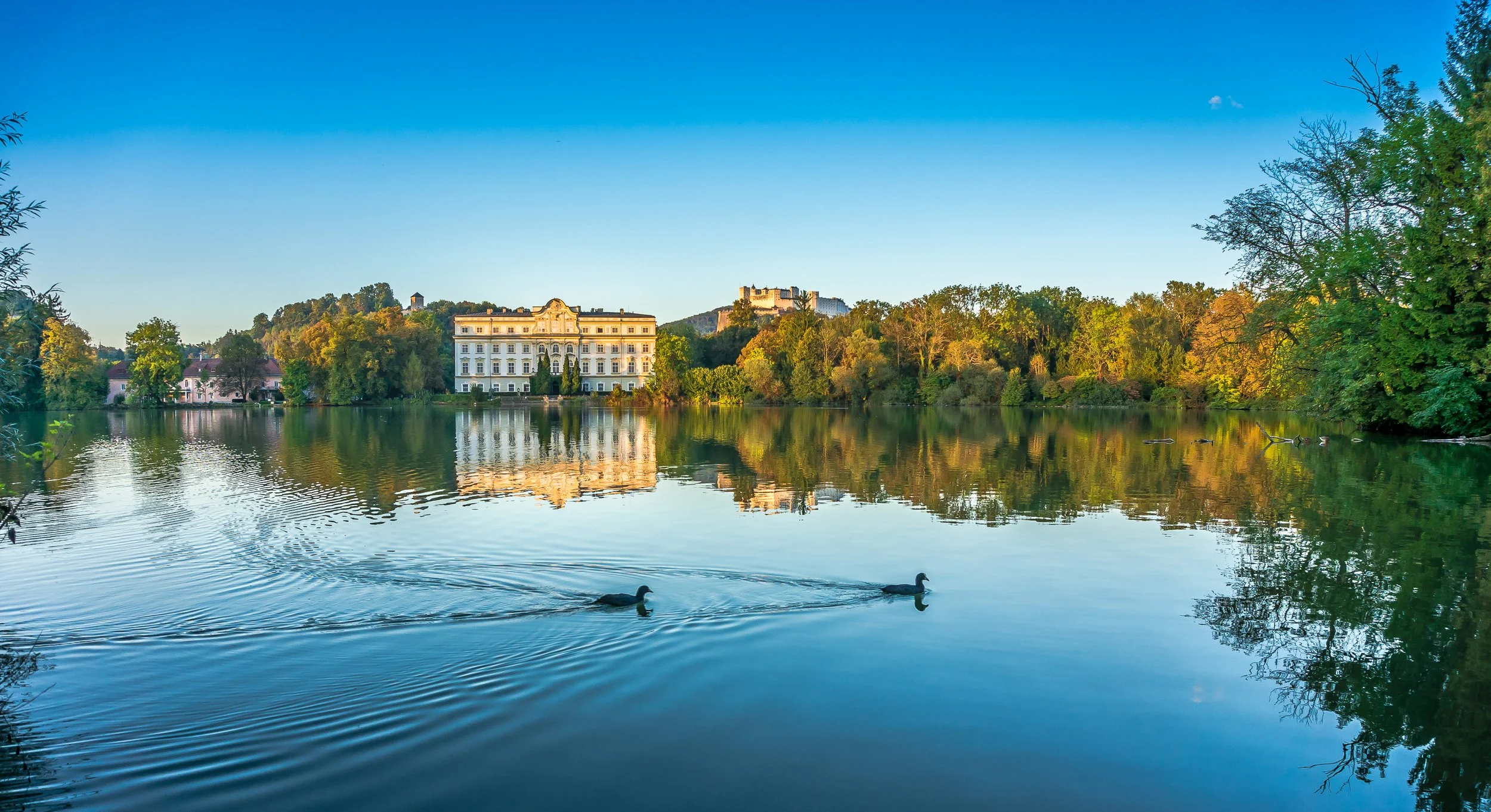
    Schloss Leopoldskron, built in 1736 for Leopold Anton von Firmian, ranks among Salzburg’s most refined Rococo palaces. Its lakeside setting, elegant facades and richly decorated interiors reflect the cultivated taste and political authority of Salzburg’s 18th-century ruling elite. In the 20th century, the palace gained fame as a location for The Sound of Music, though its architectural and historical significance extend far beyond that association. Theatre director Max Reinhardt purchased Leopoldskron in 1918, hosting luminaries from the worlds of theatre, music and literature at gatherings that contributed to Salzburg’s cultural renaissance during the interwar years. We enjoy a guided tour of the palace this morning, exploring its reception rooms and learning about its role in Salzburg’s artistic life. Following lunch together, the afternoon offers time at leisure before we gather this evening for a performance of Mozart’s Così fan tutte, the opera buffa he composed in 1789–90 during his mature Viennese period. Held at the Haus für Mozart concert hall, the musical direction is in the hands of Mozart specialist Ivor Bolton, who conducts the renowned Camerata Salzburg, celebrating its 75th anniversary in 2027. The star-studded cast includes Thomas Hampson as Don Alfonso, Kathryn Lewek as Fiordiligi, and Siyabonga Maqungo as Ferrando. Overnight Salzburg (B, L)

  • Day 13 | Saturday 30 January
    Salzburg Residence | Mozart Week
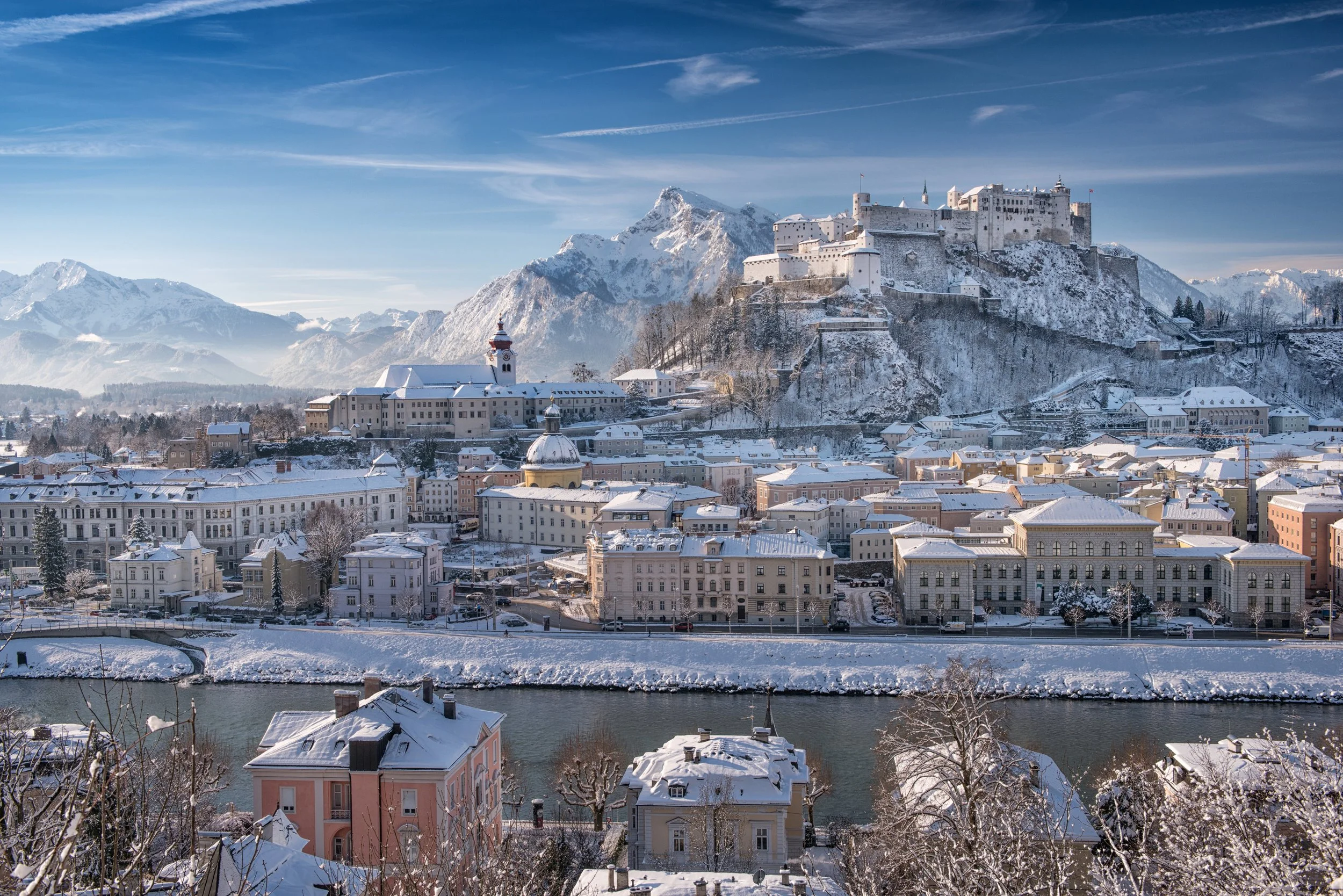
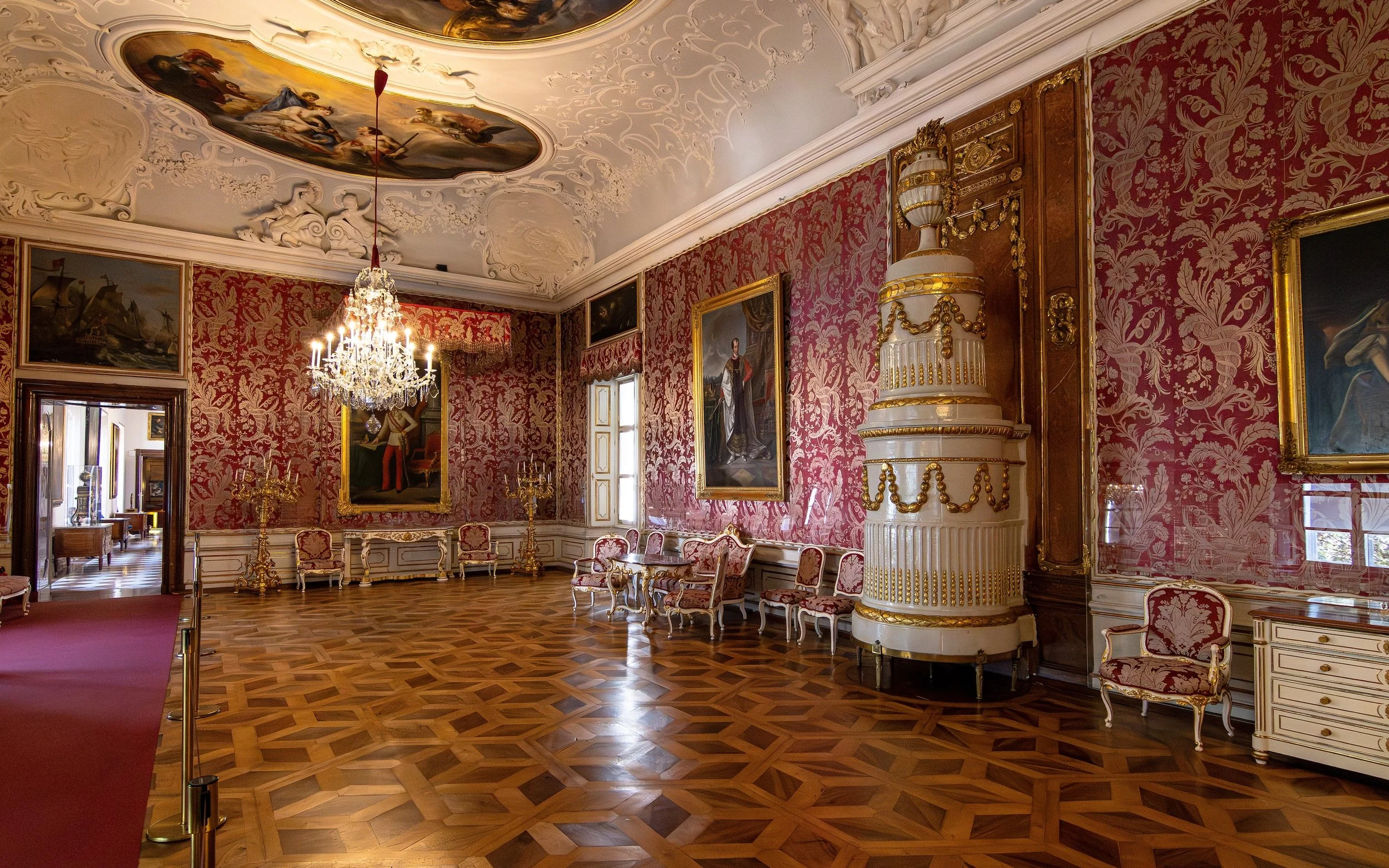
    For centuries the Residenz stood at the centre of power in Salzburg. From this vast palace complex the city’s prince-archbishops shaped Salzburg into one of the most impressive Baroque capitals north of the Alps. Following a morning lecture in the hotel, we walk through the Old Town to the Residenz. Expanded and embellished across the 16th and 17th centuries, our guided visit takes in the palace’s grand state rooms, where elaborate stuccowork, painted ceilings and ceremonial spaces reveal the splendour of the prince-archbishops’ court. Following our visit, we enjoy a farewell lunch in one of the city’s fine restaurants. In the evening, we attend our final performance at the Großes Festspielhaus. Star pianist Víkingur Ólafsson from Iceland makes his eagerly anticipated debut at Mozart Week in a concert with the Vienna Philharmonic, conducted by the highly acclaimed Philippe Jordan. Overnight Salzburg (B, L)

  • Day 14 | Sunday 31 January
    Departure
    Our journey through the baroque worlds of Valletta and Salzburg concludes after breakfast this morning. (B)

Hotels have been selected principally for their central location and comfortable four and five-star standard.

Tour Accommodation

  • Malta, The Phoenicia | 8 Nights

    Located just outside Valletta’s historic walls, The Phoenicia is Malta’s landmark grand hotel. Set within landscaped gardens overlooking the harbour, this five-star hotel offers a calm retreat within easy reach
    of the capital’s streets and sites.

  • Salzburg, Imlauer Pitter | 5 Nights

    Family-run and centrally located, the four-star Imlauer Pitter combines contemporary comfort with long-standing Salzburg hospitality. A short walk from the Mirabell Gardens and the Old Town, it places us within easy reach of the city’s cultural landmarks.

tour booking

$17,890 AUD per person, twin share (land content only)
$2,940 AUD supplement for sole use of a hotel room

A $1,000 deposit is required per person to confirm your booking on tour. This deposit is non-refundable.

Hold a Place

Still deciding? We are happy to hold a tentative place for 7 days while you make your final arrangements.

Book Online

To secure your place(s) on tour, book online below with “Athena”, our virtual tour consultant.

DOWNLOAD FORM

Download a printable booking form. You can also complete the form on screen and submit via email.

your tour consultant

The consultant for this tour is Jamal Fairbrother. For further information or to discuss the tour, please call 9235 0023 (Sydney) or 1800 639 699 (outside Sydney) or email jamal@academytravel.com.au

have you thought about?

Academy Travel is more than just a tour operator. We are also a full-service travel agency who can assist you with all aspects of your travel, including flights, transfers, pre-tour arrival, additional travel and comprehensive travel insurance.

can’t make this departure?

If these dates don't work for you, register to hear about the next tour.