Fabric of SOUTHERN India

Textiles & Crafts From Chennai to Kochi

Discover a treasure trove of vibrant textiles, skilled artistry and traditional crafts as we journey across the south of India.

TOUR STATUS

Places Available | Maximum 16

TOUR DATES

January 2-20, 2027 | 19 Days

TOUR LEADER

Judy Tenzing | View Bio

snapshot

  • The tour starts on Saturday 2 January at Chennai Airport, with individual transfers arranged to the Trident Hotel, Chennai.

    The tour ends after breakfast on Wednesday 20 January, with a transfer to Bengaluru International Airport for your homeward flight.

  • Grade Three
    This tour is among our most
    physically demanding. Please see our website for full details.

    View all requirements >

  • 18 nights’ accommodation in
    centrally located 4 and 5-star hotels. Airport-hotel transfers as indicated All breakfasts, 10 lunches and 8 dinners. Services of an expert Tour Leader and experienced Tour Manager throughout. All ground transport, entrance fees and tipping.

    View standard tour inclusions >

  • $12,480 AUD per person, twin share (land content only)
    $3,370 AUD supplement for sole use of a hotel room

    A $1,000 AUD non-refundable deposit is required per person to confirm your booking on tour

OVERVIEW

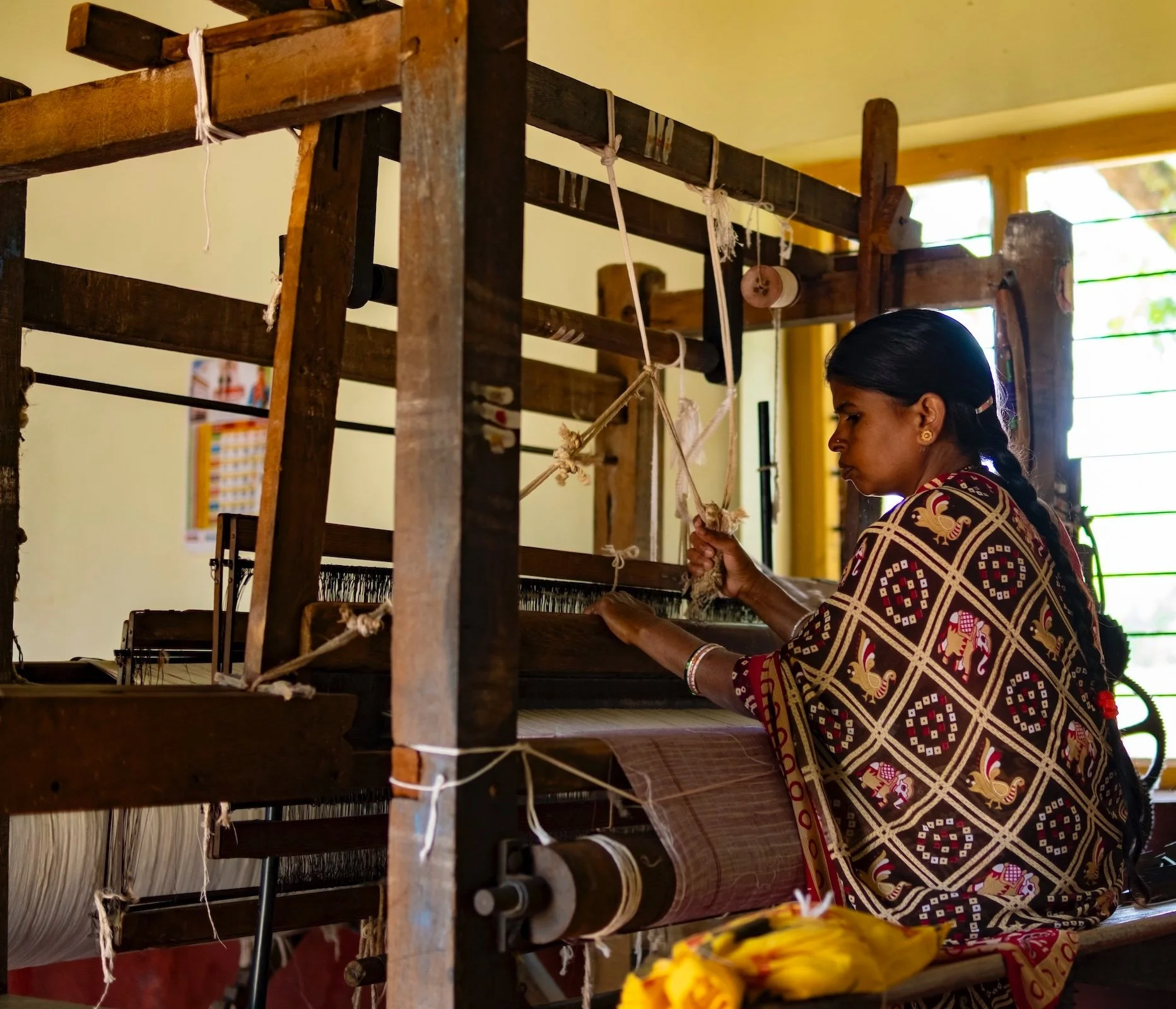
Southern India has long been a centre of textile production and artistic innovation, shaped by maritime trade, regional courts and distinctive local traditions. Its cities and rural landscapes remain home to communities whose skills in weaving, dyeing and decorative techniques continue to define the cultural character of the region.

This 19-day tour, led by India specialist Judy Tenzing, explores this rich heritage through visits to craft centres, community enterprises and conservation initiatives, complemented by hands-on workshops in natural dyeing, block printing, kalamkari and kolam. Throughout the journey we see how long-established practices are being sustained and revitalised as viable livelihoods for local artisans.

We begin our journey in Pondicherry’s French Quarter before returning to Chennai, gateway to South India’s textile traditions. Inland stops include Pollachi’s ethical “farm-to-fashion” initiatives, Munnar’s tea estates and the weaving communities of the Kochi region. A Kerala houseboat offers a memorable backwaters experience, while Bengaluru and Mysuru highlight the region’s silk and sari heritage.

tour highlights

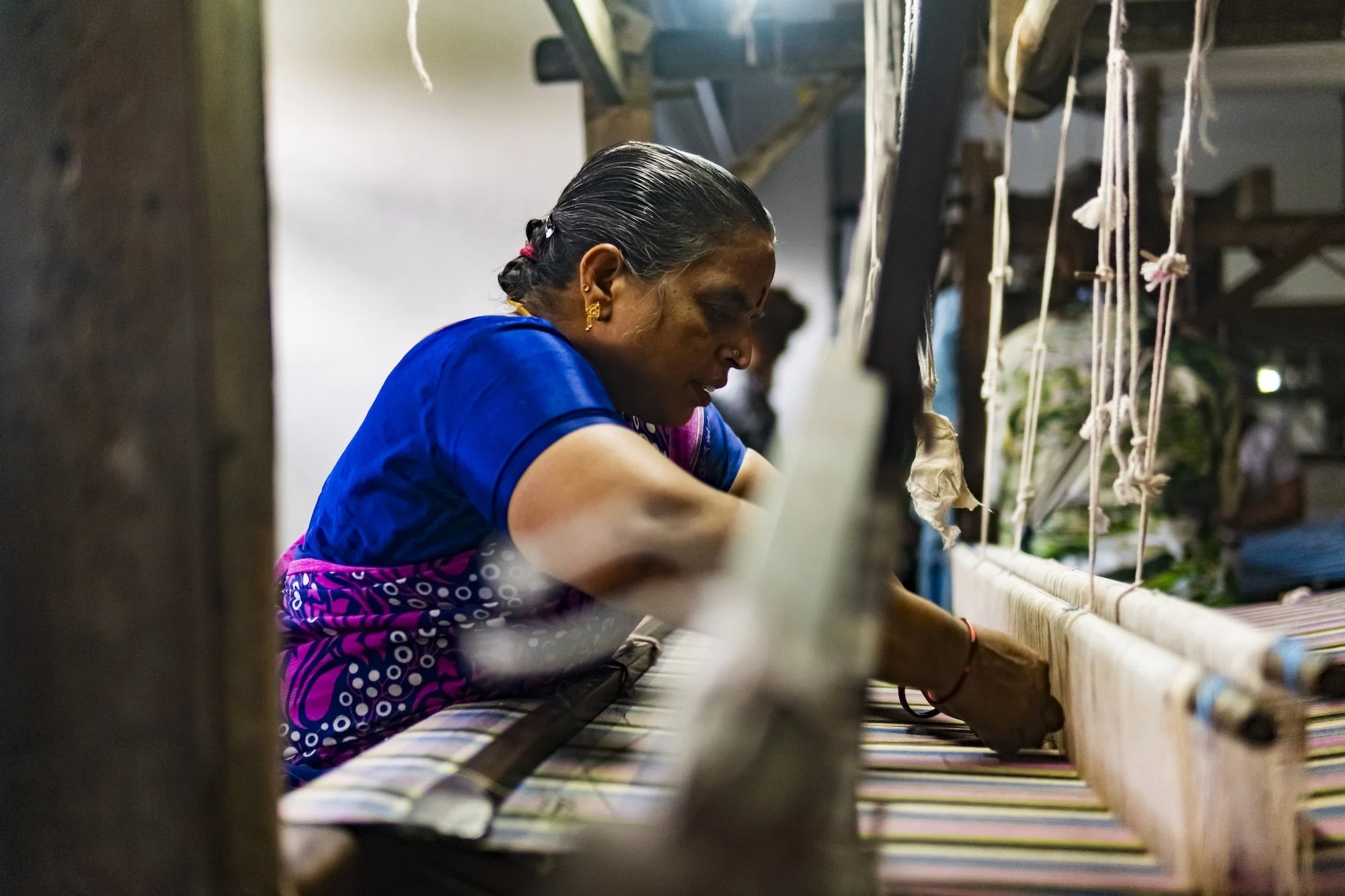
Discover a treasure trove of textiles and crafts from muslin-weaving to indigo dyeing and silk weaving.

Judy Tenzing

your expert tour leader

Judy is a historian with a passion for all things South Asian – India, the Himalaya, Taiwan, Myanmar and Sri Lanka. Her deep knowledge and love for the history, music, textiles and literature of these regions adds a rich dimension to the tours she leads. Judy has a degree in South Asian History as well as post graduate qualifications in secondary teaching. She has taught at the University of Sydney’s Centre for Continuing Education, U3A, COFA, the Jane Austen Society and more – offering courses in the histories, cultures, textiles and faiths.

Read full bio >

Accompanied by an Experienced Tour Manager

Alongside your expert tour leader, an experienced tour manager will accompany for the entirety of the tour. They oversee logistics, ensure your comfort and safety, and provide friendly support – whether offering tips for free time, sharing a chat over dinner, or giving you space to relax.

tour ITINERARY

Chennai (1 night), Pondicherry (3 nights), Chennai (2 nights), Pollachi (2 nights), Munnar (3 nights), Kumarakan (1 night), Kochi (2 nights)
Bengaluru (2 nights), Mysuru (2 nights)

Included meals are shown with the letters B, L and D
Download Printable Itinerary
  • Day 1 | Saturday 2 January
    Arrive Chennai

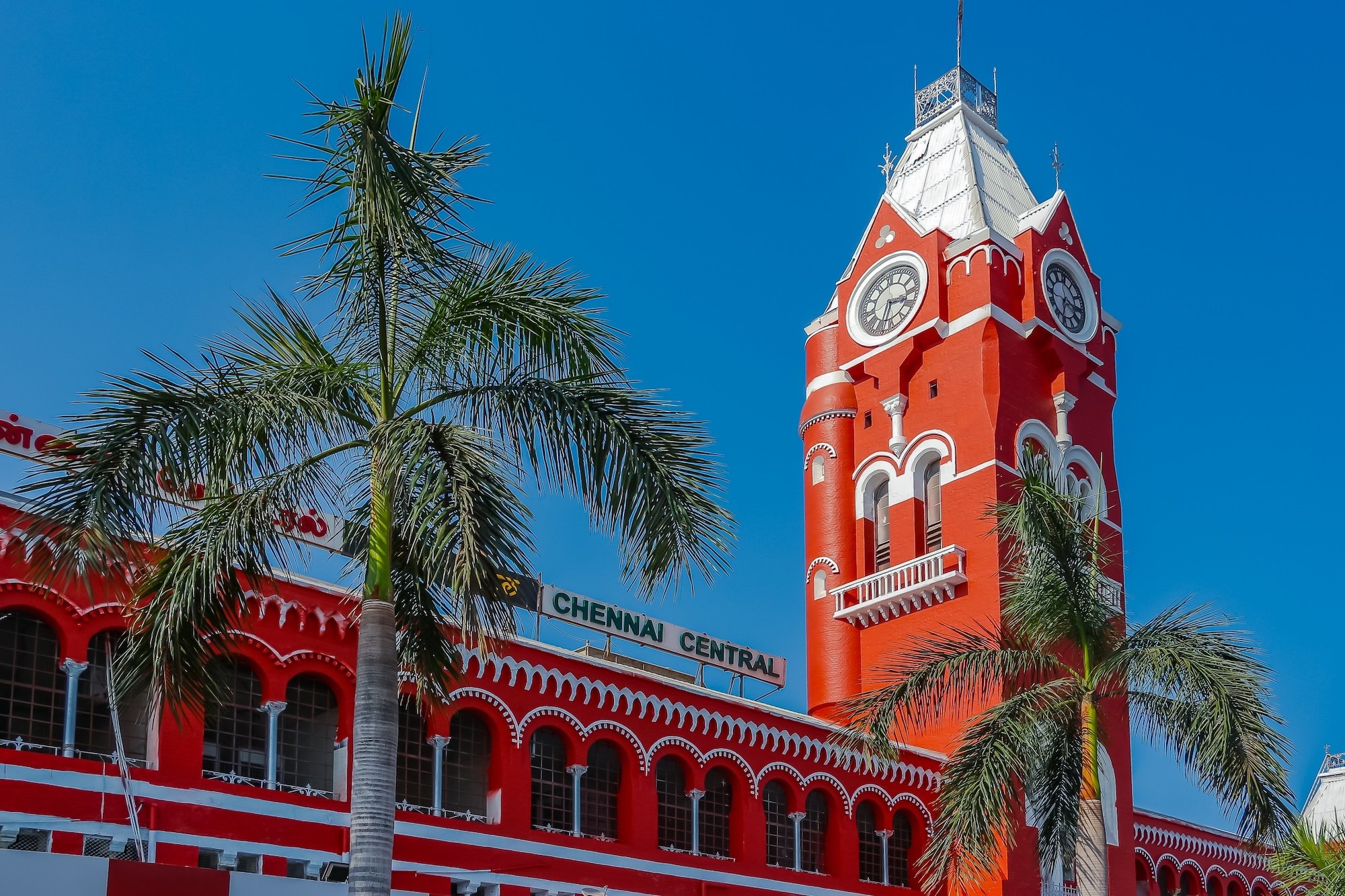
    Gateway to South India and capital of Tamil Nadu, Chennai has long been a major trading port on the Coromandel Coast, linking the textile centres of the interior with Indian Ocean trade routes. Today it is a dynamic metropolis where historic temples, colonial-era institutions and contemporary industry sit side by side. Arriving at Chennai Airport, you are met and transferred to our hotel. As flights arrive at different times, the remainder of the day is at leisure to settle in and make use of the hotel’s facilities. Overnight Chennai.

  • Day 2 | Sunday 3 January
    Chennai To Pondicherry

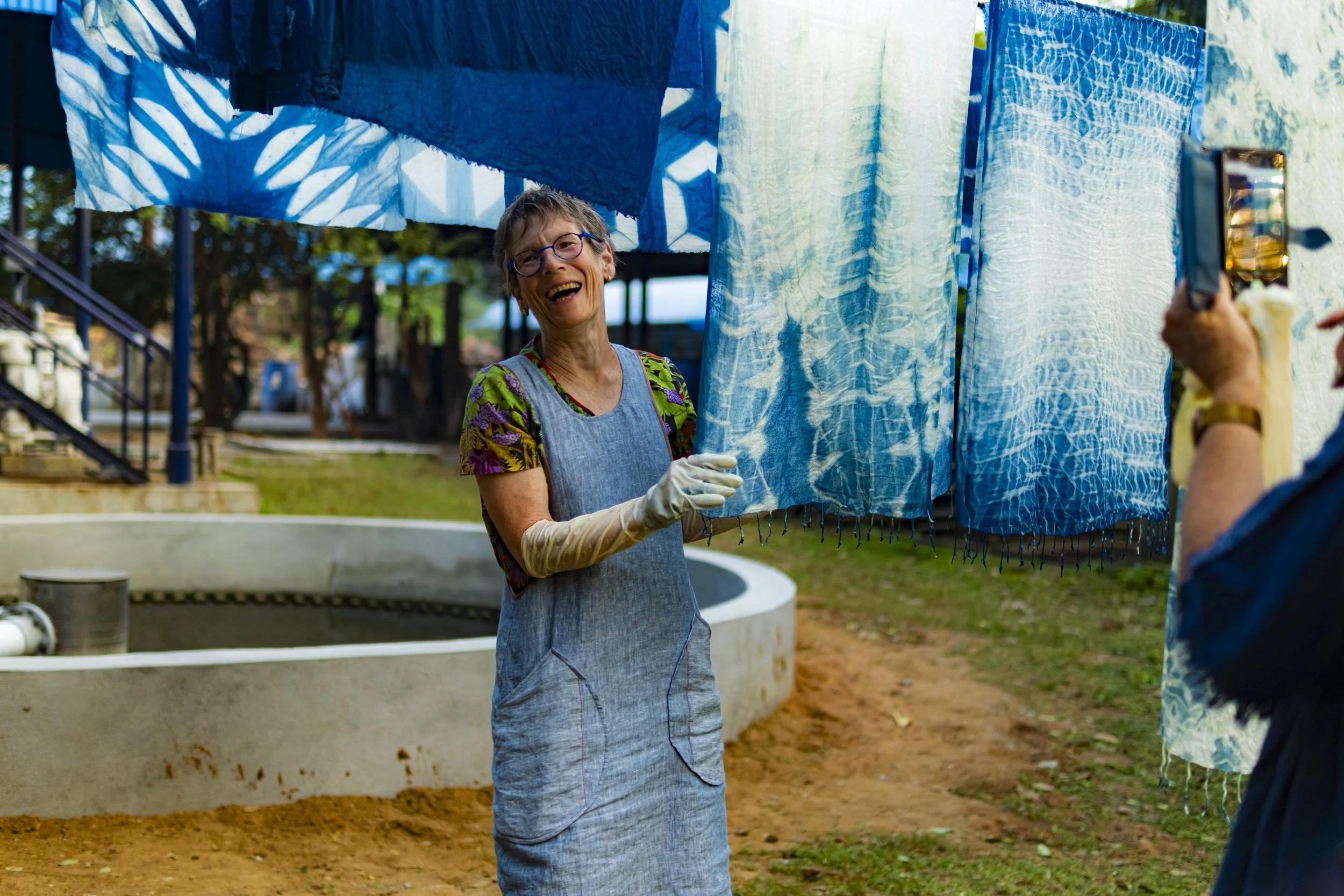
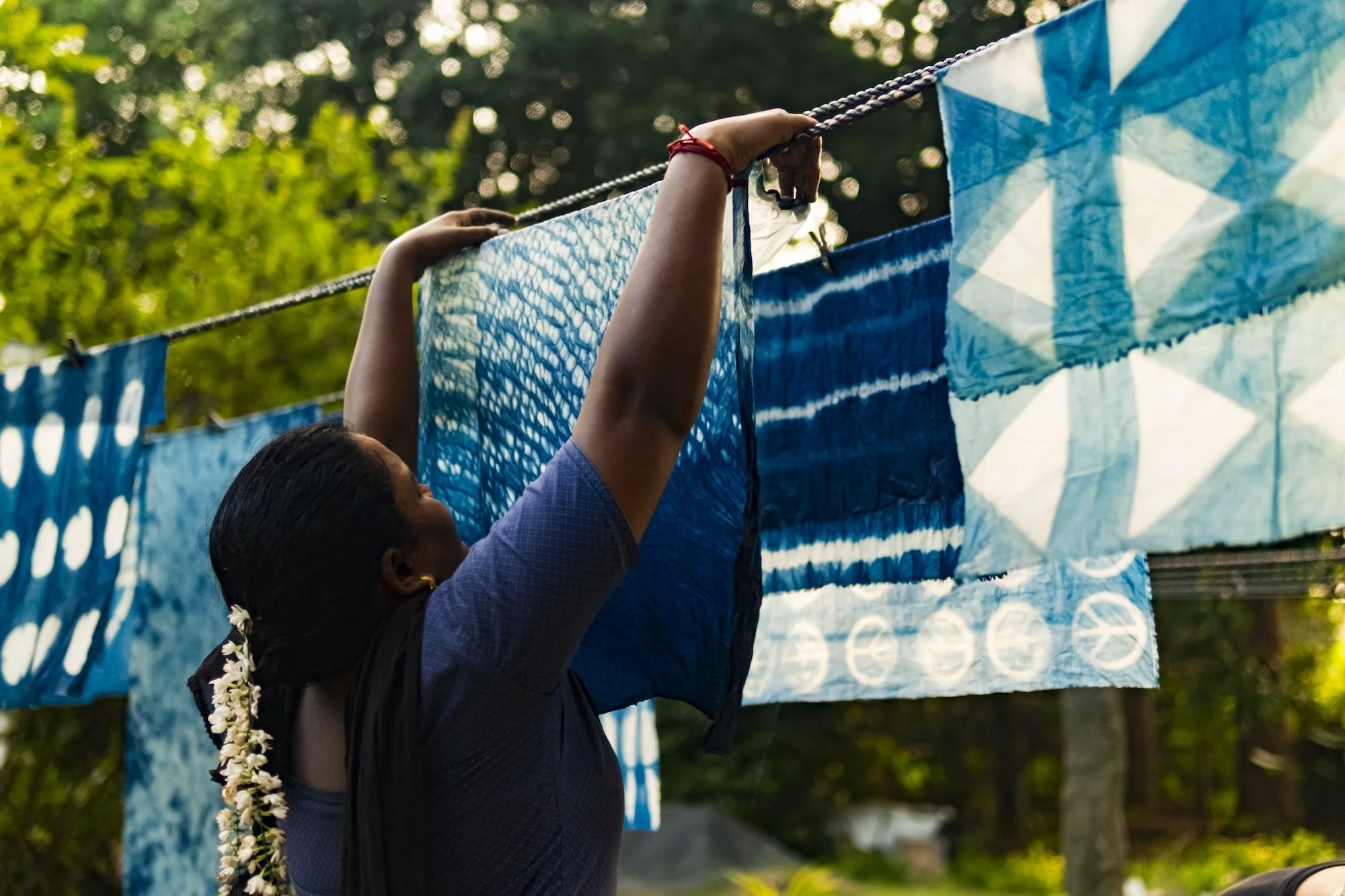
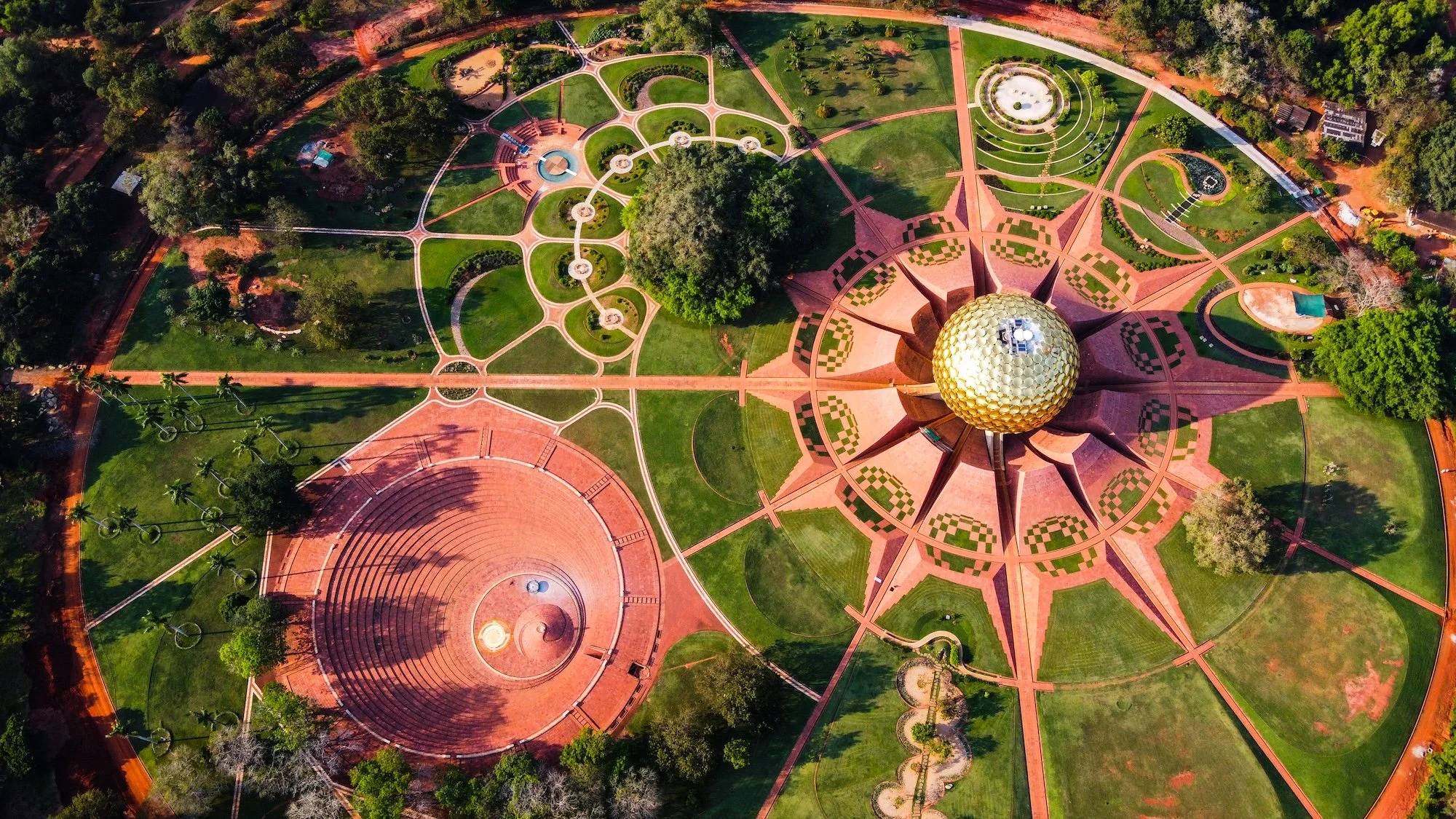
    Today we move from Tamil Nadu’s capital to the former French enclave of Pondicherry, exploring how European colonial powers reshaped South India’s textile economies. The region has long been associated with indigo, cotton and handloom weaving – traditions now being reimagined through sustainable and socially responsible projects. After breakfast we meet our tour leader and depart Chennai by coach, travelling south to Pondicherry. On arrival we visit ‘Colours of Nature’ in nearby Auroville, a globally recognised research and production centre dedicated to environmentally friendly indigo dyeing. During our hands-on workshop we learn about the cultivation, processing and natural chemistry of indigo and try several dyeing techniques on fabric. We then continue to Atelier Shanti, a rehabilitation and training centre that offers a safe place to live and work for local women. Later, we check in to our seafront hotel, with time to relax before our welcome dinner this evening. Overnight Pondicherry (B, D)

  • Day 3 | Monday 4 January
    French Quarter of Pondicherry

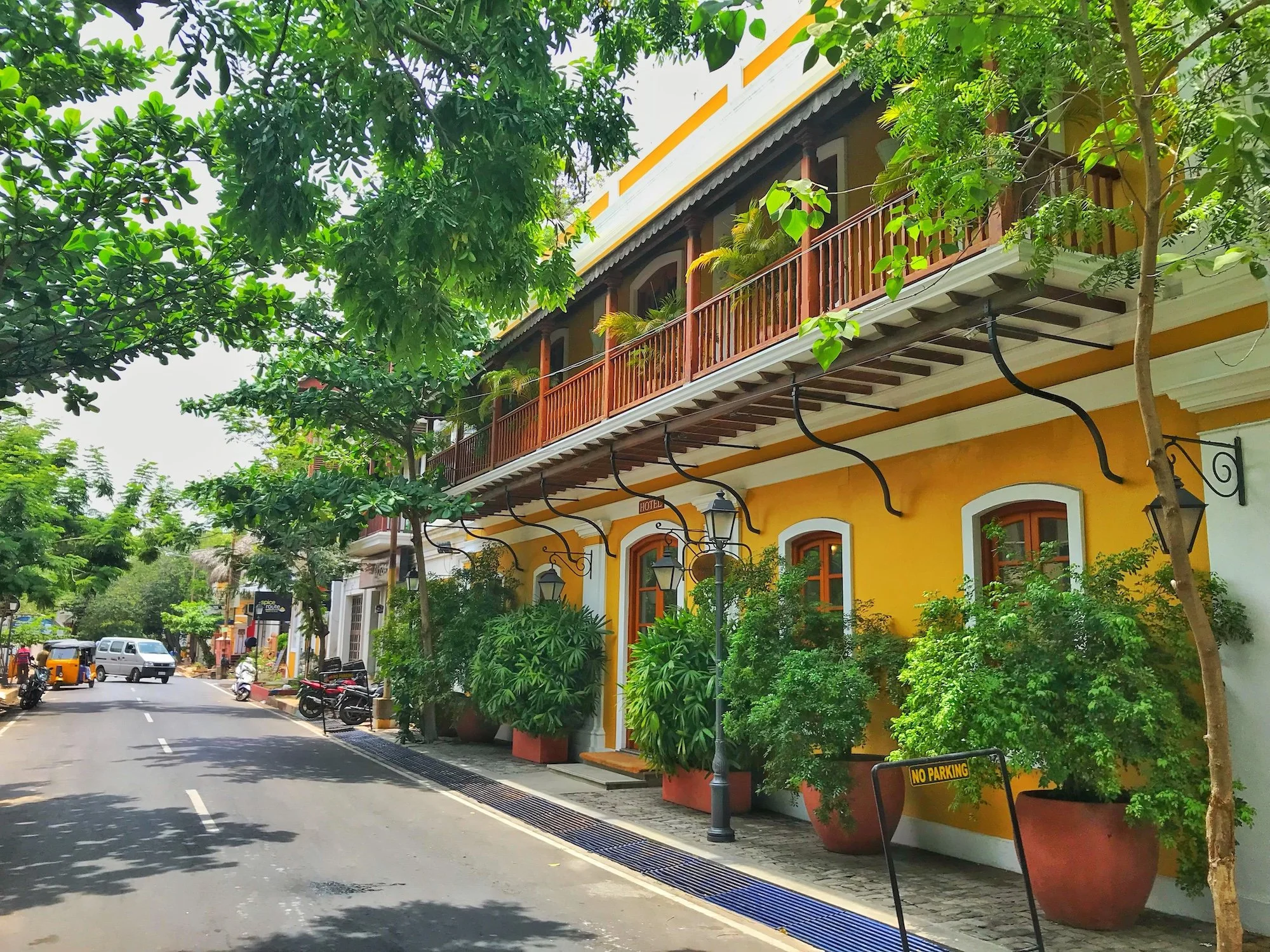
    Pondicherry (Puducherry) preserves one of the most distinctive urban landscapes in India – a planned, European-style town laid out on a grid, shaped by centuries of colonial history. Here, French colonial architecture and Catholic churches stand close to Tamil temples and lively neighbourhoods, reflecting the layered identities of this trading port. This morning, we take a guided walking tour through the French Quarter, exploring tree-lined streets of townhouses, shaded verandas and quiet courtyards. As we walk, we hear about Pondicherry’s changing fortunes under various European powers and the way its urban fabric reflects ideas of order, commerce and control on the colonial frontier. We are then welcomed into a private home for a traditional Creole lunch, introducing the region’s distinctive cuisine which blends French, Tamil and wider Indian influences. The afternoon and evening are at leisure – you may wish to continue exploring the seafront promenade or enjoy a coffee in one of the quarter’s atmospheric cafés. Overnight Pondicherry (B, L)

  • Day 4 | Tuesday 5 January
    At leisure in Pondicherry

    Pondicherry offers a rare chance to experience both European and Tamil urban cultures in one compact, walkable town. Today is reserved for independent exploration, allowing you to follow your own interests at a gentle pace. You might like to visit local museums and galleries, cross the canal into the Tamil Quarter with its traditional houses and shrines
    or browse boutiques specialising in textiles, paper, incense and handicrafts. Pondicherry has much to offer so a day here is a must. Overnight Pondicherry (B)

  • Day 5 | Wednesday 6 January
    Pondicherry to Chennai via Dakshina Chitra

    Today we trace the Coromandel coastline back towards Chennai, pausing to explore the traditional architecture and crafts of South India’s diverse communities. The routes we travel once connected weavers, merchants and religious centres to major ports, forming the backbone of the region’s textile trade. Departing Pondicherry, our drive north brings us to the Dakshina Chitra Living Museum – an open-air cultural centre devoted to the art, architecture and performing traditions of South India. Here we walk through reconstructed houses from different states, gaining insight into domestic life, ritual practice and the regional styles that shaped the built environment. We then continue to Chennai and check in to our centrally located hotel. There is time to relax before dinner in the hotel this evening. Overnight Chennai (B, D)

  • Day 6 | Thursday 7th January
    Kalamkari Traditions in Chennai

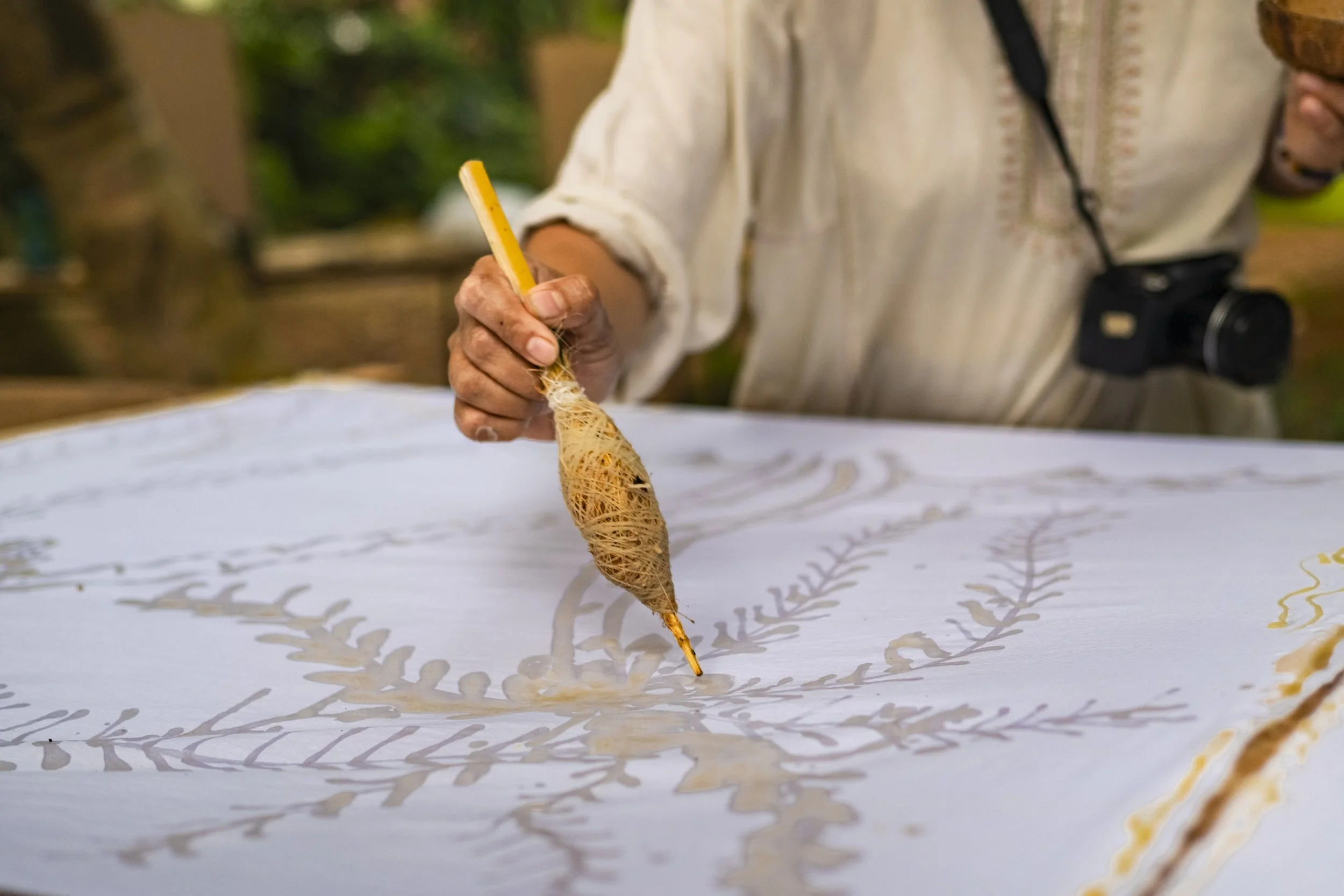
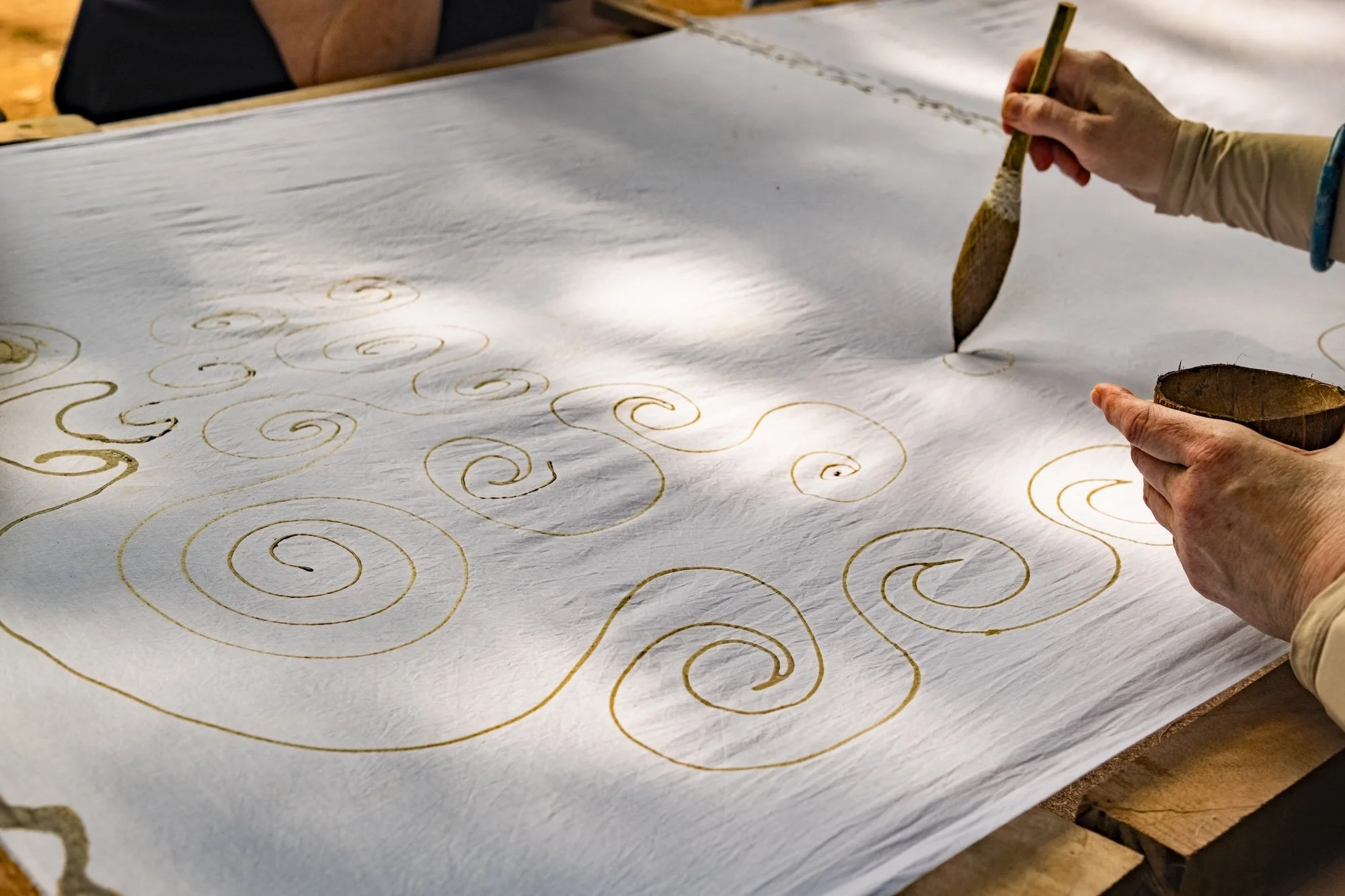
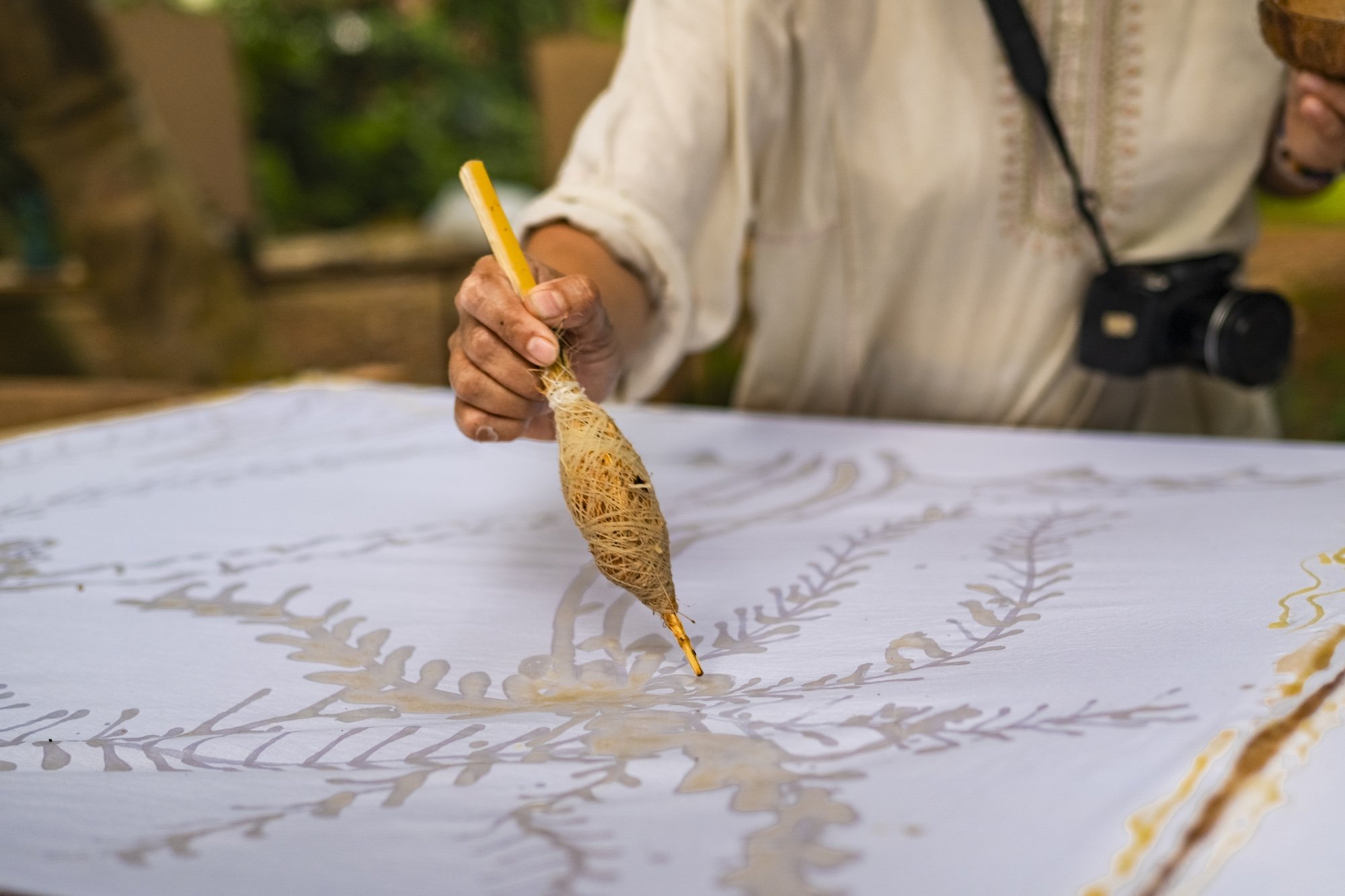
    Kalamkari, literally ‘pen work’, is one of India’s most intricate textile arts, historically used to illustrate episodes from the Mahabharata and Ramayana on cloth panels hung in temples and at village performances. Today, the revival of hand-painted and block-printed kalamkari is closely tied to broader efforts to preserve South India’s narrative arts. This morning we travel to renowned arts institution, Kalakshetra, for an introductory kalamkari workshop. Here we learn about the multi-stage process of preparing cotton cloth, mixing natural dyes and applying motifs using both pen and block. Under guidance, we try some of the techniques ourselves and begin to appreciate the skill required to achieve fine lines and subtle shading. A simple lunch is included during the workshop before returning to our hotel in the afternoon. The remainder of the evening is at leisure on arrival. Overnight Chennai (B, L)

  • Day 7 | Friday 8 January
    By rail to Pollachi

    Railways played a central role in integrating India’s regional textile centres into national and global markets, allowing cotton, silk and finished fabrics to move swiftly between inland towns and coastal ports. Today’s journey offers a classic experience of long-distance train travel, as we move from the coastal plain towards the foothills of the Western Ghats (hills). We make an early departure for Chennai’s rail station and board the Shatabdi Express to Coimbatore, a journey of around seven hours. As we travel, we can watch the rural landscapes of Tamil Nadu unfold – farms, villages and small towns linked by the rail network. On arrival in Coimbatore, a major textile hub often nicknamed the “Manchester of the South”, we continue by road to the nearby town of Pollachi. After checking in, there is time to refresh before dinner together this evening. Overnight Pollachi (B, L, D)

  • Day 8 | Saturday 9 January
    Kolam and Ethical Textiles in Pollachi

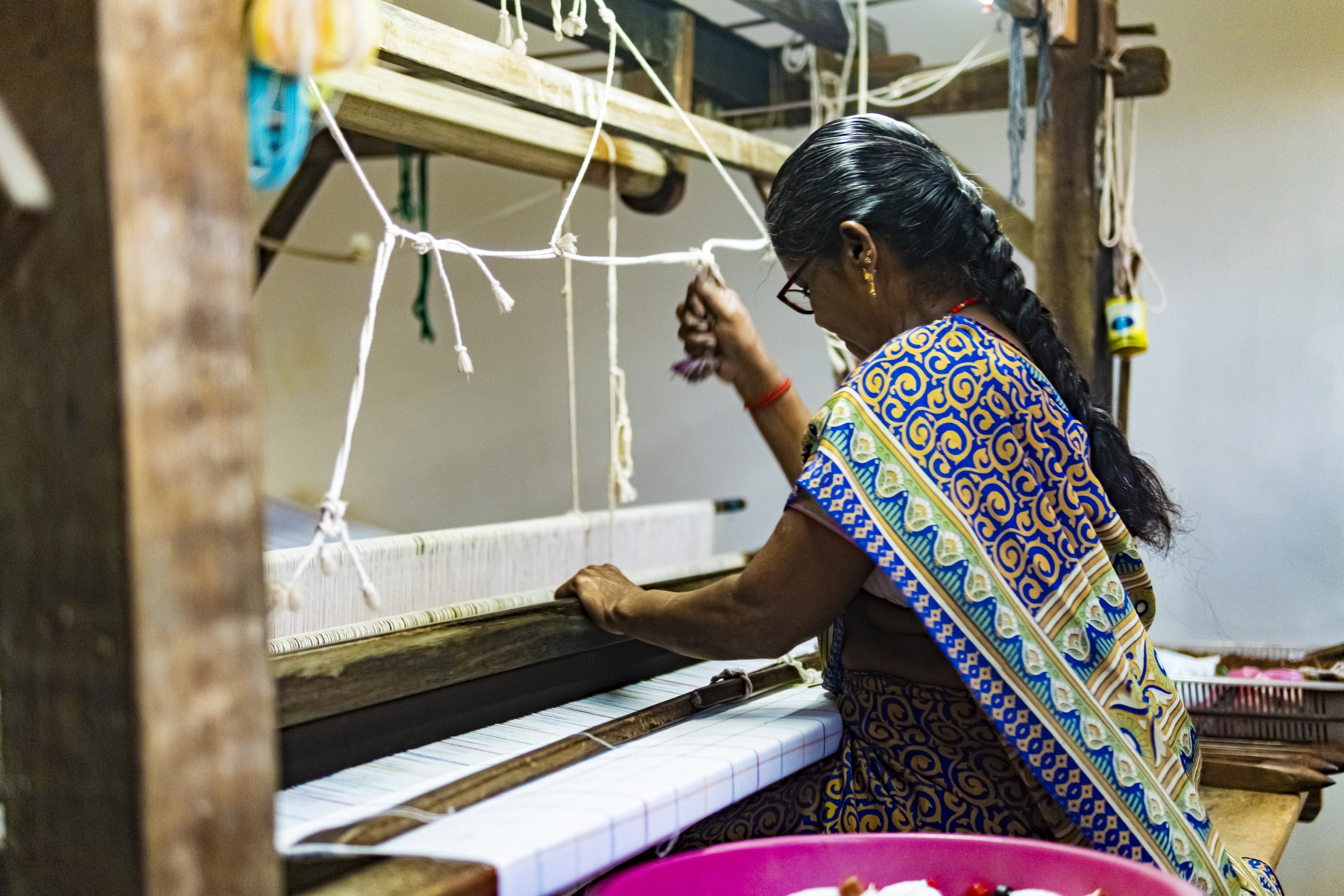
    The region around Pollachi is a fertile agricultural and textile zone, where everyday domestic practices and contemporary ‘farm-to-fashion’ initiatives are closely related. Today we explore the decorative floor art of kolam, as well as an innovative ethical textile enterprise that connects organic cotton farmers and traditional weavers with global markets. We begin the day with a workshop on kolam, the practice of drawing geometric and floral patterns at the thresholds of homes using rice flour. More than simple decoration, kolam expresses ideas of welcome, auspiciousness and daily discipline, and we learn how patterns are built up from basic grids and curves. Following free time for lunch, we then visit the Ethicus Textiles Centre, India’s pioneering ethical fashion brand. Here we see how organic cotton is grown, processed and woven on revived jacquard handlooms, and hear how the founders have worked with local weavers to create sustainable livelihoods ‘from seed to sari’. We return to our hotel with time to relax before dinner. Overnight Pollachi (B, D)

  • Day 9 | Sunday 10 January
    Through the Western Ghats to Munnar

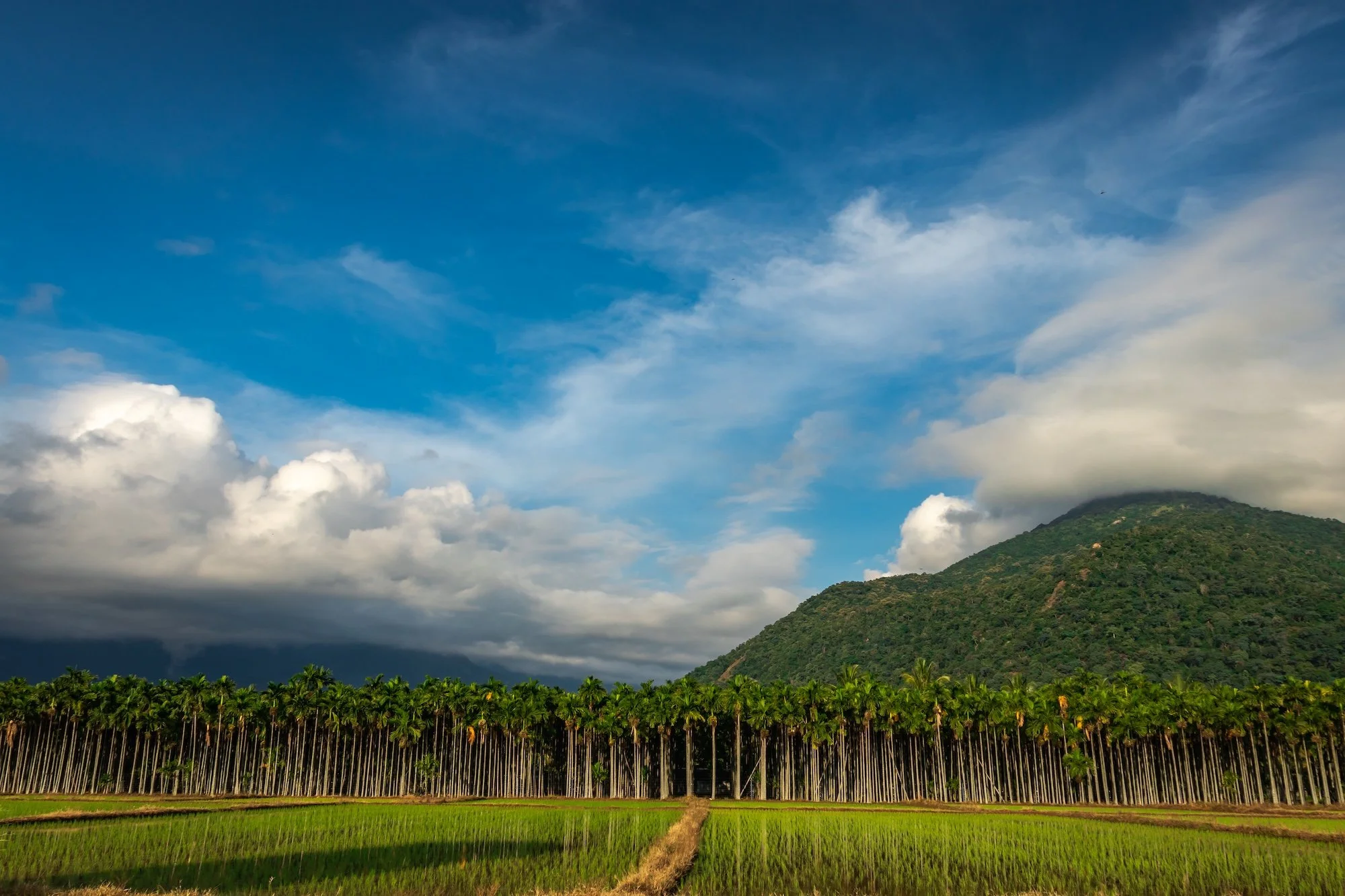
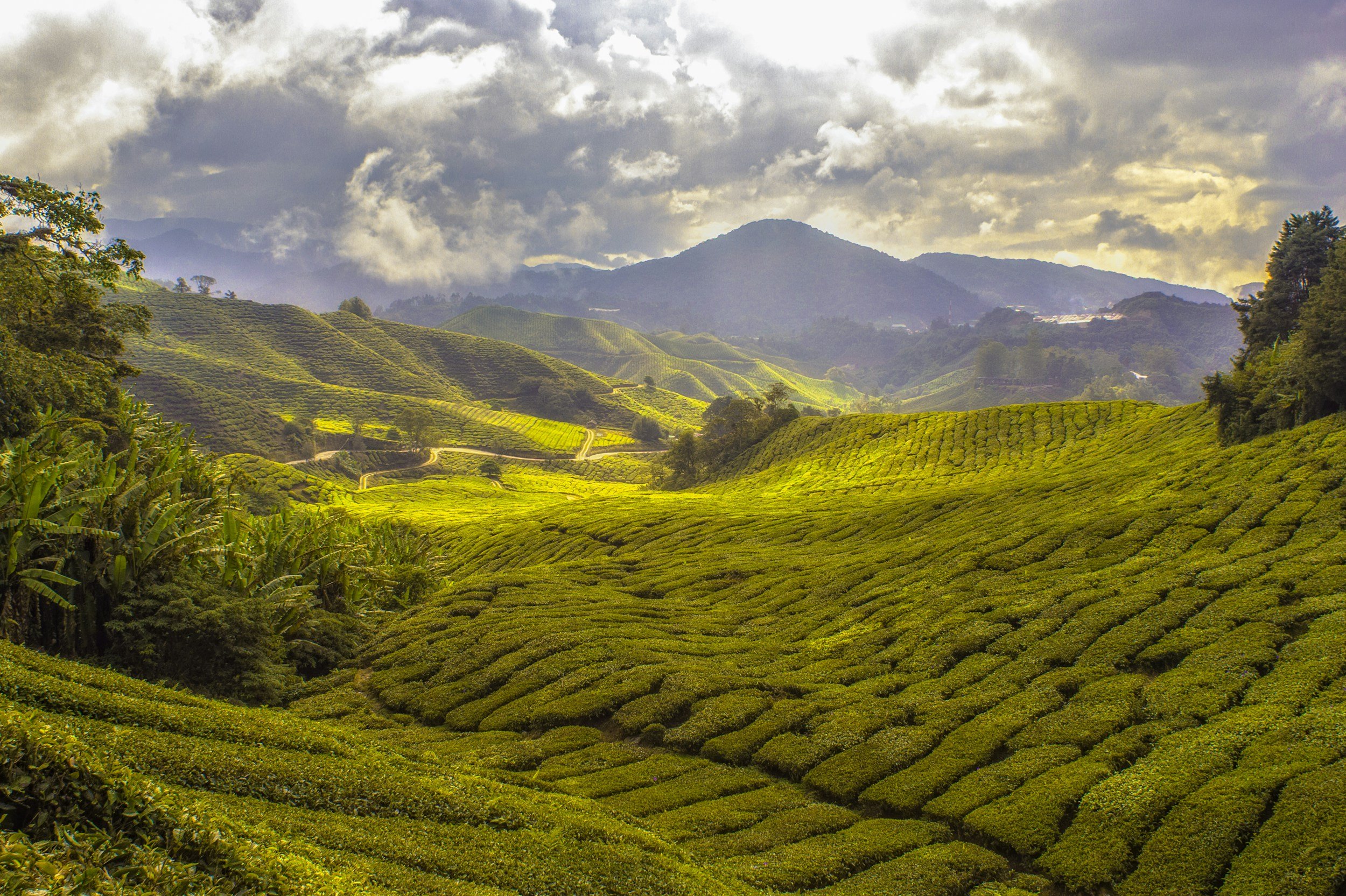
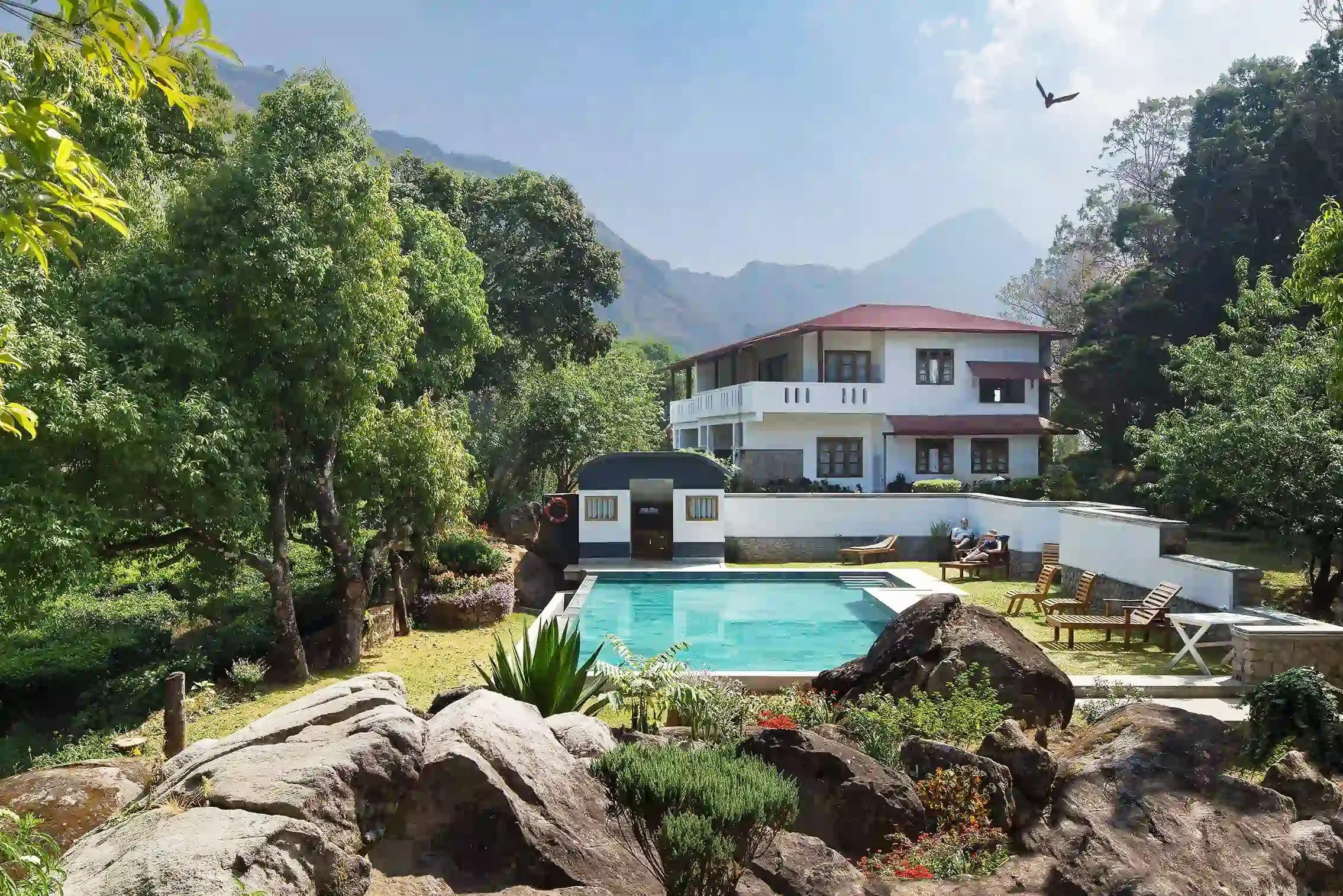
    The Western Ghats mountain range is both a biodiversity hotspot and the setting for South India’s plantation economy, where tea, coffee and spices were developed under colonial rule. Our journey today reveals the dramatic topography that has shaped these agricultural landscapes and the communities who work them. After breakfast we depart Pollachi by road for a spectacular six-hour drive into the Ghats, climbing through protected forests, wildlife sanctuaries and expanses of tea plantations towards the former hill station of Munnar. We pause en route for lunch before arriving at our characterful tea estate accommodation in the afternoon. There is time to settle in, enjoy the cooler mountain air and perhaps wander the estate grounds. Overnight Munnar (B, L)

  • Day 10 | Monday 11 January
    At leisure in Munnar

    Tea estates like those around Munnar were central to the colonial economy, attracting labour from across South India and transforming the region’s ecology and settlement patterns. Today, many of these estates are also tranquil retreats, offering space to slow down and appreciate the mountain environment. As such, our day is set aside for rest and relaxation. You may wish to join one of the optional early morning nature or bird-watching walks offered locally, take a gentle stroll through the plantations or simply relax with a book in the estate’s lounge or gardens. Dinner is included at the hotel this evening. Overnight Munnar (B, D)

  • Day 11 | Tuesday 12 January
    Natural Dyeing with Aranya Naturals

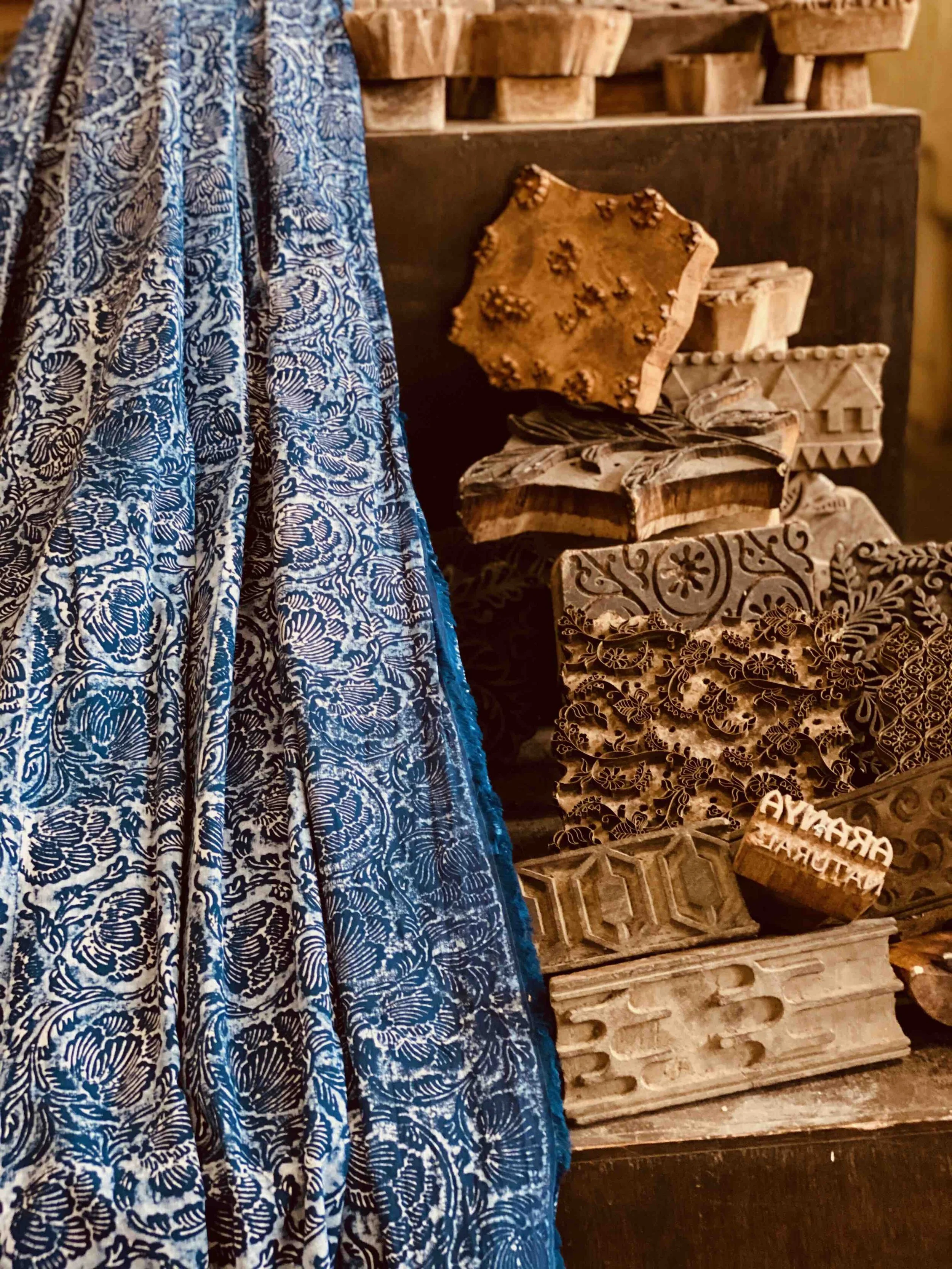
    Munnar is also home to Srishti, an innovative social enterprise supporting differently-abled young people through training in textile crafts. Aranya Naturals, its natural dyeing and printing unit, has gained international recognition for developing plant-based colour palettes and contemporary designs informed by the local environment. A morning visit to Aranya Naturals allows us to see how dyes are produced from materials such as indigo, pomegranate rinds, tea waste, eucalyptus, mulberry leaves, lemongrass, turmeric and marigold. We then take part in a workshop, learning techniques in resist-dyeing, block printing and other decorative methods, guided by staff who share the story of the project and its impact on the community. In the afternoon, there is time to visit Munnar’s bazaar area, where stalls offer local tea, spices, chocolates and handicrafts. Dinner is in our hotel. Overnight Munnar (B, D)

  • Day 12 | Wednesday 13 January
    Houseboat Cruise on the Kerala Backwaters

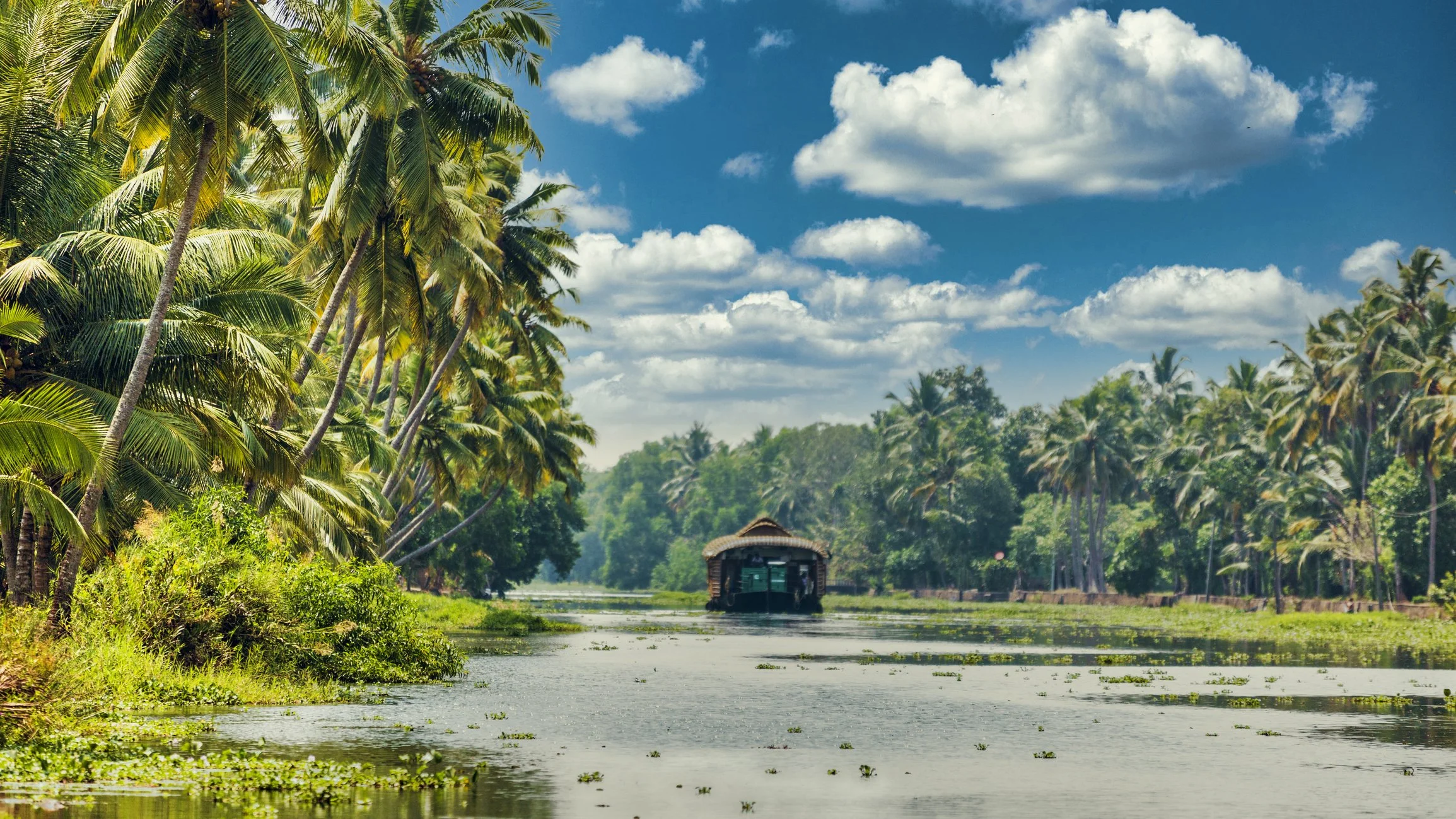
    The backwaters of Kerala form an intricate network of canals, rivers and lagoons that historically linked inland rice fields and villages with coastal ports. Traditional kettuvalam (houseboats), once used to transport agricultural produce, are today adapted for tourism while preserving distinctive boat-building and navigation skills. Departing Munnar this morning, we descend from the hills towards the low-lying backwater region and the village of Kumarakom. Here we board our private, air-conditioned houseboat for an overnight cruise. As we glide along palm-lined waterways, we observe village life on the banks and gain a sense of the region evoked in Arundhati Roy’s The God of Small Things. On board, we enjoy freshly prepared Kerala cuisine for lunch and dinner, and can relax on deck as the boat anchors for the night. Overnight houseboat, Kumarakom (B, L, D)

  • Day 13 | Thursday 14 January
    Kumarakom to Kochi

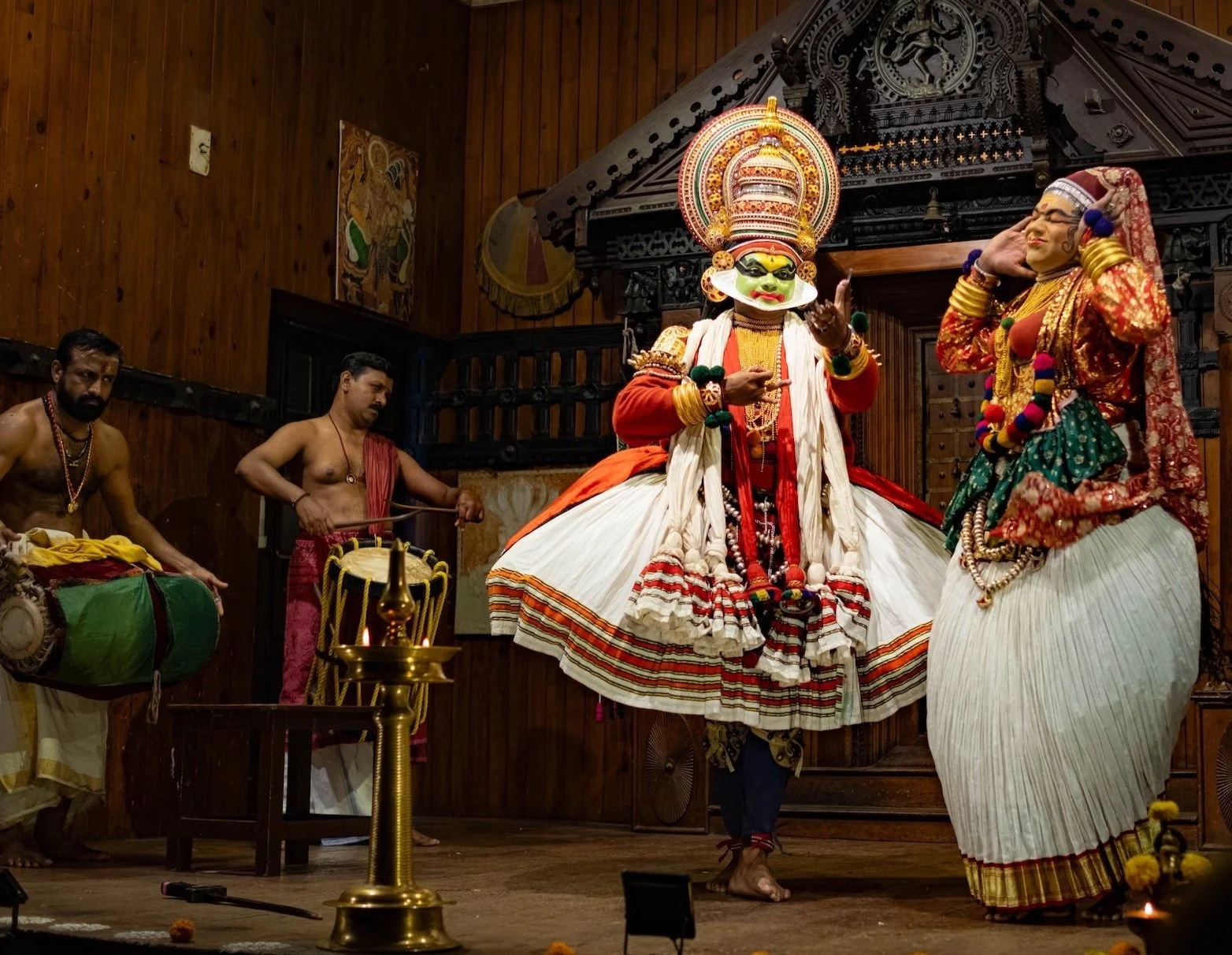
    Kochi (Cochin) has been a major trading port for over two millennia, connecting South India to maritime routes that linked Rome, Arabia, East Africa and China. Spices, timber and textiles all passed through its harbours, and successive foreign powers left their mark on the city’s architecture and communities. After breakfast we disembark our houseboat and drive to Kochi. On arrival we enjoy lunch together in a local restaurant before taking in an afternoon performance of Kathakali, the classical dance-drama tradition of Kerala. Before the show we observe the elaborate process of make-up and costuming, then watch as performers use gesture, facial expression and music to tell stories drawn from literature. We then check in to our boutique hotel in Fort Kochi, with the evening at leisure. Overnight Kochi (B, L)

  • Day 14 | Friday 15 January
    Weaving Heritage and Historic Fort Kochi

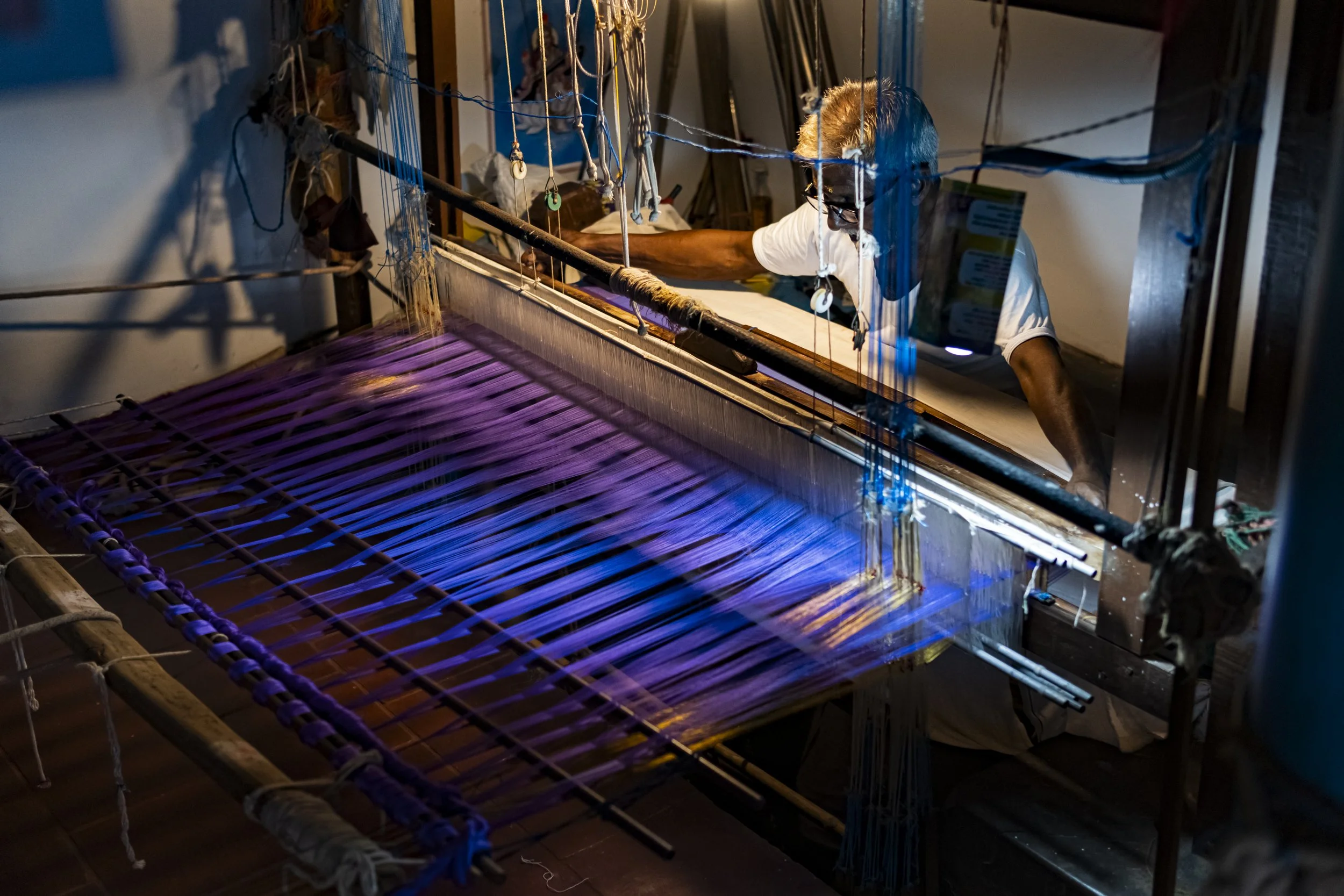
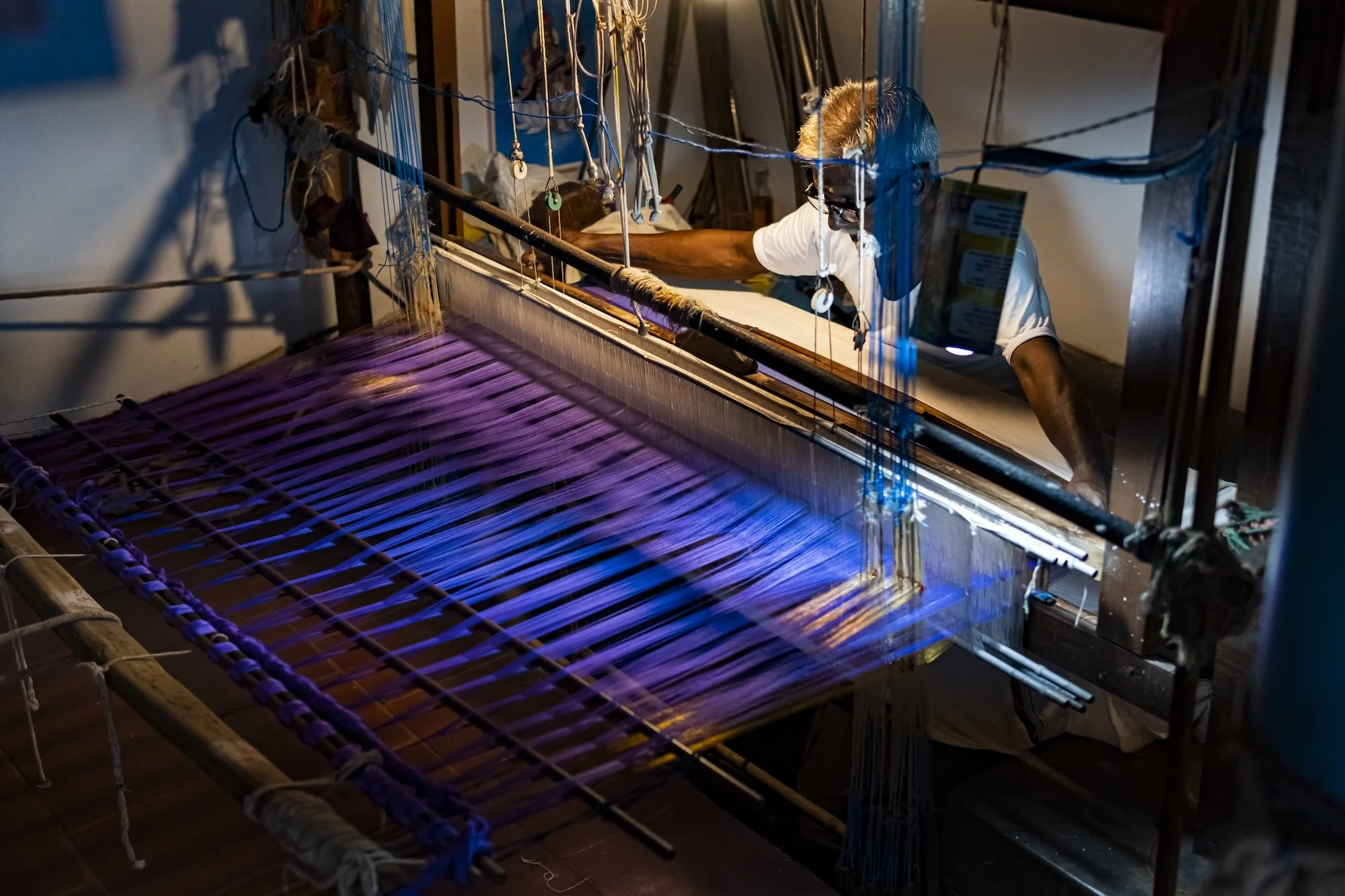
    The wider Kochi–Muziris region has been a centre of textile production and trade for centuries, with specialised weaving communities supplying local rulers, temples and international merchants. Today we take the transport ferry to Vypin Island to visit Chendamangalam, a riverside village historically home to the Devanga Chettiars – master weavers to the Rajah of Cochin. Here, we learn about their finely woven cotton saris, dhotis and household linens, and consider the challenges and opportunities for handloom weaving in contemporary India. After lunch, we return to Kochi for a walking tour of Fort Kochi, with its mix of Dutch, Portuguese and British colonial buildings, churches and go-downs, as well as the famous Chinese fishing nets along the shoreline. On return to our hotel, the remainder of the day is at leisure. Overnight Kochi (B, L)

  • Day 15 | Saturday 16 January
    Kochi to Bengaluru

    Bengaluru (Bangalore), capital of Karnataka, has evolved from a princely city into one of India’s leading design hubs, drawing on long-standing silk and cotton traditions across the state. Making an early start, we take a short flight from Kochi to Bengaluru. On arrival we transfer to our heritage hotel, with time to freshen up before embarking on a walking tour through some of Bengaluru’s historic areas, including the 400-year-old Chickpet market – renowned for its silk sari trade. Here we see narrow lanes lined with colourful textile shops, as well as stalls selling everyday household goods, gaining a vivid impression of the city’s trading life. Overnight Bengaluru (B)

  • Day 16 | Sunday 17 January
    Printing Traditions in Bengaluru

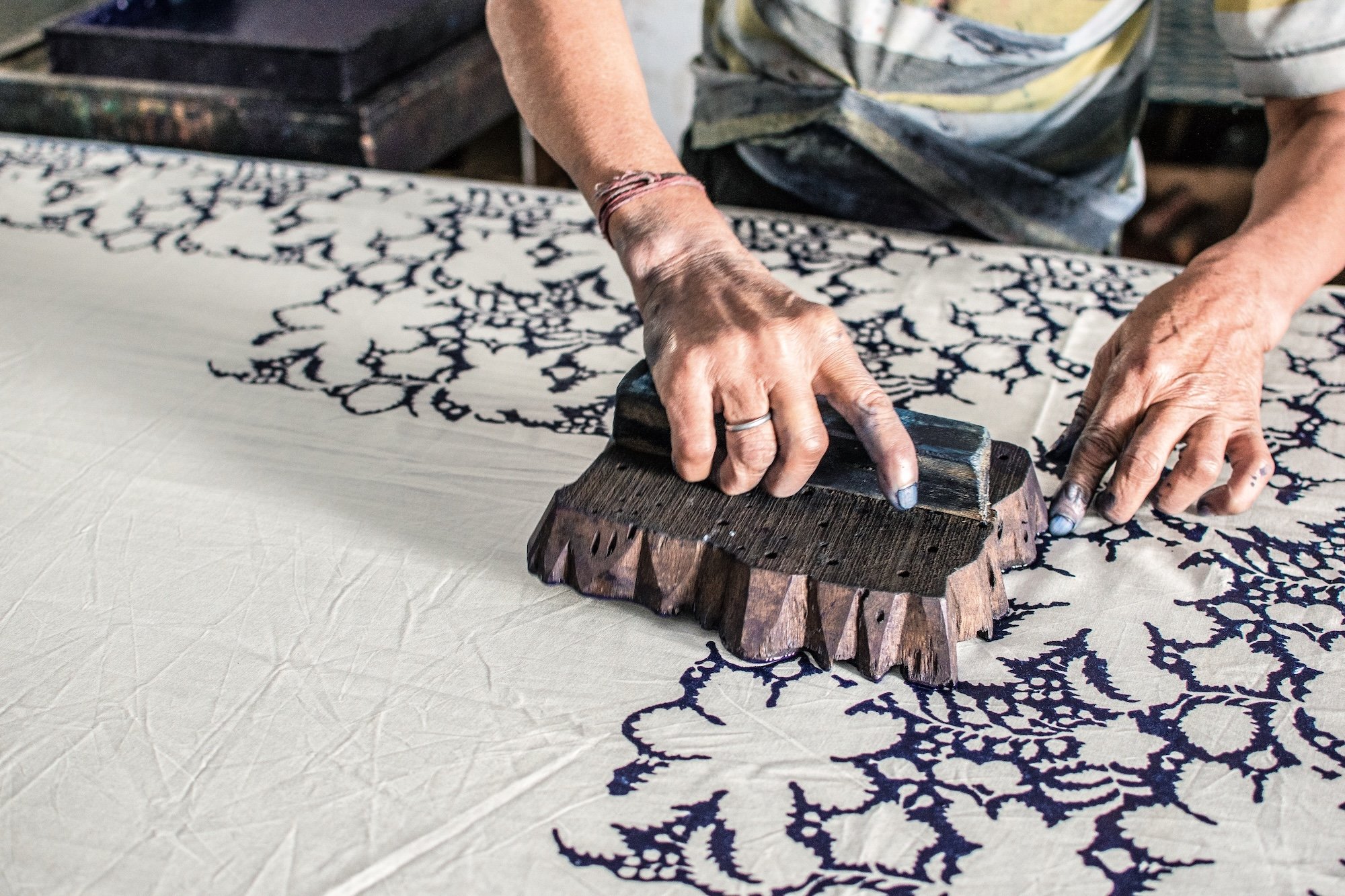
    Block printing has been central to the development of Indian textiles, allowing complex patterns to be reproduced with speed and precision. Today we look at how this heritage is being adapted for contemporary markets, and how research institutions are documenting and preserving South Asian textile knowledge. Our morning is spent at Tharangini Studio. Here we see how hand-carved blocks are used with environmentally responsible dyes on carefully prepared cloth, and participate in a workshop that introduces key steps in the printing process. After lunch, we continue to the Registry of Sarees, a research and study centre focused on hand-spun textiles. We hear about their interdisciplinary projects, view selections from their two major collections – including an extensive documentation of khadi (hand-spun cotton) and a wider survey of regional textile traditions – and learn how they manage conservation, documentation and access for researchers. We then return to our hotel for an evening at leisure. Overnight Bengaluru (B, L)

  • Day 17 | Monday 18 January
    Bengaluru to Mysuru via Kodiyala

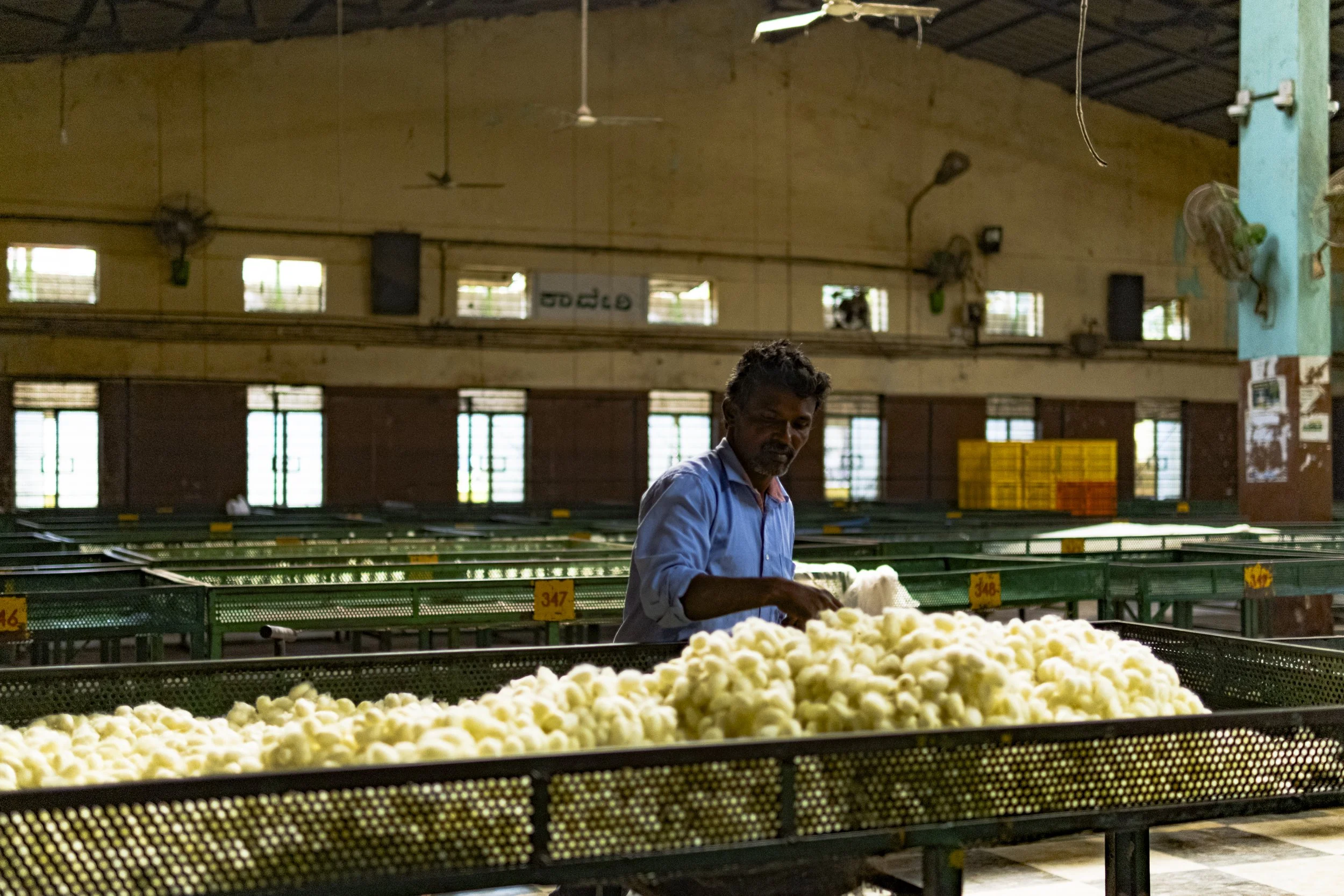
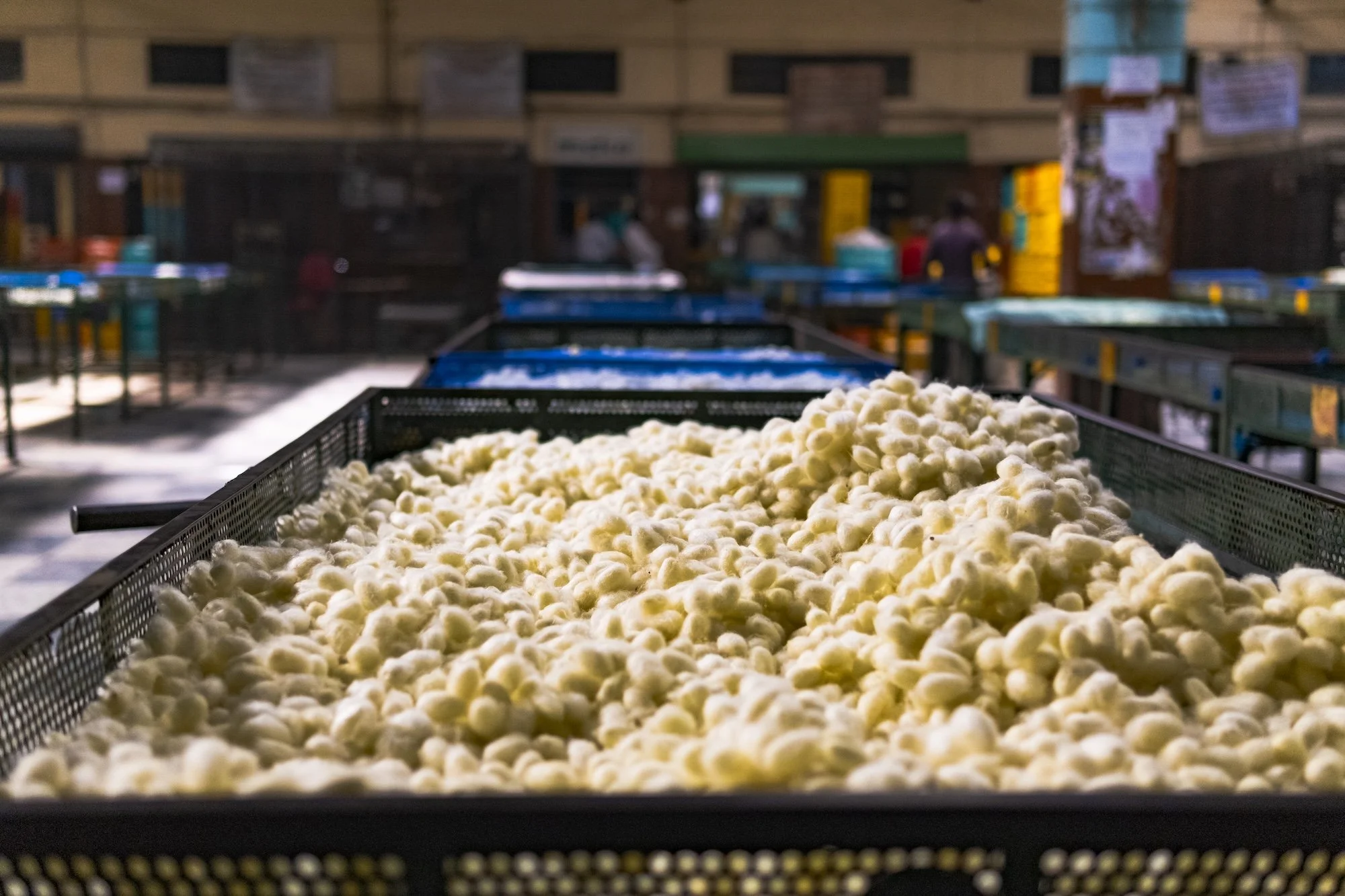
    Mysuru (Mysore) has long been associated with royal patronage and luxury textiles, particularly its famed silk. The route between Bengaluru and Mysuru passes through small weaving centres that supplied the courts and continue to produce specialised fabrics today. After breakfast we depart Bengaluru for Mysuru, stopping en route for lunch. We then visit the village of Kodiyala, historically home to the Padmashali community – sometimes known as ‘Lotus Weavers’ – who produced fine silks for the Mysore royal family and were patronised by Tipu Sultan in the 18th century. Here we learn about silk cocoon grading and the early stages of extraction and processing. Later we continue on to Mysuru and check in to our hotel on arrival. Overnight Mysuru (B, L)

  • Day 18 | Tuesday 19 January
    Silk and Royal Mysuru

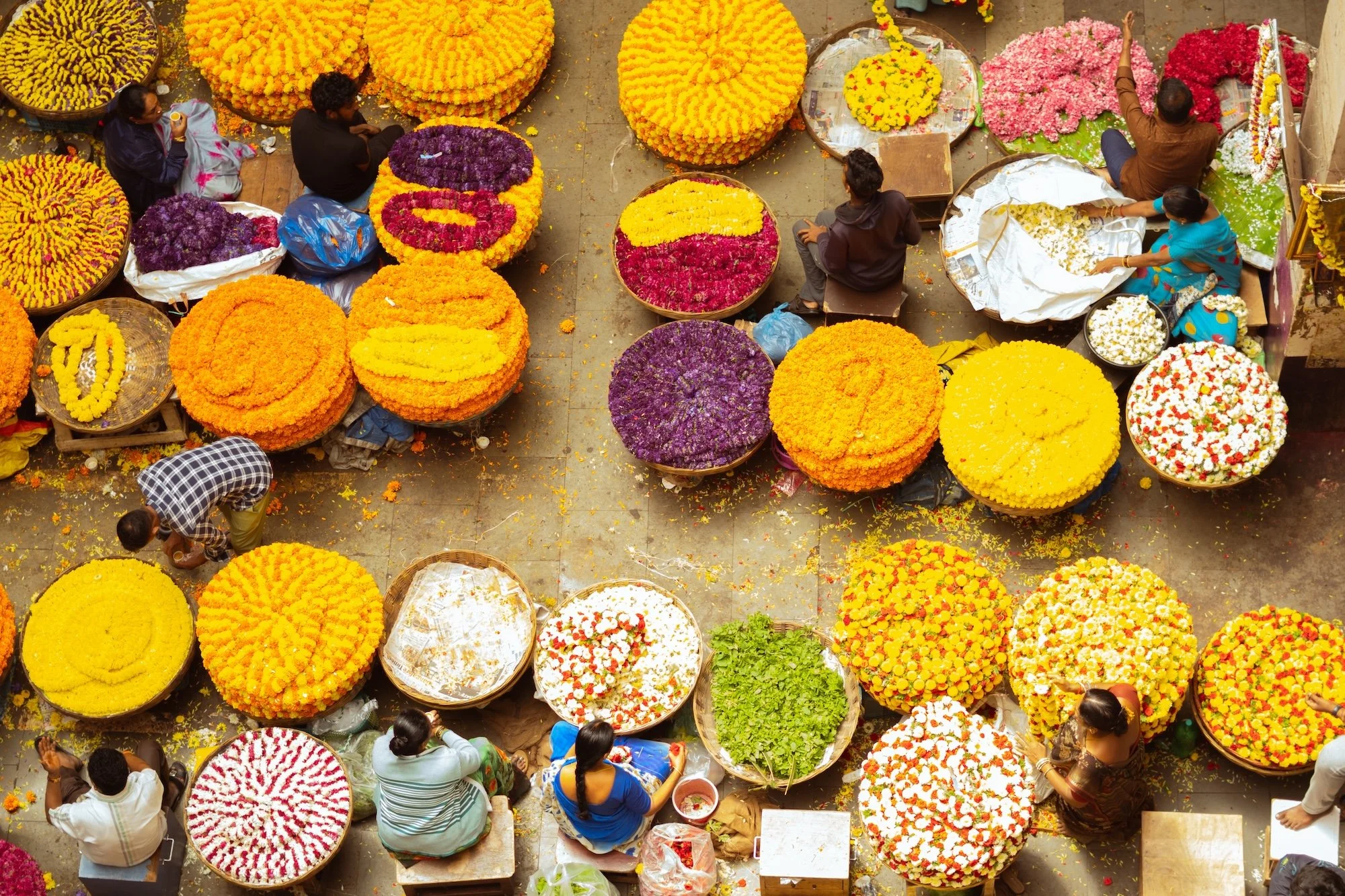
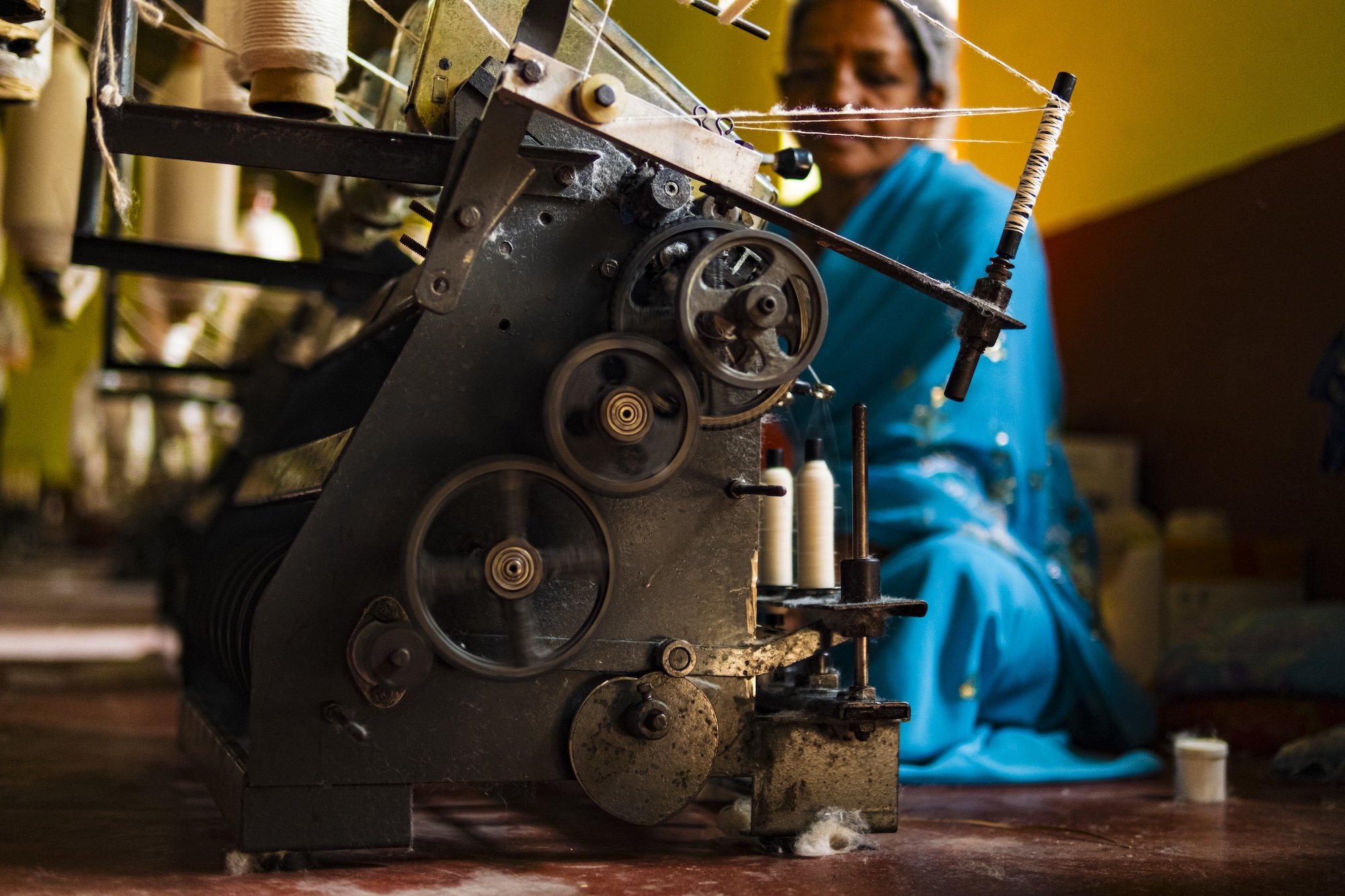
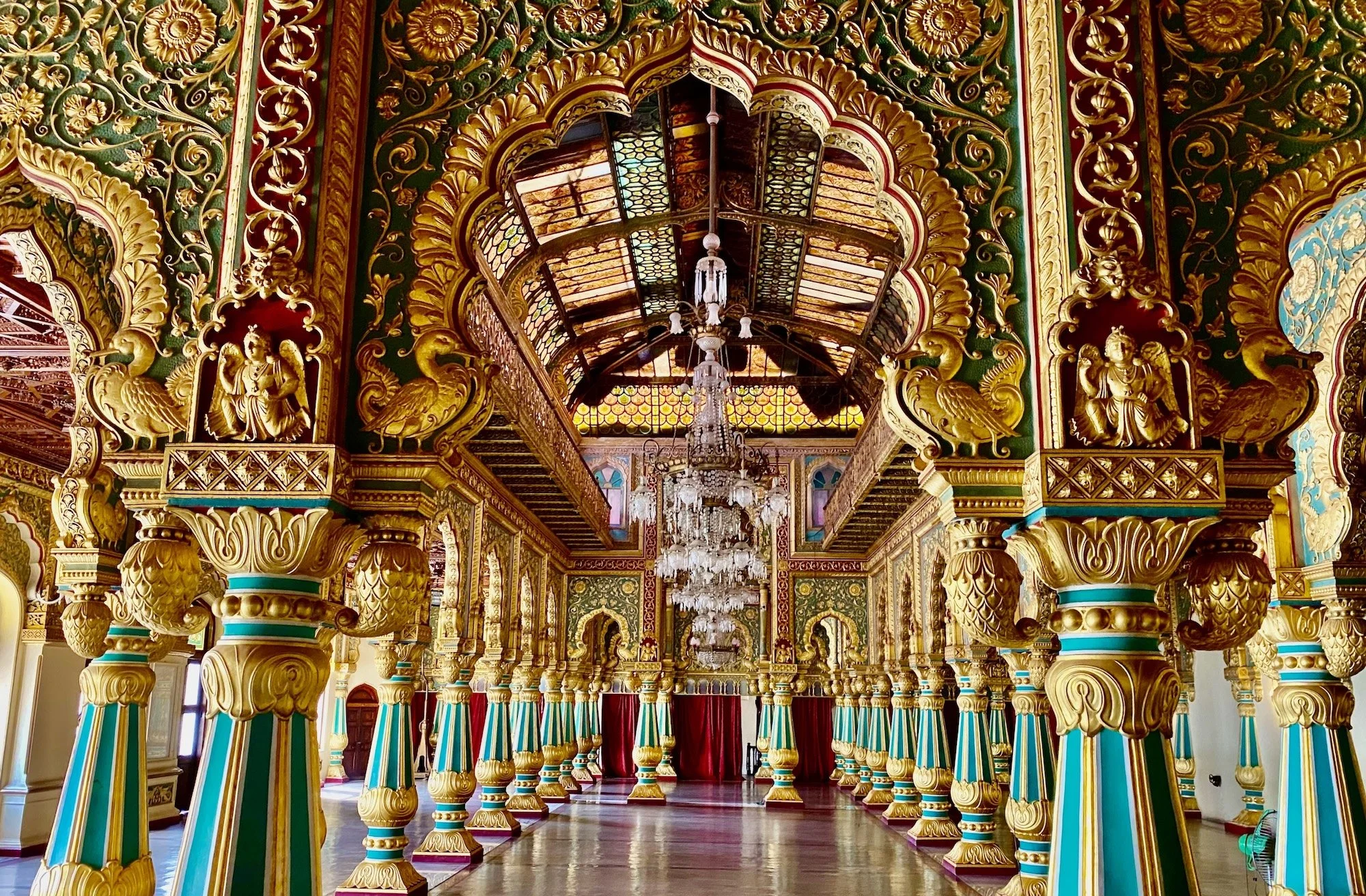
    Mysuru’s identity is closely tied to the fortunes of its ruling Wadiyar dynasty and their palaces, temples and public works, as well as to the silk industry developed under royal and later state patronage. Today we explore both the technical side of silk production and the city’s monumental architecture, beginning with a visit to the Government Silk Factory. Our tour follows the process from cocoon to finished sari, observing stages such as reeling, twisting, dyeing and weaving. Later, we take a walking tour through central Mysuru, passing markets, temples and civic buildings, including the lively Devaraja Market with its stalls of flowers, spices and textiles. Lunch is then enjoyed at a local café, followed by a visit to the Amba Vilas, better known as Mysore Palace. Rebuilt in the early 20th century to designs by British architect Henry Irwin, inside we find opulent halls and pavilions that blend Indo-Saracenic, Islamic and Rajput elements, illustrating how royal patronage incorporated diverse styles. This evening we gather for a farewell dinner to reflect on the journey through South India’s textile landscapes. Overnight Mysuru (B, L, D)

  • Day 19 | Wednesday 20 January
    Depart Bengaluru
    Our tour ends after breakfast this morning. Transfers will be arranged from Mysuru to Bengaluru’s International Airport for homeward or onward flights. (B)

Hotels are subject to change depending on the final number of group participants. The hotels used will be of a similar standard to those listed below, we will inform you of any changes prior to the departure. All hotels are a comfortable 4- and 5-star standard.

Tour Accommodation

  • Chennai, Trident Hotel (1 night)

  • Pondicherry, The Promenade (3 nights)

  • Chennai, Taj Coromandel (2 nights)

  • Pollachi, Coco Lagoon (2 nights)

  • Munnar, Windermere Tea Estate (3 nights)

  • Kumarakan, [Houseboat] (1 night)

  • Kochi, Eighth Bastion (2 nights)

  • Bengaluru, Taj West End (2 nights)

  • Mysuru, Radisson Blu Plaza (2 nights)

tour booking

$12,480 AUD per person, twin share (land content only)
$3,370 AUD supplement for sole use of a hotel room

A $1,000 deposit is required per person to confirm your booking on tour. This deposit is non-refundable.

Hold a Place

Still deciding? We are happy to hold a tentative place for 7 days while you make your final arrangements.

Book Online

To secure your place(s) on tour, book online below with “Athena”, our virtual tour consultant.

Book Online

DOWNLOAD FORM

Download a printable booking form. You can also complete the form on screen and submit via email.

Download Form

your tour consultant

The consultant for this tour is Lucy Yeates. For further information or to discuss the tour, please call 9235 0023 (Sydney) or 1800 639 699 (outside Sydney) or email lucy@academytravel.com.au

have you thought about?

Academy Travel is more than just a tour operator. We are also a full-service travel agency who can assist you with all aspects of your travel, including flights, transfers, pre-tour arrival, additional travel and comprehensive travel insurance.

can’t make this departure?

If these dates don't work for you, register to hear about the next tour.